Author: Tayef

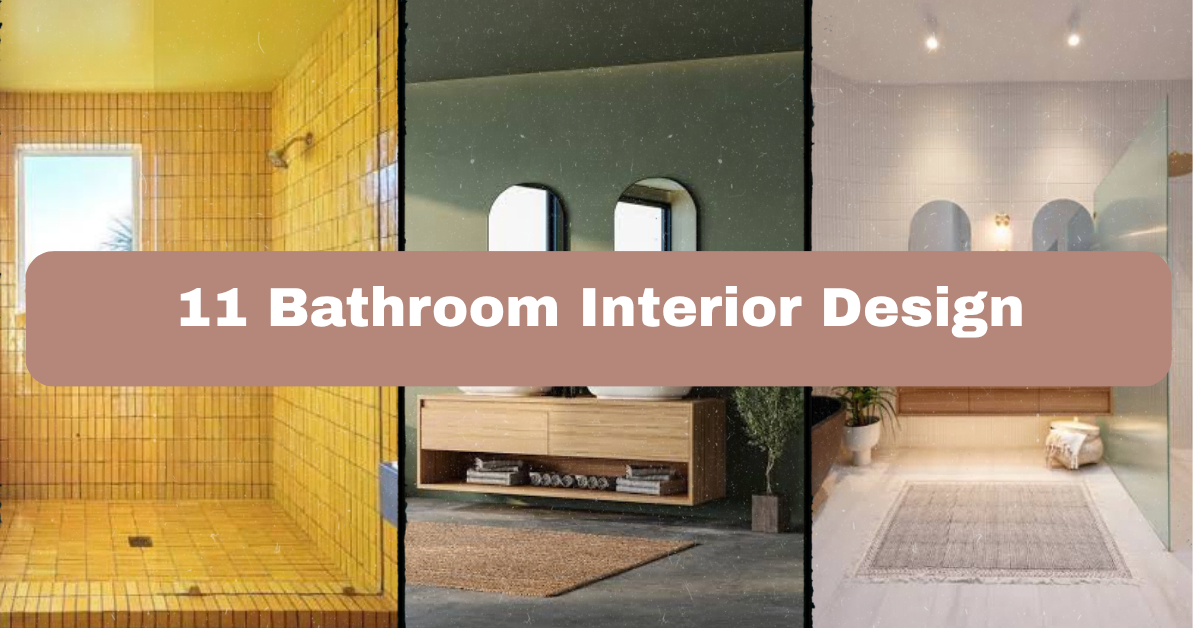
  • 11 Bathroom Interior Design Ideas That Actually Transform Your Space

    11 Bathroom Interior Design Ideas That Actually Transform Your Space

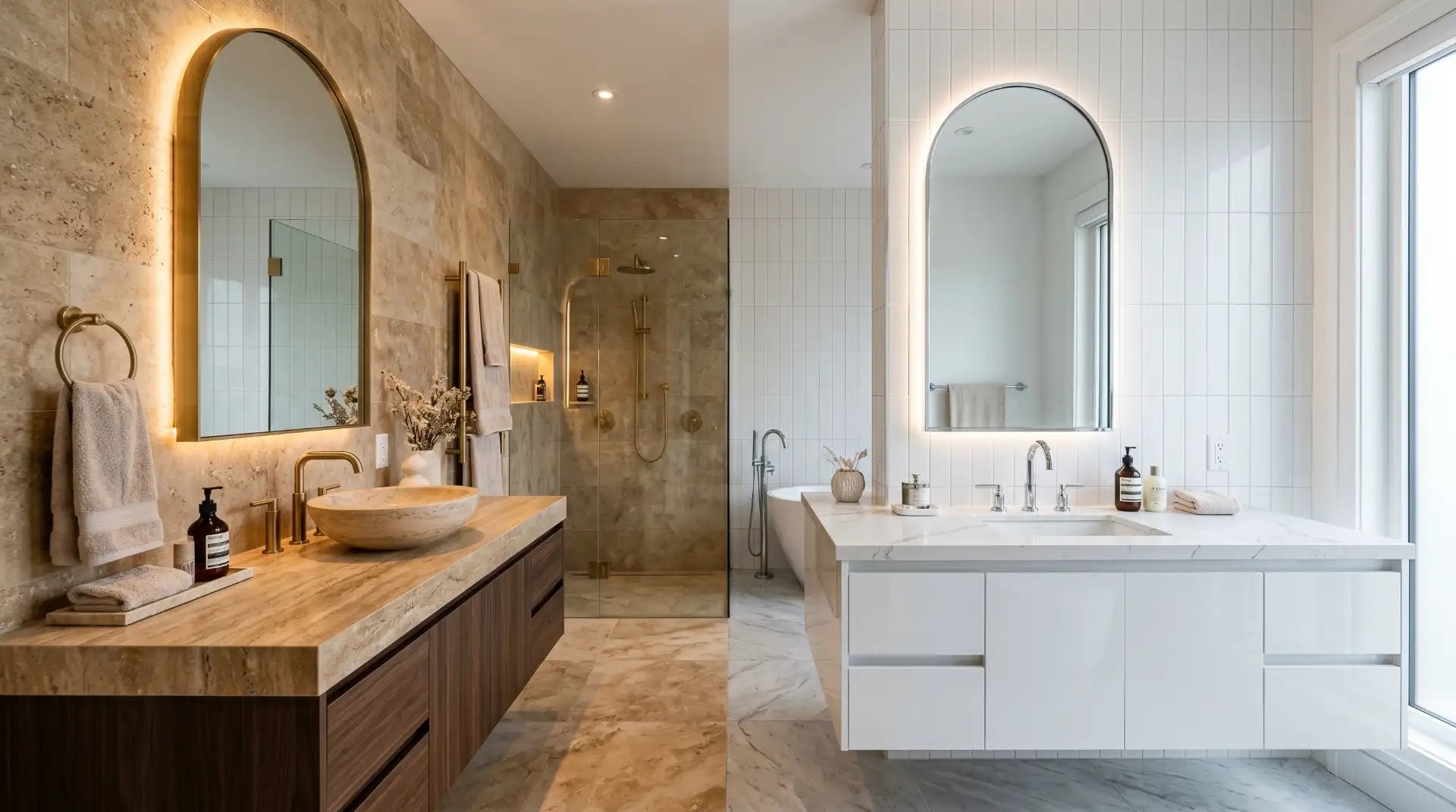
    If you’re hunting for 11 Bathroom Interior Design ideas that go beyond generic advice, you’re in the right spot. I’ve spent way too many hours studying what actually works in real bathrooms, not just showroom photos, and I’m sharing all of it here.

    Bathroom interior design refers to the planning and styling of layout, color, materials, lighting, and fixtures within a bathroom space. The goal is to create a room that is functional, comfortable, and visually cohesive while fitting the space and budget available.

    Stick around, because I’m about to walk you through everything from tiny tweaks to bigger changes. Some of these ideas cost almost nothing. Others are worth saving up for.

    What Makes Bathroom Interior Design Different From Other Rooms

    Bathrooms are weird little rooms. They’re usually small, they deal with tons of moisture, and they need to work hard every single day. Unlike a living room where you can just add a cozy blanket and call it done, bathrooms need materials that survive water, heat, and constant use.

    That’s why bathroom design is its own thing. You’re balancing looks with practicality the whole time. A gorgeous wallpaper means nothing if it peels off after one hot shower. I think that’s what makes this room so fun to design though. You get to solve a puzzle and make it beautiful at the same time.

    1. Pick a Tile Pattern That Draws the Eye Upward

    9 vertical shower tile ideas & stunning accents to draw the eye
    Credit: Cle Tile

    Small bathrooms feel bigger when your eye travels up instead of side to side. Herringbone tile on the floor or a vertical subway pattern on the walls does exactly that. It tricks your brain into thinking the ceiling is higher than it is.

    Stick with one or two colors max so the pattern doesn’t feel busy. White and light gray is a safe combo. Black and white works if you want more drama.

    Practical tip: use vertical tile stacking on just one accent wall behind the vanity if you don’t want to redo the whole room.

    This trick works in modern spaces with clean lines, but it also fits traditional bathrooms if you pick classic subway shapes. Once your tile is sorted, the next thing to think about is what color story ties everything together.

    2. Choose a Calming Color Palette Instead of Chasing Trends

    Bathroom Colour Schemes 2026: Australian Ideas
    Credit: Ross

    Trendy colors come and go fast. A soft, calming palette lasts years and still feels fresh. Think sage green, warm beige, soft blue, or clay tones. These colors work with your skin tone under bathroom lighting too, which matters more than people realize.

    Paint the walls in a muted tone and let your towels or bath mat bring in a pop of color. That way, updating the look later just means swapping textiles, not repainting.

    Bathroom Color Palette Guide

    StyleWall ColorAccent ColorMetal Finish
    CoastalSoft whiteSeafoam greenBrushed nickel
    ModernCharcoal grayWarm whiteMatte black
    TraditionalCreamNavy bluePolished brass
    FarmhouseOff-whiteSage greenOil-rubbed bronze
    MinimalistLight grayNone (monochrome)Chrome

    Pick your palette based on how much natural light your bathroom gets. Dark colors need bright rooms so they don’t feel like a cave. Once color is locked in, lighting becomes the next big piece of the puzzle.

    3. Layer Your Lighting Instead of Relying on One Fixture

    Tips On How To Layer Your Lighting In Your Bathroom
    Credit: New Luxery

    One overhead light makes shadows on your face and flattens the whole room. Layering fixes that. Add a vanity light on each side of the mirror, a ceiling fixture for general light, and maybe a small accent light near art or a shelf.

    Warm white bulbs (around 2700K to 3000K) feel cozier than cool white ones. Cool white is better if you need bright task lighting for makeup or shaving.

    Practical tip: install a dimmer switch so you can shift from bright morning light to soft evening light with one flip.

    Coastal and farmhouse bathrooms look great with brass sconces. Modern spaces do better with sleek LED bars. Good lighting sets the mood, but the mirror you pair it with matters just as much.

    4. Swap Your Basic Mirror for a Statement Piece

    Bathroom mirror ideas: 10 designs to suit any bathroom | Homes and Gardens
    Credit: Homes And Garden

    A plain rectangle mirror does the job, but it doesn’t do much for style. An arched mirror, a round mirror, or one with a wood or brass frame adds personality without taking up floor space.

    Bigger mirrors also bounce more light around, which makes small bathrooms feel more open. If your bathroom is narrow, a tall mirror works better than a wide one.

    Try a mirror with a slight tint or antique-style edges if you want an old-world feel. Clean-edge frameless mirrors suit modern spaces better.

    This is one of the cheapest upgrades that makes the biggest visual difference. Speaking of easy upgrades, your vanity is next on the list.

    5. Upgrade Vanity Hardware for an Instant Facelift

    The Best Ways to Replace Your Bathroom's Hardware | Apartment Therapy
    Credit: Apartment Thearapy

    Sometimes you don’t need a new vanity at all. New knobs and pulls change the whole feel of a piece of furniture. Swap plain builder-grade knobs for brass, matte black, or ceramic pulls.

    This costs maybe fifty dollars and takes an hour with a screwdriver. It’s one of the best value-for-effort changes you can make in any room, honestly.

    Match your hardware finish to your faucet and light fixtures so everything feels intentional instead of random. Traditional and farmhouse styles love aged brass. Modern and minimalist spaces lean toward black or brushed steel.

    Once your vanity looks sharp, storage is the next thing worth tackling.

    6. Add Open Shelving for Storage That Doubles as Decor

    Bathroom Storage Design Ideas: Maximize Your Space with Style
    Credit: Decorilla

    Open shelves next to or above your vanity give you a spot for folded towels, plants, or pretty bottles. They also break up a wall of flat cabinetry.

    Wood shelves warm up a bathroom that’s mostly tile and metal. Floating shelves look more modern than bracket-supported ones.

    Practical tip: keep only a few items on each shelf. Overcrowded shelves look cluttered fast in a small room.

    This works especially well in boho, coastal, and farmhouse bathrooms where a relaxed, lived-in feel is part of the charm. Once storage is sorted, let’s talk about what’s underfoot.

    7. Choose Flooring That Handles Moisture and Looks Good Doing It

    Best Bathroom Flooring Options for Humid Spaces
    Credit: Home Review

    Bathroom flooring needs to survive water splashes daily. Porcelain tile, natural stone, and luxury vinyl plank are the top picks. Real wood almost never works long-term in a bathroom, no matter how nice it looks in photos.

    Flooring Material Comparison

    MaterialWater ResistanceCost per Sq FtBest For
    Porcelain tileExcellent$3 to $10Any style
    Natural stoneGood (needs sealing)$8 to $20Traditional, luxury
    Luxury vinyl plankExcellent$2 to $7Budget renovations
    CorkFair$4 to $8Eco-friendly homes
    Real woodPoor$5 to $15Not recommended

    Heated floors are a nice splurge if your budget allows it. Nothing beats stepping onto warm tile on a cold morning. Once your floor is settled, textiles are the next layer to think through.

    8. Bring in Soft Textures With Towels, Rugs, and Curtains

    20 Bathroom Rug Ideas to Make a Space More Comfortable
    Credit: Better Homes

    Hard surfaces dominate bathrooms: tile, glass, porcelain. Soft textures balance that out. A chunky bath mat, textured towels, and a linen shower curtain add warmth instantly.

    Stick to two or three colors max in your textiles so things feel put together, not mismatched. Neutral towels with one colorful mat is an easy formula that always works.

    Practical tip: fold towels in thirds and stack them on open shelves for a spa-like look instead of just hanging them.

    Coastal bathrooms love waffle-weave cotton in white or blue. Boho spaces do well with fringe details and warm earth tones. After textiles, let’s talk about the wall space you might be ignoring.

    9. Use Wallpaper or Wall Molding on Just One Wall

    7 wonderful small bathroom wall paneling ideas | Real Homes
    Credit: Real Homes

    A full room of wallpaper can feel overwhelming in a small bathroom. Try it on just one wall instead, usually behind the toilet or vanity. Peel-and-stick wallpaper now comes in moisture-resistant options that hold up fine in bathrooms.

    If wallpaper feels risky, wainscoting or picture-frame molding adds texture and interest without any pattern commitment. Paint it a slightly different shade than the rest of the wall for subtle contrast.

    Practical tip: test wallpaper samples in your actual bathroom for a few days before committing. Lighting changes how patterns and colors read.

    Traditional and vintage-style bathrooms shine with floral or botanical wallpaper. Modern spaces do better with geometric prints or plain molding. Now let’s look at greenery, because plants change a bathroom more than people expect.

    10. Add Real or Faux Plants That Can Handle Humidity

    Artificial Bathroom Plants | Faux Plants | Evergreen Direct
    Credit: EverGreen

    Plants make a bathroom feel alive instead of sterile. Not every plant survives bathroom conditions though. Pick ones that like humidity and low light, like pothos, snake plants, or ferns.

    If your bathroom has zero natural light, go faux. Nobody will know unless they touch it, and it saves you from watching a plant die slowly by the sink.

    Practical tip: group two or three plants of different heights near the tub or on a shelf for a fuller look instead of one lonely plant on the counter.

    This idea fits basically every style. Boho bathrooms go heavy on plants. Modern spaces might use just one sculptural plant as a design statement.

    11. Install a Statement Faucet or Showerhead

    Modern Bathrooms - Ideas for Your Bathroom Design
    Credit: Hansgrohe

    Your faucet gets touched every single day, so why not make it something nice to look at and use? A matte black faucet, a brass gooseneck style, or a rainfall showerhead upgrades the whole feel of the room.

    This is a smaller purchase than a full vanity or tile job but it changes how the bathroom feels immediately. Match the finish to your hardware and lighting for a cohesive look.

    Practical tip: if you’re renting, look for faucets that don’t require permanent plumbing changes so you can swap the old one back before moving out.

    Traditional bathrooms lean toward brass and bronze fixtures. Modern and minimalist spaces usually go matte black or chrome. Speaking of finishing touches, don’t skip the small details either.

    12. Don’t Forget Scent and Sound as Part of the Design

    10 Master Bathroom Design Ideas for a Spa-Worthy Bathroom
    Credit: Decorrila

    Design isn’t just visual. A nice candle, a nontoxic diffuser, or even a small speaker for music changes how a bathroom feels to actually use. This is the detail most people skip, but it’s the one that makes guests say “wow” without knowing exactly why.

    Pick scents that aren’t overpowering. Something light like eucalyptus or citrus feels fresh instead of heavy in a small, enclosed space.

    Practical tip: keep a small tray near the tub for a candle and a book so the space feels like a mini retreat, not just a functional room.

    This idea works in literally any style bathroom because it’s about feeling, not furniture. Now that we’ve covered the big ideas, let’s talk about how to actually pull this off successfully.

    Tips for Success

    • Start with the biggest, most expensive item first (tile or vanity) and build your color scheme around it, not the other way around.
    • Always buy an extra box of tile in case of future repairs. Matching discontinued tile later is a nightmare.
    • Test paint colors in the actual bathroom lighting, both day and night, before committing to a full wall.
    • Keep ventilation in mind. A pretty bathroom with mold problems isn’t a win.
    • Measure twice before buying any vanity or mirror. Bathroom spaces are tight and mistakes are costly.
    • Choose one “statement” element per bathroom, whether that’s wallpaper, tile, or a fixture. Too many statements compete with each other.
    • Leave room in your budget for hardware and lighting. These small items add up fast but make a huge visual impact.

    Common Mistakes and How to Avoid Them

    Choosing trendy tile without thinking long-term
    : Trends fade, but tile is expensive to replace. Pick patterns and colors you’ll still like in ten years, and save trendy touches for cheaper items like towels or art.

    Ignoring proper ventilation
    : Even the best design fails if moisture gets trapped. Install or upgrade your exhaust fan before focusing on looks.

    Overcrowding a small space with too much decor
    : Small bathrooms need breathing room. Stick to a few well-chosen pieces instead of filling every surface.

    Mismatched metal finishes
    : Random gold, chrome, and black fixtures together look chaotic. Pick one or two finishes and stay consistent throughout the room.

    Skipping a lighting plan
    : Relying on one overhead bulb creates harsh shadows. Layer at least two light sources for a balanced glow.

    Forgetting about storage before decorating
    : A beautiful bathroom with no place to put toiletries turns messy fast. Plan storage first, decor second.

    Similar Variations

    • Spa-Inspired Bathroom – Focuses on soft lighting, natural materials, and a calm, minimal color palette for a retreat-like feel.
    • Coastal Bathroom – Light woods, white and blue tones, and natural textures inspired by beach houses.
    • Industrial Bathroom – Exposed pipes, concrete-look tile, and black metal fixtures for an edgy, urban feel.
    • Vintage Bathroom – Clawfoot tubs, patterned tile, and antique-style fixtures that nod to older design eras.
    • Minimalist Bathroom – Clean lines, hidden storage, and a strict, limited color palette with almost no clutter.
    • Farmhouse Bathroom – Shiplap walls, warm wood tones, and vintage-inspired hardware for a cozy, rustic look.

    At the end of the day, good bathroom design isn’t about copying a magazine photo. It’s about picking a few ideas that fit your space, your budget, and how you actually live. Small changes like hardware and lighting add up just as much as big ones like tile and vanities.

    I hope this list gave you a clearer picture of where to start, whether you’re doing a full renovation or just swapping a few small things this weekend. Any of these 11 Bathroom Interior Design ideas can help turn a boring, builder-grade bathroom into a space you actually enjoy spending time in.
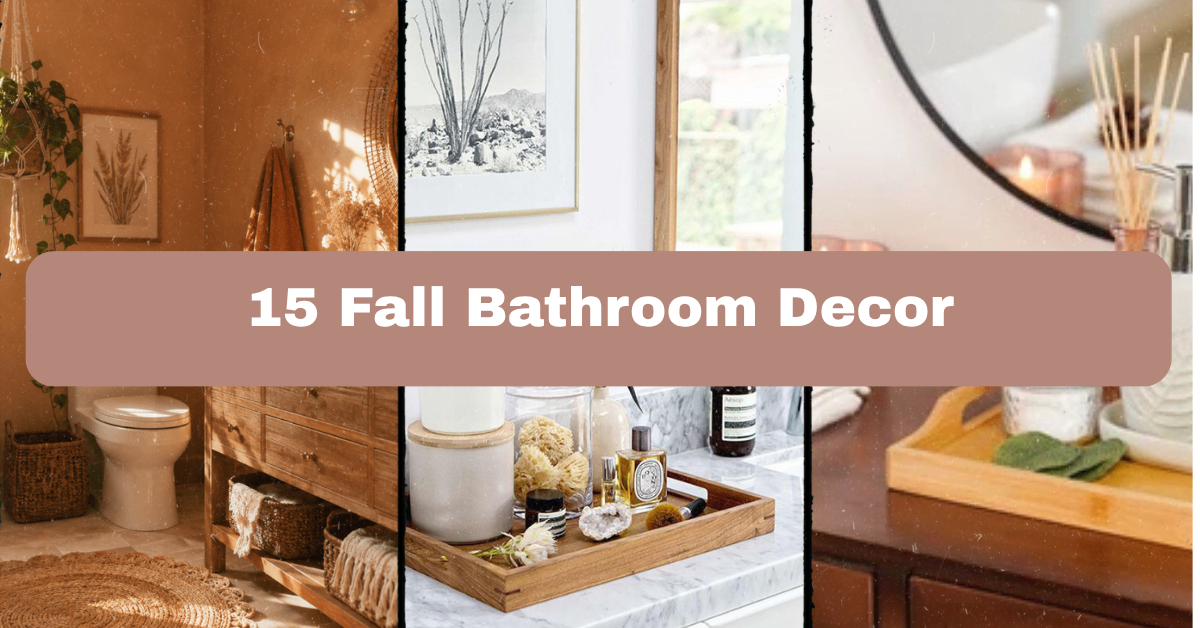
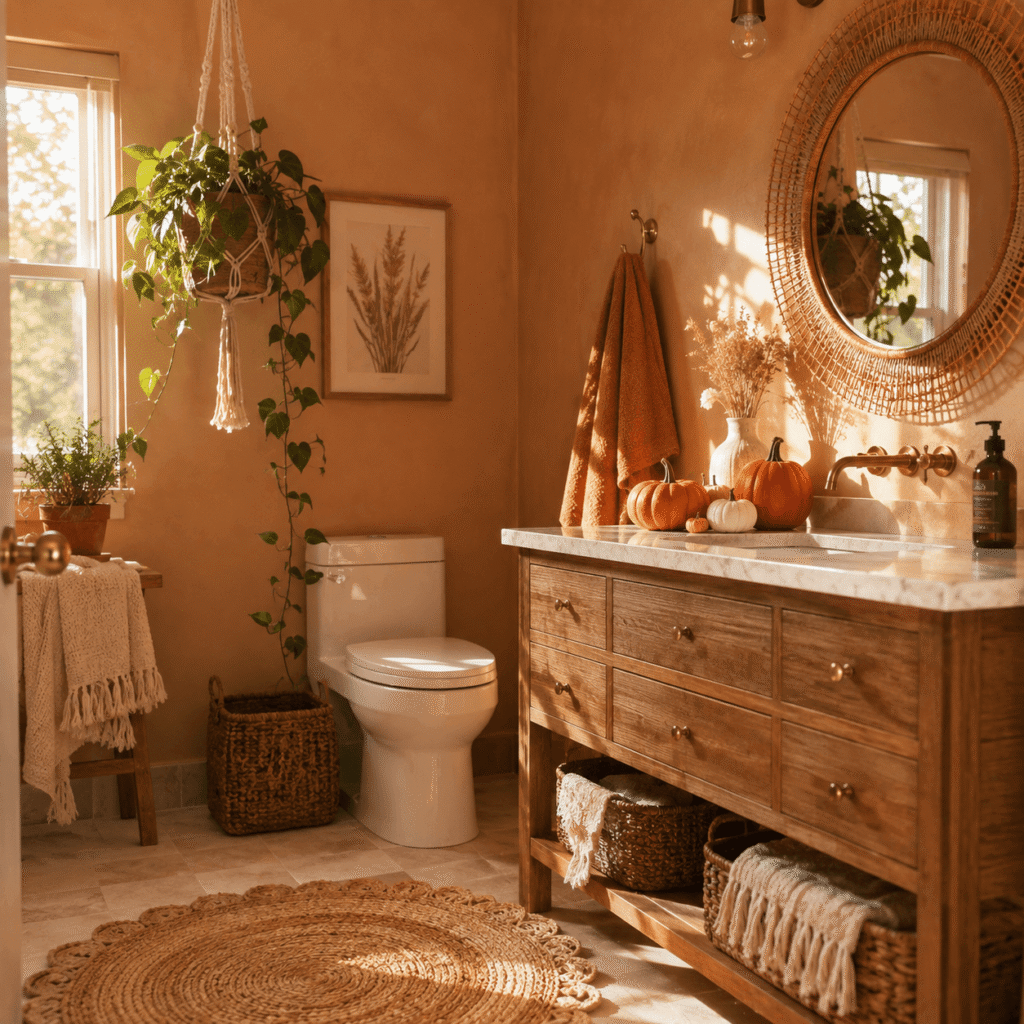
  • 15 Fall Bathroom Decor Ideas That Turn Your Space Into a Cozy Retreat

    15 Fall Bathroom Decor Ideas That Turn Your Space Into a Cozy Retreat

    I’m going to walk you through 15 fall bathroom decor ideas that actually work, not just pretty pictures that look nice on Pinterest but fall apart in real life. If you’ve ever stood in your bathroom wondering why it still feels like summer when there’s a chill in the air outside, you’re in the right place.

    Fall bathroom decor refers to the seasonal update of colors, textures, and accessories in a bathroom to reflect autumn’s warmth. This typically includes swapping in deeper hues like rust, olive, or cinnamon, adding textured fabrics such as wool or knit, and layering in natural elements like dried florals or wood accents.

    Stick around, because I’m about to show you exactly how to make your bathroom feel like a warm hug the second you walk in, without spending a fortune or redoing the whole room.

    What Makes Fall Bathroom Decor Different

    Fall decor isn’t about pumpkins on every surface. It’s about warmth. Think deeper colors, softer textures, and a general coziness that makes you want to linger a little longer during your morning routine.

    I think of it like swapping your wardrobe for the season. You don’t throw out everything you own. You just add a few key pieces that shift the whole vibe. Same thing applies here. A few swapped towels, a new candle, maybe a rug. That’s honestly enough to make your bathroom feel like it belongs in autumn instead of stuck in July.

    Now let’s get into the actual ideas.

    1. Swap in Rust and Terracotta Colored Towels

    Best Fall Bathroom Decor Ideas on a Budget 2026
    Credit: Curb To Corner

    Towels are the easiest fall bathroom decor upgrade there is. You don’t need to paint walls or buy new furniture. Just grab a few towels in rust, terracotta, or burnt orange and hang them where they’ll actually be seen.

    Fold them into thirds and drape them over your towel bar so the color pops right away. This tiny change instantly warms up a space that felt cold or clinical before.

    Practical tip: buy one set of hand towels and one bath mat in the same tone before committing to a full towel set. It’s cheaper and lets you test the color in your lighting first.

    This works in modern bathrooms with clean lines just as well as farmhouse or traditional spaces. The color does the heavy lifting either way.

    Next, let’s talk about what goes on your counter, because that space matters more than people think.

    2. Style Your Counter With a Wooden Tray

    17 Bathrooms Tray Ideas for a Tidier Bathroom
    Credit: The Spruce

    A wooden tray on your bathroom counter instantly makes things feel more collected and less scattered. Group your soap dispenser, a small candle, and maybe a tiny vase of dried stems on top of it.

    Choose a tray in a warm wood tone like walnut or oak rather than a cool gray-washed finish. Warm wood reads as autumn. Cool wood reads as nothing in particular.

    Practical tip: keep the tray to three or four items max. More than that looks cluttered instead of styled.

    In coastal bathrooms, swap the wood for a light bleached tray with a single dried eucalyptus stem. In traditional spaces, a dark wood tray with brass details fits right in.

    Once your counter looks pulled together, it’s time to think about scent, because fall bathroom decor isn’t just visual.

    3. Light a Layered Candle Scent

    Scentscaping: How To Layer Fragrances | Nestasia
    Credit: Netsia

    Scent sets mood faster than almost anything else. A candle in cinnamon, clove, or spiced apple does more for “fall vibes” in thirty seconds than an hour of shopping.

    Place it somewhere safe, away from towels or curtains, ideally on that wooden tray we just talked about or on a windowsill.

    Practical tip: buy candles in glass jars with lids so you can snuff them out safely and reuse the jars later for cotton balls or bath salts.

    Modern bathrooms tend to look better with minimalist matte black or white candle vessels. Traditional or farmhouse spaces can handle more rustic, amber glass jars.

    Speaking of things that add warmth without taking up counter space, let’s move to the walls.

    4. Hang a Small Piece of Autumn-Toned Art

    Fall In Love With Your Fall Bathroom: 50 Cozy Makeover Ideas - Edward George
    Credit: Edward

    A small framed print in warm tones does wonders in a bathroom, especially if the walls are currently bare or stuck in a cooler color palette. Think abstract art in rust, mustard, or deep green, or even a simple botanical print of dried leaves.

    Keep the frame simple. A thin black or wood frame won’t compete with the art itself.

    Practical tip: hang art at eye level, roughly 57 to 60 inches from the floor to the center of the piece, so it feels intentional rather than randomly placed.

    Coastal bathrooms can lean into warm-toned botanical prints of grasses or wheat. Modern bathrooms do well with abstract geometric shapes in the same fall palette.

    Now that your walls have some personality, let’s talk about the floor.

    5. Add a Chunky Knit Bath Mat

    Bouclé knit bath mat 50 x 80 cm | Simons Maison | Bath Mats & Bath Rugs | Bathroom  Accessories | Simons
    Credit: Simons

    A chunky knit or woven bath mat changes the whole feel of stepping out of a shower or bath. Where a thin cotton mat feels utilitarian, a thick knit one feels like a cozy sweater under your feet.

    Choose a neutral base color like oatmeal or cream if you want it to last beyond fall, or go bold with a deep olive or burnt orange if you’re fully committing to the season.

    Practical tip: look for mats that are machine washable. Chunky knits can be a pain to hand wash and they need frequent cleaning in a bathroom.

    Farmhouse and traditional bathrooms almost always benefit from this texture. Modern bathrooms can use it too, just choose a more geometric knit pattern instead of a classic braided style.

    With your floor sorted, let’s zoom in on something small but mighty: the soap dispenser.

    6. Upgrade to an Amber or Smoked Glass Soap Dispenser

    Glass Soap Dispenser Set, 2-Pack Bathroom Hand Soap Dispenser with Bamboo  Tray, Modern Refillable Soap Lotion Dispenser Set for Kitchen and Bathroom,  Kitchen Dish Soap Dispenser (Brown)
    Credit: Kixat

    Small details matter a lot in a bathroom because there’s not much square footage to work with. An amber or smoked glass soap dispenser instantly looks more expensive and more seasonal than a plastic pump bottle.

    Refill it with a foaming hand soap in a warm scent like sandalwood or fig to tie the visual and the sensory experience together.

    Practical tip: buy a funnel specifically for refilling dispensers. It sounds minor but it saves you from spilling soap everywhere every single time.

    This idea works across almost every style because glass is a neutral material. Just match the metal accents (if any) to your existing fixtures.

    Now let’s talk about something people forget: the shower curtain.
    7. Choose a Textured or Patterned Shower Curtain

    Wholesale Vintage-Style Glass Soap Dispenser PURE SOAP Design 18 fl oz for  your store - Faire
    Credit: Faire

    Your shower curtain covers a huge visual area of your bathroom, so changing it seasonally makes a bigger impact than almost anything else on this list. Look for waffle-weave textures, plaid patterns, or a deep solid color like forest green or espresso brown.

    Pair it with matching or complementary shower curtain rings in a warm metal finish like brass or bronze.
    Practical tip: measure your shower rod width before buying. Standard curtains are 72 by 72 inches, but if your tub is longer, you’ll need an extra-wide option.

    Shower Curtain Fabric Comparison

    Fabric TypeFall SuitabilityDurabilityAverage Price Range
    Cotton waffle weaveHigh (textured, cozy look)Medium, needs regular washing$25-$45
    Linen blendHigh (natural, warm feel)Medium-high$35-$60
    PolyesterLow (feels more generic)High, resists mold well$15-$30
    VelvetVery high (luxurious, seasonal)Low, hard to keep dry-clean fresh$50-$90

    This detail transforms coastal bathrooms into something warmer just by swapping a breezy linen curtain for a heavier waffle weave. Traditional bathrooms shine with plaid or tartan patterns.

    Once your curtain sets the tone, let’s bring in something living, or at least something that looks like it.

    8. Display Dried Florals in a Simple Vase

    Decorating with dried flowers: 12 pretty arrangements | Homes and Gardens
    Credit: Homes And Garden

    Fresh flowers don’t last, and let’s be honest, most of us forget to change the water anyway. Dried florals like pampas grass, wheat stems, or dried eucalyptus solve that problem completely while still adding that organic, seasonal touch.

    Place them in a simple ceramic or glass vase on your counter, windowsill, or on top of the toilet tank if space is tight.

    Practical tip: dried florals can be delicate. Keep them away from direct water splash zones near the sink or shower.

    Modern bathrooms look great with a single dramatic stem in a sculptural vase. Farmhouse bathrooms can handle a fuller, wilder bunch in a stoneware pitcher.

    Now let’s talk about something that goes on the walls but isn’t art: mirrors.

    9. Frame Your Mirror in Warm Wood or Brass

    How to Frame a Bathroom Mirror — Simple DIY You'll Love
    Credit: Led Miror

    If your bathroom mirror is currently just a plain sheet of glass, framing it (or replacing it with a framed version) adds instant warmth. Wood frames in walnut or oak tones, or metal frames in brass or aged gold, both work beautifully for fall.

    This is a slightly bigger investment than some other ideas here, but it has long-term payoff since mirrors don’t need to be swapped every season.

    Practical tip: measure your existing mirror before shopping. Framed mirror kits often come in standard sizes, so check compatibility first.

    Coastal bathrooms look great with a whitewashed wood frame. Traditional bathrooms are elevated instantly with an ornate brass frame.

    Next, let’s cover something people often overlook: the toilet paper storage.

    10. Store Extra Toilet Paper in a Woven Basket

    15 Toilet Paper Storage Ideas to Jazz Up Your Bathroom
    Credit: the spruce

    A woven basket holding extra rolls of toilet paper does double duty. It’s functional storage, and it’s also a texture-rich decor piece that fits the fall aesthetic perfectly.

    Choose a basket in natural rattan, seagrass, or a darker woven wicker depending on your existing color scheme.

    Practical tip: measure the basket depth before buying so it actually fits under your sink or in your corner space without looking cramped.

    This idea is nearly universal. Coastal, farmhouse, traditional, and even modern bathrooms (if you choose a more geometric weave) can pull this off without any clashing.

    Let’s move from storage to something you interact with daily: your hand towel ring or hook.

    11. Switch to Warm Metal Hardware Finishes

    Mixing Metals in a Bathroom: The Rule-Breaking Trend We Love
    Credit: Standard Lamber

    Hardware finishes like faucets, towel rings, and cabinet knobs make a bigger difference than most people realize. Cool chrome or stainless steel can feel sterile in fall. Switching to brushed brass, oil-rubbed bronze, or matte black warms things up instantly.

    You don’t need to replace your actual faucet if that’s too big a project. Start smaller with towel rings, hooks, and cabinet pulls.

    Practical tip: stick to one finish family throughout the room. Mixing brass and bronze and black all together usually looks messy rather than intentional.

    Modern bathrooms lean toward matte black. Traditional and farmhouse styles look right with brass or oil-rubbed bronze.

    Now that the hardware is warmed up, let’s add some seasonal scent storage too.

    12. Add a Small Basket of Pinecones or Cinnamon Sticks

    Tantalizing DIY Cinnamon Pine Cones
    Credit: Wellness Decor

    This is one of the cheapest ideas on this entire list. A small bowl or basket filled with pinecones, dried orange slices, or cinnamon sticks adds a rustic, seasonal touch and can even release a light natural scent over time.

    Place it on your counter, on the back of the toilet, or on a shelf if you have one.

    Practical tip: if using real cinnamon sticks, refresh them every few weeks since the scent fades. A drop of cinnamon essential oil on old sticks can revive it.

    Farmhouse and rustic bathrooms are the most natural fit here. Modern bathrooms can pull it off with a sleek black bowl instead of a woven basket.

    Let’s talk next about something that’s easy to forget: the trash can.

    13. Choose a Trash Can in a Coordinating Fall Tone

    12+ Stylish Bathroom Trash Can Ideas - Our Bright Days
    Credit: Our Bright Days

    Most bathroom trash cans are an afterthought, usually whatever plain white or silver bin was cheapest at the store. Swapping it for one in a warm tone, like matte black, deep brown, or even a woven exterior, ties the whole room together.

    Practical tip: measure your existing trash can’s height and width before shopping so the replacement fits the same footprint under your counter or beside your toilet.

    Fall Bathroom Decor Budget Tiers

    Budget TierWhat You Can UpdateApproximate Total Cost
    Low ($20-$50)Towels, candle, dried florals$20-$50
    Mid ($50-$150)Add bath mat, soap dispenser, trash can$50-$150
    High ($150-$400)Add shower curtain, hardware swaps, framed mirror$150-$400
    Full Refresh ($400+)All of the above plus new light fixtures or paint$400+

    This detail works across all styles since trash cans are functional first. Just match the material and tone to your other fall swaps.

    Now let’s cover a bigger swap that some people skip: window treatments.

    14. Add a Warm-Toned Window Curtain or Shade

    46 Bathroom Window Treatments for Every Style and Space
    Credit: Better And Homes

    If your bathroom has a window, the treatment on it matters more than you’d think. A sheer white curtain feels light and summery. Swapping to a warmer linen or a deeper solid tone shifts the whole feel of the room toward fall.

    Practical tip: choose moisture-resistant fabric blends specifically made for bathrooms, since regular curtain fabric can develop mildew in humid spaces.

    Coastal bathrooms can use a warm linen in a soft caramel tone. Traditional bathrooms can go bolder with a deep plaid or paisley pattern.

    Finally, let’s finish with the detail that ties everything together.

    15. Layer in a Seasonal Hand Towel Rotation

    5 Stylish Hand & Face Towel Trends in 2026 to Refresh Your Bathroom Decor |  Blog | Livspace Home
    Credit: Livspace Room

    Instead of buying one new set of towels, keep two or three hand towels in different fall tones and rotate them weekly. This keeps things feeling fresh and gives you flexibility if guests are coming over and you want a specific look.

    Practical tip: store the rotation set in the woven basket idea from earlier, so it’s both storage and decor.

    This works in literally every bathroom style because towels are inherently swappable and low commitment.

    Tips for Success

    • Start with textiles before furniture. Towels, curtains, and mats are cheap and reversible if you don’t love the look.
    • Stick to a three-color max palette so the room doesn’t feel chaotic.
    • Test candle scents in the actual bathroom space before buying multiples, since small rooms trap scent differently than open areas.
    • Shop end-of-season sales in early winter for next year’s fall decor at a discount.
    • Keep humidity in mind. Dried florals and wicker baskets can mold in poorly ventilated bathrooms.
    • Photograph your bathroom in different lighting (morning and evening) before committing to a color, since bathroom lighting shifts colors more than other rooms.
    • Don’t forget vertical space. Shelves above the toilet or beside the mirror are prime real estate for small seasonal touches.

    Common Mistakes and How to Avoid Them

    Overdoing the pumpkin theme
    : Skip literal pumpkin decor in a bathroom. It reads more like a kids’ craft project than sophisticated decor. Stick to color and texture instead.

    Mixing too many metal finishes
    : Pick one warm metal tone (brass, bronze, or black) and stay consistent across hardware, mirror frames, and accessories.

    Ignoring ventilation with natural materials
    : Wicker, dried florals, and wood absorb moisture. Make sure your bathroom fan works well or these pieces will mold faster than expected.

    Choosing dark colors in a windowless bathroom
    : Deep tones can make a small, dark bathroom feel like a cave. Balance dark accents with a lighter wall or counter base.

    Forgetting to test candle safety
    : Never leave a lit candle unattended near towels or curtains. Choose flameless LED versions if your bathroom is tight on space.

    Buying decor before measuring
    : Always measure shower rods, mirror frames, and basket spaces before purchasing to avoid returns.

    Similar Variations

    • Cozy Cabin Bathroom: Leans heavier into plaid patterns, dark wood, and wool textures for a mountain lodge feel.
    • Coastal Autumn Bathroom: Keeps light, breezy coastal colors but adds warm accents like rope details and driftwood.
    • Modern Farmhouse Fall Bathroom: Combines clean white surfaces with warm wood accents and black hardware.
    • Boho Fall Bathroom: Focuses on layered textures, macrame, and warm earthy tones like clay and rust.
    • Traditional Autumn Bathroom: Uses richer jewel tones like deep burgundy or forest green paired with brass fixtures.
    • Minimalist Fall Bathroom: Sticks to two or three colors max, focusing on one statement piece like a single dried floral arrangement.

    Fall bathroom decor doesn’t have to mean a total renovation or a big budget. Small, thoughtful swaps in color, texture, and scent can completely change how your bathroom feels every morning. I hope this list of 15 fall bathroom decor ideas gave you a clear, doable plan to bring some warmth into one of the most overlooked rooms in your home.

  • 14 Modern Bathroom Ideas

    14 Modern Bathroom Ideas

    If you’re hunting for 14 Modern Bathroom Ideas that actually work in real homes (not just fancy showrooms), you’ve landed in the right spot. I’ve spent way too many hours scrolling design sites and talking to contractors, and I’m pulling all that knowledge together for you right here.

    A modern bathroom is a space designed with clean lines, minimal clutter, and a focus on function paired with sleek visual style. It typically features neutral color palettes, matte or brushed metal fixtures, floating vanities, and simple geometric shapes throughout.

    Stick with me, because I’m about to show you exactly how to pull this look off, room by room, detail by detail.

    What Makes a Bathroom Feel “Modern” Anyway?

    So here’s the thing about modern style. It’s not cold or boring like people sometimes think. It’s actually about being intentional with every single choice. You pick fixtures that look good AND work well. You choose colors that calm you down instead of overwhelming you. Think fewer knick-knacks, more open space. Think straight lines instead of fussy curves. The modern bathroom trend leans on materials like matte black, brushed nickel, natural wood, and stone. It’s minimalist but never feels empty. Every item earns its spot. That’s really the whole philosophy in a nutshell, and once you get it, picking pieces for your own space gets a lot easier.

    1. Install a Floating Vanity for Visual Lightness

    How to Install Modern Floating Bathroom Vanities Correctly – Modland
    Credit: Mod Land

    Floating vanities are basically wall-mounted cabinets that don’t touch the floor. This creates a gap underneath, which makes your whole bathroom feel bigger and airier. I love this trick because small bathrooms especially benefit from that extra visual breathing room.

    Go with a vanity in matte white, warm oak, or deep charcoal depending on your color scheme. Pair it with a simple rectangular sink and a single-handle faucet for that streamlined look.

    Practical tip: measure your wall studs before installation since floating vanities need solid backing to hold weight safely.

    This idea works beautifully in modern, Scandinavian, and even minimalist coastal bathrooms. Next up, let’s talk about what goes above that vanity.

    2. Choose a Frameless Mirror Over a Bulky Framed One

    Frameless Bathroom Mirrors: Pros, Cons & Ideas
    Credit: Ross

    Frameless mirrors are exactly what they sound like. No border, no fuss, just clean glass edges. They pair perfectly with floating vanities because both share that same “less is more” energy.

    You can go with a simple rectangle, or get a little playful with a rounded or pill-shaped mirror instead. Either way, skip anything ornate or gold-framed if you’re going for a true modern vibe.

    Here’s a tip: choose a mirror with built-in LED backlighting. It adds soft ambient light and looks incredibly high-end without a huge price tag.

    This works across styles too. Traditional bathrooms can use frameless mirrors with beveled edges, while coastal spaces might pick a driftwood-toned frame instead. Speaking of lighting, let’s dig into that next.

    3. Layer Your Lighting Instead of Relying on One Fixture

    40+ Bathroom Lighting Ideas: Expert Guide for Stylish & Functional Bathroom  Illumination | Nero Tapware
    Credit: Nero Tapware

    A single overhead light makes bathrooms feel flat and harsh. Layered lighting means combining ceiling lights, vanity sconces, and maybe even a small accent light near your tub or shower.

    I always tell people to think in three layers: ambient (general room light), task (bright light for grooming), and accent (mood lighting). This combo makes your morning routine easier and your evening soak more relaxing.

    Practical tip: install dimmer switches so you can adjust brightness depending on the time of day.

    Modern homes tend to favor sleek black or brass sconces, while farmhouse bathrooms might use exposed bulb fixtures for the same layered effect. Now that your lighting’s sorted, let’s talk about color.

    Color Palette Combinations for Modern Bathrooms

    Palette NameWall ColorFixture FinishAccent Color
    Warm MinimalistSoft WhiteBrushed GoldTerracotta
    Cool IndustrialLight GrayMatte BlackCharcoal
    Coastal CalmOff-WhiteBrushed NickelSage Green
    Moody ModernDeep CharcoalMatte BlackWarm Wood
    Scandinavian SoftCreamChromeBlush Pink

    4. Pick a Statement Tile for the Shower Wall

    A Guide to Statement Bathroom Tiles: Transform Your Space with Bold Designs  | The Brighton Bathroom Company
    Credit: The Brighton

    One bold tile choice can transform an entire bathroom without you having to change anything else. I’m talking large-format tiles, subtle marble veining, or a fun geometric pattern on just one wall.

    Keep the rest of your tile simple, like a plain white or gray, so the statement wall really pops. This trick keeps costs down too since you’re only splurging on a small section instead of the whole room.

    Practical tip: request tile samples and hold them up in your actual bathroom lighting before committing. Store lighting can trick your eyes.

    Modern spaces love large marble-look porcelain, while boho bathrooms might choose hand-painted Moroccan-style tiles for the same “statement wall” effect. Let’s move from walls to floors next.

    5. Go With Large-Format Floor Tiles to Reduce Grout Lines

    Extra Large Bathroom Tiles: Ideas, Layouts & Tips | Stone Tile Company
    Credit: Stone Tile Company

    Small tiles mean lots of grout lines, and grout lines mean visual clutter (plus more cleaning). Large-format tiles, usually 24 inches or bigger, create a smoother, more expansive look on your bathroom floor.

    Stick with light gray, warm beige, or soft white for that airy modern feel. If you want something bolder, a deep charcoal floor can look incredibly sleek too.

    Practical tip: hire a professional installer for large tiles since they require a perfectly level subfloor to avoid cracking.

    This works in almost any style. Traditional homes might choose large limestone-look tiles, while modern spaces often go with polished concrete-look porcelain. Now let’s talk storage, because every bathroom needs it.

    6. Add Recessed Niches Instead of Bulky Shelving

    Beautiful Bathroom Niche Design Ideas Curated for Every Bathroom Space
    Credit: Interior Company

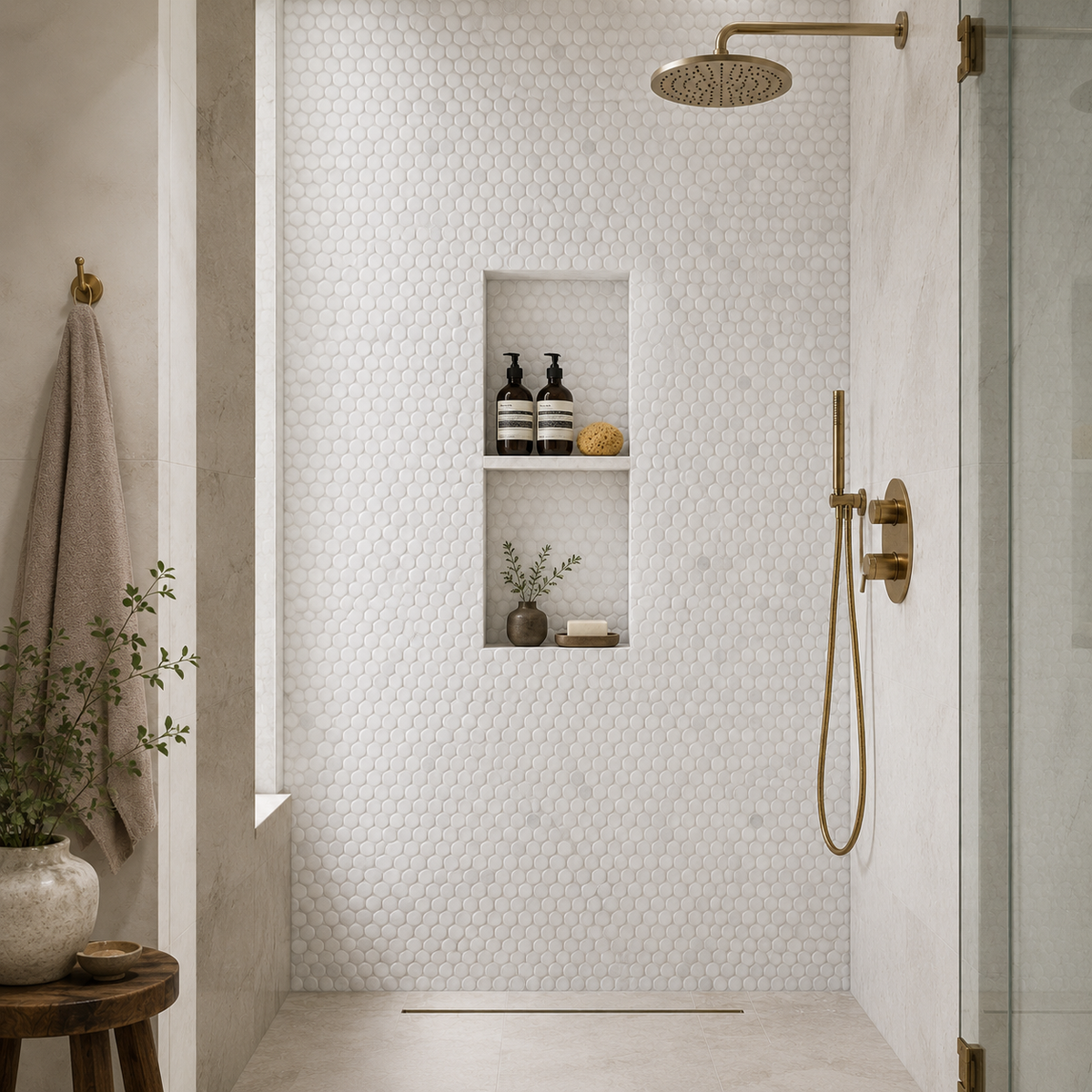
    Recessed niches are built right into your shower wall, creating a clean spot for shampoo bottles and soap without any shelf sticking out. They keep your shower looking streamlined and clutter-free.

    I recommend lining the niche with a contrasting tile, like a small mosaic, to add subtle visual interest without overdoing it.

    Practical tip: plan niches during the framing stage of a remodel. Retrofitting them later is way more expensive and complicated.

    Modern bathrooms use sleek rectangular niches, while Mediterranean-style spaces might curve the niche edges for a softer look. Storage doesn’t stop in the shower though, so let’s head to the vanity area next.

    7. Use Drawer Organizers to Keep Countertops Bare

    15 Smart Bathroom Storage Ideas for Modern Living
    Credit: The Organic

    A completely bare countertop is basically the trademark of a modern bathroom. The trick isn’t owning less stuff. It’s storing that stuff smarter. Drawer organizers with little compartments keep your toothbrush, makeup, and hair tools tucked away but still easy to grab.

    I personally love acrylic organizers because you can see everything inside at a glance.

    Practical tip: measure your drawer depth before buying organizers so you’re not stuck with wasted space or a lid that won’t close.

    This idea fits every style honestly. Even a cozy traditional bathroom looks better with a clear countertop and hidden storage underneath.

    8. Install a Wall-Mounted Toilet for a Sleek Finish

    The Complete Guide to Installing Wall Hung Toilets: Elevate Your Bathroom  Experience
    Credit: The Crysal

    Wall-mounted toilets hang on the wall with the tank hidden inside it. This leaves the floor completely clear underneath, which makes cleaning way easier and gives the whole room a sleeker, more minimal look.

    They cost more upfront than standard toilets, but a lot of homeowners say the design payoff is worth it.

    Practical tip: budget extra for the in-wall tank installation since it needs to be done during a full renovation, not as a quick swap.

    This works especially well in small modern bathrooms where every inch of floor space matters. Traditional and farmhouse bathrooms typically stick with standard floor-mounted toilets instead. Speaking of small spaces, let’s talk about a trick for tiny bathrooms next.

    9. Use a Curbless Shower to Make Small Bathrooms Feel Bigger

    6 Inviting New Bathrooms With a Curbless Shower
    Credit: Houzz

    A curbless shower has no raised lip at the entrance. The floor flows straight from the bathroom into the shower area, creating one continuous surface. This makes even a tiny bathroom feel more open and spacious.

    It’s also a smart choice if you’re planning to age in place, since there’s no step to trip over.

    Practical tip: make sure your contractor installs a slightly sloped floor toward the drain so water doesn’t pool outside the shower area.

    Modern and accessible-design bathrooms both love this feature. Coastal bathrooms often pair curbless showers with pebble-look tile for a beachy touch. Now let’s talk about a fixture choice that quietly changes the whole vibe of a room.

    10. Choose Matte Black or Brushed Gold Fixtures Over Chrome

    Brushed Gold vs Chrome Bathroom Fixtures: Which Finish Is Better?
    Credit: Bathify

    Chrome fixtures were everywhere for decades, but matte black and brushed gold have taken over as the go-to modern choices. They add warmth (gold) or drama (black) without feeling loud or trendy in a bad way.

    Stick with one finish throughout the whole bathroom. Mixing chrome and black and gold all together usually looks messy instead of intentional.

    Practical tip: buy your faucet, showerhead, and cabinet hardware from the same product line so the finishes actually match, not just “look close.”

    Fixture Finish Comparison

    FinishBest ForMaintenance LevelStyle Pairing
    Matte BlackBold, moody spacesLow, hides water spots wellIndustrial, Modern
    Brushed GoldWarm, elegant spacesMediumTraditional, Glam
    Brushed NickelSoft, neutral spacesLowCoastal, Transitional
    Polished ChromeBright, classic spacesHigh, shows spots easilyClassic, Contemporary

    Coastal bathrooms tend to favor brushed nickel, while farmhouse spaces lean toward oil-rubbed bronze. Let’s shift gears and talk about greenery next.

    11. Bring in Real Plants That Actually Survive Bathroom Humidity

    13 Best Houseplants for a Bathroom | Apartment Therapy
    Credit: Apartment Therapy

    A bathroom without a single plant can feel sterile. But not every plant survives the steam and low light. Pothos, snake plants, and ZZ plants are nearly impossible to kill and they thrive in humid, low-light bathrooms.

    Set them on a simple wood stool or a small wall shelf near the window if you have one.

    Practical tip: avoid overwatering. Bathroom humidity already gives plants extra moisture, so you can water less often than you’d think.

    Modern bathrooms keep plant styling minimal, just one or two pots. Boho bathrooms go bigger, hanging multiple plants from macrame holders. Now let’s talk about a detail people always forget.

    12. Add a Freestanding Tub as a Focal Point

    Freestanding bathtub ideas – 5 ways to add a luxurious focal point | Homes  and Gardens
    Credit: Homes And Gardens

    A freestanding tub sits away from the wall, standing on its own like a piece of furniture. It instantly becomes the star of the room. You don’t need a huge bathroom either. Even a modest-sized space can fit a smaller oval freestanding tub.

    Pair it with a floor-mounted tub filler faucet for that complete spa-like look.

    Practical tip: check your floor’s weight capacity before installing a stone or cast iron tub, since they’re seriously heavy when filled with water.

    Modern bathrooms favor sleek matte white or black tubs, while traditional spaces often choose a classic clawfoot style instead. Up next, a small but mighty detail: towel storage.

    13. Hang Open Shelving for Towels Instead of a Closed Cabinet

    26 Bathroom Shelf Ideas to Keep Your Toiletries Organized
    Credit: Better And Gardens

    Open shelving keeps rolled towels visible and easy to grab, and honestly, a neatly folded stack of towels looks pretty great as decor on its own. Floating wood shelves work particularly well against a plain wall.

    Stick to two or three shelves max so it doesn’t turn cluttered.

    Practical tip: roll your towels instead of folding them flat. It saves space and looks more intentional, almost boutique-hotel style.

    Modern spaces keep the shelf brackets hidden for a floating look, while industrial bathrooms might expose black pipe brackets on purpose. Last but not least, let’s talk about the finishing touch that ties everything together.

    14. Use One Bold Accent Color Instead of Multiple Small Ones

    Colorful bathroom ideas: 10 bold and playful schemes | Homes and Gardens
    Credit: Homes And Gardens

    Modern design usually sticks to neutrals, but one bold accent color, like deep green, rust orange, or navy blue, keeps the room from feeling too flat or clinical. Use it on a single wall, your towels, or even just the bath mat.

    The trick is restraint. One accent color, used two or three times throughout the room, looks curated. Five different colors scattered everywhere looks chaotic.

    Practical tip: pick your accent color from something you already own, like a favorite robe or piece of art, so it feels personal instead of random.

    This approach works in literally every design style, from modern to traditional to coastal. It’s really the easiest way to make a neutral bathroom feel like “you” instead of a generic showroom display.

    Tips for Success

    • Always test paint and tile samples in your actual bathroom lighting, both day and night, before finalizing anything.
    • Set aside 10 to 15 percent extra budget for unexpected plumbing or electrical surprises during a remodel.
    • Choose water-resistant materials for anything near the shower or tub, even if it costs a bit more upfront.
    • Keep a consistent metal finish throughout the room for a polished, put-together look.
    • Prioritize ventilation. A good exhaust fan protects your new design from mold and moisture damage down the road.
    • Measure twice before ordering fixtures. Returns on plumbing items can be a real headache.
    • Don’t ignore grout color. Dark grout with light tile hides dirt way better than white grout does.

    Common Mistakes and How to Avoid Them

    Overcrowding the countertop
    : Keep only one or two items out and store the rest in drawers or cabinets so the space stays visually calm.

    Mixing too many metal finishes
    : Stick to one main finish, like all matte black or all brushed gold, throughout the entire bathroom.

    Skipping proper ventilation
    : Install an exhaust fan rated for your bathroom’s square footage to prevent mold and peeling paint.

    Choosing trendy colors over timeless neutrals
    : Use bold colors in small doses, like towels or art, instead of painting an entire wall in something you might tire of quickly.

    Ignoring scale in small bathrooms
    : Choose large-format tiles and a floating vanity to make a small space feel bigger instead of cramming in oversized furniture.

    Forgetting about lighting temperature
    : Stick with warm white bulbs, around 2700 to 3000 Kelvin, since cool white lighting can make skin tones look unflattering.

    Similar Variations

    • Scandinavian Bathroom: Focuses on light wood, soft whites, and cozy simplicity with fewer harsh lines than typical modern style.
    • Industrial Bathroom: Leans into exposed pipes, dark metal fixtures, and concrete finishes for a raw, edgy look.
    • Coastal Modern Bathroom: Combines clean modern lines with beachy touches like light blue accents and natural rope or rattan details.
    • Japandi Bathroom: Blends Japanese minimalism with Scandinavian warmth, using natural materials and a very calm, quiet color palette.
    • Modern Farmhouse Bathroom: Mixes clean modern fixtures with rustic wood accents and softer, more traditional shapes.
    • Minimalist Black and White Bathroom: Sticks strictly to a two-tone palette with sharp contrast and zero extra color distractions.

    Putting all this together doesn’t mean copying a magazine spread exactly. It means picking the pieces that fit your space, your budget, and your daily routine, then letting those choices work together naturally. Small changes, like swapping fixture finishes or adding one bold accent color, can shift the entire feel of your bathroom without a full renovation.

    At the end of the day, a great bathroom comes down to smart choices, not just spending more money. I hope these 14 Modern Bathroom Ideas give you a clear, confident starting point for your own space.

  • 11 Bathroom Tile Ideas

    11 Bathroom Tile Ideas

    If you’re hunting for 11 bathroom tile ideas that actually work in real homes (not just magazine shoots), you’re in the right spot. I’ve dug through what actually holds up in daily use, what looks dated in five years, and what still turns heads at resale time. This isn’t a guess-and-check list. It’s built from what designers and homeowners keep coming back to.

    Bathroom tile ideas refer to design choices for wall, floor, and shower surfaces using materials like ceramic, porcelain, natural stone, or glass. The right tile choice affects durability, moisture resistance, maintenance, and the overall style of a bathroom space.

    Stick with me and I’ll walk you through patterns, colors, layouts, and a few mistakes I see way too often. Some of these ideas might completely change how you picture your next bathroom project.

    Why Tile Choice Makes or Breaks a Bathroom

    Here’s the thing about bathrooms: they’re small rooms that get a lot of visual attention. Every surface is close to your face. Every grout line shows. So the tile you pick isn’t just decoration, it’s doing real work. It handles water, humidity, and daily wear that no other room in your house deals with.

    I think of bathroom tile like the foundation of an outfit. You can add fancy fixtures and pretty towels, but if the tile is wrong, nothing else saves the room. The good news? You’ve got way more options now than the beige 4×4 squares your parents probably had. Let’s get into the ideas.

    1. Go Bold With Large-Format Porcelain Slabs

    7 Beautiful Large Format Tiles for Bathroom Renovations - Procida Tile
    Credit: Peodiso

    Big tiles make small bathrooms feel bigger. That’s not a myth, it’s just math. Fewer grout lines mean fewer visual breaks, so your eye reads the space as one continuous surface instead of a chopped-up grid.

    Large-format porcelain, think 24×48 inches or bigger, has become a favorite for shower walls and floors. It’s low-maintenance since there’s less grout to clean, and it comes in finishes that mimic marble or concrete without the upkeep headaches.

    Practical tip: Ask your installer about slab weight and subfloor support before committing. Bigger tiles need a flatter surface underneath, or they’ll crack.

    This style leans modern and minimalist, but it also works in traditional bathrooms if you pick a warmer stone-look finish. Next up, let’s talk about a pattern that’s having a serious moment right now.

    2. Try a Herringbone Pattern on the Shower Floor

    19 Stunning Herringbone Tile Bathroom Ideas for Every Style - COCO LAPINE  DESIGNCOCO LAPINE DESIGN
    Credit: Coco Lapine

    Herringbone isn’t new, but it’s back in a big way. This zigzag layout uses small rectangular tiles arranged at angles, creating movement and texture underfoot. It’s especially popular in curbless or walk-in showers where the floor is basically on display.

    The pattern works great with subway tile walls above it, creating contrast between straight lines and angled ones. Choose a matte finish for the floor since it’s safer when wet.

    Practical tip: Herringbone requires more cuts and labor, so budget extra for installation time. It’s not a weekend DIY project unless you’ve tiled before.

    Coastal and farmhouse bathrooms love this pattern in white or cream tones. Traditional spaces can use it with warmer terracotta shades. From patterns, let’s move to something that changes the whole mood of the room: color.

    3. Add Depth With Deep Green or Navy Tile

    Choosing The Perfect Green Tiles For Your Bathroom Space
    Credit: Edward Marthin

    Dark tile in a bathroom used to feel risky. Now it’s one of the most requested looks I see. Deep green, forest, olive, and navy blue tiles create a cozy, almost spa-like atmosphere that light colors just can’t match.

    These colors pair beautifully with brass or matte black fixtures. They also hide water spots better than pure white tile, which is a nice bonus if you hate scrubbing every week.

    Practical tip: Balance dark tile with good lighting. Add a few sconces or a skylight if you can, otherwise the room can feel like a cave.

    Dark tile fits modern, moody, or even traditional English-style bathrooms depending on the fixtures you pair with it. Now let’s lighten things up with a texture-focused idea.

    4. Use Zellige Tile for Handmade Character

    12 Zellige Bathroom Ideas | Moroccan Tile Design Inspiration
    Credit: Royal Tiles

    Zellige is a Moroccan clay tile known for its imperfect, slightly wavy surface. Each piece reflects light a little differently, which gives walls a handmade, artisan feel that mass-produced tile just can’t fake.

    It’s usually used as an accent, like a shower niche, backsplash, or single feature wall, because it’s pricier than standard ceramic. Colors range from soft white to deep cobalt blue.

    Practical tip: Order a few extra tiles beyond what you need. Zellige has natural variation, and you’ll want options to mix and match during installation.

    This style shines in bohemian, Mediterranean, or eclectic bathrooms. It can also soften an otherwise stark modern space. Let’s compare a few tile materials so you can see how they stack up side by side.

    Tile Material Comparison

    MaterialAverage Cost per Sq FtWater ResistanceMaintenance LevelBest Use
    Ceramic$2–$7GoodLowWalls, floors
    Porcelain$3–$10ExcellentLowShowers, floors
    Natural Stone$7–$25Fair (needs sealing)HighAccent walls
    Zellige$15–$30GoodMediumAccents, backsplashes
    Glass Tile$10–$35ExcellentMediumShower walls, niches

    Now that you know your material options, let’s talk about a layout trick that makes tiny bathrooms feel taller.

    5. Run Tile Vertically to Add Height

    Popular Vertical Shower Tile Trends for 2026 | Oasis Tile
    Credit: Oasis Tiles

    If your bathroom feels short or cramped, vertical tile placement can trick the eye into seeing more height. Instead of laying tiles in a standard horizontal stack, you turn the pattern so it runs floor to ceiling.

    This works especially well with subway tile or narrow plank-style tile. Stack them in a straight vertical line rather than brick-style offset for the strongest visual pull upward.

    Practical tip: Pair vertical tile with a simple, light grout color so the lines read clean and don’t distract from the height effect.

    This trick works in almost any style, modern, traditional, even coastal, because it’s about geometry, not aesthetics. Speaking of geometry, let’s look at a bolder pattern choice next.

    6. Install Hexagon Tile for a Playful Touch

    How To Install Hexagon Tile On A Wall: A Step-By-Step Guide | Inspiration |  Tilemart
    Credit: Tile Mart

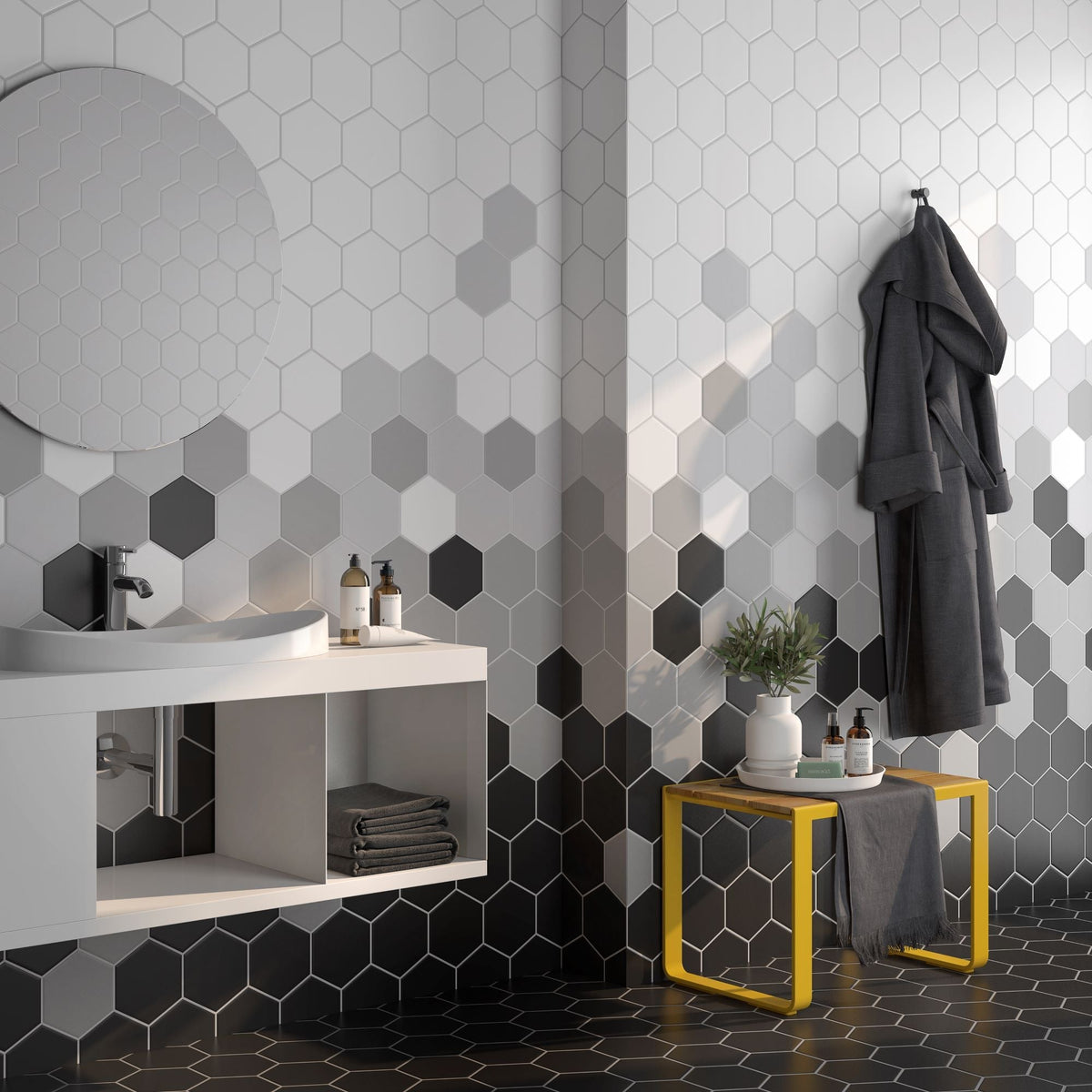
    Hexagon tile brings a geometric, slightly retro vibe that never really goes out of style. Small hexagon mosaics work great on bathroom floors, especially in black and white combos that feel classic without looking boring.

    Larger hexagon tiles, on the other hand, feel more modern and are often used on walls or as a shower floor upgrade. They come in matte, glossy, and stone-look finishes.

    Practical tip: Small hexagon mosaics usually come pre-mounted on mesh sheets, which makes installation faster and more consistent than individual tiles.

    Hexagons fit vintage, farmhouse, and modern bathrooms equally well depending on color choice. Now let’s move from shape to a full design concept: the accent wall.

    7. Create a Statement Accent Wall

    Shower Wall: 10 Tile Trends That You Should Consider
    Credit: Stone Tile Depot

    You don’t need to tile the whole bathroom to make an impact. One accent wall, usually behind the vanity or inside the shower, can carry the whole design. This is a smart move if you’re working with a tighter budget but still want that wow factor.

    Pick a bold pattern, color, or texture for this wall and keep everything else simple. White subway tile or plain paint on the remaining walls lets the accent wall do all the talking.

    Practical tip: The wall behind your vanity mirror is a great spot for an accent because it’s visible every time you walk in, but it’s not exposed to constant water like a shower wall.

    This idea flexes across every style since you control the pattern and palette. Now, let’s talk about a finish that’s quietly taking over bathroom design: unglazed and matte tile.

    8. Choose Matte Finishes Over Glossy Ones

    Glossy or matte bathroom covering: a guide to choosing | Ragno
    Credit: Regno Usa

    Glossy tile used to be the default, but matte finishes have taken over for good reason. Matte tile hides water spots, soap scum, and fingerprints way better than shiny surfaces. It also gives off a softer, more modern look.

    Matte works especially well on floors since it’s less slippery when wet, which matters a lot in a room where you’re stepping out of a shower with wet feet.

    Practical tip: If you want some shine without going full glossy, try a matte tile with a glossy trim or border for contrast.

    Matte finishes suit minimalist and Scandinavian-style bathrooms best, but they also work in farmhouse and industrial designs. Let’s shift gears and talk about mixing textures next.

    9. Mix Textures With Fluted or Ribbed Tile

    The Latest Fluted Tiles Trend For Modern Homes
    Credit: The Tiles

    Fluted tile, sometimes called ribbed or channel tile, has raised vertical grooves that catch light and shadow in a really satisfying way. It’s become a favorite for shower walls and accent niches because it adds texture without adding pattern or color complexity.

    This tile style pairs really well with warm, neutral color palettes like cream, sand, or soft terracotta. It photographs beautifully because the grooves create natural depth.

    Practical tip: Keep fluted tile to one wall or a smaller feature area. Using it everywhere can feel overwhelming and hard to clean in every groove.

    Fluted tile fits modern, Japandi, and organic modern bathrooms particularly well. Now let’s talk budget, because not every idea here costs the same.

    Budget Tiers for Bathroom Tile Projects

    Budget TierTotal Cost Range (Avg Bathroom)Typical Tile ChoiceWhat You Get
    Budget-Friendly$800–$2,000Ceramic subway, small hexClean, classic look
    Mid-Range$2,000–$5,000Porcelain large-format, matte finishesModern, low-maintenance upgrade
    High-End$5,000–$12,000+Zellige, natural stone, glass mosaicCustom, designer-level finish

    With cost in mind, let’s look at a smart way to save money while still getting a designer look.

    10. Combine Two Tile Types for Visual Interest

    Tips for Combining Tile Flooring Styles | Daltile
    Credit: Daltile

    You don’t have to pick just one tile. A lot of designers mix a budget-friendly tile for the majority of the space with a pricier tile as an accent. Think ceramic subway tile on most walls with a strip of glass mosaic as a border or niche liner.

    This combo approach stretches your budget further while still giving you that high-end, layered look. It also lets you experiment with color and texture without committing your whole budget to one expensive material.

    Practical tip: Use the pricier tile in small doses, like a border, niche, or single accent row, so it reads as intentional rather than mismatched.

    This works across every style since you’re customizing the combo yourself. Now let’s talk about a trend that brings the outdoors in: stone-look porcelain.

    11. Use Stone-Look Porcelain for a Natural Feel

    Best Stone Effect Tiles For Bathrooms: Styles, Tips & Inspiration | The  TilePortfolio
    Credit: The Tile

    Real marble and travertine look gorgeous, but they’re expensive and need regular sealing to avoid staining. Stone-look porcelain gives you that same organic, veined appearance without the maintenance headache.

    These tiles use advanced printing technology to replicate natural stone patterns so closely that most people can’t tell the difference until they touch it. You get the beauty without the babysitting.

    Practical tip: Look for porcelain with varied veining across multiple tiles, not just one repeated pattern, so the floor doesn’t look obviously fake.

    This style fits traditional, modern, and transitional bathrooms equally well. And with that, you’ve got a full lineup of ideas to work with.

    Tips for Success

    • Always order 10-15% extra tile to cover cuts, breaks, and future repairs.
    • Test tile samples in your actual bathroom lighting before buying in bulk. Store lighting can make colors look totally different.
    • Choose slip-resistant tile with a higher friction rating for shower and bathroom floors, especially if kids or older adults use the space.
    • Don’t skip waterproofing membrane under shower tile. It’s not optional if you want to avoid leaks down the road.
    • Match your grout color carefully. Lighter grout shows dirt fast, darker grout can stain lighter tile over time.
    • Plan your layout on paper first, especially with patterns like herringbone, so you’re not guessing during installation.

    Common Mistakes and How to Avoid Them

    Skipping a layout plan
    : Jumping straight into installation without mapping out the pattern leads to awkward cuts at corners. Sketch your layout first, or ask your tile setter to do a dry layout before grouting.

    Choosing glossy tile for the floor
    : Glossy floor tile gets dangerously slippery when wet. Stick to matte or textured finishes for any floor that gets wet regularly.

    Ignoring grout width and color
    : Grout lines that are too thick or the wrong color can make even nice tile look messy. Thinner grout lines and a color close to your tile usually look cleanest.

    Overdoing patterns in a small space
    : Too much pattern in a tiny bathroom can feel chaotic instead of stylish. Save bold patterns for one wall or the floor, not both.

    Forgetting about long-term maintenance
    : Some beautiful materials, like natural stone, need regular sealing and gentle cleaners. Know the upkeep before you fall in love with a look.

    Similar Variations

    • Spa-Style Bathroom: Focuses on natural stone, neutral tones, and soft lighting for a calming retreat feel.
    • Vintage Revival Bathroom: Uses classic hexagon or penny tile in black, white, and pastel color combos.
    • Industrial Loft Bathroom: Pairs concrete-look porcelain with exposed pipes and matte black fixtures.
    • Coastal Cottage Bathroom: Leans on light blues, whites, and beadboard-style tile for a breezy feel.
    • Modern Farmhouse Bathroom: Combines subway tile, shiplap accents, and warm wood tones for a cozy but clean look.

    Picking the right tile really comes down to how you live, how much upkeep you’re willing to do, and the mood you want to walk into every morning. Whether you go bold with dark colors or keep it classic with subway tile, the goal is a bathroom that feels like yours, not a showroom copy. I hope these 11 bathroom tile ideas gave you a clearer picture of what’s possible for your next renovation.

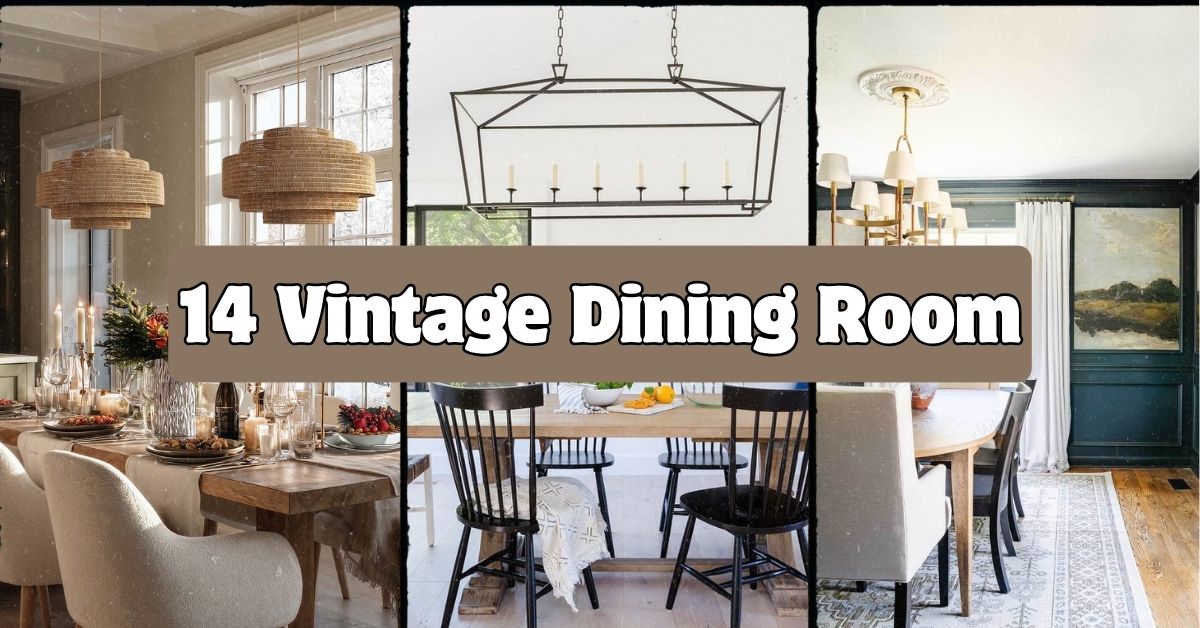
  • 14 Vintage Dining Room Ideas That Bring Old-School Charm Back to Life

    14 Vintage Dining Room Ideas That Bring Old-School Charm Back to Life

    If you’ve been searching for 14 Vintage Dining Room ideas that actually work in real homes (not just magazine spreads), you’re in the right spot. I’ve spent way too many hours studying old dining rooms, flipping through estate sale finds, and testing what makes a space feel warm instead of dated. This guide covers everything you need, no fluff, just the good stuff.

    A vintage dining room combines furniture, colors, and decor from past decades (usually 1920s to 1970s) to create a nostalgic, lived-in feel. It mixes antique or antique-style pieces with warm textures and muted tones for a timeless dining space.

    Stick around because I’m about to show you 14 specific ways to pull this look together, plus the mistakes that make vintage rooms look more “grandma’s attic” than “curated charm.”

    What Makes a Dining Room Feel Truly Vintage

    So what actually makes a room “vintage” instead of just old? It’s not about grabbing random antiques and calling it a day. Real vintage style has a story. It usually pulls from one or two specific eras, like mid-century modern or Victorian, and sticks with it.

    I think of vintage dining rooms as a mix of history and comfort. You get worn wood tables that have seen a thousand dinners. You get mismatched chairs that somehow work together. You get colors that feel soft, not sharp. The goal isn’t perfection. It’s warmth. Once you get that idea in your head, everything else falls into place.

    1. Start With a Solid Wood Farmhouse Table

    Breakfast Area Refresh and My New Farmhouse Table!
    Credit: Maison

    A big wooden table is the heart of any vintage dining room. Look for oak, pine, or walnut with visible grain and a few dings. Those imperfections tell a story. Avoid anything glossy or perfectly polished. You want texture and warmth, not shine.

    Pair it with a simple runner instead of a tablecloth to show off the wood. If you can find a table with turned legs or a trestle base, even better. That’s a classic vintage detail.

    My tip: check estate sales or Facebook Marketplace before buying new. Old tables are often cheaper and better made than new “farmhouse style” copies.

    This idea works in farmhouse, cottage, and even industrial dining rooms since a wood table anchors almost any style.

    Once your table is set, the chairs around it matter just as much.

    2. Mix Mismatched Chairs for Character

    How to Incorporate Mismatched Dining Chairs in Your Home
    Credit: MyDomaine

    Here’s a secret: you don’t need matching chairs. In fact, mismatched chairs are one of the easiest ways to nail that vintage look. Grab a few from different eras, maybe some bentwood chairs, a couple of cane-back seats, and one bold accent chair at the head of the table.

    The trick is keeping a common thread. Stick to similar wood tones or paint them all the same color for unity. Thrift stores are goldmines for this.

    Quick tip: buy odd numbers when mixing styles. Three or five different chairs feel intentional. Four feels random.

    This works beautifully in eclectic, bohemian, and traditional spaces where variety already feels at home.

    Now let’s talk about what hangs above that table, because lighting changes everything.

    3. Hang a Vintage Brass or Glass Chandelier

    Things That Inspire: I finally found a dining room chandelier!
    Credit: Things That Inspire

    Lighting sets the whole mood. A brass chandelier with warm bulbs gives instant old-world charm. If brass feels too fancy, look for a simple glass pendant with a slight patina.

    Avoid anything too modern or industrial here unless you’re blending styles on purpose. The goal is soft, golden light that makes the room feel cozy at dinner time.

    Practical tip: dimmer switches are your best friend. Vintage lighting looks best when it’s warm and low, not bright and clinical.

    This idea adapts well across French country, traditional, and glam vintage looks, just swap the finish to match your palette.

    Speaking of palettes, let’s break down what colors actually work in a vintage dining room.

    Vintage Dining Room Color Palettes

    Style ThemeWall ColorAccent ColorTrim/Wood Tone
    Farmhouse VintageWarm whiteSage greenHoney oak
    Victorian VintageDeep burgundyGoldDark walnut
    Mid-Century VintageMustard yellowTealWalnut
    Cottage VintageSoft blushCreamWhitewashed pine
    French VintagePale blue-grayIvoryAntique white

    These combos give you a starting point. Pick one and build your decor around it instead of guessing color by color.

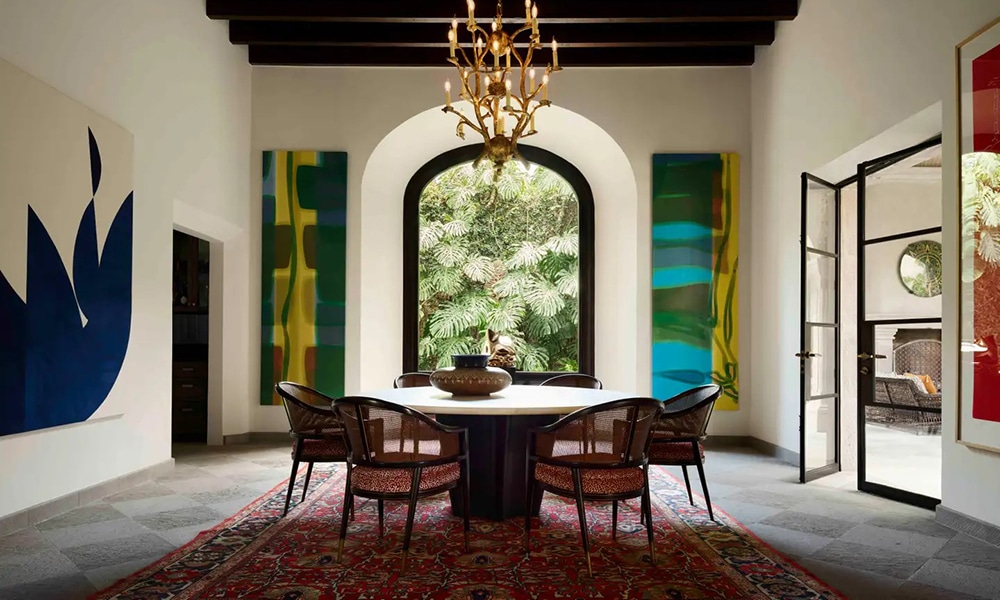
    4. Layer in a Faded Persian or Oriental Rug

    Guide to Decorating Every Room with Antique Rugs | Nazmiyal
    Credit: Nazmyal

    A worn rug under the table adds instant depth. Look for muted reds, blues, or golds with a slightly faded pattern. The more character, the better. New rugs that are trying to look “distressed” often look fake compared to the real thing.

    Size matters here. Your rug should extend at least 24 inches beyond the table edge so chairs don’t slide off when pulled out.

    Practical tip: layer a smaller vintage rug over a larger jute rug for texture without breaking the bank.

    This trick works especially well in bohemian, traditional, and eclectic dining rooms where pattern mixing is already part of the design language.

    Now that the floor is covered, let’s think about the walls.

    5. Add Wainscoting or Beadboard Paneling

    15+ Dining Room Wainscoting Ideas to Inspire Your Redesign - Curbly
    Credit: Curbly

    Wainscoting instantly makes a room feel older and more refined. It’s a classic detail from Victorian and colonial homes. Paint it a soft white or cream and pair it with a bold wallpaper above for contrast.

    If full wainscoting feels like too much work, beadboard panels are a cheaper, faster option that still gives that layered look.

    Tip: keep wainscoting under 36 inches high in smaller rooms so it doesn’t feel like it’s closing in on you.

    This idea fits coastal, farmhouse, and traditional homes especially well since paneling has roots in all three styles.

    Once your walls have structure, it’s time to bring in pattern.

    6. Use Vintage-Inspired Wallpaper

    Antique Painting Mural Wallpaper in the Dining Room! - Bless'er House
    Credit: Bless

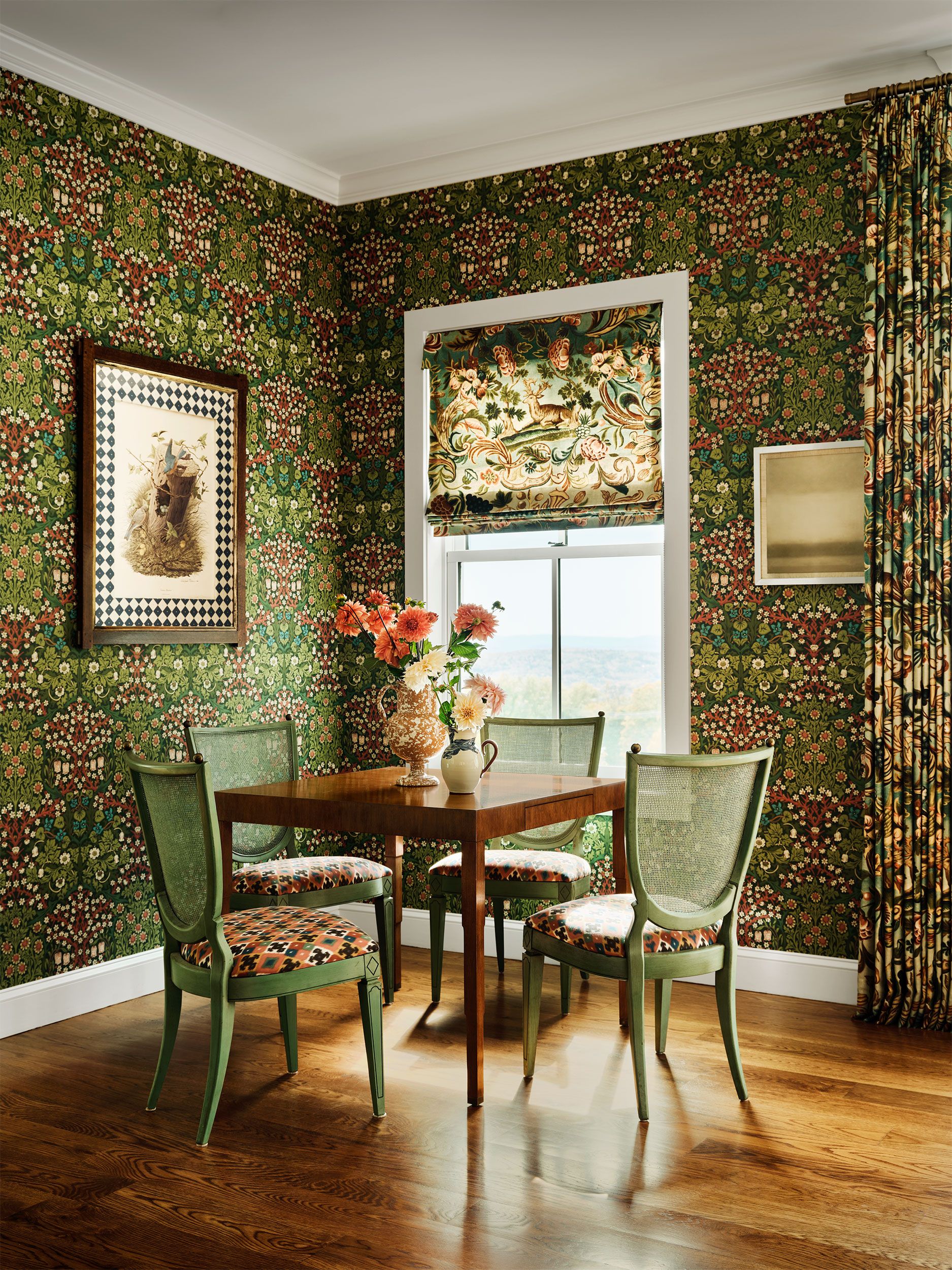
    Wallpaper is having a huge comeback, and vintage florals or damask patterns are leading the charge. Choose muted tones instead of bright, saturated colors for that aged look.

    If wallpapering the whole room feels risky, try just one accent wall behind a china cabinet or buffet.

    Practical tip: peel-and-stick wallpaper has come a long way. You can get the vintage look without the commitment if you’re renting.

    This works great in cottage, French country, and grandmillennial styles where pattern is a huge part of the charm.

    Speaking of cabinets, let’s talk storage next.

    7. Bring in an Antique China Cabinet

    Antique Hutch Styles Made for Elegant Storage
    Credit: Love To Know

    Every good vintage dining room needs a place to show off dishes. An antique china cabinet with glass doors does double duty: storage and decor. Look for wood with some age to it, like cherry or mahogany.

    Fill it with mismatched china, vintage glassware, or even old cookbooks for texture.

    Tip: don’t overstuff it. Leave some breathing room so each piece gets noticed instead of blending into clutter.

    This idea works in traditional, French country, and even grandmillennial spaces where display pieces are half the fun.

    Now let’s move to something smaller but just as impactful: table settings.

    8. Set the Table With Mismatched Vintage China

    Antique Dishes: How to Set a Beautiful Table with a Mix of Vintage China
    Credit: Design

    Skip the matching dish sets. Vintage dining rooms shine when you mix patterns and eras on the table. Pair floral plates with plain glassware, or mix gold-rimmed cups with simple stoneware bowls.

    This is one of the cheapest ways to nail the look since thrift stores are full of orphaned vintage plates for a few dollars each.

    Practical tip: stick to a color family (like blues or creams) even if patterns vary, so the table doesn’t feel chaotic.

    This idea works across almost every style, from cottagecore to eclectic maximalism.

    Once your table is set, let’s think bigger with wall art.

    9. Hang Gallery-Style Vintage Art or Portraits

    How to Create the Perfect 'Salon-Style' Hang – Bed Threads
    Credit: Bed Threads

    Old oil paintings, vintage botanical prints, or gilded mirrors on the wall add instant history to a room. Go for gold or dark wood frames in different sizes for a gallery wall that feels collected over time, not bought in one trip.

    Tip: hang the center of your art grouping at eye level, about 57 inches from the floor, for the most balanced look.

    This works beautifully in traditional, French, and eclectic dining rooms where layered walls are part of the charm.

    Next, let’s talk about a detail people often skip: the buffet table.

    10. Style a Vintage Buffet or Sideboard

    How to Style a Vintage Sideboard Dining Room Entryway
    Credit: Mogul

    A buffet or sideboard gives you extra storage and a spot for decor like a vintage lamp, stack of books, or a small mirror. Look for pieces with brass hardware and warm wood tones.

    Use the top surface for a rotating display, maybe flowers one week, candles the next.

    Practical tip: measure your wall space first. Buffets look best with a few inches of breathing room on each side, not wall to wall.

    This adapts easily to mid-century, traditional, and transitional dining rooms depending on the buffet’s shape and hardware style.

    Now, let’s slow down and talk textiles.

    11. Add Vintage Linen Napkins and Table Runners

    Repurposing & Decorating With Vintage Linens ·
    Credit: Cozy Little House

    Cloth napkins with a little wear and a faded pattern add so much charm to a table setting. Look for linen or cotton in soft florals, stripes, or simple monograms.

    These are easy to find secondhand and easy to wash, so they’re practical too.

    Tip: mix two or three napkin patterns per table setting for a curated, not-too-matchy look.

    This idea works in cottage, French country, and farmhouse dining rooms where soft textures are already part of the vibe.

    Budget Breakdown for a Vintage Dining Room Refresh

    Budget TierWhat You Can AffordEstimated Cost
    Low ($50-150)Thrifted china, linen napkins, small art pieces$50-150
    Mid ($300-700)Rug, wallpaper accent wall, mismatched chairs$300-700
    High ($1000+)Antique table, chandelier, china cabinet$1000-3000+

    Knowing your budget tier helps you prioritize which pieces matter most for your space.

    12. Choose Curtains With Soft, Aged Fabric

    65 Window Treatment Ideas to Accentuate Your Space in 2026
    Credit: Elle Decor

    Heavy drapes in linen or cotton with a slightly faded look finish off a vintage dining room. Avoid anything shiny or synthetic. Stick to soft neutrals or muted florals that match your wall color.

    Practical tip: hang curtain rods a few inches above the window frame to make ceilings feel taller, an old trick that still works today.

    This idea fits cottage, traditional, and French country homes especially well since fabric texture matters a lot in those styles.

    13. Use Candlelight Instead of Overhead Light Alone

    How To Choose the Right Dining Room Chandelier or Pendant?
    Credit: Rowabi Lights

    Candles on the table or in wall sconces bring instant old-world charm. Beeswax or taper candles in vintage brass holders look especially good.

    Tip: mix candle heights for visual interest, tall tapers with shorter votives creates depth without extra decor.

    This works in almost every vintage sub-style, from romantic French country to rustic farmhouse.

    14. Display Fresh or Dried Flowers in Vintage Vases

    Decorating with dried flowers: 12 pretty arrangements | Homes and Gardens
    Credit: House And Garden

    A simple bouquet in an antique glass or ceramic vase finishes the table beautifully. Dried flowers like eucalyptus or wheat stems also work if you want something low-maintenance.

    Practical tip: use small bud vases with single stems down the center of the table instead of one big arrangement for an easy, elegant look.

    This idea works everywhere, honestly. Flowers are the easiest, cheapest way to soften any dining room instantly.

    Tips for Success

    • Start with one anchor piece, like the table or chandelier, and build the rest of the room around it instead of buying everything at once.
    • Shop secondhand first. Estate sales, thrift stores, and online marketplaces almost always beat new “vintage-style” furniture on price and quality.
    • Stick to a limited color palette (three colors max) so mismatched pieces still feel cohesive.
    • Test paint colors on the wall before committing. Vintage colors often look different under artificial light versus daylight.
    • Don’t rush the room. The best vintage spaces are collected over months or years, not bought in one weekend.
    • Balance old with a few newer pieces so the room doesn’t feel like a museum.
    • Keep functionality in mind. Old chairs might need new cushions or a quick repair before daily use.

    Common Mistakes and How to Avoid Them

    Matching everything perfectly
    : Vintage rooms should feel collected, not coordinated like a showroom set. Mix eras and finishes on purpose.

    Ignoring scale
    : A huge chandelier in a small room overwhelms the space. Measure your ceiling height and table size before buying lighting.

    Skipping lighting warmth
    : Cool white bulbs kill the vintage mood instantly. Stick to warm bulbs, around 2700K, for that golden glow.

    Overcrowding the table
    : Too many centerpieces or decor items make the table feel cluttered. Leave room for actual plates and glasses.

    Forgetting comfort
    : Old chairs can be beautiful but uncomfortable. Add cushions or reupholster seats so guests actually want to sit through dinner.

    Choosing trendy over timeless
    : Chasing whatever’s popular on social media instead of picking pieces you genuinely love leads to a room that feels dated in a few years, ironically.

    Similar Variations

    • Grandmillennial Dining Room: A modern twist on vintage that mixes traditional patterns with playful, younger colors.
    • French Country Dining Room: Focuses on rustic wood, toile patterns, and soft blues and creams.
    • Mid-Century Vintage Dining Room: Leans into 1950s and 60s shapes, teak wood, and bold geometric accents.
    • Cottagecore Dining Room: A softer, romantic take with florals, lace, and pastel tones.
    • Industrial Vintage Dining Room: Combines old factory-style lighting and metal accents with worn wood furniture.
    • Victorian Revival Dining Room: Rich, dark colors paired with ornate furniture and gilded details for a more formal vintage feel.

    Pulling together a vintage dining room isn’t about buying a matching set from a catalog. It’s about collecting pieces that feel warm, worn, and full of personality, then arranging them so they tell one cohesive story. Whether you start with a solid wood table or a single antique chandelier, every piece you add brings you closer to that lived-in charm people love. If you keep coming back to these 14 Vintage Dining Room ideas as your guide, you’ll end up with a space that feels timeless instead of trendy.

  • 13 Luxury Dining Room Ideas That Will Make Your Space Feel Like a Five-Star Restaurant

    13 Luxury Dining Room Ideas That Will Make Your Space Feel Like a Five-Star Restaurant

    I’ve spent years digging through design magazines and touring model homes, and I can tell you this guide on 13 luxury dining room ideas is the most complete roundup you’ll find on the topic today. I’m not just throwing pretty pictures at you. I’m giving you the actual “why” behind each choice so you can copy it in your own home without guessing.

    A luxury dining room is a formal or semi-formal eating space designed with high-end materials, intentional lighting, and curated furniture to create an upscale, hotel-like dining experience at home. It typically combines rich textures, statement lighting, and a cohesive color palette.

    Stick around, because I’m about to walk you through the exact elements that separate a “nice” dining room from one that makes guests stop mid-sentence when they walk in.

    What Actually Makes a Dining Room Feel “Luxury”

    Okay, so let’s get real for a second. Luxury doesn’t mean expensive for the sake of expensive. It means intentional. Every piece in the room earns its spot. I think of it like a good outfit. You don’t need ten accessories. You need the right three.

    A luxury dining room usually has a strong focal point, like a chandelier or a bold piece of art. It leans on natural materials like wood, stone, and metal instead of plastic or laminate. And it always has layered lighting, not just one bulb doing all the work.

    Once you get that mindset, the ideas below will make a lot more sense.

    1. Anchor the Room with an Oversized Statement Chandelier

    10 Luxury Dining Room Chandelier Ideas Designers Love – Morsale
    Credit: Morsale

    Nothing says “luxury dining room” faster than a chandelier that actually fills the space above your table. A lot of people go too small here. The rule of thumb is your chandelier width should be about half to two-thirds the width of your table.

    Go for brass, aged bronze, or smoked glass finishes if you want that upscale hotel vibe. Crystal still works, but modern crystal fixtures look less “grandma” and more “boutique hotel lobby.”

    Practical tip: Hang the chandelier so its bottom sits about 30 to 34 inches above the table surface.

    This works in modern homes with a sleek linear fixture, or in traditional homes with a classic tiered crystal piece. Once your lighting anchor is set, the next step is making sure the table underneath deserves the attention.

    2. Choose a Show-Stopping Dining Table Material

    13 Luxury Dining Room Ideas for a Timeless, Elegant Space
    Credit: Luxe Studio

    Your table is the heart of the room, so don’t skimp here. Solid wood with a rich stain, marble tops, or even a live-edge slab instantly reads as high-end. Avoid anything that looks like it came flat-packed in a box.

    Marble tables scream luxury but need more care. Wood is more forgiving and warms up a room. Either way, pick a table that’s slightly larger than you think you need. A cramped table kills the luxury feel instantly.

    Practical tip: Leave at least 36 inches of clearance around the table for walking room.

    Coastal homes look great with light oak or whitewashed wood, while modern spaces love matte black metal legs with stone tops. Now that your table is sorted, let’s talk about what surrounds it.

    3. Invest in Upholstered, High-Back Dining Chairs

    40 dining room ideas: trends, styles, and advice | Real Homes
    Credit: Real Homes

    Hard wooden chairs might look nice, but they don’t feel luxurious after ten minutes of dinner conversation. Upholstered chairs in velvet, boucle, or leather instantly bump up the comfort and the look.

    High-back chairs at the head of the table create a subtle hierarchy, kind of like a mini throne moment. It’s a small trick that designers use to add visual interest without extra clutter.

    Practical tip: Mix dining chairs with two accent chairs at the ends for contrast.

    Traditional dining rooms love tufted leather, while modern spaces lean toward boucle in neutral tones. Coastal homes often go with woven rattan for texture. Once your seating is comfortable and stylish, the next layer is what goes on the floor beneath it all.

    4. Layer a Plush Area Rug Under the Table

    How Should A Large Rug Be Placed Under A Dining Table?
    Credit: Edwards

    A rug grounds the whole room and adds warmth, especially over hardwood or tile floors. For a luxury look, go bigger than you think. The rug should extend at least 24 inches beyond the table edge on all sides so chairs stay on the rug even when pulled out.

    Wool and silk blends feel incredible underfoot and have a natural sheen that reads as expensive. Avoid thin, flat rugs. They tend to look cheap no matter the pattern.

    Practical tip: Choose a low pile rug for dining rooms so chairs slide easily without snagging.

    Rug Size Guide by Table Shape

    Table ShapeTable SizeRecommended Rug Size
    Rectangular6-seat table8 x 10 ft
    Rectangular8-seat table9 x 12 ft
    Round4-seat table8 x 8 ft
    Square6-seat table9 x 9 ft

    With your rug picked out, it’s time to think about what’s happening on the walls around you.

    5. Add a Textured Accent Wall Behind the Table

    12 Dining Room Accent Wall Ideas | Cornerstone Remodeling
    Credit: CornerStone

    A plain painted wall can feel flat in a formal dining space. Textured wallpaper, wood paneling, or even a limewash finish adds depth without needing extra furniture. This is one of the easiest ways to make a small dining room feel expensive.

    Dark, moody colors like deep green or navy paired with wood paneling create a cozy, upscale feel. Lighter textured plaster walls work well in airy, coastal-style rooms.

    Practical tip: Stick the accent wall behind the table, not behind the sideboard, so it becomes the visual backdrop for meals.

    This idea flexes easily. Modern homes might do a slatted wood panel wall, while traditional homes go for classic wainscoting painted in a rich jewel tone. Speaking of color, let’s talk about how to choose the right palette for the whole room.

    6. Stick to a Rich, Cohesive Color Palette

    Colorful Dining Room Ideas That'll Be the Talk of the Table | Livingetc
    Credit: Living Etc

    Luxury spaces almost never use more than three or four main colors. Too many competing tones make a room feel busy instead of upscale. Think deep, saturated colors paired with warm metallics.

    Popular Luxury Dining Room Color Palettes

    Palette NameWall ColorAccent ColorMetal Finish
    Moody EmeraldDeep GreenCreamBrass
    Warm NeutralGreigeTerracottaBronze
    Classic NavyNavy BlueIvoryGold
    Modern CharcoalCharcoal GrayBlushMatte Black

    Practical tip: Pick your metal finish first, then build your color scheme around it so everything feels intentional.

    Coastal homes tend to swap dark tones for soft blues and sandy neutrals but keep the same three-color rule. Once your palette is locked in, it’s time to think about the finishing touches on your table.

    7. Set the Table with Layered Tablescape Details

    Luxury Winter Tablescape Ideas Inspired by Travel Destinations
    Credit: Kim Seybert

    An empty table looks unfinished, even in a gorgeous room. Layering a table runner, cloth napkins, and a low centerpiece adds that “styled” look you see in design magazines.

    Keep centerpieces low so they don’t block conversation across the table. Candles, a shallow bowl of fruit, or a small vase of greenery all work well.

    Practical tip: Use a table runner instead of a full tablecloth for a more modern, layered look.

    Traditional homes love white linen with silver accents. Modern spaces go for matte black candle holders and minimal greenery. With the table styled, let’s move up to the ceiling for one more layer of drama.

    8. Add Architectural Interest with Ceiling Details

    10+ Stunning Dining Room Ceiling Design Ideas for Modern Homes | Simpolo
    Credit: Simpolo

    A plain flat ceiling is a missed opportunity in a formal dining room. Coffered ceilings, exposed beams, or a simple painted ceiling in a deep color add unexpected drama when you look up.

    This doesn’t need to be a huge renovation. Even applying peel-and-stick beams or painting the ceiling a shade darker than your walls creates depth.

    Practical tip: Paint the ceiling in a matte finish to avoid glare from your chandelier.

    Traditional homes often add real wood beams, while modern homes prefer a single bold paint color overhead. Now let’s talk about a feature that a lot of people skip but shouldn’t: the sideboard.

    9. Bring in a Statement Sideboard or Buffet

    How To Decorate A Dining Room Buffet Or Sideboard
    Credit: Angie

    A sideboard does double duty. It gives you storage for dishware and linens, and it acts as a display surface for decor or serving food during dinner parties. Skipping this piece is one of the biggest reasons dining rooms feel unfinished.

    Go for a piece with interesting hardware or a unique material, like a fluted wood front or a stone top. This becomes a secondary focal point in the room.

    Practical tip: Place a large mirror or art piece above the sideboard to balance the height of the space.

    Coastal homes like rattan-front sideboards, while modern spaces prefer sleek walnut with brass pulls. Once you’ve got storage sorted, let’s add some greenery to soften the room.

    10. Bring the Room to Life with Statement Greenery

    How to Decorate a Small Dining Room, According to Design Experts
    Credit: Elle Decor

    A dining room full of hard surfaces, wood, stone, glass, needs something soft and alive. A large potted plant in the corner or a trailing vine on the sideboard breaks up all that rigidity.

    Fiddle leaf figs, olive trees, and snake plants are popular because they’re low maintenance and look sculptural. Avoid tiny plants that get lost in a big room.

    Practical tip: Choose a planter that matches your metal finish for a cohesive look.

    Traditional homes love a classic potted palm, while modern spaces go minimal with a single architectural cactus. Greenery softens the room, but art on the walls adds personality.

    11. Hang Gallery-Worthy Art at the Right Height

    Large Pictures for Dining Room Walls: Transform Your Dining Space with
    Credit: Rossetti Art

    Bare walls are a luxury dining room’s biggest enemy. One large piece of art, or a small curated gallery wall, gives the room a finished, gallery-like feel.

    The center of your art should sit around 57 to 60 inches from the floor, which is standard museum height. This keeps everything feeling proportional no matter your ceiling height.

    Practical tip: Choose art with colors that echo your rug or chair fabric to tie the room together.

    Modern homes lean toward abstract prints, while traditional spaces favor framed still life or landscape pieces. Once your walls are dressed, don’t forget the windows.

    12. Dress Windows with Floor-to-Ceiling Drapery

    Top Dining Room Curtain Ideas to Elevate Your Room | The Shade Store
    Credit: The Shade Store

    Short curtains or bare windows can make even a beautiful dining room feel unfinished. Floor-length drapery in a heavier fabric, like linen or velvet, adds softness and makes ceilings look taller.

    Hang your curtain rod as close to the ceiling as possible, even if it’s above the window frame. This trick alone makes a room feel more expensive without changing anything else.

    Practical tip: Choose drapery about two inches off the floor so it skims without dragging.

    Coastal homes use light linen in white or sand tones, while traditional rooms often go for heavier jacquard patterns. With windows dressed, the last touch is adding layered lighting beyond the chandelier.

    13. Layer in Wall Sconces or a Buffet Lamp

    How To Layer Lighting In A Dining Room For Ambience And Function
    Credit: Edwards Martin

    A single chandelier can leave dark corners in a larger dining room. Adding wall sconces near the sideboard or a small lamp on the buffet creates warm, layered light that feels more like a restaurant than a kitchen.

    Dimmable sconces let you shift the mood from bright family dinners to moody date-night lighting.

    Practical tip: Put your chandelier and sconces on separate dimmer switches so you can control the mood independently.

    Modern homes like sleek brass sconces with clean lines, while traditional rooms favor fabric-shaded sconces for a softer glow. With all thirteen ideas in place, your dining room should feel layered, intentional, and genuinely upscale.

    Tips for Success

    • Start with lighting and the rug before buying furniture, since these set the scale for everything else.
    • Don’t match every metal finish exactly. Mixing brass with matte black feels more curated than one uniform metal.
    • Buy the biggest rug and chandelier your budget allows. Undersized pieces are the most common budget mistake.
    • Keep a “hero piece” in mind, whether it’s the chandelier or the table, and let everything else support it.
    • Test paint colors in the actual room at night, since dining rooms are used more in evening light.
    • Add at least one vintage or antique piece, even a small one, to keep the room from feeling too showroom-perfect.

    Common Mistakes and How to Avoid Them

    Undersized Lighting
    : Fixing this means measuring your table width and choosing a chandelier that’s at least half that width, not just something that “looks about right.”

    Too Many Colors
    : Stick to three or four core colors max, and repeat them in fabric, walls, and accessories so the room feels pulled together.

    Skipping the Rug
    : An area rug isn’t optional in a luxury dining room. Choose one large enough that chairs stay on it even when pulled out.

    Ignoring Ceiling Height
    : Hang curtains and art higher than feels natural. It tricks the eye into seeing a taller, grander room.

    Overcrowding the Table
    : Leave breathing room on the table itself. A cluttered centerpiece competes with the food and the conversation.

    Buying Furniture Before Measuring the Room
    : Always tape out furniture dimensions on the floor first, especially for tables and sideboards, since even a few extra inches can cramp the flow.

    Similar Variations

    • Modern Glam Dining Room – Focuses on mirrored surfaces, metallics, and bold geometric patterns for a bolder, flashier take on luxury.
    • Traditional Formal Dining Room – Leans on classic wood furniture, tufted upholstery, and symmetrical layouts for a timeless feel.
    • Coastal Luxury Dining Room – Swaps dark tones for sandy neutrals, linen fabrics, and natural textures like rattan and driftwood.
    • Industrial Luxury Dining Room – Mixes raw materials like exposed brick and metal with softer luxury touches like velvet chairs.
    • Minimalist Luxury Dining Room – Strips things down to a few high-quality pieces, letting materials and craftsmanship speak for themselves.
    • Art Deco Dining Room – Uses bold geometric patterns, lacquered furniture, and rich jewel tones for a glamorous, vintage-inspired look.

    Building a dining room like this isn’t about spending a fortune on every single item. It’s about choosing fewer, better pieces and layering them with intention, from the rug under your feet to the light fixture above your head. If you take even four or five of these ideas and apply them well, your space will start feeling like one of those 13 luxury dining room examples people pin and save for inspiration.

  • 14 Boho Dining Room Ideas That’ll Make You Want to Ditch Your Boring Table Setup

    14 Boho Dining Room Ideas That’ll Make You Want to Ditch Your Boring Table Setup

    I’ve spent way too many nights scrolling through home decor pages looking for that perfect mix of cozy and cool, and I think I finally cracked the code with these 14 boho dining room ideas. If you’re tired of your dining space feeling stiff and generic, you’re in the right spot. This article pulls together the most practical, real-world tested boho dining ideas so you don’t have to guess what actually works.

    A boho dining room mixes warm textures, natural materials, and mismatched furniture to create a relaxed, personal eating space. The style favors rattan, wood, and woven fabrics over sleek, matched sets. There’s no single “right” way to do it, which is exactly the point.

    Stick around, because I’m about to walk you through everything from lighting tricks to table shapes that’ll turn your dining room into the coziest spot in your house.

    What Even Is Boho Style, Anyway?

    Okay, so boho (short for bohemian) is basically the opposite of matchy-matchy. Think layered rugs, plants everywhere, and furniture that looks like it has a story to tell. It’s not messy though, there’s actually a method to it.

    The style borrows from a bunch of cultures and eras. You might see Moroccan lanterns next to a mid-century chair next to a macrame wall hanging. Sounds chaotic, but when done right, it feels warm and lived-in instead of thrown together.

    I like to think of boho as decorating with your personality instead of a rulebook. That freedom is what makes it so fun to work with.

    1. Mix Rattan and Wood Furniture for Natural Texture

    Boho dining room ideas —7 beautiful tips designers love | Real Homes
    Credit: Real Homes

    Rattan chairs paired with a solid wood table is basically boho dining 101. The contrast between the woven rattan and the smooth wood grain gives your eyes something interesting to look at without feeling busy.

    Go for a table in a warm oak or walnut tone, then bring in rattan or wicker chairs around it. You don’t need matching chairs either, that’s part of the charm.

    Practical tip: Check secondhand shops for rattan chairs. They’re often cheaper there and already have that lived-in patina boho style loves.

    This idea works in coastal homes too, since rattan already feels beachy. For a more modern take, pick rattan chairs with clean, simple lines instead of ornate curves.

    Once your furniture base is set, it’s time to think about what goes on the floor beneath it.

    2. Layer a Woven Rug for Warmth

    How to Create the Perfect Bohemian Ambiance with Area Rugs
    Credit: Sample Board

    A flat, boring floor kills the boho vibe fast. Layering rugs, like a jute base rug with a smaller patterned one on top, adds depth and warmth instantly.

    Jute and sisal rugs bring that natural texture, while a vintage-style Persian or Moroccan rug on top adds color and pattern. The key is letting the layers peek out from under each other instead of fully covering one with the other.

    Practical tip: Size your base rug so it extends a few inches beyond your dining table on all sides.

    Traditional homes can stick with richer jewel-toned rugs, while modern spaces might prefer a more muted, geometric pattern.

    Now that your floor’s got personality, let’s talk about what hangs above your table.

    3. Hang a Statement Rattan or Bamboo Pendant Light

    Lightsin Eco-Friendly Handmade Bamboo Pendant Light 60/80cm for Dining –  Living and Home
    Credit: Living And Home

    Lighting makes or breaks a dining room. A rattan or bamboo pendant light casts these gorgeous shadow patterns on the walls and ceiling when it’s lit up at night.

    Look for globe-shaped or drum-shaped pendants woven from natural fiber. Hang it about 30 to 36 inches above your table for the right height.

    Practical tip: Use a warm-toned bulb (2700K or lower) to keep the light cozy instead of harsh.

    This idea translates well into farmhouse and coastal styles too. Modern homes can swap rattan for a woven metal fixture instead.

    Speaking of lighting, let’s not forget the natural kind streaming through your windows.

    4. Use Macrame Curtains or Wall Hangings

    Boho Macrame Wallhanging | Large - Nakawe Trading
    Credit: Nakawe

    Macrame is basically boho’s calling card. A big wall hanging behind your table or macrame curtain panels add texture without taking up floor space.

    Stick to natural cotton rope in cream or off-white tones. If you want more color, look for dip-dyed macrame in earthy rust or sage tones.

    Practical tip: Hang your macrame piece at eye level when seated, not standing, since that’s the view you’ll actually enjoy most during meals.

    Traditional homes can use smaller, simpler macrame accents so it doesn’t clash with existing decor. Coastal spaces can go bigger and bolder since the two styles blend so naturally.

    Next, let’s get into color, because boho has some go-to palettes that just work.

    Boho Dining Room Color Palettes

    Palette NameWall ColorAccent ColorsBest For
    Desert SunsetWarm terracottaMustard, rust, creamSmall dining nooks
    Earthy NeutralWarm whiteTan, olive, brownOpen floor plans
    Jewel Tone BohoDeep charcoalEmerald, burgundy, goldFormal dining rooms
    Coastal BohoSoft sandOcean blue, seafoam, whiteBeach or lake homes

    Pick a palette that matches your home’s natural light. Darker walls work great in rooms with big windows, while lighter palettes help smaller or darker rooms feel more open.

    5. Mix and Match Your Dining Chairs

    How to Mix and Match Dining Chairs Like a Boss (+ 28 Pairs We Love) - Emily  Henderson
    Credit: Emily Harrison

    Nothing says boho quite like a table surrounded by chairs that don’t match. Grab a couple of rattan chairs, throw in a wooden bench, and maybe one bold accent chair at the head of the table.

    This isn’t about being lazy with furniture shopping, it’s an actual design choice. The mismatch creates visual interest and makes the space feel collected over time rather than bought all at once.

    Practical tip: Keep at least one element consistent, like chair height or wood tone, so the mismatch still feels intentional.

    Modern homes can mix mismatched chairs in similar colors for a cleaner look. Eclectic and traditional spaces can go wilder with pattern and texture differences.

    Once your seating’s sorted, let’s dress up that table.

    6. Add a Table Runner Instead of a Tablecloth

    13 Modern Ways to Use Table Runners – Urquid Linen
    Credit: Urquid Linen

    A woven table runner down the center of your table beats a full tablecloth every time in boho spaces. It shows off your wood table while still adding pattern and texture.

    Look for runners in linen, cotton, or jute with fringe edges or tribal-inspired prints. Layer it with simple woven placemats for extra texture.

    Practical tip: Choose a runner in a color that contrasts slightly with your walls so it doesn’t disappear into the background.

    Farmhouse dining rooms can use gingham or plaid runners for a similar effect. Coastal homes might prefer striped linen runners in blue and white.

    Now let’s bring some green into the picture.

    7. Fill Corners with Trailing and Potted Plants

    A window full of light & life 🌿☀️ 🪟 There's something special about a  kitchen where plants climb toward the sun and flowers bloom right where  your morning coffee begins. The trailing
    Credit: flowbylara

    Plants are non-negotiable in boho design. A big leafy plant in the corner, like a fiddle leaf fig or monstera, adds life and softens all the hard furniture edges.

    Trailing plants like pothos or string of pearls work great on shelves or hanging from the ceiling near your dining area. Mix pot sizes and materials, terracotta, woven baskets, and ceramic all work.

    Practical tip: Group plants in odd numbers (3 or 5) for a more natural, less staged look.

    Modern homes can stick to sleek ceramic planters, while traditional spaces might prefer classic terracotta pots.

    Speaking of natural elements, let’s talk about bringing in some vintage finds.

    8. Incorporate Vintage or Thrifted Decor Pieces

    How to Decorate to Thrift the Look, Vintage Boho Style - Lora  Bloomquist~Create & Ponder
    Credit: Lora

    Boho loves a good thrift store find. An old brass candle holder, a chipped ceramic vase, or a weathered wooden bowl all add character that new store-bought items just can’t fake.

    Mix these vintage pieces on a sideboard or as a centerpiece on your dining table. Don’t worry about things matching perfectly, that’s kind of the whole point.

    Practical tip: Give every vintage piece a job, whether it’s holding candles, flowers, or fruit, so it doesn’t look like random clutter.

    This works beautifully in eclectic and traditional homes too. Modern spaces can limit vintage pieces to just one or two statement items instead of a whole collection.

    Let’s move on to something that ties a room together fast: textiles.

    Fabric and Texture Comparison Chart

    MaterialBest UseTexture LevelCare Difficulty
    JuteRugs, runnersRough, naturalEasy
    LinenCurtains, napkinsSoft, breathableModerate
    Macrame cottonWall hangingsRope-like, texturedEasy
    RattanChairs, lightingWoven, sturdyEasy
    VelvetAccent chairsPlush, softHard

    Balance rough textures like jute with softer ones like linen so the room doesn’t feel too rugged or too fancy.

    9. Choose a Round or Oval Dining Table

    23 Boho Dining Rooms That Are Eclectic and Eccentric
    Credit: The Spruce

    Round and oval tables feel more organic and social than sharp-edged rectangles. They fit the relaxed, gathering-focused vibe of boho design really well.

    A round wood table with a natural finish, maybe some visible grain or live-edge detailing, works as a great centerpiece. It also makes squeezing in an extra guest way easier.

    Practical tip: For small rooms, a round table actually saves space since there are no corners jutting out into walkways.

    Modern homes can pick round tables with pedestal bases for a cleaner look. Traditional spaces might prefer oval tables with carved wood legs.

    Now, let’s talk about what goes on your walls.

    10. Create a Gallery Wall with Woven and Framed Art

    Boho Art: How to Style Bohemian Wall Decor
    Credit: About

    A single piece of art can feel a little lonely in a boho dining room. Instead, group several pieces together, a mix of framed prints, woven wall hangings, and maybe a small mirror.

    Keep frame styles varied but tie them together with a similar color story, earthy tones work great. Include at least one textured piece, like a small tapestry, to break up all the flat frames.

    Practical tip: Lay your pieces out on the floor first to plan spacing before you start hammering nails into the wall.

    Coastal homes can swap in beachy prints and driftwood frames. Modern spaces should keep the gallery wall smaller and more curated with fewer pieces.

    Let’s shift gears and talk about seating comfort now.

    11. Add Floor Cushions for Extra, Casual Seating

    The Ultimate Guide To Choosing and Incorporating Bohemian Floor Cushions  Into Your Home Decor
    Credit: Sprit Home

    If your dining room doubles as a hangout spot, floor cushions near the table give you flexible extra seating. They’re perfect for kids, extra guests, or just kicking back after a meal.

    Look for cushions in kilim or ikat patterns to keep the boho theme going. Stack a few in a basket when they’re not in use so they don’t clutter the floor.

    Practical tip: Choose cushions with removable, washable covers since floor seating gets dirty fast.

    This idea works especially well in casual, family-focused homes. More formal traditional dining rooms might skip this one entirely.

    Speaking of casual touches, let’s talk candles and ambiance.

    12. Use Candles and Lanterns for Warm, Ambient Light

    Candle Lanterns | Create a Warm Home Atmosphere
    Credit: Saunni

    Overhead lighting alone feels too harsh for boho dining. Candles and small lanterns scattered across your table or sideboard add that warm, flickering glow that makes meals feel special.

    Mix candle holder heights and materials, brass, ceramic, and glass all work together nicely. Moroccan-style metal lanterns add a nice pattern-cast glow on the walls too.

    Practical tip: Use unscented candles at the dining table so they don’t compete with your food’s aroma.

    This idea fits almost any home style, from farmhouse to modern minimalist, just adjust the candle holder materials to match.

    Let’s wrap up the main ideas with a couple final touches.

    13. Bring in a Woven Basket for Storage and Decor

    Boho Chic Fall Dining Room – Casa Watkins Living
    Credit: Casa

    A large woven basket near your dining table isn’t just decor, it’s actually useful. Toss extra linens, blankets, or even kids’ art supplies inside to keep clutter hidden but stylish.

    Choose baskets in natural seagrass or rattan with visible weave patterns. Group two or three different sizes together for a more layered look.

    Practical tip: Line the basket with a fabric liner if you’re storing anything that might snag on the rough weave.

    Farmhouse and coastal homes take to this idea instantly. Modern spaces can choose baskets with tighter, more uniform weaves for a cleaner appearance.

    Finally, let’s finish with the small details that pull everything together.

    14. Style Your Table with Natural, Seasonal Centerpieces

    15+ Unique Boho Table Decor Wedding Ideas for Your Big Day – Artera Home
    Credit: Artera Home

    Skip the plastic flowers. A boho dining table centerpiece should feel alive and seasonal, dried pampas grass, eucalyptus branches, or a simple bowl of citrus fruit all work.

    Use a low, textured vase, ceramic or woven, so it doesn’t block conversation across the table. Change up the centerpiece with the seasons to keep things feeling fresh.

    Practical tip: Dried arrangements last for months and need zero maintenance, perfect if you don’t have a green thumb.

    This idea flexes easily across every home style since fresh and dried botanicals fit almost anywhere.

    Tips for Success

    • Start with one or two big pieces, like your table and lighting, before adding smaller decor
    • Don’t buy everything at once, boho rooms look best when collected over time
    • Stick to a consistent wood tone across your major furniture pieces to avoid visual chaos
    • Add texture in layers, rugs, then furniture, then textiles, then decor
    • Keep at least one neutral surface, like a wall or floor, so the room has a place to rest visually
    • Shop secondhand and vintage stores for pieces with real character and history
    • Test paint colors in your actual dining room lighting before committing to a wall color

    Common Mistakes and How to Avoid Them

    Too much pattern at once
    : Pick one dominant pattern and let everything else stay simpler, like solids or subtle textures.

    Furniture that’s all brand new
    : Mix in at least a couple of vintage or thrifted pieces to avoid a showroom look.

    Ignoring lighting warmth
    : Swap cool white bulbs for warm-toned ones to keep the boho glow intact.

    Overcrowding the table with decor
    : Leave room for actual plates and glasses, decor should frame the table, not take it over.

    Matching every single piece of furniture
    : Embrace intentional mismatches in chairs, textures, and finishes for that collected-over-time feel.

    Skipping plants entirely
    : Add at least one or two plants, even low-maintenance ones, to keep the space feeling alive.

    Similar Variations

    • Desert Boho – Leans into warm terracotta, cacti, and Southwestern patterns
    • Coastal Boho – Combines beachy blues and whites with natural rattan textures
    • Modern Boho – Simplifies boho with cleaner lines and a more limited color palette
    • Jungle Boho – Packs in tons of greenery and tropical prints for a lush feel
    • Vintage Boho – Focuses heavily on antique and thrifted furniture over new pieces
    • Scandi Boho – Blends Scandinavian minimalism with boho’s warm textures

    Putting together a boho dining room really comes down to layering textures, mixing old with new, and not being afraid of a little mismatch. It’s a style built on personality, not perfection, which makes it pretty forgiving for beginners too. I hope these 14 boho dining room ideas gave you enough inspiration to finally turn your dining space into somewhere you actually want to spend time.

  • 15 Apartment Dining Room Ideas That Actually Work in Small Spaces

    15 Apartment Dining Room Ideas That Actually Work in Small Spaces

    If you’ve been searching for 15 apartment dining room ideas that won’t break your lease agreement or your budget, I’ve got you covered here. I’ve spent years cramming furniture into tiny rental spaces, and I know exactly what works and what just looks good in photos but fails in real life.

    An apartment dining room is a designated eating area within a rental unit, often smaller or combined with other living spaces. The best designs use multi-functional furniture, vertical storage, and light colors to maximize limited square footage while keeping the space stylish and comfortable.

    Stick around, because I’m about to show you tricks that turned my cramped studio dining corner into something my friends actually compliment now.

    What Makes Apartment Dining Rooms Different

    Apartment dining rooms aren’t like the ones in home magazines. You’re usually working with less space, rental restrictions, and sometimes no separate room at all. Maybe your “dining room” is just a corner of your living room or kitchen. That’s totally normal.

    The trick is thinking smart, not big. You need furniture that does double duty. You need colors that open up the space instead of closing it in. And you need to work with what you’ve got instead of fighting it. I learned this the hard way after buying a table way too big for my first apartment. Lesson learned, friends.

    1. Choose a Drop-Leaf Table for Flexible Seating

    16 Drop Leaf Tables We Love - Shop These Extendable Dining Tables
    Credit: House Beautiful

    Drop-leaf tables are lifesavers in small apartments. You can fold down the sides when you’re eating alone, then flip them up when friends come over for dinner. This gives you flexibility without sacrificing floor space every single day.

    Look for one made from solid wood if your budget allows. It’ll last longer than cheap laminate versions. A round drop-leaf table works great in tight corners too.

    Practical tip: Measure your space with the leaves up AND down before buying, so you know it’ll actually fit both ways.

    This style adapts well to farmhouse looks with a distressed wood finish, or modern spaces with a sleek black metal base.

    Once you’ve nailed the table situation, it’s time to think about what goes around it.

    2. Pick Stackable or Nesting Chairs

    Dining Sets for Small Spaces: How to Choose the Perfect Fit?
    Credit: Povison

    Chairs take up more room than people realize. Stackable chairs let you tuck away extra seating when you don’t need it. Nesting chairs slide under each other or under the table itself, saving even more space.

    I switched to stackable chairs last year and it changed everything. Suddenly I had room to actually walk around my table without turning sideways.

    Practical tip: Buy chairs with rounded edges if you have kids or pets running around the tight space.

    Coastal apartments look great with woven rattan stacking chairs, while modern spaces do well with acrylic ghost chairs that practically disappear visually.

    Now let’s talk about something that makes a huge difference but costs almost nothing: color.

    3. Use Light Wall Colors to Open Up the Room

    14 dining room wall ideas to die for | Real Homes
    Credit: Real Homes

    Dark colors make small rooms feel smaller. That’s just how light and shadow work. Light walls bounce natural light around, making your dining area feel bigger than it actually is.

    Soft whites, warm creams, and pale grays are your best friends here. You don’t need boring though. Add personality through accessories instead of walls.

    Practical tip: Test paint samples on your wall for a few days before committing. Light changes color throughout the day.

    Color Palette Options for Small Dining Spaces

    Color SchemeWall ColorAccent ColorBest For
    Soft NeutralWarm WhiteTerracottaTraditional or boho spaces
    Cool ModernPale GrayNavy BlueContemporary apartments
    Coastal FreshLight Blue-GraySandy BeigeCoastal or beach themes
    Warm MinimalistCreamSage GreenScandinavian style rooms
    Bold StatementWhiteCharcoal BlackIndustrial loft apartments

    Once your walls set the mood, lighting takes things even further.

    4. Hang a Statement Pendant Light Instead of Using Floor Lamps

    Dining room lighting ideas: 15 focal ways to set the mood | Homes and  Gardens
    Credit: Home And Garden

    Floor lamps eat up precious floor space you don’t have. A pendant light hangs from the ceiling and frees up that real estate completely. Plus, it becomes a focal point that draws the eye upward, making ceilings feel taller.

    Choose one pendant that matches your room’s personality, whether that’s a woven rattan shade for boho vibes or a sleek glass globe for modern spaces.

    Practical tip: Hang your pendant about 30 to 36 inches above your table surface for the right proportion.

    Traditional apartments look amazing with brass or bronze fixtures, while industrial spaces call for exposed bulb designs with black metal cages.

    Speaking of visual tricks, mirrors deserve their own spotlight next.

    5. Add a Large Mirror to Create Visual Depth

    Modern Dining Room Wall Mirror Ideas with Visual Impact | FH
    Credit: Fancy House Design

    Mirrors are basically magic for small spaces. They reflect light and make rooms look twice as big as they really are. Hang one across from your dining table or window for the best effect.

    I added a big mirror to my dining nook and honestly, it felt like I gained an extra ten square feet overnight.

    Practical tip: Position mirrors to reflect something pretty, like a plant or window, not a blank wall.

    Ornate gold-framed mirrors suit traditional decor, while simple frameless mirrors work better in minimalist or modern apartments.

    Now that we’ve covered the big visual tricks, let’s shrink things down with smart furniture choices.

    6. Go With a Bench Instead of Chairs on One Side

    Dining Table With Bench Seats? - Addicted 2 Decorating®
    Credit: Additional

    Benches slide right up against a wall or table, saving inches you desperately need in tight apartments. They also fit more people than individual chairs would in the same space.

    A simple wooden bench works in almost any style. Pair it with two or three chairs on the opposite side for a mixed, casual look that feels intentional rather than mismatched.

    Practical tip: Add cushions or a folded throw blanket to make backless benches more comfortable for longer meals.

    Farmhouse apartments love a distressed wood bench, while modern spaces do great with upholstered benches in bold fabric colors.

    Benches lead nicely into another space-saving hero: banquette seating.

    7. Build or Buy a Banquette for Built-In Seating

    Why the Built-In Banquette Is Becoming a Designer Favorite - The New York  Times
    Credit: The New York

    Banquettes are upholstered bench seating that often lines a wall or corner. They’re perfect for apartments because they use vertical wall space instead of spreading out horizontally like traditional chairs do.

    You can find ready-made banquette benches or even build a simple one using a storage bench with cushions on top. This doubles as extra storage, which every apartment desperately needs.

    Practical tip: Choose a durable, stain-resistant fabric since banquettes get a lot of use during meals.

    Coastal homes pair banquettes with striped cushions, while eclectic apartments mix patterned pillows for a collected-over-time feel.

    Once seating is sorted, let’s think about what’s actually on your table.

    8. Layer a Table Runner Instead of a Full Tablecloth

    How to Layer Table Runners | Creative Ideas & Tips for Every Occasion
    Credit: kim Seybert

    Full tablecloths can feel heavy and old-fashioned in small modern apartments. A table runner adds color and texture without covering the whole table, which keeps things feeling light and current.

    Choose a runner in a contrasting color or pattern to your table’s finish. Linen runners feel casual, while embroidered ones add a touch of elegance.

    Practical tip: Fold your runner lengthwise for a slimmer look on narrower tables.

    Bohemian apartments love mixed-pattern runners, while minimalist spaces stick to solid neutral linen options.

    Runners set the stage, but centerpieces bring the whole table together.

    9. Keep Centerpieces Low and Narrow

    13 Table Centerpiece Ideas That Aren't a Default Floral Vase | Livingetc
    Credit: Living Etc

    Tall centerpieces block conversation and eat up visual space you don’t have to spare. Low, narrow arrangements keep sightlines open across the table, which matters a lot when your dining area is small.

    A row of small vases with single stems works great. So does a shallow bowl filled with fruit or a few candles in varying heights, none taller than 8 inches.

    Practical tip: Group centerpiece items in odd numbers, like three or five, for a more natural, balanced look.

    Modern apartments favor geometric vases, while traditional spaces enjoy classic ceramic bowls or silver trays.

    Centerpieces matter, but so does what’s above your table.

    10. Install Open Shelving for Dishes and Decor

    22 Best Open Shelving Ideas for Your Kitchen
    Credit: Country

    Open shelving above or near your dining area gives you storage without the bulk of a full cabinet. It also creates a spot to display pretty dishes, glassware, or small plants that add personality to the room.

    Floating shelves are easy to install in most rental apartments and don’t require major construction. Stick to a few pieces per shelf so it doesn’t look cluttered or overwhelming.

    Practical tip: Use removable adhesive hooks or brackets if your lease doesn’t allow permanent wall drilling.

    Scandinavian apartments keep shelves sparse and white, while eclectic spaces layer in colorful ceramics and plants.

    Small Space Furniture Size Guide

    Furniture PieceMax Width for Small RoomsSeatsNotes
    Round Table42 inches4 peopleBest for tight corners
    Drop-Leaf Table36 inches (closed)2-6 peopleFlexible for gatherings
    Bench48 inches2-3 peopleSlides against walls
    BanquetteVaries by wall3-5 peopleUses corner space well
    Bar Cart30 inchesStorage onlyDoubles as serving space

    Storage solves clutter, but rugs solve comfort and warmth. Let’s get into that next.

    11. Anchor the Space With a Rug, Even a Small One

    7 dining nook ideas that are perfect for small spaces | Homes and Gardens
    Credit: Homes And Gardens

    A rug under your dining table defines the space, even in an open floor plan apartment where the dining area blends into the living room. It signals “this is a separate zone” without needing actual walls.

    Pick a rug that extends about 24 inches beyond your table’s edge on all sides. This way chairs stay on the rug even when pulled out for sitting down.

    Practical tip: Choose a low-pile rug so chairs slide easily without snagging or bunching fabric.

    Bohemian spaces love layered vintage-style rugs, while modern apartments prefer geometric patterns in neutral tones.

    Rugs ground the room, and wall art brings personality up to eye level.

    12. Choose Vertical Wall Art to Draw the Eye Upward

    Large Pictures for Dining Room Walls: Transform Your Dining Space with
    Credit: Rossetti

    Small rooms benefit from anything that pulls attention upward, and vertical art does exactly that. Tall, narrow frames or a stacked gallery wall make ceilings feel higher than they actually are.

    Stick to two or three pieces max in a small dining area. Too much art competes for attention and makes the space feel busy instead of intentional.

    Practical tip: Hang art so the center sits at eye level, roughly 57 to 60 inches from the floor.

    Traditional apartments suit framed botanical prints, while modern spaces look sharp with abstract line art in black and white.

    Art adds personality, but folding furniture adds flexibility for entertaining.

    13. Keep a Folding Table or Chairs in Storage for Guests

    Foldable Dining Table Designs For Your Home | Design Cafe
    Credit: Design Cafe

    Sometimes you need extra seating for a dinner party but don’t have room for it daily. Folding tables and chairs solve this problem perfectly. Store them in a closet and pull them out only when needed.

    Look for lightweight designs that lean flat against a wall or slide under a bed for storage. Some folding chairs even come padded now, so guests won’t complain about comfort.

    Practical tip: Measure your closet or storage space before buying folding furniture to make sure it actually fits.

    Modern apartments do well with sleek metal folding chairs, while traditional spaces prefer wood folding chairs with subtle carving details.

    Let’s wrap up the ideas list with two final space-saving tricks.

    14. Use a Bar Cart as a Mobile Serving Station

    Serving Carts Roll Back Into Luxury Dining | SPHERE Magazine
    Credit: Sphere

    Bar carts aren’t just for drinks. Roll one over during meals to hold extra dishes, napkins, or serving trays. When you’re done, roll it back against the wall and reclaim your floor space.

    This piece works especially well in apartments without a separate kitchen island or buffet table. It’s basically a moving counter that goes wherever you need it.

    Practical tip: Choose a cart with wheels that lock, so it doesn’t roll away mid-meal.

    Industrial apartments love black metal bar carts, while glam spaces shine with gold or brass frame versions.

    15. Mount a Fold-Down Table Directly on the Wall

    Wall-Mounted Dining Table Transforms Small Spaces
    Credit: Design Cafe

    When floor space is nearly nonexistent, a wall-mounted fold-down table might be your best bet. It stays flat against the wall until you need it, then folds out to create instant dining space for one or two people.

    These work great in studio apartments or as a backup eating spot in a tiny kitchen. Pair it with wall-mounted stools that also fold flat for a completely collapsible dining setup.

    Practical tip: Install at standard counter height, around 36 inches, so it works for eating and quick work tasks too.

    Minimalist apartments love plain white fold-down tables, while industrial lofts pair well with raw wood and black metal brackets.

    Tips for Success

    • Measure everything twice before buying furniture, including doorways and hallways you’ll need to move pieces through
    • Stick to a consistent color palette across walls, textiles, and furniture to make small spaces feel pulled together
    • Choose multi-functional pieces whenever possible, since every item should earn its spot in a small apartment
    • Keep centerpieces and decor minimal so the table itself doesn’t feel cluttered or cramped
    • Use lighting on a dimmer switch or with warm bulbs to create ambiance without needing extra floor lamps
    • Rotate seasonal decor instead of buying permanent pieces, since apartments often need to feel fresh without major investment
    • Ask your landlord about wall-mounting rules before installing shelves or fold-down tables

    Common Mistakes and How to Avoid Them

    Buying a table too large for the space
    : Measure your room and leave at least 36 inches of clearance on all sides for walking room.

    Ignoring vertical space
    : Use wall shelves, hanging pendants, and tall art to draw eyes upward and make the room feel taller.

    Choosing bulky chairs that block flow
    : Pick armless, stackable, or nesting chairs that tuck away easily when not in use.

    Overcrowding the table with decor
    : Keep centerpieces low, narrow, and limited to a few items so the surface doesn’t feel cluttered.

    Skipping a rug because the space is small
    : A properly sized rug actually defines the dining zone and makes the area feel intentional, not skipped.

    Using only one light source
    : Combine a pendant light with candles or wall sconces for layered, warmer lighting throughout meals.

    Similar Variations

    • Studio Dining Nook: A tiny corner setup designed for studio apartments with zero separate dining room
    • Balcony Dining Setup: Small-scale outdoor furniture that turns a balcony into a secondary eating space
    • Open-Concept Dining Zone: A dining area that flows directly into the kitchen or living room without walls
    • Rental-Friendly Dining Room: Designs that avoid permanent changes, using removable hooks and freestanding furniture
    • Multi-Purpose Dining Office: A dining table that doubles as a workspace during the day and eating space at night
    • Corner Banquette Nook: A built-in style seating arrangement tucked into an unused corner for maximum efficiency

    Small apartments don’t have to mean small style. Every idea here proves you can make a tiny dining space feel warm, functional, and totally yours, without knocking down walls or spending a fortune. Pick a few tricks that fit your space and your budget, then build from there. That’s really the whole secret behind pulling off 15 apartment dining room ideas that actually work in real life, not just in photos.

  • 12 Elegant Dining Room Ideas That Turn Dinner Into an Event

    12 Elegant Dining Room Ideas That Turn Dinner Into an Event

    I’ve spent way too many nights scrolling through design boards trying to figure out what actually makes a dining room feel elegant, and I finally put together this guide with 12 Elegant Dining Room ideas that I know work because I’ve tested them in my own space and watched friends do the same.

    An elegant dining room combines balanced lighting, a cohesive color palette, quality furniture, and intentional decor to create a space that feels both sophisticated and welcoming. The goal is a room that photographs well but also holds up to real family dinners.

    Stick around, because I’m about to walk you through every single idea, tip, and mistake I wish someone had told me before I started decorating my own dining space.

    What Makes a Dining Room Feel “Elegant” Anyway?

    Here’s the thing about elegant dining rooms. They’re not about spending a fortune or filling the room with crystal chandeliers. Elegance is really about balance. It’s a mix of good lighting, a calm color story, furniture that fits the room’s scale, and a few standout pieces that draw the eye.

    I think people overcomplicate this. You don’t need a mansion or a designer budget. You need intention. Every item in the room should feel like it belongs there, not like it got shoved in as an afterthought. That’s the secret sauce. Once you get that mindset, the ideas below will make a lot more sense.

    1. Anchor the Room With a Statement Chandelier

    10 Luxury Dining Room Chandelier Ideas Designers Love – Morsale
    Credit: Morsale

    Nothing says elegant faster than a great light fixture hanging over the table. It’s the first thing guests notice when they walk in. A chandelier with warm brass or aged bronze finishes gives off a classic vibe, while a linear glass fixture feels more modern.

    Pick a chandelier that’s about one third the width of your table for the best proportion. Hang it 30 to 34 inches above the table surface so it doesn’t block sightlines.

    This idea flexes easily. Traditional homes love crystal or candle-style fixtures. Modern spaces do better with sculptural metal or globe pendants. Coastal rooms look great with woven rattan shades instead.

    Once your lighting is locked in, the next step is making sure your furniture matches that same energy.

    2. Choose a Table That Fits the Room’s Scale

    How to Select the Perfect Dining Room Table - How to Decorate
    Credit: Ballard Design

    A table that’s too big or too small throws off the whole room. I learned this the hard way after buying a table that left almost no walking space around it.

    Leave at least 36 inches between the table edge and the nearest wall or furniture piece so chairs can pull out comfortably. Round tables work great in smaller rooms since they don’t have sharp corners eating into walking space.

    Wood tables with clean lines feel timeless. Marble-top tables lean more luxurious. Glass tables make small rooms feel bigger because they don’t visually block the floor.

    Whatever style you pick, the chairs around it matter just as much, so let’s talk about those next.

    3. Mix Chair Styles for Visual Interest

    10 Tips For Styling Mismatched Dining Chairs | Furniture & Choice
    Credit: Furniture

    Matching chair sets are fine, but mixing it up adds personality. I like pairing upholstered chairs at the ends of the table with simpler wood or metal chairs along the sides.

    This works because it breaks up visual monotony without looking chaotic. Keep the same color family across all chairs so the mix still feels intentional, not random.

    Try velvet or linen upholstery for the head chairs. It adds a touch of softness against a wood or metal table base.

    Modern homes can mix acrylic and wood chairs. Traditional spaces do well with upholstered chairs in a solid color plus wood dining chairs on the sides. Coastal rooms look great with woven rattan chairs mixed with painted wood ones.

    Now that your seating is sorted, let’s talk about what goes on the walls.

    4. Layer in a Bold Accent Wall

    7 dining room accent wall ideas to wow your guests with | Real Homes
    Credit: Real Homes

    An accent wall gives your dining room depth. I’m not talking about neon paint here. Think deep green, navy, or a warm terracotta.

    Paint just one wall, usually the one behind a buffet or the wall guests see first when they walk in. This creates a focal point without overwhelming the whole room.

    Grasscloth wallpaper or textured plaster also works if you want something beyond paint. Both add richness without being loud.

    Modern dining rooms look sharp with matte black or deep charcoal accent walls. Traditional rooms shine with jewel tones like emerald or burgundy. Farmhouse spaces do well with soft sage or warm cream.

    Color Palette Combinations for Elegant Dining Rooms

    StyleWall ColorAccent ColorMetal Finish
    ModernCharcoal GrayIvoryMatte Black
    TraditionalDeep EmeraldCreamAged Brass
    CoastalSoft Blue-GrayWhiteBrushed Nickel
    FarmhouseWarm CreamSage GreenBronze
    GlamBlush PinkGoldPolished Gold

    Once your walls set the tone, the table setting is where the details really shine.

    5. Set the Table With Layered Textiles

    How to Layer a Table With Intention: Elegant Tablescape Design for  Meaningful Gatherings
    Credit: Merze

    A bare table looks unfinished. Layering textiles adds warmth and texture instantly. Start with a table runner, then add cloth napkins in a contrasting color.

    Linen runners feel relaxed and elegant at the same time. Velvet runners add a bit of drama for holiday dinners or special occasions.

    Fold napkins simply and use napkin rings in metal tones that match your light fixture or hardware. This small detail ties the whole table together.

    Traditional dining rooms look great with damask or lace runners. Modern spaces do better with solid linen in neutral tones. Coastal rooms love striped cotton runners in blue and white.

    Textiles set the mood, but nothing finishes a table like the right centerpiece, so let’s get into that.

    6. Build a Low, Wide Centerpiece

    10 Small Wedding Centerpiece Ideas for Low Table Decorations
    Credit: The Knot

    Tall centerpieces block conversation across the table. I always go for something low and wide instead. A shallow bowl filled with lemons, greenery, or seasonal fruit works great and costs almost nothing.

    Keep the centerpiece under 14 inches tall so guests can see each other while talking. Fresh flowers in a low vase also work beautifully for dinner parties.

    For everyday use, a simple wood tray with a few candles looks elegant without needing constant upkeep.

    Modern rooms look sharp with a single sculptural object like a ceramic vase. Traditional tables shine with a low floral arrangement in a silver bowl. Farmhouse tables love a wood tray with candles and greenery.

    Speaking of candles, lighting doesn’t stop at the chandelier. Let’s talk about layering it properly.

    7. Layer Your Lighting Beyond the Chandelier

    How To Layer Lighting In A Dining Room For Ambience And Function
    Credit: Edwards

    One light source makes a room feel flat. I always add at least two more layers: wall sconces or a buffet lamp, plus candles on the table.

    Dimmer switches are a game changer here. They let you shift from bright daytime lighting to a soft, warm glow for dinner parties. Install one if your chandelier doesn’t already have it, it’s a small upgrade that changes the whole mood.

    Wall sconces flanking a mirror or artwork add balance to the room without taking up floor space.

    Modern rooms do well with sleek LED sconces. Traditional spaces love brass or bronze wall sconces with fabric shades. Coastal rooms look great with glass hurricane candle holders scattered along the table.

    Now let’s talk about what’s happening on the floor beneath all this.

    8. Ground the Space With an Area Rug

    5 Luxurious Carpets For Dining Rooms
    Credit: Rugs

    A rug under the dining table adds warmth and defines the space, especially in open floor plans. Choose a rug that extends at least 24 inches beyond the table edge on all sides so chairs stay on the rug even when pulled out.

    Low-pile rugs work best in dining rooms since chairs slide easily and food spills are less likely to soak in deep.

    Wool rugs feel luxurious and hold up well over time. Jute rugs add texture for a more relaxed, natural feel.

    Traditional rooms look great with Persian-style patterned rugs. Modern spaces do better with solid or geometric low-pile rugs. Coastal rooms shine with natural fiber rugs like sisal or jute.

    With the floor sorted, let’s move to storage, because elegant rooms need function too.

    9. Add a Buffet or Sideboard for Storage and Style

    What Is a Dining Room Sideboard and Buffet?
    Credit: The Spruce

    A buffet does double duty. It stores linens, dishware, and serving pieces, plus it gives you a surface for displaying decor or serving food during parties.

    Choose a buffet that’s roughly two thirds the length of your dining table for good proportion. Style the top with a mirror or artwork above it, a lamp, and a small stack of books or a decorative bowl.

    Wood buffets with brass hardware feel classic. Lacquered or glossy buffets feel more modern and glam.

    Traditional rooms love ornate wood buffets with carved details. Modern spaces do better with clean-lined wood or matte finishes. Farmhouse rooms shine with painted wood buffets in white or sage green.

    Now that storage is handled, let’s talk about the walls above that buffet.

    10. Hang Art That Complements the Color Story

    Dining Room Wall Art Ideas to Transform Your Space
    Credit: About

    Empty walls make a dining room feel unfinished. I always suggest hanging one large piece of art or a gallery wall above the buffet or on the main focal wall.

    Pick art that pulls at least one color from your existing palette. This ties the whole room together without looking matchy-matchy.

    A large mirror works just as well as art. It bounces light around the room and makes the space feel bigger, which is a huge bonus in smaller dining rooms.

    Modern rooms look sharp with abstract art in bold colors. Traditional spaces shine with framed botanical prints or classic oil paintings. Coastal rooms love art featuring water, sand, or muted blues.

    Budget Tiers for Dining Room Upgrades

    Budget LevelChandelierTableRugTotal Estimate
    Budget-Friendly$80-150$300-500$100-200$500-850
    Mid-Range$200-400$700-1200$250-400$1150-2000
    High-End$500-1500+$1500-3000+$500-1000+$2500-5500+

    With the big pieces in place, let’s talk about the small details that pull everything together.

    11. Incorporate Metallic Accents Sparingly

    Elegant Dining Rooms with Boca do Lobo: European-Inspired Luxury
    Credit: Boca

    A little shine goes a long way. I like adding metallic accents through candle holders, napkin rings, or picture frames instead of covering the whole room in gold or silver.

    Stick to one metal finish throughout the room. Mixing gold, silver, and bronze all together can look messy fast.

    Brass and gold tones feel warmer and work well in traditional or glam spaces. Chrome and nickel feel cooler and fit modern rooms better.

    Coastal dining rooms look great with brushed nickel or pewter accents instead of shiny gold. Farmhouse spaces love matte black or aged bronze details.

    Once your metals are locked in, the last piece of the puzzle is greenery and natural elements.

    12. Bring in Greenery for a Fresh, Layered Look

    28 Dining Room Plant Ideas That Make Every Meal Feel Like It's Happening in  a Garden
    Credit: Trendir

    A dining room without any plants feels stiff. I always add either a real plant in the corner or fresh greenery on the table itself.

    A tall fiddle leaf fig or olive tree in the corner adds height and softens hard furniture lines. On the table, a simple eucalyptus garland running down the center looks elegant for dinner parties without blocking conversation.

    Fake plants have gotten really good lately, so don’t stress if you don’t have a green thumb. A quality faux plant looks just as elegant as a real one from a few feet away.

    Traditional rooms love potted ferns or orchids. Modern spaces do well with sculptural plants like snake plants. Coastal rooms shine with palms or olive branches.

    Every one of these 12 ideas works even better when combined, so don’t feel like you have to pick just one.

    Tips for Success

    • Start with lighting first since it affects how every other color and material looks in the room
    • Measure your space before buying furniture so you avoid the scale issues I mentioned earlier
    • Choose a color palette of no more than three main colors to keep the room cohesive
    • Buy the biggest piece of art you can afford, small art on big walls looks awkward
    • Test paint colors on the wall for a few days since lighting changes how they look throughout the day
    • Invest in a great rug pad, it protects floors and keeps rugs from sliding under chairs
    • Add fresh flowers or greenery regularly, even small touches keep the room feeling alive

    Common Mistakes and How to Avoid Them

    Hanging the chandelier too high
    : Keep it 30 to 34 inches above the table so it still feels connected to the dining space.

    Choosing a rug that’s too small
    : Size up so the rug extends at least 24 inches past the table edge on every side.

    Overcrowding the table with decor
    : Stick to a low centerpiece and one or two candles, leave room for actual plates and food.

    Ignoring dimmer switches
    : Install one on your main fixture, it instantly upgrades the mood for dinner parties.

    Matching every metal finish in the room
    : Pick one dominant metal tone and stick with it across hardware, lighting, and decor.

    Skipping the buffet or storage piece
    : Even a small console table adds function and a spot for styling decor.

    Similar Variations

    • Modern Minimalist Dining Room – clean lines, neutral colors, and very little decor clutter
    • Farmhouse Dining Room – wood tones, painted furniture, and cozy textiles
    • Glam Dining Room – metallics, velvet, and bold jewel tone colors
    • Coastal Dining Room – light woods, blue and white palettes, natural fiber textures
    • Industrial Dining Room – exposed metal, dark tones, and factory-inspired lighting
    • Scandinavian Dining Room – light wood, soft neutrals, and simple functional furniture

    Putting together a dining room that feels elegant doesn’t require a huge budget or a professional designer. It just takes some planning around scale, lighting, and color, plus a willingness to layer in small details like textiles and greenery. I hope these 12 Elegant Dining Room ideas give you a clear starting point for turning your own space into somewhere you actually want to gather around the table.

  • 14 Formal Dining Room Ideas That Turn Dinner Into an Event

    14 Formal Dining Room Ideas That Turn Dinner Into an Event

    If you’ve been searching for real answers on how to pull off a 14 Formal Dining Room look, you’re in the right spot. I’ve dug through what actually works (and what falls flat) so you don’t have to waste time guessing.

    A formal dining room is a dedicated space designed for structured, sit-down meals, typically featuring a large table, matching chairs, a chandelier, and coordinated decor that signals elegance and intention rather than casual everyday eating.

    Stick around, because I’m about to show you 14 ways to make your dining room feel like something out of a magazine, without hiring a designer.

    What Makes a Dining Room “Formal” Anyway?

    I used to think formal just meant fancy and stiff. Turns out it’s more about balance and intention. A formal dining room has a clear focal point, usually the table, and everything else supports it. Think symmetry, matching furniture, and lighting that sets a mood instead of just lighting up the room. It’s the space you use for holidays, dinner parties, or that one night a week you actually sit down as a family without phones. It doesn’t have to feel cold or untouchable. Done right, it feels special but still warm enough that people want to linger after dessert.

    1. Anchor the Room With a Statement Chandelier

    Formal Dining Room Ideas: Anchor–Frame–Softener Method | FH
    Credit: Fancy House Design

    Nothing says formal faster than a great light fixture hanging over the table. I’m talking about something with presence, crystal, brass, or even a modern sculptural piece if that’s more your speed. The chandelier becomes the first thing guests notice when they walk in.

    Practical tip: hang it so the bottom sits about 30 to 36 inches above the tabletop. Too high and it loses impact. Too low and people bump their heads.

    This idea flexes easily. Traditional homes love crystal drops, while modern spaces might go for a black metal geometric design. Coastal homes can even do a woven rattan pendant for a softer formal feel.

    Once your lighting is set, the next thing to think about is what’s underneath it.

    2. Choose a Table That Fits the Room, Not Just the Chairs

    How to Select the Perfect Dining Room Table - How to Decorate
    Credit: Ballard

    A lot of people buy the chairs first and the table becomes an afterthought. Flip that. The table sets the tone. Wood tables with turned legs feel classic. Glass tops feel sleek and modern. Marble or stone tops scream luxury but need more upkeep.

    Actionable tip: leave at least 36 inches of clearance around the table so chairs can pull out and people can walk by without squeezing.

    For traditional rooms, go with dark wood and detailed legs. Modern spaces do better with clean lines and mixed materials like wood and metal. Coastal or farmhouse styles can use lighter woods with a distressed finish.

    Once the table is picked, you’ll want seating that matches its energy without overpowering it.

    3. Pick Chairs With Consistent Lines but Some Personality

    40 dining room ideas: trends, styles, and advice | Real Homes
    Credit: Real Homes

    Matching chairs used to be the rule. Now, a lot of designers mix upholstered head chairs with simpler side chairs. It keeps things formal but not boring.

    Tip: stick to one fabric family (like all velvets or all linens) even if the chair styles differ slightly. That keeps the room from feeling mismatched.

    Traditional rooms often use wingback or tufted chairs. Modern rooms lean toward chairs with slim metal legs. Transitional spaces blend both, which honestly gives you the most flexibility long term.

    Now that your seating is sorted, let’s talk about what goes on the walls around all this furniture.

    4. Layer in Moody, Rich Wall Colors

    This dining room is such a beautiful reminder that dark, moody color  doesn't make a space feel smaller. It can make it feel more expansive, more  enveloping, and so much more memorable.
    Credit: lizmearns

    Formal dining rooms can handle darker, bolder colors better than most rooms in the house. Deep navy, hunter green, or charcoal gray make the space feel intimate and grown up, especially at night with the lights dimmed.

    Tip: paint the ceiling a shade lighter than the walls to keep the room from feeling like a box.

    Modern homes might do a matte charcoal with white trim for contrast. Traditional spaces often pair navy or green with white wainscoting. Coastal dining rooms can lighten things up with a soft sage instead of going full dark.

    Color Palette Combinations for Formal Dining Rooms

    StyleWall ColorTrim/AccentMetal Finish
    TraditionalHunter GreenCreamBrass
    ModernCharcoal GrayWhiteMatte Black
    CoastalSoft SageWhiteBrushed Nickel
    TransitionalDeep NavyWarm WhiteAntique Gold
    Moody LuxeBlackDark Walnut TrimAged Brass

    Once your walls have personality, the floor needs to hold its own too.

    5. Add a Rug That Grounds the Whole Table Setup

    24 Dining Room Rug Ideas
    Credit: Better Homes

    A rug under the dining table pulls the whole room together. It also softens footsteps and adds warmth, especially if you’ve got hardwood or tile floors.

    Tip: your rug should extend at least 24 inches beyond the table’s edge on all sides so chairs stay on the rug even when pulled out.

    Traditional rooms often go with a Persian or Oriental pattern. Modern spaces prefer a simple geometric or solid wool rug. Coastal homes can use a jute or sisal rug for texture without pattern overload.

    With the floor handled, let’s move up to the windows.

    6. Dress Windows With Full-Length Drapes

    13 Formal Dining Room Window Treatments Ideas For a Traditional Style
    Credit: Go To Indigo

    Short curtains or bare windows can make a formal room feel unfinished. Floor-length drapes add height and drama, and they frame the whole room nicely, especially during dinner parties when the lights are low.

    Tip: hang curtain rods 4 to 6 inches above the window frame and let the panels just kiss the floor or puddle slightly for a luxe look.

    Traditional homes love heavy velvet or silk drapes. Modern rooms do better with simple linen panels in a neutral tone. Coastal dining rooms might skip heavy fabric altogether and use light linen sheers instead.

    Now that the windows are dressed, it’s time to think about what sits on your table when it’s not set for a meal.

    7. Style the Table With a Simple, Repeatable Centerpiece

    What To Put In The Middle Of A Dining Table, Easy Centerpiece Ideas -  StoneGable
    Credit: StoneGable

    An empty table looks unfinished, but an overdone one feels cluttered. I like a centerpiece that works daily and can be dressed up for events. Think a low bowl of greenery, a runner with candlesticks, or a simple vase arrangement.

    Tip: keep centerpieces under 14 inches tall so they don’t block sightlines across the table during conversation.

    Traditional rooms often use silver candelabras. Modern spaces prefer a single sculptural object or minimalist vase. Coastal rooms can use a bowl of shells or a driftwood centerpiece for texture.

    Once your table has a personality of its own, the walls around it deserve some attention too.

    8. Hang Art That Matches the Room’s Formality

    A formal dining room is such a special space in any home—it's where we  gather to celebrate, entertain, and create lasting memories. It's also a  space where design can go a little
    Credit: lizmearns

    A formal dining room needs art that feels intentional, not like leftover pieces from other rooms. Large-scale art, a gallery wall of framed prints, or even a single oversized mirror can do the job.

    Tip: hang art so the center sits at eye level, about 57 to 60 inches from the floor, regardless of ceiling height.

    Traditional dining rooms often go with classic oil paintings or gilded mirrors. Modern spaces prefer abstract art or black-and-white photography. Transitional rooms mix both for a collected-over-time feel.

    Speaking of mirrors, they deserve their own spotlight next.

    9. Use a Large Mirror to Bounce Light and Add Depth

    Modern Dining Room Wall Mirror Ideas with Visual Impact | FH
    Credit: Fancy House Design

    Formal dining rooms often get less natural light than other rooms, especially if they’re tucked away from windows. A big mirror on one wall reflects light and makes the space feel larger without any construction.

    Tip: place the mirror across from a window or light source, not directly beside it, so it reflects the most light into the room.

    Traditional homes love an ornate gold-framed mirror. Modern rooms do well with a simple round or arched mirror with a thin frame. Coastal spaces might use a weathered wood frame for texture.

    Now let’s think about what holds your dishes and serving pieces.

    10. Add a Buffet or Sideboard for Function and Style

    9 dining rooms with buffets to inspire your own space | Livingetc
    Credit: Living Etc

    A sideboard isn’t just storage, it’s a display opportunity. It holds your china, extra linens, and serving dishes while giving you a spot to style with lamps, trays, or art above it.

    Tip: leave at least 42 inches of walking space between the sideboard and the dining table so traffic flow doesn’t feel cramped.

    Traditional rooms use wood buffets with hardware detailing. Modern spaces go for flat-front sideboards with clean handles. Coastal rooms often choose whitewashed or rattan-front cabinets.

    Furniture Size Guide for a 12-Seat Formal Dining Room

    ItemRecommended SizeNotes
    Table Length96-120 inchesAllows 24 inches per seat
    Sideboard60-72 inches wideLeave 42 inches clearance in front
    Area RugTable size + 4 feetPrevents chairs from sliding off
    Chandelier Width1/2 to 2/3 of table widthKeeps proportions balanced
    Room Size Minimum14 x 16 feetFits table, chairs, and walking space

    With storage sorted, let’s talk about the small details that make the room feel finished.

    11. Layer Textures With Table Linens and Napkins

    From Ordinary to Extraordinary: How (and Why) to Set a Stunning, Elegant Dining  Table – ODAYA Home I Premium Artisan Crafted Linens
    Credit: Odaya

    A formal table needs texture, not just color. Linen tablecloths, cloth napkins, and textured runners add depth that a bare wood table can’t give on its own.

    Tip: choose napkins in a contrasting texture to your tablecloth, like a nubby linen napkin against a smooth cotton cloth, so the table doesn’t look flat.

    Traditional tables often use white linen with lace trim. Modern rooms prefer solid color linen in neutral tones. Coastal spaces might use striped cotton napkins for a relaxed but still put-together look.

    Once the linens are set, your dishware and glassware take center stage.

    12. Invest in Cohesive Dishware and Glassware Sets

    The Role of Tableware in Enhancing the Dining Experience
    Credit: Wilmax

    Mismatched plates might work for casual brunches, but formal dining calls for a cohesive set. This doesn’t mean boring. Mixing a patterned charger with a solid plate still counts as cohesive if the colors align.

    Tip: buy one “everyday formal” set and one “special occasion” set so you’re not constantly hand-washing your best china.

    Traditional homes love gold-rimmed china. Modern spaces prefer matte black or all-white dishware. Coastal dining rooms might choose blue and white patterns for a classic but breezy feel.

    Now that the table setting is handled, let’s zoom out to the ceiling one more time.

    13. Add Millwork or Wainscoting for Architectural Interest

    Elevate Your Luxury Home's Style with These Wainscoting Idea
    Credit: BlyThe

    Plain walls can feel unfinished in a formal dining room. Wainscoting, picture frame molding, or even a coffered ceiling adds a custom, high-end feel without needing a full renovation.

    Tip: paint wainscoting a shade lighter or darker than the wall above it to create subtle contrast without looking busy.

    Traditional homes go all in with raised panel wainscoting. Modern spaces might use simple flat panel molding for clean lines. Transitional rooms often paint the wainscoting and wall the same color for a monochromatic, quiet look.

    Last but not least, let’s talk about tying the whole room together with one final layer.

    14. Bring in Greenery or Florals for a Living Touch

    13 Greenery Installations to Inspire Your Own Lush Wedding Décor
    Credit: Brides

    A formal dining room can feel stiff without something alive in it. Fresh flowers, a potted plant in the corner, or even a small tree by the window softens all the hard lines from furniture and molding.

    Tip: choose low-maintenance plants like a snake plant or ZZ plant for corners that don’t get much natural light.

    Traditional rooms often use fresh floral arrangements that change seasonally. Modern spaces prefer a single sculptural plant like a fiddle leaf fig. Coastal rooms might add a potted palm for a relaxed, breezy finish.

    Tips for Success

    • Start with the table size and work outward. Everything else in the room should scale to it.
    • Test your chandelier height with painter’s tape on the wall before committing to a mounting spot.
    • Keep a rotation of two tablecloth colors so the room feels fresh without buying new decor constantly.
    • Use dimmer switches on your dining room lighting so the mood can shift from bright family dinners to soft dinner parties.
    • Don’t skip the smell. A lightly scented candle on the sideboard (not the table) adds to the formal atmosphere without overwhelming food smells.
    • Keep extra chairs nearby but not crowding the room, so you can expand seating without a scramble.

    Common Mistakes and How to Avoid Them

    Buying a chandelier too small for the table
    : Measure your table width first and pick a fixture that’s roughly half to two thirds that size so it doesn’t look lost above the table.

    Skipping the rug because “it’s just a dining room”
    : A rug adds warmth and softens the whole look. Choose a low-pile option so chairs still glide easily.

    Overcrowding the table with decor
    : Keep centerpieces low and simple so there’s still room for actual plates and glasses during meals.

    Ignoring the room’s natural light
    : Add a mirror or lighter wall color if the room feels dark, instead of just adding more overhead lighting.

    Choosing chairs before measuring walking space
    : Always leave at least 36 inches around the table for movement, even if that means a slightly smaller table.

    Matching everything too perfectly
    : A little variation, like mixed metals or a patterned rug against solid walls, keeps the room from feeling like a showroom instead of a home.

    Similar Variations

    • Transitional Dining Room – blends traditional furniture shapes with modern color palettes for a softer formal look.
    • Modern Farmhouse Dining Room – combines formal table setups with rustic wood tones and simple lighting.
    • Coastal Formal Dining Room – keeps the structure of a formal room but lightens it up with airy colors and natural textures.
    • Moody Luxe Dining Room – leans into dark colors, brass accents, and dramatic lighting for a nighttime dinner party feel.
    • Minimalist Formal Dining Room – strips down the decor but keeps the structure and symmetry that makes a room feel formal.

    If you take nothing else from this, remember that a formal dining room is really about balance. Good lighting, a table that fits the space, and a few intentional details go further than trying to fill every corner with decor. Whether you go bold with dark walls or keep things bright and airy, these ideas give you a real starting point for building a 14 Formal Dining Room that people actually want to sit in for hours.