If you’ve been searching for 15 apartment dining room ideas that won’t break your lease agreement or your budget, I’ve got you covered here. I’ve spent years cramming furniture into tiny rental spaces, and I know exactly what works and what just looks good in photos but fails in real life.
An apartment dining room is a designated eating area within a rental unit, often smaller or combined with other living spaces. The best designs use multi-functional furniture, vertical storage, and light colors to maximize limited square footage while keeping the space stylish and comfortable.
Stick around, because I’m about to show you tricks that turned my cramped studio dining corner into something my friends actually compliment now.
What Makes Apartment Dining Rooms Different
Apartment dining rooms aren’t like the ones in home magazines. You’re usually working with less space, rental restrictions, and sometimes no separate room at all. Maybe your “dining room” is just a corner of your living room or kitchen. That’s totally normal.
The trick is thinking smart, not big. You need furniture that does double duty. You need colors that open up the space instead of closing it in. And you need to work with what you’ve got instead of fighting it. I learned this the hard way after buying a table way too big for my first apartment. Lesson learned, friends.
1. Choose a Drop-Leaf Table for Flexible Seating

Drop-leaf tables are lifesavers in small apartments. You can fold down the sides when you’re eating alone, then flip them up when friends come over for dinner. This gives you flexibility without sacrificing floor space every single day.
Look for one made from solid wood if your budget allows. It’ll last longer than cheap laminate versions. A round drop-leaf table works great in tight corners too.
Practical tip: Measure your space with the leaves up AND down before buying, so you know it’ll actually fit both ways.
This style adapts well to farmhouse looks with a distressed wood finish, or modern spaces with a sleek black metal base.
Once you’ve nailed the table situation, it’s time to think about what goes around it.
2. Pick Stackable or Nesting Chairs
Chairs take up more room than people realize. Stackable chairs let you tuck away extra seating when you don’t need it. Nesting chairs slide under each other or under the table itself, saving even more space.
I switched to stackable chairs last year and it changed everything. Suddenly I had room to actually walk around my table without turning sideways.
Practical tip: Buy chairs with rounded edges if you have kids or pets running around the tight space.
Coastal apartments look great with woven rattan stacking chairs, while modern spaces do well with acrylic ghost chairs that practically disappear visually.
Now let’s talk about something that makes a huge difference but costs almost nothing: color.
3. Use Light Wall Colors to Open Up the Room
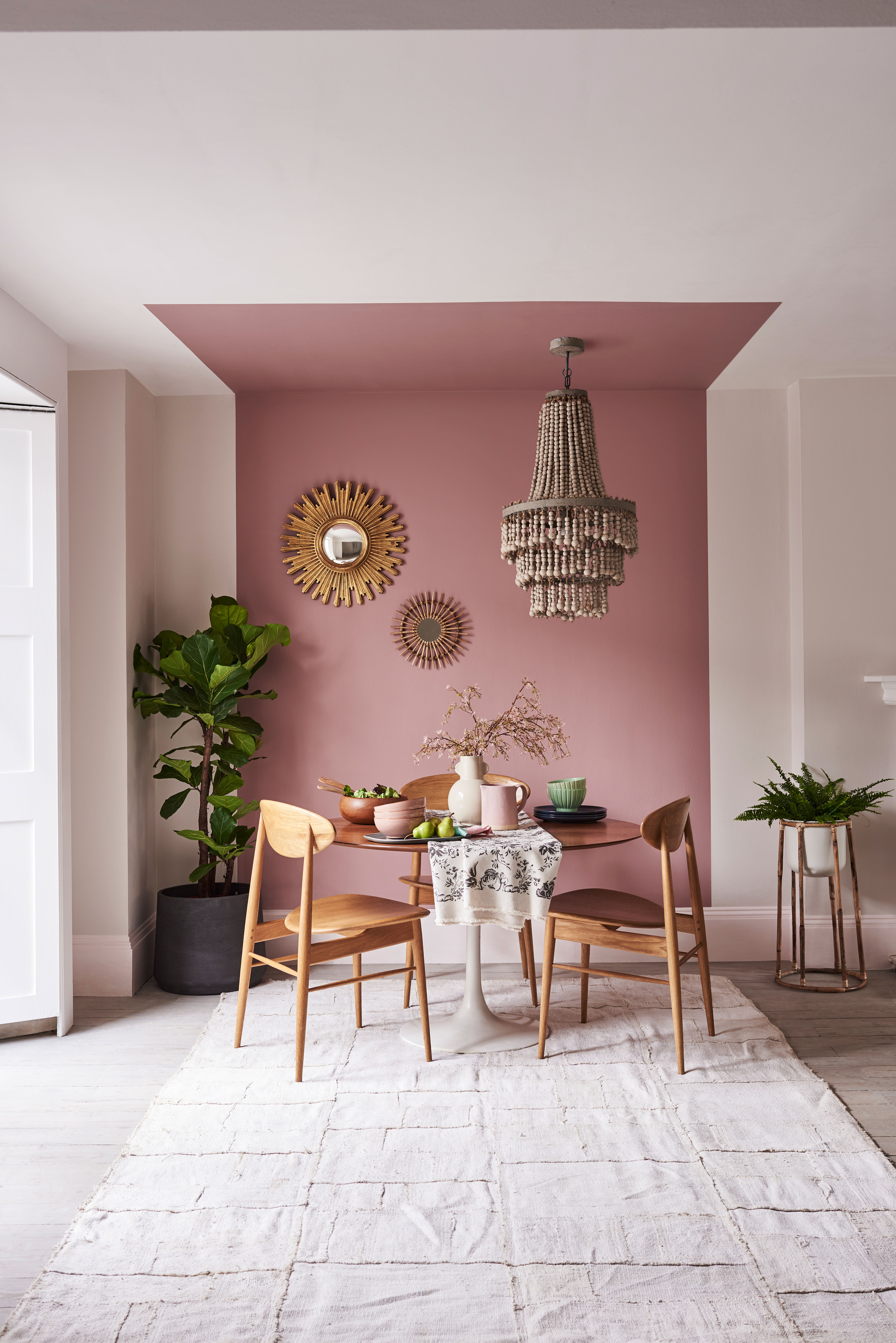
Dark colors make small rooms feel smaller. That’s just how light and shadow work. Light walls bounce natural light around, making your dining area feel bigger than it actually is.
Soft whites, warm creams, and pale grays are your best friends here. You don’t need boring though. Add personality through accessories instead of walls.
Practical tip: Test paint samples on your wall for a few days before committing. Light changes color throughout the day.
Color Palette Options for Small Dining Spaces
| Color Scheme | Wall Color | Accent Color | Best For |
|---|---|---|---|
| Soft Neutral | Warm White | Terracotta | Traditional or boho spaces |
| Cool Modern | Pale Gray | Navy Blue | Contemporary apartments |
| Coastal Fresh | Light Blue-Gray | Sandy Beige | Coastal or beach themes |
| Warm Minimalist | Cream | Sage Green | Scandinavian style rooms |
| Bold Statement | White | Charcoal Black | Industrial loft apartments |
Once your walls set the mood, lighting takes things even further.
4. Hang a Statement Pendant Light Instead of Using Floor Lamps
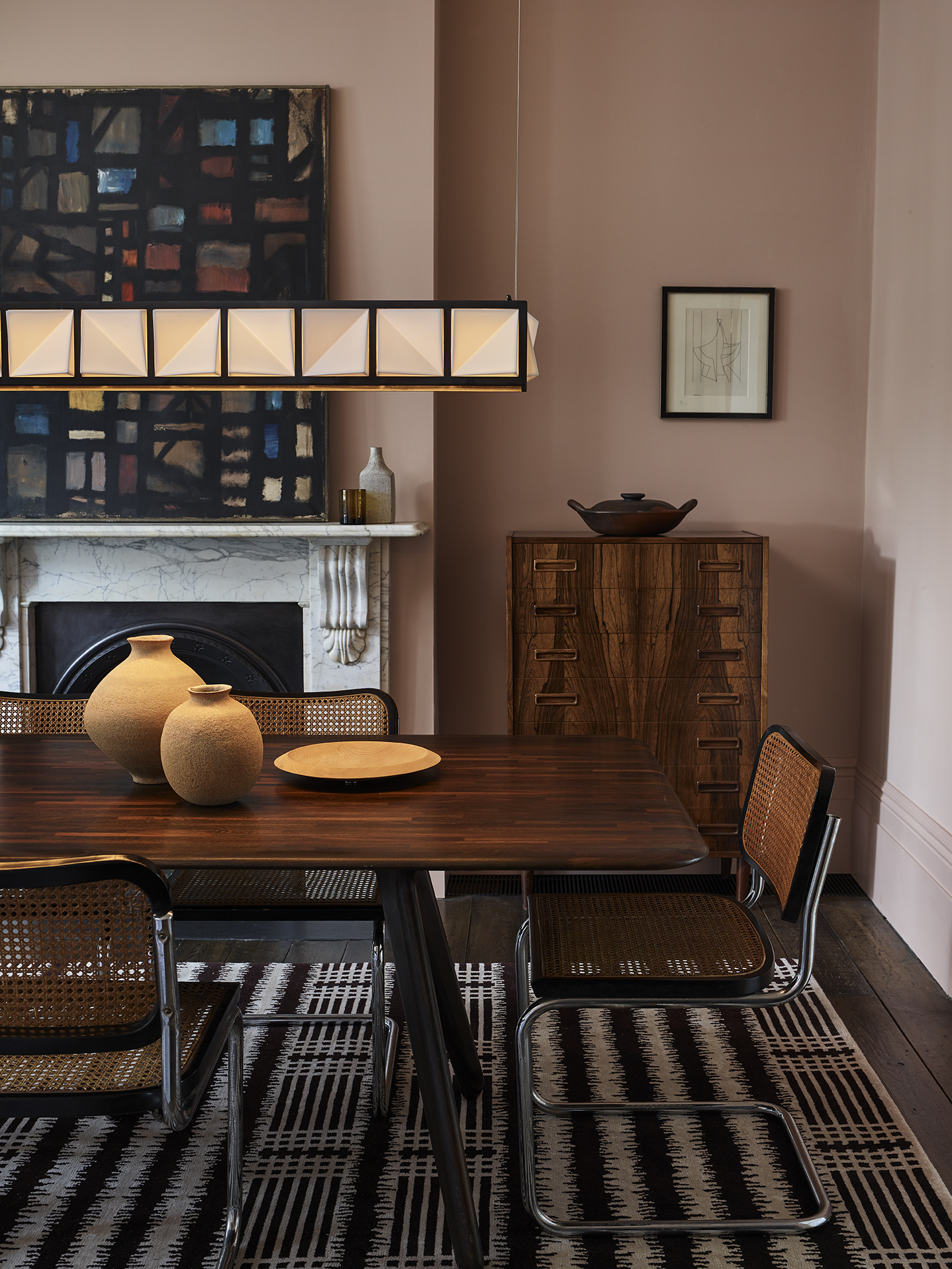
Floor lamps eat up precious floor space you don’t have. A pendant light hangs from the ceiling and frees up that real estate completely. Plus, it becomes a focal point that draws the eye upward, making ceilings feel taller.
Choose one pendant that matches your room’s personality, whether that’s a woven rattan shade for boho vibes or a sleek glass globe for modern spaces.
Practical tip: Hang your pendant about 30 to 36 inches above your table surface for the right proportion.
Traditional apartments look amazing with brass or bronze fixtures, while industrial spaces call for exposed bulb designs with black metal cages.
Speaking of visual tricks, mirrors deserve their own spotlight next.
5. Add a Large Mirror to Create Visual Depth
Mirrors are basically magic for small spaces. They reflect light and make rooms look twice as big as they really are. Hang one across from your dining table or window for the best effect.
I added a big mirror to my dining nook and honestly, it felt like I gained an extra ten square feet overnight.
Practical tip: Position mirrors to reflect something pretty, like a plant or window, not a blank wall.
Ornate gold-framed mirrors suit traditional decor, while simple frameless mirrors work better in minimalist or modern apartments.
Now that we’ve covered the big visual tricks, let’s shrink things down with smart furniture choices.
6. Go With a Bench Instead of Chairs on One Side

Benches slide right up against a wall or table, saving inches you desperately need in tight apartments. They also fit more people than individual chairs would in the same space.
A simple wooden bench works in almost any style. Pair it with two or three chairs on the opposite side for a mixed, casual look that feels intentional rather than mismatched.
Practical tip: Add cushions or a folded throw blanket to make backless benches more comfortable for longer meals.
Farmhouse apartments love a distressed wood bench, while modern spaces do great with upholstered benches in bold fabric colors.
Benches lead nicely into another space-saving hero: banquette seating.
7. Build or Buy a Banquette for Built-In Seating

Banquettes are upholstered bench seating that often lines a wall or corner. They’re perfect for apartments because they use vertical wall space instead of spreading out horizontally like traditional chairs do.
You can find ready-made banquette benches or even build a simple one using a storage bench with cushions on top. This doubles as extra storage, which every apartment desperately needs.
Practical tip: Choose a durable, stain-resistant fabric since banquettes get a lot of use during meals.
Coastal homes pair banquettes with striped cushions, while eclectic apartments mix patterned pillows for a collected-over-time feel.
Once seating is sorted, let’s think about what’s actually on your table.
8. Layer a Table Runner Instead of a Full Tablecloth

Full tablecloths can feel heavy and old-fashioned in small modern apartments. A table runner adds color and texture without covering the whole table, which keeps things feeling light and current.
Choose a runner in a contrasting color or pattern to your table’s finish. Linen runners feel casual, while embroidered ones add a touch of elegance.
Practical tip: Fold your runner lengthwise for a slimmer look on narrower tables.
Bohemian apartments love mixed-pattern runners, while minimalist spaces stick to solid neutral linen options.
Runners set the stage, but centerpieces bring the whole table together.
9. Keep Centerpieces Low and Narrow

Tall centerpieces block conversation and eat up visual space you don’t have to spare. Low, narrow arrangements keep sightlines open across the table, which matters a lot when your dining area is small.
A row of small vases with single stems works great. So does a shallow bowl filled with fruit or a few candles in varying heights, none taller than 8 inches.
Practical tip: Group centerpiece items in odd numbers, like three or five, for a more natural, balanced look.
Modern apartments favor geometric vases, while traditional spaces enjoy classic ceramic bowls or silver trays.
Centerpieces matter, but so does what’s above your table.
10. Install Open Shelving for Dishes and Decor

Open shelving above or near your dining area gives you storage without the bulk of a full cabinet. It also creates a spot to display pretty dishes, glassware, or small plants that add personality to the room.
Floating shelves are easy to install in most rental apartments and don’t require major construction. Stick to a few pieces per shelf so it doesn’t look cluttered or overwhelming.
Practical tip: Use removable adhesive hooks or brackets if your lease doesn’t allow permanent wall drilling.
Scandinavian apartments keep shelves sparse and white, while eclectic spaces layer in colorful ceramics and plants.
Small Space Furniture Size Guide
| Furniture Piece | Max Width for Small Rooms | Seats | Notes |
|---|---|---|---|
| Round Table | 42 inches | 4 people | Best for tight corners |
| Drop-Leaf Table | 36 inches (closed) | 2-6 people | Flexible for gatherings |
| Bench | 48 inches | 2-3 people | Slides against walls |
| Banquette | Varies by wall | 3-5 people | Uses corner space well |
| Bar Cart | 30 inches | Storage only | Doubles as serving space |
Storage solves clutter, but rugs solve comfort and warmth. Let’s get into that next.
11. Anchor the Space With a Rug, Even a Small One

A rug under your dining table defines the space, even in an open floor plan apartment where the dining area blends into the living room. It signals “this is a separate zone” without needing actual walls.
Pick a rug that extends about 24 inches beyond your table’s edge on all sides. This way chairs stay on the rug even when pulled out for sitting down.
Practical tip: Choose a low-pile rug so chairs slide easily without snagging or bunching fabric.
Bohemian spaces love layered vintage-style rugs, while modern apartments prefer geometric patterns in neutral tones.
Rugs ground the room, and wall art brings personality up to eye level.
12. Choose Vertical Wall Art to Draw the Eye Upward

Small rooms benefit from anything that pulls attention upward, and vertical art does exactly that. Tall, narrow frames or a stacked gallery wall make ceilings feel higher than they actually are.
Stick to two or three pieces max in a small dining area. Too much art competes for attention and makes the space feel busy instead of intentional.
Practical tip: Hang art so the center sits at eye level, roughly 57 to 60 inches from the floor.
Traditional apartments suit framed botanical prints, while modern spaces look sharp with abstract line art in black and white.
Art adds personality, but folding furniture adds flexibility for entertaining.
13. Keep a Folding Table or Chairs in Storage for Guests

Sometimes you need extra seating for a dinner party but don’t have room for it daily. Folding tables and chairs solve this problem perfectly. Store them in a closet and pull them out only when needed.
Look for lightweight designs that lean flat against a wall or slide under a bed for storage. Some folding chairs even come padded now, so guests won’t complain about comfort.
Practical tip: Measure your closet or storage space before buying folding furniture to make sure it actually fits.
Modern apartments do well with sleek metal folding chairs, while traditional spaces prefer wood folding chairs with subtle carving details.
Let’s wrap up the ideas list with two final space-saving tricks.
14. Use a Bar Cart as a Mobile Serving Station
Bar carts aren’t just for drinks. Roll one over during meals to hold extra dishes, napkins, or serving trays. When you’re done, roll it back against the wall and reclaim your floor space.
This piece works especially well in apartments without a separate kitchen island or buffet table. It’s basically a moving counter that goes wherever you need it.
Practical tip: Choose a cart with wheels that lock, so it doesn’t roll away mid-meal.
Industrial apartments love black metal bar carts, while glam spaces shine with gold or brass frame versions.
15. Mount a Fold-Down Table Directly on the Wall

When floor space is nearly nonexistent, a wall-mounted fold-down table might be your best bet. It stays flat against the wall until you need it, then folds out to create instant dining space for one or two people.
These work great in studio apartments or as a backup eating spot in a tiny kitchen. Pair it with wall-mounted stools that also fold flat for a completely collapsible dining setup.
Practical tip: Install at standard counter height, around 36 inches, so it works for eating and quick work tasks too.
Minimalist apartments love plain white fold-down tables, while industrial lofts pair well with raw wood and black metal brackets.
Tips for Success
- Measure everything twice before buying furniture, including doorways and hallways you’ll need to move pieces through
- Stick to a consistent color palette across walls, textiles, and furniture to make small spaces feel pulled together
- Choose multi-functional pieces whenever possible, since every item should earn its spot in a small apartment
- Keep centerpieces and decor minimal so the table itself doesn’t feel cluttered or cramped
- Use lighting on a dimmer switch or with warm bulbs to create ambiance without needing extra floor lamps
- Rotate seasonal decor instead of buying permanent pieces, since apartments often need to feel fresh without major investment
- Ask your landlord about wall-mounting rules before installing shelves or fold-down tables
Common Mistakes and How to Avoid Them
Buying a table too large for the space
: Measure your room and leave at least 36 inches of clearance on all sides for walking room.
Ignoring vertical space
: Use wall shelves, hanging pendants, and tall art to draw eyes upward and make the room feel taller.
Choosing bulky chairs that block flow
: Pick armless, stackable, or nesting chairs that tuck away easily when not in use.
Overcrowding the table with decor
: Keep centerpieces low, narrow, and limited to a few items so the surface doesn’t feel cluttered.
Skipping a rug because the space is small
: A properly sized rug actually defines the dining zone and makes the area feel intentional, not skipped.
Using only one light source
: Combine a pendant light with candles or wall sconces for layered, warmer lighting throughout meals.
Similar Variations
- Studio Dining Nook: A tiny corner setup designed for studio apartments with zero separate dining room
- Balcony Dining Setup: Small-scale outdoor furniture that turns a balcony into a secondary eating space
- Open-Concept Dining Zone: A dining area that flows directly into the kitchen or living room without walls
- Rental-Friendly Dining Room: Designs that avoid permanent changes, using removable hooks and freestanding furniture
- Multi-Purpose Dining Office: A dining table that doubles as a workspace during the day and eating space at night
- Corner Banquette Nook: A built-in style seating arrangement tucked into an unused corner for maximum efficiency
Small apartments don’t have to mean small style. Every idea here proves you can make a tiny dining space feel warm, functional, and totally yours, without knocking down walls or spending a fortune. Pick a few tricks that fit your space and your budget, then build from there. That’s really the whole secret behind pulling off 15 apartment dining room ideas that actually work in real life, not just in photos.
Leave a Reply