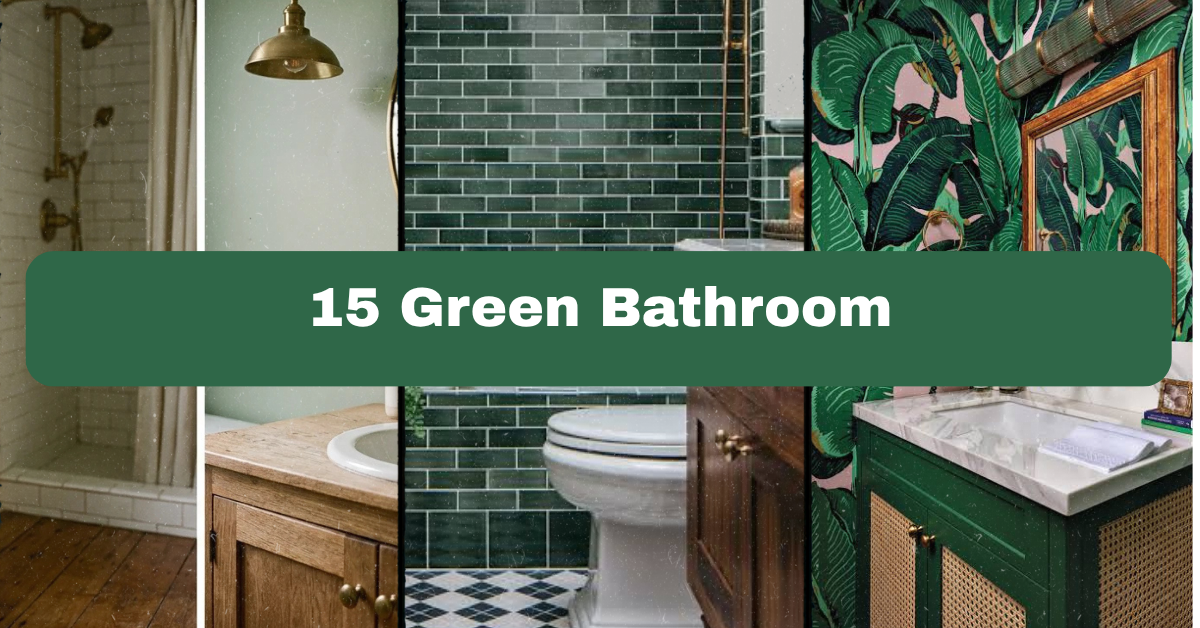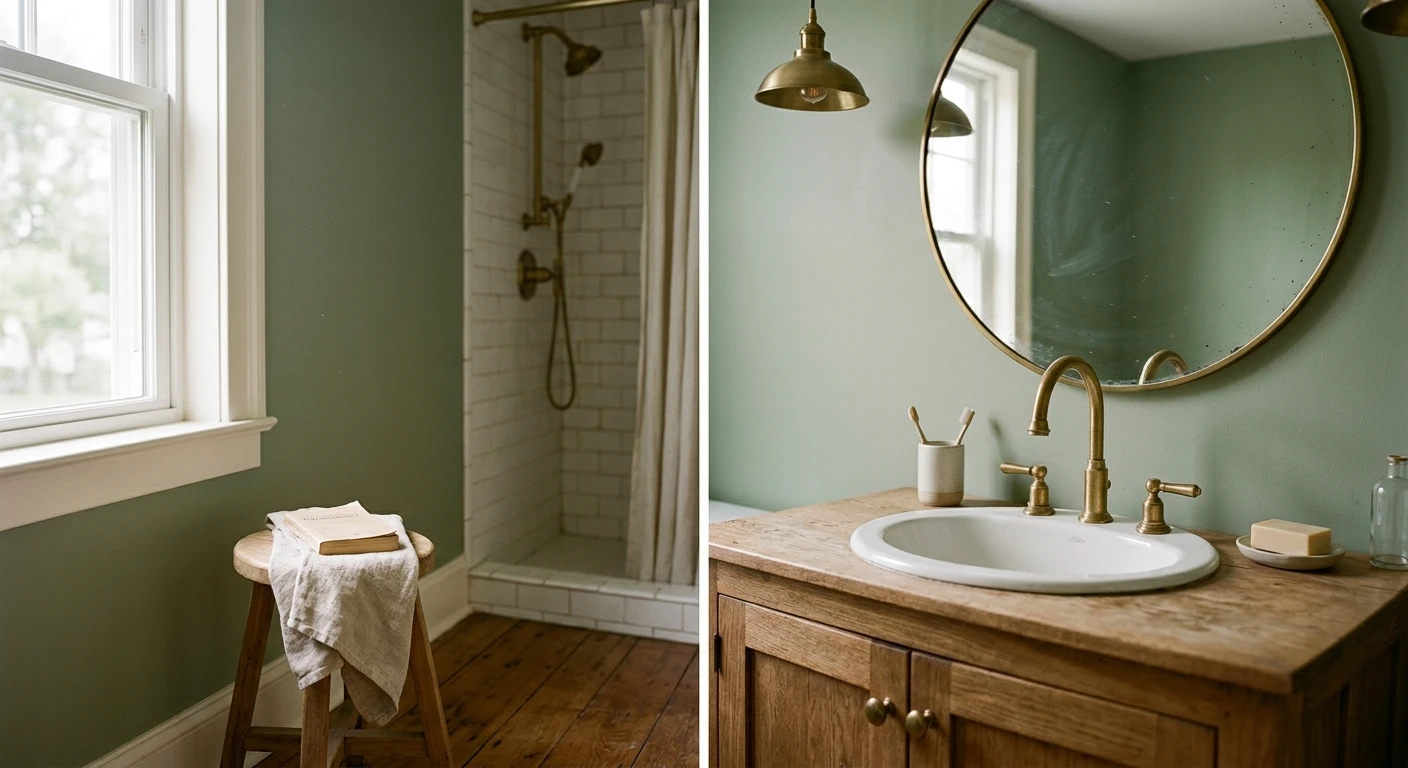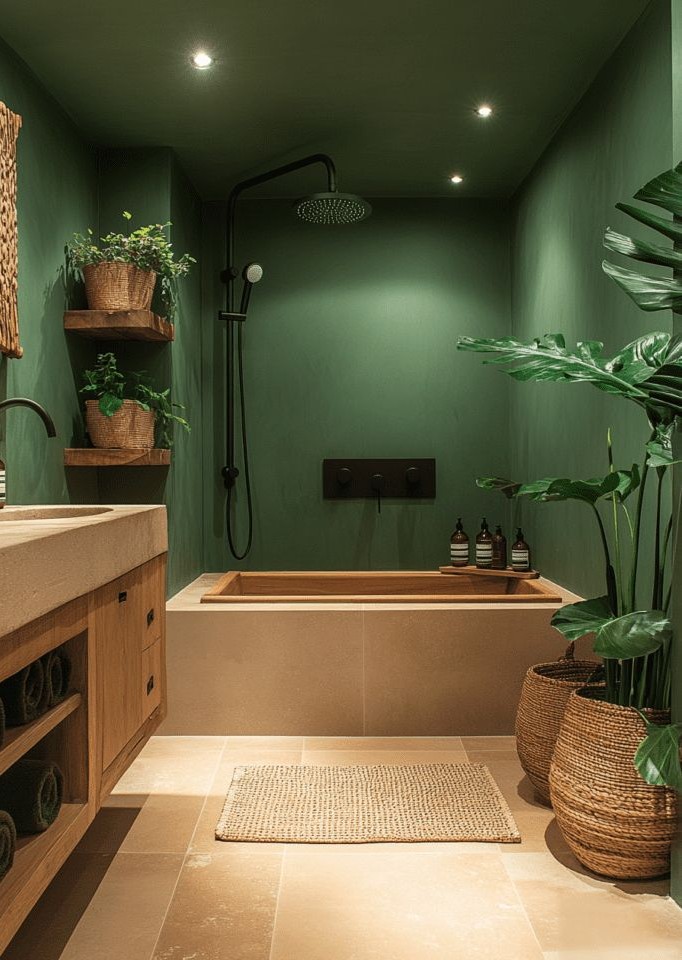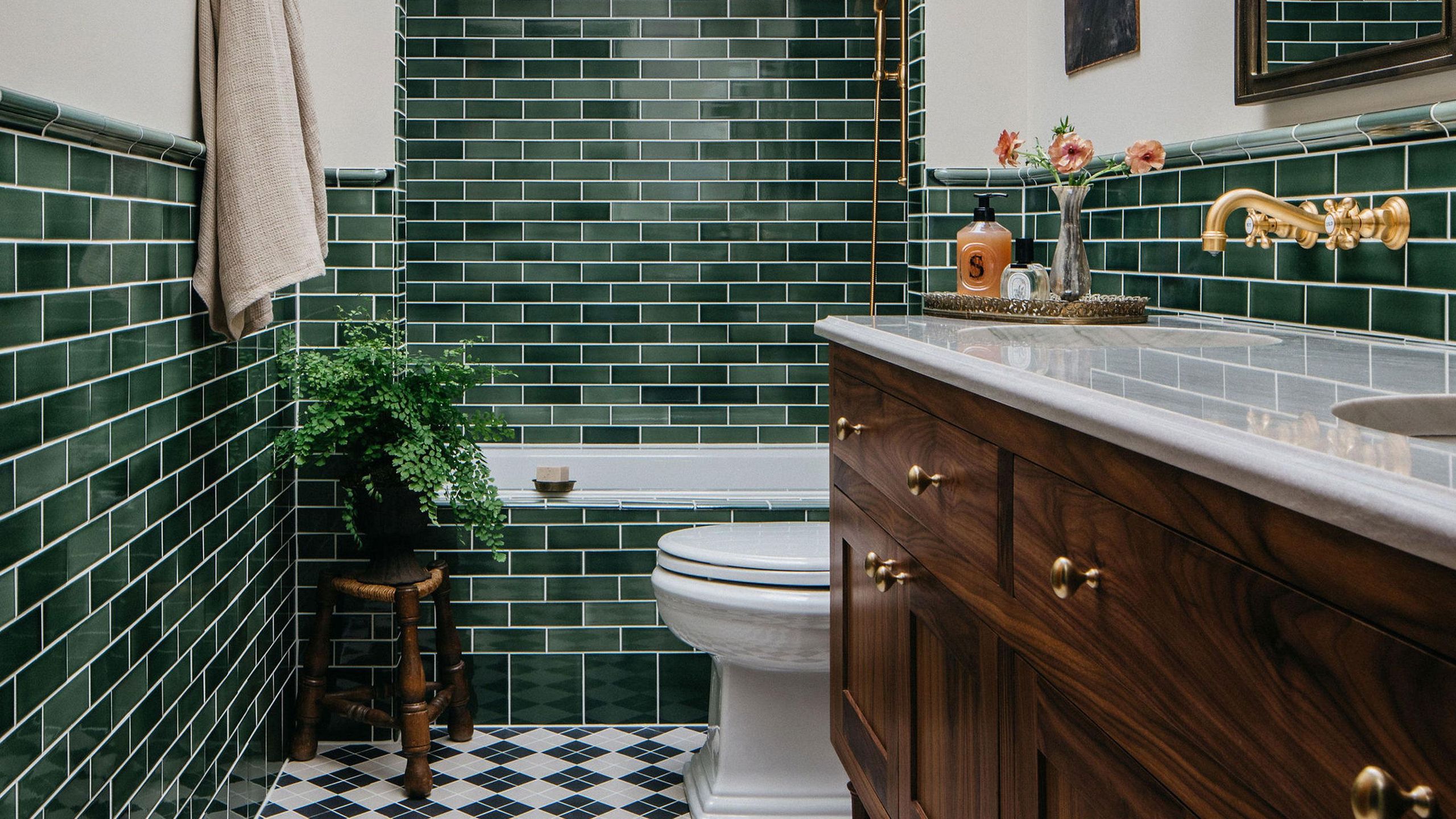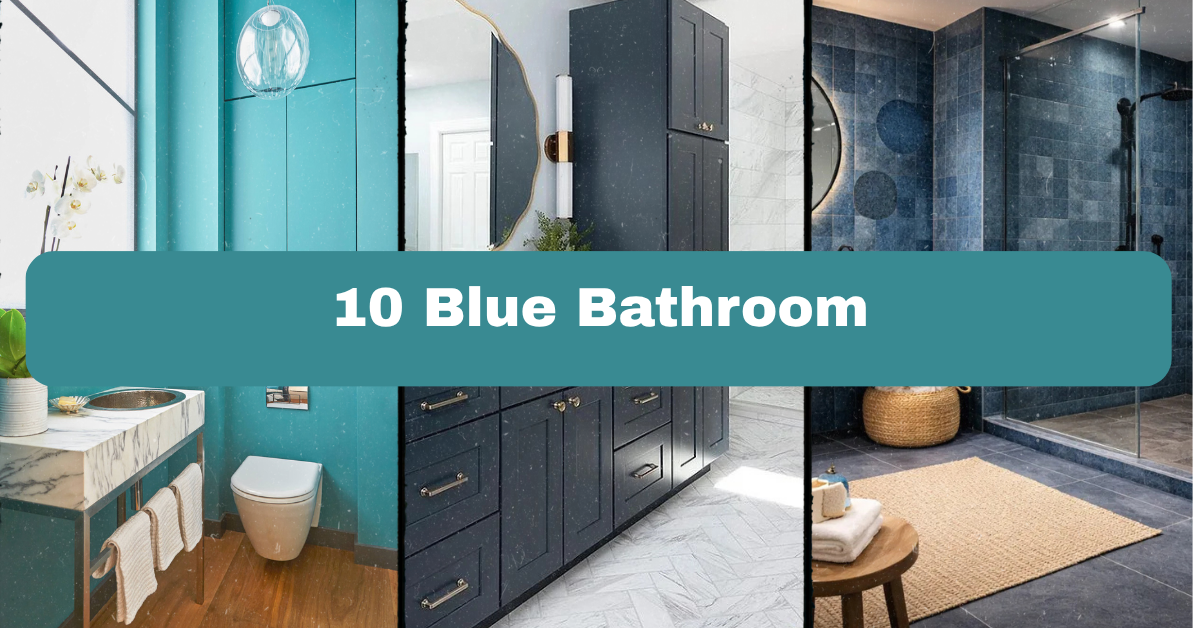
If you’ve been searching for 10 blue bathroom ideas that actually work in real homes (not just fancy showrooms), you’ve landed in the right spot. I’ve spent way too many hours studying paint chips and tile samples, so I’m going to save you the trouble.
A blue bathroom uses shades of blue as the dominant color on walls, tile, or fixtures to create a calm, spa-like feel. Blue works well in bathrooms because it pairs naturally with white, wood, and metal finishes, and it doesn’t overwhelm small spaces the way darker colors can.
Stick around, because I’m about to walk you through a dozen ways to bring this color into your space, plus a few mistakes that trip people up.
Why Blue Works So Well in Bathrooms
Ever notice how hotels and spas almost always use blue somewhere in the bathroom? That’s not an accident. Blue reminds us of water and sky, so our brains just relax a little when we see it. It’s basically the color version of a deep breath.
I also love blue because it’s forgiving. Light blues make a small bathroom feel bigger. Dark blues make a big bathroom feel cozy and expensive. There’s a shade for every mood, whether you want something bright and beachy or moody and dramatic. That flexibility is exactly why this color keeps showing up in bathroom design year after year, and why I think it deserves a real deep dive instead of a quick paint swatch decision.
1. Paint the Walls in Soft Sky Blue

Start simple. A soft sky blue on the walls is the easiest way to test the blue bathroom look without committing to tile or big renovations. This shade works because it’s light enough to bounce sunlight around the room, which matters a lot in bathrooms with small windows.
Pair it with white trim and a plain white vanity so the wall color gets to be the star. Add brushed nickel or matte black fixtures depending on whether you want a soft or bold contrast.
Practical tip: test the paint in your actual bathroom lighting before buying gallons. Blue shifts a lot depending on whether your light bulbs are warm or cool.
This look fits almost any home style, from farmhouse to modern minimalist. Once your walls are set, you’ll want furniture and accessories that don’t fight with that fresh color.
2. Choose a Navy Vanity for Bold Contrast

If painted walls feel too safe, try a navy blue vanity instead. This is one of my favorite tricks because it adds color without covering the whole room in it. A navy vanity against white walls and a light floor creates instant contrast and looks intentional, not accidental.
Go with brass or gold hardware for a warmer, more traditional feel, or stick with chrome for something sleeker and more modern. Marble or quartz countertops in white or light gray keep the navy from feeling too heavy.
Practical tip: if you’re renting or nervous about commitment, buy a navy vanity instead of painting built-in cabinetry. It’s easier to swap out later.
Coastal and traditional homes both use this trick often, since navy reads as classic in almost any setting. Next, let’s talk about tile, because that’s where blue really gets to shine.
3. Use Blue Subway Tile for a Timeless Shower Wall

Subway tile never really goes out of style, and blue versions give it a fresh twist. A pale or medium blue subway tile on the shower wall adds texture and color without feeling trendy in a bad way.
Stick with white grout for a crisp, classic look, or use a slightly darker grout if you want the tile lines to stand out more. This is a great option if you want color but aren’t ready to paint every wall blue.
Practical tip: order a few extra tiles beyond what you calculate needing. Bathroom cuts around corners and fixtures waste more tile than people expect.
Modern farmhouse and coastal bathrooms both lean on this idea heavily, since subway tile feels clean but not cold. Once the shower is handled, the floor is your next canvas.
4. Try Blue and White Patterned Floor Tile

Patterned floor tile in blue and white brings personality to a bathroom without needing bold paint color everywhere else. Moroccan-style patterns, hex tiles, or classic checkerboard designs in blue all work beautifully here.
Keep your walls white or a very light gray so the floor pattern doesn’t compete with anything else. A simple white vanity and plain mirror let the floor do the talking.
Practical tip: lay out a few tile samples on your actual floor before installing. Patterns can look totally different in a big sheet versus a small sample chip.
This idea works especially well in Mediterranean, bohemian, or eclectic-style homes where pattern mixing is already part of the design language. Speaking of patterns, let’s look at how blue works with different metal finishes.
Blue Bathroom Color Combos and What They Pair Best With
| Blue Shade | Best Wall Pairing | Best Metal Finish | Style Vibe |
|---|---|---|---|
| Sky Blue | White or cream | Brushed nickel | Soft, airy, casual |
| Navy | White or light gray | Brass or gold | Bold, classic |
| Teal | White or beige | Matte black | Modern, dramatic |
| Powder Blue | White or pale pink | Chrome | Vintage, sweet |
| Denim Blue | Warm white | Bronze | Rustic, cozy |
5. Add Brass Fixtures to Warm Up Cool Blues

Blue can feel a little cold on its own, especially the deeper shades. Brass fixtures fix that instantly. The warm gold tone balances out cool blue and makes the whole room feel more inviting.
Swap your faucet, drawer pulls, and light fixtures to brass or a warm gold finish. Even small changes, like a brass towel bar, make a noticeable difference.
Practical tip: mix brushed brass with your existing chrome mirror if you’re not ready to replace everything at once. A little mixing looks intentional, not messy.
Traditional and transitional style homes especially benefit from this warm and cool combo. Now let’s talk about a design trick that plays with light instead of metal.
6. Create Depth With a Two-Tone Blue Wall
Instead of picking one shade of blue, try two. Paint the bottom half of the wall in a darker blue and the top half in a lighter shade, separated by a chair rail or simple painted line. This trick adds depth and makes ceilings feel taller.
Keep the ceiling white to keep the room from feeling boxed in. A dark bottom, light top approach also hides water splashes and scuffs better near the floor.
Practical tip: use painter’s tape and a level, not just your eye, when marking the line between colors. A wobbly line ruins the whole effect.
This works really well in older homes with existing molding, but modern homes can pull it off too with a clean, simple stripe instead of fancy trim. Once your walls have dimension, accessories are the next easy win.
7. Layer in Textured Blue Towels and Bath Mats
Sometimes the easiest way to add blue is through textiles. Textured towels, a chunky bath mat, and a shower curtain in coordinating blue tones instantly shift the mood of a bathroom, and you can change them out whenever you want.
Mix a couple shades of blue rather than matching everything exactly. A navy mat with sky blue towels feels more collected than one flat color everywhere.
Practical tip: wash new towels before hanging them up. Dye can run in the first few washes and stain your grout or tile if you’re not careful.
This is the easiest idea on this list to try in a rental, and it works in literally every design style since textiles are so easy to swap. Once your soft goods are sorted, let’s look at a bigger design choice: tile shape.
8. Choose Fish-Scale Tile for a Playful Accent Wall

Fish-scale tile, sometimes called mermaid tile, adds a fun, curved shape that feels different from typical square tiles. In blue, it leans into the whole “bathroom equals water” theme without being too on-the-nose.
Use it as an accent wall behind the tub or as a backsplash rather than covering the whole room. That keeps the look special instead of overwhelming.
Practical tip: hire a tile setter with experience in curved or scalloped tile patterns. The cuts are trickier than standard square tile and DIY mistakes show easily.
Coastal, bohemian, and even some modern glam bathrooms use this tile shape to add a playful, slightly unexpected touch. Let’s shift now from tile to something a little more unexpected: ceilings.
9. Paint the Ceiling a Soft Blue Instead of White

Most people paint bathroom ceilings white and never think twice about it. But a soft blue ceiling, sometimes called a “haint blue” ceiling in Southern homes, adds a subtle, calming detail that people notice without knowing exactly why they like it.
Keep the shade lighter than your walls so the room still feels balanced. This trick works especially well in bathrooms with skylights or big windows.
Practical tip: use a flat or matte finish on ceilings instead of glossy paint, since glossy finishes show brush strokes more under bathroom lighting.
Southern traditional and cottage-style homes use this trick often, though it fits just as nicely in a simple modern bathroom. Next, let’s look at how blue works with natural materials.
10. Pair Blue Tile With Warm Wood Vanities
Blue and wood is a combo that almost never fails. A wood vanity, whether it’s a rich walnut tone or a lighter oak, softens blue tile or blue walls and keeps the whole room from feeling too cold or too matched.
Choose a vanity with visible wood grain rather than a painted finish, so the natural material really stands out against the blue.
Practical tip: seal wood vanities well in bathrooms, since humidity can warp or damage untreated wood over time.
Scandinavian, mid-century modern, and coastal homes all lean on this wood-and-blue combo heavily. Once your vanity is settled, lighting is the next detail worth thinking through.
11. Use Statement Lighting to Highlight Blue Tile
Good lighting can make blue tile look richer and more intentional. A statement light fixture, like a brass sconce or a small chandelier, draws the eye and shows off your color choices instead of leaving them in flat, boring light.
Warm-toned bulbs (around 2700K to 3000K) make blue feel cozier, while cooler bulbs (4000K and up) make blue feel crisper and more modern.
Practical tip: install lighting at eye level near mirrors instead of only relying on an overhead fixture. It reduces harsh shadows and shows true color better.
Modern and transitional bathrooms benefit most from statement lighting, though even traditional homes can use a simple sconce upgrade. Now let’s talk budget, since not every idea here costs the same.
Budget Guide for Blue Bathroom Updates
| Update | Approximate Cost | Effort Level | Best For |
|---|---|---|---|
| Paint walls blue | $50-150 | Low | Renters, quick refresh |
| Swap towels and mat | $40-100 | Very Low | Anyone, any timeline |
| Brass fixture swap | $150-400 | Medium | Small upgrade projects |
| Blue vanity install | $400-1200 | Medium-High | Bigger remodels |
| Full tile shower | $1500-5000+ | High | Full renovations |
12. Add a Blue Framed Mirror for a Finishing Touch

A plain mirror works fine, but a blue framed mirror ties the whole room together in a way that feels finished rather than random. This is a small detail that a lot of people skip, but it makes a real difference.
Choose a frame color that matches your darkest or boldest blue accent in the room, whether that’s your vanity, your tile, or your towels.
Practical tip: measure your existing mirror space before shopping, since bathroom mirrors often need to fit specific plumbing and outlet placements.
Coastal, traditional, and cottage bathrooms use colored mirror frames the most, though modern bathrooms can pull it off with a simple, thin blue frame too. With all twelve ideas covered, let’s move into some quick tips to help everything come together smoothly.
Tips for Success
- Always test paint colors in your bathroom’s actual lighting, both daytime and nighttime, before committing.
- Balance cool blue tones with warm materials like wood or brass so the room doesn’t feel cold.
- Keep grout lines lighter than dark tile if you want the tile pattern to stand out clearly.
- Introduce blue gradually if you’re nervous, starting with towels or a mirror before painting walls or tiling.
- Stick to two or three shades of blue max in one room to avoid a mismatched, chaotic look.
- Use ventilation fans consistently in tiled bathrooms, since humidity affects grout and paint color over time.
- Photograph your bathroom in different lighting before big purchases so you can compare tile or paint samples side by side.
Common Mistakes and How to Avoid Them
Choosing a blue that’s too dark for a small, windowless bathroom
: Stick with lighter shades like sky blue or powder blue in bathrooms with little natural light, and save navy for larger or brighter spaces.
Matching every single blue element exactly
: Mix a couple different shades and textures instead of buying everything in one identical blue tone. It looks more designed, not less.
Skipping a sample swatch before big tile purchases
: Order physical samples of tile and lay them next to your existing floor, counter, or cabinet color before ordering in bulk.
Forgetting about grout color
: Grout color changes the whole look of tile. Test a small section with your chosen grout before committing to the full installation.
Ignoring ventilation
: Blue paint and tile can fade or grow mildew faster in poorly ventilated bathrooms, so run the fan during and after every shower.
Overdoing cool tones without warmth
: A bathroom that’s all blue and white metal can feel sterile. Add wood, brass, or a warm bath mat to balance it out.
Similar Variations
- Coastal Blue Bathroom: Leans into beachy details like rope accents, white shiplap, and light sandy tones alongside the blue.
- Navy Moody Bathroom: Uses deep navy on walls or cabinetry paired with black fixtures for a dramatic, upscale feel.
- Teal Retro Bathroom: Brings back mid-century vibes with teal tile, chrome fixtures, and simple geometric patterns.
- Powder Blue Vintage Bathroom: Focuses on soft, pastel blue tones paired with white subway tile and vintage-style fixtures.
- Denim Blue Farmhouse Bathroom: Combines a slightly muted, faded blue with wood accents and simple, rustic hardware.
- Blue and Green Spa Bathroom: Mixes cool blues with sage or seafoam green for a nature-inspired, calming space.
Blue bathrooms work because they’re flexible. You can go soft and quiet, or bold and dramatic, and either direction still feels calming in the end. The real trick is picking your shade, balancing it with warm materials, and not being afraid to mix a couple different blues together instead of matching everything perfectly. If you’re still deciding where to start, just pick one or two ideas from this list of 10 blue bathroom concepts and build from there. You really can’t go wrong.