Author: Tayef

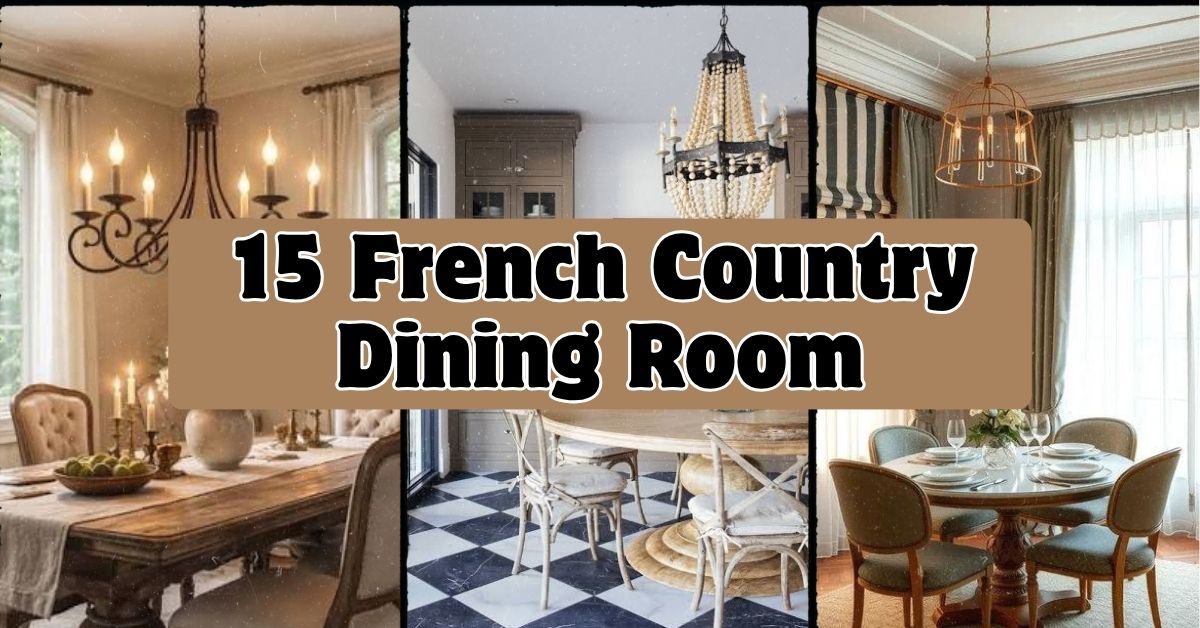
  • 15 French Country Dining Room Ideas That Will Make Your Space Feel Like a Provence Escape

    15 French Country Dining Room Ideas That Will Make Your Space Feel Like a Provence Escape

    If you’ve been scrolling through home decor sites trying to find real, usable French country dining room ideas, I’ve got you covered here. I’ve spent way too many hours researching this style (my husband thinks I’m obsessed), and I’m about to hand you the most complete list you’ll find anywhere.

    A French country dining room combines rustic wood furniture, soft muted colors, and vintage-inspired decor to create a warm, lived-in space. This style pulls from rural French farmhouses, mixing elegance with everyday comfort.

    Stick around, because I’m sharing 15 specific ideas, plus some tables and tips that most articles skip completely.

    What Even Is French Country Style, Anyway?

    Okay so before we jump into the list, let’s talk about what French country actually means. It’s not fancy Parisian apartment vibes. Think more like a cozy farmhouse in the French countryside, the kind you see in old movies with sunflowers outside the window.

    This style mixes rustic wood, soft colors like cream and lavender, and a little bit of old-world charm. It’s warm. It’s welcoming. It feels like it’s been there for generations, even if you bought everything last month.

    The best part? It’s forgiving. You don’t need matching furniture or perfect symmetry. A little imperfection actually makes it look more authentic.

    1. Start With a Weathered Wood Dining Table

    Modern French Farmhouse Tables for Every Budget - MONICA BENAVIDEZ
    Credit: Monica

    Your table is the heart of the room, so get this piece right first. Look for a table with a distressed or whitewashed finish. Oak and pine work great because they show natural grain and knots.

    Skip the glossy, machine-made tables. You want something that looks like it survived a few decades of family dinners.

    Practical tip: Check flea markets or estate sales before buying new. A used wooden table with some wear actually saves you money and gives you that authentic aged look instantly.

    This idea works in farmhouse and rustic homes too, not just French country ones. A weathered table is basically a decor chameleon.

    Now that your table is sorted, let’s talk about what goes around it.

    2. Mix Mismatched Wooden Chairs

    How to Master the Mismatched Dining Chair Trend
    Credit: One Kings Lines

    Here’s something that trips people up. French country doesn’t mean matching sets. Grab a few different wooden chairs, maybe some with woven rush seats, others with simple carved backs.

    The trick is keeping them in the same color family or wood tone so they feel connected without looking identical. This mismatched approach adds personality and makes the room feel collected over time, not bought in one trip.

    Actionable tip: Paint a couple of chairs in a soft cream or sage green to tie them together visually while keeping the rest natural wood.

    This idea translates well into eclectic and bohemian dining rooms too, where mismatched furniture is basically the whole point.

    Once your seating feels right, it’s time to think about color on the walls.

    3. Paint Walls in Soft, Muted Tones

    The Secrets To The French Country Color Palette - Edward George
    Credit: Edwards

    French country color palettes lean heavily on soft, faded colors. Think buttery yellow, dusty blue, sage green, and warm cream. These colors feel sun-bleached, like they’ve been kissed by years of French countryside light.

    Avoid stark white or bold, saturated colors. They clash with the whole vibe you’re going for.

    Popular French Country Wall Colors and Their Moods

    ColorMood It CreatesBest Paired With
    Buttery YellowWarm, cheerfulBlue accents, dark wood
    Sage GreenCalm, earthyCream linens, wicker
    Dusty BluePeaceful, airyWhite trim, gold accents
    Warm CreamSoft, timelessWood tones, terracotta
    Soft TerracottaCozy, rusticSage green, black iron

    Pick one main color and use it on the walls, then bring in a second color through textiles or accents. This idea flexes easily into coastal or Mediterranean-style rooms since they share similar muted palettes.

    With your walls settled, let’s bring in some texture from above.

    4. Hang a Wrought Iron Chandelier

    Old World European Iron Chandelier | Scroll Arms
    Credit: Rustica House

    Nothing says French country quite like a black wrought iron chandelier hanging over the table. The curvy, hand-forged look adds instant old-world charm.

    Look for one with candle-style bulbs or small shades. Avoid anything too modern or sleek metal because it’ll clash with the rustic wood everywhere else.

    Practical tip: Hang your chandelier so the bottom sits about 30 to 34 inches above the table surface. Any higher and it loses that cozy, intimate feeling.

    This lighting choice works beautifully in traditional and even industrial dining rooms, since wrought iron pairs well with exposed brick and metal accents too.

    Speaking of lighting, let’s talk about how natural light plays into this whole look.

    5. Layer Linen Curtains for Softness

    Dining Room Curtain Ideas, Modern Trends in Window Treatments, Fabrics and  Styles
    Credit: Lushome

    Skip heavy, formal drapes. French country windows call for light linen curtains that let sunlight filter through softly. Natural, slightly wrinkled linen in white or cream looks effortless and lived-in.

    These curtains soften hard window edges and add a gentle texture contrast against your wood furniture and iron fixtures.

    Tip: Don’t iron your linen curtains too perfectly. A few natural wrinkles actually add to the relaxed, countryside feel.

    This idea adapts well to Scandinavian and coastal styles too, since both love that airy, natural fabric look.

    Now let’s move to something you’ll see on almost every French country table: toile.

    6. Add Toile Fabric Accents

    19 Charming Ideas for French Country Decor with Rustic Elegance
    Credit: Better Homes

    Toile is that classic French pattern with pastoral scenes printed in one color on a light background. You’ll see it on tablecloths, chair cushions, or even framed as wall art.

    It’s instantly recognizable and adds authenticity fast. Use it sparingly though. One toile tablecloth or a few cushions is plenty. Too much and the room starts feeling like a costume set.

    Actionable tip: Try toile on chair seat cushions only, keeping the rest of your fabric choices solid and neutral.

    This pattern also shows up occasionally in traditional and grandmillennial styles, so it’s not locked into just one aesthetic.

    Once your fabrics are picked, let’s talk about a often forgotten but crucial piece of furniture.

    7. Bring in a Rustic Hutch or Sideboard

    Ideas for Decorating a French Country Dining Space
    Credit: Cottege

    A wooden hutch or sideboard gives you storage and display space at once. Look for pieces with a distressed finish, glass front doors, or open shelving to show off dishware.

    Fill it with mismatched china, glass jars, or vintage serving pieces. This piece becomes a visual anchor in the room beyond just the table.

    Tip: Stack a few cookbooks or old French wine crates on top for extra character without spending much.

    Hutches like this work great in farmhouse and cottagecore dining rooms, where display storage is just as important as seating.

    Now let’s ground the whole room with something underfoot.

    8. Choose a Textured Area Rug

    French Country Style Interior Decor And Rugs
    Credit: Nazmiyal

    A jute or wool rug under your dining table adds warmth and softens the wood-heavy look. Stick with neutral, earthy tones so it doesn’t compete with your walls or furniture.

    Make sure the rug is big enough that chairs stay on it even when pulled out. A rug that’s too small looks like an afterthought.

    Practical tip: Measure your table, then add at least 24 inches on all sides when picking rug size.

    This idea works across nearly every style, from modern minimalist to boho, since a good rug is basically universal.

    Let’s talk next about bringing the outdoors in, which is huge in this style.

    9. Display Fresh or Dried Botanicals

    7 ways to use dried flowers in your decor - French Country Cottage
    Credit: French Country Cottage

    French country decor loves nature. A simple vase of fresh lavender, sunflowers, or eucalyptus on the table instantly adds life and color.

    Dried herbs hanging in small bunches near the kitchen entry or on open shelves also work beautifully and last way longer than fresh flowers.

    Tip: Keep arrangements loose and a little wild looking. Overly perfect floral arrangements feel too formal for this relaxed style.

    This natural touch fits right into farmhouse, cottage, and even boho spaces without missing a beat.

    Now, let’s size up your space so everything fits properly.

    Dining Table Size Guide by Room Size

    Room SizeTable ShapeRecommended Table LengthSeats
    Small (10×10 ft)Round or oval42-48 inches4
    Medium (12×14 ft)Rectangular60-72 inches6
    Large (14×16 ft)Rectangular78-96 inches8
    Extra Large (16×20 ft)Rectangular100+ inches10-12

    Getting the size right matters more than people think. A table too big makes the room feel cramped, and too small makes it feel empty. Now that sizing is settled, let’s add some wall character.

    10. Add Exposed Wood Beams or Faux Beams

    Love this look!} Exposed Wood Ceiling Beams - The Inspired Room
    Credit: the inspired room

    If your ceiling allows it, exposed wood beams instantly transform a plain dining room into something that feels straight out of the French countryside. Real structural beams work best, but faux beams made from lightweight foam or wood veneer look convincing too.

    Stain them a rich, dark walnut or leave them raw and weathered looking.

    Tip: If you’re renting or don’t want permanent changes, look for beam wraps that attach without damaging your existing ceiling.

    This architectural feature also works wonders in rustic, farmhouse, and even Tuscan-inspired dining rooms.

    Let’s shift focus now to something smaller but impactful, your tableware.

    11. Use Mismatched Vintage Dishware

    How to style a table with Mismatched Dinnerware (and make it look chic
    Credit: Salaterra

    Skip the matching dinnerware sets. French country tables often feature collected pieces, different plates, bowls, and glasses gathered over years or found at estate sales.

    Stick to a general color story, maybe creams and soft blues, so the mismatch still feels intentional rather than chaotic.

    Actionable tip: Thrift stores are goldmines for this. Buy pieces slowly over time instead of all at once for a more authentic collected feel.

    This approach also fits eclectic and vintage-inspired dining rooms perfectly.

    Next, let’s talk about a decor element that ties everything together visually.

    12. Incorporate Wrought Iron or Wicker Accents

    Ideas for Decorating a French Country Dining Space
    Credit: Cottege

    Beyond the chandelier, small wrought iron or wicker details add texture throughout the room. Think wicker chair backs, iron candle holders, or a woven basket for bread on the table.

    These materials add visual interest without adding bold color, keeping the room’s soft palette intact.

    Tip: Use wicker chargers under your dinnerware for an easy, inexpensive texture boost during dinner parties.

    This mix of materials plays nicely into coastal and Mediterranean dining spaces too, since both love natural textures.

    Let’s move on to something that brings warmth and ambiance after dark.

    13. Add Candlelight Throughout the Room

    Adding subtle Christmas to the dining room kicked off seasonal decorating, and now it’s in full swing over here. Last year it took me a month to finish, so it’s not too early in our house. Everything ...
    Credit: wildflowerhome.interiors

    Candles are a French country staple. Use taper candles in iron holders down the center of the table, or place pillar candles on the sideboard.

    This soft, flickering light adds romance and warmth that overhead lighting alone can’t replicate.

    Practical tip: Choose unscented candles for dining spaces so they don’t compete with food smells during meals.

    This idea works in literally every design style, honestly. Candlelight is universally cozy.

    Now let’s talk about a wall treatment that’s often overlooked.

    14. Try a Stone or Brick Accent Wall

    15 Gorgeous Dining Rooms with Stone Walls
    Credit: Decoist

    If you want a bolder architectural statement, consider a stone or exposed brick accent wall. This works especially well behind a sideboard or as a backdrop for the dining table itself.

    It adds instant texture and that old farmhouse feeling without much extra decor needed.

    Tip: If real stone isn’t in the budget, faux stone panels give a similar look for a fraction of the cost and effort.

    This works great in rustic, industrial, and Tuscan-style spaces as well.

    Finally, let’s finish with a detail that pulls the whole room together.

    15. Layer in Vintage Mirrors and Wall Art

    21 Classic French Country Decor Ideas for Every Home
    Credit: Veranda

    A weathered, ornate mirror above your sideboard adds depth and bounces light around the room. Pair it with framed botanical prints or simple black and white countryside photos for extra character.

    Avoid modern, sleek frames here. Go for aged gold, distressed wood, or chipped paint finishes instead.

    Actionable tip: Group two or three smaller frames together instead of one large piece for a more collected, layered look.

    This finishing touch adapts easily into traditional, cottagecore, and vintage-style dining rooms too.

    Tips for Success

    • Start with your color palette first, then build furniture and decor choices around it
    • Buy furniture slowly over time instead of all at once, it looks more authentic and saves money
    • Don’t be afraid of imperfection, chips and wear add character in this style
    • Keep patterns limited to one or two (like toile) so the room doesn’t feel busy
    • Use natural materials wherever possible, wood, iron, linen, and wicker are your best friends
    • Add greenery or florals regularly to keep the space feeling alive and fresh
    • Shop secondhand first before buying new pieces, French country thrives on collected charm

    Common Mistakes and How to Avoid Them

    Using too much matching furniture
    : Skip matched sets entirely. Mix wood tones and chair styles slightly for a collected, lived-in look.

    Choosing bright, bold paint colors
    : Stick with muted, sun-faded tones like sage, cream, and dusty blue instead of anything saturated or neon.

    Overdoing the toile pattern
    : Limit toile to one or two accent pieces, like cushions or a table runner, not the whole room.

    Skipping texture variety
    : Mix materials like wood, iron, linen, and wicker so the room doesn’t feel flat or one-dimensional.

    Forgetting proper lighting layers
    : Combine a statement chandelier with candlelight for warmth, not just one overhead light source.

    Buying furniture too quickly
    : Take your time collecting pieces from thrift stores and estate sales for a more authentic, gathered feel.

    Similar Variations

    • French Provincial – a more formal, elegant take with curved furniture legs and richer fabrics
    • Farmhouse Style – similar rustic wood tones but with a more casual, American countryside feel
    • Cottagecore – leans into florals, softness, and a whimsical, storybook cottage vibe
    • Tuscan Style – warmer color palette with terracotta and stone, inspired by Italian countryside homes
    • Coastal French Country – blends soft blues and whites with the classic French country wood and iron elements
    • Rustic Provençal – focuses heavily on lavender fields, sun-bleached wood, and Mediterranean influence

    So there you have it. French country dining rooms are all about mixing rustic wood, soft muted colors, and collected vintage pieces to create something warm and welcoming. It’s a style that rewards patience, imperfection, and a little bit of personality over perfection.

    Whether you’re doing a full renovation or just swapping out a few pieces, these 15 French Country Dining Room ideas should give you everything you need to get started with confidence.
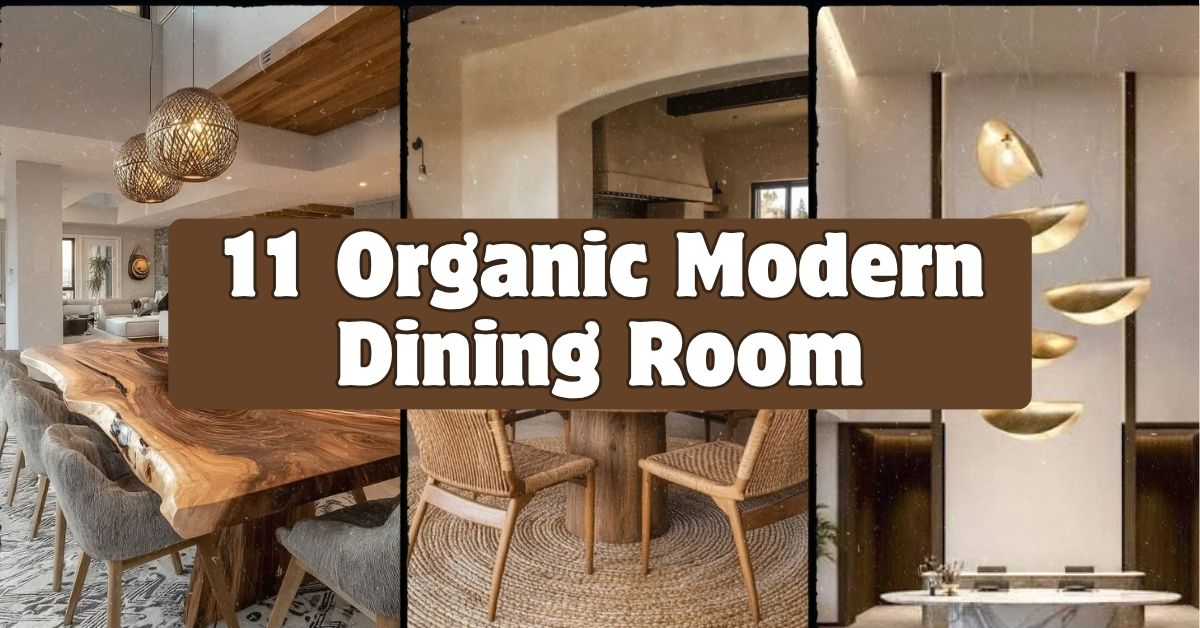
  • 11 Organic Modern Dining Room Ideas That Actually Feel Like Home

    11 Organic Modern Dining Room Ideas That Actually Feel Like Home

    If you’ve been scrolling Pinterest for hours trying to figure out how to make your dining room feel warm but not cluttered, modern but not cold, you’re in the right place. I’ve spent way too much time studying this exact style, and I’m going to walk you through everything that actually works.

    Organic modern dining room design blends clean, minimal lines with natural materials like wood, stone, rattan, and linen to create a space that feels calm, warm, and grounded rather than sterile or cluttered.

    Stick around, because I’m about to show you 11 specific ways to pull this look off in your own space, no matter your budget or square footage.

    What Even Is Organic Modern Style?

    Okay so let’s break this down real quick. Organic modern is basically the marriage of two design styles that used to feel opposite. Modern design gives you clean lines, simple shapes, and a lack of clutter. Organic design brings in nature. Think wood grain, woven textures, curved edges, and earthy colors.

    Put them together and you get a dining room that feels sleek but not sterile. It’s the style for people who want their home to feel calm, not showy. No harsh chrome. No stiff formal vibes. Just a space that feels like it breathes a little. That’s the whole point, and once you see it done right, you’ll notice it everywhere.

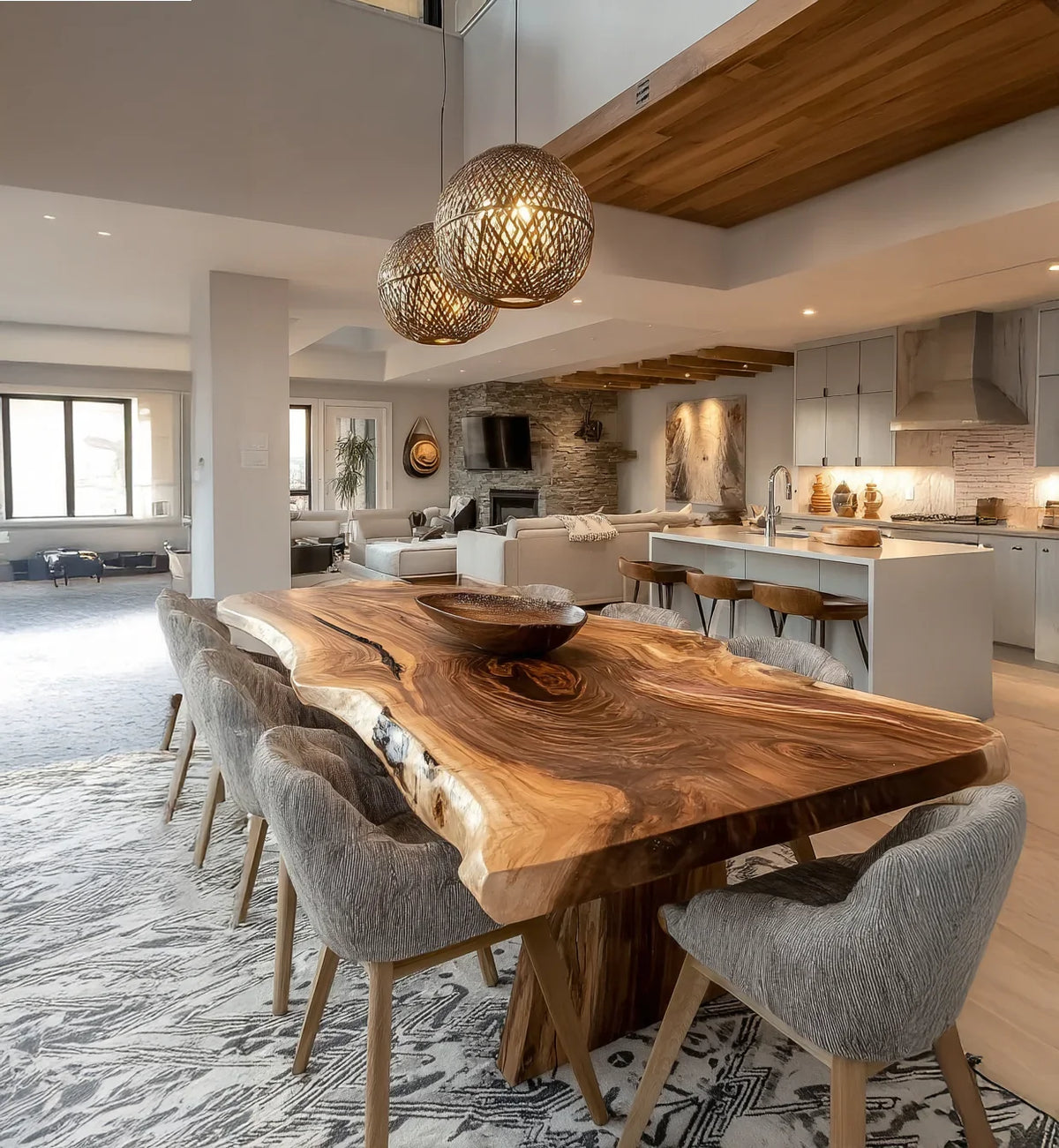
    1. Choose a Live-Edge Wood Table as Your Anchor

    Ashdeco Live Edge Dining Table – Handmade Solid Wood Rustic Farmhouse
    Credit: AshDeco

    Your dining table sets the tone for everything else in the room. A live-edge wood table, one with the natural, uneven edge of the tree left intact, is basically the poster child of organic modern style. It brings texture and imperfection into a room that might otherwise feel too polished.

    Go with walnut, oak, or acacia for that rich, warm grain. Pair it with simple straight legs, either wood or matte black metal, so the table doesn’t feel too rustic.

    Practical tip: If a full live-edge table is out of budget, look for a live-edge bench or console instead. Same texture, smaller price tag.

    This idea flexes well too. Coastal homes can go lighter with whitewashed wood, while traditional spaces can pair it with more formal chairs. Now let’s talk about what goes around that table.

    2. Mix Chair Styles Instead of Matching Them

    How to Style Mismatched Dining Chairs - Barker and Stonehouse
    Credit: Barkar

    Here’s something that trips people up. They think every chair needs to match perfectly. Organic modern actually loves a little variety. Try pairing wood chairs on one side with upholstered chairs on the other, or add two woven rattan chairs at the head and foot of the table.

    This mix keeps things visually interesting without looking chaotic, as long as you stick to a consistent color family. Neutral tones like cream, tan, sage, or soft brown work best.

    Practical tip: Keep at least one shared material or color across all your chairs so the mix still feels intentional, not random.

    This idea works beautifully in eclectic and coastal homes too, though traditional spaces might want to keep the variation more subtle.

    Speaking of color, let’s talk palette, because that’s where a lot of organic modern rooms live or die.

    3. Stick to a Warm, Earthy Color Palette

    The Best Earthy Dining Room Design Inspirations - Edward George
    Credit: Edwards

    Organic modern isn’t about bold color. It’s about tone and warmth. Think sand, clay, olive, cream, and soft charcoal. These colors let the natural materials do the talking instead of fighting for attention.

    Organic Modern Color Palette Guide

    Palette NameWall ColorFurniture ToneAccent Color
    Desert WarmWarm WhiteHoney OakTerracotta
    Coastal NeutralSoft SandWhitewashed WoodSage Green
    Moody EarthGreigeWalnutRust Orange
    Minimal CreamOff-WhiteLight Ash WoodOlive

    Practical tip: Pick one dominant neutral, one furniture wood tone, and just one accent color. That’s it. Adding more starts to muddy the whole vibe.

    This palette approach adapts easily. Farmhouse spaces can lean cream and white, while Scandinavian rooms can go lighter and cooler overall.

    Now that your colors are set, let’s bring in some texture through lighting.

    4. Hang a Sculptural Pendant Light

    Artisan Organic Brass Pendant Light | Hand-Hammered Sculptural Lamp – Edken  Lights LLC
    Credit: Edken Lights

    Lighting is one of the easiest ways to make a dining room feel finished. In organic modern spaces, the pendant light often acts like a piece of art. Think woven rattan pendants, sculptural ceramic shades, or organic-shaped wood and metal fixtures.

    Skip anything with sharp glass or shiny chrome. Those read more industrial or glam, not organic.

    Practical tip: Hang your pendant about 30 to 36 inches above the table surface so it doesn’t block sightlines but still feels grounded.

    This idea shifts easily across styles. Boho homes can go bigger and more textured with fixtures, while modern farmhouse spaces might choose a simpler wood bead chandelier.

    Once your lighting is set, it’s time to think about what covers your floor.

    5. Layer a Natural Fiber Rug Underneath

    A Guide to Layering Rugs in Modern Interior Design | Rug & Kilim
    Credit: Rug

    A jute or sisal rug under your dining table adds warmth and softens all those clean lines from your furniture. It also helps define the dining space, especially in open floor plans where the dining area blends into the living room.

    Stick to a rug that’s big enough to fit under the entire table and chairs, even when they’re pulled out.

    Dining Rug Size Guide

    Table SizeRecommended Rug Size
    4-seat round table6×6 ft round or square
    6-seat rectangular table8×10 ft
    8-seat rectangular table9×12 ft
    10-seat rectangular table10×14 ft

    Practical tip: Add a rug pad underneath. It keeps the rug flat and adds a little cushion under your dining chairs.

    This idea works in almost any style. Traditional rooms might choose a patterned wool rug instead of jute, while coastal spaces might go with a light, textured seagrass option.

    Next, let’s talk about the walls, because empty walls are a missed opportunity here.

    6. Add Textured Wall Treatments Instead of Flat Paint

    How to Add Texture to Your Walls | Apartment Therapy
    Credit: Apartment Therapy

    Flat painted walls can feel a little boring in an organic modern dining room. Instead, try lime wash paint, textured plaster, or wood paneling. These finishes add depth without adding clutter.

    Lime wash paint especially gives that soft, cloudy, handmade look that feels very “organic modern.”

    Practical tip: If a full textured wall feels like too much commitment, start with just one accent wall behind your table.

    This idea flexes really well. Mediterranean-style homes love lime wash too, while mid-century modern spaces might prefer simple wood slat paneling instead.

    Now let’s bring nature inside a little more directly.

    7. Bring In Greenery With Simple, Sculptural Plants

    Stylish Ways to Use Green in Dining Room Design | FH
    Credit: Fancy House Design

    Plants are basically non-negotiable in organic modern design. But it’s not about a jungle of plants everywhere. Choose one or two statement plants with simple, sculptural shapes, like a fiddle leaf fig, olive tree, or snake plant.

    Skip the tiny plastic pots. Go for woven baskets, stone planters, or simple ceramic pots in neutral tones.

    Practical tip: Place your plant in a corner near a window so it gets light but doesn’t crowd your walking path around the table.

    This works in every home style honestly. Boho spaces can add more plants and layer in trailing varieties, while minimalist homes should stick to just one clean, simple plant.

    With your greenery in place, let’s talk about what’s actually on your table.

    8. Style Your Table With Organic, Low-Profile Centerpieces

    55 Best Wedding Centerpiece Ideas for Every Style
    Credit: Braids

    Your centerpiece shouldn’t block conversation across the table. Think low wooden bowls filled with fruit, a simple ceramic vase with a few dried stems, or a small collection of stone objects.

    Avoid anything too shiny, glittery, or seasonal-looking. Organic modern favors things that look like they were found, not bought at a holiday sale.

    Practical tip: Keep your centerpiece under 12 inches tall so people can still see each other across the table.

    This idea adapts really well too. Traditional homes might use a low floral arrangement instead, while coastal spaces could swap in dried coral or driftwood pieces.

    Let’s move from the table to the seating cushions and soft textures around the room.

    9. Use Linen or Boucle Fabric on Dining Chairs

    How To Create a Stylish Dining Room with Organic Modern Dining Chairs -  Pursuit Decor
    Credit: Pursuit Decor

    If you’re adding upholstered chairs, skip anything too slick or shiny. Linen, boucle, and other textured, matte fabrics fit the organic modern look so much better. They add softness and a slightly imperfect, lived-in feel.

    Stick to your neutral color palette here too. Cream, oatmeal, warm gray, and soft taupe all work beautifully.

    Practical tip: Choose a stain-resistant linen blend if you have kids or pets. It gives you the look without the maintenance headache.

    This idea works across styles easily. Traditional homes might choose a subtle textured fabric with piping detail, while modern homes can keep it super simple and clean.

    Now, let’s zoom out and think about your storage pieces.

    10. Choose a Sideboard With Curved Edges and Natural Materials

    Stylish Storage: Unique Sideboards & Buffets for Modern Homes
    Credit: Harmany Home Design

    A sideboard or buffet gives you storage and a place to style decor, but the shape matters a lot here. Look for pieces with curved corners, woven cane fronts, or solid wood construction instead of sharp-edged, glossy furniture.

    This piece can also be where you introduce a little more color or pattern if your table and chairs are pretty neutral.

    Practical tip: Style the top of your sideboard with three items of varying height, like a lamp, a plant, and a stack of books, for an easy, balanced look.

    This adapts well too. Mid-century modern homes might choose a sideboard with tapered wood legs, while traditional spaces could go with a slightly more detailed wood carving.

    Let’s talk about one more often-overlooked detail: your window treatments.

    11. Choose Simple, Natural Window Treatments

    Best Organic Modern Window Treatments
    Credit: Allisha Jacobs

    Heavy, formal curtains can clash with the organic modern vibe. Instead, go with simple linen curtains, woven roman shades, or bamboo blinds. These let in natural light while still adding texture.

    Light and neutral colors work best here so the windows don’t compete with your other design elements.

    Practical tip: Hang curtains close to the ceiling, not just above the window frame, to make your dining room feel taller and more open.

    This idea shifts easily across styles too. Coastal homes might choose woven bamboo shades, while farmhouse spaces could add simple cotton curtains with a subtle texture.

    Tips for Success

    • Start with your furniture’s wood tone first, then build your color palette around it instead of the other way around.
    • Don’t rush to fill every corner. Organic modern rooms need breathing room to feel calm, not empty.
    • Mix at least three different textures in every room (wood, woven fiber, and soft fabric, for example) for that layered, natural feel.
    • Choose quality over quantity with decor items. A few well-made pieces beat a bunch of cheap ones every time.
    • Let natural light lead your window treatment choices. Sheer or light fabrics almost always work better here than heavy drapes.
    • Repeat one material, like wood or rattan, in at least three spots around the room to tie everything together.

    Common Mistakes and How to Avoid Them

    Too much matching furniture
    : Buying a full matching dining set makes the room feel stiff. Mix at least one or two pieces with different textures or finishes instead.

    Overly bright or bold wall colors
    : Bold colors fight with the natural materials for attention. Stick to warm neutrals and let your furniture and textures shine.

    Skipping texture on the walls or floors
    : Flat walls and hard floors with nothing else can feel cold. Add a rug, textured paint, or wood paneling to warm things up.

    Choosing shiny, glossy finishes
    : Glossy chrome or lacquered furniture clashes with the organic, natural feel. Look for matte finishes and natural materials instead.

    Overcrowding the table with decor
    : A cluttered centerpiece blocks conversation and visual flow. Keep table decor low, simple, and minimal.

    Ignoring lighting temperature
    : Cool, harsh white bulbs make a warm room feel clinical. Choose warm white bulbs, usually around 2700K to 3000K, for the coziest effect.

    Similar Variations

    • Japandi Dining Room – Combines Japanese minimalism with Scandinavian warmth for an even more pared-down, quiet look.
    • Coastal Organic Modern – Adds lighter woods, breezy linens, and softer blues for a beachy twist on the same core style.
    • Desert Modern Dining Room – Leans into terracotta, clay tones, and southwestern textures for a warmer, sun-baked feel.
    • Modern Farmhouse Dining Room – Mixes organic modern’s natural materials with more traditional farmhouse shapes and details.
    • Wabi-Sabi Dining Room – Focuses heavily on imperfection and handmade items, pushing the organic side even further than typical organic modern.
    • Mid-Century Organic Dining Room – Blends retro mid-century shapes with organic modern’s natural material focus for a slightly more retro feel.

    Pulling off this look really comes down to balance. You want clean lines without feeling cold, and natural texture without feeling messy. Once you get that mix right, the room just feels good to sit in, and that’s really the whole goal of good design anyway.

    If you take away just one thing from this guide, let it be this: start with natural materials, keep your colors calm, and don’t be afraid to mix textures a little. Do that, and you’ll end up with an 11 Organic Modern Dining Room that feels warm, welcoming, and totally your own.

  • 14 Dining Room Table Centerpiece Ideas

    14 Dining Room Table Centerpiece Ideas

    If you’ve ever stared at your empty dining table wondering what to put in the middle of it, you’re in the right place. I’ve pulled together 14 dining room table centerpiece ideas that actually work in real homes, not just in magazine photos, and I’ll walk you through each one so you can pick what fits your space.

    A dining room table centerpiece is the decorative arrangement placed in the middle of a dining table to add color, height, or style. It can be florals, candles, bowls, trays, or a mix, and it should sit low enough or split enough that guests can still see and talk across the table.

    Stick around, because I’m also going to show you a few sizing tricks and budget breakdowns that most decor articles skip entirely.

    What Makes a Great Dining Table Centerpiece

    Here’s the thing about centerpieces. They’re not just decoration. A good one sets the mood for the whole room. I think of it like the necklace on an outfit. It pulls everything together without stealing the show. The tricky part is finding something that looks good but doesn’t block conversation or knock over when someone reaches for the salt. I’ve messed this up before with a tall vase that made dinner feel like talking over a wall. So as we go through these ideas, I’m going to point out height, width, and practical stuff, not just pretty pictures.

    1. Go With a Runner Instead of a Single Centerpiece

    What To Put In The Middle Of A Dining Table, Easy Centerpiece Ideas -  StoneGable
    Credit: StoneGable

    Skip the one big item in the middle and lay down a table runner instead. It gives you a base to scatter smaller decor across, like candles, small vases, or pinecones. This works great for long tables where one centerpiece looks lonely in the middle.

    Pick a runner in linen, burlap, or cotton depending on your style. A neutral color lets you swap smaller accents by season without buying new stuff constantly.

    Tip: Choose a runner about 12 inches narrower than your table width so it doesn’t hang awkwardly off the edges.

    This look shifts easily between farmhouse (burlap), coastal (light linen), and modern (matte black runner) styles. Next up, let’s talk about a trick that adds warmth without taking up table space at all.

    2. Layer Candles at Different Heights

    How to Style Event Tables Using Candles, Glassware, and Linens - Quick  Candles
    Credit: Quick Candle

    Candles are cheap, easy, and instantly cozy. The trick is using different heights instead of a matching set. Grab three or four candle holders in varying sizes and cluster them together.

    I like mixing pillar candles with tapered ones for contrast. Stick to one color family, like all white or all warm amber, so the mix doesn’t look cluttered.

    Actionable tip: Use flameless LED candles if you have kids or pets running around the table.

    Traditional homes look great with brass candlesticks, while modern spaces do well with matte ceramic holders. Speaking of easy wins, fruit might be the most low-effort centerpiece you’ll ever try.

    3. Fill a Glass Bowl With Seasonal Fruit

    40+ Fresh and Fabulous Centerpiece Ideas for Your Kitchen Table
    Credit: Hello Haylay

    A big glass or ceramic bowl filled with lemons, apples, or pomegranates looks fresh and costs almost nothing. Bonus, you can actually eat it later.

    Rotate the fruit by season. Citrus in winter, apples in fall, berries in summer. This keeps your table feeling current without any real effort.

    Tip: Choose a bowl with a wide, shallow shape so it doesn’t block sightlines across the table.

    This idea fits coastal kitchens with lemons in a glass bowl, or farmhouse tables with apples in a wood bowl. Now let’s look at something a little more romantic.

    4. Use a Low, Wide Floral Arrangement

    Stunning Faux Flower Dining Table Centerpiece Ideas: No Green Thumb Needed | Bricks 'n Blooms with Stacy Ling
    Credit: Stacy King

    Flowers are the classic centerpiece, but height matters a lot here. Go low and wide instead of tall so people can still chat across the table.

    Stick to flowers under 10 inches tall if the table seats people on both sides. Greenery like eucalyptus or ferns fills space cheaply if fresh flowers feel pricey.

    Tip: Ask your florist for a “low centerpiece arrangement” specifically. That phrase gets you the right shape every time.

    Centerpiece Height Guide by Table Size

    Table SeatingRecommended Max HeightBest Centerpiece Style
    2-4 people (small round/square)6-8 inchesBud vases, candle trio
    6 people (standard rectangle)8-10 inchesLow floral, fruit bowl
    8-10 people (long rectangle)10-14 inches (only if split into groups)Runner with multiple small items
    12+ people (banquet style)14-18 inches, split into 2-3 clustersMultiple bowls or vase groupings

    This works in every style, from traditional roses to boho dried grasses. Now, if flowers feel like too much upkeep, here’s a smaller commitment version.

    5. Try a Trio of Bud Vases

    21+ Bud Vases Wedding Centerpieces Ideas
    Credit: BestWithAnna

    Instead of one big vase, use three or five small bud vases with a single stem in each. It’s simple, cheap, and looks intentional even with minimal effort.

    Mix glass shapes and heights slightly, but keep the flower type the same for a cohesive look. Even grocery store flowers look elegant this way.

    Tip: Space the vases at least 6 inches apart so they read as a grouping, not clutter.

    Modern homes love clear glass versions, while eclectic spaces can mix colored glass bottles instead. Let’s move from flowers to something more grounded and natural.

    6. Bring in a Wood Slab or Board

    45 Table Centerpiece Ideas for Every Season and Occasion
    Credit: Better Homes

    A raw wood slab or a wide charcuterie-style board makes a great base layer for a centerpiece. Set candles, small plants, or bowls directly on top of it.

    This adds texture without adding a ton of color, which is great if your table linens or dishware are already patterned.

    Tip: Seal untreated wood with food-safe mineral oil so it doesn’t stain from water rings or wax drips.

    Farmhouse and rustic-modern homes lean into this one hard, but even minimalist spaces use it for warmth. Next, let’s add some flicker and glow to the mix.

    7. Style a Lantern for Rustic Warmth

    29 Lantern Centerpiece Tablescapes for Cozy, Warm Meals
    Credit: Hello Heylay

    A single decorative lantern with a candle inside makes a strong, simple statement. It’s especially nice for fall or winter tables when you want a cozy vibe.

    Choose a lantern with an open or glass-paned design so the light actually shows through. Metal finishes like bronze or black add an old-world feel.

    Tip: Add a few sprigs of greenery or pinecones around the base of the lantern to soften the look.

    This fits farmhouse and rustic styles naturally, but a sleek black lantern also works in industrial lofts. Books might be the last thing you’d think of, but stick with me here.

    8. Mix Greenery With Books for Height

    19+ Show-Stopping Book Centerpiece Ideas to Win Your Hosting Season -  Effortless She
    Credit: EffortLessShe

    Stack two or three hardcover books and set a small plant or vase on top. It adds height and personality without costing anything extra if you already own books.

    This works especially well on tables that feel too flat or boring. The book spines add color too, so pick ones that match your room’s palette.

    Tip: Use books you don’t mind getting a little dusty. This isn’t the spot for your favorite paperback.

    Eclectic and traditional homes use this trick often, but even Scandinavian interiors pull it off with plain white book covers.

    Centerpiece Budget Tiers

    Budget LevelPrice RangeExample Setup
    Low$10-25Fruit bowl, dollar-store candles, thrifted vase
    Mid$30-75Fresh flowers, ceramic bowl, matched candle set
    High$80-150Custom floral arrangement, wood slab, brass candlesticks
    Splurge$150+Designer vase, seasonal florist subscription, statement sculpture

    Now let’s talk about a centerpiece that looks bold without needing flowers or candles at all.

    9. Go Bold With a Sculptural Bowl

    25 Dining Table Centerpiece Ideas for Everyday Elegance | Architectural  Digest
    Credit: Architectural Digest

    Sometimes the container is the whole point. A sculptural ceramic or stone bowl sitting empty in the middle of the table can be enough on its own.

    Look for interesting shapes, textures, or colors that stand out against your table surface. Think organic curves or matte finishes.

    Tip: Fill it partway with smooth stones or dried moss if it feels too empty by itself.

    This idea is perfect for modern and minimalist dining rooms, though a hand-thrown ceramic version works in boho spaces too. If you like the idea of something living on your table, here’s a fresh option.

    10. Use Fresh Herbs in Small Pots

    Eco-Friendly DIY Herb Wedding Centerpieces
    Credit: Table Glamour Gallery

    A row of small potted herbs like basil, thyme, or rosemary looks fresh, smells great, and doubles as something you can actually cook with.

    Line up three to five small pots down the center of the table. Terra cotta pots keep the look casual and warm.

    Tip: Set a small tray or piece of felt under the pots to catch water drips and protect your table.

    This fits farmhouse and cottage-style kitchens especially well, and it also works in coastal homes with white ceramic pots instead. Not a fan of fresh plants? Dried versions might be your answer.

    11. Try Dried Flowers for a Low-Maintenance Look

    7 Easy Dried Natural Flower Home Arrangements to Make This Fall — Bindle &  Brass Trading Company
    Credit: Bindle

    Dried flowers like pampas grass, lavender, or eucalyptus last for months and need zero water. They’re a great pick if you tend to forget about fresh florals until they’re wilting.

    Arrange them in a simple ceramic or glass vase. The muted, earthy tones fit almost any color scheme without clashing.

    Tip: Keep dried arrangements out of direct sunlight so the colors don’t fade as fast.

    Boho and neutral modern homes both lean on this trick a lot. Speaking of low-maintenance, trays might be the most underrated centerpiece tool out there.

    12. Add a Decorative Tray to Anchor Small Items

    How to Decorate with Trays
    Credit: Home Made Lovely

    A tray gives scattered decor a sense of order. Group candles, small vases, or little sculptures on a tray and it instantly looks styled instead of random.

    Wood, marble, and metal trays all work depending on your room’s finish. Round trays soften a rectangular table, and rectangular trays echo the table’s own shape.

    Tip: Keep everything on the tray under 8 inches tall so it doesn’t overwhelm a smaller table.

    Color Palette Combinations for Centerpieces

    Room StyleBase ColorsAccent ColorsExample Centerpiece
    ModernWhite, blackBrass goldSculptural bowl with brass candle holders
    CoastalSandy beige, whiteOcean blueGlass vase with driftwood and blue bottles
    FarmhouseCream, natural woodSage greenWood slab with herb pots and greenery
    TraditionalDeep red, goldIvoryFloral arrangement with brass candlesticks
    BohoTerracotta, rustDusty pinkDried pampas grass in a textured ceramic vase

    Trays work in almost every one of these palettes, which makes them one of the most flexible tools on this list. Now let’s talk about switching things up throughout the year.

    13. Use Seasonal Elements That Rotate

    52 Beautiful Spring Centerpiece Ideas for Your Table
    Credit: The Spruce

    Instead of committing to one permanent centerpiece, build a rotating system. Pumpkins and gourds in fall, pinecones and cranberries in winter, tulips in spring, citrus in summer.

    Keep a consistent base, like the same bowl or tray, and just swap what goes inside it each season. This saves money and keeps your table feeling current.

    Tip: Store your seasonal fillers in labeled bins so swapping takes five minutes, not an hour of digging through closets.

    This approach fits any home style since you’re really just changing the filler, not the whole setup. Let’s finish strong with a few more ideas that bring drama or shine to the table.

    14. Try a Cluster of Pillar Candles on a Mirrored Base

    One of our favorite centerpiece ideas, pillar cylinders and candles are so  versatile and you can dress them up with florals, or have them sit in a  mirror or cool platter! Rental
    Credit: adorneventrentals

    Set three or five pillar candles of different heights on a small mirrored tray or plate. The mirror reflects the candlelight and doubles the glow, which looks stunning for dinner parties.

    Keep the candles unscented if you’re serving food, since strong scents can clash with dinner smells.

    Tip: Use dripless candles so wax doesn’t pool onto the mirror and get messy.

    This idea shines in traditional and glam dining rooms, but even a minimalist space can pull it off with plain white candles and a simple mirror round.

    Tips for Success

    • Measure your table’s width before buying anything. Centerpieces should never take up more than a third of the table’s width.
    • Keep sightlines clear. If people sitting across from each other can’t see each other’s faces, the centerpiece is too tall or too wide.
    • Stick to two or three colors max so the table doesn’t feel busy.
    • Use real or faux greenery to soften hard materials like glass, metal, or stone.
    • Buy a few extra small vases or containers so you can rearrange without shopping again every season.
    • Test your centerpiece with the lights you’ll actually use for dinner, not just daylight, since candles and lamps change how colors look.
    • Don’t forget scent. Unscented is safer near food, but a light seasonal scent nearby (not on the table) can tie the whole room together.

    Common Mistakes and How to Avoid Them

    Centerpiece too tall
    : Guests can’t see each other across the table. Stick to under 10 inches for shared meals, or split into shorter clusters.

    Mismatched styles
    : A sleek glass vase next to rustic wood candle holders can look accidental instead of intentional. Pick one style direction and stay consistent.

    Overcrowding the table
    : Too many small items make the table feel cluttered instead of styled. Leave breathing room between grouped items.

    Ignoring the season
    : A summer floral arrangement in December feels off. Swap fillers seasonally to keep things feeling fresh and current.

    Forgetting scent conflicts
    : Strongly scented candles or flowers can compete with dinner smells. Choose unscented options for the table itself.

    Skipping the practice run
    : Setting up a new centerpiece right before guests arrive leaves no time to fix issues. Set it up a day early so you can adjust height, spacing, or color if something feels off.

    Similar Variations

    • Coastal Tablescape — Uses driftwood, shells, and soft blue glass for a beachy, relaxed feel.
    • Farmhouse Harvest Style — Leans on wood bowls, wheat stalks, and warm neutral tones.
    • Modern Minimalist Setup — Sticks to one sculptural object and negative space instead of layered decor.
    • Boho Eclectic Mix — Combines dried florals, textured vases, and mismatched candle holders for a lived-in look.
    • Traditional Formal Dining — Uses brass, crystal, and structured floral arrangements for a classic, elegant table.
    • Scandinavian Simplicity — Focuses on white ceramics, single stems, and soft natural light.

    At the end of the day, your dining table centerpiece doesn’t need to be complicated or expensive. Pick something that fits how you actually use the table, whether that’s quick weeknight dinners or big holiday gatherings, and build from there. Try a few of these 14 dining room table centerpiece ideas and see which one feels most like your own home.

  • 12 Small Dining Room Ideas

    12 Small Dining Room Ideas

    If you’re hunting for 12 small dining room ideas that actually work in real homes (not just Pinterest fantasy houses), you’ve landed in the right spot. I’ve spent way too many hours rearranging furniture in tight spaces, so I know what actually makes a cramped dining nook feel open and inviting.

    A small dining room is a compact eating area, typically under 100 square feet, that requires strategic furniture sizing, lighting, and color choices to avoid feeling cramped. Success depends on scale, not square footage.

    Stick with me and I’ll walk you through everything from mirror placement to the exact table shapes that work best in tight corners.

    What Makes a Dining Room “Small” Anyway?

    Okay, real talk. A small dining room usually means anything under 100 square feet, or a space where you can barely push your chair back without hitting a wall. I’ve seen dining rooms that are basically hallways with a table shoved in them. That’s the vibe we’re working with here.

    The good news? Small doesn’t mean boring or cramped-feeling. It just means you have to be smarter about your choices. Every piece of furniture, every color, every light fixture has to earn its spot. There’s no room for “just because” decor. That’s actually kind of freeing once you get into it.

    1. Choose a Round or Oval Table Over Square

    Tips for Choosing the Perfect Dining Set for Small Spaces | Castlery US
    Credit: Castlery

    Square and rectangular tables have sharp corners that eat up walking space. Round or oval tables let people slide past without bruising their hips.

    I learned this the hard way after banging my knee on a table corner for six months straight. A 42-inch round table seats four comfortably and takes up way less visual space than a rectangle of the same seating capacity.

    Practical tip: measure your room, then subtract at least 36 inches on all sides for walking clearance before picking your table size.

    This idea flexes across styles easily. Farmhouse rooms love a round pedestal table with turned legs. Modern spaces work great with a glass-top oval on a single chrome base. Traditional homes can use a classic wood oval with carved details.

    Next up, let’s talk about what to put under that table.

    2. Layer a Small-Scale Area Rug

    Mastering the Art of Layering Rugs: a Step-by-Step Guide - The New York  Times
    Credit: The New York Times

    A rug grounds the whole room, but in small spaces, the wrong size rug makes things look messier, not cozier. You want a rug that extends about 24 inches beyond the table edge on all sides.

    Skip busy patterns. A subtle geometric or solid weave keeps things calm. Jute and low-pile wool work great because chairs slide over them easily without snagging.

    Quick tip: tape off your rug dimensions on the floor with painter’s tape before buying, so you know exactly what fits.

    Coastal dining rooms shine with a natural fiber rug in sandy tones. Modern rooms look sharp with a charcoal or ivory flatweave. Traditional spaces can handle a muted Persian-style pattern.

    Once your rug is settled, it’s time to think about what’s hanging above your table.

    3. Hang a Statement Pendant Light Instead of a Chandelier

    How To Choose the Right Dining Room Chandelier or Pendant?
    Credit: Rowabi Lighting

    Chandeliers can visually crowd a small ceiling. A single pendant light, or a cluster of three mini pendants, gives you drama without the bulk.

    Hang it 30 to 34 inches above the table surface. Any higher and it feels disconnected. Any lower and tall guests will duck every time they stand up.

    Actionable tip: pick a fixture with an open or airy design (think rattan, glass, or thin metal frames) so it doesn’t block sightlines across the room.

    Modern homes love a matte black dome pendant. Boho spaces go for a woven rattan globe. Farmhouse kitchens often use a black metal cage light for that industrial-meets-cozy feel.

    Now let’s talk color, because this is where a lot of small dining rooms go wrong.

    Color Palettes for Small Dining Rooms

    Palette StyleWall ColorAccent ColorBest For
    Airy NeutralWarm white (SW 7008)Soft tanMaking room feel bigger
    Moody ContrastDeep forest greenBrass and creamAdding drama in low-traffic rooms
    Coastal LightPale blue-grayDriftwood brownBeach or cottage homes
    Warm MinimalGreigeBlack accentsModern or Scandinavian styles
    Classic TraditionalSoft butter yellowNavy blueFormal, elegant dining spaces

    4. Use Mirrors to Fake More Square Footage

    How to Use Mirrors to Enlarge a Room: 10 Strategic Placement Secrets -  Kerala Home Design and Floor Plans - 10K+ Dream Houses
    Credit: Kerala Homes

    Mirrors bounce light around and trick your eyes into seeing a bigger room. A large mirror on the wall opposite a window works best because it reflects natural light straight back into the space.

    I put a big leaning mirror in my old apartment’s dining nook and it honestly changed how the whole room felt. Suddenly it didn’t feel like eating in a closet.

    Tip: go for one large mirror instead of several small ones. A single big piece reads as intentional decor, while a cluster of small mirrors can look cluttered.

    Traditional homes like ornate gold-framed mirrors. Modern spaces prefer a simple frameless round mirror. Farmhouse rooms often use a black metal-framed rectangle.

    Speaking of walls, let’s talk about what else you can do with them.

    5. Build in Bench Seating Along One Wall

    15 banquette seating ideas to transform your kitchen | Ideal Home
    Credit: Ideal Homes

    Benches tuck under the table when not in use and seat more people per linear foot than chairs. This is huge in small rooms where every inch counts.

    A built-in banquette along one wall also frees up floor space for walking. You can add storage underneath too, which is clutch if you’re short on closet space elsewhere.

    Practical tip: use a bench on the wall side and chairs on the open side. This gives you flexibility without sacrificing the space-saving benefit.

    Coastal and farmhouse homes both love a wood bench with cushions. Modern rooms can do a sleek upholstered banquette in a solid color. Traditional spaces sometimes skip the bench idea altogether, so this one’s more of a casual-to-modern trick.

    Next, let’s shrink things down even further with smart storage choices.

    6. Swap a Buffet for Floating Shelves

    19 Small Dining Room Ideas and Decorating Tricks for 2025
    Credit: House Beautiful

    A traditional buffet or sideboard eats up a ton of floor space. Floating shelves give you the same display and storage function without the footprint.

    Install two or three shelves at varying heights on one wall. Use them for stacked plates, a few books, and one plant. Don’t overload them though, since a cluttered shelf makes the room feel busier, not bigger.

    Tip: keep shelf depth under 10 inches so they don’t jut out into walking paths.

    Modern and minimalist homes love this trick most. Traditional dining rooms can still pull it off with ornate brackets and a few vintage plates on display.

    Now let’s talk about the chairs themselves, because they matter more than people think.

    7. Pick Armless Chairs With Slim Profiles

    Tips for Choosing the Perfect Dining Set for Small Spaces | Castlery US
    Credit: Castlery

    Armchairs look cozy, but they take up extra width and make it harder to squeeze around the table. Armless chairs with slim frames let you fit more seats and more walking room.

    Look for chair backs under 20 inches wide. Ghost chairs (the clear acrylic kind) are great because they’re basically invisible visually, even though they’re fully solid.

    Actionable tip: mix in two chairs with a different finish than the rest for a collected-over-time look, without adding bulk.

    Scandinavian and modern rooms love clear acrylic or light wood chairs. Traditional rooms can use slim wood chairs with a simple ladder back. Coastal spaces often go for woven rattan chairs without arms.

    Let’s move from furniture to something a little more decorative next.

    8. Add a Gallery Wall Instead of Floor Decor

    How to Create a Gallery Wall That Feels Collected, Not Cluttered - The Stripe
    Credit: The Stripe

    Floor space is precious in a small dining room, so skip the floor plants and statues. Put your personality on the wall instead with a gallery of small framed art.

    Keep frames a consistent color (all black, all white, or all wood) so the wall feels cohesive rather than chaotic. Stick to one wall only, ideally the one without the table pushed against it.

    Tip: use command strips or a picture ledge so you can rearrange without a hundred nail holes.

    Traditional homes like ornate gold frames with landscape art. Modern rooms prefer black frames with abstract prints. Boho spaces mix mediums like woven wall hangings with framed botanical prints.

    Now let’s get into furniture arrangement, which honestly might matter more than any single piece you buy.

    Small Dining Table Size Guide

    Room SizeRecommended Table ShapeMax Table SizeSeats
    Under 80 sq ftRound36-42 inches diameter4
    80-100 sq ftRound or oval48-54 inches4-6
    100-120 sq ftRectangular or oval60 inches long6
    Nook or alcoveDrop-leaf or round30-36 inches2-4

    9. Push the Table Against a Wall When Not in Use

    How to Decorate a Small Dining Room, According to Design Experts
    Credit: Elle Decor

    If your dining room doubles as a hallway or pass-through space, consider a table that can push flush against a wall. Drop-leaf and extendable tables are perfect for this.

    During daily use, keep it against the wall with two or three chairs. When guests come over, pull it out and drop the leaf up for extra seating.

    Tip: attach felt pads to table legs so you can slide it easily without scratching your floors.

    This works across nearly every style. Farmhouse homes love a classic drop-leaf with turned legs. Modern spaces do well with a minimalist extendable table with hidden hardware.

    Let’s talk window treatments next, since they affect how big or small a room feels too.

    10. Choose Curtains That Extend the Ceiling Line

    Curtains and Small Spaces: How to Make Rooms Look Bigger, Brighter, an –  Freshine
    Credit: Freshine Curtains

    Hanging curtains close to the ceiling, rather than right above the window frame, tricks the eye into thinking the room is taller than it is. This works wonders in small dining rooms with low ceilings.

    Pick a curtain rod that’s mounted 4 to 6 inches below the ceiling, and let the fabric fall all the way to the floor. Lightweight linen or cotton works best since heavy fabric can feel overwhelming in a tight space.

    Practical tip: choose curtains in the same color as your walls for a seamless, spacious look.

    Coastal rooms love sheer white linen. Traditional spaces do well with textured neutral drapes. Modern homes often skip curtains entirely in favor of simple woven blinds.

    Now, let’s talk about a design trick that a lot of people overlook completely.

    11. Create a Zone With a Different Flooring Material or Rug Border

    Can a kitchen floor be different from the rest of the house? | Ideal Home
    Credit: Ideal Homes

    If your dining room shares space with a living room or kitchen, define its boundaries visually without adding walls. A distinct rug or a change in flooring material (like tile transitioning to wood) marks the dining zone clearly.

    This helps a small space feel purposeful instead of like an afterthought crammed into a corner. It also helps guests intuitively understand where to sit and where to walk.

    Tip: use a rug with a bordered pattern to reinforce the “this is its own room” feeling, even in an open floor plan.

    Modern open-concept homes benefit most from this trick. Farmhouse and cottage homes can use a wood inlay or painted floor pattern to achieve the same zoning effect.

    Last but not least, let’s talk about the wall color choice that ties everything together.

    12. Paint the Room in One Continuous Light Color

    10 Dining Room Paint Color Ideas | Benjamin Moore
    Credit: Benjamin Moore

    Using the same light, warm color on walls, trim, and even the ceiling erases visual boundaries and makes a small room feel like it stretches farther than it does. Stark contrast between wall and trim color, on the other hand, chops up the space visually.

    Soft whites, warm greiges, and pale sage all work beautifully. Avoid dark, saturated colors on all four walls unless the room gets a ton of natural light to balance it out.

    Tip: test paint samples at different times of day since small rooms often have limited light sources that change the color’s appearance dramatically.

    Scandinavian and modern homes thrive with all-white or warm white schemes. Traditional dining rooms can use a soft sage or pale blue for a more classic feel while keeping things airy.

    Tips for Success

    • Measure twice before buying furniture. A table that looks small in a showroom can swallow your whole room.
    • Keep at least 36 inches of clearance around the table for comfortable walking space.
    • Choose multi-functional furniture, like a bench with storage or an extendable table, to get more use out of limited square footage.
    • Stick to a limited color palette of two to three colors max to avoid visual clutter.
    • Use vertical space with shelves or tall, narrow decor instead of wide floor pieces.
    • Light your room from multiple sources (pendant plus wall sconces) rather than relying on one overhead fixture.
    • Edit your decor ruthlessly. Small rooms show clutter fast, so every item should earn its place.

    Common Mistakes and How to Avoid Them

    Oversized furniture
    : Buying a table sized for a bigger room makes your space feel cramped instantly. Measure your room and leave proper walking clearance before shopping.

    Too many patterns
    : Mixing bold rugs, patterned chairs, and busy wallpaper all at once overwhelms a small space. Pick one pattern to feature and keep everything else solid or subtle.

    Skipping vertical storage
    : Ignoring wall space means you lose valuable storage and display opportunities. Add floating shelves or a tall narrow cabinet instead of wide furniture.

    Dark, heavy curtains
    : Thick, floor-length curtains in dark colors can make a small room feel like a cave. Swap for lightweight fabric in a color close to your wall shade.

    Low-hanging light fixtures
    : Chandeliers or pendants hung too low block sightlines and make the ceiling feel lower than it is. Hang lighting 30 to 34 inches above the table for the right balance.

    Ignoring the floor plan flow
    : Placing the table without considering the path people walk through the room creates awkward bottlenecks. Sketch your room’s traffic flow before deciding on final furniture placement.

    Similar Variations

    • Coastal Cottage Dining: Light woods, white walls, and natural fiber textures for a beachy, relaxed feel.
    • Modern Minimalist Dining: Clean lines, monochrome palettes, and hidden storage for a clutter-free look.
    • Farmhouse Nook Dining: Reclaimed wood tables, bench seating, and warm neutral tones for a cozy, rustic vibe.
    • Scandinavian Dining: Light woods, soft whites, and simple furniture shapes for a bright, airy feel.
    • Eclectic Small Dining: Mixed chair styles, layered textiles, and a gallery wall for a collected-over-time personality.
    • Industrial Loft Dining: Metal fixtures, exposed brick or concrete accents, and simple wood tables for an urban edge.

    Small dining rooms don’t have to feel like a squeeze once you know the right moves. The right table shape, smart lighting, and a few wall tricks can make a tiny space feel open and welcoming without a full renovation. I hope these 12 small dining room ideas give you the confidence to finally tackle that awkward little room and turn it into a spot people actually want to linger in after dinner.

  • 15 Nancy Meyers Dining Room Ideas That Feel Like a Movie Set

    15 Nancy Meyers Dining Room Ideas That Feel Like a Movie Set

    If you’ve ever paused a Nancy Meyers movie just to stare at the dining room in the background, you’re exactly who this 15 Nancy Meyers Dining Room guide is for. I’ve watched these films more times than I’d like to admit, and I’ve picked apart every detail so you don’t have to.

    A Nancy Meyers dining room is a warm, lived-in space that mixes creamy neutrals, natural wood, linen textiles, and soft garden light to create a comfortable yet elevated eating area, most famously seen in films like “It’s Complicated” and “Something’s Gotta Give.” It relies on layered textures rather than bold color to feel rich.

    Stick around, because I’m about to walk you through 16 specific ways to bring that cozy-but-polished movie magic into your own home.

    What Makes a Nancy Meyers Dining Room So Special?

    Okay, so here’s the thing about Nancy Meyers movies. The houses are basically the third main character. Her dining rooms feel like a place where a big, loud, loving family would actually eat dinner and spill wine on the tablecloth. Nothing looks too perfect. Nothing looks too new. There’s always a big wooden table, soft lighting, and something growing in a pot nearby. The colors stay quiet: creams, warm whites, soft greens, and wood tones. It’s not minimalist and it’s not maximalist either. It’s just… comfortable luxury. That’s the whole vibe, and it’s why people can’t stop trying to recreate it.

    1. Start With a Substantial Wood Dining Table

    Nancy Meyers Dining Room: Recreating The Iconic Aesthetics at Home -  Countess in the Kitchen
    Credit: Countless

    The table is the heart of this whole look. Think thick, solid wood, not a thin glass top or anything super sleek. Farmhouse tables, trestle tables, and old French oak tables all work great. The wood should show some grain and maybe even a few knots. That imperfection is the point.

    Practical tip: go for a table at least 72 inches long if your room allows it, since Nancy Meyers dining rooms almost always feel generous, never cramped.

    In a modern home, pick a lighter oak with clean legs. In a traditional space, go darker and heavier. Coastal homes can lean toward bleached or whitewashed wood.

    Once your table anchor is set, the chairs around it need just as much thought.

    2. Mix Different Chair Styles Around the Table

    Nancy Meyers Dining Room: Recreating The Iconic Aesthetics at Home -  Countess in the Kitchen
    Credit: Countless

    Here’s a secret: matching chair sets look too new and too staged. Real Meyers-style rooms mix a few chair types, maybe upholstered ones at the ends and simple wood ones along the sides. This mismatch makes the room feel collected over time instead of bought in one trip.

    Try pairing linen-covered armchairs at the head and foot of the table with rush-seat or ladder-back chairs on the sides.

    Traditional homes can use wingback-style dining chairs. Modern spaces can swap in a mix of wood and simple upholstered seats without pattern.

    Now that your seating has some personality, let’s talk about what goes on top of that table.

    3. Dress the Table With Layered Linens

    10 Things You Need for a Nancy Meyers-Inspired Outdoor Space - The Everygirl
    Credit: The Everygirl

    You’ll almost never see a bare table in these films. There’s usually a tablecloth, or a runner, sometimes both, layered with cloth napkins that don’t quite match. The fabrics are natural: linen, cotton, maybe a light wool blend in cooler months.

    Actionable tip: buy napkins in two similar but not identical shades of cream or white. The slight mismatch reads as “collected,” not “cheap.”

    Coastal homes can add a striped runner. French country spaces love a simple white cloth with visible texture.

    With the table dressed, it’s time to bring in the lighting that makes the whole scene glow.

    4. Hang a Warm, Low-Light Chandelier

    How to Get the Look of a Nancy Meyers Kitchen - The Inspired Room
    Credit: The Inspired Room

    Lighting makes or breaks this look. Bright overhead lights kill the mood instantly. Nancy Meyers rooms almost always have a chandelier or pendant with warm bulbs, hung low over the table, casting soft shadows.

    Look for iron, brass, or wood chandeliers with candle-style bulbs. Avoid anything with cool white LED light. Dimmers are your best friend here; install one if you can.

    Modern homes can use a simple linear brass fixture. Traditional rooms do well with a classic candelabra-style chandelier.

    Once the lighting feels right, the walls behind it deserve some attention too.

    5. Choose a Warm, Neutral Wall Color

    How to Get the Nancy Meyers Aesthetic in Your Home - Full Hearted Home
    Credit: Full Hearted Home

    Forget stark white. These rooms lean toward warm whites, soft creams, and light greige tones. The walls should feel like a soft backdrop, not a design statement on their own.

    Popular paint tones include Farrow & Ball’s “String” or Benjamin Moore’s “Swiss Coffee.” Test a sample on your wall at different times of day before committing.

    Coastal homes can push slightly cooler with a soft sage. Traditional homes go warmer with a buttery cream.

    Once your wall color sets the mood, you’ll want furniture finishes that match that same warmth.

    Wall Color and Wood Tone Pairings

    Wall ColorBest Wood ToneStyle Vibe
    Warm creamHoney oakFrench country
    Soft greigeWeathered gray oakCoastal cottage
    Buttery whiteDark walnutTraditional formal
    Pale sageWhitewashed pineFarmhouse coastal
    Warm taupeReclaimed barnwoodRustic modern

    6. Add a Vintage or Antique Sideboard

    How to Get the Look of a Nancy Meyers Kitchen - The Inspired Room
    Credit: Inspired Room

    You need somewhere for the good china and extra napkins to live, and a scratched-up antique sideboard does the job better than a sleek modern buffet. Look for pieces with some age to them, maybe a chipped corner or a slightly faded finish.

    Shop estate sales or antique stores for the best finds. A simple French provincial buffet in a soft wood tone fits this style perfectly.

    Modern homes can choose a cleaner-lined vintage piece. Traditional spaces can go bigger and more ornate.

    Once you’ve got storage sorted, it’s time to fill the empty wall space above it.

    7. Hang Art With Soft, Muted Colors

    Get the Nancy Meyers Look at Home with These Designer Tips
    Credit: liff on summerhill

    Skip the bold graphic prints. Nancy Meyers rooms favor soft botanical prints, muted landscape paintings, or simple black and white photography in warm wood frames.

    Group two or three smaller pieces together above the sideboard instead of one giant statement piece. This creates that “collected over years” feeling again.

    Coastal homes can add watercolor beach scenes. Traditional rooms do well with classic still life paintings.

    With art in place, let’s bring some life into the room with plants.

    8. Bring in Fresh Greenery or a Potted Tree

    How To Get the Nancy Meyers Inspired Look For Your Home - Thistlewood Farm
    Credit: Thislewood Farm

    There’s almost always something green in these dining rooms, whether it’s a big potted olive tree in the corner or a simple vase of garden flowers on the table. Real plants matter here, not plastic ones.

    Practical tip: a potted lemon or olive tree in a woven basket instantly gives that California cottage feel, even if you live nowhere near California.

    Modern homes can use a single sculptural plant. Farmhouse spaces can go for a mix of smaller potted herbs on the table.

    Speaking of the table, let’s talk centerpieces next.

    9. Style a Low, Organic Centerpiece

    Classic Style: Get the Nancy Meyers Aesthetic in Your Home - Perfecting  Places
    Credit: Perfecting Places

    Skip tall, fussy floral arrangements. The Meyers look favors low bowls of fruit, simple garden flowers in a mismatched vase, or a scattering of candles at different heights.

    Beeswax candles in varying heights, paired with a shallow bowl of lemons or pears, nails this look every time.

    Traditional homes can add silver candlesticks. Coastal spaces can swap fruit for shells or driftwood accents.

    Now let’s zoom out and think about how this room connects to the outdoors.

    10. Frame a View to the Outside

    Nancy Meyers Coastal Cottage Style: 8 Ways to Get the Look - The Inspired  Room
    Credit: The Inspired Room

    A huge part of the charm in these films comes from dining rooms that open toward a garden, patio, or big window full of natural light. If you have French doors or a large window near your table, don’t cover it heavily.

    Use sheer linen curtains instead of heavy drapes so light can still pour through. If you can, place the table so someone always has a view outside.

    Modern homes can skip curtains entirely for a clean look. Traditional homes can use a light valance for softness.

    With the view sorted, let’s think about the floor beneath the table.

    11. Layer a Natural Fiber Rug Under the Table

    How to Master the Nancy Meyers Home Decor Trend
    Credit: The Daily Best

    A jute or sisal rug under the dining table adds warmth and texture without competing with everything else going on. It also helps ground the room and soften footsteps.

    Make sure the rug extends at least 24 inches beyond the table edge on all sides so chairs don’t slide off when pulled out.

    Coastal homes love a woven seagrass rug. Traditional spaces can layer a faded vintage rug for extra character.

    Once the floor is set, small architectural details can really seal the deal.

    12. Add Beams or Millwork to the Ceiling

    New Faux Beams in our Dining Room- Cost and Details - Nesting With Grace
    Credit: Nesting Grace

    Exposed wood beams or simple ceiling molding give the room that “old house with good bones” feeling these films love so much. It doesn’t need to be elaborate, just present.

    If real beams aren’t possible, faux wood beam kits are affordable and install in a weekend.

    Modern farmhouse homes can use whitewashed beams. Traditional homes can add classic crown molding instead.

    Now let’s talk about the small stuff on the table that ties it all together.

    13. Use Mismatched, Vintage-Style Dinnerware

    How to style a table with Mismatched Dinnerware (and make it look chic
    Credit: Salaterra

    Perfectly matched china sets feel too formal for this look. Instead, mix creamware, simple white plates, and maybe one patterned vintage plate per setting.

    Thrift stores and estate sales are goldmines for this. Buy pieces slowly over time instead of one matching set all at once.

    Coastal homes can mix in blue and white transferware. Traditional homes can lean into floral-edged antique china.

    With the table set, let’s think about texture in the seating cushions too.

    14. Add Textured Seat Cushions or Slipcovers

    10 Cute-as-a-Button Dining Chair Slipcover Ideas - Mindful Hues
    Credit: Mindful Hues

    Bare wood chairs can feel a little stiff after a while. Soft linen seat cushions or loose slipcovers add comfort and that lived-in texture the style is known for.

    Choose cushions in a slightly different neutral shade than your walls for subtle contrast, not a perfect match.

    Modern homes can keep cushions simple and boxy. Traditional homes can add a small skirt or piping detail.

    Next, let’s look at how scent and atmosphere play a role too.

    15. Layer in Candlelight Even During the Day

    The table is set, the candles are lit, and the scent of autumn fills the  house. I love the moodiness of the season and the way the glow shifts and  deepens as
    Credit: historically_zane

    Nancy Meyers dining scenes almost always have candles lit, even during daytime meals. It sounds small, but it changes the whole feeling of a room instantly.

    Keep a mix of taper candles and pillar candles ready on the table and sideboard so you can light them for any meal, not just special occasions.

    Coastal homes can use simple glass hurricane candle holders. Traditional homes can go with brass or silver holders.

    Finally, let’s tie the whole room together with one last detail.

    Budget Tiers for a Nancy Meyers Dining Room Refresh

    Budget LevelWhat You Focus OnApproximate Cost
    Starter ($200-$500)Linens, candles, vintage dinnerware, plants$200-$500
    Mid-range ($500-$2,000)Rug, light fixture swap, new chairs$800-$2,000
    Full refresh ($2,000-$6,000)New table, sideboard, chandelier, paint$2,500-$6,000
    High-end ($6,000+)Custom millwork, antique furniture, full lighting overhaul$6,000-$15,000+

    Tips for Success

    • Buy furniture and decor slowly over months instead of all at once. The collected-over-time look can’t be rushed.
    • Keep your color palette within three or four warm neutral shades so nothing fights for attention.
    • Always test paint samples in natural daylight before painting the whole wall.
    • Prioritize lighting quality over quantity. One warm dimmable fixture beats three bright ones.
    • Shop secondhand first for sideboards, mirrors, and dinnerware before buying new.
    • Keep at least one plant or fresh flower in the room at all times, even a small one.
    • Don’t skip the rug. It softens the whole room and adds that lived-in warmth.

    Common Mistakes and How to Avoid Them

    Buying a perfectly matched furniture set
    : Skip matching sets entirely. Mix wood tones and chair styles so the room feels collected, not showroom-bought.

    Using cool white or overly bright lighting
    : Swap in warm bulbs (2700K or lower) and add a dimmer switch to soften the whole room.

    Leaving the table bare between meals
    : Keep a simple runner, candles, or a low fruit bowl on the table at all times so it never looks unfinished.

    Choosing a rug too small for the table
    : Measure first and choose a rug that extends at least two feet beyond the table edge on every side.

    Overdecorating with too many small accessories
    : Choose one or two standout vintage pieces instead of cluttering surfaces with many small items.

    Ignoring the view or window treatment
    : Use sheer linen panels instead of heavy drapes so natural light can still fill the room.

    Similar Variations

    • French Country Dining – Similar warmth but with more ornate details like carved wood and toile fabrics.
    • Coastal Cottage Dining – Lighter wood tones, blue and white accents, and breezier linen fabrics.
    • Modern Farmhouse Dining – Cleaner lines mixed with rustic wood and simple black hardware accents.
    • California Casual Dining – Airy, plant-filled, and heavy on natural light with minimal fuss.
    • English Country Dining – Darker wood, richer textiles, and more traditional patterned wallpaper.
    • Provencal Dining – Sun-bleached wood, lavender and olive accents, and rustic pottery pieces.

    Getting this look right isn’t about buying an expensive matching furniture set. It’s about layering warm textures, soft lighting, and a few well-chosen vintage pieces until the room feels like it’s always been that way. Start with your table and chairs, then build outward with linens, lighting, and a little greenery, and you’ll be surprised how close you can get to that movie-set feeling in your own home. That’s really the whole heart of a 15 Nancy Meyers Dining Room makeover.

  • 11 Dining Room Lighting Over Table Ideas That Actually Work

    11 Dining Room Lighting Over Table Ideas That Actually Work

    If you’re hunting for the best 11 dining room lighting over table ideas, I’ve got you covered with real options that actually work in real homes. I’ve spent way too many hours staring at light fixtures online, so let me save you the trouble. This guide gives you every angle you need, from size charts to style matches, so you can pick something that looks amazing and works for your space.

    Dining room lighting over the table means choosing a fixture, usually a chandelier, pendant, or linear light, that hangs above your dining surface to light your meals and set the mood. The right choice depends on table size, ceiling height, and room style.

    Stick around because I’m about to show you 12 different lighting ideas, plus size charts, budget tips, and mistakes to dodge before you buy.

    What Makes Dining Room Lighting Over a Table So Important

    Here’s the thing about dining room lighting. It’s not just about seeing your food. It sets the whole mood of the room. A dim, warm light makes dinner feel cozy and special. A bright, harsh light can make even a fancy meal feel like a cafeteria.

    I think of the light fixture over my table as the room’s jewelry. It’s the first thing people notice when they walk in. You could have plain walls and simple chairs, but a stunning pendant or chandelier pulls the whole look together. It’s honestly one of the easiest ways to upgrade a room without repainting or buying new furniture.

    1. Go Bold with a Statement Chandelier

    Big, Bold & Beautiful: These Statement Lights Are Bringing It On
    Credit: Houzz

    A statement chandelier is the fastest way to make your dining room feel fancy. Think crystal drops, chunky metal frames, or oversized glass globes. This works best over a table that seats six or more, since a tiny chandelier over a big table looks silly.

    Pick a finish that matches your existing metal accents, like brass door handles or black window frames. My tip: hang it so the bottom sits 30 to 34 inches above the table.

    This idea flexes easily. Traditional homes love crystal versions. Modern spaces look great with sculptural metal designs. Farmhouse kitchens can use a wood and iron mix.

    Once you’ve got your showstopper picked out, let’s talk about a softer option that still brings plenty of style.

    2. Hang a Cluster of Mini Pendants

    Dining room lighting ideas – 33 ways to elevate any mealtime | Ideal Home
    Credit: Ideal Home

    Instead of one big fixture, try grouping three to five small pendants in a row above the table. This works great for long farmhouse tables or narrow dining spaces where one big chandelier feels too heavy.

    Choose pendants with a similar shape but mix up the glass color or finish for visual interest. Glass globes, small metal domes, or woven rattan shades all work. My tip: space them evenly, about 10 to 12 inches apart, for a clean look.

    This idea adapts well too. Coastal homes love glass or rattan pendants. Industrial spaces go for black metal cages. Modern farmhouse kitchens mix matte black with warm wood tones.

    Now let’s look at a fixture style that’s been trending hard the past few years.

    3. Try a Linear Chandelier for Long Tables

    Modern Dining Room Table Lighting Ideas – Seus Lighting
    Credit: Seus Lighting

    Linear chandeliers stretch out instead of hanging as one round shape. They’re perfect for rectangular tables, especially ones over 72 inches long. This shape spreads light evenly down the whole table instead of just lighting the middle.

    Look for a fixture that’s about two-thirds the length of your table. So a 90 inch table pairs nicely with a 60 inch linear light. My tip: check that the fixture has dimmable bulbs so you can control brightness for different occasions.

    This style fits modern and transitional homes best, though rustic wood and iron versions work in farmhouse dining rooms too.

    Speaking of length, let’s talk about how to actually pick the right size for your space.

    Dining Table Size to Light Fixture Size Guide

    Table LengthTable ShapeRecommended Fixture WidthFixture Type
    48-60 inchesRound or Square20-24 inchesSingle chandelier or pendant
    60-72 inchesRectangular24-36 inchesChandelier or linear fixture
    72-90 inchesRectangular36-48 inchesLinear chandelier or cluster
    90-120 inchesRectangular48-60 inchesLinear chandelier or double pendants
    120+ inchesRectangular60-72 inches or two fixturesTwo linear fixtures spaced evenly

    4. Add a Drum Shade Pendant for Soft Light

    Dumora Double Fabric Drum Pendant Light - Modern Layered Linen Drum Pendant  Lamp for Dining Room or Living Room – Monulo
    Credit: Monula

    Drum shade pendants wrap a light bulb in fabric or metal, giving you a soft, glowing look instead of harsh direct light. This works great in dining rooms where you want cozy, ambient lighting rather than bright task lighting.

    Fabric shades in cream or linen soften the room and work well with traditional or transitional furniture. Metal drum shades with a perforated pattern throw cool light patterns on the ceiling, which is fun for modern spaces. My tip: pick a shade that’s at least half the width of your table for balanced proportions.

    This style is super flexible. Add tassels or trim for a traditional look. Keep it plain and matte black for something more modern.

    Next up is a lighting choice that’s all about texture and natural materials.

    5. Bring in Natural Texture with a Woven Pendant

    Rustic Dining Room Ideas with Woven Rattan Pendant Lights
    Credit: VietShopDesign

    Woven pendants made from rattan, jute, or bamboo add warmth and texture to a dining room. They’re not just for beach houses. These fixtures soften a room that has a lot of hard surfaces, like tile floors or a glass table.

    The light they cast is warm and dappled, since it filters through the woven material. My tip: pair a woven pendant with a wood table for a cohesive, earthy feel.

    Coastal and boho dining rooms practically require this look. But even a modern space can use one woven pendant as a warm contrast against sleek countertops and metal chairs.

    Let’s shift gears now and talk about a fixture type that’s great if you want something totally custom.

    6. Install Track Lighting with Adjustable Heads

    Track Lighting: Best Kitchen & Open Plan Systems in 2026
    Credit: Sparkle Light

    Track lighting isn’t just for kitchens or art galleries. Installing a track with adjustable heads above your dining table lets you point light exactly where you want it. This works especially well in open-concept homes where the dining area blends into the kitchen or living room.

    You can angle some lights straight down on the table and others toward a nearby buffet or art piece. My tip: choose heads with a warm white bulb, around 2700K, so the light feels cozy instead of clinical.

    Modern and industrial homes use this style most, often with black or brushed nickel finishes.

    Now let’s talk about a lighting trick that professional designers use all the time but homeowners often forget.

    7. Layer in Wall Sconces for Extra Ambiance

    How To Layer Lighting In A Dining Room For Ambience And Function
    Credit: Edwards

    Don’t rely on just one fixture over the table. Adding wall sconces on either side of the dining room, or flanking a buffet or mirror, gives the room depth. This layered lighting approach means you’re not stuck with only one brightness level.

    Sconces with dimmer switches let you turn the mood way down for candlelight dinners. My tip: install sconces at eye level, about 60 to 66 inches from the floor, so the light doesn’t blind anyone sitting nearby.

    Traditional homes love brass or bronze sconces with fabric shades. Modern spaces might use simple glass tube sconces instead.

    Here’s a look at how different lighting layers work together in a well-designed dining room.

    Dining Room Lighting Layers Comparison

    Lighting LayerPurposeCommon FixturesTypical Brightness
    AmbientOverall room glowChandelier, flush mountMedium
    TaskDirect light for eatingPendant over tableHigh, dimmable
    AccentHighlights art or décorWall sconces, picture lightsLow
    DecorativeMood and styleCandles, string lightsVery low

    8. Choose a Modern Sputnik Fixture for a Retro Vibe

    Mid-Century Modern Dining Room Lighting: A Sputnik Guide – Seus Lighting
    Credit: Seus Lightning

    Sputnik style fixtures have arms shooting out in different directions, each tipped with a small bulb or globe. They look like something out of a mid-century sci-fi movie, and that’s exactly the point. This style adds personality fast.

    They work best in dining rooms with clean lines and minimal clutter, since the fixture itself becomes the star. My tip: pick a finish like brass or matte black to keep it from looking too dated or costume-like.

    Mid-century modern and eclectic homes are the best fit here, though a bold homeowner could make it work in almost any style if the rest of the room stays simple.

    Let’s move from retro flair to something a little more classic and timeless.

    9. Pick a Lantern Style Fixture for Traditional Charm

    Create a Cozy Ambiance: Hanging Lantern Light for Every Room – Vinlighting
    Credit: Vinlighting

    Lantern pendants look like old-fashioned outdoor lights, but hung indoors over a dining table, they bring a cozy, historic charm. They usually have a metal cage frame around glass panels.

    These work great in homes with wood beams, brick accents, or other rustic architectural details. My tip: go with an aged bronze or black finish for the most authentic old-world look.

    Farmhouse and traditional dining rooms are the natural home for this style, but a single oversized lantern can even work in an industrial loft if you pick a blackened metal finish.

    Now, here’s an idea for people who want something a little more unexpected.

    10. Use a Sculptural Pendant as Wall Art That Lights Up

    10 dining rooms illuminated by statement lighting
    Credit: Elle

    Some pendant lights are basically art pieces. Think abstract shapes, asymmetrical designs, or fixtures made from unexpected materials like paper, ceramic, or twisted metal. These works of art double as your main light source.

    Because they’re so eye-catching, keep everything else in the room simple. A plain table and neutral chairs let the fixture shine, literally. My tip: view the piece in person or check a 360 degree video before buying, since sculptural shapes look different from every angle.

    Modern and eclectic homes are the best match, especially if you already lean toward gallery-style decor with bold art on the walls.

    Next, let’s talk about a budget-friendly option that still looks great.

    11. Try a Simple Flush Mount for Low Ceilings

    15 Clever Lighting Ideas for Low Ceilings 2022: Shop Our Picks
    Credit: House Beautiful

    Not every dining room has tall ceilings, and that’s fine. Flush mount fixtures sit close to the ceiling instead of hanging down, which makes them perfect for rooms with 8 foot ceilings or lower. You still get good light without anyone bumping their head.

    Look for a flush mount with a frosted glass shade to diffuse the light evenly across the table. My tip: add a dimmer switch since flush mounts often feel brighter than hanging pendants.

    This works in almost any style. Modern flush mounts have clean geometric shapes. Traditional ones might have a scalloped glass shade or brass detailing.

    Let’s finish up with one more idea that’s perfect for renters or anyone who wants a no-commitment option.

    Tips for Success

    • Always measure your table length and width before shopping for a fixture, not after.
    • Test bulb color temperature in the store. Warm white (2700K to 3000K) feels cozier than cool white for dining spaces.
    • Install a dimmer switch no matter which fixture you pick. It’s a small cost that makes a huge difference.
    • Hang your fixture 30 to 36 inches above the table surface for the most comfortable eye level.
    • Consider the ceiling height. Rooms under 8 feet need flush or semi-flush fixtures instead of long hanging pendants.
    • Match your fixture’s finish to at least one other metal element in the room, like door hardware or chair legs.
    • Don’t ignore bulb count and wattage. A fixture with too few bulbs will leave your table looking dim and gloomy.

    Common Mistakes and How to Avoid Them

    Hanging the fixture too high
    : The light ends up illuminating the ceiling more than the table. Keep the bottom of the fixture 30 to 36 inches above the tabletop.

    Choosing a fixture that’s too small
    : A tiny pendant over a big table looks lost and awkward. Use the size guide above to match fixture width to table length.

    Skipping the dimmer switch
    : Without one, you’re stuck with one brightness setting for every meal and occasion. Add a dimmer during installation for way more flexibility.

    Picking cool white bulbs
    : Cool white light can make a dining room feel like a hospital waiting room. Stick with warm white bulbs for a cozier feel.

    Ignoring the ceiling height
    : A hanging fixture in a low-ceiling room becomes a head-bumping hazard. Choose flush or semi-flush mounts for shorter ceilings.

    Forgetting about glare
    : Bare bulbs pointed straight at eye level can be blinding during dinner. Choose shades, frosted glass, or fixtures that direct light downward instead of outward.

    Similar Variations

    • Coastal Dining Lighting: Light woven textures, glass globes, and airy finishes that mimic beach house vibes.
    • Industrial Dining Lighting: Black metal cages, exposed bulbs, and pipe details for a warehouse-inspired look.
    • Farmhouse Dining Lighting: Wood beams, wrought iron, and lantern style fixtures for rustic charm.
    • Mid-Century Dining Lighting: Sputnik fixtures, brass finishes, and geometric shapes inspired by the 1950s and 60s.
    • Minimalist Dining Lighting: Clean lines, single bulb pendants, and neutral finishes with zero extra ornamentation.
    • Glam Dining Lighting: Crystal chandeliers, gold finishes, and dramatic scale for a luxe, dressed-up feel.

    Picking the right light for your dining table doesn’t have to be complicated once you know your options. Whether you go bold with a chandelier or keep it simple with a flush mount, the goal is the same: good light, good mood, good meals. I hope these 11 dining room lighting over table ideas gave you enough inspiration and practical info to finally pick the fixture that’s right for your home.

  • 12 Dining Room Paint Color Ideas

    12 Dining Room Paint Color Ideas

    Picking the right color for your dining room is way harder than it sounds, but I’ve got you covered with 12 Dining Room Paint Color Ideas that actually work in real homes, not just magazine spreads. I’ve spent way too many weekends staring at paint chips, so let me save you the trouble.

    The best dining room paint colors depend on lighting, room size, and the mood you want. Warm tones like terracotta and burgundy create coziness, while cool tones like sage and navy add calm sophistication. Neutrals work everywhere.

    Stick around, because I’m about to walk you through every shade, tone, and trick that turns a boring dining room into the room everyone wants to sit in.

    What Makes a Dining Room Paint Color “Work”

    Here’s the thing about dining rooms. You don’t hang out in them all day like a living room. You sit in them for an hour or two, usually with people you like, over food you made an effort with. That changes the rules a bit.

    A dining room can handle bolder colors than a bedroom because you’re not staring at the walls while trying to fall asleep. It’s a “special occasion” room in a lot of houses, so it can afford some drama. But it still needs to feel warm and inviting, not like a waiting room. That balance is what we’re chasing with every idea below.

    1. Warm Terracotta for a Cozy Gathering Feel

    81 dining room ideas that will elevate your hosting style | House & Garden
    Credit: Home and Garden

    Terracotta is having a moment, and honestly, it deserves it. This warm, earthy orange-red brings instant coziness to a dining room, kind of like walking into a sunlit kitchen in Tuscany. It pairs beautifully with wood furniture, rattan chairs, and brass light fixtures.

    Try pairing terracotta walls with a cream or white tablecloth to keep things balanced instead of overwhelming. A good tip: paint one accent wall first if you’re nervous about commitment, then decide if you want the whole room.

    This color works great in farmhouse or Mediterranean-style homes, and it even softens up an industrial loft. Once terracotta wins you over, you might want something even richer, which brings us to deep greens.

    2. Deep Forest Green for Dramatic Elegance

    18 Best Dark Green Paint Colors to Use in Your Home in 2025
    Credit: House Beautiful

    Forest green is the color equivalent of a velvet blazer. It’s rich, a little fancy, and makes any dining room feel like it belongs in a boutique hotel. This shade works especially well in rooms with natural light because it won’t feel like a cave.

    Pair it with gold or brass hardware, a wood table, and warm-toned art. A practical tip: use a matte or eggshell finish so the deep color doesn’t look shiny or plasticky under chandelier light.

    Traditional and modern farmhouse homes both love this color. Modern spaces can pair it with sleek black chairs, while traditional homes might go with tufted upholstery. If deep green feels like too much, sage is the gentler cousin waiting in the wings.

    3. Soft Sage Green for a Calm, Natural Vibe

    Colors That Go With Sage Green — 14 Serene Color Pairings | Livingetc
    Credit: Livingetc

    Sage green is soft, muted, and endlessly easy to live with. It’s the color of eucalyptus leaves and calm mornings. Unlike forest green, sage doesn’t demand attention. It just quietly makes the room feel fresh.

    This shade pairs well with light wood tones, white trim, and woven textures like rattan or jute. A quick tip: test sage in both morning and evening light before committing, because it can shift from green to gray depending on the time of day.

    Coastal and Scandinavian-style dining rooms practically beg for this color. It also works in small rooms since it doesn’t shrink the space visually. Speaking of small rooms, let’s talk about a color that works in literally any size space.

    4. Classic Navy Blue for Timeless Sophistication

    40 Blue Dining Rooms That Stole The Show
    Credit: the spruce

    Navy blue is one of those colors that never really goes out of style. It’s bold without being loud, and it makes white trim, gold accents, and wood floors pop like nothing else. Navy walls paired with a big statement chandelier can make even a small dining room feel elegant.

    My tip here: keep your ceiling white or a very light color to stop the room from feeling boxed in. Navy on all four walls plus a dark ceiling can get heavy fast.

    This color fits traditional, coastal, and modern homes equally well. Coastal spaces might add white shiplap, while modern rooms go sleek with black metal chairs.

    Color Palette Combinations for Popular Dining Room Colors

    Wall ColorTrim/CeilingAccent MetalBest Wood Tone
    TerracottaWarm whiteBrassMedium oak
    Forest GreenOff-whiteBrass or goldWalnut
    Sage GreenBright whiteMatte blackLight oak or birch
    Navy BlueCrisp whiteGold or brassDark walnut or espresso

    5. Warm Greige for a Versatile Neutral Backdrop

    5 Ways to Update a Neutral Space With a Greige Color Palette | Joss & Main
    Credit: Josh

    Greige, that magic mix of gray and beige, is the color you pick when you can’t decide on anything else. It’s warm enough to avoid feeling cold, but neutral enough to let your furniture and art do the talking.

    I like this color for dining rooms that double as home offices or playrooms during the week. It won’t clash with whatever chaos happens to be sitting on the table. Tip: choose a greige with warm undertones (check the paint’s base color) so it doesn’t turn pink or purple in certain lighting.

    Greige works in literally every home style, from farmhouse to mid-century modern. Once you’ve got your neutral base down, you might want something with a bit more edge, like charcoal.

    6. Moody Charcoal for Modern Contrast

    The Best Moody Paint Colors to Add Drama to Your Home – Welsh Design Studio
    Credit: Welsh

    Charcoal gray is bold without going full black. It creates serious contrast against white trim, light wood tables, and metallic accents. This color makes a dining room feel like a design magazine cover, especially at night with warm lighting.

    A helpful tip: balance charcoal walls with lots of texture, think linen curtains, woven placemats, or a jute rug, so the room doesn’t feel flat or cold.

    Modern and industrial homes eat this color up, but even traditional dining rooms can pull it off with the right molding and classic furniture shapes. Now let’s brighten things up with a color that does the opposite job.

    7. Buttery Yellow for Cheerful Mornings

    7 Cheerful Yellow Rooms To Brighten Your Home | Tatler Asia
    Credit: Tatler Asia

    Yellow gets a bad reputation, but a soft, buttery yellow (not the neon stuff) makes a dining room feel sunny even on gray days. It’s especially great for breakfast nooks or rooms that double as morning coffee spots.

    Pair it with white furniture, natural wood, and blue or green accents for a fresh, cheerful look. Tip: go for a warm, muted yellow rather than a bright lemon shade, which can feel more like a kid’s playroom than a dining room.

    This color shines in farmhouse and cottage-style homes. Coastal homes can use it too, paired with white and navy accents for a classic nautical feel.

    8. Dusty Rose for Soft Romantic Charm

    9 Best Paint Colours To Consider For Your Dining Room
    Credit: GoodWell

    Dusty rose is that grown-up pink that doesn’t scream “little girl’s bedroom.” It’s muted, warm, and surprisingly easy to decorate around. This color adds softness to a dining room without feeling overly feminine.

    Pair dusty rose with brass fixtures, dark wood furniture, and green plants for contrast. Tip: keep your furniture on the neutral side (think cream or wood tones) so the walls stay the star of the show.

    This works beautifully in transitional and traditional homes. Modern farmhouse spaces can use it too, paired with black metal chairs for a bit of edge.

    Paint Finish Comparison for Dining Rooms

    Finish TypeShine LevelBest ForDurability
    Flat/MatteNoneCeilings, low-traffic wallsLow, hard to clean
    EggshellSlightMost dining room wallsMedium
    SatinNoticeableHomes with kids or frequent wipingHigh
    Semi-GlossHighTrim, doors, chair railsVery high

    9. Rich Burgundy for a Bold Statement

    The transformation of this dining room is truly magical. Covering the walls  in this rich burgundy has given the space structure and created a beautiful  backdrop for the mid century furniture that
    Credit: shapesforthepeople

    Burgundy is the color for people who want their dining room to feel like a fancy restaurant. This deep wine shade pairs beautifully with dark wood, brass candlesticks, and moody lighting.

    Because it’s such a strong color, I’d recommend using it in a room with decent natural light or plenty of overhead lighting, otherwise it can feel too dark and heavy. Tip: add mirrors to bounce light around and keep the room from feeling closed in.

    Traditional and eclectic homes love this shade. It also works surprisingly well in art deco-inspired spaces with gold accents and geometric patterns.

    10. Two-Tone Walls with a Chair Rail Divide

    Two-Tone Wall Ideas: A Professional Guide for a Stylish Interior
    Credit: Barry

    If picking just one color feels impossible, don’t. A chair rail lets you split the wall into two colors, usually a darker shade below and a lighter one above. This adds visual interest and protects your walls from chair scuffs, which is a nice bonus.

    A classic combo is navy below and white above, but you can play with almost any pairing. Tip: keep the darker color on the bottom two-thirds of the wall for the most balanced, grounded look.

    This idea is a favorite in traditional and coastal homes, but modern spaces can pull it off too with a slim, simple rail instead of an ornate one.

    11. Deep Teal for Jewel-Tone Drama

    Jewel-Toned Paint Colors | Benjamin Moore
    Credit: Benjamin

    Teal sits right between blue and green, and it brings a jewel-toned richness that photographs beautifully. It’s bold but not as common as navy, so it gives your dining room a little personal flair.

    Pair teal walls with brass or copper accents and warm wood tones to keep things cozy instead of cold. Tip: if the room feels too dark, add a large mirror or metallic art piece to reflect light around.

    Eclectic and bohemian homes love this color, though modern dining rooms can use it too with sleek black or white furniture for contrast.

    12. Warm Taupe for Understated Elegance

    How to Style Taupe in Your Home – 2024's Biggest Interior Trend – Vaunt  Design
    Credit: Vaunt

    Taupe is the quiet cousin of greige and gray. It leans warmer and softer, making it a comforting backdrop for a dining room that gets a lot of use. This color doesn’t try too hard, which is exactly the point.

    It pairs well with cream linens, wood furniture, and soft green plants. Tip: add texture through curtains or a textured rug since taupe alone can feel a little flat without it.

    This shade fits transitional and modern farmhouse homes especially well, and it plays nice with almost any furniture color you already own.

    13. Crisp White with Colorful Trim Accents

    40 Dining Room Paint Colors For Every Style, From Neutral to Bold
    Credit: Veranda

    Sometimes the boldest move is keeping the walls simple and letting the trim do the talking. Crisp white walls paired with a colorful chair rail, door frame, or wainscoting give you personality without covering the whole room in color.

    This is a great option if you rent or plan to sell soon, since white walls are easy to keep neutral while the trim adds character. Tip: pick just one accent color for the trim so the room doesn’t feel busy or mismatched.

    Coastal, modern, and traditional homes all use this trick well. It’s especially popular in beach house dining rooms with navy or seafoam trim against white walls.

    Tips for Success

    • Test paint samples on your actual walls, not just a paint chip, since lighting changes everything.
    • Look at your samples at three different times of day before deciding.
    • Consider your dining table’s wood tone before picking a wall color so they don’t clash.
    • Don’t ignore the ceiling. A colored ceiling can make a small dining room feel cozier and more intentional.
    • Match your paint finish to how the room actually gets used, not just how it looks on the swatch.
    • Keep a leftover paint can labeled with the color name and finish for easy touch-ups later.
    • If you’re nervous about a bold color, paint the inside of a china cabinet or accent nook first as a low-risk test.

    Common Mistakes and How to Avoid Them

    Skipping the sample stage
    : Always test a sample patch on the wall for a few days before buying gallons. Colors shift depending on your specific lighting.

    Ignoring the flooring and furniture already in the room
    : Choose your paint color after considering your existing wood tones and rug colors, not before.

    Using a flat finish on high-traffic walls
    : Go with eggshell or satin in dining rooms since they resist scuffs and wipe clean easier than flat paint.

    Painting without considering the light fixture’s warmth
    : Warm bulbs make colors look richer and more yellow, while cool bulbs can make the same color look flat or gray. Check your bulbs before finalizing a color.

    Going too trendy without a backup plan
    : If you love a trendy color but worry about resale value, paint an accent wall instead of the whole room so it’s easy to change later.

    Similar Variations

    • Coastal Dining Room – Light blues, whites, and sandy neutrals that feel like a beach house year-round.
    • Modern Farmhouse Dining Room – Warm whites and soft grays paired with black metal and reclaimed wood accents.
    • Art Deco Dining Room – Bold jewel tones like emerald and burgundy paired with gold geometric details.
    • Scandinavian Dining Room – Soft neutrals, light wood, and minimal color contrast for a calm, airy feel.
    • Bohemian Dining Room – Rich, layered colors like rust and deep teal mixed with global patterns and textures.
    • Traditional Formal Dining Room – Deep, saturated colors like navy or burgundy paired with classic wood furniture and brass fixtures.

    Picking a dining room color doesn’t have to feel overwhelming once you know your options. Whether you go bold with burgundy or keep it simple with warm greige, the right shade can completely change how your dining room feels to sit in every day. I hope these 12 Dining Room Paint Color Ideas gave you exactly the inspiration and confidence you needed to finally pick up that paintbrush.

  • 10 Dining Room Table Decor Ideas That Actually Make People Want to Linger

    10 Dining Room Table Decor Ideas That Actually Make People Want to Linger

    If you’ve ever stared at your dining table wondering why it looks like a leftover storage spot instead of the heart of your home, I’ve got you covered with 10 dining room table decor ideas that actually work. I’ve tested most of these in my own house, and I’ve watched what makes guests say “wow” versus what makes them squint and look away.

    A dining table centerpiece should balance height, color, and texture without blocking conversation across the table. The most functional setups use low or narrow arrangements, natural materials, and a repeatable color scheme tied to the room’s overall palette.

    Stick around, because I’m about to walk you through everything from budget-friendly runner tricks to seasonal swaps that take five minutes but change the whole vibe of the room.

    What Makes Dining Table Decor Actually Work

    Here’s the thing about dining table decor. It’s not just about looking pretty in photos. It has to survive real life. Kids knocking elbows. Guests reaching for the mashed potatoes. Wine glasses clinking too close to your favorite vase.

    Good dining table decor does three things at once. It looks nice when the table’s empty. It doesn’t get in the way during meals. And it can flex between “everyday casual” and “holiday fancy” without a full redo.

    I think a lot of people overthink this. You don’t need a designer eye. You just need a few smart pieces and a plan for how they work together. Let’s get into it.

    1. Anchor the Table With a Textured Runner

    34 Table Runner Ideas for Any Style or Occasion
    Credit: The Spruce

    A table runner is the easiest way to add instant style without committing to anything permanent. It gives your eye a place to land and helps ground whatever centerpiece you put on top. I like linen or woven cotton runners because they add texture without screaming for attention.

    Pick a runner that contrasts slightly with your tabletop. Dark wood table? Go with a cream or oatmeal runner. Light wood or white table? Try a deeper charcoal or rust tone.

    Practical tip: leave at least six inches of table showing on each side of the runner so it doesn’t look cramped.

    This works in almost any style. Farmhouse loves a chunky waffle-weave runner. Modern spaces do better with a slim, solid-color linen strip. Once your runner’s down, you’re ready to build height with your centerpiece.

    2. Build a Low-Profile Centerpiece for Everyday Use

    25 Dining Table Centerpiece Ideas for Everyday Elegance | Architectural  Digest
    Credit: Digest

    Tall centerpieces look great in photos, but they’re annoying during actual meals. Nobody wants to duck around a giant vase to see the person across from them. That’s why I always tell people to keep everyday centerpieces low, under 12 inches tall.

    A wooden bowl with lemons, a shallow tray with candles, or a cluster of small potted succulents all work great. The goal is visual interest without blocking sightlines.

    Actionable tip: measure your centerpiece height while sitting down at the table, not standing. That’s the real test.

    Traditional homes might use a silver bowl with fruit. Coastal spaces do well with a driftwood tray and shells. Once you’ve nailed the everyday look, you can start layering in seasonal swaps.

    3. Swap Centerpieces With the Seasons

    4 Quick And Easy Summer Dining Room Centerpiece Ideas You Will Love -  StoneGable
    Credit: StoneGable

    This one’s simple but people skip it constantly. Your table decor shouldn’t look the same in July as it does in December. Seasonal swaps keep things feeling fresh without spending much money.

    Fall calls for small pumpkins, dried wheat, or cinnamon sticks tied with twine. Winter wants candles, pinecones, or sprigs of eucalyptus. Spring and summer are perfect for fresh flowers or a bowl of citrus.

    Practical tip: keep a small storage bin specifically for seasonal table decor so you’re not digging through boxes every few months.

    This idea adapts to any style because you’re just swapping materials, not the whole concept. Modern homes keep the swaps minimal and monochrome. Traditional homes go bigger with color and abundance. Speaking of color, let’s talk about how to actually choose one.

    Seasonal Color Palette Guide

    SeasonPrimary ColorsMaterials to UseBudget Estimate
    SpringBlush, sage, soft yellowFresh flowers, ceramic vases$15-$40
    SummerWhite, coral, ocean blueCitrus, glass jars, linen$10-$30
    FallRust, mustard, deep brownDried wheat, pumpkins, twine$10-$35
    WinterForest green, cream, goldPinecones, candles, eucalyptus$15-$45

    4. Choose a Color Scheme That Ties to the Whole Room

    How To Choose a Color for Your Dining Room
    Credit: the old house

    Your dining table decor shouldn’t feel disconnected from the rest of the room. If your walls are warm and earthy, don’t throw a bright turquoise centerpiece on the table. Pick two or three colors max and repeat them in small doses across your runner, candles, and dishware.

    I like starting with the wall color, then pulling one accent from your rug or curtains. That accent becomes your “pop” color on the table.

    Practical tip: hold your centerpiece items up against your dining chairs before buying. If they clash, put them back.

    Modern homes do well with a strict two-color rule. Traditional and eclectic spaces can handle three or four colors as long as they share a common tone family. Once your palette is locked in, layering in candles adds warmth fast.

    5. Layer in Candles for Instant Warmth

    Charming fall decor instantly transforms any table. Incorporate warm candles,  rustic accents, and natural textures for an inviting fall gathering your  guests will love.
    Credit: @lovely.harbor

    Candles are cheap, easy, and they make any table feel more intentional. I like using a mix of heights, three or five candles in varying sizes, clustered together instead of spread out.

    Taper candles in simple holders look elegant without trying too hard. Pillar candles in glass hurricanes work great if you’ve got kids or pets knocking into things.

    Practical tip: unscented candles are better for the dining table since scented ones can compete with food smells.

    Coastal homes love white taper candles in driftwood holders. Traditional dining rooms often go with brass candlesticks. Farmhouse spaces do well with candles in mason jars. Next, let’s talk about what’s underneath all this, your dishware.

    6. Mix Your Dishware Instead of Matching It Perfectly

    Set Your Table: Mix and Match your Dishware | Coton Colors
    Credit: Coton

    I used to think you had to buy a matching dish set to look “put together.” Turns out, mixing textures and shapes actually looks more interesting. Try pairing a solid-color dinner plate with a patterned salad plate, or mixing matte and glossy finishes.

    The trick is picking one common color that ties everything together, even if the patterns are different.

    Practical tip: buy dishware in sets of two colors max so mixing stays intentional instead of chaotic.

    Eclectic and boho homes thrive on this mismatched look. Modern spaces should keep mixing subtle, maybe just two plate styles in the same color family. Once your table is set, it’s time to think about what’s happening above it.

    7. Hang a Statement Light Fixture Above the Table

    Dining room lighting ideas – 33 ways to elevate any mealtime | Ideal Home
    Credit: ideal home

    Your dining table decor doesn’t stop at the tabletop. What’s hanging above matters just as much. A pendant light or small chandelier draws the eye up and makes the whole space feel finished.

    The general rule is hanging your fixture 30 to 36 inches above the table surface. Too high and it feels disconnected. Too low and people bonk their heads.

    Practical tip: measure your ceiling height first. Standard 8-foot ceilings need a more compact fixture than a room with vaulted ceilings.

    Modern homes love sculptural metal pendants. Traditional dining rooms go for crystal chandeliers. Farmhouse spaces often use a row of small glass globes. With the lighting sorted, let’s ground the whole space with a rug.

    8. Add a Rug to Define the Dining Zone

    How to Choose The Right Dining Room Rug | Castlery US
    Credit: Castlery

    A rug under your dining table does more than add comfort underfoot. It defines the space, especially in open-concept homes where the dining area blends into the living room.

    Pick a rug that extends at least 24 inches beyond the edge of the table on all sides. This way, chairs stay on the rug even when pulled out.

    Practical tip: flat-weave rugs are way easier to clean under a dining table than thick shag styles. Trust me on this one.

    Coastal homes love jute or sisal rugs. Traditional spaces often choose patterned wool. Modern dining rooms tend to go with a simple geometric print in neutral tones. Once the floor’s handled, let’s look at your walls.

    Rug Size Guide by Table Shape

    Table ShapeTable SizeRecommended Rug Size
    Rectangular6-seat table6×9 feet
    Rectangular8-seat table8×10 feet
    Round4-seat table6×6 feet round or 8×8 feet
    Square4-seat table6×6 feet

    9. Dress Up the Walls With Art at Eye Level

    Personalize Your Dining Space with These 5 Dining Room Wall Art Ideas |  Artfully Walls
    Credit: Artfully

    A dining table doesn’t exist in isolation. The walls around it are part of the decor too. Hang art at eye level when seated, roughly 60 inches from the floor to the center of the piece.

    I like using a gallery wall of small framed prints on one side, and a single large statement piece on the other side of the room for balance.

    Practical tip: measure from a seated position, not standing, since that’s how most people will actually view the art during meals.

    Traditional homes lean toward framed landscapes or family portraits. Modern spaces prefer abstract art or black-and-white photography. With walls sorted, let’s think about texture on the table itself.

    10. Bring in Natural Texture With Wood, Stone, or Woven Elements

    The Best Earthy Dining Room Design Inspirations - Edward George
    Credit: Edwards

    Texture makes a table feel layered and lived-in instead of flat. Think wooden trays, stone coasters, or woven placemats. These materials add depth without adding clutter or color competition.

    I always keep at least one natural material on my table at all times, even when I swap out seasonal decor. It’s like a home base for the whole setup.

    Practical tip: rotate between wood and stone textures every few months so the table doesn’t feel stagnant.

    Boho and coastal homes go heavy on woven textures like rattan and jute. Modern spaces might use a single sleek stone tray instead of multiple pieces. Now let’s talk about greenery, because no table feels complete without a little life in it.

    Tips for Success

    • Start with function first. Decide how the table gets used daily before adding decorative layers.
    • Buy versatile pieces that work for both everyday meals and special occasions.
    • Keep a decor storage bin so seasonal swaps take minutes, not hours.
    • Test centerpiece height while seated, not standing, every single time.
    • Stick to a three-color max rule for a cohesive look across runners, dishware, and candles.
    • Don’t ignore what’s above the table. Lighting changes the whole mood of the room.
    • Rotate textures every few months to keep the space feeling fresh without buying new stuff.

    Common Mistakes and How to Avoid Them

    Centerpiece too tall
    : Guests can’t see each other across the table. Keep everyday centerpieces under 12 inches.

    Matching everything perfectly
    : The table looks stiff and impersonal. Mix textures and finishes with one shared color.

    Ignoring the rug size
    : A too-small rug makes the whole area look off-balance. Always add 24 inches beyond the table edge.

    Overcrowding the table
    : Too many objects leave no room for actual dinnerware. Stick to three or four decor items max.

    Skipping seasonal updates
    : The table feels stale year-round. Swap small elements every few months to keep it feeling current.

    Hanging lighting too high or low
    : The fixture either floats awkwardly or blocks sightlines. Keep it 30 to 36 inches above the table.

    Similar Variations

    • Coastal Dining Decor – light woods, jute textures, and blue and white color palettes for a beachy feel.
    • Farmhouse Dining Decor – reclaimed wood, mason jars, and neutral linens for a cozy, rustic look.
    • Modern Minimalist Dining Decor – clean lines, monochrome palettes, and sculptural centerpieces.
    • Traditional Formal Dining Decor – crystal, silver accents, and rich wood tones for a classic feel.
    • Boho Dining Decor – mixed patterns, woven textures, and warm earthy colors layered together.
    • Scandinavian Dining Decor – light woods, simple ceramics, and soft neutral tones with minimal clutter.

    Getting your dining table decor right isn’t about following one strict formula. It’s about layering small choices, color, texture, height, and personal touches, until the space feels like it belongs to you. Start small, test what works during actual meals, and build from there instead of trying to nail everything at once. I hope these 10 dining room table decor ideas give you a clear starting point for making your dining table feel like the best seat in the house.

  • 13 Dining Room Wall Decor Ideas

    13 Dining Room Wall Decor Ideas

    I’ve spent way too many hours scrolling through home decor pages looking for 13 dining room wall decor ideas that actually work in real houses, not just magazine spreads, and I finally put together the list I wish I’d found on day one.

    Dining room wall decor refers to the artwork, mirrors, shelving, and decorative pieces placed on the walls of a dining space to add style, personality, and visual interest. The right choices balance color, scale, and function without cluttering the room.

    Stick around, because I’m about to walk you through ideas that fit small apartments, big farmhouse tables, and everything in between.

    What Makes Dining Room Walls Different From Other Rooms

    Dining rooms are weird spaces if you think about it. You don’t spend all day there like a living room, but people stare at those walls for an hour or more during dinner. That means the decor needs to hold up under close, direct attention.

    I always tell people that dining room walls need to do double duty. They should look good from across the room when you’re setting the table, and they should still look interesting when you’re sitting there for a long meal with family. That’s a different job than a hallway or bedroom wall. Keep that in mind as you go through these ideas.

    1. Hang a Gallery Wall Behind the Table

    7 Dining Room Wall Decor Ideas | Castlery US
    Credit: Castlery

    A gallery wall is one of the easiest ways to fill a big blank space without spending a fortune. Grab a mix of frames in different sizes, some art prints, a couple family photos, maybe a small mirror thrown in.

    Lay everything out on the floor first before you touch a hammer. This saves you from a wall full of nail holes you didn’t need.

    For color, stick to a theme. Pick two or three colors that show up in your dining chairs or rug, and keep the frames either all black, all wood, or a mix of both for contrast.

    This idea works great in modern homes with clean-lined black frames, or in farmhouse spaces with mismatched wood frames and vintage prints. Once your gallery wall is up, you might want something with a bit more punch on the opposite wall.

    2. Install a Statement Mirror Above the Buffet

    17 Dining Room Mirror Ideas That'll Dress Up Your Walls
    Credit: My domaine

    Mirrors do something no painting can. They bounce light around the room and make a small dining area feel twice as big. If you’ve got a buffet or sideboard against a wall, a big mirror above it is almost always a win.

    Go for a mirror that’s about two-thirds the width of the furniture below it. Round mirrors soften a room full of straight lines. Rectangular ones with thick wood frames feel more traditional.

    Practical tip: hang the mirror so its center sits at eye level for someone standing, usually 60 to 65 inches from the floor.

    This works in coastal homes with a driftwood frame, in modern spaces with a thin black metal ring, or in traditional rooms with ornate gold trim. Now let’s talk about something that adds texture instead of just shine.

    3. Add a Woven Wall Hanging for Texture

    20 Ways to Dress Up Dining Room Walls | Dining Room Wall Decor | HGTV
    Credit: HGTV

    Not everything on your wall needs to be flat. A woven tapestry or macrame hanging brings texture that photos and paintings just can’t match. It softens a room that has a lot of hard surfaces like a glass table or leather chairs.

    Neutral tones like cream, tan, and rust work well because they don’t compete with your table setting. Hang it slightly off-center from the table if you want a more relaxed, boho feel instead of a perfectly symmetrical look.

    This idea leans naturally boho, but you can pull it into a modern farmhouse space too if you keep the colors muted and simple.

    Next up is an idea for people who eat dinner surrounded by houseplants.

    4. Create a Living Wall With Framed Botanicals

    Art Wall Ideas for Your Living Room | AboutWallArt
    Credit: About Wall Art

    Botanical prints are having a moment, and honestly, they never really go out of style. Pick three to five prints with a similar plant type, like ferns or eucalyptus, and frame them the same way for a cohesive look.

    Green and white color schemes feel fresh and calm, which is nice for a room where you’re trying to relax and enjoy food. If you already have real plants in the room, echo their shapes in the prints so everything feels connected instead of random.

    This idea works in almost every style. Coastal homes love light green and white botanicals. Traditional rooms often use darker, more detailed illustrations in gold frames.

    Color Palette Combos for Dining Room Walls

    StyleWall ColorAccent Frame ColorDecor Highlight Color
    ModernWarm WhiteMatte BlackSoft Gray
    CoastalPale BlueWhitewashed WoodSandy Beige
    TraditionalDeep GreenAntique GoldCream
    FarmhouseOff-WhiteWeathered WoodRust Orange
    BohoTerracottaNatural WoodMustard Yellow

    Now that we’ve covered color, let’s move into something a little more sculptural.

    5. Mount Sculptural Wall Art for a 3D Effect

    3D Wall Art for Dining Room: Modern Decor Ideas
    Credit: gerstein-studio

    Flat art is great, but sometimes a room needs something that pops off the wall. Sculptural pieces, like metal wall art or carved wood panels, add shadow and depth that changes throughout the day as light moves across the room.

    Pick one large piece instead of several small ones here. A big sculptural item as a single focal point reads as intentional, while too many small ones can look cluttered.

    Practical tip: hang sculptural art on the wall that gets the most natural light so the shadows show up nicely during meals.

    This idea is a favorite in modern and industrial dining rooms, but a wood-carved version can work in a rustic cabin-style space too. Speaking of rustic, let’s talk about open shelving next.

    6. Add Open Shelves for Dishware Display

    Kitchen shelving ideas: 14 ways to boost storage and display space | Homes and Gardens
    Credit; Homes And Gardens

    Open shelves turn your dining room wall into functional decor. Instead of just hanging pictures, you get to show off pretty plates, glassware, or a collection of vintage teacups.

    Keep the shelf styling loose. Overloading shelves makes the room feel busy instead of curated. I usually suggest leaving about 30 percent of each shelf empty so your eye has somewhere to rest.

    Choose shelf brackets that match your existing hardware, whether that’s brass, black iron, or simple wood.

    This works especially well in farmhouse and cottage-style dining rooms, though a sleek floating shelf with minimal styling fits modern homes too. If shelves feel like too much commitment, a plate wall might be more your speed.

    7. Build a Decorative Plate Wall

    How to Create a Plate Wall, According to a Designer
    Credit: Veranda

    A plate wall sounds old-fashioned, but done right, it’s actually one of the more eye-catching things you can do with dining room walls. Mix plate sizes, patterns, and colors, but keep one common thread, like all blue and white, or all with gold rims.

    Arrange plates in a loose circle or grid pattern on the floor before hanging. Use plate hangers with adjustable spring clips so you’re not drilling extra holes into ceramic.

    This idea has deep roots in traditional and cottage decor, but a modern twist with solid-color plates in a grid pattern can feel surprisingly current.

    Let’s shift gears now to something with a bit more drama.

    8. Paint an Accent Wall Behind the Table

    Dining Room DIY Accent Wall - Lake and Lumber
    Credit: Lake & Lumber

    Sometimes the best dining room wall decor idea is paint, not objects. A bold accent wall behind your table gives the whole room a focal point without adding a single frame.

    Deep colors like navy, forest green, or a rich terracotta work beautifully behind wood tables. If your room is small, keep the rest of the walls a lighter shade so the space doesn’t feel boxed in.

    Practical tip: test your paint color at different times of day before committing, since dining rooms often get used at night under artificial light.

    This works across almost every style. Modern homes go moody and dark, while coastal homes might choose a soft sage instead of navy. Once your wall color is set, you can build art around it.

    9. Hang a Single Oversized Art Piece

    Dining Room Wall Decor Ideas in 2025
    Credit: ElephantStock

    Not every wall needs a collection. Sometimes one big, beautiful piece of art says more than ten small ones. An oversized abstract painting or a large photograph print can anchor the whole room.

    Size matters a lot here. As a rule, your art should cover about two-thirds of the wall space above your furniture, whether that’s a buffet or just empty wall.

    This idea suits modern and minimalist dining rooms especially well, though a large landscape painting can work beautifully in traditional spaces too.

    Size Guide for Wall Art Above Furniture

    Furniture WidthRecommended Art WidthRecommended Art Height
    36 inches24-30 inches18-24 inches
    48 inches32-40 inches20-28 inches
    60 inches40-48 inches24-32 inches
    72 inches48-56 inches28-36 inches

    Now let’s look at an idea that brings in a bit of nostalgia.

    10. Display Vintage Maps or Travel Prints

    How to decorate with maps | House & Garden
    Credit: House & Garden

    If you and your family love to travel, vintage maps or framed travel posters make dining room walls feel personal. Pick a few destinations that mean something to your family instead of generic tourist prints.

    Frame them simply, in matching black or wood frames, so the collection feels put together instead of random. Group them close together, leaving just two to three inches between frames, for a gallery-style cluster.

    This idea fits eclectic and traditional homes especially well, and it works in modern spaces too if you stick to simple black and white maps.

    Speaking of personal touches, let’s talk about something even more custom.

    11. Feature a Family Photo Timeline

    Dining Room Wall Decor Ideas – Photo Gallery Walls That Inspire Connection
    Credit: Framky

    A photo timeline turns your dining room wall into a little family history museum. Arrange photos in chronological order, from old black and white shots to recent color pictures, in a straight horizontal line or a gentle curve.

    Keep frames the same color and shape for a clean look, even if the photos themselves vary a lot in style and age. This creates that “gallery wall” feel without being random.

    Practical tip: print photos at a consistent size, like 5×7 or 8×10, so the whole timeline feels balanced.

    This idea fits traditional and farmhouse homes best, since it leans warm and nostalgic, but a black-frame version can work in modern spaces too.

    12. Use Wallpaper as a Backdrop Instead of Paint

    52 Wallpaper Ideas for Every Room and Style
    Credit: Better Homes and gardens

    Wallpaper has made a huge comeback, and dining rooms are one of the best places to use it. A bold pattern behind your table adds personality without needing much other decor at all.

    Botanical prints, geometric patterns, or even a subtle grasscloth texture all work well. If the pattern is loud, keep your art and furniture simple so the wall stays the star of the show.

    This idea shines in traditional and eclectic homes with floral or damask patterns, while modern spaces often use geometric or textured wallpaper instead.

    Let’s wrap up the numbered ideas with something a little unexpected.

    13. Install a Floating Wine Rack or Bar Shelf

    Wall Mounted Wine Rack Ideas: 15 Designs for Every Space | Ashdeco
    Credit: Ashdeco

    If your dining room doubles as a spot for entertaining, a floating wine rack or small bar shelf on the wall adds function and style at once. Store bottles, glasses, and a few decorative items like a small vase or candle together.

    Keep the shelf styling simple, three to five items max, so it doesn’t turn into clutter. Choose a wood or metal finish that matches your table legs or chair frames for a pulled-together look.

    This idea works especially well in modern and industrial dining rooms, though a wood shelf with vintage glassware can fit farmhouse style too.

    Tips for Success

    • Measure twice before you hang anything. A crooked gallery wall is hard to fix once the holes are drilled.
    • Light your art properly. Even great decor looks flat under bad lighting, so add a dimmer switch or picture lights if you can.
    • Leave breathing room. Not every inch of wall needs to be covered.
    • Match metals loosely. You don’t need every frame and fixture to match exactly, but keep two or three finishes max in the room.
    • Think about sightlines. Decor should look good from where people actually sit at the table, not just from the doorway.
    • Rotate seasonal pieces. Swap out a few small items throughout the year to keep the space feeling fresh without a full redo.
    • Start with the biggest piece first. Build the rest of your wall decor around one anchor item instead of guessing as you go.

    Common Mistakes and How to Avoid Them

    Hanging art too high
    : Most people hang art too close to the ceiling. Keep the center of your piece around 57 to 60 inches from the floor.

    Overcrowding the walls
    : Too many items make a room feel chaotic. Choose a focal point and let a few pieces support it instead of competing with it.

    Ignoring scale
    : A tiny frame above a huge buffet looks lost. Match the size of your art to the size of the furniture below it.

    Mismatched frame styles
    : Random frame colors and materials can look messy fast. Pick one or two finishes and stick with them across the room.

    Forgetting the ceiling height
    : Tall ceilings need taller art or stacked pieces. A single small frame gets swallowed up in a room with high walls.

    Skipping the layout test
    : Hanging things without planning first often leads to extra holes and wasted time. Lay pieces out on the floor or trace paper templates on the wall before you commit.

    Similar Variations

    • Coastal Dining Decor – light woods, blues, and woven textures for a beachy, relaxed feel.
    • Modern Farmhouse Walls – a mix of shiplap, black metal accents, and simple wood frames.
    • Eclectic Bohemian Dining – layered textures, warm colors, and a mix of vintage and handmade pieces.
    • Minimalist Scandinavian Walls – clean lines, neutral tones, and just one or two statement pieces.
    • Traditional Formal Dining Decor – gold frames, rich colors, and symmetrical arrangements.
    • Industrial Loft Style – exposed metal, moody colors, and sculptural or oversized art.

    Putting these 13 dining room wall decor ideas into action doesn’t have to happen all at once. Start with one wall, one idea, and build from there as your budget and confidence grow.

    At the end of the day, the best dining room walls are the ones that feel like you, whether that means family photos, bold paint, or a wall of mismatched plates. I hope this list of 13 Dining Room Wall Decor Ideas gave you something you’re excited to try this weekend.

  • 12 Mid Century Modern Dining Room Ideas That Actually Work in Real Homes

    12 Mid Century Modern Dining Room Ideas That Actually Work in Real Homes

    I’ve put together this guide on 12 mid century modern dining room ideas because I know how hard it is to find advice that actually matches your space, not some magazine photoshoot with a budget of a million dollars. Ever stood in your dining room, staring at your grandma’s old table, wondering how to make it feel current without tossing everything out? That’s exactly why I wrote this.

    A mid century modern dining room typically features clean-lined wood furniture, tapered legs, warm color palettes, and minimal ornamentation drawn from design trends popular between 1945 and 1969. The style blends function with organic shapes, often using teak, walnut, and simple upholstered chairs.

    Stick around, because I’m about to walk you through twelve specific ways to bring this look into your own home, plus a few tables and tips nobody else is talking about.

    What Makes a Dining Room Mid Century Modern Anyway?

    Okay, so before we jump into the list, let’s talk basics. Mid century modern isn’t just “old furniture that looks cool.” It’s a design movement born after World War II when people wanted homes that felt fresh, simple, and connected to nature. Think tapered wooden legs, warm walnut tones, and shapes inspired by nature like eggs, boomerangs, and clouds. There’s no clutter here. Everything has a job to do. When I think mid century dining rooms, I picture big windows, warm wood tables, and chairs that look like little sculptures. It’s cozy but never fussy. That’s the vibe we’re chasing.

    1. Choose a Walnut or Teak Wood Dining Table

    From Furniture to Floor: Styling a Mid-Century Modern Dining Room – Stickley
    Credit: Stickley

    Wood is the backbone of any mid century modern dining room. Walnut and teak are the two classic choices because they have rich, warm tones that age beautifully. Look for a table with tapered legs, simple joinery, and clean edges. Avoid heavy carvings or ornate details.

    Here’s a quick tip: if you can’t find an authentic vintage piece, look for reproduction tables. They’re often more affordable and just as sturdy.

    This idea works great in modern farmhouse spaces too, just pair the wood table with more rustic accents. In coastal homes, a lighter teak keeps things breezy. Once you’ve got your table locked in, the next step is picking chairs that actually match the era’s spirit instead of clashing with it.

    2. Mix Upholstered and Wood Chairs for Contrast

    Coaster Furniture - How to mix and match dining chairs
    Credit: Coaster Furniture

    Don’t feel like every chair needs to match perfectly. A lot of authentic mid century rooms actually mixed materials. Try pairing two upholstered chairs at the ends of the table with simple wood chairs along the sides. This adds visual interest without looking chaotic.

    Stick to earthy upholstery colors like mustard, burnt orange, or olive green. These were staple colors of the era and still look great today.

    Practical tip: buy one extra chair in case one gets damaged over the years, matching fabric later can be a nightmare.

    This mix-and-match approach adapts easily to eclectic or bohemian homes since those styles already embrace variety. Once your seating is sorted, it’s time to think about what hangs above the table.

    3. Hang a Sculptural Pendant Light Fixture

    How To Choose the Right Size Dining Room Chandelier or Pendant – Schoolhouse
    Credit: Schoolhouse

    Lighting makes or breaks a mid century dining room. Skip the generic chandelier and go for something sculptural, think globe pendants, starburst fixtures, or drum shades in brass or walnut finishes. These pieces double as art.

    Hang your pendant about 30 to 34 inches above the table for the right visual balance. Too high and it feels disconnected, too low and people bump their heads.

    This works beautifully across styles. In industrial spaces, swap brass for blackened metal. In traditional homes, a warm wood pendant softens the transition.

    Lighting sets the tone for the whole room, but color does a lot of heavy lifting too, so let’s talk palettes next.

    Mid Century Color Palette Guide

    Palette NameWall ColorAccent ColorWood ToneBest For
    Classic WarmCream WhiteBurnt OrangeWalnutTraditional homes
    Retro BoldSage GreenMustard YellowTeakEclectic spaces
    Modern NeutralWarm GrayTerracottaOakContemporary homes
    Coastal MixSoft WhiteAqua BlueLight TeakCoastal or beach houses

    4. Add a Statement Rug With Geometric Patterns

    Mid-Century Modern Rugs: Easy Guide to Everything You Need – The Rugs
    Credit: The Rugs

    Mid century designers loved bold, simple geometry, think diamonds, circles, and zigzags. A rug with these patterns grounds the room and adds texture underfoot. Look for wool or wool-blend rugs since they were common in the 1950s and 60s.

    Practical tip: choose a rug that extends at least 24 inches beyond the table edge so chairs don’t slide off it when pulled out.

    In minimalist homes, keep the rug pattern subtle. In maximalist spaces, go bold with color and shape combos. Once your rug anchors the room, you’ll want wall art that echoes those same clean shapes.

    5. Choose Abstract or Minimalist Wall Art

    Mid Century Modern Wall Art: A Complete Guide to MCM Canvas Art
    Credit: WonderArtwork

    Skip busy, detailed paintings. Mid century wall art favored simple abstract shapes, muted color blocks, and sometimes nature-inspired prints like leaves or branches. Framed prints in thin wood or brass frames finish the look.

    One easy win: hang art at eye level when seated, not standing. This makes the room feel intentional, not like an afterthought.

    This idea flexes well into Scandinavian design too, since both styles love simplicity. Now that your walls have personality, let’s bring some greenery into the mix.

    6. Bring in Sculptural Plants Like Fiddle Leaf Figs

    Interior Design Trends: The Rise & Fall of the Fiddle-Leaf Fig - Kathy Kuo Home
    Credit: kathykuohome

    Plants were a big part of mid century interiors because they softened all those clean lines. Fiddle leaf figs, snake plants, and monstera all have bold, architectural leaves that fit the aesthetic perfectly.

    Place one large plant in a corner rather than several small ones scattered around. It creates a cleaner, more intentional look.

    Practical tip: use a ceramic or woven planter, plastic pots break the vintage vibe instantly.

    This idea works in almost every style, from boho to modern farmhouse, since plants are basically universal. Speaking of texture, let’s talk about window treatments next.

    7. Use Simple, Airy Curtains Instead of Heavy Drapes

    65 Window Treatment Ideas to Accentuate Your Space in 2026
    Credit: elle decor

    Mid century homes loved natural light. Heavy, layered drapes weren’t really a thing. Instead, go for simple linen or cotton curtains in neutral or muted tones. They let light filter through while still adding softness to the room.

    If privacy’s a concern, pair sheer curtains with simple wood blinds instead of thick blackout fabric.

    This adapts really well to Japandi style homes too, since both aesthetics value light and simplicity. Once your windows are dressed, your buffet or sideboard deserves some attention.

    8. Add a Mid Century Sideboard for Storage and Style

    How to Style a Mid-Century Modern Cabinet at Home
    Credit: Povison

    A low, long sideboard with tapered legs is basically a signature piece of this style. It’s where you’ll store dishes, table linens, and serving pieces, but it also acts as a display shelf for ceramics or art.

    Look for pieces with sliding doors or angled hardware, both very common design details from the era.

    Practical tip: keep the top styled with just two or three items, a lamp, a small plant, maybe a ceramic bowl. Overcrowding ruins the clean look.

    This piece works beautifully in transitional homes too, bridging older traditional furniture with newer, simpler pieces. Now let’s chat about how table settings themselves can carry the theme.

    9. Style the Table With Ceramic and Wood Tableware

    Styling a Mid Century Modern Dining Table with Warmth
    Credit: Povison

    Skip the fine china with gold trim. Mid century tables favored simple ceramic dinnerware, wooden serving bowls, and glassware with clean lines. Earthy tones like brown, cream, and orange feel right at home here.

    Practical tip: mix textures on the table, a wood charger under a ceramic plate creates depth without looking busy.

    This works great for rustic and farmhouse tables too, since both styles appreciate handmade, earthy textures. Once the table’s dressed, let’s talk about how to layer in some brass or metal accents.

    10. Add Brass or Warm Metal Accents Throughout

    16 Ways to Do Mid Century Modern Dining
    Credit: Decor daily inspo

    Brass hardware, metal chair legs, and small decor accents in warm gold tones were everywhere during the mid century era. These little touches catch the light and add a subtle shine without feeling flashy.

    Try swapping out plain drawer pulls on your sideboard for brass ones. It’s a small, budget-friendly update that makes a real difference.

    This detail transitions well into glam or art deco spaces too, since both love a bit of metallic sparkle. Next, let’s think bigger picture with room layout.

    Budget Tiers for a Mid Century Dining Room Makeover

    Budget LevelWhat You Can AffordExample ItemsEstimated Cost
    StarterSmall accent updatesCurtains, wall art, plants$150-$400
    Mid RangeKey furniture swapsSideboard, dining chairs$800-$2,000
    Full RoomComplete overhaulTable, chairs, lighting, rug$3,000-$7,000
    InvestmentAuthentic vintage piecesOriginal teak table, vintage lighting$5,000-$15,000+

    11. Keep the Layout Open and Uncluttered

    The Ultimate Mid-Century Modern Dining Room: Proven Tips For A Stunning Transformation - Edward George
    Credit: edwardgeorgelondon

    Mid century modern design thrives on breathing room. Avoid packing your dining space with too much furniture. A table, chairs, one sideboard, and maybe a bar cart is plenty. Let the furniture pieces stand out instead of competing for attention.

    Practical tip: measure your space and leave at least 36 inches of clearance around the table for easy walking room.

    This principle applies to nearly every design style, since cluttered rooms rarely feel good no matter the aesthetic. Now let’s finish with one more idea that ties everything together.

    12. Add a Gallery Wall of Vintage-Inspired Photography or Prints

    How to create the perfect gallery wall at home | House & Garden
    Credit: House And Garden

    Instead of one big art piece, try a small gallery wall with three to five framed prints. Black and white photography, abstract shapes, or botanical prints all work well. Keep the frames simple and in matching wood or metal tones for cohesion.

    Practical tip: lay the frames out on the floor first to plan spacing before hammering any nails.

    This idea adapts easily to modern and transitional homes alike, since gallery walls are pretty universally loved. With all twelve ideas in place, your dining room should feel warm, functional, and totally in step with the era’s best qualities.

    Tips for Success

    • Start with the table and chairs first, everything else builds around these two pieces.
    • Stick to a limited color palette of three to four tones max to avoid visual chaos.
    • Shop secondhand stores and estate sales for authentic vintage finds at lower prices.
    • Balance warm wood tones with at least one cool accent color to avoid an overly orange room.
    • Use dimmable lighting so your pendant fixture works for both daily meals and dinner parties.
    • Don’t be afraid to mix reproduction pieces with real vintage furniture, nobody will notice the difference.
    • Measure twice before buying furniture, mid century pieces often have unusual proportions compared to modern furniture.

    Common Mistakes and How to Avoid Them

    Overcrowding the room with furniture
    : Stick to essential pieces only. A table, chairs, and one storage piece is usually enough for most dining rooms.

    Choosing chairs that don’t match the table’s formality
    : Keep chair style consistent with the table’s overall vibe, casual wood table pairs best with simple wood or lightly upholstered chairs.

    Using cool, stark white walls
    : Warm up your walls with cream, beige, or soft sage tones instead, stark white can feel too clinical for this style.

    Ignoring lighting height
    : Hang pendant lights 30 to 34 inches above the table surface for the best visual and functional balance.

    Skipping texture variety
    : Combine wood, ceramic, woven, and metal materials throughout the room to avoid a flat, one-note look.

    Buying fake “mid century style” pieces with plastic details
    : Look for real wood, metal hardware, and natural materials whenever possible to keep the look authentic.

    Similar Variations

    • Scandinavian Modern – Similar clean lines but with lighter woods and an even more minimal color palette.
    • Danish Modern – A more specific subset of mid century style, heavily focused on Danish craftsmanship and teak furniture.
    • Japandi Dining Style – Blends Japanese minimalism with mid century warmth for a calm, uncluttered look.
    • Atomic Age Decor – Leans into bold, playful shapes like starbursts and boomerangs from the 1950s space-age era.
    • Modern Organic – Focuses on curved furniture and natural materials, a softer cousin of mid century design.
    • Retro Eclectic – Mixes mid century pieces with bold patterns and colors from multiple decades for a more playful space.

    Pulling together a great dining space really comes down to picking pieces that feel warm, simple, and a little bit sculptural, then giving them room to breathe. You don’t need to buy everything at once or spend a fortune to get there. Start with one or two ideas from this list, live with them for a while, and build from there.

    I hope this guide gave you a clear, honest look at how to bring this classic style into your own home without feeling overwhelmed. Whether you tackle one idea or all twelve, you’re well on your way to building one of the coziest, most timeless versions of a 12 mid century modern dining room your house has ever seen.