Author: Tayef

  • 12 Contemporary Living Room Ideas That Actually Feel Livable

    12 Contemporary Living Room Ideas That Actually Feel Livable

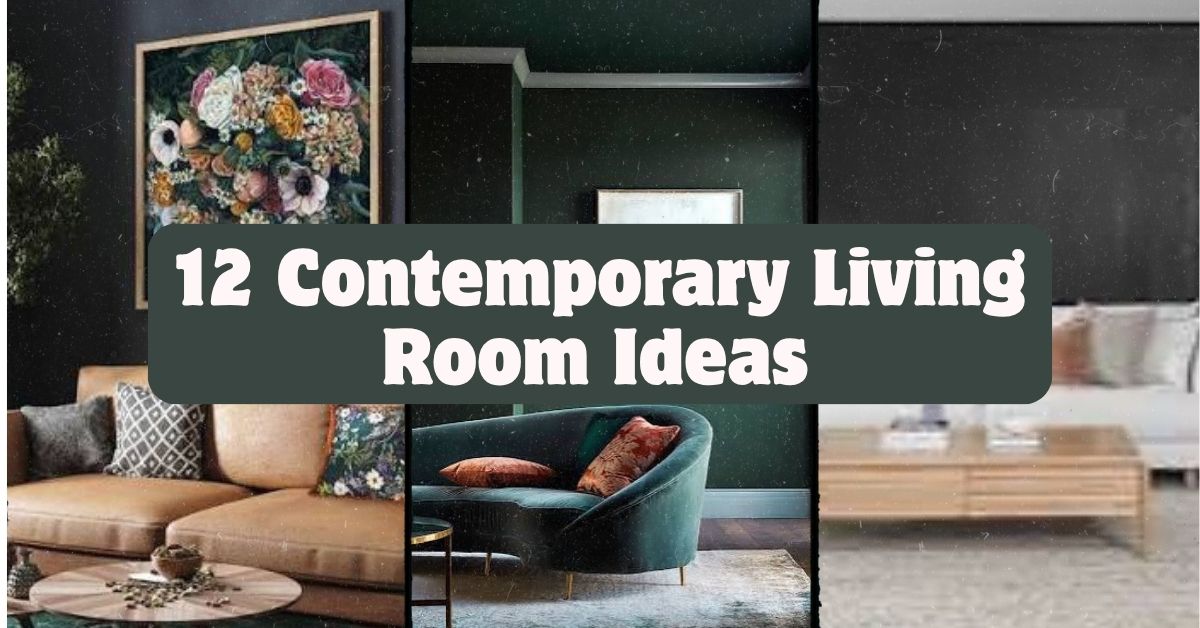
    If you’re hunting for 12 Contemporary Living Room ideas that don’t look like a furniture showroom, you’re in the right spot. I’ve pulled together the most practical, real-world tested design moves that work whether you’re renting an apartment or redoing a forever home. This isn’t a list of vague inspiration, it’s an actual playbook.

    Contemporary living room design refers to a current, ever-evolving style that favors clean lines, neutral palettes with bold accents, mixed textures, and functional furniture layouts. Unlike “modern” (a fixed historical style from the 1920s to 1950s), contemporary reflects what’s popular right now.

    Stick around, because I’m about to break down exactly how to pull this look off in your own space, room by room, choice by choice.

    What Makes a Living Room “Contemporary” Anyway?

    Okay, so here’s the thing. People mix up “contemporary” and “modern” all the time. I did too for years. Modern design is locked in a time period. Think mid-century stuff. Contemporary is more like a moving target. It changes with the times, but it usually means clean lines, a calm color base, natural light, and furniture that doesn’t scream for attention. It’s less “look at me” and more “feel good in here.” That’s really the goal with this style. You want a room that feels current without feeling cold or showroom-fake.

    1. Start With a Neutral Base and Build Up

    Decorating with neutrals: 17 design and decor ideas | Homes and Gardens
    Credit: House And Gardens

    Every contemporary living room I’ve ever loved started with a neutral foundation. Think warm whites, greige, soft taupe, or light gray on the walls and big furniture pieces. This isn’t boring, it’s smart. Neutrals let you change your mind later without repainting everything.

    Pick one dominant neutral for walls and sofas, then layer in texture through pillows, throws, and rugs. Add one bold accent color through art or a single chair.

    Practical tip: paint a large swatch (at least 2×2 feet) on your wall and look at it morning, noon, and night before committing.

    This approach works in coastal homes with sandy tones, or in traditional spaces with warmer creams. Once your base is set, it’s time to think about what sits on top of it.

    2. Choose Furniture With Clean, Low-Profile Lines

    The Complete Guide to Low Furniture: Practical Ideas For Your Home – Vaunt Design
    Credit: Vaunt design

    Contemporary furniture doesn’t have carved details or fussy trim. Sofas sit lower. Legs are thin and often metal or light wood. Arms are simple, sometimes barely there.

    Look for a sofa with track arms and a low back. Pair it with a coffee table that has clean edges, glass, metal, or simple wood. Skip anything with heavy scrollwork or bulky cushions.

    Actionable tip: measure your room and make sure your coffee table is about two-thirds the length of your sofa. That ratio just looks right.

    In a farmhouse-style home, you can soften this with a wood table that still has straight lines. In a glam space, swap metal legs for brass ones. Once your big pieces are chosen, the color story ties it all together.

    3. Anchor the Room With a Bold Accent Color

    Accent color ideas – how to use them and why they are important | Homes and Gardens
    Credit: Homes And gardens

    Neutral doesn’t mean boring. Contemporary rooms often have one punchy color that shows up in a few spots. Think a deep emerald pillow, a mustard throw, or a burnt orange accent chair.

    The trick is repetition without overdoing it. Pick your accent color and let it show up three times in the room. Maybe a pillow, a piece of art, and a vase.

    Practical tip: use the 60-30-10 rule. 60% neutral, 30% secondary color, 10% bold accent.

    Color Palette Combos That Work

    Base NeutralSecondary ToneAccent PopBest For
    Warm whiteSoft grayTerracottaCoastal, boho
    GreigeNavy blueMustard yellowTraditional, transitional
    Light taupeCharcoalEmerald greenMoody, eclectic
    CreamSage greenBlush pinkFeminine, soft modern
    Pale grayBlackCobalt blueMinimalist, industrial

    This kind of color planning keeps the room from feeling flat. Once your palette is locked, lighting becomes your next big move.

    4. Layer Lighting Instead of Relying on One Fixture

    The best lighting plans don't rely on a single fixture. They layer light. If you look closely at nearly any Burkle Creative project, you'll notice one thing repeated over and over… every
    Credit: instagram

    A single overhead light makes a room feel like an office. Contemporary spaces use layers: ambient, task, and accent lighting working together.

    Add a floor lamp near a reading chair. Put a table lamp on a console. Use a dimmer on your overhead fixture so you can shift the mood at night.

    Practical tip: aim for at least three light sources in any living room bigger than 150 square feet.

    In a coastal home, choose rattan or woven shades. In a moody or industrial space, go with black metal fixtures. Good lighting sets the stage, but your rug ties the floor plan together.

    5. Anchor the Space With a Well-Sized Area Rug

    How Do You Anchor A Large Rug In An Open Floor Plan?
    Credit: Edward Martin

    A too-small rug is one of the most common design mistakes I see. It makes furniture look like it’s floating on an island. Contemporary rooms use large rugs that all the front legs of your furniture can sit on.

    Go for a low-pile rug in a neutral tone with subtle pattern, or a solid color if your pillows and art already have pattern.

    Practical tip: for an average 12×14 living room, aim for at least a 9×12 rug.

    Traditional homes might lean toward a rug with a subtle border. Modern farmhouse spaces often choose jute or a chunky woven texture. Once the rug is down, it’s time to think about what goes on the walls.

    6. Hang Oversized Art Instead of Several Small Pieces

    How to Arrange Art on a Wall: 11 Art Styling Ideas - The Copper Wolf
    Credit: The copper Wolf

    Small art pieces scattered around can make a contemporary room feel cluttered. Instead, go big. One large piece of art above the sofa creates a focal point without visual noise.

    Choose abstract art, a large photograph, or even a bold textile piece. The scale matters more than the subject.

    Practical tip: your art should be about two-thirds the width of the furniture below it.

    For a more traditional feel, choose framed botanical prints in a large scale. For eclectic spaces, try a gallery wall but keep the frames matching so it still reads as one cohesive piece. With your walls handled, let’s talk about how furniture gets arranged in the room.

    7. Float Furniture Away From the Walls

    Should I 'float' my living room furniture? | Livingetc
    Credit: Living Etc

    This one surprises people. Pushing every couch and chair against the wall actually makes a room feel smaller and less inviting. Contemporary design floats furniture toward the center, creating conversation areas.

    Pull your sofa a few inches from the wall. Add a console table behind it if you have the space. Arrange chairs facing each other, not just facing a TV.

    Practical tip: leave at least 30 inches of walking space between furniture pieces for comfortable flow.

    This works in small apartments too, just scale down the pieces. In larger homes, floating furniture creates multiple zones in one big room. Once your layout works, texture is what makes it feel finished.

    8. Mix at Least Three Different Textures

    How to Mix Textures and Patterns Like a Pro | Advice
    Credit: OZ Designs

    A room with only smooth surfaces feels flat and cold. Contemporary spaces thrive on texture contrast: a smooth leather sofa next to a chunky knit throw, a glass table beside a woven basket.

    Combine materials like wood, metal, linen, and wool in the same space. This is what makes a neutral room feel rich instead of boring.

    Practical tip: touch everything before you buy it. If it feels flat in your hand, it’ll feel flat in the room.

    Coastal homes lean into rattan and linen. Industrial spaces mix leather and raw metal. Scandinavian style leans on wood and wool. Once texture is handled, greenery is the next easy win.

    9. Bring in Real or High-Quality Faux Plants

    10 Realistic Artificial Plants That Require Minimal Effort
    Credit: House Beutiful

    Plants soften hard lines and bring life into a room full of straight edges and neutral tones. Contemporary rooms almost always have at least one big plant, like a fiddle leaf fig or a snake plant.

    Choose a simple, unglazed pot in a neutral tone. Skip the ornate planters, they clash with the clean look.

    Practical tip: if you don’t have a green thumb, a high-quality faux plant works just as well from a few feet away.

    In a boho space, add more plants and mix pot styles. In a minimalist room, stick to just one or two large statement plants. Now let’s talk about the TV, because contemporary rooms handle this differently than you’d think.

    10. Treat the TV Like Part of the Design, Not an Afterthought

    This is what happens when a TV wall is treated like architecture, not an afterthought., Floating wood console. Linear fireplace. Clean proportions. , Simple, modern, and made to elevate the entire ...
    Credit: Instagram

    So many living rooms have a TV that looks bolted on with zero thought. Contemporary design treats the TV as part of the wall composition, not something to hide or ignore.

    Mount it at eye level when seated, and surround it with a media console that matches your other furniture lines. Some people build a gallery wall around it so it blends in instead of standing alone.

    Practical tip: the center of your TV should sit about 42 inches from the floor for comfortable seated viewing.

    In traditional homes, a cabinet with doors can hide the TV when not in use. In modern spaces, a floating console keeps things sleek. Once the TV zone is sorted, storage is the next piece of the puzzle.

    11. Choose Storage That Hides Clutter Without Looking Bulky

    25 Smart Storage Ideas to Combat Clutter
    Credit: Better Homes And Gardens

    Contemporary rooms look calm because clutter is tucked away. But storage furniture still needs to follow the same clean-line rules as everything else.

    Look for consoles with flat fronts, no ornate hardware. Baskets work great for blankets and toys, just pick one material and stick with it throughout the room.

    Practical tip: baskets with lids hide more mess than open ones, use those in family rooms.

    Storage Options by Budget

    Storage TypeBudget TierBest UseApprox. Price Range
    Woven basketsLowBlankets, magazines$20-$60
    Media consoleMidTV, electronics$200-$600
    Built-in shelvingHighBooks, display items$1,000+
    Storage ottomanLow-MidRemotes, small items$50-$150
    Modular cabinetsMid-HighMixed storage$400-$900

    Good storage keeps the room breathing. Once that’s sorted, it’s time to think about how the ceiling and walls can add architectural interest.

    12. Add Architectural Interest With Molding or Wall Paneling

    Add Architectural Wall Interest Using Trim - Dream Green DIY
    Credit: Dream Cream DIY

    A flat, blank wall can feel unfinished in a contemporary room, even with great furniture. Simple wall paneling, picture frame molding, or a slatted wood accent wall adds depth without clutter.

    Keep the lines simple and geometric. Avoid ornate crown molding, that leans traditional. A single accent wall behind the sofa or TV works best.

    Practical tip: paint the paneling the same color as the wall for a subtle, tone-on-tone look that still adds texture.

    In a Scandinavian-inspired room, slatted wood paneling in natural tones works beautifully. In a moody space, painted paneling in charcoal or black adds drama. With your walls and furniture dialed in, your contemporary living room is basically complete.

    Tips for Success

    • Buy furniture in stages. Get your big pieces first (sofa, rug, coffee table), then layer in decor over a few months.
    • Keep a “no” list of things that clash with contemporary style, like ornate frames or heavy tassels, so you don’t get tempted at the store.
    • Test paint colors in the actual room, lighting changes everything.
    • Don’t be afraid of a little pattern, just keep it to one or two spots max.
    • Shop your own house first. You might already own pieces that fit the style.
    • Leave breathing room. Contemporary design needs negative space to feel calm.
    • Update accent pieces seasonally instead of buying all new furniture every few years.

    Common Mistakes and How to Avoid Them

    Overcrowding the coffee table
    : Keep it to a tray, a candle, and maybe a small stack of books. Less is more here.

    Choosing a rug that’s too small
    : Always size up. All front legs of major furniture should sit on the rug.

    Matching everything too perfectly
    : A matched furniture set can look like a showroom. Mix in one or two different finishes for personality.

    Ignoring scale
    : A tiny piece of art over a big sofa looks off. Always check proportions before buying.

    Skipping texture
    : An all-smooth room feels sterile. Add at least one woven, knit, or textured piece.

    Pushing all furniture against the walls
    : Float pieces toward the center to create a cozier, more usable layout.

    Similar Variations

    • Modern Farmhouse – contemporary lines mixed with warm wood tones and shiplap details.
    • Scandinavian Contemporary – lighter woods, an even more minimal color palette, and cozy textiles.
    • Industrial Contemporary – exposed brick or metal accents paired with the same clean furniture shapes.
    • Coastal Contemporary – the same clean lines but in sandy, blue, and white color families.
    • Transitional Style – a blend of contemporary and traditional, softer curves with clean overall lines.
    • Japandi – contemporary simplicity meets Japanese minimalism, with lots of natural materials.

    Pulling together a great living room doesn’t happen overnight, and that’s totally fine. Start with your neutral base, get your big furniture pieces right, then layer in color, texture, and lighting one step at a time. Every idea on this list works alone, but they really shine when you combine a few together. That’s really the heart of these 12 Contemporary Living Room ideas: simple choices, made thoughtfully, that add up to a space you actually want to spend time in.
  • 13 Neutral Living Room Ideas That Actually Feel Warm (Not Boring)

    13 Neutral Living Room Ideas That Actually Feel Warm (Not Boring)

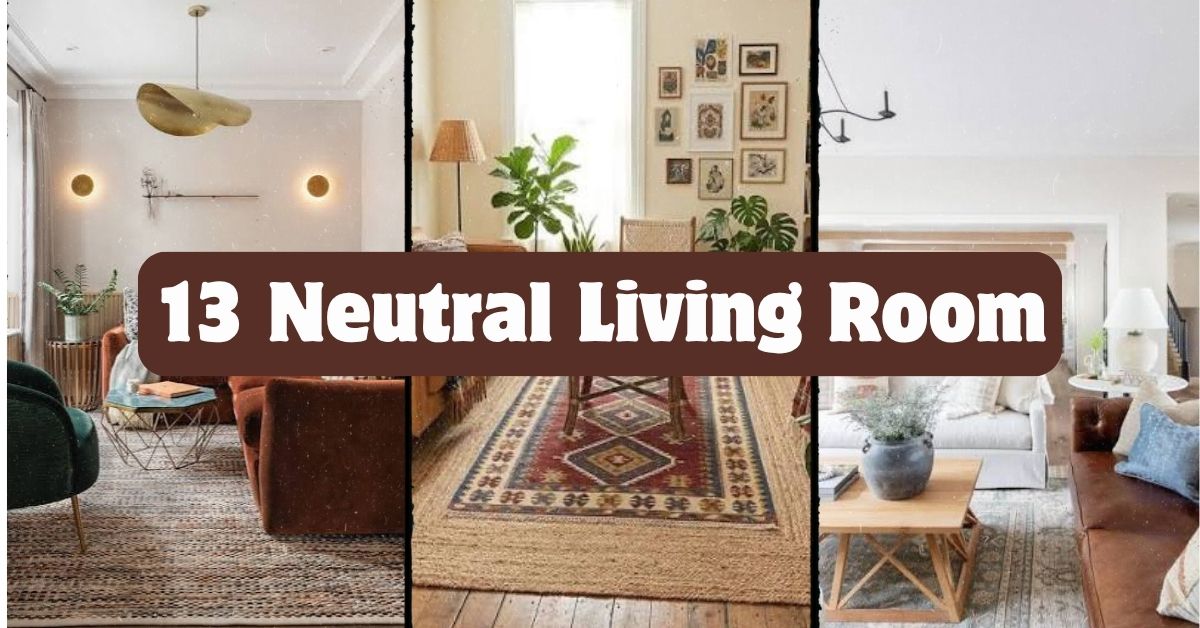
    If you’ve been searching for the best 13 neutral living room ideas out there, I’ve got you covered with every angle you need to make this style work in your own space. I’ve spent way too many hours scrolling through design boards and testing color swatches on my own walls, so I know what actually works and what just looks good in a photo.

    A neutral living room uses a color palette built around whites, creams, beiges, grays, and warm browns instead of bold or bright colors. The goal is a calm, timeless space that feels open and pulls together easily with different furniture styles and textures.

    Stick around, because I’m about to walk you through 13 different ways to pull this off, plus a few things I wish someone had told me before I painted my own living room.

    What Even Is a Neutral Living Room?

    Okay so here’s the thing about neutral rooms. People hear “neutral” and think boring, beige, no personality. That’s not it at all.

    A neutral living room is really just a blank canvas. You’re picking colors that don’t scream for attention, so everything else in the room gets to shine. Think soft grays, creamy whites, warm tans, and muted browns. The magic happens in the textures and layers you add on top. A chunky knit throw. A leather chair. A jute rug. That’s where the personality lives.

    I actually think neutral rooms take more skill than colorful ones. You can’t hide behind a bold paint color. You have to get the details right.

    1. Start With a Warm White Wall Base

    22 Warm White Paint Colors To Cozy Up Your Space
    Credit: Southern Living

    Skip the stark, cold white. It reads clinical and kind of harsh under regular lighting. Instead, go for a warm white with hints of cream or beige mixed in. This gives your walls a soft glow instead of a sterile feel.

    Warm whites work as the backdrop for almost any furniture color, which makes decorating way less stressful. You can swap out pillows, art, and rugs without ever repainting.

    Practical tip: Test paint samples on your actual wall at different times of day. Morning light and evening light change how a white looks completely.

    This trick works in modern farmhouse spaces just as well as it does in a coastal or minimalist room. Once your walls are set, it’s time to think about the biggest piece in the room, your sofa.

    2. Choose a Slipcovered Linen Sofa

    10 Easy Pieces: Linen-Slipcovered Sofas - Remodelista
    Credit: Remodelista

    A linen sofa in oatmeal or light gray is basically the MVP of neutral rooms. Linen has this slightly wrinkled, lived-in texture that keeps the room from feeling too stiff or showroom-perfect.

    Slipcovered styles are even better because you can toss them in the wash when life happens (and with kids or pets, it will happen). Look for a relaxed, slightly slouchy silhouette rather than a tight, tailored one. That casual shape softens the whole room.

    Tip: Choose a performance fabric blend if you have pets. Regular linen stains fast.

    This idea shifts easily. Add turned wood legs for a traditional look, or keep it low and simple for modern spaces. Once your sofa is settled, you’ll want seating that plays well with it.

    3. Mix in a Leather Accent Chair

    3 Tips for How to Mix and Match Leather and Fabric Sofas
    Credit: ScoutlanNimble

    Here’s where texture starts doing the heavy lifting. A leather chair, in cognac, caramel, or even a soft gray, adds warmth and a bit of edge to an otherwise soft room. Leather ages well too, so it gets better looking over time instead of worse.

    Pair it with your linen sofa and you’ve already got two different textures working together, which keeps things interesting instead of flat.

    Tip: Go for a slightly worn or distressed leather finish. It hides scuffs way better than a shiny, new finish.

    This works great in traditional, industrial, and mid-century spaces. Coastal rooms can use it too, just choose a lighter tan instead of dark brown. Next, let’s talk about what goes under all this furniture.

    4. Anchor the Room With a Natural Fiber Rug

    The Natural Fiber Rug Your Bohemian Interior Has Been Missing – Natural Rug Co
    Credit: Natural Rug Co

    A jute, sisal, or seagrass rug brings in texture without adding color. These rugs have a woven, nubby feel that grounds the room and keeps things from looking too flat or matchy.

    Natural fiber rugs also tend to be more budget friendly than wool options, and they hide dirt pretty well, which is a nice bonus if you’ve got kids or pets running through.

    Tip: Size your rug so all four legs of your sofa sit on it, not just the front two. This makes the room feel bigger and more intentional.

    Coastal and farmhouse rooms practically require this rug type. Modern rooms can use a flatter weave version for a cleaner look.

    Rug Material Comparison for Neutral Living Rooms

    MaterialPrice Range (8×10)DurabilityBest For
    Jute$150-$300MediumFarmhouse, coastal
    Sisal$250-$450HighHigh-traffic areas
    Wool$400-$900Very HighTraditional, formal rooms
    Cotton$100-$250Low-MediumLayering, low-traffic
    Seagrass$200-$400HighCoastal, casual spaces

    Once your rug is down, you’ve got a solid base to start layering in wood tones.

    5. Layer Different Wood Tones on Purpose

    How to Mix Wood Tones Without Looking Busy – Oak & Loom
    Credit: Oak and Loom

    A lot of people think all your wood furniture needs to match. It really doesn’t. Mixing a lighter oak coffee table with a darker walnut bookshelf actually looks more collected and less like a furniture showroom.

    The trick is picking one dominant wood tone and letting the others play a supporting role. Maybe 60% of your wood pieces are light oak, and the rest are a warmer walnut or mahogany accent.

    Tip: Keep any wood undertones consistent, either all warm or all cool. Mixing warm oak with cool gray-washed wood can look accidental instead of intentional.

    Traditional rooms lean toward richer, darker woods. Scandinavian and coastal styles stick with lighter, blonder tones. Now let’s bring in something soft to balance all that wood.

    6. Add Texture Through Chunky Knit Throws and Pillows

    How To Style A Throw Blanket 10 Attractive Ways - StoneGable
    Credit: StoneGable

    This is honestly the easiest and cheapest way to make a neutral room feel cozy instead of cold. A chunky knit throw draped over your sofa arm, plus a few textured pillows in linen, bouclé, or wool, adds depth without adding color.

    I like mixing at least three different textures on one sofa. Smooth linen pillow, bouclé pillow, and a nubby knit throw all together looks way more interesting than three matching pillows in the same fabric.

    Tip: Odd numbers work better than even. Try three or five pillows instead of two or four.

    This trick works in literally every design style because texture is universal. Now, let’s talk about something people always forget: lighting.

    7. Layer Your Lighting With Warm Bulbs

    How to layer lighting – expert tips for every room | Homes and Gardens
    Credit: Homes And gardens

    A neutral room can look flat and gray really fast if your lighting is off. Cool white bulbs make beige walls look kind of sad and washed out. Warm bulbs (around 2700K to 3000K) bring out the cream and tan undertones in your paint and furniture.

    Don’t rely on one overhead light either. Mix in floor lamps, table lamps, and maybe some hidden LED strips behind a shelf for a softer glow.

    Tip: Buy bulbs in the 2700K range specifically. It’s warm without turning orange.

    This matters no matter what style you’re going for. Even a stark modern space needs warm lighting to avoid feeling sterile. Speaking of modern touches, let’s talk metals.

    8. Pick One Metal Finish and Stick With It

    How to Choose a Cabinet Hardware Finish – Plank Hardware
    Credit: Plank Hardware

    Brass, black, or brushed nickel, pick one and use it across your lamps, picture frames, and hardware. This small detail ties a room together more than people expect.

    Brass adds warmth and a slightly glam feel. Black metal adds contrast and a modern edge. Brushed nickel feels more traditional and soft.

    Tip: It’s fine to mix metals a little, just keep one as the dominant choice (about 70% of your metal accents) and one as a small accent.

    Coastal rooms lean toward brushed nickel or matte black. Traditional spaces love brass. This detail work leads nicely into how you should think about your color accents overall.

    Neutral Color Palette Combinations

    Palette NameWall ColorSofa ColorAccent ColorMood
    Warm SandCreamCamelRustCozy, warm
    Soft FogLight grayOatmealCharcoalCalm, modern
    Greige ClassicGreigeTaupeBlackBalanced, versatile
    Coastal NeutralOff-whiteLight graySandy tanAiry, relaxed
    Mocha MousseWarm beigeChocolate brownCreamRich, grounded

    9. Add One Statement Piece of Art in Muted Tones

    Muted Colour Magic-Digital Educator and Creative
    Credit: sandradimagery

    Neutral doesn’t mean empty walls. A large piece of art with soft, muted colors, think sandy landscapes, abstract line drawings, or black and white photography, adds visual interest without breaking the calm mood.

    Go bigger than you think you need. A small piece of art on a large wall looks lost and awkward.

    Tip: Measure your wall space first. Art should take up roughly two-thirds of the width of the furniture below it.

    Modern rooms love abstract shapes. Traditional spaces do well with framed landscapes or botanical prints. Once your art is up, greenery is the next easy win.

    10. Bring in Real or Realistic Greenery

    Artificial Bushes for Indoor & Outdoor Greenery – Nearly Natural
    Credit: Nearly Natural

    Plants add life to a room that’s otherwise pretty quiet color-wise. A fiddle leaf fig, snake plant, or even some simple eucalyptus stems in a vase give the space a fresh, organic feel.

    If you don’t have a green thumb (no judgment, same here), high quality faux plants have gotten really good. Nobody’s going to know unless they touch the leaves.

    Tip: Use ceramic or woven planters in neutral tones instead of plastic pots. It’s a small swap that makes a big difference.

    This idea fits every single design style without exception. Now let’s talk about something a lot of people skip: window treatments.

    11. Hang Simple Linen Curtains

    How To Hang Curtains The Right Way | Kristine in Between
    Credit: Kristine In Between

    Heavy, patterned curtains can fight with a neutral room pretty fast. Simple linen curtains in white, cream, or light gray let natural light filter through softly while still giving your windows some framing.

    Hang your curtain rod higher than the window frame, close to the ceiling if you can. This makes your ceilings look taller and the whole room feel bigger.

    Tip: Buy curtains that are actually long enough to just barely graze the floor. Too-short curtains make a room look cheap.

    Coastal and modern farmhouse styles love this light, breezy curtain look. Traditional rooms can use a heavier linen or add trim detail for more formality. Next, let’s chat about coffee tables, because this piece does more work than people realize.

    12. Choose a Coffee Table With Some Texture or Shape Interest

    How to Choose the Perfect Coffee Table?-Tribesigns
    Credit: TribeSighns

    A plain rectangle coffee table works, but a round table with a woven base, or a table with an interesting stone top, adds a little personality to the center of your room.

    This piece gets looked at constantly, so it’s worth choosing something with a bit of character instead of the most basic option available.

    Tip: Leave at least 14 to 18 inches of space between your coffee table and sofa for comfortable legroom.

    Round or organic shapes fit modern and boho spaces. Rectangular wood tables with straight legs suit traditional and farmhouse rooms better. Last but not least, let’s talk about the small details that finish the whole room off.

    13. Finish With Layered Textiles on Your Seating

    The Art of Layering Textiles: A Guide to Creating Cozy, Textured Spaces • Sacksteder's Interiors
    Credit: sackstedersinteriors

    This is the final touch that makes a neutral room feel finished instead of half-done. Layer a throw blanket, a couple of pillows, and maybe a floor pouf near your seating area. These small textile layers soften hard furniture lines and add coziness fast.

    Don’t overthink the color here since everything’s already neutral. Focus on mixing textures instead, smooth cotton next to rough linen, next to soft faux fur.

    Tip: Rotate your throw pillows seasonally. Swap in slightly heavier textures for winter and lighter ones for summer.

    This finishing touch works in absolutely any home style because it’s really about comfort, not color. With these 13 ideas combined, your room should already feel more put together than when you started.

    Tips for Success

    • Start with the biggest items first (walls, sofa, rug) before shopping for small decor pieces.
    • Buy fabric and paint samples before committing to a full order. Colors shift depending on your home’s lighting.
    • Stick to a 60-30-10 color rule: 60% dominant neutral, 30% secondary tone, 10% accent color or texture.
    • Shop secondhand for wood furniture. Vintage pieces often have better wood quality than new budget options.
    • Don’t skip window treatments. Bare windows make even a well-decorated room feel unfinished.
    • Add at least three different textures to every seating area to avoid a flat, boring look.
    • Take a photo of your room before buying anything new. It’s easier to spot gaps in a photo than in person.

    Common Mistakes and How to Avoid Them

    Using only cool-toned neutrals
    : Mix in warm tones like tan, cream, or caramel so the room doesn’t feel cold or clinical.

    Matching every wood tone perfectly
    : Let different wood pieces have slightly different tones. It looks more natural and collected.

    Forgetting texture entirely
    : Add at least one woven, knit, or textured piece per seating area so the room doesn’t feel flat.

    Choosing rugs that are too small
    : Size your rug so your main furniture pieces sit at least partially on top of it.

    Skipping lighting layers
    : Add lamps and warm bulbs in addition to overhead lighting to avoid a flat, gray look.

    Going too matchy with decor
    : Mix in slightly different shades within your neutral palette instead of buying one matching set.

    Similar Variations

    • Coastal Neutral: Light sandy tones mixed with white and soft blue-gray accents for a beachy feel.
    • Japandi Neutral: Combines Japanese minimalism with Scandinavian warmth using natural wood and clean lines.
    • Modern Farmhouse Neutral: Mixes creamy whites with black metal accents and shiplap details.
    • Warm Minimalist: Stripped down furniture with a focus on warm tones instead of stark whites.
    • Earthy Neutral (Mocha Mousse style): Leans into deeper browns, terracotta, and rust accents for a grounded, cozy feel.
    • Traditional Neutral: Uses richer wood tones, brass accents, and classic furniture shapes for a more formal look.

    Getting a neutral living room right really comes down to layering, warm tones, mixed textures, and lighting that doesn’t wash everything out. It’s not about playing it safe with boring beige walls. It’s about building a calm, cozy space that still feels like you live there. Try even just a handful of these 13 neutral living room ideas, and I promise your space will start feeling warmer and way more finished than before.

  • 15 Living Room Inspo Ideas That Actually Work in Real Homes

    15 Living Room Inspo Ideas That Actually Work in Real Homes

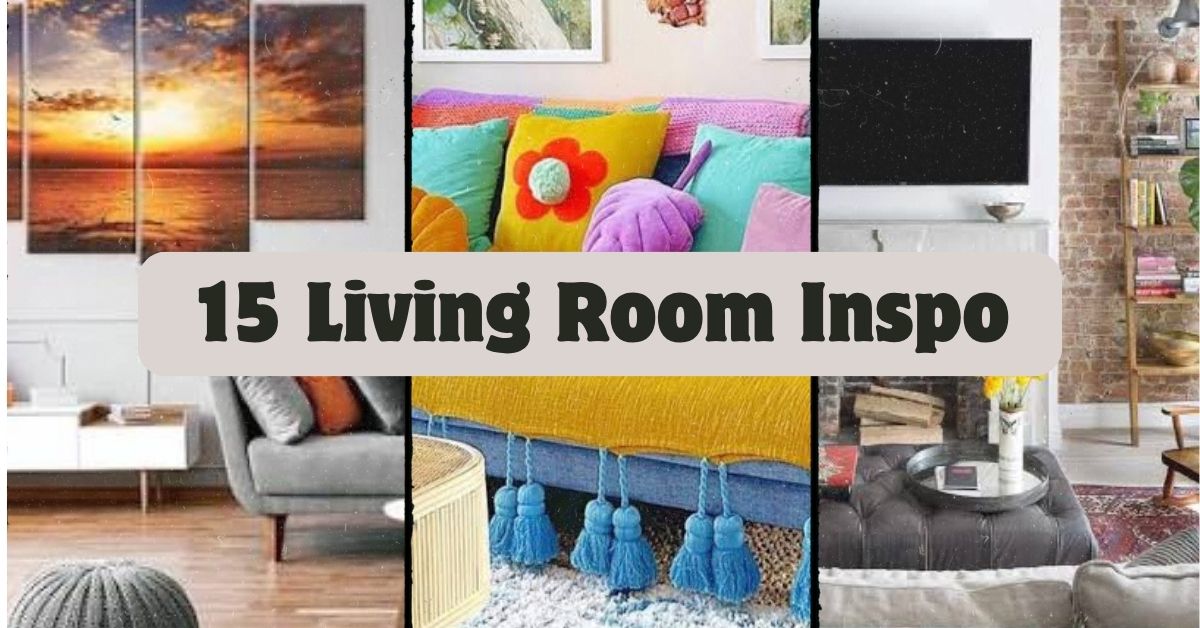
    I’ve spent way too many hours scrolling through living room photos, trying to figure out what actually makes a space feel put-together instead of just “fine.” So when I put together this list of 15 living room inspo ideas, I made sure every single one is something you can actually pull off, not just admire from a distance.

    A living room refresh means updating furniture arrangement, color palette, textiles, and decor accents to create a cohesive, comfortable space. The most effective updates combine functional layout with intentional style choices like lighting, texture, and a focal point.

    Stick with me and I’ll walk you through real ideas, real numbers, and real mistakes to dodge. By the end, you’ll have a clear plan instead of forty open browser tabs.

    What Makes Living Room Inspo Actually Useful

    Here’s the thing about inspo photos. Half of them are staged in rooms with 12-foot ceilings and zero clutter, which isn’t real life. Good living room inspo isn’t about copying a picture exactly. It’s about pulling pieces from different ideas and mixing them into something that fits your actual space and your actual budget.

    I like to think of it as a toolbox, not a blueprint. You grab the color idea from one photo, the furniture layout from another, and the lighting trick from a third. That’s how designers actually work too. So as you go through this list, don’t think “I need to recreate this exact room.” Think “what piece of this can I steal?”

    1. Anchor the Room With a Statement Rug

    Anchor the room with a statement rug., Bold rather than background, Ligne Roset's rug collection explores texture, pattern and tone through a more atmospheric winter palette., Build: @build_mp, ...
    Credit: Instagram

    A rug isn’t just something to keep your feet warm. It’s the foundation that ties your whole color scheme together. Pick a rug big enough that at least the front legs of your sofa and chairs sit on it. Too small, and the room feels disconnected, like furniture floating in space.

    For color, go with a pattern that pulls in two or three shades already in your room. Solid rugs work great in busy rooms, while patterned ones can calm down a plain space.

    Practical tip: measure your seating area first, then buy the rug size that fits, not the other way around. In modern spaces, go geometric. In traditional rooms, try a Persian-style print. Coastal homes love a jute or sisal weave.

    Once your rug is down, the next step is figuring out what furniture actually sits on top of it.

    2. Choose a Sofa That Fits Your Life, Not Just Your Eye

    Your sofa is not just seating — it sets the tone of the entire living room. Choose based on space + lifestyle + design style. Save this guide before choosing your next
    Credit: Instagram

    I know it’s tempting to buy the sofa that looks amazing in the store. But if you’ve got kids, pets, or you just eat popcorn on the couch every night (no judgment), fabric choice matters more than color.

    Performance fabrics and darker tones hide stains better. Light linen looks dreamy in photos but shows every spill. Think about depth too. Deep seats are great for lounging, shallow seats work better for good posture and small rooms.

    Quick tip: sit on any sofa for at least five minutes in the store before buying. Your back will thank you. Modern homes lean toward clean-lined sofas, farmhouse style loves slipcovered ones, and traditional rooms often go for rolled arms and tufted backs.

    Once your sofa is locked in, it’s time to think about what goes around it.

    3. Build a Cozy Conversation Circle

    Create a cozy conversation circle with our ultra comfy swivel chairs—available in rich brown, navy, charcoal, and more! Come take a spin and pick your favorite at Urban Styles Furniture! 📍 South (
    Credit: Instagram

    One mistake I see all the time is furniture pushed against every wall, leaving a big empty gap in the middle. Instead, pull your seating in toward each other so people can actually talk without shouting across the room.

    Aim for no more than 8 feet between seats facing each other. Add a coffee table in the middle at a height close to your sofa cushions, usually around 16 to 18 inches.

    Actionable tip: use painter’s tape on the floor to map out your layout before moving heavy furniture. This works in any size room, and it adapts to any style since it’s about function, not looks.

    Now that seating is sorted, let’s talk about the wall that everyone’s eyes go to first.

    4. Create a Focal Point Wall

    14 Beautiful Focal Point Ideas for Living Rooms
    Credit: The Spruce

    Every living room needs somewhere for the eye to land. That could be a fireplace, a big piece of art, a gallery wall, or even a bold paint color on one wall.

    If you don’t have a fireplace, don’t worry. A large piece of artwork above the sofa or an accent wall in a rich color does the same job. Keep the rest of the room a bit calmer so this wall gets to shine.

    Tip: hang art so the center sits at eye level, roughly 57 inches from the floor. Modern spaces love a single oversized print, while traditional homes might prefer a gallery of framed pieces.

    With your focal point set, let’s talk lighting, because even the best wall looks flat under bad light.

    Lighting Type Comparison for Living Rooms

    Lighting TypeBest UseAverage CostStyle Fit
    Floor lampReading corners, filling empty space$50-$200Modern, traditional
    Table lampSide tables, soft ambient glow$30-$150Any style
    Pendant lightStatement piece over seating area$80-$400Modern, industrial
    Recessed lightingEven overall brightness$150-$300 installedContemporary
    String or LED strip lightsCozy accent lighting$15-$50Coastal, boho

    5. Layer Your Lighting Instead of Relying on One Fixture

    How to Layer your Home Lighting
    Credit: Wipro consumer Lighting

    A single overhead light makes a room feel flat and kind of clinical, honestly. I always tell people to layer three types of light: ambient (overall room light), task (reading lamps), and accent (highlighting art or shelves).

    This layering trick instantly makes a room feel warmer, even if you don’t change a single piece of furniture. Dimmer switches help a ton here too, since you can adjust the mood for movie night versus a bright afternoon.

    Tip: add at least one warm-toned bulb (2700K) somewhere in the room for coziness. This works in every style, from farmhouse to mid-century modern.

    Once your lighting feels right, it’s time to bring in some texture so the room doesn’t feel flat.

    6. Mix Textures to Add Depth

    The Art of Mixing Textures: Adding Depth to Any Room - Manlius, NY Interior Decorator 315-256-0522
    Credit: Manlius,Ny

    A room full of smooth surfaces feels cold, even with great colors. I like to mix at least three textures in any room: something soft (throw blanket), something woven (basket or rug), and something hard (wood or metal accent).

    Think chunky knit throws, a leather ottoman, linen curtains, and a wood coffee table all in the same space. That mix keeps things interesting without needing tons of color.

    Tip: if your furniture is mostly smooth fabric, add texture through pillows and blankets instead of buying new furniture. Coastal rooms love rattan and linen, while industrial spaces lean on leather and metal.

    Speaking of pillows and blankets, let’s dig into how to actually pick the right ones.

    7. Use Throw Pillows to Test Color Ideas Cheaply

    8 colorful small living room ideas | Real Homes
    Credit: Real Homes

    Pillows are the cheapest way to try out a color palette before committing to anything permanent. If you’re nervous about a bold color, start with two pillows in that shade before painting a wall.

    Mix pattern and size. I like one solid pillow, one pattern, and one textured pillow (like a knit or velvet) per seating spot. Odd numbers usually look more natural than perfectly matched pairs.

    Tip: wash pillow covers separately and swap them seasonally, cheaper than buying new furniture every year. This trick works in literally every design style because it’s low commitment and low cost.

    Now let’s zoom out and talk about the overall color palette for the whole room.

    Popular Living Room Color Palettes

    Palette NameMain ColorsBest ForMood Created
    Warm NeutralBeige, cream, tan, walnut brownSmall or dark roomsCozy, inviting
    Coastal BlueSoft blue, white, sandy tanRooms with lots of natural lightRelaxed, airy
    Moody GreenSage, forest green, brassNorth-facing roomsRich, grounded
    Modern MonochromeBlack, white, greyOpen, bright spacesSleek, minimal
    Earthy TerracottaRust, clay, cream, oliveSouth-facing roomsWarm, energetic

    8. Pick a Color Palette With a 60-30-10 Rule

    Choosing a Color Scheme: 60-30-10 Rule
    Credit: Elephant stock

    Designers use this rule for a reason: 60% of the room in your main color (usually walls and big furniture), 30% in a secondary color (like an accent chair or curtains), and 10% in an accent color (pillows, art, small decor).

    This keeps the room from feeling chaotic or, on the flip side, boring. Too many colors fighting for attention makes a small room feel smaller too.

    Tip: pick your 10% accent color first since that’s usually the fun, bold one, then build backward. Traditional homes tend toward warmer palettes, while modern spaces often stick to cooler, more neutral tones.

    Once color is locked in, let’s talk about something people always forget: the ceiling.

    9. Don’t Ignore the Fifth Wall

    Looking Up: Don't Ignore the Fifth Wall in Your Kitchen or Bath Renovation - FD Kitchen & Bath
    Credit: fdkitchenbath

    The ceiling is basically a fifth wall, and it’s often left totally blank. A coat of paint, some wood beams, or even wallpaper up there can make a room feel intentional instead of half-finished.

    A lighter ceiling than the walls makes a room feel taller. A darker ceiling, sometimes called “the pulled-up carpet” trick, makes a room feel cozier and more enclosed, which works great in smaller spaces.

    Tip: if painting the whole ceiling feels risky, start with just the trim or crown molding in a contrasting color. This works especially well in traditional and coastal cottage-style rooms.

    Now, let’s talk about something that instantly makes any room feel more alive: plants.

    10. Bring in Greenery for Life and Color

    🌼🏡 Bring life and color to your outdoor space with a stunning flower bed design that blends vibrant blooms, decorative stones, and lush greenery into one eye-catching masterpiece. A beautiful garden starts
    Credit: Instagram

    A room without any plants can feel a little sterile, even if everything else is perfect. You don’t need a jungle. Even two or three well-placed plants change the whole feel of a space.

    Go big with one floor plant (like a fiddle leaf fig or snake plant) near a corner, then add a smaller trailing plant on a shelf. If you don’t have a great track record with plants, faux options have gotten really convincing lately.

    Tip: group plants in odd numbers and different heights for a more natural look. Boho and coastal rooms lean heavily on greenery, while modern spaces often keep it to one architectural-looking plant.

    Once you’ve got some life in the room, let’s talk storage, because clutter kills even the best design.

    11. Hide Clutter With Smart Storage Furniture

    Smart Storage Solutions That Hide Clutter Beautifully
    Credit: interiorsbydafnaadle

    Nothing ruins a beautifully designed living room faster than remote controls, chargers, and mail piling up everywhere. Furniture that doubles as storage solves this without looking like a storage unit.

    Ottomans with lift tops, coffee tables with drawers, and console tables with baskets underneath all work great. Built-in shelving with a mix of open and closed cabinets also hides the messy stuff while displaying the pretty stuff.

    Tip: assign every small item a “home” inside a storage piece so cleanup takes five minutes, not an hour. This idea works in every style, since clutter looks bad no matter what your aesthetic is.

    Speaking of shelving, let’s talk about how to actually style it so it doesn’t look like a chaotic mess either.

    12. Style Shelves With the Rule of Three

    How to Use the 'Rule of 3' to Effortlessly Style Bookshelves, Coffee Tables, and More
    Credit: Real Simple

    Bookshelves and open shelving can either look curated or look like a garage sale, depending on how you arrange things. Grouping items in threes (varying height, texture, and color) almost always looks more intentional than lining things up in a row.

    Mix books, a small plant, and one decorative object per grouping. Leave some breathing room too. Packed shelves feel cluttered no matter how nice the individual pieces are.

    Tip: stack some books horizontally and stand others vertically to break up the visual rhythm. Minimalist homes should keep shelves sparse, while traditional or eclectic homes can pack in more without it looking messy.

    With shelves handled, let’s talk about window treatments, since bare windows make a room feel unfinished.

    13. Hang Curtains High and Wide

    6 Ideas for Hanging Curtains on Wide Windows
    Credit: The Hues

    This is one of the easiest tricks that makes the biggest difference. Most people hang curtains right above the window frame, which actually makes ceilings look shorter. Instead, hang the rod as close to the ceiling as you can, and extend it a few inches past the window frame on each side.

    This trick makes windows look bigger and ceilings look taller, all without any construction. Choose curtains that just skim the floor or puddle slightly for a softer look.

    Tip: measure twice before buying, curtains that are too short instantly look off. This works in literally every style of home, no exceptions.

    Now let’s talk about something a lot of people skip entirely: scent and sound.

    14. Add Scent and Sound for a Full Sensory Room

    Designing a sensory space using scent | Sense Company
    Credit: Sense Company

    Great living rooms aren’t just about looks. A candle with a warm scent, a small speaker for background music, or even a simple diffuser adds a layer most inspo photos can’t show you.

    This might sound like a small detail, but it genuinely changes how a room feels to actually be in. A room can look perfect in photos and still feel cold if it’s silent and scentless.

    Tip: keep scents subtle and consistent, overwhelming smells can feel more like a candle shop than a home. Coastal homes love ocean or citrus scents, while cozy traditional spaces often go for wood or vanilla notes.

    Last but definitely not least, let’s talk about the personal touches that make a room actually feel like yours.

    15. Add Personal Touches That Tell Your Story

    5 Clever Ways to Add a Personal Touch to Your Living Room Decor — MELANIE LISSACK INTERIORS
    Credit: melanielissackinteriors

    At the end of the day, the coziest, most “inspo-worthy” living rooms aren’t perfect showrooms. They have a mix of personal photos, travel finds, or family heirlooms mixed into the design. That’s what makes a room feel lived-in instead of staged.

    Frame a few photos instead of buying all generic art. Display a souvenir from a trip on a shelf instead of hiding it in a drawer. These little details are what people actually remember when they walk into your home.

    Tip: rotate personal items every season so the room feels fresh without buying new stuff. Every style benefits from this, since personality is what separates “pretty” from “memorable.”

    Tips for Success

    • Start with the biggest pieces first (sofa, rug) before shopping for small decor, since everything else builds around them
    • Take a photo of your room and edit it digitally before buying anything, it’s cheaper than guessing
    • Buy one statement piece and keep the rest simple, rather than making everything loud
    • Live in a space for a week before rearranging again, sometimes it just needs time
    • Shop your own house first, you might already own something that works perfectly in a new spot
    • Set a budget by category (furniture, decor, lighting) so you don’t overspend on one area
    • Natural light changes how colors look, always check paint swatches at different times of day

    Common Mistakes and How to Avoid Them

    Buying a rug too small for the seating area
    : Measure your furniture footprint first and size up, the rug should extend under the front legs of your seating.

    Overcrowding shelves and surfaces
    : Edit down to your favorite pieces and group them in threes with breathing room between groups.

    Relying only on overhead lighting
    : Add lamps and accent lighting at different heights to create warmth and depth.

    Matching everything too perfectly
    : Mix textures, eras, and finishes instead of buying a matched furniture set, it looks more collected and less staged.

    Ignoring scale
    : Measure your room and doorways before buying furniture, oversized pieces make small rooms feel cramped.

    Skipping personal touches
    : Add at least a few personal photos or travel finds so the room doesn’t feel like a hotel lobby.

    Similar Variations

    • Coastal Boho – light woods, rattan textures, and breezy linen fabrics mixed with global patterns
    • Modern Farmhouse – shiplap walls, black metal accents, and neutral color palettes with cozy textiles
    • Mid-Century Refresh – tapered wood legs, bold accent colors, and clean-lined furniture shapes
    • Moody Maximalist – dark wall colors, layered patterns, and rich jewel-toned accents
    • Japandi Minimalism – a mix of Japanese simplicity and Scandinavian warmth, low furniture and natural materials
    • Traditional Cottage – floral prints, warm wood tones, and vintage-inspired decor pieces

    Pulling together a living room that feels both stylish and comfortable really comes down to layering small, smart choices instead of trying to nail everything at once. Start with the big stuff like your rug and sofa, build out lighting and color from there, then finish with the personal touches that make the space feel like yours and nobody else’s. That’s really the whole secret behind good design, and it’s exactly what this list of 15 Living Room Inspo ideas was built to show you.

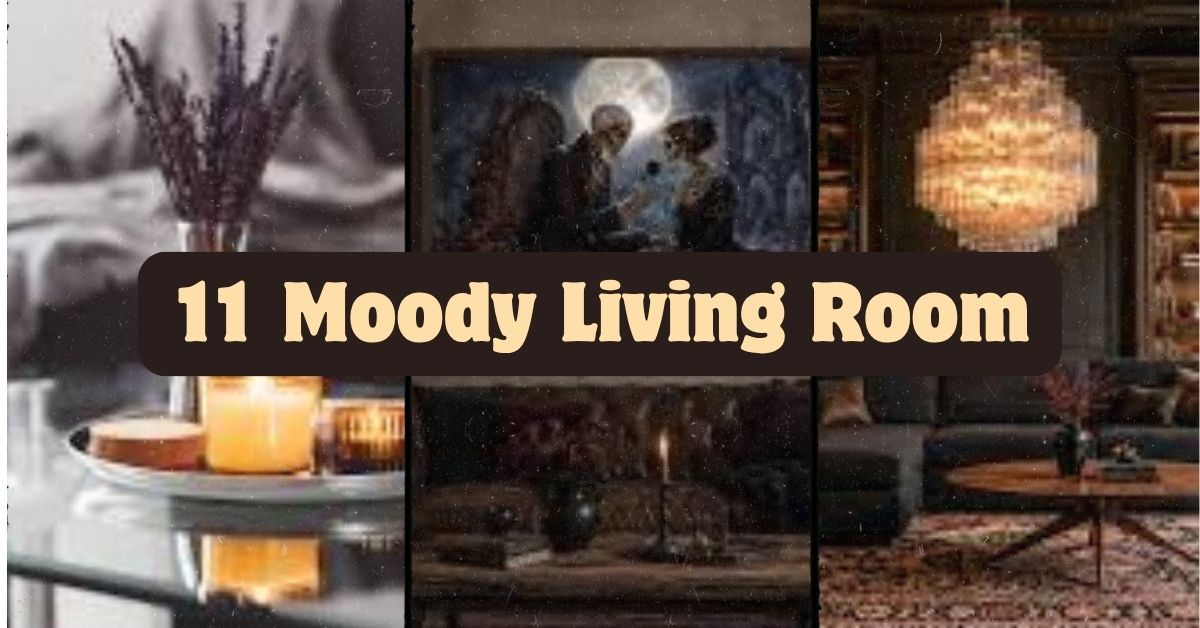
  • 11 Moody Living Room Ideas That Turn Down the Lights and Turn Up the Comfort

    11 Moody Living Room Ideas That Turn Down the Lights and Turn Up the Comfort

    If you’ve been searching for real answers on how to pull off an 11 Moody Living Room look without turning your space into a cave, you’re in the right spot. I’ve spent way too many hours pinning dark paint colors and testing lamp placements in my own house, so I know what actually works and what just looks good in a magazine photo. This guide gives you the full picture, no fluff, no guessing.

    A moody living room uses deep colors, layered lighting, and rich textures to create a warm, dramatic space that feels cozy rather than cold. The goal is depth and comfort, not darkness for darkness’s sake. Done right, it makes a room feel like a hug.

    Stick around, because I’m about to walk you through 12 specific ways to get that moody magic into your own living room, plus a few mistakes that trip people up constantly.

    What Exactly Is a Moody Living Room, Anyway?

    Okay so here’s the thing about “moody” rooms. People hear the word and picture a dark, gloomy basement vibe. That’s not it at all. A moody living room is more about richness. Think deep greens, inky blues, chocolate browns, warm blacks. It’s the design equivalent of a good glass of red wine by candlelight. Cozy, a little dramatic, super inviting.

    The trick is balancing dark colors with warm light and soft textures so the room feels intentional, not depressing. I promise, once you get the formula down, you’ll wonder why you ever painted everything beige.

    1. Paint the Walls a Deep, Saturated Color

    Saturated Colors - Woodgrain
    Credit: Woodgrain

    This is where every moody room starts. Skip the light grays and go for something with real depth, like forest green, charcoal, deep navy, or even a warm black. Dark walls actually make a room feel more intimate, not smaller, especially when the trim and ceiling get a lighter touch to balance things out.

    Practical tip: test your color in different lighting throughout the day before committing. Colors shift a lot between morning and evening light.

    This works in almost any home style. Traditional homes look stunning with deep hunter green, while modern spaces lean into charcoal or matte black.

    Once your walls set the tone, the next step is thinking about what goes in front of them.

    2. Choose Furniture With Rich, Dark Upholstery

    Modern Dark Academia Decor & Furniture | Complete Home Style Guide – AURA Modern Home
    Credit: Aura Modern Home

    Dark walls need furniture that either matches the mood or contrasts just enough to pop. Velvet sofas in emerald, burgundy, or deep brown are a classic choice for moody rooms. Leather works too, especially in cognac or espresso tones.

    Avoid an all-dark room by mixing in one or two lighter pieces, like a cream side chair or a pale wood coffee table. That contrast keeps things from feeling flat.

    Practical tip: velvet shows light and shadow beautifully, so it’s a smart pick if you want texture without adding more color.

    Coastal homes can still pull this off using navy linen instead of velvet for a lighter, breezier take.

    Once your seating is set, layering in lighting becomes the next big move.

    3. Layer Multiple Light Sources Instead of One Overhead Fixture

    Layer Your Lighting Design for Drama and Functionality - The New York Times
    Credit: The New York Times

    Moody rooms live and die by lighting. A single bright overhead light kills the vibe instantly. Instead, use a mix of table lamps, floor lamps, and maybe a dimmable sconce or two.

    Warm bulbs (look for 2700K or lower) give off that golden, cozy glow that dark colors need to feel inviting instead of heavy.

    Practical tip: put your lamps on dimmers so you can adjust the mood depending on time of day.

    Light SourceBest UseBulb Temp Recommendation
    Floor lampReading corners, filling dark spots2200K-2700K
    Table lampSide tables, accent lighting2400K-2700K
    Wall sconceHallways, above art2700K
    CandlesCoffee table, mantelsN/A (warm flame)
    String lightsBookshelves, behind furniture2000K-2200K

    This lighting layering approach works whether your style is farmhouse, mid-century, or industrial. The warmth is universal.

    Now that the room glows properly, let’s talk about what goes on the floor.

    4. Add a Textured Rug in a Deep, Complementary Tone

    Rug Colour & Style Guide 2025: Match Your Décor
    Credit: choices Flooring

    A flat, thin rug won’t cut it in a moody living room. You want something with texture, like a chunky wool weave or a vintage-style Persian rug with deep reds and blues. These rugs add pattern without fighting the wall color.

    Practical tip: layer a smaller patterned rug over a larger neutral one for extra depth and a lived-in feel.

    Modern homes might choose a solid charcoal shag rug, while traditional spaces do well with an antique-inspired pattern in burgundy and gold.

    With the floor handled, it’s time to think about the walls beyond just paint.

    5. Hang Art With Dark Backgrounds or Moody Subject Matter

    Gothic Wall Art | Captivating Dark Designs – Wall Decor Delights
    Credit: Wall Decor Delights

    Skip the bright, cheerful prints here. Look for art with dark backgrounds, dramatic landscapes, or even close-up botanical prints with deep greens and blacks. Oil-style paintings with visible texture add even more richness.

    Practical tip: use picture lights above your art to create little pools of warm glow, which adds another lighting layer without extra lamps.

    This idea flexes easily. Coastal homes might pick moody ocean scenes, while eclectic spaces can mix vintage portraits with abstract dark pieces.

    Once your walls have some visual weight, the ceiling deserves a little attention too.

    6. Don’t Ignore the Ceiling, Consider a Dark or Papered Look

    Decorating a Room? Don't Forget the Ceiling. - The New York Times
    Credit: The New York Times

    Most people paint their ceiling white and call it done. But a dark or wallpapered ceiling wraps the whole room in that moody envelope feeling. This is sometimes called the “fifth wall” trick, and designers use it constantly to add drama.

    Practical tip: if painting the whole ceiling feels too bold, start with a slightly darker shade than your walls instead of stark black.

    This works especially well in traditional and transitional homes with crown molding, since the trim creates a nice frame for the darker color above.

    Now let’s talk about the small stuff that makes a big difference: accessories.

    7. Bring in Brass, Gold, or Warm Metal Accents

    Gold & Metallic Accents: How to Use Them Without Looking Kitsch (Frame
    Credit: rossettiart

    Dark rooms need a little sparkle to keep them from feeling flat. Brass lamp bases, gold picture frames, or warm bronze hardware on furniture all catch the light beautifully against deep wall colors.

    Practical tip: stick to one metal family (brass, gold, or bronze) throughout the room so things feel cohesive instead of cluttered.

    Modern farmhouse rooms often use matte black instead of brass, while glam-style spaces go heavier on gold for extra shine.

    Metals add sparkle, but soft materials add the coziness factor, which is next on the list.

    8. Pile On Soft Textiles Like Velvet, Wool, and Chunky Knits

    What is Pile Fabric: Types, Uses And How It's Made – packlove
    Credit: Packlove

    A moody room without texture feels cold, even with all the right colors. Throw pillows in velvet, chunky knit throws, and wool blankets all add that tactile coziness that makes people want to curl up on the couch.

    Practical tip: mix at least three different textures on your sofa (like velvet pillows, a knit throw, and a leather accent) for a layered, collected-over-time look.

    Coastal and boho styles can swap velvet for linen and add fringe details for a more relaxed texture mix.

    Texture handles the feel of the room, but let’s not forget the smell and ambiance too.

    9. Use Candles and Natural Elements to Add Warmth

    8 Ways to Use Candles to Enhance Your Home's Interior Design – Light 4 Life
    Credit: Light 4 Life

    Candles aren’t just decoration in a moody room, they’re part of the lighting plan. Cluster a few pillar candles on a tray, or add a lantern-style candle holder on the coffee table. Fresh greenery or dried branches in a dark vase also soften the room’s edges.

    Practical tip: choose candles in amber or smoky glass holders so even unlit, they add to the color story.

    Scandinavian-inspired moody rooms lean into this with simple, unscented candles and minimal greenery, while maximalist styles go bigger with multiple candle groupings.

    10. Choose Window Treatments That Block Light Without Feeling Heavy

    The Best Window Treatments for Blocking Out Light: A Guide for Light S
    Credit: Blinds4u

    Sheer curtains don’t really belong in a moody room, they let in too much light and break the atmosphere. Go with heavier fabrics like velvet or linen blends in colors that either match or slightly contrast your walls.

    Practical tip: hang curtains close to the ceiling, even if your windows are shorter, to make the room feel taller and more dramatic.

    Traditional homes often choose floor-length drapery with tiebacks, while modern spaces prefer simple, straight-hanging panels without extra hardware.

    11. Mix In Dark Wood Furniture for Grounding

    Mixing Wood Tones in Your Room | How to Decorate
    Credit: Ballard Designs

    Dark wood pieces, like a walnut coffee table or an espresso-stained bookshelf, help ground the room and connect the furniture to the wall color. Avoid matching everything exactly. A slight variation in wood tones adds interest.

    Practical tip: if your existing furniture is light wood, a dark wood stain or gel stain kit can transform pieces without buying new furniture.

    Mid-century modern rooms often use teak or walnut, while industrial spaces might choose reclaimed wood with a darker, weathered finish.

    12. Create a Focal Point With a Statement Piece

    Wall Art as a Focal Point: Creating Visual Interest with Statement Pieces in Interior Design
    Credit: Artep studio

    Every moody room needs one thing that grabs your eye first, whether that’s an oversized piece of art, a dramatic light fixture, or a bold accent chair in a jewel tone like sapphire or ruby. This anchors the whole space and gives your eye somewhere to land.

    Practical tip: pick your statement piece first, then build the rest of the room’s colors around it.

    Eclectic homes might use a vintage chandelier, while minimalist moody rooms could rely on a single oversized abstract painting instead.

    Budget Tiers for a Moody Living Room Makeover

    Budget LevelWhat You Can DoEstimated Cost
    Low ($100-$300)New paint, pillows, candles, a few lamps$100-$300
    Mid ($300-$1,000)Add a rug, curtains, and accent furniture piece$300-$1,000
    High ($1,000-$3,000)New sofa, statement lighting, wallpaper$1,000-$3,000
    Full Remodel ($3,000+)Custom furniture, ceiling treatment, built-ins$3,000 and up

    Tips for Success

    • Start with paint and lighting before buying any new furniture, they set the whole tone
    • Test dark colors in small sections first using peel-and-stick swatches
    • Keep at least one light-colored surface in the room to prevent it from feeling too heavy
    • Shop secondhand for dark wood furniture, it’s often cheaper and has more character than new pieces
    • Add plants even in a dark room, they bring life and keep things from feeling stagnant
    • Rotate your lamps and candles seasonally to adjust the mood as daylight changes
    • Take a photo of the room in progress, sometimes a picture shows imbalance your eyes miss

    Common Mistakes and How to Avoid Them

    Using only cool-toned dark colors
    : Cool darks like true black or icy navy can feel sterile. Warm up your palette with colors that have a hint of red, brown, or green undertone instead.

    Relying on one overhead light
    : This flattens the whole room and kills the mood instantly. Add lamps, sconces, and candles for layered lighting instead.

    Skipping texture completely
    : A dark, smooth room feels cold, not cozy. Mix in velvet, wool, and wood grain to add richness.

    Going too dark without any contrast
    : An all-black room can feel like a hole. Balance dark walls with a few lighter elements like a cream rug or light wood accents.

    Forgetting to test paint samples
    : Colors look different under store lighting versus your actual room. Always test a sample patch at home first.

    Overcrowding with too many accent colors
    : Moody doesn’t mean chaotic. Stick to two or three main colors plus metal accents for a cohesive look.

    Similar Variations

    • Dark Academia Living Room – leans into deep wood, leather, and vintage book-filled shelves for a scholarly, cozy feel
    • Coastal Moody Living Room – swaps velvet for linen and uses navy and driftwood tones for a beachy but dramatic look
    • Modern Gothic Living Room – combines dark walls with sleek black furniture and minimal, architectural decor
    • Jewel Tone Living Room – focuses on rich sapphire, emerald, and ruby accents against a neutral dark backdrop
    • Rustic Moody Living Room – mixes dark wood beams, wrought iron accents, and warm earthy colors for a cabin-like feel
    • Scandi Moody Living Room – keeps the palette simple and dark but adds light wood and minimal decor for a cleaner take

    Getting a moody living room right comes down to balance. Dark colors, warm lighting, and layered textures work together to create a space that feels rich and calm, not gloomy or cramped. Once you nail that mix, the room practically decorates itself from there.

    I hope these ideas gave you a clear starting point, whether you’re repainting one wall or doing a full room overhaul. Take it one step at a time, trust the process, and don’t be afraid to go a little darker than feels comfortable at first. That’s usually when an 11 Moody Living Room really starts to come together.

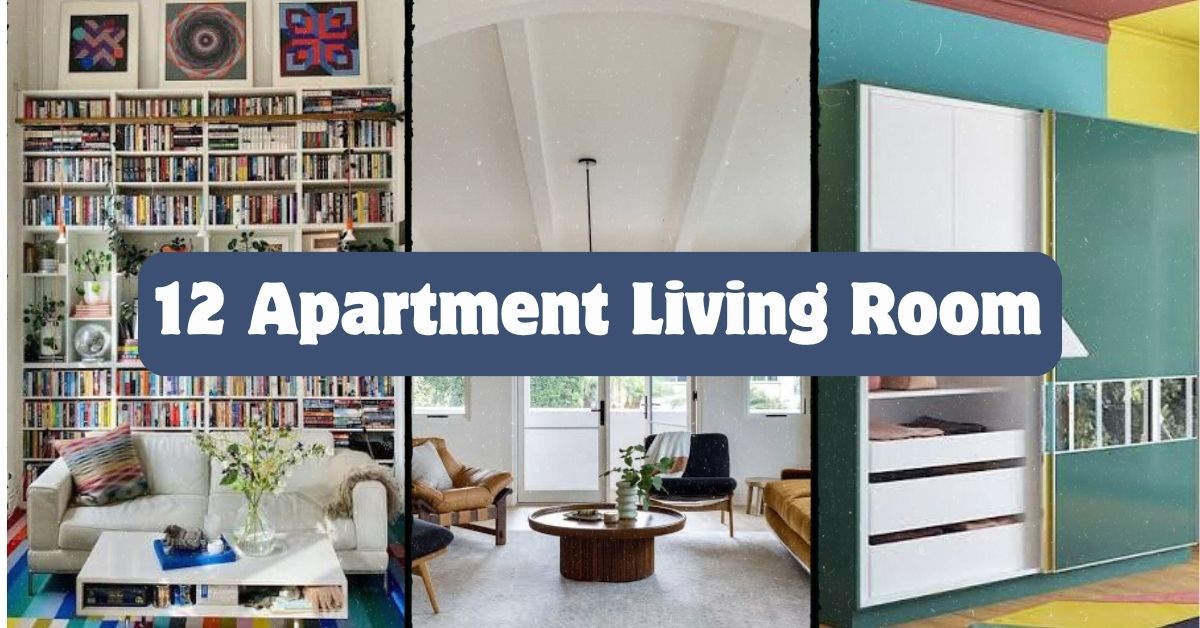
  • 12 Apartment Living Room Ideas That Actually Work in Small Spaces

    12 Apartment Living Room Ideas That Actually Work in Small Spaces

    I’ve spent way too many hours scrolling through apartment living room photos, trying to figure out how to make my tiny rental feel like a real home, and I want to save you that time by sharing everything I’ve learned about 12 apartment living room design ideas that actually fit small spaces.

    An apartment living room refers to the main shared space in a rental unit, typically smaller than homes, requiring furniture and design choices that maximize function without permanent changes to walls or floors. The goal is comfort, storage, and style in limited square footage.

    Stick around, because I’m about to walk you through a dozen ideas that turned my cramped apartment into a space I actually like coming home to.

    What Makes Apartment Living Room Design Different

    Apartment living rooms come with rules regular houses don’t have. You can’t knock down walls. You probably can’t paint without asking first. And you definitely don’t have a garage to stash extra furniture. So the whole game changes. It’s about picking pieces that do double duty, using color and light to trick the eye into seeing more space, and decorating in a way you can undo when you move out. I used to think small space design meant boring design. It doesn’t. It just means smarter choices.

    1. Choose Multi-Functional Furniture First

    11 Multi Purpose Furniture Designs For Your Home | Design Cafe
    Credit: Design Cafe

    When floor space is tight, every piece of furniture needs a job description longer than one line. I’m talking about ottomans that open up for blanket storage, coffee tables with shelves underneath, and sofa beds for when friends crash over.

    Start by listing what you actually need your living room to do. Watch movies? Work from home? Host game night? Then shop for pieces that check multiple boxes at once.

    Practical tip: Measure your space before you buy anything. A too-big couch will eat your whole room.

    This idea works in any style. Modern apartments lean toward sleek storage ottomans, while traditional spaces might use a vintage trunk as a coffee table instead. Once you’ve nailed your furniture picks, it’s time to think about how color ties it all together.

    2. Stick to a Light, Cohesive Color Palette

    For a Cohesive Home Color Palette, Start With One Thing - The New York Times
    Credit: The New York Times

    Dark colors can look amazing in big houses, but in a small apartment, they tend to swallow the room. Light, cohesive color schemes make walls feel farther away and ceilings feel higher.

    I’m not saying you need an all-white apartment. Soft neutrals with one or two accent colors give you personality without visual clutter. Think warm beige walls, a navy accent chair, and brass hardware.

    Practical tip: Pick your accent color from something you already own, like a favorite throw pillow or piece of art, so you’re not guessing.

    Color Palette Combinations for Small Living Rooms

    Palette NameWall ColorAccent ColorBest For
    Soft NeutralWarm WhiteTerracottaBoho, coastal
    Cool ModernLight GrayNavy BlueModern, minimalist
    Classic CreamCreamForest GreenTraditional
    Airy BeachOff-WhiteSage GreenCoastal, cottage
    Warm BlushBlush PinkCharcoalFeminine modern

    Once your palette is set, lighting becomes the next piece of the puzzle.

    3. Layer Lighting Instead of Relying on One Fixture

    The best lighting plans don't rely on a single fixture. They layer light. If you look closely at nearly any Burkle Creative project, you'll notice one thing repeated over and over… every
    Credit: Instagram

    Most apartments come with one sad overhead light. That’s not enough. I learned this the hard way after living with harsh overhead lighting for a full year before adding lamps.

    Layering means combining ambient light (overhead), task light (reading lamps), and accent light (string lights or candles). This creates depth and mood, something a single bulb just can’t do.

    Practical tip: Add a floor lamp behind your couch and a table lamp on a side table for instant coziness, no electrician required.

    Coastal apartments might use rattan pendant lamps, while modern spaces go for sleek arc floor lamps. Good lighting sets the mood, but the next step is making sure your furniture placement doesn’t block it or the flow of the room.

    4. Float Furniture Away From Walls When Possible

    Should I 'float' my living room furniture? | Livingetc
    Credit: Living etc

    I know it sounds backward, but pushing every piece against the wall can actually make a small room feel more cramped, not less. Floating your sofa or chairs a few inches off the wall creates a sense of intentional design instead of a room that’s just storing furniture.

    This works best in rooms with at least 10 feet of width. If your space is tighter than that, a slight float of even six inches still helps.

    Practical tip: Use a rug to anchor a floating furniture arrangement so it doesn’t feel like it’s drifting in the middle of nowhere.

    Modern and Scandinavian apartments especially benefit from this open, breathable layout. Once your furniture has room to breathe, it’s time to think vertically.

    5. Use Vertical Space With Tall Shelving

    Maximize Vertical Space: Storage & Design Tips for Every Room
    Credit: Decormatters

    When you can’t go wide, go up. Tall bookshelves and wall-mounted units draw the eye upward, making ceilings feel higher and giving you way more storage than floor space alone allows.

    I added a floor-to-ceiling shelf in my apartment last year and suddenly had room for books, plants, and photo frames I used to keep in boxes.

    Practical tip: Leave a little negative space on each shelf. Packed shelves look cluttered no matter how nice your stuff is.

    Traditional homes might use dark wood shelving with crown molding details, while modern apartments prefer open, floating shelves in black metal or blonde wood. Speaking of shelves, let’s talk about what goes on them.

    6. Add a Gallery Wall for Personality Without Bulk

    How to Style a Gallery Wall the Right Way, According to Designers
    Credit: House Beutiful

    Art and photos take up zero floor space, which makes a gallery wall one of the smartest decor moves for small living rooms. It adds color, texture, and personal history without eating into your square footage.

    Mix frame sizes and styles for a collected-over-time look, or keep everything matching for something more polished.

    Practical tip: Lay your frames out on the floor first and snap a photo before hanging anything. It saves your walls from a dozen unnecessary nail holes.

    Boho apartments often mix textiles and art together on one wall, while modern spaces stick to clean-edged prints in matching frames. Once your walls are working for you, your rug choice can pull the whole room together.

    7. Layer a Textured Rug to Define the Space

    7 Ways To Style Your Room Using Rugs - Phoenox Textiles
    Credit: Phenox Textiles

    An area rug does more than feel nice under your feet. It defines your living room as its own zone, especially helpful in open-concept apartments where the living room blends into the kitchen or entryway.

    Go bigger than you think you need. A too-small rug makes furniture look like it’s floating on an island.

    Practical tip: As a general rule, your rug should be big enough that at least the front legs of your sofa and chairs sit on it.

    Coastal apartments love jute and sisal rugs, while modern spaces often go for geometric patterns in wool or low-pile synthetic blends.

    Rug Size Guide by Room Dimension

    Living Room SizeRecommended Rug SizeFurniture Placement
    8×10 ft5×7 ftFront legs on rug
    10×12 ft8×10 ftAll furniture legs on rug
    12×15 ft9×12 ftFull furniture grouping on rug
    Studio corner4×6 ftCoffee table centered on rug

    With your rug grounding the room, it’s time to think about how to make the most of an awkward layout.

    8. Create Zones in Open-Concept Studios

    9 Ways to Create Zones in an Open-plan Home | Houzz IE
    Credit: Houzz.ie

    If you live in a studio or open-concept apartment, your living room might not have walls to define it at all. That’s where zoning comes in. Use furniture placement, rugs, and even lighting to mentally separate your living space from your sleeping or dining space.

    I used a long bookshelf as a room divider in my first studio apartment, and it instantly made the living area feel like its own room.

    Practical tip: A rug alone can create a zone even without any furniture dividers.

    Modern studios often use glass or metal shelving dividers, while traditional apartments might use a folding screen instead. Once your zones are set, don’t forget the walls still need some love.

    9. Use Removable Wallpaper for Renter-Friendly Color

    Best Removable Wallpaper Ideas for Renters & Apartments
    Credit: Eazzywalls

    Renters get a bad deal when it comes to walls. Most leases say no paint, no holes, no anything fun. Removable wallpaper solves that problem completely. It goes up without damage and comes down clean when you move.

    I put a floral removable wallpaper on one accent wall in my last rental, and my security deposit came back in full when I peeled it off two years later.

    Practical tip: Always test a small patch in a hidden spot first to make sure it won’t damage your specific wall paint.

    Traditional apartments look great with classic stripes or floral patterns, while modern spaces might choose a bold geometric print instead. Speaking of walls, mirrors deserve a mention too.

    10. Hang a Large Mirror to Fake More Square Footage

    How to Make a Room Look Bigger With Mirrors: 10 Chic Examples | Apartment Therapy
    Credit: apartment Therapy

    Mirrors are the oldest trick in the small-space design book, and for good reason. They bounce light around the room and create the illusion of depth, making a cramped living room feel noticeably bigger.

    Place a large mirror across from a window if you can. It reflects natural light back into the room and doubles the sense of openness.

    Practical tip: Lean a floor mirror against a wall instead of hanging it if you want a quick, renter-friendly update with zero drilling.

    Coastal apartments often use mirrors with rope or driftwood frames, while modern spaces prefer thin metal or frameless designs. Once your light is bouncing around nicely, plants can add the final layer of life to the room.

    11. Bring in Plants for Life and Color

    Best Indoor Plants for Adding Color and Life to Your Home
    Credit: Gardenia.net

    A living room without plants just feels a little flat to me. Plants add color, texture, and honestly, they make the air feel fresher too. You don’t need a green thumb to pull this off either.

    Snake plants and pothos survive almost total neglect, which makes them perfect for apartment dwellers who travel a lot or forget to water things.

    Practical tip: Group plants of different heights together on a plant stand for a fuller look without buying ten pots.

    Boho living rooms tend to go plant-heavy with hanging macrame planters, while modern apartments usually keep it minimal with one or two statement plants in simple pots. Now let’s talk about the often-overlooked window situation.

    12. Upgrade Your Window Treatments for Height and Privacy

    7 Window Treatment Ideas for Better Privacy | Norman® USA
    Credit: Norman Window fashions

    Cheap blinds that came with your apartment rarely do your living room any favors. Swapping them for curtains hung close to the ceiling, rather than right above the window frame, tricks the eye into thinking your ceilings are taller than they are.

    I did this in my current place and the difference was almost embarrassing. Same window, completely different room.

    Practical tip: Hang curtain rods about four to six inches above the window frame and let the curtains just brush the floor.

    Traditional apartments often use heavier drapes with tiebacks, while modern spaces prefer simple linen panels in neutral tones. With windows dressed properly, your living room design is nearly complete.

    Tips for Success

    • Measure everything twice before buying furniture. Apartment doorways and elevators are smaller than you think.
    • Keep a “maybe” pile for decor items and live with your space for two weeks before adding more.
    • Use furniture pads under everything to protect rental flooring from scratches.
    • Choose a focal point, like a couch or a piece of art, and build the rest of the room around it.
    • Don’t ignore the ceiling. A pendant light swap (keep the original hardware for move-out) can change the whole room’s feel.
    • Buy a few statement pieces instead of a lot of cheap ones. It reads as more put-together.
    • Take photos of your room from different angles before shopping. It’s easier to spot problems in pictures than in person.

    Common Mistakes and How to Avoid Them

    Buying furniture too big for the space
    : Measure your room and doorways first, and use painter’s tape on the floor to map out furniture size before purchasing.

    Ignoring vertical storage
    : Add tall bookshelves or wall-mounted units to use height instead of only floor space.

    Choosing all dark colors
    : Stick to a light, neutral base palette with just one or two darker accent pieces to keep the room feeling open.

    Skipping the rug or picking one too small
    : Choose a rug large enough for at least the front furniture legs to sit on top of it.

    Overcrowding shelves and walls
    : Leave breathing room between decor items so the space feels curated instead of cluttered.

    Forgetting about lighting layers
    : Add floor lamps and table lamps alongside overhead lighting for a warmer, more finished look.

    Similar Variations

    • Coastal Apartment Living Room – Light woods, blues, and jute textures for a beachy, relaxed feel.
    • Modern Minimalist Living Room – Clean lines, neutral tones, and almost no clutter on surfaces.
    • Boho Apartment Living Room – Layered textiles, lots of plants, and warm earthy colors.
    • Scandinavian Apartment Living Room – Light wood, white walls, and cozy textures like wool throws.
    • Industrial Loft Living Room – Exposed brick looks, metal accents, and darker, moodier tones.
    • Traditional Apartment Living Room – Classic furniture shapes, richer colors, and detailed trim work.

    At the end of the day, small space living doesn’t mean settling for less style or comfort. With the right furniture choices, smart color decisions, and a few renter-friendly upgrades like removable wallpaper or a well-placed mirror, your space can feel bigger and more like you almost overnight. I hope these 12 apartment living room ideas give you the confidence to turn your own space into somewhere you actually want to spend your evenings.

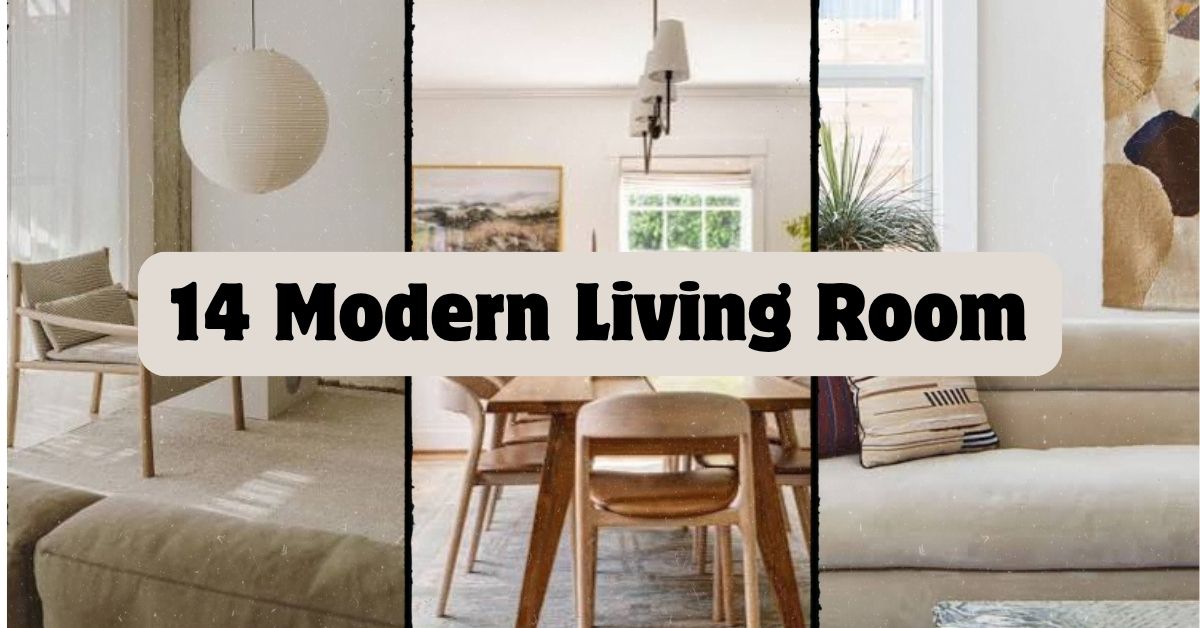
  • 14 Modern Living Room Ideas That’ll Make Your Space Feel Brand New

    14 Modern Living Room Ideas That’ll Make Your Space Feel Brand New

    I’ve spent way too many weekends scrolling through 14 Modern Living Room inspiration pics, trying to figure out what actually makes a space feel “modern” instead of just cold and empty. If you’re here, you’re probably doing the same thing.

    A modern living room design uses clean lines, a neutral or muted color palette, minimal clutter, and a mix of natural materials like wood, stone, and metal. The goal is function paired with simplicity, not bare walls and uncomfortable furniture.

    Stick around, because I’m about to walk you through 14 specific ways to pull this look off in your own home, no design degree needed.

    What Even Is “Modern” Living Room Style?

    Okay, so here’s the thing. People throw around “modern” like it means one specific look, but it’s actually pretty flexible. At its core, modern design is about simplicity. Think straight lines, open floor plans, and furniture that doesn’t scream for attention. No fancy carvings, no heavy drapes, no clutter on every surface.

    Colors tend to stay neutral. Materials feel honest, like real wood or brushed metal instead of fake finishes. And every piece usually has a job to do. Nothing’s just sitting there for decoration’s sake. Once you get that mindset, the ideas below will make a lot more sense.

    1. Start With a Neutral Color Foundation

    Decorating with neutrals: 17 design and decor ideas | Homes and Gardens
    Cred

    Modern rooms almost always start with a neutral base. Think white, gray, beige, or greige walls. This isn’t boring, it’s smart. Neutral walls let your furniture and art pieces do the talking instead of competing with busy wallpaper.

    Pick warm whites if your room gets lots of natural light, and cooler grays if it faces north and stays dim. Add texture through fabric and wood grain instead of color to keep things interesting.

    Practical tip: paint one wall a slightly darker shade than the rest to add depth without going bold.

    This works across styles too. Coastal rooms use the same neutral base but add blue accents, while traditional spaces might layer in cream and gold instead. Once your walls are set, it’s time to think about what sits against them.

    2. Choose Low-Profile Furniture With Clean Lines

    The Complete Guide to Low Furniture: Practical Ideas For Your Home – Vaunt Design
    Credit: Vaunt Design

    Modern furniture sits low and looks lean. Sofas have straight arms instead of rolled ones. Coffee tables have thin legs, not chunky carved bases. This creates visual breathing room, especially in smaller spaces.

    Look for pieces with exposed wood or metal legs. They make furniture feel like it’s floating instead of weighing down the floor. Avoid anything overly plush or oversized unless you have a huge room to fill.

    Quick tip: measure your room before buying. Modern sofas often run slightly smaller in depth than traditional ones, so check dimensions twice.

    If you’re more into farmhouse style, you’d swap sleek legs for turned wood ones. Coastal fans might pick a slipcovered version in the same low profile. Next, let’s talk about what goes on the floor beneath that furniture.

    3. Layer In a Geometric Area Rug

    How to Layer an Area Rug Over Built-in Carpeting
    Credit: rug Editorial

    A good rug ties a modern room together without adding visual noise. Geometric patterns in muted tones, think charcoal, cream, or soft blue, work great here. Skip busy florals or ornate medallion designs, they clash with the clean furniture lines.

    Wool and wool-blend rugs feel more substantial underfoot and hide small stains better than flat weaves. Size matters a lot too. A rug that’s too small makes the whole room feel disconnected.

    Practical tip: your rug should be big enough that at least the front legs of your sofa and chairs sit on it.

    Room SizeRecommended Rug Size
    Small (under 150 sq ft)5′ x 7′
    Medium (150-250 sq ft)8′ x 10′
    Large (250+ sq ft)9′ x 12′ or larger
    Open concept living/dining10′ x 14′

    Coastal and Scandinavian styles love this same geometric approach but stick to lighter colors. Bohemian rooms go the opposite direction with layered, patterned rugs. Now let’s get some texture going on your walls.

    4. Add Texture Through Wood Accent Walls

    Add texture and warmth to a room with a wood accent wall - 365 Collective
    Credit: 365 collective

    A plain white wall can feel flat after a while. Wood accent walls fix that instantly. Think slatted wood panels or a single feature wall in warm walnut or oak tones. It adds warmth without introducing more color.

    You don’t need real hardwood either. Peel-and-stick wood panels or engineered wood slats cost way less and install in an afternoon. This works especially well behind a TV or sofa, giving the eye something to rest on.

    Practical tip: keep the wood tone one shade different from your furniture to avoid everything blending together into mush.

    Modern farmhouse rooms take this even further with reclaimed wood beams. Minimalist spaces might use just one thin strip of wood trim instead of a full wall. Once your walls have some texture, lighting becomes the next big decision.

    5. Mix Statement Lighting With Functional Task Lamps

    The 9 Best Desk Lamps of 2026 | Reviews by Wirecutter
    Credit: The New York Times

    Lighting makes or breaks a modern room. You want at least three light sources: ambient (ceiling), task (reading lamps), and accent (smaller decorative lights). A single overhead light leaves shadows everywhere and feels flat.

    Go for a sculptural pendant or chandelier as your statement piece. Something with clean geometric shapes, brass or matte black finishes work great. Pair it with simple task lamps that have exposed bulbs or linen shades.

    Practical tip: install a dimmer switch. It’s a $20 fix that instantly makes any room feel more intentional and cozy at night.

    Traditional homes might swap the sculptural pendant for a crystal chandelier, keeping the same layered lighting idea. Coastal spaces often use rattan or woven shades instead. Speaking of layering, let’s talk about how to arrange your seating.

    6. Create Conversation-Friendly Seating Arrangements

    5 Living Rooms Designed for Conversation
    Credit: Houzz

    Modern living rooms aren’t just about looking good, they’re built for actual living. Arrange seating so people face each other, not the TV exclusively. Two facing sofas, or a sofa paired with two accent chairs, work great for this.

    Keep a coffee table in the center, low enough that it doesn’t block sightlines. Leave at least 30 inches of walking space between furniture pieces so the room doesn’t feel cramped.

    Practical tip: float your sofa away from the wall if your room allows it. This instantly makes a space feel more thoughtfully designed instead of pushed to the edges.

    Open concept modern homes often use this seating style to define a “living room zone” without walls. Traditional formal living rooms use a similar facing setup but with more ornate chairs. Let’s move on to something that ties a room together fast: art.

    7. Hang Large-Scale Abstract Art

    Giant Wall Hanging Marble Abstract Painting With Frame Big Size Wall Art For Living Room,Bedroom,
    Credit: nhakhoathienbao

    One big piece of art beats five small ones every time in a modern space. Abstract art with soft color palettes, think muted blues, blacks, or earthy tones, fits the modern aesthetic without feeling too busy.

    Scale matters here. A piece should take up roughly two-thirds the width of the furniture below it. A tiny picture frame over a huge sofa looks off balance and kind of sad, honestly.

    Practical tip: hang art so the center sits about 57-60 inches from the floor, that’s standard eye level for most adults.

    Traditional rooms might swap abstract pieces for classic landscape paintings in the same oversized scale. Coastal homes often go with black and white photography instead. Now, let’s talk about something people always forget: the ceiling.

    8. Don’t Ignore the Fifth Wall (Your Ceiling)

    The Rise of Statement Ceilings: Don't Forget the Fifth Wall | Crown Paints
    Credit: Crown Paints

    Most people decorate four walls and completely forget the ceiling exists. A plain white ceiling works fine, but adding a subtle detail up there takes a room from average to genuinely designed.

    Try a slightly darker paint color, exposed wood beams, or even a simple tray ceiling detail if you’re renovating. Even a stylish ceiling fan with clean blades counts as a fifth-wall upgrade.

    Practical tip: if painting the ceiling feels like too much, start small with a statement light fixture that draws the eye upward instead.

    Mid-century modern spaces often use wood-paneled ceilings for warmth. Industrial lofts leave ductwork and beams exposed on purpose. With walls and ceiling handled, let’s talk storage, because clutter kills the modern look fast.

    9. Hide Clutter With Closed Storage Solutions

    Smart Storage Solutions That Hide Clutter Beautifully
    Credit: nteriorsbydafnaadler

    Open shelving looks great in photos and terrible in real life once mail, remotes, and random cords pile up. Modern rooms rely heavily on closed storage, think media consoles with doors, ottomans with hidden compartments, and floating cabinets.

    This keeps surfaces clear, which is honestly half the battle in making a room feel modern. A cluttered coffee table undoes even the best furniture choices.

    Practical tip: get a storage ottoman for your living room. It doubles as extra seating and hides blankets, magazines, and game controllers in seconds.

    Scandinavian design leans hard into this idea, prioritizing function over decoration. Bohemian rooms embrace a little more visible mess as part of the charm. Now let’s add some life back into the room with plants.

    10. Bring in Statement Greenery

    What Are the Best Statement Plants and How Do You Style Them Indoors? - Soltech
    Credit: Soltech

    A modern room can feel sterile without something living in it. One or two large plants, like a fiddle leaf fig or snake plant, add color and texture without cluttering the space. Skip the tiny scattered plants and go big with one or two statement pieces instead.

    Choose simple planters in matte ceramic, concrete, or woven textures. Avoid busy patterned pots, they compete with the clean lines everywhere else.

    Practical tip: if you don’t trust yourself with real plants, high-quality faux versions look shockingly real these days and need zero maintenance.

    Bohemian spaces go bigger with lots of plants everywhere. Minimalist rooms might stick to just one perfect specimen plant. Speaking of finishing touches, let’s talk metal accents next.

    11. Mix Metal Finishes for Depth

    Mixed Metal Kitchen Finishes: A Guide to the Effortless Look - Oak & Grain Home
    Credit: oakandgrainrefinishing

    A room using only one metal finish, like all brass or all black, can feel a little flat after a while. Modern design actually loves mixing two complementary metals. Try matte black hardware with brushed brass light fixtures, or chrome accents paired with warm gold picture frames.

    The key is keeping ratios balanced, roughly 60/40 between your two metals, so it looks intentional instead of random.

    Practical tip: pick your dominant metal first based on your light fixtures, since those are usually the hardest to change later.

    Industrial style leans heavily on black metal and raw steel. Glam living rooms mix gold with mirrored surfaces for extra shine. Now, let’s talk about something small but mighty: throw pillows.

    12. Use Throw Pillows to Add Color Without Commitment

    Easy, Low-Commitment Ways to Add Color to Every Room of Your Home
    Credit: marthastewart

    If your walls and furniture are neutral, pillows are where you get to have fun. Two or three pillows in complementary colors and textures can completely change the mood of a room, without any painting or furniture shopping required.

    Mix textures like linen, boucle, and velvet for depth. Stick to two or three colors max so it doesn’t turn into a rainbow explosion.

    Practical tip: odd numbers look more natural than even ones. Try three pillows instead of two or four on a standard sofa.

    Color Palette Combinations for Modern Rooms

    Palette NameWall ColorAccent ColorsBest For
    Warm MinimalistWarm WhiteTerracotta, WalnutSmall apartments
    Cool ContemporaryLight GrayNavy, ChromeNorth-facing rooms
    Earthy ModernGreigeOlive, RustFamily living rooms
    Monochrome BoldCharcoalBlack, WhiteStatement spaces

    Traditional rooms use pillows with tassels and patterns, while coastal homes stick to stripes and blues. Let’s wrap up the furniture talk with something people often overlook, window treatments.

    13. Choose Simple, Streamlined Window Treatments

    How To Choose the Best Window Treatments for Your Home
    Credit: elegent simplicity

    Heavy drapes with tons of pattern don’t belong in a modern room. Instead, go for simple linen curtains in a neutral tone, or even clean roller shades if you want a minimal look. The goal is letting light in without visual clutter blocking the windows.

    Hang curtain rods higher than the window frame, close to the ceiling if possible. This trick makes ceilings look taller and windows feel bigger than they actually are.

    Practical tip: curtains should just barely brush the floor, not pool dramatically or hover awkwardly above it.

    Farmhouse style might add a simple woven valance for warmth. Coastal rooms often skip curtains entirely and use sheer linen for a breezy feel. Finally, let’s talk about the one thing that pulls every idea together.

    14. Anchor the Room With One Bold Focal Point

    14 Beautiful Focal Point Ideas for Living Rooms
    Credit: The Spruce

    Every great modern living room has one thing that grabs your attention first. It could be a fireplace, a piece of oversized art, a statement chair in an unexpected color, or even a striking light fixture. Without a focal point, a room can feel like a collection of nice things with no real direction.

    Pick just one. Too many “statement” pieces cancel each other out and create visual chaos instead of interest.

    Practical tip: arrange your furniture to naturally point toward this focal point, it guides the eye and makes the whole room feel planned.

    Mid-century modern homes often use a fireplace as this anchor. Eclectic spaces might use a bold piece of vintage furniture instead. With all fourteen ideas in place, your room should already feel more pulled together.

    Tips for Success

    • Test paint colors on your actual wall before committing, lighting changes everything throughout the day.
    • Buy furniture in person when possible, photos can make scale really hard to judge.
    • Start with your rug and biggest furniture piece, then build color and accents around those.
    • Don’t rush the process. Great rooms usually come together over months, not one weekend shopping trip.
    • Keep a “one in, one out” rule for decor to avoid slow clutter creep over time.
    • Live in the space for a few weeks before hanging art, you’ll notice traffic patterns you didn’t expect.

    Common Mistakes and How to Avoid Them

    Buying furniture too big for the room
    : Measure your space first and leave at least 30 inches of walkway between pieces.

    Choosing trendy colors over timeless neutrals
    : Stick to neutral bases for big furniture pieces, save trends for pillows and small decor you can swap easily.

    Skipping window treatments entirely
    : Even minimal rooms need some softness at the windows, try simple linen panels instead of nothing at all.

    Overdoing matching furniture sets
    : Mix pieces from different sources so the room feels curated instead of showroom-copied.

    Forgetting about lighting layers
    : Add task and accent lighting, not just one overhead fixture, to avoid flat, shadowy rooms.

    Hanging art too high
    : Keep the center of your artwork around 57-60 inches from the floor for a balanced look.

    Similar Variations

    • Scandinavian Modern: Even lighter color palettes, tons of natural wood, and a focus on cozy textures like sheepskin.
    • Mid-Century Modern: Warmer wood tones, tapered furniture legs, and retro-inspired shapes from the 1950s and 60s.
    • Japandi: A mashup of Japanese minimalism and Scandinavian warmth, heavy on natural materials and quiet colors.
    • Industrial Modern: Exposed brick, black metal accents, and a rawer, unfinished feel throughout.
    • Coastal Modern: The same clean lines but with blue and white palettes and lighter, breezier fabrics.
    • Modern Farmhouse: Clean lines mixed with rustic wood beams and cozy, lived-in textures.

    Pulling off a modern look isn’t about spending a fortune or hiring a designer. It’s really about picking a handful of ideas that fit how you actually live and committing to them instead of trying to do everything at once. Start small, maybe with a rug or a lighting swap, and build from there. Before you know it, you’ll have put together your very own version of a 14 Modern Living Room that feels both stylish and genuinely comfortable to live in.

  • 13 Cozy Living Rooms That’ll Make You Never Want to Leave the Couch

    13 Cozy Living Rooms That’ll Make You Never Want to Leave the Couch

    I’ve pulled together 13 cozy living rooms that show exactly how to turn a stiff, cold space into the kind of room where everyone wants to hang out. I’ve tested a lot of these tricks in my own house, and I’ve watched what actually works versus what just looks good in a photo. So let’s get into it.

    A cozy living room is a space designed with soft textures, warm lighting, and comfortable furniture layouts that invite relaxation. The formula usually includes layered fabrics, a neutral or warm color palette, and lighting that’s soft rather than harsh.

    Stick around, because I’m about to show you 13 different ways to get that warm, “come sit down and stay awhile” feeling in your own living room, no matter your budget or style.

    What Makes a Living Room Feel “Cozy” Anyway?

    Cozy isn’t one specific look. It’s a feeling. It’s the difference between a room that looks nice in photos and a room where you actually want to curl up with a blanket and a book. I think of coziness as a mix of texture, warmth, and clutter control. You need soft things to touch, warm colors or lighting to look at, and just enough stuff around to feel lived-in without feeling messy. Some people get this with a rustic cabin vibe. Others get it with clean modern lines and a few plush throws. There’s no single right way to do it. That’s actually good news for you, because it means you can make any style of living room feel cozy with the right tweaks.

    1. Layer a Chunky Knit Throw Over Every Seat

    How to Style Throws for a Perfectly Layered Look – Gharko
    Credit: Gharko

    A throw blanket is the fastest, cheapest way to make a room feel warmer instantly. I keep one draped over the arm of my couch and one folded on my reading chair. Chunky knits work best because the texture catches your eye and begs to be touched. Stick to warm neutrals like oatmeal, rust, or deep green so they don’t clash with your existing decor.

    Practical tip: buy at least two throws in slightly different textures (like a cable knit and a faux fur) so the layering looks intentional, not random.

    This works in almost any style. Modern homes can use a chunky throw in charcoal gray, while a farmhouse living room might go with a cream waffle-knit version. Once your seating feels soft and touchable, it’s time to think about what’s under your feet.

    2. Ground the Room with a Thick, Textured Rug

    How Rug Texture Changes the Feel of a Room – Floorspace
    Credit: Rugs

    A rug does more than protect your floors. It anchors the whole room and adds a layer of warmth you feel with your feet, not just your eyes. I always recommend going one size bigger than you think you need. A too-small rug makes a room look disconnected and cold.

    Wool and jute rugs tend to feel the coziest because of their natural texture. Darker, warmer tones like terracotta or deep navy hide stains and add visual weight to the room.

    Practical tip: your front two legs of the couch should sit on the rug, not float above it.

    Coastal living rooms often use light jute rugs, while traditional spaces lean toward patterned wool. Once the floor feels grounded, the next step is adding light that actually feels warm instead of clinical.

    3. Swap Harsh Overhead Lighting for Warm Lamps

    How To Fix Harsh Lighting in Your Home With 8 Simple Swaps - The Sanctuary Edit
    Credit: thesanctuaryedit

    Overhead lighting is the enemy of coziness. It’s flat, harsh, and makes everything look a little sterile. I switched most of my overhead bulbs for warm-toned lamps years ago, and it changed the whole mood of my living room.

    Table lamps, floor lamps, and even string lights create pools of warm light instead of one flat wash. Aim for bulbs around 2700K to 3000K color temperature, which gives off that golden, sunset-like glow.

    Practical tip: use at least three separate light sources in your living room at different heights (a floor lamp, a table lamp, and a smaller accent light) for a layered glow.

    Modern homes might use sleek brass floor lamps, while cottage-style rooms lean into vintage-style lamp shades. Speaking of brass and vintage touches, let’s talk about how your color palette ties all of this together.

    Cozy Color Palette Combinations

    StyleWall ColorAccent ColorMetal Finish
    Modern CozyWarm WhiteTerracottaMatte Black
    FarmhouseCreamSage GreenAged Brass
    CoastalSoft SandOcean BlueBrushed Nickel
    TraditionalWarm TaupeDeep BurgundyAntique Gold
    ScandinavianOff-WhiteCharcoal GrayMatte Black

    4. Choose a Warm, Neutral Base Color for Walls

    How to choose the right neutral paint colours for any space |
    Credit: thesefourwallsblog

    White walls can feel cold and clinical if you’re not careful. I always suggest going for warm whites, creams, or soft taupes instead of stark bright white. These colors reflect light in a softer way and instantly make a room feel more inviting.

    If you want more drama, try a deep, warm color like terracotta or chocolate brown on one accent wall. Dark colors don’t always make a room feel smaller. Done right, they make a room feel like a hug.

    Practical tip: test paint samples on your wall at different times of day before committing. Lighting changes how warm or cold a color reads.

    Traditional homes often use warm taupes, while modern spaces might go bold with a deep green accent wall. Once your walls set the tone, your furniture arrangement needs to back it up.

    5. Arrange Seating in a Close, Conversational Circle

    A 200 year old conversational seating style is having a revival | Homes and Gardens
    Credit: homesandgardens

    I can’t stress this enough: furniture placement changes everything. A room where all the seats face a TV against the wall, spaced far apart, will never feel as cozy as one where seating faces inward, closer together, encouraging conversation.

    Try angling chairs slightly toward the couch instead of lining everything up like a waiting room. Add a coffee table in the middle to anchor the grouping.

    Practical tip: keep no more than 3 feet between seats so conversation feels natural, not shouted across a room.

    This idea works in small apartments and large great rooms alike. Once your seating feels intimate, you’ll want soft textures on every surface people touch.

    6. Mix Textures Instead of Matching Everything

    Stop trying to match everything⁠ ⁠ One of the quickest ways to make a home feel flat?⁠ ⁠ Trying to match everything perfectly. The most interesting spaces are layered.⁠ ⁠ Different textures.⁠
    Credit: Instagram

    A mistake I see all the time is people matching every fabric and material in a room. It looks stiff. Real coziness comes from mixing textures: a linen couch, a velvet pillow, a wool rug, a wood coffee table. Each texture adds a different sensory layer.

    Practical tip: aim for at least four different textures in one room (soft, rough, smooth, and woven) to keep things visually interesting.

    Boho living rooms thrive on mixed textures like rattan and macrame, while minimalist spaces might stick to just two or three textures for a cleaner look. Once your textures are working together, layering pillows is the next easy win.

    7. Layer Pillows in Odd Numbers and Varying Sizes

    How to Layer Pillows on a King Bed: Designer Guide | ONE AFFIRMATION
    Credit: One Affirmation

    Pillows are cheap and easy to swap out, which makes them one of the best coziness tools you have. I always go with an odd number, usually three or five, in varying sizes and textures. Two large ones in back, one or two smaller accent ones in front.

    Practical tip: mix at least two patterns with one solid color pillow so it doesn’t look too busy or too plain.

    Coastal rooms might use striped and woven pillows, while traditional rooms lean into florals or damask patterns. With your seating dressed up, let’s talk about adding warmth through your fireplace or a fireplace alternative.

    8. Add a Fireplace (Real or Electric) as a Focal Point

    How To Make An Electric Fireplace Look Real | MagikFlame
    Credit: Magicflame

    There’s a reason fireplaces are the classic cozy symbol. The flicker of flame instantly warms up a room, both literally and visually. If you don’t have a real fireplace, electric inserts have gotten incredibly realistic and can be added to almost any room.

    Practical tip: arrange your main seating to face the fireplace, not just the TV, so it becomes the heart of the room.

    Modern homes often use sleek linear electric fireplaces, while farmhouse living rooms go for a stacked stone surround. Once you’ve got a focal point, it’s time to bring in some greenery.

    9. Bring in Plants for Life and Softness

    Meditation Plants and Simple Ways to Create Calm at Home | The MindFul Mom Life
    Credit: themindfulmom.life/

    Plants add color, texture, and a sense of life to a room. Even a couple of low-maintenance plants like a snake plant or pothos can soften hard edges and fill empty corners.

    Practical tip: group plants in odd numbers at varying heights (one tall floor plant, one medium tabletop plant) for a more natural look.

    Bohemian rooms often go plant-heavy with hanging macrame planters, while minimalist rooms might stick to just one or two statement plants. With some greenery in place, let’s talk about window treatments.

    Budget Tiers for a Cozy Living Room Refresh

    Budget LevelWhat You Can DoEstimated Cost
    Small ($50-150)New throw pillows, a throw blanket, warm bulbs$50-150
    Medium ($150-500)Add an area rug, table lamps, a few plants$150-500
    Large ($500-1500)New accent chair, curtains, electric fireplace$500-1500
    Full Refresh ($1500+)New sofa, paint, custom lighting, rug, art$1500-4000+

    10. Hang Soft, Floor-Length Curtains

    How Long Should Curtains Hang Below Window Sill
    Credit: Instagram

    Curtains do more than block light. Long, flowing curtains in a soft fabric add warmth and make ceilings feel taller. I always recommend hanging curtain rods a few inches above the window frame and letting the fabric fall just past the floor.

    Practical tip: choose linen or cotton blends in warm, muted colors rather than stiff, shiny fabrics that feel cold to the touch.

    Traditional homes often use heavier drapes with tiebacks, while modern spaces prefer simple linen panels. Once your windows are dressed, wall decor is the next cozy layer to think about.

    11. Fill Walls with Personal, Warm-Toned Art

    How to Style a Gallery Wall the Right Way, According to Designers
    Credit: House Beautiful

    Empty walls make a room feel unfinished and cold. I like filling wall space with a mix of personal photos, warm-toned art, and maybe a mirror to bounce light around. Gallery walls work great here because they add visual interest without needing one giant, expensive piece.

    Practical tip: stick to a common color thread across your art pieces (like warm earth tones) so the gallery wall feels cohesive, not random.

    Farmhouse spaces might use vintage-style prints, while modern rooms lean into abstract art in black frames. With your walls dressed up, let’s talk about a small but powerful detail: candles and scent.

    12. Add Candles or a Diffuser for Warm Scent

    Candles vs Diffuser: Choosing the Perfect Scent For Your Home - VEVOR Blog
    Credit: Vevor

    Coziness isn’t just visual. Smell plays a huge role in how a room feels. I always keep a few candles around, even if I don’t light them every day, because warm scents like vanilla, sandalwood, or cinnamon instantly make a space feel more inviting.

    Practical tip: group candles of varying heights on a tray for a more styled, intentional look rather than scattering single candles around the room.

    Coastal rooms might lean into driftwood or sea salt scents, while traditional spaces often go for classic vanilla or amber. Once your senses are covered, don’t overlook the small function pieces like blankets and baskets for storage.

    13. Use Woven Baskets for Cozy, Practical Storage

    Practical storage has never looked so warm and inviting on cold winter nights! Keep your favorite cozy throws and pillows within easy reach all season long in one of our gorgeous decorative
    Credit: Instagram

    Clutter kills coziness fast. But storage bins don’t have to look cold or clinical. Woven baskets made from seagrass, rattan, or jute add texture while hiding blankets, magazines, or toys. I keep two baskets by my couch, one for blankets and one for stray remote controls and odds and ends.

    Practical tip: choose baskets with handles so they’re easy to grab and move when you need quick cleanup before guests arrive.

    Boho and coastal rooms use natural fiber baskets heavily, while modern spaces might opt for baskets in solid, muted colors. Now that you’ve seen all 13 ideas, let’s cover some quick tips to tie it all together.

    Tips for Success

    • Start with lighting before furniture. Warm bulbs alone can transform a room’s mood.
    • Don’t be afraid of an oversized rug. Bigger almost always looks better than too small.
    • Layer at least three textures in every seating area to avoid a flat, one-note look.
    • Keep a consistent warm undertone across your paint, wood, and metal finishes.
    • Add one “living” element, whether it’s a plant or a candle, to every room refresh.
    • Rotate pillows and throws seasonally to keep the space feeling fresh without a full redo.
    • Always test paint and lighting changes before committing to a full room overhaul.

    Common Mistakes and How to Avoid Them

    Too much matching furniture
    : Buying a full matching furniture set can make a room feel like a showroom. Mix in one or two different pieces, like a vintage chair or a unique coffee table, for character.

    Only using overhead lighting
    : Overhead lights alone flatten a room and make it feel cold. Add lamps at different heights for a warm, layered glow.

    Rugs that are too small
    : A tiny rug floating in the middle of the room makes everything feel disconnected. Size up so at least the front legs of your furniture sit on it.

    Skipping texture variety
    : An all-smooth or all-matching room feels stiff. Mix knits, wood, wool, and linen for a lived-in feel.

    Ignoring scent and sound
    : Coziness isn’t only visual. Warm candles, soft music, or even a rug that muffles echo all add to the feeling.

    Overcrowding with decor
    : Too many trinkets and accessories can tip a room from cozy into cluttered. Edit down to items you actually love and use.

    Similar Variations

    • Scandinavian Cozy (Hygge Style): Clean lines mixed with soft textures, muted colors, and lots of natural light.
    • Farmhouse Cozy: Rustic wood tones, cream and sage colors, and vintage-inspired accents.
    • Coastal Cozy: Light woods, ocean-inspired blues, and natural fiber textures like jute and rattan.
    • Bohemian Cozy: Layered patterns, macrame, plants, and warm earthy tones all mixed together.
    • Traditional Cozy: Rich, deep colors, classic furniture shapes, and heavier fabrics like velvet.
    • Industrial Cozy: Exposed brick or metal softened with warm lighting, leather seating, and thick textiles.

    At the end of the day, coziness comes down to a handful of simple choices repeated with intention: warm light, soft textures, a color palette that feels like a hug, and furniture arranged for actual conversation. You don’t need a huge budget or a full renovation to get there. Small swaps, like better bulbs, a bigger rug, or a few well-placed pillows, add up fast.

    I hope these 13 cozy living rooms gave you some real, doable ideas to bring that warm, inviting feeling into your own space.

  • 11 Beach Theme Living Room Ideas That Actually Work

    11 Beach Theme Living Room Ideas That Actually Work

    If you’re hunting for 11 beach theme living room ideas that go beyond a random seashell on a shelf, I’ve got you covered here. I’ve put together the most complete, practical breakdown you’ll find, based on what actually works in real homes, not just Pinterest fantasy boards. By the end of this, you’ll know exactly how to pull off this look without it feeling cheesy or stuck in 2009.

    A beach theme living room uses light colors, natural textures, and ocean-inspired accents to bring a coastal, relaxed feeling indoors. Think sandy neutrals, soft blues, woven materials, and simple decor that mimics the calm of being near water.

    Stick around, because I’m about to walk you through 12 specific ideas, plus some tables to help you actually plan colors, budgets, and materials. This isn’t fluff. This is the real stuff.

    What Makes a Living Room Feel “Beach Theme” Anyway?

    Okay, so let’s talk about what this style actually means. A beach theme living room isn’t about stuffing your couch with starfish pillows. It’s really about mood. You want the room to feel light, airy, and a little worn in, like a beach house that’s seen a lot of good summers.

    The colors usually stay soft. Think sand, sea glass, driftwood, and white. The materials lean natural too, so you’ll see rattan, jute, linen, and light wood everywhere. And there’s usually a little bit of imperfection built in, like distressed furniture or slightly rumpled linen curtains. That’s what makes it feel real instead of staged.

    1. Start With a Sand-and-Sea Color Palette

    How to Choose Colors for Coastal Interiors
    Credit: aaablindandshutterfactory

    Your color palette is the foundation of this whole look. I always tell people to start here before buying a single throw pillow. Beach theme rooms usually stick to warm whites, soft sandy beiges, and muted blues that feel like sea glass instead of a swimming pool.

    Paint your walls in a warm off-white or light greige. Then bring in blue through pillows, art, or an accent chair. Avoid anything too saturated or neon. That instantly kills the relaxed vibe.

    Practical tip: test paint swatches at different times of day. Coastal colors shift a lot depending on natural light.

    This palette works in modern coastal homes, farmhouse spaces, and even traditional rooms if you keep the blues muted instead of bright. Once your palette is locked in, the next step is picking furniture that actually supports that calm feeling.

    Beach Theme Color Palette Guide

    Color RolePaint/Fabric ExampleWhere to Use
    Base neutralWarm white, oyster, sand beigeWalls, large furniture
    Accent blueSea glass, muted denim, seafoamPillows, art, accent chairs
    Grounding toneDriftwood brown, warm taupeWood furniture, frames
    Pop of contrastNavy or charcoal (used sparingly)Small accents, lamp bases

    2. Choose Furniture With Light, Natural Frames

    10 natural living room ideas to bring warmth into your home | Livingetc
    Credit: livingetc

    Furniture sets the tone just as much as color. In a beach theme living room, I always look for pieces with light wood, rattan, or whitewashed frames instead of heavy dark wood. It just feels lighter and more open.

    A slipcovered sofa in a neutral linen color is a classic choice. It’s casual, it’s comfy, and it photographs well too. Pair it with a rattan accent chair or a coffee table made from reclaimed wood.

    Quick tip: if your current furniture is dark and heavy, you don’t have to replace everything. Just add one or two lighter pieces to balance it out.

    This idea flexes well across styles. Modern homes can go sleek with light oak, while traditional spaces can lean into slipcovers and wicker for a more classic coastal cottage feel. Once your furniture frame is set, texture is where things really come alive.

    3. Layer In Natural Texture Everywhere

    This is how pros Layer a Room - Laskasas
    Credit: laskasas

    Texture is honestly the secret weapon of beach style. Smooth surfaces alone feel cold and flat. You want layers that feel touchable, like something you’d find on an actual shoreline walk.

    Bring in jute rugs, linen curtains, woven baskets, and rattan lampshades. Mix a few different textures in the same room so it doesn’t feel one-note. A chunky knit throw next to a smooth linen pillow works really well.

    Actionable tip: aim for at least three different textures in every seating area. Rug, throw, and pillow is an easy starting combo.

    In modern coastal spaces, keep textures clean and simple. In boho coastal rooms, you can pile on more layers without it feeling messy. Once texture is handled, lighting becomes your next tool for setting the mood.

    4. Use Warm, Soft Lighting Instead of Harsh Overheads

    Why Overhead Lighting Makes Your Living Room Feel Harsh (And What to D – Ruby Watts
    Credit: Rubywatts

    Lighting makes or breaks this style. Harsh, cool white lighting kills that relaxed beach house feeling instantly. I always push for warm bulbs and layered lighting instead of one bright overhead light.

    Add a floor lamp with a woven or linen shade. Bring in table lamps on side tables for softer pools of light in the evening. If you can, add sheer curtains that let in tons of natural daylight during the day.

    Practical tip: choose bulbs labeled “soft white” or around 2700K. That warm tone mimics late afternoon sun.

    This works in almost any home style since lighting is universal. Traditional homes can use brass lamp bases, while modern spaces can go with matte black or white fixtures instead. With lighting sorted, let’s talk about what goes on your walls.

    5. Hang Simple, Nature-Inspired Wall Art

    Nature Inspired Wall Art: Ideas for Every Home
    Credit: Aboutwallart

    Wall art in a beach theme room should feel calm, not cluttered. Skip the giant anchor sign and go for something more subtle. Abstract ocean art, botanical prints, or black-and-white beach photography all work great.

    Stick to a simple frame style, like light wood or thin black metal, so the art doesn’t compete with the walls. Group two or three pieces together in a simple gallery layout instead of scattering random decor everywhere.

    Tip: hang art at eye level, roughly 57 inches from the floor to the center of the piece. This is a designer standard that actually works.

    Coastal grandmother style leans into vintage botanical prints, while modern coastal spaces prefer abstract, minimal pieces. Once your walls are set, it’s time to think about what’s underfoot.

    6. Add a Woven Jute or Sisal Rug

    Living Room Rug Ideas: Jute vs Sisal Rug Options - Perfecting Places
    Credit: Perfectingplaces

    A woven rug ties the whole room together and instantly adds that natural, beachy texture. Jute and sisal rugs are popular because they’re durable, affordable, and have that raw, natural look.

    Place your rug so it extends slightly under your main furniture pieces, not just floating in the middle of the room. This makes the space feel more grounded and intentional.

    Practical tip: if you have kids or pets, look for a jute-blend rug that’s a bit softer and easier to clean than pure jute.

    This idea works everywhere, from beach cottages to modern minimalist living rooms. A soft area rug like this pairs perfectly with the next idea: bringing in real, living greenery.

    7. Bring In Real or Realistic Greenery

    Visualize Your Dream Green Room Decor with AI
    Credit: Ideal.house

    Plants add life and a little unpredictability to a beach theme room. I always recommend something structural, like a potted palm, fiddle leaf fig, or even dried pampas grass in a simple vase.

    Skip fake-looking plastic plants if you can. High-quality faux plants have come a long way, but cheap ones instantly cheapen the whole look. A big leafy plant in the corner does more for the room than five small decor pieces combined.

    Tip: place plants near natural light sources so they actually thrive, not just survive.

    Modern coastal rooms often go minimal with just one statement plant, while boho coastal spaces love layering several plants of different heights. Speaking of layering, let’s talk about how to budget for a room like this.

    Budget Tiers for a Beach Theme Living Room Makeover

    Budget TierWhat You Can Realistically DoEstimated Cost
    Starter ($150–$400)New pillows, throw, rug, wall art, a few plants$150–$400
    Mid-range ($500–$1,500)Add a slipcovered sofa or accent chair, new lighting, curtains$500–$1,500
    Full refresh ($2,000–$5,000)New furniture set, custom curtains, statement rug, art collection$2,000–$5,000
    High-end ($5,000+)Custom built-ins, designer furniture, professional styling$5,000+

    8. Add Woven Baskets for Storage and Texture

    Lamu Decor | Styling Your Home with Baskets 🤎 Baskets aren't just for storage—they're an easy way to add texture, warmth, colour and personality to... | Instagram
    Credit: lamudecor

    Baskets are one of my favorite cheap tricks in this style. They add texture, they hide clutter, and they’re super affordable compared to most decor.

    Use a large woven basket next to your sofa to store throw blankets. Stack two or three smaller baskets on an open shelf to organize remotes, magazines, or kids’ toys. It looks intentional instead of messy.

    Tip: look for baskets with handles so they’re actually easy to grab and use, not just for looks.

    This idea works in literally every home style, from farmhouse to modern coastal, because storage baskets are basically universal. Now let’s talk about window treatments, which a lot of people totally overlook.

    9. Hang Light, Airy Curtains

    Eyelet Curtains: When to Choose Them and How to Hang
    Credit: Completeblinds

    Heavy, dark curtains fight against the whole beach vibe. You want fabric that moves a little in the breeze and lets in plenty of light. Linen or lightweight cotton curtains in white, cream, or light blue work best.

    Hang your curtain rod a few inches above the window frame and wider than the window itself. This makes windows look bigger and lets more light pour in, which instantly makes the room feel more open and beachy.

    Practical tip: avoid blackout curtains in the main living space if you can. Save those for bedrooms instead.

    Traditional coastal homes often add a subtle stripe pattern, while modern spaces keep curtains completely plain. Once your windows are dressed, small accent decor is next on the list.

    10. Use Driftwood and Organic Shapes as Accents

    24 Driftwood Wall Art Ideas for an Elevated Organic Home
    Credit: Hackrea

    Driftwood, or driftwood-style decor, adds that authentic, weathered beach feeling without looking like a souvenir shop. A driftwood mirror frame, a piece of driftwood art, or even a simple branch in a vase can work.

    Keep these pieces sparse. A couple of well-placed driftwood accents look intentional. Ten of them scattered everywhere starts looking like a craft fair.

    Tip: if real driftwood is hard to find near you, plenty of home stores sell driftwood-finish frames and decor that look just as good.

    This idea shines in coastal cottage and coastal grandmother styles especially. Modern coastal rooms might use just one abstract driftwood sculpture instead. Now let’s talk about a detail people forget constantly: the ceiling.

    11. Don’t Ignore the Ceiling

    28 Genius High Ceiling Living Room Ideas That Make Your Home Feel So Much Bigger
    Credit: Thecoolist

    Most people decorate everything except the ceiling, but a few small touches up there can really finish the beach theme look. A ceiling fan with wood or rattan blades instead of plain white plastic ones makes a noticeable difference.

    If you want to go further, a light wood-tone wood plank ceiling or beadboard adds a cottage feel without much cost. Even just painting the ceiling a very soft blue-white can subtly echo the sky.

    Practical tip: swap plain ceiling fan blades for a wood-finish set. It’s a cheap fix that changes the whole feel of the room.

    Traditional coastal cottages love beadboard ceilings, while modern coastal rooms usually keep things simple and just paint the ceiling white or pale blue. Last but not least, let’s talk about how scent and sound tie the whole room together.

    Tips for Success

    • Start with your color palette before buying any decor. It keeps everything cohesive.
    • Mix at least three textures per seating area so the room doesn’t feel flat.
    • Buy one statement piece, like a great rug or sofa, before filling in with small decor.
    • Keep decor collections small. Three to five well-placed pieces beat fifteen random ones.
    • Use natural light as much as possible. Light curtains and mirrors help bounce it around.
    • Don’t rush it. The best beach theme rooms are built over time, piece by piece.
    • Test paint colors in your actual room before committing to a full gallon.

    Common Mistakes and How to Avoid Them

    Overdoing nautical decor
    : Skip the anchors, ship wheels, and “Life is Better at the Beach” signs. Lean into color and texture instead of literal beach props.

    Choosing colors that are too bright or saturated
    : Stick to muted, sun-faded tones instead of bold primary blue and red combos that look more like a kid’s playroom.

    Ignoring texture completely
    : A room full of smooth, matching surfaces feels flat and cold. Mix in woven, knit, and rough natural materials.

    Buying everything from one matching decor set
    : This makes the room feel staged instead of lived-in. Mix sources and finishes for a more natural, collected look.

    Forgetting about lighting
    : Even a perfectly decorated room feels off under harsh white light. Warm bulbs make a bigger difference than most people expect.

    Cluttering surfaces with too many small accents
    : Too many trinkets make the room feel busy instead of calm. Edit down to your favorite few pieces.

    Similar Variations

    • Coastal Grandmother: A softer, more vintage take on beach style with botanical prints and worn linen fabrics.
    • Modern Coastal: Clean lines, minimal decor, and a more neutral, streamlined color palette.
    • Coastal Boho: Mixes beach textures with boho layering, macrame, and warmer earthy tones.
    • Nautical Traditional: Leans into classic navy and white stripes with brass hardware accents.
    • Tropical Coastal: Adds bolder greenery, rattan furniture, and warmer, more saturated colors.
    • Cape Cod Cottage: Combines beadboard walls, classic New England furniture shapes, and a soft blue-and-white palette.

    Getting this style right really comes down to color, texture, and restraint. You don’t need a ton of beach props to make a room feel coastal. You just need the right palette, natural materials, good lighting, and a few well-chosen accents that all work together. Once you start layering these ideas in your own space, you’ll see how easy it is to build a calm, welcoming room using these 11 beach theme living room ideas as your guide.

  • 13 Ocean Theme Living Room Ideas That Bring the Beach Home

    13 Ocean Theme Living Room Ideas That Bring the Beach Home

    I’ve spent way too many hours scrolling through beach house photos, and I can tell you this guide on 13 ocean theme living room ideas covers exactly what actually works versus what just looks good in a magazine spread. You’re about to get real, tested ideas, not just pretty pictures with no substance behind them.

    An ocean theme living room uses colors, textures, and objects inspired by the sea, such as blues, sandy neutrals, driftwood, rope, shells, and coastal art, to create a calm, beach-inspired space. It works in any home, coastal or landlocked.

    Stick with me and I’ll walk you through fifteen specific ways to pull this look together, plus the mistakes I see people make over and over.

    What Makes a Room Feel Like the Ocean

    Okay, so before we jump into the list, let’s talk about what actually makes a room feel “ocean” instead of just “blue.” It’s not about slapping anchor pillows everywhere. Trust me, I’ve seen that go wrong. The real magic happens when you mix colors that mimic water and sand, textures that feel like something you’d find on a beach walk, and just a few meaningful accents. Think driftwood, rope, linen, and glass. You want the room to feel breezy and calm, like you just kicked off your shoes. Less clutter, more texture. That’s the secret sauce here.

    1. Choose a Wave-Inspired Color Palette

    33 Beautiful Living Room Color Schemes
    Credit: bhg

    Start with your walls and big furniture pieces. Pick colors that shift like the ocean does throughout the day, soft seafoam, deep navy, sandy beige, and crisp white. Don’t go all-in on one shade. Layer them instead.

    A practical tip: paint one accent wall in a muted teal and keep the rest of the walls white or off-white. This keeps things bright, not cave-like.

    In a modern home, keep the palette minimal with just navy and white. In a traditional home, add warmer sandy tones for a softer look. Once your palette is set, the furniture choices get a lot easier to figure out.

    2. Bring in Driftwood Furniture

    Driftwood - Glass Coffee Table
    Credit: Fishpools

    Driftwood coffee tables, side tables, or shelving instantly say “beach house” without being cheesy. The rough, weathered texture adds character that new furniture just can’t fake.

    Look for pieces at flea markets or specialty coastal furniture stores. If real driftwood furniture is hard to find, a whitewashed wood table gets you 90% of the same effect.

    This idea works especially well in coastal and farmhouse-style homes, but it can even soften a modern space that feels too sharp and cold. Once you’ve got your wood pieces in, it’s time to think about what goes under your feet.

    3. Layer Natural Fiber Rugs

    5 Creative Ways to Achieve a Perfect Layered Rug Living Room
    Credit: Decorilla

    Jute, sisal, and seagrass rugs bring in that sandy, textured feel underfoot. They’re durable too, which matters if your living room gets a lot of foot traffic.

    Here’s a tip: layer a smaller patterned rug (think wave or shell motifs) over a larger jute rug for depth without overwhelming the space.

    Natural fiber rugs fit almost any style, from bohemian to minimalist to classic coastal. Next, let’s talk about walls, because a bare wall is a wasted opportunity in this theme.

    4. Add a Statement Coral or Shell Accent Wall

    13 Best Summer Decor Ideas for a Staycation-Worthy Home
    Credit: Decorilla

    A wall covered in framed coral prints, real shells in shadow boxes, or a large-scale ocean mural can become the focal point of the whole room. This is your chance to go a little bold.

    Keep the rest of the room simple so this wall gets to shine. Don’t compete with it using busy patterns elsewhere.

    This idea shines in eclectic or maximalist coastal homes, but a single framed piece works fine in a more minimal setup too.

    Ocean Color Palette Combinations

    Palette NameMain ColorsBest ForMood Created
    Deep SeaNavy, charcoal, whiteModern homesBold, moody
    Sandy ShoreBeige, cream, soft blueTraditional homesWarm, relaxed
    Tropical WaveTurquoise, coral, whiteEclectic homesBright, energetic
    Misty MorningGrey-blue, pale seafoam, ivoryMinimalist homesCalm, airy
    Sunset CoastBlush, sandy tan, muted tealFarmhouse homesSoft, cozy

    5. Hang Ocean Art or Framed Sea Maps

    Coastal Wall Art Ideas For Every Room In A Beach House
    Credit: Beachlifebliss

    Art is one of the fastest ways to set a theme without touching your furniture at all. Old nautical maps, watercolor waves, or black-and-white beach photography all work great here.

    Group three to five smaller frames in a gallery wall instead of one giant piece if you want a collected, curated feel.

    This works in literally every home style since art is easy to swap out and doesn’t commit you to anything permanent. Speaking of small details that pack a punch, let’s talk rope.

    6. Use Rope Details on Curtains or Mirrors

    Trendy DIY Living Room Curtain Ideas For A Fresh And Elegant Look
    Credit: Claritynooks

    Rope tiebacks on curtains, a rope-wrapped mirror frame, or even a rope light fixture adds subtle texture that says “nautical” without screaming it.

    A quick tip: swap plain curtain tiebacks for thick jute rope ones. It’s a five-minute change that makes a real difference.

    Rope accents feel right at home in coastal, farmhouse, and even industrial spaces where texture matters more than color.

    7. Incorporate Glass and Sea Glass Accents

    Decorate With Sea Glass :: | Tuvalu Home
    Credit: Tuvaluhome

    Sea glass in bowls, glass float ornaments, or a glass-topped coffee table all bring in that watery, reflective quality. It’s a small detail, but it matters.

    Try placing a bowl of sea glass or blue glass beads on your coffee table as a centerpiece. It catches light beautifully in the afternoon.

    Glass accents are versatile and fit into modern, coastal, and even mid-century modern rooms without any clashing.

    8. Pick Slipcovered Sofas in Sandy Neutrals

    Blue Living Room Design Ideas | HGTV
    Credit: hgtv

    A slipcovered sofa in white, cream, or light grey feels relaxed and beachy right away. Slipcovers are also removable and washable, which is a big win if you’ve got kids or pets.

    Look for linen or cotton blends since they hold up well and have a natural, lived-in texture.

    This furniture choice works in coastal, farmhouse, and shabby chic homes especially well.

    Budget Tiers for Ocean Theme Furniture

    Budget LevelWhat You Can GetApprox. Cost Range
    LowThrow pillows, rope decor, small art prints$20-$100 total
    MidJute rug, slipcovered accent chair, framed art set$200-$600 total
    HighDriftwood coffee table, custom sofa, statement wall art$800-$2,500 total
    SplurgeFull furniture set, custom millwork, professional mural$3,000+

    9. Add Nautical Stripes with Throw Pillows

    Credit: Sentimental Lady

    Stripes are the classic shortcut to a coastal feel. Navy and white pillows on a neutral sofa instantly signal “beach” without much effort.

    Mix stripe widths and pair with a solid textured pillow so it doesn’t look too matchy or store-bought.

    This works beautifully in traditional and preppy coastal homes, though a modern space might do better with just one or two striped accents instead of a whole set.

    10. Bring in Live Plants for a Tropical Touch

    Credit: Shabbyfufu

    Palms, ferns, or even a simple potted fiddle leaf fig bring life and movement into the room. Plants also soften hard edges from wood and glass furniture.

    A good tip: use woven baskets as plant pot covers to tie the natural, beachy texture together.

    Live plants adapt to almost any home style, though a more tropical plant fits coastal or bohemian rooms better than a minimalist modern one.

    11. Use Woven Baskets for Storage

    Credit: Completely Coastal

    Baskets aren’t just storage, they’re texture and warmth. Use them for blankets, magazines, or toys, and they’ll blend right into the theme.

    Stack two or three different sizes near your sofa for both function and style. It’s an easy win.

    Woven storage works in farmhouse, coastal, and bohemian homes equally well since natural texture never feels out of place.

    12. Add a Ship Wheel or Anchor Accent

    22 Coastal Living Room Ideas That Feel Curated, Not Cliché
    Credit: Thecoolist

    This one’s a classic, but it’s easy to overdo. One well-placed ship wheel or a subtle anchor bookend adds character without tipping into theme-park territory.

    Keep it to one or two pieces max. A whole wall of anchors gets kitschy fast.

    This works best in traditional coastal or New England style homes. Modern spaces should skip this one or go very minimal with it.

    Material Comparison for Coastal Accents

    MaterialLookDurabilityBest Use
    DriftwoodWeathered, rusticHighTables, shelves
    Sea glassSmooth, translucentMedium (fragile)Bowls, jars
    Jute/sisalNatural, texturedHighRugs, baskets
    RopeCoarse, nauticalHighCurtain ties, mirrors
    LinenSoft, relaxedMediumSofas, curtains

    13. Layer Sheer Curtains for Airy Movement

    39 Stunning Coastal Interior Design Inspirations for Every Room - The Style Saloniste
    Credit: Thestylesaloniste

    Light, sheer curtains in white or pale blue let sunlight pour in and move with the breeze, just like being near open water. This keeps the room from feeling heavy or closed off.

    Hang curtains higher than the window frame to make ceilings feel taller and let more light in.

    Sheer curtains work in nearly every style, though a modern room might prefer a solid linen panel instead of a patterned one.

    Tips for Success

    • Start with one or two big changes, like paint color and a rug, before adding smaller accents.
    • Keep at least 60% of your color palette neutral so the blues and greens don’t overwhelm the room.
    • Mix textures on purpose. Smooth glass, rough rope, and soft linen all together feels layered, not random.
    • Buy real shells and sea glass from a craft store instead of online decor sets. It’s usually cheaper and looks more authentic.
    • Don’t forget lighting. Natural light makes ocean colors pop way more than artificial light does.
    • Rotate a few decor pieces seasonally so the room doesn’t feel static year-round.

    Common Mistakes and How to Avoid Them

    Overdoing the theme
    : Too many anchors, shells, and ship wheels start to look like a gift shop. Pick a handful of standout pieces and let the color palette do most of the work.

    Using only cool colors
    : An all-blue room can feel cold and uninviting. Warm it up with sandy neutrals, wood tones, or a soft cream.

    Ignoring texture
    : A room can be the right colors and still feel flat if everything is smooth and shiny. Mix in rope, jute, and linen for depth.

    Choosing decor over comfort
    : A theme should never come before comfort. Pick a sofa you actually want to sit on, then style around it.

    Skipping natural light
    : Heavy dark curtains fight against the airy, breezy feel this style depends on. Go lighter and let the sun in.

    Matching too perfectly
    : A room where every pillow and frame matches exactly can feel more like a showroom than a home. Let a few pieces feel collected over time instead of bought as a set.

    Similar Variations

    • Coastal Boho: Mixes ocean colors with woven textures, macrame, and warm wood tones for a relaxed, global feel.
    • Nautical Preppy: Leans heavily into stripes, navy and white, and classic sailing motifs like anchors and rope.
    • Tropical Coastal: Adds bold greens, palm prints, and rattan furniture for a more vacation-house vibe.
    • New England Coastal: Uses crisp whites, blues, and traditional furniture shapes for a classic East Coast beach house look.
    • Modern Coastal: Strips the theme down to clean lines, minimal decor, and a mostly neutral palette with blue as just an accent.
    • Desert Coastal: An unexpected mix of sandy desert tones with subtle ocean blues, great for landlocked homes wanting a lighter beach feel.

    Pulling together an ocean theme living room really comes down to picking the right colors, mixing in natural textures, and choosing just a few meaningful accents instead of going overboard. Once you get that balance right, the room practically decorates itself from there. I hope this list of 13 ocean theme living room ideas gave you exactly what you needed to start planning your own coastal escape at home.

  • 15 Gen Z Living Room Ideas That Actually Feel Like You

    15 Gen Z Living Room Ideas That Actually Feel Like You

    If you’re trying to figure out how to pull off 15 Gen Z living room ideas without your space looking like a dorm room threw up on it, I’ve got you. I’ve spent way too many hours scrolling design inspo and testing what actually works in real, small apartments, not just staged photos.

    A Gen Z living room is a design style that blends nostalgic elements (like 90s and Y2K touches), maximalist decor, thrifted furniture, and bold color choices into one lived-in, personality-packed space. It rejects the matchy-matchy showroom look in favor of rooms that feel curated by a real person, not a catalog.

    Stick around, because I’m about to walk you through 15 specific ways to nail this look, plus a few tables to help you shop smarter and avoid rookie mistakes.

    What Even Is a Gen Z Living Room Style?

    Okay, so here’s the deal. Gen Z didn’t grow up with one single “aesthetic.” We grew up with Tumblr, Pinterest boards, thrift store hauls, and a healthy dose of chaos. So our living rooms reflect that. Think mismatched furniture that somehow works together, plants everywhere, a gallery wall that looks random but isn’t, and colors that pop instead of blend into beige nothingness. It’s less about following rules and more about mixing things you genuinely love. There’s no single “right” way to do it. That’s kind of the whole point.

    1. Mix Thrifted and New Furniture Pieces

    How to Mix Modern and Antique Furniture
    Credit: The Spruce

    Gen Z living rooms almost never look store-bought head to toe. The magic happens when you pair a secondhand velvet armchair with a brand-new sofa from a budget retailer. It creates texture and history in a room that would otherwise feel flat.

    Start with one statement thrifted piece, like a curvy accent chair or a vintage coffee table. Then build newer furniture around it in neutral tones so the old piece can shine.

    Practical tip: Check Facebook Marketplace or local thrift shops before buying anything new. You’ll save money and get something with more character.

    This works in almost any home style. Coastal spaces can use weathered wood finds, while modern apartments can lean into mid-century thrifted pieces. Once you’ve got your furniture mix sorted, it’s time to think about what goes on the walls.

    2. Build a Chaotic-Looking (But Actually Planned) Gallery Wall

    Gallery Wall Do's & Don'ts: Design a Balanced, Stylish Display
    Credit: DecorMatters

    A gallery wall is a Gen Z living room staple. But the trick is making it look effortless while it’s actually pretty intentional. Mix framed photos, posters, mirrors, and even small shelves for a layered effect.

    Use different frame sizes and finishes. Gold, black, and unframed prints can all live together if you keep the overall color story consistent.

    Practical tip: Lay everything out on the floor first before hammering a single nail. Trust me, this saves you from fifteen extra holes in the wall.

    Traditional homes can stick to matching frames for a cleaner version, while eclectic spaces can go wild with mismatched shapes. Once your walls have personality, your lighting needs to match the vibe too.

    3. Swap Overhead Lights for Layered Lamp Lighting

    Layer Your Lighting Design for Drama and Functionality - The New York Times
    Credit: The New York Times

    Harsh overhead lighting is not the move. Gen Z living rooms usually rely on floor lamps, string lights, and small table lamps to create a cozy, golden glow instead.

    Try a mix of a tall arc floor lamp near the seating area, a smaller accent lamp on a side table, and some warm-toned string lights tucked along a shelf or window frame.

    Practical tip: Stick to warm white bulbs (around 2700K) instead of cool white. It instantly makes a room feel softer and more inviting.

    This idea flexes easily. Minimalist rooms can use one sleek floor lamp, while maximalist spaces can layer five or six light sources without it feeling like too much.

    4. Choose a Bold Accent Wall Color Instead of an All-White Room

    How to Choose an Accent Wall: Essential Dos and Don'ts
    Credit: The Spruce

    All-white walls read a little sterile for this style. Gen Z spaces often feature one bold wall in a rich color like forest green, terracotta, or deep navy.

    Pick a color that contrasts with your furniture instead of matching it exactly. This creates depth instead of a flat, monochrome look.

    Practical tip: Test a peel-and-stick paint swatch or sample pot on your wall for 24 hours before committing. Lighting changes color perception a lot throughout the day.

    Coastal homes might lean into a muted sage, while modern spaces often go for charcoal or deep plum. Now that your wall color is set, let’s talk about how to layer patterns on top of it.

    Color Palette Combos That Work Well Together

    Base Wall ColorAccent Furniture ColorsBest For Style
    TerracottaCream, olive green, rustBoho, earthy
    Deep navyMustard, blush pinkRetro, eclectic
    Sage greenWhite, natural woodCoastal, minimalist
    Charcoal grayBurnt orange, creamModern, industrial
    Plum purpleGold accents, blackMaximalist, glam

    5. Layer a Textured Rug Over Another Rug

    6 Tips for Layering Area Rugs
    Credit: The Spruce

    Rug layering is huge in Gen Z spaces. Instead of one flat rug, try placing a smaller patterned rug on top of a larger neutral one. It adds instant texture and makes the floor feel intentional.

    Go for a jute or woven base rug, then top it with something bold like a Moroccan-style print or a faux fur throw rug.

    Practical tip: Keep the bottom rug about 12 to 18 inches larger on all sides than the top rug so both layers are visible.

    Traditional homes can use this trick with classic Persian-style rugs, while boho spaces can stack multiple patterned layers for extra texture.

    6. Add a Beaded Curtain or Fabric Room Divider

    Beaded Curtain Interior Design - Door Bead Curtain Room Divider
    Credit: memoriesofabutterfly

    This one’s a total throwback and Gen Z loves it. A beaded curtain hung in a doorway or a fabric room divider separating a living space from a workspace adds a playful, retro touch.

    Choose colors that tie back into your existing palette so it doesn’t feel random. A divider can also double as extra “wall space” for hanging small art or fairy lights.

    Practical tip: Tension rods make installation easy and renter-friendly since there’s no drilling involved.

    This idea suits open-concept apartments especially well, letting you create visual zones without permanent walls. Speaking of zones, let’s talk about creating a cozy reading nook next.

    7. Carve Out a Cozy Reading or Gaming Nook

    Cozy Reading Nook With Desk
    Credit: Instagram

    Gen Z living rooms usually have one dedicated corner just for chilling out solo. This might be a reading nook with a bean bag and fairy lights, or a small gaming setup with a comfy chair and side table for snacks.

    Keep the furniture scaled down for small corners. A small armchair or floor cushion works better than a bulky recliner in a tight space.

    Practical tip: Add a small side table or floating shelf nearby to hold drinks, books, or controllers within arm’s reach.

    Modern apartments can keep this nook sleek and minimal, while maximalist rooms can pile on cushions and blankets for maximum coziness. Next, let’s talk about plants, because no Gen Z room is complete without them.

    8. Fill Empty Corners With Layered Houseplants

    10 Simple Indoor Plant Corner Ideas You Can Copy at Home - Foliah
    Credit: Foliah

    Plants are basically a requirement at this point. Gen Z living rooms love greenery in all forms, from tall floor plants to small trailing vines on shelves.

    Mix plant heights and pot styles instead of using matching planters. A tall snake plant paired with a low trailing pothos creates visual interest without looking cluttered.

    Practical tip: If you don’t have a green thumb, mix in one or two realistic faux plants. Nobody will know the difference from across the room.

    Coastal homes often lean into palms and ferns, while modern spaces might stick to structural plants like fiddle leaf figs. Once your greenery is sorted, let’s move into textiles.

    Furniture Budget Tiers for a Gen Z Living Room

    Budget LevelSofaCoffee TableLightingTotal Estimate
    Low ($)Secondhand or futonThrifted trunkString lights$200 to $500
    Mid ($$)Budget retailer sofaFlat-pack coffee tableFloor lamp + accent lamp$600 to $1,200
    High ($$$)Mid-range upholstered sofaSolid wood tableDesigner lamp + smart lighting$1,500 to $3,000

    9. Pile on Mismatched Throw Pillows and Blankets

    How to Mix and Match Throw Pillows Like a Pro
    Credit: The Spruce

    One matching pillow set feels too polished for this style. Instead, grab three or four pillows in different patterns and textures that share a color family. Add a chunky knit blanket or two draped over the couch arm.

    Stick to two or three main colors even if the patterns vary, so the mix still feels cohesive instead of random.

    Practical tip: Buy pillow covers instead of full pillows. You can swap them out seasonally without spending a ton.

    Traditional homes can keep patterns more subtle with stripes and florals, while eclectic spaces can go bold with clashing prints. Now let’s tackle the coffee table itself.

    10. Style Your Coffee Table Like a Mini Display Shelf

    Styling An Updated Looking Coffee Table In 5 Easy Steps - StoneGable
    Credit: StoneGable

    Your coffee table shouldn’t just hold a remote and dust. Gen Z spaces treat it like a small curated display with a stack of books, a candle, a small plant, and maybe a quirky trinket or two.

    Group items in odd numbers, like three or five pieces, for a more natural-looking arrangement instead of a stiff symmetrical layout.

    Practical tip: Rotate the items on your coffee table every month or two using stuff you already own elsewhere in your home. It keeps things feeling fresh without spending money.

    Minimalist homes can keep this display to just two or three items, while maximalist rooms can layer in more trinkets and texture. Let’s talk about wall shelves next, since they work the same magic vertically.

    11. Use Floating Shelves as a Personality Showcase

    Floating Shelf Decor Ideas for Every Room
    Credit: Shelf Love Collective

    Floating shelves give you extra space to show off books, small plants, records, or collectibles without taking up floor space. Gen Z rooms often use them to display a mix of personal and decorative items instead of purely decorative stuff.

    Stagger shelf heights instead of lining them up perfectly even. It creates a more dynamic, gallery-like feel on the wall.

    Practical tip: Leave a little negative space on each shelf. Cramming every inch full actually makes the display feel cluttered instead of curated.

    Modern homes can keep shelf styling sparse and geometric, while boho spaces can pack shelves with plants, candles, and woven baskets. Once your shelves are set, let’s talk seating flexibility.

    12. Add Modular or Multi-Use Seating

    Lismark Office Furniture | Modular seating: the key to flexible and adaptable workspaces
    Credit: Lismark Office Furniture

    Small living rooms benefit from seating that can move and adapt. Think floor cushions, ottomans that double as storage, or a small modular sectional that can be rearranged for movie nights or hangouts.

    Choose pieces with removable, washable covers if you’re working with a smaller budget or plan on moving often.

    Practical tip: Measure your doorways before buying anything large. Modular pieces are great specifically because smaller sections fit through tight hallways easier than one giant sofa.

    Coastal and boho homes often use floor cushions and poufs, while modern spaces lean into sleek modular sectionals with clean lines. Next up, let’s talk about a small but mighty detail: candles and scent.

    13. Layer in Candles and Scent for Atmosphere

    Candle Scent Layering: How to Layer Fragrances – ReCandle Co.
    Credit: recandle.co

    A room isn’t just about how it looks. Gen Z spaces often pay attention to how they smell and feel too. Candles, diffusers, or incense add another sensory layer that makes a space feel more like “you.”

    Group a few candles of different heights on a tray for a nice visual moment, and pick one signature scent so your space has a consistent vibe.

    Practical tip: Beeswax or soy candles burn cleaner and last longer than cheaper paraffin options, so you’ll actually save money long term.

    This idea works in literally every home style since scent isn’t tied to any particular aesthetic. Now let’s cover something a little more techy: smart lighting and gadgets.

    14. Incorporate Smart Lighting or LED Accents

    Get started with smart decorative lighting for everyday interior desig – Twinkly
    Credit: Twinkly

    A lot of Gen Z living rooms use color-changing LED strips or smart bulbs to switch up the mood depending on the moment, whether that’s a chill movie night or a hangout with friends.

    Place LED strips behind the TV, under shelves, or along the ceiling trim for an ambient glow that doesn’t overpower the room.

    Practical tip: Use an app-controlled smart plug if you don’t want to rewire anything. You can control lamps from your phone without any real installation.

    Modern and gaming-focused rooms tend to use LEDs most heavily, but even traditional spaces can add a subtle warm LED strip behind a bookshelf. Last but not least, let’s talk about personal collections.

    15. Display a Personal Collection as Wall Art

    Transforming Homes: The Rise of Display Culture and Personal Collections | - The Times of India
    Credit: The times of India

    Instead of buying generic art, Gen Z living rooms often showcase personal collections like vinyl records, concert posters, film photography, or even skateboard decks mounted on the wall.

    Frame or mount these items intentionally so they read as art rather than clutter. A shadow box or simple floating shelf works well for smaller collectibles.

    Practical tip: Use removable adhesive hooks or strips designed for the weight of your item so you don’t damage rental walls.

    This idea is basically style-proof since it’s about you, not a specific aesthetic. Whether your home leans modern, traditional, or somewhere in between, personal collections make any room feel more lived-in and real.

    Tips for Success

    • Start with one or two anchor pieces you love, then build the rest of the room around them instead of buying everything at once.
    • Keep a loose color story of two to three main colors so your mismatched pieces still feel connected.
    • Shop secondhand first for big furniture pieces to save money and add character.
    • Don’t be afraid of empty wall space at first. You can always add more over time.
    • Take a photo of your room every few weeks. It’s easier to spot what’s working (or not) in a picture than in person.
    • Buy furniture covers and rugs that are easy to clean, especially in shared or rental spaces.
    • Trust your gut over trends. If something looks off to you, change it, even if it’s “supposed” to be cool right now.

    Common Mistakes and How to Avoid Them

    Overbuying trendy decor at once
    : Skip buying everything from one viral list in a single haul. Add pieces slowly so the room evolves naturally instead of looking like a themed set.

    Ignoring scale in small spaces
    : Measure your room and furniture before buying anything large. A too-big sofa will make even a great design idea feel cramped.

    Matching everything too perfectly
    : Leave room for a little mismatch. A too-coordinated space loses the personal, lived-in feel that defines this style.

    Skipping proper lighting
    : Don’t rely on one overhead light. Add at least two other light sources for warmth and mood.

    Forgetting about storage
    : Choose furniture with hidden storage, like ottomans or coffee tables with drawers, especially in smaller apartments.

    Overcrowding shelves and walls
    : Leave some breathing room between decor items so the space reads as curated instead of cluttered.

    Similar Variations

    • Dark Academia Living Room: Leans into moody colors, vintage books, and old-world charm with lots of wood tones.
    • Coastal Grandma Living Room: Soft, breezy fabrics mixed with vintage coastal pieces for a relaxed, sunny feel.
    • Cottagecore Living Room: Floral patterns, soft pastels, and cozy handmade touches like knit throws and dried flowers.
    • Y2K Revival Living Room: Bright colors, glossy textures, and playful shapes inspired by early 2000s design trends.
    • Dopamine Decor Living Room: Bold, saturated colors and fun patterns chosen purely to boost mood, regardless of matching rules.
    • Japandi Living Room: A calmer cousin of this style, blending minimalist Japanese design with cozy Scandinavian warmth.

    At the end of the day, this style is really about mixing what you love instead of following a strict formula. Some ideas will fit your space better than others, and that’s totally fine. Pick a few that speak to you, layer them in slowly, and let the room grow with you over time. That’s really the heart of nailing 15 Gen Z living room ideas that actually feel personal instead of pulled straight from a catalog.