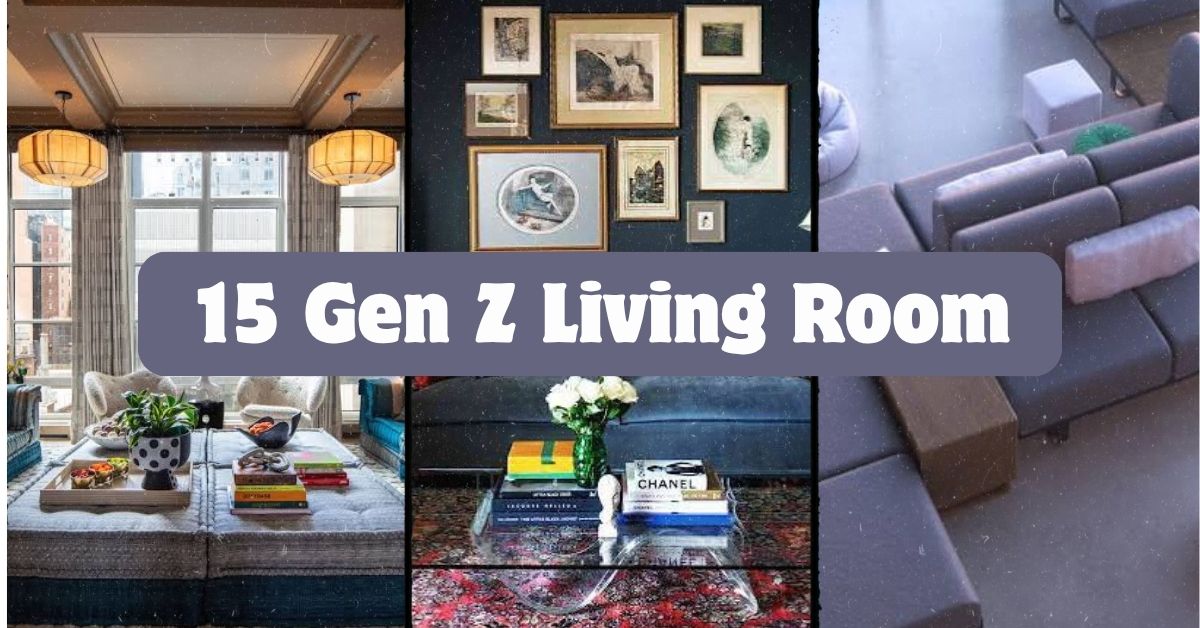
If you’re trying to figure out how to pull off 15 Gen Z living room ideas without your space looking like a dorm room threw up on it, I’ve got you. I’ve spent way too many hours scrolling design inspo and testing what actually works in real, small apartments, not just staged photos.
A Gen Z living room is a design style that blends nostalgic elements (like 90s and Y2K touches), maximalist decor, thrifted furniture, and bold color choices into one lived-in, personality-packed space. It rejects the matchy-matchy showroom look in favor of rooms that feel curated by a real person, not a catalog.
Stick around, because I’m about to walk you through 15 specific ways to nail this look, plus a few tables to help you shop smarter and avoid rookie mistakes.
What Even Is a Gen Z Living Room Style?
Okay, so here’s the deal. Gen Z didn’t grow up with one single “aesthetic.” We grew up with Tumblr, Pinterest boards, thrift store hauls, and a healthy dose of chaos. So our living rooms reflect that. Think mismatched furniture that somehow works together, plants everywhere, a gallery wall that looks random but isn’t, and colors that pop instead of blend into beige nothingness. It’s less about following rules and more about mixing things you genuinely love. There’s no single “right” way to do it. That’s kind of the whole point.
1. Mix Thrifted and New Furniture Pieces
Gen Z living rooms almost never look store-bought head to toe. The magic happens when you pair a secondhand velvet armchair with a brand-new sofa from a budget retailer. It creates texture and history in a room that would otherwise feel flat.
Start with one statement thrifted piece, like a curvy accent chair or a vintage coffee table. Then build newer furniture around it in neutral tones so the old piece can shine.
Practical tip: Check Facebook Marketplace or local thrift shops before buying anything new. You’ll save money and get something with more character.
This works in almost any home style. Coastal spaces can use weathered wood finds, while modern apartments can lean into mid-century thrifted pieces. Once you’ve got your furniture mix sorted, it’s time to think about what goes on the walls.
2. Build a Chaotic-Looking (But Actually Planned) Gallery Wall
A gallery wall is a Gen Z living room staple. But the trick is making it look effortless while it’s actually pretty intentional. Mix framed photos, posters, mirrors, and even small shelves for a layered effect.
Use different frame sizes and finishes. Gold, black, and unframed prints can all live together if you keep the overall color story consistent.
Practical tip: Lay everything out on the floor first before hammering a single nail. Trust me, this saves you from fifteen extra holes in the wall.
Traditional homes can stick to matching frames for a cleaner version, while eclectic spaces can go wild with mismatched shapes. Once your walls have personality, your lighting needs to match the vibe too.
3. Swap Overhead Lights for Layered Lamp Lighting
Harsh overhead lighting is not the move. Gen Z living rooms usually rely on floor lamps, string lights, and small table lamps to create a cozy, golden glow instead.
Try a mix of a tall arc floor lamp near the seating area, a smaller accent lamp on a side table, and some warm-toned string lights tucked along a shelf or window frame.
Practical tip: Stick to warm white bulbs (around 2700K) instead of cool white. It instantly makes a room feel softer and more inviting.
This idea flexes easily. Minimalist rooms can use one sleek floor lamp, while maximalist spaces can layer five or six light sources without it feeling like too much.
4. Choose a Bold Accent Wall Color Instead of an All-White Room
All-white walls read a little sterile for this style. Gen Z spaces often feature one bold wall in a rich color like forest green, terracotta, or deep navy.
Pick a color that contrasts with your furniture instead of matching it exactly. This creates depth instead of a flat, monochrome look.
Practical tip: Test a peel-and-stick paint swatch or sample pot on your wall for 24 hours before committing. Lighting changes color perception a lot throughout the day.
Coastal homes might lean into a muted sage, while modern spaces often go for charcoal or deep plum. Now that your wall color is set, let’s talk about how to layer patterns on top of it.
Color Palette Combos That Work Well Together
| Base Wall Color | Accent Furniture Colors | Best For Style |
|---|---|---|
| Terracotta | Cream, olive green, rust | Boho, earthy |
| Deep navy | Mustard, blush pink | Retro, eclectic |
| Sage green | White, natural wood | Coastal, minimalist |
| Charcoal gray | Burnt orange, cream | Modern, industrial |
| Plum purple | Gold accents, black | Maximalist, glam |
5. Layer a Textured Rug Over Another Rug
Rug layering is huge in Gen Z spaces. Instead of one flat rug, try placing a smaller patterned rug on top of a larger neutral one. It adds instant texture and makes the floor feel intentional.
Go for a jute or woven base rug, then top it with something bold like a Moroccan-style print or a faux fur throw rug.
Practical tip: Keep the bottom rug about 12 to 18 inches larger on all sides than the top rug so both layers are visible.
Traditional homes can use this trick with classic Persian-style rugs, while boho spaces can stack multiple patterned layers for extra texture.
6. Add a Beaded Curtain or Fabric Room Divider
This one’s a total throwback and Gen Z loves it. A beaded curtain hung in a doorway or a fabric room divider separating a living space from a workspace adds a playful, retro touch.
Choose colors that tie back into your existing palette so it doesn’t feel random. A divider can also double as extra “wall space” for hanging small art or fairy lights.
Practical tip: Tension rods make installation easy and renter-friendly since there’s no drilling involved.
This idea suits open-concept apartments especially well, letting you create visual zones without permanent walls. Speaking of zones, let’s talk about creating a cozy reading nook next.
7. Carve Out a Cozy Reading or Gaming Nook
Gen Z living rooms usually have one dedicated corner just for chilling out solo. This might be a reading nook with a bean bag and fairy lights, or a small gaming setup with a comfy chair and side table for snacks.
Keep the furniture scaled down for small corners. A small armchair or floor cushion works better than a bulky recliner in a tight space.
Practical tip: Add a small side table or floating shelf nearby to hold drinks, books, or controllers within arm’s reach.
Modern apartments can keep this nook sleek and minimal, while maximalist rooms can pile on cushions and blankets for maximum coziness. Next, let’s talk about plants, because no Gen Z room is complete without them.
8. Fill Empty Corners With Layered Houseplants
Plants are basically a requirement at this point. Gen Z living rooms love greenery in all forms, from tall floor plants to small trailing vines on shelves.
Mix plant heights and pot styles instead of using matching planters. A tall snake plant paired with a low trailing pothos creates visual interest without looking cluttered.
Practical tip: If you don’t have a green thumb, mix in one or two realistic faux plants. Nobody will know the difference from across the room.
Coastal homes often lean into palms and ferns, while modern spaces might stick to structural plants like fiddle leaf figs. Once your greenery is sorted, let’s move into textiles.
Furniture Budget Tiers for a Gen Z Living Room
| Budget Level | Sofa | Coffee Table | Lighting | Total Estimate |
|---|---|---|---|---|
| Low ($) | Secondhand or futon | Thrifted trunk | String lights | $200 to $500 |
| Mid ($$) | Budget retailer sofa | Flat-pack coffee table | Floor lamp + accent lamp | $600 to $1,200 |
| High ($$$) | Mid-range upholstered sofa | Solid wood table | Designer lamp + smart lighting | $1,500 to $3,000 |
9. Pile on Mismatched Throw Pillows and Blankets
One matching pillow set feels too polished for this style. Instead, grab three or four pillows in different patterns and textures that share a color family. Add a chunky knit blanket or two draped over the couch arm.
Stick to two or three main colors even if the patterns vary, so the mix still feels cohesive instead of random.
Practical tip: Buy pillow covers instead of full pillows. You can swap them out seasonally without spending a ton.
Traditional homes can keep patterns more subtle with stripes and florals, while eclectic spaces can go bold with clashing prints. Now let’s tackle the coffee table itself.
10. Style Your Coffee Table Like a Mini Display Shelf
Your coffee table shouldn’t just hold a remote and dust. Gen Z spaces treat it like a small curated display with a stack of books, a candle, a small plant, and maybe a quirky trinket or two.
Group items in odd numbers, like three or five pieces, for a more natural-looking arrangement instead of a stiff symmetrical layout.
Practical tip: Rotate the items on your coffee table every month or two using stuff you already own elsewhere in your home. It keeps things feeling fresh without spending money.
Minimalist homes can keep this display to just two or three items, while maximalist rooms can layer in more trinkets and texture. Let’s talk about wall shelves next, since they work the same magic vertically.
11. Use Floating Shelves as a Personality Showcase
Floating shelves give you extra space to show off books, small plants, records, or collectibles without taking up floor space. Gen Z rooms often use them to display a mix of personal and decorative items instead of purely decorative stuff.
Stagger shelf heights instead of lining them up perfectly even. It creates a more dynamic, gallery-like feel on the wall.
Practical tip: Leave a little negative space on each shelf. Cramming every inch full actually makes the display feel cluttered instead of curated.
Modern homes can keep shelf styling sparse and geometric, while boho spaces can pack shelves with plants, candles, and woven baskets. Once your shelves are set, let’s talk seating flexibility.
12. Add Modular or Multi-Use Seating
Small living rooms benefit from seating that can move and adapt. Think floor cushions, ottomans that double as storage, or a small modular sectional that can be rearranged for movie nights or hangouts.
Choose pieces with removable, washable covers if you’re working with a smaller budget or plan on moving often.
Practical tip: Measure your doorways before buying anything large. Modular pieces are great specifically because smaller sections fit through tight hallways easier than one giant sofa.
Coastal and boho homes often use floor cushions and poufs, while modern spaces lean into sleek modular sectionals with clean lines. Next up, let’s talk about a small but mighty detail: candles and scent.
13. Layer in Candles and Scent for Atmosphere
A room isn’t just about how it looks. Gen Z spaces often pay attention to how they smell and feel too. Candles, diffusers, or incense add another sensory layer that makes a space feel more like “you.”
Group a few candles of different heights on a tray for a nice visual moment, and pick one signature scent so your space has a consistent vibe.
Practical tip: Beeswax or soy candles burn cleaner and last longer than cheaper paraffin options, so you’ll actually save money long term.
This idea works in literally every home style since scent isn’t tied to any particular aesthetic. Now let’s cover something a little more techy: smart lighting and gadgets.
14. Incorporate Smart Lighting or LED Accents
A lot of Gen Z living rooms use color-changing LED strips or smart bulbs to switch up the mood depending on the moment, whether that’s a chill movie night or a hangout with friends.
Place LED strips behind the TV, under shelves, or along the ceiling trim for an ambient glow that doesn’t overpower the room.
Practical tip: Use an app-controlled smart plug if you don’t want to rewire anything. You can control lamps from your phone without any real installation.
Modern and gaming-focused rooms tend to use LEDs most heavily, but even traditional spaces can add a subtle warm LED strip behind a bookshelf. Last but not least, let’s talk about personal collections.
15. Display a Personal Collection as Wall Art
Instead of buying generic art, Gen Z living rooms often showcase personal collections like vinyl records, concert posters, film photography, or even skateboard decks mounted on the wall.
Frame or mount these items intentionally so they read as art rather than clutter. A shadow box or simple floating shelf works well for smaller collectibles.
Practical tip: Use removable adhesive hooks or strips designed for the weight of your item so you don’t damage rental walls.
This idea is basically style-proof since it’s about you, not a specific aesthetic. Whether your home leans modern, traditional, or somewhere in between, personal collections make any room feel more lived-in and real.
Tips for Success
- Start with one or two anchor pieces you love, then build the rest of the room around them instead of buying everything at once.
- Keep a loose color story of two to three main colors so your mismatched pieces still feel connected.
- Shop secondhand first for big furniture pieces to save money and add character.
- Don’t be afraid of empty wall space at first. You can always add more over time.
- Take a photo of your room every few weeks. It’s easier to spot what’s working (or not) in a picture than in person.
- Buy furniture covers and rugs that are easy to clean, especially in shared or rental spaces.
- Trust your gut over trends. If something looks off to you, change it, even if it’s “supposed” to be cool right now.
Common Mistakes and How to Avoid Them
Overbuying trendy decor at once
: Skip buying everything from one viral list in a single haul. Add pieces slowly so the room evolves naturally instead of looking like a themed set.
Ignoring scale in small spaces
: Measure your room and furniture before buying anything large. A too-big sofa will make even a great design idea feel cramped.
Matching everything too perfectly
: Leave room for a little mismatch. A too-coordinated space loses the personal, lived-in feel that defines this style.
Skipping proper lighting
: Don’t rely on one overhead light. Add at least two other light sources for warmth and mood.
Forgetting about storage
: Choose furniture with hidden storage, like ottomans or coffee tables with drawers, especially in smaller apartments.
Overcrowding shelves and walls
: Leave some breathing room between decor items so the space reads as curated instead of cluttered.
Similar Variations
- Dark Academia Living Room: Leans into moody colors, vintage books, and old-world charm with lots of wood tones.
- Coastal Grandma Living Room: Soft, breezy fabrics mixed with vintage coastal pieces for a relaxed, sunny feel.
- Cottagecore Living Room: Floral patterns, soft pastels, and cozy handmade touches like knit throws and dried flowers.
- Y2K Revival Living Room: Bright colors, glossy textures, and playful shapes inspired by early 2000s design trends.
- Dopamine Decor Living Room: Bold, saturated colors and fun patterns chosen purely to boost mood, regardless of matching rules.
- Japandi Living Room: A calmer cousin of this style, blending minimalist Japanese design with cozy Scandinavian warmth.
At the end of the day, this style is really about mixing what you love instead of following a strict formula. Some ideas will fit your space better than others, and that’s totally fine. Pick a few that speak to you, layer them in slowly, and let the room grow with you over time. That’s really the heart of nailing 15 Gen Z living room ideas that actually feel personal instead of pulled straight from a catalog.
Leave a Reply