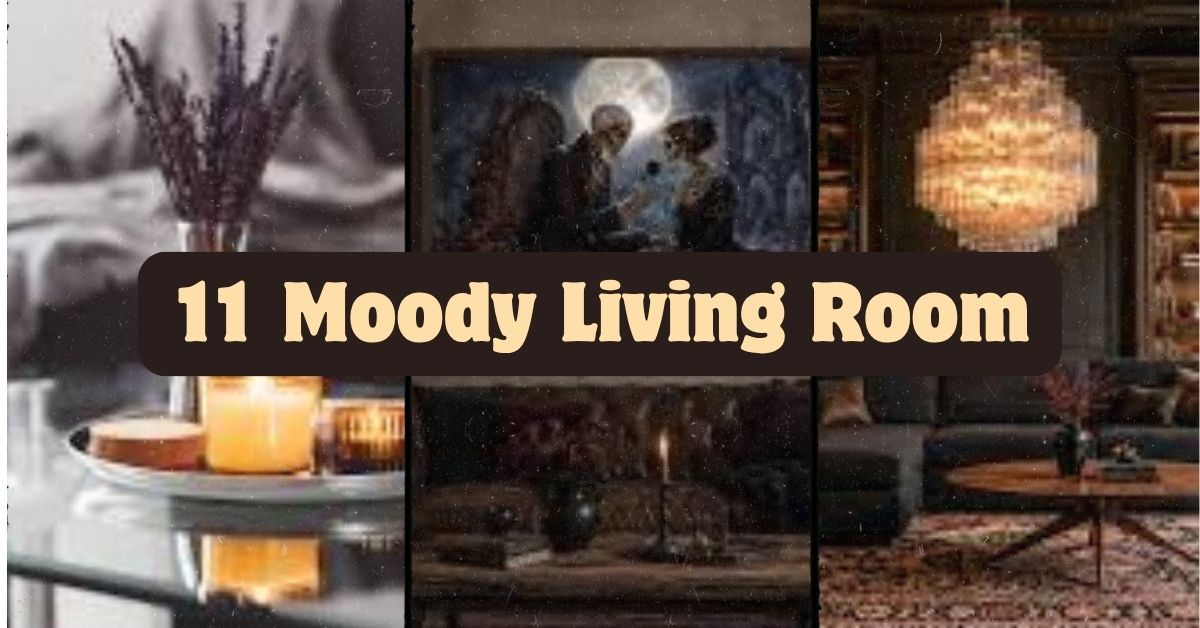
If you’ve been searching for real answers on how to pull off an 11 Moody Living Room look without turning your space into a cave, you’re in the right spot. I’ve spent way too many hours pinning dark paint colors and testing lamp placements in my own house, so I know what actually works and what just looks good in a magazine photo. This guide gives you the full picture, no fluff, no guessing.
A moody living room uses deep colors, layered lighting, and rich textures to create a warm, dramatic space that feels cozy rather than cold. The goal is depth and comfort, not darkness for darkness’s sake. Done right, it makes a room feel like a hug.
Stick around, because I’m about to walk you through 12 specific ways to get that moody magic into your own living room, plus a few mistakes that trip people up constantly.
What Exactly Is a Moody Living Room, Anyway?
Okay so here’s the thing about “moody” rooms. People hear the word and picture a dark, gloomy basement vibe. That’s not it at all. A moody living room is more about richness. Think deep greens, inky blues, chocolate browns, warm blacks. It’s the design equivalent of a good glass of red wine by candlelight. Cozy, a little dramatic, super inviting.
The trick is balancing dark colors with warm light and soft textures so the room feels intentional, not depressing. I promise, once you get the formula down, you’ll wonder why you ever painted everything beige.
1. Paint the Walls a Deep, Saturated Color
This is where every moody room starts. Skip the light grays and go for something with real depth, like forest green, charcoal, deep navy, or even a warm black. Dark walls actually make a room feel more intimate, not smaller, especially when the trim and ceiling get a lighter touch to balance things out.
Practical tip: test your color in different lighting throughout the day before committing. Colors shift a lot between morning and evening light.
This works in almost any home style. Traditional homes look stunning with deep hunter green, while modern spaces lean into charcoal or matte black.
Once your walls set the tone, the next step is thinking about what goes in front of them.
2. Choose Furniture With Rich, Dark Upholstery
Dark walls need furniture that either matches the mood or contrasts just enough to pop. Velvet sofas in emerald, burgundy, or deep brown are a classic choice for moody rooms. Leather works too, especially in cognac or espresso tones.
Avoid an all-dark room by mixing in one or two lighter pieces, like a cream side chair or a pale wood coffee table. That contrast keeps things from feeling flat.
Practical tip: velvet shows light and shadow beautifully, so it’s a smart pick if you want texture without adding more color.
Coastal homes can still pull this off using navy linen instead of velvet for a lighter, breezier take.
Once your seating is set, layering in lighting becomes the next big move.
3. Layer Multiple Light Sources Instead of One Overhead Fixture
Moody rooms live and die by lighting. A single bright overhead light kills the vibe instantly. Instead, use a mix of table lamps, floor lamps, and maybe a dimmable sconce or two.
Warm bulbs (look for 2700K or lower) give off that golden, cozy glow that dark colors need to feel inviting instead of heavy.
Practical tip: put your lamps on dimmers so you can adjust the mood depending on time of day.
| Light Source | Best Use | Bulb Temp Recommendation |
|---|---|---|
| Floor lamp | Reading corners, filling dark spots | 2200K-2700K |
| Table lamp | Side tables, accent lighting | 2400K-2700K |
| Wall sconce | Hallways, above art | 2700K |
| Candles | Coffee table, mantels | N/A (warm flame) |
| String lights | Bookshelves, behind furniture | 2000K-2200K |
This lighting layering approach works whether your style is farmhouse, mid-century, or industrial. The warmth is universal.
Now that the room glows properly, let’s talk about what goes on the floor.
4. Add a Textured Rug in a Deep, Complementary Tone
A flat, thin rug won’t cut it in a moody living room. You want something with texture, like a chunky wool weave or a vintage-style Persian rug with deep reds and blues. These rugs add pattern without fighting the wall color.
Practical tip: layer a smaller patterned rug over a larger neutral one for extra depth and a lived-in feel.
Modern homes might choose a solid charcoal shag rug, while traditional spaces do well with an antique-inspired pattern in burgundy and gold.
With the floor handled, it’s time to think about the walls beyond just paint.
5. Hang Art With Dark Backgrounds or Moody Subject Matter
Skip the bright, cheerful prints here. Look for art with dark backgrounds, dramatic landscapes, or even close-up botanical prints with deep greens and blacks. Oil-style paintings with visible texture add even more richness.
Practical tip: use picture lights above your art to create little pools of warm glow, which adds another lighting layer without extra lamps.
This idea flexes easily. Coastal homes might pick moody ocean scenes, while eclectic spaces can mix vintage portraits with abstract dark pieces.
Once your walls have some visual weight, the ceiling deserves a little attention too.
6. Don’t Ignore the Ceiling, Consider a Dark or Papered Look
Most people paint their ceiling white and call it done. But a dark or wallpapered ceiling wraps the whole room in that moody envelope feeling. This is sometimes called the “fifth wall” trick, and designers use it constantly to add drama.
Practical tip: if painting the whole ceiling feels too bold, start with a slightly darker shade than your walls instead of stark black.
This works especially well in traditional and transitional homes with crown molding, since the trim creates a nice frame for the darker color above.
Now let’s talk about the small stuff that makes a big difference: accessories.
7. Bring in Brass, Gold, or Warm Metal Accents
Dark rooms need a little sparkle to keep them from feeling flat. Brass lamp bases, gold picture frames, or warm bronze hardware on furniture all catch the light beautifully against deep wall colors.
Practical tip: stick to one metal family (brass, gold, or bronze) throughout the room so things feel cohesive instead of cluttered.
Modern farmhouse rooms often use matte black instead of brass, while glam-style spaces go heavier on gold for extra shine.
Metals add sparkle, but soft materials add the coziness factor, which is next on the list.
8. Pile On Soft Textiles Like Velvet, Wool, and Chunky Knits
A moody room without texture feels cold, even with all the right colors. Throw pillows in velvet, chunky knit throws, and wool blankets all add that tactile coziness that makes people want to curl up on the couch.
Practical tip: mix at least three different textures on your sofa (like velvet pillows, a knit throw, and a leather accent) for a layered, collected-over-time look.
Coastal and boho styles can swap velvet for linen and add fringe details for a more relaxed texture mix.
Texture handles the feel of the room, but let’s not forget the smell and ambiance too.
9. Use Candles and Natural Elements to Add Warmth
Candles aren’t just decoration in a moody room, they’re part of the lighting plan. Cluster a few pillar candles on a tray, or add a lantern-style candle holder on the coffee table. Fresh greenery or dried branches in a dark vase also soften the room’s edges.
Practical tip: choose candles in amber or smoky glass holders so even unlit, they add to the color story.
Scandinavian-inspired moody rooms lean into this with simple, unscented candles and minimal greenery, while maximalist styles go bigger with multiple candle groupings.
10. Choose Window Treatments That Block Light Without Feeling Heavy
Sheer curtains don’t really belong in a moody room, they let in too much light and break the atmosphere. Go with heavier fabrics like velvet or linen blends in colors that either match or slightly contrast your walls.
Practical tip: hang curtains close to the ceiling, even if your windows are shorter, to make the room feel taller and more dramatic.
Traditional homes often choose floor-length drapery with tiebacks, while modern spaces prefer simple, straight-hanging panels without extra hardware.
11. Mix In Dark Wood Furniture for Grounding
Dark wood pieces, like a walnut coffee table or an espresso-stained bookshelf, help ground the room and connect the furniture to the wall color. Avoid matching everything exactly. A slight variation in wood tones adds interest.
Practical tip: if your existing furniture is light wood, a dark wood stain or gel stain kit can transform pieces without buying new furniture.
Mid-century modern rooms often use teak or walnut, while industrial spaces might choose reclaimed wood with a darker, weathered finish.
12. Create a Focal Point With a Statement Piece
Every moody room needs one thing that grabs your eye first, whether that’s an oversized piece of art, a dramatic light fixture, or a bold accent chair in a jewel tone like sapphire or ruby. This anchors the whole space and gives your eye somewhere to land.
Practical tip: pick your statement piece first, then build the rest of the room’s colors around it.
Eclectic homes might use a vintage chandelier, while minimalist moody rooms could rely on a single oversized abstract painting instead.
Budget Tiers for a Moody Living Room Makeover
| Budget Level | What You Can Do | Estimated Cost |
|---|---|---|
| Low ($100-$300) | New paint, pillows, candles, a few lamps | $100-$300 |
| Mid ($300-$1,000) | Add a rug, curtains, and accent furniture piece | $300-$1,000 |
| High ($1,000-$3,000) | New sofa, statement lighting, wallpaper | $1,000-$3,000 |
| Full Remodel ($3,000+) | Custom furniture, ceiling treatment, built-ins | $3,000 and up |
Tips for Success
- Start with paint and lighting before buying any new furniture, they set the whole tone
- Test dark colors in small sections first using peel-and-stick swatches
- Keep at least one light-colored surface in the room to prevent it from feeling too heavy
- Shop secondhand for dark wood furniture, it’s often cheaper and has more character than new pieces
- Add plants even in a dark room, they bring life and keep things from feeling stagnant
- Rotate your lamps and candles seasonally to adjust the mood as daylight changes
- Take a photo of the room in progress, sometimes a picture shows imbalance your eyes miss
Common Mistakes and How to Avoid Them
Using only cool-toned dark colors
: Cool darks like true black or icy navy can feel sterile. Warm up your palette with colors that have a hint of red, brown, or green undertone instead.
Relying on one overhead light
: This flattens the whole room and kills the mood instantly. Add lamps, sconces, and candles for layered lighting instead.
Skipping texture completely
: A dark, smooth room feels cold, not cozy. Mix in velvet, wool, and wood grain to add richness.
Going too dark without any contrast
: An all-black room can feel like a hole. Balance dark walls with a few lighter elements like a cream rug or light wood accents.
Forgetting to test paint samples
: Colors look different under store lighting versus your actual room. Always test a sample patch at home first.
Overcrowding with too many accent colors
: Moody doesn’t mean chaotic. Stick to two or three main colors plus metal accents for a cohesive look.
Similar Variations
- Dark Academia Living Room – leans into deep wood, leather, and vintage book-filled shelves for a scholarly, cozy feel
- Coastal Moody Living Room – swaps velvet for linen and uses navy and driftwood tones for a beachy but dramatic look
- Modern Gothic Living Room – combines dark walls with sleek black furniture and minimal, architectural decor
- Jewel Tone Living Room – focuses on rich sapphire, emerald, and ruby accents against a neutral dark backdrop
- Rustic Moody Living Room – mixes dark wood beams, wrought iron accents, and warm earthy colors for a cabin-like feel
- Scandi Moody Living Room – keeps the palette simple and dark but adds light wood and minimal decor for a cleaner take
Getting a moody living room right comes down to balance. Dark colors, warm lighting, and layered textures work together to create a space that feels rich and calm, not gloomy or cramped. Once you nail that mix, the room practically decorates itself from there.
I hope these ideas gave you a clear starting point, whether you’re repainting one wall or doing a full room overhaul. Take it one step at a time, trust the process, and don’t be afraid to go a little darker than feels comfortable at first. That’s usually when an 11 Moody Living Room really starts to come together.
Leave a Reply