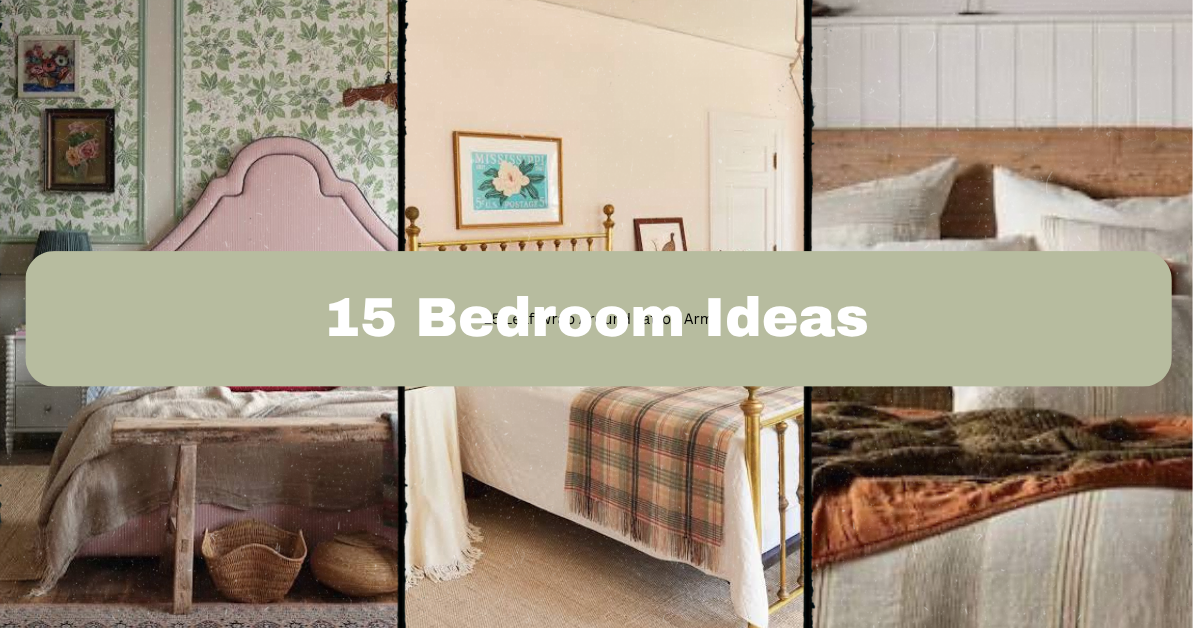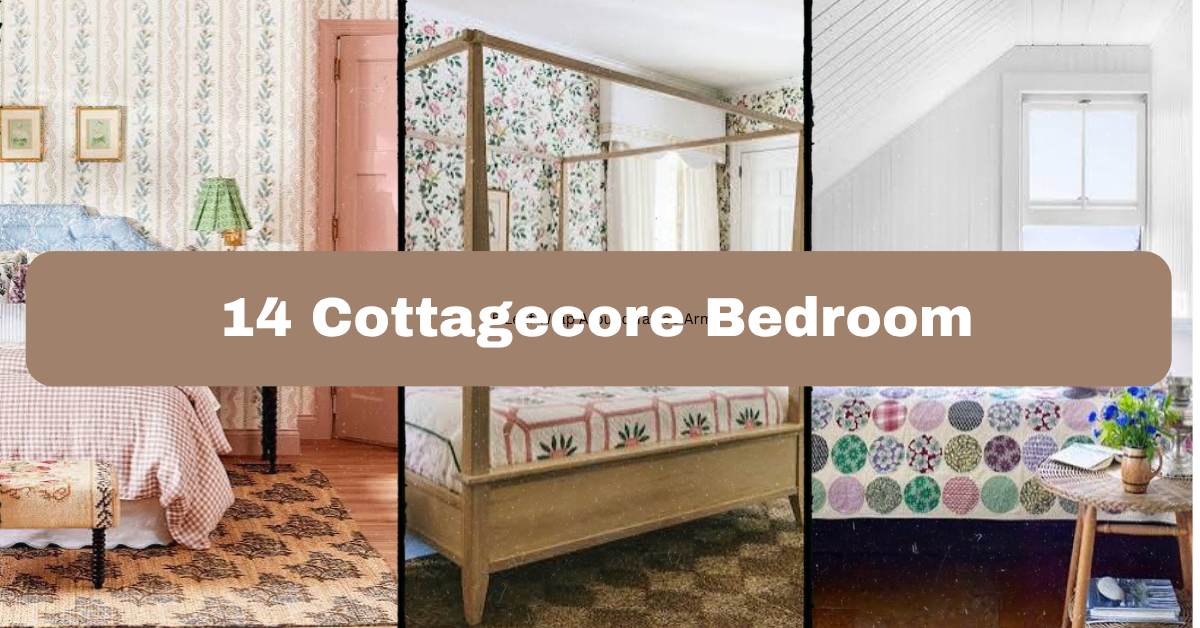
I’ve spent way too many hours scrolling through cottagecore bedroom photos, and I finally pulled together the 14 cottagecore bedroom ideas that actually work in real homes, not just picture-perfect showrooms. This isn’t some quick Pinterest roundup either. I dug into what makes this style tick and tested out what’s realistic for people who don’t have a farmhouse in the countryside.
Cottagecore bedroom design is a decorating style that blends vintage furniture, soft floral patterns, natural materials, and warm lighting to create a calm, nostalgic space that feels like a cottage in the woods. It focuses on handmade touches, muted colors, and cozy textures over sleek, modern finishes.
Stick around, because I’m about to show you exactly how to bring this dreamy, storybook vibe into your own bedroom, even if you’re working with a tiny apartment or a tight budget.
What Even Is Cottagecore, Anyway?
Okay so cottagecore is basically the design version of a warm cup of tea on a rainy day. It’s inspired by countryside living, old farmhouses, and that “grandma’s house but make it cute” energy. Think dried flowers, quilts, wooden furniture with a little wear on it, and soft lighting that makes everything feel gentle.
It’s not about being perfect. Honestly, a little imperfection is the whole point. Mismatched patterns, worn edges, and handmade items all belong here. This style took off because people got tired of cold, sterile modern rooms and wanted something that felt warm and lived-in instead. Once you get the hang of it, it’s actually one of the easier styles to pull off on a budget.
1. Start With a Soft, Muted Color Palette
The foundation of any cottagecore bedroom is color. You want soft, faded tones, not bright or bold ones. Think sage green, dusty rose, buttery yellow, cream, and warm brown. These colors mimic what you’d find in nature, like dried herbs, old wood, and worn linen.
Paint your walls in a light neutral or muted pastel, then layer in your accent colors through bedding, curtains, and decor. Avoid anything too saturated or glossy. Matte finishes always feel more cottagecore than shiny ones.
Quick tip: if you’re renting and can’t paint, use a removable wallpaper in a small floral print instead.
This palette works whether your home leans traditional or even slightly modern, since muted tones blend into almost any existing color scheme. Once your colors are set, it’s time to think about what’s actually holding your room together, the furniture.
2. Choose Vintage or Vintage-Style Wood Furniture
Furniture is where cottagecore really shines. You want pieces that look like they’ve been passed down for generations, even if they’re brand new. Look for solid wood dressers, nightstands with carved details, and bed frames with a slight rustic finish.
Thrift stores and estate sales are goldmines for this. A dresser with a few scratches actually adds character here instead of looking like a flaw. If you can’t find real vintage pieces, plenty of stores now sell furniture designed to look aged and worn.
Stick with warm wood tones like oak, walnut, or pine. Avoid anything glossy, black, or ultra-modern looking.
This furniture style adapts easily into farmhouse or traditional homes too, since the wood tones and simple shapes fit right in. Once your big furniture pieces are set, layering texture on top of them is what really brings the room to life.
3. Layer a Handmade Quilt or Patchwork Blanket
Nothing says cottagecore faster than a quilt draped over the end of your bed. Patchwork blankets, especially ones with floral or gingham patterns, instantly warm up a room. They add texture, color, and that homemade feeling that’s central to this whole style.
You don’t need an actual heirloom quilt. Plenty of affordable options online mimic that patchwork look. Fold it at the foot of the bed or drape it over a reading chair for extra coziness.
Practical tip: mix two or three different quilts or throws with slightly different patterns. It looks more authentic than one perfectly matched set.
This idea works in coastal or traditional bedrooms too, just swap the floral patterns for stripes or nautical prints if you want a different feel. Speaking of the bed, let’s talk about what’s actually on it.
4. Dress Your Bed in Layers of Soft Linens
Your bed should look inviting, like you could sink into it and never leave. That means layering. Start with a fitted sheet in a soft neutral, add a duvet with a subtle floral or checked pattern, then pile on pillows in different sizes and textures.
Linen and cotton fabrics work best here because they have that slightly wrinkled, lived-in look. Avoid stiff, shiny fabrics like satin, they don’t fit the vibe at all.
Mix pillow sizes. A big euro pillow, a couple of standard pillows, and one small decorative one creates that “cozy but not too matchy” look cottagecore is known for.
This layering trick honestly works in almost any bedroom style, from boho to traditional, since texture and softness never go out of style. Now let’s brighten things up with some natural light.
5. Hang Sheer or Lace Curtains
Cottagecore rooms love natural light, but not harsh light. Sheer curtains, especially ones with a bit of lace trim, filter sunlight into something soft and dreamy. They also add a delicate, vintage touch without much effort.
Go for curtains in cream, white, or soft sage. Hang them high above the window frame to make your ceilings look taller too.
If you want more privacy, layer sheer curtains over blackout ones. You get the soft daytime look with actual nighttime function.
This works beautifully in coastal bedrooms as well, since sheer fabric already fits that breezy, airy feel. Once your windows are dressed, let’s bring some actual plants into the mix.
Fabric Comparison for Cottagecore Windows
| Fabric Type | Look & Feel | Light Filtering | Best Use |
|---|---|---|---|
| Cotton Voile | Light, airy, slightly textured | Filters most light, keeps room bright | Everyday curtains |
| Linen | Slightly wrinkled, natural texture | Moderate light filtering | Main bedroom curtains |
| Lace | Delicate, vintage, detailed | Filters light heavily, decorative | Layered accent curtain |
| Cotton Blend | Soft but more durable | Blocks light better | Budget-friendly option |
6. Add Dried or Pressed Flowers
Fresh flowers are lovely, but they wilt fast. Dried flowers, on the other hand, last for months and fit the cottagecore aesthetic even better. Lavender, baby’s breath, and wheat stalks are classic choices.
Put them in a simple glass jar or a small ceramic vase on your nightstand or windowsill. You can also frame pressed flowers and hang them on the wall for a subtle decorative touch.
Practical tip: buy dried flowers in bulk online, they’re way cheaper than grabbing small bunches at a craft store.
This idea slides right into farmhouse and even minimalist bedrooms, since dried florals are simple enough not to clash with cleaner design styles. Now, let’s think about what’s covering your floor.
7. Layer a Woven or Braided Rug
A cottagecore floor needs texture. Woven jute rugs or braided cotton rugs bring in that handmade, natural feel without adding a lot of color or pattern. They’re also super practical since they’re durable and easy to clean.
Place a rug at the foot of your bed or centered under it, depending on your room size. Round or oval shapes tend to feel more cottage-y than sharp rectangles, though either works.
If you want more color, look for rugs with a faded floral or striped pattern instead of solid neutral tones.
This grounding element works great in bohemian and coastal spaces too, since natural fibers are a staple in both. With your floor sorted, let’s talk lighting.
8. Swap Harsh Lighting for Warm, Soft Glows
Overhead lighting is way too harsh for a cottagecore room. Instead, use lamps, string lights, or even candles to create a warm, golden glow. Table lamps with fabric shades are perfect for nightstands.
Fairy lights strung along a headboard or draped over a window add a magical touch without being over the top. Stick with warm white bulbs, not cool white or blue toned ones.
Quick tip: dimmer switches are worth the small investment if you want full control over your room’s mood at night.
This lighting approach works in nearly every style, from modern to traditional, since warm lighting is universally cozy. Once the lighting feels right, let’s bring in some greenery.
9. Bring in Potted Herbs or Small Plants
Cottagecore is all about connecting with nature, and having actual living plants in your room helps with that. Small potted herbs like mint, thyme, or basil on a windowsill add color, scent, and a little bit of that “cottage garden” feeling indoors.
If you don’t have a green thumb, go for low-maintenance plants like pothos or succulents instead. Terracotta pots fit the aesthetic better than plastic or ceramic ones.
Practical tip: group three plants of different heights together for a more natural, garden-like look instead of spacing them out evenly.
This works in almost any home style, especially boho and Scandinavian bedrooms, since plants are a universal decor staple. Now let’s talk about something a little more personal, your walls.
10. Decorate Walls With Vintage Art or Botanical Prints
Your walls are prime real estate for that cottagecore charm. Look for vintage-style art, botanical illustrations, or old-fashioned landscape paintings. Thrifted frames with a little wear add even more authenticity.
Gallery walls work great here too. Mix a few different frame sizes and styles instead of matching everything perfectly. It should feel collected over time, not bought all at once.
If buying original art feels expensive, print botanical images at home and frame them yourself for a fraction of the cost.
This wall decor style fits traditional and farmhouse homes especially well, since both share that same appreciation for vintage charm. Next, let’s talk storage that doesn’t ruin the vibe.
11. Use Wicker or Rattan Storage Baskets
Storage doesn’t have to look boring or modern. Wicker baskets and rattan bins are both functional and beautiful, fitting right into the cottagecore look. Use them for blankets, books, or even laundry.
Place a couple of baskets near your bed or under a window for extra texture and warmth. They’re also great for hiding clutter without breaking the aesthetic.
Practical tip: label baskets with small handwritten tags if you’re using them for organized storage, it adds a charming, personal touch.
This storage solution works beautifully in coastal and boho bedrooms too, since natural materials are a shared favorite across both styles. Now, let’s talk about a small but important detail, your bed frame.
12. Choose an Iron or Wood Bed Frame With Character
Your bed frame sets the tone for the whole room. Iron frames with subtle curves or wood frames with a slightly distressed finish both work beautifully. Avoid anything too sleek, modern, or platform-style.
Canopy beds are a popular cottagecore choice if you have the ceiling height and budget for one. They add a dreamy, storybook feel without much extra effort.
If a new frame isn’t in the budget, painting an old frame in a soft, muted color can completely transform its look.
This furniture choice adapts well into farmhouse and traditional bedrooms, since both styles already favor classic, non-modern shapes. Let’s move on to something smaller but just as impactful, your nightstand décor.
Budget Tiers for a Cottagecore Bedroom Refresh
| Budget Level | What You Can Afford | Estimated Cost |
|---|---|---|
| Small Budget | Dried flowers, throw pillows, fairy lights | $50–$100 |
| Mid Budget | New bedding set, woven rug, wall art | $150–$400 |
| Higher Budget | Vintage furniture piece, canopy bed frame, lighting fixtures | $500–$1,200+ |
13. Style Your Nightstand With Small, Meaningful Objects
A cottagecore nightstand should feel personal, not staged. Think a small stack of well-loved books, a ceramic candle holder, a tiny vase of dried flowers, and maybe a vintage trinket dish.
Avoid clutter, but don’t go too minimal either. The goal is a curated collection that feels collected over time, like items you’ve actually picked up on little adventures.
Practical tip: rotate a few items seasonally, swap dried flowers for pinecones in winter, for example, to keep things feeling fresh.
This personal styling trick works in literally any bedroom style, since small personal touches are what make a room feel like home. Last but not least, let’s talk about scent.
14. Add Cozy Scents With Candles or Diffusers
Cottagecore isn’t just visual, it’s about creating a feeling. Scent plays a huge role in that. Think warm vanilla, fresh linen, lavender, or something woodsy like cedar. These scents make the room feel even more like a cozy countryside retreat.
Beeswax candles fit the aesthetic especially well since they’re natural and give off a warm, honey-toned glow when lit. Reed diffusers work great too if you want a flame-free option.
Practical tip: keep scents light and natural. Overly sweet or synthetic fragrances can clash with the whole “natural cottage” feeling you’re going for.
This finishing touch works across every design style, since a good scent makes any room feel more inviting. With all fourteen ideas covered, you’ve basically got a full blueprint for building this look from scratch.
Tips for Success
- Start with your color palette before buying anything, it keeps your whole room feeling cohesive.
- Shop secondhand first. Thrift stores and estate sales often have better cottagecore pieces than retail stores.
- Mix patterns confidently. Florals, checks, and stripes can all live together if the colors stay muted.
- Don’t rush the room. Cottagecore rooms look best when they feel collected over time, not bought in one trip.
- Keep lighting warm everywhere, including lamps, candles, and even your lightbulb choices.
- Add at least one living plant. It makes a huge difference in how “alive” the room feels.
- Leave a little imperfection. A slightly wrinkled quilt or an uneven gallery wall actually helps the look feel authentic.
Common Mistakes and How to Avoid Them
Using bright, bold colors
: Stick to muted, faded tones instead. Bright colors break the soft, nostalgic feeling cottagecore relies on.
Buying everything brand new and matching
: Mix in thrifted or vintage-style pieces so the room doesn’t feel like a showroom display.
Skipping texture
: Layer fabrics like linen, cotton, and wool. A room with only one texture feels flat and unfinished.
Overdoing modern lighting
: Swap cool white bulbs for warm white ones, and add lamps or candles instead of relying on overhead lights.
Forgetting natural elements
: Add plants, dried flowers, or wood furniture. Without them, the room loses its cottage garden feel.
Overcrowding the space
: Choose a few meaningful pieces instead of piling on decor. Too much clutter can make the room feel chaotic instead of cozy.
Similar Variations
- Fairycore Bedroom: A whimsical twist on cottagecore with sparkles, pastel tones, and a more magical, storybook feel.
- Farmhouse Bedroom: Focuses more on rustic wood furniture and neutral tones, with less floral and vintage detail.
- Coastal Cottagecore: Blends cottagecore textures with beachy colors like soft blues and sandy neutrals.
- Grandmillennial Style: A mix of traditional grandma-inspired decor with modern comfort, heavy on chintz and antiques.
- Boho Cottage: Combines cottagecore’s cozy textures with bohemian layering, patterns, and global-inspired decor.
- Dark Academia Cottage: Takes the cottage feel but leans into moody colors, old books, and vintage academic decor.
Building a cottagecore bedroom really comes down to layering warmth, texture, and a little bit of imperfection until the room feels like your own cozy little escape. Once you start collecting pieces instead of buying everything at once, the whole space naturally comes together. I hope these 14 cottagecore bedroom ideas gave you enough inspiration to start turning your own room into that warm, storybook retreat you’ve been dreaming about.