Category: Bedroom

  • 11 Boho Dorm Room Ideas That’ll Make Your Tiny Space Feel Like a Cozy Escape

    11 Boho Dorm Room Ideas That’ll Make Your Tiny Space Feel Like a Cozy Escape

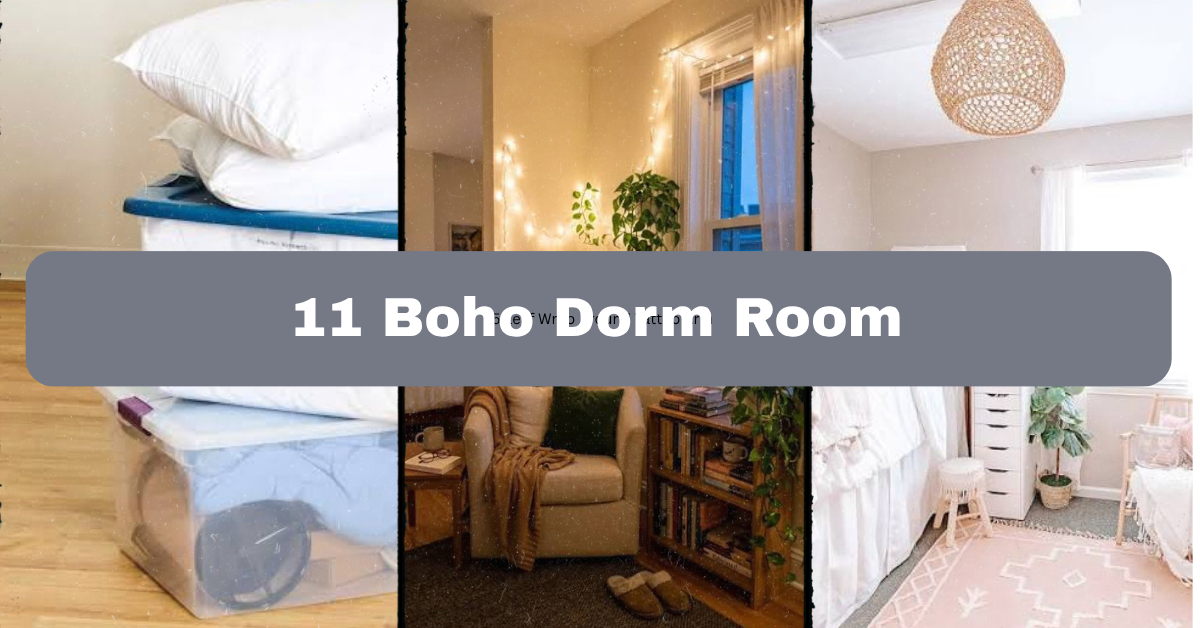
    If you’ve been searching for 11 boho dorm room ideas that actually work in a tiny college space, you’re in the right spot. I’ve pulled together the most complete, no-fluff list out there, so you don’t have to dig through fifty Pinterest boards yourself.

    A boho dorm room is a small living space decorated with warm colors, layered textures, plants, and eclectic decor that mixes patterns and cultures freely. It’s about comfort over matching sets, and personality over perfection.

    Stick around, because I’m about to walk you through twelve ideas (yes, more than the usual ten or eleven you see floating around), plus tables, tips, and mistakes to dodge.

    What Even Is Boho Style, Anyway?

    Okay so real talk. Boho, short for bohemian, started as a way of living that ignored strict rules. Think free spirits, world travelers, and artists who just grabbed what they loved and made it work together. In a dorm room, that means you’re not stressing about matching your curtains to your bedspread. You’re mixing textures, colors, and random treasures you’ve collected. It’s warm. It’s a little messy in the best way. And honestly? It’s perfect for small spaces because it hides imperfections instead of highlighting them. If your dorm walls are ugly cinderblock, boho decor makes that a feature, not a flaw.

    1. Hang a Macrame Wall Tapestry Behind Your Bed

    Bohemian Wall Hanging Handwoven Tapestry For Living Room Bedroom Ethnic Art Macrame Sun Wall Hanging Tapestry Sunset Wall Art Set Woven Tapestries Boho Colorful for Bedroom Living Room Nursery - Walmart.ca
    Credit: Walmart

    A macrame tapestry is basically the boho dorm MVP. It’s lightweight, doesn’t need nails (command hooks work great), and instantly covers up that sad dorm wall. Pick one in cream, rust, or sage to keep things earthy.

    Here’s the tip: hang it slightly wider than your bed frame so it frames the whole headboard area, not just a small patch.

    This works because it adds texture without taking up floor space, which matters a ton in dorms. If you’re more of a modern minimalist, go for a tapestry with simple geometric knots instead of fringe overload. Coastal fans can swap in a woven piece with shell accents instead.

    Once your wall’s got that cozy backdrop, it’s time to think about what’s actually holding your stuff.

    2. Swap Plastic Storage Bins for Woven Baskets

    How To Pack for College Without a Suitcase | Dorm Therapy
    Credit: Dorm Therapy

    Dorm storage is usually ugly. Plastic bins under the bed, wire shelves, all that stuff screams “temporary.” Woven baskets fix this instantly. Use them for blankets, shoes, or snacks, and stack a few different sizes for a layered look.

    Quick tip: label them with small tags so roommates know which basket is whose.

    Color scheme wise, stick to natural tones like tan, honey, or dark brown so they blend with everything else. Traditional style lovers can pick baskets with tighter weaves and more structure, while coastal boho fans should look for lighter, bleached rattan.

    Once your storage looks intentional, your string lights need an upgrade too.

    3. Use Warm String Lights Instead of Harsh Overhead Lighting

    Fairy Lights Reading Nook: 9 Soft-Glow Ideas
    Credit: Little Nook Home

    Dorm overhead lights are brutal. Fluorescent, cold, unflattering. Warm white string lights fix that fast. Drape them along your bed frame, around a mirror, or across the ceiling in a loose zigzag.

    Actionable tip: buy battery-powered ones if your dorm doesn’t allow tons of outlets near your bed.

    This is one of those ideas that fits basically any style. Modern rooms can use plain warm bulbs, while boho spaces look great with lantern-shaped covers or paper globes mixed in.

    Lighting sets the mood, but nothing pulls a boho room together like a good rug.

    4. Layer a Small Area Rug Over Dorm Carpet

    Dorm Room Ideas - How to Decorate Your Dorm Room
    Credit: Dressmycrib

    Most dorm carpets are thin and gray. A patterned area rug adds warmth and hides that sad carpet completely. Go for something with tribal prints, diamond shapes, or faded vintage patterns.

    Tip: measure your floor space first. A rug that’s too small will look like an accident, not a design choice.

    Rug SizeBest ForApprox. Price Range
    3×5 ftSmall dorm floor space, under desk$25-$60
    4×6 ftCenter of room, under bed frame edge$50-$100
    5×7 ftLarger dorms, shared common areas$80-$150
    Round 4 ftReading nook or accent spot$30-$70

    Traditional dorms can go with a Persian-inspired pattern, while coastal styles look better with jute or sisal weaves. Once your floor’s covered, let’s talk about your bed, because that’s the heart of the room.

    5. Pile on Textured Throw Pillows and Blankets

    Throw at Linen Chest | Linen Chest
    Credit: Linen chest

    Your bed is basically your couch, desk chair, and hangout spot all in one. Boho style loves layers, so don’t stop at one blanket. Mix a chunky knit throw with a patterned Moroccan-style blanket, then add three or four pillows in different textures like velvet, tassel trim, and woven cotton.

    Tip: keep your color palette to three main tones so it doesn’t look chaotic.

    Boho Color PaletteMain TonesAccent Colors
    Desert SunsetTerracotta, creamMustard, dusty pink
    Earthy NeutralBeige, brownSage green, rust
    Jewel BohoDeep teal, plumGold, burnt orange
    Soft Pastel BohoBlush, lavenderCream, sage

    This idea flexes easily. Modern rooms can stick to solid colors with one patterned pillow, while eclectic boho spaces can go wild with five different prints. Speaking of prints, your walls deserve some love too.

    6. Create a Gallery Wall With Mixed Frames and Prints

    How to create the perfect gallery wall at home | House & Garden
    Credit: Hpuse & Garden

    Skip the single poster. Boho dorms thrive on a gallery wall mixing photos, small tapestries, dried flowers, and art prints in different frame styles. Wood frames, no frames, string-hung prints, all of it works together.

    Tip: lay everything out on the floor first before hanging so you can plan spacing without a hundred nail holes.

    This idea adapts really well. Traditional homes might use matching frames for a cleaner look, while true boho spaces love mismatched, imperfect arrangements. Once your walls are full of personality, plants are the next natural step.

    7. Add Layers of Plants (Real or Faux)

    Brilliant And Affordable Boho Dorm Room Decor Ideas - Posh Pennies
    Credit: Posh Pennies

    Plants make any room feel alive, and boho spaces basically require at least one. Small potted succulents on your desk, a trailing pothos on a shelf, maybe a taller faux fiddle leaf fig in the corner if you’ve got floor space.

    Tip: if your dorm has zero sunlight, go faux. Nobody needs to grieve a dead plant during finals week.

    Plant TypeLight NeededReal or Faux Recommended
    PothosLow lightReal (very forgiving)
    SucculentBright lightReal if sunny window
    Fiddle Leaf FigBright indirectFaux (hard to keep alive)
    Snake PlantLow lightReal (nearly indestructible)

    Coastal boho rooms pair plants with woven planters, while modern spaces prefer simple ceramic pots in white or black. Now that your greenery’s sorted, let’s cover up that ugly desk chair.

    8. Drape a Patterned Throw Over Your Desk Chair

    💗 Coastal Preppy Luxe Dorm Room Design with an alternate rug choice! 💗 Make sure you're following me & comment “LUXE” for a dm! If you're a girl searching for the prettiest
    Credit: Instagram

    Dorm desk chairs are usually plain, stiff, and honestly kind of depressing to look at. A patterned throw blanket draped over the back instantly softens it up and ties in your color scheme.

    Tip: pick a fabric that’s easy to wash since desk chairs get used a lot.

    This trick works in nearly any style. Traditional rooms can use a plaid or tartan throw, while boho rooms look best with fringe-edge or tribal print fabric. With your chair sorted, it’s time to think about scent and mood lighting together.

    9. Set Up a Small Candle or Incense Corner

    How to Create a Cottagecore Dorm Room: Cozy Decor Tips
    Credit: Lord Decor

    Boho spaces are all about the senses, not just the visuals. A tiny corner with candles, incense holders, and maybe a small tray for matches adds that “cozy hideaway” feeling.

    Tip: check your dorm’s fire policy first. Flameless LED candles are a smart swap if real flames aren’t allowed.

    Modern rooms might keep this minimal with one simple candle, while eclectic boho spaces love a cluttered little altar-like setup with crystals and trinkets mixed in. Once your senses are covered, let’s talk about window treatments.

    10. Hang Sheer or Macrame Curtains for Softness

    Macrame Curtains: Stylish Boho Cotton Window Curtain Collection – LushDecor
    Credit: Lush Decor

    Dorm windows usually come with ugly plastic blinds. Adding a sheer curtain panel or a macrame curtain piece softens the whole vibe instantly, even if you can’t remove the blinds underneath.

    Tip: use a tension rod so you don’t need to drill anything into the wall.

    Coastal boho rooms love light, breezy sheer fabric in white or cream, while jewel-toned boho spaces might choose a rust or deep green sheer panel instead. Curtains set the tone, but your desk area needs personality too.

    11. Personalize Your Desk With Small Trinkets and Woven Trays

    Boho Dorm Decor Ideas for Your College Dorm Room
    Credit: TriangleseniorYear

    Your desk doesn’t have to be boring just because it’s for studying. Add a small woven tray to hold pens and jewelry, a tiny plant, and maybe a stack of books with a patterned bookend. This turns a purely functional spot into part of your overall design.

    Tip: keep desk decor to three or four items max so you still have room to actually study.

    Traditional style desks might use brass trinket dishes, while boho desks lean toward clay pots, beads, or small woven baskets. Last but not least, let’s talk about pulling it all together with a statement piece.

    12. Choose One Bold Statement Piece to Anchor the Room

    10 Boho Dorm Room Ideas for a Calm and Cozy College Oasis
    Credit: Omni Home Ideas

    Every good boho dorm room ideas list needs this one: pick a single bold item that becomes the room’s anchor. Maybe it’s a huge tapestry, a colorful bean bag chair, or a vintage-style trunk at the foot of your bed. This piece pulls all your smaller choices together and gives the room a focal point.

    Tip: choose this piece first, then build your color palette around it instead of the other way around.

    Modern dorms might choose a bold geometric rug as their anchor, while coastal boho rooms might pick a big driftwood-style mirror instead.

    Tips for Success

    • Start with your color palette before buying anything, so pieces actually match instead of clashing randomly.
    • Use command strips and tension rods for everything since most dorms ban nails and drilling.
    • Shop secondhand stores and thrift shops first. Boho style actually looks better when things look a little worn in.
    • Keep a small toolkit of double-sided tape and velcro strips for hanging lightweight decor.
    • Don’t overbuy. A cluttered dorm room stops looking boho and starts looking messy fast.
    • Measure your space before ordering rugs, tapestries, or furniture online.
    • Add one new item at a time instead of decorating all at once. It helps you avoid decor you’ll regret.

    Common Mistakes and How to Avoid Them

    Buying too many patterns at once
    : Stick to two or three main patterns max, then use solid colors to balance things out.

    Ignoring your dorm’s actual rules
    : Always check fire codes and wall damage policies before buying candles, lights, or anything that needs nails.

    Choosing a rug that’s too small
    : Measure your floor space first and round up in size rather than down.

    Forgetting storage needs
    : Boho decor items like baskets should double as actual storage, not just decoration.

    Overcrowding your desk
    : Keep your workspace functional first, decorative second, or you’ll avoid using it altogether.

    Skipping lighting changes
    : Fluorescent overhead lights ruin the cozy vibe fast, so always add a warm light source.

    Similar Variations

    • Desert Boho: Leans into terracotta, cacti, and sun-bleached tones for a warm, dry-climate feel.
    • Coastal Boho: Mixes light woods, sea grass textures, and breezy white fabrics for a beachy touch.
    • Jungle Boho: Packs in tons of green plants and tropical prints for a lush, jungle-inspired room.
    • Vintage Boho: Focuses on secondhand furniture, antique trinkets, and faded floral patterns.
    • Modern Boho: Combines clean lines and neutral colors with just a few boho accents like woven textures.
    • Global Boho: Mixes patterns and decor pieces from different cultures and countries into one eclectic space.

    Putting together a boho dorm room really comes down to layering textures, sticking to a warm color palette, and adding pieces that feel personal to you. You don’t need a big budget or a huge room to make it work. Small changes like string lights, a good rug, and a few plants go a long way. So if you’ve been stuck trying to figure out where to start, just pick two or three ideas from this list and build from there, because that’s really all it takes to nail these 11 boho dorm room ideas in your own space.
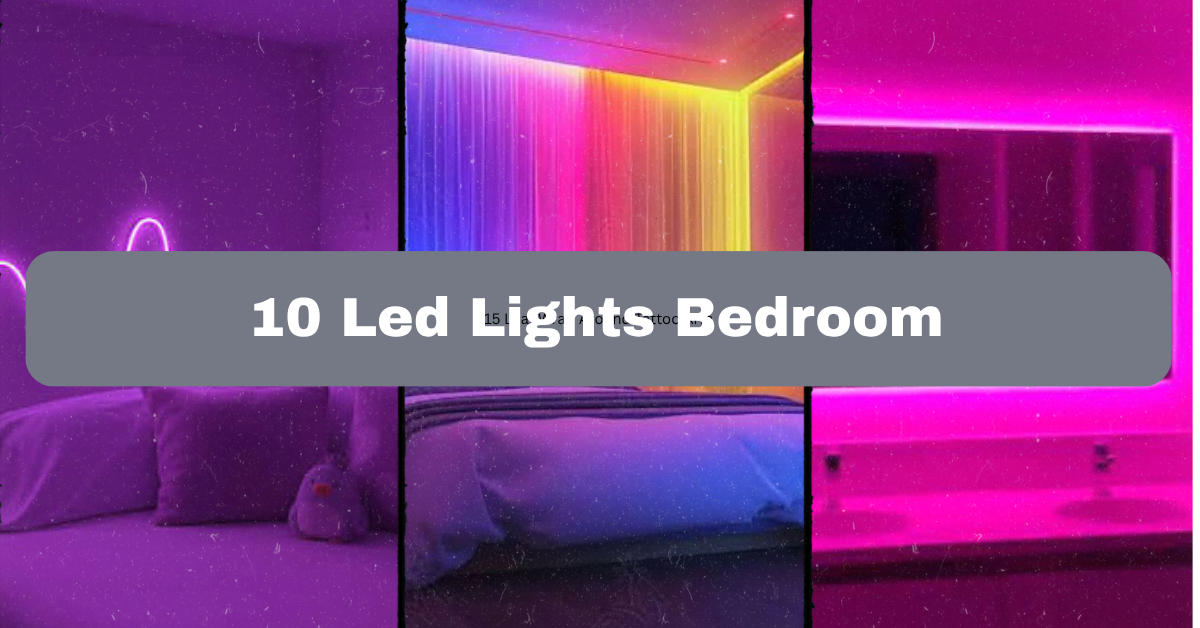
  • 10 LED Lights Bedroom Ideas That Actually Work

    10 LED Lights Bedroom Ideas That Actually Work

    If you’ve been scrolling through a hundred different pages trying to figure out the best 10 LED lights bedroom setups, you can stop now. I’ve pulled together the ideas that actually get used in real bedrooms, not just in showroom photos that never happen in real life.

    LED lights for a bedroom refer to strip lights, bulbs, or fixtures using light-emitting diodes to create ambient, task, or accent lighting. They’re energy efficient, come in many colors, and can be placed behind furniture, along ceilings, or around mirrors to change a room’s mood instantly.

    Stick around, because I’m about to walk you through more than a dozen ways to use these lights, plus the mistakes that trip up almost everyone the first time.

    What Makes LED Bedroom Lighting So Popular Right Now

    I’ll be honest, I was skeptical about LED strip lights at first. They seemed like something only teenagers wanted for their gaming setups. But once I tried a warm white strip behind my headboard, I got it. LED lighting isn’t just a trend, it’s a cheap way to totally change how a room feels without touching the paint or furniture. You can go moody and dim, bright and energizing, or somewhere in between, all with a remote or an app. That flexibility is why designers now treat LEDs as a real decor tool, not just a gadget.

    1. Backlight Your Headboard for Instant Drama

    Smart LED Lighting Hacks for a Cozy and Inviting Bedroom
    Credit: The Projection Room

    Sticking an LED strip behind your headboard is probably the easiest upgrade you can make. The light spills out around the edges and creates a soft glow that makes the whole wall look intentional. I like warm white or soft amber tones here because they feel cozy instead of clinical.

    Pick a headboard with some gap behind it, like a slatted wood one, so the light can peek through nicely. A quick tip: use a strip with at least 16 color options so you can switch things up for movie nights versus reading time. This works in almost any style, from farmhouse to modern minimalist, since the light source stays hidden.

    Once your headboard glows, the next natural step is bringing that same energy to the ceiling.

    2. Frame Your Ceiling With a Cove Light Border

    35 LED Strip Ideas for the Bedroom (2026) - LEDYi Lighting
    Credit: ledyilighting

    Cove lighting means running LED strips along the edge where your ceiling meets the wall, hidden inside a small ledge or molding. It gives the illusion of a floating ceiling and makes small bedrooms feel taller. I’ve seen this done in rental apartments using peel-and-stick trim, no construction needed.

    Go with a dimmable strip so you can control brightness based on time of day. For color scheme, cool white works great in modern rooms, while soft gold suits traditional or farmhouse spaces. This idea plays especially well in rooms with low ceilings that need a lift.

    Next, let’s bring that glow down closer to eye level with something you’ll actually touch every day.

    3. Wrap LED Strips Around Your Mirror Frame

    How To Install LED Strip Lights Behind Mirror Flexfire LEDs
    Credit:flexfireleds

    A lit-up mirror frame turns a boring dresser mirror into a whole vibe, kind of like a backstage dressing room. Stick the strip along the back edge of the mirror frame so the light bounces softly instead of shining directly at you.

    This is great for getting ready in the morning because it lights your face evenly, no harsh shadows. Pick a mirror with a slightly raised frame so there’s room to tuck the strip. A quick actionable tip: use a strip with adjustable brightness so it doesn’t blind you at 6 a.m. This idea fits glam, coastal, or Hollywood regency style rooms especially well.

    Speaking of getting ready, your closet deserves the same lighting love.

    4. Light Up Closet Shelves So You Can Actually See Your Clothes

    10 Genius Closet Lighting Ideas to Brighten Your Wardrobe
    Credit: ELLE decor

    I used to dig through my closet with my phone flashlight like a raccoon looking for snacks. Adding a battery-powered or plug-in LED strip to each shelf fixed that instantly. You see colors accurately, find matching socks, and stop knocking things over.

    Motion-sensor strips are the best upgrade here since the light turns on only when you open the door, saving battery and electricity. This works in every home style because closets are closets, nobody sees this shelf from outside the closet anyway.

    Now let’s talk about a spot most people totally forget: under the bed.

    5. Add a Soft Glow Under the Bed Frame

    35 LED Strip Ideas for the Bedroom (2026) - LEDYi Lighting
    Credit:

    Under-bed LED lighting creates a floating effect, like your bed is hovering. It also doubles as a nightlight if you tend to stumble to the bathroom at 2 a.m. Stick the strip along the underside edge of the frame, facing down and slightly out.

    I recommend a warm white or soft blue tone here, both feel calming rather than distracting. A practical tip: choose a strip with a remote so you don’t have to crawl under the bed to turn it off. This idea suits modern and minimalist rooms particularly well since it emphasizes clean lines and negative space.

    Once your bed glows, your desk area is the next spot that could use some love.

    Budget Tiers for LED Bedroom Lighting

    Budget LevelPrice RangeWhat You GetBest For
    Basic$10 to $25Single-color strip, plug-in, basic remoteRenters, first-timers
    Mid-range$25 to $60RGB color strip, app control, music syncMost bedrooms
    Premium$60 to $150Smart strip, voice control, dimmable zones, longer lifespanFull room transformations
    Pro Install$150 and upBuilt-in cove lighting, wired fixtures, professional setupRenovations, new builds

    6. Create a Cozy Reading Nook With a Warm LED Lamp Strip

    35 LED Strip Ideas for the Bedroom (2026) - LEDYi Lighting
    Credit: ledyilighting

    If you’ve got a chair or a window seat in your bedroom, a small LED strip tucked behind it or along a nearby shelf makes reading feel like an event. I put one behind a small bookshelf next to my armchair and it instantly became my favorite corner of the house.

    Stick with warm white, around 2700K to 3000K, because cooler tones make reading feel like you’re in an office. A good tip: pair the strip with a small side table lamp for layered lighting instead of relying on one source. This nook idea works beautifully in cottage, traditional, or boho-styled rooms where coziness is the whole point.

    Once your reading corner is sorted, let’s tackle the wall space above your bed.

    7. Outline Wall Art or Shelves With Accent Strips

    Wooden Wall Art with LED Lights | Radha Wood – radhawood
    Credit: Radha Wood

    Got a gallery wall or floating shelves above your bed? Running a thin LED strip along the back edge of the frame or shelf gives it a museum-quality glow. It draws the eye without needing a spotlight lamp taking up floor space.

    I suggest cool white for art that has a lot of color, since it keeps colors true, and warm white for black-and-white photography or wood-toned shelves. Actionable tip: measure your shelf length before buying so you don’t end up with leftover strip bunched up awkwardly. This works across almost every style, from industrial lofts to soft Scandinavian bedrooms.

    Now, let’s move to a spot that’s often overlooked but makes a huge visual impact: the ceiling fan or light fixture area.

    8. Swap Your Ceiling Fixture for an LED Panel or Ring Light

    4/6/8 Rings LED Semi-Flush Ceiling Light Dimmable/Non-Dimmable – Living and Home
    Credit: living and home

    A flush-mount LED panel or ring light gives your whole room even, glare-free light instead of one harsh bulb in the middle. These often come with adjustable color temperature, so you can go bright white for cleaning day and dim amber for winding down.

    I recommend picking a fixture with at least three brightness settings built in, not just on-off. A quick tip: match the fixture’s finish, like brushed nickel or matte black, to your other bedroom hardware for a pulled-together look. This idea adapts to almost any style since panel shapes range from sleek circles to boxy squares.

    While we’re on the ceiling, let’s talk about something even more customizable: smart bulbs.

    9. Use Smart LED Bulbs in Existing Lamps for Instant Mood Control

    Smart LED Lighting Hacks for a Cozy and Inviting Bedroom
    Credit: The Projection Room

    You don’t always need strips. Sometimes swapping your regular bulbs for smart LED bulbs is the easiest fix. These bulbs connect to an app or voice assistant, letting you change color and brightness without buying new lamps.

    I like keeping one lamp on a warm, dim setting for nighttime and another on cooler white for daytime tasks like folding laundry. Practical tip: buy bulbs that support scheduling, so lights dim automatically as bedtime approaches. This works in literally every home style since it’s just a bulb swap, no visible tech changes the room’s look.

    Next, let’s get into something a little more playful: string lights with shapes.

    10. Hang Star or Shape-Based LED String Lights on a Feature Wall

    LED Star Decorative Moon Light String Lights | Homesouq – Homesouq Qatar Online Shopping
    Credit: Homesouq Qatar

    Instead of plain string lights, shaped LED lights, like stars, moons, or geometric patterns, add a playful touch without looking childish if you pick a subtle design. Drape them along one wall, weaving them through wall hooks or a piece of driftwood for texture.

    Choose warm white for a calming effect, or go with color-changing ones for a fun accent during parties or lazy weekends. Tip: use removable adhesive hooks so you don’t damage your walls when redecorating later. This idea shines in boho, coastal, and eclectic bedrooms especially.

    Let’s now cover a spot that’s functional and often ignored: the nightstand area.

    11. Add a Small LED Strip or Puck Light Inside Nightstand Drawers

    35 LED Strip Ideas for the Bedroom (2026) - LEDYi Lighting
    Credit: ledyilighting

    This one’s a small detail but it makes a big difference late at night. A tiny battery-powered LED puck light inside your nightstand drawer means you can grab your glasses, chapstick, or phone charger without flipping on a bright lamp and waking yourself up fully.

    Motion-activated pucks are worth the few extra dollars here. Tip: stick them to the top inside edge of the drawer so the light shines down evenly. This tiny upgrade fits any decor style because nobody but you ever sees inside that drawer.

    Now let’s zoom out and look at the whole ceiling with a bigger lighting move: color-changing sync lighting.

    12. Set Up Color-Changing LED Strips That Sync With Music or Movies

    KSIPZE 10m Led Strip Lights RGB Music Sync Color Changing, Bluetooth Led Lights with Smart App Control Remote, Led Lights for Bedroom Lighting Flexible Room Home Decoration in Pakistan | OK Computers
    Credit: OK Computers

    If you want your bedroom to feel like a mini entertainment space, color-changing LED strips with music sync turn sound into a light show. Run the strip along your TV wall or entertainment shelf, then let the app pulse colors along with whatever you’re watching or listening to.

    This works best in rooms already leaning modern or gaming-inspired, since the effect is bold and a little flashy. Tip: keep a static warm white setting saved as a favorite for regular nights, so you’re not stuck flipping through color modes every time you want to sleep. This idea is less suited to soft traditional or farmhouse rooms, where the vibe is calmer.

    With all these ideas in your back pocket, let’s talk color temperature, since it affects nearly every idea above.

    Color Temperature Guide for Bedroom LEDs

    Kelvin RangeLight AppearanceBest Use in Bedroom
    2000K to 2700KWarm amber, candle-likeHeadboard, reading nook, nightstand
    2700K to 3500KSoft white, cozyCeiling cove, closet, general ambiance
    3500K to 4500KNeutral whiteMirror lighting, desk area
    5000K and upCool bright whiteTask lighting, closet shelves, cleaning tasks

    Tips for Success

    • Always measure your space before ordering strips, running short mid-project is a common headache.
    • Choose strips with at least a two-year warranty since cheaper ones burn out fast.
    • Layer at least two light sources in the room so you’re never stuck with one harsh setting.
    • Keep a dimmer or app control handy, fixed-brightness lights get annoying fast.
    • Test bulb color temperature before committing to a whole room, colors look different once installed.
    • Hide wiring with cord clips or channels so the finished look feels clean, not tangled.
    • Buy a few extra connector clips, they’re small and easy to lose during install.

    Common Mistakes and How to Avoid Them

    Buying strips that are too bright for a bedroom
    : Stick to under 3000K color temperature and choose dimmable options so you can soften brightness at night.

    Skipping the adhesive prep step
    : Clean the surface with rubbing alcohol before sticking strips, dust and oil make them fall off within weeks.

    Ignoring power source placement
    : Plan your outlet location before installing, running visible cords across the wall ruins the clean look.

    Using one light source for the whole room
    : Mix ambient, task, and accent lighting so the room doesn’t feel flat or overly bright in one spot.

    Choosing color-changing strips for every zone
    : Save the flashy colors for accent areas only, using them everywhere makes the room feel more like a nightclub than a bedroom.

    Forgetting remote or app compatibility
    : Check that your strip’s app works with your phone’s operating system before buying, some older models only support specific devices.

    Similar Variations

    • Smart Home Integrated Lighting: LED bedroom lights connected to voice assistants and full home automation systems.
    • Fairy Light Bedroom Style: Softer, thinner string lights draped loosely for a whimsical, low-tech feel.
    • Neon Sign Accent Lighting: Bold LED neon-style signs used as a single statement piece instead of strips.
    • Gaming Room LED Setup: Bright, color-changing LED strips synced with monitors and consoles for an immersive feel.
    • Minimalist Hidden Lighting: LEDs tucked entirely out of sight, only the glow is visible, no visible strips or fixtures.

    Getting your bedroom lighting right doesn’t need to be complicated or expensive. A few well-placed strips, a smart bulb swap, and some thought about color temperature can completely change how your room feels morning and night. Whether you go bold with color-changing accents or keep it simple with warm white cove lighting, the right 10 LED lights bedroom setup is really just about matching the glow to how you actually live in that room.

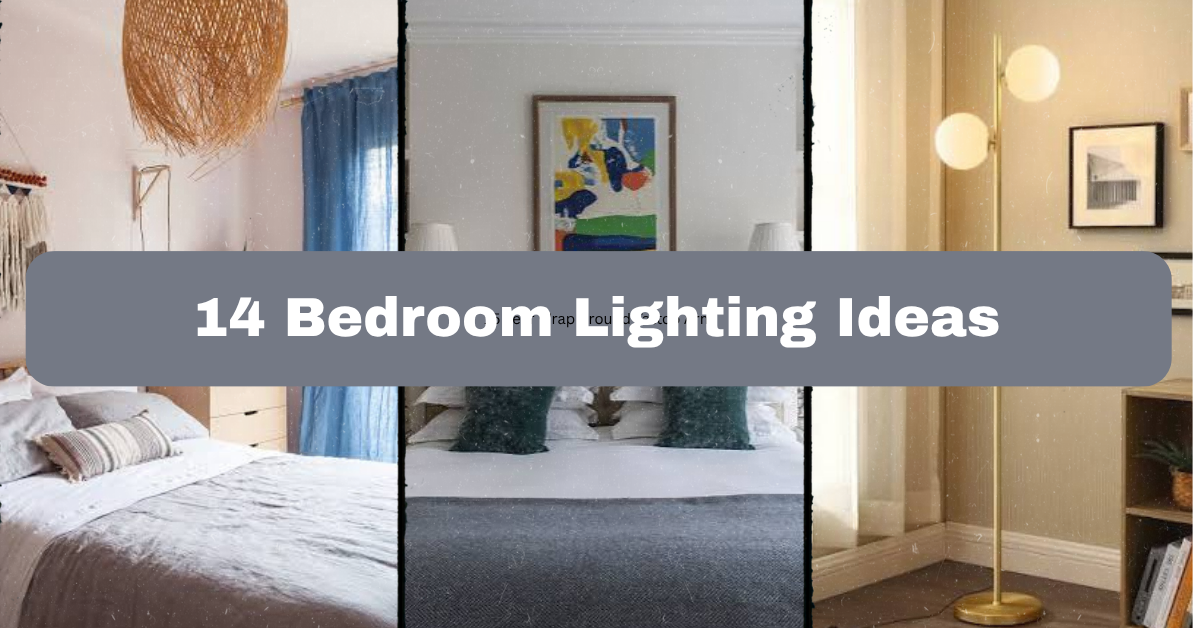
  • 14 Bedroom Lighting Ideas That Will Change How You Sleep and Live

    14 Bedroom Lighting Ideas That Will Change How You Sleep and Live

    If you’ve been searching for real, usable 14 bedroom lighting ideas that actually work in a normal home (not just a fancy showroom), you’re in the right spot. I’ve tested a lot of these myself, and I’m going to walk you through what actually makes a difference versus what’s just Pinterest fluff.

    Bedroom lighting design refers to the placement and layering of light sources such as overhead fixtures, lamps, sconces, and LED strips to create function and mood in a sleeping space. The best setups use three light layers: ambient, task, and accent, adjusted by dimmers to fit different times of day.

    Stick around, because I’m about to show you exactly how to layer light like a designer, without hiring one or spending a fortune.

    What Makes Bedroom Lighting Actually Work

    Here’s the thing about bedroom lighting. Most people just slap a ceiling fixture up there and call it done. Then they wonder why the room feels flat, harsh, or weirdly clinical at 9pm. Good bedroom lighting isn’t about one big light. It’s about layering different sources so you can adjust the mood depending on what you’re doing, reading, sleeping, getting dressed, or just relaxing. I think of it like seasoning food. One flavor is boring. A mix of a few good ones makes the whole thing pop. That’s what we’re going for here, a room that feels calm at night and functional in the morning.

    1. Install a Statement Pendant Light Above the Bed

    5 Bedroom Pendant Light ideas | Houzz UK
    Credit: Houzz

    Skip the boring flush-mount ceiling light. A single pendant hanging low over each nightstand, or one bold pendant centered above the headboard, instantly makes the room feel designed on purpose. It also frees up nightstand space since you’re not cramming lamps on tiny surfaces.

    Pick a pendant with a warm-toned shade (linen, rattan, or frosted glass) so the light feels soft, not office-like. Hang it about 20 to 24 inches above the nightstand surface.

    Practical tip: Use a plug-in pendant kit if you don’t want to deal with hardwiring. They mount just as easily and look identical once installed.

    This works in almost every style. Rattan pendants lean coastal or boho, while a sculptural metal pendant feels more modern or industrial. Once your overhead statement piece is set, it’s time to think about what’s happening lower down in the room.

    2. Layer in Adjustable Wall Sconces Instead of Table Lamps

    Bedroom wall lighting ideas: 17 ways with task lighting | Homes and Gardens
    Credit: Homes And gardens

    Wall sconces mounted beside the bed do double duty. They save nightstand space and they look intentional, like something out of a boutique hotel. Go for swing-arm sconces if you like to read in bed, since you can angle the light exactly where you need it.

    Choose sconces with a warm white bulb (around 2700K) so the light feels cozy instead of sterile. Mount them about 60 to 65 inches from the floor, roughly at eye level when seated in bed.

    Practical tip: Install a small dimmer switch on each sconce so both sides of the bed can be adjusted independently.

    Traditional homes look great with brass or bronze sconces, while modern spaces do well with matte black or minimalist white ones. Once your sconces are handled, don’t forget the corners of the room, because empty corners kill ambiance fast.

    3. Add a Floor Lamp in an Empty Corner

    How to Decorate Corners with Floor Lamps That Wow – Alfanite Store
    Credit: Alfanite Store

    Every bedroom has that one dead corner that just sits there doing nothing. A floor lamp fixes that instantly. It softens the room, fills visual gaps, and gives you a secondary light source that doesn’t feel as harsh as overhead lighting.

    Arc floor lamps work great next to reading chairs. Torchiere-style lamps (the ones that point light upward) are better for softly lighting a whole corner without glare.

    Practical tip: Pick a lamp with a three-way switch so you can control brightness without needing a smart bulb.

    Coastal and farmhouse rooms love woven or wood-based lamp bases. Modern rooms lean toward slim metal or matte black finishes. Speaking of filling gaps, let’s talk about one of the most underrated lighting tricks: the humble table lamp duo.

    4. Use Matching Table Lamps for Balance and Symmetry

    10 Bedroom Lighting Ideas to Energize a Room - Just Shades
    Credit: Just shades

    There’s something calming about symmetry. Two matching lamps on either side of the bed create balance and make the whole room feel finished. This is a classic move, but it works because it works.

    Pick lamps with a shade that diffuses light evenly, avoiding anything too glossy or metallic on the inside of the shade, since that can create harsh glare.

    Practical tip: Match the lamp height to just above shoulder level when you’re sitting up in bed. That way the light hits your book or phone without shining in your eyes.

    Traditional and transitional bedrooms shine with ceramic or glass lamp bases. Boho spaces might swap in textured jute or clay lamp bases instead. Now that your nightstands are sorted, let’s move to something a little more playful: string lights.

    Lamp Shade Materials Compared

    MaterialLight QualityBest ForApprox. Price Range
    LinenSoft, warm, diffusedTraditional, transitional$25–$60
    Frosted GlassBright, even, slightly coolModern, minimalist$30–$90
    Rattan/WovenDappled, cozy glowCoastal, boho$20–$55
    Metal (perforated)Dramatic shadowsIndustrial, eclectic$35–$80
    Paper/RiceVery soft, dimJapandi, minimalist$15–$40

    5. String Fairy Lights Along the Headboard or Wall

    Bedroom fairy lights inspiration: fairy lights for the bedroom
    Credit: Cosmopolitan

    I know, string lights feel like a college dorm cliche. But used right, with warm white LEDs and a clean installation, they add a soft glow that regular lamps can’t match. Drape them along a wall, weave them through a canopy frame, or frame the headboard.

    Go with battery-operated or plug-in LED string lights on a timer so you’re not tangled in cords every night.

    Practical tip: Use clear adhesive clips instead of tape. Tape peels paint off walls over time, and nobody wants that surprise.

    In boho or eclectic rooms, let the lights hang loose and a little messy. In modern rooms, keep them tucked into a clean geometric shape. Once you’ve got that soft ambient glow going, it’s time to think about how your closet gets lit too.

    6. Add LED Strip Lighting Inside Closets or Under Furniture

    10 Genius Closet Lighting Ideas to Brighten Your Wardrobe
    Credit: ELLE decor

    This one’s more functional than pretty, but it makes a real difference day to day. LED strips inside a closet, under a bed frame, or behind a headboard add a soft glow that’s perfect for late-night bathroom trips or early mornings when you don’t want to blast the overhead light.

    Choose strips with a motion sensor or a simple on/off switch mounted near the closet door.

    Practical tip: Stick to warm white (2700K to 3000K) strips for bedrooms. Cool white feels too much like a hospital hallway.

    This idea fits any style since the strips are hidden. Nobody sees the light source, just the effect. Now let’s talk about something people overlook constantly: dimmer switches.

    7. Install Dimmer Switches on Every Fixture You Can

    Bedroom Lights : A Comprehensive Guide on Bedroom Lighting Ideas | Light And Living
    Credit: Light and Living

    This is probably the single most useful upgrade on this whole list. A dimmer switch turns one fixture into five different moods. Bright for cleaning, moderate for getting dressed, low for winding down at night.

    Swap your standard wall switch for a dimmer-compatible one, and make sure your bulbs are labeled “dimmable,” since not all LED bulbs are.

    Practical tip: Smart dimmer switches (the kind you control from your phone or a voice assistant) cost more upfront but save you from ever getting out of bed to turn off the light again.

    Every single home style benefits from this. It’s basically invisible design that changes how a room feels. Speaking of changing how a room feels, let’s talk about color temperature next, since it matters just as much as brightness.

    Color Temperature Guide for Bedrooms

    Kelvin (K)Light AppearanceBest Use in Bedroom
    2200K–2700KWarm amber glowNightstand lamps, sconces
    2700K–3000KSoft warm whiteGeneral ambient lighting
    3000K–3500KNeutral whiteCloset lighting, vanity area
    4000K+Cool/bright whiteAvoid in bedrooms, feels clinical

    8. Hang a Chandelier for a Touch of Drama

    How to Choose the Beautiful Brilliance of a Bedroom Chandelier
    Credit: Sofary Lighting

    A mini chandelier doesn’t just belong in dining rooms anymore. Hanging one in a bedroom, especially over a reading nook or centered above the bed, instantly upgrades the whole space. It reads as intentional and a little luxurious without costing a fortune.

    Look for a chandelier scaled to the room. A general rule: add the room’s length and width in feet, and that number in inches is roughly the ideal chandelier diameter.

    Practical tip: Keep the bottom of the chandelier at least 7 feet from the floor to avoid head bumps, especially if it’s centered in a walking path.

    Traditional homes go for crystal or candle-style chandeliers. Modern spaces prefer linear or geometric metal designs. Once you’ve added drama up top, let’s bring some light down low with accent lighting.

    9. Use Picture Lights or Art Lighting for Accent Glow

    What Is Accent Lighting? Design Pros Explain With Examples | Livingetc
    Credit: Living etc

    If you’ve got artwork or a gallery wall in your bedroom, small picture lights mounted above the frames add a soft accent glow that makes the whole wall feel gallery-worthy. It’s a subtle touch, but it adds a layer of light that most bedrooms are missing.

    Battery-operated picture lights are the easiest option since there’s no wiring involved.

    Practical tip: Angle the light slightly downward to avoid glare bouncing off glass-framed pieces.

    This works beautifully in traditional and eclectic spaces especially, where art tends to be a focal point. In more minimalist rooms, a single accent light over one statement piece works better than lighting up a whole wall. Now, let’s move to a light source most people forget entirely: the closet or reading nook lamp.

    10. Add a Dedicated Reading Nook Light

    How to make (and light) the perfect reading nook
    Credit: Pooky Lighting

    If you’ve got a chair, window seat, or bench in your bedroom, it deserves its own light. A small task lamp or an adjustable wall-mounted light next to that spot turns it into an actual usable space instead of just a place where laundry piles up.

    Go with a swing-arm or gooseneck lamp so you can direct the light exactly onto your book or laptop.

    Practical tip: Position the light so it shines over your shoulder, not directly in front of your face, to cut down on glare and eye strain.

    Coastal and cottage-style rooms love a woven pendant hanging low over the nook. Modern spaces do well with a slim articulating lamp in matte black or brushed nickel. Next, let’s talk about a trick interior designers use constantly: uplighting.

    11. Use Uplighting to Highlight Architectural Features

    Bedroom wall lighting ideas: 17 ways with task lighting | Homes and Gardens
    Credit: homes and gardens

    If your bedroom has a vaulted ceiling, exposed beams, or an interesting textured wall, uplighting draws attention to it. Small directional floor lights or recessed wall lights aimed upward create dramatic shadows and highlight the shape of the room itself.

    Place uplights about 6 to 12 inches from the wall or feature you’re highlighting for the best shadow effect.

    Practical tip: LED puck lights on a small remote-controlled dimmer are an easy no-wiring option for renters.

    This idea suits modern and industrial spaces especially well, since those styles lean into architectural detail. Traditional rooms can use it too, just aimed at crown molding or a fireplace mantel instead. Now let’s cover something practical and often skipped: mirror lighting.

    12. Add Lighting Around or Near a Vanity Mirror

    10 Gorgeous Ways to Light Your Bathroom Vanity Mirror | Houzz IE
    Credit: Houzz.ie

    If your bedroom doubles as your getting-ready space, a well-lit mirror matters more than people think. Overhead lighting alone creates shadows on your face. Lights mounted on either side of the mirror, at eye level, give even, flattering light.

    LED-backlit mirrors are a newer option that skip separate fixtures entirely, since the light is built into the mirror’s edge.

    Practical tip: Stick to 3000K bulbs near mirrors. Warmer light flatters skin tone better than cool white.

    This fits modern, glam, and transitional bedrooms especially well. Traditional spaces might prefer classic sconces flanking a framed mirror instead. Once your mirror’s sorted, let’s zoom out and talk about ceiling options beyond the basic flush mount.

    13. Try Recessed Lighting for a Clean, Modern Ceiling

    Small Bedroom Lighting Ideas for Indian Homes 2026 | Jaquar
    Credit: jaquar global

    Recessed lights (also called can lights) sit flush in the ceiling and give a clean, minimal look without any visible fixture. They’re great for general ambient lighting, especially in rooms with lower ceilings where a hanging fixture might feel cramped.

    Space recessed lights about 4 to 6 feet apart for even coverage across the room.

    Practical tip: Put recessed lights on a separate dimmer from your other fixtures so you can turn them down low for a soft glow instead of just off or fully bright.

    This is a natural fit for modern and minimalist bedrooms. In more traditional spaces, recessed lighting works best as a supporting layer behind a chandelier or ceiling medallion, not as the main event. Last but definitely not least, let’s talk about lighting that changes with your mood, literally.

    14. Add Smart, Color-Changing Bulbs for Flexible Mood Lighting

    Bedroom LED Strip Lights for Soft Ambient Lighting – Future Light - LED Lights South Africa
    Credit: Future Light

    Smart bulbs that shift between warm white, cool white, and even soft colors give you the most flexible setup on this whole list. Want a soft pink glow before bed? Bright white for cleaning? Warm amber for movie night? One bulb, controlled from your phone, does it all.

    Start with just one or two fixtures on smart bulbs rather than replacing everything at once. It’s an easy, affordable way to test the feature before committing.

    Practical tip: Set a scheduled “wind down” scene that gradually dims and warms the light starting an hour before your usual bedtime.

    This idea fits literally any decor style since the bulb itself usually looks like a normal bulb. The color and brightness do all the work. With all fourteen ideas on the table, let’s talk about how to actually pull this off without making rookie mistakes.

    Tips for Success

    • Layer at least three light sources in every bedroom: ambient, task, and accent.
    • Stick to warm color temperatures (2700K to 3000K) for most bedroom fixtures.
    • Put dimmers on as many fixtures as your budget allows, starting with the main overhead light.
    • Test lamp placement before mounting anything permanent. Move lamps around for a few days first.
    • Avoid lighting a room with only one overhead source. Shadows and flat light will make it feel unfinished.
    • Match metal finishes across fixtures (all brass, all black, etc.) for a cohesive look.
    • Save receipts and mounting hardware in case you’re renting and need to reverse any changes.

    Common Mistakes and How to Avoid Them

    Using only one overhead light
    : This creates harsh shadows and flat mood. Add at least two more light sources, like a lamp and a sconce.

    Choosing cool white bulbs for a cozy room
    : Cool white (4000K+) feels clinical in bedrooms. Stick to warm white, 2700K to 3000K, for a relaxing feel.

    Skipping dimmers entirely
    : Without dimmers, you’re stuck with one brightness level all day. Even a basic plug-in dimmer switch fixes this cheaply.

    Placing lamps too high or too low
    : Light should hit around shoulder height when seated. Adjust lamp or shade height so it doesn’t shine directly into your eyes.

    Ignoring closet and vanity lighting
    : These functional zones need their own light source. Add LED strips or dedicated fixtures instead of relying on the main room light.

    Overcrowding the ceiling with too many fixtures
    : A chandelier plus recessed lights plus a fan light can look cluttered. Pick one main ceiling feature and support it with lamps instead.

    Similar Variations

    • Hygge Bedroom Lighting: Focuses on candles, warm lamps, and soft textiles for a Danish-inspired cozy feel.
    • Glam Bedroom Lighting: Leans on crystal chandeliers, mirrored surfaces, and metallic accents for a luxe vibe.
    • Japandi Bedroom Lighting: Combines paper lantern-style shades with minimal, low-profile fixtures for a calm, natural look.
    • Industrial Bedroom Lighting: Uses exposed bulbs, black metal fixtures, and pendant lights with an unfinished, warehouse feel.
    • Coastal Bedroom Lighting: Relies on rattan shades, whitewashed finishes, and soft natural light for a beachy mood.
    • Dark Academia Bedroom Lighting: Uses brass sconces, low amber light, and vintage-style lamps for a moody, scholarly feel.

    Good bedroom lighting really comes down to layering, not luck. Once you mix ambient, task, and accent light, and dial in the warm color temperature, the whole room just feels better without you even knowing exactly why. Start small with one or two changes from this list, see how the room feels, then build from there. That’s really the whole secret behind these 14 bedroom lighting ideas.

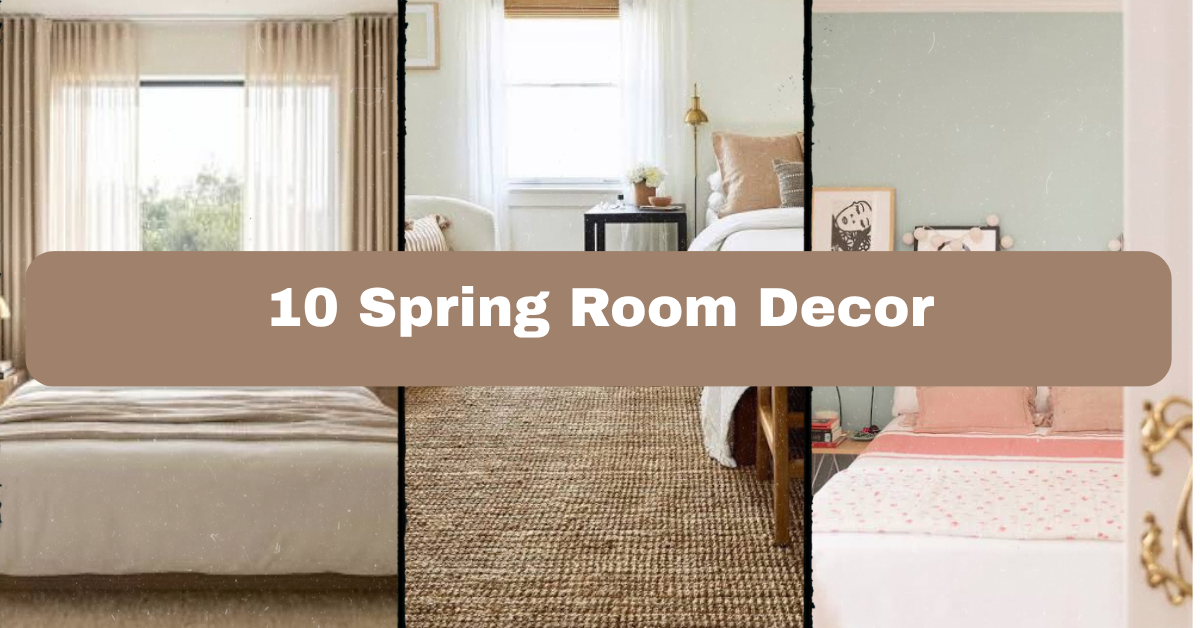
  • 10 Spring Room Decor Ideas That Actually Make Your Space Feel Alive

    10 Spring Room Decor Ideas That Actually Make Your Space Feel Alive

    Ever walk into a room and just feel stuck, like winter never really left even though the calendar says otherwise? I get it, and that’s exactly why I put together this guide on 10 spring room decor ideas that actually work. I’ve tested most of these in my own home, so you’re not getting fluff here, just real stuff that changes how a room feels.

    Spring room decor means refreshing a space using light colors, natural textures, and seasonal accents like florals or airy fabrics to create a brighter, more open feeling after winter. It typically involves swapping heavy textiles for lighter ones and adding pops of color tied to nature.

    Stick around, because I’m sharing tricks that go way beyond just “add flowers.” Some of these ideas might surprise you.

    What Makes Spring Decor Different From Other Seasons

    Spring decor is all about lightness. Think about it: winter decor is heavy, cozy, dark. Spring flips that. You want airy fabrics, pastel colors, and natural elements that remind you of things waking up outside. It’s not about spending a ton of money either. A lot of spring decorating is just swapping things out, like trading a thick wool blanket for a linen throw, or switching dark candles for something scented like citrus or fresh linen. The goal is simple: make your room feel like it’s breathing again after being closed up all winter.

    1. Swap Heavy Curtains for Sheer Linen Panels

    Curtains Behind the Bed: Elegant Headboard Alternative – Joydeco
    Credit: Joydeco

    Heavy curtains block light and make rooms feel smaller in spring. Sheer linen panels let sunlight pour in while still giving you privacy. They move a little with the breeze too, which adds a soft, calming vibe.

    Pick white, cream, or a very pale sage for the fabric. These colors bounce light around instead of absorbing it.

    Practical tip: Hang your curtain rod a few inches above the window frame. This makes the ceiling feel higher and the window feel bigger.

    This idea works in almost any home style. Modern homes look sleek with plain white linen. Coastal spaces feel right with a slightly textured, natural fiber curtain.

    Once your windows feel lighter, it’s time to think about what’s sitting on your floor.

    2. Add a Jute or Sisal Rug for Texture

    Sisal vs. Jute Rugs | Showit Blog
    Credit: studiolinteriordesign

    Natural fiber rugs like jute or sisal bring texture without adding visual weight. They’re rougher than a plush rug, but that texture works great with spring’s earthy, fresh feel.

    These rugs come in neutral tones, so they pair with almost any color scheme you already have going.

    Practical tip: Layer a small printed rug on top of a jute rug near your bed or reading chair. This adds pattern without overwhelming the room.

    Traditional homes can use a jute rug under a wood coffee table for warmth. Modern spaces can keep it simple with just the rug alone on a light floor.

    Now that your floor has some texture, let’s talk about color, because this is where spring really comes alive.

    3. Choose a Pastel Color Palette for Walls or Accents

    24 Pastel Bedroom Ideas (With Inspiring Photos) | Apartment Therapy
    Credit: Apartment Therapy

    Pastels are basically the mascot of spring decor. Soft pink, baby blue, mint green, buttery yellow, these colors mimic what’s blooming outside.

    You don’t have to repaint your whole room. A single accent wall or even just pastel throw pillows can do the job.

    Practical tip: Stick to one dominant pastel and one or two neutrals so the room doesn’t look like an Easter basket exploded.

    Spring Pastel Color Combos

    Combo NameMain ColorAccent ColorNeutralBest For
    Soft MeadowSage GreenCreamWhiteLiving rooms
    Sunny MorningButter YellowBlush PinkLight GrayBedrooms
    Ocean BreezeBaby BlueSandWhiteBathrooms
    Garden PartyLavenderMintCreamReading nooks

    This idea works everywhere. Farmhouse spaces can use muted sage and cream. Modern homes can go bold with a single lavender wall against white furniture.

    Once your colors are set, bringing in real plants will make the room feel truly alive.

    4. Bring In Fresh or Faux Greenery

    How To Decorate Rooms With Fake Plants? - Décors Véronneau
    Credit: veronneau

    Plants are non-negotiable for spring decor in my opinion. Even one small plant changes how a room feels. It adds life, literally.

    If you don’t have a green thumb, faux plants have gotten really realistic lately. Nobody will know unless they touch it.

    Practical tip: Group plants in odd numbers, like three, for a more natural-looking arrangement instead of lining them up.

    Coastal homes look great with palms or ferns in woven baskets. Modern homes often go for simple snake plants or fiddle leaf figs in clean ceramic pots.

    Speaking of pots and vases, let’s talk about flowers next, because they’re kind of the star of spring.

    5. Style a Fresh Flower Arrangement on Your Nightstand or Table

    Summer Flower Arrangements: Styling Flowers in All Your Rooms
    Credit; designthusiasm

    Fresh flowers instantly make a room smell and feel like spring. Tulips, daffodils, and ranunculus are classic spring picks and they’re usually affordable too.

    You don’t need a fancy vase. A simple glass jar or a thrifted ceramic pitcher works just fine.

    Practical tip: Cut stems at an angle before placing them in water. This helps flowers drink better and last longer.

    Traditional homes might prefer a full, romantic arrangement. Modern spaces often look better with just three or four stems in a simple vase.

    Now let’s move from flowers to something that ties a whole room together: your bedding.

    6. Layer Lightweight Cotton or Linen Bedding

    How to Layer Bedding for Spring and Summer | Crane Home
    Credit: Crane Home

    Winter bedding tends to be thick, dark, and heavy. Spring calls for something lighter. Cotton and linen breathe better and just feel fresher against your skin.

    Stick with whites, soft pastels, or light neutral stripes for that clean spring look.

    Practical tip: Add one textured throw blanket at the foot of the bed for cooler spring nights, but skip the heavy comforter.

    Coastal bedrooms often use white linen with navy or seafoam accents. Farmhouse bedrooms might add a cream waffle-weave blanket for texture.

    Bedding sets the tone in a bedroom, but scent plays a huge role too, so let’s cover that next.

    7. Use Seasonal Candles or Diffusers With Fresh Scents

    How to Incorporate Scented Candles and Diffusers Into Your Home Decor – Purpink Gifts Ltd
    Credit: Purpink Gifts Ltd.

    Smell is honestly underrated in home decor. A room can look perfect but still feel “off” if it smells like old winter air.

    Spring scents include things like citrus, green tea, fresh linen, or light florals like peony or jasmine.

    Practical tip: Place a diffuser near your entryway so the scent hits you the moment you walk into the room.

    Modern homes tend to like sleek reed diffusers. Traditional homes often go for scented candles in decorative jars.

    Once your room smells right, let’s talk about how light itself changes the whole mood.

    8. Maximize Natural Light With Mirror Placement

    The Feng Shui Of Mirror Placement– City Mattress
    Credit; City Mattress

    Spring is about brightness, and mirrors help bounce whatever light you have around the room. This works especially well if your windows are small or your room doesn’t get direct sun.

    A large mirror across from a window can practically double the natural light in a space.

    Practical tip: Angle the mirror slightly if direct sunlight causes glare on your bed or desk.

    Coastal homes often use round mirrors with rope or rattan frames. Modern spaces look sharp with thin metal frames in gold or black.

    With more light bouncing around, this is a great time to bring in something with a bit of pattern.

    9. Add a Floral or Botanical Print Accent Piece

    Best Ideas for Flower Decoration for Bedrooms
    Credit: Thursd

    A floral throw pillow, a botanical print on the wall, or even patterned curtains can bring spring energy without a full redecorate.

    Keep the print subtle if your walls are already colorful. Save bold florals for rooms with plain white or cream walls.

    Practical tip: One statement floral piece is usually enough. Two or three tops, or the room starts feeling busy.

    Traditional homes often go full floral with wallpaper. Modern homes usually stick to one abstract botanical print in a simple frame.

    Now that your room has pattern and print, let’s talk about swapping out smaller accessories for an instant refresh.

    10. Rotate Your Throw Pillows and Blankets Seasonally

    Ways to Use Throws and Pillows Around the House | Crane Home
    Credit: Crane Home

    This is probably the easiest and cheapest idea on this list. Storing your heavy winter textiles and swapping in lighter, brighter ones can transform a room in ten minutes.

    Look for cotton, linen, or lightweight knit textures in pastel or soft neutral tones.

    Practical tip: Keep a bin specifically for seasonal textiles so swapping them each year takes minutes, not hours.

    Budget Breakdown for Seasonal Textile Swap

    Budget TierThrow Pillows (2)BlanketTotal Estimate
    Budget$15-20 each$20$50-60
    Mid-Range$25-35 each$40$90-105
    High-End$50-80 each$80+$180-240

    This idea fits every style since it’s just about fabric choice. Boho homes might pick tasseled pillow covers. Minimalist homes stick with solid, unpatterned fabric in one or two tones.

    11. Bring In Woven or Rattan Furniture Pieces

    Rattan Bedroom Furniture: Bringing Natural Elements into Your Space - John Ryan By Design
    Credit: John ryan

    Rattan and woven furniture naturally feel lighter than solid wood or heavy upholstery. A rattan accent chair or a woven side table adds texture and a slightly organic, outdoorsy feel that fits spring perfectly.

    These pieces also tend to be lighter in actual weight, so rearranging your room becomes way easier too.

    Practical tip: Pair a rattan chair with a solid-colored cushion so the texture stands out instead of competing with a busy pattern.

    Coastal and boho homes practically live for rattan furniture. Modern homes can use it sparingly, like one rattan stool as a plant stand.

    Furniture sets the bones of a room, but small tabletop details finish the look, which brings me to the next idea.

    12. Style Your Shelves With Natural Elements Like Dried Grasses or Branches

    Home Styling With Natural Elements: Dried Leaves, Grasses and Branches | Interior Style Host
    Credit: interiorstylehost

    Dried pampas grass, eucalyptus stems, or simple branches in a tall vase add height and texture without needing constant care like fresh flowers.

    They also last for months, which makes them a smart choice if you want spring vibes without weekly flower shopping.

    Practical tip: Place taller stems in a corner or empty space to fill it visually without cluttering a shelf.

    Farmhouse and boho homes love this look. Modern homes can keep it minimal with just one or two stems in a slim glass vase.

    With all twelve ideas covered, you’ve got a full toolkit for making your space feel like spring actually arrived.

    Tips for Success

    • Start with one or two changes instead of redoing the whole room at once, it’s less overwhelming and cheaper.
    • Keep a consistent color story across rooms so your home flows instead of feeling like separate seasons in every space.
    • Shop secondhand stores for vases, frames, and small decor pieces before buying new.
    • Take a photo of your room before you start so you can actually see the difference once you’re done.
    • Don’t ignore smell, it’s one of the fastest ways to change how a room feels.
    • Rotate decor by season instead of buying new pieces every year, it saves money long term.
    • Keep receipts or tags on anything you’re not sure about, spring decor purchases are easy to return if they don’t work out.

    Common Mistakes and How to Avoid Them

    Overdoing pastel colors
    : Stick to one or two main pastel shades paired with neutrals instead of using five different pastel colors in one room.

    Forgetting texture
    : Add at least one natural fiber element, like jute, rattan, or linen, so the room doesn’t feel flat.

    Skipping the closet swap
    : Store away heavy winter textiles completely instead of layering spring decor on top of bulky winter items.

    Choosing fake flowers that look plastic
    : Spend a little more on high-quality faux stems, cheap ones ruin the natural look you’re going for.

    Ignoring lighting changes
    : Don’t forget to swap heavy curtains or add mirrors, natural light is a huge part of what makes spring decor feel different.

    Buying too much at once
    : Add pieces gradually so you can see how they work together before committing to a full room overhaul.

    Similar Variations

    • Coastal Spring Decor – Focuses on beachy neutrals, blues, and natural fibers like rattan and jute.
    • Farmhouse Spring Decor – Uses soft pastels mixed with rustic wood and cotton textiles.
    • Boho Spring Decor – Leans into layered textures, dried florals, and warm earthy tones.
    • Modern Minimalist Spring Decor – Sticks to clean lines, one or two pastel accents, and lots of negative space.
    • Cottagecore Spring Decor – Combines florals, vintage-style furniture, and soft romantic colors.
    • Scandinavian Spring Decor – Uses light wood, white walls, and simple greenery for a fresh, airy feel.

    Spring decorating doesn’t have to mean spending a ton of money or redoing your whole house. Small swaps, lighter fabrics, and a little greenery go a long way toward making your space feel fresh again. If you take just a few ideas from this list of 10 spring room decor tips, your room is going to feel completely different by the time the season actually gets here.

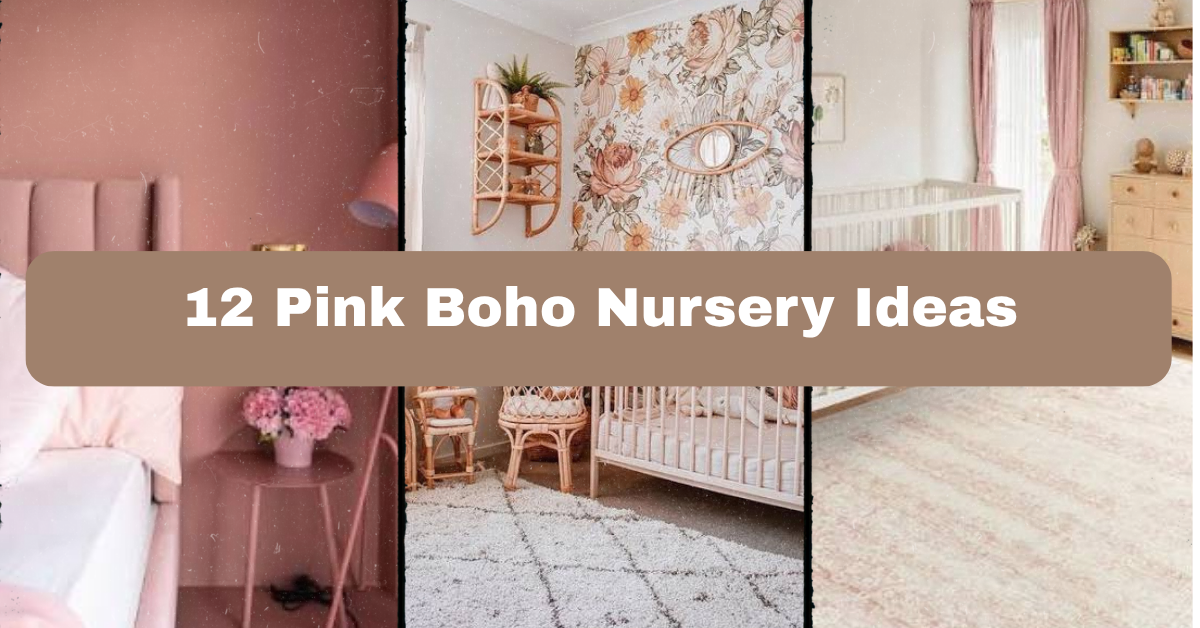
  • 12 Pink Boho Nursery Ideas That Feel Warm, Soft, and Totally Un-Basic

    12 Pink Boho Nursery Ideas That Feel Warm, Soft, and Totally Un-Basic

    I’ve spent way too many hours scrolling nursery inspo, so let me save you the trouble and walk you through 12 pink boho nursery ideas that actually work in real homes, not just perfect showrooms. This isn’t a random list I threw together. It’s the stuff that shows up again and again in nurseries that feel cozy instead of cluttered.

    A pink boho nursery is a baby room that blends soft pink color tones with bohemian design elements like natural textures, layered patterns, rattan furniture, and earthy accents. It skips the matchy-matchy nursery sets in favor of a warmer, more collected look built from texture, plants, and muted color palettes.

    Stick around, because I’m going to break down exactly how to pull this look off room by room, piece by piece, without it turning into a Pinterest board that never becomes a real space.

    What Even Is a Pink Boho Nursery?

    Okay, so picture this. It’s not the shiny, plastic-y pink nursery you might be picturing from the 90s. Boho pink is dusty. It’s muted. Think terracotta, blush, mauve, and clay, not bubblegum. Mix that with jute rugs, macrame wall hangings, rattan chairs, and a whole lot of plants (real or fake, no judgment), and you’ve got the vibe.

    The whole point of boho design is that it feels collected over time, not bought all at once from one store. So a pink boho nursery mixes textures and eras. Vintage rug next to a modern crib. Handmade wall art next to a simple wood dresser. It’s relaxed, layered, and warm. That’s the goal here.

    1. Start With a Dusty Rose Wall as Your Base

    Why You Need to Add Dusty Rose Decor
    Credit: Elephant Stock

    Skip the bright bubblegum pink. A dusty rose or muted mauve wall color sets the whole boho tone right away. It reads soft and grown-up instead of candy-coated, and it plays nicely with wood tones and neutral textiles.

    Paint just one accent wall if you’re not ready to commit the whole room. Behind the crib works great as a focal point.

    Practical tip: test a sample swatch at different times of day. Pink shifts a lot under morning light versus lamp light at night.

    This idea flexes easily. In a modern home, pair the wall with clean-lined furniture. In a more traditional house, add wainscoting or trim below it for structure. Once your wall color is locked in, you can start layering texture on top of it, which is exactly where rattan furniture comes in.

    2. Bring in a Rattan Crib or Bassinet

    25 Trendy Boho Chic Nursery Decor Ideas - Shelterness
    Credit: Shelterness

    Rattan furniture is basically the backbone of boho design. A rattan bassinet or crib adds instant texture and warmth without adding visual clutter. The open weave keeps the room feeling airy, not heavy.

    Look for a rattan piece with rounded edges for a softer silhouette. Pair it with a simple cream or blush crib sheet so the weave detail stays the star.

    Actionable tip: check the crib meets current safety standards before buying vintage or secondhand rattan pieces, since older designs sometimes don’t.

    Rattan adapts well across styles too. Coastal homes love it paired with white and blue. Traditional homes can ground it with darker wood accents nearby.

    Once your crib is set, the next layer of coziness comes from the floor up.

    3. Layer a Jute or Wool Rug for Texture

    Dakota Fields Nursery Rug For Baby,Neutral Blush Boho Cute Floral Foldable Machine Washable Soft Carpet Area Rugs For Living Room Bedroom Dorm Kids Playroom | Wayfair
    Credit: Wayfair

    A flat, thin rug just doesn’t cut it in a boho space. You want texture underfoot. Jute rugs bring that natural, earthy look, while a soft wool rug layered on top adds comfort for bare baby feet later on.

    Try layering a round jute rug under a smaller pink or cream wool rug for depth. This double-rug trick is a classic boho move.

    Tip: pick a rug with a low pile if you’re worried about crawling babies and mess. It’s way easier to clean.

    This works in almost any home style. Modern spaces can use a single geometric rug instead of layering for a cleaner look.

    Speaking of layering, let’s talk about the walls next, because that’s where boho really gets to shine.

    4. Hang a Macrame Wall Hanging Above the Crib

    15 Boho Themed Nursery Ideas That Give Your Baby's Room a Soul
    Credit:thenurserynook

    A macrame wall hanging is basically a boho signature. It softens the wall above the crib and adds instant handmade charm. Look for one in cream, blush, or dusty rose to tie into your color palette.

    Keep it simple if the rest of your room already has a lot going on. One large piece often works better than three small ones.

    Practical tip: make sure it’s mounted securely and well out of baby’s reach once they’re standing in the crib.

    Traditional homes can swap macrame for a woven tapestry instead, for a similar texture with more structure. Coastal spaces might use a rope-based hanging with driftwood accents.

    Once the wall above the crib is covered, it’s time to think about where the glow comes from.

    5. Choose Warm, Layered Lighting Over One Bright Overhead Light

    Best Lighting Options for a Nursery - ACT Electric
    Credit:actelectricians

    Harsh overhead lighting kills the cozy boho mood fast. Instead, layer your light sources. A dimmable floor lamp, a small table lamp, and maybe some fairy lights around a shelf all work better together than one ceiling fixture blasting light down.

    Go for warm-toned bulbs, not cool white ones. Warm light makes pinks look richer instead of washed out.

    Tip: put your main lamp on a dimmer switch. Nighttime feedings need low light, not a spotlight.

    This layered lighting trick works in every home style. Modern rooms might use a sculptural floor lamp, while traditional rooms lean toward a fabric-shaded table lamp.

    Now that your lighting sets the mood, let’s talk fabric, because texture doesn’t stop at the rug.

    Boho Nursery Color Palette Combinations

    Palette NameMain Wall ColorAccent ColorsBest For
    Dusty BloomDusty roseTerracotta, creamWarm, cozy feel
    Desert BlushBlush pinkSand, rust, sageEarthy, muted look
    Soft MauveMauveCream, gold, walnut brownElegant boho
    Clay & CreamClay pinkIvory, olive greenNeutral-heavy rooms
    Sunset BohoCoral pinkMustard, burnt orangeBold, playful boho

    6. Mix Patterned Textiles Instead of Matching Sets

    Boho nursery ideas – 10 ways to put a whimsical twist on a grown up trend | Livingetc
    Credit: Livingetc

    A matchy-matchy crib set is the opposite of boho. Instead, mix patterns. Try a striped curtain, a floral crib skirt, and a solid throw blanket, all in coordinating pink and neutral tones.

    The trick is keeping one consistent color thread running through everything, even if the patterns themselves are totally different. That’s what keeps mixed patterns from looking messy.

    Tip: stick to two or three patterns max in the same sightline. More than that starts to feel chaotic instead of curated.

    Modern homes can simplify this with just two patterns and more solid color. Traditional homes can layer in more prints for a richer, collected look.

    Once your textiles are sorted, it’s time to bring in something living.

    7. Add Plants for Life and Color Contrast

    10 Boho Nursery Ideas for Your Baby's Room
    Credit: Nurture

    Plants make any boho room feel more alive, literally. A trailing pothos on a shelf or a small fiddle leaf fig in the corner adds green that contrasts beautifully against pink walls.

    If real plants make you nervous with a newborn around, high-quality faux plants work just as well visually. Nobody’s judging.

    Practical tip: keep any plants (real or fake with small leaves) out of the crib area and out of reach once your baby starts pulling up on furniture.

    Coastal nurseries might lean into palms, while a more traditional room could use a classic potted fern instead. Either way, plants add movement and life to a static color scheme.

    Speaking of movement, let’s talk about window treatments next.

    8. Use Sheer or Linen Curtains for Soft, Filtered Light

    25 Dreamy Pink Nursery Ideas: Adorable & Stylish Inspiration for Your Baby's Room - Style Zuri
    Credit: Style Zuri

    Heavy blackout curtains have their place, but layering in a sheer linen curtain underneath softens the whole room. Light filters through in a warm, dreamy way that fits the boho mood perfectly.

    Go for a natural linen or cotton in an off-white or blush tone. Avoid anything too crisp or shiny, since that reads more modern-glam than boho.

    Tip: hang curtain rods a few inches above the window frame. It makes the ceiling feel taller and the whole room feel more open.

    You can still add blackout curtains behind the sheers for nap time. That combo gives you the look and the function.

    Now let’s talk about what holds baby’s clothes and gear, because storage matters too.

    9. Choose a Vintage or Vintage-Style Dresser for Storage

    Antique Dresser with mirror, Nursery Room Furniture, Girls | Sanded Edges Furniture - Chesire, CT | ATTIC
    Credit: attic.city

    A boho nursery loves a piece with some history. A vintage wood dresser, even a repainted one, adds warmth and character that a brand-new flat-pack piece just can’t match.

    Look for warm wood tones like walnut or oak. If you’re painting it, a soft blush or cream keeps it in line with your palette without disappearing into the wall.

    Actionable tip: check secondhand dressers for stability and sand down any rough edges before use. Old furniture sometimes needs a little TLC.

    Modern homes can go for a clean-lined vintage piece with simple hardware. Traditional homes might prefer something with more ornate detail, like carved drawer fronts.

    With storage sorted, let’s zoom into the small stuff that ties a room together.

    10. Layer in Woven Baskets for Function and Texture

    Bohemian Nursery Design Ideas: 12 Examples (2026) | GenRoom
    Credit: GenRoom

    Baskets are boho’s best-kept organizing secret. Woven seagrass or rattan baskets hold diapers, blankets, and toys while adding even more natural texture to the room.

    Stack a few different sizes on open shelving for a collected, not cluttered, look. Uniform bins feel too corporate for this style.

    Tip: label baskets on the inside lip, not the outside, so you keep that clean, natural look intact.

    Coastal boho spaces often go bigger with these baskets, using them as laundry hampers too. Traditional homes might tuck them inside furniture instead of leaving them open on shelves.

    Baskets handle the clutter, but what about the walls that still feel bare? That’s next.

    11. Add Boho Wall Art With Earthy Shapes and Tones

    10 Boho Nursery Ideas for Your Baby's Room
    Credit: Nurture

    Skip the generic nursery decals. Boho wall art usually leans into abstract shapes, sun motifs, or simple line art in warm, earthy tones. A small gallery wall with three or four mismatched frames looks way more collected than one big matching print.

    Mix in a mirror with a rattan or wood frame for texture and to bounce light around the room.

    Practical tip: hang art at a lower height than you would in an adult room. It gives your toddler something to actually look at once they’re standing and moving around.

    Modern homes might stick to one bold abstract piece. Traditional homes can add framed botanical prints instead for a softer, classic touch.

    Once your walls feel finished, there’s one more detail that pulls it all together.

    12. Finish With a Cozy Reading Nook or Nursing Chair Corner

    Dekorfine
    Credit: dekorfine

    Every nursery needs a comfortable spot for late-night feedings and story time. A boho reading nook usually includes a soft chair (a rattan peacock chair or a slouchy boucle armchair), a floor pillow, and a small side table for water and burp cloths.

    Add a soft throw blanket in a complementary pink or cream tone draped over the arm.

    Tip: place this nook near your best natural light source if possible. It’s a nice bonus for daytime feeding sessions.

    Coastal homes might swap the peacock chair for a rope hammock chair. Traditional homes often go with a classic upholstered glider instead for a more familiar feel.

    Furniture Budget Tiers for a Boho Nursery

    Budget TierCrib/BassinetChairRugTotal Estimated Range
    Budget-Friendly$150-$300 (basic rattan-style)$150-$250 (accent chair)$50-$100 (jute)$350-$650
    Mid-Range$400-$700 (genuine rattan)$350-$600 (glider or accent)$150-$300 (wool blend)$900-$1,600
    Higher-End$800-$1,500 (designer rattan/wood)$700-$1,200 (peacock/boucle)$400-$800 (natural fiber, large)$1,900-$3,500

    Tips for Success

    • Pick your color palette before shopping. It keeps you from buying random pieces that clash later.
    • Shop secondhand for at least one or two pieces. It fits the boho vibe and saves money.
    • Keep safety in mind first, especially with vintage furniture and hanging decor near the crib.
    • Don’t rush the layering. Boho rooms look best when they build up over weeks, not one big shopping trip.
    • Leave a little breathing room. Too many textures in one space starts to feel busy instead of cozy.
    • Test paint colors under your actual lighting before committing to a full wall.
    • Buy a few key textiles first (rug, curtains, crib sheet), then build everything else around those tones.

    Common Mistakes and How to Avoid Them

    Bright bubblegum pink instead of muted tones
    : Stick to dusty rose, blush, mauve, or clay shades so the room reads boho, not baby-doll pink.

    Matching everything from one crib bedding set
    : Mix patterns and textures from different sources instead, keeping one shared color thread running through the room.

    Overcrowding the space with too many textures
    : Choose two or three main textures (like rattan, jute, and macrame) and let those repeat instead of adding a new texture in every corner.

    Using only one harsh light source
    : Layer in lamps and dimmable lighting for a warmer, cozier glow throughout the day and night.

    Forgetting furniture safety checks
    : Always verify vintage or secondhand cribs and chairs are sturdy and meet current safety standards before use.

    Skipping storage planning
    : Add baskets and a dresser early on, since baby gear multiplies fast and clutter breaks the boho look quickly.

    Similar Variations

    • Desert Boho Nursery: Leans into terracotta, sand, and cactus motifs for a warm, southwestern feel.
    • Coastal Boho Nursery: Mixes boho textures with blues, whites, and driftwood accents for a beachy tone.
    • Neutral Boho Nursery: Skips pink entirely for cream, tan, and warm gray, keeping the same textures.
    • Jungle Boho Nursery: Adds tropical leaf prints and more greenery for a lush, playful twist.
    • Vintage Boho Nursery: Focuses heavily on secondhand furniture and antique-style decor pieces.
    • Modern Boho Nursery: Simplifies the textures and patterns while keeping the natural materials and warm palette.

    Putting together a nursery like this doesn’t happen overnight, and honestly, it shouldn’t. The best boho rooms feel collected, warm, and a little bit imperfect, which is exactly what makes them feel like home. Whether you start with the paint color or fall in love with one rattan chair first, just build slowly and trust the process. That’s really the whole secret behind these 12 pink boho nursery ideas.

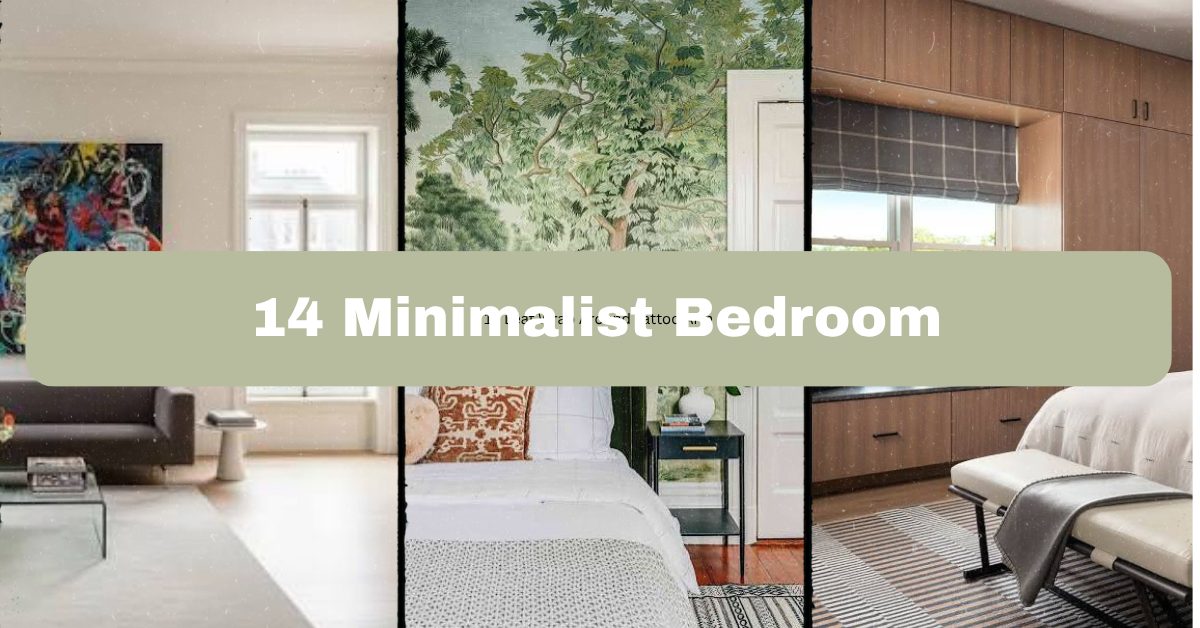
  • 14 Minimalist Bedroom Ideas That Actually Feel Calm (Not Cold)

    14 Minimalist Bedroom Ideas That Actually Feel Calm (Not Cold)

    I’ve spent way too many hours scrolling through bedroom photos online, and I can tell you this: 14 minimalist bedroom designs done right are the difference between a room that feels peaceful and one that just feels empty. If you’ve ever walked into a “minimalist” space and thought it felt more like a hospital waiting room than a cozy retreat, you’re not alone. I’ve been there too.

    A minimalist bedroom is a sleeping space designed around simplicity, using fewer furniture pieces, a limited color palette, and hidden storage to reduce visual clutter. The goal is a calm, functional room that promotes better rest by removing unnecessary distractions.

    Stick around, because I’m about to walk you through 14 specific ways to pull this off in your own room, plus some mistakes that trip up almost everyone who tries.

    What Makes a Bedroom Actually Minimalist

    Here’s the thing people get wrong. Minimalist doesn’t mean boring or bare. It means intentional. Every item in the room earns its spot. No random knickknacks. No furniture you don’t use. Just the stuff that makes your life easier and your room feel like a place you actually want to sleep in.

    Think of it like editing a photo. You’re not adding filters, you’re cropping out the noise. A minimalist bedroom uses a tight color palette, clean lines, and smart storage to create breathing room, both literally and mentally. It’s less about having less stuff and more about being picky with what stays.

    1. Choose a Low-Profile Platform Bed

    Low Bed Frames: The Latest Trend in Minimalist Bedroom Design for Sing – Megafurniture
    Credit: Megafurniture Singapore

    A platform bed sits closer to the ground and skips the bulky headboard many traditional frames have. This alone changes the whole feel of a room. Lower furniture makes ceilings feel higher and rooms feel more open.

    Go with wood tones like oak or walnut for warmth, or a matte black frame for something more modern. Skip anything with carvings or ornate details. The bed should look like it belongs in a gallery, not a showroom.

    Practical tip: measure your ceiling height first. If it’s under 8 feet, a platform bed will make the biggest visual difference.

    This idea works in Scandinavian, Japandi, and mid-century modern spaces especially well. Once your bed frame is sorted, the next thing to think about is what’s actually on top of it.

    2. Stick to a Two-Tone Color Palette

    20 Bedroom Color Schemes for a Cozy Sleep Sanctuary, All Designer-Approved
    Credit: Real Simple

    Minimalist rooms thrive when you limit your color choices. Pick one dominant neutral, like warm white or soft gray, and one accent tone, like deep green or terracotta. That’s it. No third or fourth color competing for attention.

    This isn’t about being dull. It’s about creating a sense of calm through consistency. Your eyes don’t have to jump around the room trying to make sense of five different colors.

    Practical tip: test paint swatches at different times of day before committing. Light changes color perception a lot.

    Color Palette Combinations for Minimalist Bedrooms

    Dominant ColorAccent ColorMood Created
    Warm WhiteSage GreenFresh, organic, calm
    Soft GrayTerracottaCozy, grounded, warm
    Off-WhiteCharcoal BlackModern, crisp, bold
    BeigeRust OrangeEarthy, inviting
    Light GrayNavy BlueRestful, classic

    Once your palette is locked in, everything else in the room, from bedding to curtains, becomes way easier to choose.

    3. Invest in Hidden Storage Solutions

    16 Genius Bedroom Storage Ideas to Maximize Space and Elevate Your Sleep Sanctuary
    Credit: Interior Design Ideas

    Clutter kills the minimalist vibe faster than anything else. The trick isn’t owning fewer things necessarily, it’s making sure everything has a home you can’t see. Under-bed drawers, closed wardrobes, and storage ottomans all work great here.

    Avoid open shelving unless you’re disciplined about keeping it sparse. Open shelves tend to become junk collectors over time, and that defeats the whole purpose.

    Practical tip: if you’re tight on space, look for a bed frame with built-in drawers underneath instead of buying a separate dresser.

    This approach fits coastal and farmhouse styles too, just swap the finish materials to match, like whitewashed wood for coastal or reclaimed barn wood for farmhouse. With storage handled, let’s talk about what goes on your walls.

    4. Hang One Statement Art Piece Instead of a Gallery Wall

    How to Hang Different Art in One Room and Not Go Crazy
    Credit: Jose Art gallery

    Minimalist rooms don’t skip decor entirely, they just curate it hard. Instead of a gallery wall with ten frames, pick one large piece of art that actually means something to you. Abstract paintings, black and white photography, or a single bold print all work.

    The size matters here. A piece that’s too small on a big wall looks lost. Go big, or don’t bother.

    Practical tip: hang art so the center sits at eye level when you’re standing, roughly 57 to 60 inches from the floor.

    Traditional bedrooms can use a framed landscape painting for this same effect, while modern spaces might prefer an oversized abstract canvas. Now that your walls have a focal point, your lighting needs to support it.

    5. Layer Soft, Warm Lighting Instead of One Overhead Fixture

    12 Minimalist Bedroom Warm Lighting Ideas for a Cozy Sanctuary
    Credit: Hackrea

    A single ceiling light makes a room feel flat and clinical. Minimalist doesn’t mean under-lit. Add a bedside lamp with a warm bulb, maybe a floor lamp in the corner, and keep your overhead light on a dimmer if possible.

    Warm light, around 2700K on the color temperature scale, makes skin tones and wood finishes look better and feels more relaxing at night.

    Practical tip: swap any bright white bulbs for warm white ones. It’s a five-dollar fix that changes the whole mood of the room.

    This layering trick works no matter your style, whether you’re going for boho, industrial, or classic minimalist. Speaking of mood, let’s talk textures next.

    6. Add Texture Through Natural Materials

    13 Minimalist Bedroom Design Tricks to Create a Calming Space | Architectural Digest
    Credit: architecturaldigest

    A room that’s all smooth surfaces and flat colors can feel sterile. The fix is texture, not clutter. Think a linen duvet cover, a jute rug, or a woven wood blind. These add visual interest without adding “stuff.”

    Natural materials also age better and feel more authentic than glossy plastic or synthetic finishes.

    Practical tip: mix at least two textures in every room, like a smooth ceramic lamp base next to a chunky knit throw blanket.

    Coastal minimalist spaces lean into rattan and linen heavily, while Japandi styles favor raw wood and paper lantern lighting. Once your textures are sorted, storage furniture choices become the next puzzle piece.

    7. Pick a Single Multi-Purpose Nightstand

    How to Balance a Bedroom with Only One Nightstand
    Credit: Rove Concepts

    You don’t need a huge nightstand loaded with drawers you’ll never fully use. A small, single-drawer nightstand keeps things simple and forces you to only keep essentials nearby, like a book, your phone charger, and maybe a small plant.

    Floating nightstands mounted to the wall are another great option if you want to save floor space and keep the room feeling open.

    Practical tip: measure the height of your mattress and choose a nightstand that sits within two inches of that height, either above or below.

    This works beautifully in small apartments regardless of style, since floating options free up visual and physical floor space. Next, let’s tackle window treatments.

    8. Use Simple, Solid-Color Curtains

    How to Choose Minimalist Curtains for Your Home | Tulio
    Credit: Tulio

    Patterned curtains can quickly overwhelm a minimalist room. Stick to solid colors that either match your wall color for a seamless look, or provide subtle contrast with your accent color.

    Linen curtains in particular give a relaxed, slightly textured look without being fussy or overly formal.

    Practical tip: hang curtain rods a few inches above the window frame and let curtains fall to the floor. This makes ceilings look taller and windows look bigger than they are.

    Modern spaces might use blackout curtains in charcoal or white, while coastal rooms tend to favor sheer, airy linen panels that let light filter through softly. With windows handled, flooring is the next big decision.

    9. Choose Flooring That Doesn’t Compete With Furniture

    12 Best Bedroom Flooring Options for Every Budget
    Credit: Block Renovation

    If you’re building a minimalist bedroom from scratch, flooring matters more than people think. Light wood floors or neutral carpet keep the base of the room calm, letting your furniture and accent colors do the talking.

    Avoid busy patterns or dark, glossy floors that reflect too much light and draw attention away from the rest of the room.

    Practical tip: if replacing flooring isn’t in the budget, a large jute or wool rug in a neutral tone can visually “reset” the floor without a renovation.

    Flooring Options by Budget Tier

    Budget TierFlooring OptionApprox. Cost per Sq Ft
    LowLarge area rug over existing floor$2 to $8
    MidLaminate wood flooring$3 to $10
    HighSolid hardwood flooring$8 to $25
    HighEngineered wood flooring$6 to $18

    Once your floor feels settled, it’s time to think about how much furniture you actually need in the room.

    10. Limit Furniture to Only What You Use Daily

    15 Minimalist Bedroom Ideas for a Calm & Clutter-Free Space – Megafurniture
    Credit: Megafurniture Singapore

    This is the golden rule of minimalist design. If you don’t use it daily or weekly, it probably doesn’t belong in your bedroom. That reading chair you never sit in? Donate it. The extra dresser holding clothes you haven’t worn in a year? Time to declutter.

    A bed, one or two nightstands, and a dresser or closet system is usually plenty for most people.

    Practical tip: try the “one month test.” Box up anything you’re unsure about for 30 days. If you don’t miss it, donate it.

    This rule applies across every style, from industrial lofts to traditional farmhouse bedrooms. Once your furniture is pared down, your closet setup deserves the same treatment.

    11. Organize Your Closet With a Capsule Wardrobe Mindset

    Minimalist Closet Challenge: Transform Your Wardrobe and Simplify Your Life - Organize Every Room
    Credit: Organize Every Room

    A cluttered closet with the door left open ruins the calm of an otherwise clean bedroom. Even if your closet has doors, an overstuffed one creates subtle stress every time you open it.

    Try paring your wardrobe down to pieces you actually wear and love. Use matching hangers for a uniform look, and fold sweaters instead of stacking them unevenly.

    Practical tip: donate anything you haven’t worn in over a year, no exceptions.

    This habit works whether your bedroom style is bohemian, modern, or classic. A tidy closet naturally leads to a tidier room overall, which brings us to the topic of your dresser top and surfaces.

    12. Keep Surfaces Almost Completely Clear

    Exploring the Minimalist Bedroom Aesthetic - Gessato
    Credit: Gessato

    Nightstands, dressers, and windowsills should have breathing room. A stack of mail, loose change, or five half-used lotion bottles will instantly make a room feel chaotic, even if the walls and furniture are perfectly minimal.

    Give yourself a strict rule, like no more than three items per surface.

    Practical tip: keep a small tray or dish by the door for keys, wallets, and pocket items so they don’t end up scattered across your dresser.

    This works in every design style because clutter is clutter, no matter how nice your furniture looks. Once surfaces are clear, plants can add life without adding mess.

    13. Bring in One or Two Low-Maintenance Plants

    20 Best Bedroom Plants for a Relaxing Haven
    Credit: Good Housekeeping

    Plants add life and softness to a room that might otherwise feel too sparse. The key word is “one or two.” A single snake plant or a small pothos in a simple ceramic pot adds color and texture without turning your room into a greenhouse.

    Avoid plastic plants if you can. They tend to look cheap and collect dust anyway.

    Practical tip: pick plants that thrive in low light if your bedroom doesn’t get much sun, like a ZZ plant or snake plant.

    Boho and coastal styles can go a little heavier on greenery, while true minimalist and Japandi spaces should stick to just one statement plant. Finally, let’s talk about the one thing that ties every element together.

    14. Anchor the Room With One Cohesive Textile Theme

    Minimalist Bedroom Design Ideas
    Credit: euphoria interiors

    Your bedding, curtains, and rug should feel like they belong to the same story. That doesn’t mean matching perfectly, it means sharing a color family or texture type. If your bedding is soft linen in warm white, your rug might be a natural jute in a similar tone.

    This cohesion is what separates a room that looks “put together” from one that looks like random items got tossed in together.

    Practical tip: buy a fabric swatch or small sample of your main textile before committing to a full set, and hold it against your other pieces in natural daylight.

    Every style benefits from this kind of textile consistency, whether you’re going bold and modern or soft and traditional.

    Tips for Success

    • Start with the biggest item first, your bed, then build outward from there.
    • Don’t buy everything at once. Live in the room for a few weeks before adding final touches.
    • Keep a “one in, one out” rule for new decor items to prevent slow clutter creep.
    • Use warm bulbs everywhere, even in closets, for consistency.
    • Vacuum or dust weekly since minimalist rooms show dust and mess more obviously than busy ones.
    • Photograph your room monthly. It’s easier to spot clutter creep in photos than in person.

    Common Mistakes and How to Avoid Them

    Too Many Accent Colors
    : Stick to one dominant neutral and one accent color max. More than that starts to feel chaotic instead of calm.

    Buying Furniture Before Measuring the Room
    : Always measure your space and leave at least 24 inches of walking room around the bed before purchasing anything.

    Confusing Empty With Minimal
    : A minimalist room still needs warmth through texture, lighting, and one or two personal touches, not just bare walls.

    Ignoring Storage Needs
    : Underestimating storage leads to clutter piling up within weeks. Always plan for 20% more storage than you think you need.

    Choosing Trendy Over Timeless
    : Trendy colors and shapes fade fast. Pick classic tones and simple furniture lines that won’t look dated in two years.

    Skipping Texture Entirely
    : A room with zero texture feels cold. Add at least two different natural materials, like wood and linen, to keep things inviting.

    Similar Variations

    • Japandi Bedroom – blends Japanese simplicity with Scandinavian warmth using raw wood and paper lighting.
    • Scandinavian Minimalist – leans heavily on white walls, light wood, and cozy textiles like wool and sheepskin.
    • Coastal Minimalist – uses light blues, whites, and natural fibers like rattan and linen for a beachy calm.
    • Industrial Minimalist – mixes raw materials like exposed brick or metal with a stripped-down furniture approach.
    • Warm Minimalist – focuses on earthy tones like terracotta and rust instead of cool grays and whites.
    • Modern Farmhouse Minimalist – combines simple furniture lines with rustic wood accents and muted color palettes.

    Building a calm bedroom really comes down to being picky about what earns a spot in your space. Every choice, from your bed frame to your curtain color, either adds to that sense of peace or takes away from it. If you take just a few of these ideas and apply them one at a time, you’ll be surprised how much calmer your room feels within a month. That’s really the whole point behind these 14 minimalist bedroom ideas, giving you a space that finally feels like a break from everything else going on in your life.

  • 14 Bedroom Design Ideas That Will Actually Change How Your Room Feels

    14 Bedroom Design Ideas That Will Actually Change How Your Room Feels

    I’ve spent way too many hours scrolling through bedroom photos, trying to figure out what actually makes a room feel good versus what just looks nice in a photo. So I put together this guide on 14 bedroom design ideas that I think covers pretty much everything you need to know, based on what real designers do and what actually holds up in everyday life.

    A bedroom design refers to the layout, color scheme, furniture placement, and decorative choices that shape how a sleeping space looks and functions. Good bedroom design balances comfort, storage, lighting, and personal style while keeping the room restful and easy to maintain.

    Stick around, because I’m going to walk you through 14 specific ideas, show you real numbers on colors and budgets, and point out the mistakes I see people make over and over again.

    What Makes a Bedroom Design “Good” Anyway?

    Here’s the thing nobody tells you: a bedroom isn’t just a place to sleep. It’s the one room in your house that’s truly yours. No guests judging it, no need to impress anyone. So when I talk about “design,” I’m not talking about magazine-perfect staging. I’m talking about a room that helps you unwind, wake up easier, and feel calm the second you walk in. That means thinking about light, color, storage, and layout together instead of picking things one at a time. Once you get that mindset, the rest of these ideas will make a lot more sense.

    1. Anchor the Room With a Statement Headboard

    How A Statement Headboard Shapes The Entire Design Of A Bedroom
    Credit: Domkapa

    Your bed is the biggest piece of furniture in the room, so it should do some visual work. A tall, upholstered headboard instantly makes a bedroom feel more finished, even if everything else is simple. Pick a fabric that’s soft on the eyes, like a boucle or linen blend, and go a shade darker or lighter than your walls so it stands out without clashing.

    Practical tip: measure your headboard against your ceiling height. If your ceilings are under 9 feet, keep the headboard under 54 inches so it doesn’t overwhelm the room.

    This idea flexes easily. Traditional homes look great with tufted velvet, while modern spaces lean toward clean wood or channel-tufted linen. Once your headboard is set, the next thing to think about is what’s happening on the walls around it.

    2. Paint an Accent Wall Behind the Bed

    25 Bedroom Accent Wall Ideas to Try at Home
    Credit: The Spruce

    An accent wall gives your eyes a place to land. Painting just the wall behind your bed a deeper color than the rest of the room adds depth without making the whole space feel small or dark. Deep greens, warm terracotta, and soft navy are popular right now because they photograph well and pair with almost any bedding.

    Practical tip: use a sample pot and paint a 2×2 foot square on the wall. Look at it in morning and evening light before committing to the full wall.

    Coastal bedrooms do well with soft blues, while farmhouse styles lean toward warm charcoal or sage. Once your color story is set, it’s time to think about what goes on top of the bed itself.

    3. Layer Your Bedding Like a Hotel Would

    Layer Bedding Like a Pro: Designer Styling Tips – SHEET STORY
    Credit: Sheet Story

    Hotels don’t use one blanket and call it done. They layer: a fitted sheet, a flat sheet, a lightweight blanket, then a duvet or coverlet folded at the foot of the bed. This layering adds texture and makes the bed look fuller and more inviting, even in photos.

    Practical tip: add a textured throw blanket in a contrasting weave, like chunky knit over smooth cotton, to create visual interest without adding more color.

    Minimalist bedrooms keep this to two layers max, while traditional or maximalist rooms can handle four or five. Now that the bed is dressed, let’s talk about what’s flanking it on either side.

    4. Choose Nightstands That Actually Fit Your Space

    Power Couples: Bed And Nightstand Combos For Every Style (+ How To Pick The Right Size) - Emily Henderson
    Credit: emily henderson

    Nightstands seem like an afterthought, but the wrong size throws off the whole room. Too small, and they look lost. Too big, and they block walking space. The sweet spot is a nightstand that sits about level with your mattress top, give or take two inches.

    Room SizeRecommended Nightstand WidthRecommended Nightstand Height
    Small (under 120 sq ft)14-18 inches22-26 inches
    Medium (120-200 sq ft)18-24 inches24-28 inches
    Large (200+ sq ft)24-30 inches26-30 inches

    Practical tip: leave at least 3 inches of space between the nightstand and the bed frame so it doesn’t feel jammed in.

    Modern rooms often skip drawers for open shelving, while traditional rooms favor closed storage with hardware. With your nightstands sorted, let’s move up to the lighting above them.

    5. Swap Overhead Lighting for Layered Lamps

    32 bedroom lighting ideas to illuminate your space like a dream | Real Homes
    Credit:Real Homes

    Ceiling lights alone make a bedroom feel like an office. I always tell people to add at least two other light sources: a lamp on each nightstand and maybe a floor lamp in a reading corner. This creates softer shadows and a cozier mood at night.

    Practical tip: use warm white bulbs (2700K to 3000K) instead of daylight bulbs in the bedroom. Daylight bulbs can make it harder to wind down.

    Boho bedrooms love woven or rattan lamp shades, while modern spaces prefer sleek metal or matte black finishes. Once the lighting feels right, it’s worth looking at what’s covering your windows.

    6. Hang Curtains Higher Than the Window Frame

    Should You Hang Curtains Above the Window Frame? Designers Say Yes—Here's Why
    Credit: The Spruce

    This one’s a cheap trick that makes a huge difference. Hanging curtain rods 4 to 6 inches above the window frame, and letting the curtains fall almost to the floor, makes ceilings look taller and windows look bigger than they are.

    Practical tip: buy curtains that are at least 84 inches long for standard 8-foot ceilings, and go longer if your ceilings are taller.

    Traditional homes often add valances or tiebacks, while modern rooms keep it simple with straight, floor-length panels in a solid color. Now let’s talk about the floor beneath all of this.

    7. Add a Rug That’s Actually the Right Size

    Bedroom Rug Size Guide: Best Rug Sizes for Queen, King & Twin Beds
    Credit: Magic Rugs

    A lot of people buy a rug that’s way too small and it makes the whole room look off balance. The rug should extend at least 18 to 24 inches beyond the sides of the bed, so your feet land on something soft when you get up.

    Bed SizeMinimum Rug Size
    Twin5×7 feet
    Queen8×10 feet
    King9×12 feet

    Practical tip: place the rug so it extends about two-thirds under the bed, leaving one-third exposed at the foot.

    Coastal and farmhouse styles love jute or natural fiber rugs, while modern bedrooms often go with low-pile wool in a solid tone. With the floor handled, let’s think about storage, because clutter kills good design fast.

    8. Build in Closet Storage That Actually Works

    23 Beautifully Organised Bedroom Wardrobes | Houzz NZ
    Credit: Houzz

    Open floor space matters more than people think. A cluttered closet spills into the room in small ways, like piles on chairs or shoes by the door. Adding simple closet organizers, even just a second hanging rod or a few extra shelves, keeps everything contained.

    Practical tip: install a double hang rod in at least half your closet to double your hanging space without any construction work.

    Traditional homes often use built-in wood shelving, while modern homes lean toward minimalist wire or laminate systems. Once storage is sorted, you can start layering in softer decorative touches.

    9. Mix Textures Instead of Just Colors

    Designers Say You Might Be Mixing Textures in Your Home All Wrong
    Credit: Good Housekeeping

    A room can be all one color and still feel interesting if the textures vary. Think a linen duvet, a velvet bench, a woven basket, and a wood side table all in a similar neutral palette. This is called tonal layering, and it’s a favorite trick among designers because it feels calm but never boring.

    Practical tip: aim for at least three different textures in every room, like smooth, woven, and matte.

    Scandinavian design leans hard into this with wood, wool, and linen, while glam bedrooms mix velvet, mirror, and metallic accents. Speaking of accents, let’s talk about art next.

    10. Hang Art at the Right Height, Not Just Anywhere

    How to Hang Art Above a Bed: 9 Expert Tips on Hanging Art
    Credit: TLC Interiors

    Art hung too high is one of the most common bedroom mistakes I see. The center of your artwork should sit about 57 to 60 inches from the floor, which is standard “eye level” height used in galleries.

    Practical tip: if you’re hanging art above the headboard, leave 6 to 12 inches of space between the top of the headboard and the bottom of the frame.

    Traditional bedrooms often go with framed prints or family portraits, while modern spaces prefer abstract canvases or minimalist line art. Once your walls feel complete, it’s time to think about airflow and greenery.

    11. Bring in a Few Real or Faux Plants

    Fake Plants in the Bedroom: Yay or Nay? - Designer Plants USA
    Credit: Designer Plants USA

    Plants soften hard edges and add a little life to a room that can otherwise feel static. You don’t need a jungle. One or two well-placed plants, like a snake plant on the floor or a small pothos on the dresser, do the trick.

    Practical tip: if natural light is low in your bedroom, go with faux plants that look realistic instead of struggling to keep real ones alive.

    Boho and coastal bedrooms often go bigger with hanging plants, while modern minimalist rooms keep it to one clean, sculptural plant. With some greenery in place, let’s think about how the room handles day-to-day mess.

    12. Create a Landing Zone for Everyday Items

    13 Minimalist Bedroom Design Tricks to Create a Calming Space | Architectural Digest
    Credit: architecturaldigest

    Every bedroom needs one small spot for phones, keys, and glasses. Without it, that stuff ends up scattered across the dresser or nightstand. A small tray or dish on the nightstand solves this instantly and keeps surfaces looking tidy.

    Practical tip: use a tray no bigger than 8×10 inches so it corrals items without eating up your whole nightstand surface.

    Modern rooms use sleek metal trays, while farmhouse rooms prefer wood or woven baskets for the same job. Once the small stuff is handled, let’s zoom out to furniture arrangement as a whole.

    13. Float Furniture Away From the Walls

    Why Floating Furniture is Actually Smarter in Small Rooms | Architectural Digest
    Credit: architecturaldigest

    Pushing every piece of furniture against the wall is a common habit, but it can make a room feel stiff. In larger bedrooms, pulling a bench or bench-style ottoman a few feet off the wall, or angling a chair in a corner, creates a more lived-in feel.

    Practical tip: leave at least 24 to 30 inches of walking space around the bed on all accessible sides.

    Traditional layouts tend to keep furniture symmetrical and wall-hugging, while eclectic and modern spaces get more playful with angles. Last but not least, let’s talk about scent and sound, because design isn’t only visual.

    14. Don’t Forget Sound and Scent in the Room

    Create a Minimalist Calming Bedroom in 5 Simple Steps
    Credit: sabiinadesign

    This one surprises people, but a bedroom’s “design” isn’t just what you see. Soft rugs and heavy curtains absorb sound, making the room feel quieter and calmer. A subtle candle or diffuser near the door (never near bedding) adds a signature scent that makes the whole room feel more intentional.

    Practical tip: stick to one signature scent for your bedroom, like sandalwood or lavender, so it doesn’t clash with your laundry detergent or body products.

    Spa-style bedrooms lean into eucalyptus and lavender, while cozy cabin styles prefer cedar or amber. That wraps up the full list, but here’s how to make sure you actually pull it off without common slip-ups.

    Tips for Success

    • Test paint colors and fabric swatches in your actual room lighting before buying anything in bulk.
    • Keep your color palette to three main colors max: one neutral, one main color, one accent.
    • Buy the biggest rug your budget allows. Undersized rugs are the number one thing that makes rooms look cheap.
    • Declutter nightstands and dressers before adding new decor, so you can actually see what the room needs.
    • Invest more in the mattress and bed frame than in decorative throw pillows. Comfort matters more long term.
    • Add at least one item that has personal meaning, like a travel souvenir or family photo, so the room doesn’t feel like a showroom.

    Common Mistakes and How to Avoid Them

    Buying a rug that’s too small
    : Measure your bed size first and size up. A rug should extend well past the sides of the bed frame.

    Using only overhead lighting
    : Add lamps at two different heights to create a warmer, layered glow at night.

    Hanging curtains right at the window frame
    : Mount rods 4 to 6 inches above the frame and let panels fall close to the floor.

    Overcrowding nightstands with clutter
    : Use a small tray to corral daily items and keep the rest of the surface clear.

    Matching everything too perfectly
    : Mix at least two textures or finishes so the room doesn’t look like a furniture catalog page.

    Ignoring closet storage
    : Add extra rods or shelving before buying new furniture. Hidden clutter always shows up eventually.

    Similar Variations

    • Coastal Bedroom Design – light woods, soft blues, and natural fiber textures inspired by beach houses.
    • Scandinavian Bedroom Design – minimal furniture, light wood tones, and lots of wool and linen textures.
    • Farmhouse Bedroom Design – warm neutrals, wood beams, and vintage-inspired hardware and lighting.
    • Boho Bedroom Design – layered textiles, warm earthy colors, and lots of plants and woven decor.
    • Glam Bedroom Design – velvet, mirrored surfaces, and metallic accents for a dressier feel.
    • Minimalist Bedroom Design – very limited color palette, clean lines, and almost no decorative clutter.

    At the end of the day, good bedroom design comes down to a handful of small, smart choices stacked on top of each other. Once you get the layout, lighting, and storage right, the decorative stuff becomes way easier to figure out. I hope this rundown of 14 bedroom design ideas gives you a clear, no-fluff starting point for making your own room feel like the calm, comfortable space it’s supposed to be.

  • 15 Bedroom Ideas That Actually Make Your Room Feel Like Home

    15 Bedroom Ideas That Actually Make Your Room Feel Like Home

    Ever laid in bed staring at your ceiling, wondering why your room feels more like a storage unit than a place you actually want to relax in? I get it, and that’s exactly why I put together these 15 bedroom ideas to help you fix that fast.

    A bedroom is the private space in a home used primarily for sleeping and rest, typically containing a bed, storage furniture, and personal items. The best bedroom designs balance comfort, function, and personal style through thoughtful color choices, layout, and decor.

    Stick with me here. I’m about to walk you through real, doable changes that turn a boring box of a room into somewhere you actually look forward to ending your day.

    Why Your Bedroom Setup Actually Matters

    Here’s the thing about bedrooms. We spend a third of our lives in them, but most people treat this room like an afterthought. I’ve made that mistake myself. I used to just shove furniture wherever it fit and call it done.

    But your bedroom sets the tone for how you sleep, how you wake up, and honestly how stressed you feel at the end of a long day. It doesn’t need to be Pinterest-perfect. It just needs to work for you. That’s what this list is really about. Small, smart changes that add up to a room that feels calm, organized, and totally yours.

    Let’s get into the good stuff.

    1. Anchor the Room with a Statement Headboard

    Statement Headboards Are One Of The Biggest Bedroom Trends In 2026 – Here's How To Style Them
    Credit: House Beutiful

    Your headboard is basically the face of your bedroom. A bold one instantly makes the whole room feel more intentional instead of thrown together.

    Go for upholstered headboards in velvet or linen if you want a soft, cozy vibe. Want something more rustic? Try reclaimed wood. Metal frames with geometric shapes work great in modern spaces.

    Practical tip: measure your bed frame width before buying so your headboard doesn’t look awkwardly small or oversized against the wall.

    This idea flexes easily. Traditional homes love tufted leather or carved wood. Coastal bedrooms do well with whitewashed wood or rattan. Modern spaces lean toward clean lines and neutral fabric.

    Once your headboard is set, you’ll want the wall behind it to actually support that statement piece, which brings us to color.

    2. Pick a Calming Color Palette Instead of Trend-Chasing

    56 Best Bedroom Paint Color Ideas for a Cozy, Restful Retreat
    Credit: Country Living Magazine

    I know it’s tempting to paint your walls whatever color is trending on social media. But bedrooms need color schemes that calm your nervous system down, not hype it up.

    Soft blues, sage greens, warm terracottas, and muted grays all work well because they’re low on visual noise. Save bright reds and neon colors for accent pillows or art instead of whole walls.

    Bedroom Color Palettes by Mood

    Mood GoalWall ColorAccent ColorsBest For
    Deep relaxationSage greenCream, warm brownAnxious sleepers
    Cozy warmthTerracottaRust, mustardCold climates
    Airy calmSoft blueWhite, driftwood graySmall rooms
    Moody luxuryCharcoal grayGold, deep greenLarger primary bedrooms
    Bright simplicityWarm whiteBlack, natural woodMinimalist styles

    Tip: test paint swatches on your wall for a full day before committing. Colors shift dramatically under morning versus evening light.

    Once your palette is locked in, your next move is figuring out how to layer texture on top of it so the room doesn’t feel flat.

    3. Layer Textures Through Bedding and Throws

    How to Layer Bedding Like a Designer | Secret Linen Store
    Credit: Secret Linen Store

    A single-color bedroom with no texture variation looks like a hotel room nobody booked. Texture is what makes a space feel lived-in and warm.

    Mix a chunky knit throw with smooth cotton sheets. Add a linen duvet cover with a faux fur accent pillow. The contrast between rough and smooth, matte and shiny, keeps your eyes interested without adding more color.

    Actionable tip: aim for at least three different textures on your bed at any time. Bedding, throw, and pillow covers count separately.

    Farmhouse bedrooms lean into chunky knits and woven baskets. Modern bedrooms keep textures minimal but still varied, like silk paired with matte linen.

    Once your bed is textured and cozy, it’s time to think about what’s actually going on the walls around it.

    4. Create a Gallery Wall That Tells Your Story

    How to create the perfect gallery wall at home | House & Garden
    Credit: House And Garden

    Blank walls make a bedroom feel unfinished, but one giant piece of art can feel impersonal. A gallery wall solves both problems by mixing framed photos, small art prints, and maybe a mirror or two.

    Don’t overthink symmetry. Odd-numbered groupings, like five or seven pieces, tend to look more natural than even ones. Mix frame colors and sizes for visual interest.

    Practical tip: lay your pieces out on the floor first and take a photo before hammering a single nail. This saves you from a wall full of unnecessary holes.

    Traditional homes might frame family photos in gold or wood frames. Modern spaces often stick to black frames and abstract prints for a cleaner look.

    Now that your walls have personality, let’s talk about the furniture piece most people completely forget about.

    5. Add a Bench or Ottoman at the Foot of the Bed

    12 Styling Tips to Make the Foot of Your Bed a Functional Space
    credit: Better Homes And Gardens

    This one small piece changes how a bedroom functions. A bench at the foot of your bed gives you a spot to sit while putting on shoes, a place to toss clothes temporarily, and it visually anchors the whole bed setup.

    Pick an upholstered bench for softness or a wooden one for durability. Storage ottomans are great if you’re tight on closet space since you can hide extra blankets inside.

    Tip: measure the space at the foot of your bed. You’ll want at least 24 inches of clearance so it doesn’t block walking space.

    Coastal bedrooms often use woven rattan benches. Modern bedrooms go for a simple upholstered rectangle in a neutral tone.

    With your bed area fully set up, let’s move toward lighting, which honestly changes everything about how a room feels at night.

    6. Layer Your Lighting Instead of Relying on One Overhead Fixture

    How to Layer Lighting in Your Bedroom | Abbeygate Lighting
    Credit: abbeygatelighting

    A single ceiling light makes a bedroom feel like an office. Real coziness comes from layered lighting, meaning you’ve got multiple light sources at different heights doing different jobs.

    Add bedside lamps for reading. Try a floor lamp in a reading nook. Consider LED strip lights behind your headboard for subtle ambiance at night.

    Practical tip: use warm white bulbs, around 2700K, instead of cool white. Warm light feels relaxing while cool light feels clinical.

    Modern bedrooms often use sleek sconces mounted on the wall. Traditional bedrooms lean into table lamps with fabric shades.

    Lighting Layers and Their Purpose

    Light TypePlacementBest UseBulb Temp
    Overhead fixtureCeiling centerGeneral light3000K
    Bedside lampNightstandsReading2700K
    Floor lampReading cornerTask lighting2700K
    LED stripBehind headboardAmbiance2200K
    Wall sconceAbove nightstandSpace-saving2700K

    Once your lighting is sorted, you’ll want storage that keeps all this new decor from turning into clutter.

    7. Maximize Storage with Furniture That Pulls Double Duty

    6 Clever Double-Duty Furniture Ideas Designers Swear by for Small Spaces
    Credit: House Beutiful

    Small bedrooms especially benefit from furniture that does more than one job. A storage bed with drawers underneath. A nightstand with multiple compartments. A bench that opens up to store blankets.

    This isn’t just about function though. Multi-purpose furniture keeps your room looking clean because everything has a home instead of piling up on chairs or the floor.

    Actionable tip: go vertical with storage when floor space is tight. Wall-mounted shelves above a dresser add storage without eating up square footage.

    Modern bedrooms favor built-in closet systems with clean lines. Traditional bedrooms often use armoires or chests with decorative hardware.

    Speaking of keeping things tidy, let’s talk about rugs, because bare floors make even the most decorated room feel cold and unfinished.

    8. Layer a Woven Rug for Warmth Underfoot

    10 bedroom rug ideas to elevate your space from the floor up | Livingetc
    Credit: Livingetc

    A bedroom without a rug feels incomplete, especially if you’ve got hardwood or tile floors. Rugs soften the room visually and physically, giving your feet something warm to land on first thing in the morning.

    Go big. A rug that’s too small under your bed makes the whole room feel disproportionate. Aim for a rug that extends at least 18 inches past each side of the bed.

    Practical tip: layer a smaller patterned rug over a larger neutral one for texture without overwhelming the room visually.

    Bohemian bedrooms love vintage-style Persian rugs. Coastal spaces often go with jute or sisal for a natural, textured look.

    Now let’s talk about something people underestimate constantly: window treatments.

    9. Choose Curtains That Actually Block Light When You Need It

    How to block light at the top of curtains: 4 stylish solutions | Homes and Gardens
    Credit: Homes And Gardens

    Sheer curtains look pretty in photos, but they do nothing for actual sleep quality. If you’re someone who struggles with early morning light waking you up, blackout curtains are non-negotiable.

    Layer sheer curtains behind blackout ones for the best of both worlds. During the day, open the blackout layer and let the sheers filter soft light. At night, close everything up.

    Tip: hang curtain rods higher than your window frame, close to the ceiling. This makes windows look taller and the whole room feel more spacious.

    Farmhouse bedrooms often use simple linen panels. Modern bedrooms prefer solid, structured blackout panels in neutral tones.

    Once your windows are handled, it’s time to think about scent and sound, two senses people totally forget when decorating.

    10. Bring in Scent and Sound for a Fuller Sensory Experience

    Adapting Your Home for Sensory Sensitivities - The Sensory Home
    Credit: The Sensory Home

    Decor isn’t just visual. A bedroom that smells like a calming candle or diffuser and has soft background sound, like a white noise machine, feels more complete than one that only looks good.

    Lavender, sandalwood, and eucalyptus scents are popular for bedrooms because they’re associated with relaxation. Keep scents subtle though. Overpowering smells can actually disrupt sleep instead of helping it.

    Practical tip: place your diffuser away from your direct sleeping area so the scent doesn’t feel too strong right at your face.

    This idea works across every style since scent and sound aren’t visual, they just make whatever aesthetic you already have feel more immersive.

    Speaking of small details that add up, let’s talk about plants next.

    11. Add Live Plants for Better Air and a Softer Feel

    25 Best Indoor Plants - Low Maintenance Indoor Plants to Grow
    Credit: The pioneer Women

    A bedroom with a plant or two instantly feels less sterile. Plants add natural texture, a pop of color, and honestly just make a space feel more alive.

    Snake plants and pothos are great for bedrooms since they’re low maintenance and tolerate lower light levels. Avoid overly fragrant flowering plants since strong scents can interfere with sleep.

    Tip: keep at least one plant on your nightstand or dresser at eye level. It draws the eye up and makes the room feel taller.

    Bohemian and coastal bedrooms often go heavy on plants. Modern minimalist spaces usually stick to just one or two statement plants instead of a full jungle.

    Now let’s cover a detail that ties a whole room together: your mirror placement.

    12. Position a Mirror to Reflect Light and Open Up the Space

    Five Ways To Use Mirrors To Add Light And Space - NM Design
    Credit: Nicola Manning Design

    Mirrors aren’t just functional, they’re one of the easiest ways to make a small bedroom feel bigger. Placing a mirror across from a window bounces natural light deeper into the room.

    A full-length mirror leaning against a wall adds a relaxed, layered look. A round mirror above a dresser adds softness against a room full of straight lines and edges.

    Practical tip: avoid placing a mirror directly across from your bed if you’re sensitive to feng shui principles, since some believe it disrupts restful sleep.

    Traditional bedrooms often use ornate framed mirrors. Modern spaces go for simple, frameless round or rectangular designs.

    Bedroom Furniture Budget Guide

    ItemBudget TierMid-Range TierHigh-End Tier
    Bed frame$150-$300$400-$800$1,000+
    Nightstands (pair)$80-$150$200-$400$500+
    Area rug (8×10)$100-$200$300-$600$800+
    Curtains (pair)$30-$60$80-$150$200+
    Headboard$100-$250$300-$600$700+

    With your furniture and layout sorted, the last few ideas are about the finishing touches that make a room feel finished instead of half done.

    13. Style Your Nightstand Like It’s a Tiny Design Vignette

    Nightstand Decorating Ideas: The Simple Formula
    Credit:tidbitsandtwine

    Most nightstands become dumping grounds for chargers and random junk. Instead, treat it like a tiny styled corner. A lamp, a small stack of books, a plant, and maybe a small tray for jewelry or glasses.

    Keep it to three or four items max so it doesn’t look cluttered. Everything else should have a home in a drawer.

    Practical tip: use a small tray to corral little items like rings or hand cream. It keeps things organized while still looking intentional.

    Modern bedrooms keep nightstand styling minimal, maybe just a lamp and one book. Traditional spaces allow a bit more, like a small clock or framed photo.

    14. Use a Canopy or Draped Fabric for Softness Overhead

    How to Style Wedding Ceiling Drapes for a Romantic, Elevated Venue – Luna Wedding & Event Supplies
    Credit: lunaweddingandeventsupplies

    If your bedroom feels a little flat, adding fabric above your bed, either a canopy frame or draped curtains from the ceiling, adds instant coziness and drama without a full renovation.

    This works especially well in rooms with high ceilings that otherwise feel a bit empty and cold. Choose lightweight fabric like linen or muslin so it doesn’t feel heavy or overwhelming.

    Tip: install a simple curtain rod above your bed frame and drape fabric loosely rather than trying to create a perfectly symmetrical canopy. Imperfect looks more natural anyway.

    Bohemian and romantic bedroom styles love this look. Modern minimalist spaces usually skip it in favor of cleaner lines.

    15. Personalize with One Meaningful Object, Not a Dozen

    DIY Bedroom Decor Ideas That Actually Transform Your Space
    Credit: Clarity Nooks

    Last one, and honestly it might be the most important. Every great bedroom has at least one object that means something. A piece of art from a trip. A quilt made by a grandparent. A framed ticket stub from a concert that mattered.

    Don’t cram every sentimental item into the room at once. Pick one or two standout pieces and let them shine instead of getting lost in clutter.

    Practical tip: give your meaningful object its own dedicated spot, like a shelf or a specific wall, instead of tucking it in with everything else.

    This idea works in literally every style because personal meaning doesn’t follow design rules. It just needs a little breathing room to stand out.

    Tips for Success

    • Start with function before decor. Figure out what you actually need in the room before buying anything pretty.
    • Stick to a three-color rule for the whole room, one main color, one secondary, and one accent, to avoid visual chaos.
    • Buy the biggest rug your budget allows. Undersized rugs are one of the most common design mistakes.
    • Test your lighting at night before finalizing your setup. What looks good in daylight can feel harsh or dim after dark.
    • Don’t rush furniture placement. Live with a layout for a week before deciding it’s final.
    • Keep at least one wall mostly empty if your room is small. Full walls on every side can feel cramped.
    • Shop secondhand for statement pieces like dressers or benches. Vintage furniture often has better build quality than new budget options.

    Common Mistakes and How to Avoid Them

    Buying a rug too small for the bed
    : Measure first. Your rug should extend well past the sides of the bed frame, not just peek out from underneath.

    Overloading the room with too many accent colors
    : Stick to a simple palette of three colors max, then use patterns and textures to add interest instead of more colors.

    Relying only on overhead lighting
    : Add at least two additional light sources, like a lamp and wall sconce, to create depth and warmth at night.

    Ignoring curtain length and placement
    : Hang curtains close to the ceiling and let them graze the floor for a taller, more polished look.

    Skipping a headboard entirely
    : Even a simple upholstered or wood headboard gives the bed a visual anchor and prevents the wall behind it from feeling bare.

    Cluttering nightstands with random items
    : Limit nightstand decor to three or four purposeful pieces and give everything else a drawer or bin.

    Similar Variations

    • Coastal Bedroom – light woods, whites, and blues inspired by beach house living
    • Bohemian Bedroom – layered textiles, plants, and warm earthy tones with a relaxed, collected feel
    • Scandinavian Bedroom – minimal furniture, light woods, and neutral palettes focused on function
    • Farmhouse Bedroom – rustic wood, cozy textiles, and a mix of vintage and practical decor
    • Industrial Bedroom – exposed materials like metal and brick paired with moody, dark color schemes
    • Japandi Bedroom – a blend of Japanese minimalism and Scandinavian warmth using natural materials and low furniture

    Putting all this together doesn’t mean overhauling your whole room overnight. Small changes, like better lighting or a properly sized rug, add up fast and make a real difference in how your space feels. That’s really the whole point behind these 15 bedroom ideas: simple, doable updates that turn your room into somewhere you actually want to spend time.

  • 11 Earthy Bedroom Ideas That Bring the Outdoors In

    11 Earthy Bedroom Ideas That Bring the Outdoors In

    I’ve tested a lot of bedroom styles over the years, and I can tell you this 11 Earthy Bedroom guide is about as complete as it gets. I pulled together the ideas that actually work in real homes, not just in staged photos, so you’re getting stuff you can actually use.

    An earthy bedroom uses natural colors, raw materials, and organic textures to create a calm, grounded space. Think clay tones, wood furniture, linen bedding, and plants. The goal is a room that feels like nature without looking like a cabin.

    Stick with me and I’ll walk you through twelve specific ways to pull this look off, plus a few mistakes that trip people up along the way.

    What Makes a Bedroom Feel “Earthy” Anyway?

    So here’s the thing about earthy bedrooms. They’re not about slapping brown paint on a wall and calling it done. It’s a whole vibe built on things that come from the ground, literally. We’re talking wood, stone, clay, cotton, wool, and plants. The colors stay muted. No neon, no super bright whites even. Just warm, soft, natural shades that remind you of dirt, sand, moss, and bark.

    I think people love this style because it feels like a break from screens and plastic and shiny stuff. Your bedroom becomes this little pocket of calm. And honestly, it’s pretty forgiving too. You don’t need a huge budget to make it work. You just need the right pieces and a little patience.

    1. Paint Your Walls in Warm Clay or Terracotta Tones

    15+ Terracotta Bedroom Ideas for a Cosy and Stylish Space – Sonno
    Credit: Sonno Beds

    Skip the stark white walls. A warm clay or terracotta shade instantly makes a room feel cozier and more grounded. These colors soak up light in a soft way instead of bouncing it around harshly like bright white does.

    Go with a matte or eggshell finish since gloss tends to look too polished for this style. Pair the walls with white or cream trim to keep things from feeling too heavy.

    Practical tip: paint just one accent wall first if you’re nervous about commitment. It’s a low-risk way to test the color before covering the whole room.

    This works in modern spaces if you keep furniture minimal, and it works in traditional rooms with wood furniture and brass fixtures. Once your walls set the tone, it’s time to think about what’s covering your bed.

    2. Choose Linen or Cotton Bedding in Natural Shades

    Everything You Need For A Cozy Earthy Bedroom Retreat: 15+ Ideas & Products - WanderLife Studios
    Credit: wanderlifestudios

    Bedding is honestly one of the easiest wins here. Swap out synthetic sheets for linen or heavy cotton in oatmeal, sand, or soft olive colors. These fabrics have texture built right into them, which adds visual interest without adding clutter.

    Linen wrinkles, and that’s actually part of the charm. It looks lived-in and relaxed instead of stiff and hotel-like.

    Quick tip: layer a chunky knit throw blanket over the linen duvet for extra texture and warmth during colder months.

    Coastal bedrooms lean toward lighter sand and white tones, while boho spaces might add a patterned throw pillow in rust or mustard. Once your bed feels right, your eye naturally moves to the floor, so let’s talk rugs next.

    3. Layer a Jute or Wool Rug for Texture

    Layering Natural Fiber Rugs: A Mediterranean Guide
    Credit: themediterraneanliving

    A bare floor kills the cozy factor fast. Jute rugs bring a woven, natural texture that feels grounded and a little rustic. Wool rugs are softer underfoot and work great if you want something plush for cold mornings.

    Stick to neutral or striped patterns. Anything too busy fights with the rest of the room’s calm energy.

    Tip: layer a smaller wool rug on top of a larger jute one for extra depth and warmth, especially if your floor is hardwood or tile.

    Modern rooms do well with a simple flatweave rug, while farmhouse style might use a rug with visible texture and frayed edges. Rugs anchor the room, but furniture is what really shapes the whole space.

    H3 Table: Rug Material Comparison for Earthy Bedrooms

    MaterialFeelBest ForPrice Range
    JuteRough, texturedLayering, boho or coastal rooms$30-$150
    WoolSoft, plushCold climates, cozy layering$100-$400
    CottonLight, flatSmall budgets, easy cleaning$20-$100
    SisalSturdy, durableHigh-traffic bedrooms$80-$300

    4. Pick Solid Wood Furniture With Visible Grain

    60 Rustic Bedroom Ideas for a Cozy, Country-Inspired Space – CharmyDecor
    Credit: charmydecor

    Furniture is where earthy style really shines. Solid wood pieces, especially ones with visible grain and natural imperfections, add authenticity that painted or laminate furniture just can’t match.

    Look for oak, walnut, or reclaimed pine. Each has a different tone, so pick one that matches the warmth level you want in the room.

    Tip: mix wood tones slightly instead of matching everything perfectly. A walnut nightstand with an oak bed frame looks intentional, not mismatched, as long as the undertones are similar.

    In modern homes, choose furniture with clean lines and minimal hardware. Traditional homes can handle more ornate wood carving and detail. Once your big furniture pieces are in place, lighting becomes the next thing to nail down.

    5. Add Warm, Low Lighting Instead of Harsh Overheads

    25 Desert Modern Bedroom Ideas That Feel Warm, Earthy, and Luxurious | Wisal
    Credit: Wisal AI

    Bright overhead lighting kills the mood in an earthy bedroom fast. Swap it out, or at least supplement it, with warm-toned lamps and string lights. The goal is soft, golden light that mimics candlelight or sunset.

    Table lamps with linen or rattan shades work great here. They cast a warm glow without being too bright.

    Tip: use bulbs rated around 2700K. That’s the warm white range that makes skin tones and wood furniture look their best.

    Coastal rooms might add a woven pendant light, while minimalist spaces stick to one simple lamp per nightstand. Good lighting sets the mood, but plants bring the room to life in a totally different way.

    6. Bring in Low-Maintenance Plants for Life and Color

    20 Best Bedroom Plants for a Relaxing Haven
    Credit: Good Housekeeping

    Plants are non-negotiable in an earthy bedroom. They add real, living color and texture that no decor item can fake. Snake plants, pothos, and ZZ plants are all great choices because they survive low light and irregular watering.

    Skip the plastic pots. Go for terracotta, woven baskets, or ceramic planters instead to keep the natural theme going.

    Tip: group three plants of different heights together on a dresser or windowsill for an instant jungle-lite effect without overwhelming the room.

    Bohemian bedrooms might go heavier on plants, filling every corner, while modern spaces do better with just one or two statement plants. Now that your room has some green, let’s talk about what goes on the walls.

    7. Hang Woven Wall Art or Natural Fiber Tapestries

    Bohemian Wall Hanging Handwoven Tapestry For Living Room Bedroom Ethnic Art Macrame Sun Wall Hanging Tapestry Sunset Wall Art Set Woven Tapestries Boho Colorful for Bedroom Living Room Nursery - Walmart.ca
    Credit: Walmart

    Skip generic framed prints. Woven wall hangings made from jute, cotton, or wool add texture and warmth that flat art just doesn’t give you. Macrame pieces work great too if you want something with more movement and shape.

    Keep the color palette tied to the rest of the room so it doesn’t feel like a random addition.

    Tip: hang one large piece instead of several small ones. A single big statement piece has more impact and looks less cluttered.

    Traditional homes might frame botanical prints instead, while boho spaces lean hard into macrame and fringe details. Walls covered, now let’s think about window treatments.

    8. Choose Natural Fiber Curtains or Woven Wood Blinds

    Neutral Curtains in White, Beige & Patterned Styles
    Credit: The Shade Store

    Heavy blackout curtains in dark colors can feel out of place here. Instead, go for linen curtains in soft neutral tones, or woven wood blinds made from bamboo or rattan. Both let in soft, filtered light that keeps the room feeling airy.

    If you need better light blocking for sleep, layer a blackout liner behind a linen curtain. You get the look and the function.

    Tip: hang curtains close to the ceiling instead of right above the window frame. It makes the whole room feel taller.

    Coastal rooms love sheer linen panels, while farmhouse style often pairs woven blinds with simple cotton curtains. Windows sorted, now let’s add some texture with stone and clay accents.

    9. Add Stone or Clay Decorative Objects

    2026 Earthy Bedroom Decorating Guide Plus 25 EASY Decor Ideas
    Credit: Real Stone Spice

    Small decorative pieces made from stone, clay, or ceramic bring in texture that fabric and wood can’t provide alone. Think a simple clay vase, a stone bookend, or a ceramic tray on your dresser.

    These objects also tend to be heavier and more substantial, which grounds a room that might otherwise feel too soft or floaty.

    Tip: shop secondhand stores for stone or ceramic pieces. They’re often cheaper than new home decor and have more character.

    Modern rooms keep these accents minimal and sculptural, while bohemian spaces can layer multiple textured objects together on open shelving. Once your surfaces have some personality, it’s worth thinking about scent too.

    H3 Table: Budget Breakdown for an Earthy Bedroom Makeover

    Budget TierWhat You Can GetEstimated Total Cost
    LowNew bedding, a plant, a few decor swaps$100-$300
    MidRug, lamp, bedding, wall art, plants$400-$900
    HighNew furniture, rug, lighting, full decor refresh$1,000-$3,000+

    10. Use Candles or Diffusers With Woodsy Scents

    What Are Earthy Candle Scents? - Understanding Earthy Fragrances – The Scented Vale
    Credit: The Scented Vale

    Scent matters more than people realize when it comes to setting a mood. Woodsy, earthy scents like sandalwood, cedar, or vetiver reinforce the whole aesthetic without you having to see anything.

    Skip anything too sweet or floral. Stick to scents that smell like a forest floor or a campfire instead.

    Tip: use unscented candles in ceramic or stone holders during the day, and light a scented one only at night to avoid overwhelming the room.

    Minimalist homes might use a single reed diffuser, while cozy cabin-style rooms can burn candles more often for that warm, smoky feel. With scent handled, let’s talk about a detail people often skip: the ceiling.

    11. Don’t Forget the Ceiling as a Design Element

    Coaster Furniture - Bring the outside in with these 30 earthy bedroom ideas
    Credit: Coaster Furniture

    Most people paint their ceiling white and move on. But in an earthy bedroom, a soft, warm-toned ceiling, or even exposed wood beams if you have them, adds another layer of coziness that pulls the whole room together.

    If painting the ceiling feels like too much, try adding a simple wood or rattan pendant light fixture instead. It draws the eye up without committing to a full paint job.

    Tip: if your ceiling is low, stick to lighter warm tones so the room doesn’t feel like it’s closing in on you.

    Farmhouse and rustic homes often already have exposed beams to work with, while modern homes might add a single statement fixture instead. Last but not least, let’s talk about how all these pieces come together through layering.

    12. Layer Textures Instead of Relying on Color Alone

    30 Autumn Bedroom Ideas with Rich Textures and Earthy Elegance | Wisal
    Credit: WIsal AI

    Here’s something I learned the hard way. You can have the perfect color palette and still end up with a boring room if everything is smooth and flat. Earthy bedrooms need texture variety: rough jute next to soft linen, smooth ceramic next to raw wood grain.

    Mix at least three different textures in every part of the room, like the bed, the seating area, and the surfaces.

    Tip: close your eyes and touch different items in your room. If everything feels the same, you need more texture variety, not more color.

    This idea works across every style because texture is universal. Modern rooms just use fewer textures at once, while maximalist and boho rooms pile on more. With all twelve ideas in play, your room should already start feeling like a completely different space.

    Tips for Success

    • Start with one big change, like paint or bedding, before buying smaller decor pieces.
    • Keep your color palette to three or four shades max so the room doesn’t feel chaotic.
    • Buy secondhand wood furniture when possible. It’s cheaper and often has more character than new pieces.
    • Test paint colors at different times of day since natural light changes how a color looks.
    • Don’t rush plant purchases. Research light and care needs first so they actually survive.
    • Save receipts and swatches so you can return anything that doesn’t match once it’s in the room.

    Common Mistakes and How to Avoid Them

    Using too many bright colors
    : Stick to muted, natural tones. Save bright colors for a single small accent, like a pillow.

    Buying all matching wood furniture
    : Mix wood tones slightly for a more natural, collected-over-time look instead of a matching furniture set.

    Skipping texture entirely
    : Add at least three different textures, like woven, smooth, and rough materials, in every corner of the room.

    Overdoing plastic or synthetic materials
    : Choose natural fibers like cotton, linen, wool, and jute whenever possible instead of polyester blends.

    Ignoring lighting temperature
    : Use warm bulbs around 2700K instead of cool white bulbs that clash with earthy color palettes.

    Cluttering surfaces with too many small objects
    : Choose a few larger, meaningful pieces instead of many tiny knickknacks.

    Similar Variations

    • Desert Boho: Leans into sandy tones, cactus plants, and woven leather accents for a warmer, sun-baked feel.
    • Coastal Earthy: Combines earthy neutrals with lighter blues and whites for a beachy, breezy version of the style.
    • Japandi Earthy: Mixes minimalist Japanese design with earthy tones and natural wood for a calm, uncluttered look.
    • Rustic Farmhouse: Adds distressed wood, vintage textiles, and antique decor to the earthy base palette.
    • Scandinavian Earthy: Uses lighter woods and a brighter, airier neutral palette while keeping the natural material focus.
    • Modern Organic: Pairs sleek modern furniture shapes with the same natural materials and muted colors.

    Building an earthy bedroom really comes down to picking natural materials, sticking to a muted color palette, and layering texture wherever you can. It’s not about perfection, it’s about creating a space that feels calm and grounded every time you walk in. If you take away one thing from this guide, let it be this: a great 11 Earthy Bedroom setup starts small, builds slowly, and always feels a little more like nature than a showroom.

  • 12 Boho Bedroom Ideas That’ll Make Your Space Feel Like a Dream

    12 Boho Bedroom Ideas That’ll Make Your Space Feel Like a Dream

    If you’ve been scrolling through home decor pins wondering how to nail that relaxed, layered look, I’ve got you covered with 12 boho bedroom ideas that actually work in real homes, not just magazine spreads.

    A boho bedroom mixes natural textures, warm colors, and personal touches like plants, textiles, and vintage finds to create a relaxed, eclectic space. There’s no strict rulebook. It’s about comfort, layers, and things that feel collected over time rather than bought all at once.

    Stick around because I’m about to walk you through the exact pieces, colors, and layout tricks that turn a plain bedroom into a cozy boho retreat.

    What Even Is Boho Style, Anyway?

    Okay, so boho is short for bohemian, and honestly it started as a way to describe artists and free spirits who didn’t care about matching furniture sets. I think that’s still the heart of it. Boho bedrooms feel lived-in. They’ve got mismatched textures, a mix of patterns, and usually a plant or ten. Nothing feels forced or showroom-perfect. You’ll see rattan, macrame, jewel tones, and lots of texture layered together. The best part? You don’t need a big budget. A lot of boho decor comes from thrift stores, secondhand markets, or stuff you already own that just needs the right context.

    1. Start With a Neutral Base and Build Up From There

    Boho Bedroom Ideas | Boho Room Style | Happy Beds
    Credit: Happy Beds

    I always tell people to start boho decorating with your walls and floors. Go for warm neutrals like sand, cream, terracotta, or soft clay. These colors act like a blank canvas so your textiles and accessories can shine.

    Paint isn’t your only option either. Exposed brick, whitewashed wood, or even a plain beige wall works great as your starting point.

    Practical tip: If you’re renting and can’t paint, hang a large tapestry behind your bed instead. It gives you that warm backdrop without touching the walls.

    This idea flexes easily across styles too. Coastal boho leans into whites and sandy tones, while desert boho pulls in more rust and clay shades. Once your base is set, it’s time to think about what goes on the bed itself.

    2. Layer Textiles on the Bed Like You Mean It

    Boho Bedroom Bliss: How to Create a Relaxed & Earthy Space
    Credit: Ever Lasting

    A boho bed should look a little messy in the best way. Think multiple blankets, throw pillows in different patterns, and maybe a chunky knit throw at the foot of the bed.

    Mix textures on purpose. Pair a smooth cotton duvet with a fuzzy wool blanket and a few embroidered pillows. Don’t match everything perfectly. Boho thrives on contrast.

    Practical tip: Aim for at least five to seven pillows and blankets total. Anything less can look sparse.

    Traditional homes can tone this down with solid colors and fewer patterns, while eclectic boho spaces can go wild with clashing prints. Once your bed is dressed, your rug choice comes next.

    3. Layer a Woven Rug for Warmth Underfoot

    Bedroom rug ideas to make the space look more luxurious | Ideal Home
    Credit: Ideal Home

    Rugs ground the whole room, literally. In boho spaces, layering two rugs, like a jute rug topped with a smaller Persian-style rug, adds instant texture and warmth.

    Natural fiber rugs like jute or sisal give that earthy boho feel. If you want more color, a vintage-style Turkish or Moroccan rug adds pattern without overwhelming the space.

    Practical tip: Place your rug so it extends at least 18 inches beyond each side of the bed. This makes the room feel bigger and more intentional.

    Modern farmhouse bedrooms can use the same layering trick with simpler, solid-colored rugs. Now that your floor’s covered, let’s talk about lighting because boho bedrooms live for warm, moody light.

    4. Swap Harsh Lighting for Warm, Layered Glow

    10 Boho Bedroom Lighting Ideas for a Warm, Layered Glow | Decoriosity
    Credit: Decoriosity

    Nobody wants a bright overhead light ruining boho vibes. Instead, use a mix of string lights, table lamps, and maybe a floor lamp with a woven or rattan shade.

    Warm bulbs (look for 2700K on the packaging) give that golden, cozy glow boho spaces are known for. Avoid anything cool-toned or fluorescent.

    Practical tip: Hang string lights along your headboard wall or drape them across a canopy frame for instant ambiance.

    Minimalist bedrooms can borrow this trick too, just with fewer light sources and simpler fixtures. Speaking of headboards, let’s talk about how to make yours a focal point.

    5. Choose a Statement Headboard Made From Natural Materials

    Top 7+ Ideas for Bohemian Bedroom with Natural Materials – Artera Home
    Credit: Artera Home

    A rattan, wicker, or carved wood headboard instantly signals boho style. These materials add texture without adding visual clutter since they’re usually one consistent tone.

    If a new headboard isn’t in the budget, a macrame wall hanging or tapestry behind the bed works just as well.

    Practical tip: Look for secondhand rattan headboards online. They’re often sold for cheap because people think they’re outdated, but they’re a boho staple.

    Traditional bedrooms can use a wood headboard with carved details for a similar earthy feel. With your headboard sorted, let’s fill in the walls around it.

    6. Hang a Mix of Art, Mirrors, and Woven Wall Decor

    Boho Art: How to Style Bohemian Wall Decor
    Credit: About Wall Art

    Boho walls are rarely empty. I like mixing framed prints, a round rattan mirror, and maybe a woven wall hanging or two. The key is variety in shape and material.

    Skip matching frames. Instead, group different sizes and styles together for a curated-but-casual look.

    Practical tip: Lay your wall decor out on the floor first to plan spacing before hammering any nails.

    Scandinavian boho fans can keep this simpler with just one or two pieces and lots of negative space. Once your walls are dressed, it’s time to bring in some green.

    7. Add Plants for Life and Texture

    How to Create the Perfect Bohemian Bedroom Designs?
    Credit: HomeLane

    I don’t think I’ve seen a boho bedroom without at least one plant. Fiddle leaf figs, snake plants, and pothos are popular because they’re hardy and look great in woven baskets or macrame hangers.

    Group plants of different heights together for a jungle-like corner. Even fake plants work if you don’t have a green thumb.

    Practical tip: Place a taller plant in an empty corner to fill dead space without needing more furniture.

    Coastal boho bedrooms often swap leafy plants for dried grasses or pampas plumes instead. Now let’s talk about furniture choices that support this whole vibe.

    Boho Color Palette Combinations

    Palette NameMain ColorsAccent ColorsBest For
    Desert SunsetTerracotta, Rust, SandMustard, CreamWarm, earthy rooms
    Ocean BohoSandy Beige, WhiteSeafoam, Denim BlueCoastal-inspired spaces
    Jewel Tone BohoDeep Plum, EmeraldGold, Burnt OrangeBold, moody bedrooms
    Soft NeutralCream, Taupe, IvoryBlush Pink, SageMinimal boho lovers

    8. Pick Low-Profile, Natural Wood Furniture

    Boho Bedroom Ideas: Warm, Personal & Pulled Together - Cedora® Furniture
    Credit: Cedora Furniture

    Boho furniture tends to sit low to the ground and skip the shiny finishes. Think unfinished or lightly stained wood, rattan dressers, or a simple platform bed frame.

    Avoid anything too glossy or modern-looking metal frames. They clash with the earthy, handmade feel boho relies on.

    Practical tip: Thrift stores often have solid wood dressers that just need a light sanding and a coat of natural oil to fit the aesthetic.

    Mid-century modern bedrooms can share this same low-profile furniture approach with slightly more polished finishes. Next, let’s cover a small but mighty detail: fabric choices.

    9. Mix Global-Inspired Fabrics and Patterns

    Bohemian Bedroom Ideas • 50+ reels on Instagram
    Credit: Instagram

    Ikat, Suzani, Moroccan, and block-print fabrics all bring in that worldly boho feel. Use them on pillows, curtains, or even as a small accent rug.

    Don’t be afraid to mix patterns from different cultures and eras. That’s kind of the whole point of boho, blending things together in a way that feels personal, not planned.

    Practical tip: Pick one dominant color that ties your patterns together so the mix doesn’t feel chaotic.

    Traditional bedrooms can use just one bold patterned fabric as an accent instead of layering several. Now let’s think about how you frame your windows.

    10. Dress Windows With Flowy, Natural Curtains

    28 Boho Bedroom Curtain Ideas for 2026 That Feel Custom Even If You Shop On A Budget
    Credit: The Coolist

    Skip heavy blackout curtains in favor of light linen or cotton panels. They let in soft, filtered light and move a little with the breeze, which adds to that relaxed boho mood.

    Cream, white, or soft rust colored curtains work best since they won’t compete with your other patterns.

    Practical tip: Hang curtain rods a few inches above the window frame to make ceilings feel taller.

    Farmhouse bedrooms often use this same airy curtain trick but in crisp white cotton instead. Let’s move to a detail people forget: the ceiling.

    11. Don’t Forget the Ceiling as Design Space

    Steal These 50 Exclusive Boho Bedroom Ideas NOW!
    Credit; Livespace

    A canopy made from sheer fabric or a macrame hanging above the bed adds drama without much effort. It draws the eye up and makes the room feel more finished.

    Even a simple pom-pom garland or string of lights across the ceiling can do the trick if a full canopy feels like too much.

    Practical tip: Use a tension rod or hooks screwed into the ceiling to hang a canopy without damaging drywall too much.

    Glam bedrooms can use a similar canopy idea but with velvet or beaded fabric instead of cotton or macrame. Finally, let’s talk about pulling it all together with personal touches.

    12. Personalize With Collected Objects and Travel Finds

    13 Best Boho Bedroom Ideas for a Cozy, Eclectic Space
    Credit: Good Housekeeping

    Boho bedrooms feel special because they’re full of stuff that means something. Vintage frames, pottery, woven baskets, or souvenirs from trips all add character that store-bought decor can’t replicate.

    Group small objects together on a dresser or floating shelf rather than scattering them around the room.

    Practical tip: Rotate your displayed items every few months so the room feels fresh without buying anything new.

    Eclectic and vintage-inspired bedrooms thrive on this same idea of visible, meaningful collections. Once you’ve added your personal touches, your boho bedroom is basically complete.

    Budget Tiers for a Boho Bedroom Makeover

    Budget LevelWhat You GetEstimated Cost
    StarterTextiles, plants, string lights$100-$250
    Mid-RangeAbove plus a new rug and wall decor$300-$600
    Full RefreshAbove plus new headboard and furniture pieces$700-$1,500

    Tips for Success

    • Start with textiles and accessories before buying big furniture pieces. They’re cheaper to test out and easier to swap if something doesn’t work.
    • Shop secondhand first. Boho style practically depends on things that already have some character or wear.
    • Keep a consistent color thread running through your patterns so the room feels pulled together, not random.
    • Add texture in threes: something woven, something soft, and something smooth or hard like wood or ceramic.
    • Don’t rush the process. The best boho rooms are built over months, not one weekend shopping trip.
    • Use lighting to set the mood every night, not just during the day when natural light does the work for you.
    • Leave a little breathing room. Too many objects in one spot can tip boho into cluttered instead of cozy.

    Common Mistakes and How to Avoid Them

    Buying everything new
    : This makes a boho room feel sterile instead of collected. Mix in thrifted or vintage pieces for authenticity.

    Matching every pattern and color exactly
    : Boho relies on contrast. Let your patterns clash a bit instead of coordinating them too perfectly.

    Skipping texture variety
    : A room full of only soft textiles feels flat. Add something rough, like jute or rattan, to balance things out.

    Overcrowding every surface
    : Too many trinkets everywhere reads as messy, not boho. Group items instead of spreading them evenly across every shelf.

    Using cool-toned lighting
    : Bright white or blue-toned bulbs kill the warm boho mood instantly. Stick with warm bulbs around 2700K.

    Forgetting the ceiling and walls
    : A boho room that only focuses on the bed and floor feels unfinished. Use the vertical space too.

    Similar Variations

    • Desert Boho: Leans into rust, clay, and sandy tones with cactus and dried plant accents.
    • Coastal Boho: Mixes classic boho textures with beachy whites, blues, and seagrass accents.
    • Jungle Boho: Packs in lots of leafy plants and green tones for a lush, tropical feel.
    • Vintage Boho: Focuses heavily on secondhand furniture and retro patterns from the 60s and 70s.
    • Modern Boho: Keeps the natural textures but simplifies the color palette and pattern mixing for a cleaner look.
    • Glam Boho: Adds metallic accents, velvet textures, and richer jewel tones to the classic boho base.

    Building a boho bedroom really just comes down to layering things you love, textures that feel a little different from each other, and colors that make the room feel warm instead of sterile. It’s not about following a strict formula, it’s about creating a space that feels collected and calm at the same time. Whether you go all in or ease into it slowly, these 12 boho bedroom ideas give you a solid starting point for a room that feels like it’s actually yours.