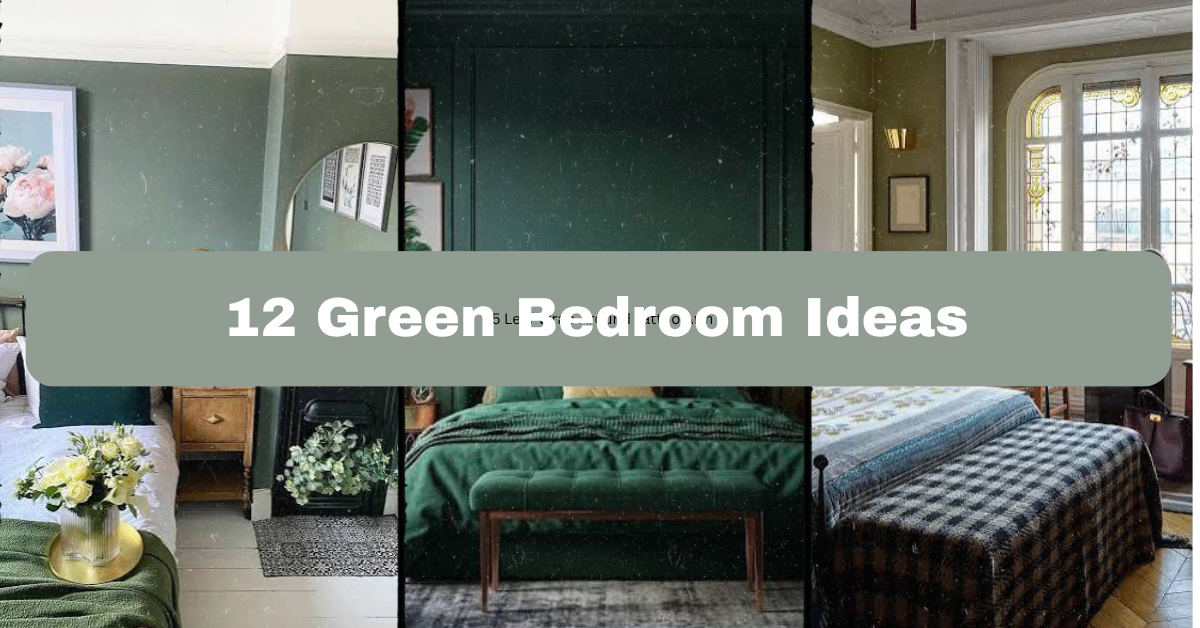
Category: Bedroom

  • 12 Green Bedroom Ideas

    12 Green Bedroom Ideas

    If you’re hunting for 12 Green Bedroom Ideas that actually work in real homes (not just fancy magazine shoots), you’ve landed in the right spot. I’ve spent way too many hours staring at paint swatches and pinning bedroom photos, so I know exactly what makes a green bedroom feel calm instead of chaotic.

    Green bedroom design uses shades of green as the dominant color for walls, textiles, or accents to create a calming, nature-inspired sleep space. The right green tone can make a room feel restful, grounded, and connected to the outdoors without overwhelming the space.

    Stick with me and I’ll walk you through a dozen ways to bring green into your bedroom, plus the mistakes that trip up most people.

    Why Green Bedrooms Are Having a Moment

    I get why green is everywhere right now. It’s the color of plants, forests, and fresh grass, so it just feels good to look at. Unlike bold colors that scream for attention, green kind of whispers. It sits in the background and lets you relax.

    There’s also a ton of variety here. Sage, olive, forest, emerald, mint. Each one gives off a totally different mood. Sage feels soft and dreamy. Forest green feels cozy and grounded. That range is what makes green such a flexible pick for a bedroom, no matter your personal style.

    1. Paint the Walls in Soft Sage Green

    25 Sage Green Bedrooms That Are So Calming
    Credit: Thespruce

    Sage green is the easiest way to start if you’re nervous about color. It’s muted, a little gray, and it never feels harsh under any lighting.

    I like it because it pairs with almost every wood tone, from light oak to dark walnut. Your furniture doesn’t need to match perfectly, which takes a lot of pressure off.

    Practical tip: test the paint on a poster board and move it around your room for two days before committing. Light changes color more than people expect.

    This shade works in modern minimalist rooms and old farmhouse bedrooms alike. It’s basically a chameleon color.

    Once your walls are set, you’ll want the rest of the room to support that calm vibe, which brings me to bedding.

    2. Layer Deep Emerald Bedding for a Luxe Feel

    15 Emerald Green Dark Green Bedroom Ideas for Style
    Credit: lorddecor

    If your walls are neutral, emerald bedding can be the star. This color feels rich and a little glamorous, almost like velvet curtains in an old theater.

    Go for a quilt or duvet in emerald, then keep your sheets white or cream underneath. That contrast makes the green pop without taking over the whole room.

    Quick tip: choose a matte cotton or linen blend instead of shiny satin. Shiny fabric can make deep green look almost black in low light.

    This idea shines in traditional and glam bedrooms, but a simple emerald throw blanket softens it for modern spaces too.

    Speaking of texture, let’s talk about what goes on the floor next.

    3. Add a Botanical Print Rug Underfoot

    20 Rug Ideas to Turn Your Bedroom into a Plush Sanctuary
    Credit: Elledecor

    A rug with leafy or botanical patterns pulls green into the room without another can of paint. It’s a low-commitment way to test the color trend.

    Look for rugs that mix a few shades of green with cream or tan backgrounds. That combo keeps the floor from feeling too busy next to your bed and nightstands.

    Actionable tip: measure your bed frame and buy a rug that extends at least 18 inches past each side. This keeps your feet on something soft when you get up.

    Coastal bedrooms love this trick with palm leaf patterns, while traditional rooms lean toward vine or floral motifs instead.

    Now that the floor has some life to it, let’s bring in a piece of statement furniture.

    4. Choose a Green Velvet Headboard

    How to Create a Green Bedroom Aesthetic: Including Wall Art Ideas
    Credit: Wildlifeartstore

    A headboard is basically jewelry for your bed. A green velvet one instantly makes the whole room feel more finished.

    Velvet catches light in a soft way, so even a bold shade like hunter green looks inviting instead of harsh. It also softens a room full of hard furniture edges.

    Practical tip: pick a channel-tufted or button-tufted style if your room already has a lot of straight lines. The texture breaks things up nicely.

    This works beautifully in glam and transitional bedrooms. Farmhouse fans can go for a linen version in a lighter green instead of velvet.

    With your headboard as a focal point, it’s time to think about what hangs above it.

    Green Shade Comparison for Bedrooms

    ShadeMood It CreatesBest Room StylePairs Well With
    Sage GreenCalm, airyModern, ScandinavianWhite, light wood, blush pink
    Olive GreenEarthy, groundedBoho, rusticTerracotta, mustard, rattan
    Emerald GreenLuxe, dramaticGlam, traditionalGold, brass, cream
    Forest GreenCozy, warmCabin, traditionalDeep browns, plaid, leather
    Mint GreenFresh, playfulCoastal, kids’ roomsWhite, light blue, natural wood

    5. Hang Framed Botanical Art Above the Bed

    Wall Art for Bedroom | Tropical Botanical Set of 3
    Credit: aboutwallart

    A gallery of leaf prints or plant sketches gives your eyes something interesting to land on. It’s an easy swap if you’re renting and can’t paint the walls.

    Stick to three or five frames in matching or similar styles so it feels curated instead of random. Odd numbers just look more balanced on a wall.

    Tip: hang the center of your art arrangement at eye level when standing, roughly 57 to 60 inches from the floor. That’s the standard gallery height and it works in bedrooms too.

    Modern rooms look great with simple black frames, while traditional spaces do well with ornate gold ones.

    Once your walls have some art, real greenery is the next natural step.

    6. Bring in Real or Faux Potted Plants

    Greenery in Bedroom: Best Artificial Plants for a Stylish Space – Nearly Natural
    Credit: Nearlynatural

    This one feels almost too obvious, but it works. A few plants tie the whole green theme together and make the room feel alive.

    Snake plants and pothos are nearly impossible to kill, so they’re perfect for beginners or people who forget to water things (me, most weeks). If you don’t want the upkeep, high quality faux plants look shockingly real these days.

    Actionable tip: group plants in odd numbers of two or three different heights. Uneven groupings look more natural than a straight line of matching pots.

    Coastal and boho bedrooms practically demand plants, but even a sleek modern room gets warmer with one or two green leaves in the corner.

    Plants bring life, but you’ll also want something soft to sink your feet into.

    7. Use a Chunky Knit Throw in Moss Green

    EVERGRACEHOME Chunky Chenille Knit Throw Blanket for UK | Ubuy
    Credit:Buy

    A moss green throw blanket adds texture without adding more color complexity. Drape it across the foot of the bed or over a reading chair.

    Chunky knits look expensive even when they’re not. They also photograph beautifully if you’re someone who likes to style your bed for the ‘gram.

    Tip: fold the throw in thirds and lay it diagonally across the bed corner instead of straight across. It looks more relaxed and less staged.

    This works in every style, honestly. Farmhouse, modern, coastal, even minimalist rooms can handle one cozy textured piece.

    Now let’s talk about a bigger commitment: the accent wall.

    8. Create a Forest Green Accent Wall

    20 Dark Green Bedroom Ideas for a Serene Sleeping Space in 2025
    Credit: Elledecor

    If a full room of green feels like too much, just do one wall. The wall behind your headboard is usually the best spot because it frames the bed like a piece of art.

    Forest green accent walls feel rich and cozy, almost like a cabin retreat. Keep the other three walls white or a soft cream so the room doesn’t feel like a cave.

    Practical tip: use a matte or eggshell finish instead of glossy paint. Glossy finishes bounce light in a way that can look plasticky on deep colors.

    This idea flexes well between modern farmhouse and traditional bedrooms. Coastal spaces usually skip this one since it can feel a bit heavy for that airy vibe.

    Walls are one thing, but window treatments change a room just as much.

    9. Dress Windows in Olive Linen Curtains

    The Best Curtains for Large Windows & High Ceilings – ZigZagZurich
    Credit: Zigzagzurich

    Curtains are an underrated way to bring color into a room without a big commitment. Olive linen curtains add warmth and texture while still feeling neutral enough to live with long term.

    Linen also does a nice job of softening harsh daylight, which helps if your bedroom windows face east or west.

    Tip: hang curtain rods a few inches above the window frame and let the curtains skim the floor. This trick makes ceilings look taller than they actually are.

    Boho and rustic bedrooms love the natural texture of linen. Modern rooms can use the same color in a smoother cotton blend instead.

    Let’s shift now from soft fabrics to something with a little more shine.

    10. Mix In Brass or Gold Hardware Accents

    Before & After: Classy Bedrooms with Gold Accessories
    Credit: Decorilla

    Green and metallic gold are basically best friends. The warmth of brass keeps green from feeling too cool or sterile.

    Swap out drawer pulls, lamp bases, or mirror frames for brass versions. Even small changes like this add up fast.

    Actionable tip: stick to one metal finish throughout the room. Mixing brass with silver and chrome in the same space usually looks unplanned rather than eclectic.

    Traditional and glam bedrooms lean into brass heavily, while modern rooms often prefer a matte gold for a more subtle effect.

    Once your metals are sorted, think about how you’re layering your green tones together.

    Budget Tiers for Adding Green to a Bedroom

    Budget LevelWhat You Can DoEstimated Cost
    Low ($0-$50)Throw pillows, one plant, curtain swap$20-$50
    Mid ($50-$300)Accent wall paint, area rug, new bedding set$100-$300
    High ($300-$1000+)Upholstered headboard, custom curtains, new furniture piece$400-$1000+

    11. Combine Two Greens for Depth

    20 Dark Green Bedroom Ideas for a Serene Sleeping Space in 2025
    Credit: Elledecor

    One shade of green can look flat after a while. Mixing two, like sage walls with olive pillows, gives the room more depth and visual interest.

    The trick is picking greens from the same “family,” meaning they share similar warm or cool undertones. A cool sage doesn’t always play nice with a warm olive.

    Tip: hold paint chips or fabric swatches next to each other in natural daylight before buying anything. Store lighting can trick your eyes.

    This layered approach works especially well in transitional bedrooms that blend modern and traditional pieces.

    Speaking of pieces, let’s not forget the small stuff that ties a room together.

    12. Add Ceramic or Glass Green Decor Pieces

    15 Emerald Green Dark Green Bedroom Ideas for Style
    Credit: Lorddecor

    Small decor items, like a green glass vase or ceramic lamp base, are an easy final touch. They let you test the color trend without any real risk.

    Place them on nightstands, dressers, or a floating shelf. These little pops of color repeat the green theme in a subtle way that feels intentional.

    Practical tip: choose pieces with slightly different textures, like matte ceramic next to shiny glass, so the shelf doesn’t look one-dimensional.

    Every bedroom style can handle this idea since it’s low commitment and easy to swap out later if you change your mind.

    With all twelve ideas on the table, you’ve got plenty of ways to mix, match, and make the green bedroom trend your own.

    Tips for Success

    • Test paint swatches at different times of day since natural light changes how green looks dramatically between morning and night.
    • Balance dark greens with light neutrals like cream, white, or light wood so the room doesn’t feel closed in.
    • Add at least one natural texture, like linen, wood, or rattan, to keep a green room from feeling flat or too polished.
    • Keep your lighting warm (soft white bulbs) rather than cool white, since cool light can make green feel sterile or clinical.
    • Don’t skip the ceiling. A pale green ceiling paint, sometimes called a “ceiling wash,” can make a room feel taller and more finished.
    • Save your boldest green shade for the smallest surface area, like a headboard or accent wall, instead of all four walls.

    Common Mistakes and How to Avoid Them

    Using too many green shades at once
    : Stick to two or three shades max in one room so it doesn’t feel like a jungle gone wrong.

    Choosing green without checking undertones
    : Some greens lean yellow, others lean blue. Compare swatches side by side before buying paint or fabric.

    Skipping a neutral anchor color
    : Every green bedroom needs some white, cream, or beige to give your eyes a place to rest.

    Forgetting about lighting temperature
    : Cool LED bulbs can make warm greens look muddy. Stick with warm white bulbs around 2700K to 3000K.

    Painting a small room in a dark green with no contrast
    : Small rooms need at least one light surface, like white trim or ceiling, to avoid feeling cramped.

    Similar Variations

    • Sage and Terracotta Bedroom: Pairs muted green with warm clay tones for an earthy, boho feel.
    • Forest Cabin Bedroom: Deep green walls mixed with plaid textiles and wood beams for a cozy retreat vibe.
    • Coastal Green Bedroom: Mint and seafoam shades combined with white and natural rattan for a beachy look.
    • Botanical Jungle Bedroom: Heavy use of plants and leaf prints layered over green walls for a lush, tropical feel.
    • Modern Emerald Bedroom: Sleek furniture lines paired with a single emerald accent wall for a bold, contemporary statement.
    • Vintage Olive Bedroom: Olive green walls paired with antique wood furniture and brass details for a retro charm.

    Green bedrooms work because they borrow something calming from nature and bring it right into your sleep space. Whether you go bold with an emerald headboard or keep it simple with a sage accent wall, the key is balancing your greens with warm neutrals and good lighting. Pick just a couple ideas to start, live with them for a week, then add more as you go. That’s really all it takes to pull off any of these 12 Green Bedroom Ideas in a way that feels like home.
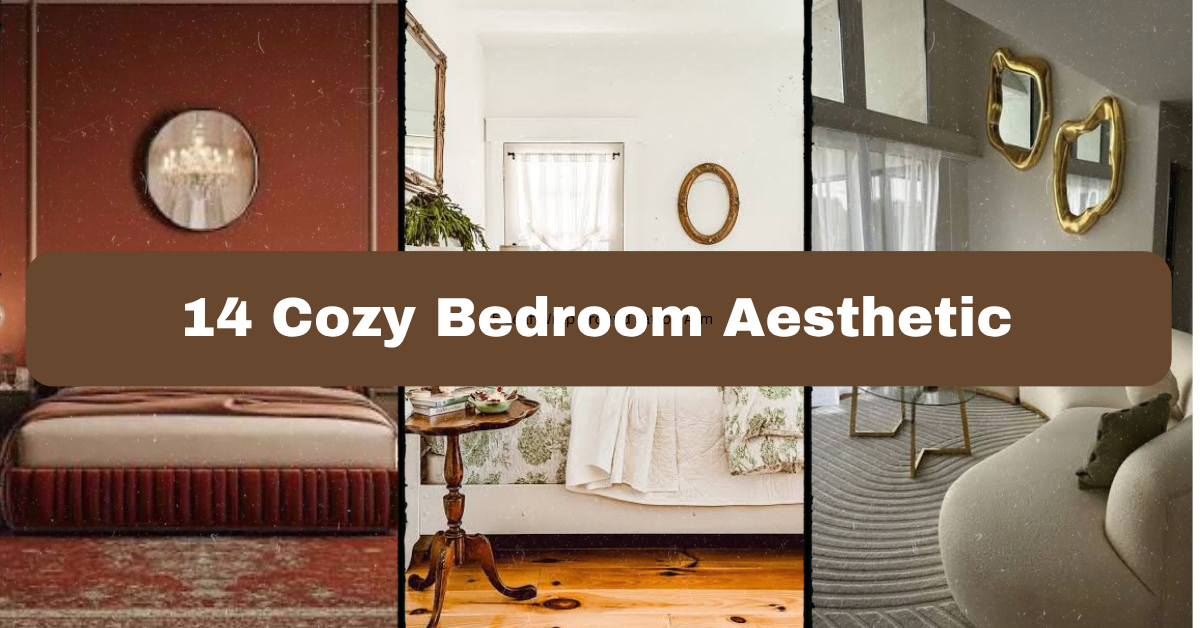
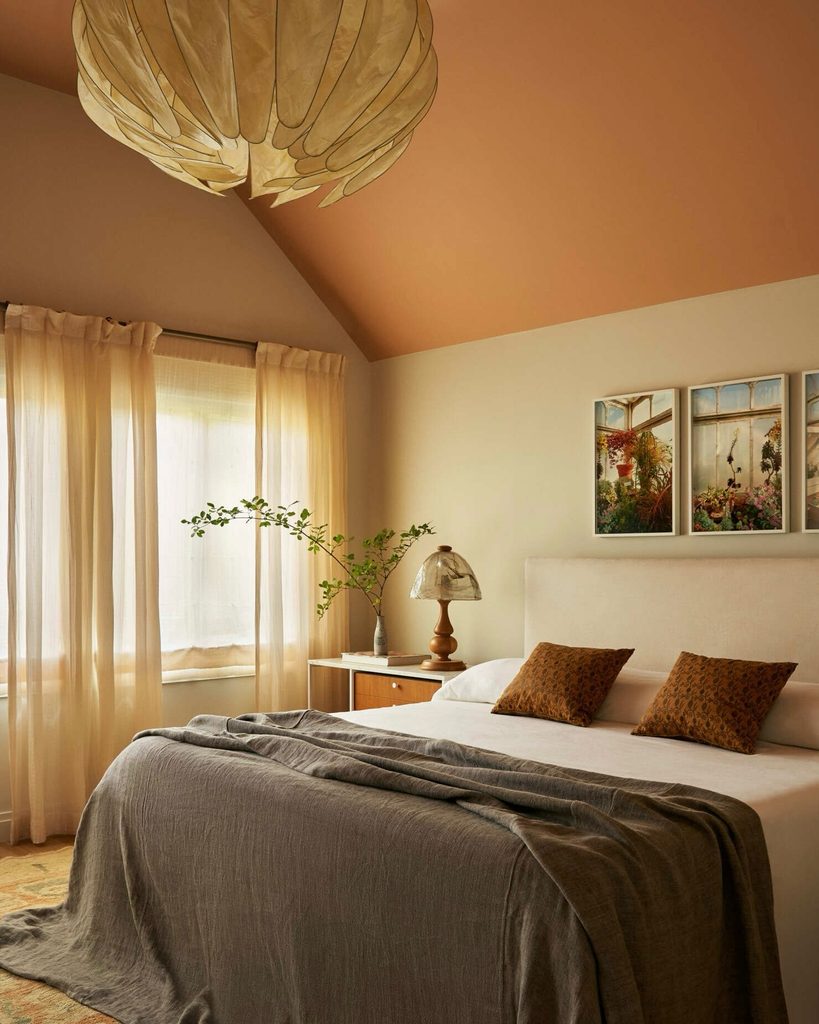
  • 14 Cozy Bedroom Aesthetic Ideas That Actually Make You Want to Get Into Bed

    14 Cozy Bedroom Aesthetic Ideas That Actually Make You Want to Get Into Bed

    If you’ve been scrolling through a hundred design blogs trying to figure out how to make your bedroom feel like a warm hug instead of a hotel room, I’ve got you covered here. I’ve pulled together the most practical, tested ideas for a cozy bedroom aesthetic so you don’t have to piece it together from ten different sites.

    A cozy bedroom aesthetic is a design approach that uses soft textures, warm lighting, layered fabrics, and muted colors to create a calm, restful sleeping space. It focuses on comfort over trend, blending natural materials with soft furnishings to make a room feel inviting at any time of day.

    Stick around, because I’m about to walk you through 14 specific ways to turn your bedroom into the softest, warmest spot in your whole house.

    What Even Is a Cozy Bedroom Aesthetic?

    Okay so here’s the thing. A cozy bedroom aesthetic isn’t about buying a specific style of furniture or sticking to one color palette. It’s more like a feeling. You want your room to feel like a cup of hot tea on a rainy day. Soft. Warm. Slow.

    I think about it as layers. Layers of blankets, layers of light, layers of texture. Nothing too sharp or too shiny. No stark white walls under harsh overhead lighting. Instead, think warm bulbs, soft rugs under your feet, and pillows you actually want to sink into. It’s less about matching everything perfectly and more about making the room feel lived in and loved.

    Now let’s get into the actual ideas.

    1. Choose a Warm, Muted Color Palette

    15+ Terracotta Bedroom Ideas for a Cosy and Stylish Space – Sonno
    Credit: Sonno

    Your wall color sets the whole mood before you even add furniture. Skip the bright whites and cool grays. Go for warm neutrals instead, things like terracotta, cream, soft taupe, or dusty sage. These colors soak up light in a gentle way instead of bouncing it back harshly.

    Practical tip: paint one accent wall first if you’re nervous about committing to a whole room. Live with it for a week before deciding on the rest.

    This works whether your style leans modern (think warm gray with black accents) or traditional (think cream with wood tones). Coastal lovers can swap in sandy beige instead of taupe.

    Once your walls set the tone, it’s time to think about what’s covering your bed, because that’s where the real coziness starts building.

    2. Layer Your Bedding Like You Mean It

    Learn How to Layer & Style Your Bed Like a Designer - White and Woodgrain
    Credit: Whiteandwoodgrain

    A flat comforter with one thin pillow doesn’t scream cozy. You need layers. Start with a fitted sheet, add a lightweight blanket, then a heavier quilt or duvet, and top it off with a chunky knit throw folded at the foot of the bed.

    Mix textures on purpose. Linen sheets, a wool blanket, a faux fur throw. They don’t need to match in color, just in warmth level.

    Quick tip: use at least three pillow sizes on your bed (standard, euro, and a lumbar pillow) for that layered magazine look.

    Modern bedrooms can keep this minimal with two textures. Traditional and farmhouse rooms can go heavier with quilts and patterned throws.

    Now that your bed feels like a nest, let’s talk about what’s actually holding all that coziness up.

    3. Pick Furniture with Rounded, Soft Edges

    Curved Furniture Trend: 17 Pieces That Soften Sharp Modern Lines
    Credit: Home-Designing

    Sharp corners and glossy finishes read as cold, even if the color is warm. Swap out anything with harsh lines for furniture that has curves. Think rounded nightstands, an upholstered headboard, or a bed frame with soft wooden edges.

    Upholstered headboards especially do a lot of heavy lifting here. They soften the whole visual line of the room and give you something comfy to lean against while you read.

    Practical tip: if buying new furniture isn’t in the budget, add a padded headboard cushion that attaches to your existing frame.

    This idea flexes easily. Boho rooms can use rattan with curved shapes. Traditional rooms can go with tufted velvet.

    Furniture shape matters, but so does what’s under your feet, which brings me to rugs.

    4. Layer a Soft Rug Under Your Feet

    20 Rug Ideas to Turn Your Bedroom into a Plush Sanctuary
    Credit: Elledecor

    Nothing kills a cozy vibe faster than cold hardwood or bare tile first thing in the morning. A plush rug fixes that instantly. Go for something with a high pile, wool or a soft synthetic blend works great, in a warm neutral or muted pattern.

    You can even layer two rugs, a jute rug on the bottom and a smaller fluffy one on top near your side of the bed. This adds texture and keeps your feet warm without covering the whole floor in shag.

    Practical tip: measure so your rug extends at least 18 inches past each side of the bed for that grounded, intentional look.

    Coastal rooms do well with jute or sisal. Modern rooms can use a low pile rug in a solid warm tone.

    Speaking of texture, let’s talk about the walls themselves and how they can add warmth beyond just paint.

    5. Add Texture to Your Walls with Wood or Wicker

    Wood Wall Panels Natural Warm Stylish Interiors
    Credit: Jobuhome

    Flat painted walls are fine, but adding texture takes things up a notch. Think wood paneling, a wicker mirror, or even a textured wallpaper with a subtle pattern. These elements catch light differently than flat paint and add depth to the room.

    I personally love a slatted wood accent wall behind the bed. It’s warm, it’s a little dramatic, and it doesn’t require much maintenance.

    Practical tip: if a full accent wall feels like too much, start with a large woven wall hanging behind the headboard instead.

    Farmhouse and traditional homes lean into wood paneling naturally. Boho spaces can use woven wall art instead for a similar effect.

    Now let’s shift from walls to windows, because what you do with your curtains changes the whole feel of natural light in the room.

    6. Hang Heavy, Floor-Length Curtains

    Best Bedroom Curtains - Ideas for Bedroom Window Treatments
    Credit: Elledecor

    Thin, short curtains let in harsh light and don’t add much softness to a room. Heavy curtains that go all the way to the floor do double duty. They soften incoming light and add a sense of height and drama to the room.

    Linen or cotton blends in warm neutral tones work best. Avoid anything too shiny or synthetic feeling, since that can read as cold instead of cozy.

    Practical tip: hang your curtain rod a few inches above the window frame and let the curtains just brush the floor. It makes ceilings look taller too.

    Modern rooms can keep curtains simple and solid colored. Traditional rooms can add subtle texture like a herringbone weave.

    Once your windows are dressed, lighting becomes the next big piece of the puzzle.

    7. Swap Harsh Overhead Light for Warm Layered Lighting

    Bedroom Lights : A Comprehensive Guide on Bedroom Lighting Ideas | Light And Living
    Credit: lightsandliving

    Overhead lighting is the enemy of cozy. It’s flat, it’s often too bright, and it makes everything feel like an operating room. Instead, use multiple light sources at different heights. A bedside lamp, a floor lamp in the corner, maybe some string lights along a shelf.

    Choose bulbs labeled “warm white” or around 2700K. This gives off that golden, candlelit glow instead of a stark white glare.

    Practical tip: put your bedside lamps on a dimmer switch if possible. Being able to lower the light at night makes a huge difference.

    This works across every style. Boho rooms might add a woven pendant lamp. Modern rooms can use a sleek matte black lamp with a warm bulb inside.

    Lighting Style Comparison

    Light TypeBest ForWarmth LevelApprox. Cost
    String lightsBoho, casual roomsMedium$10-$20
    Table lamp with fabric shadeAny styleHigh$25-$60
    Dimmable floor lampModern, minimalistMedium-High$40-$100
    Salt lampBoho, eclecticHigh$20-$40
    Candles (real or flameless)Traditional, romanticHigh$5-$30 per set

    Lighting sets the mood, but scent can seal the deal on making a room feel cozy the second you walk in.

    8. Add a Signature Scent to the Room

    How to make a guest room smell nice without candles | Ideal Home
    Credit: idealhome

    This one surprises people, but smell is a huge part of coziness. A room that smells like vanilla, sandalwood, or fresh linen instantly feels warmer, even before you notice anything visual.

    Use a diffuser, a scented candle, or even a linen spray on your sheets. Just don’t overdo it. One consistent scent is better than five competing ones.

    Practical tip: keep your candle or diffuser on your nightstand so the scent is strongest right where you sleep.

    Every style can use this trick since scent doesn’t show up visually at all. It’s a free upgrade no matter your decor style.

    Now, let’s talk about something you can actually see and touch every single day, your closet and storage situation.

    9. Use Woven Baskets for Cozy, Visible Storage

    15 Blanket Basket for Living Room Ideas for Cozy Storage
    Credit: livingroomy

    Plastic bins and metal shelves feel cold and clinical. Swap them for woven baskets instead. They hide clutter while adding texture at the same time, which is a win-win for a cozy bedroom aesthetic.

    Use baskets for extra blankets, books, or even laundry. Stack a couple in a corner or slide one under a bench at the foot of your bed.

    Practical tip: choose baskets with handles so grabbing a blanket at 2 a.m. doesn’t turn into a wrestling match.

    Coastal and boho rooms practically require this look. Modern rooms can use a single large basket in a neutral tone to keep things minimal.

    Storage solved, let’s move to something smaller but just as impactful, the little decorative touches on your shelves and nightstands.

    10. Style Your Nightstand with Purpose

    How to Style Your Nightstand Effortlessly | A Blissful Nest
    Credit: ablissfulnest

    Your nightstand shouldn’t just be a dumping ground for chargers and old receipts. Treat it like a tiny stage. A lamp, a small stack of books, a candle, and maybe one small plant is all you need.

    Keep the color palette tied to the rest of the room so it doesn’t feel like a random pile of stuff.

    Practical tip: limit yourself to four items max on your nightstand. Anything more starts to look cluttered instead of curated.

    Minimalist and modern rooms should stick to two or three items. Traditional and cottage style rooms can add a small dish for jewelry or a vintage trinket box.

    Speaking of small plants, let’s talk about greenery and why it matters more than people think.

    11. Bring in Low-Maintenance Greenery

    8 bedroom plant ideas to help grow a relaxing sleep space | Livingetc
    Credit: livingetc

    Plants add life and softness to a room without much effort. You don’t need a jungle. One or two plants in the corner or on a shelf does the trick.

    Go for low light, low maintenance options since bedrooms usually don’t get tons of direct sun.

    Easy Bedroom Plant Options

    PlantLight NeededWatering FrequencyDifficulty Level
    Snake plantLow to mediumEvery 2-3 weeksVery easy
    PothosLow to mediumWeeklyEasy
    ZZ plantLowEvery 2-3 weeksVery easy
    Peace lilyMediumWeeklyModerate
    Dried pampas grassNone (fake)NeverNo effort

    Practical tip: if you tend to forget plants exist, go with dried pampas grass or a high quality faux plant instead. Nobody will know.

    This idea fits every style since plants are basically decor chameleons. Boho rooms can go bigger with hanging plants, while modern rooms can stick with one sculptural plant in a simple pot.

    Now let’s talk about something people forget completely, the ceiling.

    12. Don’t Forget About Your Ceiling

    Credit: farrowandball

    Most people decorate everything except the ceiling, but a plain white ceiling under warm decor can feel like an unfinished thought. A soft painted color, like a pale warm white or even a light blush, can make the whole room feel wrapped up and complete.

    If painting feels like too much, a canopy or draped fabric over the bed does a similar job. It adds a sense of shelter, like the bed is its own little cove.

    Practical tip: use a lightweight, breathable fabric like cotton gauze for a bed canopy so it doesn’t trap heat.

    Traditional and romantic style rooms love a full canopy. Modern rooms can skip the fabric and just go with a soft ceiling paint color instead.

    Once the ceiling is handled, it’s time to think about the small personal touches that make a room feel like yours.

    13. Display Personal, Sentimental Items

    Romantic Bedroom Decor Ideas | Aesthetic Room Decor
    Credit: aestheticroomcore

    A cozy room isn’t just about textures and colors. It’s about feeling like you. Framed photos, a small collection of items from trips, or even handwritten notes pinned to a board all add warmth that store bought decor can’t replicate.

    Practical tip: rotate these items every few months so the room feels fresh instead of frozen in time.

    This works no matter your style because personal items automatically feel authentic. A modern room with one meaningful photo feels just as cozy as a maximalist room covered in mementos.

    Last but not least, let’s talk about sound, because coziness isn’t only visual.

    14. Add Soft Sound with a White Noise Machine or Soft Music

    The 4 Best White Noise Machines of 2026 | Reviews by Wirecutter
    Credit: Nytimes

    A cozy bedroom aesthetic isn’t complete without thinking about how the room sounds. A white noise machine, a small speaker for soft music, or even a fan for gentle background noise can make a room feel more soothing.

    Silence can actually feel harsh in a quiet house at night. A little consistent background sound smooths that out.

    Practical tip: keep the volume low enough that it fades into the background instead of becoming its own distraction.

    This idea works for every single style since sound machines are usually tucked away and barely visible anyway.

    Tips for Success

    • Start with one or two changes instead of redoing the whole room at once. It’s easier on your wallet and your patience.
    • Stick to a limited color palette, three to four colors max, so the room feels put together instead of chaotic.
    • Shop secondhand for textured items like baskets, throws, and lamps. Cozy doesn’t mean expensive.
    • Test lighting at night before committing to bulbs or fixtures. What looks warm in daylight can look completely different after dark.
    • Keep at least one surface, like your dresser top, mostly clear. Too much stuff everywhere cancels out the calm feeling you’re going for.
    • Wash and fluff your pillows and blankets regularly. Flat, worn out textiles stop feeling cozy no matter how nice they looked new.

    Common Mistakes and How to Avoid Them

    Using only cool white lighting
    : Swap bulbs for warm white (2700K) options to avoid a clinical, cold feeling.

    Overcrowding the bed with too many pillows
    : Stick to five or fewer pillows total so the bed still looks inviting instead of overwhelming.

    Choosing style over comfort
    : Always sit or lay on furniture before buying it. A chair that looks cozy but feels stiff defeats the purpose.

    Matching everything perfectly
    : Let textures and shades vary slightly. Perfectly matched sets can feel more like a showroom than a home.

    Ignoring the ceiling and floor
    : Treat these as part of the design, not afterthoughts, since they make up a huge visual percentage of the room.

    Skipping scent and sound
    : Remember that coziness isn’t only visual. A room can look perfect and still feel off if it smells sterile or sounds too quiet.

    Similar Variations

    • Coastal Cozy – lighter blues, sandy neutrals, and lots of natural fiber textures like jute and linen.
    • Boho Cozy – layered patterns, macrame, and warm earthy tones with a more eclectic mix of textures.
    • Farmhouse Cozy – wood accents, plaid or gingham textiles, and a simple, rustic color palette.
    • Scandinavian Cozy (Hygge) – minimal clutter, soft neutral tones, and a heavy focus on warm lighting and texture over decoration.
    • Dark Academia Cozy – deep jewel tones, vintage books, and warm brass lighting for a moody, intellectual feel.
    • Japandi Cozy – a mix of Japanese minimalism and Scandinavian warmth, using natural wood and low profile furniture.

    Making your bedroom feel cozy really comes down to layering the right textures, colors, and light instead of chasing a specific trend. Small changes, like swapping a bulb or adding a woven basket, add up faster than you’d think. Once you start mixing in a few of these ideas, you’ll notice your room finally feels like the kind of space that fits a true 14 Cozy Bedroom Aesthetic.

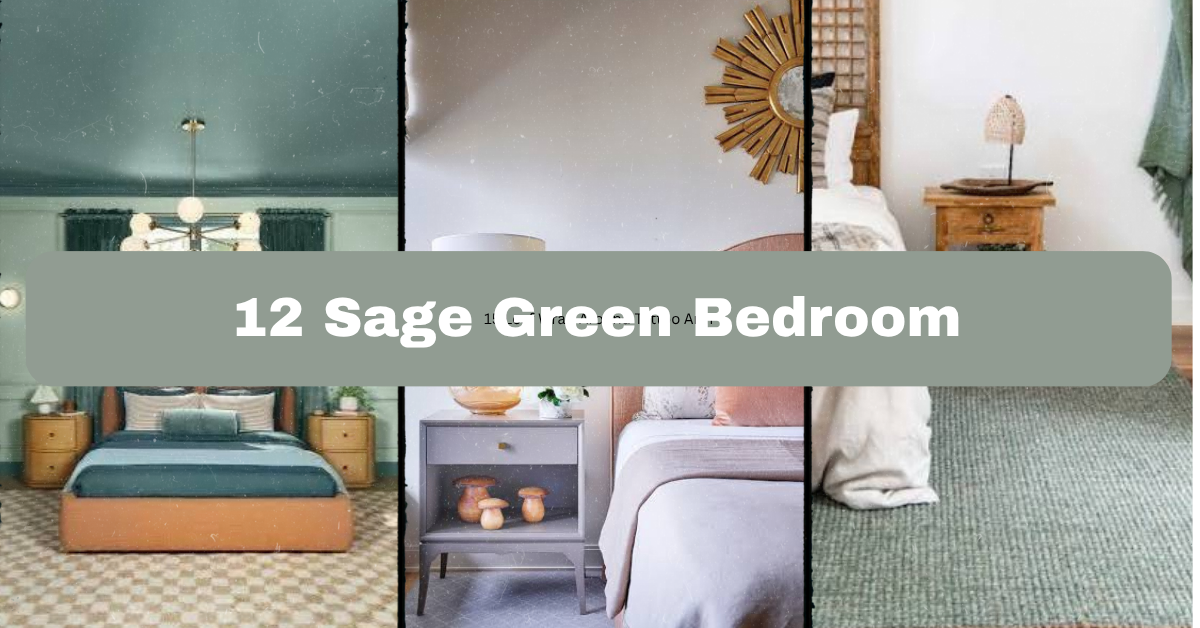
  • 12 Sage Green Bedroom Ideas That’ll Make You Fall in Love With Your Space Again

    12 Sage Green Bedroom Ideas That’ll Make You Fall in Love With Your Space Again

    I’ve spent way too many hours scrolling through paint swatches and Pinterest boards, so trust me when I say this guide on 12 sage green bedroom ideas is the real deal. I’ve pulled together the most useful, practical, and good-looking options out there. No fluff, just what actually works.

    Sage green bedroom design uses muted, grayish-green tones inspired by the herb of the same name to create a calm, nature-connected sleeping space. The color pairs well with warm woods, cream linens, and brass accents. It works in nearly any home style, from modern minimalist to cozy cottage.

    Stick around, because I’m about to walk you through everything from paint picks to bedding swaps that’ll make your room feel like a total reset.

    Why Sage Green Works So Well in Bedrooms

    Here’s the thing about sage green. It’s not quite green, not quite gray, and that’s exactly why it works. It’s soft on the eyes. It doesn’t scream for attention like a bright emerald or lime would. Instead, it kind of whispers “relax” the second you walk in.

    I think of sage as the color version of a deep breath. It reminds people of dried herbs, foggy mornings, and quiet forests. That’s probably why so many sleep experts and designers keep coming back to it for bedrooms. You want your room to feel like a break from the noise of the day, and sage green just naturally does that job without you having to try too hard.

    1. Paint the Walls in a Soft Sage Base

    The Best Sage Green Paint Shades for Every Space | HGTV
    Credit: Hgtv

    This is the obvious starting point, but it’s obvious for a reason. A full wall of sage green sets the tone for everything else in the room. Go with a matte or eggshell finish so the color feels soft instead of shiny.

    Pair it with white trim to keep things crisp. Add warm wood furniture like oak or walnut to keep the room from feeling too cold.

    Practical tip: Test the paint on your wall at different times of day before committing. Sage can look more gray in the morning and more green under warm lamp light at night.

    This works in modern homes with clean lines, and it works just as well in traditional spaces with crown molding and vintage furniture. Once your walls are set, you can start layering in fabric and texture to really bring the room to life.

    2. Layer in Linen Bedding for a Relaxed Look

    How To Layer Bedding For A Designer Look | A Blissful Nest
    Credit: Ablissfulnest

    Sage green walls need bedding that feels lived-in, not stiff. Linen is the answer. It’s got that slightly wrinkled, breathable texture that pairs so well with muted green tones.

    Stick with cream, oatmeal, or soft white linens. Skip anything too bright or patterned. You want the bed to feel like a soft cloud in the middle of a calm, green room.

    Practical tip: Wash your linen sheets a few times before use. They get softer and more relaxed-looking with every wash.

    This idea fits coastal bedrooms perfectly, but it also works in farmhouse-style rooms where texture and simplicity matter more than shine. Next, let’s talk about what goes on the floor, because your rug choice can make or break this whole vibe.

    3. Add a Jute or Wool Rug Underfoot

    Jute Rugs: Why They Are A Wise Choice – Oh Happy Home
    Credit: Ohhappyhome

    A rug grounds the whole room, literally. Jute rugs bring a natural, earthy texture that plays really well with sage green. Wool rugs work too, especially if you want something softer underfoot in colder months.

    Stick with neutral tones like tan, ivory, or light gray for the rug itself. You don’t want it competing with your wall color.

    Practical tip: Size your rug so it extends at least 18 inches beyond each side of the bed. This keeps the room feeling balanced instead of cramped.

    Jute rugs lean more boho or coastal, while a thick wool rug feels more at home in a traditional or transitional bedroom.

    Rug Material Comparison

    MaterialFeelBest ForPrice Range
    JuteRough, naturalBoho, coastal$50-$200
    WoolSoft, plushTraditional, transitional$150-$500
    CottonLight, flatMinimalist, modern$40-$150
    SisalFirm, durableHigh-traffic areas$80-$250

    Once your rug is down, it’s time to think vertical. Let’s talk about what goes above the bed.

    4. Hang a Woven Wall Piece Above the Headboard

    12 above the bed decor ideas for the blank space over a bed | Real Homes
    Credit: Realhomes

    A plain wall above your bed feels a little empty once you’ve committed to a sage green backdrop. Woven wall hangings, think macrame or textured fiber art, add depth without adding clutter.

    Go for something in cream, tan, or a soft rust color. These tones pop just enough against the green without clashing.

    Practical tip: Center the piece about six inches above your headboard for the most balanced look.

    This works beautifully in boho and coastal rooms, but even minimalist spaces can pull it off if you keep the piece simple and single-toned. Now let’s shift gears and talk about furniture.

    5. Choose Warm Wood Furniture Over Cool Tones

    20 Warm Aesthetic Cozy Bedroom Ideas (Color Palettes, Furniture and More) - The Style Saloniste
    Credit: Thestylesaloniste

    Sage green has cool undertones, so balancing it with warm wood furniture keeps the room from feeling icy. Think honey oak, walnut, or even reclaimed pine.

    Avoid furniture with gray or black finishes if you can. They tend to make the whole room feel flatter and colder than it needs to be.

    Practical tip: If you already own darker furniture, add warm wood accents through a nightstand or bench to soften things up.

    This tip applies across the board, whether you’re doing modern farmhouse, mid-century, or classic traditional design. Speaking of accents, let’s talk about metals next.

    6. Bring in Brass or Gold Hardware and Fixtures

    Before & After: Classy Bedrooms with Gold Accessories
    Credit: Decorilla

    Brass and gold have a warmth that plays so nicely against sage green. Think drawer pulls, lamp bases, or even a gold-framed mirror.

    Skip chrome or silver tones here. They tend to feel a little too sterile next to the earthy warmth of sage.

    Practical tip: Start small. Swap out drawer knobs on an existing dresser before committing to bigger fixture changes.

    Brass fits modern glam rooms just as well as it fits vintage-inspired spaces. Now, let’s look at how curtains can change the whole feel of the room.

    7. Hang Linen or Cotton Curtains in a Neutral Tone

    5 Delightful Ways to Style Your Bedroom with White Linen Curtains – Curtarra
    Credit: Curtarra

    Curtains do more work than people realize. They frame the window, soften the light, and tie the room together. Stick with linen or cotton in cream, white, or a very light sage for a cohesive look.

    Avoid heavy patterns or bold colors. They’ll fight with your wall color instead of supporting it.

    Practical tip: Hang curtain rods about four inches above the window frame to make ceilings look taller.

    This works in almost every style, from coastal to modern farmhouse, since neutral curtains are basically a universal player. Let’s move on to something a little more personal now: artwork.

    8. Add Botanical or Nature-Inspired Art

    50 Butterfly Bedroom Ideas for a Nature-Inspired Sanctuary
    Credit: Hello-Hayley

    Sage green already leans into a natural, earthy feel, so artwork with plants, leaves, or landscapes just makes sense. Look for simple line drawings or muted watercolor prints.

    Frame them in wood or brass to keep the warm tones going.

    Practical tip: Group three smaller prints together instead of hanging one giant piece. It adds visual interest without overwhelming the wall.

    This idea works especially well in cottagecore and coastal bedrooms, but even a modern space can pull it off with more abstract botanical shapes. Next, let’s talk about how lighting changes everything.

    9. Use Warm, Soft Lighting Instead of Bright White Bulbs

    Warm White vs Cool White Lights: What's the Difference? | Crompton
    Credit: Crompton

    Bright white light makes sage green look flat and a little clinical. Warm bulbs, on the other hand, bring out the golden undertones in the green and make the whole room feel cozier.

    Look for bulbs labeled “soft white” or “warm white,” usually in the 2700K to 3000K range.

    Practical tip: Add a dimmer switch if you can. It gives you control over the mood depending on the time of day.

    This tip matters no matter what style you’re going for. Warm light just works better with sage green, period. Now let’s talk about pillows, because they’re an easy way to bring in extra texture and color.

    10. Mix Textures in Your Throw Pillows

    How to mix and match throw pillows to elevate your home style | SA Garden and Home
    Credit: Gardenandhome

    A few well-chosen pillows can add so much personality to a sage green bedroom. Mix textures like velvet, linen, and boucle for a layered look.

    Stick with a simple color palette: cream, blush, terracotta, or a deeper forest green all work well together.

    Practical tip: Use the “rule of odd numbers.” Three or five pillows tend to look more balanced than an even number.

    Sage Green Color Pairing Guide

    Pairing ColorMood CreatedBest Room Style
    CreamSoft, calmCoastal, minimalist
    TerracottaWarm, earthyBoho, southwestern
    Blush pinkRomantic, softTraditional, feminine
    Charcoal grayBold, modernContemporary
    Mustard yellowVintage, cozyRetro, eclectic

    This is one of the easiest ways to update your room without any big commitment. Speaking of low-commitment changes, let’s talk about plants next.

    11. Bring in Real or Faux Greenery

    How to Make Faux Plants Look Real | HGTV
    Credit: Hgtv

    This one feels obvious, but it’s worth saying: plants and sage green just go together. A few potted plants on a dresser or hanging near a window tie the whole room together.

    If you don’t have a green thumb, faux plants have gotten really good in the last few years. Nobody will know the difference from across the room.

    Practical tip: Choose plants with different leaf shapes, like a snake plant and a trailing pothos, for more visual variety.

    This works in literally every design style. Plants are basically the universal connector. Now, let’s talk about something people often forget: the ceiling.

    12. Consider a Painted or Wallpapered Ceiling

    Why Wallpapered Ceilings Are the Next Big Trend in Home Design
    Credit: Decorilla

    If you really want to commit to the sage green look, try painting or wallpapering the ceiling too. This is sometimes called the “fifth wall” trick, and it makes small rooms feel cozier instead of cramped.

    Go a shade lighter than your wall color if you’re worried about the room feeling too dark.

    Practical tip: Test this in a small bedroom first. Large rooms can handle a darker ceiling, but small ones need a lighter touch.

    This idea works especially well in traditional or cottage-style homes with lower ceilings, since it creates a snug, intentional feel rather than making the room look smaller by accident.

    Tips for Success

    • Test paint swatches in natural and artificial light before painting the whole room
    • Balance cool sage tones with warm woods and metals so the room doesn’t feel cold
    • Keep patterns simple. Sage green pairs best with solids and subtle textures
    • Don’t skip the rug. It ties the whole floor plan together and adds warmth
    • Layer lighting with lamps, overhead fixtures, and candles for a cozier feel
    • Add at least one plant, real or faux, to reinforce the natural vibe
    • Change out small accents like pillows or knobs seasonally to keep the room feeling fresh

    Common Mistakes and How to Avoid Them

    Choosing a sage shade that’s too bright
    : Go for muted, grayish-green tones instead of anything that leans neon or overly saturated. Bright greens can feel jarring instead of calming.

    Pairing sage with cool gray furniture
    : Warm wood tones balance sage green much better than cool grays or blacks, which can make the room feel flat.

    Skipping texture altogether
    : A room with only smooth, flat surfaces feels boring fast. Mix in linen, wool, jute, and wood for depth.

    Using harsh white lighting
    : Cool white bulbs wash out the warmth in sage green. Stick with soft or warm white bulbs instead.

    Overdecorating with too many patterns
    : Sage green works best as a calming backdrop. Too many competing patterns can make the room feel busy instead of relaxing.

    Forgetting about ceiling height and rug size
    : A rug that’s too small or curtains hung too low can make the whole room feel cramped, even with great color choices.

    Similar Variations

    • Coastal Sage: Adds nautical touches like rope accents and white-washed wood for a beachy feel
    • Boho Sage: Mixes in macrame, rattan, and warm terracotta tones for a relaxed, eclectic vibe
    • Modern Farmhouse Sage: Combines shiplap walls, black metal accents, and simple linens for a clean but cozy look
    • Cottagecore Sage: Leans into florals, vintage furniture, and soft lace details for a storybook feel
    • Scandinavian Sage: Keeps things minimal with light wood, clean lines, and very little clutter
    • Traditional Sage: Uses crown molding, brass fixtures, and classic furniture shapes for a timeless look

    At the end of the day, sage green just works. It’s calming without being boring, and it plays well with almost any style you already love. Whether you go all in with a painted ceiling or just add a few throw pillows, small changes add up fast in a room this forgiving.

    I hope this list gave you a clear starting point, whether you’re repainting from scratch or just swapping out a few accents. These 12 sage green bedroom ideas are proof that one simple color choice can completely change how a room feels.

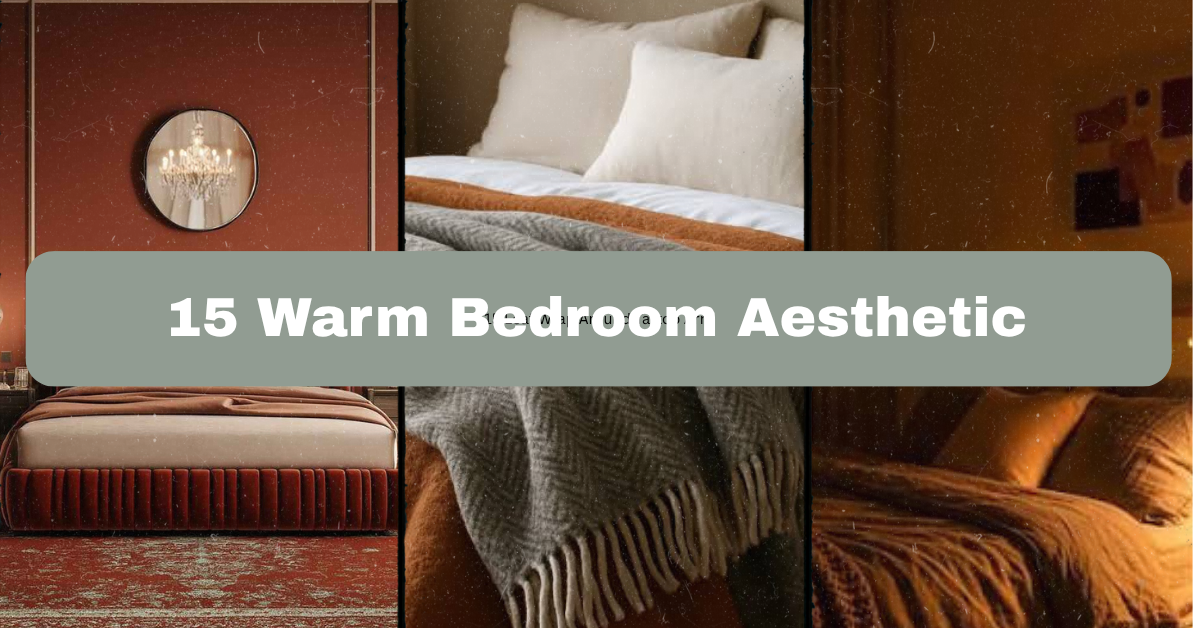
  • 15 Warm Bedroom Aesthetic Ideas That Will Make Your Room Feel Like a Hug

    15 Warm Bedroom Aesthetic Ideas That Will Make Your Room Feel Like a Hug

    If you’re hunting for the most complete guide on 15 Warm Bedroom Aesthetic ideas, I’ve got you covered from every angle. I’ve spent way too many hours pinning bedroom photos and testing what actually works in real rooms, not just showroom setups. So let’s skip the fluff and get into what really makes a bedroom feel warm and lived-in.

    A warm bedroom aesthetic is a design style that uses earthy colors, soft textures, and warm lighting to create a cozy, inviting sleep space. It typically includes tones like terracotta, cream, and rust paired with natural materials such as wood, wool, and linen.

    Stick around, because I’m about to walk you through 15 specific ways to pull this look off, plus mistakes to dodge and easy swaps that make a huge difference.

    What Even Is a Warm Bedroom Aesthetic?

    Okay so picture this. You walk into a room and instantly feel calmer. That’s the whole point of a warm bedroom aesthetic. It’s not about one specific color or one type of furniture. It’s a feeling. Think amber lamp light, chunky knit blankets, and walls in shades that remind you of coffee, clay, or sand.

    I like to think of it as the opposite of those cold, all-white minimalist rooms you see everywhere. Warm bedrooms feel like they’ve been lived in by someone who actually rests there. They mix textures, they use low lighting, and they lean on natural materials instead of glossy or metallic finishes. It’s comfort first, style second, but honestly you get both if you do it right.

    1. Paint Your Walls in Earthy Terracotta or Clay Tones

    15+ Terracotta Bedroom Ideas for a Cosy and Stylish Space – Sonno
    Credit: Sonno

    Nothing sets the mood faster than wall color. Terracotta, burnt orange, and clay tones instantly make a room feel warmer, even before you add a single accessory. These shades reflect light in a soft way instead of a harsh, bright way, which helps the whole room feel calmer at night.

    If a full wall commitment scares you, try one accent wall behind your headboard. That’s a low-risk way to test the vibe.

    This works great in modern farmhouse rooms, but it also fits Mediterranean and boho spaces without any extra effort. Once your walls are set, the next thing to think about is what’s actually lying on your bed.

    2. Layer Chunky Knit Throws and Wool Blankets

    How to Style a Blanket on a Bed for a Cozy Look - Aosom
    Credit: Aosom

    Texture does a lot of heavy lifting in a warm bedroom. A smooth cotton blanket looks fine, but a chunky knit throw makes the whole bed look like it’s inviting you to nap right now. Wool blankets add the same effect while also keeping you genuinely warmer on cold nights.

    My tip here: layer at least two different textures on your bed. Maybe a woven throw at the foot of the bed and a wool blanket folded near the pillows.

    Coastal bedrooms can use lighter, looser knits in cream, while traditional bedrooms might go for deeper burgundy or forest green throws. Once your bed layers are sorted, let’s talk about what’s holding your lamp.

    3. Swap Cool White Bulbs for Warm Amber Lighting

    7 Best Ambient Lighting Ideas for Your Bedroom in 2026 – Rescene Studio
    Credit: Rescenestudio

    This one’s sneaky important. A lot of people nail the colors and textures but forget that lighting changes everything. Cool white bulbs make even the coziest room feel like a hospital. Warm amber bulbs, somewhere around 2700K, give off that golden glow that makes everything look softer.

    Actionable tip: check the Kelvin rating on your bulb box. Anything under 3000K is safe for a warm bedroom vibe.

    This trick works in literally any design style, from industrial lofts to farmhouse chic, because lighting temperature isn’t tied to a specific decor theme.

    Bulb Temperature Guide for Warm Bedrooms

    Kelvin RatingLight AppearanceBest Use in Bedroom
    2000K to 2700KVery warm, amber glowBedside lamps, string lights
    2700K to 3000KSoft warm whiteOverhead fixtures, closet lights
    3000K to 3500KNeutral warmReading lamps
    4000K and aboveCool white or daylightAvoid in warm bedroom designs

    4. Add a Wood Headboard for Natural Texture

    Inspiring Neutral Bedroom Ideas You'll Love - Decorilla
    Credit: Decorilla

    Wood brings instant warmth without trying too hard. A solid wood headboard, especially in walnut or honey oak tones, grounds the whole room and pairs well with almost every color palette you throw at it.

    If buying new furniture isn’t in the budget, look for a secondhand headboard and sand it down yourself. It’s cheaper and gives you a piece with actual character.

    Rustic and Scandinavian bedrooms both lean heavily on wood tones, though Scandi rooms usually go lighter while rustic spaces prefer darker, rougher wood grain. Speaking of grounding elements, let’s talk about what goes underneath your feet.

    5. Layer a Woven Rug for Warmth Underfoot

    10 bedroom rug ideas to elevate your space from the floor up | Livingetc
    Credit: Livingetc

    Cold floors ruin the whole warm bedroom mood, no matter how good your walls look. A woven jute or wool rug adds texture and actually keeps your feet warm when you step out of bed.

    Go for a rug that’s at least two-thirds the size of your bed so it doesn’t look like an afterthought. Layering a smaller patterned rug on top of a larger neutral one also adds depth without overwhelming the room.

    Boho bedrooms often stack multiple rugs, while minimalist warm rooms usually stick to one simple woven piece. Now that your floor is sorted, let’s move up to the walls again, this time for art.

    6. Hang Warm-Toned Art in Wood or Rattan Frames

    Boho wall decor ideas behind the bed frame 🕊️| Which one will you choose from? Plants on a shelf, macrame wall hanging, or moon-shaped mirrors? 📸 Credits: @laura_pigeon Boho decor is all
    Credit: flowbylara

    Skip the black metal frames if you’re going for warmth. Wood and rattan frames add texture that matches the rest of your cozy setup, and warm-toned art, think sunset photography or abstract clay-colored pieces, keeps the color story consistent.

    Try grouping three to five pieces in varying sizes instead of one giant print. It creates a gallery feel that’s easy to update over time.

    Traditional bedrooms might frame landscape paintings this way, while modern bedrooms could use abstract shapes in the same warm palette. Once your walls have some personality, it’s time to think about softness on your bed again, specifically your pillows.

    7. Mix Textured Pillow Covers Instead of Matching Sets

    Mixing Patterns Right: Block Print Pillow Styling Tips – Fabdivine
    Credit: Fabdivine

    Matching pillow sets look nice in a catalog, but real warmth comes from mixing textures. Combine a linen pillow cover with a knit one and maybe a velvet accent pillow in a deep rust color. The mismatch actually makes the bed look more intentional, not less.

    Stick to three or four pillows max on a queen bed so it doesn’t feel cluttered. Rotate the covers seasonally if you want an easy refresh without buying new pillows.

    This tip fits basically every design style since pillow covers are cheap and easy to swap out. Speaking of easy swaps, curtains are next on the list.

    8. Choose Heavy Linen or Velvet Curtains

    Best Bedroom Curtains - Ideas for Bedroom Window Treatments
    Credit: Elledecor

    Thin, sheer curtains let in cool light and don’t do much for insulation or mood. Heavy linen or velvet curtains in warm neutrals block out harsh light and add a soft, sound-dampening quality to the room. They also pool slightly at the floor, which instantly makes a room feel more finished.

    Hang your curtain rod a few inches above the window frame and wider than the window itself. This makes the window look bigger and the fabric drape more dramatically.

    Velvet works beautifully in traditional or glam warm bedrooms, while linen suits coastal and farmhouse spaces better. Now let’s talk about a detail people often skip: your ceiling.

    9. Consider a Warm-Toned Ceiling or Wood Beam Accent

    Warm & Stylish Tan Bedroom Ideas For Every Home – Sonno
    Credit: Sonno

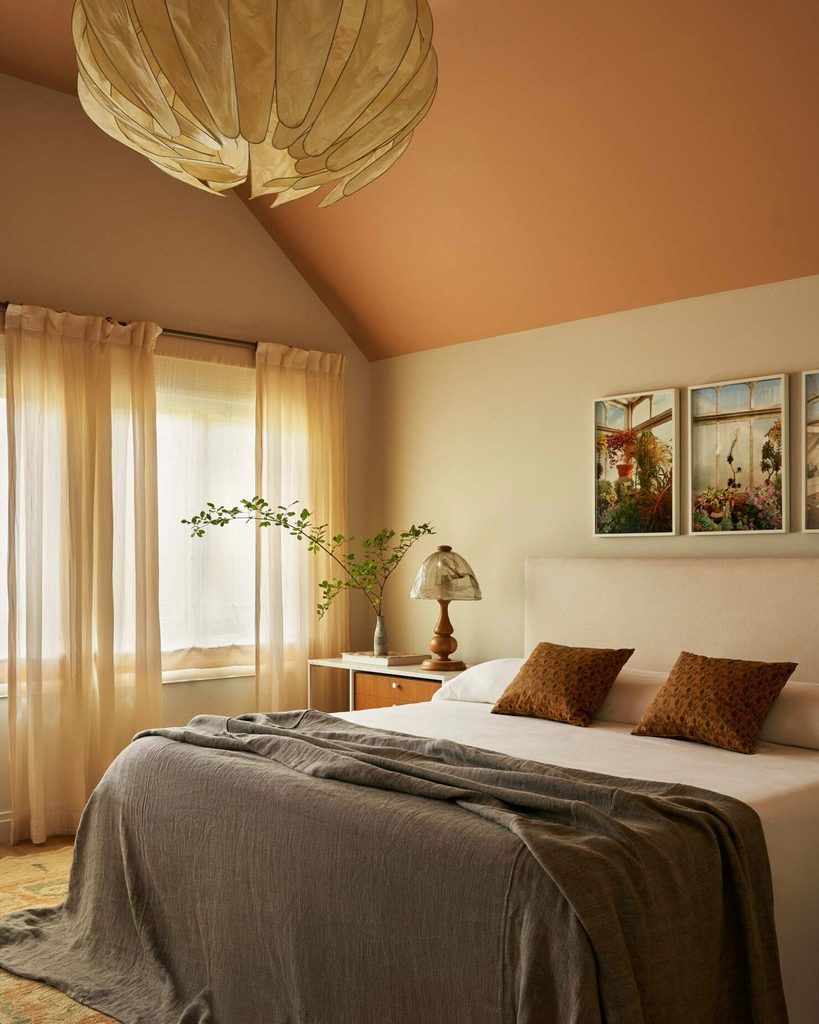
    Most people paint their ceiling white and call it done. But a warm-toned ceiling, even just a soft cream or beige, wraps the whole room in color and removes that stark contrast you get with bright white overhead. Exposed wood beams, real or faux, add even more texture if your ceiling height allows it.

    If painting the whole ceiling feels like too much, try painting just the trim in a warm off-white to soften the transition from wall to ceiling.

    This works especially well in farmhouse and rustic bedrooms with vaulted ceilings, though even a small apartment bedroom benefits from a warmer ceiling shade. Next, let’s bring some greenery into the mix.

    10. Add Warm-Pot Houseplants for Life and Texture

    9 Fresh Ideas For Styling Houseplants For A Thriving Indoor Garden – Including Statement Trees
    Credit: Countryliving

    Plants add life to a room, but the pot matters more than people realize. A plain white or gray pot can feel cold and clinical. Swap it for a terracotta, rust, or woven basket planter instead, and suddenly the plant fits the whole warm color story.

    Snake plants and pothos are nearly impossible to kill, which makes them great picks if you don’t have a green thumb.

    Boho and Mediterranean bedrooms often go heavy on plants, while minimalist warm bedrooms might stick to just one or two statement pots. After plants, let’s talk about a bigger commitment: your bed frame material.

    11. Choose a Low-Profile Upholstered or Wood Bed Frame

    How to Choose Your Perfect Upholstered Bed | Durian
    Credit: Durian

    Your bed frame sets the tone for the entire room since it’s the largest piece of furniture you own. Upholstered frames in boucle or linen add softness, while a low wood frame keeps things grounded and simple. Both options beat cold metal frames, which tend to feel more industrial than cozy.

    If you’re renting and can’t change big furniture, a bed skirt in a warm neutral can hide a frame you don’t love.

    Upholstered frames suit modern and glam warm bedrooms, while wood frames fit rustic and Scandinavian spaces better. Speaking of what surrounds your bed, let’s talk nightstands next.

    12. Pick Nightstands With Rounded Edges and Natural Materials

    Round-Up of Round Nightstands
    Credit: Scoutandnimble

    Sharp-edged, glossy nightstands feel cold no matter what color you paint the walls. Rounded wood or rattan nightstands soften the whole bedside area and match the natural material theme running through the rest of the room.

    A small lamp, a candle, and maybe one book is all you need on top. Overloading a nightstand actually makes a warm room feel cluttered instead of cozy.

    Rattan nightstands lean coastal and boho, while solid wood ones fit rustic and traditional styles better. Now, let’s zoom out and talk about color palettes as a whole.

    Warm Bedroom Color Palette Combinations

    Palette NameWall ColorBedding ToneAccent Color
    Terracotta SunsetBurnt orangeCream linenRust throw pillow
    Desert NeutralWarm beigeSand cottonCamel leather accent
    Cozy CabinDeep brownOatmeal woolForest green
    Soft AmberWarm creamBlush pinkGold metal accents

    13. Use Scented Candles With Warm Notes Like Vanilla or Sandalwood

    Aromatherapy Candles Tips for Cozy, Calm & Safe Homes - We Love Fire®
    Credit: Welovefire

    Smell is part of the aesthetic too, even though people forget it. Cool scents like mint or ocean breeze clash with a cozy visual theme. Warm scents like vanilla, sandalwood, amber, or cinnamon reinforce the feeling your eyes are already picking up on.

    Keep candles on a wood tray near your nightstand so wax drips don’t ruin your furniture finish.

    This tip applies across every design style since scent isn’t tied to visuals. It’s an easy, cheap way to round out the mood. Next up, let’s talk about a often-overlooked detail: your closet doors.

    14. Swap Cold Mirror or Glass Closet Doors for Warm Wood Panels

    22 Closet Door Ideas That Will Totally Transform Your Bedroom
    Credit: Elledecor

    Mirrored or glass closet doors reflect light in a sharp, cool way that fights against everything else you’re building. Wood panel doors, even simple slatted ones, add warmth and texture to a wall that’s usually ignored.

    If replacing doors isn’t possible, adding a wood-tone film or peel-and-stick wallpaper to existing doors is a budget-friendly workaround.

    This idea fits modern warm bedrooms especially well since sleek wood slats read as both current and cozy. Last but not least, let’s talk about the small stuff: your bedding material itself.

    15. Choose Flannel or Brushed Cotton Sheets for Cold Months

    Creating a Cozy Winter Bedroom ·
    Credit: Cozylittlehouse

    Crisp white percale sheets look great in photos, but they feel cool against your skin. Flannel or brushed cotton sheets in warm neutral tones add a soft, cozy layer you actually feel every night, not just see.

    Rotate your sheets seasonally. Lighter linen in summer, brushed cotton or flannel in colder months, keeps the room feeling right year-round.

    Coastal bedrooms might stick with linen most of the year, while cabin and rustic bedrooms lean into flannel even in warmer months for that lived-in feel.

    Tips for Success

    • Start with lighting before buying new furniture. It’s the cheapest fix with the biggest visual impact.
    • Stick to three to four main colors max so the room doesn’t feel busy.
    • Buy one statement texture piece, like a chunky throw, before smaller accessories.
    • Test paint colors on the wall at different times of day since lighting changes how warm tones look.
    • Don’t ignore ceiling color. It affects the whole room more than people expect.
    • Shop secondhand for wood furniture pieces. Character matters more than newness in this style.
    • Keep clutter minimal. Warm doesn’t mean messy, it means cozy and intentional.

    Common Mistakes and How to Avoid Them

    Using cool white lighting
    : Swap bulbs for warm amber tones under 3000K to keep the mood consistent.

    Sticking to one texture only
    : Mix at least three textures, like wood, wool, and linen, so the room doesn’t feel flat.

    Overdoing dark colors
    : Balance deep tones with cream or beige so the room doesn’t feel like a cave.

    Ignoring the ceiling
    : Paint it a soft warm tone instead of stark white to avoid a jarring contrast.

    Choosing glossy or metallic finishes
    : Stick to matte and natural finishes like wood, clay, and woven fiber for a cohesive look.

    Forgetting scent and sound
    : Add warm candle scents and heavy curtains to round out the sensory experience, not just the visuals.

    Similar Variations

    • Desert Boho – warm terracotta tones mixed with woven textures and cactus greenery for a southwestern feel.
    • Coastal Warm – sandy neutrals and linen textures paired with driftwood accents instead of typical cool blue coastal tones.
    • Rustic Cabin – deep browns, exposed wood beams, and heavy wool blankets for a mountain retreat feel.
    • Mediterranean Warm – terracotta pots, warm clay walls, and wrought iron accents inspired by coastal Italy and Spain.
    • Scandi Hygge – lighter wood tones and cream textiles that still keep warmth through texture rather than dark color.
    • Modern Farmhouse Warm – shiplap walls in cream paired with black metal accents and warm wood furniture.

    At the end of the day, warmth in a bedroom isn’t about one magic product or one perfect paint color. It’s the combo of soft lighting, natural textures, and colors that remind you of things like sand, clay, and firewood. Small swaps, like changing your bulbs or adding a chunky throw, actually move the needle more than people expect.

    I hope this list gave you real, usable ideas instead of just pretty pictures to stare at. Pick two or three tips from this list and start there. That’s honestly the fastest way to bring a 15 Warm Bedroom Aesthetic to life in your own space.

  • 10 Grey Bedroom Ideas That Actually Work in Real Homes

    10 Grey Bedroom Ideas That Actually Work in Real Homes

    I’ve put together 10 grey bedroom ideas that I think cover every style, budget, and room size you could possibly be working with. This isn’t a quick list I threw together in five minutes. I dug into what actually makes a grey bedroom feel cozy instead of cold, and I’m sharing all of it here.

    Grey bedrooms use varying shades of grey as the dominant wall, textile, or furniture color, often paired with warm wood, white trim, or metallic accents. The right grey creates a calm, neutral backdrop that works with almost any decor style, from modern to farmhouse to traditional.

    Stick around, because I’m about to show you exactly how to pick the right grey, avoid the “cold and boring” trap, and turn your room into the kind of space you actually want to fall asleep in.

    Why Grey Bedrooms Never Really Go Out of Style

    Grey gets a bad rap sometimes. People think it’s boring or flat. But honestly? That’s only true if you do it wrong. Grey is one of the most flexible colors out there. It can feel moody and dramatic, or soft and airy, depending on the shade and what you pair it with.

    I like grey because it’s basically a blank canvas. You can go warm with beige undertones, or cool with blue undertones. You can pair it with black for drama, or with blush pink for softness. It doesn’t compete with your other decor, it supports it. That’s why designers keep coming back to it year after year. It’s not a trend. It’s a foundation.

    1. Start With a Warm Grey Instead of a Cold One

    12 Cosy Grey Bedroom Ideas for a Cosy and Stylish Space
    Credit: Designcafe

    This is the number one mistake people make. They pick a cool, blue-toned grey and end up with a room that feels like a hospital hallway. Warm greys have a hint of beige or brown mixed in, and they feel so much more inviting under regular light bulbs.

    Look for paint names with words like “greige” or “warm grey” on the swatch. Brands usually list the undertone right on the sample card if you look closely.

    Tip: Test your paint on the wall at night with your lamps on, not just during the day. Grey shifts color a lot depending on lighting.

    This works in almost any style. Farmhouse rooms love warm greige walls, while modern spaces might lean slightly cooler. Once your base wall color is locked in, you can start layering in furniture that plays off that warmth.

    2. Anchor the Room With a Dark Grey Upholstered Bed

    37 Gray Bedroom Ideas for a Relaxing Retreat
    Credit: Bhg

    A dark charcoal or slate grey upholstered headboard instantly makes a room feel high-end. It’s a focal point without being loud. Fabric options like linen or velvet add texture, which keeps the grey from feeling flat.

    I’d suggest going with a slightly darker grey for your bed than your walls. This creates depth instead of everything blending into one grey blob.

    Practical tip: Choose a headboard with channel tufting or a simple wingback shape if you want it to look expensive without spending a fortune.

    Traditional homes might prefer a nailhead trim detail, while modern homes look great with a clean, boxy shape. Once your bed is set, the next step is deciding what goes around it.

    3. Mix in Warm Wood Tones for Balance

    Adding Warmth to Your Bedroom with Wood Tones
    Credit: Featherandblack

    Grey needs a partner, and wood is the best one. A wood nightstand, a wood bed frame, or even wood floating shelves warms up the whole space instantly. Without wood, or something similar, grey rooms can feel a little sterile.

    Medium oak tones tend to work best with most greys because they’re neither too orange nor too dark. Walnut works if your grey leans cooler and more dramatic.

    Actionable tip: Add at least two wood elements in the room, like a nightstand and a dresser, so the wood doesn’t feel like an afterthought.

    Coastal bedrooms might use lighter, whitewashed wood, while traditional spaces lean toward richer, darker wood tones. Speaking of texture, let’s talk about what goes on the bed itself.

    4. Layer Textures With Bedding, Not Just Colors

    Inspiring Neutral Bedroom Ideas You'll Love - Decorilla
    Credit: Decorilla

    A grey bed can look flat if every piece of fabric is the exact same shade and texture. The fix is layering. Think a chunky knit throw, a smooth cotton duvet, and a couple of velvet or linen pillows, all in slightly different shades of grey, white, or cream.

    This is honestly the easiest and cheapest way to make a grey bedroom feel expensive.

    Tip: Aim for at least three different textures on your bed at all times. Smooth, nubby, and soft all together looks intentional, not messy.

    Modern homes might stick to two tones max for a cleaner look, while boho and traditional spaces can pile on more layers and patterns. Now that your bed is dressed, let’s bring in some color.

    Grey Shade Comparison Table

    Grey ShadeUndertoneBest Paired WithFeels Best In
    Dove GreySlightly warmWhite, blush pinkSmall or dark rooms
    CharcoalCoolBlack, gold accentsLarge rooms, moody spaces
    GreigeWarm (beige base)Wood tones, creamFarmhouse, traditional
    Slate GreyCool (blue base)Navy, silverModern, coastal
    PewterNeutralMustard, forest greenEclectic, transitional

    5. Add One Bold Accent Color, Not Five

    25 Bedroom Accent Wall Ideas to Try at Home
    Credit: Thespruce

    Grey is a great backdrop for a pop of color. But here’s the thing, one strong accent color usually looks better than a rainbow of small ones. Mustard yellow, deep emerald, or dusty rose all play really nicely against grey walls.

    Pick one color and repeat it in two or three spots, like a throw pillow, a piece of art, and a lamp shade.

    Tip: If you’re nervous about commitment, start with the accent color in something small and cheap, like a pillow cover, before painting a wall or buying furniture in that color.

    Modern rooms look great with a single bold color used sparingly. Traditional rooms can handle a bit more of that color repeated throughout. Once your color is chosen, lighting becomes your next big decision.

    6. Choose Lighting That Softens the Grey

    40+ Bedroom Lighting Ideas - Unique Lights for Bedrooms
    Credit: Elledecor

    Grey rooms can feel cold under harsh, bright white light bulbs. Warm white bulbs, somewhere around 2700K to 3000K on the packaging, make a huge difference. Add a mix of lamp lighting instead of relying only on an overhead fixture.

    A dimmer switch is honestly one of the best investments you can make in a grey bedroom. It lets you control the mood instantly.

    Practical tip: Use at least three light sources in the room. Overhead, a bedside lamp, and one accent light like a floor lamp or string lights.

    Coastal and boho rooms often use warmer, more amber-toned bulbs, while modern spaces sometimes go slightly cooler for a crisp look. Lighting sets the mood, but the floor beneath your feet matters too.

    7. Ground the Space With a Textured Area Rug

    10 bedroom rug ideas to elevate your space from the floor up | Livingetc
    Credit: livingetc

    A plain grey floor or carpet can blend right into grey walls, making the whole room feel flat. A textured rug, like a chunky wool or a jute weave, adds a layer that breaks things up.

    Go a shade lighter or darker than your walls so the rug actually stands out instead of disappearing.

    Tip: Size matters here. Your rug should extend at least a foot beyond each side of the bed so it doesn’t look like a tiny island floating in the room.

    Coastal bedrooms often use a natural jute or sisal rug, while modern rooms might choose a low-pile geometric pattern. With the floor sorted, let’s think about the walls themselves.

    8. Create an Accent Wall With Wallpaper or Paneling

    20 Accent Wall Ideas to Bring Life to a Boring Room | HGTV
    Credit: Hgtv

    If a full room of grey feels like too much, try one accent wall instead. Textured wallpaper in a subtle pattern, or simple wood paneling painted grey, adds depth without overwhelming the space.

    This works especially well behind the headboard, since it draws the eye right to the bed.

    Tip: Choose a wallpaper with a matte finish rather than glossy. Glossy finishes can look plasticky under bedroom lighting.

    Traditional homes love wainscoting-style paneling, while modern spaces might go for a bold geometric wallpaper pattern instead. Once your walls have some personality, it’s time to think about storage.

    9. Pick Furniture With Mixed Metal Hardware

    Mixing Metals in Bedroom Decor: Pairing Finishes Without Clashing
    Credit: Homedesigns

    Little details make a big difference in grey rooms. Swapping plain knobs for brushed brass, matte black, or brushed nickel hardware on your dresser and nightstands adds a subtle upgrade that people notice, even if they can’t say why.

    Mixing two metal finishes, like black and brass, actually looks more designed than sticking to just one.

    Tip: Buy a few replacement knobs before committing to new furniture. It’s a fifty dollar fix instead of a full furniture replacement.

    Modern rooms tend to favor matte black or brushed nickel, while traditional and vintage-inspired rooms lean toward warm brass or gold. Now let’s talk about what goes on your walls.

    Budget Tiers for a Grey Bedroom Refresh

    Budget LevelWhat You Can ChangeEstimated Cost
    Low ($50-150)New bedding, throw pillows, one accent piece$50-150
    Mid ($300-800)Paint, new rug, updated hardware, lighting$300-800
    High ($1000+)New upholstered bed, dresser, custom drapes$1000-3000+

    10. Hang Art in Warm, Contrasting Frames

    32 Bedroom Wall Decor Ideas to Style Your Space
    Credit: Thespruce

    Grey walls are the perfect gallery backdrop, but the frames you choose matter a lot. Wood or brass frames stand out against grey much better than sleek black or grey frames, which can disappear into the wall.

    Group three to five pieces in varying sizes for a curated look, rather than one giant piece that feels a little empty.

    Tip: Mix in one mirror with your art grouping. It reflects light and makes the whole wall feel bigger.

    Coastal rooms might use whitewashed frames, while traditional spaces look great with ornate gold frames. Once your walls are dressed, curtains are the next detail worth nailing down.

    Tips for Success

    • Test paint swatches in your actual room, under your actual lighting, before buying a full can.
    • Keep at least one warm material in the room, whether that’s wood, brass, or a warm rug, so the space doesn’t feel cold.
    • Don’t be afraid of pattern. A subtle striped or geometric textile keeps grey from feeling boring.
    • Buy bedding in slightly different shades of grey rather than one matching set for a more layered look.
    • Invest in good lighting before you invest in decor. It changes everything about how grey reads in a room.
    • Add a plant or two. Green against grey is one of the easiest combos that always looks fresh.
    • Step back and look at the room from the doorway before finalizing anything. Small details look different from a distance.

    Common Mistakes and How to Avoid Them

    Choosing a cool, blue-toned grey without testing it first
    : Warm greys feel more livable in most lighting. Always test a sample on the wall before committing to a full room.

    Making everything the exact same shade of grey
    : Layer at least two or three different grey tones, plus one or two other colors, so the room has depth.

    Skipping texture entirely
    : Mix smooth, nubby, and soft materials in your bedding, rugs, and pillows so the room doesn’t feel flat.

    Using only cool white light bulbs
    : Swap to warm white bulbs around 2700K to make grey feel cozy instead of clinical.

    Forgetting about the ceiling and trim
    : A plain white ceiling can feel disconnected in a moody grey room. Consider a lighter grey or warm white instead.

    Overdoing metallic accents
    : Stick to one or two metal finishes max, like brass and black, so the room doesn’t feel busy or mismatched.

    Similar Variations

    • Warm Greige Bedroom: Leans more beige than grey, perfect for farmhouse and traditional homes.
    • Coastal Grey Bedroom: Pairs grey with whitewashed wood, jute textures, and navy accents for a beachy feel.
    • Moody Charcoal Bedroom: Uses dark, dramatic greys with black and gold accents for a bold, cozy look.
    • Scandinavian Grey Bedroom: Combines light grey walls with minimal furniture and natural wood for a clean, airy feel.
    • Grey and Blush Bedroom: Softens grey with pink accents for a romantic, feminine touch.
    • Industrial Grey Bedroom: Mixes concrete-toned grey with black metal furniture and exposed textures for an edgy vibe.

    At the end of the day, a grey bedroom only feels boring if you leave it flat, cold, and untextured. Warm it up with wood, layer in some texture, add one or two colors you love, and get the lighting right, and you’ve got a room that feels calm without feeling empty. I hope these 10 grey bedroom ideas gave you a clear starting point for your next redo.

  • 10 Home Bedroom Refresh Ideas That Actually Make a Difference

    10 Home Bedroom Refresh Ideas That Actually Make a Difference

    If you’re looking for a 10 home bedroom refresh that won’t drain your wallet or take a month of weekends, you’re in the right spot. I’ve tested most of these ideas in my own bedroom, and I’m sharing what actually worked (and what didn’t) so you don’t waste time guessing.

    A bedroom refresh means updating your room’s look and feel without a full renovation. This usually involves swapping decor, rearranging furniture, changing textiles, or adding lighting to make the space feel new again. It’s budget-friendly and can be done in a weekend.

    Ready to turn your tired bedroom into a space you actually love waking up in? Let’s get into it.

    What a Bedroom Refresh Really Means

    So here’s the thing. A bedroom refresh isn’t a renovation. You’re not knocking down walls or ripping out flooring. Think of it more like hitting the reset button.

    You’re working with what you already have, mostly. Maybe you add a few new pieces. Maybe you just rearrange stuff you forgot you owned. The goal is simple: make your room feel different without spending like you’re buying a house. I’ve done full refreshes for under $200, and I’ve also gone a little overboard with $600. Both felt amazing. Both worked. It just depends on your budget and how much time you want to put in.

    1. Swap Your Bedding for a New Color Story

    24 Cool Bedroom Ideas to Liven Up Your Space
    Credit: Thespruce

    Your bed takes up most of the visual space in your room. So changing the bedding changes everything, fast.

    Pick a color palette that feels different from what you have now. If your room has been all neutrals, try adding a deep green or rust orange throw. If it’s been dark and moody, go lighter with creams and soft blues.

    Practical tip: Buy a duvet cover instead of a whole new comforter. It’s cheaper and just as effective.

    This works for every style. Coastal bedrooms love white and blue linen. Traditional rooms do well with jewel tones and pattern. Modern spaces stick to solid, clean colors.

    Once your bed looks fresh, your eyes naturally move to the walls next, so let’s talk about those.

    2. Add a Removable Wallpaper Accent Wall

    How to Choose Accent Walls? - Key Factors to Consider | Livettes Wallpaper
    Credit: livetteswallpaper

    You don’t need to commit to paint forever. Peel-and-stick wallpaper has gotten really good, and it’s renter-friendly too.

    Pick one wall, usually behind the headboard, and go bold. Florals, geometric patterns, even a textured grasscloth look can transform the whole room without much effort.

    Practical tip: Measure twice before ordering. Wallpaper rolls are annoying to return once opened.

    Modern homes look great with abstract or geometric prints. Farmhouse style loves soft florals or beadboard-look paper. Either way, this trick adds depth without a full paint job.

    Once your wall has personality, your lighting needs to match that new energy.

    3. Layer in Warm, Low Lighting

    12 Minimalist Bedroom Warm Lighting Ideas for a Cozy Sanctuary
    Credit: Hackrea

    Overhead lighting is harsh. It’s fine for cleaning, but terrible for relaxing. A refresh should include softer light sources.

    Add a table lamp on each nightstand. Toss in a floor lamp in the corner. If you want something extra cozy, string lights along a shelf or headboard work surprisingly well.

    Practical tip: Use warm white bulbs (2700K) instead of daylight bulbs. It makes a huge difference in mood.

    Boho rooms love string lights and lanterns. Traditional spaces do well with brass lamp bases. Modern rooms often go for sleek black or matte finishes.

    Good lighting sets the tone, but nothing pulls a room together like a rug under your feet.

    4. Add a Textured Area Rug

    7 Ways To Style Your Room Using Rugs - Phoenox Textiles
    Credit: Phoenox

    Bare floors feel cold, literally and visually. A rug adds warmth and can anchor your whole color scheme.

    Go for something with texture, like a chunky wool weave or a jute rug, instead of a flat, thin one. It just feels more intentional.

    Practical tip: Your rug should extend at least 18 inches beyond each side of the bed for proper scale.

    Rug Size Guide by Bed Size

    Bed SizeRecommended Rug SizePlacement Tip
    Twin5′ x 7′Center under lower two-thirds of bed
    Full/Queen8′ x 10′Rug should extend past both sides
    King9′ x 12′Extend 24 inches beyond bed frame
    California King10′ x 14′Cover most of the floor space around bed

    Coastal rooms love jute or sisal rugs. Modern spaces do well with geometric-patterned wool. Traditional rooms often go for Persian-style prints.

    Once your floor is sorted, it’s time to think about what’s hanging on your walls.

    5. Curate a Gallery Wall With Mixed Frames

    Gallery Wall: How to create a stylish and personal gallery wall
    Credit: Goodhousekeeping

    A single piece of art can feel lonely on a big wall. A gallery wall fills the space and adds personality fast.

    Mix frame sizes and finishes. Combine photos, prints, and even small mirrors. Don’t overthink symmetry too much. Slightly imperfect actually looks more natural.

    Practical tip: Lay your frames out on the floor first before hanging anything. This saves you from extra nail holes.

    Modern homes like clean-lined black frames. Traditional rooms mix gold and wood tones. Eclectic styles throw in whatever feels right, and that’s the fun part.

    With your walls full of character, your furniture layout is the next thing worth rethinking.

    6. Rearrange Furniture for Better Flow

    How to Arrange Bedroom Furniture | Furniture World
    Credit: Furnitureworld

    Sometimes a refresh doesn’t need new stuff at all. Just move what you have.

    Try angling your bed instead of pushing it flat against the wall. Move your dresser to a different wall. Small changes like this can make a room feel bigger or cozier depending on what you’re going for.

    Practical tip: Measure your walking paths. You want at least 24 inches of clearance around the bed for comfortable movement.

    This trick works in every style because it’s about function, not aesthetics. A well-arranged room always looks better, no matter the decor theme.

    Once your layout feels right, it’s time to add some greenery to soften things up.

    7. Introduce Real or Faux Plants

    Greenery in Bedroom: Best Artificial Plants for a Stylish Space – Nearly  Natural
    Credit: Cearlynatural

    Plants add life, literally. They soften hard edges and bring in a natural, calming vibe.

    If you don’t have a green thumb, faux plants have come a long way. Snake plants and pothos are also nearly impossible to kill if you want the real thing.

    Practical tip: Place a taller plant in a corner and smaller ones on your dresser or nightstand for balance.

    Boho bedrooms go heavy on plants, sometimes five or six in one room. Modern spaces usually stick to one or two statement plants. Either way, greenery adds texture you can’t get from decor alone.

    Speaking of texture, let’s talk about the often-overlooked window situation.

    8. Upgrade Your Window Treatments

    What Are the Best Bedroom Window Treatments?
    Credit: Shoploveisblinds

    Thin, flimsy curtains can make a room feel unfinished. Heavier, floor-length curtains instantly upgrade the whole vibe.

    Hang your curtain rod higher than the window frame, close to the ceiling if possible. This makes the ceiling feel taller and the window feel bigger.

    Practical tip: Curtains should just barely brush the floor, or puddle slightly for a more luxe look.

    Coastal rooms love light linen curtains that let in soft light. Traditional spaces often use heavier drapes with tiebacks. Modern rooms keep it simple with solid-colored, clean-lined panels.

    Now that your windows are dressed up, let’s talk about the small stuff that makes a big difference.

    9. Style Your Nightstands With Purpose

    How to Style Your Nightstand Effortlessly | A Blissful Nest
    Credit: ablissfulnest

    Nightstands often become junk catchers. A refresh is the perfect time to reset them.

    Keep only a few items: a lamp, a small stack of books, maybe a candle or small plant. Less clutter means more visual calm.

    Practical tip: Use a small tray to corral items like chargers or jewelry so they don’t look messy.

    Minimalist and modern rooms benefit most from this, but honestly, every style looks better with an intentional nightstand setup.

    Budget Tiers for a Full Bedroom Refresh

    Budget TierWhat You Can UpdateEstimated Cost
    Low ($50-150)Bedding, throw pillows, small decor$50-150
    Mid ($150-400)Add rug, lighting, wall art$150-400
    High ($400-800)New furniture piece, wallpaper accent, curtains$400-800
    Full Refresh ($800+)Combine all above plus statement furniture$800-1,500+

    Once your nightstands are sorted, don’t forget about what’s above your bed.

    10. Add a Statement Headboard

    How A Statement Headboard Shapes The Entire Design Of A Bedroom
    Credit: Domkapa

    If your bed frame feels boring, a new headboard can change the whole room’s energy without replacing the whole bed.

    Upholstered headboards add softness. Wood headboards add warmth. Even a woven rattan headboard can bring texture without much cost.

    Practical tip: If buying a new headboard isn’t in the budget, try leaning a large piece of art or a tapestry behind your bed instead.

    Traditional bedrooms love tufted, upholstered headboards. Coastal rooms lean toward rattan or whitewashed wood. Modern spaces often skip the headboard entirely for a platform bed look.

    With your headboard sorted, let’s talk about scent and sound, two things people forget during a refresh.

    Tips for Success

    • Start with one corner of the room instead of trying to change everything at once.
    • Take a “before” photo so you can actually see your progress later.
    • Shop your own house first before buying anything new. You might already own what you need.
    • Stick to a three-color palette max so the room doesn’t feel chaotic.
    • Buy quality pillows and bedding since these get touched and used daily.
    • Add one “surprise” element, like a unique lamp or art piece, to make the room feel personal.
    • Don’t ignore the ceiling. Even a simple light fixture swap can change the whole room.

    Common Mistakes and How to Avoid Them

    Buying too much at once
    : Start small. Add a few items, live with them for a week, then decide what else you need.

    Ignoring scale
    : Measure your room and furniture before buying anything. A too-big or too-small piece throws off the whole space.

    Skipping lighting layers
    : Don’t rely on one overhead light. Mix lamps, string lights, and natural light for a balanced feel.

    Overdoing patterns
    : Stick to one bold pattern per room. Too many competing prints can feel overwhelming fast.

    Forgetting storage
    : A cluttered room undoes any refresh. Add baskets or bins to keep things tidy behind the scenes.

    Rushing the process
    : A good refresh can take a few weekends. Give yourself time to make thoughtful choices instead of grabbing whatever’s on sale.

    Similar Variations

    • Coastal Refresh: Light linens, natural textures, and blue-and-white color palettes for a beachy feel.
    • Modern Minimalist Refresh: Clean lines, neutral tones, and clutter-free surfaces for a calm, simple look.
    • Boho Refresh: Layered textiles, plants, and warm earthy tones for a relaxed, eclectic vibe.
    • Traditional Refresh: Rich colors, classic furniture shapes, and symmetrical layouts for a timeless feel.
    • Farmhouse Refresh: Soft neutrals, wood accents, and cozy textures for a warm, rustic touch.
    • Scandinavian Refresh: Light woods, simple shapes, and soft textiles for a bright, airy space.

    A bedroom refresh doesn’t have to be complicated or expensive to make a real difference. Small changes, like new bedding, better lighting, or a rearranged layout, add up fast. The goal is a space that actually feels like yours, not a showroom.

    Whether you tackle one idea this weekend or work through the whole list over a few months, every step brings you closer to a room you love. That’s really what a 10 Home Bedroom Refresh is all about.

  • 15 Boys Bedroom Ideas That Actually Work (No Matter the Age)

    15 Boys Bedroom Ideas That Actually Work (No Matter the Age)

    I’ve put together 15 boys bedroom ideas that cover everything from toddler rooms to teen hangout spaces, so you won’t have to piece together advice from ten different sites. This guide pulls from real design principles that actually hold up over time, not just trendy Pinterest photos that look good for five minutes. Stick with me and you’ll walk away with a solid plan, not just a mood board.

    A boy’s bedroom should balance function, personal interest, and room to grow. The best designs use durable materials, flexible layouts, and a color scheme that won’t feel outdated in two years. Think furniture that adapts as kids age, not stuff you’ll toss out by next year.

    Ever stood in your kid’s room wondering why it feels so chaotic even after you cleaned it three times this week? I get it. Let’s fix that together, one idea at a time.

    What Makes a Boys Bedroom Design Actually Work

    Here’s the thing about boys’ rooms. They take a beating. Toys get thrown. Walls get scuffed. Something always ends up on the floor.

    So the best designs plan for real life, not a magazine shoot. I always tell people to think about three things first: how the room will be used, how long the design needs to last, and what the kid actually likes (not what you think looks cool on Instagram). Once you nail those, the fun stuff like color and decor falls into place a lot easier. Let’s get into the ideas.

    1. Go Bold with a Navy and Mustard Color Scheme

    Vibrant Mustard Yellow and Navy Blue Room Ideas
    Credit: Homedesigns

    Navy and mustard yellow is one of those combos that just works. It’s masculine without being boring, and it’s got enough contrast to feel current for years.

    Paint the walls navy on one accent wall, keep the rest a soft white or light gray, then bring in mustard through pillows, a rug, or curtains. This combo works in almost any room size because the dark and light balance each other out.

    Practical tip: Use a matte navy paint on just one wall to avoid making a small room feel like a cave.

    This palette adapts beautifully to modern (clean lines, minimal decor) or traditional (wood furniture, classic patterns) styles. Next up, let’s talk about a theme that never really goes out of style: space.

    2. Build a Space Explorer Theme

    Galaxy Bedroom Ideas - Create A Dreamy Cosmic Escape – Sonno
    Credit: Sonno

    Space themes are a classic for a reason. Kids love the mystery of it, and there’s endless decor options, from glow-in-the-dark stars to rocket ship bed frames.

    Keep the base colors simple, like navy, charcoal, or deep purple, then add planets, stars, or astronaut decals. A hanging solar system mobile adds movement without cluttering shelf space.

    Practical tip: Stick with removable wall decals instead of murals so the theme can change as your kid’s interests shift.

    This idea works great in modern rooms with clean furniture, or in eclectic spaces mixed with vintage-look rocket toys. Speaking of themes that grow with your child, let’s look at one that’s built entirely around flexibility.

    3. Choose Furniture That Grows With Them

    Designing Kid-Friendly Bedrooms That Grow With Them - Middle East Furniture
    Credit: Mefoman

    This isn’t really about a look, it’s about strategy. Buying a crib-to-toddler bed conversion set, or a bunk bed that later splits into two twins, saves money and hassle down the road.

    Look for solid wood frames over particle board. They cost more upfront but last through years of climbing, jumping, and general rough use.

    Practical tip: Choose a bed frame with under-bed storage drawers built in, especially if the room is small.

    This approach fits every style since the furniture itself can be simple and neutral, letting the decor carry the personality. Now that we’ve covered furniture longevity, let’s talk about a fun way to add personality without spending much.

    Table: Bed Frame Material Comparison

    MaterialDurabilityPrice RangeBest For
    Solid WoodHigh (10+ years)$300–$800Long-term use, heirloom feel
    Metal FrameHigh, but can dent$150–$400Modern or industrial rooms
    Particle BoardLow (3–5 years)$100–$250Budget or temporary setups
    UpholsteredMedium$250–$600Cozy, traditional style rooms

    4. Add a Sports-Themed Accent Wall

    21 Ultimate Sports-Themed Bedroom Ideas That Every Young Athlete Needs
    Credit: Thecoolist

    If your kid lives and breathes basketball, soccer, or baseball, give that a real spot in the room instead of scattered posters everywhere.

    Paint a wall in the team’s colors, or use a large wall decal of a court or field. Add a shelf for trophies or a display case for jerseys.

    Practical tip: Use a cork or magnetic wall panel behind the decor so it’s easy to swap out schedules, ticket stubs, or photos.

    This idea works in almost any style, from rustic (wood plank walls with team logos) to modern (clean lines with a single bold color block). Once the sports corner is set, let’s shift to something a little calmer: nature-inspired rooms.

    5. Bring in a Woodland or Camping Theme

    Camping Tent Bed in a Kid's Woodland Bedroom | Remodelaholic
    Credit: Remodelaholic

    Not every kid wants sports or space. Some love the outdoors, and a woodland theme captures that without feeling too babyish.

    Use earthy colors like forest green, brown, and cream. Add a canvas tent-style bed canopy, a faux fur throw, or a wood-slice wall shelf. Even a simple rope light strung along the ceiling can mimic a campfire glow.

    Practical tip: Use real wood accents (like a tree-stump side table) to add texture without overwhelming the room.

    This theme naturally fits coastal, rustic, and farmhouse styles, and can even work in modern rooms with minimal green accents. Next, let’s cover something every growing boy’s room needs: real storage solutions.

    6. Install Wall-Mounted Shelves for Collections

    10 Best Bedroom Shelving Ideas to Try
    Credit: Mydomaine

    Boys collect stuff. Rocks, cards, action figures, you name it. Instead of letting it clutter the floor, give it a home on the wall.

    Floating shelves in varying sizes create a gallery-style display. Group items by color or size for a cleaner look.

    Practical tip: Anchor shelves into wall studs, not just drywall anchors, since collections get heavier than people expect.

    This works in every style. Minimalist rooms benefit from a few shelves with curated items, while maximalist rooms can go all out with a packed display wall. Now let’s talk about a decor choice that ties a whole room together: the rug.

    7. Layer a Patterned Rug for Texture

    A Guide to Layering Rugs in Modern Interior Design | Rug & Kilim
    Credit: Rugandkilim

    A rug does more than protect the floor. It adds warmth, defines a play area, and pulls the color scheme together.

    Go with a geometric or striped pattern in colors that match your wall accents. A rug also softens the room acoustically, which helps if your kid’s room doubles as a play space.

    Practical tip: Choose a low-pile rug for easy cleaning, especially in rooms where toys and shoes are constant visitors.

    Rugs adapt to any style easily. Try a jute rug for coastal or farmhouse vibes, or a bold geometric print for modern rooms. Speaking of easy updates, let’s move to lighting, which is one of the most underrated design tools.

    8. Add Statement Lighting with Function in Mind

    Bedroom Lighting Tips to Set a Relaxed and Inviting Mood
    Credit: Designcafe

    Good lighting changes a room instantly. Skip the single overhead bulb and add layers: a ceiling fixture, a desk lamp, and maybe a fun novelty lamp shaped like a rocket or basketball.

    Dimmable lights are great for wind-down time before bed. String lights along a headboard add a soft glow without being too bright.

    Practical tip: Use warm white bulbs (2700K–3000K) instead of cool white for a cozier feel at night.

    Lighting style can shift the whole room’s mood, from industrial pendant lights to a simple paper lantern for a more relaxed, boho feel. Now let’s dig into something that matters a lot as kids get older: desk and study space.

    9. Create a Dedicated Homework Corner

    How to design the perfect kids' homework area | Livingetc
    Credit: livingetc

    As boys get into school, a proper desk setup becomes non-negotiable. Cramming homework at the kitchen table gets old fast.

    Pick a desk with drawers for supplies, and add a corkboard or whiteboard above it for reminders and doodles. Keep the chair adjustable so it grows with them.

    Practical tip: Position the desk near a window for natural light, which helps with focus and reduces eye strain.

    This idea fits into any style easily, since desks come in every finish from industrial metal to classic wood. Once the study zone is set, let’s talk about something every boy’s room needs eventually: a spot to just chill.

    10. Build a Cozy Reading Nook

    20 Cozy Reading Nook Ideas That Are Bound to Please
    Credit: Elledecor

    Even kids who aren’t big readers usually love having their own little hideout. A corner with a bean bag, a small bookshelf, and a soft light creates that space without taking up much room.

    Add a canopy or tent-style cover for extra coziness. Keep books at eye level so they’re easy to grab.

    Practical tip: Use a bookshelf with front-facing slots instead of spine-out shelving. Kids are more likely to read when they can see the covers.

    Reading nooks work anywhere, whether it’s a tucked-in corner in a modern room or a hammock chair in a bohemian setup. Next, let’s talk color again, since it plays such a big role in mood.

    Table: Color Palette Ideas by Mood

    PaletteColorsMoodBest Age Range
    Ocean ExplorerNavy, teal, sandy beigeCalm, adventurous4–10
    Urban LoftCharcoal, white, red accentBold, modern10–16
    Forest RetreatForest green, brown, creamRelaxed, grounded3–12
    Galaxy QuestDeep purple, black, silverImaginative, cool5–12

    11. Use a Gallery Wall of Personal Interests

    Gallery Wall: How to create a stylish and personal gallery wall
    Credit: Goodhousekeeping

    Instead of one big theme, let the room reflect a mix of what your kid actually likes right now. Sports, video games, music, whatever it is.

    Frame posters, ticket stubs, or even hand-drawn art in matching frames for a cohesive look despite the mixed content.

    Practical tip: Stick to two or three frame colors max so the wall feels intentional, not random.

    This approach works especially well in eclectic or maximalist styles, but even minimalist rooms can pull it off with a smaller, curated gallery. Now let’s look at something that makes a huge difference but gets overlooked constantly: window treatments.

    12. Choose Blackout Curtains in a Fun Print

    Best Blackout Curtains for Bedroom I Ideas & Tips | Spiffy Spools
    Credit: Spiffyspools

    Sleep matters, especially for growing kids. Blackout curtains help block early morning light and outside noise, leading to better rest.

    Pick a print that ties into the room’s theme, like stars for a space room or stripes for a sports theme, so function doesn’t mean sacrificing style.

    Practical tip: Mount curtain rods a few inches above the window frame to make the ceiling feel taller and let curtains fully block light at the edges.

    Blackout curtains come in every pattern imaginable, so they adapt easily to coastal, modern, or traditional rooms without much effort. Let’s move now to a detail that ties everything together: the ceiling.

    13. Don’t Ignore the Ceiling

    Credit: farrowandball

    Most people paint the walls and call it done, but the ceiling is basically a fifth wall that gets ignored constantly. Adding a soft color, some glow stars, or even wallpaper up there adds a surprising amount of personality.

    Try a light gray or pale blue for a modern feel, or go bold with a graphic wallpaper pattern for a statement effect.

    Practical tip: If painting a ceiling feels risky, start with a peel-and-stick star or cloud decal set, it’s low commitment and easy to remove.

    This idea works great in themed rooms especially, tying a space or nature theme together from floor to ceiling. Next, let’s talk about something practical but often skipped: closet organization.

    14. Organize the Closet for Real Use

    19 chic walk in closet ideas to sort clothes like a star | Real Homes
    Credit: Realhomes

    A messy closet undoes all your hard work in the rest of the room. Adding shelves, bins, and a lower rod height (so kids can actually reach their own clothes) makes a huge difference.

    Label bins with pictures for younger kids who can’t read yet, or simple words for older ones.

    Practical tip: Add a small step stool inside the closet so kids can reach higher shelves without help.

    Closet systems are pretty universal, working the same in every design style since function usually wins out over form here. Finally, let’s wrap up with one more idea that pulls the whole room together.

    15. Add a Feature Wall with Removable Wallpaper

    Wallpaper Accent Walls For Your Bedroom - Making Joy and Pretty Things
    Credit: Makingjoyandprettythings

    If painting feels like too much commitment, peel-and-stick wallpaper is a great alternative. It comes in tons of patterns, from geometric shapes to camo prints to abstract art, and it’s easy to switch out as tastes change.

    Apply it to just one wall behind the bed for a focal point without overwhelming the whole room.

    Practical tip: Smooth wallpaper on with a plastic scraper or old credit card to avoid bubbles, and always start from the top down.

    This idea is incredibly flexible, fitting modern, traditional, coastal, or eclectic rooms depending on the pattern you pick. With all fifteen ideas covered, let’s move into some quick tips to make sure everything comes together smoothly.

    Tips for Success

    • Start with a neutral base (walls, big furniture) so you can update smaller decor items as interests change.
    • Involve your kid in at least one or two decisions. It makes the room feel like theirs, not just something you designed.
    • Measure the room before buying furniture. Oversized pieces make small rooms feel cramped fast.
    • Stick to a max of three main colors to avoid a chaotic, overstimulating look.
    • Prioritize durable materials over trendy ones, especially for younger kids who are rougher on furniture.
    • Leave some open floor space for play, even in smaller rooms. Cramming in too much furniture backfires.
    • Update decor in layers over time instead of doing everything at once. It’s easier on the budget and keeps things fresh.

    Common Mistakes and How to Avoid Them

    Choosing a theme that’s too specific
    : Go with broader ideas (space, sports, nature) instead of one exact character or show, since interests change fast and broader themes age better.

    Skipping storage planning
    : Add shelves, bins, and closet systems before decorating, not after. Storage should come first, not as an afterthought.

    Overdoing dark colors in small rooms
    : Balance dark accent walls with lighter furniture and bedding so the room doesn’t feel smaller than it is.

    Ignoring lighting layers
    : Combine ceiling lights, lamps, and accent lighting instead of relying on one overhead fixture for the whole room.

    Buying furniture too small or too large
    : Measure the room and furniture dimensions carefully before purchasing, leaving at least three feet of walking space where possible.

    Forgetting to plan for growth
    : Choose convertible furniture and neutral bases so the room can evolve without a full redo every couple of years.

    Similar Variations

    • Coastal Adventure Room: Light blues, sandy tans, and rope or nautical accents for a beachy, relaxed feel.
    • Industrial Loft Room: Exposed brick-look wallpaper, metal furniture, and Edison bulb lighting for an urban vibe.
    • Farmhouse Boy’s Room: Shiplap walls, wood furniture, and neutral tones with pops of color through bedding.
    • Minimalist Scandinavian Room: Clean lines, mostly white and wood tones, with just a few carefully chosen decor pieces.
    • Superhero Loft Room: Bold primary colors, comic-style wall art, and playful accent lighting for younger kids.
    • Vintage Explorer Room: Map wallpaper, leather accents, and antique-style globe or compass decor for a timeless adventurous feel.

    Putting together a boy’s room doesn’t have to mean picking one theme and sticking with it forever. The best rooms mix function, personal style, and room to grow, so the space still works even as interests shift year to year. Whether you go bold with color, simple with storage, or full-on themed with space rockets and camping tents, the goal is the same: a room that feels like his, not just a copy of something from a catalog. I hope these 15 boys bedroom ideas give you a solid starting point for creating a space your kid will actually love spending time in.

  • 15 Guest Bedroom Ideas That’ll Make Anyone Feel At Home

    15 Guest Bedroom Ideas That’ll Make Anyone Feel At Home

    If you’re hunting for 15 guest bedroom ideas that actually work in real homes (not just fancy showrooms), you’re in the right spot. I’ve dug through what makes a spare room feel special versus just… spare. This isn’t fluff. It’s the stuff that actually matters when someone’s sleeping in your house for the first time.

    A guest bedroom is a sleeping space set aside for visitors, furnished with a bed, storage, and basic comforts. The best ones balance function with warmth, using neutral colors, soft textiles, and thoughtful extras so guests feel welcome, not like an afterthought.

    Stick around, because I’m about to walk you through everything from color palettes to the one furniture mistake almost everyone makes.

    What Makes a Guest Bedroom Actually Good

    Here’s the thing about guest bedrooms. They’re weird rooms. You’re not decorating for yourself, but for someone else’s comfort. That’s a different kind of challenge.

    I think of a guest bedroom like a mini hotel room, but with heart. It needs the practical stuff (good lighting, a comfy mattress, somewhere to put a suitcase) plus little touches that say “I thought about you before you got here.” That’s really the whole secret. You’re not just filling empty space. You’re creating a moment of hospitality. Once you get that mindset, the design choices get way easier to make.

    1. Choose a Neutral Base with One Bold Accent Color

    29 Neutral Bedroom Ideas That Aren't Bland or Boring
    Credit: Thespruce

    Start with walls in a soft neutral like warm white, greige, or light sage. Neutrals feel calm and work with almost any style. Then pick one bold color, maybe a deep terracotta or navy, and use it in pillows, a throw, or artwork.

    This combo keeps the room from feeling boring while still being flexible for different guests’ tastes. Nobody wants to sleep in a room that screams one specific personality.

    Practical tip: test paint swatches at night under lamp light, since that’s when guests usually see the room most.

    This works whether your home leans modern minimalist or cozy farmhouse. It just changes the accent shade.

    Once your color story is set, the next step is figuring out what furniture actually earns its spot in the room.

    2. Pick a Bed Frame That Fits the Room’s Scale

    Expert Advice: Can a King Size Bed Fit in a Small Bedroom?
    Credit: Tlcinteriors

    A queen bed feels generous, but in a small room it can eat up all your walking space. Measure first. If your room is under 100 square feet, consider a full-size bed instead.

    Choose a frame with some breathing room underneath, like simple metal legs or a low platform, so guests can slide suitcases under it. Avoid anything too tall or bulky in a small space.

    Quick tip: leave at least 24 inches of clearance on each side of the bed so people can walk around without bumping shins.

    Traditional homes tend to favor wood sleigh beds, while modern spaces do better with clean-lined platform frames.

    Now that the bed’s sorted, let’s talk about what goes on top of it.

    3. Layer Bedding for Hotel-Level Comfort

    How to layer bedding like a pro - Jenna Sue Design
    Credit: Jennasuedesign

    Nothing says “welcome” like a bed that looks and feels inviting. Layer a fitted sheet, a light blanket, and a duvet or quilt on top. Add two to three pillows minimum, mixing firm and soft so guests have options.

    Stick to breathable materials like cotton or linen. They feel better against skin and don’t trap heat.

    Practical tip: keep an extra blanket folded at the foot of the bed. Some guests run cold at night and won’t ask for one.

    Coastal-style rooms might use crisp white linens with blue accents, while traditional spaces go for quilted patterns and warmer tones.

    Bedding sets the mood, but lighting decides how the room actually functions day to night.

    4. Add Layered Lighting, Not Just One Overhead Bulb

    Layered Lighting: Don't Live with One Blinding Overhead Fixture
    Credit: Fischer-Electric

    One ceiling light isn’t enough. Guests need options depending on what they’re doing, reading, unpacking, or just relaxing. Add a bedside lamp on each side of the bed if space allows, plus one ambient light source like a floor lamp.

    Warm-toned bulbs (around 2700K) make a room feel cozier than cool white light. Cool light works better in bright, modern spaces but can feel a little clinical in a guest room.

    Practical tip: use lamps with easy-to-reach switches or touch-activated bases, so no one’s fumbling in the dark.

    Farmhouse rooms often go for a fabric-shaded lamp, while modern rooms lean toward matte black or brass fixtures.

    Lighting sets the tone, but storage is what keeps the room from feeling cluttered.

    Guest Bedroom Furniture Size Guide

    Room SizeBest Bed SizeNightstand WidthDresser Depth
    Under 100 sq ftFull or Twin XL14-16 inches16-18 inches
    100-150 sq ftQueen18-20 inches18-20 inches
    150+ sq ftQueen or King20-24 inches20-24 inches

    5. Give Guests Real Storage, Not Just a Corner

    46 Small-Bedroom Ideas for When Your Bed Takes Up the Whole Damn Room |  Architectural Digest
    Credit: architecturaldigest

    A lot of guest rooms have zero storage, and that’s rough for anyone staying more than a night. Add a small dresser, a few empty hangers in the closet, or even a woven basket for extra blankets.

    Clear out at least one drawer and a few inches of closet space before guests arrive. It sounds small, but it makes a huge difference in how “at home” someone feels.

    Practical tip: leave a luggage rack in the corner so suitcases don’t sit open on the floor.

    Modern homes might use built-in closet systems, while more traditional rooms use a classic wood armoire.

    Once storage’s handled, it’s time to think about what guests actually see when they walk in.

    6. Create a Cohesive Look with a Simple Color Palette

    32 Best Bedroom Color Schemes for a Cozy Design
    Credit: Thespruce

    Picking a palette early keeps everything from feeling mismatched. Stick to two to three main colors plus one metal tone (brass, black, or nickel) for hardware and fixtures.

    Popular Guest Bedroom Color Palettes

    StyleWall ColorAccent ColorMetal Accent
    CoastalSoft whiteOcean blueBrushed nickel
    FarmhouseWarm creamSage greenMatte black
    ModernLight grayMustard yellowBrass
    TraditionalBeigeBurgundyAntique bronze

    Practical tip: pick your metal finish first, then build colors around it. It’s easier than the other way around.

    This approach flexes across almost any design style since it’s really just about consistency.

    Color sets the scene, but a few statement pieces are what make the room memorable.

    7. Hang a Statement Mirror to Add Depth and Function

    Where to hang a mirror in a small bedroom: the trick designers use | Homes and Gardens
    Credit: Homesandgardens

    Mirrors do double duty. They make small rooms feel bigger and give guests somewhere to check themselves before heading out. A round mirror softens a room full of straight lines, while a rectangular one feels more traditional.

    Hang it across from a window if you can. It’ll bounce natural light around the space.

    Practical tip: mount it at a height that works for both tall and short guests, roughly 5 feet from the floor to the mirror’s center.

    Boho rooms often go for a rattan-framed mirror, while modern spaces prefer thin metal frames.

    Speaking of walls, let’s talk about what else belongs on them.

    8. Add Artwork That Feels Neutral But Not Boring

    29 Neutral Bedroom Ideas That Aren't Bland or Boring
    Credit: Thespruce

    Skip anything too personal, like family photos. Guests don’t need to stare at your vacation pics. Instead, go for landscape prints, abstract shapes, or botanical illustrations.

    Group two or three smaller frames together instead of one giant piece if your walls are narrow. It adds interest without overwhelming the space.

    Practical tip: hang art at eye level, about 57-60 inches from the floor to the center of the piece.

    Traditional homes might lean toward framed botanical prints, while modern spaces do abstract line art.

    Walls handled, now let’s get to the floor.

    9. Layer a Soft Rug Underfoot for Comfort

    10 bedroom rug ideas to elevate your space from the floor up | Livingetc
    Credit: livingetc

    Nobody likes stepping onto cold hardwood first thing in the morning. A rug under the bed, extending about 18 inches beyond each side, adds warmth and softens the whole room visually.

    Choose a low-pile rug if you’re worried about cleaning, or a plush one if comfort’s your main goal.

    Practical tip: use a rug pad underneath to stop slipping and add extra cushion.

    Coastal rooms often use jute or woven rugs, while traditional spaces prefer patterned wool.

    With the floor covered, let’s move to something guests will actually thank you for.

    10. Set Up a Small Charging Station

    9 Smart Charging-Station Solutions for Decluttering
    Credit: Houzz

    This one’s simple but so easy to forget. Guests always have phones, tablets, maybe a laptop. Put a power strip or a small charging station on the nightstand so they don’t have to crawl behind furniture to find an outlet.

    Practical tip: label the charging cords if you keep extras around, so guests know they’re free to use.

    This idea works in literally every style since it’s function over form. Nobody’s judging a charging station’s aesthetic.

    Once the tech basics are covered, it’s time to think about the little comforts.

    11. Stock a Mini “Welcome Kit” on the Nightstand

    How to curate the perfect guest welcome box: super-host tips | Homes and Gardens
    Credit: Homesandgardens

    A small tray with bottled water, a few snacks, and maybe a handwritten note goes a long way. It shows guests you actually planned for their visit instead of scrambling last minute.

    Keep it simple. Overdoing it can feel more like a hotel gift shop than a home.

    Practical tip: swap out the snacks based on dietary needs if you know your guest ahead of time.

    This idea isn’t style-dependent at all. It works in every guest room, everywhere.

    Now let’s circle back to something structural: window treatments.

    12. Choose Blackout Curtains for Better Sleep

    Best Blackout Curtains for Bedroom I Ideas & Tips | Spiffy Spools
    Credit: Spiffyspools

    Guests often struggle to sleep in unfamiliar spaces. Streetlights or early morning sun make it worse. Blackout curtains fix that fast.

    Pick a neutral color if you want them to blend in, or a bold pattern if you’re using them as a design statement.

    Practical tip: mount curtain rods a few inches wider than the window frame so the curtains can fully block light at the edges.

    Modern rooms often go sleek with plain blackout panels, while traditional rooms might choose a heavier, textured fabric.

    With sleep sorted, let’s think about seating.

    13. Add a Small Reading Chair or Bench

    Comfy Main Bedroom Sitting Area Ideas | HGTV
    Credit: Hgtv

    If space allows, a small chair by the window gives guests somewhere to sit besides the bed. It doesn’t need to be huge. A simple accent chair or a bench at the foot of the bed works fine.

    Choose a fabric that’s easy to clean, since guest rooms don’t get used daily and might collect dust between visits.

    Practical tip: pick a chair with a slim profile if your room’s on the smaller side, under 20 inches wide is usually safe.

    Farmhouse rooms often use a wood bench with a cushion, while modern rooms prefer a bouclé accent chair.

    Seating covered, let’s talk about a detail people often skip: scent.

    14. Add a Subtle, Neutral Scent to the Room

    Credit: lovely.harbor

    Smell affects comfort more than people realize. A stale or musty guest room feels unwelcoming fast. Add a simple reed diffuser or a light candle (unlit, for safety, unless someone’s present) with a neutral scent like cotton, sage, or light citrus.

    Avoid anything too strong. Guests might have allergies or just find heavy scents overwhelming in a small space.

    Practical tip: refresh the diffuser or swap the candle every few months, since scents fade and go stale over time too.

    This works across every style. Scent isn’t tied to decor, just comfort.

    Last but not least, let’s wrap up with instructions.

    15. Leave a Simple Instruction Card for House Basics

    20+ Simple bedroom design ideas: Uncluttered spaces, unmatched calm
    Credit: livspace

    This sounds small, but it solves a real problem. Guests don’t know your Wi-Fi password, thermostat settings, or where extra towels live. A small card with this info saves everyone awkward questions.

    Keep it short: Wi-Fi name and password, thermostat instructions, where to find extra linens, and your phone number in case they need anything.

    Practical tip: laminate the card so it holds up over multiple guest stays.

    This idea fits every home style since it’s purely functional, no design impact at all.

    Tips for Success

    • Always test the mattress yourself before a guest’s first stay. Comfort issues are easy to miss until you actually lie down.
    • Keep decor gender-neutral unless you know exactly who’s staying. Bold florals or sports themes can alienate half your guests.
    • Do a “walk test” with a suitcase to make sure there’s enough clearance around furniture.
    • Rotate seasonal bedding (lighter linens in summer, heavier quilts in winter) so the room stays comfortable year-round.
    • Keep a small trash can in the room. It’s an easy detail that gets missed constantly.
    • Check smoke detector batteries in guest rooms specifically, since these rooms often get overlooked during regular home checks.
    • Ask returning guests what they liked or wished was different. Real feedback beats guessing every time.

    Common Mistakes and How to Avoid Them

    Overcrowding the room with furniture
    : Stick to the essentials (bed, nightstand, small storage piece) and skip anything that blocks walking paths.

    Choosing overly personal decor
    : Keep artwork and colors neutral so any guest feels comfortable, not like they’re intruding on your personal taste.

    Forgetting about lighting control
    : Add lamps with accessible switches near the bed instead of relying on one hard-to-reach overhead light.

    Skipping storage entirely
    : Clear at least one drawer and a section of closet space before guests arrive, even if it’s just temporary.

    Ignoring noise and light from outside
    : Add blackout curtains and consider a small white noise machine for rooms near busy streets.

    Not testing the space from a guest’s perspective
    : Sleep in the room yourself for one night if you can. It’s the fastest way to catch problems you’d otherwise miss.

    Similar Variations

    • Coastal Guest Retreat – Light blues, whites, and natural textures like rattan and jute for a beachy, breezy feel.
    • Modern Minimalist Guest Room – Clean lines, neutral tones, and very few decorative objects for a sleek, uncluttered look.
    • Farmhouse Guest Room – Warm woods, soft textiles, and vintage-inspired accents for a cozy, homey vibe.
    • Boho Guest Nook – Layered textures, warm earth tones, and eclectic patterns for a relaxed, artsy feel.
    • Traditional Guest Suite – Rich colors, classic furniture shapes, and symmetry for a timeless, formal look.
    • Scandinavian Guest Room – Light wood, simple lines, and soft neutral textiles for a calm, functional space.

    Getting a guest room right isn’t about spending a ton of money or hiring a designer. It’s about thinking through the small stuff, comfortable bedding, good lighting, real storage, and little touches that show you actually planned ahead. Once you nail those basics, everything else is just personal style layered on top.

    That’s really the heart of it. Whether you go coastal, modern, or classic traditional, the goal stays the same: make guests feel comfortable, not like they’re intruding. I hope these 15 guest bedroom ideas give you a clear, doable plan for turning that spare room into a space people actually enjoy staying in.

  • 10 Teen Boy Bedroom Ideas That Actually Feel Like Him

    10 Teen Boy Bedroom Ideas That Actually Feel Like Him

    If you’re hunting for 10 teen boy bedroom ideas that don’t scream “little kid room” but also don’t cost a fortune, you’ve landed in the right spot. I’ve dug through what actually works for teen spaces, not just what looks cute in a photo, and I’m laying it all out here in plain language.

    A teen boy bedroom is a private space designed to reflect a teenage boy’s personality, hobbies, and growing independence, while still functioning for sleep, study, and hanging out. The best versions balance mature style choices with practical storage, comfortable furniture, and room to grow as his interests change.

    Stick around, because I’m about to show you specific ideas, real budget numbers, and mistakes to dodge before you spend a single dollar.

    What Makes a Teen Boy Bedroom Different From a Kid’s Room

    Okay, so here’s the deal. A teen boy bedroom isn’t just a bigger version of a kid’s room. It’s not about cartoon characters or bright primary colors anymore. Teens want a space that feels like their own little world, somewhere they can study, chill with friends, game, or just crash after a long day.

    The trick is finding that middle ground. You want furniture that’s sturdy enough to survive slammed doors and dropped weights, but styled in a way that doesn’t look babyish. Think fewer toys, more personality. Fewer primary colors, more moody tones or clean neutrals. This is where his hobbies, music taste, and future goals start showing up on the walls.

    1. Anchor the Room With a Bold Accent Wall

    19 Accent Wall Ideas to DIY Your Dream Bedroom
    Credit: Realsimple

    A plain white box of a room feels flat, and teens notice that more than we think. One accent wall in a deep color like charcoal, forest green, or navy instantly gives the room some backbone. It doesn’t cost much either. One gallon of paint usually covers a standard wall.

    Pick the wall behind the bed for the biggest visual impact. That way the color frames him without overwhelming the whole room.

    Practical tip: use painter’s tape along trim and let the paint dry a full 24 hours before hanging anything on it.

    This idea flexes easily. Modern rooms look sharp with matte black or deep gray. Coastal-style rooms do better with a muted navy or seafoam. Traditional rooms can lean into a rich hunter green.

    Once that wall is done, you’ll want furniture that actually matches the new mood, which brings me to the next big decision.

    2. Choose a Bed Frame That Matches His Actual Height and Habits

    Bed Frame Sizes Explained: Standard Dimensions and How to Choose the Right One - Cedora® Furniture
    Credit: Cedora

    Teens grow fast, sometimes six inches in a year. A bed that fit him at 13 might feel cramped at 16. Go with at least a full or queen size if the room allows it. Platform beds work great because they skip the box spring and keep a cleaner, more grown-up look.

    If he’s active or plays sports, a sturdy metal or solid wood frame handles rough nights better than a flimsy particleboard one.

    Quick tip: measure the room first, then subtract at least three feet of walking space around the bed before buying.

    Modern rooms love low platform frames. Industrial style pairs well with metal frames and exposed hardware. Traditional spaces do better with wood frames that have a headboard.

    Once the bed is sorted, storage becomes the next headache worth solving.

    3. Build in Smart Storage That Hides the Clutter

    Bedroom Storage Ideas: Your Guide to an Organized Home
    Credit: Resourcefurniture

    Teen rooms collect stuff fast. Shoes, controllers, chargers, textbooks, hoodies. Storage isn’t glamorous, but it’s the difference between a room that feels calm and one that feels like a disaster zone.

    Look for a bed frame with built-in drawers underneath, or add slim rolling bins that tuck under there instead. A tall wardrobe with both hanging space and shelves handles clothes better than a dresser alone.

    Practical tip: add labeled bins inside the closet for specific items like sports gear or cables, so things actually go back where they belong.

    Coastal rooms often use woven baskets for storage that still looks light and breezy. Modern rooms lean toward closed cabinets with clean lines and no visible clutter.

    Now that his stuff has a home, let’s talk about where he’ll actually get his homework done.

    Budget Tiers for a Teen Boy Bedroom Makeover

    Budget LevelTotal SpendWhat’s Included
    Low$150–$400Paint, new bedding, wall art, storage bins
    Mid$500–$1,200Above plus new desk, chair, rug, lighting
    High$1,500–$3,000+Above plus new bed frame, mattress, custom shelving, electronics setup

    4. Set Up a Real Desk Zone for Homework and Hobbies

    How to design the perfect kids' homework area | Livingetc
    Credit: livingetc

    A lot of teens end up doing homework on their bed, which is bad for their back and even worse for focus. A proper desk changes that. It doesn’t need to be huge. A simple 40 to 48 inch desk against a wall works fine for most bedrooms.

    Add a chair that actually supports his back, not just a random stool from the garage. An adjustable desk lamp helps too, especially for late-night study sessions or gaming.

    Practical tip: position the desk near a window if possible. Natural light reduces eye strain during the day.

    Industrial rooms often use metal-frame desks with wood tops. Minimalist rooms go for a floating desk mounted right on the wall to save floor space.

    Speaking of saving space, lighting deserves its own spotlight next.

    5. Layer Lighting Instead of Relying on One Overhead Bulb

    Modern Bedroom Lighting Ideas for a Cozy Space – Modern Lights
    Credit: Modernlights

    One ceiling light makes a room feel flat and kind of clinical, like a waiting room. Layering light sources changes the whole mood. Add a desk lamp for tasks, a floor lamp or string lights for ambiance, and maybe a small clip light on the headboard for reading.

    LED strip lights behind a headboard or under a desk give the room a cool, modern glow without costing much. Most strip light kits run under $30 and stick on with adhesive backing.

    Practical tip: use warm white bulbs (around 2700K to 3000K) for a cozier feel instead of harsh blue-white light.

    Modern rooms often go with sleek LED strips and dimmable smart bulbs. Traditional rooms look better with a classic lamp that has a fabric shade.

    With the lighting handled, it’s time to think about the walls themselves and what goes on them.

    6. Curate a Gallery Wall That Reflects His Actual Interests

    Stunning Gallery Wall Ideas For Home - Inspiration & Tips
    Credit: Work-tops

    Skip the generic poster from the mall. A gallery wall built around his real interests (skateboarding, a favorite band, cars, sports, whatever he’s into) feels way more personal. Mix a few framed prints with some unframed posters and maybe a pennant or two for texture.

    Keep the layout loose and asymmetrical rather than a strict grid. It looks more natural and lived-in that way.

    Practical tip: use removable adhesive strips instead of nails if you’re renting or don’t want wall damage.

    Coastal rooms might mix in surf photography or beach maps. Industrial rooms often go with black and white photography in metal frames.

    Once the walls have personality, the floor is the next blank canvas.

    7. Add a Durable Rug That Grounds the Whole Room

    20 Rug Ideas to Turn Your Bedroom into a Plush Sanctuary
    CreditL Elledecor

    Hard floors feel cold and echoey, and teens track in a lot of dirt from shoes and sports gear. A rug softens the room and adds visual warmth, especially under the bed or in front of the desk.

    Go with a low-pile rug in a darker color or busy pattern. It hides stains way better than a light, plush one. Wool blends or synthetic fibers like polypropylene both hold up well against daily wear.

    Practical tip: size the rug so it extends at least 18 inches beyond the bed frame on each side for the best visual balance.

    Modern rooms often use geometric-patterned rugs. Traditional rooms look great with a classic Persian-style or striped design.

    Now let’s talk about the walls again, but this time from a structural angle instead of decorative.

    8. Use Vertical Wall Shelving to Free Up Floor Space

    30 Small Bedroom Shelving Ideas That Maximize Vertical Space - Josie Decor
    Credit: Josiedecor

    Floor space disappears fast in a teen room once you add a bed, desk, and dresser. Vertical shelving solves that by using wall space that would otherwise sit empty. Floating shelves work great for books, trophies, speakers, or a small plant.

    Group shelves in sets of three at staggered heights instead of one long single shelf. It creates more visual interest and looks more intentional.

    Practical tip: use a stud finder before drilling, especially if he plans to display anything heavy like a gaming console or trophy collection.

    Minimalist rooms keep shelves sparse with just a few curated items. Eclectic rooms pile on personal collections, records, and small memorabilia.

    Once the walls are working hard, the color scheme ties everything together.

    Popular Color Palette Combinations for Teen Boy Bedrooms

    Style VibeWall ColorAccent ColorsBedding Tone
    Modern MinimalWarm GrayBlack, WhiteCharcoal or White
    OutdoorsySage GreenBrown, TanOlive or Cream
    SportyNavy BlueRed, WhiteGray or Navy
    IndustrialConcrete GrayBlack, RustDark Denim
    CoastalSoft WhiteNavy, Sandy BeigeLight Blue

    9. Bring in a Comfortable Seating Spot Beyond the Bed

    10 Best Bedroom Sitting Area Ideas for Private Relaxation
    Credit: Decorilla

    Teens want somewhere to hang out with friends that isn’t just sitting on the bed. A beanbag chair, a small loveseat, or even a floor cushion setup gives the room a second gathering spot. It also makes the room feel more like a hangout space and less like just a place to sleep.

    If space is tight, a folding chair or a hanging chair in the corner works fine too.

    Practical tip: choose fabric that’s stain-resistant or machine washable, since teens are not exactly known for careful snacking habits.

    Industrial rooms often use leather or faux leather seating. Coastal rooms lean toward canvas or linen textures in lighter colors.

    With seating sorted, let’s tackle the closet situation, because that’s usually where things fall apart fast.

    10. Upgrade the Closet System for Actual Function

    20+ Perfect Wardrobe Inside Design Ideas For Your Master Bedroom
    Credit: Interiorcompany

    Standard closets with one rod and one shelf waste a lot of space. Adding a double-hang rod, a few extra shelves, and some hooks for bags or hats makes the whole thing way more useful. Closet organizer kits at most hardware stores cost between $40 and $150 depending on size.

    This matters more than people think. A functional closet keeps clothes off the floor, which keeps the whole room looking cleaner without constant nagging.

    Practical tip: install hooks at his eye level, not yours. It sounds small, but it actually gets used that way.

    Modern rooms use closed cabinet doors to hide everything. Eclectic rooms sometimes skip doors entirely and turn the closet into an open display area.

    Now let’s look at tech, because most teen rooms need at least some kind of setup for gaming or streaming.

    Tips for Success

    • Involve him in every decision, even small ones like drawer pulls. Ownership makes teens actually care about keeping the room clean.
    • Buy furniture that can adapt as he grows, especially the bed and desk.
    • Stick to a simple three-color palette max to avoid a chaotic look.
    • Prioritize function first, decoration second. A messy room looks bad no matter how nice the paint color is.
    • Leave some wall space empty for future posters or art instead of filling every inch immediately.
    • Check furniture weight limits before buying, especially for lofted or bunk-style beds.

    Common Mistakes and How to Avoid Them

    Choosing furniture that’s too small
    : Measure his current height and add a few inches of buffer. Teens grow fast and furniture should keep up.

    Overloading the room with too many colors
    : Stick to two main colors plus one accent color. It keeps the room feeling put together instead of chaotic.

    Ignoring storage until after decorating
    : Plan storage first. Clutter ruins even the best-designed room within a week.

    Picking trendy decor he’ll outgrow in six months
    : Choose a neutral base and add trendy items through cheap, swappable accessories like posters or pillows.

    Skipping proper lighting
    : Add at least two light sources beyond the ceiling fixture to avoid a flat, dorm-room feel.

    Similar Variations

    • Industrial Teen Bedroom: Exposed brick or concrete textures, metal furniture, and moody dark tones.
    • Coastal Teen Bedroom: Light woods, navy and white palettes, and beachy textures like woven baskets.
    • Minimalist Teen Bedroom: Clean lines, limited decor, and a strict neutral color palette.
    • Sporty Teen Bedroom: Team colors, sports memorabilia displays, and durable, easy-clean furniture.
    • Gamer Teen Bedroom: Dedicated tech corner, ambient LED lighting, and ergonomic seating as the centerpiece.
    • Eclectic Teen Bedroom: Mixed patterns, personal collections, and a layered, collected-over-time feel.

    Putting together a great teen room really comes down to balance. You want it functional enough for real daily life, but personal enough that it actually feels like his. Start with one or two ideas from this list, see how they land, and build from there instead of trying to do everything at once. That’s really the whole secret behind any solid 10 teen boy bedroom transformation.

  • 15 Small Bedroom Ideas That Actually Make a Tiny Room Feel Bigger

    15 Small Bedroom Ideas That Actually Make a Tiny Room Feel Bigger

    I’ve spent way too many hours online hunting for 15 small bedroom ideas that don’t just look pretty in a photo but actually work in real life. If you’re reading this, I’m guessing you’ve got a room the size of a walk-in closet and you’re tired of it feeling cramped. Good news: I’ve dug through what actually works, and I’m sharing all of it here.

    A small bedroom is generally defined as any room under 100 square feet, though many “small” bedrooms in older homes or apartments measure closer to 70-90 square feet. The best small bedroom designs use vertical space, light colors, and multi-purpose furniture to create the illusion of openness while keeping the room fully functional.

    But there’s a lot more to it than just “use light colors.” Stick with me and I’ll walk you through exactly what makes a small room feel spacious, cozy, and totally put together.

    What Makes Small Bedroom Design Different

    Designing a small bedroom isn’t just regular decorating shrunk down. It’s a whole different game. Every inch counts, so you can’t just throw furniture in and hope it works. I learned this the hard way after cramming a queen bed, a dresser, and a reading chair into a room that barely fit the bed alone. Small space design is about being smart, not minimal for the sake of it. You still get personality, color, and comfort. You just have to think a little harder about where everything goes and why. Once you get the hang of it, decorating a small room actually becomes kind of fun. It’s like solving a puzzle where the prize is a room you love waking up in.

    1. Choose a Bed That Floats Against One Wall

    Elevate Your Bedroom With 15 Innovative Floating Bed Designs 2025
    Credit: Decorpot

    Pushing your bed against the wall instead of centering it under a window frees up floor space on both sides. I know it feels weird at first, especially if you grew up with your bed in the middle of the room. But trust me, that open floor space makes the whole room breathe easier.

    Pick a bed frame with a low profile. Tall headboards can make a small room feel boxed in. A platform bed with simple lines works great here.

    Practical tip: Measure your walking path first. You want at least 24 inches of clearance to move around comfortably.

    This trick works in almost any style, from modern minimalist to cozy farmhouse. Once your bed has a home, it’s time to think about what goes above it.

    2. Add Floating Shelves Instead of a Nightstand

    10 Best Bedroom Shelving Ideas to Try
    Credit: Mydomaine

    Floor space is precious, so ditch the bulky nightstand and mount a floating shelf instead. You still get a spot for your lamp, phone, and book, but you don’t lose any square footage on the floor.

    Go with a shelf that’s about 10-12 inches deep. Anything bigger starts to feel heavy on the wall. Paint it the same color as your wall for a seamless look, or make it pop with a contrasting wood tone.

    Practical tip: Install it at a height that’s easy to reach from bed, usually a few inches below mattress height works best.

    This idea fits coastal, Scandinavian, and industrial styles equally well. Speaking of walls, let’s talk about what color you’re putting on them.

    3. Stick to Light, Airy Wall Colors

    56 Best Bedroom Paint Color Ideas for a Cozy, Restful Retreat
    Credit: Countryliving

    Dark colors can look amazing in photos, but in a small room, they tend to swallow up light and make walls feel closer together. Soft whites, warm creams, and pale blues bounce light around and make the room feel bigger than it is.

    If you love color, don’t worry, you don’t have to go full white box. Muted sage greens and dusty pinks still read as light and airy while giving you personality.

    Practical tip: Test paint swatches at different times of day before committing. Lighting changes everything.

    Traditional homes look great in creamy neutrals, while modern spaces lean toward cool grays and whites. Once your walls are set, your furniture choices matter even more.

    Small Bedroom Color Palette Guide

    StyleWall ColorAccent ColorTrim Color
    Modern MinimalistSoft White (Behr “Polar Bear”)Charcoal GrayBright White
    CoastalPale Blue (Sherwin Williams “Sea Salt”)Sandy BeigeCrisp White
    TraditionalWarm Cream (Benjamin Moore “White Dove”)Deep NavyAntique White
    ScandinavianCool Gray (Farrow & Ball “Cornforth White”)Blush PinkPure White
    BohoTerracotta WashMustard YellowNatural Wood

    4. Use a Wall Mirror to Trick the Eye

    You Don't Need More Space. You Just Need More Mirrors. | Reviews by Wirecutter
    Credit: Nytimes

    Mirrors are basically magic for small rooms. They bounce light around and create the illusion of depth, making a cramped bedroom feel almost double its size. A big mirror leaned against a wall or hung opposite a window works wonders.

    Go for a mirror with a simple frame if your room already has a lot going on visually. If your walls are pretty bare, a statement mirror with an interesting shape or frame can double as art.

    Practical tip: Position the mirror to reflect a window, not clutter. You want it bouncing light, not reflecting a messy closet.

    This works in every design style there is. Now let’s talk storage, because small rooms live and die by how well you hide your stuff.

    5. Get a Bed Frame With Built-In Storage

    Best bed storage ideas: inbuilt and integrated storage ideas | Homes and Gardens
    Credit: Homesandgardens

    If your closet is tiny (and in a small bedroom, it probably is), your bed frame needs to pull double duty. Storage bed frames with drawers underneath give you a place for extra linens, off-season clothes, or shoes without eating into your closet space.

    These frames come in every style now, from upholstered platform beds to simple wood ones with drawer fronts. Choose drawers that slide smoothly, cheap hardware can turn this feature into a daily annoyance.

    Practical tip: Measure the drawer depth before buying. Some only fit flat items like sheets, not bulkier stuff.

    Traditional and modern homes both do well with storage beds since the drawers are usually hidden or built into the frame itself. Next, let’s look up, literally.

    6. Install Curtains Higher Than the Window Frame

    How to Hang Curtains: Every Window Type + Pro Rules – Curtarra
    Credit: Curtarra

    This one’s a classic decorator trick, but it works especially well in small bedrooms. Hanging curtains a few inches above the actual window frame, and letting them fall all the way to the floor, tricks the eye into thinking the ceiling is higher than it is.

    Choose lightweight fabrics like linen or cotton so the room doesn’t feel weighed down. Avoid heavy blackout curtains unless you really need them for sleep, since they can make a room feel darker and smaller.

    Practical tip: Hang your curtain rod about 4-6 inches above the window frame and let the panels graze the floor.

    This trick works everywhere, from farmhouse to modern. Once your windows are dressed, it’s time to think about the ceiling itself.

    7. Paint the Ceiling to Add Height

    10 painted ceiling ideas for a fresh take on this trend | Livingetc
    Credit: livingetc

    A lot of people forget the ceiling is basically a fifth wall. Painting it a lighter shade than your walls, or even just bright white, draws the eye upward and makes the room feel taller.

    If you’re feeling bold, some designers paint the ceiling in a soft, muted color that’s slightly lighter than the walls for a cocoon-like effect that actually feels cozy rather than cramped.

    Practical tip: Use a paint with a matte or flat finish on the ceiling to avoid glare that can highlight imperfections.

    This works especially well in traditional and cottage-style rooms. Now, let’s tackle the closet situation.

    8. Swap Closet Doors for Curtains or Remove Them Entirely

    Ditch Your Closet Doors for a Tailored Curtain | Architectural Digest
    Credit: architecturaldigest

    Bulky closet doors, especially bifold ones, eat up a surprising amount of visual and physical space. Swapping them for a simple curtain panel on a tension rod frees up that swinging door space and softens the whole room.

    If you’re feeling brave, remove the doors entirely and organize the closet like an open wardrobe. This works best if you’re willing to keep things neat, since everything’s on display.

    Practical tip: Use matching hangers for a more put-together look if you go the open-closet route.

    This idea is perfect for boho, coastal, and eclectic styles where a relaxed vibe is already part of the design. Let’s talk about furniture scale next.

    9. Choose Furniture Scaled to the Room

    46 Small-Bedroom Ideas for When Your Bed Takes Up the Whole Damn Room | Architectural Digest
    Credit: architecturaldigest

    This sounds obvious, but I see it all the time: people buying a huge dresser because it was on sale, then wondering why their room feels like a furniture showroom. Every piece in a small bedroom needs to earn its spot.

    Measure your room before you shop, not after. A general rule is that furniture shouldn’t take up more than half of your total floor space.

    Practical tip: Use painter’s tape on the floor to map out furniture dimensions before buying anything.

    Every design style benefits from properly scaled furniture, but it especially matters in modern and minimalist rooms where clean lines are the whole point. Speaking of furniture, let’s talk about pieces that do more than one job.

    10. Pick Multi-Functional Furniture Pieces

    11 Multi Purpose Furniture Designs For Your Home | Design Cafe
    Credit: Designcafe

    A small bedroom doesn’t have room for furniture that only does one thing. An ottoman that opens for storage, a desk that folds against the wall, or a bench with hidden compartments all pull extra weight without taking up extra space.

    I personally love a storage ottoman at the foot of the bed. It works as a seat, a footrest, and a place to hide blankets, all in one.

    Practical tip: Look for furniture labeled “space-saving” or “convertible” when shopping online, these terms usually mean built-in storage or fold-away design.

    This concept fits modern apartments and traditional homes equally well since the function matters more than the style. Now let’s brighten things up.

    11. Layer Multiple Light Sources Instead of One Overhead Fixture

    32 bedroom lighting ideas to illuminate your space like a dream | Real Homes
    Credit: Realhomes

    A single overhead light in a small room creates harsh shadows and flat lighting. Layering in a few smaller light sources, like a wall sconce, a small table lamp, and maybe string lights, creates a softer, more dimensional glow.

    Warm white bulbs (around 2700K) feel cozier than cool white ones, which can feel a little clinical in a bedroom setting.

    Practical tip: Add a dimmer switch if you can. It’s a small investment that makes a huge difference in mood.

    This layered lighting approach works in every design style, though boho and traditional rooms especially benefit from the warm, cozy glow. Let’s talk rugs next.

    12. Use a Rug to Define the Bed Area

    20 Rug Ideas to Turn Your Bedroom into a Plush Sanctuary
    Credit: Elledecor

    Even in a small room, a rug can help zone the space and add warmth underfoot. Skip the wall-to-wall carpet feel and go with a rug that peeks out from under the bed on three sides.

    Lighter rugs keep the room feeling open, while a patterned rug adds personality without needing extra wall art.

    Practical tip: A rug should extend at least 18-24 inches beyond the sides of the bed for the best visual balance.

    This idea flexes easily across styles, from a jute rug in coastal rooms to a Persian-style rug in traditional spaces. Next up, let’s deal with that awkward corner space.

    13. Turn a Corner Into a Mini Reading Nook

    40 Cozy Reading Nook Ideas
    Credit: Housebeautiful

    Every small bedroom has at least one awkward, underused corner. Instead of leaving it empty, tuck in a small armchair, a slim side table, and a floor lamp to create a cozy little reading spot.

    Choose a chair that’s compact but comfortable, armless designs take up less visual space than bulky armchairs.

    Practical tip: A round side table takes up less room than a square one and won’t dig into your hip when you walk by.

    This works beautifully in cottage, traditional, and boho bedrooms where a cozy reading corner feels right at home. Now let’s talk about what’s above your bed.

    14. Add a Statement Headboard Wall Instead of Real Furniture

    Modern Headboard Ideas: Where Bedroom Walls Take the Lead
    Credit: Fancyhouse-Design

    If you don’t have room for a traditional headboard, paint or wallpaper a headboard shape directly onto the wall. This is a design trick that costs way less than furniture and adds a ton of personality.

    Bold wallpaper, a painted arch, or even a row of wood slats can all create the illusion of a headboard without taking up an inch of floor space.

    Practical tip: Use removable wallpaper if you’re renting, it peels off clean without damaging the wall.

    This idea works especially well in modern and eclectic bedrooms where a bold visual statement matters more than traditional furniture.

    Small Bedroom Furniture Budget Guide

    Furniture PieceBudget OptionMid-RangeSplurge
    Storage Bed Frame$200-350$400-700$800-1,500
    Floating Shelves (set of 2)$25-40$50-90$100-200
    Storage Ottoman$40-70$80-150$200-350
    Statement Mirror$50-90$100-200$250-500
    Area Rug (5×7)$60-100$120-250$300-600

    15. Keep Decor Minimal but Meaningful

    Minimalist Bedrooms That Are Gorgeous and Practical - Minimalist Bedroom Ideas
    Credit: Elledecor

    The last piece of the puzzle is knowing when to stop. Small rooms fill up fast, so every decorative item should earn its place. Instead of a dozen small trinkets, pick two or three pieces that actually mean something to you.

    A single piece of art, one plant, and a small stack of your favorite books say more than a shelf crammed with random knick-knacks.

    Practical tip: Rotate your decor seasonally instead of adding more. It keeps the room feeling fresh without adding clutter.

    This “less but better” approach fits minimalist and Scandinavian styles naturally, but it honestly makes any small room feel calmer.

    Tips for Success

    • Always measure twice before buying furniture, small rooms have zero room for guessing wrong
    • Keep your color palette to three main colors max to avoid visual clutter
    • Use vertical wall space for storage before resorting to floor-based furniture
    • Choose furniture with legs instead of pieces that sit flush on the floor, it creates a sense of openness underneath
    • Stick with one focal point per wall instead of competing decor elements
    • Declutter surfaces weekly since small rooms show mess faster than large ones
    • Test your layout with painter’s tape before moving heavy furniture around

    Common Mistakes and How to Avoid Them

    Buying oversized furniture
    : Measure your room and leave at least 24 inches of walking space before purchasing anything.

    Using too many dark colors
    : Stick to light, neutral walls and save dark tones for small accents like pillows or frames.

    Overcrowding the walls with art
    : Choose one or two larger pieces instead of a dozen small frames competing for attention.

    Ignoring vertical space
    : Add shelves, hooks, or wall-mounted storage above furniture instead of only using floor space.

    Skipping a lighting plan
    : Layer at least two light sources instead of relying on one harsh overhead fixture.

    Forgetting a rug because the room feels too small
    : A properly sized rug actually helps define the space and adds warmth instead of shrinking it.

    Similar Variations

    • Small Studio Bedroom Design – focuses on dividing one open room into distinct living and sleeping zones
    • Small Kids’ Bedroom Ideas – prioritizes storage for toys and growth-friendly furniture that adapts over time
    • Small Guest Bedroom Design – balances function and style for a room that’s used only occasionally
    • Compact Master Bedroom Ideas – deals with fitting a full bedroom suite feel into a smaller-than-average primary bedroom
    • Tiny Apartment Bedroom Design – tackles small bedrooms that double as part of an open-concept living space

    Small bedrooms don’t have to feel like a compromise. With the right furniture choices, smart color decisions, and a few clever tricks like mirrors and floating shelves, even the tiniest room can feel open, cozy, and totally yours. I hope this list gave you a real starting point instead of just eye candy to scroll past.

    At the end of the day, the goal isn’t to cram in more stuff, it’s to make smarter choices with what you have. That’s really the heart of these 15 Small Bedroom Ideas, and I hope they help you turn your tiny room into a space you actually love spending time in.