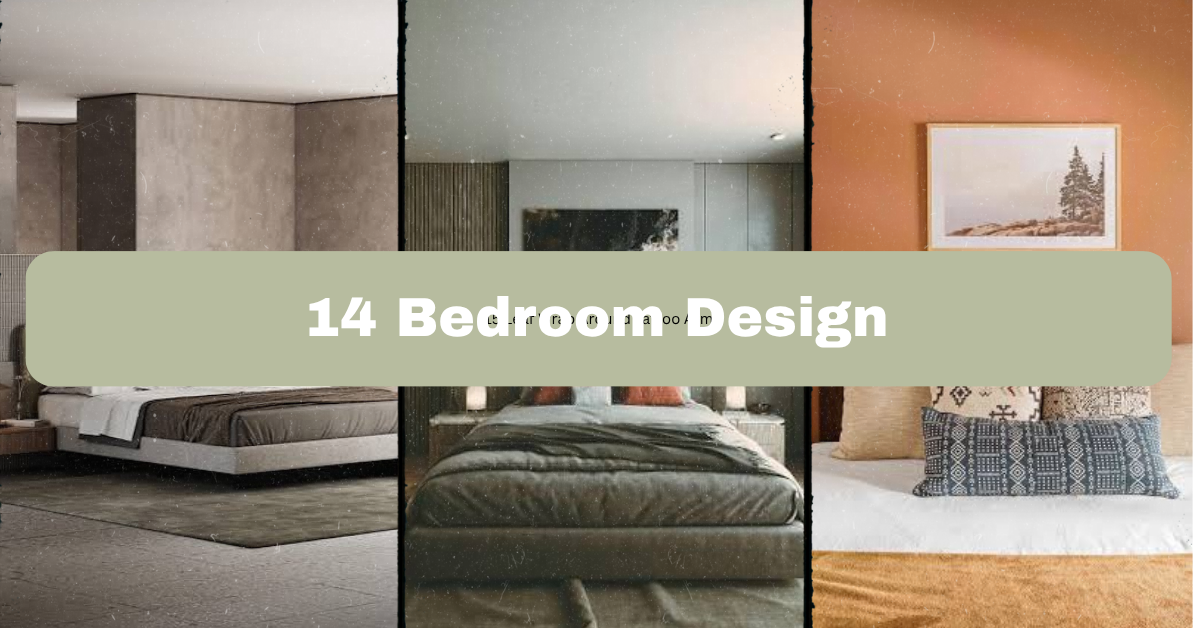
I’ve spent way too many hours scrolling through bedroom photos, trying to figure out what actually makes a room feel good versus what just looks nice in a photo. So I put together this guide on 14 bedroom design ideas that I think covers pretty much everything you need to know, based on what real designers do and what actually holds up in everyday life.
A bedroom design refers to the layout, color scheme, furniture placement, and decorative choices that shape how a sleeping space looks and functions. Good bedroom design balances comfort, storage, lighting, and personal style while keeping the room restful and easy to maintain.
Stick around, because I’m going to walk you through 14 specific ideas, show you real numbers on colors and budgets, and point out the mistakes I see people make over and over again.
What Makes a Bedroom Design “Good” Anyway?
Here’s the thing nobody tells you: a bedroom isn’t just a place to sleep. It’s the one room in your house that’s truly yours. No guests judging it, no need to impress anyone. So when I talk about “design,” I’m not talking about magazine-perfect staging. I’m talking about a room that helps you unwind, wake up easier, and feel calm the second you walk in. That means thinking about light, color, storage, and layout together instead of picking things one at a time. Once you get that mindset, the rest of these ideas will make a lot more sense.
1. Anchor the Room With a Statement Headboard
Your bed is the biggest piece of furniture in the room, so it should do some visual work. A tall, upholstered headboard instantly makes a bedroom feel more finished, even if everything else is simple. Pick a fabric that’s soft on the eyes, like a boucle or linen blend, and go a shade darker or lighter than your walls so it stands out without clashing.
Practical tip: measure your headboard against your ceiling height. If your ceilings are under 9 feet, keep the headboard under 54 inches so it doesn’t overwhelm the room.
This idea flexes easily. Traditional homes look great with tufted velvet, while modern spaces lean toward clean wood or channel-tufted linen. Once your headboard is set, the next thing to think about is what’s happening on the walls around it.
2. Paint an Accent Wall Behind the Bed
An accent wall gives your eyes a place to land. Painting just the wall behind your bed a deeper color than the rest of the room adds depth without making the whole space feel small or dark. Deep greens, warm terracotta, and soft navy are popular right now because they photograph well and pair with almost any bedding.
Practical tip: use a sample pot and paint a 2×2 foot square on the wall. Look at it in morning and evening light before committing to the full wall.
Coastal bedrooms do well with soft blues, while farmhouse styles lean toward warm charcoal or sage. Once your color story is set, it’s time to think about what goes on top of the bed itself.
3. Layer Your Bedding Like a Hotel Would
Hotels don’t use one blanket and call it done. They layer: a fitted sheet, a flat sheet, a lightweight blanket, then a duvet or coverlet folded at the foot of the bed. This layering adds texture and makes the bed look fuller and more inviting, even in photos.
Practical tip: add a textured throw blanket in a contrasting weave, like chunky knit over smooth cotton, to create visual interest without adding more color.
Minimalist bedrooms keep this to two layers max, while traditional or maximalist rooms can handle four or five. Now that the bed is dressed, let’s talk about what’s flanking it on either side.
4. Choose Nightstands That Actually Fit Your Space
Nightstands seem like an afterthought, but the wrong size throws off the whole room. Too small, and they look lost. Too big, and they block walking space. The sweet spot is a nightstand that sits about level with your mattress top, give or take two inches.
| Room Size | Recommended Nightstand Width | Recommended Nightstand Height |
|---|---|---|
| Small (under 120 sq ft) | 14-18 inches | 22-26 inches |
| Medium (120-200 sq ft) | 18-24 inches | 24-28 inches |
| Large (200+ sq ft) | 24-30 inches | 26-30 inches |
Practical tip: leave at least 3 inches of space between the nightstand and the bed frame so it doesn’t feel jammed in.
Modern rooms often skip drawers for open shelving, while traditional rooms favor closed storage with hardware. With your nightstands sorted, let’s move up to the lighting above them.
5. Swap Overhead Lighting for Layered Lamps
Ceiling lights alone make a bedroom feel like an office. I always tell people to add at least two other light sources: a lamp on each nightstand and maybe a floor lamp in a reading corner. This creates softer shadows and a cozier mood at night.
Practical tip: use warm white bulbs (2700K to 3000K) instead of daylight bulbs in the bedroom. Daylight bulbs can make it harder to wind down.
Boho bedrooms love woven or rattan lamp shades, while modern spaces prefer sleek metal or matte black finishes. Once the lighting feels right, it’s worth looking at what’s covering your windows.
6. Hang Curtains Higher Than the Window Frame
This one’s a cheap trick that makes a huge difference. Hanging curtain rods 4 to 6 inches above the window frame, and letting the curtains fall almost to the floor, makes ceilings look taller and windows look bigger than they are.
Practical tip: buy curtains that are at least 84 inches long for standard 8-foot ceilings, and go longer if your ceilings are taller.
Traditional homes often add valances or tiebacks, while modern rooms keep it simple with straight, floor-length panels in a solid color. Now let’s talk about the floor beneath all of this.
7. Add a Rug That’s Actually the Right Size
A lot of people buy a rug that’s way too small and it makes the whole room look off balance. The rug should extend at least 18 to 24 inches beyond the sides of the bed, so your feet land on something soft when you get up.
| Bed Size | Minimum Rug Size |
|---|---|
| Twin | 5×7 feet |
| Queen | 8×10 feet |
| King | 9×12 feet |
Practical tip: place the rug so it extends about two-thirds under the bed, leaving one-third exposed at the foot.
Coastal and farmhouse styles love jute or natural fiber rugs, while modern bedrooms often go with low-pile wool in a solid tone. With the floor handled, let’s think about storage, because clutter kills good design fast.
8. Build in Closet Storage That Actually Works
Open floor space matters more than people think. A cluttered closet spills into the room in small ways, like piles on chairs or shoes by the door. Adding simple closet organizers, even just a second hanging rod or a few extra shelves, keeps everything contained.
Practical tip: install a double hang rod in at least half your closet to double your hanging space without any construction work.
Traditional homes often use built-in wood shelving, while modern homes lean toward minimalist wire or laminate systems. Once storage is sorted, you can start layering in softer decorative touches.
9. Mix Textures Instead of Just Colors
A room can be all one color and still feel interesting if the textures vary. Think a linen duvet, a velvet bench, a woven basket, and a wood side table all in a similar neutral palette. This is called tonal layering, and it’s a favorite trick among designers because it feels calm but never boring.
Practical tip: aim for at least three different textures in every room, like smooth, woven, and matte.
Scandinavian design leans hard into this with wood, wool, and linen, while glam bedrooms mix velvet, mirror, and metallic accents. Speaking of accents, let’s talk about art next.
10. Hang Art at the Right Height, Not Just Anywhere
Art hung too high is one of the most common bedroom mistakes I see. The center of your artwork should sit about 57 to 60 inches from the floor, which is standard “eye level” height used in galleries.
Practical tip: if you’re hanging art above the headboard, leave 6 to 12 inches of space between the top of the headboard and the bottom of the frame.
Traditional bedrooms often go with framed prints or family portraits, while modern spaces prefer abstract canvases or minimalist line art. Once your walls feel complete, it’s time to think about airflow and greenery.
11. Bring in a Few Real or Faux Plants
Plants soften hard edges and add a little life to a room that can otherwise feel static. You don’t need a jungle. One or two well-placed plants, like a snake plant on the floor or a small pothos on the dresser, do the trick.
Practical tip: if natural light is low in your bedroom, go with faux plants that look realistic instead of struggling to keep real ones alive.
Boho and coastal bedrooms often go bigger with hanging plants, while modern minimalist rooms keep it to one clean, sculptural plant. With some greenery in place, let’s think about how the room handles day-to-day mess.
12. Create a Landing Zone for Everyday Items
Every bedroom needs one small spot for phones, keys, and glasses. Without it, that stuff ends up scattered across the dresser or nightstand. A small tray or dish on the nightstand solves this instantly and keeps surfaces looking tidy.
Practical tip: use a tray no bigger than 8×10 inches so it corrals items without eating up your whole nightstand surface.
Modern rooms use sleek metal trays, while farmhouse rooms prefer wood or woven baskets for the same job. Once the small stuff is handled, let’s zoom out to furniture arrangement as a whole.
13. Float Furniture Away From the Walls
Pushing every piece of furniture against the wall is a common habit, but it can make a room feel stiff. In larger bedrooms, pulling a bench or bench-style ottoman a few feet off the wall, or angling a chair in a corner, creates a more lived-in feel.
Practical tip: leave at least 24 to 30 inches of walking space around the bed on all accessible sides.
Traditional layouts tend to keep furniture symmetrical and wall-hugging, while eclectic and modern spaces get more playful with angles. Last but not least, let’s talk about scent and sound, because design isn’t only visual.
14. Don’t Forget Sound and Scent in the Room
This one surprises people, but a bedroom’s “design” isn’t just what you see. Soft rugs and heavy curtains absorb sound, making the room feel quieter and calmer. A subtle candle or diffuser near the door (never near bedding) adds a signature scent that makes the whole room feel more intentional.
Practical tip: stick to one signature scent for your bedroom, like sandalwood or lavender, so it doesn’t clash with your laundry detergent or body products.
Spa-style bedrooms lean into eucalyptus and lavender, while cozy cabin styles prefer cedar or amber. That wraps up the full list, but here’s how to make sure you actually pull it off without common slip-ups.
Tips for Success
- Test paint colors and fabric swatches in your actual room lighting before buying anything in bulk.
- Keep your color palette to three main colors max: one neutral, one main color, one accent.
- Buy the biggest rug your budget allows. Undersized rugs are the number one thing that makes rooms look cheap.
- Declutter nightstands and dressers before adding new decor, so you can actually see what the room needs.
- Invest more in the mattress and bed frame than in decorative throw pillows. Comfort matters more long term.
- Add at least one item that has personal meaning, like a travel souvenir or family photo, so the room doesn’t feel like a showroom.
Common Mistakes and How to Avoid Them
Buying a rug that’s too small
: Measure your bed size first and size up. A rug should extend well past the sides of the bed frame.
Using only overhead lighting
: Add lamps at two different heights to create a warmer, layered glow at night.
Hanging curtains right at the window frame
: Mount rods 4 to 6 inches above the frame and let panels fall close to the floor.
Overcrowding nightstands with clutter
: Use a small tray to corral daily items and keep the rest of the surface clear.
Matching everything too perfectly
: Mix at least two textures or finishes so the room doesn’t look like a furniture catalog page.
Ignoring closet storage
: Add extra rods or shelving before buying new furniture. Hidden clutter always shows up eventually.
Similar Variations
- Coastal Bedroom Design – light woods, soft blues, and natural fiber textures inspired by beach houses.
- Scandinavian Bedroom Design – minimal furniture, light wood tones, and lots of wool and linen textures.
- Farmhouse Bedroom Design – warm neutrals, wood beams, and vintage-inspired hardware and lighting.
- Boho Bedroom Design – layered textiles, warm earthy colors, and lots of plants and woven decor.
- Glam Bedroom Design – velvet, mirrored surfaces, and metallic accents for a dressier feel.
- Minimalist Bedroom Design – very limited color palette, clean lines, and almost no decorative clutter.
At the end of the day, good bedroom design comes down to a handful of small, smart choices stacked on top of each other. Once you get the layout, lighting, and storage right, the decorative stuff becomes way easier to figure out. I hope this rundown of 14 bedroom design ideas gives you a clear, no-fluff starting point for making your own room feel like the calm, comfortable space it’s supposed to be.
Leave a Reply