Author: Tayef

  • 10 Dining Room Wallpaper Ideas That Will Change How You See This Room

    10 Dining Room Wallpaper Ideas That Will Change How You See This Room

    If you’ve been scrolling around trying to find real, useful answers about 10 dining room wallpaper ideas, I’ve got you covered. I spent a lot of time digging through design trends, talking to people who’ve actually done this in their homes, and pulling together what actually works versus what just looks nice in a magazine photo.

    Dining room wallpaper refers to decorative wall coverings applied specifically in dining spaces to add pattern, texture, or color. It serves as a design focal point, often paired with complementary trim, lighting, and furniture to create a cohesive dining experience.

    Stick with me because I’m about to walk you through twelve specific wallpaper ideas, plus the mistakes that trip people up and how to dodge them.

    What Makes Dining Room Wallpaper Different From Other Rooms

    Here’s the thing about dining rooms. You don’t spend all day in there like a living room or bedroom. You sit, eat, chat, maybe linger over coffee. That means the wallpaper gets to be a little bolder than what you’d pick for a bedroom.

    I always tell people the dining room is where you can take a risk. Nobody’s trying to nap in there. You want energy during dinner parties and warmth during quiet Tuesday night meals with the family. Wallpaper does both if you pick the right pattern. It’s basically the one room in the house where “too much” almost doesn’t exist.

    1. Go Bold With a Botanical Print

    Eye-Catching Dining Rooms with Floral Wallpaper - How to Use Floral  Wallpaper
    Credit: Elle Decor

    Botanical wallpaper brings the outdoors in without you having to water anything. Think big leaves, vines, or tropical flowers stretched across the wall. This works so well in dining rooms because it gives you something to look at during long meals.

    Pair it with a wood dining table and rattan chairs to keep things grounded. Stick to a neutral tablecloth or runner so the wall stays the star.

    Practical tip: choose a botanical print with a dark background if your room gets a lot of natural light. It keeps the pattern from washing out.

    This idea flexes easily. Go tropical for a coastal vibe, or pick muted sage greens for a modern farmhouse look. Once you’ve got the greenery covered, let’s talk about something a little more dramatic.

    2. Try a Moody Dark Color for Instant Drama

    40 Black Dining Room Ideas That Will Convince You to Repaint
    Credit: The Spruce

    Dark wallpaper in navy, deep green, or charcoal makes a dining room feel like a private little world. It’s cozy at night under candlelight and surprisingly sharp during the day too.

    Balance the darkness with brass or gold light fixtures. A chandelier works wonders here. Keep your furniture lighter in tone, like a whitewashed table or cream upholstered chairs, so the room doesn’t feel like a cave.

    Actionable tip: test a sample swatch on the wall for a full 24 hours before committing. Dark colors shift dramatically depending on the light.

    Traditional homes love this look with damask patterns. Modern spaces do it with solid matte colors instead. Once you’ve gone dark, you might want to lighten things up on the ceiling side of things, which brings me to my next idea.

    3. Wallpaper the Ceiling, Not Just the Walls

    Wallpaper Isn't Just for Walls | Welcome to Better - M/I Homes
    Credit: MI Homes

    This one surprises people. Putting wallpaper on the ceiling instead of (or in addition to) the walls creates a “fifth wall” effect that feels unexpected in the best way.

    A small geometric print or a soft cloud pattern overhead adds interest without overwhelming the eating space. Keep the walls in a simple paint color so the ceiling gets its moment.

    Tip: measure twice before ordering. Ceiling wallpaper needs precise cuts, and mistakes are expensive.

    This works beautifully in traditional and eclectic homes. Modern minimalist spaces can do a subtle metallic ceiling paper for a similar effect without much fuss. Now let’s bring some history into the room.

    4. Bring in a Vintage-Inspired Damask Pattern

    Damask Wallpaper | ONDECOR – ONDECOR.COM
    Credit: OnDecor

    Damask wallpaper has that old-money, formal dining room feel. It’s the kind of pattern that makes a room feel like it’s been lived in for generations, even in a brand new house.

    Go with a tonal damask, meaning the pattern color is close to the background color. It reads as texture rather than a busy print. Pair it with a dark wood table, upholstered chairs, and a statement mirror.

    Tip: use damask on just one wall if you’re nervous about commitment. An accent wall gives you the look without covering every surface.

    Traditional and transitional homes are the natural fit here, but a damask in an unexpected color like blush pink can work in more eclectic spaces too. Speaking of accent walls, let’s dig deeper into that idea.

    5. Create an Accent Wall Behind the China Cabinet

    Modern Dining Wallpaper Accent Wall Ideas & Visual Tricks
    Credit: Hermony Home Design

    Instead of wrapping the whole room, wallpaper just the wall behind your china cabinet or buffet. This draws the eye and highlights your dishware or decor pieces without asking for a huge commitment.

    Choose a pattern that contrasts with your cabinet’s wood tone. A light cabinet against a dark floral, or a dark cabinet against a soft geometric, both work well.

    Tip: measure the wall space behind the furniture piece exactly, and buy 10% extra wallpaper for pattern matching and mistakes.

    This trick works in literally every home style because it’s low commitment and high impact. Now, let’s talk about texture instead of just pattern.

    6. Add Grasscloth for Natural Texture

    How to Add Organic Texture to Walls with Natural Grasscloth Wallpaper –  California Wallpaper
    Credit: California Wellpaper

    Grasscloth wallpaper is woven from natural fibers, so it brings texture instead of a printed pattern. It’s subtle, warm, and hides wall imperfections really well.

    Pair it with wood furniture and woven light fixtures for a cohesive natural look. Grasscloth works in neutral tones like tan, oatmeal, or soft gray.

    Tip: grasscloth can be tricky to clean since it’s textured. Keep it away from areas near a kids’ snack table or messy eating zones.

    Coastal and organic modern homes practically beg for this material. Even industrial spaces use it to soften hard edges. Next, let’s talk about pattern scale, because size matters more than people think.

    Wallpaper Pattern Scale Guide

    Pattern SizeBest Room SizeVisual EffectGood Pairing
    Small/Micro printUnder 120 sq ftFeels subtle, almost texturalSimple furniture, minimal decor
    Medium print120-200 sq ftBalanced, noticeable but not loudMixed wood tones, patterned rugs
    Large/Oversized print200+ sq ftBold statement, dramaticSolid-color furniture, plain flooring
    Mural-style (one scene)Any size, feature wall onlyFocal point, artisticMinimal decor elsewhere

    7. Use a Geometric Pattern for a Modern Edge

    Modern Dining Wallpaper Accent Wall Ideas & Visual Tricks
    Credit: Harmony Home Design

    Geometric wallpaper, think hexagons, chevrons, or simple line patterns, gives a dining room a clean, current feel. It’s a great option if you want pattern without anything too fussy.

    Stick to two or three colors max in the pattern. Too many colors in a geometric print can feel chaotic fast. Pair with simple furniture lines, like a slab-top table and armless chairs.

    Tip: use a smaller-scale geometric if your dining room connects openly to your kitchen or living space. It reads as texture from a distance instead of competing with other patterns in the open floor plan.

    This idea is basically made for modern and mid-century modern homes, though a soft pastel geometric can work in a nursery-adjacent playful dining nook too. Let’s shift toward something with a bit more shimmer.

    8. Add a Metallic Wallpaper for Evening Glow

    Dining Room Wallpaper: From Casual to Fine • Milton & King Australia
    Credit: Milton And King

    Metallic wallpaper has a subtle shimmer that catches candlelight and pendant lighting beautifully. It’s perfect for a room where you’re likely doing a lot of evening entertaining.

    Go with champagne, soft gold, or pewter tones rather than anything too shiny or disco-like. Pair with matte black or brass fixtures for contrast.

    Tip: metallic wallpaper shows fingerprints and smudges more than matte finishes. Keep it away from spots near the light switch or door frame where hands touch often.

    Art deco and glam-style dining rooms use this constantly, but even a farmhouse dining room can pull off a subtle metallic if the pattern stays simple. Now let’s go in a totally different direction with murals.

    9. Install a Scenic Mural for a Statement Wall

    Dining Room Wallpaper & Wall Murals for Luxury Interiors | FEATHR
    Credit: Feater

    A scenic mural wallpaper turns one wall into a piece of art. Think forest scenes, city skylines, or abstract landscapes stretched across a single wall.

    Keep the rest of the room simple so the mural gets full attention. A plain paint color on the other three walls and simple furniture does the trick.

    Tip: order a printed sample of the mural before committing. Murals are pricier and harder to return than standard rolls, so double check the color and scale first.

    This works in nearly any style home, but it shines brightest in eclectic, bohemian, or art-focused interiors. Next, let’s talk about something a little more subtle: stripes.

    10. Use Vertical Stripes to Make a Low Ceiling Feel Taller
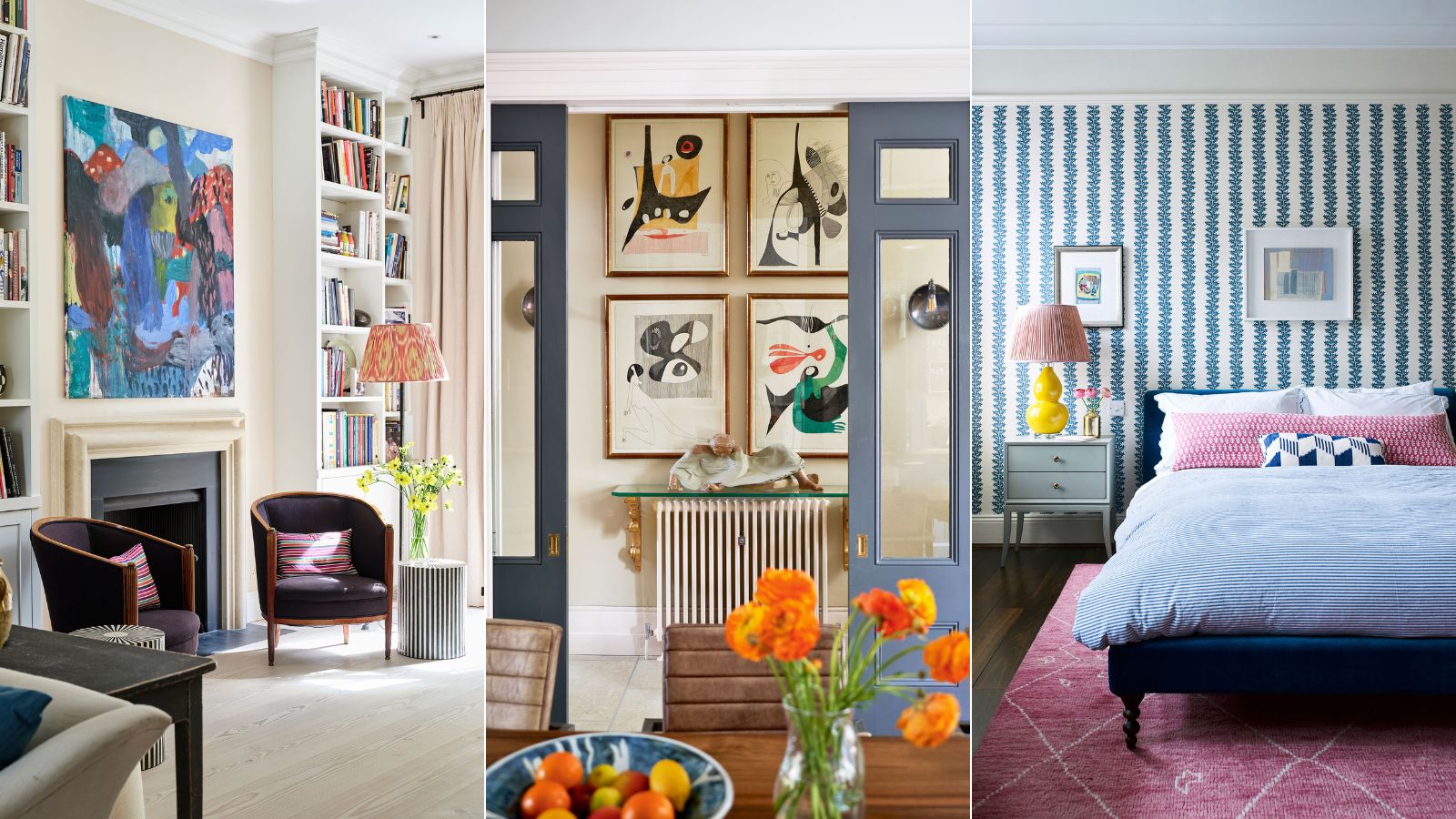
    The subtle 'vertical decorating' technique designers use to make small rooms  look bigger and brighter | Homes and Gardens
    Credit: Home And Garden

    If your dining room has a lower ceiling, vertical stripe wallpaper is a simple fix. The eye follows the lines up, which tricks the brain into thinking the room has more height.

    Keep the stripe contrast soft rather than high-contrast if you want a calmer feel. Two close tones of the same color family work great.

    Tip: pair with a pendant light hung slightly lower than usual. It draws even more attention upward and makes the stripe trick work harder.

    Traditional and coastal homes both use this trick often, especially in older houses with shorter ceiling heights. Now let’s cover a budget-friendly option that a lot of people skip.

    Wallpaper Type Cost Comparison

    Wallpaper TypeAverage Cost Per RollInstallation DifficultyLongevity
    Peel-and-stick$20-$50Easy, DIY friendly1-3 years
    Standard paper (pasted)$30-$80Moderate, may need pro5-10 years
    Grasscloth$60-$150Difficult, pro recommended8-15 years
    Mural (custom size)$150-$500+Difficult, pro recommended10-15 years

    Tips for Success

    • Always order extra wallpaper, about 10-15% more than your calculated square footage, to account for pattern matching and cutting errors.
    • Test paint and wallpaper samples under your actual dining room lighting, both day and night, before making a final decision.
    • Prep your walls properly by sanding and priming, since wallpaper shows every bump and imperfection underneath it.
    • Consider the sightline from your kitchen or entryway, since that’s often the first view guests get of your dining room wallpaper.
    • Don’t skip the trim work. Fresh baseboards and crown molding make wallpaper look intentional rather than slapped on.
    • Hire a professional installer for grasscloth, murals, or anything with a large pattern repeat, since mistakes are costly to fix.
    • Keep your dining table and chair fabric choices simple if your wallpaper pattern is bold, so the room doesn’t compete with itself.

    Common Mistakes and How to Avoid Them

    Skipping the sample stage
    : Always buy a small sample roll and tape it to the wall for at least a full day before ordering the whole batch.

    Choosing a pattern that’s too busy for a small room
    : Stick to smaller-scale prints or lighter colors in dining rooms under 120 square feet to avoid a cramped feeling.

    Ignoring the sheen and finish
    : Matte finishes hide wall flaws better, while glossy finishes show every imperfection, so match the finish to your wall condition.

    Forgetting about humidity and food splatter
    : Choose washable, vinyl-coated wallpaper near the table zone since dining rooms deal with spills and cooking smells drifting in from nearby kitchens.

    Rushing the installation
    : Take breaks between wallpaper strips and let the adhesive set as directed, since air bubbles and misaligned seams usually happen from moving too fast.

    Not planning for outlets and switches
    : Map out every outlet, switch, and vent before you start hanging paper so you’re not cutting awkward holes at the last minute.

    Similar Variations

    • Accent Wall Only: A single wallpapered wall paired with painted walls elsewhere for a lower-commitment version of the full-room look.
    • Wainscoting Combo: Wallpaper on the upper half of the wall paired with wood paneling or wainscoting on the lower half for added texture.
    • All-Over Small Print: Covering every wall in a tiny, repeating pattern for a cohesive, wrapped-in-pattern feel without visual chaos.
    • Textile Wall Covering: Using fabric-based wall coverings like linen or silk blends instead of traditional paper for a softer, more luxurious texture.
    • Chinoiserie Style: Hand-painted or printed Asian-inspired scenic patterns, often featuring birds and branches, popular in more formal dining spaces.
    • Faux Finish Wallpaper: Wallpaper printed to mimic materials like marble, wood, or plaster for a high-end look at a lower cost.

    Picking the right wallpaper for your dining room really comes down to knowing your space, your lifestyle, and how bold you’re willing to go. Some of these ideas take an afternoon and a peel-and-stick roll. Others need a professional and a bigger budget. Either way, your walls don’t have to stay plain and boring anymore. I hope this list of 10 dining room wallpaper ideas gave you exactly what you needed to finally make a decision and get started on your own space.
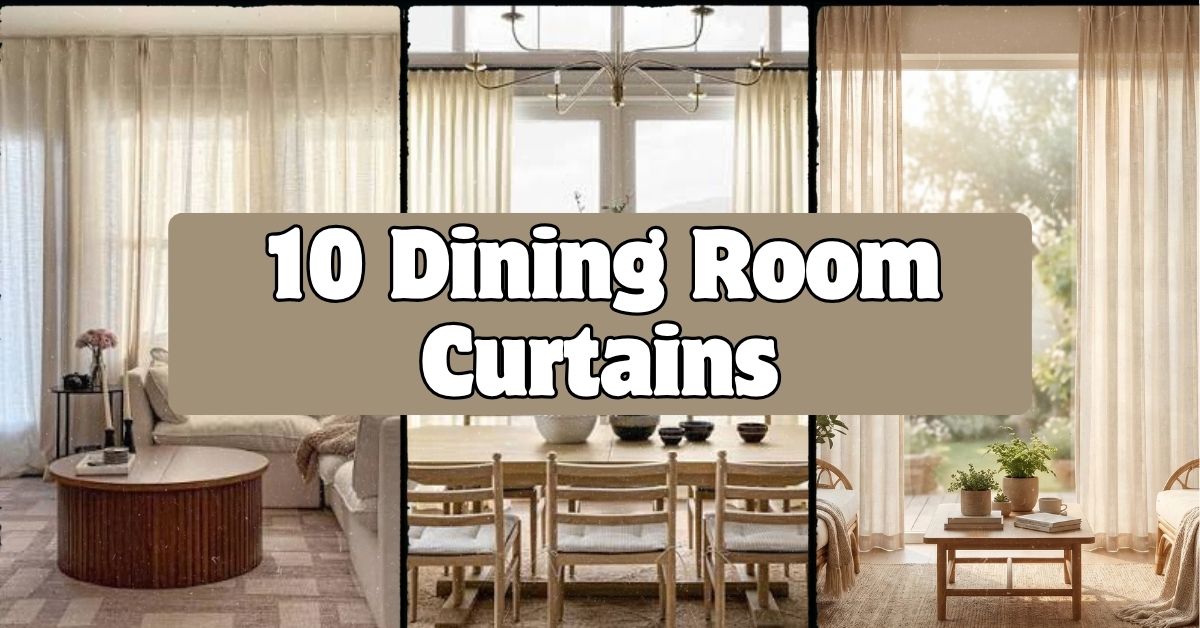
  • 10 Dining Room Curtains That Turn a Plain Space Into Something Special

    10 Dining Room Curtains That Turn a Plain Space Into Something Special

    I’ve tested and researched 10 dining room curtains ideas so you don’t have to guess what actually works. If you’ve ever stared at your bare dining room windows wondering what would make the room feel finished, you’re in the right place. I promise you’ll walk away knowing exactly what to hang up.

    Dining room curtains are fabric window treatments chosen specifically for dining spaces to control light, add privacy, and tie the room’s decor together. The best choices balance function (light control, easy cleaning near food) with style that matches your table setup and wall colors.

    Stick around, because I’m about to show you curtain styles that go way beyond basic white panels, plus a few mistakes that make dining rooms look cheap instead of cozy.

    What Makes Dining Room Curtains Different From Other Rooms

    Dining rooms have their own rules when it comes to curtains. You’re dealing with food smells, spilled wine, sunlight hitting the table during dinner, and a room that needs to look good for guests but also survive daily life. I always tell people to think about fabric that’s easy to wipe or wash, colors that won’t clash with your table runner or dishes, and lengths that make the ceiling feel taller. It’s not just about picking pretty fabric. It’s about picking fabric that works as hard as your kitchen towels do, while still looking like it belongs in a magazine.

    1. Floor-Length Linen Panels for an Airy Feel

    Celina Linen Curtains – Elegant Floor-to-Ceiling Drapes for Living Roo –  Freshine
    Credit: Freshen

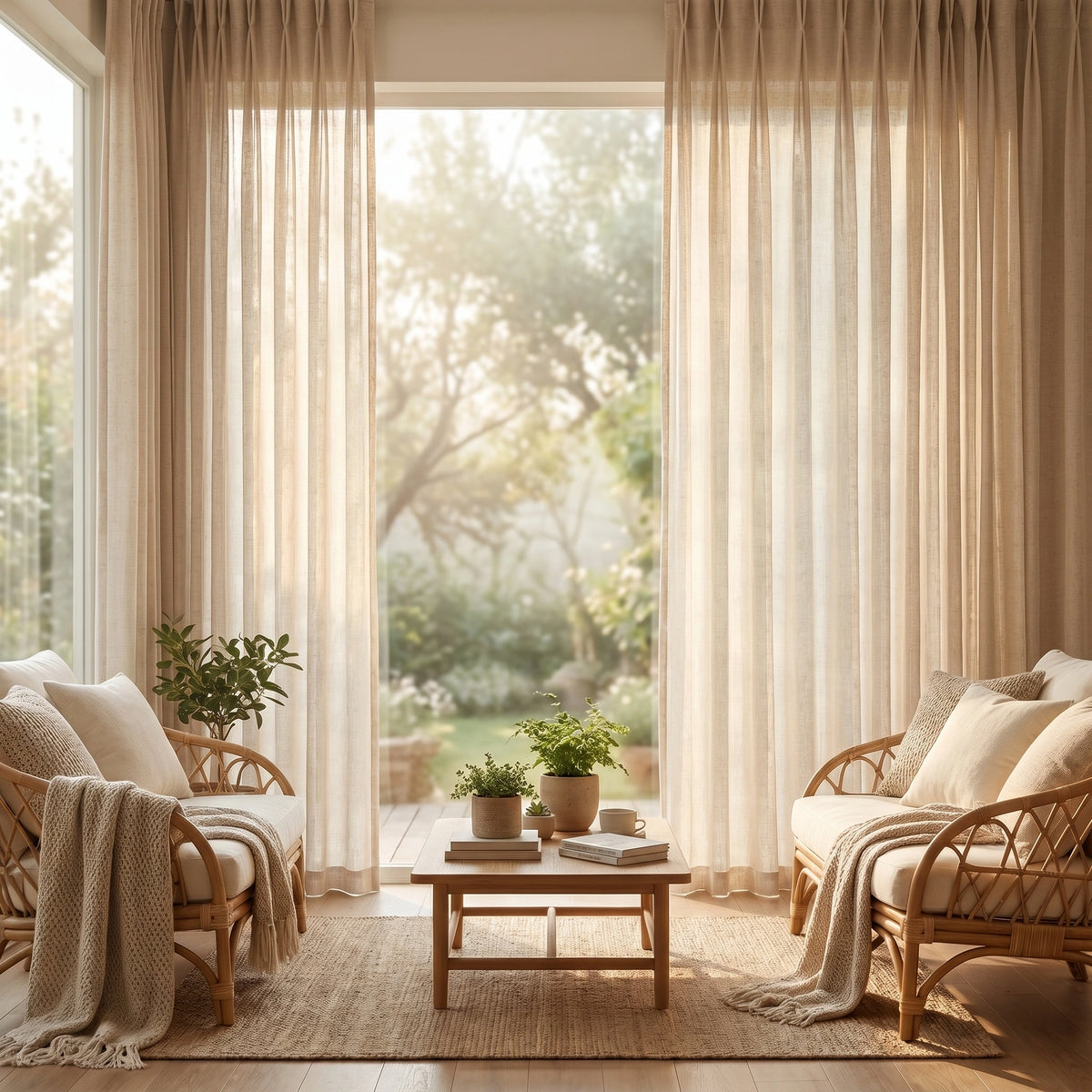
    Linen curtains that pool just slightly at the floor give your dining room an effortless, breezy look. This fabric has natural texture that catches light beautifully during dinner parties. I love how linen doesn’t feel stiff or formal, even in a nicer dining space.

    Pick a soft white, oatmeal, or light gray linen to keep things neutral. Hang the rod close to the ceiling, not right above the window frame, to trick the eye into thinking your walls are taller.

    Practical tip: Buy panels a few inches longer than your window height so you get that relaxed puddle effect at the bottom.

    This style adapts well to coastal, farmhouse, and modern minimalist homes alike.

    Next up, let’s talk about a bolder option for people who want their curtains to actually make a statement.

    2. Bold Patterned Drapes as a Room Statement

    Statement Curtains to Upgrade Any Room
    Credit: Trendir

    If your dining room walls are plain and your furniture is simple, patterned curtains can be the thing that makes the whole room pop. Think botanical prints, geometric shapes, or even a subtle stripe. This works especially well in rooms with a lot of white or beige.

    Choose one dominant color from the pattern and repeat it somewhere else in the room, like in your chair cushions or a piece of art. That repetition makes the whole space feel planned instead of random.

    Practical tip: Test a fabric swatch against your wall color for a full day before buying, since patterns can look totally different in morning versus evening light.

    This idea works great in eclectic, bohemian, or maximalist-style dining rooms.

    Now let’s cool things down with a color that almost never goes wrong.

    3. Deep Navy or Emerald Curtains for Drama

    Green Velvet Curtains: Dark Emerald, Olive, Sage, Forest & Moss Green
    Credit: Linen

    Dark curtains in navy blue or emerald green make a dining room feel rich and a little fancy, without trying too hard. These colors work especially well if your dining table is wood-toned or if you have brass light fixtures.

    Pair dark curtains with lighter walls so the room doesn’t feel like a cave. A cream or soft gray wall next to navy drapes creates contrast that feels intentional and expensive.

    Practical tip: Add curtain tiebacks in a metallic finish like brass or gold to break up the heavy color and add a little shine.

    This look shines in traditional, transitional, and moody modern dining rooms.

    Let’s move from drama to something a little more relaxed and breathable.

    Color Palette Combinations for Dining Room Curtains

    Curtain ColorBest Wall Color PairingRoom StyleLight Filtering Level
    Navy BlueCream or light grayTraditionalMedium
    Emerald GreenWarm whiteTransitionalMedium
    Oatmeal LinenSage greenCoastal/FarmhouseLight
    Blush PinkSoft grayModern feminineLight
    CharcoalWhite or pale blueModern/IndustrialHeavy
    TerracottaCream or tanBoho/SouthwestMedium

    4. Sheer Curtains for Soft, Natural Light

    Soft Light Curtains for Bedroom & Living Room | DWCN Home – DWCN Official
    Credit: Offial

    Sheers are perfect if your dining room doesn’t get a ton of natural light already. They let sunshine filter through during breakfast or lunch without making the room feel exposed. I like using sheers alone in rooms that don’t need privacy, like a dining room facing a backyard.

    Go with white, ivory, or a very pale gray sheer fabric. Anything darker starts to look muddy when light passes through it.

    Practical tip: Hang sheers on a double rod so you can add heavier drapes behind them later if you ever want more privacy or light control.

    This works beautifully in coastal, Scandinavian, and cottage-style homes.

    Now let’s talk about a texture that makes curtains feel more like art.

    5. Textured Weave Curtains for Depth

    29 Standout Dining Room Curtain Ideas Worth Trying
    Credit: MyDomaine

    Curtains with a woven or nubby texture add visual interest without needing a bold color or busy pattern. Think waffle weave, basketweave, or slubbed cotton. These fabrics catch shadows in a way flat fabric just can’t.

    Stick to neutral tones like ivory, taupe, or light gray so the texture itself becomes the focal point instead of getting lost in a strong color.

    Practical tip: Run your hand over a fabric sample before buying. If it feels interesting to touch, it usually reads as interesting when hung, too.

    This idea fits warm minimalist, Japandi, and modern farmhouse dining rooms especially well.

    Let’s switch gears and talk about curtains that do double duty as a design anchor.

    6. Curtains That Match Your Table Runner or Rug

    29 Standout Dining Room Curtain Ideas Worth Trying
    Credit: MyDomaine

    Here’s a trick interior designers use all the time. Pick a curtain fabric that shares a color or pattern with your table runner, placemats, or rug. It doesn’t have to be identical, just related enough that your eye connects the dots.

    This creates a “designed on purpose” feeling even if you bought everything separately over time. A striped rug and a subtly striped curtain in a matching tone is a simple way to pull this off.

    Practical tip: Bring a fabric swatch or photo of your rug when shopping for curtains so you can compare colors in person.

    This approach works in literally every home style because it’s about coordination, not a specific look.

    Speaking of coordination, let’s talk about length and how much it actually matters.

    7. Floor-to-Ceiling Length for a Taller-Looking Room

    10 ways to make living room ceilings look higher | Homes and Gardens
    Credit: Home And Garden

    One of the easiest upgrades you can make is simply hanging your curtains higher and longer. Instead of stopping at the windowsill, extend curtains from just below the ceiling down to the floor. This one change makes a dining room feel taller and more polished almost instantly.

    Choose a rod that’s wider than your window frame too, so the curtains can fully open without blocking light when you want them pulled back.

    Practical tip: Measure from about four inches below your ceiling down to a half inch above your floor for the ideal drop.

    This trick works in every single style of home because it’s really about proportion, not aesthetics.

    Now let’s look at a fabric choice that handles real-life dining room messes.

    8. Easy-Clean Fabrics for Everyday Dining Rooms

    8 Ways To Transform Your Dining Room
    Credit: House Beautiful

    If your dining room doubles as a homework spot, craft table, or everyday eating area, you need curtains that can handle a little chaos. Polyester blends and treated cotton are more stain-resistant than delicate silk or raw linen.

    Look for fabrics labeled machine washable or spot-clean friendly. Darker colors and busier patterns also hide small stains better than solid white.

    Practical tip: Avoid curtains that pool on the floor in high-traffic dining rooms since they collect dust and food crumbs fast.

    This idea matters most in family-style, farmhouse, and casual modern dining rooms where the table gets used constantly.

    Let’s talk next about a curtain style that adds softness without any pattern at all.

    9. Layered Curtains for Function and Style

    Top Dining Room Curtain Ideas to Elevate Your Room | The Shade Store
    Credit: The Shade Store

    Layering means combining a sheer curtain with a heavier drape on the same window. During the day, you can close just the sheer for privacy while still letting light in. At night, close the heavier drape for full coverage and warmth.

    This setup also just looks more finished. A single flat panel can feel plain, but layers add richness and depth, even in a small dining nook.

    Practical tip: Use a double curtain rod, or two single rods mounted at slightly different depths, to make layering easy to open and close.

    This works especially well in traditional, transitional, and English cottage-style dining rooms.

    Now, let’s talk budget, because not everyone wants to spend a fortune on window treatments.

    Budget Tiers for Dining Room Curtains

    Budget LevelPrice Range (per panel)Typical FabricBest For
    Budget-Friendly$15-$35Polyester blendRentals, temporary decor
    Mid-Range$40-$90Cotton, linen blendMost homeowners
    High-End$100-$250Pure linen, velvetStatement dining rooms
    Custom/Designer$300+Silk, custom printsFormal or luxury spaces

    10. Velvet Curtains for a Cozy, Formal Touch

    Add a Touch of Luxury with Velvet Curtains | The Shade Store
    Credit: The Shade Store

    Velvet curtains add a plush, hotel-like feeling to a dining room. They’re heavier than most fabrics, which means they also block light and sound better than thinner options. I especially love velvet in dining rooms used for evening dinners or holiday gatherings.

    Deep jewel tones like burgundy, forest green, or sapphire work best with velvet since the fabric already has a natural sheen that shows color richly.

    Practical tip: Vacuum velvet curtains gently with a brush attachment every few months to keep the fabric looking fresh and dust-free.

    This style fits traditional, glam, and formal dining rooms the best.

    Let’s wrap up the main list with two more ideas that often get overlooked.

    11. Café-Style Curtains for Half-Window Coverage

    Why You Should Be Hanging Café Curtains Everywhere, Not Just in the Kitchen,  According to an Interior Designer
    Credit: Better Homes

    Café curtains only cover the bottom half of your window, leaving the top open for natural light. This works great in dining rooms where you want privacy from the street but still want sunlight pouring in from above.

    These are especially handy in kitchen-adjacent dining nooks or breakfast areas near a busy sidewalk or neighboring house.

    Practical tip: Use a tension rod mounted at the window’s midpoint so you can install these without drilling any holes.

    This style is a favorite in farmhouse, cottage, and vintage-inspired dining rooms.

    One more idea before we move into tips and common mistakes.

    12. Ombre or Two-Tone Curtains for a Modern Twist

    Dining Room Curtain Ideas: Perfect Picks for Every Style – UNICURT
    Credit: Unicurt

    Ombre curtains fade from light to dark (or vice versa) along the fabric, creating a soft gradient effect. Two-tone curtains use color blocking instead, with a clean line separating two shades or fabrics.

    Both options add visual interest without needing a busy pattern. They work particularly well in dining rooms with simple furniture and plain walls that need a little extra personality.

    Practical tip: Hang ombre curtains so the darker portion sits near the floor. It grounds the room and looks more intentional than having dark fabric up top.

    This idea suits modern, contemporary, and eclectic dining spaces especially well.

    Tips for Success

    • Measure your window width and multiply by 1.5 to 2 times for proper fabric fullness, so curtains don’t look flat and skimpy.
    • Iron or steam curtains before hanging them, since fabric often arrives wrinkled from shipping or storage.
    • Match your curtain rod finish to your light fixtures or cabinet hardware for a cohesive look.
    • Wash or dry-clean dining room curtains more often than other rooms since food smells and grease cling to fabric.
    • Choose blackout lining if your dining room windows face direct afternoon sun and heat up the room.
    • Consider motorized curtains if your dining room has hard-to-reach or oversized windows.
    • Don’t ignore curtain length rules. Too short makes a room look unfinished, no matter how nice the fabric is.

    Common Mistakes and How to Avoid Them

    Hanging curtains too low
    : This chops the window visually and makes ceilings look shorter. Mount the rod close to the ceiling instead.

    Choosing curtains too short for the window
    : Curtains that stop above the floor look unfinished. Always measure and buy panels that reach at least the floor, if not slightly beyond.

    Picking delicate fabric for a busy family dining room
    : Silk and raw linen stain easily and are hard to clean. Choose polyester blends or treated cotton for everyday use.

    Ignoring natural light direction
    : A dining room facing west gets strong afternoon sun that fades fabric fast. Choose UV-resistant or lined curtains for sun-facing rooms.

    Matching curtains exactly to the wall color
    : This can make the window disappear into the wall instead of standing out as a design feature. Choose a complementary shade instead of an identical one.

    Skipping curtain rings or clips
    : Threading fabric directly onto a rod causes bunching and uneven folds. Rings or clips create cleaner, more even pleats.

    Similar Variations

    • Kitchen Curtains – Shorter, easier-to-clean versions often used near sinks and cooking areas.
    • Living Room Drapes – Typically heavier and more formal, meant for lounging spaces rather than eating areas.
    • Breakfast Nook Curtains – Smaller-scale curtains suited for cozy corner dining spots.
    • Sunroom Curtains – Lightweight, UV-resistant fabrics made for rooms with heavy glass exposure.
    • Formal Dining Room Drapes – Heavier fabrics like velvet or silk used in dedicated entertaining spaces.
    • Farmhouse Café Curtains – Half-window coverage paired with rustic rod hardware for a cozy country look.

    Picking the right window treatment really comes down to knowing your room’s light, your family’s habits, and the style you’re already working with. Whether you go bold with navy velvet or keep it airy with linen sheers, the goal is a dining room that feels finished and fits how you actually live. I hope this list of 10 dining room curtains gave you a clear starting point for your own space.
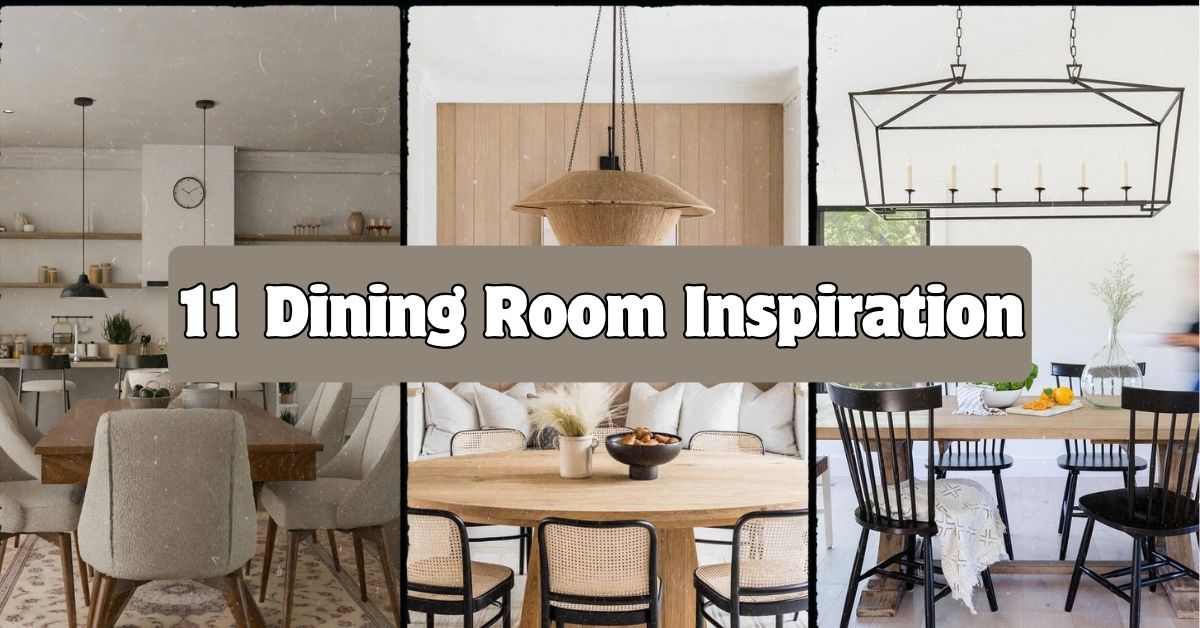
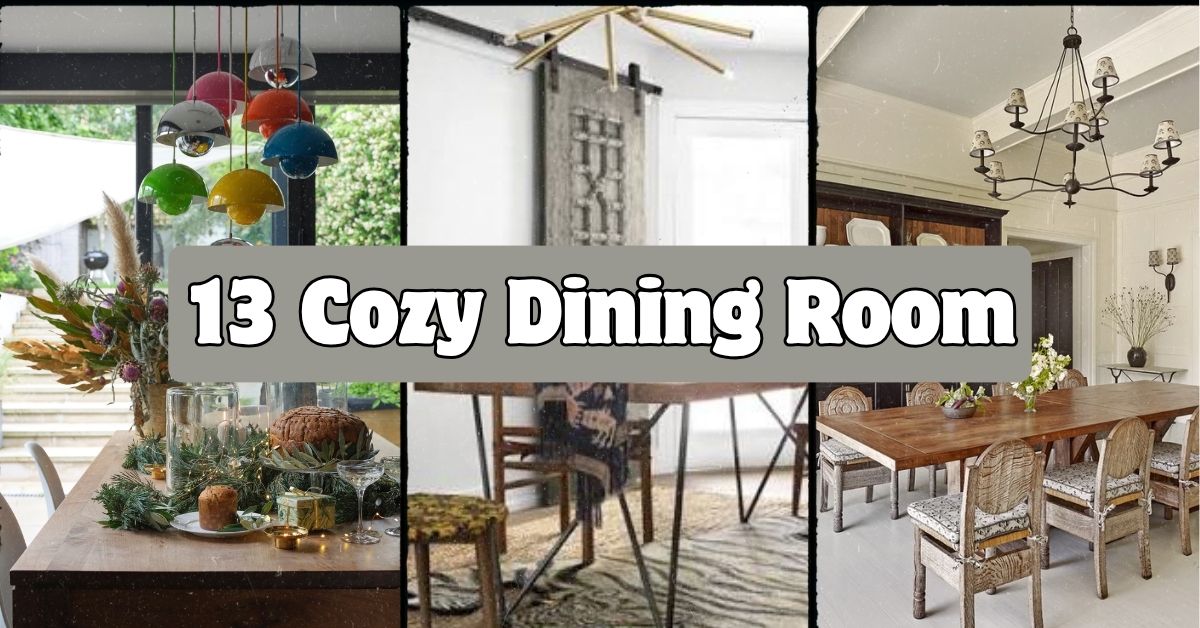
  • 13 Cozy Dining Room Ideas That Turn Dinner Into a Whole Vibe

    13 Cozy Dining Room Ideas That Turn Dinner Into a Whole Vibe

    If you’re hunting for 13 Cozy Dining Room ideas that actually work in real homes (not just in magazine spreads), you’ve landed in the right spot. I’ve pulled together practical, tested design moves that anyone can copy, no matter your budget or square footage.

    A cozy dining room combines warm lighting, soft textures, layered decor, and a color palette rooted in earthy or muted tones to create an inviting space for eating and gathering. The goal is comfort over formality, using materials like wood, wool, and linen to soften hard edges.

    Stick with me and I’ll walk you through 13 specific ideas, plus some mistakes to dodge and quick tips that make a bigger difference than you’d think.

    What Makes a Dining Room Feel “Cozy” Anyway?

    Cozy isn’t about spending more money. It’s about making choices that feel warm instead of cold. Think soft lighting instead of one harsh overhead bulb. Think wood tables instead of glass ones. Think layers, a rug under the table, candles on top, maybe a throw blanket draped over a chair.

    I’ve noticed the coziest dining rooms all share a few things. They use warm colors. They mix textures. They dim the lights. And they add personal touches, like art or plants, that make the room feel lived in, not staged. Keep those basics in mind as we go through the ideas below.

    1. Swap Your Overhead Light for a Warm Pendant

    Affordable Dining Room Lighting Ideas For Small Apartments
    Credit: Bosky Interior

    Harsh overhead lighting kills coziness fast. I learned this the hard way in my first apartment. A single bright bulb makes food look unappetizing and makes everyone squint through dinner.

    Instead, hang a pendant light with a warm bulb (2700K or lower on the color temperature scale). Amber glass, rattan shades, or fabric drum shades all soften the glow even more.

    Practical tip: Install a dimmer switch. It costs under $20 and lets you adjust brightness for breakfast versus a candlelit dinner.

    This works in almost any style. Farmhouse homes love a black metal pendant. Coastal spaces do well with a woven rattan version. Modern homes can go sleek with a smoked glass globe.

    Once your lighting sets the mood, the next step is giving your feet something soft to land on.

    2. Layer a Wool or Jute Rug Under the Table

    A Complete Beginner's Guide To Layering Rugs | Layla Grayce
    Credit: Layla

    A bare floor under a dining table feels stark. Adding a rug changes everything. It muffles sound, adds warmth, and gives the whole room a finished look.

    Choose a rug that extends at least 24 inches beyond the table edge on all sides, so chairs don’t slide off when pulled out. Wool rugs feel soft and hide stains well. Jute or sisal rugs bring texture but can be rougher on bare feet.

    Practical tip: Get a rug pad too. It stops slipping and adds extra cushion underfoot.

    Traditional dining rooms look great with a patterned wool rug. Minimalist spaces do better with a plain jute one. Either way, this small addition makes a huge visual difference.

    Now that your floor feels grounded, let’s talk about the table itself.

    3. Choose a Wood Table With Some Character

    31 Stylish Modern Dining Room Design Ideas
    Credit: MyDomaine

    Glass and glossy tables feel cold, literally and visually. Wood tables, especially ones with visible grain or a slightly distressed finish, bring instant warmth to a room.

    I’m not saying you need an expensive antique. Even a budget-friendly table from a big box store looks cozy if it’s solid wood with a matte finish. Reclaimed wood tables are trendy right now and add a nice rustic touch.

    Practical tip: If you already own a glass or metal table, throw a linen runner down the middle. It softens the look without buying new furniture.

    Farmhouse and rustic styles love raw, chunky wood tables. Modern homes can pick a wood table with clean lines and simple legs instead.

    Once the table’s sorted, it’s time to think about what surrounds it.

    4. Mix Chair Styles Instead of Matching Everything

    How to Incorporate Mismatched Dining Chairs in Your Home
    Credit: MyDomaine

    A perfectly matched dining set can look stiff. Mixing chairs, like pairing wood chairs with a couple of upholstered ones, adds personality and comfort.

    This doesn’t mean random chaos. Stick to a color family or material theme so it still feels intentional. For example, four wood chairs plus two upholstered end chairs in a neutral fabric.

    Practical tip: Add seat cushions to hard wood chairs. It’s a cheap way to boost comfort and coziness instantly.

    Traditional homes might mix wood tones subtly. Eclectic or boho spaces can go bolder, pairing rattan chairs with velvet ones.

    Speaking of fabric, let’s talk about window treatments next.

    5. Hang Soft, Floor-Length Curtains

    29 Standout Dining Room Curtain Ideas Worth Trying
    How to Incorporate Mismatched Dining Chairs in Your HomeCredit: MyDomaine

    Bare windows make a room feel exposed and cold. Adding curtains, especially floor-length ones in a soft fabric like linen or velvet, instantly warms things up.

    Curtains also help with noise and privacy during dinner parties. Pick a color that complements your walls but isn’t identical, so there’s some depth.

    Practical tip: Hang curtain rods a few inches above the window frame and let panels puddle slightly at the floor. It makes ceilings look taller and adds a plush feel.

    Coastal rooms love sheer white linen. Traditional spaces might choose a deeper jewel tone velvet. Either choice softens hard window lines.

    Now let’s bring some life into the room, literally.

    Quick Comparison: Fabric Choices for Dining Room Curtains

    FabricFeelBest ForPrice Range
    LinenLight, breathableCoastal, farmhouse$30-$80 per panel
    VelvetRich, heavyTraditional, moody$60-$150 per panel
    CottonCasual, easy-careEveryday, family homes$20-$50 per panel
    BlackoutPractical, thickRooms with harsh sun$40-$100 per panel

    6. Add Greenery With Low-Maintenance Plants

    How to Decorate a Small Dining Room, According to Design Experts
    Credit: Ell e Decor

    A dining room without any plants feels flat. Even one or two plants add life, color, and a sense of freshness to the space.

    You don’t need a green thumb. Pothos, snake plants, and ZZ plants survive low light and infrequent watering, perfect for a dining room that only gets used a few hours a day.

    Practical tip: Put a small plant or a trailing vine on a sideboard or shelf instead of the table itself, so it doesn’t compete with your centerpiece.

    Modern rooms look sharp with a single sculptural plant in a concrete pot. Boho spaces can go wild with hanging plants and woven baskets.

    Once you’ve got some greenery, let’s talk about the walls around it.

    7. Paint Walls in a Warm, Muted Tone

    40 Perfect Dining Room Colors for Any Style
    Credit: The Spruce

    Stark white walls can feel sterile in a dining room. Warm, muted colors, think terracotta, olive, warm gray, or deep clay, make the space feel like it’s hugging you.

    Darker colors on dining room walls actually work really well because you usually spend time there in the evening, when lighting is lower anyway.

    Practical tip: Test paint samples on the wall at different times of day before committing. Colors shift a lot depending on natural versus artificial light.

    Traditional homes love deep greens and burgundies. Modern farmhouse spaces do well with warm greige or soft clay tones.

    With your walls sorted, let’s move to something people often forget: the ceiling.

    8. Don’t Ignore the Ceiling, Add Some Warmth Up There

    8 Farmhouse Dining Room Ideas That Invite in So Much Warmth and Charm
    Credit: House Beautiful

    Most people paint walls and forget the ceiling entirely, leaving it stark white. But a painted or wallpapered ceiling can make a dining room feel like a cozy little cocoon.

    Try a soft color a shade or two lighter than your wall color. Or go bold with a wallpapered ceiling featuring a subtle pattern.

    Practical tip: If painting the whole ceiling feels risky, start with just the trim in a warm tone to test the waters.

    Traditional and cottage-style homes often go all-in on ceiling wallpaper. Modern spaces might just add a warm white instead of stark white.

    Now let’s talk about what goes on your table between meals.

    9. Style an Everyday Centerpiece That’s Not Just for Holidays

    13 Table Centerpiece Ideas That Aren't a Default Floral Vase | Livingetc
    Credit: Living Etc

    A lot of people save centerpieces for special occasions and leave the table bare the rest of the time. That’s a missed opportunity for coziness.

    Keep something simple on the table daily, a wood bowl of fruit, a low vase of greenery, or a cluster of candles. It signals that the room is used and loved, not just saved for guests.

    Practical tip: Keep centerpieces under 12 inches tall so they don’t block sightlines across the table during conversation.

    Coastal homes might use a bowl of shells or driftwood. Traditional homes often go with a simple floral arrangement in a ceramic vase.

    Speaking of candles, let’s dig into that a bit more.

    10. Layer Candles at Different Heights

    43 Glowing Ideas for Candle Centerpieces for Your Wedding
    Credit: The Knot

    Candlelight is one of the cheapest, fastest ways to make a dining room feel cozy. It’s warm, flickering, and instantly softens any space, even one with bad overhead lighting.

    Use a mix of heights, like taper candles in holders paired with shorter pillar candles, to create depth on the table.

    Practical tip: Choose unscented candles for the dining table so they don’t compete with the smell of food.

    Modern spaces might use sleek black candle holders. Farmhouse tables often go with mismatched vintage brass holders.

    Budget Tiers for a Cozy Dining Room Refresh

    Budget TierWhat You Can DoEstimated Cost
    Low ($50-$150)New rug, candles, curtains, plant$50-$150
    Mid ($150-$500)Add pendant light, paint walls, seat cushions$150-$500
    High ($500-$1500)New table, chairs, ceiling treatment, art$500-$1500
    Splurge ($1500+)Custom furniture, wallpaper, built-in bench$1500+

    11. Add a Bench on One Side for Casual Comfort

    5 Banquette Seating Ideas | Castlery US
    Credit: Castlery

    Benches soften the formality of a dining room instantly. They’re also great for squeezing extra people in during holidays without buying more chairs.

    A wood or upholstered bench on one side of the table, paired with chairs on the other, creates visual interest and extra flexibility.

    Practical tip: Add a few throw pillows to the bench to make it feel extra inviting and less like a hard, boring seat.

    Farmhouse homes love a distressed wood bench. Modern spaces might choose a low-profile upholstered version instead.

    Now, let’s talk about something that ties the whole room together: art.

    12. Hang Art That Feels Personal, Not Generic

    Design Mistakes: Generic Art - Emily Henderson
    Credit: Emily Henderson

    A dining room with blank walls feels unfinished. But art that’s too formal or generic can feel cold too. The trick is picking pieces that feel personal, family photos, a favorite print, or even kids’ artwork framed nicely.

    Gallery walls work great in dining rooms because they give you something to look at during long conversations over dinner.

    Practical tip: Hang art at eye level for someone sitting down, not standing, since that’s the perspective you’ll view it from most.

    Traditional homes might frame botanical prints in gold frames. Eclectic spaces can mix photography, paintings, and textiles on one wall.

    Last but not least, let’s talk texture on the table itself.

    13. Layer Table Linens for Instant Softness

    The 11 Best Linen Tablecloths, Tested & Reviewed
    Credit: Food

    A bare wood table is nice, but adding a table runner, placemats, or even cloth napkins adds a layer of softness that makes meals feel more special.

    Mix textures, like a woven runner with linen napkins, for depth. Stick to neutral or earthy tones so it doesn’t clash with your other decor.

    Practical tip: Buy cloth napkins in a set of eight. They’re reusable, cut down on paper waste, and instantly upgrade any meal, even a random Tuesday dinner.

    Coastal homes love striped cotton runners. Traditional spaces might choose a lace or embroidered version instead.

    Tips for Success

    • Start with lighting first. It has the biggest impact for the least amount of money.
    • Don’t buy everything at once. Add one or two elements, live with them, then adjust.
    • Keep a consistent color family across rugs, curtains, and walls so the room feels pulled together.
    • Use real materials (wood, wool, linen) over synthetic ones whenever your budget allows. They age better and feel warmer.
    • Rotate seasonal touches, like a different runner or candle scent, to keep the room feeling fresh without a full redesign.
    • Test paint and fabric swatches at night, since that’s likely when you’ll use the room most.
    • Don’t skip the rug. It’s the one item people forget, but it makes the biggest textural difference.

    Common Mistakes and How to Avoid Them

    Overhead lighting as the only light source
    : Add a dimmer or a secondary lamp source, like a buffet lamp on a sideboard, to soften the overall glow.

    Matching every piece of furniture exactly
    : Mix at least one different chair style or material to avoid a showroom-floor look.

    Skipping the rug because “it’s just a dining room”
    : Add a rug sized correctly (24 inches beyond the table edge) to instantly ground the space.

    Choosing decor that’s too fragile or fussy for daily use
    : Pick centerpieces and linens that can survive spills and daily wear, since dining rooms get used often.

    Ignoring the ceiling and trim
    : Add a warm paint color or subtle wallpaper up top instead of leaving it stark white.

    Going too minimal and forgetting personal touches
    : Add at least one piece of personal art or a family photo to keep the room from feeling like a hotel dining area.

    Similar Variations

    • Coastal Cozy Dining Room: Light woods, white linens, and touches of blue for a beachy, relaxed feel.
    • Farmhouse Cozy Dining Room: Reclaimed wood tables, black metal fixtures, and neutral linens for a rustic touch.
    • Modern Minimalist Cozy Dining Room: Clean lines, warm neutral tones, and one or two statement decor pieces instead of clutter.
    • Boho Cozy Dining Room: Layered rugs, rattan chairs, hanging plants, and warm earthy colors.
    • Traditional Cozy Dining Room: Rich wood furniture, deep wall colors, and classic patterned rugs or curtains.
    • Scandinavian Cozy Dining Room: Light wood, soft neutral textiles, and simple pendant lighting for a calm, airy feel.

    Making a dining room feel cozy really comes down to small, layered choices. It’s not about a total renovation. It’s about lighting, texture, color, and a few personal touches that make people want to linger at the table a little longer. Try even three or four of these ideas and you’ll notice the difference at your very next meal. That’s really the whole point behind these 13 Cozy Dining Room ideas, small changes that add up to a room everyone actually wants to sit in.

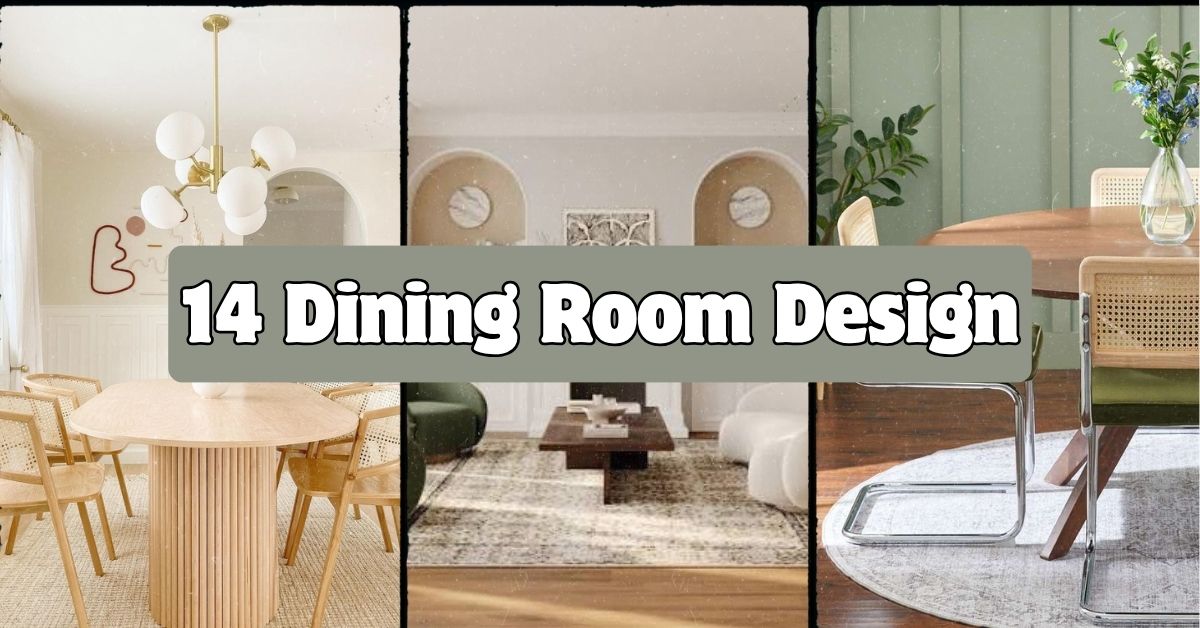
  • 14 Dining Room Design Ideas That Actually Work

    14 Dining Room Design Ideas That Actually Work

    I’ve put together this guide on 14 dining room design ideas because I know how hard it is to find real, useful advice instead of the same five photos recycled across every site. This one’s different. I’m going to walk you through actual, workable ideas you can steal for your own space.
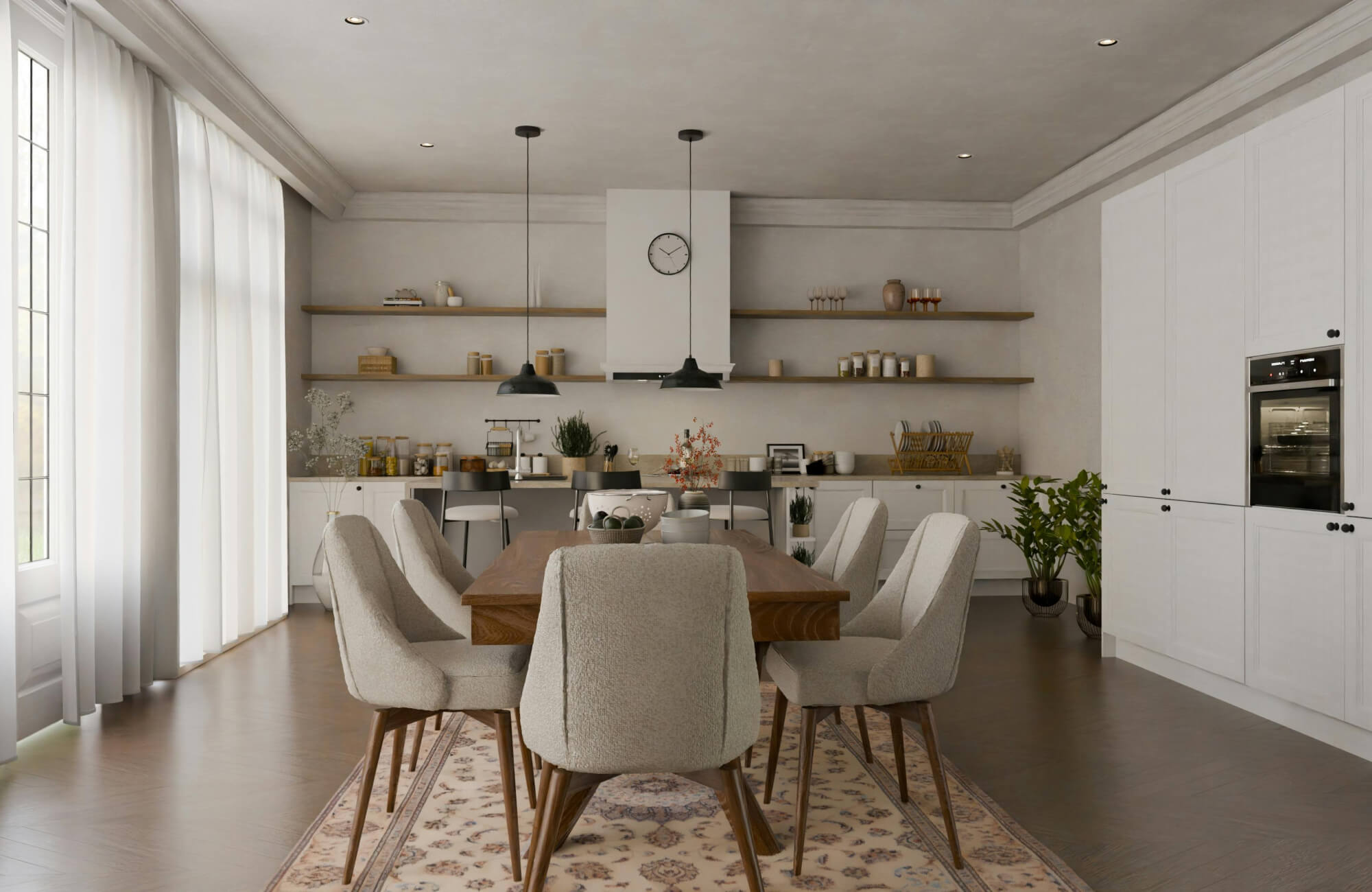
    A dining room design refers to the layout, furniture, color, and decor choices made to create a functional and visually appealing space for meals and gatherings. The best designs balance comfort, flow, and personal style while keeping the room practical for everyday use.

    Stick around, because by the end of this you’ll have more ideas than you know what to do with, plus a few tricks most articles never mention.

    What Makes a Dining Room Design Actually Work

    Here’s the thing about dining rooms. People treat them like an afterthought. They toss in a table, some chairs, maybe a light fixture, and call it done. But a dining room that really works has a rhythm to it. The furniture fits the space. The colors make sense together. There’s enough light to actually see your food. And it feels like “you,” not like a showroom floor.

    I’ve seen tiny dining nooks that feel more inviting than giant formal rooms, just because someone paid attention to the details. That’s really what this whole list is about. Small choices that add up to a room you actually want to eat in.

    1. Anchor the Room With a Statement Chandelier

    31 Stylish Modern Dining Room Design Ideas
    Credit: MyDomaine

    A big light fixture does more work than almost anything else in a dining room. It draws the eye up, sets the mood, and honestly makes the whole space feel finished. Go for something that matches your table’s scale. A tiny pendant over a huge table looks silly.

    Try a fixture that’s about two-thirds the width of your table for the best proportion. In a modern home, pick a sleek black or brass geometric design. For traditional spaces, a crystal chandelier still works wonders. Farmhouse rooms look great with a wood-and-metal wagon wheel style.

    Once your lighting is locked in, it’s time to think about what’s under all that glow: the table itself.

    2. Choose a Table Shape That Fits Your Room’s Flow

    Dining Table Shapes: Which One Is Right for You?
    Credit: The Spruce

    Rectangular tables get all the attention, but they’re not always right. Round tables work better in small or square rooms because they don’t have sharp corners eating up walking space. Oval tables split the difference, giving you seating capacity without hard edges.

    Measure your room before you fall in love with a table. You want at least 36 inches of clearance on all sides so chairs can pull out without bumping the wall.

    Coastal homes tend to favor round tables with a light wood finish. Modern farmhouse rooms lean toward long rectangular tables with bench seating. Whatever shape you pick, make sure it leaves room to actually walk around.

    Now let’s talk about what goes around that table.

    3. Mix Chair Styles for a Collected Look

    31 Stylish Modern Dining Room Design Ideas
    Credit: MyDomaine

    Matching chair sets are fine, but mixing styles gives a room personality fast. Try pairing wood chairs on the sides with upholstered chairs at the head and foot of the table. It creates a layered look without much extra effort.

    A quick tip: keep the chair heights consistent even if the styles differ, so the table still looks balanced when you step back.

    This trick works great in eclectic and traditional homes, but even minimalist spaces can pull it off if you stick to one color family. Mixing textures, like a woven cane chair next to a smooth leather one, adds warmth without adding clutter.

    Once your seating is sorted, the walls are your next canvas.

    4. Add a Gallery Wall for Personality

    13 inspiring gallery wall ideas | Homes and Gardens
    Credit: Home And Garder

    A dining room wall doesn’t have to be boring. A gallery wall filled with art, mirrors, or even old family photos gives the space a story. Keep the frames a similar color family so it doesn’t feel chaotic, but let the art itself vary in subject and size.

    Actionable tip: lay your frames out on the floor first before hanging anything. It saves you from a wall full of nail holes.

    Modern homes look sharp with black-framed prints in a grid pattern. Traditional rooms feel warmer with gold-framed oil paintings hung salon-style, all different sizes clustered together.

    Once the walls are dressed up, let’s ground the room with something underfoot.

    5. Layer a Woven Rug for Warmth

    5 Ways to Layer Rugs for a Cozy, Stylish Look | Kudenrugs
    Credit: Kudan Rugs

    A rug under the dining table adds texture and defines the space, especially in open-concept homes where the dining area blends into the living room. Go for a low-pile rug so chairs slide easily. Jute and sisal rugs bring natural texture without being hard to clean.

    Your rug should extend at least 24 inches beyond the table’s edge on all sides. That way, chairs stay on the rug even when pulled out.

    Coastal and boho spaces love a woven jute rug. Modern rooms look sharp with a geometric pattern in muted tones. This layer adds coziness, and it also sets up your color palette for the rest of the room.

    Color Palette Combinations by Style

    StyleWall ColorAccent ColorRug/Textile Tone
    ModernWarm whiteCharcoal blackMuted gray geometric
    FarmhouseSoft creamSage greenNatural jute
    CoastalLight blue-graySandy beigeWoven seagrass
    TraditionalDeep navyGold accentsRich burgundy
    BohoTerracottaMustard yellowMulticolor kilim

    6. Bring in a Statement Buffet or Sideboard

    Sideboard decor ideas: 10 buffet styling tips | Homes and Gardens
    Credit: Home And Garder

    A buffet isn’t just extra storage. It’s a chance to add color, texture, and even display space to your dining room. Use it to hide table linens and serving dishes while showing off a lamp, some artwork, or a stack of good-looking books on top.

    If your dining room feels a little empty, a sideboard fills that visual gap fast. Pick one with a finish that contrasts your table, like a dark wood buffet against a light oak table.

    In modern rooms, a lacquered buffet with clean lines works best. Traditional rooms love a wood buffet with carved details. This piece also gives you a spot for the next idea: layered decor.

    7. Style the Table With a Low Centerpiece

    55 Best Wedding Centerpiece Ideas for Every Style
    Credit: Brides

    Nothing kills a dinner conversation faster than a centerpiece so tall you can’t see the person across from you. Keep it low. A wide, shallow bowl of fruit, a cluster of small vases, or a simple runner with candles all work great.

    Practical tip: keep any centerpiece under 12 inches tall if your guests will be sitting close together.

    Coastal tables look great with a bowl of shells or driftwood. Modern tables often go bare except for one bold sculptural piece. Once your table is styled, don’t forget the walls need a little breathing room too.

    8. Use Wainscoting or Wall Paneling for Texture

    32 Dining Room Wainscoting Ideas to Elevate the Space
    Credit: The Spruce

    Adding wainscoting or board-and-batten paneling to the lower half of your dining room walls brings instant texture and a custom, high-end feel. It also protects walls from chair scuffs, which is a nice bonus most people don’t think about.

    Paint the paneling a slightly different shade than the upper wall for subtle contrast. White paneling with a soft gray upper wall is a classic combo that works almost anywhere.

    This detail leans traditional and farmhouse, but painted black, it can feel surprisingly modern too. Once your walls have some texture, curtains are the next easy win.

    9. Frame Windows With Simple, Tailored Curtains

    29 Standout Dining Room Curtain Ideas Worth Trying
    Credit: MyDomaine

    Curtains soften a dining room and help control light during meals. Skip anything too fussy. Simple linen panels in a neutral tone let the room breathe while still adding a finished look.

    Hang your curtain rod a few inches above the window frame and let panels fall just to the floor. This trick makes ceilings feel taller than they are.

    Coastal rooms love white linen curtains that move in the breeze. Modern spaces often skip curtains entirely, going for clean blinds instead. Either way, your window treatment should match the formality of the rest of the room.

    Budget Tiers for a Dining Room Refresh

    Budget TierTable & ChairsLightingDecor & Rug
    Budget ($500-$1,000)Secondhand table, refinished chairsBasic pendant lightAffordable jute rug, thrifted art
    Mid-Range ($1,500-$3,500)Solid wood table, upholstered chairsStatement chandelierWool blend rug, framed prints
    High-End ($4,000+)Custom table, designer chairsDesigner lighting fixtureHand-knotted rug, original art

    10. Create a Built-In Banquette for Small Spaces

    40 Ideas to Create an Eat-In Kitchen in Any Space
    Credit: MyDomaine

    If your dining room is tight on square footage, a built-in banquette solves a lot of problems. It tucks seating against the wall, saves floor space, and adds a cozy, cafe-like feel. Pair it with a smaller round or square table and a couple of chairs on the open side.

    Add storage underneath the bench seat if you can. It’s a great spot for table linens or seasonal decor.

    Farmhouse and coastal kitchens use this trick all the time. Even modern apartments benefit from a banquette when space is tight. Once seating is solved, let’s talk about the ceiling.

    11. Paint or Wallpaper the Ceiling for Drama

    17 Reasons to Paint Your Dining Room Ceiling
    Credit: MyDomaine

    The ceiling is the most overlooked surface in most dining rooms. A bold paint color or a subtle wallpaper pattern up there adds instant drama without taking up any floor space. Deep green, navy, or even a soft metallic wallpaper can transform a plain room.

    Try painting your ceiling in a color one or two shades darker than your walls for a cocooning effect that makes the room feel intimate at dinner time.

    Traditional and eclectic homes tend to embrace this trick the most, but even a modern space can pull off a matte black ceiling if the rest of the room stays simple.

    12. Add Open Shelving for Everyday Display

    Living room shelving ideas: 16 beautiful ways to display books and trinkets  | Homes and Gardens
    Credit: Home And Garden

    Open shelves in a dining room give you a spot to show off dishware, glassware, or a growing plant collection. They also make the room feel more lived-in and personal compared to closed cabinets.

    Keep the styling loose. Stack a few plates, lean a cutting board, add one plant. Overloading shelves makes the room feel cluttered instead of curated.

    This idea shines in farmhouse and coastal kitchens attached to open dining spaces. Modern homes can do it too, just with sleeker floating shelves and fewer objects per shelf.

    13. Incorporate a Bench for Flexible Seating

    15 banquette seating ideas to transform your kitchen | Ideal Home
    Credit: Ideal Home

    A bench on one side of the table adds flexibility that chairs alone can’t match. Kids can squeeze in easier, and guests can shift over without needing to pull out a whole chair. It also gives the room a more relaxed, casual feel.

    Pair a wood bench with upholstered chairs on the opposite side for contrast. This mix of textures keeps the table from feeling too matchy.

    Farmhouse tables practically demand a bench. Modern dining rooms can use a bench too, especially a low, backless one in leather or boucle fabric.

    14. Layer in Plants for a Fresh, Lived-In Feel

    Decorating with plants: 11 ways to display house plants | Homes and Gardens
    Credit: Home And Garden

    A dining room without any greenery can feel a little flat. Even one plant in the corner, or a small potted herb on the table, adds life and softens all the hard surfaces like wood and glass.

    Pick low-maintenance plants like pothos or snake plants if your dining room doesn’t get much natural light. They’ll survive even if you forget to water them for a week.

    Boho and coastal rooms go heavy on plants, sometimes with several scattered around. Modern rooms usually stick to just one or two sculptural plants for a cleaner look.

    Tips for Success

    • Measure twice before buying furniture. A table that looks small online can swallow a room in person.
    • Layer your lighting with a dimmer switch so the room works for both family dinners and dinner parties.
    • Stick to a consistent color story between your dining room and the rooms it connects to, especially in open floor plans.
    • Buy one or two quality pieces instead of filling the room with cheap furniture that wears out fast.
    • Leave breathing room around the table. Cramped seating makes even a beautiful room feel uncomfortable.
    • Rotate your centerpiece and decor seasonally to keep the room feeling fresh without a full redesign.
    • Test paint colors at night under your dining room lighting, since colors shift a lot after dark.

    Common Mistakes and How to Avoid Them

    Buying a table too big for the room
    : Measure your space and leave at least 36 inches of clearance on all sides before you buy.

    Hanging the chandelier too high or too low
    : Keep the bottom of the fixture about 30 to 34 inches above the tabletop for the best balance.

    Ignoring the rug size
    : Choose a rug that extends past the chairs even when they’re pulled out, usually 24 inches beyond the table edge.

    Overdecorating the table
    : Keep centerpieces low and simple so conversation flows and the table doesn’t feel cluttered.

    Forgetting about lighting layers
    : Combine a ceiling fixture with wall sconces or lamps so the room isn’t dependent on one light source.

    Matching every single piece of furniture
    : Mix textures and finishes slightly so the room feels collected instead of showroom-stiff.

    Similar Variations

    • Coastal Dining Design: Light woods, woven textures, and a breezy blue-and-white color palette.
    • Farmhouse Dining Design: Reclaimed wood tables, black metal accents, and cozy neutral tones.
    • Modern Minimalist Dining Design: Clean lines, monochrome colors, and very little clutter on display.
    • Traditional Formal Dining Design: Rich wood tones, upholstered chairs, and classic symmetry throughout.
    • Boho Eclectic Dining Design: Mixed patterns, warm colors, and a relaxed, collected feel.
    • Industrial Dining Design: Metal accents, exposed brick or concrete, and a mix of raw materials.

    At the end of the day, a great dining room comes down to small, smart choices that work together instead of fighting each other. Pick a few ideas from this list, mix them with your own style, and you’ll end up with a room that actually feels like yours. That’s the whole point of good 14 Dining Room Design.

  • 11 Dining Room Inspiration Ideas That Actually Work

    11 Dining Room Inspiration Ideas That Actually Work

    If you’ve been searching for 11 Dining Room Inspiration ideas that go beyond generic pins and actually help you plan a room you’ll love, you’re in the right spot. I’ve spent way too many hours scrolling design sites, and I’m going to save you that time by handing you the good stuff straight up.

    A dining room makeover starts with a plan that covers layout, lighting, seating, and color, then layers in personal touches like art and textiles to make the space feel lived-in rather than staged. The best dining rooms balance function (can everyone fit and eat comfortably?) with mood (does the room feel warm and inviting?).

    Stick around, because I’m about to walk you through twelve specific ideas, plus a couple tables that’ll help you pick colors and budgets without the guesswork.

    What Makes a Dining Room Feel Special

    Here’s the thing about dining rooms. They’re not just for eating. They’re where birthdays happen, where friends linger over wine, where kids do homework while dinner cooks. A good dining room has to work hard.

    I think the mistake most people make is treating the dining room like an afterthought room. You buy a table, four chairs, call it done. But the best dining spaces have layers. Lighting that sets a mood. A rug that grounds the room. Art that gives you something to look at besides your phone. Once you start thinking of it as a full experience instead of just furniture, everything clicks.

    Let’s get into the ideas.

    1. Anchor the Room With a Statement Light Fixture

    How To Choose A Dining Room Light Fixture
    Credit: Edwards

    Nothing changes a dining room faster than swapping out a boring flush-mount light for something with personality. A big pendant, a chandelier with texture, or even a cluster of small hanging bulbs can become the focal point the second someone walks in.

    Hang your fixture about 30 to 34 inches above the table for the best look and enough headroom. Brass and matte black are having a moment right now, but woven rattan pendants work great in coastal or boho spaces.

    This idea flexes easily. Traditional homes might go for crystal chandeliers, while modern spaces lean toward sculptural metal fixtures. Once your lighting is set, the next step is figuring out what sits underneath it.

    2. Pick a Table Shape That Matches Your Room

    33 Standout Dining Table Decor Ideas
    Credit: MyDomaine

    Table shape changes the whole feel of a room, not just the seating count. Round tables encourage conversation and work well in smaller or square rooms. Rectangular tables fit long, narrow spaces and seat more people. Oval tables split the difference nicely.

    My actionable tip: measure your room and leave at least 36 inches of walking space around the table on all sides. That’s the minimum for pulling out chairs comfortably.

    Farmhouse style loves long rectangular tables with bench seating. Modern minimalist rooms often go round with pedestal bases for a cleaner look underneath. Once the shape is locked in, color and material decisions get a lot easier.

    3. Mix Chair Styles for Visual Interest

    How to Incorporate Mismatched Dining Chairs in Your Home
    Credit: MyDomaine

    Matchy-matchy chair sets look fine, but mixing it up looks intentional and collected. Try pairing upholstered chairs at the head of the table with wooden chairs on the sides, or throw in a bench for casual flexibility.

    This works because it breaks up visual monotony without creating chaos, as long as you keep one unifying element like wood tone or fabric color running through all the pieces.

    Quick tip: start with two chair styles max when mixing. More than that starts to feel like a mismatched thrift haul instead of a curated choice.

    Coastal dining rooms mix rattan and painted wood chairs beautifully. Industrial spaces might combine metal stools with a leather bench. Next, let’s talk about what goes under all that furniture.

    4. Layer a Rug to Ground the Space

    6 Tips for Layering Area Rugs
    Credit: The Spruce

    A rug under the dining table adds warmth, defines the space, and muffles sound, which matters more than people realize in rooms with hard floors.

    Size matters here. Your rug should extend at least 24 inches beyond the table edge on all sides so chairs stay on the rug even when pulled out.

    Rug Size Guide by Table Shape

    Table ShapeTable SizeMinimum Rug Size
    Round (4 seats)42″ diameter6′ x 6′ round or square
    Rectangular (6 seats)60″ x 36″8′ x 10′
    Rectangular (8 seats)78″ x 40″9′ x 12′
    Oval (6 seats)72″ x 42″8′ x 10′

    Low-pile rugs work best in dining rooms since they’re easier to clean and don’t trap crumbs like a shag rug would. Once your floor is sorted, it’s time to look at the walls.

    5. Paint an Accent Wall Behind the Table

    14 dining room wall ideas to die for | Real Homes
    Credit: Real Homes

    A single accent wall in a bold color instantly makes the dining table feel like the star of the show. Deep greens, navy blues, and warm terracottas are especially popular right now because they photograph well and feel cozy under warm lighting.

    Try painting just the wall behind the table rather than the whole room. It gives you drama without committing to a full color overhaul, and it’s an easy weekend project.

    Traditional homes might go with deep burgundy or hunter green paired with wood trim. Modern spaces often choose charcoal or matte black for contrast. With color sorted, let’s talk about what hangs on that wall.

    6. Hang Art That Has a Story

    Wall Art for Dining Room Ideas: Creative Ways to Elevate Your Space wi –  Trendgallery.art
    Credit: The Gallery Art

    Empty walls make a dining room feel unfinished. Art gives people something to talk about and adds personality fast.

    Go big. A single large piece of art usually looks better than a bunch of small frames scattered around. If you’re on a budget, a large framed print or even a tapestry works just as well as an original painting.

    Coastal rooms love botanical prints or abstract wave art. Farmhouse spaces often go for vintage-style signs or black and white photography. Once the walls are dressed, the table itself needs some love.

    7. Style the Table With a Simple Centerpiece

    20 Best Table Centerpiece Ideas
    Credit: MyDomaine

    An empty table looks sad, but an overdone one looks cluttered. The sweet spot is a low centerpiece that doesn’t block sightlines across the table.

    A wooden bowl with seasonal fruit, a low vase with greenery, or a row of candles in varying heights all work great. Keep the height under 12 inches so people can actually see each other while eating.

    Practical tip: swap your centerpiece seasonally. Pinecones and candles in winter, fresh flowers in spring, a bowl of citrus in summer.

    This idea works in literally every style, from farmhouse to modern to traditional, because it’s really about proportion, not aesthetic. Speaking of proportion, let’s talk about the room’s layout itself.

    8. Create Zones With Furniture Placement

    How to Decorate a Living Room/ Dining Room Combo
    Credit: MyDomaine

    If your dining room is part of an open floor plan, use furniture and rugs to visually separate it from the living room or kitchen. A rug, a pendant light, and a buffet or sideboard can all signal “this is the dining zone” without needing walls.

    I like adding a console table or sideboard against one wall. It gives you storage for linens and dishes, plus another surface for decor like a lamp or a stack of books.

    Modern open-concept homes rely on this trick constantly. Traditional homes with separate dining rooms don’t need it as much, but a sideboard still adds function either way. Now let’s think about texture.

    9. Add Texture Through Table Linens and Curtains

    29 Standout Dining Room Curtain Ideas Worth Trying
    Credit: MyDomaine

    Texture makes a room feel finished, and dining rooms are an easy place to add it through linen tablecloths, woven placemats, and textured curtains.

    Linen and cotton blends drape nicely and feel casual, while velvet curtains add a formal touch if that’s the vibe you’re going for. Even a simple runner down the center of the table adds depth without much effort.

    Actionable tip: layer a woven placemat under a solid-color plate for instant texture at each place setting, even on a weeknight.

    Boho dining rooms lean into heavy texture with macrame and jute. Minimalist spaces might just add one linen runner and call it done. Now, let’s talk budget, because not everyone wants to spend a fortune.

    Dining Room Refresh Budget Tiers

    Budget TierWhat You Can DoEstimated Cost
    Small ($100-$300)New light fixture swap, throw pillows on bench, art print$100-$300
    Medium ($300-$800)Accent wall paint, area rug, new chairs (2-4)$300-$800
    Large ($800-$2,500)New table, full chair set, statement chandelier$800-$2,500
    Full Remodel ($2,500+)New flooring, custom lighting, built-in buffet$2,500+

    10. Use a Sideboard or Buffet for Storage and Style

    30 Stylish Sideboard Decor Ideas for Any Room
    Credit: The Spruce

    A sideboard does double duty. It hides your extra dishes, tablecloths, and serving platters, while also giving you a surface to style with lamps, art, or a mirror above it.

    If your room feels a little bare, adding a buffet against the longest wall fills the space without crowding the table. Mirrors above a sideboard also bounce light around the room, which helps in dining rooms that don’t get much natural sunlight.

    Farmhouse buffets often have a distressed wood finish. Modern sideboards go sleek with clean lines and hidden hardware. Once storage is handled, let’s think about how the room feels after dark.

    11. Layer Your Lighting Beyond the Overhead Fixture

    13 Dining Room Lighting Ideas to Brighten Up Your Space
    Credit: MyDomaine

    One light source makes a room feel flat. Adding a second layer, like wall sconces, a plug-in lamp on the sideboard, or even candles, creates depth and makes dinners feel more special.

    Dimmer switches are a small investment that make a huge difference. Being able to dim the overhead light for a dinner party versus keeping it bright for homework time gives the room flexibility.

    Traditional dining rooms often add wall sconces flanking a mirror or art piece. Modern spaces might use a slim LED strip under a floating shelf instead. With lighting layered, the last idea ties everything together.

    Tips for Success

    • Start with lighting and flooring before buying furniture. It’s easier to match a table to a rug than the other way around.
    • Measure twice before buying anything big. A table that looks small online can swallow a room in real life.
    • Choose a color palette of three tones max: one neutral, one accent, one metal or wood tone.
    • Buy one statement piece and keep everything else simple. A bold chandelier doesn’t need a bold rug too.
    • Test paint colors on the actual wall at different times of day before committing.
    • Keep centerpieces low so conversation flows easily across the table.
    • Don’t forget the ceiling. Paint or wallpaper up there adds a surprising amount of personality.

    Common Mistakes and How to Avoid Them

    Buying a table too big for the room
    : Measure your space first and leave at least 36 inches of clearance around all sides for chairs to pull out.

    Choosing a rug that’s too small
    : Size up. The rug should extend well beyond the table edges so chair legs stay on it even when pulled back.

    Only using one light source
    : Add a second layer like sconces or a lamp on a sideboard so the room doesn’t feel flat at night.

    Matching every single piece of furniture
    : Mix textures and finishes slightly. A little variation makes the room feel curated instead of showroom-stiff.

    Skipping art or leaving walls bare
    : Add at least one large piece of art or a mirror to give the eye somewhere to land.

    Ignoring the ceiling and ceiling height
    : Hang fixtures at the right height (30-34 inches above the table) and consider paint or texture up top for extra character.

    Similar Variations

    • Coastal Dining – light woods, woven textures, and blue or sandy neutral tones that feel breezy.
    • Farmhouse Dining – long wood tables, mixed chairs, and vintage-inspired lighting fixtures.
    • Modern Minimalist Dining – clean lines, monochrome palettes, and one bold statement piece per room.
    • Boho Dining – layered rugs, mismatched chairs, macrame, and lots of plants.
    • Traditional Dining – formal wood furniture, chandeliers, and rich jewel-toned walls.
    • Industrial Dining – metal accents, exposed materials, and moody dark color schemes.

    Putting a dining room together doesn’t have to be complicated once you break it into layers: lighting, furniture, color, texture, and personal touches. Start with one or two ideas that excite you most, then build outward instead of trying to do everything at once. That’s really the whole secret behind good design anyway, small intentional choices stacked together. I hope this list of 11 Dining Room Inspiration ideas gave you a clear starting point for a room your family and friends will actually want to linger in.

  • 11 Dining Room Inspo Ideas That Actually Make You Want to Eat Dinner at the Table Again

    11 Dining Room Inspo Ideas That Actually Make You Want to Eat Dinner at the Table Again

    I’ve spent way too many hours scrolling design accounts looking for 11 Dining Room Inspo that doesn’t feel stiff or overdone, and I finally put together the list I wish I’d found sooner. This isn’t a random grab bag of pretty pictures either. Every idea here comes from real design logic that works in actual homes, not just staged photos.

    Dining room inspiration refers to design ideas, layouts, and decor choices used to style a dining space so it feels functional and visually appealing. A good dining room balances seating comfort, lighting, and personal style while still working for everyday meals.

    Stick around, because I’m about to walk you through twelve ideas, plus a couple of tables that break down colors, budgets, and materials so you can actually plan this out instead of just pinning things forever.

    What Makes a Dining Room Feel “Inspired” Anyway?

    Here’s the thing about dining rooms. They’re weirdly personal. It’s where birthdays happen, where you argue about board games, where you eat cereal standing up at 11pm because the kitchen felt too far. A dining room that feels inspired isn’t about being magazine perfect. It’s about the space making you want to actually sit down and stay a while.

    Good dining room design mixes function with feeling. You need a table that fits your space, chairs that don’t kill your back, and lighting that doesn’t make everyone look tired. But you also want personality. Color, texture, a little weirdness. That’s the balance I’m chasing with every idea below.

    1. Mix Chair Styles Instead of Matching Them

    How to Master the Mismatched Dining Chair Trend
    Credit: one last Kings

    Buying a matching chair set feels safe, but mismatched chairs give a room instant personality. Pick two or three styles that share a color or wood tone so they still feel connected. Think a wishbone chair paired with a simple wood bench, or vintage bentwood chairs next to modern upholstered ones.

    Practical tip: keep the seat heights within an inch of each other so the table still looks balanced.

    This works in almost any style. Traditional homes can mix antique finds, while modern spaces can pair sleek plastic chairs with one statement piece. Once your seating has some variety, the next move is thinking about what’s above it.

    2. Hang a Statement Light Fixture Low Over the Table

    5 Over Dining Table Lighting Ideas | Dowsing & Reynolds
    Credit: Dowsing

    Lighting makes or breaks a dining room. A pendant or chandelier hung too high feels disconnected from the table. Hang it about 30 to 34 inches above the tabletop for the right balance of glow and visibility.

    Go bold here. A sculptural pendant, a cluster of glass globes, or a linear fixture over a long table all add drama without much effort. Choose warm bulbs, around 2700K, so the room feels cozy instead of clinical.

    Coastal homes might go with woven rattan shades, while modern spaces lean toward matte black or brass fixtures. Once the lighting is set, your walls are the next blank canvas worth filling.

    3. Add a Gallery Wall Behind the Table

    33 Standout Dining Table Decor Ideas
    Credit: MyDomaine

    An empty wall behind your dining table is wasted potential. A gallery wall adds color, story, and texture without taking up floor space. Mix framed art, mirrors, and even a small shelf for plants or candles.

    Actionable tip: lay your frames out on the floor first, then use painter’s tape to map the layout on the wall before hammering anything.

    Traditional homes might lean into ornate gold frames, while modern spaces keep it clean with black frames and abstract prints. Once your walls have life, think about grounding the whole room with the right rug.

    4. Layer a Textured Rug Under the Table

    Should you put a rug under the dining table? | Mafi Rugs
    Credit: Mafi Rugs

    A rug under the dining table adds warmth and defines the space, especially in open floor plans. Choose a rug that extends at least 24 inches beyond the table edge on all sides so chairs don’t slide off it when pulled out.

    Wool and jute blends hold up well under chair legs and are easier to clean than you’d think. Avoid high pile rugs here since they make chairs wobble.

    Coastal and boho spaces love natural fiber rugs, while modern rooms often go for geometric low pile designs. Speaking of ground level details, let’s talk about the table itself.

    5. Choose a Table Shape That Matches Your Room’s Flow

    Small dining room ideas: 22 ways to boost a compact diner | Homes and  Gardens
    Credit: Home And Garder

    Table shape changes how a room feels and functions. Round tables work great in smaller or square rooms since they don’t have hard corners to bump into. Rectangular tables fit long rooms and larger families. Oval tables are a nice in-between if you want soft edges but more seating.

    Table Shape Guide

    ShapeBest Room SizeSeats ComfortablyBest For
    RoundSmall to medium4-6Square rooms, cozy vibes
    RectangularMedium to large6-10Long rooms, big families
    OvalMedium to large6-8Softening a rectangular room
    SquareSmall4Tight spaces, apartments

    Once you know your shape, material and finish come next.

    6. Pick a Table Material That Fits Your Lifestyle

    75 Best White Dining Room Ideas
    Credit: MyDomaine

    Wood tables feel warm and classic, but they can scratch. Glass tables look modern and open up small rooms visually, but fingerprints show up fast. Stone or concrete tables feel heavy and grounded but cost more and are harder to move.

    Practical tip: if you have kids or pets, go with a wood table that has a matte finish since it hides scuffs better than glossy finishes.

    Farmhouse styles love reclaimed wood, modern spaces gravitate toward glass or lacquered finishes, and industrial rooms often use metal bases with wood or concrete tops. With your table sorted, let’s bring in some greenery.

    7. Bring in a Statement Plant or Two

    How to Decorate a Small Dining Room, According to Design Experts
    Credit: Elle Decor

    A dining room without any greenery feels flat. One tall plant in a corner, like a fiddle leaf fig or an olive tree, adds life without cluttering the table. If you want something on the table itself, a low centerpiece with eucalyptus or a small potted herb works great.

    Actionable tip: keep centerpieces under 12 inches tall so they don’t block sightlines across the table during meals.

    Boho and coastal rooms love lots of greenery, while modern and minimalist spaces might stick to just one clean plant. Now let’s talk about color, because this changes everything.

    8. Choose a Color Palette That Sets the Mood

    75 Best White Dining Room Ideas
    Credit: MyDomaine

    Color affects appetite and mood more than people realize. Warm tones like terracotta, deep red, and mustard make a room feel cozy and social. Cool tones like sage, navy, and soft gray feel calm and elegant.

    Popular Dining Room Color Palettes

    Palette NameWall ColorAccent ColorMood
    Warm EarthTerracottaCream and rustCozy, inviting
    Coastal CalmSoft whiteNavy and sandRelaxed, airy
    Moody ModernCharcoalBrass and blackDramatic, sleek
    Garden FreshSage greenWhite and wood tonesNatural, light

    Pick one wall color and let your furniture and decor pull in one or two accent shades. Once color is locked in, window treatments deserve some attention too.

    9. Dress Your Windows Without Blocking Natural Light

    29 Standout Dining Room Curtain Ideas Worth Trying
    Credit: MyDomaine

    Heavy curtains can make a dining room feel smaller and darker than it needs to be. Sheer curtains or simple linen panels let light filter through while still adding softness to the room. If privacy is a concern, layer sheers with a light colored roman shade.

    Practical tip: hang curtain rods a few inches above the window frame to make ceilings feel taller.

    Traditional rooms might add tasseled tiebacks, while modern rooms keep panels simple and unadorned. With light handled, let’s talk storage and display furniture.

    10. Add a Sideboard or Buffet for Storage and Style

    9 dining rooms with buffets to inspire your own space | Livingetc
    Credit: Living Etc

    A sideboard does double duty. It stores linens, dishes, and extra chairs, and it gives you surface space for serving or styling with decor. Choose one with a finish that contrasts slightly with your table for visual interest.

    Actionable tip: style the top with a mix of heights, like a lamp, a stack of books, and a small vase, instead of lining everything up evenly.

    Traditional homes often go for wood buffets with brass hardware, while modern rooms prefer sleek lacquered cabinets with hidden handles. Once storage is sorted, think about layering in some texture through textiles.

    11. Layer in Textiles Through Table Runners and Napkins

    How To Decorate With Table Runners
    Credit: House Digest

    A bare table looks unfinished even with great chairs and lighting. A table runner adds color and texture without permanently committing to a tablecloth. Cloth napkins, even mismatched ones, make everyday meals feel a little more special.

    Practical tip: keep two or three runner options in different colors so you can swap them out seasonally without buying new decor.

    Coastal homes love linen runners in neutral tones, while modern spaces might use a solid color runner in a bold accent shade. Last but not least, let’s talk about the often overlooked ceiling.

    Tips for Success

    • Measure your room before buying furniture. Leave at least 36 inches of clearance around the table for chairs to pull out and people to walk by.
    • Layer at least three light sources: a main fixture, wall sconces or lamps, and candles for dinner ambiance.
    • Stick to one dominant color and two accent colors so the room doesn’t feel chaotic.
    • Buy one investment piece, like the table or light fixture, and save on the smaller decor items.
    • Rotate your centerpiece and table runner seasonally to keep the room feeling fresh without a full redesign.
    • Test paint colors on the actual wall at different times of day before committing.
    • Keep a few extra folding chairs stored nearby for when you need more seating than your usual setup allows.

    Common Mistakes and How to Avoid Them

    Buying a table too big for the room
    : Measure your space and leave enough walking room on all sides, not just enough for the chairs.

    Choosing a chandelier that’s too small
    : A fixture that looks tiny over a large table makes the whole room feel off balance. Size up rather than down.

    Ignoring the rug size
    : A rug that’s too small looks like an afterthought. Make sure it extends well beyond the chair legs.

    Overdoing matching furniture
    : A table, chairs, and buffet that all match perfectly can feel like a furniture showroom instead of a home.

    Skipping task lighting
    : Overhead light alone often isn’t enough. Add lamps or sconces for a warmer, layered look.

    Forgetting about comfort
    : A beautiful chair that’s uncomfortable after ten minutes ruins the whole vibe. Always sit in dining chairs before buying.

    Similar Variations

    • Farmhouse Dining – warm woods, black metal accents, and simple, sturdy furniture shapes.
    • Coastal Dining – light woods, woven textures, and a breezy, sun-washed color palette.
    • Moody Modern Dining – dark walls, brass fixtures, and dramatic lighting for a more intimate feel.
    • Scandinavian Dining – light woods, minimal decor, and lots of natural light with clean lines.
    • Eclectic Boho Dining – mixed patterns, vintage finds, and layered textures for a collected-over-time look.
    • Traditional Formal Dining – rich wood tones, upholstered chairs, and classic symmetry throughout the room.

    At the end of the day, a great dining room isn’t about following every trend at once. It’s about picking a few ideas that feel like you and building from there. Start small, maybe with a rug or a new light fixture, and let the rest come together over time.

    I hope this list gave you a real starting point instead of just another pile of pretty photos to save and forget. Whether you go bold with color or keep things simple and warm, these 11 Dining Room Inspo ideas should help you build a space people actually want to linger in after the last plate is cleared.

  • 12 Modern Dining Room Ideas That Will Change How You Eat Dinner

    12 Modern Dining Room Ideas That Will Change How You Eat Dinner

    I’ve spent way too many hours scrolling through design blogs trying to figure out what actually makes a 12 Modern Dining Room idea work, so let me save you the trouble and give you the real answer right here.

    A modern dining room combines clean lines, minimal clutter, and a mix of natural and industrial materials to create a functional yet stylish eating space. It typically features neutral color palettes, statement lighting, and furniture with simple geometric shapes.

    Stick around though, because I’m about to show you 12 ways to pull this off in your own home, no matter your budget or square footage.

    What Makes a Dining Room Feel “Modern” Anyway?

    Okay so before we jump into the list, let’s talk about what “modern” even means here. It’s not about being cold or sterile. Modern design is more about function meeting form. Think clean lines, less clutter, and furniture that doesn’t scream for attention.

    I like to describe it as “quiet confidence.” The room doesn’t need fifty decorations to feel finished. A few good pieces, the right lighting, and a color scheme that doesn’t fight itself, that’s the whole game. Modern doesn’t mean boring either. You can still have personality, you just show it through texture, shape, and smart choices instead of loud patterns everywhere.

    1. Choose a Statement Light Fixture Over the Table

    How To Choose A Dining Room Light Fixture
    Credit: Edwards

    Your light fixture is basically the jewelry of the room. A modern dining room almost always has one bold piece hanging over the table instead of a boring flush-mount light.

    Go for something with clean geometry like a linear chandelier, a cluster of globe pendants, or a sculptural metal piece. Black metal and brass finishes are huge right now because they add contrast without adding clutter.

    Practical tip: Hang your fixture 30 to 34 inches above the table surface. Any higher and it looks disconnected. Any lower and your tall guests will bonk their heads.

    This idea flexes easily too. Coastal homes can swap metal for woven rattan pendants. Traditional spaces can go with a modernized crystal chandelier that still has clean lines. Once your lighting is locked in, the next thing to nail down is what’s actually sitting under it.

    2. Pick a Table With Clean, Simple Lines

    56+ Modern Dining Room Ideas (STRIKINGLY MODERN) - Elegant Design
    Credit: BackSpalsh

    The dining table sets the tone for everything else. Modern tables usually skip the carved legs and fancy trim you’d see in traditional furniture. Instead, you get straight edges, rounded corners, or thin metal legs holding up a solid top.

    Materials matter a lot here. Wood gives warmth. Glass feels airy and works great in smaller rooms because it visually disappears. Stone or concrete-look tops feel heavy and grounded, perfect for bigger spaces.

    Quick tip: If your room is under 120 square feet, stick with a table under 60 inches long so you can still walk around it comfortably.

    Want a more traditional feel? Choose a wood table with a slight curve. Going coastal? Look for a light oak top with tapered legs. Once the table’s settled, chairs come next, and that’s where a lot of people mess up.

    3. Mix Chair Materials for Visual Interest

    How to Incorporate Mismatched Dining Chairs in Your Home
    Credit: MyDomaine

    Here’s a trick a lot of designers use that regular folks don’t know about: you don’t need matching chairs. Mixing two chair styles, like wood chairs on the sides and upholstered chairs at the heads of the table, adds depth without looking messy.

    This works because modern design loves contrast. Smooth leather next to raw wood. Matte black metal next to a soft linen seat. It keeps the eye moving instead of getting bored.

    Actionable tip: Keep the chair colors within the same family (like all neutrals or all warm woods) even if the shapes are different. That keeps the mixed look intentional instead of random.

    This idea works across styles too. Farmhouse rooms can mix a bench with woven chairs. Traditional rooms can pair wingback chairs with simpler side chairs. Speaking of color families, let’s talk palettes for a second.

    Modern Dining Room Color Palettes

    Palette NameWall ColorFurniture ToneAccent Color
    Warm MinimalistSoft WhiteLight OakTerracotta
    Moody ContrastCharcoal GrayWalnutBrass
    Coastal ModernPale Blue-GrayWhite OakSeafoam Green
    Industrial EdgeConcrete GrayBlack MetalRust Orange
    Scandinavian CalmOff-WhiteBirchSage Green

    Pick one of these and build your room around it instead of choosing pieces one at a time. It saves you from that “everything’s nice but nothing matches” problem.

    4. Layer in Texture With a Woven Rug

    24 Dining Room Rug Ideas
    Credit: Better And Garden

    A lot of modern dining rooms make the mistake of feeling flat. Hard floors, smooth table, smooth chairs, nothing to touch. A woven jute or wool rug under the table fixes that instantly.

    Texture adds warmth without adding visual noise, which is exactly what modern design wants. It also helps define the dining area, especially in open floor plans where the dining room bleeds into the living room.

    Tip: Your rug should extend at least 24 inches past the edge of the table on all sides. That way chairs stay on the rug even when pulled out.

    Traditional homes can go bolder with a patterned wool rug. Coastal spaces love a natural fiber rug with a subtle stripe. Once your floor has some texture, your walls shouldn’t feel left out either.

    5. Add an Accent Wall Behind the Table

    Dining Room DIY Accent Wall - Lake and Lumber
    Credit: Lake And Lumber

    An accent wall gives your eye a place to land. In modern dining rooms, this usually isn’t wallpaper with busy florals. It’s more likely a deep paint color, wood slat paneling, or even textured plaster.

    Wood slat walls are especially popular right now. They add warmth and a slight architectural feel without requiring a full remodel. Paint alone works too. Try a moody green or deep navy behind a lighter table for contrast.

    Practical tip: Only accent the wall the table faces, not all four walls. Too much and the room feels boxed in.

    This adapts beautifully. Traditional rooms can use wainscoting instead of slats. Bohemian spaces might go for a textured lime wash finish. With your walls sorted, let’s talk about what goes on them besides paint.

    6. Hang Art That Has Breathing Room

    Dining Room Wall Art Ideas That Transform Your Space
    Credit: Rossetti Art

    Modern spaces love negative space, and that includes your walls. Instead of a gallery wall crammed with frames, pick one or two large pieces of art with a lot of blank space around them.

    Abstract art, black and white photography, or simple line drawings all fit the modern vibe well. Avoid anything too busy or literal. You want the art to feel like it’s resting on the wall, not fighting with the furniture below it.

    Tip: Hang art so the center sits about 60 inches from the floor. That’s standard eye level for most adults.

    Traditional dining rooms might still want a family portrait or framed mirror instead. Coastal rooms often go with a single large seascape or abstract wave print. Now that the walls are handled, let’s zoom out to the floor plan itself.

    7. Create Zones With an Open Floor Plan Layout

    16 Clever Open-Plan Room Dividing Ideas | Houzz AU
    Credit: Houzz

    A lot of newer homes have dining rooms that flow right into the kitchen or living room. Instead of fighting that, modern design leans into it. You create the dining “zone” using a rug, a pendant light, and furniture placement instead of walls.

    This means your table doesn’t need to be centered in a room. It just needs to feel anchored under its own light source and rug, even if the space technically continues into another room.

    Actionable tip: Use furniture placement to create a visual boundary. A bench seat with its back to the living room, for example, quietly divides the space without a wall.

    Traditional homes with separate dining rooms can skip this one, but open-concept coastal and farmhouse homes use this trick constantly. Once your zones are set, storage becomes the next challenge.

    8. Choose a Low-Profile Sideboard for Storage

    Essential Sideboard Dimensions: Perfect Sizes for Your Next Project in 2025
    Credit: Caste Cabinetry

    Every dining room needs somewhere to stash extra dishes, linens, and serving pieces. Modern sideboards skip the bulky look of older furniture. They’re usually long, low, and sit on thin legs that let light pass underneath.

    This matters more than people think. A floating or leggy sideboard makes the whole room feel lighter, even if the piece itself is large. Solid wood fronts, matte black hardware, and simple pulls keep the look clean.

    Tip: Measure your wall space and leave at least 36 inches of clearance in front of the sideboard so drawers and doors open without blocking the walking path.

    Farmhouse homes might choose a similar shape but in a distressed wood finish. Coastal rooms often go with a white or light wood version with cane detailing. With storage sorted, let’s think about the ceiling for a second.

    9. Play With Ceiling Treatments

    Asense | 10 Dining Room Design Ideas To Make Your Space Look Beautiful
    Credit: ASense Interior

    Most people forget the ceiling exists until it’s the only white surface left in an otherwise styled room. Modern dining rooms are starting to use ceiling treatments like exposed beams, painted ceilings, or even simple molding to add interest overhead.

    A painted ceiling in a soft, dark tone can make the whole room feel cozier and more intentional. It’s a small move that has a big visual payoff, especially paired with that statement light fixture from idea number one.

    Tip: If you’re nervous about a dark ceiling, start with just one shade darker than your wall color. It’s a safer way to test the look.

    Traditional homes might add classic crown molding instead. Industrial lofts often leave beams exposed and painted matte black. Now let’s talk about something a lot of people totally skip: the table setting itself.

    10. Keep Table Settings Minimal and Intentional

    31 Stylish Modern Dining Room Design Ideas
    Credit: MyDomaine

    You don’t need a fully set table all the time, but when you do dress it up, modern style keeps it simple. Think a plain runner instead of a full tablecloth, a small centerpiece, and dishware with clean shapes.

    Ceramic vases with dried branches, a row of taper candles, or a simple wood bowl of fruit all work great. The goal is a table that looks pulled together in under two minutes, not one that needs a florist.

    Tip: Stick to odd numbers when grouping objects like candles or vases. Groups of three just look more balanced to the eye.

    Bohemian tables might add more texture with woven placemats. Traditional settings can still use linen napkins and formal dishware, just in simpler shapes. Speaking of small details, let’s talk about something people always forget.

    Furniture Size Guide by Room Dimension

    Room SizeTable LengthRug SizeChair Count
    Under 100 sq ft48-60 inches6×9 feet4
    100-150 sq ft60-72 inches8×10 feet6
    150-200 sq ft72-84 inches9×12 feet6-8
    Over 200 sq ft84-108 inches10×14 feet8-10

    Use this as a starting point, not a strict rule. It just keeps you from buying a table that swallows the whole room or a rug that looks like a postage stamp under your furniture.

    11. Bring in Plants for a Softer Feel

    How to Move Plants Indoors for the Winter
    Credit: MyDomaine

    Modern rooms can sometimes feel a little sharp with all those clean lines and minimal decor. Plants fix that fast. A tall fiddle leaf fig in the corner or a trailing pothos on the sideboard adds life without adding clutter.

    Greenery also softens hard materials like metal chair legs or a stone table top. It’s an easy, cheap way to make the whole room feel more lived-in.

    Tip: Choose one large plant instead of five small ones if your space is tight. It reads as intentional instead of scattered.

    Coastal rooms love palms and monstera. Traditional spaces often prefer more structured plants like topiaries. With the greenery in place, let’s finish with one more layout idea that ties everything together.

    12. Use a Bench on One Side for Flexibility

    Buying Guide: Dining Benches – Danetti
    Credit: Danetti

    Benches are having a real moment in modern dining rooms, and I get why. A bench on one side of the table instead of chairs saves space, adds a casual touch, and makes it way easier to squeeze in extra guests for big dinners.

    Pair a simple wood or upholstered bench with chairs on the other side for that mixed-material look we talked about earlier. It also just looks less stiff than a full set of matching chairs around every side.

    Tip: Leave at least 24 inches of bench length per person so nobody’s elbow-to-elbow at dinner.

    Farmhouse dining rooms practically invented this look with long wood benches. Coastal homes often use a woven or slipcovered bench for a breezier feel. And with that, you’ve got a full toolkit to build out your own space.

    Tips for Success

    • Start with the light fixture and rug first. Everything else is easier to choose once those two anchors are set.
    • Don’t buy furniture in one shopping trip. Live with paint colors and fabric swatches for a week before committing.
    • Balance hard and soft materials in every room. Wood, metal, and glass need fabric, rugs, or plants to soften them.
    • Measure your walking paths, not just your furniture. You need at least 36 inches of clearance around the table.
    • Choose one “wow” piece, like a fixture or accent wall, and let everything else stay simple around it.
    • Test paint colors at different times of day before painting the whole wall.

    Common Mistakes and How to Avoid Them

    Buying a table too big for the room
    : Measure your space first and leave at least 36 inches of clearance on all sides before choosing table length.

    Choosing a light fixture that’s too small
    : Add up your room’s length and width in feet, and that number in inches should roughly equal your fixture’s diameter.

    Matching every single piece of furniture
    : Mix at least one material or finish, like pairing wood chairs with a metal table base, for a more current look.

    Forgetting a rug under the table
    : Choose a rug that extends past the chairs even when they’re pulled out, usually 24 inches beyond the table edge.

    Overdecorating the table when guests are coming
    : Stick to one centerpiece and skip the extra clutter like place cards or too many serving dishes.

    Ignoring the ceiling completely
    : Add a coat of paint, some simple molding, or exposed beams to give the room a finished, intentional feel.

    Similar Variations

    • Scandinavian Modern – lighter woods, softer color palettes, and a heavy focus on cozy textures like wool and sheepskin.
    • Industrial Modern – exposed brick, black metal fixtures, and raw materials like concrete and steel mixed with wood.
    • Coastal Modern – white oak furniture, breezy linen fabrics, and a color palette pulled from sand and sea tones.
    • Japandi Dining – a mix of Japanese minimalism and Scandinavian warmth, using natural materials and very little clutter.
    • Mid-Century Modern – tapered wood legs, warm walnut tones, and bold but simple accent colors like mustard or teal.
    • Transitional Modern – a blend of traditional shapes with modern finishes, good for people who aren’t ready to go full minimalist.

    At the end of the day, building a great dining space isn’t about following every rule perfectly. It’s about picking a few ideas that actually fit your home and your life, then committing to them instead of trying to do all twelve at once.

    Whether you go bold with a dark accent wall or keep things simple with just better lighting and a woven rug, small changes add up fast. That’s really the whole secret behind any successful 12 Modern Dining Room makeover.

  • 13 Moody Dining Room Ideas That Turn Dinner Into an Event

    13 Moody Dining Room Ideas That Turn Dinner Into an Event

    I’ve spent way too many hours scrolling through dining room photos, and I can tell you this: 13 Moody Dining Room ideas are exactly what you need if you’re tired of boring, beige eating spaces. This article pulls together the best moody dining room concepts I’ve found, tested, and researched, so you get real answers instead of vague inspiration boards.

    A moody dining room uses deep colors, low ambient lighting, and rich textures to create a dramatic, intimate space for eating and gathering. This design style typically relies on dark wall paint, warm lighting fixtures, and layered materials like wood and velvet to build atmosphere.

    Stick around, because I’m about to walk you through 13 specific ways to pull this look off in your own home, no matter your budget or style preference.

    What Exactly Is a Moody Dining Room?

    Okay, so let’s talk about what “moody” actually means here. It doesn’t mean sad or gloomy. It means rich. It means dramatic. Think dark green walls, candlelight, and a table that makes you want to linger over dinner instead of rushing through it.

    A moody dining room usually swaps bright white walls for deep, saturated colors. Think navy, charcoal, forest green, or even black. Then you layer in warm lighting and textured materials to keep it from feeling cold or cave-like. The goal is a space that feels cozy, elegant, and a little bit dramatic, like a restaurant you’d want to book for a special occasion.

    1. Paint Your Walls in Deep Forest Green

    15 Gorgeous Green Dining Room Paint Colors You'll Never Regret Choosing -  Mindful Hues
    Credit: MindFulhues

    Forest green is my favorite gateway color for moody dining rooms. It’s dark enough to create drama but still feels natural and calming, not harsh.

    Pair it with brass hardware, wood furniture, and cream linens for contrast. The green pulls warmth from wood tones and coolness from metal accents, so it works with almost any furniture you already own.

    Tip: Test the paint color at night under your actual dining room lighting before committing. Green can shift dramatically depending on bulb temperature.

    This look works beautifully in traditional homes with crown molding, but it also fits modern spaces if you keep the furniture simple and low-profile. Once your walls are set, it’s time to think about what goes on top of them.

    2. Hang a Dramatic Statement Chandelier

    Best Chandeliers for Dining Room (2026 Buying Guide) | DecorLane
    Credit: DecorLane

    Lighting makes or breaks a moody dining room. A statement chandelier with black metal, aged brass, or smoked glass instantly sets the tone before anyone even sits down.

    Go for fixtures with dimmable bulbs. Warm white light (around 2700K) creates that golden, flattering glow you want at dinner. Bright white light kills the mood instantly.

    Practical tip: Hang your chandelier so the bottom sits about 30 to 34 inches above the table surface. Too high and it loses impact. Too low and people can’t see across the table.

    Coastal homes can use a woven or rattan pendant instead of metal for a softer, beachy version of the same drama. Once your main light source is nailed down, layer in secondary lighting.

    3. Layer in Candlelight and Low Lamps

    15 Moody Dining Room Ideas for Candlelit Dinners - Dreamy Home Studio
    Credit: Dreamy Home Studio

    Overhead light alone feels flat. I always add candles down the center of the table and maybe a small buffet lamp on a side table. This creates depth and multiple light sources at different heights.

    Use unscented candles during meals so they don’t compete with food smells. Cluster three to five candles of varying heights for a more natural, collected look rather than one lonely candle in the middle.

    This trick works in every style category, from farmhouse to modern minimalist, because candlelight is universally warm and flattering.

    Now that your lighting layers are working together, let’s talk about the table itself.

    4. Choose a Dark Wood or Black Dining Table

    40 Black Dining Room Ideas That Will Convince You to Repaint
    Credit: The Spruce

    Your table is the anchor of the room, so it needs to match the mood. Dark walnut, ebony-stained oak, or even a matte black table grounds the whole space.

    Avoid glossy finishes if you’re going for moody. Matte and satin finishes absorb light instead of bouncing it around, which keeps the room feeling intimate rather than sterile.

    Quick tip: If replacing your table isn’t in the budget, use a dark stain or paint to transform what you already own over a weekend.

    Modern farmhouses can use a dark trestle table, while contemporary spaces might go with a sleek black lacquer option. Your table sets the stage, but your chairs bring in texture and comfort.

    Dark Wood Finish Comparison

    Finish TypeBest ForMaintenance LevelPrice Range
    Matte black paintModern, industrialMedium (touch-ups needed)$ (DIY friendly)
    Espresso wood stainTraditional, transitionalLow$$
    Ebonized oakFarmhouse, rusticLow$$$
    Charcoal lacquerContemporary, glamHigh (shows fingerprints)$$$$

    5. Mix Upholstered Chairs With Wood Accents

    35 Formal Dining Room Ideas That Deliver Drama and Elegance
    Credit: Better Homes

    Don’t put eight identical chairs around your table. Mix a few upholstered chairs in deep velvet or leather with wood-frame chairs for texture variety. This combo feels curated instead of matchy.

    Velvet in colors like burgundy, mustard, or deep teal adds richness without screaming for attention. Leather chairs bring a masculine, grounded feel that pairs well with metal light fixtures.

    Tip: If budget is tight, just add two upholstered captain chairs at the ends of the table and keep the sides simple. This still creates that mixed, layered effect.

    Traditional homes might lean toward tufted velvet, while modern spaces do better with clean-lined leather. Once your seating feels right, your walls need something more than paint.

    6. Add Textured Wallpaper or Paneling

    Moody vibes in this dining room we designed for our #encino clients. A  vintage chandelier from Europe, black thistle wallpapered ceiling, paneling  for drama, and an ebonized live edge dining table layered
    Credit: kishaniperera

    Flat paint works, but textured wallpaper or wood paneling takes moody to the next level. Grasscloth wallpaper in a deep color adds subtle texture that catches candlelight beautifully.

    Board and batten paneling painted in a dark color also works great, especially in older homes with awkward wall proportions. It adds architectural interest without needing extra decor.

    Practical tip: If wallpaper feels risky, do just one accent wall behind a buffet or china cabinet instead of the whole room.

    Coastal and cottage styles can use a botanical print wallpaper in muted tones, while modern spaces might prefer a textured grasscloth in solid charcoal. Speaking of walls, let’s talk about what hangs on them.

    7. Hang Oversized Art With Rich Color Palettes

    The 24 Best Dining Room Paint Colors to Brighten Your Space | HGTV
    Credit: HDTV

    A moody dining room needs a focal point beyond the table. Large-scale art with deep, saturated colors, think dark botanical prints, abstract paintings in jewel tones, or vintage-style oil paintings, adds instant sophistication.

    Size matters here. A tiny frame gets lost on a dark wall. Go big, or create a gallery wall with several pieces grouped tightly together.

    Tip: Frame your art in black or aged gold to tie back into your lighting and hardware finishes.

    Traditional dining rooms often use classic portraiture or landscape oils, while modern spaces lean toward abstract expressionist prints. Art sets the emotional tone, but window treatments control how much daylight competes with your mood.

    8. Use Heavy Drapes to Control Natural Light

    29 Standout Dining Room Curtain Ideas Worth Trying
    Credit: MyDomaine

    Natural daylight is the enemy of moody vibes during dinner parties. Heavy drapes in velvet or linen blends let you control exactly how dark and intimate the room feels.

    Floor-to-ceiling drapes also make ceilings look taller, which is a nice bonus in smaller dining rooms. Choose colors that either match your wall color for a cocooning effect or contrast slightly for depth.

    Quick tip: Mount curtain rods as close to the ceiling as possible, even if your windows are shorter. This trick makes any room feel grander.

    Coastal homes can swap heavy velvet for linen in deep navy, keeping some breeziness while still controlling light. With your windows dressed, your floor is the next big design decision.

    9. Ground the Space With a Dark Patterned Rug

    15 Dining Room Rugs To Inspire Your Home
    Credit: MyDomaine

    A rug under your dining table adds warmth and sound absorption, which matters more than people think. Hard floors in a dark room can echo and feel cold without something soft underfoot.

    Look for rugs with subtle patterns in deep colors, like a Persian-style rug in burgundy and navy, or a simple geometric print in charcoal and cream. Avoid stark white rugs, they’ll fight against the mood you’re building.

    Tip: Your rug should extend at least 24 inches beyond the table edge on all sides so chairs stay on the rug even when pulled out.

    Modern farmhouse spaces can use a faded vintage-style rug, while contemporary rooms might prefer a solid charcoal wool rug. Once your floor is set, small decorative details finish the look.

    10. Style Your Table With Dark Ceramics and Metal Accents

    Gothic Dining Room Ideas for Dark Luxury Interiors | Haunt
    Credit: Haunt Cult

    The dishes and centerpiece pieces you use every day matter more than you’d think. Dark ceramic dinnerware in charcoal, deep green, or matte black instantly upgrades a table setting’s mood factor.

    Mix in brass or black metal candle holders, a wooden charcuterie board, or a simple vase with dark, dried florals like eucalyptus or dried roses. These small touches pull the whole tablescape together.

    Practical tip: Buy a few extra dark napkins in linen fabric. They photograph and feel more luxurious than white napkins ever will.

    Every style, from boho to minimalist, can use this trick because tableware is easy to swap without a big investment. Now let’s zoom out and think about your walls again, specifically the ceiling.

    11. Paint or Wallpaper the Ceiling to Match

    17 Reasons to Paint Your Dining Room Ceiling
    Credit: MyDomaine

    Most people forget the ceiling completely. But painting it the same color as your walls, or close to it, creates a cocoon effect that feels incredibly intimate and dramatic.

    This technique is called “color drenching” and it’s having a huge moment in interior design right now. It works because it removes the visual break between wall and ceiling, making the whole room feel like one continuous, moody box.

    Tip: Use a slightly lighter sheen on the ceiling than the walls to bounce a little light around and avoid feeling too heavy.

    This works in almost every home style but shines especially in older homes with lower ceilings, since it makes the low height feel intentional rather than cramped. Speaking of intentional choices, let’s talk about your buffet or sideboard next.

    12. Choose a Dark Buffet or Sideboard for Storage and Style

    How to Choose a Buffet Table That Fits | AURA Modern Home
    Credit: aura modern home

    A sideboard does double duty. It stores your table linens and extra dishes, and it gives you another surface for styling. Choose one in dark wood or painted in a color that matches or slightly contrasts your walls.

    Style the top with a mix of heights, a lamp, some art leaning against the wall, a stack of books, and a small plant or dried floral arrangement. This creates visual interest at eye level, which balances out your overhead chandelier.

    Quick tip: Add a small table lamp here even if your chandelier is dimmable. Extra light sources at different heights always look more intentional than one single source.

    Traditional homes often use antique wood sideboards, while modern spaces might choose a sleek black lacquer console instead. Storage covered, let’s talk about scent and sound.

    13. Bring In Natural Elements to Soften the Drama

    24 Moody Dining Room Ideas To Create an Elegant, Dramatic Ambiance
    Credit: hello hayley

    Moody doesn’t mean dead. Adding real, natural elements like a bowl of fruit, fresh greenery, or a wooden bread board keeps the space feeling alive instead of like a stage set.

    Dark rooms can start to feel heavy without some organic softness. A few live plants, even low-maintenance ones like pothos or snake plants near the doorway, add life and oxygen to a room that’s otherwise full of deep colors and dense fabrics.

    Tip: Rotate seasonal elements, like pumpkins in fall or greenery in winter, to keep the room from feeling static year-round.

    This idea works everywhere, since every home benefits from a little organic texture breaking up all that intentional darkness.

    Budget Tiers for a Moody Dining Room Makeover

    Budget LevelWhat You Can DoEstimated Cost
    Low ($200-$500)Paint walls, add candles, swap napkins/dishes$200-$500
    Mid ($500-$2,000)Add rug, new light fixture, wallpaper accent wall$800-$2,000
    High ($2,000-$5,000+)New table, upholstered chairs, custom drapes, paneling$3,000-$6,000+

    Tips for Success

    • Test paint colors on actual walls, not just paint chips, since lighting changes everything throughout the day
    • Layer at least three different light sources: overhead, candlelight, and a lamp or sconce
    • Keep one lighter element in the room, like cream linens, so the space doesn’t feel like a cave
    • Shop secondhand for dark wood furniture pieces, they’re often cheaper than new pieces and add character
    • Add a mirror across from a window to bounce whatever natural light you do allow into the room
    • Don’t rush the wall color decision, live with sample swatches for at least a week before painting the whole room
    • Balance dark colors with varied textures like velvet, wood, and metal so nothing feels flat

    Common Mistakes and How to Avoid Them

    Using only overhead lighting
    : Fix this by adding candles, a buffet lamp, or wall sconces so light comes from multiple heights and directions.

    Choosing glossy paint finishes
    : Fix this by sticking to matte or eggshell finishes, which absorb light instead of creating harsh reflections.

    Forgetting about ventilation and airflow with heavy drapes
    : Fix this by choosing drapes that can be pulled back fully during the day to let the room breathe and air out.

    Making every surface dark with no contrast
    : Fix this by adding at least one light element, like cream napkins or a pale rug pattern, to keep the room from feeling suffocating.

    Skipping a rug on hard flooring
    : Fix this by adding a textured rug to absorb sound and add warmth underfoot, since dark rooms with hard echoes feel colder than they should.

    Ignoring bulb temperature
    : Fix this by choosing warm white bulbs around 2700K instead of daylight or cool white bulbs, which clash with dark, warm color palettes.

    Similar Variations

    • Dark Academia Dining Room: Leans into vintage books, leather, and brass for a scholarly, old-world vibe.
    • Moody Coastal Dining Room: Uses navy and deep teal with linen textures for a beachy but dramatic look.
    • Industrial Moody Dining Room: Combines black metal fixtures, exposed brick, and dark wood for an urban loft feel.
    • Botanical Moody Dining Room: Adds heavy greenery and floral wallpaper on top of dark walls for a jungle-like richness.
    • Glam Moody Dining Room: Mixes black lacquer, mirrored surfaces, and metallic accents for a high-drama, evening-out feel.
    • Rustic Moody Dining Room: Pairs reclaimed wood and wrought iron fixtures with deep colors for a cabin-like warmth.

    Building a dramatic dining space isn’t about making one big change. It’s about layering color, light, texture, and small details until the whole room feels intentional and warm. Start with just one or two ideas from this list, live with them a while, then keep adding until your space feels complete. Whichever ideas you pick, these 13 Moody Dining Room concepts give you a real starting point for turning an ordinary eating space into somewhere people actually want to linger.

  • 15 Kitchen Wall Art Ideas That Will Transform Your Cooking Space

    15 Kitchen Wall Art Ideas That Will Transform Your Cooking Space

    I’ve spent way too many hours scrolling through home decor sites trying to find the perfect answer for kitchen walls, so let me save you the trouble with these 15 kitchen wall art ideas that actually work in real homes.

    What is the best kitchen wall art? Kitchen wall art includes framed prints, metal signs, hanging plates, chalkboards, and mounted objects that decorate empty wall space above counters, sinks, and dining areas. The best choices balance style with practicality, using moisture-resistant materials in high-splash zones.

    Stick around, because I’m about to show you ideas that go way beyond the typical “Live Laugh Love” sign you’ve seen a hundred times.

    What Makes Kitchen Wall Art Different From Other Rooms

    Here’s the thing about kitchen walls. They’re not like your living room or bedroom walls. Kitchens deal with grease, steam, and constant activity. So the art you pick has to survive real life, not just look pretty on a Pinterest board.

    I always tell people to think about function first, style second. That doesn’t mean boring. It just means smart choices. A canvas print near the stove might warp from heat over time. A metal sign? That thing will outlast your kitchen renovation. Once you get the practical stuff figured out, the fun part (picking colors, themes, and shapes) becomes so much easier.

    1. Hang a Gallery Wall of Vintage Botanical Prints

    Vintage Botanical Gallery Wall
    Credit: Pinterest

    Vintage botanical prints bring old-world charm without trying too hard. Think fruit illustrations, herb sketches, or antique vegetable drawings framed in thin black or gold frames. Group five to seven prints in a cluster above your kitchen table or on an empty wall near the pantry.

    Pick frames that match your cabinet hardware for a pulled-together look. Mix frame sizes slightly so it doesn’t feel too matchy.

    Practical tip: Use removable adhesive strips instead of nails if you’re renting or unsure about placement.

    This idea adapts beautifully to farmhouse and traditional kitchens, but skip it for ultra-modern spaces where clean lines rule.

    Next up, let’s talk about something bolder for those who want a statement piece instead of a gallery.

    2. Install a Large Statement Piece Above the Stove

    How to decorate above your stove
    Credit: goerie

    Sometimes one big piece beats a dozen small ones. A large abstract painting or oversized print above your stove backsplash creates instant drama. Go for something with warm tones like terracotta, mustard, or deep green to complement wood cabinets.

    Make sure the piece is rated for heat exposure or hang it at least three feet from direct flame contact.

    Practical tip: Measure your wall space first. A statement piece should cover roughly 60 to 70 percent of the available wall width for proper visual balance.

    Modern and industrial kitchens love this approach since it avoids clutter while still adding personality.

    If big and bold isn’t your style, maybe something more functional will catch your eye.

    3. Mount a Working Chalkboard for Menus and Notes

    DIY Menu Board • Craving Some Creativity
    Credit: Craving Some Creativity

    A chalkboard isn’t just decoration. It’s a tool. Hang a medium-sized chalkboard near your kitchen entrance to jot down grocery lists, weekly menus, or fun quotes. Frame it in reclaimed wood for a rustic touch or a slim black frame for something sleeker.

    This works great in family kitchens where communication matters. Kids can leave notes. Parents can post reminders. It’s decor that actually earns its spot on the wall.

    Practical tip: Use chalk markers instead of traditional chalk for cleaner lines and less dust.

    Farmhouse, cottage, and eclectic kitchens all embrace this idea easily, though modern kitchens might prefer a digital whiteboard alternative instead.

    Speaking of function meeting form, let’s look at decorative plates next.

    4. Display Decorative Plates in a Circular Pattern

    How to Style a Plate Wall Like a Designer
    Credit: House Beutiful

    Hanging plates isn’t just for your grandma’s dining room anymore. Choose plates with interesting patterns, colors, or textures and arrange them in a circle or asymmetrical cluster. This adds dimension without taking up counter space.
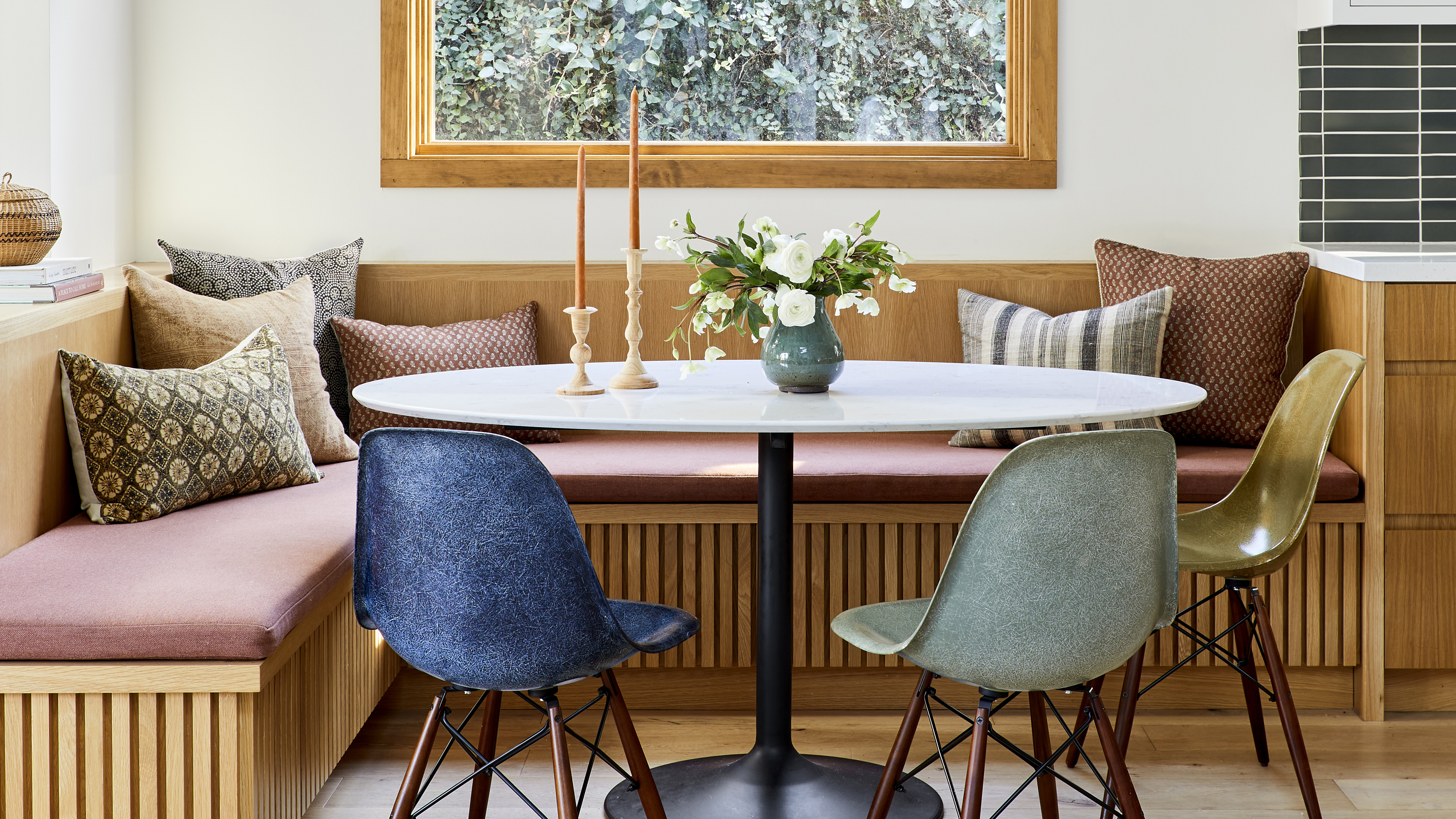
    Mix vintage floral plates with solid colored ones for contrast. Plate hangers are cheap and easy to install, so this project won’t break your budget.

    Practical tip: Start with an odd number of plates (five or seven) for a more natural, balanced arrangement.

    Coastal and Mediterranean kitchens shine with this idea, especially using blue and white ceramic patterns.

    Now let’s compare some common kitchen wall art materials so you know what you’re working with.

    Kitchen Wall Art Material Comparison

    MaterialBest ForMoisture ResistanceAverage Cost
    Canvas PrintLiving areas near kitchenLow$30-$150
    Metal SignNear stove or sinkHigh$20-$100
    Framed Glass PrintDining nook wallsMedium$40-$200
    Ceramic Tile ArtBacksplash accentsHigh$25-$120
    Wood Panel ArtFarmhouse kitchensMedium$35-$180
    ChalkboardEntryway wallsMedium$15-$80

    5. Create a Herb and Spice Illustration Series

    Vibrant Spices and Herbs Canvas Wall Art, Kitchen Decor, Rustic Wooden Spoons Culinary Artwork, Colorful Cooking Gift Art, Home Decor, Print - Etsy
    Credit; Etsy

    Small framed illustrations of herbs like basil, rosemary, and thyme add a fresh, garden-inspired feel. Line them up in a row above your spice rack or near your prep area. These work especially well in narrow wall spaces where bigger art wouldn’t fit.

    Choose muted green and cream tones so the series feels cohesive rather than chaotic. You can even find printable versions online if you want a budget-friendly DIY project.

    Practical tip: Print your own using cardstock and thin frames from a craft store to save money.

    This idea suits cottage, farmhouse, and Scandinavian kitchens where natural elements are already part of the design language.

    If plants inspire you, wait until you see the next idea involving actual greenery paired with wall art.

    6. Combine Wall Art With Hanging Plants

    23 Indoor Plant Wall Ideas to Bring Life to Any Room
    Credit: The Spruce

    Pairing framed prints with trailing plants like pothos or ivy creates a layered, lived-in look. Hang a shelf below your art piece and let the greenery spill over naturally. This works particularly well in kitchens with lots of natural light.

    Choose faux plants if your kitchen doesn’t get enough sunlight, since real ones can wilt fast near heat sources.

    Practical tip: Use a floating shelf bracket rated for at least 20 pounds to hold both the plant pot and any small decor items safely.

    Bohemian and eclectic kitchens especially love this combo, mixing texture and life into an otherwise flat wall.

    Let’s shift gears now and talk about something a little more playful.

    7. Use Typography Art With Kitchen-Related Quotes

    Kitchen Poster Kazaloop Kitchen & Dining Room Wall Art – Fun Text Quote Poster, Contemporary Monochrome Print Posters For Room
    Credit: Benison Media

    Typography art featuring simple, kitchen-themed phrases (think “Fresh Bread Daily” or “Eat Well”) adds personality without being over the top. Choose a clean sans-serif font printed on canvas or wood for a modern touch.

    Avoid cheesy or overused phrases. Instead, pick something specific to your family, like a favorite recipe line or a phrase in another language if you have cultural roots you want to celebrate.

    Practical tip: Keep the color palette to two tones max so the text stays legible from across the room.

    This idea flexes easily between modern, minimalist, and Scandinavian kitchen styles.

    Next, let’s get into something a bit more textured and tactile.

    8. Add Woven Wall Baskets for Texture

    I think the fastest way to change the feel of a home is by creating “texture” on the walls. ✨ A wall canvas or framed print can be beautiful, but natural materials
    Credit: Instagram

    Woven baskets aren’t just for storage. Mounted in a cluster on your kitchen wall, they add texture and warmth instantly. Use varying sizes and shapes for visual interest, and consider spray-painting a few in neutral tones if you want a more curated look.

    This works great above a kitchen island or on a wall that feels too flat and one-dimensional.

    Practical tip: Use small nails or wall hooks specifically designed for lightweight decor to avoid damaging the baskets.

    Boho, coastal, and farmhouse kitchens all benefit from this natural, textural addition.

    Now, let’s talk numbers, because sizing your wall art correctly matters more than people realize.

    Kitchen Wall Art Size Guide by Wall Space

    Wall WidthRecommended Art WidthSuggested Style
    Under 24 inches8-14 inchesSingle small print
    24-48 inches16-30 inchesMedium framed piece or plate cluster
    48-72 inches30-50 inchesGallery wall or statement piece
    Over 72 inches50+ inchesOversized art or multi-panel series

    9. Install a Neon Sign for a Retro Diner Vibe

    Retro Diner - LED Neon Sign – NeonNiche
    Credit: NeonNiche

    Neon signs bring instant energy and a bit of fun nostalgia to kitchen walls. Words like “Coffee” or “Eat” in soft pink or blue neon give off a retro diner feel without requiring a full theme overhaul. These work especially well in kitchens with white or light-colored walls where the glow stands out.

    Keep the placement away from direct water splashes, obviously, since these are electrical.

    Practical tip: Choose LED neon instead of traditional glass tube neon for safety and lower heat output.

    Retro, industrial, and eclectic kitchens are the best match for this bold choice.

    If neon feels like too much, here’s a quieter alternative using natural materials.

    10. Try a Woven Wood Wall Hanging

    Easy woven wall hanging (a great gift!) – twelveOeight
    Credit: TwelveOeight

    Wood wall hangings, whether carved, laser-cut, or made from thin bent panels, bring a warm, organic feel to kitchen walls. These work well above a breakfast nook or dining table where you want something textural but not too busy.

    Choose light wood tones like ash or birch for brighter kitchens, or dark walnut tones for something moodier.

    Practical tip: Seal the wood with a matte protective coat if it’s hanging near cooking areas to prevent moisture damage over time.

    Scandinavian, mid-century modern, and Japandi kitchens all pair beautifully with this style.

    Let’s move from wood to something with a bit more shine and reflection.

    11. Hang a Mirror Instead of Traditional Art

    Statement Mirrors Started Replacing Traditional Wall Art
    Credit: Homeedit

    A mirror on your kitchen wall does double duty. It reflects light, making small kitchens feel bigger, and it acts as a design piece all on its own. Choose a mirror with an interesting frame, like rattan, brass, or carved wood, so it doesn’t feel like an afterthought.

    Place it across from a window to maximize natural light bouncing around the room.

    Practical tip: Avoid hanging mirrors directly across from the stove, since grease splatter can dull the reflective surface over time.

    This idea works across almost every kitchen style, from traditional to ultra-modern, depending on the frame you choose.

    Now let’s look at something with a bit more edge and grit.

    12. Use Industrial Metal Signage

    Story pin image
    Credit: Pinterest

    Metal signs with raised lettering or vintage-style advertisements (think old soda brands or farmhouse motifs) add an industrial edge to kitchen walls. These are extremely durable, easy to wipe clean, and hold up well near cooking areas.

    Choose weathered or distressed finishes for an authentic vintage feel, or go with clean matte black for something more contemporary.

    Practical tip: Look for signs with pre-drilled holes for easy mounting without needing extra hardware.

    Industrial, farmhouse, and rustic kitchens all benefit from this durable, low-maintenance option.

    Let’s wrap up the main ideas with a few creative, less common choices.

    13. Frame Vintage Cookbook Pages or Recipe Cards

    Kitchen Wall Art Using Framed Recipes - Cleverly Simple
    Credit: Cleverly Simple

    If you have old family recipe cards or vintage cookbook pages, frame them. This is one of the most personal, meaningful kitchen wall art ideas out there. It’s not just decoration. It’s a piece of your family history hanging right where you cook.

    Use acid-free matting to protect the paper from yellowing further over time.

    Practical tip: Scan and print copies instead of framing the originals if the cards are fragile or irreplaceable.

    Farmhouse, cottage, and traditional kitchens are the natural home for this sentimental style.

    14. Install a Tile Mosaic Art Panel

    A Complete Guide to Mosaic Tiles Bathroom Ideas - Budget Mosaics | Custom Mosaic Arts, Mosaic Wall Arts, Mosaic Designs, & More
    Credit: Budget Mosaic

    Tile mosaics bring color, pattern, and durability all in one package. Unlike framed prints, these are practically indestructible against heat and moisture, making them perfect for the wall behind your stove or sink. Choose Moroccan-inspired patterns, geometric designs, or even a custom mosaic of your kitchen’s color palette.

    Practical tip: Hire a professional for grouting if you’re doing a large panel, since uneven grout lines are hard to fix later.

    Mediterranean, eclectic, and modern farmhouse kitchens all use this idea beautifully.

    15. Create a Rotating Seasonal Art Display

    Decorating with Emerald Green – Welsh Design Studio
    Credit: welshdesignstudio

    Instead of committing to one permanent piece, use a simple frame or clip system that lets you swap art throughout the year. Hang autumn leaves prints in fall, bright florals in spring, or holiday-themed pieces in winter.

    This keeps your kitchen feeling fresh without a full redecorating project every few months.

    Practical tip: Use a magnetic frame system so swapping art takes seconds, not tools.

    Every kitchen style can use this idea since it’s more about the system than the specific art itself.

    Tips for Success

    • Measure your wall space before buying anything, since oversized or undersized art throws off the whole room’s balance.
    • Stick to a consistent color story across multiple pieces so your kitchen doesn’t feel cluttered or random.
    • Choose moisture-resistant materials near sinks and stoves to avoid warping or fading over time.
    • Layer different textures (wood, metal, ceramic) instead of using only flat prints for a richer look.
    • Leave breathing room. Not every inch of wall needs to be covered.
    • Light your art properly with small picture lights or strategically placed overhead fixtures.
    • Rotate seasonal pieces if you get bored easily, instead of committing to permanent decor everywhere.

    Common Mistakes and How to Avoid Them

    Hanging art too high
    : Kitchen wall art should sit at eye level or slightly above counter height, not stretched near the ceiling like a living room piece.

    Ignoring heat and moisture exposure
    : Choose sealed wood, metal, or glass-framed pieces near stoves and sinks instead of raw canvas or paper.

    Overcrowding small walls
    : Stick to one or two pieces on narrow walls instead of forcing a full gallery wall into a tight space.

    Mismatched frame styles
    : Keep frame finishes consistent (all black, all wood, all gold) across a grouped display for a cleaner look.

    Choosing art that clashes with cabinet tones
    : Pull colors from your cabinets or countertops when picking your art palette to keep things cohesive.

    Forgetting proper anchors for heavy pieces
    : Use wall studs or heavy-duty anchors for anything over five pounds to prevent falling or wall damage.

    Similar Variations

    • Farmhouse Kitchen Wall Art: Focuses on reclaimed wood, chalkboards, and vintage-inspired prints with muted color tones.
    • Coastal Kitchen Wall Art: Uses blue and white palettes, woven textures, and ocean-inspired imagery like shells or waves.
    • Industrial Kitchen Wall Art: Leans into metal signage, exposed bulb fixtures, and raw material finishes like steel and concrete.
    • Scandinavian Kitchen Wall Art: Keeps things minimal with light wood tones, simple typography, and clean geometric shapes.
    • Bohemian Kitchen Wall Art: Mixes textures like macrame, woven baskets, and plants with warm, earthy color palettes.
    • Traditional Kitchen Wall Art: Features classic framed botanical prints, decorative plates, and gold or dark wood frame finishes.

    Picking the right art for your kitchen walls doesn’t have to feel overwhelming once you break it down piece by piece. Whether you go bold with a statement painting or keep it personal with framed family recipes, the goal is always the same: make the space feel like yours. I hope these 15 Kitchen Wall Art ideas gave you enough inspiration to finally fill those empty walls with something you’ll love looking at every single day.

  • 11 Kitchen Accent Wall Ideas That’ll Make Your Space Pop

    11 Kitchen Accent Wall Ideas That’ll Make Your Space Pop

    I’ve spent way too many hours scrolling through kitchen renovation photos, and I can tell you this: an 11 kitchen accent wall approach isn’t just a trend, it’s one of the easiest ways to transform a boring kitchen without breaking your budget. If you’ve been staring at your plain kitchen walls wondering what’s missing, I get it. That “something’s off but I can’t name it” feeling is real.

    A kitchen accent wall is one wall in your kitchen painted, tiled, or textured differently than the rest to create a focal point. It draws the eye, adds contrast, and gives an otherwise flat room some personality without a full remodel.

    Stick around, because I’m about to walk you through 11 solid ideas, plus some real tips on colors, materials, and mistakes to dodge.

    What Exactly Is a Kitchen Accent Wall?

    Okay so let’s back up for a second. A kitchen accent wall is basically one standout wall that looks different from the other three. Maybe it’s bold paint. Maybe it’s textured tile. Maybe it’s reclaimed wood. The point is contrast.

    Think of it like the one friend at a party wearing a bright jacket while everyone else is in neutrals. That wall grabs attention first. It gives your eyes somewhere to land. And honestly, it’s one of the cheapest design tricks that makes a huge visual difference. You don’t need to touch your cabinets or floors. Just pick a wall and make it work harder than the others.

    1. Go Bold With a Deep Emerald Green Wall

    Deep Emerald Green Wall Paint Design for Eclectic Living and Dining Rooms
    Credit: Interior Company

    Deep green walls make white cabinets pop like nothing else. This color feels rich without being loud, and it pairs beautifully with brass or gold hardware.

    Paint the wall behind your stove or sink for max impact since that’s usually where people’s eyes go first anyway. Keep your countertops light, like white quartz or marble, so the green doesn’t overwhelm the room.

    Practical tip: test the paint color at different times of day before committing. Green can look totally different under morning light versus evening lamps.

    This works great in traditional kitchens but also fits modern farmhouse spaces if you pair it with black fixtures.

    Once you’ve nailed the color, you’ll want to think about texture next, because paint alone can only do so much.

    2. Add Texture With Exposed Brick

    Get Brick Wall Texture with These Exposed Brick Wall Designs
    Credit: Livespace

    Exposed brick brings warmth and an industrial edge that painted walls just can’t match. It’s rugged, it’s got history, and it instantly makes a kitchen feel lived-in and cozy instead of sterile.

    If you don’t have real brick, thin brick veneer panels give you the same look without demolition. Stick to warm red or terracotta tones if your kitchen has wood cabinets, or go whitewashed brick for a softer, farmhouse feel.

    Quick tip: seal the brick with a matte sealant so it doesn’t crumble or shed dust near your food prep areas.

    Brick fits industrial lofts perfectly, but whitewashed versions slide right into coastal or Scandinavian kitchens too.

    Speaking of texture, let’s talk about something even bolder: patterned tile.

    3. Install a Statement Tile Backsplash Wall

    How to Create a Beautiful Statement Wall with Back Splash Tile - KTJ Design Co.
    Credit: ktjdesignco

    Tile isn’t just for backsplashes anymore. Turning an entire wall into a tiled feature, especially behind open shelving or a range, creates serious visual drama.

    Moroccan-style tiles, hexagon patterns, or even subway tile laid in a herringbone pattern all work here. Choose a tile color that contrasts with your cabinet color for the best effect.

    Practical tip: order 10% extra tile for cuts and future repairs. Trust me, you don’t want to hunt for a matching batch two years later.

    This idea shines in Mediterranean, eclectic, and bohemian kitchens especially well.

    Now, if tile feels too permanent for you, wallpaper might be your answer.

    4. Use Wallpaper for an Instant Personality Boost

    Wallpaper in the powder room creates an instant personality boost! @khminteriors used our “Leaf Column” to create this stunning space
    Credit: Instagram

    Wallpaper has made a huge comeback, and kitchens are no exception. It’s faster than tiling and way easier to change later if you get tired of it.

    Botanical prints, geometric patterns, and even vintage-inspired designs all work great on a single kitchen wall. Just make sure you pick a wipeable or vinyl-coated wallpaper since kitchens deal with grease and steam.

    Practical tip: apply wallpaper on the wall farthest from your stove to avoid grease buildup ruining the pattern faster than expected.

    Wallpaper adapts to almost any style, from grandmillennial florals to sleek modern geometrics.

    Next up, let’s go even simpler with something you probably already have lying around: wood.

    Material Comparison for Kitchen Accent Walls

    MaterialAverage Cost (per sq ft)DurabilityBest For
    Paint$0.50–$1.50Moderate, needs repainting every 3-5 yrsRenters, budget projects
    Wallpaper$3–$12Moderate, sensitive to moistureDry walls, low-splash zones
    Tile$5–$20High, water and heat resistantBehind stoves, high-traffic areas
    Reclaimed Wood$8–$25High if sealed properlyFarmhouse, rustic kitchens
    Brick Veneer$10–$30Very highIndustrial, loft-style kitchens

    5. Bring in Reclaimed Wood Paneling

    Reclaimed wood paneling – Salvaged wood & Barnwood!
    Credit: historischhout

    Reclaimed wood adds instant warmth and character that new materials just can’t fake. Every plank has its own story, dents, knots, and color variation included.

    Use it on the wall opposite your main cooking area so it doesn’t interfere with heat or grease exposure. Stick to natural stains rather than heavy paint to let the wood grain show through.

    Practical tip: mix plank widths for a more organic, less “kit assembled” look.

    This idea is a natural fit for farmhouse and rustic kitchens, but it also softens up minimalist spaces surprisingly well.

    If wood feels too rustic for your taste, maybe it’s time to consider something sleeker like matte black.

    6. Try a Moody Matte Black Wall

    Black Wall Paint Living Room Inspiration | Apartment Therapy
    Credit: Apartment Therapy

    Matte black sounds intimidating, but it’s actually one of the most versatile accent choices out there. It makes everything else in the room, especially wood tones and metallics, look intentional and expensive.

    Pair it with brass, gold, or copper hardware for warmth, or stick with chrome for a colder, more modern vibe. Keep your lighting bright though, since black absorbs a lot of light naturally.

    Practical tip: use a matte finish, not gloss, because glossy black shows every fingerprint and smudge.

    This works incredibly well in modern and industrial kitchens, though it can also anchor a moody, dramatic traditional space.

    Now let’s lighten things up a bit with a color that’s having a major moment right now.

    7. Paint It Terracotta for Earthy Warmth

    How to use earthy terracotta paint colours for warm, timeless interiors - Edward Bulmer Natural Paint
    Credit: Edward Bulmer

    Terracotta walls bring a sun-baked, Mediterranean warmth that feels both trendy and timeless at the same time. It’s earthy without being boring, and it pairs beautifully with cream, sage green, and warm wood tones.

    This color works especially well if your kitchen gets a lot of natural light since it can look slightly muddy in dim spaces. Balance it out with white or cream countertops to keep things from feeling too heavy.

    Practical tip: use a limewash paint technique for added texture and an authentic, aged look.

    Terracotta fits Mediterranean, boho, and Spanish-style kitchens like it was made for them.

    Let’s switch gears now and talk about something a little more unexpected: chalkboard walls.

    8. Create a Functional Chalkboard Wall

    What's the Best Way to Create a Chalkboard Wall? - Paint EZ
    Credit: Paint EZ

    This one’s fun because it’s not just decorative, it’s actually useful. A chalkboard accent wall gives you space to jot down grocery lists, meal plans, or doodle with the kids.

    Paint just one wall section with chalkboard paint, maybe behind a pantry door or near your fridge. Keep the rest of the kitchen simple so this wall doesn’t feel cluttered or chaotic.

    Practical tip: prime the wall properly before applying chalkboard paint, or it’ll wear unevenly within a few months.

    This idea works surprisingly well in modern farmhouse and eclectic kitchens where function meets personality.

    Speaking of function, let’s talk about a material that’s practical and gorgeous: natural stone.

    9. Feature a Natural Stone Slab Wall

    Slab Wall: Ideas For A Striking Effect | Marble Systems
    Credit: Marble Systems

    Stone slab walls, like the kind you’d see behind a stove in a high-end kitchen, add serious luxury without needing much else in the room. Marble, quartzite, and travertine all bring unique veining that acts like natural art.

    Use this on the wall behind your cooktop for both beauty and heat resistance. Keep your cabinetry simple and streamlined so the stone gets to be the star.
    Practical tip: request a slab with continuous veining so the pattern flows naturally across seams.

    This idea fits high-end modern and transitional kitchens especially well, though it can work in traditional spaces too if you choose a warmer stone tone.

    Now, if stone feels out of budget, here’s a cheaper way to get texture: shiplap.

    10. Install Classic Shiplap for Cozy Charm

    Amazing Shiplap Wall Ideas to Add a Rustic Charm to Your Home - This Old House
    Credit: This Old House

    Shiplap gives you that cozy, cottage-core feeling without costing a fortune. The horizontal lines add subtle texture and make ceilings feel taller by drawing the eye across the wall.

    Paint it white for a classic farmhouse look, or go with a soft blue or sage for something a bit more unique. Keep the boards evenly spaced for a clean, intentional look rather than a rushed DIY vibe.

    Practical tip: use pre-primed shiplap boards to save yourself painting time and get more even coverage.

    This idea is basically a farmhouse and coastal kitchen staple, though it also softens modern spaces nicely.

    Let’s wrap up the numbered ideas with something bold and a little unexpected: mixed metal panels.

    11. Mix Metal Panels for an Edgy Modern Look

    Mixed Metal Kitchens Are the Next Big Thing in Design | Livingetc
    Credit: Livingetc

    Metal accent walls, think copper, brushed steel, or even corrugated tin, bring an unexpected industrial edge that feels fresh and current. It’s not something you see in every kitchen, which makes it stand out even more.

    Use metal panels on a wall away from direct food prep to avoid scratches and dents over time. Pair with warm wood tones or leather bar stools to soften the harder metal texture.

    Practical tip: choose brushed or matte metal finishes over polished ones since they hide fingerprints and scratches much better.

    This idea fits modern industrial kitchens perfectly, but a warm copper tone can even work in eclectic or boho spaces.

    Budget Tiers for Accent Wall Projects

    Budget TierPrice RangeBest Options
    Low ($50–$200)DIY paint or wallpaperBold paint color, peel-and-stick wallpaper
    Mid ($200–$800)Semi-DIY materialsShiplap, brick veneer, tile backsplash
    High ($800–$3000+)Professional installStone slab, custom tile, metal panels

    Tips for Success

    Here’s what I’ve learned from watching (and making) my own kitchen mistakes over the years.

    • Pick your accent wall based on where people naturally look first, usually behind the stove or sink.
    • Test paint and tile samples under your actual kitchen lighting, not just in the store.
    • Balance bold walls with neutral countertops and cabinets so the room doesn’t feel too busy.
    • Don’t rush the prep work. A poorly primed wall ruins even the best paint color.
    • Add a light fixture near the accent wall to highlight the texture or color at night.
    • Keep hardware finishes consistent across the kitchen so the accent wall feels intentional, not random.
    • Live with paint swatches for at least three days before committing to a full wall.

    Common Mistakes and How to Avoid Them

    Choosing a color that clashes with cabinets
    : Pull colors from your existing cabinet undertones, warm or cool, before picking your accent shade.

    Picking a wall with no natural focal point
    : Choose a wall that already draws the eye, like behind the range or a large window.

    Using glossy paint in a high-traffic kitchen
    : Stick to matte or eggshell finishes since they hide imperfections and reduce glare from overhead lighting.

    Ignoring moisture and grease exposure
    : Avoid delicate materials like paper-based wallpaper near stoves or sinks where steam and splatter happen often.

    Overdoing multiple bold elements at once
    : Let the accent wall be the star and keep everything else, like backsplash or flooring, more neutral.

    Skipping a sample test before full installation
    : Always test a small section of paint, tile, or wallpaper first to see how it reacts to your kitchen’s lighting.

    Similar Variations

    • Coastal Blue Accent Wall – Soft blues and whites that mimic ocean tones for a beachy, breezy kitchen feel.
    • Industrial Concrete Wall – Raw concrete or concrete-look panels for an edgy, urban loft vibe.
    • Botanical Wallpaper Wall – Leafy, plant-based patterns that bring nature indoors without needing actual plants.
    • Two-Tone Cabinet and Wall Combo – Matching your accent wall color to just your lower or upper cabinets for a cohesive look.
    • Geometric Tile Feature Wall – Bold patterned tile in one section for a punchy, modern statement.
    • Vintage Mirror Wall – Antique mirrors arranged on one wall to bounce light and add old-world charm.

    At the end of the day, picking the right accent wall really comes down to your kitchen’s natural light, your existing cabinet colors, and how bold you’re willing to go. Whether you choose bold paint, natural stone, or something as simple as shiplap, the goal stays the same: create one wall that makes the whole room feel more finished. That’s really the heart of any good 11 kitchen accent wall idea, giving your space personality without needing a full renovation budget.