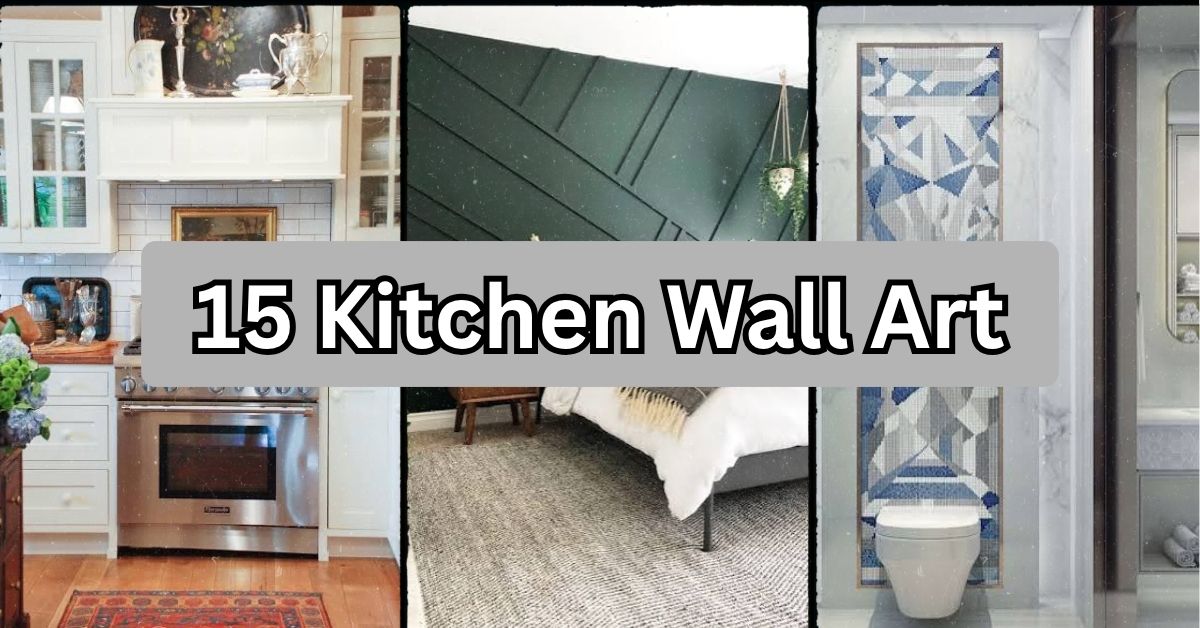
I’ve spent way too many hours scrolling through home decor sites trying to find the perfect answer for kitchen walls, so let me save you the trouble with these 15 kitchen wall art ideas that actually work in real homes.
What is the best kitchen wall art? Kitchen wall art includes framed prints, metal signs, hanging plates, chalkboards, and mounted objects that decorate empty wall space above counters, sinks, and dining areas. The best choices balance style with practicality, using moisture-resistant materials in high-splash zones.
Stick around, because I’m about to show you ideas that go way beyond the typical “Live Laugh Love” sign you’ve seen a hundred times.
What Makes Kitchen Wall Art Different From Other Rooms
Here’s the thing about kitchen walls. They’re not like your living room or bedroom walls. Kitchens deal with grease, steam, and constant activity. So the art you pick has to survive real life, not just look pretty on a Pinterest board.
I always tell people to think about function first, style second. That doesn’t mean boring. It just means smart choices. A canvas print near the stove might warp from heat over time. A metal sign? That thing will outlast your kitchen renovation. Once you get the practical stuff figured out, the fun part (picking colors, themes, and shapes) becomes so much easier.
1. Hang a Gallery Wall of Vintage Botanical Prints
Vintage botanical prints bring old-world charm without trying too hard. Think fruit illustrations, herb sketches, or antique vegetable drawings framed in thin black or gold frames. Group five to seven prints in a cluster above your kitchen table or on an empty wall near the pantry.
Pick frames that match your cabinet hardware for a pulled-together look. Mix frame sizes slightly so it doesn’t feel too matchy.
Practical tip: Use removable adhesive strips instead of nails if you’re renting or unsure about placement.
This idea adapts beautifully to farmhouse and traditional kitchens, but skip it for ultra-modern spaces where clean lines rule.
Next up, let’s talk about something bolder for those who want a statement piece instead of a gallery.
2. Install a Large Statement Piece Above the Stove
Sometimes one big piece beats a dozen small ones. A large abstract painting or oversized print above your stove backsplash creates instant drama. Go for something with warm tones like terracotta, mustard, or deep green to complement wood cabinets.
Make sure the piece is rated for heat exposure or hang it at least three feet from direct flame contact.
Practical tip: Measure your wall space first. A statement piece should cover roughly 60 to 70 percent of the available wall width for proper visual balance.
Modern and industrial kitchens love this approach since it avoids clutter while still adding personality.
If big and bold isn’t your style, maybe something more functional will catch your eye.
3. Mount a Working Chalkboard for Menus and Notes
A chalkboard isn’t just decoration. It’s a tool. Hang a medium-sized chalkboard near your kitchen entrance to jot down grocery lists, weekly menus, or fun quotes. Frame it in reclaimed wood for a rustic touch or a slim black frame for something sleeker.
This works great in family kitchens where communication matters. Kids can leave notes. Parents can post reminders. It’s decor that actually earns its spot on the wall.
Practical tip: Use chalk markers instead of traditional chalk for cleaner lines and less dust.
Farmhouse, cottage, and eclectic kitchens all embrace this idea easily, though modern kitchens might prefer a digital whiteboard alternative instead.
Speaking of function meeting form, let’s look at decorative plates next.
4. Display Decorative Plates in a Circular Pattern
Hanging plates isn’t just for your grandma’s dining room anymore. Choose plates with interesting patterns, colors, or textures and arrange them in a circle or asymmetrical cluster. This adds dimension without taking up counter space.
Mix vintage floral plates with solid colored ones for contrast. Plate hangers are cheap and easy to install, so this project won’t break your budget.
Practical tip: Start with an odd number of plates (five or seven) for a more natural, balanced arrangement.
Coastal and Mediterranean kitchens shine with this idea, especially using blue and white ceramic patterns.
Now let’s compare some common kitchen wall art materials so you know what you’re working with.
Kitchen Wall Art Material Comparison
| Material | Best For | Moisture Resistance | Average Cost |
|---|---|---|---|
| Canvas Print | Living areas near kitchen | Low | $30-$150 |
| Metal Sign | Near stove or sink | High | $20-$100 |
| Framed Glass Print | Dining nook walls | Medium | $40-$200 |
| Ceramic Tile Art | Backsplash accents | High | $25-$120 |
| Wood Panel Art | Farmhouse kitchens | Medium | $35-$180 |
| Chalkboard | Entryway walls | Medium | $15-$80 |
5. Create a Herb and Spice Illustration Series
Small framed illustrations of herbs like basil, rosemary, and thyme add a fresh, garden-inspired feel. Line them up in a row above your spice rack or near your prep area. These work especially well in narrow wall spaces where bigger art wouldn’t fit.
Choose muted green and cream tones so the series feels cohesive rather than chaotic. You can even find printable versions online if you want a budget-friendly DIY project.
Practical tip: Print your own using cardstock and thin frames from a craft store to save money.
This idea suits cottage, farmhouse, and Scandinavian kitchens where natural elements are already part of the design language.
If plants inspire you, wait until you see the next idea involving actual greenery paired with wall art.
6. Combine Wall Art With Hanging Plants
Pairing framed prints with trailing plants like pothos or ivy creates a layered, lived-in look. Hang a shelf below your art piece and let the greenery spill over naturally. This works particularly well in kitchens with lots of natural light.
Choose faux plants if your kitchen doesn’t get enough sunlight, since real ones can wilt fast near heat sources.
Practical tip: Use a floating shelf bracket rated for at least 20 pounds to hold both the plant pot and any small decor items safely.
Bohemian and eclectic kitchens especially love this combo, mixing texture and life into an otherwise flat wall.
Let’s shift gears now and talk about something a little more playful.
7. Use Typography Art With Kitchen-Related Quotes
Typography art featuring simple, kitchen-themed phrases (think “Fresh Bread Daily” or “Eat Well”) adds personality without being over the top. Choose a clean sans-serif font printed on canvas or wood for a modern touch.
Avoid cheesy or overused phrases. Instead, pick something specific to your family, like a favorite recipe line or a phrase in another language if you have cultural roots you want to celebrate.
Practical tip: Keep the color palette to two tones max so the text stays legible from across the room.
This idea flexes easily between modern, minimalist, and Scandinavian kitchen styles.
Next, let’s get into something a bit more textured and tactile.
8. Add Woven Wall Baskets for Texture
Woven baskets aren’t just for storage. Mounted in a cluster on your kitchen wall, they add texture and warmth instantly. Use varying sizes and shapes for visual interest, and consider spray-painting a few in neutral tones if you want a more curated look.
This works great above a kitchen island or on a wall that feels too flat and one-dimensional.
Practical tip: Use small nails or wall hooks specifically designed for lightweight decor to avoid damaging the baskets.
Boho, coastal, and farmhouse kitchens all benefit from this natural, textural addition.
Now, let’s talk numbers, because sizing your wall art correctly matters more than people realize.
Kitchen Wall Art Size Guide by Wall Space
| Wall Width | Recommended Art Width | Suggested Style |
|---|---|---|
| Under 24 inches | 8-14 inches | Single small print |
| 24-48 inches | 16-30 inches | Medium framed piece or plate cluster |
| 48-72 inches | 30-50 inches | Gallery wall or statement piece |
| Over 72 inches | 50+ inches | Oversized art or multi-panel series |
9. Install a Neon Sign for a Retro Diner Vibe
Neon signs bring instant energy and a bit of fun nostalgia to kitchen walls. Words like “Coffee” or “Eat” in soft pink or blue neon give off a retro diner feel without requiring a full theme overhaul. These work especially well in kitchens with white or light-colored walls where the glow stands out.
Keep the placement away from direct water splashes, obviously, since these are electrical.
Practical tip: Choose LED neon instead of traditional glass tube neon for safety and lower heat output.
Retro, industrial, and eclectic kitchens are the best match for this bold choice.
If neon feels like too much, here’s a quieter alternative using natural materials.
10. Try a Woven Wood Wall Hanging
Wood wall hangings, whether carved, laser-cut, or made from thin bent panels, bring a warm, organic feel to kitchen walls. These work well above a breakfast nook or dining table where you want something textural but not too busy.
Choose light wood tones like ash or birch for brighter kitchens, or dark walnut tones for something moodier.
Practical tip: Seal the wood with a matte protective coat if it’s hanging near cooking areas to prevent moisture damage over time.
Scandinavian, mid-century modern, and Japandi kitchens all pair beautifully with this style.
Let’s move from wood to something with a bit more shine and reflection.
11. Hang a Mirror Instead of Traditional Art
A mirror on your kitchen wall does double duty. It reflects light, making small kitchens feel bigger, and it acts as a design piece all on its own. Choose a mirror with an interesting frame, like rattan, brass, or carved wood, so it doesn’t feel like an afterthought.
Place it across from a window to maximize natural light bouncing around the room.
Practical tip: Avoid hanging mirrors directly across from the stove, since grease splatter can dull the reflective surface over time.
This idea works across almost every kitchen style, from traditional to ultra-modern, depending on the frame you choose.
Now let’s look at something with a bit more edge and grit.
12. Use Industrial Metal Signage

Metal signs with raised lettering or vintage-style advertisements (think old soda brands or farmhouse motifs) add an industrial edge to kitchen walls. These are extremely durable, easy to wipe clean, and hold up well near cooking areas.
Choose weathered or distressed finishes for an authentic vintage feel, or go with clean matte black for something more contemporary.
Practical tip: Look for signs with pre-drilled holes for easy mounting without needing extra hardware.
Industrial, farmhouse, and rustic kitchens all benefit from this durable, low-maintenance option.
Let’s wrap up the main ideas with a few creative, less common choices.
13. Frame Vintage Cookbook Pages or Recipe Cards
If you have old family recipe cards or vintage cookbook pages, frame them. This is one of the most personal, meaningful kitchen wall art ideas out there. It’s not just decoration. It’s a piece of your family history hanging right where you cook.
Use acid-free matting to protect the paper from yellowing further over time.
Practical tip: Scan and print copies instead of framing the originals if the cards are fragile or irreplaceable.
Farmhouse, cottage, and traditional kitchens are the natural home for this sentimental style.
14. Install a Tile Mosaic Art Panel
Tile mosaics bring color, pattern, and durability all in one package. Unlike framed prints, these are practically indestructible against heat and moisture, making them perfect for the wall behind your stove or sink. Choose Moroccan-inspired patterns, geometric designs, or even a custom mosaic of your kitchen’s color palette.
Practical tip: Hire a professional for grouting if you’re doing a large panel, since uneven grout lines are hard to fix later.
Mediterranean, eclectic, and modern farmhouse kitchens all use this idea beautifully.
15. Create a Rotating Seasonal Art Display
Instead of committing to one permanent piece, use a simple frame or clip system that lets you swap art throughout the year. Hang autumn leaves prints in fall, bright florals in spring, or holiday-themed pieces in winter.
This keeps your kitchen feeling fresh without a full redecorating project every few months.
Practical tip: Use a magnetic frame system so swapping art takes seconds, not tools.
Every kitchen style can use this idea since it’s more about the system than the specific art itself.
Tips for Success
- Measure your wall space before buying anything, since oversized or undersized art throws off the whole room’s balance.
- Stick to a consistent color story across multiple pieces so your kitchen doesn’t feel cluttered or random.
- Choose moisture-resistant materials near sinks and stoves to avoid warping or fading over time.
- Layer different textures (wood, metal, ceramic) instead of using only flat prints for a richer look.
- Leave breathing room. Not every inch of wall needs to be covered.
- Light your art properly with small picture lights or strategically placed overhead fixtures.
- Rotate seasonal pieces if you get bored easily, instead of committing to permanent decor everywhere.
Common Mistakes and How to Avoid Them
Hanging art too high
: Kitchen wall art should sit at eye level or slightly above counter height, not stretched near the ceiling like a living room piece.
Ignoring heat and moisture exposure
: Choose sealed wood, metal, or glass-framed pieces near stoves and sinks instead of raw canvas or paper.
Overcrowding small walls
: Stick to one or two pieces on narrow walls instead of forcing a full gallery wall into a tight space.
Mismatched frame styles
: Keep frame finishes consistent (all black, all wood, all gold) across a grouped display for a cleaner look.
Choosing art that clashes with cabinet tones
: Pull colors from your cabinets or countertops when picking your art palette to keep things cohesive.
Forgetting proper anchors for heavy pieces
: Use wall studs or heavy-duty anchors for anything over five pounds to prevent falling or wall damage.
Similar Variations
- Farmhouse Kitchen Wall Art: Focuses on reclaimed wood, chalkboards, and vintage-inspired prints with muted color tones.
- Coastal Kitchen Wall Art: Uses blue and white palettes, woven textures, and ocean-inspired imagery like shells or waves.
- Industrial Kitchen Wall Art: Leans into metal signage, exposed bulb fixtures, and raw material finishes like steel and concrete.
- Scandinavian Kitchen Wall Art: Keeps things minimal with light wood tones, simple typography, and clean geometric shapes.
- Bohemian Kitchen Wall Art: Mixes textures like macrame, woven baskets, and plants with warm, earthy color palettes.
- Traditional Kitchen Wall Art: Features classic framed botanical prints, decorative plates, and gold or dark wood frame finishes.
Picking the right art for your kitchen walls doesn’t have to feel overwhelming once you break it down piece by piece. Whether you go bold with a statement painting or keep it personal with framed family recipes, the goal is always the same: make the space feel like yours. I hope these 15 Kitchen Wall Art ideas gave you enough inspiration to finally fill those empty walls with something you’ll love looking at every single day.
Leave a Reply