Author: Tayef

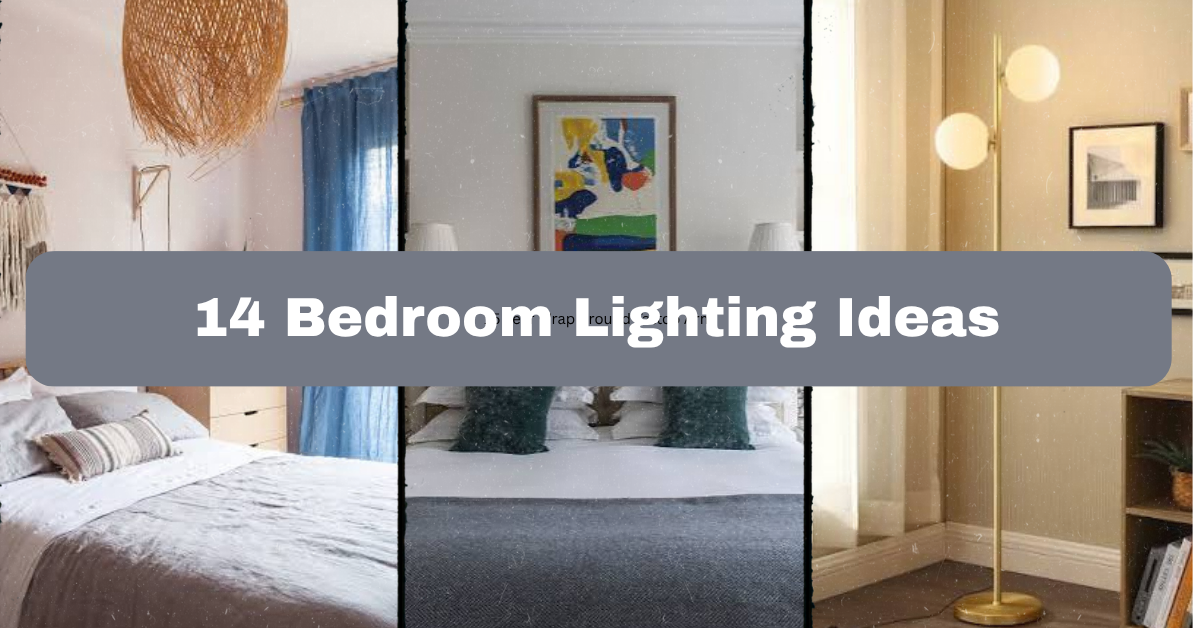
  • 14 Bedroom Lighting Ideas That Will Change How You Sleep and Live

    14 Bedroom Lighting Ideas That Will Change How You Sleep and Live

    If you’ve been searching for real, usable 14 bedroom lighting ideas that actually work in a normal home (not just a fancy showroom), you’re in the right spot. I’ve tested a lot of these myself, and I’m going to walk you through what actually makes a difference versus what’s just Pinterest fluff.

    Bedroom lighting design refers to the placement and layering of light sources such as overhead fixtures, lamps, sconces, and LED strips to create function and mood in a sleeping space. The best setups use three light layers: ambient, task, and accent, adjusted by dimmers to fit different times of day.

    Stick around, because I’m about to show you exactly how to layer light like a designer, without hiring one or spending a fortune.

    What Makes Bedroom Lighting Actually Work

    Here’s the thing about bedroom lighting. Most people just slap a ceiling fixture up there and call it done. Then they wonder why the room feels flat, harsh, or weirdly clinical at 9pm. Good bedroom lighting isn’t about one big light. It’s about layering different sources so you can adjust the mood depending on what you’re doing, reading, sleeping, getting dressed, or just relaxing. I think of it like seasoning food. One flavor is boring. A mix of a few good ones makes the whole thing pop. That’s what we’re going for here, a room that feels calm at night and functional in the morning.

    1. Install a Statement Pendant Light Above the Bed

    5 Bedroom Pendant Light ideas | Houzz UK
    Credit: Houzz

    Skip the boring flush-mount ceiling light. A single pendant hanging low over each nightstand, or one bold pendant centered above the headboard, instantly makes the room feel designed on purpose. It also frees up nightstand space since you’re not cramming lamps on tiny surfaces.

    Pick a pendant with a warm-toned shade (linen, rattan, or frosted glass) so the light feels soft, not office-like. Hang it about 20 to 24 inches above the nightstand surface.

    Practical tip: Use a plug-in pendant kit if you don’t want to deal with hardwiring. They mount just as easily and look identical once installed.

    This works in almost every style. Rattan pendants lean coastal or boho, while a sculptural metal pendant feels more modern or industrial. Once your overhead statement piece is set, it’s time to think about what’s happening lower down in the room.

    2. Layer in Adjustable Wall Sconces Instead of Table Lamps

    Bedroom wall lighting ideas: 17 ways with task lighting | Homes and Gardens
    Credit: Homes And gardens

    Wall sconces mounted beside the bed do double duty. They save nightstand space and they look intentional, like something out of a boutique hotel. Go for swing-arm sconces if you like to read in bed, since you can angle the light exactly where you need it.

    Choose sconces with a warm white bulb (around 2700K) so the light feels cozy instead of sterile. Mount them about 60 to 65 inches from the floor, roughly at eye level when seated in bed.

    Practical tip: Install a small dimmer switch on each sconce so both sides of the bed can be adjusted independently.

    Traditional homes look great with brass or bronze sconces, while modern spaces do well with matte black or minimalist white ones. Once your sconces are handled, don’t forget the corners of the room, because empty corners kill ambiance fast.

    3. Add a Floor Lamp in an Empty Corner

    How to Decorate Corners with Floor Lamps That Wow – Alfanite Store
    Credit: Alfanite Store

    Every bedroom has that one dead corner that just sits there doing nothing. A floor lamp fixes that instantly. It softens the room, fills visual gaps, and gives you a secondary light source that doesn’t feel as harsh as overhead lighting.

    Arc floor lamps work great next to reading chairs. Torchiere-style lamps (the ones that point light upward) are better for softly lighting a whole corner without glare.

    Practical tip: Pick a lamp with a three-way switch so you can control brightness without needing a smart bulb.

    Coastal and farmhouse rooms love woven or wood-based lamp bases. Modern rooms lean toward slim metal or matte black finishes. Speaking of filling gaps, let’s talk about one of the most underrated lighting tricks: the humble table lamp duo.

    4. Use Matching Table Lamps for Balance and Symmetry

    10 Bedroom Lighting Ideas to Energize a Room - Just Shades
    Credit: Just shades

    There’s something calming about symmetry. Two matching lamps on either side of the bed create balance and make the whole room feel finished. This is a classic move, but it works because it works.

    Pick lamps with a shade that diffuses light evenly, avoiding anything too glossy or metallic on the inside of the shade, since that can create harsh glare.

    Practical tip: Match the lamp height to just above shoulder level when you’re sitting up in bed. That way the light hits your book or phone without shining in your eyes.

    Traditional and transitional bedrooms shine with ceramic or glass lamp bases. Boho spaces might swap in textured jute or clay lamp bases instead. Now that your nightstands are sorted, let’s move to something a little more playful: string lights.

    Lamp Shade Materials Compared

    MaterialLight QualityBest ForApprox. Price Range
    LinenSoft, warm, diffusedTraditional, transitional$25–$60
    Frosted GlassBright, even, slightly coolModern, minimalist$30–$90
    Rattan/WovenDappled, cozy glowCoastal, boho$20–$55
    Metal (perforated)Dramatic shadowsIndustrial, eclectic$35–$80
    Paper/RiceVery soft, dimJapandi, minimalist$15–$40

    5. String Fairy Lights Along the Headboard or Wall

    Bedroom fairy lights inspiration: fairy lights for the bedroom
    Credit: Cosmopolitan

    I know, string lights feel like a college dorm cliche. But used right, with warm white LEDs and a clean installation, they add a soft glow that regular lamps can’t match. Drape them along a wall, weave them through a canopy frame, or frame the headboard.

    Go with battery-operated or plug-in LED string lights on a timer so you’re not tangled in cords every night.

    Practical tip: Use clear adhesive clips instead of tape. Tape peels paint off walls over time, and nobody wants that surprise.

    In boho or eclectic rooms, let the lights hang loose and a little messy. In modern rooms, keep them tucked into a clean geometric shape. Once you’ve got that soft ambient glow going, it’s time to think about how your closet gets lit too.

    6. Add LED Strip Lighting Inside Closets or Under Furniture

    10 Genius Closet Lighting Ideas to Brighten Your Wardrobe
    Credit: ELLE decor

    This one’s more functional than pretty, but it makes a real difference day to day. LED strips inside a closet, under a bed frame, or behind a headboard add a soft glow that’s perfect for late-night bathroom trips or early mornings when you don’t want to blast the overhead light.

    Choose strips with a motion sensor or a simple on/off switch mounted near the closet door.

    Practical tip: Stick to warm white (2700K to 3000K) strips for bedrooms. Cool white feels too much like a hospital hallway.

    This idea fits any style since the strips are hidden. Nobody sees the light source, just the effect. Now let’s talk about something people overlook constantly: dimmer switches.

    7. Install Dimmer Switches on Every Fixture You Can

    Bedroom Lights : A Comprehensive Guide on Bedroom Lighting Ideas | Light And Living
    Credit: Light and Living

    This is probably the single most useful upgrade on this whole list. A dimmer switch turns one fixture into five different moods. Bright for cleaning, moderate for getting dressed, low for winding down at night.

    Swap your standard wall switch for a dimmer-compatible one, and make sure your bulbs are labeled “dimmable,” since not all LED bulbs are.

    Practical tip: Smart dimmer switches (the kind you control from your phone or a voice assistant) cost more upfront but save you from ever getting out of bed to turn off the light again.

    Every single home style benefits from this. It’s basically invisible design that changes how a room feels. Speaking of changing how a room feels, let’s talk about color temperature next, since it matters just as much as brightness.

    Color Temperature Guide for Bedrooms

    Kelvin (K)Light AppearanceBest Use in Bedroom
    2200K–2700KWarm amber glowNightstand lamps, sconces
    2700K–3000KSoft warm whiteGeneral ambient lighting
    3000K–3500KNeutral whiteCloset lighting, vanity area
    4000K+Cool/bright whiteAvoid in bedrooms, feels clinical

    8. Hang a Chandelier for a Touch of Drama

    How to Choose the Beautiful Brilliance of a Bedroom Chandelier
    Credit: Sofary Lighting

    A mini chandelier doesn’t just belong in dining rooms anymore. Hanging one in a bedroom, especially over a reading nook or centered above the bed, instantly upgrades the whole space. It reads as intentional and a little luxurious without costing a fortune.

    Look for a chandelier scaled to the room. A general rule: add the room’s length and width in feet, and that number in inches is roughly the ideal chandelier diameter.

    Practical tip: Keep the bottom of the chandelier at least 7 feet from the floor to avoid head bumps, especially if it’s centered in a walking path.

    Traditional homes go for crystal or candle-style chandeliers. Modern spaces prefer linear or geometric metal designs. Once you’ve added drama up top, let’s bring some light down low with accent lighting.

    9. Use Picture Lights or Art Lighting for Accent Glow

    What Is Accent Lighting? Design Pros Explain With Examples | Livingetc
    Credit: Living etc

    If you’ve got artwork or a gallery wall in your bedroom, small picture lights mounted above the frames add a soft accent glow that makes the whole wall feel gallery-worthy. It’s a subtle touch, but it adds a layer of light that most bedrooms are missing.

    Battery-operated picture lights are the easiest option since there’s no wiring involved.

    Practical tip: Angle the light slightly downward to avoid glare bouncing off glass-framed pieces.

    This works beautifully in traditional and eclectic spaces especially, where art tends to be a focal point. In more minimalist rooms, a single accent light over one statement piece works better than lighting up a whole wall. Now, let’s move to a light source most people forget entirely: the closet or reading nook lamp.

    10. Add a Dedicated Reading Nook Light

    How to make (and light) the perfect reading nook
    Credit: Pooky Lighting

    If you’ve got a chair, window seat, or bench in your bedroom, it deserves its own light. A small task lamp or an adjustable wall-mounted light next to that spot turns it into an actual usable space instead of just a place where laundry piles up.

    Go with a swing-arm or gooseneck lamp so you can direct the light exactly onto your book or laptop.

    Practical tip: Position the light so it shines over your shoulder, not directly in front of your face, to cut down on glare and eye strain.

    Coastal and cottage-style rooms love a woven pendant hanging low over the nook. Modern spaces do well with a slim articulating lamp in matte black or brushed nickel. Next, let’s talk about a trick interior designers use constantly: uplighting.

    11. Use Uplighting to Highlight Architectural Features

    Bedroom wall lighting ideas: 17 ways with task lighting | Homes and Gardens
    Credit: homes and gardens

    If your bedroom has a vaulted ceiling, exposed beams, or an interesting textured wall, uplighting draws attention to it. Small directional floor lights or recessed wall lights aimed upward create dramatic shadows and highlight the shape of the room itself.

    Place uplights about 6 to 12 inches from the wall or feature you’re highlighting for the best shadow effect.

    Practical tip: LED puck lights on a small remote-controlled dimmer are an easy no-wiring option for renters.

    This idea suits modern and industrial spaces especially well, since those styles lean into architectural detail. Traditional rooms can use it too, just aimed at crown molding or a fireplace mantel instead. Now let’s cover something practical and often skipped: mirror lighting.

    12. Add Lighting Around or Near a Vanity Mirror

    10 Gorgeous Ways to Light Your Bathroom Vanity Mirror | Houzz IE
    Credit: Houzz.ie

    If your bedroom doubles as your getting-ready space, a well-lit mirror matters more than people think. Overhead lighting alone creates shadows on your face. Lights mounted on either side of the mirror, at eye level, give even, flattering light.

    LED-backlit mirrors are a newer option that skip separate fixtures entirely, since the light is built into the mirror’s edge.

    Practical tip: Stick to 3000K bulbs near mirrors. Warmer light flatters skin tone better than cool white.

    This fits modern, glam, and transitional bedrooms especially well. Traditional spaces might prefer classic sconces flanking a framed mirror instead. Once your mirror’s sorted, let’s zoom out and talk about ceiling options beyond the basic flush mount.

    13. Try Recessed Lighting for a Clean, Modern Ceiling

    Small Bedroom Lighting Ideas for Indian Homes 2026 | Jaquar
    Credit: jaquar global

    Recessed lights (also called can lights) sit flush in the ceiling and give a clean, minimal look without any visible fixture. They’re great for general ambient lighting, especially in rooms with lower ceilings where a hanging fixture might feel cramped.

    Space recessed lights about 4 to 6 feet apart for even coverage across the room.

    Practical tip: Put recessed lights on a separate dimmer from your other fixtures so you can turn them down low for a soft glow instead of just off or fully bright.

    This is a natural fit for modern and minimalist bedrooms. In more traditional spaces, recessed lighting works best as a supporting layer behind a chandelier or ceiling medallion, not as the main event. Last but definitely not least, let’s talk about lighting that changes with your mood, literally.

    14. Add Smart, Color-Changing Bulbs for Flexible Mood Lighting

    Bedroom LED Strip Lights for Soft Ambient Lighting – Future Light - LED Lights South Africa
    Credit: Future Light

    Smart bulbs that shift between warm white, cool white, and even soft colors give you the most flexible setup on this whole list. Want a soft pink glow before bed? Bright white for cleaning? Warm amber for movie night? One bulb, controlled from your phone, does it all.

    Start with just one or two fixtures on smart bulbs rather than replacing everything at once. It’s an easy, affordable way to test the feature before committing.

    Practical tip: Set a scheduled “wind down” scene that gradually dims and warms the light starting an hour before your usual bedtime.

    This idea fits literally any decor style since the bulb itself usually looks like a normal bulb. The color and brightness do all the work. With all fourteen ideas on the table, let’s talk about how to actually pull this off without making rookie mistakes.

    Tips for Success

    • Layer at least three light sources in every bedroom: ambient, task, and accent.
    • Stick to warm color temperatures (2700K to 3000K) for most bedroom fixtures.
    • Put dimmers on as many fixtures as your budget allows, starting with the main overhead light.
    • Test lamp placement before mounting anything permanent. Move lamps around for a few days first.
    • Avoid lighting a room with only one overhead source. Shadows and flat light will make it feel unfinished.
    • Match metal finishes across fixtures (all brass, all black, etc.) for a cohesive look.
    • Save receipts and mounting hardware in case you’re renting and need to reverse any changes.

    Common Mistakes and How to Avoid Them

    Using only one overhead light
    : This creates harsh shadows and flat mood. Add at least two more light sources, like a lamp and a sconce.

    Choosing cool white bulbs for a cozy room
    : Cool white (4000K+) feels clinical in bedrooms. Stick to warm white, 2700K to 3000K, for a relaxing feel.

    Skipping dimmers entirely
    : Without dimmers, you’re stuck with one brightness level all day. Even a basic plug-in dimmer switch fixes this cheaply.

    Placing lamps too high or too low
    : Light should hit around shoulder height when seated. Adjust lamp or shade height so it doesn’t shine directly into your eyes.

    Ignoring closet and vanity lighting
    : These functional zones need their own light source. Add LED strips or dedicated fixtures instead of relying on the main room light.

    Overcrowding the ceiling with too many fixtures
    : A chandelier plus recessed lights plus a fan light can look cluttered. Pick one main ceiling feature and support it with lamps instead.

    Similar Variations

    • Hygge Bedroom Lighting: Focuses on candles, warm lamps, and soft textiles for a Danish-inspired cozy feel.
    • Glam Bedroom Lighting: Leans on crystal chandeliers, mirrored surfaces, and metallic accents for a luxe vibe.
    • Japandi Bedroom Lighting: Combines paper lantern-style shades with minimal, low-profile fixtures for a calm, natural look.
    • Industrial Bedroom Lighting: Uses exposed bulbs, black metal fixtures, and pendant lights with an unfinished, warehouse feel.
    • Coastal Bedroom Lighting: Relies on rattan shades, whitewashed finishes, and soft natural light for a beachy mood.
    • Dark Academia Bedroom Lighting: Uses brass sconces, low amber light, and vintage-style lamps for a moody, scholarly feel.

    Good bedroom lighting really comes down to layering, not luck. Once you mix ambient, task, and accent light, and dial in the warm color temperature, the whole room just feels better without you even knowing exactly why. Start small with one or two changes from this list, see how the room feels, then build from there. That’s really the whole secret behind these 14 bedroom lighting ideas.
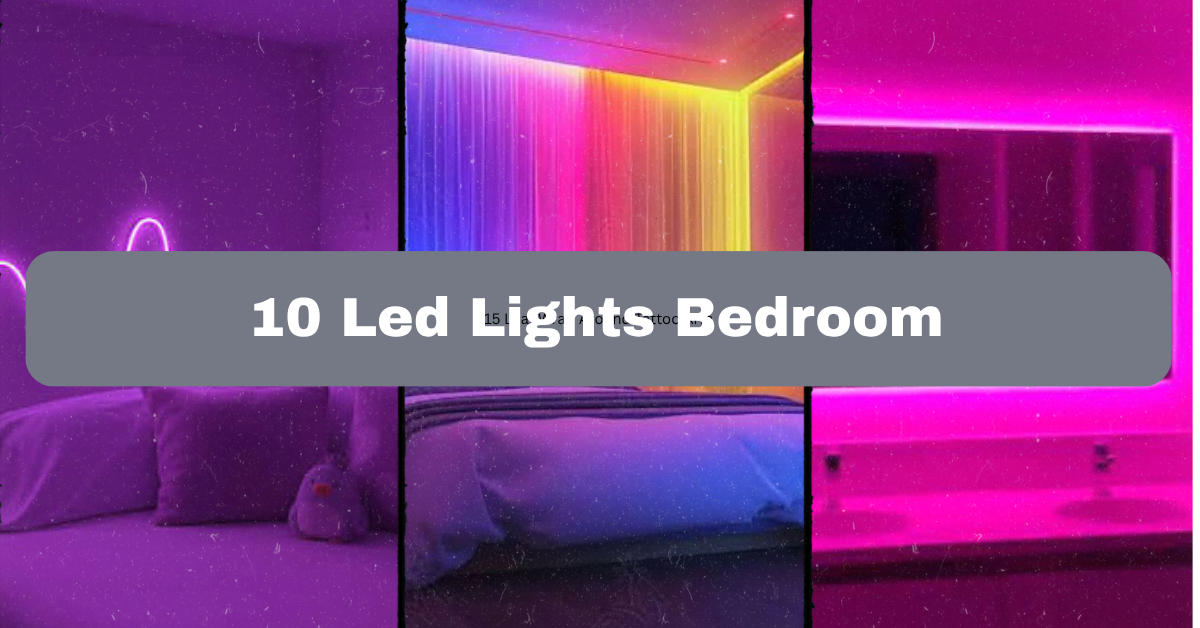
  • 10 LED Lights Bedroom Ideas That Actually Work

    10 LED Lights Bedroom Ideas That Actually Work

    If you’ve been scrolling through a hundred different pages trying to figure out the best 10 LED lights bedroom setups, you can stop now. I’ve pulled together the ideas that actually get used in real bedrooms, not just in showroom photos that never happen in real life.

    LED lights for a bedroom refer to strip lights, bulbs, or fixtures using light-emitting diodes to create ambient, task, or accent lighting. They’re energy efficient, come in many colors, and can be placed behind furniture, along ceilings, or around mirrors to change a room’s mood instantly.

    Stick around, because I’m about to walk you through more than a dozen ways to use these lights, plus the mistakes that trip up almost everyone the first time.

    What Makes LED Bedroom Lighting So Popular Right Now

    I’ll be honest, I was skeptical about LED strip lights at first. They seemed like something only teenagers wanted for their gaming setups. But once I tried a warm white strip behind my headboard, I got it. LED lighting isn’t just a trend, it’s a cheap way to totally change how a room feels without touching the paint or furniture. You can go moody and dim, bright and energizing, or somewhere in between, all with a remote or an app. That flexibility is why designers now treat LEDs as a real decor tool, not just a gadget.

    1. Backlight Your Headboard for Instant Drama

    Smart LED Lighting Hacks for a Cozy and Inviting Bedroom
    Credit: The Projection Room

    Sticking an LED strip behind your headboard is probably the easiest upgrade you can make. The light spills out around the edges and creates a soft glow that makes the whole wall look intentional. I like warm white or soft amber tones here because they feel cozy instead of clinical.

    Pick a headboard with some gap behind it, like a slatted wood one, so the light can peek through nicely. A quick tip: use a strip with at least 16 color options so you can switch things up for movie nights versus reading time. This works in almost any style, from farmhouse to modern minimalist, since the light source stays hidden.

    Once your headboard glows, the next natural step is bringing that same energy to the ceiling.

    2. Frame Your Ceiling With a Cove Light Border

    35 LED Strip Ideas for the Bedroom (2026) - LEDYi Lighting
    Credit: ledyilighting

    Cove lighting means running LED strips along the edge where your ceiling meets the wall, hidden inside a small ledge or molding. It gives the illusion of a floating ceiling and makes small bedrooms feel taller. I’ve seen this done in rental apartments using peel-and-stick trim, no construction needed.

    Go with a dimmable strip so you can control brightness based on time of day. For color scheme, cool white works great in modern rooms, while soft gold suits traditional or farmhouse spaces. This idea plays especially well in rooms with low ceilings that need a lift.

    Next, let’s bring that glow down closer to eye level with something you’ll actually touch every day.

    3. Wrap LED Strips Around Your Mirror Frame

    How To Install LED Strip Lights Behind Mirror Flexfire LEDs
    Credit:flexfireleds

    A lit-up mirror frame turns a boring dresser mirror into a whole vibe, kind of like a backstage dressing room. Stick the strip along the back edge of the mirror frame so the light bounces softly instead of shining directly at you.

    This is great for getting ready in the morning because it lights your face evenly, no harsh shadows. Pick a mirror with a slightly raised frame so there’s room to tuck the strip. A quick actionable tip: use a strip with adjustable brightness so it doesn’t blind you at 6 a.m. This idea fits glam, coastal, or Hollywood regency style rooms especially well.

    Speaking of getting ready, your closet deserves the same lighting love.

    4. Light Up Closet Shelves So You Can Actually See Your Clothes

    10 Genius Closet Lighting Ideas to Brighten Your Wardrobe
    Credit: ELLE decor

    I used to dig through my closet with my phone flashlight like a raccoon looking for snacks. Adding a battery-powered or plug-in LED strip to each shelf fixed that instantly. You see colors accurately, find matching socks, and stop knocking things over.

    Motion-sensor strips are the best upgrade here since the light turns on only when you open the door, saving battery and electricity. This works in every home style because closets are closets, nobody sees this shelf from outside the closet anyway.

    Now let’s talk about a spot most people totally forget: under the bed.

    5. Add a Soft Glow Under the Bed Frame

    35 LED Strip Ideas for the Bedroom (2026) - LEDYi Lighting
    Credit:

    Under-bed LED lighting creates a floating effect, like your bed is hovering. It also doubles as a nightlight if you tend to stumble to the bathroom at 2 a.m. Stick the strip along the underside edge of the frame, facing down and slightly out.

    I recommend a warm white or soft blue tone here, both feel calming rather than distracting. A practical tip: choose a strip with a remote so you don’t have to crawl under the bed to turn it off. This idea suits modern and minimalist rooms particularly well since it emphasizes clean lines and negative space.

    Once your bed glows, your desk area is the next spot that could use some love.

    Budget Tiers for LED Bedroom Lighting

    Budget LevelPrice RangeWhat You GetBest For
    Basic$10 to $25Single-color strip, plug-in, basic remoteRenters, first-timers
    Mid-range$25 to $60RGB color strip, app control, music syncMost bedrooms
    Premium$60 to $150Smart strip, voice control, dimmable zones, longer lifespanFull room transformations
    Pro Install$150 and upBuilt-in cove lighting, wired fixtures, professional setupRenovations, new builds

    6. Create a Cozy Reading Nook With a Warm LED Lamp Strip

    35 LED Strip Ideas for the Bedroom (2026) - LEDYi Lighting
    Credit: ledyilighting

    If you’ve got a chair or a window seat in your bedroom, a small LED strip tucked behind it or along a nearby shelf makes reading feel like an event. I put one behind a small bookshelf next to my armchair and it instantly became my favorite corner of the house.

    Stick with warm white, around 2700K to 3000K, because cooler tones make reading feel like you’re in an office. A good tip: pair the strip with a small side table lamp for layered lighting instead of relying on one source. This nook idea works beautifully in cottage, traditional, or boho-styled rooms where coziness is the whole point.

    Once your reading corner is sorted, let’s tackle the wall space above your bed.

    7. Outline Wall Art or Shelves With Accent Strips

    Wooden Wall Art with LED Lights | Radha Wood – radhawood
    Credit: Radha Wood

    Got a gallery wall or floating shelves above your bed? Running a thin LED strip along the back edge of the frame or shelf gives it a museum-quality glow. It draws the eye without needing a spotlight lamp taking up floor space.

    I suggest cool white for art that has a lot of color, since it keeps colors true, and warm white for black-and-white photography or wood-toned shelves. Actionable tip: measure your shelf length before buying so you don’t end up with leftover strip bunched up awkwardly. This works across almost every style, from industrial lofts to soft Scandinavian bedrooms.

    Now, let’s move to a spot that’s often overlooked but makes a huge visual impact: the ceiling fan or light fixture area.

    8. Swap Your Ceiling Fixture for an LED Panel or Ring Light

    4/6/8 Rings LED Semi-Flush Ceiling Light Dimmable/Non-Dimmable – Living and Home
    Credit: living and home

    A flush-mount LED panel or ring light gives your whole room even, glare-free light instead of one harsh bulb in the middle. These often come with adjustable color temperature, so you can go bright white for cleaning day and dim amber for winding down.

    I recommend picking a fixture with at least three brightness settings built in, not just on-off. A quick tip: match the fixture’s finish, like brushed nickel or matte black, to your other bedroom hardware for a pulled-together look. This idea adapts to almost any style since panel shapes range from sleek circles to boxy squares.

    While we’re on the ceiling, let’s talk about something even more customizable: smart bulbs.

    9. Use Smart LED Bulbs in Existing Lamps for Instant Mood Control

    Smart LED Lighting Hacks for a Cozy and Inviting Bedroom
    Credit: The Projection Room

    You don’t always need strips. Sometimes swapping your regular bulbs for smart LED bulbs is the easiest fix. These bulbs connect to an app or voice assistant, letting you change color and brightness without buying new lamps.

    I like keeping one lamp on a warm, dim setting for nighttime and another on cooler white for daytime tasks like folding laundry. Practical tip: buy bulbs that support scheduling, so lights dim automatically as bedtime approaches. This works in literally every home style since it’s just a bulb swap, no visible tech changes the room’s look.

    Next, let’s get into something a little more playful: string lights with shapes.

    10. Hang Star or Shape-Based LED String Lights on a Feature Wall

    LED Star Decorative Moon Light String Lights | Homesouq – Homesouq Qatar Online Shopping
    Credit: Homesouq Qatar

    Instead of plain string lights, shaped LED lights, like stars, moons, or geometric patterns, add a playful touch without looking childish if you pick a subtle design. Drape them along one wall, weaving them through wall hooks or a piece of driftwood for texture.

    Choose warm white for a calming effect, or go with color-changing ones for a fun accent during parties or lazy weekends. Tip: use removable adhesive hooks so you don’t damage your walls when redecorating later. This idea shines in boho, coastal, and eclectic bedrooms especially.

    Let’s now cover a spot that’s functional and often ignored: the nightstand area.

    11. Add a Small LED Strip or Puck Light Inside Nightstand Drawers

    35 LED Strip Ideas for the Bedroom (2026) - LEDYi Lighting
    Credit: ledyilighting

    This one’s a small detail but it makes a big difference late at night. A tiny battery-powered LED puck light inside your nightstand drawer means you can grab your glasses, chapstick, or phone charger without flipping on a bright lamp and waking yourself up fully.

    Motion-activated pucks are worth the few extra dollars here. Tip: stick them to the top inside edge of the drawer so the light shines down evenly. This tiny upgrade fits any decor style because nobody but you ever sees inside that drawer.

    Now let’s zoom out and look at the whole ceiling with a bigger lighting move: color-changing sync lighting.

    12. Set Up Color-Changing LED Strips That Sync With Music or Movies

    KSIPZE 10m Led Strip Lights RGB Music Sync Color Changing, Bluetooth Led Lights with Smart App Control Remote, Led Lights for Bedroom Lighting Flexible Room Home Decoration in Pakistan | OK Computers
    Credit: OK Computers

    If you want your bedroom to feel like a mini entertainment space, color-changing LED strips with music sync turn sound into a light show. Run the strip along your TV wall or entertainment shelf, then let the app pulse colors along with whatever you’re watching or listening to.

    This works best in rooms already leaning modern or gaming-inspired, since the effect is bold and a little flashy. Tip: keep a static warm white setting saved as a favorite for regular nights, so you’re not stuck flipping through color modes every time you want to sleep. This idea is less suited to soft traditional or farmhouse rooms, where the vibe is calmer.

    With all these ideas in your back pocket, let’s talk color temperature, since it affects nearly every idea above.

    Color Temperature Guide for Bedroom LEDs

    Kelvin RangeLight AppearanceBest Use in Bedroom
    2000K to 2700KWarm amber, candle-likeHeadboard, reading nook, nightstand
    2700K to 3500KSoft white, cozyCeiling cove, closet, general ambiance
    3500K to 4500KNeutral whiteMirror lighting, desk area
    5000K and upCool bright whiteTask lighting, closet shelves, cleaning tasks

    Tips for Success

    • Always measure your space before ordering strips, running short mid-project is a common headache.
    • Choose strips with at least a two-year warranty since cheaper ones burn out fast.
    • Layer at least two light sources in the room so you’re never stuck with one harsh setting.
    • Keep a dimmer or app control handy, fixed-brightness lights get annoying fast.
    • Test bulb color temperature before committing to a whole room, colors look different once installed.
    • Hide wiring with cord clips or channels so the finished look feels clean, not tangled.
    • Buy a few extra connector clips, they’re small and easy to lose during install.

    Common Mistakes and How to Avoid Them

    Buying strips that are too bright for a bedroom
    : Stick to under 3000K color temperature and choose dimmable options so you can soften brightness at night.

    Skipping the adhesive prep step
    : Clean the surface with rubbing alcohol before sticking strips, dust and oil make them fall off within weeks.

    Ignoring power source placement
    : Plan your outlet location before installing, running visible cords across the wall ruins the clean look.

    Using one light source for the whole room
    : Mix ambient, task, and accent lighting so the room doesn’t feel flat or overly bright in one spot.

    Choosing color-changing strips for every zone
    : Save the flashy colors for accent areas only, using them everywhere makes the room feel more like a nightclub than a bedroom.

    Forgetting remote or app compatibility
    : Check that your strip’s app works with your phone’s operating system before buying, some older models only support specific devices.

    Similar Variations

    • Smart Home Integrated Lighting: LED bedroom lights connected to voice assistants and full home automation systems.
    • Fairy Light Bedroom Style: Softer, thinner string lights draped loosely for a whimsical, low-tech feel.
    • Neon Sign Accent Lighting: Bold LED neon-style signs used as a single statement piece instead of strips.
    • Gaming Room LED Setup: Bright, color-changing LED strips synced with monitors and consoles for an immersive feel.
    • Minimalist Hidden Lighting: LEDs tucked entirely out of sight, only the glow is visible, no visible strips or fixtures.

    Getting your bedroom lighting right doesn’t need to be complicated or expensive. A few well-placed strips, a smart bulb swap, and some thought about color temperature can completely change how your room feels morning and night. Whether you go bold with color-changing accents or keep it simple with warm white cove lighting, the right 10 LED lights bedroom setup is really just about matching the glow to how you actually live in that room.

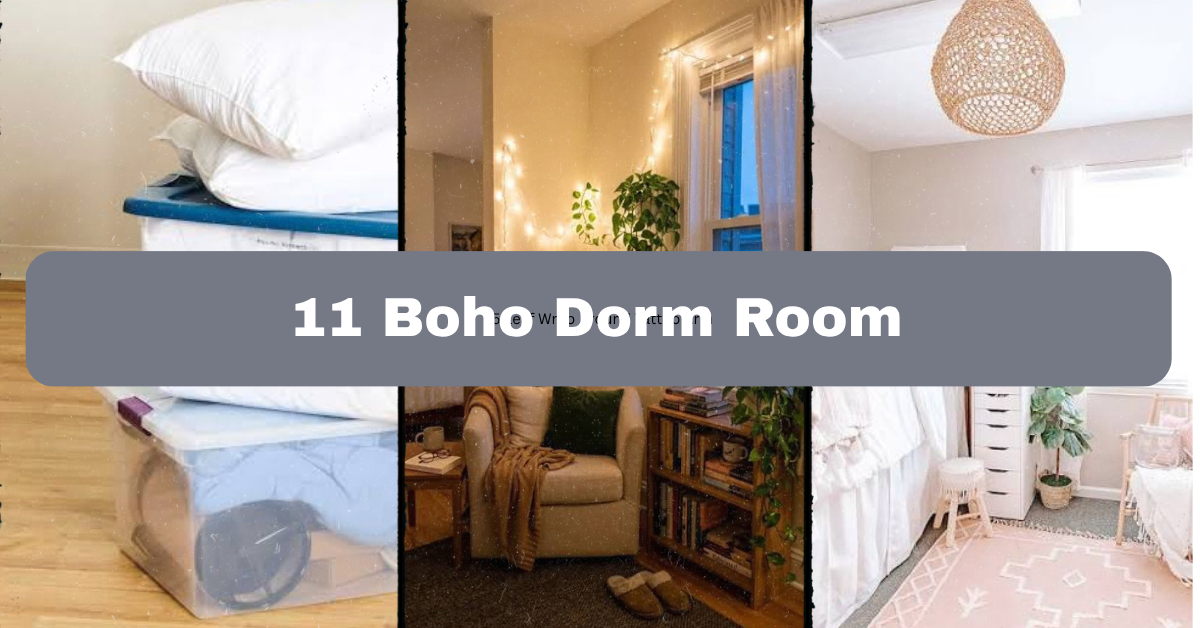
  • 11 Boho Dorm Room Ideas That’ll Make Your Tiny Space Feel Like a Cozy Escape

    11 Boho Dorm Room Ideas That’ll Make Your Tiny Space Feel Like a Cozy Escape

    If you’ve been searching for 11 boho dorm room ideas that actually work in a tiny college space, you’re in the right spot. I’ve pulled together the most complete, no-fluff list out there, so you don’t have to dig through fifty Pinterest boards yourself.

    A boho dorm room is a small living space decorated with warm colors, layered textures, plants, and eclectic decor that mixes patterns and cultures freely. It’s about comfort over matching sets, and personality over perfection.

    Stick around, because I’m about to walk you through twelve ideas (yes, more than the usual ten or eleven you see floating around), plus tables, tips, and mistakes to dodge.

    What Even Is Boho Style, Anyway?

    Okay so real talk. Boho, short for bohemian, started as a way of living that ignored strict rules. Think free spirits, world travelers, and artists who just grabbed what they loved and made it work together. In a dorm room, that means you’re not stressing about matching your curtains to your bedspread. You’re mixing textures, colors, and random treasures you’ve collected. It’s warm. It’s a little messy in the best way. And honestly? It’s perfect for small spaces because it hides imperfections instead of highlighting them. If your dorm walls are ugly cinderblock, boho decor makes that a feature, not a flaw.

    1. Hang a Macrame Wall Tapestry Behind Your Bed

    Bohemian Wall Hanging Handwoven Tapestry For Living Room Bedroom Ethnic Art Macrame Sun Wall Hanging Tapestry Sunset Wall Art Set Woven Tapestries Boho Colorful for Bedroom Living Room Nursery - Walmart.ca
    Credit: Walmart

    A macrame tapestry is basically the boho dorm MVP. It’s lightweight, doesn’t need nails (command hooks work great), and instantly covers up that sad dorm wall. Pick one in cream, rust, or sage to keep things earthy.

    Here’s the tip: hang it slightly wider than your bed frame so it frames the whole headboard area, not just a small patch.

    This works because it adds texture without taking up floor space, which matters a ton in dorms. If you’re more of a modern minimalist, go for a tapestry with simple geometric knots instead of fringe overload. Coastal fans can swap in a woven piece with shell accents instead.

    Once your wall’s got that cozy backdrop, it’s time to think about what’s actually holding your stuff.

    2. Swap Plastic Storage Bins for Woven Baskets

    How To Pack for College Without a Suitcase | Dorm Therapy
    Credit: Dorm Therapy

    Dorm storage is usually ugly. Plastic bins under the bed, wire shelves, all that stuff screams “temporary.” Woven baskets fix this instantly. Use them for blankets, shoes, or snacks, and stack a few different sizes for a layered look.

    Quick tip: label them with small tags so roommates know which basket is whose.

    Color scheme wise, stick to natural tones like tan, honey, or dark brown so they blend with everything else. Traditional style lovers can pick baskets with tighter weaves and more structure, while coastal boho fans should look for lighter, bleached rattan.

    Once your storage looks intentional, your string lights need an upgrade too.

    3. Use Warm String Lights Instead of Harsh Overhead Lighting

    Fairy Lights Reading Nook: 9 Soft-Glow Ideas
    Credit: Little Nook Home

    Dorm overhead lights are brutal. Fluorescent, cold, unflattering. Warm white string lights fix that fast. Drape them along your bed frame, around a mirror, or across the ceiling in a loose zigzag.

    Actionable tip: buy battery-powered ones if your dorm doesn’t allow tons of outlets near your bed.

    This is one of those ideas that fits basically any style. Modern rooms can use plain warm bulbs, while boho spaces look great with lantern-shaped covers or paper globes mixed in.

    Lighting sets the mood, but nothing pulls a boho room together like a good rug.

    4. Layer a Small Area Rug Over Dorm Carpet

    Dorm Room Ideas - How to Decorate Your Dorm Room
    Credit: Dressmycrib

    Most dorm carpets are thin and gray. A patterned area rug adds warmth and hides that sad carpet completely. Go for something with tribal prints, diamond shapes, or faded vintage patterns.

    Tip: measure your floor space first. A rug that’s too small will look like an accident, not a design choice.

    Rug SizeBest ForApprox. Price Range
    3×5 ftSmall dorm floor space, under desk$25-$60
    4×6 ftCenter of room, under bed frame edge$50-$100
    5×7 ftLarger dorms, shared common areas$80-$150
    Round 4 ftReading nook or accent spot$30-$70

    Traditional dorms can go with a Persian-inspired pattern, while coastal styles look better with jute or sisal weaves. Once your floor’s covered, let’s talk about your bed, because that’s the heart of the room.

    5. Pile on Textured Throw Pillows and Blankets

    Throw at Linen Chest | Linen Chest
    Credit: Linen chest

    Your bed is basically your couch, desk chair, and hangout spot all in one. Boho style loves layers, so don’t stop at one blanket. Mix a chunky knit throw with a patterned Moroccan-style blanket, then add three or four pillows in different textures like velvet, tassel trim, and woven cotton.

    Tip: keep your color palette to three main tones so it doesn’t look chaotic.

    Boho Color PaletteMain TonesAccent Colors
    Desert SunsetTerracotta, creamMustard, dusty pink
    Earthy NeutralBeige, brownSage green, rust
    Jewel BohoDeep teal, plumGold, burnt orange
    Soft Pastel BohoBlush, lavenderCream, sage

    This idea flexes easily. Modern rooms can stick to solid colors with one patterned pillow, while eclectic boho spaces can go wild with five different prints. Speaking of prints, your walls deserve some love too.

    6. Create a Gallery Wall With Mixed Frames and Prints

    How to create the perfect gallery wall at home | House & Garden
    Credit: Hpuse & Garden

    Skip the single poster. Boho dorms thrive on a gallery wall mixing photos, small tapestries, dried flowers, and art prints in different frame styles. Wood frames, no frames, string-hung prints, all of it works together.

    Tip: lay everything out on the floor first before hanging so you can plan spacing without a hundred nail holes.

    This idea adapts really well. Traditional homes might use matching frames for a cleaner look, while true boho spaces love mismatched, imperfect arrangements. Once your walls are full of personality, plants are the next natural step.

    7. Add Layers of Plants (Real or Faux)

    Brilliant And Affordable Boho Dorm Room Decor Ideas - Posh Pennies
    Credit: Posh Pennies

    Plants make any room feel alive, and boho spaces basically require at least one. Small potted succulents on your desk, a trailing pothos on a shelf, maybe a taller faux fiddle leaf fig in the corner if you’ve got floor space.

    Tip: if your dorm has zero sunlight, go faux. Nobody needs to grieve a dead plant during finals week.

    Plant TypeLight NeededReal or Faux Recommended
    PothosLow lightReal (very forgiving)
    SucculentBright lightReal if sunny window
    Fiddle Leaf FigBright indirectFaux (hard to keep alive)
    Snake PlantLow lightReal (nearly indestructible)

    Coastal boho rooms pair plants with woven planters, while modern spaces prefer simple ceramic pots in white or black. Now that your greenery’s sorted, let’s cover up that ugly desk chair.

    8. Drape a Patterned Throw Over Your Desk Chair

    💗 Coastal Preppy Luxe Dorm Room Design with an alternate rug choice! 💗 Make sure you're following me & comment “LUXE” for a dm! If you're a girl searching for the prettiest
    Credit: Instagram

    Dorm desk chairs are usually plain, stiff, and honestly kind of depressing to look at. A patterned throw blanket draped over the back instantly softens it up and ties in your color scheme.

    Tip: pick a fabric that’s easy to wash since desk chairs get used a lot.

    This trick works in nearly any style. Traditional rooms can use a plaid or tartan throw, while boho rooms look best with fringe-edge or tribal print fabric. With your chair sorted, it’s time to think about scent and mood lighting together.

    9. Set Up a Small Candle or Incense Corner

    How to Create a Cottagecore Dorm Room: Cozy Decor Tips
    Credit: Lord Decor

    Boho spaces are all about the senses, not just the visuals. A tiny corner with candles, incense holders, and maybe a small tray for matches adds that “cozy hideaway” feeling.

    Tip: check your dorm’s fire policy first. Flameless LED candles are a smart swap if real flames aren’t allowed.

    Modern rooms might keep this minimal with one simple candle, while eclectic boho spaces love a cluttered little altar-like setup with crystals and trinkets mixed in. Once your senses are covered, let’s talk about window treatments.

    10. Hang Sheer or Macrame Curtains for Softness

    Macrame Curtains: Stylish Boho Cotton Window Curtain Collection – LushDecor
    Credit: Lush Decor

    Dorm windows usually come with ugly plastic blinds. Adding a sheer curtain panel or a macrame curtain piece softens the whole vibe instantly, even if you can’t remove the blinds underneath.

    Tip: use a tension rod so you don’t need to drill anything into the wall.

    Coastal boho rooms love light, breezy sheer fabric in white or cream, while jewel-toned boho spaces might choose a rust or deep green sheer panel instead. Curtains set the tone, but your desk area needs personality too.

    11. Personalize Your Desk With Small Trinkets and Woven Trays

    Boho Dorm Decor Ideas for Your College Dorm Room
    Credit: TriangleseniorYear

    Your desk doesn’t have to be boring just because it’s for studying. Add a small woven tray to hold pens and jewelry, a tiny plant, and maybe a stack of books with a patterned bookend. This turns a purely functional spot into part of your overall design.

    Tip: keep desk decor to three or four items max so you still have room to actually study.

    Traditional style desks might use brass trinket dishes, while boho desks lean toward clay pots, beads, or small woven baskets. Last but not least, let’s talk about pulling it all together with a statement piece.

    12. Choose One Bold Statement Piece to Anchor the Room

    10 Boho Dorm Room Ideas for a Calm and Cozy College Oasis
    Credit: Omni Home Ideas

    Every good boho dorm room ideas list needs this one: pick a single bold item that becomes the room’s anchor. Maybe it’s a huge tapestry, a colorful bean bag chair, or a vintage-style trunk at the foot of your bed. This piece pulls all your smaller choices together and gives the room a focal point.

    Tip: choose this piece first, then build your color palette around it instead of the other way around.

    Modern dorms might choose a bold geometric rug as their anchor, while coastal boho rooms might pick a big driftwood-style mirror instead.

    Tips for Success

    • Start with your color palette before buying anything, so pieces actually match instead of clashing randomly.
    • Use command strips and tension rods for everything since most dorms ban nails and drilling.
    • Shop secondhand stores and thrift shops first. Boho style actually looks better when things look a little worn in.
    • Keep a small toolkit of double-sided tape and velcro strips for hanging lightweight decor.
    • Don’t overbuy. A cluttered dorm room stops looking boho and starts looking messy fast.
    • Measure your space before ordering rugs, tapestries, or furniture online.
    • Add one new item at a time instead of decorating all at once. It helps you avoid decor you’ll regret.

    Common Mistakes and How to Avoid Them

    Buying too many patterns at once
    : Stick to two or three main patterns max, then use solid colors to balance things out.

    Ignoring your dorm’s actual rules
    : Always check fire codes and wall damage policies before buying candles, lights, or anything that needs nails.

    Choosing a rug that’s too small
    : Measure your floor space first and round up in size rather than down.

    Forgetting storage needs
    : Boho decor items like baskets should double as actual storage, not just decoration.

    Overcrowding your desk
    : Keep your workspace functional first, decorative second, or you’ll avoid using it altogether.

    Skipping lighting changes
    : Fluorescent overhead lights ruin the cozy vibe fast, so always add a warm light source.

    Similar Variations

    • Desert Boho: Leans into terracotta, cacti, and sun-bleached tones for a warm, dry-climate feel.
    • Coastal Boho: Mixes light woods, sea grass textures, and breezy white fabrics for a beachy touch.
    • Jungle Boho: Packs in tons of green plants and tropical prints for a lush, jungle-inspired room.
    • Vintage Boho: Focuses on secondhand furniture, antique trinkets, and faded floral patterns.
    • Modern Boho: Combines clean lines and neutral colors with just a few boho accents like woven textures.
    • Global Boho: Mixes patterns and decor pieces from different cultures and countries into one eclectic space.

    Putting together a boho dorm room really comes down to layering textures, sticking to a warm color palette, and adding pieces that feel personal to you. You don’t need a big budget or a huge room to make it work. Small changes like string lights, a good rug, and a few plants go a long way. So if you’ve been stuck trying to figure out where to start, just pick two or three ideas from this list and build from there, because that’s really all it takes to nail these 11 boho dorm room ideas in your own space.

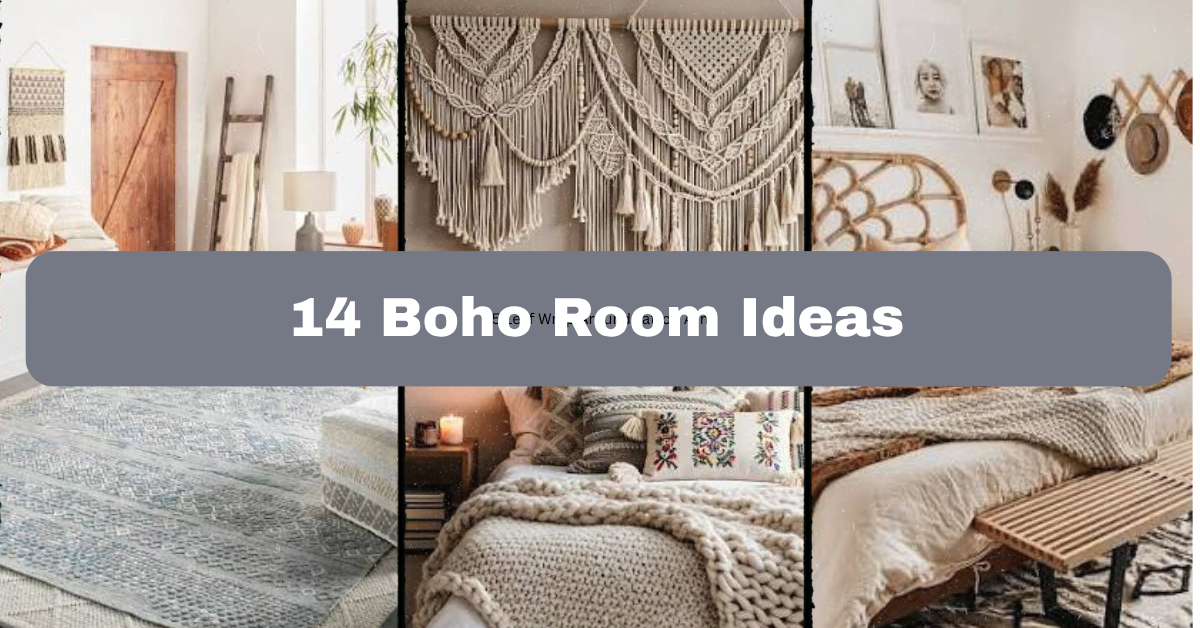
  • 14 Boho Room Ideas That Bring Warmth and Personality Into Any Home

    14 Boho Room Ideas That Bring Warmth and Personality Into Any Home

    If you’re hunting for 14 boho room ideas that actually work in real homes (not just Pinterest fantasy land), you’ve landed in the right spot. I’ve spent years pulling apart what makes boho spaces feel cozy instead of cluttered, and I’m handing you every trick I know.

    Boho room design blends natural materials, layered textiles, and global-inspired patterns into a relaxed, eclectic look. The style favors warm neutrals, earthy accents, and mixed textures over strict matching or symmetry.

    Stick around, because I’m about to walk you through specific ideas, real budget numbers, and mistakes that trip up almost everyone.

    What Exactly Is Boho Style, Anyway?

    Boho comes from “bohemian,” a word that used to describe artists and free spirits who lived outside the mainstream. That spirit still shows up in the decor. Think layered rugs, plants everywhere, warm lighting, and furniture that looks collected over time instead of bought as a matching set.

    I always tell people boho isn’t about following rules. It’s about mixing textures and colors you love until the room feels like you. No two boho rooms should look identical. That’s honestly the whole point. Once you get comfortable with that idea, the rest of this article will feel a lot less intimidating.

    1. Layer a Chunky Woven Rug Over a Flatweave Base

    A Complete Beginner's Guide To Layering Rugs | Layla Grayce
    Credit: Laylagrayce

    Two rugs are better than one in a boho room. Start with a flatweave jute or sisal rug as your base layer, then toss a smaller, textured wool or shag rug on top at an angle. This creates depth without costing a fortune.

    The trick is picking rugs in complementary tones, not identical ones. A cream jute base with a rust or terracotta accent rug looks intentional, not messy.

    Practical tip: Buy your base rug slightly larger than the room’s seating area, then size your accent rug to cover about 60% of it.

    This layering trick works in modern farmhouse spaces too, just swap warm terracotta for cooler grays. Once your floor feels grounded, it’s time to think about what goes on the walls.

    2. Hang a Macrame Wall Piece as Your Focal Point

    Boho Bedroom Decor Macrame Wall Hanging, Cozy Bedding, Plants, Interior Design Stock Illustration - Illustration of elegant, aesthetic: 410505785
    Credit: Dreamstime.com

    Macrame is basically the unofficial symbol of boho decor. A large knotted wall hanging above a bed or sofa instantly signals “boho” without saying a word.

    Choose one in natural cotton or jute rope for that raw, earthy look. Avoid pieces that are too small; they get lost on big walls. A macrame piece should take up roughly one-third to one-half of the wall space above your furniture.

    Practical tip: Hang it slightly higher than eye level so it doesn’t compete visually with headboards or couch backs.

    Coastal-boho fans often pick macrame with shell accents woven in. Traditional-leaning homes can use smaller macrame pieces as subtle accents instead of statement pieces. Next, let’s talk about what holds all these textures together: color.

    3. Build Your Palette Around Warm Neutrals

    Boho Decor: Create A Stylish And Eclectic Home Ambiance
    Credit: work-tops

    Boho color schemes lean heavily on warm, earthy tones. Think terracotta, mustard, rust, sand, and deep browns. These colors mimic nature and give the room that lived-in warmth boho is known for.

    The mistake a lot of people make is adding too many bright colors at once. Boho works best when 70% of your palette is neutral and the rest is accent color.

    Boho Color Palette Combinations

    Palette NameBase ColorsAccent ColorsBest For
    Desert SunsetSand, cream, tanTerracotta, burnt orangeLiving rooms
    Forest BohoOlive, moss, creamMustard, walnut brownBedrooms
    Coastal BohoWhite, natural linenSeafoam, driftwood graySunrooms
    Spice MarketCamel, rustDeep red, goldDining areas

    Pick one palette and stick with it across your furniture, textiles, and wall art. This keeps a room with lots of pattern from feeling chaotic. Speaking of pattern, let’s get into textiles next.

    4. Mix at Least Three Patterned Textiles Per Room

    25 Boho Bedroom Ideas for a Free-Spirited Sleeping Space
    Credit: ELLE Decor

    Boho rooms thrive on pattern mixing. Throw pillows, blankets, curtains, and poufs all give you a chance to add prints without overwhelming the space.

    The rule I follow: pick patterns in different scales. Pair a large geometric print with a small ditsy floral and a solid-colored textured knit. That variety keeps the eye moving without feeling busy.

    Practical tip: Keep at least one pattern’s color tying back to your main wall color so everything feels connected.

    Modern boho spaces tend toward geometric prints in muted tones, while traditional boho leans into paisley and floral. Once your textiles are sorted, plants are the next natural step.

    5. Fill Corners With Trailing and Potted Plants

    10 Ways to Infuse Bohemian Style into Your Space
    Credit: Reimaginehome

    You can’t talk about boho without talking about plants. They bring life, texture, and that “lived outdoors” feeling indoors. Pothos, spider plants, and snake plants are nearly impossible to kill and look great in woven baskets or ceramic pots.

    Trailing plants on shelves or hanging from macrame planters add vertical interest. Taller plants like a fiddle leaf fig fill empty corners nicely.

    Practical tip: Group plants in odd numbers (three or five) at varying heights for a more natural look.

    Desert boho rooms often swap leafy plants for cacti and succulents instead. Coastal boho keeps things minimal with just one or two statement plants. Now let’s talk furniture, since plants need somewhere to sit.

    6. Choose Low-Profile, Natural Wood Furniture

    8 boho small living room ideas — artsy and eclectic decor | Real Homes
    Credit: real Homes

    Boho furniture usually sits low to the ground and shows off natural materials like rattan, bamboo, or reclaimed wood. Think low platform beds, rattan chairs, and wooden coffee tables with visible grain.

    Avoid furniture with sharp, ultra-modern lines. It clashes with the relaxed, organic feel boho is going for. Vintage or secondhand pieces actually work better here since they already have character.

    Practical tip: Check local thrift stores or estate sales for wood furniture; a light sanding and oil rub can make old pieces look intentional and rustic.

    Traditional homes can mix in one or two antique wood pieces for a similar effect. Coastal boho spaces often prefer whitewashed or bleached wood instead of dark tones. Furniture sets the stage, but lighting brings the mood.

    7. Layer Lighting With Lanterns, String Lights, and Warm Bulbs

    10 Boho Bedroom Lighting Ideas for a Warm, Layered Glow | Decoriosity
    Credit: Decoriosity

    Harsh overhead lighting kills the boho vibe instantly. Instead, layer your light sources. Use floor lamps with woven or paper shades, add string lights along a headboard or window frame, and toss in a few lanterns with candles for texture.

    Stick to warm-toned bulbs (2700K or lower) instead of cool white ones. Warm light makes earthy colors glow instead of looking flat.

    Practical tip: Put lamps on dimmer switches or use smart bulbs so you can adjust brightness depending on the time of day.

    Budget Tiers for Boho Lighting

    Budget LevelWhat You GetApproximate Cost
    StarterString lights + one paper lantern$25–$40
    Mid-rangeWoven floor lamp + string lights + candles$80–$150
    StatementRattan pendant light + layered lamps$200–$400

    Modern boho rooms often use sculptural pendant lights instead of lanterns. Traditional spaces might swap string lights for candle sconces. With lighting sorted, let’s talk about a boho staple: the reading nook.

    8. Create a Cozy Floor Cushion Reading Nook

    My Cozy Bohemian Reading Corner — My Moonstone Kitchen
    Credit: My Moonstone Kitchen

    Boho rooms almost always have one spot dedicated to lounging low. A floor cushion nook works great in a bedroom corner, sunroom, or even a hallway alcove.

    Stack a few oversized floor pillows or a low pouf, add a small side table, and toss a blanket within reach. This kind of nook invites you to slow down, which is really the heart of boho living.

    Practical tip: Use a round jute rug underneath the cushions to visually anchor the space and define it from the rest of the room.

    Small apartments can shrink this idea down to a single corner. Larger homes can expand it into a full reading room with a hanging chair. Speaking of hanging chairs, let’s get into that next.

    9. Add a Rattan Hanging Chair for Playful Texture

    What are Some Ideas for Hanging Chairs in Bedrooms? – Simply Hammocks
    Credit: simply hammocks

    A hanging rattan or wicker chair brings texture and a little bit of whimsy into a boho room. It works great near a window where natural light can filter through the woven material and cast interesting shadows.

    Pair it with a plush cushion in a solid color to balance out the busy weave pattern. This piece works as both a functional seat and a sculptural decor element.

    Practical tip: If you’re renting, look for a stand-mounted hanging chair instead of one that requires ceiling installation.

    Coastal boho spaces often choose white-painted rattan chairs, while desert boho keeps the natural tan color. This chair naturally pulls the eye upward, which brings us to ceilings and walls.

    10. Add Texture to Walls With Rattan Mirrors or Woven Panels

    Rattan Wall Decor: Stunning Pieces To Die For - MOMIJI Journal
    Credit: Momiji Journal

    Blank walls feel too sterile for boho. Round rattan mirrors are an easy fix. They add shape, texture, and function all at once. Woven wall panels or wood slat accents work well too if you want something bigger than a mirror.

    Group two or three rattan mirrors in different sizes for a gallery-style wall instead of one giant piece.

    Practical tip: Hang mirrors opposite a window to bounce natural light deeper into the room.

    Modern boho spaces might use a single oversized rattan mirror as a minimalist statement. Traditional homes can pair rattan mirrors with framed botanical prints for a mixed-gallery look. Walls handled, let’s talk about window treatments next.

    11. Hang Sheer or Textured Curtains for Soft Light Filtering

    Boho Curtain Ideas to Cozy Up Your Space
    Credit: the Hues

    Boho windows usually skip heavy blackout curtains in favor of sheer linen or cotton panels. These let soft, diffused light fill the room during the day, which keeps that warm, relaxed feeling going.

    If privacy is a concern, layer a sheer curtain with a woven bamboo shade underneath. You get light control without losing the airy look.

    Practical tip: Hang curtain rods a few inches above the window frame and extend them slightly wider than the window itself. It makes ceilings feel taller and windows feel bigger.

    Coastal boho leans into crisp white linen curtains, while desert boho might use rust or cream tones instead. Now let’s move to something people always forget: the ceiling.

    12. Don’t Ignore the Ceiling; Add a Woven Pendant or Fabric Canopy

    Steal These 50 Exclusive Boho Bedroom Ideas NOW!
    Credit: Livespace

    Most people decorate walls and floors but completely skip the ceiling. A woven rattan pendant light or a draped fabric canopy over a bed instantly makes a boho room feel finished and intentional.

    A canopy doesn’t need to be expensive. A few yards of lightweight cotton gauze draped from a ceiling hook above the bed does the job.

    Practical tip: Use removable ceiling hooks if you’re renting, so you don’t damage the ceiling when it’s time to move.

    Traditional bedrooms can use a more structured four-post canopy frame instead of draped fabric. Modern boho spaces often stick with a single sculptural pendant light instead. Once the ceiling feels finished, small personal touches finish the room off.

    13. Display Collected Objects Instead of Matching Decor Sets

    17 Boho Decorating Ideas for Your Home | Extra Space Storage
    Credit: Extra Space Storage

    Boho rooms tell a story through objects, not matching decor sets from a single store. Vintage bottles, woven baskets, ceramic vases, and travel souvenirs all work together when grouped thoughtfully on shelves or side tables.

    The key is grouping by color or material, not by matching style. Three ceramic vases in different shapes but similar earthy tones look more curated than three identical vases.

    Practical tip: Rotate your displayed objects seasonally to keep the room feeling fresh without buying anything new.

    This idea flexes easily across every home style since it’s really about personal collection, not a specific look. Last on my list is something a lot of guides skip entirely: scent.

    14. Layer in Natural Scents With Candles or Incense

    Boho Bedroom Decor for Magic Nights - Boho Chic Unique
    Credit: Boho Chiq Unique

    Boho decor isn’t just visual. Scent plays a role too. Wood-wick candles, palo santo, or incense sticks add warmth and make a room feel complete, not just decorated.

    Stick to earthy, natural scents like sandalwood, cedar, or amber instead of sharp floral fragrances. It matches the grounded, natural feeling of the rest of the room.

    Practical tip: Keep a small ceramic dish or tray nearby for ash and burnt matches so this stays practical and not messy.

    This finishing touch works no matter what other style you’re blending boho with, since scent isn’t tied to a visual aesthetic at all.

    Tips for Success

    • Start with your rug and lighting first; they set the mood before furniture even goes in.
    • Shop secondhand stores for wood furniture and baskets since character matters more than “new” in boho spaces.
    • Stick to one dominant color palette even when mixing lots of patterns.
    • Add plants gradually; a room can look sparse at first and fill in nicely over a few months.
    • Use natural materials (rattan, jute, cotton, wood) as your anchor whenever you’re unsure what to buy next.
    • Don’t rush the “collected over time” look; boho rooms often improve the longer you live in them.

    Common Mistakes and How to Avoid Them

    Too much matching furniture
    : Boho thrives on mismatched, collected pieces. Mix wood tones and shapes instead of buying a matching set.

    Overcrowding with too many patterns
    : Stick to three or fewer patterns per room and vary their scale so the eye has somewhere to rest.

    Using cool-toned lighting
    : Swap cool white bulbs for warm bulbs under 3000K to keep earthy colors looking rich instead of flat.

    Skipping the ceiling and walls
    : Add a pendant light, canopy, or wall hanging so the whole room feels finished, not just the floor level.

    Buying everything brand new
    : Vintage and secondhand pieces bring the worn-in character that boho depends on. Thrift first, buy new second.

    Similar Variations

    • Desert Boho leans into cacti, warm terracotta tones, and Southwestern patterns like Aztec prints.
    • Coastal Boho mixes boho textures with driftwood, seashells, and a lighter, whitewashed color palette.
    • Modern Boho trims down the clutter and pairs clean furniture lines with just a few key boho textures.
    • Jungle Boho goes heavy on plants and tropical prints for a lush, greenhouse-like feel.
    • Scandi Boho blends Scandinavian minimalism with boho warmth, keeping color palettes lighter and simpler.
    • Vintage Boho focuses on antique furniture, worn textiles, and objects with real history behind them.

    Boho design really comes down to mixing textures, warm colors, and personal objects until a room feels like it grew naturally over time instead of being bought all at once. Whether you start with a rug, a plant, or a single macrame wall hanging, small changes add up fast once you start layering them together. I hope these 14 boho room ideas give you a solid starting point for building a space that actually feels like home.

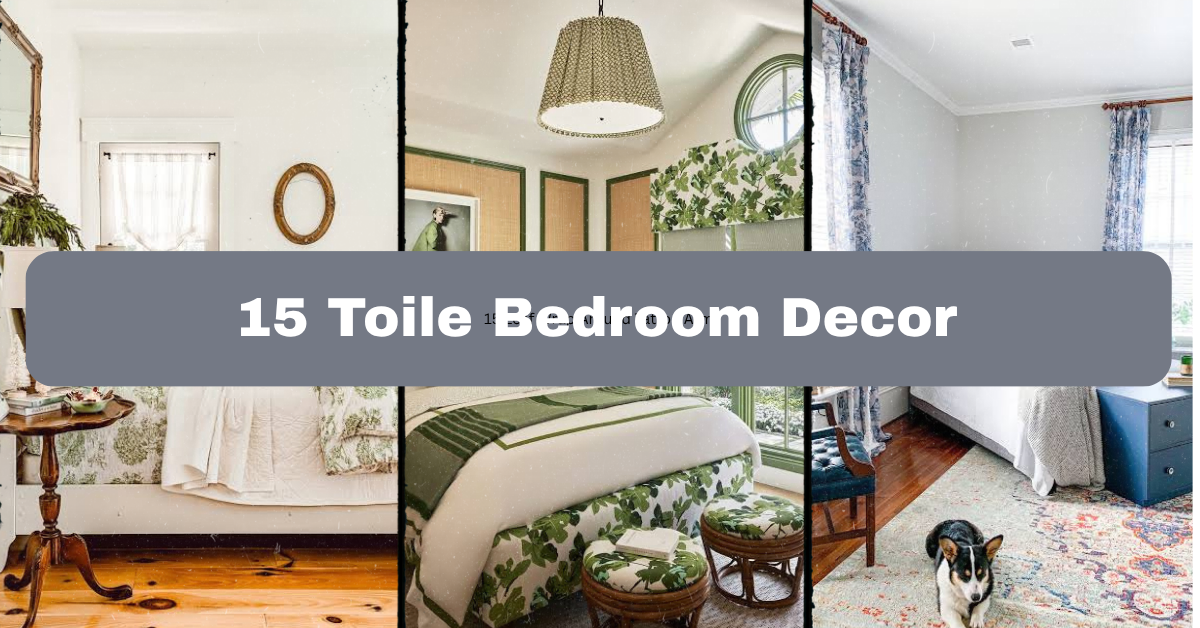
  • 15 Toile Bedroom Decor

    15 Toile Bedroom Decor

    If you’re hunting for 15 toile bedroom decor ideas that actually look good and don’t feel dated, you’ve landed in the right spot. I’ve spent way too many hours scrolling through design boards and testing this stuff in my own house, so I’m going to save you the trouble.

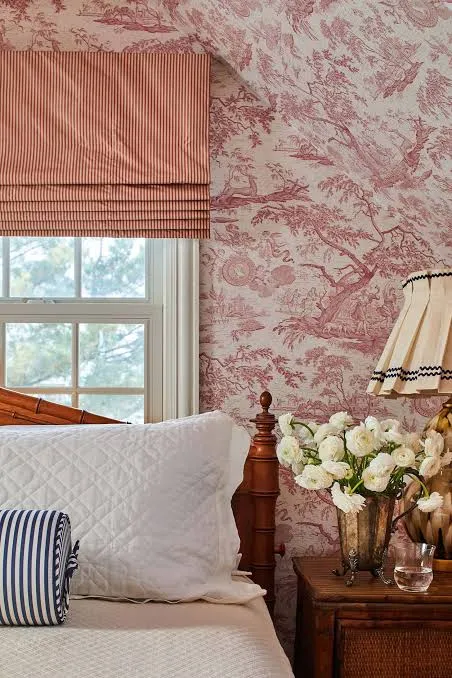
    Toile bedroom decor refers to a design style using toile de Jouy fabric, a printed textile featuring detailed pastoral or historical scenes, typically in one color on a light background. It’s used on bedding, curtains, wallpaper, and accent pieces to create a classic, storybook feel.

    Stick around, because I’m about to show you 15 ways to use this fabric that’ll make your room feel pulled together, not stuck in a time warp.

    What Even Is Toile, And Why Does It Work So Well In Bedrooms?

    Okay so real quick, let’s talk about what toile actually is. It started in France back in the 1700s, and it’s basically a fabric with tiny detailed scenes printed on it. Think farm life, romantic gardens, little birds, that kind of thing. It usually comes in one color like blue, red, or black on a cream or white background.

    Bedrooms love toile because it brings in pattern without screaming for attention. It’s soft. It’s a little old fashioned in a good way. And it pairs with almost anything if you know how to balance it out. That’s what we’re getting into next.

    1. Start With A Toile Duvet Cover As Your Anchor Piece

    Learn How to Layer & Style Your Bed Like a Designer - White and Woodgrain
    Credit: Whiteandwoodgrain

    Your bed takes up the most visual space in the room, so this is where toile makes the biggest impact for the least effort. Grab a toile duvet cover in a classic color like navy, red, or a soft blue-gray. Keep your sheets and pillowcases plain and white or cream so the pattern doesn’t get lost.

    Practical tip: buy a duvet cover, not a full comforter set. You can swap it out later if you get tired of the print, and it’s way cheaper to wash.

    This works in traditional rooms obviously, but it also fits coastal bedrooms if you pick a blue toile, or farmhouse bedrooms with a black or dark green print. Once your bed is set, you’ll want to think about what goes on the walls next.

    2. Wallpaper One Accent Wall Instead Of The Whole Room

    27 STUNNING Accent Wall Ideas That Are Far From "Basic"
    Credit: Housebeautiful

    Full-room toile wallpaper can feel like a lot, especially in smaller bedrooms. Instead, pick one wall, usually the headboard wall, and wallpaper just that. It gives you all the charm of the pattern without making the room feel busy or boxed in.

    Pair it with solid-colored walls in a shade pulled from the toile print itself. If your toile is blue, go with a soft off-white or pale blue on the other three walls. This keeps everything connected without overwhelming your eyes the second you walk in.

    This trick is huge for small apartments or rentals where full wallpaper isn’t practical. Modern farmhouse and cottagecore styles both eat this up. Next, let’s talk about what to do with your windows.

    3. Hang Toile Curtains In A Matching Or Contrasting Color

    Toile Curtains • Robyn's Southern Nest
    Credit: Robynssouthernnest

    Curtains are an easy way to double down on toile without overdoing your bedding. If your duvet is red toile, try navy toile curtains, or stick with matching tones for a more traditional look. Either way, curtains framing your window in this pattern add softness and a cottage feel instantly.

    Go for floor-length panels if you can. Short curtains tend to make toile look more like kitchen decor than bedroom decor. Use simple curtain rods in black or brass to keep the hardware from competing with the fabric pattern.

    Coastal rooms love a blue and white combo here, while a moody bedroom might go with charcoal toile against dark walls. Once your windows are dressed, your headboard is the next spot worth dressing up.

    4. Upholster Your Headboard In A Bold Toile Print

    Toile Headboard Design Ideas
    Credit: Decorpad

    An upholstered headboard covered in toile fabric turns your bed into the star of the room. This works especially well if you keep everything else in the bedroom pretty simple, like solid throw pillows and a plain area rug.

    If you’re not up for reupholstering furniture yourself, plenty of furniture makers sell headboards already covered in toile prints, or you can hire someone locally to do a custom job for less than you’d think.

    Quick tip: pick a toile print with a background color that matches your wall color. It makes the headboard look built-in rather than randomly plopped down.

    This idea shines in traditional and French country bedrooms but also works in modern spaces if you choose a black and white toile for contrast. Speaking of contrast, let’s talk pillows next.

    5. Mix Toile Throw Pillows With Solid And Striped Ones

    Credit: ShabbyFuFu

    Don’t cover your whole bed in toile. Instead, use two or three toile throw pillows mixed in with solid colors and maybe a stripe or two. This keeps the pattern feeling special instead of exhausting.

    A good rule I use: one pattern (toile), one solid color pulled from the toile’s background, and one texture like a knit or velvet pillow. That’s it. Three types, done.

    This mixing trick adapts to literally any style. Boho rooms can throw in a woven pillow next to the toile one. Minimalist rooms can keep it down to just one toile pillow against two solids.

    Now that pillows are sorted, let’s zoom out and talk about picking a color scheme that won’t fight your toile print.

    Toile Color Palette Guide

    Toile ColorBest Wall PaintBest Accent MetalStyle Match
    Blue and whiteSoft white or pale grayBrass or nickelCoastal, traditional
    Red and creamWarm white or sage greenBlack or bronzeFarmhouse, French country
    Black and whiteLight gray or blush pinkMatte blackModern, transitional
    Green and creamCream or warm beigeBrassCottagecore, botanical
    Navy and whitePale blue or whiteNickel or chromeNautical, classic

    6. Use A Toile Rug To Ground The Room Without Overpowering It

    Credit: Homesandgardens

    A rug is a sneaky good way to bring in toile because it’s low on the wall-to-eye sightline, so it reads as texture more than a loud pattern. Look for a low pile rug with a toile print in muted tones so it doesn’t clash with your bedding.

    Keep your furniture legs visible around the rug edges. This makes the room feel more open and lets the pattern do its job without crowding the space.

    Practical tip: size your rug so it extends at least 18 inches past each side of the bed. A too-small rug makes the whole room look unfinished.

    This works great in traditional and coastal bedrooms. For modern spaces, pick a rug with a simplified, almost abstract toile scene instead of a busy classic print. Once your floor is set, let’s talk lampshades.

    7. Swap Plain Lampshades For Toile-Covered Ones

    Switching lamp shades is one of the easiest ways to refresh a room. A simple swap with @marksandspencer easy-fit shades can change the mood, add texture, and bring a whole new vibe
    Credit: yasi.fatollahy

    This is such a small change but it makes a real difference. Bedside lamps with toile shades add pattern at eye level without needing a full redecorating budget. You can buy these ready-made or recover an old lampshade yourself with fabric glue and a few yards of toile.

    Stick to one lamp style on both nightstands for a matched, calm feeling. If your nightstands don’t match, use the same lampshade print to visually tie them together anyway.

    I did this in my own guest room with leftover fabric scraps and it took maybe twenty minutes total. Big impact, tiny effort.

    This idea works across every style because lamps are such a small, swappable piece. Next let’s cover something people forget about: the ceiling.

    8. Try A Toile Canopy Or Bed Curtain For Drama

    Canopy Bed Curtains: Top Ideas & Tips from Stylists | Sewn
    Credit: Sewndrapesandshades

    If you want your bedroom to feel like something out of a French countryside movie, hang toile fabric panels from a canopy frame or ceiling mount above your bed. This creates a cozy, tucked-away feeling and adds height to the room.

    Keep the fabric loose and flowing rather than tightly pleated for a softer, romantic look. Tie the panels back during the day with simple ribbon or cord in a neutral color.

    Heads up: this idea works best in rooms with higher ceilings, at least 9 feet, so the canopy doesn’t feel cramped.

    Traditional and romantic bedroom styles love this the most, but a minimalist version with sheer toile-trimmed panels can work in modern spaces too. Now let’s bring some toile down to the smaller furniture pieces.

    9. Cover A Bench Or Ottoman Seat In Toile Fabric

    Credit: Martinifurniture

    A small bench at the foot of your bed or an ottoman in the corner is a perfect spot for toile since it’s a smaller surface area. This lets you use a bolder or busier toile print than you might risk on bigger pieces like a headboard or curtains.

    Pick a bench with simple wood legs, either painted white or left natural, so the fabric stays the focus. Use it for folding blankets, sitting while you put on shoes, or just as a decorative anchor at the end of the bed.

    This idea fits nearly every design style since a bench is such a flexible furniture piece. Farmhouse rooms might paint the legs black, while coastal rooms might go with a whitewashed wood finish. Let’s move from furniture to something even smaller: wall art.

    10. Frame Toile Fabric Scraps As Wall Art

    Credit: interiorsbyjacquin

    Instead of buying expensive framed art, cut sections from a toile fabric remnant and frame them like paintings. This is such a budget-friendly way to bring in the pattern, and it looks surprisingly high-end when done right.

    Use simple black or gold frames and group three or four framed pieces together in a grid above your dresser or bed. Make sure each framed section shows a different scene from the fabric so it doesn’t look repetitive.

    Practical tip: iron the fabric flat before framing and use a mat board behind it to keep the fabric taut and wrinkle-free.

    This works in literally any bedroom style, since framed art is such a flexible category. Traditional rooms can use ornate frames, while modern rooms look sharp with thin black metal ones. Now, let’s talk about a spot people almost always skip: the closet.

    11. Line Closet Doors Or Shelves With Toile Wallpaper

    Credit: Hellolovelystudio

    Open closets or closets with glass doors are a great hidden spot for toile. Line the back panels or shelves with toile wallpaper or fabric for a surprise pop of pattern every time you open the doors.

    This is especially fun if the rest of your bedroom keeps toile to a minimum. It becomes this little secret detail that feels personal and thoughtful, almost like a hidden lining in a jacket.

    Quick tip: use removable wallpaper here so you can switch it up whenever you want without damage.

    This idea works no matter your main bedroom style since it’s tucked away and doesn’t need to match everything else in the room exactly. Next, let’s think bigger picture with layout and furniture pairing.

    Budget Breakdown For Toile Bedroom Updates

    ProjectLow Budget OptionHigher Budget OptionEstimated Cost Range
    Duvet coverReady-made cotton toile setCustom linen toile duvet$40 to $250
    Accent wallpaperPeel and stick wallpaperTraditional pasted wallpaper$30 to $180
    CurtainsReady-made panelsCustom sewn panels$50 to $300
    Lampshade swapDIY recovered shadeStore-bought designer shade$10 to $90
    Framed fabric artFabric scraps and thrifted framesProfessional framing service$15 to $120

    12. Choose Furniture Finishes That Let The Pattern Breathe

    Credit: Hgtv

    Toile is already busy on its own, so your dresser, nightstands, and bed frame should stay simple. Solid wood tones, painted white pieces, or matte black metal frames all work great because they don’t compete with the printed scenes.

    Avoid furniture with a lot of carving or ornate detail unless your whole room is going for a maximalist traditional look. Clean lines let the fabric pattern be the star instead of fighting for attention with your furniture.

    Practical tip: if your current furniture feels too busy next to your new toile pieces, a quick coat of paint in white or black can instantly calm things down.

    This rule adapts easily. Modern bedrooms want sleek matte black frames, while cottage or farmhouse bedrooms want distressed white wood. Let’s talk next about layering in texture so the room doesn’t feel flat.

    13. Layer In Natural Textures Like Linen, Wicker, And Wood

    Credit: Decorilla

    Toile can start to feel a little flat if everything around it is smooth and shiny. Bring in natural textures like a linen throw blanket, a wicker storage basket, or a wood bench to balance things out and add depth.

    This textural mix also softens the formality that toile sometimes carries, making the room feel more lived-in and cozy rather than staged.

    Practical tip: add at least three different textures somewhere in the room besides the fabric itself, think a woven basket, a knit throw, and a wood side table.

    This approach fits coastal, farmhouse, and even boho bedrooms really well. Modern rooms can lean into it too with a linen bench and matte ceramic lamp base. Now let’s think about how much toile is actually too much.

    14. Balance Busy Toile Prints With Plenty Of Negative Space

    Credit: Homesandgardens

    One of the biggest mistakes people make is using toile everywhere at once, on the walls, the bed, the curtains, and the rug. It gets overwhelming fast. Instead, pick one or two hero pieces and let the rest of the room breathe with solid colors and open wall space.

    A good approach is the 70-30 rule: about 70 percent of the room stays solid or simple, and 30 percent carries the toile pattern. This keeps the print feeling intentional instead of chaotic.

    Practical tip: stand in your doorway and look at the room as a whole. If your eyes don’t know where to land first, you’ve probably got too much pattern going on.

    This balancing act works for every design style, since restraint is basically universal. Now, for the last idea, let’s talk about seasonal flexibility.

    15. Rotate Toile Accents Seasonally To Keep The Room Feeling Fresh

    Credit: Elledecor

    You don’t have to commit to toile all year round on every surface. Keep your big pieces like curtains or wallpaper as your constant, then rotate smaller toile accents like throw pillows or a lightweight throw blanket depending on the season.

    In warmer months, swap in a lighter cotton toile in soft blues or greens. In cooler months, bring out deeper reds or plaid-adjacent darker toile prints for a cozier feel.

    Practical tip: store off-season pillow covers flat in a bin under your bed so they don’t take up closet space.

    This idea works no matter your style since swapping small textiles is such a low-commitment way to refresh a room. And with that, you’ve got a full toolkit of ways to bring this classic print into your space.

    Tips for Success

    • Start small with one toile piece, like a lampshade or pillow, before committing to bigger investments like wallpaper or furniture.
    • Wash a fabric swatch before buying yards of it so you know how the color and texture hold up over time.
    • Photograph your room in different lighting before choosing a toile color, since prints can look totally different under warm versus cool bulbs.
    • Keep a small fabric sample in your bag or phone photos when shopping for paint or furniture so everything matches.
    • Don’t skip the mat board when framing fabric art, it keeps the piece looking crisp for years.
    • Stick to one dominant toile color story per room instead of mixing red toile with blue toile in the same space.

    Common Mistakes and How to Avoid Them

    Overusing the pattern
    : Using toile on every surface makes a room feel cluttered and dated. Pick one or two anchor pieces and keep the rest simple.

    Ignoring scale
    : A tiny toile print can look busy and confusing from across the room. Choose a print with clear, larger-scale scenes for bigger pieces like curtains or a headboard.

    Clashing color tones
    : Mixing warm-toned toile with cool-toned wall paint creates a weird visual tension. Match your wall color family to the undertone of your fabric.

    Skipping texture
    : An all-smooth, all-pattern room feels flat and a little cold. Add linen, wood, or woven elements to soften things up.

    Choosing cheap fabric for big pieces
    : Thin, low-quality toile fabric on a headboard or curtains wears out fast and looks limp. Spend a little more on higher thread count fabric for large, high-use items.

    Similar Variations

    • French Country Toile: Leans into rustic wood furniture and warm red or gold toile tones for a cozy countryside feel.
    • Coastal Toile: Uses blue and white toile prints paired with light woods and rope or wicker accents for a beachy vibe.
    • Modern Black and White Toile: Strips the print down to bold black and white for a graphic, contemporary bedroom look.
    • Cottagecore Toile: Mixes floral and pastoral toile scenes with vintage furniture and soft pastel colors.
    • Grandmillennial Toile: Combines traditional toile with modern color pops and playful accessories for a fresh twist on a classic look.
    • Minimalist Toile Accent: Uses just one small toile piece, like a single pillow, in an otherwise neutral, uncluttered bedroom.

    Toile might be an old fabric style, but it’s proven itself over and over again as a bedroom decor choice that just works. The trick is balance, pick your anchor pieces, keep the rest of the room simple, and let the pattern do the talking without shouting over everything else.

    Whether you go big with wallpaper or start small with a single lampshade, these 15 toile bedroom decor ideas give you plenty of ways to bring some classic charm into your space without it feeling stuck in the past.

  • 13 Cozy Kitchen Ideas That Turn Your Cooking Space Into a Warm Hangout Spot

    13 Cozy Kitchen Ideas That Turn Your Cooking Space Into a Warm Hangout Spot

    I’ve spent way too many hours scrolling through kitchen photos, trying to figure out what actually makes a space feel warm versus just looking nice in a magazine. So when it comes to a 13 Cozy Kitchen makeover, I’ve done the homework so you don’t have to guess.

    A cozy kitchen combines warm lighting, natural textures, soft color palettes, and functional layouts to create a space that feels inviting rather than clinical. The goal is comfort without sacrificing usability.

    Stick around, because I’m about to walk you through 13 specific ways to make your kitchen feel like a hug instead of a hospital.

    What Does “Cozy Kitchen” Actually Mean?

    Ever walked into a kitchen and just felt… calm? That’s the cozy factor at work. It’s not about size or how much money you spent. A tiny apartment kitchen can feel cozier than a giant showroom kitchen if you get the details right.

    Cozy kitchens usually share a few things. Warm lighting instead of harsh overhead lights. Natural materials like wood and stone. Soft textiles mixed in where you’d least expect them. And clutter kept to a minimum so your eyes have somewhere to rest.

    Basically, it’s about making a room that works hard but still feels like home.

    1. Swap Harsh Overhead Lighting for Warm Layered Light

    Layer Your Lighting Design for Drama and Functionality - The New York Times
    Credit: The New York Times

    Bright white lights make kitchens feel like operating rooms. Nobody wants that vibe at 7am while making coffee.

    Instead, layer your lighting. Add under-cabinet lights for task work. Hang a pendant light with a warm bulb over your island. Toss in a small lamp on the counter if you have room. This creates depth and shadows, which is exactly what makes a space feel cozy instead of sterile.

    Quick tip: Switch your bulbs to 2700K warm white instead of 5000K daylight bulbs. It’s a five-minute fix that changes everything.

    This trick works in any style. Farmhouse kitchens love exposed bulb fixtures. Modern kitchens can use sleek brass pendants. Traditional kitchens go for chandelier-style fixtures with warm glass shades.

    Once your lighting feels right, it’s time to think about what’s touching your skin and feet.

    2. Add a Washable Runner Rug in Front of the Sink

    12 Anti-Stain Rugs for in Front of Kitchen Sink -...
    Credit: Beija Flor

    Standing on cold tile while doing dishes is nobody’s favorite activity. A runner rug fixes that instantly.

    Pick something machine washable since kitchens get messy fast. Look for natural fibers like cotton or jute for that cozy texture, or go with a flat weave if you want easier cleanup. Colors like terracotta, sage green, or warm mustard add personality without overwhelming the space.

    I like placing one in front of the sink and another near the stove. It breaks up all that hard flooring and gives your feet a break.

    Actionable tip: Measure your space first. A runner that’s too short looks like an accident, not a design choice.

    Coastal kitchens do well with striped rugs. Farmhouse styles love the look of vintage-inspired prints. Even minimalist kitchens can handle a solid-color rug without breaking their clean aesthetic.

    Now let’s talk about something everyone forgets: your cabinets.

    3. Choose Warm Wood Tones Over Stark White Cabinets

    Wood vs. White Kitchen Cabinets in 2026: What Data Shows
    Credit: Kitchen cabinet Kings

    White cabinets are everywhere right now, and while they’re pretty, they can feel cold if you’re not careful. Warm wood tones bring instant coziness.

    Think honey oak, walnut, or even a warm taupe-painted cabinet. These colors reflect light differently than stark white does. They create a softer, more grounded feeling in the room.

    You don’t have to replace every cabinet either. Try mixing wood lowers with painted uppers. Or refinish just your island in a warm wood stain while keeping your perimeter cabinets a soft cream color.

    Practical tip: If a full renovation isn’t in the budget, try wood cabinet fronts on just one wall as an accent.

    This works beautifully in traditional and farmhouse kitchens, but modern kitchens can pull it off too with sleek, flat-panel wood doors instead of ornate ones.

    Speaking of color, let’s dig deeper into palettes that create warmth.

    Cozy Kitchen Color Palette Guide

    Palette NameWall ColorCabinet ColorAccent ColorBest For
    Warm NeutralSoft creamHoney oakTerracottaFarmhouse, Traditional
    Sage ComfortLight sage greenWarm whiteBrass/goldCottage, Coastal
    Deep CocoaWarm beigeDark walnutCopperModern, Rustic
    Golden HourButter yellowWhiteBlack ironVintage, Eclectic

    Once you’ve nailed the color story, texture becomes your next best friend.

    4. Layer in Natural Textures With Baskets and Wood Bowls

    How to Add Layers in Home Decorating: Creating a Warm, Collected Living Room - Robyn's French Nest
    Credit: robynsfrenchnest

    Smooth countertops and shiny appliances are great, but they can feel a little flat without texture. Woven baskets and wooden bowls fix that fast.

    Use baskets to store fruit, bread, or even kitchen towels. A big wooden bowl on the counter can hold lemons or just sit there looking nice. These natural materials break up all the hard surfaces in a kitchen and add visual warmth.

    Tip: Stick to two or three natural materials max so it doesn’t feel cluttered. Wood, rattan, and linen work great together.

    Coastal kitchens naturally lean into this trend with seagrass baskets. Modern kitchens can use sculptural wood bowls as art pieces. Even industrial kitchens benefit from a woven basket softening all that metal.

    Next, let’s talk about something people underestimate: your window treatments.

    5. Hang Simple Linen Curtains Instead of Bare Windows

    6 Ideas for Hanging Curtains on Wide Windows
    Credit: The Hues

    Bare windows feel unfinished, especially in a kitchen where you spend so much time. Simple linen curtains soften hard window frames and add a homey touch.

    Go for lightweight linen in a neutral color like oatmeal, white, or soft gray. You want something that lets light through but adds texture. Avoid heavy blackout curtains here since kitchens need brightness during the day.

    Actionable tip: Hang your curtain rod a few inches above the window frame. It makes the window (and the whole room) look bigger.

    Farmhouse kitchens love café curtains that cover just the bottom half of the window. Modern kitchens might skip curtains entirely and use a simple woven shade instead. Traditional kitchens can add a bit of trim or a valance for extra charm.

    Now let’s move to something that ties a whole room together: your table setup.

    6. Create a Breakfast Nook With a Small Round Table

    30 Cozy Breakfast Nooks for Every Size Kitchen in 2025
    Credit: House Beutiful

    Not everyone has room for a big dining table in the kitchen, but even a small breakfast nook makes a huge difference in coziness.

    A round table for two or four people works great in a corner. Add a bench with a cushion on one side to save space. Toss a few throw pillows on there too. This little nook becomes the spot where morning coffee happens, and it makes the whole kitchen feel more like a living space instead of just a workstation.

    Tip: Round tables work better in small spaces since they don’t have sharp corners to bump into.

    This idea works in almost any style. Coastal kitchens can use a rattan table and chairs. Modern kitchens might choose a marble-top round table with sleek metal legs.

    Once your seating area feels good, let’s talk about what’s on your walls.

    7. Display Open Shelving With Curated Everyday Items

    Living room shelving ideas: 16 beautiful ways to display books and trinkets | Homes and Gardens
    Credit: Homes and gardens

    Closed cabinets hide everything, which sounds nice until your kitchen starts feeling like a sealed box. Open shelving fixes that by adding visual interest and warmth.

    Use wood or metal shelves to display your favorite dishes, mugs, or cookbooks. Keep it a little imperfect. Perfectly matched dishes look sterile, but a mix of vintage plates and modern mugs feels lived-in and cozy.

    Practical tip: Only put items you actually use often on open shelves. This keeps things functional, not just decorative clutter.

    Farmhouse and cottage kitchens naturally lean into open shelving. Modern kitchens can do a more minimal version with just a few carefully chosen pieces spaced out.

    Now let’s talk about the heart of most kitchens: the stove area.

    8. Style Your Stove Area With a Statement Backsplash

    75 Kitchen Backsplash Ideas That Will Cater to All Aesthetics
    Credit: Elle Decor

    The area behind your stove sees a lot of action, so why not make it beautiful too? A statement backsplash adds warmth and personality fast.

    Consider handmade-looking tile in warm tones like terracotta, cream, or soft blue. Subway tile is classic, but a zellige tile (those slightly imperfect, handmade Moroccan tiles) adds texture and warmth that flat tile just can’t match.

    Tip: If a full backsplash renovation feels like too much, try a smaller accent section just behind the stove.

    Traditional kitchens go well with classic subway tile in a herringbone pattern. Modern kitchens might choose a bold color in a simple grid layout. Coastal kitchens love blue and white patterns here.

    Let’s shift gears now and talk about something small but mighty: your kitchen towels and linens.

    Budget Guide for Cozy Kitchen Updates

    Budget TierWhat You Can DoEstimated Cost
    Low ($0-50)New towels, curtains, warm bulbs$20-50
    Medium ($50-300)Runner rug, open shelving, baskets$100-300
    High ($300-1000)Backsplash accent, pendant light, table nook$400-900
    Investment ($1000+)Cabinet refacing, full lighting overhaul$1000-5000

    Now that you know where your money can go, let’s cover some smaller details that make a huge impact.

    9. Swap Plain Towels for Textured Linen or Waffle Weave

    15 Bathroom Towel Decor Ideas That Make Your Space Look Like a Luxury Hotel -
    Credit: Elegent Home Fit

    Kitchen towels are something we all have but rarely think about. Upgrading them is such an easy win for coziness.

    Look for waffle weave cotton or linen blend towels in warm, earthy colors. Avoid anything too shiny or synthetic feeling. These small textiles add softness to a room full of hard surfaces like counters and appliances.

    Tip: Buy a few extra sets so you can rotate them and always have a fresh one ready.

    This tiny change works across every style. Modern kitchens might pick solid neutral tones. Cottage kitchens can go for a striped or gingham pattern instead.

    Speaking of small details, let’s talk about something that often gets ignored: your trash can and recycling setup.

    10. Hide Functional Items in Woven or Wood Bins

    Make Your Home Less Messy by Organizing with Baskets
    Credit: Better Homes & gardens

    Nothing kills coziness faster than a plastic trash can sitting out in the open. Swapping it for something with texture makes a bigger difference than you’d think.

    Look for wood or woven bins with lids, or build in a pull-out trash drawer if you’re doing a bigger renovation. This keeps functional items out of sight while adding another layer of natural texture to the room.

    Practical tip: Measure your space before buying. A bin that’s too tall won’t fit under most counters.

    Farmhouse and cottage kitchens do well with woven bins. Modern kitchens can go sleek with a matte wood pull-out drawer system instead.

    Now, let’s talk about plants, because no cozy kitchen list is complete without them.

    11. Add Low-Maintenance Herbs on a Windowsill

    Keep It Fresh: 20 Best Herbs to Grow Indoors All Year
    Credit: Gardenia.net

    Nothing says cozy quite like a little greenery near your cooking space. Fresh herbs on a windowsill add color, life, and even a nice smell to your kitchen.

    Try basil, rosemary, or mint in small terracotta pots. These plants don’t need much sunlight and are pretty forgiving if you forget to water them sometimes.

    Tip: Group three or four different pots together instead of spacing them out. It creates a fuller, more intentional look.

    Coastal kitchens might use white ceramic pots for a beachy feel. Farmhouse kitchens love the rustic look of terracotta. Modern kitchens can use simple black or white geometric planters instead.

    Let’s move on to something that ties everything together: your dinnerware and glassware storage.

    12. Store Dishes in Glass-Front Cabinets for Soft Visual Warmth

    8 ways to style glass fronted kitchen cabinets | Homes and Gardens
    Credit: Homes And Gardens

    Solid cabinet doors hide everything, but glass-front cabinets let a little personality peek through without going full open-shelf style.

    Swap out one or two upper cabinet doors for glass panels. Fill them with your favorite dishes, glassware, or even a small collection of vintage pieces. The soft reflection of glass adds a gentle glow, especially with warm lighting nearby.

    Actionable tip: Add a small LED strip light inside the cabinet for extra warmth at night.

    Traditional kitchens often use frosted or seeded glass for a vintage touch. Modern kitchens can use clear glass with minimal, matching dishware for a cleaner look.

    Last but definitely not least, let’s talk about the smell of your kitchen, because coziness isn’t just visual.

    13. Use a Simmer Pot or Candle for Warm Ambient Scent

    Simmer Pot Under Candle Warmer
    Credit: Pinterest

    A cozy kitchen should smell as good as it looks. This is such an underrated tip that most articles skip entirely.

    Try a simmer pot on your stove with orange peels, cinnamon sticks, and cloves. It fills your whole kitchen with a warm, comforting smell without any artificial chemicals. Or keep a candle burning on the counter when you’re not actively cooking.

    Tip: Avoid heavy floral scents in the kitchen. Warm spice or citrus scents pair much better with cooking smells.

    This works in literally every kitchen style since scent isn’t tied to visuals. It’s one of those small touches that guests notice immediately, even if they can’t say why your kitchen feels so inviting.

    Tips for Success

    • Start with lighting before anything else. It’s the cheapest change with the biggest impact.
    • Don’t try to do everything at once. Pick two or three ideas from this list and start there.
    • Keep a “cozy corner” that’s just for you, like a coffee station or reading nook near the window.
    • Rotate seasonal touches like a fall-scented candle or fresh flowers to keep things feeling fresh.
    • Balance textures so nothing feels too matchy or too chaotic. Aim for three or four material types total.
    • Always test paint colors on your actual wall before committing. Kitchen lighting changes how colors look.
    • Keep countertops mostly clear. Cozy doesn’t mean cluttered.

    Common Mistakes and How to Avoid Them

    Overdoing the lighting temperature
    : Going too warm can make a kitchen look yellow and dingy instead of cozy. Stick to 2700K to 3000K bulbs for the sweet spot.

    Choosing rugs that aren’t washable
    : Kitchen spills happen daily. Always pick machine-washable or easy-wipe rugs for kitchen use.

    Cluttering open shelves
    : Open shelving looks great until it becomes a dumping ground. Only display items you use weekly.

    Ignoring scale in small kitchens
    : Oversized furniture or huge rugs can make small kitchens feel cramped. Measure twice before buying anything.

    Skipping ventilation with scented add-ins
    : Simmer pots and candles are great, but always keep a window cracked or fan running so the space doesn’t feel stuffy.

    Matching everything too perfectly
    : A kitchen that’s too color-coordinated can feel showroom-like instead of lived-in. Mix in a few imperfect, vintage, or handmade pieces.

    Similar Variations

    • Farmhouse Cozy Kitchen – Focuses on shiplap walls, apron sinks, and rustic wood accents for a countryside feel.
    • Coastal Cozy Kitchen – Uses blues, whites, and natural fiber textures for a beachy, relaxed vibe.
    • Scandinavian Cozy Kitchen – Sticks to light woods, white walls, and minimal clutter with a focus on function.
    • Cottage Cozy Kitchen – Leans into florals, vintage dishware, and soft pastel color palettes.
    • Industrial Cozy Kitchen – Balances metal and concrete with warm wood accents and soft lighting to avoid feeling too cold.
    • Modern Rustic Cozy Kitchen – Mixes sleek cabinetry with raw wood beams and matte black hardware for contrast.

    At the end of the day, a cozy kitchen isn’t about spending a ton of money or gutting your whole space. It’s about layering small, thoughtful details until the room feels like somewhere you actually want to spend time. Lighting, texture, color, and even scent all work together to create that feeling.

    Start small, pick a few ideas that speak to you, and build from there. Before you know it, you’ll have created your own version of a 13 Cozy Kitchen that feels just right for your home.

  • 12 Vintage Kitchen Ideas That’ll Make Your Space Feel Like a Warm Hug

    12 Vintage Kitchen Ideas That’ll Make Your Space Feel Like a Warm Hug

    If you’ve been searching for real, workable 12 vintage kitchen ideas that don’t feel like a museum exhibit, you’re in the right spot. I’ve spent way too many hours pinning old farmhouse kitchens and digging through design forums, so I’m handing you the good stuff without the fluff.

    A vintage kitchen combines design elements from past decades, typically the 1920s through 1970s, using period-appropriate colors, fixtures, and materials. The goal is to recreate an old-world charm while still functioning as a modern, usable kitchen space.

    Stick around, because I’m about to walk you through a dozen ways to bring that old-school charm into your kitchen without making it feel dated or impractical.

    What Even Is a Vintage Kitchen Style?

    Okay, so let’s get on the same page first. A vintage kitchen isn’t about stuffing your space with random antiques. It’s about picking a specific era, maybe the 1950s diner vibe or the cozy 1920s farmhouse look, and building around it. Think pastel appliances, checkerboard floors, open shelving with grandma’s dishes, and warm wood tones.

    The trick is blending old charm with things that actually work today. Nobody wants a fridge that dies every other week just because it looks cute. I’ll show you how to strike that balance as we go.

    1. Bring Back Pastel Appliances

    10 sweet pastel kitchen ideas that will add personality | Real Homes
    Credit: Real homes

    Pastel appliances scream vintage kitchen instantly. Think mint green fridges, buttercream yellow stoves, or baby blue dishwashers. These colors were huge in the 1950s and they’re making a comeback in a big way.

    You don’t have to go full pastel on everything. Pick one statement piece, like a colored fridge, and keep the rest neutral. Brands like Smeg and Big Chill make retro-style appliances with modern guts, so you get the look without sacrificing performance.

    Practical tip: Start with your fridge since it’s the biggest visual anchor in most kitchens.

    This look works great in cottage, farmhouse, and even some modern eclectic spaces. Once your appliances set the tone, it’s time to think about what’s under your feet.

    2. Lay Down Checkerboard Flooring

    All the Details About the Stone Checkerboard Floors In The Dining Room-They're Finished! - Chris Loves Julia
    Credit: chrislovesjulia

    Black and white checkerboard tile is basically the uniform of vintage kitchens. It’s bold, it’s timeless, and it instantly transports your space back a few decades.

    You can go with classic vinyl tile for a budget-friendly option, or splurge on ceramic or marble for something that’ll last generations. Keep the pattern simple, alternating squares, and let the flooring do the talking while your walls stay calmer.

    Practical tip: If full checkerboard feels like too much, try a smaller checkerboard border around the room’s edge instead.

    This flooring style adapts beautifully to farmhouse, diner-inspired, and even coastal kitchens if you swap black for navy.

    Flooring Material Comparison for Vintage Kitchens

    MaterialCost per Sq FtDurabilityBest For
    Vinyl Tile$2-$5Moderate (10-15 yrs)Budget renovations
    Ceramic Tile$5-$10High (25+ yrs)Long-term homeowners
    Marble$15-$40High (30+ yrs)Luxury vintage looks
    Linoleum$3-$7Moderate (15-20 yrs)Authentic 1950s feel

    Now that your floor is set, let’s talk about what goes on your walls.

    3. Install Open Shelving With Vintage Dishware

    Kitchen shelving ideas: 14 ways to boost storage and display space | Homes and Gardens
    Credit: Homes And Gardens

    Nothing says “grandma’s kitchen” quite like open shelves stacked with mismatched teacups and floral plates. Open shelving also makes a small kitchen feel bigger since it removes bulky cabinet doors.

    Use wood shelves with a slight distressed finish for that lived-in look. Fill them with items you actually collected over time, like thrifted Pyrex bowls or hand-painted plates. It shouldn’t look staged. It should look like a real collection.

    Practical tip: Group items by color rather than type. It creates a cohesive look even if your dishes don’t match.

    Traditional and farmhouse kitchens practically demand this feature, but even modern kitchens can pull it off with cleaner lines and fewer trinkets.

    Once your shelves are styled, your countertops need attention too.

    4. Choose Butcher Block or Laminate Countertops

    6 Reasons Why You Should Choose Butcher Block Countertops - Hardwood Reflections
    Credit: Hardwood Reflections

    Vintage kitchens weren’t about sleek quartz or marble waterfall edges. They leaned into warm, practical materials like butcher block wood or colorful laminate.

    Butcher block gives off cozy farmhouse energy and works great for prep-heavy cooks. Laminate, especially in retro patterns like boomerang shapes, brings that diner feel straight into your kitchen. Both options are budget-friendly compared to stone.

    Practical tip: Seal butcher block countertops every 6 months with food-safe mineral oil to keep them from drying out and cracking.

    Coastal kitchens can lean into lighter wood tones, while industrial spaces might pair butcher block with metal accents for contrast.

    Speaking of contrast, let’s talk about hardware next.

    5. Swap in Vintage-Style Hardware

    Simple How-To: Swapping Out Hardware – Schoolhouse
    Credit: Schoolhouse

    Cabinet knobs and drawer pulls are small details that make a huge difference. Bin pulls, glass knobs, and Bakelite-style handles instantly age your cabinets in the best way possible.

    Look for brass or nickel finishes with a slightly worn patina. New hardware companies actually make reproduction pieces that look decades old but function perfectly. Skip anything too sleek or minimal here, it’ll clash with the whole vibe.

    Practical tip: Replace hardware before repainting cabinets so you can patch old holes cleanly if needed.

    This swap works in almost any style, from farmhouse to Victorian to even boho kitchens looking for a touch of nostalgia.

    Now let’s move to something bigger: your cabinet colors.

    6. Paint Cabinets in Muted, Earthy Tones

    13 Earth-Tone Colors for a Nature-Inspired Home Palette
    Credit: Decorilla

    Bright white cabinets are everywhere right now, but vintage kitchens called for warmer, muted colors. Think sage green, dusty rose, mustard yellow, or soft robin’s egg blue.

    These colors feel nostalgic without looking costume-like. Pair them with white or cream walls so the cabinets become the star. Matte or satin finishes work better than glossy ones for that authentic old-house feel.

    Practical tip: Test paint samples on your actual cabinets for a few days since lighting changes how colors look throughout the day.

    Farmhouse and cottage kitchens thrive with this palette, but even Scandinavian-inspired spaces can borrow a muted sage or blue for warmth.

    Vintage Kitchen Color Palette Guide

    Era InspiredPrimary ColorsAccent ColorsMood Created
    1920s FarmhouseCream, WhiteSage GreenCalm, cottage-like
    1950s DinerMint, PinkChrome, BlackPlayful, retro
    1960s ModMustard, OrangeBrown, OliveWarm, earthy
    1970s RusticAvocado GreenBurnt OrangeCozy, nostalgic

    With your cabinets sorted, let’s shine a light on lighting itself.

    7. Hang Statement Pendant Lights

    Statement Table, Wall & Ceiling Lights | LBB
    Credit: LBB

    Lighting can make or break the vintage feel. Skip the recessed can lights and go for statement pendants instead. Milk glass globes, schoolhouse-style shades, or amber glass fixtures all scream vintage without trying too hard.

    Hang them over your island or dining nook at a height where they add drama but don’t block sightlines. Mix metals slightly, like brass fixtures with black hardware elsewhere, to keep things from feeling matchy.

    Practical tip: Install a dimmer switch so your pendant lights can go from bright task lighting to cozy evening ambiance.

    This idea flexes easily across industrial, farmhouse, and even mid-century modern kitchens depending on the fixture style you pick.

    Lighting sets the mood, but textiles bring in softness.

    8. Add Vintage-Inspired Textiles

    Decorating with vintage fabrics - 8 ways to inject color, texture and heritage style into your space | Homes and Gardens
    Credit: Homes And Gardens

    Curtains, dish towels, and even seat cushions can carry serious vintage weight. Gingham, floral prints, or striped cotton fabrics instantly warm up a space.

    Skip anything synthetic-feeling. Cotton and linen fabrics age better and feel more authentic. A simple café curtain on a tension rod over the sink window can transform the whole room without any construction work.

    Practical tip: Thrift stores are goldmines for actual vintage tablecloths and towels, often cheaper than new “vintage-style” versions.

    Cottage and farmhouse kitchens benefit most here, though coastal kitchens can swap patterns for simple stripes in blue and white.

    Once your textiles are in place, don’t forget the small stuff sitting on your counters.

    9. Display Retro Kitchen Gadgets and Tins

    How To Decorate w/ Vintage Kitchen Decor, Rolling Pins & Utensils.
    Credit: The Ponds Farmhouse

    Old flour tins, enamel bread boxes, and hand-crank egg beaters aren’t just decorative, they add real personality. These small items fill empty counter space without cluttering it, as long as you’re selective.

    Choose pieces with some wear and patina rather than shiny reproductions. A rusted-edge tin or chipped enamel canister actually looks more authentic than something brand new trying to look old.

    Practical tip: Rotate seasonal items like a vintage picnic basket in summer to keep the display feeling fresh.

    This works in almost every vintage-adjacent style, though minimalist modern kitchens might want to limit themselves to just one or two pieces.

    Now, let’s zoom out and think about your sink, since it’s a workhorse in any kitchen.

    10. Install a Farmhouse Apron Sink

    How to Install a Farmhouse Sink
    Credit: Signature Hardware

    The deep, wide farmhouse sink isn’t just trendy, it’s genuinely practical and historically accurate for vintage kitchens. These sinks were designed for washing big pots and bulky produce long before dishwashers existed.

    Go with a white fireclay or cast iron option for that classic look. Pair it with a gooseneck faucet in brass or matte black for extra vintage flair.

    Practical tip: Measure your cabinet base carefully since apron sinks require specific cabinet modifications compared to standard drop-in sinks.

    This sink style works beautifully in farmhouse, cottage, and even some transitional modern kitchens looking for a softer touch.

    Let’s talk about what’s above your sink next: your window treatment and view.

    11. Frame Your Window With a Vintage-Style Valance

    Transform Your Room with a Vintage Inspired Window Valance
    Credit: Pinterest

    A simple fabric valance above your kitchen window adds softness and completes that lived-in feel. Skip heavy drapes since vintage kitchens usually kept window treatments light and practical, letting sunlight pour in while cooking.

    Choose gingham, ticking stripe, or small floral prints. Keep the length short so it doesn’t block light or get in the way near the sink.

    Practical tip: Add a small tension rod for an easy, no-drill installation that still looks intentional.

    Cottage and farmhouse styles use this constantly, but even modern farmhouse spaces can simplify the pattern for a cleaner look.

    Finally, let’s finish with something that ties the whole room together.

    12. Mix In a Round Wooden Table for Casual Dining

    Modern Round Dining Table: The Secret Pros Know
    Credit: Livarea

    If you’ve got space, a round wooden pedestal table instantly adds vintage charm to any kitchen nook. Round tables were common in older homes since they fit awkward corners better than rectangular ones.

    Pair it with mismatched vintage chairs, maybe a few painted, a few natural wood, for that collected-over-time feel. Top it with a simple oilcloth or checkered tablecloth to complete the scene.

    Practical tip: Look for solid wood tables at estate sales, they’re often sturdier and cheaper than new furniture.

    This idea shines in farmhouse and cottage kitchens especially, though eclectic and boho spaces can mix in colorful chairs for extra personality.

    Tips for Success

    • Pick one specific decade to focus on instead of mixing five different eras together.
    • Balance vintage charm with modern function, like hidden outlets or efficient appliances behind retro faces.
    • Shop secondhand first before buying new “vintage-style” reproductions.
    • Keep your color palette to three or four main colors max to avoid visual chaos.
    • Add greenery like potted herbs on windowsills, plants were common in older kitchens and add life.
    • Don’t ignore lighting temperature, warm bulbs (2700K) feel more authentic than cool white ones.
    • Test small changes first, like swapping hardware, before committing to bigger renovations.

    Common Mistakes and How to Avoid Them

    Mixing too many decades at once
    : Pick one primary era (like the 1950s) and let other decades play a supporting role at most.

    Buying fake “distressed” everything
    : Mix in a few real vintage or thrifted pieces alongside new items so the space doesn’t feel like a set.

    Ignoring modern functionality
    : Choose reproduction appliances with modern internals so your kitchen still works efficiently day to day.

    Overcrowding open shelves
    : Leave breathing room between items so the display looks curated, not chaotic.

    Choosing trendy colors instead of era-accurate ones
    : Research actual color palettes from your chosen decade rather than guessing based on current trends.

    Forgetting about lighting placement
    : Plan pendant and under-cabinet lighting early so it complements, not competes with, your vintage fixtures.

    Similar Variations

    • Mid-Century Modern Kitchen – Focuses specifically on 1950s-60s clean lines, teak wood, and bold geometric patterns.
    • French Country Kitchen – Blends vintage charm with rustic European elements like toile fabric and copper pots.
    • Farmhouse Vintage Kitchen – Combines vintage color palettes with rustic wood beams and shiplap walls.
    • Retro Diner Kitchen – Leans heavily into 1950s chrome, checkerboard floors, and bright primary colors.
    • Victorian Vintage Kitchen – Pulls from 1800s details like ornate trim, dark wood, and patterned wallpaper.
    • Industrial Vintage Kitchen – Mixes old factory-style lighting and metal accents with vintage color schemes.

    Building a vintage kitchen really comes down to picking an era you love and committing to it, without losing the modern conveniences you actually need day to day. Small swaps like hardware and lighting go a long way, while bigger changes like flooring and cabinet color pull everything together. Whichever combination you choose from these 12 vintage kitchen ideas, the goal stays the same: create a space that feels warm, personal, and just a little bit nostalgic every time you walk in.

  • 13 Cottage Kitchen Ideas That’ll Make You Want to Ditch Your Modern Space

    13 Cottage Kitchen Ideas That’ll Make You Want to Ditch Your Modern Space

    If you’ve been searching for the best 13 Cottage Kitchen ideas out there, I’ve got you covered. I’ve spent hours digging through design blogs, real home renovations, and my own kitchen mistakes to bring you the most complete list possible.

    A cottage kitchen is a warm, cozy kitchen style that uses vintage touches, soft colors, and natural materials like wood and stone. It focuses on comfort over trendiness, mixing old-world charm with practical, everyday function.

    Stick with me and I’ll walk you through 13 specific ways to bring that cottage feel into your own kitchen, no matter your budget or square footage.

    What Makes a Kitchen Feel “Cottage” Anyway?

    Okay so here’s the thing about cottage style. It’s not about following strict rules. It’s more of a feeling, you know? Think of your grandma’s kitchen, or a little house you rented once by the coast. There’s usually chipped paint that looks intentional, open shelves showing off mismatched dishes, and maybe a window over the sink with plants on the ledge.

    Cottage kitchens lean into imperfection. Nothing feels too matchy or too new. You’ll see soft colors like sage green, buttery yellow, or dusty blue. Wood shows up a lot too, whether it’s beams on the ceiling or a worn butcher block counter. It’s cozy. It’s lived in. And honestly, it’s forgiving if you mess something up.

    1. Paint Your Cabinets a Soft, Muted Color

    20 Kitchen Paint Colors That Are All the Rage in 2024
    Credit: Elle decor

    Skip the stark white if you want real cottage vibes. Soft, muted tones do way more work here. Think sage green, buttery cream, dusty blue, or even a warm terracotta.

    These colors feel aged and calm instead of sharp and modern. They also hide little scuffs better than bright white ever will, which matters if you actually cook in your kitchen.

    Practical tip: use a chalky or matte finish paint instead of glossy. It gives cabinets that slightly worn, vintage texture without you having to distress anything yourself.

    This idea flexes easily too. Coastal homes might lean toward pale blues, while farmhouse styles go heavier on cream and sage. Modern farmhouse fans sometimes push toward deeper greens for contrast.

    Once your cabinets set the tone, it’s time to think about what goes on your walls, because that’s where a lot of cottage character really comes through.

    2. Add Beadboard or Shiplap to Your Walls

    4 Popular Types of Wall Paneling and How to Tell Them Apart- SemiStories
    Credit: semistories.semihandmade

    Beadboard paneling is basically a cottage kitchen signature. It’s those thin, vertical wood planks with small grooves, usually painted white or a soft pastel. Shiplap works too, though it’s more horizontal and rustic looking.

    Either one adds texture to plain walls without costing a fortune. You can install it as a full wall treatment or just as a backsplash behind your stove.

    Quick tip: if you’re renting or not ready to commit, peel-and-stick beadboard wallpaper looks surprisingly convincing and comes off clean later.

    Traditional cottage homes usually do full beadboard walls. More modern cottage spaces might just use a small accent section to keep things from feeling too busy.

    Once your walls have some texture going on, your next move is picking the right countertop material to match that lived-in look.

    3. Choose Butcher Block Counters Over Stone

    Everything You Need to Know About Butcher Block Kitchen Counters
    Credit: House Beutiful

    Stone counters look great, sure, but they can feel a little too polished for cottage style. Butcher block wood counters bring warmth instead. They age beautifully too, picking up small marks and stains that just add character over time.

    Butcher block also pairs naturally with farmhouse sinks and open shelving, two other things you’ll probably want in a cottage kitchen anyway.

    Tip: seal your butcher block with food-safe mineral oil every few months to keep it from drying out or cracking.

    If full butcher block feels like too much commitment, try it as an island top only, keeping your main counters in a light quartz or laminate that mimics marble.

    Now that your surfaces feel right, let’s talk storage, because open shelving is where cottage kitchens really shine.

    4. Swap Some Upper Cabinets for Open Shelving

    22 Best Open Kitchen Shelving Ideas and Decor
    Credit: Good Housekeeping

    Open shelves let your dishes become part of the decor. Stack up mismatched plates, old teacups, or a few cookbooks. It feels personal instead of showroom-perfect.

    Wood shelves work best here, especially reclaimed or slightly distressed wood. Pair them with simple black iron brackets for contrast.

    Actionable tip: don’t overfill your shelves. Leave gaps between stacks so things don’t look cluttered or heavy.

    Coastal cottage kitchens might display glass jars and blue-and-white pottery, while a more traditional cottage leans toward floral china and vintage tins.

    Speaking of display pieces, let’s get into lighting, because the right fixtures pull this whole look together.

    5. Hang Vintage-Style Pendant Lights

    Mid century modern 2-lamp pendant light - home decor ideas
    Credit: Pinterest

    Lighting makes a bigger difference than people think. Swap out builder-grade fixtures for something with a little history to it, like a glass globe pendant, a bell-shaped shade, or even old-fashioned schoolhouse lights.

    These fixtures usually come in brass, black, or white finishes, all of which fit cottage style easily.

    Tip: hang pendants about 30 to 36 inches above your counter or island for the right proportion, not too high, not bumping heads.

    Modern farmhouse kitchens often go with black matte fixtures, while classic English cottage style leans toward warm brass or copper tones.

    With your lighting sorted, your sink area is probably next on the list, and this next idea makes a bigger impact than you’d expect.

    6. Install a Farmhouse Apron Sink

    How to Install a Farmhouse Sink
    Credit: Signature Hardware

    A deep, wide farmhouse sink is basically cottage kitchen shorthand. It’s practical too, giving you way more room for big pots and pans than a standard sink.

    White fireclay sinks are the classic choice, but stainless or fluted apron-front sinks work for a slightly more updated look.

    Tip: pair your farmhouse sink with a gooseneck faucet in bronze or brass for extra old-world charm.

    This one adapts well across styles too. Coastal kitchens often pick a bright white basin, while rustic cottage spaces might choose a soapstone or concrete option instead.

    Once your sink area feels right, let’s zoom out and talk flooring, since it sets the tone for the whole room.

    Flooring Options for Cottage Kitchens

    MaterialLook & FeelPrice Range (per sq ft)Best For
    Reclaimed hardwoodWarm, worn, full of character$8 to $15Traditional or farmhouse cottage
    Painted wood plankSoft color, cozy texture$5 to $10Coastal or pastel-toned kitchens
    Terracotta tileEarthy, rustic warmth$6 to $12Mediterranean or rustic cottage
    Checkerboard vinylPlayful, vintage diner feel$2 to $5Retro or eclectic cottage
    Natural stone (slate)Cool, textured, durable$10 to $20Modern cottage or transitional

    7. Bring in a Farmhouse-Style Dining Table

    How Do You Style A Farmhouse Table Without It Looking Cluttered?
    Credit: Edward Martin

    If your kitchen has room for a table, go with something sturdy and a little rustic. Reclaimed wood tables with visible grain and knots fit perfectly here. Round tables work great in smaller kitchens since they don’t have hard corners eating up space.

    Pair it with a mismatched set of chairs instead of a matching set. That’s actually a classic cottage move, mixing wood tones or even mixing painted chairs with natural wood ones.

    Tip: add a bench on one side to save space and give the table a more casual, cottage feel.

    Modern cottage kitchens might keep the table simple and pair it with sleek black chairs for contrast, while traditional styles go heavier on carved wood details.

    Now, let’s talk about something small but mighty: hardware.

    8. Choose Unlacquered Brass or Black Iron Hardware

    Is Unlacquered Brass Worth It? Pros, Cons & What to Expect
    Credit:suffolklatchcompany

    Cabinet knobs and pulls seem tiny, but they change the whole feel of your kitchen. Unlacquered brass develops a natural patina over time, which actually looks better the older it gets. Black iron hardware gives a more rustic, farmhouse edge.

    Skip anything too shiny or chrome. It reads modern, not cottage.

    Tip: mix knobs and pulls instead of using all one style. Bin pulls on drawers with round knobs on doors is a classic cottage combo.

    English cottage kitchens often use ornate, detailed hardware, while a simpler modern cottage sticks to clean, minimal shapes in the same warm finishes.

    Once your hardware’s picked out, let’s move to something you can change without any renovation at all: textiles.

    9. Layer in Soft Textiles Like Curtains and Runners

    The Art of Layering Textiles: A Guide to Creating Cozy, Textured Spaces • Sacksteder's Interiors
    Credit:sackstedersinteriors

    Cottage kitchens feel soft, not stark. Cafe curtains on a small rod, a linen table runner, or a woven rug near the sink all add that lived-in warmth.

    Look for natural fabrics like linen, cotton, or gingham check. Florals work well too if you want a more classic cottage feel.

    Tip: wash new curtains before hanging them. It softens the fabric and gives a slightly worn, cozy look right away.

    Coastal cottage spaces often use light blue-and-white stripes, while a more rustic cottage might lean toward plaid or burlap textures.

    Next, let’s talk about a detail people forget until the very end: your window treatment style itself.

    10. Frame Your Window With a Simple Cafe Curtain

    Holiday Cafe Curtains (+ a pattern download) — The Grit and Polish
    Credit: The Grit & Polish

    Full-length curtains can feel heavy in a kitchen. Cafe curtains, which only cover the bottom half of the window, let light in while still adding softness and privacy.

    They’re also easier to sew yourself if you’re into DIY. A simple rod and a few yards of fabric is really all you need.

    Tip: choose a fabric with a small pattern, like tiny florals or gingham, since large prints can overwhelm a small kitchen window.

    Modern cottage kitchens sometimes skip curtains entirely and use a simple wood blind instead, keeping things clean but still warm.

    Speaking of windows, let’s talk about what you put in front of them, because a little greenery goes a long way.

    11. Keep Fresh Herbs or Plants on the Windowsill

    Keep It Fresh: 20 Best Herbs to Grow Indoors All Year
    Credit: gardenia.net

    A row of small pots with basil, thyme, or mint does double duty. It looks charming and it’s actually useful when you’re cooking.

    Terra cotta pots fit the cottage look best. Skip anything sleek or glossy here.

    Tip: use a small tray under your pots to catch water and protect wood windowsills from damage.

    Rustic and farmhouse cottage kitchens often add trailing plants like ivy on open shelves too, not just the windowsill, for extra greenery throughout the room.

    Now let’s talk ceilings, since most people forget to look up when planning their kitchen.

    12. Expose or Fake Wood Beams on the Ceiling

    DIY Faux Ceiling Beams - American Farmhouse Style
    Credit: americanfarmhousestyle

    Exposed wood beams add instant cottage character. If your ceiling doesn’t already have real beams, faux beams made from lightweight foam or thin wood can mimic the look for way less money and effort.

    Stain them a warm brown or whitewash them for a lighter, coastal feel.

    Tip: keep beam spacing even, usually two to three feet apart, so the ceiling looks intentional instead of random.

    Traditional English cottages often keep beams dark and rustic, while modern coastal cottage kitchens whitewash them for a brighter, airier feel.

    Last but definitely not least, let’s talk about the small stuff that ties everything together.

    13. Display Vintage or Vintage-Style Accessories

    Vintage Decor Items
    Credit: Pinterest

    Little details finish off the cottage look. Think old tins, glass canisters, a ceramic pitcher for utensils, or a small collection of vintage cookbooks stacked on the counter.

    Thrift stores and flea markets are goldmines for this stuff. You don’t need anything expensive, just character.

    Tip: rotate your accessories seasonally. Swap in pumpkins and warm colors for fall, then switch to fresh flowers in spring.

    Coastal cottage kitchens might display sea glass or shells, while traditional styles stick with floral china and old glass bottles.

    That wraps up all 13 ideas, but before you go, let’s cover a few extra tips to help everything come together smoothly.

    Tips for Success

    • Start with one or two changes instead of redoing everything at once. Paint and hardware alone can transform a kitchen fast.
    • Shop secondhand for big pieces like tables and shelving. Cottage style actually looks better when things aren’t brand new.
    • Keep your color palette to three main colors max so the space doesn’t feel chaotic.
    • Add plants or fresh flowers regularly. They bring life into the room in a way decor alone can’t.
    • Mix textures on purpose, like pairing rough wood with smooth ceramic or soft linen.
    • Don’t rush the “worn in” look. Let real use create character over time instead of forcing distressed finishes everywhere.

    Common Mistakes and How to Avoid Them

    Overdoing the matching sets
    : Buying a matching dish set, matching chairs, and matching everything else makes a cottage kitchen feel stiff. Mix it up instead.

    Choosing cool, sterile whites
    : Bright white paint can feel clinical instead of cozy. Go for warmer, creamier whites or add color elsewhere in the room.

    Skipping storage for style
    : Open shelves look nice but can get messy fast if you don’t have enough closed cabinet space for everyday clutter.

    Forgetting lighting layers
    : One overhead light isn’t enough. Add under-cabinet lighting or a small lamp on the counter for a warmer glow at night.

    Going too rustic, too fast
    : Piling on distressed wood, exposed brick, and heavy beams all at once can feel more like a theme park than a real home. Add texture gradually.

    Similar Variations

    • Coastal Cottage: Lighter colors, beadboard, and blue-and-white accents inspired by beach houses.
    • French Country Cottage: Warmer tones, toile fabric patterns, and a more elegant, old-world European feel.
    • Modern Cottage: Cleaner lines mixed with cottage textures, keeping colors more neutral and hardware more minimal.
    • Farmhouse Cottage: Heavier on rustic wood, black metal accents, and larger apron sinks.
    • English Cottage: Floral patterns, ornate details, and darker wood tones throughout.
    • Scandinavian Cottage: Light woods, simple shapes, and a cozy but minimal approach to decor.

    At the end of the day, a cottage kitchen is really about comfort and character, not perfection. Small changes like paint color, hardware, or a few vintage accessories add up fast, and you don’t need a full renovation to get there. Whether you tackle one idea this weekend or work through the whole list over time, these 13 Cottage Kitchen ideas give you a real starting point for a space that feels warm, welcoming, and totally your own.

  • 11 Cozy Christmas Living Room Ideas That Actually Feel Warm (Not Just Pinterest-Pretty)

    11 Cozy Christmas Living Room Ideas That Actually Feel Warm (Not Just Pinterest-Pretty)

    If you’ve ever scrolled through holiday decor photos and thought “that looks nice but not livable,” I get it. I’ve spent way too many hours testing what actually makes a living room feel cozy during Christmas, not just photogenic for five minutes before someone knocks over an ornament.

    A cozy Christmas living room combines warm lighting, layered textures, and a mix of classic and personal decor to create a space that feels festive and comfortable for gathering. The goal is comfort first, decoration second.

    Stick with me and I’ll walk you through 11 specific ways to pull this off, plus the mistakes that trip people up every single year.

    What Makes a Christmas Living Room Feel “Cozy” Anyway?

    Cozy isn’t about how much stuff you cram onto your mantel. It’s a feeling. Think soft blankets, warm light, and a room that smells faintly like cinnamon or pine. It’s the difference between a magazine spread and a space where you’d actually curl up with hot cocoa.

    The best cozy Christmas rooms mix textures like knit throws, faux fur, and wood accents. They lean on warm color palettes instead of cold, sterile ones. And honestly? They don’t try too hard. A few well-placed touches beat a room stuffed with every ornament you own.

    Now let’s get into the ideas.

    1. Layer Chunky Knit Throws Over Every Seat

    Credit: Stonegableblog

    This one’s simple but it works every time. Grab two or three chunky knit throws in cream, oatmeal, or soft red. Drape them over your sofa arm, a chair back, or fold them at the end of a bench.

    The texture alone makes a room feel warmer, even before you turn on a single light. I like mixing cable-knit with a faux fur throw for contrast.

    Actionable tip: Buy throws in slightly different shades of the same color family so they don’t look matchy-matchy.

    This works in modern homes with a minimalist throw in charcoal, or in farmhouse spaces with a chunky cream knit. Once your seating feels soft and inviting, it’s time to think about what’s glowing nearby.

    2. Swap Harsh Overhead Light for Warm String Lights

    12 Ambient Lighting Ideas for a Warm, Inviting Home
    Credit: Haleyscomment

    Overhead lighting is the enemy of coziness. It’s flat and kind of clinical. Instead, string warm white fairy lights along your mantel, around a window, or tucked into a garland.

    I use battery-operated ones with a timer so I never forget to turn them off. The soft glow does more for “cozy” than almost any other decor choice.

    Actionable tip: Choose lights labeled “warm white” (2700K) instead of “cool white” (5000K) for that golden, candle-like glow.

    Coastal homes look great with lights woven through driftwood branches. Traditional homes shine with lights wrapped around a real garland. Once your lighting sets the mood, your fireplace becomes the next natural focal point.

    3. Dress Up the Mantel With Natural Greenery

    Handsome Transitional Woodland Mantel DIY: Easy To Add and Edit Now Thru Christmas - StoneGable
    Credit: Stonegableblog

    A bare mantel in December just feels off. Fresh or faux garland made from pine, cedar, or eucalyptus instantly makes the space smell and feel like Christmas.

    Add pinecones, a few ornaments, and maybe a strand of those warm lights we just talked about. Keep the color palette to two or three tones so it doesn’t look chaotic.

    Actionable tip: Vary the height of items on your mantel. Tall candles, medium ornaments, low greenery. This creates visual rhythm instead of a flat line of stuff.

    Modern homes can keep it sparse with just greenery and one bold red ornament. Traditional homes can go all out with nutcrackers and stockings too. With your mantel set, let’s talk about the biggest color decision you’ll make.

    Table: Cozy Christmas Color Palettes by Style

    StylePrimary ColorsAccent ColorsBest For
    TraditionalDeep red, forest greenGold, creamClassic, family-heavy homes
    ScandinavianWhite, light graySoft red, natural woodMinimalist spaces
    FarmhouseCream, warm whiteRust orange, sage greenRustic, cottage-style rooms
    CoastalIvory, soft blueSilver, driftwood tanBeach or lake houses
    Moody/DarkDeep green, blackCopper, burgundyBold, dramatic interiors

    4. Pick One Color Palette and Stick to It

    15 Best Living Room Color Schemes Designers Swear By
    Credit: Decorilla

    I know it’s tempting to buy every shiny ornament at the store. But a cozy room needs restraint. Pick two or three colors max, like deep red, gold, and cream, and use them everywhere.

    This makes your tree, your pillows, and your mantel feel like they belong together instead of fighting for attention.

    Actionable tip: Take a photo of your current living room furniture and pull colors directly from it. Your holiday decor should complement what’s already there, not clash with it.

    Boho spaces can lean into terracotta and cream. Traditional spaces do best with the classic red and green combo. Once your palette is locked in, your throw pillows are the easiest way to show it off.

    5. Add Plaid or Buffalo Check Throw Pillows

    Buffalo Plaid Living Room Ideas & Decorating Tips - Joyful Derivatives
    Credit: Joyfulderivatives

    Plaid pillows are a shortcut to instant coziness. They’re soft, seasonal without being cartoonish, and they mix well with almost any other pattern.

    I like using two plaid pillows paired with two solid-color ones so the pattern doesn’t overwhelm the couch.

    Actionable tip: Stick to a 2:2 or 3:2 ratio of patterned to solid pillows for balance. Too much pattern feels busy, not cozy.

    Farmhouse rooms practically require buffalo check. Modern rooms can use a subtle tonal plaid instead of a loud red-and-black one. With your pillows sorted, let’s talk about the floor beneath your feet.

    6. Layer a Wool Rug for Extra Warmth Underfoot

    The Best Rugs for Cozy Winter Nights – Floorspace
    Credit: Rugs

    A cold hardwood floor kills cozy vibes fast. Adding a wool or wool-blend rug instantly warms up the room, literally and visually.

    I like layering a smaller patterned rug over a larger neutral one for extra texture. It’s an easy trick interior designers use all the time.

    Actionable tip: Choose a rug at least 8×10 feet for a standard living room so furniture doesn’t overwhelm it.

    Coastal homes can use a jute rug layered with a smaller wool one. Traditional homes look great with a rich red Persian-style rug. Once your floor feels warm, your seating arrangement matters just as much.

    7. Arrange Seating to Face the Tree or Fireplace

    8 Designer-Approved Living Room Layouts with a Fireplace
    Credit: Decorilla

    This sounds obvious, but so many people forget it. If your couch faces the TV all year, consider temporarily angling a chair or two toward the tree or fireplace during the holidays.

    It creates a natural gathering point, which is really what cozy is all about, people facing each other, not screens.

    Actionable tip: Pull one accent chair away from the wall and angle it 45 degrees toward the fireplace for an instant “gathering spot” feel.

    This works in any home style. Even a small apartment living room benefits from this simple furniture shift. Speaking of small details, candles deserve their own spot on this list.

    8. Use Real or Flameless Candles for Ambient Glow

    5 Creative Ways to Use Flameless Candles – Glowlabo
    Credit: Glowlabo

    Candlelight does something string lights can’t. It flickers. That movement tricks your brain into feeling calmer and warmer.

    I keep a mix of pillar candles on the coffee table and flameless ones on shelves where kids or pets might knock things over.

    Actionable tip: Choose candles in a warm scent like cedarwood or spiced apple, but keep it to one or two scents max so they don’t clash.

    Moody, dark-toned rooms look stunning with black candle holders and deep red candles. Scandinavian rooms prefer simple white pillar candles. Now let’s move to something people often forget entirely: the coffee table.

    9. Style Your Coffee Table With a Seasonal Tray

    Coffee Table Tray Decor Ideas: How to Style Like a Designer
    Credit: Naturalartisanhome

    An empty coffee table feels unfinished. A styled tray with a candle, a small stack of Christmas books, and a sprig of greenery instantly makes the space feel intentional.

    I switch mine seasonally, so come December, in goes the pinecones and out goes the summer citrus bowl.

    Actionable tip: Keep your tray to three to five items max. More than that and it starts looking cluttered instead of styled.

    Modern homes can keep this minimal with just a candle and a single ornament. Traditional homes can add a mini nutcracker or small wrapped gift box. Once your table’s set, don’t forget what’s above it.

    10. Hang a Fresh Wreath Indoors, Not Just Outside

    Designer-approved unexpected places to hang a Christmas wreath | Homes and Gardens
    Credit: Homesandgardens

    Most people only think of wreaths for the front door. But hanging one indoors, above the fireplace or on a large blank wall, adds a cozy focal point you don’t usually see.

    I’ve used a simple eucalyptus wreath with a velvet ribbon and it instantly upgraded a plain wall.

    Actionable tip: Hang your indoor wreath at eye level, roughly 60 inches from the floor, so it feels intentional rather than randomly placed.

    Farmhouse rooms love a dried orange and cinnamon stick wreath. Coastal rooms do well with a driftwood and white berry version. Next, let’s talk about a detail that ties the whole room together: your Christmas tree’s placement.

    11. Position Your Tree Near (Not In Front of) a Window

    15 Christmas Living Room Tree Placement Ideas That Make the Space Feel Intentional, Not Overcrowded
    Credit: Homedit

    A lot of people shove their tree in front of a window facing outside, which is great for neighbors but does nothing for people inside the room. Instead, angle your tree so it’s visible from your main seating area.

    This way, when you’re curled up on the couch, the tree is the first thing you see, lights twinkling and all.

    Actionable tip: Stand at your couch and look toward possible tree spots before deciding. Pick the spot where the tree is fully visible from where you’ll actually be sitting.

    Small apartments can use a corner placement to save floor space. Larger homes can float the tree near a window as a layered backdrop. With your tree placed just right, your room’s cozy transformation is basically complete.

    Tips for Success

    • Start with lighting first, then layer decor on top. Warm light sets the whole mood before you even add ornaments.
    • Don’t buy everything new. Mix thrifted or existing pieces with a few new items to keep costs down and add character.
    • Use a scent alongside your visuals, cinnamon, pine, or clove instantly boosts the “cozy” feeling.
    • Keep walkways clear. A cozy room still needs to be functional for people to move around comfortably.
    • Test your color palette on a small scale first, like one pillow, before committing to a full room overhaul.
    • Rotate a few decor pieces weekly so the room doesn’t feel static through the whole season.
    • Involve everyone in the household in at least one decorating task. It makes the space feel more personal and less staged.

    Common Mistakes and How to Avoid Them

    Overloading every surface with decor
    : Pick two or three focal points, like the mantel and the tree, and let other areas stay simple.

    Using only cool white lights
    : Switch to warm white (2700K) bulbs for that golden, cozy glow instead of a sterile look.

    Ignoring texture in favor of just color
    : Mix knit, velvet, wood, and faux fur so the room feels layered, not flat.

    Placing the tree somewhere it can’t be seen from seating
    : Always check tree visibility from your main couch or chair before finalizing placement.

    Forgetting scent entirely
    : Add one signature holiday scent through candles or simmer pots to complete the sensory experience.

    Buying too many patterns at once
    : Stick to a 60-30-10 rule: 60% solid colors, 30% one pattern, 10% a second accent pattern.

    Similar Variations

    • Scandinavian Christmas Living Room – Minimal decor, lots of white and natural wood, focused on hygge-style comfort.
    • Farmhouse Christmas Living Room – Rustic wood accents, buffalo check patterns, and warm neutral tones.
    • Moody Dark Christmas Living Room – Deep greens, blacks, and copper accents for a dramatic, romantic feel.
    • Coastal Christmas Living Room – Light blues, driftwood, and white accents for a beachy holiday vibe.
    • Traditional Red and Gold Living Room – Classic combo with rich reds, gold accents, and lots of greenery.
    • Boho Christmas Living Room – Terracotta tones, macrame accents, and mixed textures for an eclectic feel.

    At the end of the day, cozy isn’t about spending a ton of money or copying a magazine spread exactly. It’s about layering warmth, light, and texture in ways that feel like you. Small changes, like swapping cool bulbs for warm ones or adding a wool rug, make a bigger difference than you’d expect.

    Pick two or three ideas from this list that fit your space and budget, and build from there. Before you know it, you’ll have exactly what you were looking for: an 11 Cozy Christmas Living Room setup that feels warm, welcoming, and totally your own.

  • 10 Organic Modern Living Room Ideas That Actually Feel Like Home

    10 Organic Modern Living Room Ideas That Actually Feel Like Home

    I’ve spent way too many hours scrolling through living room photos, trying to figure out what actually makes a space feel calm and put-together, and I think I’ve finally cracked the code on 10 Organic Modern Living Room designs that work in real houses, not just magazine spreads.

    Organic modern design blends natural materials like wood, stone, and linen with clean, simple furniture shapes. It skips heavy ornamentation and instead focuses on texture, warm neutral colors, and a connection to nature inside your home.

    Stick around, because I’m about to walk you through the exact ideas, furniture picks, and color combos that make this style click in any size room.

    What Is Organic Modern Style, Anyway?

    Okay so here’s the deal. Organic modern is what happens when mid-century modern has a baby with rustic farmhouse, and they raise that kid in a spa. It’s clean lines, but not cold. It’s natural, but not cluttered. Think curved wood furniture, linen couches, stone side tables, and a whole lot of texture. Colors stay soft and earthy, browns, creams, sage greens, warm whites. Nothing screams for attention. The whole point is a room that feels grounded and calm, like you could breathe easier the second you walk in. It’s honestly one of the most livable design styles out there right now.

    1. Start With a Neutral, Earthy Base Layer

    Credit: Bydesignandviz

    Every organic modern room starts with the same foundation: warm neutrals. I’m talking oatmeal, sand, greige, and soft white. These colors act like a blank canvas that lets your textures and natural materials do the talking.

    Paint your walls in a warm off-white or light clay tone. Choose a large area rug in jute or a similar natural fiber. Your sofa should be a neutral too, think boucle or linen in cream or taupe.

    Tip: Test paint swatches at different times of day before committing. Warm neutrals can shift dramatically under different lighting.

    This base works whether your home leans coastal, modern farmhouse, or even traditional. Once your foundation is set, it’s time to bring in some real texture.

    2. Layer a Chunky Woven Rug for Warmth

    Credit: Kudenrugs

    A flat, thin rug just doesn’t cut it in an organic modern space. You want something with texture you can feel with your feet. Chunky wool, jute, or seagrass rugs add depth and warmth without adding color or pattern that competes with your other pieces.

    Layer a smaller patterned or textured rug on top of a larger jute base for extra dimension. This trick works especially well in bigger rooms where a single rug can look lost.

    Tip: Size up on your rug. A rug that’s too small makes furniture look like it’s floating.

    Coastal homes can use lighter, bleached jute. Traditional spaces can layer a vintage-style wool rug instead. Once your floor feels grounded, your furniture choices come next.

    3. Choose Furniture With Curved, Organic Shapes

    Credit: Rossettiart

    Sharp corners feel harsh. Organic modern design loves curves instead, rounded coffee tables, curved sofa arms, arched mirrors. These soft shapes mimic what you see in nature, like river stones or tree branches.

    A curved boucle accent chair or a kidney-shaped coffee table instantly softens a room. Pair these curved pieces with straight-lined items like a simple wood console so the room doesn’t feel like a blob party.

    Tip: Start small. Swap one rectangular piece, like a coffee table, for a curved version before committing your whole furniture budget.

    This idea flexes well across styles too. Mid-century modern rooms already love curves, while transitional spaces can use them sparingly for contrast.

    4. Bring in Real Wood Furniture With Visible Grain

    Credit: Thea2zfurniture

    Fake wood laminate just doesn’t have the same soul as real wood. Organic modern design leans hard into furniture that shows off natural grain, knots, and even small imperfections. These details tell you the material is real, not manufactured.

    Look for coffee tables, media consoles, or dining chairs in oak, walnut, or ash. Live-edge tables are a popular choice because the raw edge keeps the organic feel front and center.

    Tip: Mix wood tones slightly rather than matching everything exactly. A little variation feels more natural than a perfectly matched furniture set.

    Traditional homes can go with darker walnut tones, while coastal spaces might prefer lighter, whitewashed woods.

    Wood Tone Pairing Guide

    Wood ToneBest Paired WithStyle Direction
    Light OakWhite, sage green, sandCoastal, Scandinavian
    WalnutDeep green, terracotta, creamMid-century, traditional
    Whitewashed PineBlue, white, natural linenCoastal, farmhouse
    AshGrey, black, warm whiteModern, minimalist

    Now that your furniture has some natural texture going on, let’s talk about how to bring the outside world in even more.

    5. Add Plenty of Live Plants and Greenery

    Credit: Tlcinteriors

    You can’t call a room organic modern without actual living things in it. Plants do more than fill empty corners, they clean the air and bring in soft, natural color that no paint can replicate.

    Go for a mix of heights. A tall fiddle leaf fig or olive tree in a woven basket planter anchors a corner. Smaller pothos or snake plants can sit on shelves or side tables.

    Tip: If you’re not great with plants, start with snake plants or ZZ plants. They’re nearly impossible to kill.

    This idea works in literally every home style. Even the most traditional or industrial room gets warmer with a big leafy plant in the corner.

    6. Use Stone and Ceramic Accents for Texture

    Credit: Fancyhouse

    Stone brings a grounded, earthy feel that wood and fabric alone can’t achieve. A travertine side table, a marble tray, or ceramic vases in matte finishes all add texture without adding busy patterns.

    Look for uneven, handmade-looking ceramics rather than perfectly smooth, mass-produced pieces. The slight imperfections are actually the point here.

    Tip: Cluster three ceramic pieces of different heights together on a shelf or coffee table for an easy styling win.

    Modern homes can lean into polished stone, while rustic or farmhouse spaces might prefer rougher, unfinished textures. Speaking of texture, let’s talk about fabric next.

    7. Choose Nubby, Natural Fabrics Over Slick Ones

    Credit: Furnishd

    Smooth velvet and shiny polyester don’t really belong in this style. Organic modern rooms favor fabrics you can feel, boucle, linen, raw cotton, and wool. These materials have a slightly rough, lived-in quality.

    Your sofa, throw pillows, and even curtains should stick to this textured family. A linen curtain panel lets in soft light while keeping that natural, breathable feel.

    Tip: Mix at least two different textures in your throw pillows, like a woven boucle next to a ribbed cotton knit, so the couch doesn’t look flat.

    Coastal homes can lighten this up with linen and cotton in whites and blues. Traditional spaces might add a subtle wool plaid for warmth.

    8. Keep Your Color Palette Soft and Earthy

    Credit: Elledecor

    I already mentioned neutrals as your base, but the full palette matters too. Organic modern rooms usually stick to soft greens, warm browns, muted terracotta, and creamy whites. Nothing too saturated or bright.

    Common Organic Modern Color Combos

    Palette NameColors IncludedMood Created
    Desert WarmTerracotta, sand, cream, walnut brownCozy, grounded
    Forest CalmSage green, oatmeal, charcoal, natural woodPeaceful, earthy
    Coastal NeutralWarm white, driftwood grey, soft blueAiry, relaxed
    Stone MinimalGrey, taupe, black, whiteSleek, modern

    Pick one palette and stick with it across your whole room, walls, furniture, and accessories. This keeps everything feeling intentional instead of random. Once your colors are locked in, lighting becomes the next big piece of the puzzle.

    9. Layer Warm, Low Lighting Instead of Harsh Overheads

    Credit: Home-designing

    Bright white overhead lighting kills the cozy vibe organic modern rooms are going for. Instead, layer your light sources, floor lamps, table lamps, and even candles, all using warm bulbs.

    A rattan or linen lampshade softens the light even more, casting a gentle glow instead of a harsh beam.

    Tip: Swap any cool white bulbs for warm white (around 2700K) for an instant mood upgrade.

    This trick works in any home style, but it’s especially important here since organic modern relies so heavily on warmth and softness to feel right. Next, let’s talk about what goes on your walls.

    10. Decorate Walls With Natural Art and Textured Mirrors

    Credit: Thecoolist

    Skip the glossy framed prints. Organic modern walls favor abstract art with earthy tones, botanical prints, or textured woven wall hangings. A large arched mirror with a wood or rattan frame also adds both function and style.

    Tip: Hang art slightly lower than you think you should, about 57 inches from the floor to the center of the piece, for a cozier, more grounded feel.

    Traditional homes might frame botanical prints in simple black frames, while coastal spaces could use woven wall art instead. Let’s round things out with a few more ideas that pull the whole look together.

    Tips for Success

    • Stick to one or two dominant textures per surface so the room doesn’t feel busy
    • Buy your rug and sofa first, then build the rest of the room around those two anchor pieces
    • Don’t skip greenery, even fake plants are better than none if you struggle with real ones
    • Keep metal finishes consistent throughout the room, matte black or warm brass work best
    • Shop secondhand for at least one piece to add authentic character
    • Leave some negative space, organic modern rooms breathe better when they’re not overly full

    Common Mistakes and How to Avoid Them

    Using too many bright colors
    : Stick to earthy, muted tones and save bright colors for one small accent, like a single throw pillow.

    Choosing furniture that’s all the same wood tone
    : Mix two or three complementary wood tones so the room feels collected over time, not bought all at once.

    Skipping texture in favor of matching everything
    : Add nubby fabrics, ceramic textures, and woven baskets even if they don’t perfectly match your other pieces.

    Forgetting lighting temperature
    : Always choose warm white bulbs over cool white to keep the mood soft and inviting.

    Overcrowding the room with décor
    : Edit down your accessories to only pieces that add texture, warmth, or a natural element.

    Similar Variations

    • Desert Modern – Adds warm terracotta and rust tones with cactus greenery for a southwestern twist
    • Coastal Organic – Leans into lighter woods, blues, and driftwood textures near the water
    • Japandi – Combines organic modern with Japanese minimalism for an even more pared-back look
    • Rustic Modern Farmhouse – Mixes in more reclaimed wood and vintage farm tools for extra character
    • Scandinavian Organic – Focuses on lighter woods and brighter whites with a cozier, hygge feel

    Honestly, once you start noticing organic modern design, you’ll see it everywhere, and that’s because it just works. It’s warm without being cluttered, and modern without feeling cold. Whether you go all in or just borrow a few ideas like a jute rug or some warm lighting, these 10 Organic Modern Living Room ideas give you a real, livable path to a space that finally feels like you.