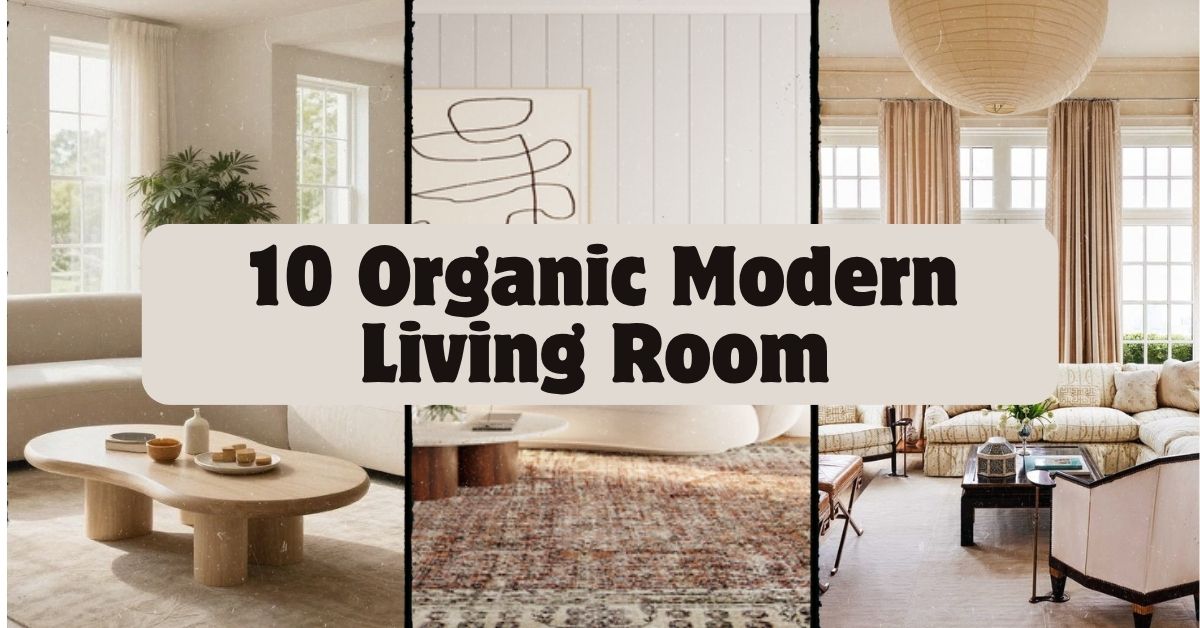
I’ve spent way too many hours scrolling through living room photos, trying to figure out what actually makes a space feel calm and put-together, and I think I’ve finally cracked the code on 10 Organic Modern Living Room designs that work in real houses, not just magazine spreads.
Organic modern design blends natural materials like wood, stone, and linen with clean, simple furniture shapes. It skips heavy ornamentation and instead focuses on texture, warm neutral colors, and a connection to nature inside your home.
Stick around, because I’m about to walk you through the exact ideas, furniture picks, and color combos that make this style click in any size room.
What Is Organic Modern Style, Anyway?
Okay so here’s the deal. Organic modern is what happens when mid-century modern has a baby with rustic farmhouse, and they raise that kid in a spa. It’s clean lines, but not cold. It’s natural, but not cluttered. Think curved wood furniture, linen couches, stone side tables, and a whole lot of texture. Colors stay soft and earthy, browns, creams, sage greens, warm whites. Nothing screams for attention. The whole point is a room that feels grounded and calm, like you could breathe easier the second you walk in. It’s honestly one of the most livable design styles out there right now.
1. Start With a Neutral, Earthy Base Layer
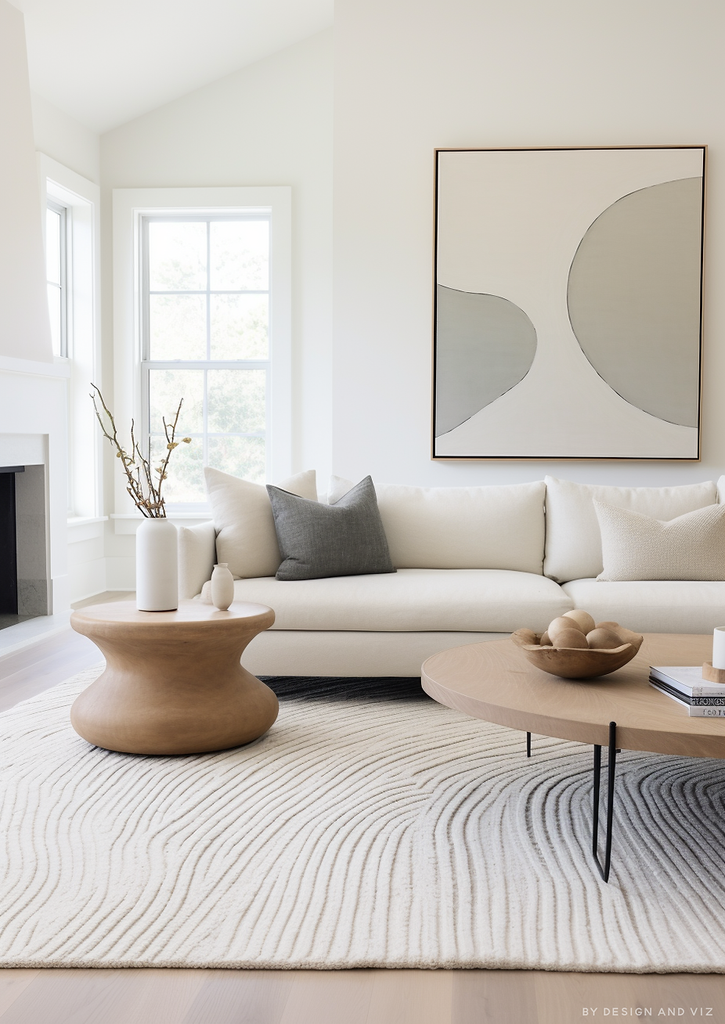
Every organic modern room starts with the same foundation: warm neutrals. I’m talking oatmeal, sand, greige, and soft white. These colors act like a blank canvas that lets your textures and natural materials do the talking.
Paint your walls in a warm off-white or light clay tone. Choose a large area rug in jute or a similar natural fiber. Your sofa should be a neutral too, think boucle or linen in cream or taupe.
Tip: Test paint swatches at different times of day before committing. Warm neutrals can shift dramatically under different lighting.
This base works whether your home leans coastal, modern farmhouse, or even traditional. Once your foundation is set, it’s time to bring in some real texture.
2. Layer a Chunky Woven Rug for Warmth
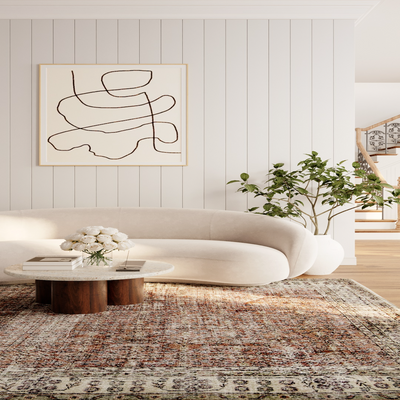
A flat, thin rug just doesn’t cut it in an organic modern space. You want something with texture you can feel with your feet. Chunky wool, jute, or seagrass rugs add depth and warmth without adding color or pattern that competes with your other pieces.
Layer a smaller patterned or textured rug on top of a larger jute base for extra dimension. This trick works especially well in bigger rooms where a single rug can look lost.
Tip: Size up on your rug. A rug that’s too small makes furniture look like it’s floating.
Coastal homes can use lighter, bleached jute. Traditional spaces can layer a vintage-style wool rug instead. Once your floor feels grounded, your furniture choices come next.
3. Choose Furniture With Curved, Organic Shapes
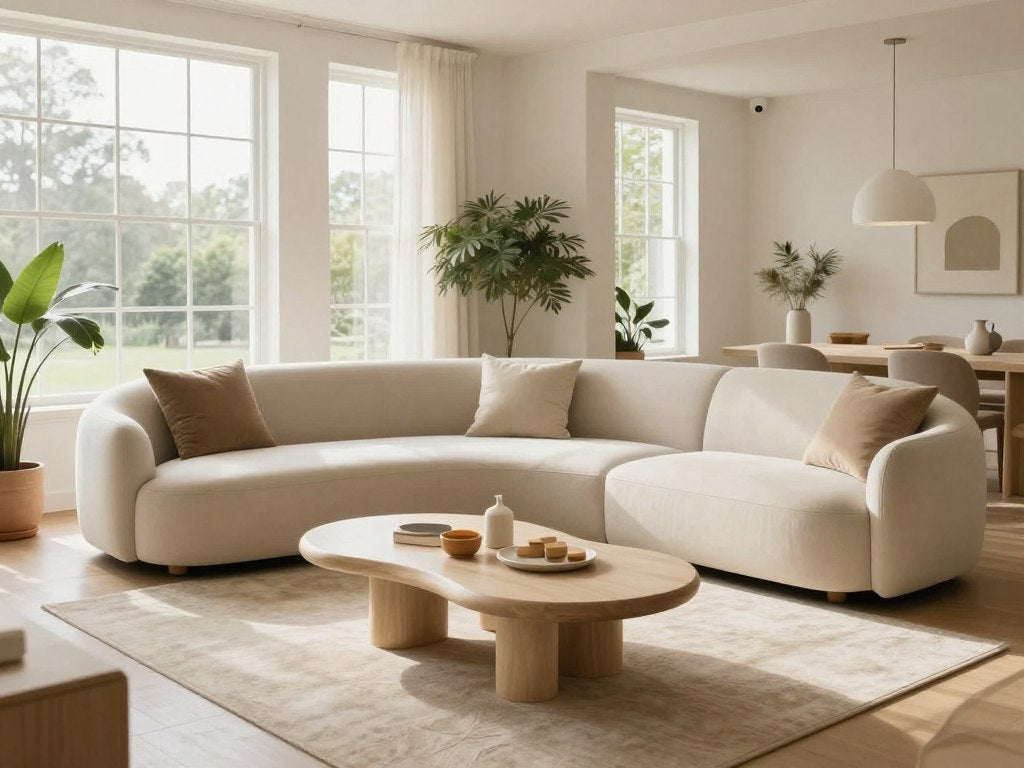
Sharp corners feel harsh. Organic modern design loves curves instead, rounded coffee tables, curved sofa arms, arched mirrors. These soft shapes mimic what you see in nature, like river stones or tree branches.
A curved boucle accent chair or a kidney-shaped coffee table instantly softens a room. Pair these curved pieces with straight-lined items like a simple wood console so the room doesn’t feel like a blob party.
Tip: Start small. Swap one rectangular piece, like a coffee table, for a curved version before committing your whole furniture budget.
This idea flexes well across styles too. Mid-century modern rooms already love curves, while transitional spaces can use them sparingly for contrast.
4. Bring in Real Wood Furniture With Visible Grain
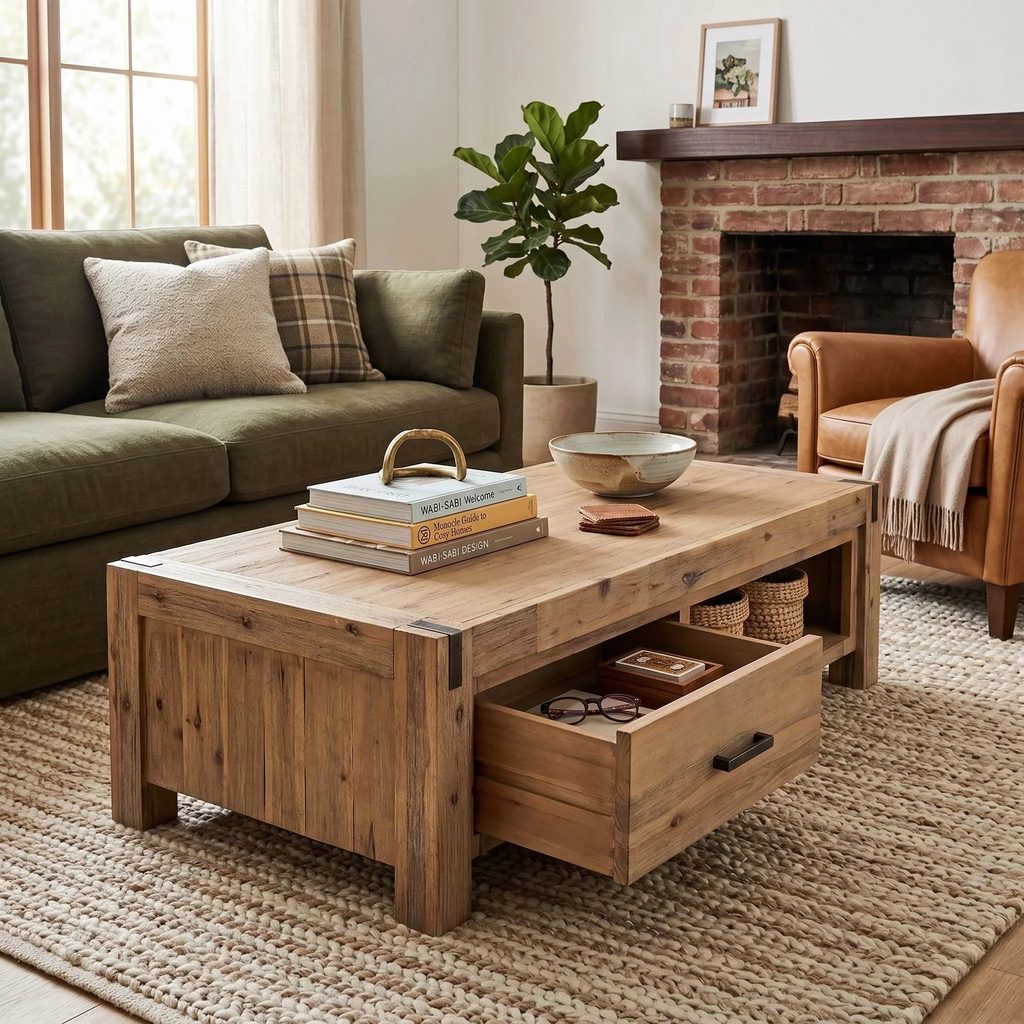
Fake wood laminate just doesn’t have the same soul as real wood. Organic modern design leans hard into furniture that shows off natural grain, knots, and even small imperfections. These details tell you the material is real, not manufactured.
Look for coffee tables, media consoles, or dining chairs in oak, walnut, or ash. Live-edge tables are a popular choice because the raw edge keeps the organic feel front and center.
Tip: Mix wood tones slightly rather than matching everything exactly. A little variation feels more natural than a perfectly matched furniture set.
Traditional homes can go with darker walnut tones, while coastal spaces might prefer lighter, whitewashed woods.
Wood Tone Pairing Guide
| Wood Tone | Best Paired With | Style Direction |
|---|---|---|
| Light Oak | White, sage green, sand | Coastal, Scandinavian |
| Walnut | Deep green, terracotta, cream | Mid-century, traditional |
| Whitewashed Pine | Blue, white, natural linen | Coastal, farmhouse |
| Ash | Grey, black, warm white | Modern, minimalist |
Now that your furniture has some natural texture going on, let’s talk about how to bring the outside world in even more.
5. Add Plenty of Live Plants and Greenery
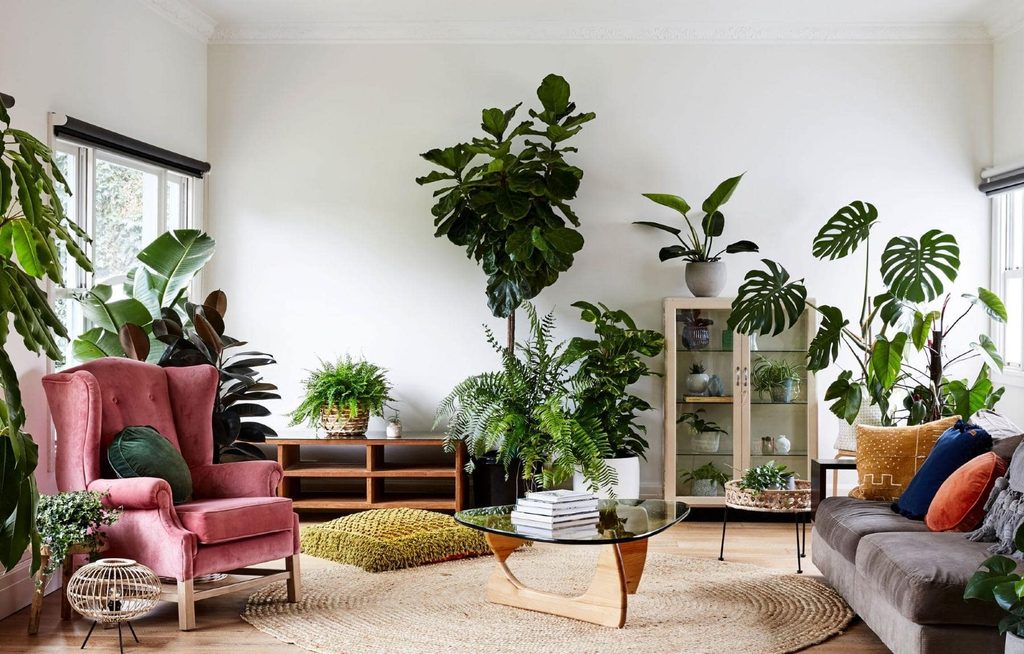
You can’t call a room organic modern without actual living things in it. Plants do more than fill empty corners, they clean the air and bring in soft, natural color that no paint can replicate.
Go for a mix of heights. A tall fiddle leaf fig or olive tree in a woven basket planter anchors a corner. Smaller pothos or snake plants can sit on shelves or side tables.
Tip: If you’re not great with plants, start with snake plants or ZZ plants. They’re nearly impossible to kill.
This idea works in literally every home style. Even the most traditional or industrial room gets warmer with a big leafy plant in the corner.
6. Use Stone and Ceramic Accents for Texture
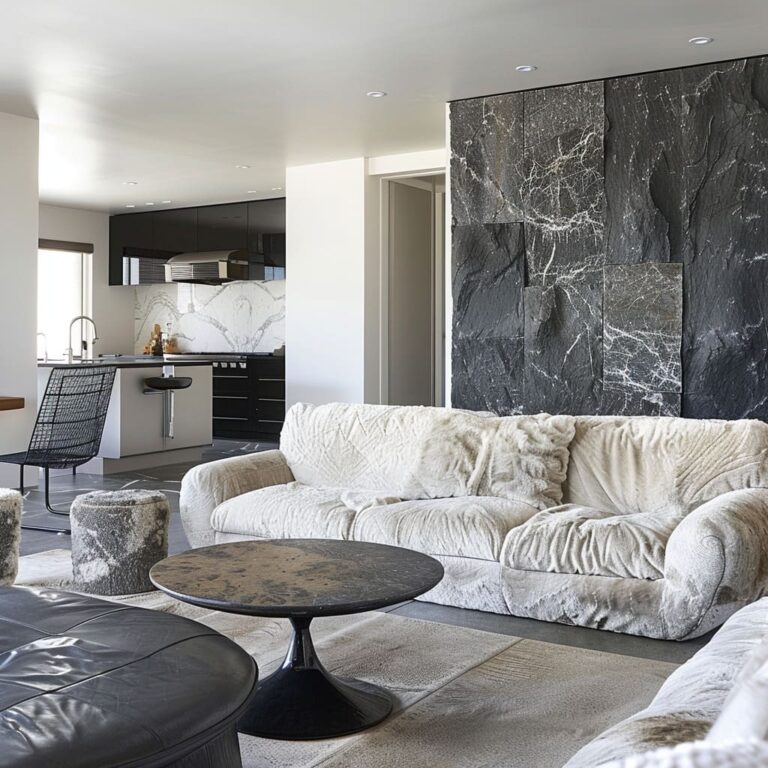
Stone brings a grounded, earthy feel that wood and fabric alone can’t achieve. A travertine side table, a marble tray, or ceramic vases in matte finishes all add texture without adding busy patterns.
Look for uneven, handmade-looking ceramics rather than perfectly smooth, mass-produced pieces. The slight imperfections are actually the point here.
Tip: Cluster three ceramic pieces of different heights together on a shelf or coffee table for an easy styling win.
Modern homes can lean into polished stone, while rustic or farmhouse spaces might prefer rougher, unfinished textures. Speaking of texture, let’s talk about fabric next.
7. Choose Nubby, Natural Fabrics Over Slick Ones
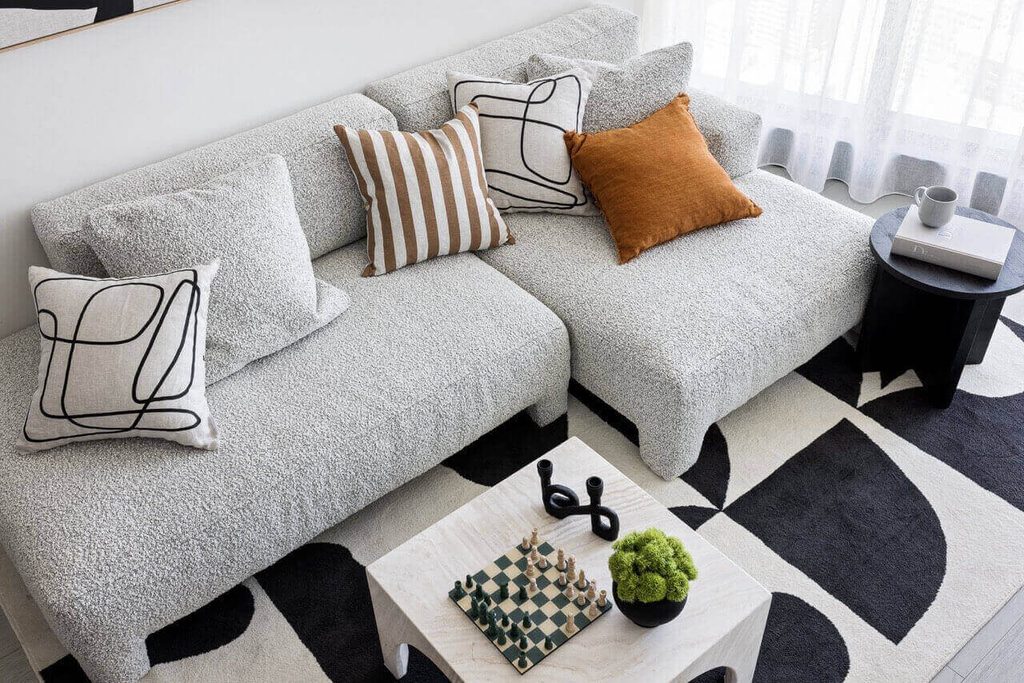
Smooth velvet and shiny polyester don’t really belong in this style. Organic modern rooms favor fabrics you can feel, boucle, linen, raw cotton, and wool. These materials have a slightly rough, lived-in quality.
Your sofa, throw pillows, and even curtains should stick to this textured family. A linen curtain panel lets in soft light while keeping that natural, breathable feel.
Tip: Mix at least two different textures in your throw pillows, like a woven boucle next to a ribbed cotton knit, so the couch doesn’t look flat.
Coastal homes can lighten this up with linen and cotton in whites and blues. Traditional spaces might add a subtle wool plaid for warmth.
8. Keep Your Color Palette Soft and Earthy
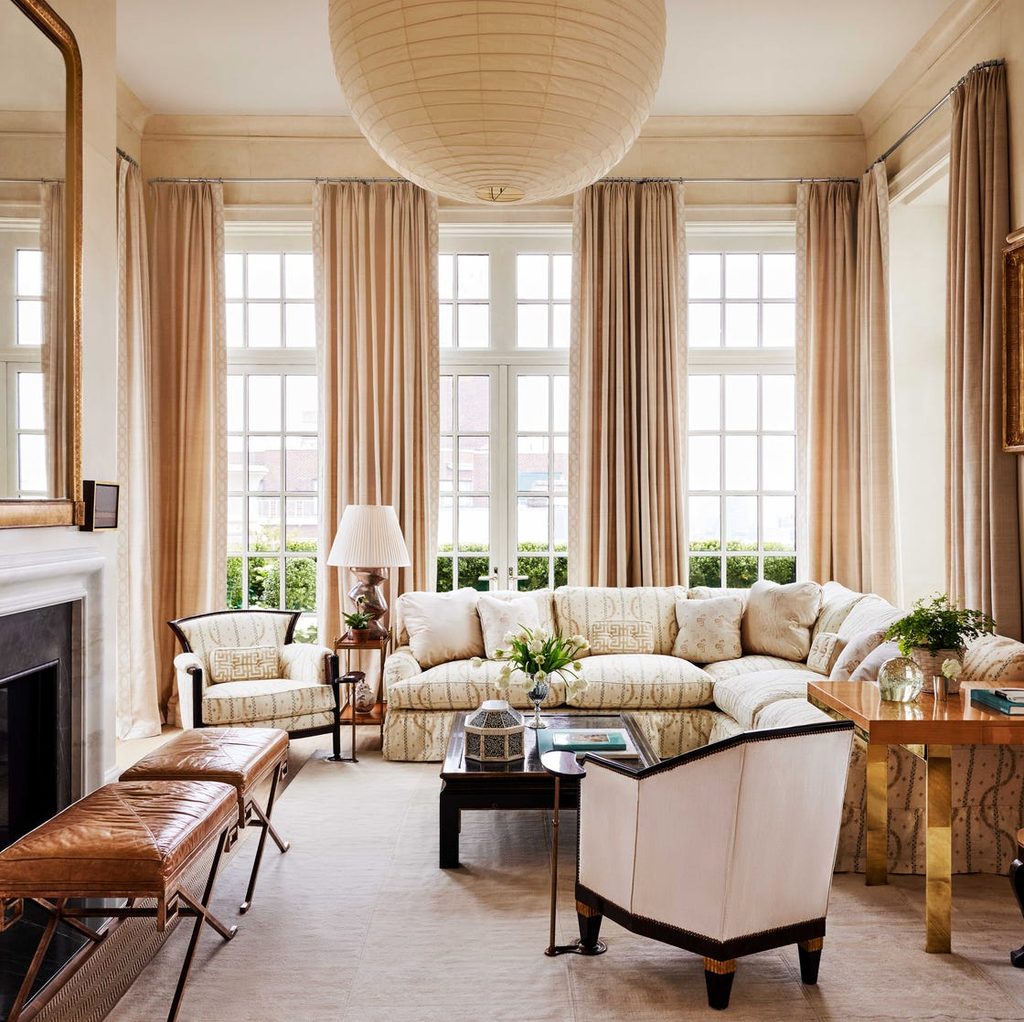
I already mentioned neutrals as your base, but the full palette matters too. Organic modern rooms usually stick to soft greens, warm browns, muted terracotta, and creamy whites. Nothing too saturated or bright.
Common Organic Modern Color Combos
| Palette Name | Colors Included | Mood Created |
|---|---|---|
| Desert Warm | Terracotta, sand, cream, walnut brown | Cozy, grounded |
| Forest Calm | Sage green, oatmeal, charcoal, natural wood | Peaceful, earthy |
| Coastal Neutral | Warm white, driftwood grey, soft blue | Airy, relaxed |
| Stone Minimal | Grey, taupe, black, white | Sleek, modern |
Pick one palette and stick with it across your whole room, walls, furniture, and accessories. This keeps everything feeling intentional instead of random. Once your colors are locked in, lighting becomes the next big piece of the puzzle.
9. Layer Warm, Low Lighting Instead of Harsh Overheads
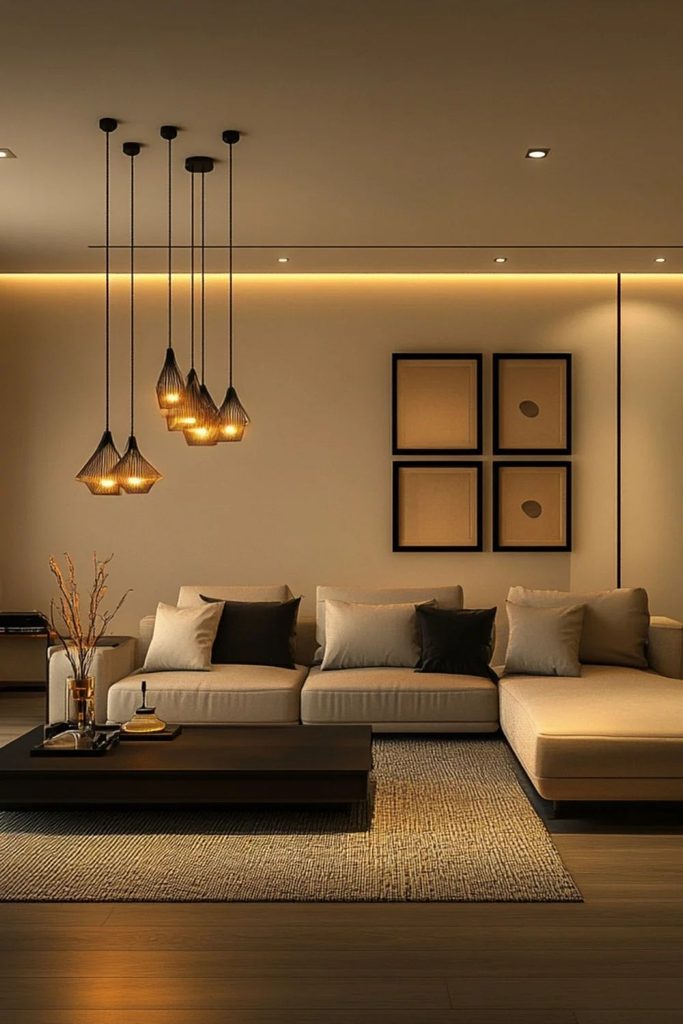
Bright white overhead lighting kills the cozy vibe organic modern rooms are going for. Instead, layer your light sources, floor lamps, table lamps, and even candles, all using warm bulbs.
A rattan or linen lampshade softens the light even more, casting a gentle glow instead of a harsh beam.
Tip: Swap any cool white bulbs for warm white (around 2700K) for an instant mood upgrade.
This trick works in any home style, but it’s especially important here since organic modern relies so heavily on warmth and softness to feel right. Next, let’s talk about what goes on your walls.
10. Decorate Walls With Natural Art and Textured Mirrors
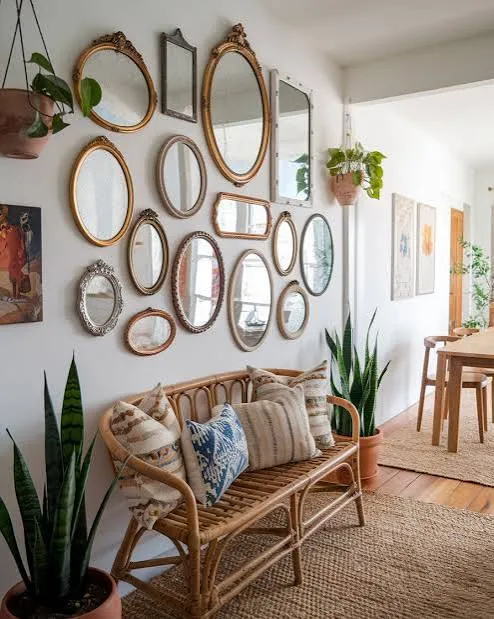
Skip the glossy framed prints. Organic modern walls favor abstract art with earthy tones, botanical prints, or textured woven wall hangings. A large arched mirror with a wood or rattan frame also adds both function and style.
Tip: Hang art slightly lower than you think you should, about 57 inches from the floor to the center of the piece, for a cozier, more grounded feel.
Traditional homes might frame botanical prints in simple black frames, while coastal spaces could use woven wall art instead. Let’s round things out with a few more ideas that pull the whole look together.
Tips for Success
- Stick to one or two dominant textures per surface so the room doesn’t feel busy
- Buy your rug and sofa first, then build the rest of the room around those two anchor pieces
- Don’t skip greenery, even fake plants are better than none if you struggle with real ones
- Keep metal finishes consistent throughout the room, matte black or warm brass work best
- Shop secondhand for at least one piece to add authentic character
- Leave some negative space, organic modern rooms breathe better when they’re not overly full
Common Mistakes and How to Avoid Them
Using too many bright colors
: Stick to earthy, muted tones and save bright colors for one small accent, like a single throw pillow.
Choosing furniture that’s all the same wood tone
: Mix two or three complementary wood tones so the room feels collected over time, not bought all at once.
Skipping texture in favor of matching everything
: Add nubby fabrics, ceramic textures, and woven baskets even if they don’t perfectly match your other pieces.
Forgetting lighting temperature
: Always choose warm white bulbs over cool white to keep the mood soft and inviting.
Overcrowding the room with décor
: Edit down your accessories to only pieces that add texture, warmth, or a natural element.
Similar Variations
- Desert Modern – Adds warm terracotta and rust tones with cactus greenery for a southwestern twist
- Coastal Organic – Leans into lighter woods, blues, and driftwood textures near the water
- Japandi – Combines organic modern with Japanese minimalism for an even more pared-back look
- Rustic Modern Farmhouse – Mixes in more reclaimed wood and vintage farm tools for extra character
- Scandinavian Organic – Focuses on lighter woods and brighter whites with a cozier, hygge feel
Honestly, once you start noticing organic modern design, you’ll see it everywhere, and that’s because it just works. It’s warm without being cluttered, and modern without feeling cold. Whether you go all in or just borrow a few ideas like a jute rug or some warm lighting, these 10 Organic Modern Living Room ideas give you a real, livable path to a space that finally feels like you.
Leave a Reply