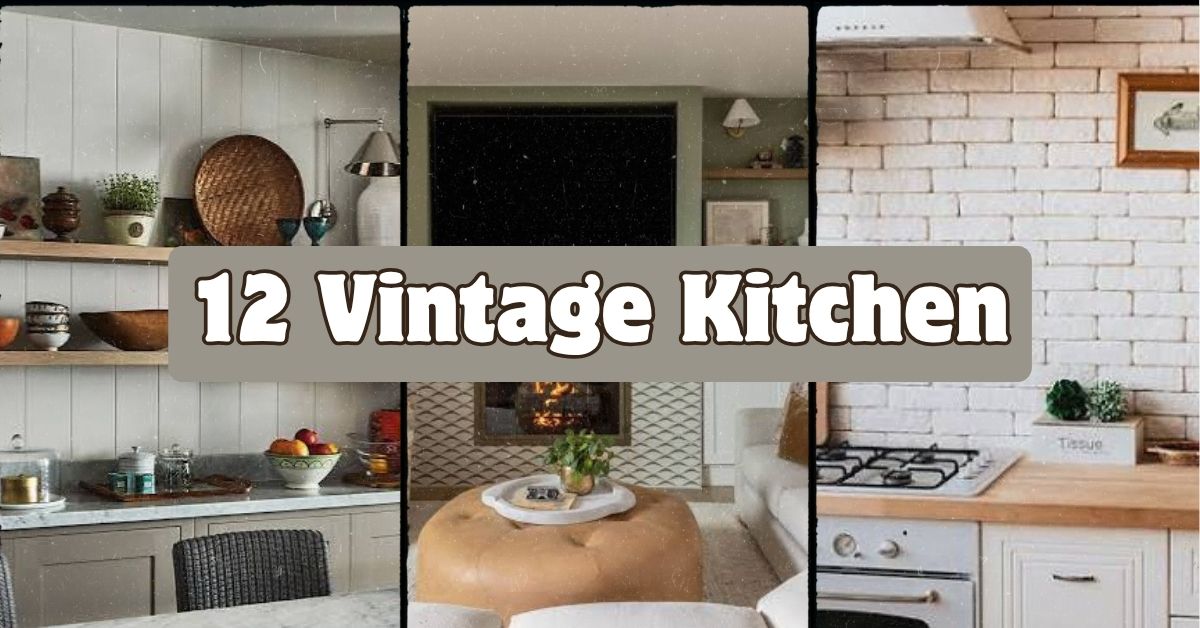
If you’ve been searching for real, workable 12 vintage kitchen ideas that don’t feel like a museum exhibit, you’re in the right spot. I’ve spent way too many hours pinning old farmhouse kitchens and digging through design forums, so I’m handing you the good stuff without the fluff.
A vintage kitchen combines design elements from past decades, typically the 1920s through 1970s, using period-appropriate colors, fixtures, and materials. The goal is to recreate an old-world charm while still functioning as a modern, usable kitchen space.
Stick around, because I’m about to walk you through a dozen ways to bring that old-school charm into your kitchen without making it feel dated or impractical.
What Even Is a Vintage Kitchen Style?
Okay, so let’s get on the same page first. A vintage kitchen isn’t about stuffing your space with random antiques. It’s about picking a specific era, maybe the 1950s diner vibe or the cozy 1920s farmhouse look, and building around it. Think pastel appliances, checkerboard floors, open shelving with grandma’s dishes, and warm wood tones.
The trick is blending old charm with things that actually work today. Nobody wants a fridge that dies every other week just because it looks cute. I’ll show you how to strike that balance as we go.
1. Bring Back Pastel Appliances
Pastel appliances scream vintage kitchen instantly. Think mint green fridges, buttercream yellow stoves, or baby blue dishwashers. These colors were huge in the 1950s and they’re making a comeback in a big way.
You don’t have to go full pastel on everything. Pick one statement piece, like a colored fridge, and keep the rest neutral. Brands like Smeg and Big Chill make retro-style appliances with modern guts, so you get the look without sacrificing performance.
Practical tip: Start with your fridge since it’s the biggest visual anchor in most kitchens.
This look works great in cottage, farmhouse, and even some modern eclectic spaces. Once your appliances set the tone, it’s time to think about what’s under your feet.
2. Lay Down Checkerboard Flooring
Black and white checkerboard tile is basically the uniform of vintage kitchens. It’s bold, it’s timeless, and it instantly transports your space back a few decades.
You can go with classic vinyl tile for a budget-friendly option, or splurge on ceramic or marble for something that’ll last generations. Keep the pattern simple, alternating squares, and let the flooring do the talking while your walls stay calmer.
Practical tip: If full checkerboard feels like too much, try a smaller checkerboard border around the room’s edge instead.
This flooring style adapts beautifully to farmhouse, diner-inspired, and even coastal kitchens if you swap black for navy.
Flooring Material Comparison for Vintage Kitchens
| Material | Cost per Sq Ft | Durability | Best For |
|---|---|---|---|
| Vinyl Tile | $2-$5 | Moderate (10-15 yrs) | Budget renovations |
| Ceramic Tile | $5-$10 | High (25+ yrs) | Long-term homeowners |
| Marble | $15-$40 | High (30+ yrs) | Luxury vintage looks |
| Linoleum | $3-$7 | Moderate (15-20 yrs) | Authentic 1950s feel |
Now that your floor is set, let’s talk about what goes on your walls.
3. Install Open Shelving With Vintage Dishware
Nothing says “grandma’s kitchen” quite like open shelves stacked with mismatched teacups and floral plates. Open shelving also makes a small kitchen feel bigger since it removes bulky cabinet doors.
Use wood shelves with a slight distressed finish for that lived-in look. Fill them with items you actually collected over time, like thrifted Pyrex bowls or hand-painted plates. It shouldn’t look staged. It should look like a real collection.
Practical tip: Group items by color rather than type. It creates a cohesive look even if your dishes don’t match.
Traditional and farmhouse kitchens practically demand this feature, but even modern kitchens can pull it off with cleaner lines and fewer trinkets.
Once your shelves are styled, your countertops need attention too.
4. Choose Butcher Block or Laminate Countertops
Vintage kitchens weren’t about sleek quartz or marble waterfall edges. They leaned into warm, practical materials like butcher block wood or colorful laminate.
Butcher block gives off cozy farmhouse energy and works great for prep-heavy cooks. Laminate, especially in retro patterns like boomerang shapes, brings that diner feel straight into your kitchen. Both options are budget-friendly compared to stone.
Practical tip: Seal butcher block countertops every 6 months with food-safe mineral oil to keep them from drying out and cracking.
Coastal kitchens can lean into lighter wood tones, while industrial spaces might pair butcher block with metal accents for contrast.
Speaking of contrast, let’s talk about hardware next.
5. Swap in Vintage-Style Hardware
Cabinet knobs and drawer pulls are small details that make a huge difference. Bin pulls, glass knobs, and Bakelite-style handles instantly age your cabinets in the best way possible.
Look for brass or nickel finishes with a slightly worn patina. New hardware companies actually make reproduction pieces that look decades old but function perfectly. Skip anything too sleek or minimal here, it’ll clash with the whole vibe.
Practical tip: Replace hardware before repainting cabinets so you can patch old holes cleanly if needed.
This swap works in almost any style, from farmhouse to Victorian to even boho kitchens looking for a touch of nostalgia.
Now let’s move to something bigger: your cabinet colors.
6. Paint Cabinets in Muted, Earthy Tones
Bright white cabinets are everywhere right now, but vintage kitchens called for warmer, muted colors. Think sage green, dusty rose, mustard yellow, or soft robin’s egg blue.
These colors feel nostalgic without looking costume-like. Pair them with white or cream walls so the cabinets become the star. Matte or satin finishes work better than glossy ones for that authentic old-house feel.
Practical tip: Test paint samples on your actual cabinets for a few days since lighting changes how colors look throughout the day.
Farmhouse and cottage kitchens thrive with this palette, but even Scandinavian-inspired spaces can borrow a muted sage or blue for warmth.
Vintage Kitchen Color Palette Guide
| Era Inspired | Primary Colors | Accent Colors | Mood Created |
|---|---|---|---|
| 1920s Farmhouse | Cream, White | Sage Green | Calm, cottage-like |
| 1950s Diner | Mint, Pink | Chrome, Black | Playful, retro |
| 1960s Mod | Mustard, Orange | Brown, Olive | Warm, earthy |
| 1970s Rustic | Avocado Green | Burnt Orange | Cozy, nostalgic |
With your cabinets sorted, let’s shine a light on lighting itself.
7. Hang Statement Pendant Lights
Lighting can make or break the vintage feel. Skip the recessed can lights and go for statement pendants instead. Milk glass globes, schoolhouse-style shades, or amber glass fixtures all scream vintage without trying too hard.
Hang them over your island or dining nook at a height where they add drama but don’t block sightlines. Mix metals slightly, like brass fixtures with black hardware elsewhere, to keep things from feeling matchy.
Practical tip: Install a dimmer switch so your pendant lights can go from bright task lighting to cozy evening ambiance.
This idea flexes easily across industrial, farmhouse, and even mid-century modern kitchens depending on the fixture style you pick.
Lighting sets the mood, but textiles bring in softness.
8. Add Vintage-Inspired Textiles
Curtains, dish towels, and even seat cushions can carry serious vintage weight. Gingham, floral prints, or striped cotton fabrics instantly warm up a space.
Skip anything synthetic-feeling. Cotton and linen fabrics age better and feel more authentic. A simple café curtain on a tension rod over the sink window can transform the whole room without any construction work.
Practical tip: Thrift stores are goldmines for actual vintage tablecloths and towels, often cheaper than new “vintage-style” versions.
Cottage and farmhouse kitchens benefit most here, though coastal kitchens can swap patterns for simple stripes in blue and white.
Once your textiles are in place, don’t forget the small stuff sitting on your counters.
9. Display Retro Kitchen Gadgets and Tins
Old flour tins, enamel bread boxes, and hand-crank egg beaters aren’t just decorative, they add real personality. These small items fill empty counter space without cluttering it, as long as you’re selective.
Choose pieces with some wear and patina rather than shiny reproductions. A rusted-edge tin or chipped enamel canister actually looks more authentic than something brand new trying to look old.
Practical tip: Rotate seasonal items like a vintage picnic basket in summer to keep the display feeling fresh.
This works in almost every vintage-adjacent style, though minimalist modern kitchens might want to limit themselves to just one or two pieces.
Now, let’s zoom out and think about your sink, since it’s a workhorse in any kitchen.
10. Install a Farmhouse Apron Sink
The deep, wide farmhouse sink isn’t just trendy, it’s genuinely practical and historically accurate for vintage kitchens. These sinks were designed for washing big pots and bulky produce long before dishwashers existed.
Go with a white fireclay or cast iron option for that classic look. Pair it with a gooseneck faucet in brass or matte black for extra vintage flair.
Practical tip: Measure your cabinet base carefully since apron sinks require specific cabinet modifications compared to standard drop-in sinks.
This sink style works beautifully in farmhouse, cottage, and even some transitional modern kitchens looking for a softer touch.
Let’s talk about what’s above your sink next: your window treatment and view.
11. Frame Your Window With a Vintage-Style Valance
A simple fabric valance above your kitchen window adds softness and completes that lived-in feel. Skip heavy drapes since vintage kitchens usually kept window treatments light and practical, letting sunlight pour in while cooking.
Choose gingham, ticking stripe, or small floral prints. Keep the length short so it doesn’t block light or get in the way near the sink.
Practical tip: Add a small tension rod for an easy, no-drill installation that still looks intentional.
Cottage and farmhouse styles use this constantly, but even modern farmhouse spaces can simplify the pattern for a cleaner look.
Finally, let’s finish with something that ties the whole room together.
12. Mix In a Round Wooden Table for Casual Dining
If you’ve got space, a round wooden pedestal table instantly adds vintage charm to any kitchen nook. Round tables were common in older homes since they fit awkward corners better than rectangular ones.
Pair it with mismatched vintage chairs, maybe a few painted, a few natural wood, for that collected-over-time feel. Top it with a simple oilcloth or checkered tablecloth to complete the scene.
Practical tip: Look for solid wood tables at estate sales, they’re often sturdier and cheaper than new furniture.
This idea shines in farmhouse and cottage kitchens especially, though eclectic and boho spaces can mix in colorful chairs for extra personality.
Tips for Success
- Pick one specific decade to focus on instead of mixing five different eras together.
- Balance vintage charm with modern function, like hidden outlets or efficient appliances behind retro faces.
- Shop secondhand first before buying new “vintage-style” reproductions.
- Keep your color palette to three or four main colors max to avoid visual chaos.
- Add greenery like potted herbs on windowsills, plants were common in older kitchens and add life.
- Don’t ignore lighting temperature, warm bulbs (2700K) feel more authentic than cool white ones.
- Test small changes first, like swapping hardware, before committing to bigger renovations.
Common Mistakes and How to Avoid Them
Mixing too many decades at once
: Pick one primary era (like the 1950s) and let other decades play a supporting role at most.
Buying fake “distressed” everything
: Mix in a few real vintage or thrifted pieces alongside new items so the space doesn’t feel like a set.
Ignoring modern functionality
: Choose reproduction appliances with modern internals so your kitchen still works efficiently day to day.
Overcrowding open shelves
: Leave breathing room between items so the display looks curated, not chaotic.
Choosing trendy colors instead of era-accurate ones
: Research actual color palettes from your chosen decade rather than guessing based on current trends.
Forgetting about lighting placement
: Plan pendant and under-cabinet lighting early so it complements, not competes with, your vintage fixtures.
Similar Variations
- Mid-Century Modern Kitchen – Focuses specifically on 1950s-60s clean lines, teak wood, and bold geometric patterns.
- French Country Kitchen – Blends vintage charm with rustic European elements like toile fabric and copper pots.
- Farmhouse Vintage Kitchen – Combines vintage color palettes with rustic wood beams and shiplap walls.
- Retro Diner Kitchen – Leans heavily into 1950s chrome, checkerboard floors, and bright primary colors.
- Victorian Vintage Kitchen – Pulls from 1800s details like ornate trim, dark wood, and patterned wallpaper.
- Industrial Vintage Kitchen – Mixes old factory-style lighting and metal accents with vintage color schemes.
Building a vintage kitchen really comes down to picking an era you love and committing to it, without losing the modern conveniences you actually need day to day. Small swaps like hardware and lighting go a long way, while bigger changes like flooring and cabinet color pull everything together. Whichever combination you choose from these 12 vintage kitchen ideas, the goal stays the same: create a space that feels warm, personal, and just a little bit nostalgic every time you walk in.
Leave a Reply