Category: Living Room

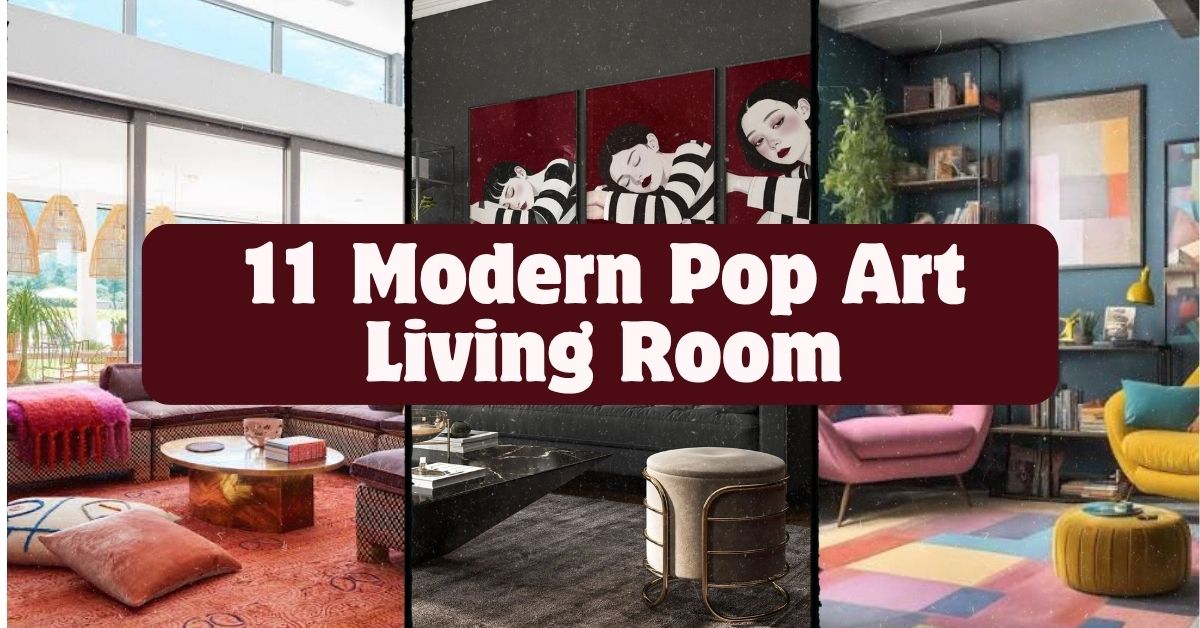
  • 11 Modern Pop Art Living Room Ideas That Bring Color and Personality to Any Space

    11 Modern Pop Art Living Room Ideas That Bring Color and Personality to Any Space

    I’ve spent way too many hours scrolling through design boards trying to find real, usable 11 Modern Pop Art Living Room ideas that don’t look like a museum threw up on your walls, and I think I finally cracked the code. This guide pulls together the best approaches I’ve found, tested, and seen work in actual homes, not just staged photos. Stick with me and you’ll walk away knowing exactly how to pull this look off in your own space.

    A modern pop art living room combines bold colors, comic-style graphics, and iconic imagery with clean, contemporary furniture. The style borrows from artists like Andy Warhol and Roy Lichtenstein but simplifies the layout so the room still feels livable, not like a gallery exhibit.

    But knowing the definition is just step one. The real magic happens when you start mixing colors, textures, and furniture pieces the right way, and that’s exactly what I’m about to break down for you.

    What Pop Art Style Actually Means for Your Living Room

    Okay, so pop art started as a rebellion against “serious” fine art. Think comic strips, soup cans, and bright primary colors slapped together in bold, graphic ways. When you bring that into a living room, you’re not recreating a Warhol exhibit. You’re borrowing the energy.

    That means bold color blocks, high contrast, and a little bit of playful attitude. It’s fun. It’s loud in a good way. And honestly, it’s one of the easier styles to do on a budget because a lot of the impact comes from art and color, not expensive furniture. Let’s get into the actual ideas now.

    1. Anchor the Room With a Warhol-Style Gallery Wall

    How to Create a Focal Point Gallery Wall in Any Room
    Credit: About

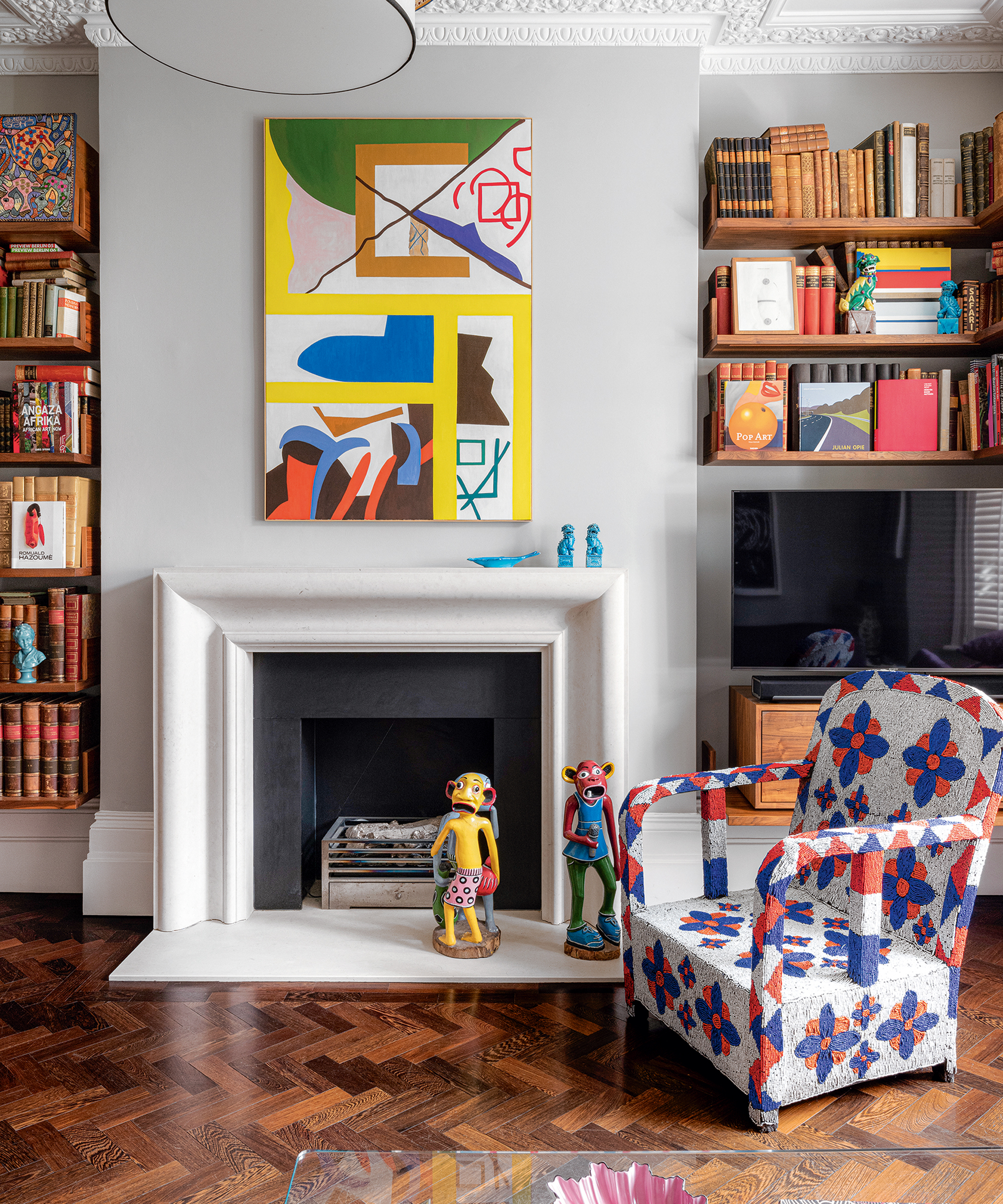
    A gallery wall packed with pop art prints is probably the fastest way to nail this style. Grab five or six prints in similar color families, bright reds, yellows, blues, and hang them in a grid pattern above your couch.

    Don’t overthink the frame choice. Simple black frames let the art do the talking.

    Practical tip: use painter’s tape to map out your grid on the wall before hanging anything, so you don’t end up with fifteen nail holes in the wrong spots.

    This idea flexes well too. A traditional home can use vintage-inspired pop prints, while a coastal space might mix in beachy color palettes with the same bold graphic style. Once your wall is set, the rest of the room should build around those colors, which brings me to furniture choices.

    2. Choose One Statement Furniture Piece, Not Five

    9 Statement Pieces for Your Living Room | Wayfair
    Credit: Wayfair

    A common mistake is going overboard with bold furniture everywhere. Instead, pick one hero piece. A bright orange accent chair. A cobalt blue sofa. A yellow ottoman shaped like a giant pill.

    Let that piece carry the color story. Everything else, your rug, your side tables, your curtains, should stay neutral or muted so the statement piece actually stands out.

    Actionable tip: if you’re nervous about commitment, start with a chair instead of a sofa. It’s cheaper to replace if you change your mind later.

    This works in small apartments and big houses alike. Modern farmhouse spaces can use this trick with a single bold accent piece against all that shiplap and neutral wood tone.

    3. Layer Primary Colors Like a Comic Strip

    How to Create a Focal Point Gallery Wall in Any Room
    Credit: About

    Pop art loves primary colors: red, yellow, and blue. Instead of picking just one accent color, try layering all three in smaller doses throughout the room.

    A red throw pillow here. A yellow lamp there. A blue rug underneath. It sounds chaotic on paper, but when the colors are balanced with white or gray walls, it reads as intentional and fun.

    Tip: keep your big furniture pieces neutral (sofa, walls, floors) and let the smaller decor items carry the primary colors. That way you can swap them out easily if you get tired of the look.

    Color Palette Combinations for Pop Art Living Rooms

    Palette NamePrimary ColorsAccent ColorsBest For
    Classic ComicRed, Yellow, BlueBlack, WhiteSmall apartments
    Warhol SoftPink, Orange, TealCream, GoldTraditional homes
    Neon PopHot Pink, Lime Green, Electric BlueBlack, SilverModern lofts
    Retro DinerRed, White, Chrome accentsBlack, GrayMid-century spaces
    Muted PopMustard, Rust, NavyBeige, WhiteFarmhouse or rustic

    Once you’ve settled on a palette, you can start thinking about how the walls themselves play into the design, which is a bigger decision than most people realize.

    4. Paint One Accent Wall in a Bold Color Block

    Colorful and unusual - POP ART! | Helios Deco
    Credit: Helios

    Instead of painting the whole room a wild color, try one accent wall. A deep red, sunshine yellow, or electric blue wall behind your sofa creates instant pop art energy without overwhelming the space.

    Keep the other three walls white or a soft gray. This lets your accent wall act like a backdrop for the rest of your bold decor choices, kind of like a stage.

    Tip: test your paint color with a large sample swatch taped to the wall for a few days before committing. Lighting changes how bold colors read throughout the day.

    This idea adapts beautifully. A minimalist home can use a single muted block of color, while a maximalist space might go two or three walls deep in different bold shades.

    5. Add Comic Book Text Art as Wall Decor

    29 Modern Pop Art Posters for a Bold Statement in Your Decor - Poster Blast
    Credit: Proster

    Words like “POW,” “BOOM,” or comic-style speech bubbles printed on canvas or metal are a fun, affordable way to nail the pop art vibe. These pieces are playful without needing a huge investment.

    Hang one large piece as a focal point, or scatter a few smaller ones near a bookshelf or entryway.

    Practical tip: look for canvas prints instead of framed posters. They’re lighter, cheaper to ship, and give a more modern gallery feel.

    Traditional or vintage-style homes can swap comic text for old-school advertisement reproductions, which carry a similar bold, graphic energy without feeling too cartoonish.

    6. Mix Chrome and Acrylic Furniture for a Retro-Modern Feel

    51 Acrylic Coffee Tables for Pure Modern Minimalism
    Credit: Interior

    Pop art loves shiny, futuristic materials. Chrome legs on a coffee table, clear acrylic side tables, or a glossy lacquered console all fit the aesthetic perfectly.

    These materials also help balance out all the bold color you’re adding elsewhere. Shiny and clear surfaces feel light, so the room doesn’t get visually heavy.

    Tip: acrylic furniture is great for small spaces because it visually disappears, letting your colorful decor take center stage instead of competing with bulky furniture.

    This works particularly well in modern and mid-century modern homes, though even a traditional space can sneak in one acrylic piece for a fun contrast against wood furniture.

    7. Use Oversized Floor Cushions in Bold Prints

    12 Best Floor Cushions for Grounded Seating (2025) | Architectural Digest
    Credit: Digest

    If you want a casual, lounge-y vibe, oversized floor cushions in graphic prints are perfect. They’re affordable, easy to store, and instantly bring in pattern and color.

    Look for cushions with polka dots, checkerboard patterns, or bold stripes. These simple, graphic patterns echo pop art’s love of clean shapes and high contrast.

    Actionable tip: buy removable, washable covers. Pop art color palettes show stains easily, especially bright white or yellow fabric.

    This idea is great for coastal or bohemian homes too, just swap the pop art colors for sandy neutrals with one or two bold accent prints mixed in.

    8. Install a Bold, Graphic Area Rug

    Graphic Rugs Redefining Modern Interiors
    Credit: Melaaura

    Your floor is prime real estate for pop art energy. A rug with bold geometric shapes, checkerboard patterns, or color-blocked sections can transform a plain room fast.

    Keep your furniture simpler if your rug is busy. You don’t want the eye fighting between two loud elements.

    Tip: measure your seating area first, then buy a rug at least six inches wider on each side than your coffee table setup. A too-small rug makes the whole room feel disjointed.

    Rug Size Guide for Pop Art Living Rooms

    Room SizeRecommended Rug SizeFurniture Placement
    Small (under 150 sq ft)5×7 feetFront legs of furniture on rug
    Medium (150-250 sq ft)8×10 feetAll furniture legs on rug
    Large (over 250 sq ft)9×12 feet or largerRug anchors entire seating group

    Farmhouse and traditional homes can still rock this idea, just choose a rug with softer, muted colors in the same bold pattern style. Now let’s talk about lighting, because pop art rooms need the right glow to really shine.

    9. Choose Sculptural, Colorful Light Fixtures
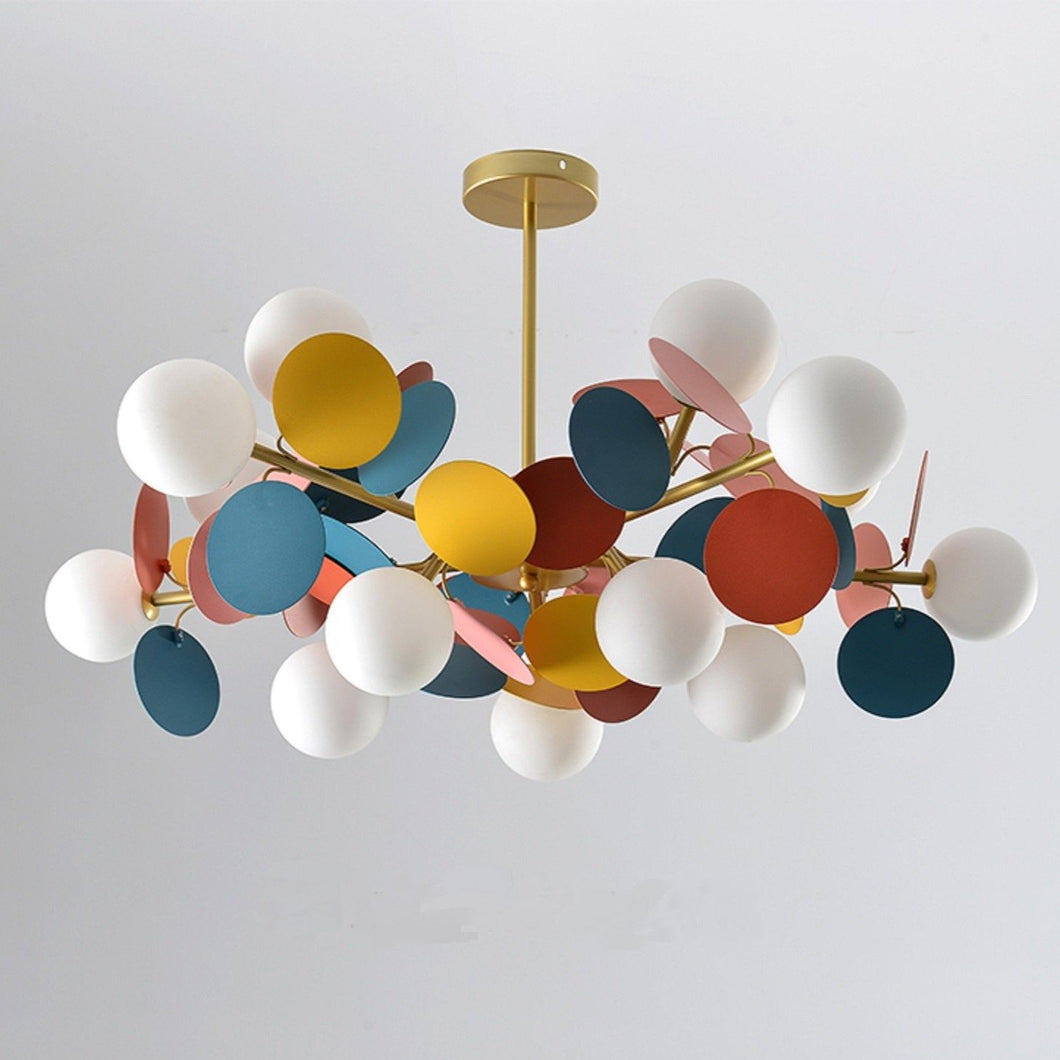
    Pop-Art Molecular Chandelier | Artistic Statement Lighting | Inspira  Lifestyles – INSPIRA LIFESTYLES
    Credit: Inspira

    A boring white lamp won’t cut it here. Look for lighting with personality: a bubblegum pink floor lamp, a chrome pendant light, or a lamp shaped like an abstract sculpture.

    Lighting is one of the easiest ways to add pop art flair without committing to a huge furniture purchase. Swap a lamp in an afternoon and the whole vibe shifts.

    Tip: mix warm bulb tones (2700K-3000K) with your bold fixtures. Cool white light can make bright colors look harsh and clinical instead of warm and inviting.

    This idea works across almost every home style, since lighting is such a low-commitment swap. Even a minimalist space can add one sculptural lamp as its single loud statement.

    10. Display Collectible Pop Culture Items as Decor

    Pop Art Decor: inspired by pop culture – Studio Pop Art
    Credit: Studio

    Vinyl records, vintage toys, retro cameras, or old movie posters all fit naturally into a pop art living room. These items add authenticity and a personal touch that mass-produced decor can’t match.

    Group similar items together on a shelf or console rather than scattering them randomly. Groupings of three or five tend to look more intentional than random pairs.

    Tip: use a shadow box frame for smaller collectibles like vinyl records or vintage toys. It protects them from dust while still displaying them like art.

    This idea is especially great for eclectic and maximalist homes, but even a clean modern space can showcase one curated shelf of collectibles for personality.

    11. Create Contrast With Black and White Base Furniture

    Black and White Art: Styles and How to Use Them
    Credit: About

    Here’s a trick a lot of designers use: keep your big furniture pieces (sofa, rug, walls) in black, white, or gray. Then let every colorful pop art element pop against that neutral base.

    This approach makes the room feel more sophisticated and less like a kid’s playroom, even though you’re using the same bold colors and graphics.

    Tip: a black and white striped or checkered accent chair bridges the gap between neutral furniture and colorful decor perfectly.

    This base works in almost any home style, honestly. Scandinavian, industrial, even traditional homes can use black and white furniture as a blank canvas for pops of bold color.

    Tips for Success

    • Start small with one or two ideas before committing to a full room overhaul, this helps you figure out what colors you actually enjoy living with.
    • Photograph your room in different lighting throughout the day before choosing paint colors, since pop art shades can look very different under natural versus artificial light.
    • Buy removable decor items like throw pillows and art prints first, since these are the cheapest way to test the style before investing in furniture.
    • Balance every bold color choice with a neutral element nearby, whether that’s a wall, rug, or piece of furniture.
    • Shop secondhand stores for vintage frames and furniture pieces, since pop art actually looks better with a slightly worn, authentic edge.
    • Keep window treatments simple and solid colored, so your walls and furniture stay the visual focus.
    • Don’t forget the ceiling and floor as design opportunities, most people only think about walls and furniture.

    Common Mistakes and How to Avoid Them

    Using too many bold colors at once
    : Pick two or three main colors and stick to them throughout the room instead of grabbing every bright shade you like.

    Skipping the neutral base entirely
    : Always ground your bold pop art elements with white, gray, or black furniture and walls so the room doesn’t feel overwhelming.

    Choosing cheap, flimsy art prints
    : Invest in slightly higher quality canvas or framed prints for your focal pieces, since flimsy paper posters can make the whole room feel less put together.

    Ignoring scale and proportion
    : A tiny 8×10 print on a huge wall looks awkward. Match your art size to your wall size, going bigger than you think you need.

    Forgetting lighting temperature
    : Cool white bulbs can wash out bold colors and make them look harsh, so stick with warm bulbs in the 2700K to 3000K range.

    Overcrowding the room with too many statement pieces
    : Choose one or two hero items, like a bold chair or a gallery wall, and let everything else play a supporting role.

    Similar Variations

    • Retro Mod Living Room: Focuses more on 1960s and 70s furniture shapes with pop art colors mixed in.
    • Maximalist Eclectic Living Room: Combines pop art with other bold patterns and textures for an even louder, layered look.
    • Minimalist Pop Living Room: Strips pop art down to just one or two bold elements against an otherwise clean, simple space.
    • Comic Book Nursery or Playroom: Uses the same graphic, colorful style but scaled for kids’ spaces instead of adult living rooms.
    • Neon Pop Living Room: Leans into brighter, almost electric colors for a more modern, nightlife-inspired take on the style.
    • Vintage Advertisement Living Room: Swaps comic book graphics for old-school ad posters and product art from the mid-20th century.

    Pulling off a pop art living room really comes down to balance. You want bold color and playful graphics, but you also need enough neutral space to keep the room from feeling chaotic. Start with one or two ideas from this list, see how they feel in your space, and build from there. Whether you’re going all in on a gallery wall or just testing the waters with a colorful lamp, these 11 Modern Pop Art Living Room ideas give you a solid, flexible roadmap to make your space feel bold, fun, and totally your own.
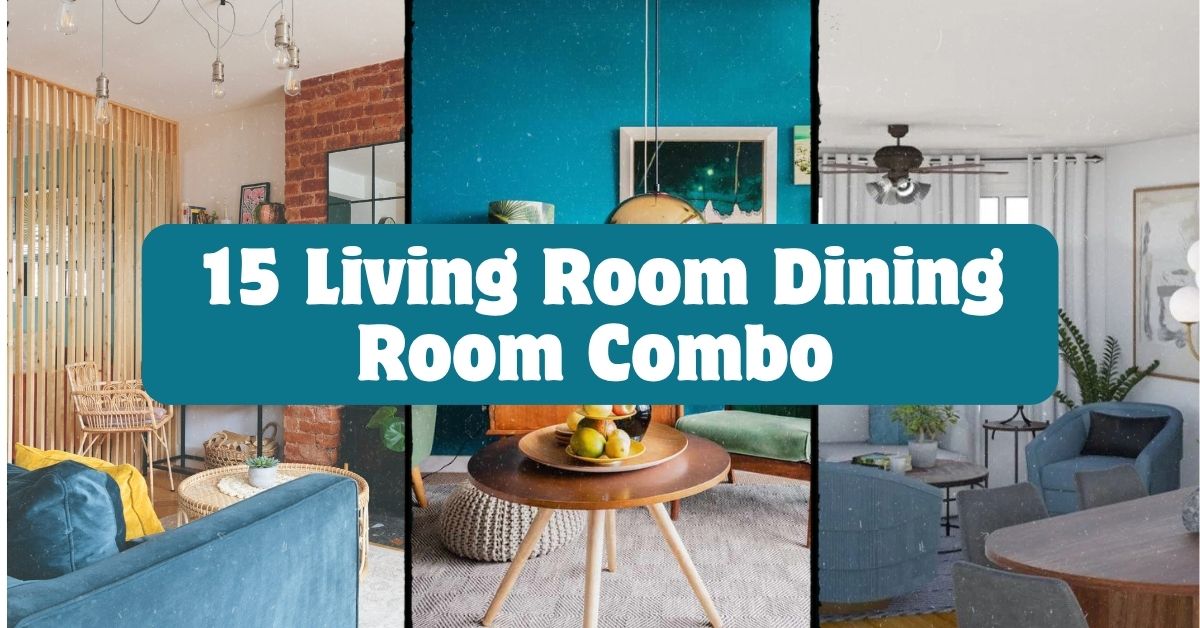
  • 15 Living Room Dining Room Combo Ideas That Actually Work

    15 Living Room Dining Room Combo Ideas That Actually Work

    I’ve helped enough friends figure out their open floor plans to know that a 15 living room dining room combo can feel tricky at first, but I’m about to break down every trick that actually works. Whether you’re dealing with a tiny apartment or a spacious open-concept home, I’ve got you covered with ideas that real people use in real homes.

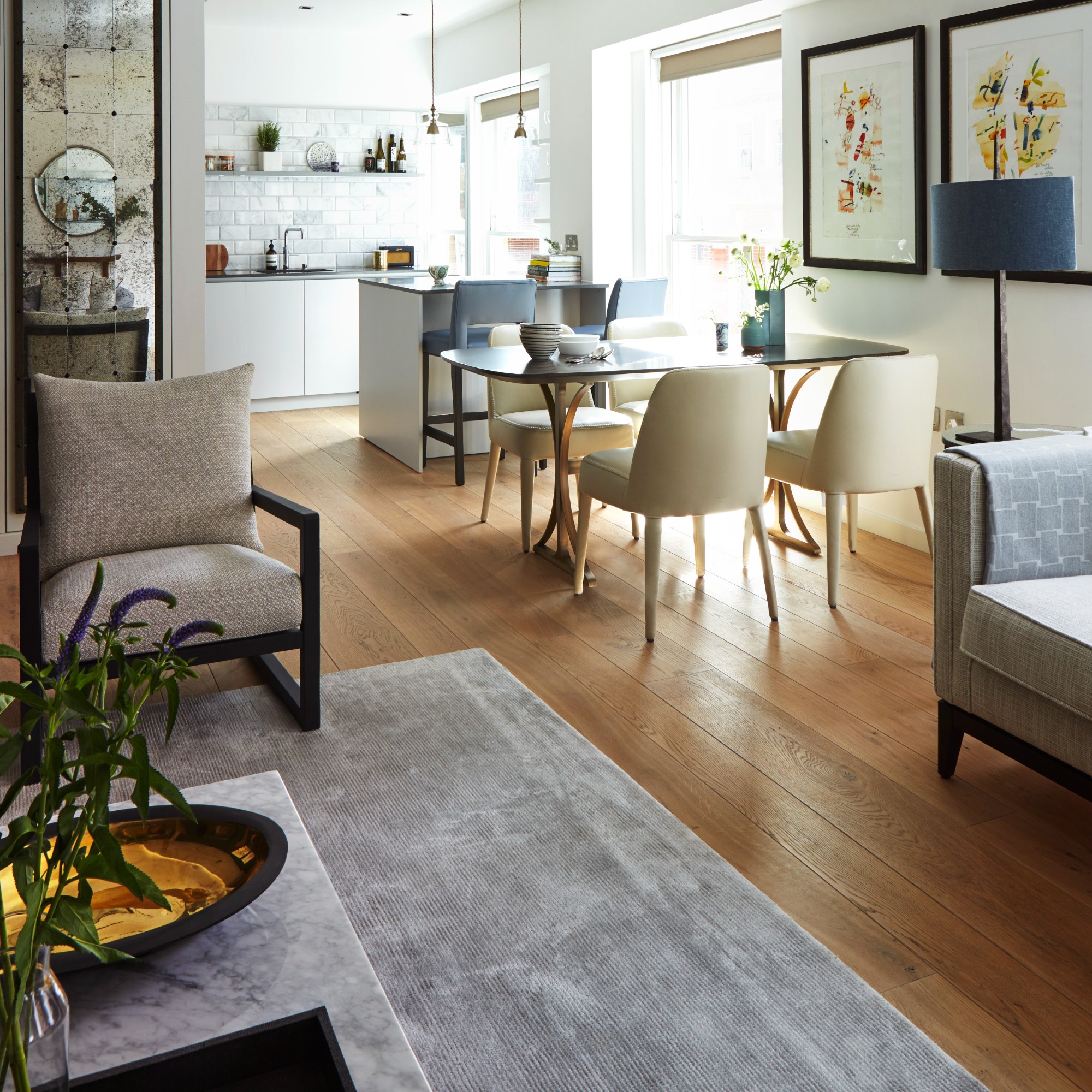
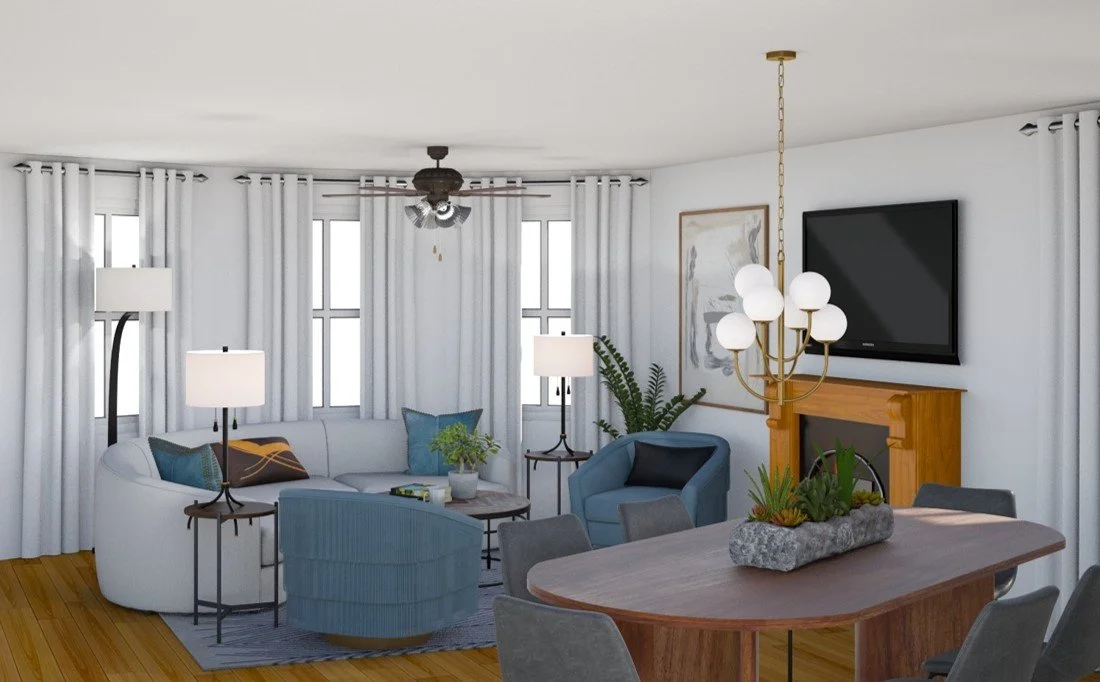
    A living room dining room combo is a shared open space where seating and dining areas exist together without walls dividing them. The key to success is defining each zone through furniture placement, rugs, lighting, or color while keeping the whole space feeling unified.

    Stick around, because I’m about to show you 15 specific ways to make this layout feel intentional instead of accidental.

    What Makes a Living Room Dining Room Combo Work

    Ever walked into someone’s open floor plan and felt like the furniture was just floating there with no purpose? That’s what happens when a combo space isn’t planned right. I think the secret is treating each area like its own little room, even without walls. You still want a clear “living room zone” and a clear “dining zone.” The magic happens when you connect them with matching colors, similar materials, or a shared theme. Once you get that balance, the whole space feels bigger, not more crowded. That’s really the goal here.

    1. Use an Area Rug to Anchor Each Zone

    Living Room Rug Placement - Do's and Don'ts
    Credit: DressMyCrib

    Rugs are honestly the fastest way to separate a combo space without spending a fortune. I always tell people to grab one rug for the living room seating area and a totally different one for under the dining table. This visual break tells your brain “okay, this is a new zone” even though there’s no wall.

    Pick rugs in a similar color family so they feel connected, not random. A jute rug in the living room and a flatweave in a matching tone under the table works great.

    Try this: measure your dining table and add at least 24 inches on all sides so chairs don’t slide off the rug when pulled out.

    This trick works in coastal homes with natural fiber rugs just as well as it does in modern spaces with geometric patterns. Once your rugs are down, you’ll want furniture that plays nicely with them.

    2. Choose a Sofa That Faces Away From the Table

    What Designers Do With Small, Awkward Gaps Behind the Sofa | Apartment  Therapy
    Credit: Apartment

    Positioning matters more than people think. I like putting the sofa’s back toward the dining area instead of facing it directly. This creates a natural boundary and stops the two spaces from blending into visual chaos.

    A low-profile sofa or one with a solid, simple back works best here since it acts almost like a room divider. Add a console table behind it to hold lamps or decor, and you’ve basically built an invisible wall.

    Quick tip: keep your sofa back under 40 inches tall so it doesn’t block sightlines or make the room feel chopped up.

    Traditional homes might use a tufted sofa here, while modern spaces lean toward clean-lined pieces. Once your seating is anchored, lighting becomes your next best friend for zoning.

    3. Hang Two Distinct Light Fixtures

    How To Mix Multiple Light Fixtures In The Same Space - bandddesign.com
    Credit: Bandd

    Lighting does a lot of heavy lifting in a combo layout. I always recommend one fixture over the dining table, like a pendant or chandelier, and a completely different lighting style in the living room, like floor lamps or a flush mount.

    This contrast signals to anyone walking in that they’ve entered a new “zone,” even in a totally open room. Just make sure the finishes match somewhat, brass with brass, black with black, so it still feels like one cohesive home.

    Practical tip: hang your dining pendant 30 to 36 inches above the table for the right proportion.

    Farmhouse spaces often use a wood beam chandelier over the table paired with simple sconces in the living room. Speaking of contrast, color choices can do similar work.

    Lighting Style Pairings by Home Style

    Home StyleDining Light FixtureLiving Room Light Fixture
    ModernSputnik chandelierArc floor lamp
    FarmhouseWood bead chandelierWall sconces
    CoastalRattan pendantWoven table lamps
    TraditionalCrystal chandelierBrass floor lamp
    IndustrialMetal cage pendantExposed bulb floor lamp

    4. Pick One Color Palette for Both Spaces

    51 Living Room Color Schemes From Bold to Understated
    Credit: The Spruce

    Nothing screams “unplanned” faster than a combo room with clashing colors. I always start with three main colors, one neutral, one accent, and one deeper tone, and use them in both zones.

    Maybe your walls are a warm white, your sofa is sage green, and your dining chairs have sage green cushions too. That repetition ties the whole room together without being matchy-matchy.

    Try this: pick your color palette from one piece you already love, like a rug or artwork, and pull three shades from it.

    Boho spaces might lean into terracotta and cream, while coastal rooms stick to blues and sandy neutrals. Once your colors are locked in, furniture placement gets a whole lot easier.

    5. Create a Furniture “Buffer Zone” With a Console or Bookshelf

    How to Furnish a 2-Bedroom Condo Living Room: A Complete Plan With Siz –  Megafurniture
    Credit: Megafurniture

    If your space feels too open, add a piece of furniture that acts as a soft divider. A console table, low bookshelf, or even a bar cart placed between the two areas gives your eye a place to pause.

    This works especially well in long rectangular rooms where the living room and dining room sit end to end. The furniture piece doesn’t block the flow, it just gently separates it.

    Practical tip: keep buffer furniture under 36 inches tall so it doesn’t disrupt sightlines across the room.

    Mid-century modern homes often use a slim credenza here, while traditional homes might choose a wood console with turned legs. Next, let’s talk about how flooring can help too.

    6. Use Flooring Transitions to Mark Zones

    29 open-plan living room ideas to lay out, zone and decorate | Ideal Home
    Credit: Ideal Home

    Sometimes the room itself gives you clues. If you have hardwood in one area and tile in another, let that natural transition mark where the living room ends and dining room begins. If your floor is all one material, you can fake this with a rug placement or even a subtle floor decal border.

    This is honestly one of the most overlooked tricks. I think people forget the floor is doing just as much work as the furniture.

    Quick tip: if you’re installing new flooring, add a transition strip exactly where you want the “zone” to shift.

    Coastal homes often use light wood throughout with rug zoning, while industrial lofts might use polished concrete with an area rug break. Now let’s move up from the floor to the walls.

    7. Add an Accent Wall Behind the Dining Table

    27 Amazing Dining Room Accent Wall Ideas You'll Love - The Intérieur
    Credit: Interior

    An accent wall is one of my favorite tricks because it gives the dining area its own identity without needing a full wall to separate it. Paint, wallpaper, or even wood paneling behind the table creates a built-in backdrop that says “this is the dining zone.”

    This works especially well when your dining table sits against a wall in an open floor plan combo. It gives the eye something to focus on and makes the table feel intentional, not just plopped in the middle of the room.

    Try this: pick a bold or textured wallpaper for the dining wall since it’s a smaller area and easier to commit to.

    Modern farmhouse spaces love shiplap here, while modern homes might choose a deep navy or charcoal paint. Once the walls are handled, let’s talk furniture scale.

    8. Match Furniture Scale to Room Size

    27 Living Room Dining Room Combos
    Credit: The Spruce

    I’ve seen so many combo rooms fail because the furniture is either too big or too small for the space. A massive sectional paired with a tiny bistro table looks off balance, and so does an oversized dining set squeezed next to a small loveseat.

    Measure your room first, then choose pieces proportional to both the room and each other. A general rule: furniture should fill about two-thirds of the floor space, leaving a third open for walking room.

    Practical tip: leave at least 36 inches of walking space between the dining table and any living room furniture.

    Furniture Size Guide for Combo Rooms

    Room SizeSofa LengthDining Table SizeSeating Count
    Small (under 250 sq ft)60-72 inches36×48 inches4
    Medium (250-400 sq ft)72-84 inches36×60 inches6
    Large (400+ sq ft)84-96 inches40×72 inches8

    Getting the scale right makes everything else on this list work better. Now let’s look at how a shared theme ties it all together.

    9. Repeat a Material Across Both Zones

    How to Split a Living Room & Dining Room? – COZY Living
    Credit: Cozy Living

    Consistency is everything in a combo space. I like picking one material, like wood, rattan, or metal, and using it in both the living room and dining room. Maybe your coffee table has wood legs that match your dining chairs, or your dining table base matches your TV stand.

    This repetition creates a visual rhythm that pulls the whole room together, even if the furniture pieces are totally different shapes.

    Quick tip: repeat at least one material three times across the combo space for it to feel intentional instead of accidental.

    Scandinavian homes love repeating light oak, while industrial spaces repeat blackened metal. Speaking of visual rhythm, let’s talk about sightlines next.

    10. Plan Sightlines From the Main Entry Point

    Clever open plan living room ideas from the House & Garden archive | House &  Garden
    Credit: House

    When you walk into a combo room, what’s the first thing you see? I always suggest arranging furniture so the most attractive piece, like a statement light fixture or a piece of art, is the focal point from the entryway.

    This isn’t just about looks. Good sightlines also help the space feel organized instead of like furniture is randomly scattered. Walk through your front door and notice what your eyes land on first. If it’s a cluttered corner, it’s time to rearrange.

    Practical tip: stand at your main entry point and take a photo. It’s the easiest way to spot furniture placement problems.

    Traditional homes often frame a dining hutch as the focal point, while modern homes might spotlight a sculptural light fixture. Now, let’s talk about curtains and window treatments.

    11. Use Matching Window Treatments Throughout

    Coordinating Window Treatments In An Open Floor Plan Space - Molly in Maine
    Credit: Molly in marine

    If your combo space has windows in both the living room and dining area, keep the curtains or blinds consistent. This might seem small, but mismatched window treatments can make a connected room feel disjointed.

    Stick to one fabric, one color, or at least one style (like all linen curtains or all wood blinds) across every window in the shared space.

    Try this: if budget is tight, buy one curtain style and just adjust the length based on window size rather than switching fabrics.

    Coastal homes often use flowy white linen everywhere, while traditional spaces might choose pinch-pleat drapes in a rich fabric. Next, let’s talk about how to zone with furniture arrangement itself.

    12. Angle Furniture to Create Diagonal Flow

    Curved Furniture and Angled Walls, a Perfect Fit? — Michael Helwig Interiors
    Credit: Micheal

    Instead of lining every piece up against the walls, try angling a chair or the dining table slightly. This breaks up the boxy feeling that a lot of combo rooms get and makes the space feel more dynamic.

    This works especially well in awkward-shaped rooms where a straight layout just doesn’t fit right. An angled table can also open up better walking paths.

    Practical tip: angle furniture at 30 to 45 degrees for the most natural, comfortable flow.

    Eclectic and bohemian spaces embrace angled layouts easily, while formal traditional rooms usually keep things straight and symmetrical. Let’s move on to a trick involving ceiling height.

    13. Use Ceiling Treatments to Define Each Zone

    29 open-plan living room ideas to lay out, zone and decorate | Ideal Home
    Credit: Ideal Home

    If you’ve got the budget, adding a beam, tray ceiling detail, or even a change in paint color on the ceiling can mark where one zone ends and another begins. This works especially well in rooms with higher ceilings where there’s extra visual space to play with.

    It’s a subtle trick, but it makes a real difference once you notice it. Your eyes naturally look up sometimes, and giving them something to see there helps ground each area.

    Quick tip: paint the dining room ceiling a slightly deeper shade than the living room ceiling for an easy, low-cost zone divider.

    Farmhouse homes love exposed wood beams here, while modern homes might use a simple two-tone paint trick. Now let’s talk about function within a small combo space.

    14. Choose Multi-Functional Furniture for Small Spaces

    10 Essential Multi-functional Furniture Pieces for Small Apartments - Urban  Quarter
    Credit: Urban

    If your combo room is on the smaller side, furniture that pulls double duty is a lifesaver. Think a storage ottoman that works as extra dining seating, or a console table that extends into a dining surface when needed.

    This keeps your space from feeling cramped while still giving you everything you need for both living and dining.

    Practical tip: look for extendable dining tables so you get everyday functionality with the option for extra guests.

    Small apartment dwellers in any style, from modern to traditional, benefit from this trick the most. Finally, let’s wrap up with the power of a shared centerpiece.

    15. Add a Statement Piece That Bridges Both Rooms

    45 Dining Room Living Room Combo Ideas -
    Credit: Nestic Homes

    Sometimes the easiest way to unify a combo space is one big, beautiful piece that visually connects to both areas. This could be a large piece of art positioned so it’s visible from both the sofa and the dining table, or an oversized plant placed between the two zones.

    This “bridge” piece acts like a visual handshake between the two rooms, tying them together without extra effort.

    Try this: choose art or a plant tall enough to be seen from a seated position in both areas for real cohesion.

    Every home style can use this trick, from a large fiddle leaf fig in a boho room to a bold abstract painting in a modern space.

    Tips for Success

    • Measure your entire space before buying anything, including walking paths between zones
    • Choose a color palette first, then shop for furniture that fits it
    • Keep a consistent flooring or rug base so the whole area feels grounded
    • Use lighting on dimmers so you can adjust mood for dining versus lounging
    • Don’t be afraid of a rug under the dining table even in a small space
    • Test furniture arrangements with painter’s tape on the floor before committing
    • Add plants or greenery in both zones for a natural connecting element

    Common Mistakes and How to Avoid Them

    Overcrowding the space with too much furniture
    : Stick to the two-thirds rule and leave open walking paths of at least 30 inches.

    Using mismatched color schemes in each zone
    : Pull three colors from one anchor piece and repeat them throughout both areas.

    Skipping rugs because the room feels too small
    : Choose a smaller rug size rather than skipping it entirely, since rugs help define zones even in tight spaces.

    Placing the dining table too close to the sofa
    : Leave at least 36 inches of clearance so both areas function independently.

    Ignoring lighting differences between zones
    : Use distinct fixtures for each area but match metal finishes for cohesion.

    Forgetting a focal point from the entryway
    : Arrange furniture so the first thing guests see is intentional, not a random wall or clutter.

    Similar Variations

    • Kitchen Living Dining Combo: Extends the same zoning tricks into a three-way open floor plan including the kitchen
    • Studio Apartment Combo: A tighter version of this layout that often uses furniture to divide sleeping, dining, and living areas
    • Coastal Open Concept: Leans on light woods, woven textures, and blue tones to unify the combo space
    • Modern Farmhouse Combo: Uses shiplap, wood beams, and neutral palettes to connect living and dining zones
    • Loft-Style Combo: Industrial materials like exposed brick and metal fixtures create cohesion in large open spaces

    I know open floor plans can feel overwhelming at first, but once you break it down zone by zone, it really does get easier. The trick is always the same: give each area its own identity while tying everything together with color, materials, or lighting. That balance is what separates a room that feels planned from one that feels like furniture just got dropped in randomly. If you take just a few of these ideas and apply them to your own space, I promise it’ll make a noticeable difference. That’s really the whole secret behind a great 15 living room dining room combo.

  • 14 Built In Shelves Living Room Ideas That Will Change How You See Your Walls

    14 Built In Shelves Living Room Ideas That Will Change How You See Your Walls

    I’ve spent way too many hours scrolling through home renovation photos, and I can honestly say these 14 built in shelves living room ideas are some of the smartest storage solutions I’ve come across. If you’re tired of your living room feeling cluttered or boring, you’re in the right place. This guide will walk you through real, doable ideas that work whether you’re renovating or just dreaming.

    Built in shelves are permanent shelving units attached directly to a wall, often flanking a fireplace or filling an alcove. They provide storage and display space without taking up floor room. Unlike freestanding bookcases, they’re custom-built to fit your exact space.

    Stick around, because I’m about to show you 14 different ways to use built in shelves that’ll make your living room feel bigger, smarter, and way more put-together.

    What Makes Built In Shelves So Special

    Here’s the thing about built in shelves. They’re not just storage. They’re basically free architecture. When you build shelves right into your wall, they look like they’ve always been there. That’s the magic. A regular bookcase can feel like an afterthought, something you bought and shoved against a wall. Built ins feel intentional. They hug the room’s shape, work around windows, and make awkward corners actually useful. I think that’s why so many older homes had them. Builders knew empty wall space was wasted space. Once you start noticing built in shelves in other people’s homes, you’ll want them in yours too.

    1. Flank Your Fireplace With Matching Shelf Towers

    12 Gorgeous Ideas For Built-Ins Around a Fireplace - Brick-Anew
    Credit: Brick

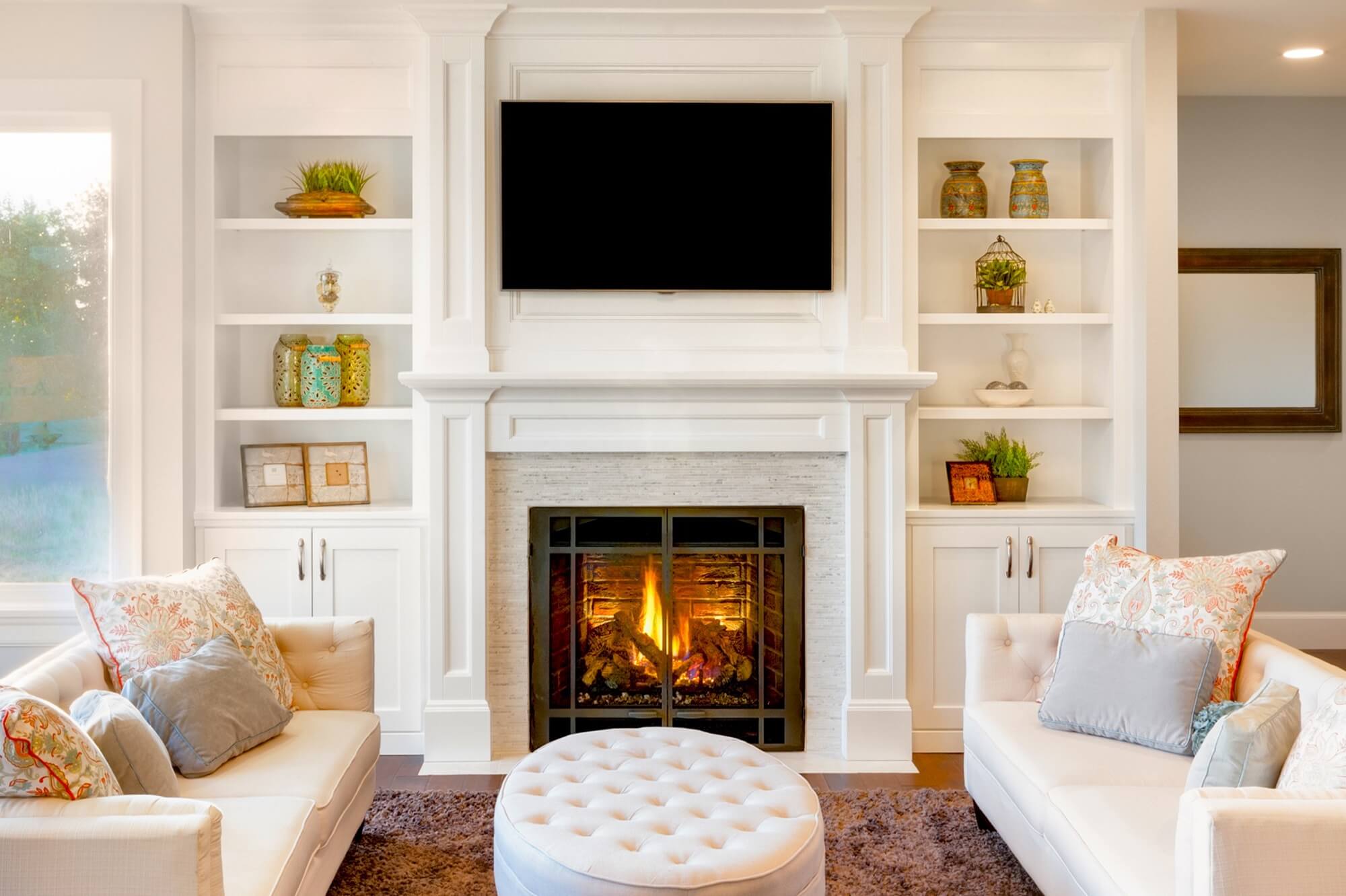
    This is the classic move, and there’s a reason everyone does it. Building matching shelf units on both sides of your fireplace creates instant symmetry. Your eye naturally goes to the center, then balances out with the shelves on either side.

    Paint the shelves the same color as your trim for a seamless look, or go bold with a contrasting color like navy or forest green. Fill them with books, framed photos, and a few plants for texture.

    Practical tip: leave the bottom third of each tower as closed cabinets. This hides ugly stuff like remote controls, cables, and board games.

    This works great in traditional homes with a classic mantel, but it also looks sharp in modern spaces with a sleek linear fireplace. Now let’s talk about what happens when you don’t have a fireplace at all.

    2. Build Shelves Into an Awkward Alcove

    Alcove shelving ideas – the most stylish ways to make use of an awkward  space | Livingetc
    Credit: LivingEtc

    Every living room has that one weird nook that doesn’t know what it wants to be. Maybe it’s too narrow for furniture or too shallow for a closet. That’s exactly where built in shelves shine.

    Custom-fit shelving turns dead space into a functional display area. You can go floor to ceiling for maximum storage, or stop at eye level and hang art above.

    Tip: measure the depth of your alcove before planning. Anything under 12 inches deep works best for books and decor rather than bulky items.

    Modern farmhouse homes love this trick with shiplap backing, while coastal homes might add beadboard and light blue paint. Once your alcove is handled, think about extending shelves along a full wall.

    3. Run Floor to Ceiling Shelves Across One Full Wall

    Transform Your Living Room with Custom Built-In Bookshelves
    Credit: sunnyMommy

    If you want serious storage, this is it. A full wall of built in shelves turns your living room into a mini library. It’s dramatic, it’s functional, and honestly, it just looks impressive.

    Break up the shelves with a mix of open sections and closed cabinets. Add a rolling ladder if your ceilings are tall enough. That little detail alone makes the whole wall feel like something out of a design magazine.

    Quick tip: stagger shelf heights instead of making every row identical. It keeps the wall from feeling too rigid.

    This idea fits big, airy modern homes especially well, but a traditional library-style room with crown molding pulls it off beautifully too. Next, let’s shrink things down a bit for smaller spaces.

    4. Add Compact Shelves Around a Window Seat

    Window seats — Urban Homecraft
    Credit: Urban

    Small living rooms need smart solutions, and this one is a favorite of mine. Building shelves on either side of a window seat gives you storage without eating up floor space. The window seat itself becomes a cozy reading nook.

    Keep the shelf depth shallow, around 8 to 10 inches, so it doesn’t compete with the seat cushion. Add a few baskets underneath for blankets or magazines.

    Tip: paint the seat cushion and shelf trim the same color so the whole unit reads as one cohesive piece rather than three separate elements.

    This idea is a natural fit for cottage-style or coastal homes, though a minimalist Scandinavian living room can pull it off too with plain white paint and simple lines. Now let’s look at how open shelving changes the vibe entirely.

    5. Skip the Doors With Open Shelf Displays

    31 Built-In Bookshelf Ideas for Every Room in Your Home
    Credit: Better Homes

    Open shelves without any cabinet doors give your living room a lighter, airier feel. You get to show off your favorite things instead of hiding them away. Books, pottery, framed art, whatever tells your story.

    The key here is not overstuffing every shelf. Leave breathing room. Group items in threes, mix heights, and let some negative space exist.

    Tip: use the rule of odd numbers when styling. Groups of three or five look more natural than even pairs.

    Open shelving works in almost every style, but it especially shines in mid-century modern and boho living rooms where personality and texture matter more than uniformity. Once you’ve got the open shelves figured out, you might want to balance them with some hidden storage.

    Shelf Style Comparison Table

    Shelf TypeBest ForAverage Cost (Per Linear Foot)Maintenance Level
    Open ShelvingDisplaying decor, books$150-$300Medium (dusting)
    Closed CabinetsHiding clutter$250-$450Low
    Mixed Open/ClosedBalance of both$200-$400Medium
    Glass Front CabinetsDisplaying collections$300-$500Medium-High

    6. Mix Open Shelves With Closed Cabinet Storage

    How to Mix Open Shelving and Custom Cabinets for a Balanced Look
    Credit: Imperial

    This is probably the most practical option out there. You get the beauty of open display shelves up top, plus the hidden storage of cabinets down below. Best of both worlds, really.

    Use the top shelves for things you want to show off. Save the bottom cabinets for stuff you don’t want anyone to see, like extra chargers, old files, or your kid’s art supplies.

    Tip: install soft-close hinges on the cabinet doors. It’s a small detail, but it makes the whole unit feel higher quality.

    This combo style works in basically every home style because it’s so flexible. Traditional homes might add raised panel doors, while modern spaces keep the cabinet fronts flat and handle-free. Let’s talk about color next, because paint changes everything.

    7. Paint Your Shelves a Bold Contrast Color

    4 Custom Built-In Painting Ideas for Your Space - Habitar Design
    Credit: Habitar

    White built in shelves are safe, but painting them a bold color turns them into a statement piece. Think deep emerald, moody charcoal, or even a rich terracotta.

    The trick is picking a color that complements your walls without matching them exactly. If your walls are a soft cream, a dark green shelf unit creates contrast that draws the eye without clashing.

    Tip: test your paint color on a small hidden section first. Lighting changes how colors look throughout the day.

    Bold colors fit eclectic and traditional homes especially well, though a modern space can use a single accent color sparingly for a similar effect. Speaking of color, let’s talk about how lighting plays into all of this.

    8. Install Built In Lighting Inside the Shelves

    Built-in Shelf Lighting - Diode LED
    Credit: Diode

    Adding small LED strip lights or puck lights inside your shelves changes the whole mood of your living room at night. Suddenly your bookshelf looks like a gallery display.

    Warm white lighting works best for a cozy feel, while cooler light tones suit more modern, minimalist spaces. Hide the wiring behind the shelf backing so it stays clean and simple.

    Tip: use battery-operated puck lights if running electrical wire feels like too much of a project. They stick on with adhesive and last a long time.

    This idea works beautifully across every style since lighting is universal, but it’s especially striking in dark, moody rooms where shelves need a little glow to stand out. Now, let’s think about scale and how shelf size changes the whole feel of a room.

    9. Go Shallow With Slim Display Shelves

    TIPS FOR CREATING BUILT-IN STORAGE - Paper Room Interiors
    Credit: Paper Room

    Not every shelf needs to hold big, bulky items. Slim, shallow shelves, sometimes just 4 to 6 inches deep, are perfect for displaying small art, framed photos, or collectibles.

    These work great above a sofa or along a hallway leading into your living room. They add visual interest without taking up much space at all.

    Tip: use a small lip or ledge at the bottom of each shelf so framed art doesn’t slide off.

    This idea is a favorite in modern and minimalist homes, but it also works in traditional spaces for displaying family photos in a gallery-style arrangement. Now let’s size up again and talk about corner shelving.

    10. Wrap Shelves Around an Awkward Corner

    10 Rooms with Corner Shelving | Decoist
    Credit: Decoist

    Corners are notoriously hard to use. Furniture doesn’t fit right, and they often become dead zones. Built in corner shelves solve this by wrapping the shelving around the angle, creating a continuous display area.

    This works especially well in living rooms with an L-shaped layout or a corner that’s too small for a chair but too big to ignore.

    Tip: use adjustable shelf brackets so you can change the spacing later if your storage needs change.

    Corner shelving fits nearly any style, though a rustic cabin-style living room can add a rougher wood finish for extra charm. Next, let’s talk about built ins that double as a media center.

    11. Build Shelves Around Your TV for a Media Wall

    How to Build Media Wall Built-ins - Plank and Pillow
    Credit: Plank

    Instead of mounting your TV on a bare wall, build shelves around it. This creates a media wall that looks intentional rather than like an afterthought.

    Add cabinets below for game consoles, cable boxes, and speakers. Use the surrounding shelves for books and decor to soften the look of the screen.

    Tip: hide cords by drilling a small hole through the shelf backing so cables run straight down into the cabinet below instead of hanging loose.

    This is a favorite in modern and contemporary homes since it blends tech into a stylish design. Traditional homes often hide the TV behind cabinet doors that close completely when not in use. Now, let’s talk texture and materials.

    12. Mix Wood and Metal for an Industrial Look

    An industrial edge with metal shelving creates a rugged style. Add an  industrial edge with metal shelving and exposed hardware. This look is  perfect for those who appreciate a more rugged, urban
    Credit: avana_interior

    If your living room leans industrial or modern rustic, try combining wood shelves with black metal brackets or frames. The contrast between warm wood tones and cool metal creates a lot of visual interest.

    Reclaimed wood works especially well here, giving the shelves some age and character. Pair with exposed brick or concrete walls if you have them.

    Tip: seal reclaimed wood with a clear matte finish to prevent splinters and keep the natural texture intact.

    This combo is perfect for industrial and modern farmhouse homes, but a mid-century space can use it too with slimmer metal legs and warmer wood tones. Let’s shift now to a softer, more classic approach.

    13. Add Crown Molding for a Custom, Built-From-Scratch Feel

    How to Add Crown Molding To Built-in Bookshelves - In Honor Of Design
    Credit: In Honor

    Nothing says “this was built for this exact spot” like crown molding along the top of your shelves. It ties the unit into the ceiling and makes it feel permanent, like it was part of the original house.

    Match the molding profile to whatever trim already exists in your living room. If you don’t have existing trim, pick a simple, classic profile that won’t feel too fussy.

    Tip: paint the molding the same color as the shelf unit for a seamless, monochromatic look.

    This detail is essential for traditional and colonial-style homes, though even modern spaces can use a slim, simple molding line for a subtle finish. Finally, let’s talk about the smallest built ins of all.

    14. Use Mini Built In Shelves for Just One Small Wall Section

    20 Beautiful Living Rooms With Built-In Shelving
    Credit: The Spruce

    Not every living room has space for a huge shelf project. Sometimes a small built in, just two or three feet wide, is all you need. Tuck it next to a doorway or in a leftover gap between furniture.

    These mini shelves are great for a few favorite books, a small plant, or a lamp. They add function without overwhelming the room.

    Tip: keep styling minimal here since the space itself is small. Two or three items per shelf is usually plenty.

    This idea works in tiny apartments and small homes of any style, since the scale keeps it flexible everywhere from boho to modern minimalist. With all 14 ideas laid out, let’s talk about how to actually pull this off successfully.

    Tips for Success

    • Measure twice before ordering any custom shelving. Wall irregularities are more common than you’d think.
    • Choose materials based on your climate. Solid wood can warp in humid areas, so consider engineered wood or MDF with a wood veneer.
    • Plan your outlet placement before building shelves around electronics.
    • Don’t fill every single shelf. Empty space helps the eye rest and makes the styled items pop more.
    • Get quotes from at least three contractors if you’re not doing this as a DIY project.
    • Think about weight capacity, especially if you’re planning to store heavy books or decor.
    • Match your shelf finish to your existing trim color unless you’re intentionally going for contrast.

    Common Mistakes and How to Avoid Them

    Overcrowding every shelf
    : Leave some negative space. A shelf packed edge to edge looks cluttered instead of curated.

    Ignoring the depth of the shelf
    : Measure what you plan to store before building. A shelf too shallow for oversized books is a common regret.

    Skipping the electrical planning
    : If you want lighting or a TV built in, plan wiring before construction starts, not after.

    Using the wrong paint finish
    : A high gloss finish shows every fingerprint and dust speck. Matte or eggshell finishes hide wear better.

    Making shelves too uniform
    : Rows of identical, evenly spaced shelves can look sterile. Vary the spacing and mix in a few closed cabinets for balance.

    Forgetting about weight support
    : Thin shelves without proper bracket support can sag over time under heavy books or decor.

    Similar Variations

    • Floating Shelf Walls – No visible brackets, giving a clean, minimalist look that skips the traditional cabinet base entirely.
    • Library Ladder Shelving – Floor to ceiling shelves paired with a rolling ladder for that old-school study feel.
    • Window Seat Bookshelf Combo – Built in seating flanked by shelves, perfect for small reading nooks.
    • Fireplace Flanking Units – Matching shelf towers on either side of a fireplace, the most classic built in style.
    • Corner Wraparound Shelves – Shelving that curves or angles around an awkward room corner to maximize storage.
    • Media Wall Built Ins – Shelves built specifically around a TV, blending entertainment and display space together.

    At the end of the day, built in shelves aren’t just about storage. They’re about making your living room feel finished, personal, and a little more like a home you actually planned instead of one that just happened. Whether you go big with a full wall library or keep it small with a tiny nook shelf, there’s a version of this idea that fits your space and your budget. I hope this list of 14 built in shelves living room ideas gave you enough inspiration to finally tackle that empty wall you’ve been staring at for way too long.

  • 10 Living Room Wall Decor Ideas That Actually Work

    10 Living Room Wall Decor Ideas That Actually Work

    I’ve spent way too many weekends staring at blank walls trying to figure out 10 living room wall decor ideas that don’t look like everyone else’s Pinterest board, and I finally cracked the code. This guide is going to save you the trial and error I went through.

    Living room wall decor refers to the art, mirrors, shelves, and decorative objects placed on walls to add style, personality, and visual balance to a space. The right combination improves flow, hides flaws, and makes a room feel finished.

    Stick around, because I’m about to walk you through more than a dozen ways to dress up your walls, plus a few mistakes that quietly wreck a good design.

    What Makes Wall Decor Actually Work

    Here’s the thing about wall decor. It’s not just about hanging a pretty picture and calling it done. Good wall decor works with your furniture, your lighting, and the size of your room. It pulls your eye around the space instead of letting it get stuck in one boring corner.

    I think of walls as the fourth piece of furniture in any room. They’re not empty space to ignore. They’re a chance to add color, texture, or a little humor if that’s your thing. The trick is balance. Too much on the walls feels cluttered. Too little feels cold and unfinished. Once you find that middle ground, everything else in the room just clicks into place.

    1. Build a Gallery Wall With Mixed Frame Sizes

    How To Make A Gallery Wall (Selecting, Arranging + Layout Ideas!) - Studio  DIY
    Credit: Studio

    A gallery wall is a cluster of framed pieces arranged together on one wall. Mix big frames with small ones so it doesn’t look too matchy. Use a variety of frame colors like black, wood, and gold for depth.

    Start by laying your frames out on the floor first. This saves you from a wall full of extra nail holes. Aim for two to three inches between each frame for a tight, gallery-style look.

    This idea flexes easily. Traditional homes can use ornate gold frames with family portraits. Modern spaces look great with thin black frames and abstract prints. Coastal rooms can swap in beachy prints and driftwood frames.

    Once your gallery wall is up, you might want something bigger to anchor the opposite side of the room, which brings me to oversized art.

    2. Hang One Oversized Statement Piece

    Giant Statement Art | Geometric Wall Hanging | Living Room Decor – We Are  Lunarium
    Credit: We Are Linarium

    Sometimes less really is more. A single large painting, print, or tapestry above your sofa can do more work than ten small pieces combined. Go for something that’s roughly two-thirds the width of your couch for the best proportion.

    Pick a piece with colors that echo something already in the room, like a throw pillow or a rug. That connection makes the whole space feel pulled together instead of random.

    Practical tip: Hang the center of the piece at eye level, about 57 to 60 inches from the floor, regardless of ceiling height.

    This works in almost any style. Modern homes love abstract, bold color-block art. Farmhouse rooms often go for black and white landscape shots blown up big.

    Now that you’ve got a focal point, let’s talk about texture, because flat art isn’t the only option.

    3. Add a Woven Wall Hanging for Texture

    20 Wall hangings that will add texture to your space - Stacy Risenmay
    Credit: Stacy

    Woven wall hangings, like macrame or fiber art, bring warmth and texture that flat art just can’t match. They’re especially good on walls near soft furniture like a linen sofa or a boucle chair.

    These pieces work because they add a tactile, handmade feel to a room that can otherwise feel flat or too polished. Neutral tones like cream, tan, and rust are popular because they blend with almost any color scheme.

    Actionable tip: Hang your woven piece slightly off-center above a reading chair instead of dead center over the sofa. It creates a more relaxed, lived-in vibe.

    Boho and coastal homes practically live for this look. Even modern spaces can pull it off if you keep the piece simple and monochrome.

    Speaking of texture, let’s move to something a little more dimensional: wall shelves.

    4. Style Floating Shelves With Curated Objects

    Living room shelving ideas: 16 beautiful ways to display books and trinkets  | Homes and Gardens
    Credit: Homes And Garden

    Floating shelves give you decor that changes with your mood. Unlike framed art, you can swap out books, small plants, candles, and framed photos whenever you feel like refreshing the space.

    Group items in odd numbers, like three or five, for a more natural, less stiff arrangement. Vary the heights of your objects too. A tall vase next to a short stack of books creates visual rhythm instead of a flat line.

    Tip: Leave some negative space on each shelf. A shelf packed edge to edge looks cluttered, not curated.

    This idea adapts well across styles. Minimalist homes might use just one plant and one book per shelf. Eclectic spaces can pile on more personality with mismatched frames and travel souvenirs.

    Shelves are great, but if you want something with more shine, mirrors are your next move.

    5. Use an Oversized Mirror to Bounce Light

    7 Ways to Make Your Home Look Bigger With Mirrors
    Credit: Houzz

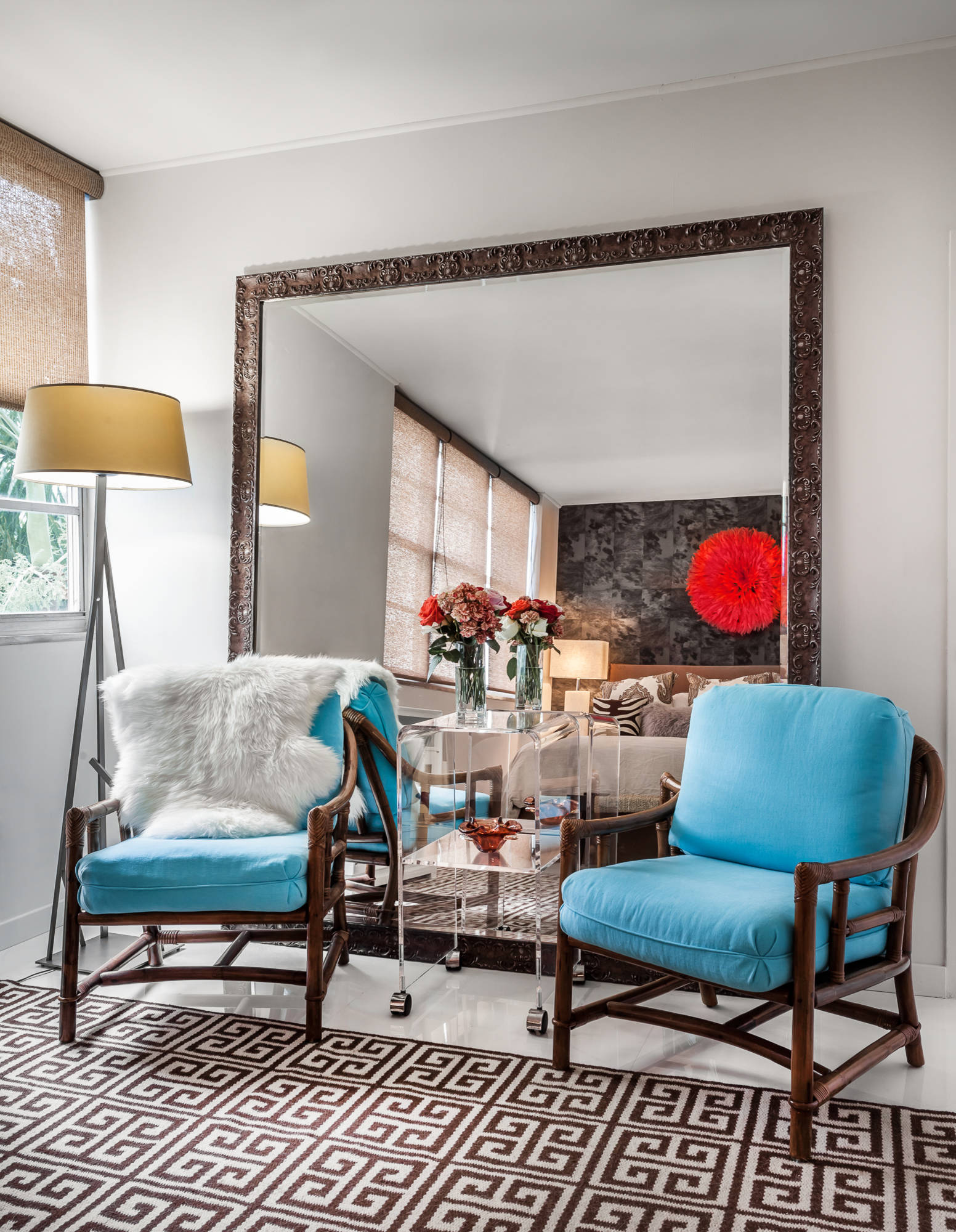
    Mirrors do double duty. They look good and they make a room feel bigger by bouncing natural light around. A large, leaning or wall-mounted mirror across from a window can noticeably brighten a dim living room.

    Round mirrors soften a room full of straight lines and boxy furniture. Rectangular or arched mirrors work well in taller spaces with higher ceilings.

    Practical tip: Place your mirror so it reflects something worth seeing, like a piece of art or a window, not a blank wall or a cluttered corner.

    Traditional homes often go for gold, ornate mirror frames. Modern and minimalist rooms lean toward simple black metal or frameless designs.

    Wall Decor Style Matching Guide

    Home StyleBest Wall Decor ElementsColor PaletteFrame/Material Choice
    ModernAbstract art, geometric shelvesBlack, white, one bold accentThin metal, matte black
    TraditionalOil paintings, ornate mirrorsDeep reds, gold, navyCarved wood, gold leaf
    CoastalWoven hangings, framed printsSandy beige, ocean blue, whiteWhitewashed wood, rattan
    FarmhouseBlack and white photos, signsCream, black, warm wood tonesDistressed wood, black metal
    BohoMacrame, tapestries, plantsTerracotta, mustard, creamNatural fiber, rattan
    MinimalistSingle statement art, clean shelvesMonochrome, one neutral accentThin wood or metal

    Now that you’ve got a feel for how style changes your choices, let’s talk about something a bit more playful: plate walls.

    6. Create a Decorative Plate Wall

    How to Create a Plate Wall, According to a Designer
    Credit: veranda

    This one surprises people. Hanging decorative plates isn’t just a grandma thing anymore. Mixing patterned ceramic or ironstone plates in different sizes on a wall creates a collected-over-time look that feels personal and unique.

    Use plate hangers you can find at most craft stores. They’re inexpensive and don’t damage the plates. Arrange your plates in a loose circle or an organic cluster rather than a strict grid for a more relaxed feel.

    Tip: Thrift stores and flea markets are goldmines for unique plates. You don’t need a matching set. Variety is the whole point.

    This idea leans traditional and farmhouse most naturally, but modern homes can pull it off using solid-color plates in just one or two tones for a cleaner effect.

    If plates feel too fussy for your taste, wall sconces might be more your speed.

    7. Install Wall Sconces for Layered Lighting

    The 25 Best Wall Sconce Decorating Ideas | Lightopia
    Credit: Lightopia

    Wall sconces aren’t just functional. They’re decor and lighting rolled into one. Placing sconces on either side of a large piece of art or a mirror creates instant symmetry and a warm glow in the evening.

    Choose sconces that match your existing metal finishes, like matte black, brass, or brushed nickel, so they feel intentional rather than an afterthought.

    Practical tip: Mount sconces about 60 to 66 inches from the floor for the most flattering light spread across the room.

    Traditional and transitional homes use sconces heavily for that classic, layered lighting look. Modern spaces often choose sleek, minimal sconces with clean lines and no visible hardware.

    Lighting sets a mood, but if you want something with more movement, consider hanging plants next.

    8. Hang Trailing Plants for a Living Wall Effect

    5 clever ways to hang indoor plants - bring your home to life | Livingetc
    Credit: Livingltc

    Live plants on the wall bring color and life that art simply can’t match. Wall-mounted planters or hanging macrame plant holders filled with trailing pothos or string of pearls add a soft, organic touch above a sofa or reading nook.

    Pick low-maintenance plants if you don’t have a green thumb. Pothos, philodendron, and ZZ plants are nearly impossible to kill and grow well even in lower light.

    Tip: Group two or three hanging planters at different heights instead of one alone. It reads more intentional and full.

    Boho and coastal rooms use this constantly, but even a minimalist living room can benefit from one simple trailing plant to soften hard lines.

    Plants bring life, but for pure personality, nothing beats a custom neon or word sign.

    9. Add a Typography or Neon Sign for Personality

    Best Neon Signs For Wall Art and Home Decor: Slogans, Phrases, Shapes
    Credit: Rolling

    A short phrase, quote, or even just your last name in a stylish font can bring instant character to a wall. Neon signs have become especially popular for adding a soft colored glow that doubles as ambient lighting at night.

    Keep the phrase short. Long sentences on a wall sign get hard to read from across the room and start feeling more like a lecture than decor.

    Actionable tip: Choose a sign color that complements, not clashes with, your existing color palette. Soft pink or warm white neon works in almost any room.

    This idea is especially popular in modern and eclectic homes, but a simple wood-burned quote sign can work beautifully in a farmhouse living room too.

    10. Layer Textiles Like Tapestries or Quilts

    Hanging Wall Art Complete Guide - How to Decorate
    Credit: Ballard

    Fabric on the wall isn’t just for dorm rooms anymore. A well-chosen tapestry, vintage quilt, or woven blanket hung on a wall rod adds pattern, softness, and color without needing frames or nails everywhere.

    This works especially well on a large, otherwise empty wall where a single small painting would look lost. Choose a textile with colors that tie back into your rug or throw pillows.

    Tip: Use a simple wood dowel or curtain rod to hang the fabric. It’s an easy, damage-free way to display something with real texture and weight.

    Boho, eclectic, and coastal homes use this idea often, but a simple, muted quilt can work in a farmhouse or traditional space too.

    Wall Decor Budget Breakdown

    Budget TierPrice RangeWhat You GetBest For
    Budget$20-$75Printable art, small mirrors, single plantsRenters, first apartments
    Mid-range$75-$250Framed prints, floating shelves, sconcesMost living rooms
    Investment$250-$800+Original art, large mirrors, custom signageLong-term homeowners

    Tips for Success

    • Measure twice before you drill. A level and a tape measure save you from unnecessary holes.
    • Stick to one dominant color story across your wall decor so pieces feel connected, not random.
    • Use painter’s tape to outline frame placement on the wall before committing to nails.
    • Mix matte and glossy finishes for subtle visual interest.
    • Don’t ignore scale. A tiny picture on a huge wall gets swallowed up.
    • Rotate seasonal decor items, like a wreath or small art swap, to keep the space feeling fresh without a full redo.
    • Step back and view your wall from across the room, not just up close, before finalizing placement.

    Common Mistakes and How to Avoid Them

    Hanging art too high
    : Keep the center of each piece at eye level, around 57 to 60 inches from the floor.

    Ignoring furniture scale
    : Match art width to about two-thirds the width of the furniture below it, like a sofa or console.

    Overcrowding one wall
    : Leave breathing room between pieces. Negative space is part of the design, not wasted space.

    Mismatched frame finishes with no unifying thread
    : Pick one or two metal or wood tones and repeat them throughout the room.

    Choosing decor before choosing a color scheme
    : Settle on your room’s dominant colors first, then shop for wall decor that fits.

    Forgetting about lighting
    : Add a sconce or small picture light if your art sits in a naturally dark corner.

    Similar Variations

    • Coastal Boho: Combines woven textures with beachy, sun-bleached color tones for a relaxed vibe.
    • Modern Farmhouse: Blends black and white photography with distressed wood frames and simple signage.
    • Eclectic Maximalist: Layers gallery walls, plants, and bold color without much restraint or matching.
    • Scandinavian Minimalist: Uses one or two simple art pieces with lots of open wall space and light wood tones.
    • Industrial Loft: Focuses on metal accents, large black and white prints, and exposed materials.
    • Traditional Formal: Leans on gold frames, oil paintings, and symmetrical arrangements for a classic feel.

    At the end of the day, your walls say a lot about how a room feels the moment someone walks in. Small changes, like swapping a mirror or adding one woven hanging, can shift a whole space without a big renovation. I hope this list of 10 Living Room Wall Decor Ideas gave you enough inspiration and practical direction to finally fill those blank walls with confidence.

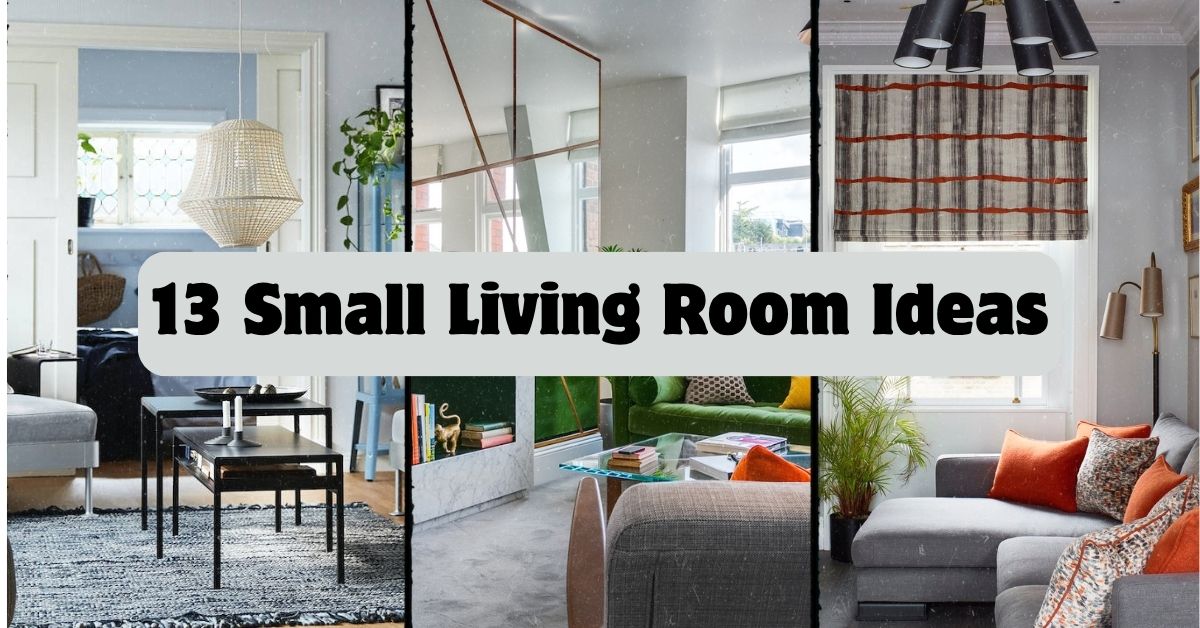
  • 13 Small Living Room Ideas

    13 Small Living Room Ideas

    I’ve spent way too many hours scrolling through design blogs looking for 13 small living room ideas that actually work in real homes, not just magazine spreads, and I think I finally cracked the code.

    What are the best small living room ideas? The best small living room ideas focus on multi-functional furniture, light color palettes, smart storage, and vertical space use. These strategies make a compact room feel bigger, brighter, and more livable without a full renovation.

    Stick with me here. I’m about to walk you through everything I’ve learned from redoing my own cramped living room, plus tricks designers use that nobody talks about enough.

    What Makes Small Living Room Design Different

    Small living rooms play by their own rules. You can’t just shrink big-room ideas and expect them to work. Every piece of furniture has to earn its spot. Every color choice matters more because there’s less room for it to breathe. I used to think small spaces meant sacrificing style, but that’s just not true anymore. The trick is thinking in layers: what you need, what you love, and what tricks the eye into seeing more space than there really is. Once you get that mindset, decorating a tight living room actually gets kind of fun. It’s like solving a puzzle where the prize is a room you actually want to hang out in.

    1. Choose a Light, Airy Color Palette

    51 Living Room Color Schemes From Bold to Understated
    Credit: the spruce

    Dark colors can make a small room feel like a cave. Light colors do the opposite. They bounce light around and make walls feel like they’re pushing back a little.

    I’m not saying paint everything stark white. Soft neutrals like warm beige, pale sage, or light gray all work great too. The goal is keeping most surfaces light so the room feels open, then adding personality through smaller accents.

    Actionable tip: Paint your ceiling one shade lighter than your walls. This trick makes ceilings feel higher than they actually are.

    This idea flexes easily. Coastal homes might lean into soft blues and whites. Modern spaces could go monochrome gray. Traditional rooms often stick with creamy neutrals. Once your base color is set, it’s time to think about how furniture fits into that light backdrop.

    2. Pick Furniture That Does Double Duty

    How to Choose Multi-Functional Furniture for Small Spaces | Houzz AU
    Credit: Houzz

    Small rooms don’t have room for pieces that only do one job. A coffee table that opens up for storage. An ottoman that hides blankets. A sofa bed for guests. These pieces save space while still looking good.

    I switched my old coffee table for a storage ottoman last year and it changed everything. Suddenly I had a place for remotes, magazines, and random junk that used to pile up on the floor.

    Actionable tip: Measure your space before shopping. Multi-functional furniture is often bulkier than single-purpose pieces, so know your limits.

    Modern homes might choose sleek lift-top tables. Farmhouse style could use a woven storage trunk instead. Either way, this approach clears clutter fast. Speaking of clutter, let’s talk about where the rest of your stuff should go.

    3. Use Vertical Storage Instead of Floor Space

    Small home storage ideas - My homes Life
    Credit: My Homes Life

    When floor space is tight, look up. Tall bookshelves, wall-mounted cabinets, and floating shelves all store stuff without eating into your walking room.

    I added two floating shelves above my TV console and it freed up so much floor space. Books, plants, and picture frames all moved up and out of the way.

    Actionable tip: Install shelves at varying heights to draw the eye upward, which makes ceilings feel taller.

    This works in almost any style. Industrial rooms might use metal pipe shelving. Traditional spaces could go with built-in white cabinetry. Once your storage is vertical, your next move is making sure your furniture arrangement matches that same space-saving logic.

    Small Living Room Furniture Size Guide

    Furniture PieceSmall Room Size (under 150 sq ft)Medium Room Size (150-250 sq ft)
    SofaLoveseat, 60-65 inchesStandard sofa, 72-78 inches
    Coffee Table24-36 inches wide36-48 inches wide
    TV StandUnder 48 inches wide48-60 inches wide
    Area Rug5×7 feet8×10 feet
    Accent Chair28-30 inches wide30-34 inches wide

    4. Float Furniture Away From the Walls

    This one surprised me. I always thought pushing everything against the walls opened up more space. Turns out, floating furniture slightly away from walls can actually make a room feel more intentional and bigger.

    Try pulling your sofa a few inches off the wall. Add a slim console table behind it if you have the room. This creates a sense of flow instead of a room that feels like it’s hugging its edges out of necessity.

    Actionable tip: Leave at least 30 inches of walking space between furniture pieces so the room doesn’t feel like an obstacle course.

    Mid-century modern rooms love this floating technique. Traditional spaces can do it too, just with slightly more furniture spacing. Once your layout breathes a little, mirrors can push that open feeling even further.

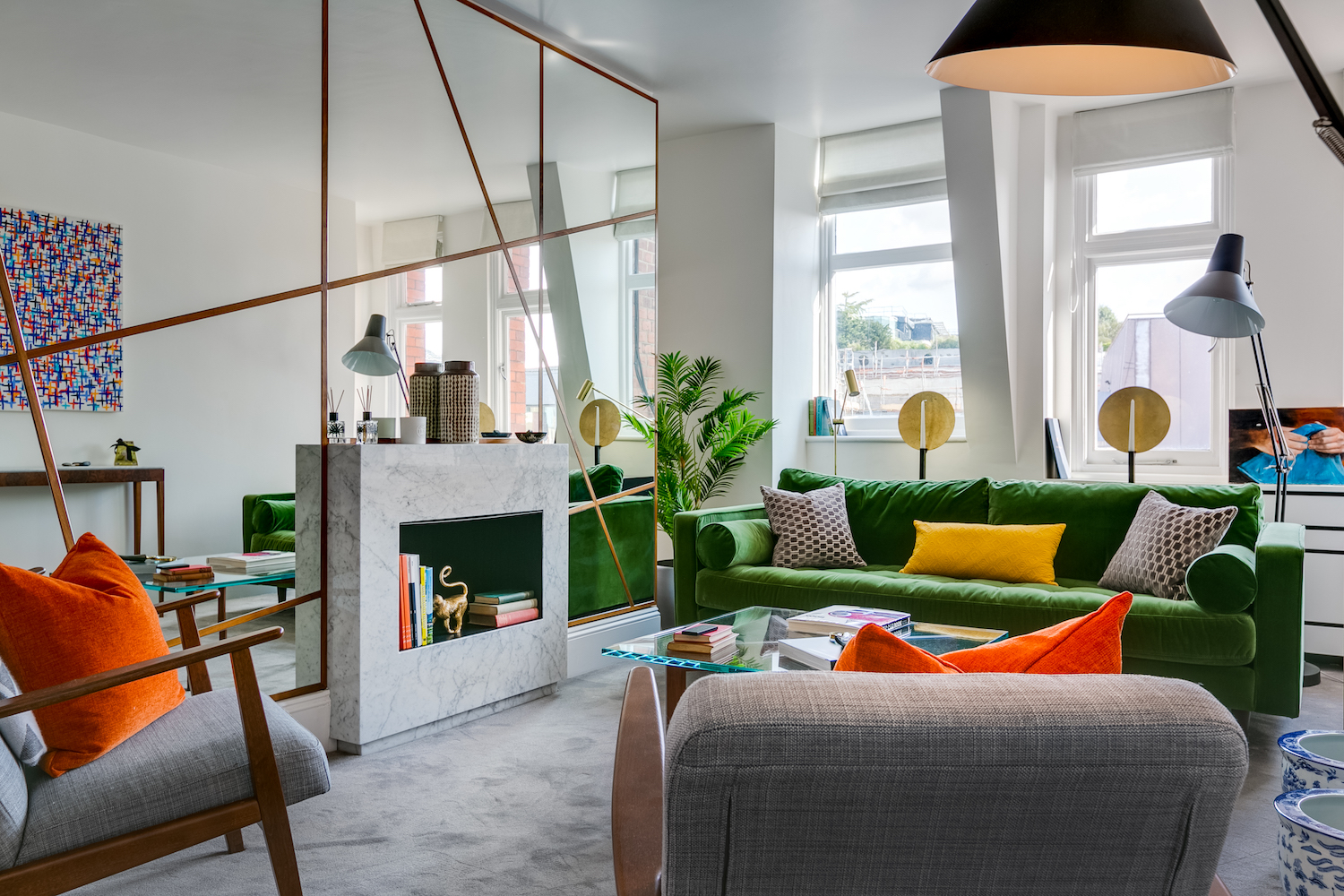
    5. Hang a Large Mirror to Bounce Light Around

    Living room mirror ideas – 10 ways to add light and style | Livingetc
    Credit: livingltc

    Mirrors are like cheat codes for small rooms. They reflect light, they reflect the room itself, and they trick your brain into thinking there’s more square footage than there is.

    I hung a large mirror across from my window and the room noticeably brightened up. It also made the space feel twice as big without moving a single piece of furniture.

    Actionable tip: Position mirrors to reflect a window or a piece of art, not a blank wall, for the best effect.

    Coastal and modern homes often use round or arched mirrors. Traditional rooms lean toward ornate framed styles. Once light is bouncing around your room, let’s talk about how to layer in real light sources too.

    6. Layer Multiple Light Sources

    Small living room lighting ideas: 29 designs and expert advice | Homes and  Gardens
    Credit: Homes and garden

    Overhead lighting alone makes small rooms feel flat and kind of harsh. Layering light sources like floor lamps, table lamps, and even string lights creates depth and warmth.

    I added a floor lamp in the corner of my living room and a small table lamp near my reading chair. Suddenly the whole room felt cozier, even at the same brightness level.

    Actionable tip: Use warm-toned bulbs (around 2700K) for a cozy glow instead of harsh white light.

    Farmhouse rooms might use lantern-style lamps. Modern spaces often go for sculptural lighting pieces. With your lighting sorted, it’s time to think about what’s on the floor beneath all that glow.

    7. Layer a Small-Scale Rug for Definition

    5 Creative Ways to Achieve a Perfect Layered Rug Living Room
    Credit: Decorrilla

    Rugs anchor a room, but in small spaces, the wrong size rug can make things feel chaotic. A rug that’s too small floats awkwardly. One that’s too big overwhelms the space.

    I learned this the hard way with a rug that barely fit under my coffee table. Once I upgraded to a size that reached under my sofa’s front legs, the whole layout suddenly made sense.

    Actionable tip: Choose a rug that extends at least a few inches past your coffee table on all sides.

    Bohemian rooms love layered rugs with pattern. Minimalist spaces do better with a single solid tone. Once your rug is set, your wall decor should follow the same balancing act.

    8. Decorate Walls With a Purposeful Gallery Layout

    Living room gallery wall ideas – 10 ways to add design flair | Livingetc
    Credit: Livingtc

    Empty walls feel unfinished, but cluttered walls feel chaotic. In small rooms, a curated gallery wall hits the sweet spot. It draws the eye up, adds personality, and doesn’t take up any floor space at all.

    I arranged a mix of framed photos and small art prints above my sofa and it became the focal point of the whole room.

    Actionable tip: Lay your frames out on the floor first to plan spacing before hammering a single nail.

    Traditional homes might use matching frames for a formal look. Eclectic spaces mix frame styles and sizes freely. Once your walls are working for you, curtains are the next easy win.

    9. Hang Curtains High and Wide

    How high should I hang my curtains? The rules designers follow | Homes and  Gardens
    Credit: Homes and garden

    This trick is simple but so many people skip it. Hanging curtains close to the ceiling, rather than right above the window frame, makes windows (and the whole room) look taller.

    I moved my curtain rod up about eight inches and it made a noticeable difference. The window suddenly looked bigger than it actually is.

    Actionable tip: Hang curtains a few inches wider than the window frame so they don’t block natural light when open.

    Coastal rooms love sheer, breezy curtains. Traditional spaces might choose heavier drapes with more structure. Once your windows are dressed properly, let’s think about furniture shapes that keep pathways clear.

    10. Choose Furniture With Exposed Legs

    How to Make a Small Room Look Bigger Without Knocking Down Walls — JJones  Design Co.
    Credit: JJones

    Furniture that sits flush on the floor, like a sofa with a solid base, blocks sightlines and makes rooms feel heavier. Furniture with exposed legs lets light and floor space peek through underneath.

    I swapped my old boxy armchair for one with slim wooden legs and the whole corner of my room instantly felt lighter.

    Actionable tip: Look for furniture legs at least 4 inches tall to maximize that open, airy feeling underneath.

    Mid-century and Scandinavian styles are built around this idea. Traditional homes can still use it with turned wood legs instead of sleek metal ones. Next, let’s talk about a decor trick that’s often overlooked: scale.

    11. Match Decor Scale to Room Size

    Small Living Room Ideas — Small Living Room Decorating Ideas
    Credit: House Beautiful

    Oversized decor items can swallow a small room whole. A giant vase or a huge piece of art might look great in photos, but in real life, it competes for attention with everything else.

    I made this mistake with a large floor vase that ended up blocking a walking path. Once I swapped it for a smaller tabletop version, the room felt way more balanced.

    Actionable tip: Choose one or two statement pieces max, and keep everything else smaller in scale.

    Minimalist rooms thrive on this restraint. Maximalist spaces can still follow this rule, just with more pattern instead of size. Once your decor scale feels right, built-in seating is worth considering too.

    Budget Tiers for Small Living Room Makeovers

    Budget LevelWhat You Can AffordExample Updates
    Under $200Paint, small decor, curtainsNew throw pillows, wall art, curtain rods
    $200-$800Furniture pieces, rugsAccent chair, area rug, floor lamp
    $800-$2,500Major furniture swapsNew sofa, storage ottoman, gallery wall frames
    $2,500+Full room redesignBuilt-in shelving, custom curtains, new flooring

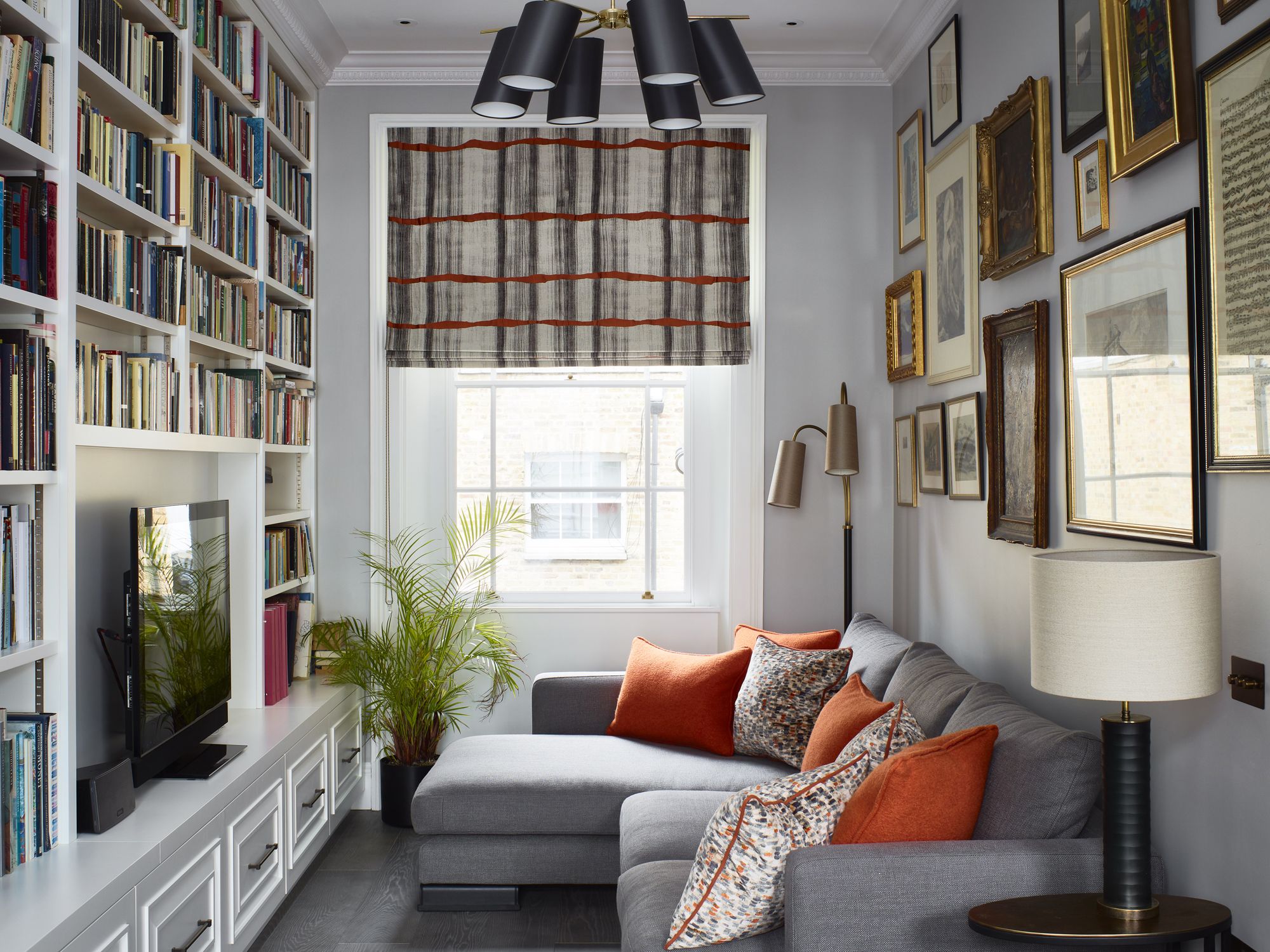
    12. Add Built-In or Corner Seating

    22 Pretty Ideas for Living Room Corners
    Credit: My Domaine

    Corners often get wasted in small living rooms. Adding a built-in bench or a corner sofa uses that dead space efficiently while still giving you comfortable seating.

    I added a small corner bench with storage underneath and it instantly made my room feel more thought out, not just furnished.

    Actionable tip: Choose a corner unit with a slim profile so it doesn’t visually dominate the room.

    Farmhouse style loves a window seat with cushions. Modern rooms might choose sleek L-shaped sectionals scaled down for smaller footprints. With seating sorted, let’s finish with one more trick that ties the whole room together.

    13. Use a Consistent Color Thread Throughout

    Red thread theory: How can you use it in your home? - Newgate Clocks –  Newgate World
    Credit: New Gate World

    Jumping between too many colors and patterns makes small rooms feel busy and disconnected. Picking one or two accent colors and repeating them through pillows, art, and small decor ties everything together.

    I picked a soft terracotta as my accent color and used it in three spots: pillows, a small vase, and one framed print. That repetition made the whole room feel pulled together instead of random.

    Actionable tip: Pick your accent color from something you already own and love, like a favorite blanket or piece of art.

    Bohemian rooms can use warm, earthy accent threads. Coastal homes might repeat a soft blue instead. This final touch really is what makes all the other ideas click into place.

    Tips for Success

    • Measure twice before buying any furniture, tape measures are cheaper than return shipping
    • Keep a clear pathway of at least 24 inches through the main walking areas
    • Test paint colors on the wall at different times of day before committing
    • Shop secondhand for statement pieces to save money for higher-impact items like rugs or lighting
    • Stick to a repeating color palette of no more than three main colors
    • Prioritize function first, then style, when picking new furniture
    • Declutter before decorating, empty space itself is a design tool

    Common Mistakes and How to Avoid Them

    Buying furniture too big for the room
    : Measure your space and leave walking room before falling in love with an oversized piece.

    Using too many dark colors
    : Stick to a mostly light palette and save dark tones for small accents only.

    Ignoring vertical space
    : Use wall shelves and tall furniture to store items without crowding the floor.

    Skipping a rug or choosing the wrong size
    : Pick a rug that fits under the front legs of your main seating for a grounded look.

    Overcrowding walls with too much decor
    : Plan gallery walls on paper or the floor first, and leave some breathing room between pieces.

    Forgetting about lighting layers
    : Add at least one floor lamp or table lamp beyond your main overhead light.

    Similar Variations

    • Cozy Cottage Living Room: Warm textures, soft florals, and layered throws for a snug feel
    • Scandinavian Minimalist Living Room: Clean lines, light wood, and a mostly white and gray palette
    • Urban Industrial Living Room: Exposed brick, metal accents, and moody neutral tones
    • Coastal Casual Living Room: Light blues, natural fibers, and breezy sheer curtains
    • Eclectic Bohemian Living Room: Mixed patterns, layered rugs, and warm earthy colors
    • Modern Farmhouse Living Room: Shiplap accents, neutral tones, and a mix of rustic and clean furniture

    Small living rooms don’t have to feel cramped or boring. A few smart swaps, some thoughtful color choices, and a little creativity with storage can completely change how a room feels to live in. The best part is you don’t need a huge budget or a full renovation to see real results. Start with one or two ideas from this list, see how they feel, and build from there. That’s really the whole secret behind these 13 Small Living Room Ideas: small changes, done thoughtfully, add up to a room that finally feels like yours.

  • 14 Fall Living Room Decor Ideas That Actually Feel Cozy (Not Cluttered)

    14 Fall Living Room Decor Ideas That Actually Feel Cozy (Not Cluttered)

    I’ve put together 14 fall living room decor ideas that will make your space feel warm and inviting the second the temperature drops. If you’ve ever stood in your living room wondering why it still feels like summer even though there’s a chill in the air, I get it. That’s exactly the problem this guide is here to fix.

    Fall living room decor refers to seasonal design changes that bring warmth, texture, and autumn color into a space through textiles, lighting, and accessories. It typically includes swapping pillows, adding layered lighting, and using natural materials like wood and wool.

    Stick with me and I’ll walk you through 14 specific ways to pull this off, plus the mistakes that make rooms look messy instead of cozy.

    What Makes Fall Living Room Decor Different

    Fall decor isn’t about pumpkins on every shelf. It’s about mood. Think warm light, soft textures, and colors that remind you of leaves changing outside your window. I always tell people the goal is to make a room feel like a hug. That means layering blankets, swapping out cold metals for warmer tones, and bringing in scents and textures that feel like autumn without turning your living room into a craft store display. The best fall spaces use restraint. A few good pieces beat ten random ones every time. Once you get that mindset down, the rest of this list will make a lot more sense.

    1. Swap Your Throw Pillows for Warm, Textured Fabrics

    35 Living Room Fall Decor Ideas for a Cozy Home
    Credit: Nikki

    This is the easiest change you can make, and it costs the least. Pull out your bright summer pillows and bring in ones with texture, think corduroy, chunky knit, or boucle. Colors like rust, mustard, deep olive, and chocolate brown instantly warm up a couch.

    Pick two or three colors max so it doesn’t look chaotic. Mix textures more than colors for a layered look that still feels calm.

    Actionable tip: Buy pillow covers instead of whole new pillows. You save money and storage space.

    This works in almost any style. Modern homes can stick to solid colors in these tones, while traditional spaces can add small patterns like plaid or houndstooth.

    Once your pillows are sorted, it’s time to think about what’s under your feet.

    2. Layer a Wool or Chunky Knit Rug for Warmth

    15 Fall Living Room Decor Trends for 2026
    Credit: Nikki

    Rugs do more for a room’s temperature feel than people realize. A chunky wool or knit rug adds warmth underfoot and visually softens a room the second you walk in.

    Layer it over a jute or sisal rug if you already have one down. This adds depth without buying two full-price rugs.

    Actionable tip: Choose a rug about 2 to 4 inches smaller than your current one so the layered edges show.

    Coastal homes can use a lighter oatmeal tone. Farmhouse and traditional spaces do well with deeper browns or plaid patterns.

    Now that your floor feels cozier, let’s talk about what’s happening at eye level with your lighting.

    3. Swap Cool White Bulbs for Warm Amber Lighting

    27 Cozy Fall Living Room Ideas That Feel Warm, Not Cluttered - Zalewska Home
    Credit: Zalewska Home

    Lighting changes everything about how a room feels. Cool white bulbs make a space feel clinical. Warm amber bulbs, around 2700K, make everything look softer and more golden, which is exactly the fall mood you want.

    Add a few table lamps if you only have one overhead light. Multiple light sources at different heights make a room feel layered and intentional.

    Actionable tip: Use dimmable bulbs so you can adjust brightness as it gets darker earlier in the evening.

    This trick works in every design style because it’s about temperature, not aesthetic. Even minimalist rooms benefit from warmer light.

    Speaking of warmth, let’s talk about candles and how they add both light and scent to your space.

    4. Bring in Layered Candles for Scent and Ambiance

    Autumn Interior Design: Cozy Fall Decor Tips for Your Home
    Credit: DecorMatters

    Candles do double duty. They add flickering light and a seasonal scent, think cinnamon, cedar, or fig, without overwhelming the room.

    Group candles of different heights on a tray instead of scattering them everywhere. This creates a little vignette instead of clutter.

    Actionable tip: Stick to one scent family per room so smells don’t compete with each other.

    Modern spaces look great with simple glass jar candles. Traditional and farmhouse rooms can use pillar candles in wood or metal holders.

    Once your lighting and scent are dialed in, it’s time to think bigger, literally, with your furniture arrangement.

    Budget Breakdown for Fall Living Room Refresh

    Budget TierWhat You GetEstimated Cost
    Low ($50-100)New pillow covers, 2-3 candles, throw blanket$50-100
    Mid ($150-300)Above plus a layered rug and warm bulbs$150-300
    High ($400+)Above plus new lamp, art print, and wood accents$400-600

    5. Rearrange Furniture to Create a Cozier Conversation Area

    51 Small Living Room Ideas for a Cozy Common Area | Architectural Digest
    Credit: Architecture

    Sometimes the biggest fall decor update isn’t a new item at all. It’s rearranging what you already have. Pull your seating closer together to create a tighter, more intimate conversation area. This naturally feels cozier than furniture spread far apart.

    Angle chairs slightly toward the couch instead of lining everything up straight against walls.

    Actionable tip: Leave about 3 feet between pieces so the space still feels open, not cramped.

    This works no matter your style. Modern rooms can keep clean lines while traditional spaces might add an extra accent chair for a more layered look.

    With your furniture settled, let’s add some greenery that still fits the fall mood.

    6. Add Dried or Faux Fall Foliage in Simple Vases

    Favorite Fall Stems & Foliage - Love Grows Wild
    Credit: Love Grows Wild

    Fresh flowers feel more like spring or summer. For fall, switch to dried branches, faux eucalyptus with warm tones, or wheat stalks in a simple ceramic or glass vase.

    Keep arrangements a little wild and asymmetrical rather than perfectly round. It looks more natural that way.

    Actionable tip: Spray craft paint lightly on faux leaves in rust or gold tones if you want a custom look without buying new stems.

    Coastal homes can use pampas grass in a light vase. Traditional spaces look great with deeper red or orange dried hydrangeas.

    Now let’s move to the walls, because fall decor isn’t just about surfaces you touch.

    7. Layer Wall Art With Warm, Moody Tones

    30 Fall Decorating Ideas for a Cozy Autumn Home
    Credit: DecoMatters

    Swap out any bright, summery art for pieces with deeper, moodier colors. Think landscape prints in amber and brown tones, abstract art with warm gradients, or vintage botanical prints.

    You don’t need to buy all new frames. Just switching the art inside frames you already own makes a big difference.

    Actionable tip: Group three different-sized frames in an asymmetrical cluster instead of one big piece for more visual interest.

    Modern homes can lean into abstract warm-toned art. Traditional rooms do well with classic landscape or still life paintings.

    Once your walls feel seasonal, let’s talk about the couch itself.

    8. Drape a Chunky Knit Throw Blanket Over the Sofa

    Cozy Fall Apartment Decor Ideas That Reveal The One Detail Making Every Room  Feel Like Autumn - Edward George
    Credit: Edwards

    A throw blanket draped just right instantly signals “cozy season” the moment someone walks in. Chunky knit or faux fur textures work best for fall.

    Don’t fold it perfectly. A slightly rumpled, lived-in drape over the arm of the couch looks more inviting than a stiff, folded square.

    Actionable tip: Buy blankets in a color one shade darker than your pillows so they complement without matching exactly.

    This idea works everywhere. Coastal rooms can use a cream cable knit, while farmhouse spaces might go with a plaid design.

    Blankets bring in texture, but let’s talk about another material that instantly says fall: wood.

    9. Bring in Natural Wood Accents Through Trays and Bowls

    55 Designer-Approved Ways to Decorate Your Home for Fall
    Credit: House Beautiful

    Wood adds warmth without adding color, which makes it a safe choice if you’re worried about going overboard with orange and brown everywhere. A simple wood tray on your coffee table or a wood bowl filled with pinecones does the trick.

    Mix wood tones instead of matching them exactly. A slightly different shade of wood feels collected, not mass-produced.

    Actionable tip: Use a wood tray to corral remote controls and coasters so it’s functional, not just decorative.

    Modern homes can use lighter woods like ash or white oak. Traditional or rustic spaces look great with darker walnut tones.

    Speaking of the coffee table, let’s talk about how to style it as a whole.

    10. Style Your Coffee Table With a Layered Centerpiece

    5 Minute Fall Vignettes - Easy Decorating - Cali Girl In A Southern World
    Credit: Call Girl

    A coffee table with one lonely candle looks unfinished. Instead, layer a stack of books, a small vase, and a tray together for a styled but lived-in look.

    Vary the heights. Tall vase, medium stack of books, low dish. This creates visual interest without looking cluttered.

    Actionable tip: Keep the color palette of your coffee table items within two or three tones so it feels curated.

    This idea flexes easily. Minimalist homes can use just two items, while eclectic spaces can layer four or five.

    Now that your table is styled, let’s look up at your mantle or shelving if you have one.

    Fall Color Palette Combinations by Style

    Home StylePrimary ColorsAccent Colors
    ModernCharcoal, creamRust, burnt orange
    FarmhouseWarm white, tanDeep red, olive green
    CoastalSand, oatmealSoft amber, sage
    TraditionalChocolate brown, goldCranberry, mustard

    11. Style Your Mantle or Shelves With Seasonal Layers

    20+ Best Fall Mantel Decor Ideas You'll Love This Season
    Credit: one kindesign

    If you have a mantle or open shelving, this is prime real estate for fall styling. Layer a mirror or art piece in the back, then add candles, small vases, and a stack of books in front.

    Odd numbers of items, three or five, tend to look more balanced than even numbers.

    Actionable tip: Leave some negative space. Not every inch needs to be filled to feel styled.

    Traditional homes can add garland along the mantle edge. Modern spaces should keep it sparse with just two or three sculptural pieces.

    Once your shelves are done, let’s think about scent beyond candles.

    12. Add a Simmer Pot or Diffuser for Background Scent

    How to make a home smell nice for fall | Homes and Gardens
    Credit: Home and Garden

    Beyond candles, a simmer pot on the stove with cinnamon sticks, orange peel, and cloves fills your whole living room with fall scent without any fire risk. If you don’t want to deal with the stove, a reed diffuser in a similar scent works too.

    This is a subtle touch, but it changes how a room feels the second you walk in.

    Actionable tip: Refresh diffuser oils every 4-6 weeks since scent fades faster than you’d think.

    This idea works in every home style since it’s invisible. Nobody sees a scent, they just feel the mood it creates.

    Now let’s talk about something people forget: window treatments.

    13. Swap Light Curtains for Heavier, Warmer Fabric Panels

    Summer Curtain Swap Guide: Keep Your Home Cool Room by Room – Joydeco
    Credit: JoyDeco

    Thin linen curtains that feel great in summer can feel a little bare once fall hits. Swapping to a heavier fabric, like velvet or a thicker cotton blend, adds warmth and blocks out the earlier evening darkness.

    Choose a color that’s a shade or two darker than your walls so the curtains frame the window without overwhelming it.

    Actionable tip: Hang curtains a few inches above the window frame to make ceilings look taller while you’re at it.

    Modern homes can stick to solid deep colors. Traditional spaces might add subtle texture like a herringbone weave.

    Last on the list is something small but mighty: your entry table or console, if your living room has one.

    14. Style Your Console Table With a Fall Vignette

    33 Fall Living Room Decor Ideas to Cozy Up Your Space
    Credit: the spruce

    If your living room has a console table or entryway table nearby, use it as a small styling moment. A lamp, a small stack of books, and a seasonal object like a ceramic pumpkin or dried floral stem work well together.

    Keep the vignette to three or four items so it doesn’t compete visually with the rest of the room.

    Actionable tip: Rotate one item seasonally instead of redoing the whole table, it saves time and money.

    This works in every style since console tables are pretty universal. Just adjust the objects to match your home’s overall vibe.

    Tips for Success

    • Start with lighting and textiles before buying anything new. Half the fall feeling comes from warm bulbs and texture swaps you might already own.
    • Stick to a three-color palette max across the whole room so it feels cohesive, not chaotic.
    • Shop your own house first. Move items from other rooms before buying new decor.
    • Layer textures more than colors. A room with five different browns in different materials looks richer than five different colors.
    • Don’t decorate every surface. Leaving some empty space makes the styled areas stand out more.
    • Buy a few higher-quality pieces instead of many cheap ones. A good throw blanket will outlast ten dollar-store items.

    Common Mistakes and How to Avoid Them

    Overdoing pumpkin decor
    : Fall decor doesn’t need to be literal. Skip the pumpkin on every surface and focus on color, texture, and lighting instead.

    Using too many bright orange tones
    : Bright orange can feel more Halloween than autumn. Stick to rust, terracotta, and deeper amber tones for a more sophisticated look.

    Forgetting to change lighting
    : New pillows won’t matter much if your lighting is still cold and bright. Warm bulbs make the biggest difference of anything on this list.

    Cluttering every surface
    : More isn’t cozier. Leave breathing room between decor items so the room doesn’t feel busy.

    Ignoring scent
    : A room can look perfect and still feel off if it smells like nothing. A simmer pot or one good candle finishes the look.

    Matching everything exactly
    : Perfectly matched sets look staged. Mix tones and materials slightly for a more natural, collected feel.

    Similar Variations

    • Hygge Living Room Decor: Focuses on Scandinavian-style coziness with neutral tones, soft textiles, and minimal clutter year-round.
    • Rustic Farmhouse Fall Decor: Leans into reclaimed wood, plaid patterns, and vintage-inspired accessories for a more country feel.
    • Modern Autumn Minimalism: Keeps the color palette and item count low while still nodding to the season through one or two bold accent pieces.
    • Coastal Fall Transition Decor: Softens typical fall oranges into sandy, muted tones that still feel beachy even as temperatures drop.
    • Moody Boho Fall Decor: Uses darker jewel tones, layered textiles, and global-inspired patterns for a richer, eclectic autumn look.

    Getting your living room ready for fall doesn’t require a full remodel or a shopping spree. Small swaps, warmer bulbs, a chunky blanket, a new candle scent, add up fast when you layer them thoughtfully. The real trick is restraint. Pick a few ideas that fit your space and your budget, and let them do the work instead of trying to cram in all 14 at once. However you mix and match them, these 14 fall living room decor ideas give you a real starting point for a space that feels warm the second the season changes.

  • 10 Living Room Decor Ideas That Actually Transform Your Space

    10 Living Room Decor Ideas That Actually Transform Your Space

    Ever stared at your living room and felt like something’s just… off? You’re not alone, and I’ve got 10 living room decor ideas (plus a few bonus ones) that will actually solve that problem instead of just adding more stuff to look at.

    Living room decor refers to the furniture, colors, textures, and accessories used to style a home’s main gathering space. Good decor balances function with visual appeal through layered lighting, cohesive color palettes, varied textures, and purposeful furniture arrangement.

    Stick around, because I’m going to walk you through practical changes you can make this weekend, not just pretty pictures that look nice on Pinterest but never work in real life.

    What Makes Living Room Decor Actually Work

    I used to think decorating meant buying whatever looked good in a store. Big mistake. Real living room decor is about how the space feels when you walk in tired after work, or when five people pile in for movie night. It’s about layering things like lighting, texture, and color so the room has depth instead of feeling flat. The best rooms mix function with style. Your coffee table needs to hold drinks AND look good. Your rug needs to feel soft AND tie the colors together. Once you start thinking this way, decorating gets a lot less overwhelming and a lot more fun.

    1. Anchor the Room With a Statement Rug

    Credit: @statementfurnishings

    A rug isn’t just something to cover the floor. It’s the foundation that pulls your whole color scheme together. Pick one with a pattern or texture that contrasts with your sofa, then build the rest of your accents around it.

    Practical tip: your rug should extend at least a few inches under your front sofa legs so the room doesn’t feel disconnected.

    In modern spaces, go geometric. In traditional homes, try a Persian-style print. Coastal rooms love jute or sisal textures. Once your rug is down, you’ll notice how much easier it becomes to pick throw pillows and art that actually match.

    2. Layer Lighting Instead of Relying on One Overhead Fixture

    Credit: Ankur Lighting

    One ceiling light makes a room feel like an office. I learned this the hard way. You need at least three light sources: overhead, a floor lamp, and a table lamp, all working together to create warm, layered light.

    Practical tip: use warm bulbs (2700K to 3000K) instead of cool white ones. It instantly makes a room feel cozier.

    Farmhouse styles love wrought iron lamps. Modern rooms lean toward sleek brass or matte black fixtures. Once your lighting feels right, your furniture arrangement is the next thing to nail down.

    3. Create Conversation With a Circular Furniture Layout

    Credit: Star Furniture

    Pushing all your furniture against the walls kills conversation. Instead, angle your sofa and chairs toward each other in a loose circle or U-shape around your coffee table.

    Practical tip: leave about 30 inches of walking space between furniture pieces so the room doesn’t feel cramped.

    This works in small apartments too, just scale down with a loveseat instead of a full sofa. Traditional homes might add wingback chairs to the circle; modern homes keep it simple with clean-lined seating. Once your seating is arranged, it’s time to think about what goes on the walls.

    4. Mix in Gallery Wall Art for Personality

    Credit: Housebeautiful

    A blank wall is a missed opportunity. Gallery walls let you tell a story with mismatched frames, personal photos, and art prints that reflect who you are, not just what’s trendy.

    Practical tip: lay your frames out on the floor first and take a photo before hammering a single nail. This saves you from a wall full of holes.

    Coastal homes might mix framed beach photos with woven wall hangings. Modern homes stick to a tighter color palette with clean black frames. Once your walls have personality, your color scheme should tie everything else together.

    Color Palette Combinations for Common Living Room Styles

    StyleWall ColorAccent ColorFurniture Tone
    Modern MinimalistWarm WhiteCharcoal GrayBlack or Walnut
    CoastalSoft Blue-GraySandy BeigeWhitewashed Wood
    TraditionalDeep CreamBurgundyCherry or Mahogany
    BohoTerracottaMustard YellowRattan and Light Oak
    ScandinavianBright WhiteSage GreenLight Birch

    5. Add Texture With Layered Throw Pillows and Blankets

    Credit: Gharko

    Flat, matching pillow sets look like they came straight from a hotel lobby. Mix textures instead: a chunky knit pillow next to a smooth velvet one, topped with a woven throw blanket draped over the arm of your sofa.

    Practical tip: stick to an odd number of pillows (3 or 5) for a more natural, less staged look.

    Farmhouse rooms love cotton and linen textures. Glam living rooms might add sequined or velvet pillows for shine. Once your soft textiles are layered in, your coffee table styling is the next detail worth fixing.

    6. Style Your Coffee Table Like a Mini Display

    Credit: Elle Decor

    An empty coffee table looks unfinished, but a cluttered one looks messy. The sweet spot is three to five items: a stack of books, a small tray, and one decorative object like a candle or small plant.

    Practical tip: use a tray to group smaller items together so they don’t look scattered across the surface.

    Traditional homes might add a silver tray and leather-bound books. Modern homes prefer a single sculptural object and a stack of design magazines. Once your table is styled, don’t forget the walls need a focal point too.

    7. Choose a Bold Focal Point Wall

    Credit: The Spruce

    Every living room needs somewhere for the eye to land first. This could be a fireplace, a media wall, or one wall painted a deeper accent color than the rest of the room.

    Practical tip: if painting an accent wall, choose the wall your eye naturally hits when you first walk into the room, that’s usually the one directly across from the entrance.

    Modern homes often use a media wall with built-in shelving. Traditional homes might frame a fireplace with molding and a large mirror above it. Once you’ve settled your focal point, plants can add life to whatever’s left of the room.

    8. Bring in Plants for Natural Texture and Color

    Credit: Cuckoon4Design

    A living room without any greenery feels sterile. Even fake plants beat no plants at all if you’re not confident with a green thumb. Big leafy plants like fiddle leaf figs fill empty corners, while smaller pots on shelves add pops of color.

    Practical tip: group plants in odd numbers of two to three different heights for a more natural, layered look.

    Boho spaces love hanging plants in macrame holders. Modern spaces prefer sculptural plants in simple ceramic pots. Once your greenery is in place, think about how your furniture materials work together.

    Furniture Material Comparison for Living Rooms

    MaterialDurabilityStyle FitMaintenance Level
    LeatherHighModern, TraditionalLow, wipe clean
    Linen UpholsteryMediumCoastal, FarmhouseMedium, needs occasional cleaning
    VelvetMediumGlam, TraditionalMedium, vacuum regularly
    Rattan/WickerMedium-HighBoho, CoastalLow, dust often
    Solid WoodVery HighTraditional, ScandinavianLow, occasional polish

    9. Swap Curtains for Something With More Movement

    Credit: Joydeco

    Flat, thin curtains do nothing for a room. Heavier fabrics like linen or velvet add both insulation and visual weight, plus they pool slightly at the floor for a more finished look.

    Practical tip: hang curtain rods a few inches above the window frame and wider than the window itself, this makes ceilings look taller and windows look bigger.

    Coastal homes love light linen panels that let breeze move through. Traditional homes might choose heavier drapes with tiebacks. Once your windows are dressed, mirrors can help bounce that natural light around the room.

    10. Use Mirrors to Bounce Light and Add Depth

    Credit: Saint-gobain-glass

    A well-placed mirror makes a small living room feel twice as big. It reflects both natural light and whatever’s across from it, whether that’s a piece of art or a window view.

    Practical tip: hang your mirror across from a window, not next to one, so it reflects the outdoor light directly into the room.

    Modern homes love oversized round mirrors with thin metal frames. Traditional homes prefer ornate gold-framed mirrors above the mantel. Once your mirror is placed, it’s worth thinking about how your shelves are styled too.

    Tips for Success

    • Start with your rug and biggest furniture piece first, then build smaller decor decisions around those anchors.
    • Don’t buy everything at once. Live in the space a few weeks and notice what’s actually missing.
    • Stick to a maximum of three main colors throughout the room to avoid visual chaos.
    • Measure your space before buying furniture. A sofa that’s too big kills the whole layout.
    • Shop secondhand for one or two statement pieces, it adds character you can’t buy new.
    • Step back and photograph the room. Cameras catch clutter and imbalance your eyes might miss.
    • Change out small accessories seasonally instead of redoing the whole room every year.

    Common Mistakes and How to Avoid Them

    Buying furniture too large for the room
    : Measure your space first, and leave at least 30 inches of walkway between major pieces.

    Matching everything too perfectly
    : Mix textures and slightly different tones instead of buying a matched furniture set. It looks more collected, less showroom.

    Ignoring lighting layers
    : Add at least one lamp for every overhead light source to avoid harsh, flat lighting.

    Skipping a focal point
    : Pick one wall, fireplace, or media center to be the anchor your eye lands on first.

    Overcrowding surfaces
    : Stick to odd-numbered groupings of three to five items on tables and shelves.

    Choosing trendy over functional
    : Pick pieces you’ll still like in five years, not just what’s popular this season.

    Similar Variations

    • Coastal Boho – mixes woven natural textures with breezy, ocean-inspired colors.
    • Modern Farmhouse – blends clean lines with rustic wood and cozy textiles.
    • Japandi – combines Japanese minimalism with Scandinavian warmth and light wood tones.
    • Dark Academia – rich, moody colors paired with vintage books and antique furniture.
    • Desert Boho – warm terracotta and sand tones mixed with cactus greenery and woven textures.
    • Contemporary Glam – sleek furniture paired with metallic accents and plush velvet textures.

    Decorating a living room doesn’t need to feel like a giant, expensive project. Small, intentional changes, better lighting, a bold rug, a styled coffee table, add up fast. Pick two or three ideas from this list, start there, and build from that. That’s really all it takes to bring these 10 living room decor ideas to life in your own home.

  • 10 Organic Modern Living Room Ideas That Actually Feel Like Home

    10 Organic Modern Living Room Ideas That Actually Feel Like Home

    I’ve spent way too many hours scrolling through living room photos, trying to figure out what actually makes a space feel calm and put-together, and I think I’ve finally cracked the code on 10 Organic Modern Living Room designs that work in real houses, not just magazine spreads.

    Organic modern design blends natural materials like wood, stone, and linen with clean, simple furniture shapes. It skips heavy ornamentation and instead focuses on texture, warm neutral colors, and a connection to nature inside your home.

    Stick around, because I’m about to walk you through the exact ideas, furniture picks, and color combos that make this style click in any size room.

    What Is Organic Modern Style, Anyway?

    Okay so here’s the deal. Organic modern is what happens when mid-century modern has a baby with rustic farmhouse, and they raise that kid in a spa. It’s clean lines, but not cold. It’s natural, but not cluttered. Think curved wood furniture, linen couches, stone side tables, and a whole lot of texture. Colors stay soft and earthy, browns, creams, sage greens, warm whites. Nothing screams for attention. The whole point is a room that feels grounded and calm, like you could breathe easier the second you walk in. It’s honestly one of the most livable design styles out there right now.

    1. Start With a Neutral, Earthy Base Layer

    Credit: Bydesignandviz

    Every organic modern room starts with the same foundation: warm neutrals. I’m talking oatmeal, sand, greige, and soft white. These colors act like a blank canvas that lets your textures and natural materials do the talking.

    Paint your walls in a warm off-white or light clay tone. Choose a large area rug in jute or a similar natural fiber. Your sofa should be a neutral too, think boucle or linen in cream or taupe.

    Tip: Test paint swatches at different times of day before committing. Warm neutrals can shift dramatically under different lighting.

    This base works whether your home leans coastal, modern farmhouse, or even traditional. Once your foundation is set, it’s time to bring in some real texture.

    2. Layer a Chunky Woven Rug for Warmth

    Credit: Kudenrugs

    A flat, thin rug just doesn’t cut it in an organic modern space. You want something with texture you can feel with your feet. Chunky wool, jute, or seagrass rugs add depth and warmth without adding color or pattern that competes with your other pieces.

    Layer a smaller patterned or textured rug on top of a larger jute base for extra dimension. This trick works especially well in bigger rooms where a single rug can look lost.

    Tip: Size up on your rug. A rug that’s too small makes furniture look like it’s floating.

    Coastal homes can use lighter, bleached jute. Traditional spaces can layer a vintage-style wool rug instead. Once your floor feels grounded, your furniture choices come next.

    3. Choose Furniture With Curved, Organic Shapes

    Credit: Rossettiart

    Sharp corners feel harsh. Organic modern design loves curves instead, rounded coffee tables, curved sofa arms, arched mirrors. These soft shapes mimic what you see in nature, like river stones or tree branches.

    A curved boucle accent chair or a kidney-shaped coffee table instantly softens a room. Pair these curved pieces with straight-lined items like a simple wood console so the room doesn’t feel like a blob party.

    Tip: Start small. Swap one rectangular piece, like a coffee table, for a curved version before committing your whole furniture budget.

    This idea flexes well across styles too. Mid-century modern rooms already love curves, while transitional spaces can use them sparingly for contrast.

    4. Bring in Real Wood Furniture With Visible Grain

    Credit: Thea2zfurniture

    Fake wood laminate just doesn’t have the same soul as real wood. Organic modern design leans hard into furniture that shows off natural grain, knots, and even small imperfections. These details tell you the material is real, not manufactured.

    Look for coffee tables, media consoles, or dining chairs in oak, walnut, or ash. Live-edge tables are a popular choice because the raw edge keeps the organic feel front and center.

    Tip: Mix wood tones slightly rather than matching everything exactly. A little variation feels more natural than a perfectly matched furniture set.

    Traditional homes can go with darker walnut tones, while coastal spaces might prefer lighter, whitewashed woods.

    Wood Tone Pairing Guide

    Wood ToneBest Paired WithStyle Direction
    Light OakWhite, sage green, sandCoastal, Scandinavian
    WalnutDeep green, terracotta, creamMid-century, traditional
    Whitewashed PineBlue, white, natural linenCoastal, farmhouse
    AshGrey, black, warm whiteModern, minimalist

    Now that your furniture has some natural texture going on, let’s talk about how to bring the outside world in even more.

    5. Add Plenty of Live Plants and Greenery

    Credit: Tlcinteriors

    You can’t call a room organic modern without actual living things in it. Plants do more than fill empty corners, they clean the air and bring in soft, natural color that no paint can replicate.

    Go for a mix of heights. A tall fiddle leaf fig or olive tree in a woven basket planter anchors a corner. Smaller pothos or snake plants can sit on shelves or side tables.

    Tip: If you’re not great with plants, start with snake plants or ZZ plants. They’re nearly impossible to kill.

    This idea works in literally every home style. Even the most traditional or industrial room gets warmer with a big leafy plant in the corner.

    6. Use Stone and Ceramic Accents for Texture

    Credit: Fancyhouse

    Stone brings a grounded, earthy feel that wood and fabric alone can’t achieve. A travertine side table, a marble tray, or ceramic vases in matte finishes all add texture without adding busy patterns.

    Look for uneven, handmade-looking ceramics rather than perfectly smooth, mass-produced pieces. The slight imperfections are actually the point here.

    Tip: Cluster three ceramic pieces of different heights together on a shelf or coffee table for an easy styling win.

    Modern homes can lean into polished stone, while rustic or farmhouse spaces might prefer rougher, unfinished textures. Speaking of texture, let’s talk about fabric next.

    7. Choose Nubby, Natural Fabrics Over Slick Ones

    Credit: Furnishd

    Smooth velvet and shiny polyester don’t really belong in this style. Organic modern rooms favor fabrics you can feel, boucle, linen, raw cotton, and wool. These materials have a slightly rough, lived-in quality.

    Your sofa, throw pillows, and even curtains should stick to this textured family. A linen curtain panel lets in soft light while keeping that natural, breathable feel.

    Tip: Mix at least two different textures in your throw pillows, like a woven boucle next to a ribbed cotton knit, so the couch doesn’t look flat.

    Coastal homes can lighten this up with linen and cotton in whites and blues. Traditional spaces might add a subtle wool plaid for warmth.

    8. Keep Your Color Palette Soft and Earthy

    Credit: Elledecor

    I already mentioned neutrals as your base, but the full palette matters too. Organic modern rooms usually stick to soft greens, warm browns, muted terracotta, and creamy whites. Nothing too saturated or bright.

    Common Organic Modern Color Combos

    Palette NameColors IncludedMood Created
    Desert WarmTerracotta, sand, cream, walnut brownCozy, grounded
    Forest CalmSage green, oatmeal, charcoal, natural woodPeaceful, earthy
    Coastal NeutralWarm white, driftwood grey, soft blueAiry, relaxed
    Stone MinimalGrey, taupe, black, whiteSleek, modern

    Pick one palette and stick with it across your whole room, walls, furniture, and accessories. This keeps everything feeling intentional instead of random. Once your colors are locked in, lighting becomes the next big piece of the puzzle.

    9. Layer Warm, Low Lighting Instead of Harsh Overheads

    Credit: Home-designing

    Bright white overhead lighting kills the cozy vibe organic modern rooms are going for. Instead, layer your light sources, floor lamps, table lamps, and even candles, all using warm bulbs.

    A rattan or linen lampshade softens the light even more, casting a gentle glow instead of a harsh beam.

    Tip: Swap any cool white bulbs for warm white (around 2700K) for an instant mood upgrade.

    This trick works in any home style, but it’s especially important here since organic modern relies so heavily on warmth and softness to feel right. Next, let’s talk about what goes on your walls.

    10. Decorate Walls With Natural Art and Textured Mirrors

    Credit: Thecoolist

    Skip the glossy framed prints. Organic modern walls favor abstract art with earthy tones, botanical prints, or textured woven wall hangings. A large arched mirror with a wood or rattan frame also adds both function and style.

    Tip: Hang art slightly lower than you think you should, about 57 inches from the floor to the center of the piece, for a cozier, more grounded feel.

    Traditional homes might frame botanical prints in simple black frames, while coastal spaces could use woven wall art instead. Let’s round things out with a few more ideas that pull the whole look together.

    Tips for Success

    • Stick to one or two dominant textures per surface so the room doesn’t feel busy
    • Buy your rug and sofa first, then build the rest of the room around those two anchor pieces
    • Don’t skip greenery, even fake plants are better than none if you struggle with real ones
    • Keep metal finishes consistent throughout the room, matte black or warm brass work best
    • Shop secondhand for at least one piece to add authentic character
    • Leave some negative space, organic modern rooms breathe better when they’re not overly full

    Common Mistakes and How to Avoid Them

    Using too many bright colors
    : Stick to earthy, muted tones and save bright colors for one small accent, like a single throw pillow.

    Choosing furniture that’s all the same wood tone
    : Mix two or three complementary wood tones so the room feels collected over time, not bought all at once.

    Skipping texture in favor of matching everything
    : Add nubby fabrics, ceramic textures, and woven baskets even if they don’t perfectly match your other pieces.

    Forgetting lighting temperature
    : Always choose warm white bulbs over cool white to keep the mood soft and inviting.

    Overcrowding the room with décor
    : Edit down your accessories to only pieces that add texture, warmth, or a natural element.

    Similar Variations

    • Desert Modern – Adds warm terracotta and rust tones with cactus greenery for a southwestern twist
    • Coastal Organic – Leans into lighter woods, blues, and driftwood textures near the water
    • Japandi – Combines organic modern with Japanese minimalism for an even more pared-back look
    • Rustic Modern Farmhouse – Mixes in more reclaimed wood and vintage farm tools for extra character
    • Scandinavian Organic – Focuses on lighter woods and brighter whites with a cozier, hygge feel

    Honestly, once you start noticing organic modern design, you’ll see it everywhere, and that’s because it just works. It’s warm without being cluttered, and modern without feeling cold. Whether you go all in or just borrow a few ideas like a jute rug or some warm lighting, these 10 Organic Modern Living Room ideas give you a real, livable path to a space that finally feels like you.

  • 11 Cozy Christmas Living Room Ideas That Actually Feel Warm (Not Just Pinterest-Pretty)

    11 Cozy Christmas Living Room Ideas That Actually Feel Warm (Not Just Pinterest-Pretty)

    If you’ve ever scrolled through holiday decor photos and thought “that looks nice but not livable,” I get it. I’ve spent way too many hours testing what actually makes a living room feel cozy during Christmas, not just photogenic for five minutes before someone knocks over an ornament.

    A cozy Christmas living room combines warm lighting, layered textures, and a mix of classic and personal decor to create a space that feels festive and comfortable for gathering. The goal is comfort first, decoration second.

    Stick with me and I’ll walk you through 11 specific ways to pull this off, plus the mistakes that trip people up every single year.

    What Makes a Christmas Living Room Feel “Cozy” Anyway?

    Cozy isn’t about how much stuff you cram onto your mantel. It’s a feeling. Think soft blankets, warm light, and a room that smells faintly like cinnamon or pine. It’s the difference between a magazine spread and a space where you’d actually curl up with hot cocoa.

    The best cozy Christmas rooms mix textures like knit throws, faux fur, and wood accents. They lean on warm color palettes instead of cold, sterile ones. And honestly? They don’t try too hard. A few well-placed touches beat a room stuffed with every ornament you own.

    Now let’s get into the ideas.

    1. Layer Chunky Knit Throws Over Every Seat

    Credit: Stonegableblog

    This one’s simple but it works every time. Grab two or three chunky knit throws in cream, oatmeal, or soft red. Drape them over your sofa arm, a chair back, or fold them at the end of a bench.

    The texture alone makes a room feel warmer, even before you turn on a single light. I like mixing cable-knit with a faux fur throw for contrast.

    Actionable tip: Buy throws in slightly different shades of the same color family so they don’t look matchy-matchy.

    This works in modern homes with a minimalist throw in charcoal, or in farmhouse spaces with a chunky cream knit. Once your seating feels soft and inviting, it’s time to think about what’s glowing nearby.

    2. Swap Harsh Overhead Light for Warm String Lights

    12 Ambient Lighting Ideas for a Warm, Inviting Home
    Credit: Haleyscomment

    Overhead lighting is the enemy of coziness. It’s flat and kind of clinical. Instead, string warm white fairy lights along your mantel, around a window, or tucked into a garland.

    I use battery-operated ones with a timer so I never forget to turn them off. The soft glow does more for “cozy” than almost any other decor choice.

    Actionable tip: Choose lights labeled “warm white” (2700K) instead of “cool white” (5000K) for that golden, candle-like glow.

    Coastal homes look great with lights woven through driftwood branches. Traditional homes shine with lights wrapped around a real garland. Once your lighting sets the mood, your fireplace becomes the next natural focal point.

    3. Dress Up the Mantel With Natural Greenery

    Handsome Transitional Woodland Mantel DIY: Easy To Add and Edit Now Thru Christmas - StoneGable
    Credit: Stonegableblog

    A bare mantel in December just feels off. Fresh or faux garland made from pine, cedar, or eucalyptus instantly makes the space smell and feel like Christmas.

    Add pinecones, a few ornaments, and maybe a strand of those warm lights we just talked about. Keep the color palette to two or three tones so it doesn’t look chaotic.

    Actionable tip: Vary the height of items on your mantel. Tall candles, medium ornaments, low greenery. This creates visual rhythm instead of a flat line of stuff.

    Modern homes can keep it sparse with just greenery and one bold red ornament. Traditional homes can go all out with nutcrackers and stockings too. With your mantel set, let’s talk about the biggest color decision you’ll make.

    Table: Cozy Christmas Color Palettes by Style

    StylePrimary ColorsAccent ColorsBest For
    TraditionalDeep red, forest greenGold, creamClassic, family-heavy homes
    ScandinavianWhite, light graySoft red, natural woodMinimalist spaces
    FarmhouseCream, warm whiteRust orange, sage greenRustic, cottage-style rooms
    CoastalIvory, soft blueSilver, driftwood tanBeach or lake houses
    Moody/DarkDeep green, blackCopper, burgundyBold, dramatic interiors

    4. Pick One Color Palette and Stick to It

    15 Best Living Room Color Schemes Designers Swear By
    Credit: Decorilla

    I know it’s tempting to buy every shiny ornament at the store. But a cozy room needs restraint. Pick two or three colors max, like deep red, gold, and cream, and use them everywhere.

    This makes your tree, your pillows, and your mantel feel like they belong together instead of fighting for attention.

    Actionable tip: Take a photo of your current living room furniture and pull colors directly from it. Your holiday decor should complement what’s already there, not clash with it.

    Boho spaces can lean into terracotta and cream. Traditional spaces do best with the classic red and green combo. Once your palette is locked in, your throw pillows are the easiest way to show it off.

    5. Add Plaid or Buffalo Check Throw Pillows

    Buffalo Plaid Living Room Ideas & Decorating Tips - Joyful Derivatives
    Credit: Joyfulderivatives

    Plaid pillows are a shortcut to instant coziness. They’re soft, seasonal without being cartoonish, and they mix well with almost any other pattern.

    I like using two plaid pillows paired with two solid-color ones so the pattern doesn’t overwhelm the couch.

    Actionable tip: Stick to a 2:2 or 3:2 ratio of patterned to solid pillows for balance. Too much pattern feels busy, not cozy.

    Farmhouse rooms practically require buffalo check. Modern rooms can use a subtle tonal plaid instead of a loud red-and-black one. With your pillows sorted, let’s talk about the floor beneath your feet.

    6. Layer a Wool Rug for Extra Warmth Underfoot

    The Best Rugs for Cozy Winter Nights – Floorspace
    Credit: Rugs

    A cold hardwood floor kills cozy vibes fast. Adding a wool or wool-blend rug instantly warms up the room, literally and visually.

    I like layering a smaller patterned rug over a larger neutral one for extra texture. It’s an easy trick interior designers use all the time.

    Actionable tip: Choose a rug at least 8×10 feet for a standard living room so furniture doesn’t overwhelm it.

    Coastal homes can use a jute rug layered with a smaller wool one. Traditional homes look great with a rich red Persian-style rug. Once your floor feels warm, your seating arrangement matters just as much.

    7. Arrange Seating to Face the Tree or Fireplace

    8 Designer-Approved Living Room Layouts with a Fireplace
    Credit: Decorilla

    This sounds obvious, but so many people forget it. If your couch faces the TV all year, consider temporarily angling a chair or two toward the tree or fireplace during the holidays.

    It creates a natural gathering point, which is really what cozy is all about, people facing each other, not screens.

    Actionable tip: Pull one accent chair away from the wall and angle it 45 degrees toward the fireplace for an instant “gathering spot” feel.

    This works in any home style. Even a small apartment living room benefits from this simple furniture shift. Speaking of small details, candles deserve their own spot on this list.

    8. Use Real or Flameless Candles for Ambient Glow

    5 Creative Ways to Use Flameless Candles – Glowlabo
    Credit: Glowlabo

    Candlelight does something string lights can’t. It flickers. That movement tricks your brain into feeling calmer and warmer.

    I keep a mix of pillar candles on the coffee table and flameless ones on shelves where kids or pets might knock things over.

    Actionable tip: Choose candles in a warm scent like cedarwood or spiced apple, but keep it to one or two scents max so they don’t clash.

    Moody, dark-toned rooms look stunning with black candle holders and deep red candles. Scandinavian rooms prefer simple white pillar candles. Now let’s move to something people often forget entirely: the coffee table.

    9. Style Your Coffee Table With a Seasonal Tray

    Coffee Table Tray Decor Ideas: How to Style Like a Designer
    Credit: Naturalartisanhome

    An empty coffee table feels unfinished. A styled tray with a candle, a small stack of Christmas books, and a sprig of greenery instantly makes the space feel intentional.

    I switch mine seasonally, so come December, in goes the pinecones and out goes the summer citrus bowl.

    Actionable tip: Keep your tray to three to five items max. More than that and it starts looking cluttered instead of styled.

    Modern homes can keep this minimal with just a candle and a single ornament. Traditional homes can add a mini nutcracker or small wrapped gift box. Once your table’s set, don’t forget what’s above it.

    10. Hang a Fresh Wreath Indoors, Not Just Outside

    Designer-approved unexpected places to hang a Christmas wreath | Homes and Gardens
    Credit: Homesandgardens

    Most people only think of wreaths for the front door. But hanging one indoors, above the fireplace or on a large blank wall, adds a cozy focal point you don’t usually see.

    I’ve used a simple eucalyptus wreath with a velvet ribbon and it instantly upgraded a plain wall.

    Actionable tip: Hang your indoor wreath at eye level, roughly 60 inches from the floor, so it feels intentional rather than randomly placed.

    Farmhouse rooms love a dried orange and cinnamon stick wreath. Coastal rooms do well with a driftwood and white berry version. Next, let’s talk about a detail that ties the whole room together: your Christmas tree’s placement.

    11. Position Your Tree Near (Not In Front of) a Window

    15 Christmas Living Room Tree Placement Ideas That Make the Space Feel Intentional, Not Overcrowded
    Credit: Homedit

    A lot of people shove their tree in front of a window facing outside, which is great for neighbors but does nothing for people inside the room. Instead, angle your tree so it’s visible from your main seating area.

    This way, when you’re curled up on the couch, the tree is the first thing you see, lights twinkling and all.

    Actionable tip: Stand at your couch and look toward possible tree spots before deciding. Pick the spot where the tree is fully visible from where you’ll actually be sitting.

    Small apartments can use a corner placement to save floor space. Larger homes can float the tree near a window as a layered backdrop. With your tree placed just right, your room’s cozy transformation is basically complete.

    Tips for Success

    • Start with lighting first, then layer decor on top. Warm light sets the whole mood before you even add ornaments.
    • Don’t buy everything new. Mix thrifted or existing pieces with a few new items to keep costs down and add character.
    • Use a scent alongside your visuals, cinnamon, pine, or clove instantly boosts the “cozy” feeling.
    • Keep walkways clear. A cozy room still needs to be functional for people to move around comfortably.
    • Test your color palette on a small scale first, like one pillow, before committing to a full room overhaul.
    • Rotate a few decor pieces weekly so the room doesn’t feel static through the whole season.
    • Involve everyone in the household in at least one decorating task. It makes the space feel more personal and less staged.

    Common Mistakes and How to Avoid Them

    Overloading every surface with decor
    : Pick two or three focal points, like the mantel and the tree, and let other areas stay simple.

    Using only cool white lights
    : Switch to warm white (2700K) bulbs for that golden, cozy glow instead of a sterile look.

    Ignoring texture in favor of just color
    : Mix knit, velvet, wood, and faux fur so the room feels layered, not flat.

    Placing the tree somewhere it can’t be seen from seating
    : Always check tree visibility from your main couch or chair before finalizing placement.

    Forgetting scent entirely
    : Add one signature holiday scent through candles or simmer pots to complete the sensory experience.

    Buying too many patterns at once
    : Stick to a 60-30-10 rule: 60% solid colors, 30% one pattern, 10% a second accent pattern.

    Similar Variations

    • Scandinavian Christmas Living Room – Minimal decor, lots of white and natural wood, focused on hygge-style comfort.
    • Farmhouse Christmas Living Room – Rustic wood accents, buffalo check patterns, and warm neutral tones.
    • Moody Dark Christmas Living Room – Deep greens, blacks, and copper accents for a dramatic, romantic feel.
    • Coastal Christmas Living Room – Light blues, driftwood, and white accents for a beachy holiday vibe.
    • Traditional Red and Gold Living Room – Classic combo with rich reds, gold accents, and lots of greenery.
    • Boho Christmas Living Room – Terracotta tones, macrame accents, and mixed textures for an eclectic feel.

    At the end of the day, cozy isn’t about spending a ton of money or copying a magazine spread exactly. It’s about layering warmth, light, and texture in ways that feel like you. Small changes, like swapping cool bulbs for warm ones or adding a wool rug, make a bigger difference than you’d expect.

    Pick two or three ideas from this list that fit your space and budget, and build from there. Before you know it, you’ll have exactly what you were looking for: an 11 Cozy Christmas Living Room setup that feels warm, welcoming, and totally your own.

  • 10 Pink Living Room Ideas That Actually Work in Real Homes

    10 Pink Living Room Ideas That Actually Work in Real Homes

    If you’ve been searching for 10 pink living room ideas that go beyond basic Pinterest boards, I’ve got you covered here with real, practical advice you can actually use. I’ve spent way too many hours studying paint swatches and furniture layouts, so I’m handing you the good stuff without the fluff.

    What is a pink living room? A pink living room uses pink as a dominant or accent color across walls, furniture, textiles, or decor. It ranges from soft blush tones to bold magenta, and it works in modern, traditional, and eclectic homes alike.

    Stick around, because I’m about to show you exactly how to make pink feel grown up, cozy, and totally not “little girl’s bedroom.”

    Why Pink Living Rooms Are Having a Moment

    I get it. Pink used to feel off-limits for living rooms. Too soft. Too feminine. Too risky.

    But that’s changing fast. Designers are using pink like a neutral now, pairing it with black, brown, and deep green to make it feel rich instead of sugary. Blush and dusty rose tones especially work because they act like a warm beige with personality. Pink also plays nice with natural light, so it can make a dark room feel warmer without going overboard. Once you see it done right, you can’t unsee how good it looks.

    1. Paint the Walls in a Soft Blush Tone

    The Ultimate Guide To Pink Living Rooms | Furniture & Choice
    Credit: Furniturechoice

    Start simple. A blush pink wall is way less scary than people think. It reads more like a warm neutral than a bold statement color, especially in matte or eggshell finish.

    Pair it with white trim and light wood floors to keep things airy. Add black metal light fixtures for contrast so the room doesn’t feel too soft.

    Tip: Test your paint color at different times of day. Blush can look peachy in morning light and much pinker under warm bulbs at night.

    This works beautifully in modern farmhouse spaces, but it also softens up mid-century modern rooms that lean too cold otherwise. From here, let’s talk about what to do if you’re not ready to commit to walls.

    2. Use a Pink Sofa as Your Anchor Piece

    How a Pink Velvet Sofa Duo Transformed Our Family Room
    Credit: Witanddelight

    Not ready for pink walls? A pink sofa gives you the same effect without the commitment. Velvet in dusty rose or terracotta pink adds texture and warmth instantly.

    Keep the walls neutral, think warm white or light gray, so the sofa becomes the star. Add brass or gold hardware on nearby furniture to elevate the look.

    Tip: Choose performance velvet if you have kids or pets. It looks luxe but wipes clean easily.

    This idea adapts well to almost any style. In a traditional room, pair it with tufted details. In a modern space, keep the sofa’s lines clean and simple. Once your anchor piece is set, accessories become way easier to choose.

    3. Layer in Terracotta and Rust Accents

    Pink living room ideas: 10 blush and terracotta decor tips | Homes and Gardens
    Credit: Homesandgardens

    Pink doesn’t have to stand alone. Terracotta and rust tones make pink feel earthy instead of sweet. Think clay-colored throw pillows, rust curtains, or a burnt orange accent chair.

    This combo works because both colors sit close together on the color wheel, so they blend without clashing. Add woven baskets or jute rugs to tie in natural texture.

    Tip: Stick to a 70-20-10 rule. Seventy percent neutral, twenty percent pink, ten percent rust or terracotta as a pop.

    Boho and Southwestern-style homes practically beg for this combo. Even coastal spaces can pull it off if you keep the terracotta muted. Speaking of coastal, let’s look at how pink fits into that vibe next.

    Pink Color Palette Combos and What They Pair Best With

    Pink ShadeBest Pairing ColorsStyle It SuitsMood Created
    Blush PinkCream, sage green, light woodModern farmhouse, coastalSoft, calm
    Dusty RoseCharcoal, brass, terracottaTraditional, bohoWarm, grounded
    Hot PinkBlack, white, goldMaximalist, art decoBold, energetic
    Millennial PinkGray, black, marble whiteMinimalist, modernClean, trendy
    MauveNavy, olive, walnut woodTransitional, vintageMuted, sophisticated

    4. Try a Coastal Pink Living Room

    20 Pretty Pink Living Rooms | HGTV
    Credit: hgtv

    Yes, pink and coastal go together. Think sun-washed blush walls, white linen sofas, and rattan furniture. The trick is keeping the pink muted, almost sandy, so it doesn’t compete with the breezy vibe.

    Add jute rugs, seagrass baskets, and light wood coffee tables. Skip anything glossy or metallic and lean into matte, natural textures instead.

    Tip: Use sheer white curtains to soften sunlight and keep the whole room feeling airy.

    This look works especially well in homes near water or in bright, sunny climates. If your space feels too soft after this, adding some dark contrast can balance it out fast.

    5. Add Deep Green for Contrast

    How to decorate a living room | Swoon
    Credit: Swooneditions

    Green and pink are basically best friends. Pair a blush or rose pink sofa with deep emerald or forest green curtains. It’s a classic combo that shows up in botanical prints for a reason.
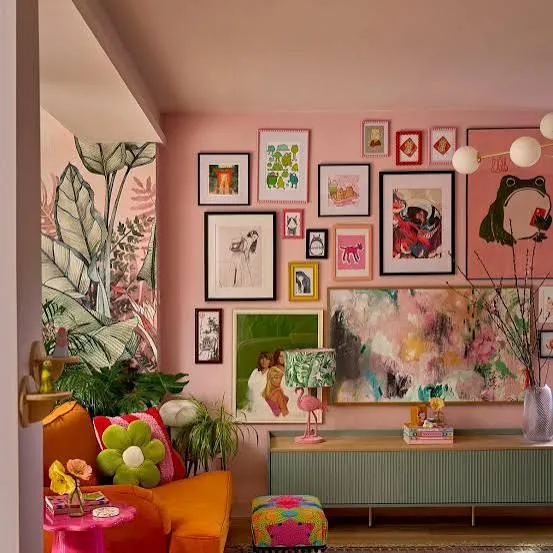
    Add plants throughout the room to reinforce the color pairing naturally. A few potted palms or fiddle leaf figs work great here.
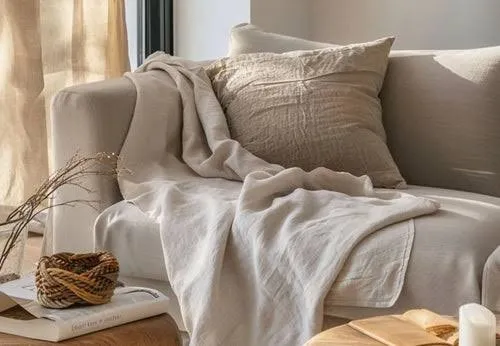
    Tip: Use green in larger doses (curtains, an accent wall) and let pink stay smaller (pillows, throws) for balance.

    Traditional and grandmillennial homes love this combo especially. Modern spaces can pull it off too if you keep the shapes simple and clean. Now let’s talk metal finishes, because they matter more than people think.

    6. Choose Brass or Gold Hardware for Warmth

    How to Choose the Right Coloured Metal Finishes For Your Home
    Credit: Janelockhart

    Pink walls or furniture look flat without the right metal accents. Brass and gold add warmth and a little sparkle without feeling too flashy.

    Swap out silver or chrome light fixtures, drawer pulls, and picture frames for brass versions. Even small changes like a gold-rimmed mirror make a difference.

    Tip: Stick to one metal finish throughout the room. Mixing gold, brass, and silver randomly can make a space feel unplanned.

    This trick works in nearly every style, from art deco glam to simple modern minimalism. Once your metals are sorted, it’s time to think about pattern.

    7. Mix in Botanical or Floral Prints

    NO DISPONIBLE ‼️L 250 Arte de camba floral rosa para pared, flores rosas, pintura de plantas, pósters botánicos de perfume, impresiones para sala de estar, vestidor, apartamento, sala de belleza
    Credit: @evelinstorehn

    Florals sound risky with pink, but the right print actually grounds the color instead of making it too sweet. Look for prints with green leaves, cream backgrounds, and just a touch of pink woven in.

    Use this on throw pillows, curtains, or even one statement wallpaper wall. Keep everything else in the room simple so the pattern doesn’t overwhelm.

    Tip: If wallpaper feels like too much commitment, try a large framed botanical print instead.

    Grandmillennial and traditional homes lean into this hard, but even modern rooms can use a single floral pillow to soften sharp lines. Next, let’s talk about texture, because pink loves texture.

    Budget Breakdown for a Pink Living Room Makeover

    Budget TierWhat You GetApprox. Cost Range
    Low ($100-$300)Pink throw pillows, one accent piece, small decor swaps$100-$300
    Mid ($300-$1,000)Accent chair, area rug, curtains, wall art$300-$1,000
    High ($1,000-$3,000)Pink sofa, paint job, new lighting, rug$1,000-$3,000
    Full Remodel ($3,000+)Custom furniture, wallpaper, built-ins, full redesign$3,000-$8,000+

    8. Add Texture With Velvet and Boucle

    Hot Pink Interior Design Looks That Prove Bold Can Feel This Joyful - Edward George
    Credit: Edwardgeorgelondon

    Pink can look flat in cheap fabric. But swap in velvet or boucle, and suddenly it feels expensive. These textures catch light differently and add depth that flat cotton just can’t match.

    Try a boucle accent chair or velvet throw pillows in a deeper rose shade. The fuzzy, tactile feel makes the room instantly cozier.

    Tip: Mix textures within the same color family. A velvet pillow next to a boucle ottoman in similar pink tones looks intentional, not random.

    This trick shines in modern and Scandinavian-inspired rooms especially. It softens minimalist spaces without adding visual clutter. Speaking of minimal, let’s cover how to do pink in a smaller space.

    9. Keep It Minimal With One Pink Statement Piece

    51 Pink Living Rooms With Tips, Ideas And Accessories To Help You Design Yours
    Credit: Home-designing

    If a whole pink room feels overwhelming, just pick one statement piece. A pink accent chair, a single wall, or even one oversized piece of art can do the job.

    Keep everything else neutral, white walls, beige rug, light wood furniture, so the pink piece really pops.

    Tip: Place your pink statement piece somewhere it catches natural light, like near a window, to make it feel even more vibrant.

    This idea is perfect for renters or anyone nervous about commitment. It works in literally any style because it’s such a small, controlled dose of color. Now let’s go bigger with an accent wall.

    10. Create a Pink Accent Wall Behind the Sofa

    The Ultimate Guide To Pink Living Rooms | Furniture & Choice
    Credit: Furniturechoice

    Instead of painting the whole room, just do one wall. The wall behind your sofa is the classic choice because it acts like a backdrop without overwhelming the space.

    Choose a slightly deeper pink than you’d use on all four walls, since one wall can handle more intensity. Rose, mauve, or even a soft raspberry works well here.

    Tip: Keep your sofa and rug in neutral tones so the wall color stays the star of the show.

    This idea works in basically every home style since it’s low commitment but high impact. From here, let’s talk about lighting, which changes everything.

    Tips for Success

    • Test paint samples on your actual wall, not just a swatch card, since lighting changes everything.
    • Balance soft pink with at least one bold or dark color so the room doesn’t feel too sugary.
    • Stick to one dominant pink shade throughout instead of mixing five different pinks.
    • Add plants. Green makes almost every shade of pink look better instantly.
    • Don’t skip texture. Flat, shiny pink fabric looks cheap; velvet and boucle look expensive.
    • Start small if you’re nervous. Pillows and throws are way easier to change than walls.
    • Take a photo of your room in both natural and artificial light before committing to big changes.

    Common Mistakes and How to Avoid Them

    Using too many different pink shades at once
    : Stick to one main pink tone and let other colors like green, black, or terracotta do the supporting work.

    Choosing cool-toned lighting for a warm pink room
    : Swap to warm white bulbs (2700K-3000K) so the pink glows instead of looking flat or gray.

    Skipping texture entirely
    : Add velvet, boucle, or woven materials so the pink doesn’t read as flat or cheap.

    Going too matchy with metals
    : Pick one metal finish, brass or black or chrome, and stick with it throughout the room.

    Forgetting to test paint in your actual space
    : Paint a sample patch and check it morning, noon, and night before buying gallons.

    Making pink the only color in the room
    : Pair it with a neutral base and one grounding color so the space feels balanced, not overwhelming.

    Similar Variations

    • Terracotta Pink Living Room: Leans warmer and earthier, mixing clay tones with dusty rose for a cozy, grounded feel.
    • Millennial Pink Minimalist Room: Pairs pale pink with gray and marble for a clean, trendy, low-clutter look.
    • Grandmillennial Pink Room: Combines florals, ruffles, and traditional furniture shapes with soft pink tones for a vintage charm.
    • Coastal Blush Living Room: Uses sandy, muted pink with white linen and natural textures for a breezy beach feel.
    • Art Deco Pink Room: Pairs bold pink with black, gold, and geometric patterns for a glam, dramatic vibe.
    • Boho Rose Living Room: Mixes dusty rose with rust, mustard, and woven textures for an eclectic, layered look.

    Pink living rooms aren’t just a trend that’s going to fade out next season. When you balance the right shade with good lighting, solid textures, and a grounding color like black or green, pink becomes a color that actually works hard for your space instead of just looking pretty. Whether you go bold with a full accent wall or start small with a single throw pillow, these 10 pink living room ideas give you a real starting point for a space you’ll actually love coming home to.