I’ve spent way too many hours scrolling through design blogs looking for 13 small living room ideas that actually work in real homes, not just magazine spreads, and I think I finally cracked the code.
What are the best small living room ideas? The best small living room ideas focus on multi-functional furniture, light color palettes, smart storage, and vertical space use. These strategies make a compact room feel bigger, brighter, and more livable without a full renovation.
Stick with me here. I’m about to walk you through everything I’ve learned from redoing my own cramped living room, plus tricks designers use that nobody talks about enough.
What Makes Small Living Room Design Different
Small living rooms play by their own rules. You can’t just shrink big-room ideas and expect them to work. Every piece of furniture has to earn its spot. Every color choice matters more because there’s less room for it to breathe. I used to think small spaces meant sacrificing style, but that’s just not true anymore. The trick is thinking in layers: what you need, what you love, and what tricks the eye into seeing more space than there really is. Once you get that mindset, decorating a tight living room actually gets kind of fun. It’s like solving a puzzle where the prize is a room you actually want to hang out in.
1. Choose a Light, Airy Color Palette

Dark colors can make a small room feel like a cave. Light colors do the opposite. They bounce light around and make walls feel like they’re pushing back a little.
I’m not saying paint everything stark white. Soft neutrals like warm beige, pale sage, or light gray all work great too. The goal is keeping most surfaces light so the room feels open, then adding personality through smaller accents.
Actionable tip: Paint your ceiling one shade lighter than your walls. This trick makes ceilings feel higher than they actually are.
This idea flexes easily. Coastal homes might lean into soft blues and whites. Modern spaces could go monochrome gray. Traditional rooms often stick with creamy neutrals. Once your base color is set, it’s time to think about how furniture fits into that light backdrop.
2. Pick Furniture That Does Double Duty

Small rooms don’t have room for pieces that only do one job. A coffee table that opens up for storage. An ottoman that hides blankets. A sofa bed for guests. These pieces save space while still looking good.
I switched my old coffee table for a storage ottoman last year and it changed everything. Suddenly I had a place for remotes, magazines, and random junk that used to pile up on the floor.
Actionable tip: Measure your space before shopping. Multi-functional furniture is often bulkier than single-purpose pieces, so know your limits.
Modern homes might choose sleek lift-top tables. Farmhouse style could use a woven storage trunk instead. Either way, this approach clears clutter fast. Speaking of clutter, let’s talk about where the rest of your stuff should go.
3. Use Vertical Storage Instead of Floor Space
When floor space is tight, look up. Tall bookshelves, wall-mounted cabinets, and floating shelves all store stuff without eating into your walking room.
I added two floating shelves above my TV console and it freed up so much floor space. Books, plants, and picture frames all moved up and out of the way.
Actionable tip: Install shelves at varying heights to draw the eye upward, which makes ceilings feel taller.
This works in almost any style. Industrial rooms might use metal pipe shelving. Traditional spaces could go with built-in white cabinetry. Once your storage is vertical, your next move is making sure your furniture arrangement matches that same space-saving logic.
Small Living Room Furniture Size Guide
| Furniture Piece | Small Room Size (under 150 sq ft) | Medium Room Size (150-250 sq ft) |
|---|---|---|
| Sofa | Loveseat, 60-65 inches | Standard sofa, 72-78 inches |
| Coffee Table | 24-36 inches wide | 36-48 inches wide |
| TV Stand | Under 48 inches wide | 48-60 inches wide |
| Area Rug | 5×7 feet | 8×10 feet |
| Accent Chair | 28-30 inches wide | 30-34 inches wide |
4. Float Furniture Away From the Walls
This one surprised me. I always thought pushing everything against the walls opened up more space. Turns out, floating furniture slightly away from walls can actually make a room feel more intentional and bigger.
Try pulling your sofa a few inches off the wall. Add a slim console table behind it if you have the room. This creates a sense of flow instead of a room that feels like it’s hugging its edges out of necessity.
Actionable tip: Leave at least 30 inches of walking space between furniture pieces so the room doesn’t feel like an obstacle course.
Mid-century modern rooms love this floating technique. Traditional spaces can do it too, just with slightly more furniture spacing. Once your layout breathes a little, mirrors can push that open feeling even further.
5. Hang a Large Mirror to Bounce Light Around
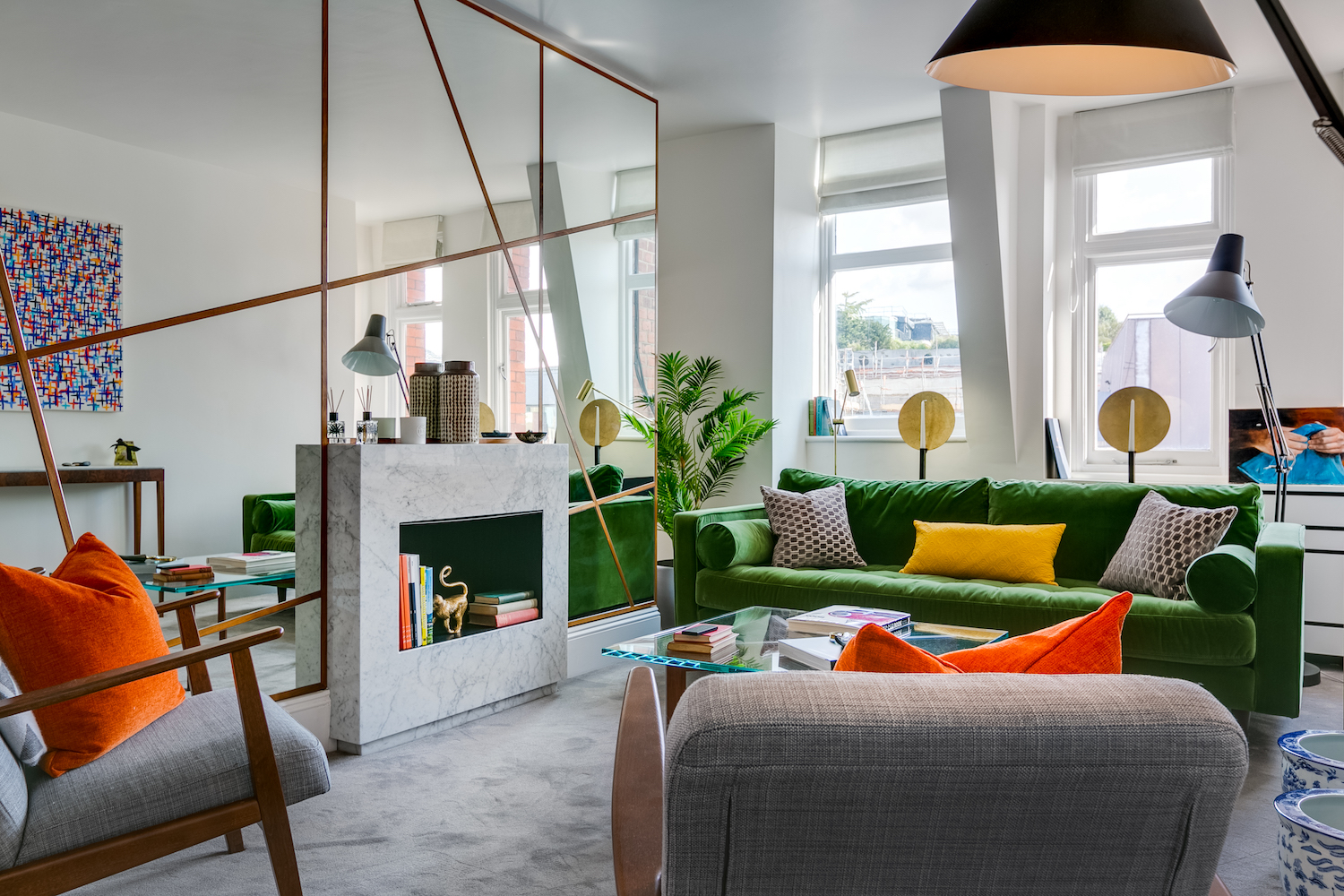
Mirrors are like cheat codes for small rooms. They reflect light, they reflect the room itself, and they trick your brain into thinking there’s more square footage than there is.
I hung a large mirror across from my window and the room noticeably brightened up. It also made the space feel twice as big without moving a single piece of furniture.
Actionable tip: Position mirrors to reflect a window or a piece of art, not a blank wall, for the best effect.
Coastal and modern homes often use round or arched mirrors. Traditional rooms lean toward ornate framed styles. Once light is bouncing around your room, let’s talk about how to layer in real light sources too.
6. Layer Multiple Light Sources
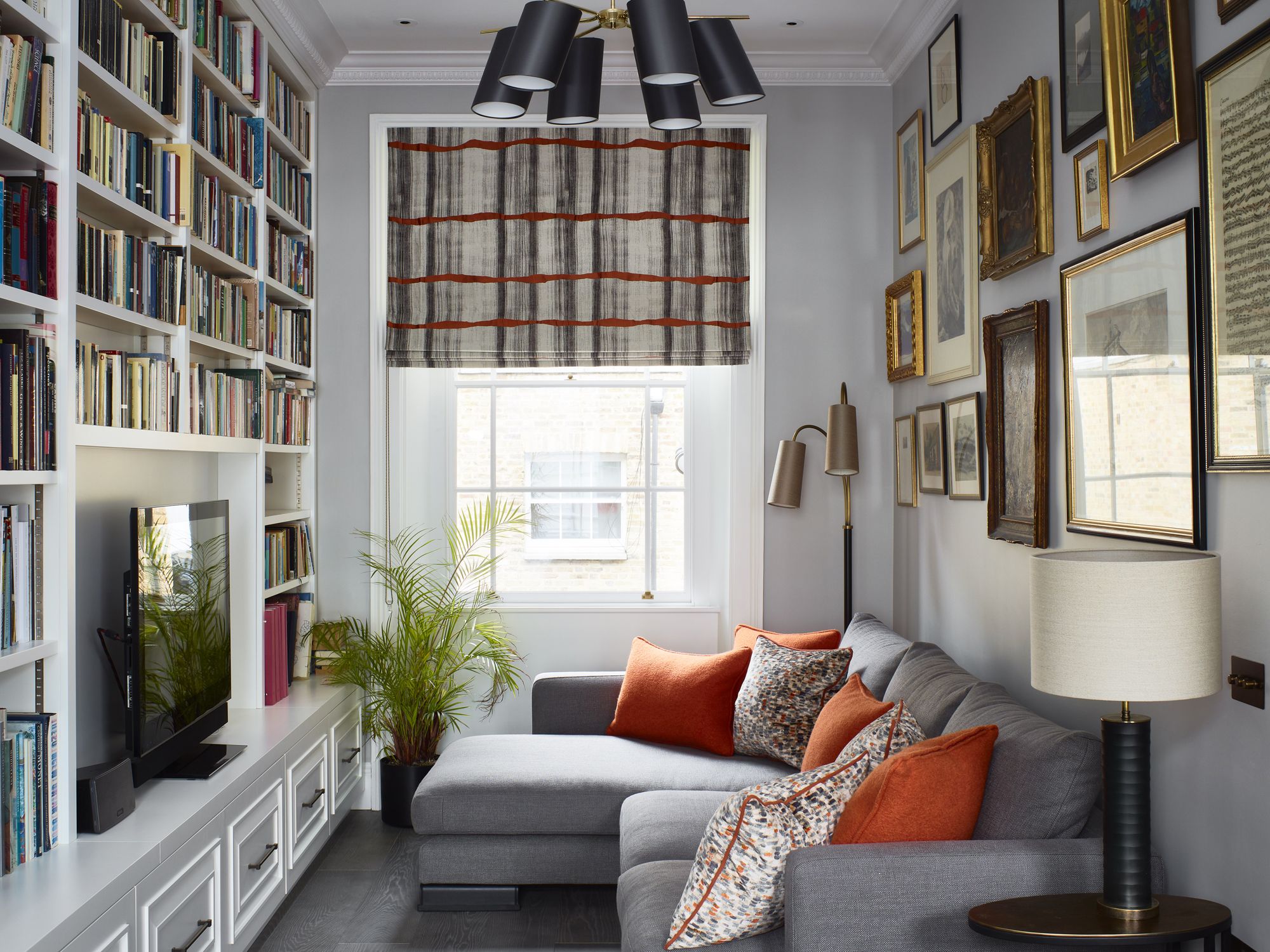
Overhead lighting alone makes small rooms feel flat and kind of harsh. Layering light sources like floor lamps, table lamps, and even string lights creates depth and warmth.
I added a floor lamp in the corner of my living room and a small table lamp near my reading chair. Suddenly the whole room felt cozier, even at the same brightness level.
Actionable tip: Use warm-toned bulbs (around 2700K) for a cozy glow instead of harsh white light.
Farmhouse rooms might use lantern-style lamps. Modern spaces often go for sculptural lighting pieces. With your lighting sorted, it’s time to think about what’s on the floor beneath all that glow.
7. Layer a Small-Scale Rug for Definition

Rugs anchor a room, but in small spaces, the wrong size rug can make things feel chaotic. A rug that’s too small floats awkwardly. One that’s too big overwhelms the space.
I learned this the hard way with a rug that barely fit under my coffee table. Once I upgraded to a size that reached under my sofa’s front legs, the whole layout suddenly made sense.
Actionable tip: Choose a rug that extends at least a few inches past your coffee table on all sides.
Bohemian rooms love layered rugs with pattern. Minimalist spaces do better with a single solid tone. Once your rug is set, your wall decor should follow the same balancing act.
8. Decorate Walls With a Purposeful Gallery Layout
Empty walls feel unfinished, but cluttered walls feel chaotic. In small rooms, a curated gallery wall hits the sweet spot. It draws the eye up, adds personality, and doesn’t take up any floor space at all.
I arranged a mix of framed photos and small art prints above my sofa and it became the focal point of the whole room.
Actionable tip: Lay your frames out on the floor first to plan spacing before hammering a single nail.
Traditional homes might use matching frames for a formal look. Eclectic spaces mix frame styles and sizes freely. Once your walls are working for you, curtains are the next easy win.
9. Hang Curtains High and Wide

This trick is simple but so many people skip it. Hanging curtains close to the ceiling, rather than right above the window frame, makes windows (and the whole room) look taller.
I moved my curtain rod up about eight inches and it made a noticeable difference. The window suddenly looked bigger than it actually is.
Actionable tip: Hang curtains a few inches wider than the window frame so they don’t block natural light when open.
Coastal rooms love sheer, breezy curtains. Traditional spaces might choose heavier drapes with more structure. Once your windows are dressed properly, let’s think about furniture shapes that keep pathways clear.
10. Choose Furniture With Exposed Legs
Furniture that sits flush on the floor, like a sofa with a solid base, blocks sightlines and makes rooms feel heavier. Furniture with exposed legs lets light and floor space peek through underneath.
I swapped my old boxy armchair for one with slim wooden legs and the whole corner of my room instantly felt lighter.
Actionable tip: Look for furniture legs at least 4 inches tall to maximize that open, airy feeling underneath.
Mid-century and Scandinavian styles are built around this idea. Traditional homes can still use it with turned wood legs instead of sleek metal ones. Next, let’s talk about a decor trick that’s often overlooked: scale.
11. Match Decor Scale to Room Size
Oversized decor items can swallow a small room whole. A giant vase or a huge piece of art might look great in photos, but in real life, it competes for attention with everything else.
I made this mistake with a large floor vase that ended up blocking a walking path. Once I swapped it for a smaller tabletop version, the room felt way more balanced.
Actionable tip: Choose one or two statement pieces max, and keep everything else smaller in scale.
Minimalist rooms thrive on this restraint. Maximalist spaces can still follow this rule, just with more pattern instead of size. Once your decor scale feels right, built-in seating is worth considering too.
Budget Tiers for Small Living Room Makeovers
| Budget Level | What You Can Afford | Example Updates |
|---|---|---|
| Under $200 | Paint, small decor, curtains | New throw pillows, wall art, curtain rods |
| $200-$800 | Furniture pieces, rugs | Accent chair, area rug, floor lamp |
| $800-$2,500 | Major furniture swaps | New sofa, storage ottoman, gallery wall frames |
| $2,500+ | Full room redesign | Built-in shelving, custom curtains, new flooring |
12. Add Built-In or Corner Seating

Corners often get wasted in small living rooms. Adding a built-in bench or a corner sofa uses that dead space efficiently while still giving you comfortable seating.
I added a small corner bench with storage underneath and it instantly made my room feel more thought out, not just furnished.
Actionable tip: Choose a corner unit with a slim profile so it doesn’t visually dominate the room.
Farmhouse style loves a window seat with cushions. Modern rooms might choose sleek L-shaped sectionals scaled down for smaller footprints. With seating sorted, let’s finish with one more trick that ties the whole room together.
13. Use a Consistent Color Thread Throughout
Jumping between too many colors and patterns makes small rooms feel busy and disconnected. Picking one or two accent colors and repeating them through pillows, art, and small decor ties everything together.
I picked a soft terracotta as my accent color and used it in three spots: pillows, a small vase, and one framed print. That repetition made the whole room feel pulled together instead of random.
Actionable tip: Pick your accent color from something you already own and love, like a favorite blanket or piece of art.
Bohemian rooms can use warm, earthy accent threads. Coastal homes might repeat a soft blue instead. This final touch really is what makes all the other ideas click into place.
Tips for Success
- Measure twice before buying any furniture, tape measures are cheaper than return shipping
- Keep a clear pathway of at least 24 inches through the main walking areas
- Test paint colors on the wall at different times of day before committing
- Shop secondhand for statement pieces to save money for higher-impact items like rugs or lighting
- Stick to a repeating color palette of no more than three main colors
- Prioritize function first, then style, when picking new furniture
- Declutter before decorating, empty space itself is a design tool
Common Mistakes and How to Avoid Them
Buying furniture too big for the room
: Measure your space and leave walking room before falling in love with an oversized piece.
Using too many dark colors
: Stick to a mostly light palette and save dark tones for small accents only.
Ignoring vertical space
: Use wall shelves and tall furniture to store items without crowding the floor.
Skipping a rug or choosing the wrong size
: Pick a rug that fits under the front legs of your main seating for a grounded look.
Overcrowding walls with too much decor
: Plan gallery walls on paper or the floor first, and leave some breathing room between pieces.
Forgetting about lighting layers
: Add at least one floor lamp or table lamp beyond your main overhead light.
Similar Variations
- Cozy Cottage Living Room: Warm textures, soft florals, and layered throws for a snug feel
- Scandinavian Minimalist Living Room: Clean lines, light wood, and a mostly white and gray palette
- Urban Industrial Living Room: Exposed brick, metal accents, and moody neutral tones
- Coastal Casual Living Room: Light blues, natural fibers, and breezy sheer curtains
- Eclectic Bohemian Living Room: Mixed patterns, layered rugs, and warm earthy colors
- Modern Farmhouse Living Room: Shiplap accents, neutral tones, and a mix of rustic and clean furniture
Small living rooms don’t have to feel cramped or boring. A few smart swaps, some thoughtful color choices, and a little creativity with storage can completely change how a room feels to live in. The best part is you don’t need a huge budget or a full renovation to see real results. Start with one or two ideas from this list, see how they feel, and build from there. That’s really the whole secret behind these 13 Small Living Room Ideas: small changes, done thoughtfully, add up to a room that finally feels like yours.
Leave a Reply