Category: Living Room

  • 12 Luxury Living Room Ideas That Actually Feel Like a Five-Star Hotel

    12 Luxury Living Room Ideas That Actually Feel Like a Five-Star Hotel

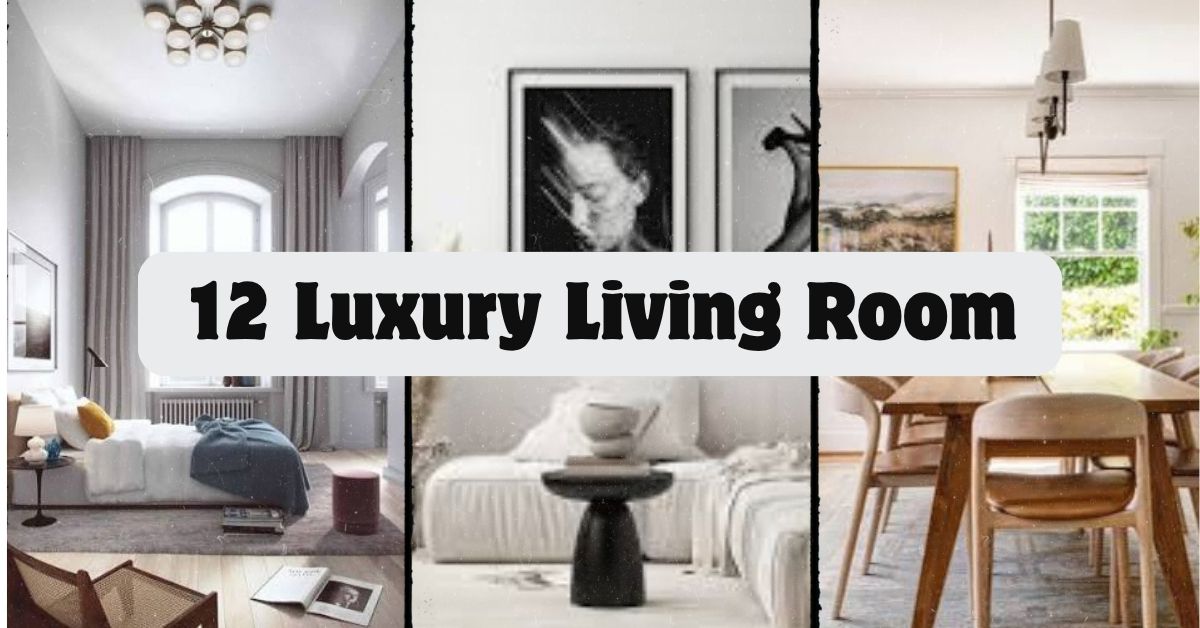
    I’ve spent way too many hours scrolling design sites looking for a 12 luxury living room roundup that doesn’t just show pretty pictures without telling you how to actually pull the look off, so I put together the guide I wish I’d found first. This one covers real furniture picks, real color combos, and real budget numbers so you’re not left guessing.

    A luxury living room is a space designed with high-end materials, layered lighting, and curated furniture to create a hotel-like, upscale atmosphere. It focuses on quality over quantity, using rich textures, tailored furniture, and intentional color palettes.

    Stick around, because I’m about to walk you through twelve specific ways to get there, plus the mistakes that quietly wreck the whole vibe.

    What Makes a Living Room Feel “Luxury” Anyway?

    Here’s the thing nobody tells you: luxury isn’t about spending the most money. It’s about intention. A luxury living room feels calm, put-together, and a little bit indulgent, like someone thought hard about every choice in the room. It usually means fewer pieces, but better ones. Think a single gorgeous sofa instead of three mismatched ones. Think soft lighting instead of one harsh overhead bulb. It’s rich fabrics, clean lines, and colors that feel expensive even if they weren’t. Once you get the formula, you can recreate it in a tiny apartment or a huge house. Let’s get into the specifics.

    1. Start With a Neutral Base and Let Texture Do the Talking

    Decorating with neutrals: 17 design and decor ideas | Homes and Gardens
    Credit: Homes And Gardens

    Luxury rooms almost never scream with color. They whisper with texture instead. Think creamy whites, warm greiges, soft taupes, and deep charcoals. The magic happens when you layer different materials on top of that quiet base: a bouclé chair, a velvet throw pillow, a linen sofa, a leather ottoman.

    My tip: pick one neutral as your wall color, then bring in three or four textures through furniture and soft goods. Don’t rely on paint alone to create interest.

    This works in every style. Modern spaces keep textures sleek and simple, while traditional rooms pile on more layers like tassels and brocade. Once your neutral canvas is set, you’re ready to bring in a furniture piece that anchors the whole room.

    2. Invest in One Statement Sofa Instead of Several Average Ones

    The End of the 'Statement Sofa'? Why Designers Say…
    Credit: inkl

    If there’s one place to spend real money, it’s the sofa. A high-quality sofa with a solid wood frame, down-blend cushions, and a tailored silhouette instantly makes a room feel expensive. Skip the boxy, mass-produced look. Go for curved arms, channel tufting, or a low-profile design instead.

    Actionable tip: measure your room and buy a sofa that fits the scale. Oversized furniture in a small room kills the luxury feel fast.

    For coastal homes, pick a slipcovered linen sofa in ivory. For modern spaces, try a sleek leather sectional. Traditional rooms do well with rolled arms and nailhead trim. Once your sofa is set, the coffee table becomes your next big decision.

    3. Choose a Coffee Table That Doubles as Art

    Coffee Tables 2026 | Modern & Stylish Coffee Tables for Your Living Room – ET Woodcrafts
    Credit: Et Woodcrafts

    A luxury coffee table isn’t just a surface for your remote control. It’s a sculptural piece. Marble tops, brass bases, and organic wood slabs all read as high-end. The key is picking one material that contrasts nicely with your sofa fabric.

    Practical tip: if your sofa is soft and textured, balance it with a hard, reflective coffee table like glass or polished stone.

    Modern homes lean toward smoked glass and matte black metal. Traditional spaces often use carved wood with a rich, dark finish. Coastal rooms prefer bleached wood or rattan. With your table chosen, let’s talk about the floor beneath it.

    4. Layer a Plush Area Rug for Instant Warmth

    The Best Rugs for Cozy Winter Nights – Floorspace
    Credit: Rugs

    Nothing kills a luxury vibe faster than a bare floor or a thin, scratchy rug. A dense, plush area rug grounds the whole room and adds that “sink your feet in” comfort factor. Wool and wool-blend rugs are the gold standard because they hold their shape and feel soft for years.

    Tip: size your rug so all four legs of your sofa sit on it. A too-small rug is one of the fastest ways to make a room look cheap.

    Modern spaces like abstract or solid-color rugs. Traditional rooms go for oriental or medallion patterns. Coastal homes often choose jute or a soft blue and white weave. Once the rug is down, lighting is next on the list.

    5. Layer Your Lighting Instead of Relying on One Fixture

    Home lighting design: A guide to layering light
    Credit: Pooky lighting

    Hotels never light a room with a single overhead light, and neither should you. Luxury rooms use at least three light sources: ambient (a chandelier or flush mount), task (a floor lamp by the reading chair), and accent (small table lamps or picture lights).

    Actionable tip: put every light source on a dimmer. Being able to lower the brightness instantly makes a room feel more upscale in the evening.

    Modern homes like sculptural, metal fixtures. Traditional spaces often use crystal chandeliers. Coastal rooms prefer woven pendant shades. Lighting sets the mood, but window treatments finish the frame around it.

    6. Hang Floor-to-Ceiling Drapes, Even If Your Windows Are Small

    5 Ways Floor-To-Ceiling Curtains WILL Make Your Room Look Bigger | Barn & Willow
    Credit: Barn & Willow

    This is one of the cheapest tricks that makes the biggest difference. Hanging curtains from near the ceiling down to the floor, rather than just above the window frame, tricks the eye into thinking the ceiling is taller. Use a heavier fabric like velvet or a lined linen for a rich drape.

    Tip: mount your curtain rod six to eight inches above the window frame and let the panels just kiss the floor or puddle slightly.

    Modern rooms like simple, solid panels in neutral tones. Traditional spaces add trim or a valance. Coastal homes prefer sheer, breezy linen. Once your windows are dressed, it’s time to think about color and how the whole palette works together.

    Luxury Color Palette Combinations by Style

    StyleWall ColorAccent ColorMetal FinishBest Fabric Pairing
    ModernWarm WhiteCharcoalMatte BlackLeather + Bouclé
    TraditionalSoft CreamDeep EmeraldAntique BrassVelvet + Silk
    CoastalSandy BeigeOcean BlueBrushed NickelLinen + Jute
    GlamBlush GreyGoldPolished BrassVelvet + Satin
    TransitionalGreigeTerracottaWarm BronzeWool + Linen

    7. Add a Gallery of Art With Matching Frame Finishes

    How to Mix and Match Picture Frames — Creating a Cohesive Gallery Wall – Olive et Oriel
    Credit: Olive et Oriel

    Bare walls read as unfinished, but mismatched art frames can look cluttered fast. Luxury rooms usually stick to one or two frame finishes across a whole gallery wall, like all matte black or all warm wood tones. This keeps things looking curated instead of thrown together.

    Tip: pick artwork with a similar color story, even if the subjects differ, so the wall reads as one cohesive collection.

    Modern spaces like abstract prints in thin metal frames. Traditional rooms go for oil-style paintings in ornate gold frames. Coastal homes lean toward framed botanical prints or beach photography. With your walls dressed, let’s bring in some greenery.

    8. Bring in Large-Scale Greenery, Not Tiny Desk Plants

    10 best small plants for your office desk | - Times of India
    Credit: The Times Of India

    Little plants scattered around actually make a room feel busier and less put-together. Luxury spaces use one or two large statement plants, like a fiddle leaf fig or an olive tree, in a simple ceramic or woven planter.

    Actionable tip: place your large plant in an empty corner that feels awkward. It fills the space without adding clutter.

    Modern rooms like sculptural plants in geometric planters. Traditional spaces prefer classic ferns or palms in brass urns. Coastal homes often use potted palms in woven baskets. Once your greenery is in place, think about how your furniture is arranged.

    9. Arrange Furniture to Create a Cozy Conversation Zone

    Expert Eye: 7 Ways to Arrange a Living Room for Conversation | Houzz AU
    Credit: Houzz

    A common mistake is pushing all the furniture against the walls. Luxury living rooms pull seating inward to create an intimate cluster, even in a big room. Two chairs facing the sofa with a coffee table in the middle feels far more upscale than everything lined up against the perimeter.

    Tip: leave about 30 to 36 inches of walking space between furniture pieces so the room still feels open, not cramped.

    Modern spaces like symmetrical, minimal arrangements. Traditional rooms often add a loveseat plus two chairs for a fuller conversational circle. Coastal homes keep it breezy with fewer, lighter pieces. Now let’s talk about the small details that pull it all together.

    10. Style Your Shelves and Surfaces Like a Boutique Hotel Lobby

    Styling Open Shelving Beautifully - Home interior design expert
    Credit: Known Design

    Cluttered shelves are a dead giveaway that a room isn’t fully considered. Luxury spaces style shelves and side tables in odd-numbered groupings, usually three items, mixing height, texture, and one meaningful object like a small sculpture or a stack of coffee table books.

    Practical tip: use the rule of three. One tall item, one medium, one small, grouped close together on any surface.

    Modern rooms keep styling minimal, maybe just one object per shelf. Traditional spaces layer in more collected pieces like framed photos and small antiques. Coastal homes add shells, coral, or glass objects. Once your surfaces are styled, don’t forget the ceiling above you.

    11. Add Architectural Detail With Molding or a Coffered Ceiling

    Coffered Ceilings: Modern Designs, Benefits, Costs & DIY Guide | Nero Tapware
    Credit: Nero Tapware

    This one takes more effort, but it’s a total game-changer. Adding crown molding, wainscoting, or a coffered ceiling gives a room instant architectural weight. It’s the kind of detail that makes people ask, “Wait, is this a new build or an old one?”

    Tip: if a full renovation isn’t in the budget, peel-and-stick molding panels or a simple picture-frame wall treatment can fake the look for a fraction of the price.

    Modern homes keep molding simple and thin. Traditional spaces go bold with deep coffered ceilings. Coastal rooms often use shiplap instead of formal molding. With the architecture handled, let’s talk about scent and sound, two details people forget.

    12. Layer in Scent and Sound for a Full Sensory Experience

    Sensory design: how to transform spaces into experiences - ALMA de LUCE
    Credit: alma De Luce

    Luxury isn’t just visual. Hotels use signature scents and soft background music for a reason: it makes a space feel finished and intentional. A quality candle or reed diffuser near the seating area, plus a small speaker for soft music, rounds out the whole experience.

    Actionable tip: pick one signature scent for your living room and stick with it. Consistency is part of what makes luxury spaces feel memorable.

    Modern homes prefer woody, smoky scents. Traditional spaces like warm vanilla or amber. Coastal rooms lean toward sea salt or citrus. And that wraps up the twelve ideas, but let’s make sure you avoid the traps that undo all this good work.

    Budget Tiers for a Luxury Living Room Refresh

    Budget TierTotal RangeWhat You Can Prioritize
    Starter$800 – $2,000Rug, lighting, throw pillows, curtains
    Mid-Range$2,000 – $6,000Add a statement sofa and coffee table
    High-End$6,000 – $15,000Custom upholstery, molding, art collection
    Full Renovation$15,000+Coffered ceiling, built-ins, whole-room redesign

    Tips for Success

    • Buy fewer, better pieces instead of filling every corner with something.
    • Stick to a maximum of three main colors in the whole room.
    • Always dim your lights in the evening, even if you think the room looks fine as is.
    • Clean and press your throw pillows and blankets weekly. Wrinkled fabric ruins a polished look fast.
    • Swap seasonal accents like pillow covers or a smaller rug layer to keep the room feeling fresh.
    • Keep cords and remotes hidden in a small basket or drawer near the seating area.
    • Step back and photograph your room. Cameras catch clutter your eyes get used to.

    Common Mistakes and How to Avoid Them

    Too Many Accent Colors
    : Stick to a core neutral plus one or two accent colors max. More than that starts to look chaotic instead of curated.

    Undersized Rug
    : Always size up. A rug that only fits the coffee table makes the whole room look smaller and cheaper than it is.

    Skipping Window Treatments
    : Bare windows feel unfinished. Even simple linen panels hung high add instant polish.

    Overhead Lighting Only
    : One bright bulb in the ceiling flattens a room. Add lamps and dimmers for depth and warmth.

    Mismatched Metal Finishes
    : Pick one or two metal tones, like brass and black, and repeat them throughout the room in hardware and fixtures.

    Ignoring Furniture Scale
    : A sofa that’s too big or too small for the room throws off the whole balance. Measure before you buy.

    Similar Variations

    • Modern Glam Living Room – Mixes clean modern lines with glossy metallics and plush velvet for extra sparkle.
    • Old Money Living Room – Leans into heirloom-style furniture, deep wood tones, and understated traditional pieces.
    • Coastal Luxury Living Room – Keeps the airy, beachy palette but swaps in higher-end linen and natural stone accents.
    • Dark Academia Living Room – Uses deep greens, browns, and leather with lots of books and moody lighting.
    • Minimalist Luxury Living Room – Strips things back to just a few high-quality pieces with almost no clutter at all.
    • Art Deco Revival Living Room – Brings back bold geometric patterns, brass details, and jewel-tone velvet seating.

    Getting a true 12 luxury living room look really comes down to a few habits: choosing quality over quantity, layering your lighting and textures, and keeping your color palette tight and intentional. Do those three things well, and the rest of the details fall into place a lot easier than you’d expect. Start with just one or two ideas from this list, live with them a while, and you’ll be amazed how quickly the rest of your 12 luxury living room vision comes together.
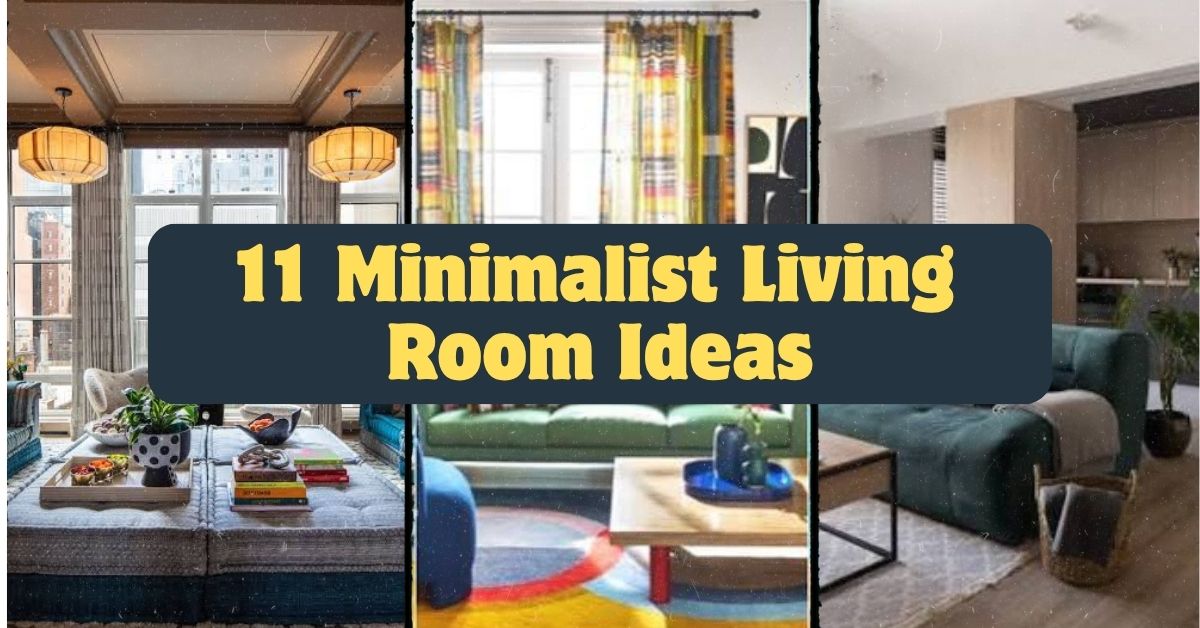
  • 11 Minimalist Living Room Ideas That Actually Work in Real Homes

    11 Minimalist Living Room Ideas That Actually Work in Real Homes

    If you’re hunting for 11 Minimalist Living Room ideas that go beyond “just add a beige couch,” you’re in the right spot. I’ve spent way too many hours studying what actually makes a minimalist space feel calm instead of cold, and I’m going to walk you through everything I’ve learned.

    A minimalist living room is a space designed around function, clean lines, and a limited color palette, using fewer furniture pieces and decorative items to reduce visual clutter and promote a sense of calm.

    But here’s the thing nobody tells you: minimalist doesn’t mean boring, and I’m about to prove it.

    What Minimalist Living Room Design Really Means

    Ever walked into a room and just felt your shoulders drop? That’s what good minimalist design does. It’s not about owning nothing. It’s about owning things on purpose. Every chair, every lamp, every throw pillow earns its spot.

    I think people get scared off because they picture sterile white boxes with one weird chair in the corner. That’s not it. Real minimalist living rooms still feel warm. They still have personality. They just don’t shout. The furniture is simple. The colors are quiet. The clutter is gone. That’s really the whole formula, and once you get it, you can’t unsee cluttered rooms the same way again.

    1. Stick to a Neutral Color Foundation

    Design Mistakes: How Not to Design a Boring Neutral Room - Emily Henderson
    Credit: emily henderson

    Neutral colors are the backbone of any minimalist room. Think warm whites, soft greige, oatmeal, and soft charcoal. These shades don’t compete with each other, so your eye can actually rest.

    Pick one dominant neutral for your walls and let your furniture sit a shade or two lighter or darker. This creates depth without adding visual noise. Skip bold accent walls here. They fight against the calm you’re trying to build.

    Practical tip: paint a large sample swatch and check it in morning and evening light before committing. Neutrals shift a lot depending on lighting.

    This approach works in modern lofts, but it also softens beautifully in traditional homes with wood trim.

    Once your base color is locked in, the next step is figuring out what furniture actually deserves a place on top of it.

    2. Choose Furniture With Clean, Simple Lines

    25 Modern Living Rooms with Cool, Clean Lines
    Credit: Interior Design Ideas

    Minimalist furniture avoids fussy details. No carved wood edges, no tufted buttons, no ornate legs. Think straight silhouettes, low profiles, and simple upholstery.

    A sofa with clean lines instantly makes a room feel more open, even if the sofa itself is large. Pair it with a simple coffee table, maybe wood or a slab of stone, and skip anything with heavy ornamentation.

    Actionable tip: measure your walking paths first. Minimalist rooms need at least 30 inches of clear space to walk through comfortably.

    In coastal homes, this looks like light wood and linen. In modern homes, it’s often leather or bouclé in neutral tones.

    Once your big furniture pieces are settled, you’ll want to think about what goes on the floor beneath them.

    3. Layer in One Textured Rug, Not Three

    Layering Rugs: Tips & Ideas
    Credit: TSAR Carpets

    A lot of people think minimalist means bare floors. Not true. One well chosen rug adds warmth and softens the room. The trick is picking just one, not layering multiple patterns.

    Go for texture instead of pattern. A chunky wool rug or a subtle jute weave adds interest without adding visual clutter. Stick to a color close to your wall tone for the most cohesive look.

    Quick tip: your rug should be big enough that at least the front legs of your sofa sit on it. Anything smaller looks like an afterthought.

    Traditional homes can use a wool rug with subtle texture, while coastal spaces do well with natural jute or sisal.

    Now that your floor has some warmth, let’s talk about what’s happening at eye level: your walls.

    4. Keep Wall Decor to One or Two Pieces

    Create Symmetry in Your Space with 2-Piece Wall Art
    Credit: Elephant Stock

    Minimalist walls aren’t empty walls. They’re intentional walls. Pick one large art piece or a small curated grouping, and give it room to breathe.

    Skip gallery walls packed with 15 frames. Instead, choose one statement piece, maybe a large abstract print or a simple framed photograph, and let negative space do the rest of the work.

    Practical tip: hang art so the center sits at eye level, roughly 57 to 60 inches from the floor.

    Modern homes might go for abstract art, while traditional spaces often use a single framed landscape or mirror.

    Speaking of mirrors, let’s talk about how lighting and reflection play into this whole minimalist equation.

    5. Use Layered Lighting Instead of One Overhead Fixture

    Layer Your Lighting Design for Drama and Functionality - The New York Times
    Credit: The New York times

    A single ceiling light creates flat, harsh shadows. Minimalist rooms actually rely on layered lighting: a floor lamp, a table lamp, and maybe hidden LED strips behind a shelf.

    This layering creates depth and mood without needing extra decor. Choose fixtures with simple shapes, like a slim arc lamp or a paper shade pendant.

    Actionable tip: aim for three light sources per room minimum, placed at different heights.

    Coastal homes love woven pendant shades, while modern rooms often use matte black or brushed brass fixtures.

    Lighting sets the mood, but storage keeps that mood from getting ruined by clutter piling up again.

    6. Choose Furniture That Doubles as Hidden Storage

    19 Hidden Living Room Storage Ideas | Extra Space Storage
    Credit: Extra Space storage

    Clutter is the enemy of minimalism, so smart storage matters more here than in any other style. A coffee table with a drawer, an ottoman that opens up, or a media console with closed cabinets all keep stuff out of sight.

    This isn’t about hiding everything. It’s about giving your daily clutter, remotes, chargers, mail, a designated home so it’s not sitting out on every surface.

    Practical tip: do a “surface sweep” once a week. If it’s been sitting out longer than a day, it needs a home.

    Traditional homes often use a wood chest as a coffee table, while modern spaces lean toward sleek lacquered storage cubes.

    Furniture Storage Comparison

    Furniture PieceStorage CapacityBest ForAverage Price Range
    Storage ottomanSmall (blankets, remotes)Living room seating + hiding clutter$80 to $250
    Media console with doorsMedium (electronics, games)Hiding cables and devices$200 to $600
    Lift-top coffee tableSmall to medium (books, chargers)Multi-use surface + storage$150 to $400
    Built-in shelving with cabinetsLarge (everything)Whole-room organization$500 to $2,000+

    Now that clutter has a home, let’s zoom out and talk about how much furniture you actually need in the room.

    7. Edit Your Furniture Down to the Essentials

    Create your dream home now @Planner5d
    Credit: Planner 5d

    Minimalist rooms don’t need six seating options. They need enough seating for your household, plus a little extra for guests, and nothing more.

    A sofa, one or two accent chairs, and a coffee table is usually plenty for most living rooms. Resist the urge to add a second side table “just in case” or an extra ottoman that isn’t doing anything.

    Practical tip: live with your current furniture arrangement for two weeks before adding anything new. You’ll quickly notice what you actually use.

    In modern homes, this often means a low sectional and one chair. In traditional homes, it might mean a sofa and two matching wingbacks.

    Once your furniture count is right, the next move is thinking about how everything is arranged in the actual space.

    8. Arrange Furniture Around Natural Movement Paths

    48 Living Room Layout Ideas That Make the Most of Your Space
    Credit: Homes And Gardens

    Minimalist layouts prioritize flow. That means furniture should be arranged so people can walk through the room without squeezing past a table or bumping a lamp.

    Float your sofa away from the wall if the room allows it, and angle chairs to create a conversation area rather than lining everything up against the perimeter.

    Actionable tip: sketch your room on paper first, using a scale like one square equals one foot, before moving heavy furniture around.

    Coastal homes often float furniture toward a view, while modern lofts create defined “zones” within open floor plans.

    With your layout dialed in, let’s talk about something people forget entirely: window treatments.

    9. Choose Simple, Unfussy Window Treatments

    8 Scandi-Inspired Window Treatments to Make Your Home Bright | Livingetc
    Credit; Living etc

    Heavy drapes with tassels and multiple layers don’t belong in a minimalist room. Stick to simple linen curtains or clean roller shades in a color that matches your walls.

    The goal is treatments that filter light softly without becoming a focal point themselves. If you want pattern, keep it extremely subtle, like a slight texture rather than a bold print.

    Practical tip: hang curtain rods a few inches above the window frame to make ceilings feel taller.

    Traditional homes might use simple wood blinds, while modern spaces often skip curtains entirely for clean sightlines.

    Now let’s bring some life into the room with something a lot of minimalist spaces get wrong: plants.

    10. Add One or Two Statement Plants, Not a Jungle

    Indoor Floor Plants: 10 Easy Care Large Houseplants
    Credit: Joy Us Garden

    Plants add life and soften hard lines, but minimalist rooms use them sparingly. One large plant, like a fiddle leaf fig or an olive tree, does more for the room than five small scattered pots.

    Choose a simple planter in a neutral material like terracotta, concrete, or matte ceramic. Skip patterned pots that pull focus.

    Actionable tip: place your statement plant in a corner that otherwise feels empty. It fills space without adding clutter.

    Coastal homes often go for palms, while modern spaces lean toward sculptural plants like snake plants or rubber trees.

    Plants bring texture, but so does another often overlooked element: your throw pillows and blankets.

    11. Limit Soft Textiles to a Consistent Color Story

    Colorful room ideas: 15 vibrant spaces with bold decor | Homes and Gardens
    Credit: Home And Gardens

    Throw pillows and blankets can make or break a minimalist room. The mistake most people make is grabbing pillows in five different patterns because they liked each one individually.

    Instead, pick two or three textiles max, all within your neutral palette, varying only in texture. A linen pillow next to a chunky knit blanket adds coziness without adding visual chaos.

    Practical tip: stick to solid colors or extremely subtle texture, and avoid mixing more than two textures per seating area.

    Traditional rooms might use a wool throw, while coastal rooms often go for a lightweight cotton waffle blanket.

    With textiles sorted, there’s one more idea that ties the whole room together: negative space itself.

    12. Treat Empty Space as a Design Element

    Minimalist Home Design: Why Less Truly Is More
    Credit: About wall art

    This is the idea most people skip, and it’s honestly the most important one. Minimalist rooms need empty space on purpose. Not every wall needs art. Not every corner needs a plant or a chair.

    Empty space gives your eye somewhere to rest. It’s what separates a calm room from a cluttered one, even if both rooms technically have the “same” amount of stuff.

    Practical tip: after decorating, remove one item from the room. See if it still works. Repeat until it feels balanced, not empty.

    This principle works across every style, modern, traditional, coastal, because breathing room is universal.

    With these twelve ideas in place, you’ve got a real framework for building a minimalist living room that actually feels good to live in, not just look at.

    Tips for Success

    • Start with decluttering before you buy anything new. You might already own what you need.
    • Test paint colors on the actual wall, not just a small chip, before committing.
    • Buy fewer, better pieces instead of filling space with cheap filler furniture.
    • Keep a “one in, one out” rule for decor to prevent slow clutter creep.
    • Photograph your room monthly. Photos reveal clutter your eyes get used to.
    • Choose furniture with legs rather than pieces that sit flush on the floor. It creates visual lightness.
    • Don’t rush the process. Minimalist rooms often come together over months, not a single weekend.

    Common Mistakes and How to Avoid Them

    Overbuying matching decor sets
    : Skip the pre-packaged decor bundles. Choose individual pieces that actually fit your space and needs.

    Confusing “empty” with “minimalist”
    : A minimalist room still needs warmth through texture, lighting, and a plant or two. Bare isn’t the goal.

    Ignoring storage needs
    : Hidden storage prevents clutter from creeping back. Always plan for it before you finish decorating.

    Choosing trendy colors over timeless neutrals
    : Trendy paint colors date fast. Stick to neutrals for walls and add trend colors through small, swappable items.

    Mixing too many textures or patterns
    : Limit yourself to two or three textures per seating area to keep things visually calm.

    Forgetting about lighting layers
    : One overhead light isn’t enough. Add lamps at different heights for a softer, more intentional feel.

    Similar Variations

    • Japandi Living Room – blends Japanese minimalism with Scandinavian warmth using natural wood and soft neutrals.
    • Scandinavian Minimalist – focuses on light woods, cozy textiles, and bright, airy color palettes.
    • Modern Farmhouse Minimalist – mixes clean lines with rustic wood accents and simple black or white details.
    • Coastal Minimalist – uses light, breezy fabrics and natural textures like rattan and linen in a beachy palette.
    • Industrial Minimalist – incorporates raw materials like exposed brick and metal with a stripped-down furniture approach.
    • Warm Minimalist – adds richer wood tones and warmer neutrals to avoid the “cold” minimalist stereotype.

    Building a calm, functional space doesn’t happen overnight, and that’s okay. Start small, edit often, and trust that less really can feel like more once you see it come together in your own home. Whatever style you lean toward, these 11 Minimalist Living Room ideas give you a solid, practical starting point for a space that finally feels like it fits you.

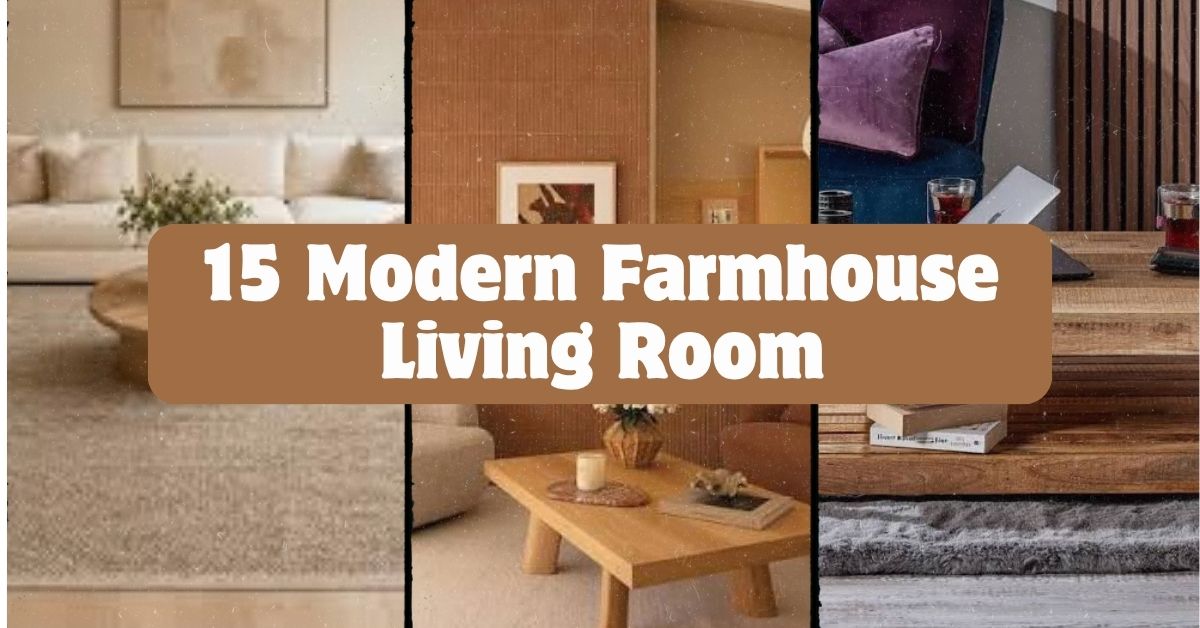
  • 15 Modern Farmhouse Living Room Ideas That Actually Feel Like Home

    15 Modern Farmhouse Living Room Ideas That Actually Feel Like Home

    I’ve spent way too many hours scrolling through home decor pages, and I can tell you this guide on 15 modern farmhouse living room ideas is the most practical one you’ll find today. I’ve pulled together real, doable design tips instead of just pretty pictures that leave you guessing how to actually pull off the look.

    Modern farmhouse living room design blends rustic wood textures, neutral color palettes, and clean-lined furniture to create a space that feels cozy but not cluttered. It mixes old-world charm (shiplap, reclaimed wood) with updated, minimal furniture shapes for a balanced, livable look.

    Stick around, because I’m about to walk you through 15 specific ways to get this look right, plus some mistakes that trip people up constantly.

    What Even Is Modern Farmhouse Style, Anyway?

    Okay, so let’s back up for a second. Modern farmhouse is basically what happens when a cozy old barn meets a clean city loft. You get warm wood tones and comfy textures, but the furniture shapes stay simple and current. Think shiplap walls next to a sleek black metal light fixture. Or a soft linen couch sitting on a chunky wood coffee table.

    I love this style because it doesn’t feel stiff or fussy. It feels lived in. It’s the kind of room where you can put your feet up on the coffee table and nobody freaks out. That’s the whole point, actually. Comfort first, style second, but somehow you get both.

    Now let’s get into the good stuff.

    1. Start With a Neutral Base Color Palette

    Explore Interior Design Color Combinations for Every Style | King Living
    Credit: King Living

    Every modern farmhouse living room I’ve seen starts with neutrals. White, cream, greige, and soft beige walls give you a blank canvas. This isn’t boring, trust me. It’s the foundation that lets your wood tones and textures do the talking.

    Paint your walls a warm white like Sherwin Williams Alabaster or a soft greige. Then bring in darker accents through furniture or trim. A practical tip: test paint samples on your wall for a few days before committing, since lighting changes everything.

    This neutral base works for coastal and Scandinavian styles too, so it’s a safe long-term choice even if your taste shifts later. Once your walls are set, you’ll want furniture that matches that same relaxed, warm feeling.

    2. Choose a Slipcovered or Linen Sofa

    How to Choose the Right Slipcover Fabric for Your Furniture | The Stated Home Blog
    Credit: The Stated HomeBlog

    A slouchy linen sofa is basically the heart of a modern farmhouse living room. Look for slipcovered styles in white, cream, or light gray. They feel soft and casual, not stiff like leather or velvet.

    Slipcovers also mean you can wash them when life happens, and life always happens if you’ve got kids or pets. Go for rolled arms or simple track arms to keep the shape modern instead of old-fashioned.

    Quick tip: buy a slipcover sofa with a removable, washable cover instead of dry-clean-only fabric. You’ll thank yourself later.

    This idea flexes well into coastal and transitional homes too, since light fabric sofas fit almost anywhere. Next, let’s talk about what goes under that sofa.

    3. Layer a Chunky Jute or Wool Rug

    Top 5 Jute Rugs for Layering | Designer Buying Guide – Atlanta Designer Rugs
    Credit: Atlanta Designer Rugs

    Rugs ground the whole room. For modern farmhouse spaces, jute and wool rugs in natural, undyed tones work best. They add texture without adding busy patterns.

    Go with a rug that’s at least 8×10 for a standard living room, so all your furniture legs sit on it comfortably. Layering a smaller vintage-style rug on top of a jute rug adds even more depth if you want that layered farmhouse look.

    Practical tip: measure your seating area first, then size up. A too-small rug makes the whole room feel disconnected.

    This layering trick works in bohemian and eclectic living rooms too, just swap in more colorful patterns instead of neutrals. Now let’s move upward, toward the walls.

    Rug Size Guide by Room Size

    Room SizeRecommended Rug SizeBest Rug Shape
    Small (10×10 ft)5×8 ftRectangle
    Medium (12×15 ft)8×10 ftRectangle
    Large (15×20 ft)9×12 ftRectangle or Round accent layer
    Open concept living/dining10×14 ftRectangle

    4. Add Shiplap or Board and Batten Walls

    Board and batten shiplap walls - Benjamin Moore
    Credit: Benjamin Moore

    Shiplap gets a bad reputation for being overdone, but it’s still one of the fastest ways to bring texture to a plain wall. Board and batten is a nice alternative if you want something a little more structured and less “trendy.”

    Paint it white or a soft off-white to keep things bright. Use it on an accent wall behind the TV or sofa instead of the whole room, so it doesn’t overwhelm the space.

    Tip: peel-and-stick shiplap panels exist now, so you don’t need to be a contractor to try this out.

    This wall treatment adapts beautifully into cottage and coastal styles, especially with a whitewashed finish. Once your walls have texture, it’s time to bring in some wood furniture pieces.

    5. Use a Reclaimed Wood Coffee Table

    Harbour Indian Reclaimed Wood Furniture Coffee Table with Shelf
    Credit: Made With Oak

    A chunky reclaimed wood coffee table is basically non-negotiable in this style. It brings warmth and grounds the lighter furniture around it. Look for tables with visible grain, knots, and a slightly weathered finish.

    Pair it with black metal legs or hairpin legs for that modern contrast. Round or rectangular shapes both work, depending on your room’s layout.

    Practical tip: measure so there’s at least 14 to 18 inches of space between your coffee table and sofa for comfortable walking room.

    This furniture idea works great in industrial and rustic modern spaces too. Speaking of contrast, let’s talk metal finishes next.

    6. Mix In Black Metal Accents

    JRL Interiors — How Do I Mix Metal Finishes in a Room?
    Credit: JRL Interiors

    Black metal is the modern part of modern farmhouse. Think window-pane style mirrors, black metal light fixtures, or thin-framed accent chairs. It keeps the room from feeling too soft or too country.

    Use it in small doses, like a lantern-style pendant light or a black metal plant stand. Too much black metal can tip the room into industrial territory instead.

    Tip: pick one main black metal piece as your anchor, like a light fixture, then repeat the finish in two or three smaller accessories.

    This trick also works beautifully in mid-century modern and industrial farmhouse spaces. Now let’s bring some green into the mix.

    7. Add Greenery With Simple Plants

    5 Easy Ways to Add Greenery to Your Kitchen Right Now | The Kitchn
    Credit: The Kitchn

    Plants soften a room fast. A big fiddle leaf fig in the corner or a few eucalyptus stems in a vase add life without adding clutter. Modern farmhouse rooms tend to favor simple greenery over bright flowers.

    Stick to plants with subtle, textured leaves rather than bold tropical ones. Snake plants, olive trees, and pothos all fit the vibe well.

    Practical tip: if you don’t have a green thumb, faux stems from a craft store look surprisingly real now and need zero maintenance.

    This greenery approach works in almost every design style, from boho to traditional. Next, let’s talk about that all-important focal wall.

    8. Create a Statement Fireplace Wall

    How to Make a Statement Fireplace Work in Your Home | Napoleon
    Credit: napoleon

    A fireplace wall wrapped in shiplap, stone, or whitewashed brick instantly becomes the room’s anchor. Even if you don’t have a working fireplace, an electric insert with a simple wood mantel gets you the same cozy look.

    Keep the mantel styling simple: a mirror or art piece, two candlesticks, and maybe a small plant. Overloading the mantel makes it feel cluttered instead of curated.

    Tip: paint brick fireplaces white or cream if the original brick feels too dark or dated.

    This idea adapts well into traditional and transitional living rooms too, especially with stone finishes instead of shiplap. Once your focal point is set, lighting comes next.

    9. Choose Warm, Layered Lighting

    Light Layering: Mastering the Art of Illuminating Your Space with Style
    Credit: decorilla

    Good lighting makes or breaks this style. You want a mix of overhead lighting, table lamps, and maybe a floor lamp, all in warm white bulbs (around 2700K to 3000K).

    Farmhouse-style fixtures often use black metal, wood, or woven rattan shades. Avoid stark white LED light, since it clashes with the warm, cozy feel you’re going for.

    Practical tip: use dimmer switches on your main overhead lights so you can adjust brightness depending on time of day.

    This lighting approach works across almost every style, honestly, since warm lighting flatters most rooms. Now, let’s talk about that big blank wall space.

    Lighting Options Compared

    Fixture TypeBest PlacementAverage Cost Range
    Woven pendant lightOver coffee table or entry$60 to $150
    Black metal chandelierLiving room ceiling center$150 to $400
    Wood table lampSide table or console$40 to $100
    Floor lamp with linen shadeBeside sofa or reading chair$70 to $180

    10. Hang Simple, Neutral Wall Art

    Neutral Abstract Wall Print Ready-To-Hang Wall Art Abstract Neutral Splash – Gold Furnish
    Credit: Nationwideloghomes

    Skip the busy, colorful gallery walls. Modern farmhouse rooms usually favor black and white photography, simple line art, or a single large canvas in muted tones. Frames in black or natural wood keep things cohesive.

    A great trick is grouping three same-size frames in a row above the sofa instead of one giant piece. It’s affordable and easy to switch out later.

    Tip: hang art so the center sits at eye level, about 57 to 60 inches from the floor.

    This wall art approach transitions easily into minimalist and Scandinavian interiors too. Now, let’s talk textiles.

    11. Layer Throw Pillows and Cozy Blankets

    How Can I Layer Bedding for a Cozy Look? Top 6 Tips
    Credit: Beddi’s

    Texture is everything in this style. Mix linen, chunky knit, and cotton throw pillows in cream, oatmeal, and soft gray tones. A chunky knit throw blanket draped over the sofa arm adds instant coziness.

    Avoid shiny or overly patterned fabrics, since they clash with the natural, relaxed farmhouse feel. Stick to two or three pillow textures max so it doesn’t look cluttered.

    Practical tip: wash and fluff pillow inserts regularly so they don’t go flat and lifeless.

    This textile layering idea works beautifully in coastal and cottagecore living rooms too. Next, let’s talk furniture arrangement.

    12. Arrange Furniture for Conversation, Not Just TV Watching

    Expert Eye: 7 Ways to Arrange a Living Room for Conversation | Houzz NZ
    Credit: Houzz

    A common mistake is pointing every chair at the television. Modern farmhouse rooms tend to favor a conversational layout, with the sofa facing a couple of accent chairs, and the TV as a secondary focus.

    Try an L-shaped or U-shaped furniture arrangement around the coffee table. This makes the room feel more social and welcoming.

    Tip: leave at least 30 inches of walking space between furniture pieces for comfortable movement.

    This arrangement style transitions well into traditional and transitional living rooms too. Now let’s talk window treatments.

    13. Use Simple Linen or Cotton Curtains

    Linen vs. Cotton Curtains: The Ultimate Decision Guide (Style, Care & – THREE GIRLS
    Credit: Three Girls Curtains

    Skip heavy, formal drapes. Modern farmhouse windows usually get simple linen or cotton curtains in white or natural tones. They let in soft light while still framing the window nicely.

    Hang curtain rods close to the ceiling, above the window frame, to make ceilings feel taller. This is a cheap trick that instantly upgrades the whole room.

    Practical tip: curtains should just graze the floor or puddle slightly for that relaxed, farmhouse feel.

    This window treatment idea also fits coastal and cottage-style homes easily. Now let’s talk about open shelving.

    14. Add Open Wood Shelving for Display

    11 Open Wooden Shelves Bringing Modularity and Decorating Ease | Decoist
    Credit: decoist

    Open shelves made from reclaimed wood with black metal brackets are a farmhouse classic. Use them to display books, small plants, and a few decorative baskets or vases.

    Keep styling simple. Group items in threes, mix heights, and leave some empty space so it doesn’t look crowded.

    Tip: paint the wall behind the shelves a slightly darker tone than the shelves themselves, so items pop visually.

    This shelving idea adapts to industrial and Scandinavian spaces too, just swap the wood tone and metal finish. Last but not least, let’s talk about mixing old and new pieces.

    15. Blend Vintage Finds With New Furniture

    How to Blend New Furniture with Vintage Finds | Home Interior Warehouse
    Credit: Home Interior Warehouse

    The best modern farmhouse rooms don’t look brand new. They mix a vintage side table or antique mirror with newer, simpler furniture pieces. This gives the room a collected-over-time feeling instead of a showroom vibe.

    Thrift stores, estate sales, and flea markets are goldmines for this. Look for pieces with good bones, even if the finish needs updating.

    Practical tip: repaint or lightly sand vintage wood pieces to match your color palette without losing their character.

    This mixing approach honestly works in almost every design style, since blending old and new always adds personality.

    Tips for Success

    • Start with your rug and sofa first, then build the rest of the room around those two big pieces.
    • Keep your color palette to three or four main tones so the room stays cohesive.
    • Buy one or two higher-quality statement pieces instead of filling the room with cheap decor.
    • Add texture through natural materials like wood, jute, linen, and wool instead of relying on color.
    • Leave some negative space on shelves and walls so the room can breathe.
    • Test paint and fabric swatches in your actual room lighting before buying anything.
    • Shop secondhand for at least one piece to keep the room from feeling too matched or staged.

    Common Mistakes and How to Avoid Them

    Overdoing the shiplap
    : Using it on every wall makes a room feel like a stage set. Stick to one accent wall.

    Choosing furniture that’s too formal
    : Stiff leather sofas or ornate wood pieces clash with the relaxed farmhouse feel. Go for slouchy, simple shapes instead.

    Ignoring lighting temperature
    : Cool white bulbs make the room feel clinical. Stick to warm bulbs around 2700K to 3000K.

    Too many patterns at once
    : Mixing plaid, florals, and stripes together looks chaotic. Limit yourself to two patterns max per room.

    Skipping texture
    : An all-smooth room with no wood grain, knits, or woven baskets feels flat. Add at least three different textures.

    Forgetting scale
    : A tiny rug or undersized art piece makes furniture look disconnected. Always size up when unsure.

    Similar Variations

    • Coastal Farmhouse — Same neutral base but with lighter blues, sandy tones, and rope or rattan accents.
    • Industrial Farmhouse — Adds more raw metal, exposed brick, and darker wood tones for a grittier feel.
    • Modern Rustic — Leans heavier on wood textures and less on the crisp white farmhouse elements.
    • Scandinavian Farmhouse — Combines Nordic minimalism with farmhouse warmth, using lighter woods and fewer accessories.
    • Cottagecore Living Room — Softer, more romantic version with florals, vintage textiles, and pastel accents.
    • Transitional Farmhouse — Blends traditional furniture shapes with the same neutral, textured farmhouse palette.

    Putting together a room like this really comes down to balancing warmth with simplicity. You don’t need every single idea on this list, just pick a handful that fit your space and budget, then build from there. The little details, like a chunky throw blanket or a reclaimed wood shelf, are what make the room feel personal instead of like a copy of someone else’s Pinterest board.

    At the end of the day, a great space comes down to comfort, texture, and a few honest, well-chosen pieces, and that’s really the whole secret behind any good 15 Modern Farmhouse Living Room design.

  • 11 Eclectic Living Room Ideas That Actually Work in Real Homes

    11 Eclectic Living Room Ideas That Actually Work in Real Homes

    I’ve helped enough friends redo their living rooms to tell you this: an 11 eclectic living room isn’t about throwing random stuff together and hoping it looks cool. There’s a real method to it, and once you see it laid out, you’ll never look at your grandma’s vase or your thrift-store lamp the same way again.

    An eclectic living room mixes different design styles, time periods, colors, and textures into one cohesive space. It works when pieces share a common thread, like color, scale, or a repeated material, instead of clashing at random.

    Stick around, because I’m about to walk you through 12 specific ideas, a couple of handy tables, and the mistakes that trip up almost everyone who tries this look.

    What Makes a Living Room “Eclectic” Anyway?

    Okay, so here’s the thing about eclectic style. It’s not messy. It’s not “anything goes.” It’s actually one of the harder styles to pull off well because you’re breaking rules on purpose, not by accident. Think of it like a mixtape. You’ve got jazz next to punk rock next to a folk song, but somehow the playlist still flows. That’s eclectic design. You’re pulling from mid-century, boho, vintage, modern, whatever speaks to you, and tying it together with a smart color palette or a repeated shape. I promise, once you get the hang of the balance, it’s honestly one of the most fun styles to decorate in.

    1. Anchor the Room With One Bold Vintage Piece

    Vintage Maximalism with Antique Doors and Furniture
    Credit; Mogul Interior

    Every great eclectic room needs a hero item. Something old, something with a story, something that makes people go “wait, where did you get that?” This could be a carved wooden cabinet from a flea market, a mid-century armchair, or even your great-aunt’s coffee table.

    Pick one standout piece and build everything else around it in scale and tone. Don’t let it fight with five other loud items in the same room.

    Practical tip: if you’re not sure where to start, hit up estate sales before furniture stores. You’ll find one-of-a-kind pieces for less money.

    This idea works in almost any home style, whether your base is modern minimalist or cozy farmhouse, because one vintage anchor adds character without overwhelming the room. Now let’s talk about how color ties all these mismatched pieces together.

    2. Build a Color Story, Not a Color Match

    Transform Spaces Using Bold And Balanced Color Stories
    Credit: amykartheiserdesign

    Here’s a mistake I made early on: I tried to match colors exactly, like the throw pillow had to be the same green as the rug. That’s not eclectic, that’s just matchy. Instead, pick three to five colors that feel related, like they belong in the same sunset, and let each piece use those colors differently.

    A rug might have rust and navy. A chair might be solid mustard. A lamp might have a cream shade. They don’t match, but they relate.

    Actionable tip: pull your palette from one patterned item you already love, like a rug or curtain, and repeat those colors in smaller doses elsewhere.

    Sample Eclectic Color Palettes by Mood

    MoodBase ColorsAccent PopBest For
    Warm & EarthyTerracotta, cream, oliveMustard yellowBoho or Southwestern mixes
    Moody & RichCharcoal, deep green, brassBurgundyVintage or industrial mixes
    Bright & PlayfulWhite, sky blue, sageCoral or pinkCoastal or modern mixes
    Neutral GroundedBeige, taupe, walnut brownBlack accentsTraditional or mid-century mixes

    Once your palette is locked in, it’s way easier to add pattern without things looking chaotic.

    3. Layer Patterns With a Common Color Thread

    20 Fabric Wall Decor Ideas Stealing Attention From Every Other Piece of Art You Own
    Credit: Trendir

    Pattern mixing scares people, but it’s honestly the fun part. The trick is that every pattern in the room, whether it’s a floral pillow, a striped rug, or a geometric throw, needs to share at least one color with its neighbors.

    Try three patterns max in one seating area to start. Any more and your eye won’t know where to rest.

    Practical tip: vary the scale of your patterns. Pair a big bold floral with a tiny geometric print and a solid color in between as a buffer.

    This trick flexes easily. In a coastal-leaning room, mix stripes with rattan textures. In a traditional room, mix damask with plaid. The rule stays the same even when the patterns change completely.

    4. Mix Furniture Eras on Purpose

    Mixing Eras: How to Blend Antique and Contemporary Furniture - Nolita Harbour
    Credit: Nolita Harbour

    Don’t buy a matching living room set. Seriously, skip it. An eclectic space wants a mid-century sofa next to a Victorian side table next to a modern glass coffee table. The contrast is the point.

    Keep one thing consistent, like wood tone or leg style, so the mismatched pieces still feel like they’re in conversation with each other.

    Actionable tip: shop secondhand marketplaces and mix in at least one new piece so the room doesn’t feel like a museum of old furniture.

    This works whether your home leans modern farmhouse or urban loft. The eras clash, but the room still feels pulled together because of that one repeated detail. Speaking of details, let’s talk about textures next.

    5. Layer Textures for Depth

    Layer Home Textures: 7 Simple Ways to Add Depth and Warmth to Any Room - nestaura.com.au
    Credit: Nestaura

    A room full of smooth surfaces feels flat, even if the colors are great. Eclectic style thrives on texture contrast: velvet next to woven rattan, chunky knit throws against sleek leather, a rough jute rug under a polished wood table.

    Add texture through small, swappable items first, like pillows, throws, and baskets, before committing to big furniture texture changes.

    Practical tip: aim for at least four different textures in your main seating area, like wood, woven fiber, metal, and soft fabric.

    In a coastal eclectic room, this might mean linen and driftwood. In a moody, vintage-leaning room, it might mean velvet and dark leather. Same idea, totally different feel.

    6. Use Art as the Great Unifier

    The Great Unifier | Original oil on board by Heather Bailey – Arty Corner
    Credit: Arty Corner

    Gallery walls are basically eclectic style’s best friend. Mixing photography, paintings, prints, and even textiles on one wall pulls a whole room together because it shows your personality is the theme, not a single decor “look.”

    Frame styles matter here. Mix a few gold frames with black ones and a couple of unframed canvases for variety.

    Practical tip: lay your art pieces on the floor first and arrange them before you touch a hammer. It saves your walls from a dozen extra nail holes.

    Traditional homes might lean toward oil paintings and ornate frames, while modern spaces might mix abstract prints with sleek black frames. Either way, art on the walls sets the tone for everything below it.

    7. Choose a Rug That Grounds Multiple Styles

    How to Pick Multiple Rugs That Work Together | Rug Styling Tips – Simple Style Co
    Crediit: Simple Style Co.

    Your rug is basically the referee of the room. It needs to calm down all the mismatched furniture and patterns happening above it. A busy vintage-style rug, like a Persian or Moroccan pattern, works great because it already contains a bunch of colors your other pieces can borrow from.

    Size matters a lot here too. A too-small rug makes an eclectic room look unfinished instead of curated.

    Rug Size Guide by Room Layout

    Living Room SizeRecommended Rug SizeFurniture Placement
    Small (under 120 sq ft)5×7 ftFront legs of furniture on rug
    Medium (120–200 sq ft)8×10 ftAll furniture legs on rug
    Large (200+ sq ft)9×12 ft or largerAll furniture legs on rug, with border showing

    Practical tip: go bigger than you think you need. Most people undersize their rugs and it makes the whole layout feel cramped.

    Once the rug is set, lighting is your next big move.

    8. Mix Lighting Styles Like You Mix Furniture

    How To Mix Contemporary Lighting For An Eclectic Feel
    Credit: Soho Home

    Don’t just use one overhead light and call it done. Eclectic rooms need layered lighting: a statement pendant, a quirky floor lamp, maybe a vintage sconce. Each fixture can be a totally different style as long as the metal finishes or bulb tones feel related.

    Practical tip: stick to warm bulbs (around 2700K to 3000K) across all your fixtures so the room feels cohesive even if the lamp shapes don’t match.

    A modern eclectic room might pair a sculptural floor lamp with a rattan pendant. A traditional-leaning room might mix a crystal sconce with a brass reading lamp. Different vibes, same layering trick.

    9. Add Plants for Organic Contrast

    Indoor garden Ideas — 14 Ways to Elevate Homes With Plants | Livingetc
    Credit: Living etc

    Plants soften all the hard lines and mismatched furniture edges in an eclectic room. A big leafy plant in the corner, a trailing vine on a shelf, a small succulent on the coffee table, these add life without adding more “stuff” to clash visually.

    Practical tip: vary your plant pot styles too, like a woven basket planter next to a ceramic pot, to keep the eclectic theme going all the way down to the details.

    This idea works in literally every style variation, since greenery softens modern, traditional, boho, and coastal spaces equally well. Next, let’s talk about the often-overlooked coffee table styling.

    10. Style Your Coffee Table Like a Mini Gallery

    A beautifully styled coffee table is like a mini-gallery for your home, and nobody does it better than @juliaberolzheimer! Her signature style of blending classic design books with natural, inviting elements is
    Credit: Instagram

    Your coffee table is basically a stage for tiny curated moments. Stack a few books, add a small sculptural object, toss in a candle or a small plant. The goal is variety in height and shape without cluttering the surface.

    Practical tip: follow the “rule of three”: group items in sets of three for a naturally balanced look.

    In a modern eclectic room, this might mean a marble tray with one bold sculpture. In a vintage-leaning room, it might mean stacked leather books with an old brass compass. The styling logic stays the same no matter the objects.

    11. Don’t Skip Window Treatments

    When Not to Use Window Coverings | Livingetc
    Credit: Living etc

    People forget curtains, but they’re a huge part of tying an eclectic room together. Skip the boring beige panels. Go for a bold pattern, a rich color, or even a textured linen that adds one more layer to your palette.

    Practical tip: hang curtain rods close to the ceiling, not just above the window frame, to make your ceilings feel taller.

    Coastal rooms might use light linen in soft blues, while moody eclectic rooms might use deep velvet drapes. Either way, don’t leave your windows as an afterthought.

    12. Add One Unexpected “Wow” Item

    33 Easy and Unexpected Ways to Refresh Your Living Room
    Credit: Real Simple

    Every great eclectic room has one thing that makes guests do a double-take. Maybe it’s a neon sign, a huge vintage mirror, or a funky sculptural chair nobody expected. This is your personality piece, and it’s what stops the room from feeling like a showroom.

    Practical tip: pick something you genuinely love, not something trendy, because trends fade but personal favorites don’t.

    This idea is honestly universal. Every home style benefits from one surprising, personal touch that breaks the pattern in a good way. And with that, you’ve got the full toolkit for building a space that feels curated, not chaotic.

    Tips for Success

    • Start with your rug or one statement piece, then build the rest of the room around it
    • Keep a repeated material or color running through at least three items in the room
    • Shop slowly. The best eclectic rooms are collected over months or years, not one weekend
    • Take a photo of your room and check it in black and white to see if the contrast and balance actually work
    • Leave a little negative space. Not every surface needs decor on it
    • Trust your gut on pieces you love, even if they don’t seem to “match” anything else yet

    Common Mistakes and How to Avoid Them

    Too many focal points
    : Pick one hero piece per room, like a bold rug or a statement chair, and let everything else support it quietly.

    No color connection between pieces
    : Choose a palette of three to five colors first, then shop within that palette even for mismatched styles.

    Ignoring scale and proportion
    : Balance one oversized piece with smaller, lighter items nearby so the room doesn’t feel top-heavy.

    Overcrowding with too many patterns
    : Cap yourself at three patterns per seating area and use solid colors as visual breathing room.

    Forgetting a unifying material or finish
    : Repeat one wood tone, metal finish, or fabric type across a few pieces to tie the whole look together.

    Buying everything at once
    : Add pieces slowly over time so the room feels collected and personal instead of staged.

    Similar Variations

    • Modern Boho – Clean lined furniture mixed with woven textures and warm earthy tones
    • Vintage Maximalist – Heavy on antique furniture, bold wallpaper, and layered patterns everywhere
    • Coastal Eclectic – Light, breezy fabrics and driftwood textures mixed with a few unexpected vintage finds
    • Industrial Eclectic – Raw materials like metal and exposed brick paired with soft vintage furniture pieces
    • Global Eclectic – Textiles, art, and furniture collected from different cultures and travels around the world
    • Mid-Century Eclectic – Retro furniture shapes mixed with modern art and bold graphic patterns

    Putting together a space like this really comes down to trusting your own taste while still following a few smart rules about color, scale, and texture. You don’t need a designer’s budget or a perfectly matched furniture set to make it work. You just need patience, a good eye for balance, and the willingness to mix things that maybe shouldn’t work together on paper. That’s the whole magic of an 11 eclectic living room: it looks like it happened naturally, even though every piece was chosen on purpose.

  • 10 Cottagecore Living Room Ideas That’ll Make You Want to Ditch City Life

    10 Cottagecore Living Room Ideas That’ll Make You Want to Ditch City Life

    If you’ve been searching for 10 cottagecore living room ideas that actually work in real homes (not just Pinterest fantasy land), you’re in the right spot. I’ve spent way too many hours falling down design rabbit holes, and I’m about to hand you everything I’ve learned. No fluff, just the good stuff.

    Cottagecore is a design style rooted in rural, old-fashioned charm. It blends vintage furniture, natural materials, floral patterns, and soft colors to create a cozy, nostalgic living space that feels like a countryside cottage.

    Ready for the fun part? Stick around because I’m about to walk you through a dozen ways to turn your living room into the coziest little escape you never knew you needed.

    What Even Is Cottagecore, Anyway?

    Okay, so before we jump into the list, let’s chat about what cottagecore actually means. Think grandma’s farmhouse but way cuter and way less musty. It’s all about slowing down, embracing imperfection, and surrounding yourself with things that feel handmade and lived-in.

    Picture soft linens, dried flowers in mason jars, and furniture that looks like it has a story to tell. It’s not about spending a ton of money. It’s about creating warmth. Honestly, it’s the opposite of those cold, sterile modern spaces you see all over social media. Cottagecore says “come sit down, stay a while, have some tea.”

    1. Start With a Warm, Neutral Color Palette

    Cottagecore Room Decorating Ideas | Valspar Paint
    Credit: Valspar Paint

    Your walls set the mood for everything else. Cottagecore loves soft, warm tones like buttery cream, sage green, dusty rose, and warm terracotta. Skip the stark whites and cool grays. They feel too modern and clinical for this vibe.

    Paint your walls a soft cream or pale sage, then let your furniture and decor add pops of color. A practical tip: test paint samples on your wall at different times of day before committing. Light changes everything.

    This palette adapts well too. Traditional homes can go deeper with olive and rust. Modern farmhouse spaces might stick to lighter creams with black accents. Once your base color is set, you’re ready to bring in the furniture that’ll really make the room feel like a cottage.

    2. Choose Furniture With Curves and History

    Modern Cottagecore Aesthetic: Cozy Decor & Styling Ideas
    Credit: Roam And Reside

    Straight lines and sleek metal? Not here. Cottagecore furniture has curves, carved details, and a worn-in feel. Think of a wooden armchair with rolled arms or a coffee table with turned legs.

    Secondhand shops are goldmines for this. You don’t need brand-new pieces. Actually, older furniture often looks better because it already has character built in. A tufted sofa in a faded floral fabric or a rocking chair by the window works perfectly.

    Quick tip: hit up estate sales before furniture stores. You’ll find unique pieces for way less money.

    This idea flexes easily too. Coastal homes might pick weathered white wood. Traditional spaces can lean into darker, ornate carvings. Once your furniture is settled, it’s time to think about what covers it.

    3. Layer Soft Textiles Everywhere

    Cottagecore Living Room Design Rules for a Comfortable Storybook Home - The Decor Nest
    Credit: The Decor Nest

    Cottagecore rooms feel huggable. That softness comes from textiles. Think quilts draped over the sofa, knit throws on chairs, and embroidered pillows piled high.

    Mix patterns like gingham, florals, and stripes. They shouldn’t match perfectly. That’s part of the charm. A practical move: grab a few vintage quilts from thrift stores and layer them on your couch for instant texture and warmth.

    This works in almost any style home. Modern spaces can use one bold quilt as a statement piece instead of layering several. Now that your textiles are cozy, let’s talk about what goes on the floor.

    4. Add a Braided or Woven Rug

    6 Cozy Living Room Looks with a Braided Rug
    Credit: Eco Crave

    Bare floors feel too stark for this style. A braided rug or a woven jute rug adds warmth and texture without overpowering the room. Look for rugs in oatmeal, moss green, or faded red tones.

    These rugs are durable too, which is great if you’ve got kids or pets running through the living room. Practical tip: layer a smaller vintage-style rug on top of a larger jute rug for extra depth and visual interest.

    Coastal homes might swap in a lighter, more textured sisal rug. Traditional homes could go with a patterned wool rug instead. Once your floor feels right, your eye naturally moves up to the walls.

    Rug Material Comparison for Cottagecore Rooms

    MaterialFeelBest ForPrice Range
    JuteRough, naturalHigh-traffic areas$50-150
    Braided WoolSoft, thickLiving rooms, bedrooms$100-300
    Cotton RagLight, washableSmall spaces, kitchens$30-80
    SisalTextured, durableEntryways, sunrooms$80-200

    5. Hang Botanical or Vintage Art

    Set of 3 Dark Botanical Flower Prints | Cottagecore Decor, Moody Floral Art, Nature Wall Art, Vintage Gallery Wall Set, Gothic Home Decor - Etsy
    Credit: ETSY

    Walls in a cottagecore living room aren’t blank. They’re covered in things that feel personal. Botanical prints, pressed flower art, or vintage-style landscape paintings all work beautifully here.

    Frame these in mismatched wooden frames for that collected-over-time feel. A tip that works every time: visit flea markets for old frames, then swap out the art inside with prints you actually love.

    This idea shifts easily across styles. A modern space could use one large botanical print instead of a gallery wall. Traditional rooms might add family portraits in ornate gold frames. Speaking of walls, let’s talk about what else can live there.

    6. Install Open Shelving for Charm and Storage

    Cottagecore Living Room: Complete Styling Guide
    Credit: Ashdeco

    Open shelves let you show off your cottagecore treasures. Stack books, display pottery, or line up little glass jars filled with dried herbs. It’s functional and pretty at the same time.

    Use wood shelves instead of metal ones. They feel warmer and fit the aesthetic way better. Practical tip: don’t overfill your shelves. Leave breathing room so each item actually gets noticed.

    This adapts nicely too. Coastal homes could add seashells and driftwood. Modern farmhouse spaces might mix in black metal brackets for contrast. Now let’s brighten things up with some lighting.

    7. Use Warm, Ambient Lighting

    10 Easy Cottagecore House Interior Decor Ideas - Obviousmag
    Credit: Obviousmag

    Harsh overhead lighting kills the cottagecore mood instantly. Swap it out for warm-toned bulbs and multiple light sources like table lamps, string lights, and candles.

    A vintage brass lamp with a fabric shade adds instant warmth. Practical tip: use bulbs labeled “soft white” or “warm white” (around 2700K) for that golden, cozy glow instead of bright white light.

    This works across all home styles honestly. Even ultra-modern spaces benefit from warmer lighting choices. Once your lighting feels right, let’s bring in some greenery.

    8. Fill the Room With Potted Plants and Dried Florals

    Cozy Cottagecore Living Room with Wicker Furniture and Lush Green Plants Filling Sunlit Space Creating Warm and Inviting Stock Image - Image of decor, sofa: 379838351
    Credit: Dreamstime

    Nothing says cottagecore quite like plants. Ferns, ivy, and herbs in terracotta pots bring life into the space. Dried flowers in mason jars or vintage vases add a rustic touch too.

    Mix fresh and dried together for variety. Practical tip: hang a small bundle of dried lavender or eucalyptus upside down near a window for natural decor that also smells amazing.

    Traditional homes might prefer more formal arrangements in ceramic urns. Coastal spaces could swap in dried sea grasses instead. With your greenery in place, let’s think about window treatments.

    9. Dress Windows With Soft, Airy Curtains

    65 Window Treatment Ideas to Accentuate Your Space in 2026
    Credit: ELLE Decor

    Skip heavy blackout curtains. Cottagecore windows want light, breezy fabric that lets sunshine filter through. Think white linen, floral cotton, or lace panels.

    Curtain rods can be simple wood or wrought iron for that farmhouse touch. Practical tip: hang your curtain rod a few inches above the window frame to make ceilings feel taller and windows feel bigger.

    This idea flexes well across styles too. Modern homes might choose plain linen without pattern. Traditional spaces could add tasseled tiebacks for extra detail. Now let’s talk about a small but mighty detail: hardware.

    10. Swap Hardware for Vintage-Style Pulls and Knobs

    Cottagecore Hardware Is Trending: Design Experts Share How to Use It
    Credit: Better Homes & Gardens

    If your living room has built-in cabinets or a media console, don’t overlook the hardware. Small brass knobs or ceramic pulls instantly transform a plain piece into something that feels cottagecore.

    This is a cheap, easy update too. Practical tip: check antique shops for mismatched vintage knobs. The imperfection actually adds charm instead of looking sloppy.

    Coastal homes might prefer glass knobs instead. Modern farmhouse spaces often go with matte black hardware for contrast. Speaking of small details, let’s chat about displaying collections.

    11. Display Collected Items Like Books and Pottery

    Cottagecore decor ideas for living rooms | Ideal Home
    Credit: Ideal Home

    Cottagecore rooms feel personal because they show off things you’ve gathered over time. Stack old hardcover books with worn spines. Display handmade pottery or ceramic bowls on your coffee table.

    These items don’t need to match. In fact, they shouldn’t. Practical tip: group collections in odd numbers (like three or five items) for a more natural, curated look instead of a stiff, symmetrical one.

    This works in any home style. Modern spaces might display fewer items with more negative space around them. Traditional homes can pile on more without it feeling cluttered. Now let’s talk about a detail people often skip: scent.

    12. Add Natural Scents Through Candles and Herbs

    15 Spring Cottagecore Decor Ideas for a Cozy, Nature-Inspired Home - Shiplap and Shells
    Credit: Shiplap and shells

    Cottagecore isn’t just visual. It’s sensory too. Beeswax candles, dried herb bundles, and simmering pots of cinnamon or citrus on the stove all add to the atmosphere.

    Skip synthetic, overly sweet candle scents. Go for something that smells like a garden or a bakery instead. Practical tip: keep a bundle of dried rosemary or lavender near your seating area. Brush against it occasionally to release the scent naturally.

    This idea barely changes across styles since scent is universal. Every home style can benefit from warm, natural fragrances. Now that we’ve covered the big ideas, let’s talk budget.

    Cottagecore Living Room Budget Breakdown

    Budget TierTotal SpendWhat You Get
    Starter$200-400Thrifted textiles, dried flowers, secondhand frames
    Mid-Range$500-1,200One statement furniture piece, new rug, curtains
    Full Room$1,500-3,000New sofa, vintage-style lighting, custom shelving
    Splurge$3,500+Antique furniture pieces, custom millwork, designer textiles

    Tips for Success

    • Shop secondhand first. Cottagecore thrives on items with history, and thrift stores are packed with perfect pieces.
    • Don’t rush the room. This style looks best when it feels collected over months or years, not bought all at once.
    • Mix patterns confidently. Florals, stripes, and checks can coexist if the color palette stays consistent.
    • Keep some negative space. Too much clutter tips the room from cozy into chaotic.
    • Prioritize natural materials like wood, cotton, and linen over plastic or synthetic fabrics.
    • Let imperfections shine. A slightly worn rug or a chipped vase adds authenticity, not flaws.
    • Test lighting at night. A room can look totally different once the sun goes down.

    Common Mistakes and How to Avoid Them

    Buying everything brand new
    : Cottagecore depends on that lived-in feel. Mix in secondhand or vintage pieces so the room doesn’t look staged.

    Choosing cool-toned paint colors
    : Grays and stark whites clash with the warm, rustic mood. Stick to creams, sages, and warm neutrals instead.

    Overcrowding every surface
    : Too many trinkets makes the room feel cluttered instead of charming. Group items thoughtfully and leave breathing room.

    Skipping texture
    : A room with only smooth surfaces feels flat. Add knits, woven baskets, and rough linen for depth.

    Using harsh, bright lighting
    : Cool white bulbs ruin the cozy vibe instantly. Swap in warm-toned bulbs around 2700K for a golden glow.

    Ignoring scale
    : Oversized modern furniture can clash with cottagecore’s smaller, curved pieces. Measure your space and choose furniture that fits the room’s proportions.

    Similar Variations

    • Grandmillennial – A mix of traditional grandma-style decor with modern touches like bold color and updated silhouettes.
    • Coastal Cottage – Cottagecore’s charm meets beachy elements like driftwood, linen, and soft blues.
    • French Country – Similar rustic warmth but with more ornate details and a European flair.
    • Modern Farmhouse – Cleaner lines and neutral palettes with just a touch of rustic cottagecore charm.
    • Boho Cottage – Combines cottagecore’s coziness with boho’s eclectic patterns and layered textures.
    • Rustic Prairie – Leans into homesteading vibes with wood beams, gingham, and vintage farm tools as decor.

    Cottagecore isn’t about perfection. It’s about creating a space that feels warm, lived-in, and a little bit magical. Once you start layering in soft textiles, warm lighting, and secondhand furniture with character, the whole room comes together naturally. You don’t need a big budget or a huge house to pull this off either. Just a little patience and an eye for cozy details will get you there.

    So whether you’re starting from scratch or slowly updating what you already own, these 10 cottagecore living room ideas give you a real roadmap to follow. Pick a few that speak to you, start small, and watch your space transform into the cozy retreat you’ve been dreaming about.

  • 13 Tropical Living Room Ideas That Bring Paradise Home

    13 Tropical Living Room Ideas That Bring Paradise Home

    If you’ve been searching for real, practical 13 tropical living room ideas that actually work in a normal house (not just a Pinterest fantasy), I’ve got you covered. I’ve spent way too many hours studying what makes tropical spaces feel authentic instead of cheesy, and I’m about to share all of it with you.

    A tropical living room is a space designed with natural materials, lush greenery, warm colors, and airy layouts to mimic the relaxed feel of island or rainforest environments. Common elements include rattan furniture, palm print textiles, botanical prints, and light, breathable fabrics.

    Stick around, because I’m about to walk you through 13 specific ways to pull this look off, plus a few mistakes that trip people up every single time.

    What Even Is a Tropical Living Room Style?

    Okay, so here’s the deal. Tropical style isn’t just throwing a palm leaf pillow on your couch and calling it a day. It’s about creating a whole vibe, one that feels warm, breezy, and a little bit like vacation. Think Bali resort meets your actual living room. The style leans on natural textures like rattan, bamboo, and jute. It uses colors pulled straight from nature, deep greens, sandy tans, ocean blues. And it always, always includes plants. Lots of them. Once you get the formula down, it’s actually pretty easy to recreate anywhere, even in a tiny apartment with zero natural sunlight.

    1. Anchor the Room With a Rattan or Wicker Sofa

    Rattan Sofa Styling Guide | Boho Living Room Dubai Tips
    Credit: Home & Soul

    Rattan furniture is basically the backbone of tropical design. A rattan-framed sofa or loveseat instantly signals “island vibes” without you having to say a word. The natural woven texture adds warmth and breaks up all that flat, boring furniture you see in most living rooms.

    Pair it with soft cushions in cream, olive, or terracotta to keep it comfortable, not scratchy. My tip: look for rattan pieces with removable cushion covers so you can wash them when spills happen (and they will happen).

    This idea works in modern homes too. Just pick a rattan piece with clean lines instead of an ornate, curvy frame, and it’ll blend right into a minimalist space.

    Once your seating is sorted, the next step is figuring out what goes on top of it and around it.

    2. Layer in Botanical Print Textiles

    Where architecture meets a tropical garden. This seamless home-textile print combines ornamental archways with layered palms, banana leaves and delicate flowering branches. Designed as a statement pattern for cushions, upholstery, curtains and
    Credit: Instagram

    Palm leaves, banana leaves, monstera prints, these patterns are tropical shorthand. Toss a few botanical print throw pillows on your sofa or drape a leaf-patterned throw blanket over an armchair. It’s a low-cost way to bring the theme in without buying new furniture.

    Actionable tip: stick to two or three prints max. Too many competing patterns make the room feel cluttered instead of curated.

    For a traditional home, choose botanical prints with a more classic, muted color scheme. For coastal-inspired spaces, pair leaf prints with striped or woven textures for contrast.

    Now that your textiles are set, let’s talk about the wall behind that sofa.

    3. Paint an Accent Wall in Deep Jungle Green

    32 Gorgeous Green Accent Wall Ideas for Any Room or Style
    Credit: The Spruce

    A dark green accent wall does more work than almost any other single design choice. It grounds the room and gives all your plants and rattan furniture something rich to pop against. Colors like emerald, olive, or forest green work best.

    Try painting just one wall instead of the whole room. It’s cheaper, less overwhelming, and still makes a huge visual statement.

    Modern homes can pair this with matte black frames and metal accents. Traditional spaces might add crown molding painted white for contrast.

    Once your walls are set, it’s time to bring in the real stars of any tropical room: the plants.

    4. Fill Corners With Large Statement Plants

    Indoor plant corner ideas - Plant Folks
    Credit: Plant Folks

    You can’t have a tropical living room without actual greenery. Big leafy plants like fiddle leaf figs, monstera, or bird of paradise fill empty corners and add life to the space. They also help soften hard furniture edges.

    Practical tip: if you don’t have a green thumb, go for high-quality faux plants. Nobody will know unless they touch the leaves.

    This idea flexes easily. Coastal homes might pair plants with woven baskets as planters, while modern spaces prefer sleek ceramic pots in white or black.

    Speaking of pots and baskets, let’s talk about how natural textures show up in other parts of the room too.

    5. Add a Jute or Sisal Area Rug

    Living Room Rug Ideas: Jute vs Sisal Rug Options - Perfecting Places
    Credit: Perfecting places

    A natural fiber rug ties the floor into the same earthy palette as your furniture and plants. Jute and sisal rugs have a rough, organic texture that feels grounded and warm underfoot.

    Quick tip: layer a smaller printed rug on top of a larger jute rug for texture without losing the natural base look.

    In modern homes, keep the rug plain and geometric. In bohemian spaces, mix in a rug with fringe or a subtle diamond pattern.

    Once your floor is covered, you’ll want lighting that matches the mood you’ve created.

    Tropical Color Palette Guide

    Palette NameMain ColorsBest Paired WithMood Created
    Jungle CanopyDeep green, chocolate brown, creamRattan, gold accentsRich, cozy, dramatic
    Beach SunsetCoral, sand beige, warm whiteBamboo, linen fabricSoft, relaxed, breezy
    Ocean BreezeTeal, aqua, driftwood greyWhite walls, glass decorFresh, airy, clean
    Bali RetreatTerracotta, olive, natural rattanWood tones, woven texturesEarthy, grounded, calm

    6. Use Warm, Ambient Lighting Instead of Harsh Overheads

    Why Ambient Lighting Is More Popular Than Overhead Lighting
    Credit: Real Mom Life

    Tropical spaces rely on soft, golden lighting to feel cozy rather than clinical. Skip the bright white overhead light and add table lamps with woven or bamboo shades instead. Floor lamps with a warm bulb also work great in reading corners.

    Tip: use bulbs labeled “warm white” (around 2700K) instead of “daylight” bulbs for that golden glow.

    Coastal homes might use lighting with a driftwood base, while modern spaces lean toward black metal fixtures with a woven shade for contrast.

    Good lighting sets the tone, but nothing beats natural light bouncing off the right window treatments.

    7. Hang Sheer or Linen Curtains

    How to Install & Hang Sheer Linen Curtains at Home DIY — CONNIE CAO
    Credit: Connie Cao

    Heavy blackout curtains kill the airy feeling tropical rooms need. Swap them for sheer linen or cotton curtains that let light filter through softly. This creates that breezy, resort-like feeling even if your window just faces a parking lot.

    Actionable tip: hang curtain rods a few inches above the window frame and wider than the window itself. It makes ceilings look taller and windows look bigger.

    Traditional homes can add a subtle pattern or trim to the curtain edge. Minimalist spaces should stick to solid, uncomplicated fabric.

    With your windows dressed, let’s move to the furniture that ties everything together in the middle of the room.

    8. Choose a Bamboo or Rattan Coffee Table

    Flores Rattan Coffee Table | Rattan Living Table - Harvest Design Living
    Credit: Harvest Design Living

    Your coffee table is a great spot to reinforce the natural material theme without committing to a big furniture purchase. Bamboo and rattan coffee tables are lightweight, affordable, and easy to find secondhand.

    Tip: add a glass top over a rattan base if you want durability plus that woven texture underneath.

    In modern rooms, pick a table with straight legs and minimal detailing. In traditional rooms, a carved wood table works just as well as rattan.

    Now let’s talk about what goes on top of that table, because decor matters just as much as furniture.

    9. Style Shelves With Natural Elements

    Our Stylist's Guide to Bookshelf Styling | Bria Hammel Interiors
    Credit; Bria Hammel Interiors

    Fill your shelves with items like dried palm fronds, seashells, wooden bowls, and woven baskets instead of generic decor. These small touches reinforce the tropical theme without taking up much space or money.

    Practical tip: group items in threes for a more balanced, intentional look instead of scattering them randomly.

    Coastal-style rooms might lean into shells and driftwood, while jungle-inspired spaces prefer dried leaves and carved wood figures.

    Once your shelves are styled, don’t forget the ceiling. Yes, really.

    10. Install a Ceiling Fan With Wood Blades

    Wood Ceiling Fans in South Africa: The Complete Style, Cooling & Light – Future Light - LED Lights South Africa
    Credit: Future Light

    A wood-bladed ceiling fan does double duty. It keeps the room feeling breezy (literally) and adds another layer of natural material to the design. Bonus: it’s actually functional, especially in warmer climates.

    Tip: choose a fan with a matte black or bronze motor housing to keep it from looking too plain against the wood blades.

    This works in almost every home style. Just adjust the blade shape, curved for tropical or coastal, straight for modern farmhouse.

    Let’s shift from big fixtures to smaller decorative touches that make the room feel finished.

    11. Add Woven Baskets for Storage and Texture

    Beautifully versatile, baskets are a simple way to bring both style and function into the home.​ ​ Whether used for serving, storage, or displaying everyday essentials, these timeless pieces add warmth, texture,
    Credit: Instagram

    Woven baskets aren’t just decor, they’re storage heroes. Use them to hold blankets, magazines, or plants. They add texture without adding visual clutter since they blend into the natural color palette.

    Tip: choose baskets in varying sizes and stack them in a corner for an easy styling win.

    In modern homes, pick baskets with tighter, more uniform weaves. In boho spaces, looser and more irregular weaves feel right at home.

    Now let’s bring in some color contrast so the room doesn’t feel one-note.

    12. Introduce Pops of Coral or Sunset Orange

    Colors That Go With Orange | Living Spaces
    Credit: Living Spaces

    Tropical doesn’t mean only green and brown. Adding coral, sunset orange, or hot pink through pillows, art, or a single accent chair keeps the room from feeling flat. These warm pops mimic tropical flowers and sunsets.

    Tip: use these bold colors in small doses, one accent chair or a set of pillows is plenty.

    Modern spaces might use a single abstract art piece in these tones. Coastal spaces might use coral-colored ceramic vases instead.

    Last but not least, let’s talk about the finishing touch that ties the whole room together.

    13. Hang Botanical Wall Art or a Gallery Wall

    Hanging Wall Art Complete Guide - How to Decorate
    Credit: Ballard Designs

    Finish the room with framed botanical prints, palm leaf illustrations, or even pressed leaves in simple frames. A small gallery wall above the sofa adds personality and reinforces the theme without needing more furniture.

    Tip: use frames in the same finish (all black, all wood, all white) for a cohesive look even if the art varies.

    Traditional homes might frame vintage botanical illustrations. Modern spaces might prefer oversized, single-print statement art instead.

    Budget Tier Guide for Tropical Living Room Makeovers

    Budget TierPrice RangeWhat You Can DoBest For
    Starter$50-$150Throw pillows, one plant, botanical art printRenters, small updates
    Mid-Range$300-$800Area rug, ceiling fan, coffee table, curtainsFull room refresh
    Full Makeover$1,500-$4,000Rattan sofa, accent wall paint, new lighting, multiple plantsComplete redesign

    Tips for Success

    • Start with one or two big changes (like the rug or accent wall) before adding smaller decor pieces
    • Keep your color palette to three main tones so the room doesn’t feel chaotic
    • Mix real and faux plants if you’re worried about maintenance
    • Shop secondhand for rattan and bamboo furniture since it holds up well over time
    • Test paint colors on your actual wall before committing, lighting changes everything
    • Don’t skip texture. Smooth, shiny surfaces work against the tropical feel

    Common Mistakes and How to Avoid Them

    Overdoing the prints
    : Stick to two or three patterns max. Too many competing prints make the room look busy instead of styled.

    Using only fake plants
    : Mix in at least one or two real plants for authentic texture and better air quality. Faux plants alone can feel flat.

    Choosing cool, clinical lighting
    : Swap daylight bulbs for warm white bulbs around 2700K to keep the room feeling cozy instead of sterile.

    Forgetting the ceiling and floor
    : Most people decorate walls and furniture but skip rugs and fans. These finish the look and shouldn’t be an afterthought.

    Going too matchy-matchy
    : Don’t buy an entire matching furniture set. Mix rattan with wood, metal, and fabric for a more natural, collected look.

    Ignoring scale
    : A tiny plant in a huge corner looks awkward. Match plant and furniture size to your actual room dimensions.

    Similar Variations

    • Coastal Boho: Combines beachy blues and whites with boho fringe and macrame details
    • Jungle Modern: Pairs deep green tones and heavy plant life with sleek, minimalist furniture
    • Bali Retreat Style: Focuses heavily on carved wood, rattan, and earthy neutral tones
    • Safari Chic: Uses animal print accents alongside natural wood and woven textures
    • Resort Glam: Adds gold accents and marble touches to a tropical base for a more upscale feel
    • Desert Boho: Swaps tropical greens for warm terracotta, cacti, and sandy neutrals

    Putting together a tropical living room really comes down to layering natural materials, warm colors, and greenery until the space feels calm and lived-in rather than staged. You don’t need every single idea on this list, just pick the ones that fit your space and budget, and build from there. Whether you go all in or start small, these 13 tropical living room ideas give you a real, workable roadmap to get that warm, island-inspired feeling right in your own home.

  • 15 Sage Green And Cream Living Room Ideas

    15 Sage Green And Cream Living Room Ideas

    If you’re hunting for 15 sage green and cream living room ideas that actually work in real homes (not just fancy showrooms), you’ve landed in the right spot. I’ve pulled together the most practical, tested, and genuinely beautiful ways to bring this color combo into your space, and I’m not holding back any details.

    Sage green and cream is a soft, muted color pairing that combines a dusty, gray-toned green with warm off-white tones. This combo creates a calm, nature-inspired living room look that works with modern, traditional, and farmhouse style furniture alike.

    Stick with me and I’ll walk you through room layouts, furniture picks, fabric choices, and little styling tricks that make this color duo look expensive without costing a fortune.

    What Makes Sage Green And Cream Such A Popular Pairing

    I get why people fall for this combo. Sage green feels calm, almost like a walk in the woods, but it’s not loud or trendy in a way that’ll date fast. Cream softens everything. It keeps the room from feeling too cold or too “green.”

    Together, they create a look that feels put-together but never stiff. It works whether your house leans modern, cottage, coastal, or somewhere in between. I think that’s the real magic here. You’re not locked into one style. You’re just picking two colors that play nice with almost anything else you already own.

    Now let’s get into the actual ideas.

    1. Anchor The Room With A Sage Green Sofa

    Green sofa living room ideas: a shade-by-shade colour guide – Swyft
    Credit: Swyft

    A sage green sofa instantly sets the tone for the whole room. It’s a bigger commitment than a throw pillow, sure, but it pays off because it becomes your color anchor. Pair it with cream walls or a cream area rug so the sofa has room to breathe visually.

    Go with a boucle or linen fabric if you want texture without adding more color. Keep your coffee table and side tables in warm wood tones like oak or walnut to balance out the coolness of the green.

    Tip: if you’re nervous about commitment, start with a slipcovered sofa so you can swap the color later.

    This idea adapts beautifully to modern farmhouse rooms and also fits traditional homes with rolled-arm sofas.

    Once your sofa is set, it’s time to think about what goes behind it.

    2. Paint An Accent Wall In Muted Sage

    38 Best Sage Green Paint Colors for a Soothing Space
    Credit: The Spruce

    Not ready to paint the whole room? An accent wall is your best friend. Pick the wall behind your sofa or the one your eye lands on first when you walk in. Sage green on just one wall keeps the room from feeling heavy while still making a statement.

    Balance it out with cream trim, cream curtains, and a cream or off-white ceiling. This keeps the room bright even with a darker wall color in the mix.

    Practical tip: test your paint swatch at different times of day. Sage green can look gray in the morning and more olive at night depending on your lighting.

    This works especially well in modern and minimalist living rooms where clean lines let the color do the talking.

    Next, let’s talk about what goes on the floor.

    3. Layer A Cream Boucle Rug For Softness

    Boucle Carved Faux Fur Rug by Dunelm | uFurnish.com
    Credit: Ufurnish

    A cream rug grounds the room and adds a cozy, tactile layer that sage green walls or furniture alone can’t give you. Boucle and shag textures work really well here because they add dimension without adding more color to an already color-forward room.

    Keep your rug a few shades lighter than your walls so it doesn’t disappear into the background. If your sofa is sage, a cream rug creates nice contrast underneath it.

    Actionable tip: size your rug so all four legs of your main seating pieces sit on it. This makes the room feel intentional, not accidental.

    This idea works in coastal, Scandinavian, and traditional living rooms alike since neutral rugs are pretty universal.

    Now that your floor is sorted, let’s bring in some greenery to tie it all together.

    4. Add Real Or Faux Plants In Terracotta Pots

    How to Pot Artificial Plants Using Planters
    Credit: designer plants

    Since sage green already mimics nature, adding actual plants makes total sense. Fiddle leaf figs, snake plants, or even simple pothos vines echo the wall or furniture color while adding real texture and life to the room.

    Terracotta pots work great here because their warm, earthy tone pairs nicely with cream furniture and sage accents. If you don’t have a green thumb, high-quality faux plants look just as good these days.

    Tip: cluster plants in odd numbers (three or five) near a window for a more natural, less staged look.

    This works across every style, from boho to modern farmhouse, since plants are basically style-neutral.

    Once you’ve got some greenery going, let’s look at how throw pillows can pull the whole color scheme together.

    Sage Green And Cream Color Palette Combinations

    Palette NamePrimary Sage ToneCream ToneAccent ColorBest For
    Soft MeadowLight sage (#B2C2A1)Ivory (#F5F0E6)Warm brassSmall living rooms
    Deep Forest CalmMuted olive-sage (#8A9A78)Bone white (#EDE6D6)Walnut brownTraditional homes
    Coastal SagePale sage (#C7D3BE)Sandy cream (#F2E9D8)Driftwood grayCoastal or beach style
    Modern NeutralGray-sage (#A3AC9A)Cream (#F0EBDD)Matte blackMinimalist apartments

    5. Mix In Cream Throw Pillows With Texture

    How to Layer Throw Pillow Textures | One Affirmation | ONE AFFIRMATION
    Credit: One Affirmation

    Throw pillows are the easiest, cheapest way to test this color combo before committing to bigger furniture pieces. Cream pillows on a sage sofa (or the reverse) create instant contrast without overwhelming the space.

    Look for boucle, linen, or waffle-weave fabrics to add texture. Mixing two or three different cream shades keeps things interesting instead of flat.

    Tip: aim for pillows in odd numbers, like three or five, arranged asymmetrically for a more relaxed, lived-in look.

    This trick works in literally any home style because pillows are low commitment and easy to swap out seasonally.

    Speaking of easy swaps, let’s talk curtains next.

    6. Hang Cream Linen Curtains For Softness And Light

    Cream Curtains - Custom Made-to-Measure Drapes | EaseEase
    Credit: EaseEase Curtains

    Cream linen curtains do double duty. They soften the light coming through your windows and they add a warm, airy layer against sage walls or furniture. Linen specifically has a slightly rumpled, casual texture that keeps the room from feeling too formal.

    Hang your curtain rods a few inches above the window frame and let the curtains graze the floor. This small trick makes ceilings look taller and the whole room feel bigger.

    Practical tip: choose curtains with a slight sheer quality if your room doesn’t get much natural light, since heavy fabric can make a small room feel darker.

    This idea fits coastal, farmhouse, and transitional living rooms especially well since soft window treatments feel relaxed rather than stiff.

    Now let’s think about what’s holding your TV, books, and decor.

    7. Choose Cream Or Bleached Wood Furniture Pieces

    How to Strip and Bleach Wood Furniture - Our Southern Home
    Credit: Our southern Home

    Your bigger furniture pieces, like bookshelves, media consoles, and coffee tables, work best in cream or bleached wood tones. This keeps the sage green from feeling too dominant and gives your eyes a place to rest.

    Rattan and cane furniture also pair really well here, adding texture without introducing a new color into the mix.

    Tip: if your current wood furniture is too dark, a light whitewash or pickling stain can transform it without a full refinish.

    This works great in coastal and Scandinavian rooms, but bleached wood also softens up more traditional, formal spaces.

    Next, let’s talk about the walls themselves beyond just paint.

    8. Use Cream Wallpaper With Subtle Texture Or Pattern

    Cream Wallpaper for Walls – from ₹99/sq ft
    Credit: MagicDecor

    If a solid accent wall feels too plain, textured or subtly patterned cream wallpaper is a great middle ground. Grasscloth, linen-textured, or faint botanical prints in cream tones add depth without competing with your sage green furniture or accents.

    This works especially well in dining nooks attached to open-concept living rooms, or on a single feature wall behind a shelving unit.

    Tip: stick to wallpaper with a matte finish rather than glossy, since matte tends to look more expensive and less “trendy.”

    This idea shines in traditional and transitional homes but can also work in modern spaces if you pick a very minimal, subtle pattern.

    Once your walls are sorted, let’s talk about lighting.

    9. Choose Warm Brass Or Gold Light Fixtures

    Should I Go With Gold Or Black Bathroom Light Fixtures?
    Credit: Edward Martin

    Sage green and cream can start to feel a little cool or muted without the right lighting fixtures. Warm brass, gold, or antique bronze fixtures add just enough shine and warmth to balance things out.

    Floor lamps with linen shades, brass table lamps, and even a small brass chandelier can make a huge difference in how “finished” the room feels.

    Tip: use warm white bulbs (around 2700K to 3000K) instead of cool white to keep the room feeling cozy rather than clinical.

    This works in nearly every style, though modern rooms might lean toward matte gold while traditional rooms can go for more ornate antique brass.

    Now let’s talk about artwork and how it fits into this palette.

    10. Hang Botanical Or Landscape Art In Cream Frames

    Cream Blossom Study Botanical Framed Wall Art Print A1 (84.1×59.4cm) Black, Wall Decor for Living Room, Bedroom, Office & Home, Ready to Hang, Art Gift by Amazon | uFurnish.com
    Credit: Ufurnish

    Botanical prints, simple landscape paintings, or abstract art with sage and cream tones tie the whole room together. Cream or natural wood frames keep the focus on the art itself rather than a bold black frame competing for attention.

    Group two or three pieces in a small gallery wall for extra visual interest, or go with one large statement piece above your sofa.

    Tip: hang art so the center sits at eye level, roughly 57 to 60 inches from the floor, for the most natural look.

    This idea works in basically any home style since art is one of the easiest ways to personalize a space without changing the bones of the room.

    Speaking of personal touches, let’s look at how to bring in natural materials next.

    11. Incorporate Woven Baskets And Natural Fiber Baskets

    Natural Fiber Baskets: Materials, Uses, and Care Tips
    Credit: OakenArk

    Woven baskets in jute, seagrass, or rattan bring in texture and a little bit of organized storage, which every living room needs. They also echo the earthy, natural feeling that sage green already brings to the space.

    Use them for blankets, magazines, or even as a plant pot cover. Stack two or three different sizes near your sofa or under a console table for a curated, collected-over-time look.

    Tip: look for baskets with handles if you plan to actually use them for storage, since they’re way easier to move around.

    This works especially well in coastal, boho, and farmhouse living rooms, though even modern spaces can use one or two for texture.

    Next, let’s talk about a smaller but impactful detail, your throw blankets.

    12. Drape Cream Or Sage Throw Blankets Over Furniture

    Best Bed Throws - 15 Cosy Throws For Beds 2025
    Credit: House Beutiful

    A draped throw blanket instantly makes a living room feel cozier. Cream chunky knit blankets look great over a sage sofa, while a sage green throw can add a pop of color to a cream or neutral sectional.

    Fold it in thirds and drape it over one arm of the sofa, or fold it at the foot of the sofa for a more casual, lived-in vibe.

    Tip: mix textures here too. A chunky knit throw next to a smooth linen pillow adds visual interest without adding more colors.

    This idea works in literally every home style since blankets are one of the most flexible, low-cost decor pieces you can buy.

    Budget Tiers For A Sage Green And Cream Living Room Refresh

    Budget TierWhat You Can Realistically UpdateEstimated Cost Range
    Small BudgetThrow pillows, one throw blanket, a few frames$80 to $200
    Mid BudgetAccent wall paint, area rug, curtains, lamp$400 to $900
    Full RefreshNew sofa, rug, curtains, lighting, wall treatment$1,500 to $4,000+

    13. Add A Sage Green Accent Chair For Contrast

    13 Ways to Style a Vibrant Green Accent Chair in Your Home – CHITA LIVING
    Credit: Chita Living

    If a full sage sofa feels like too much, one accent chair does the job just as well. A curved, boucle-covered accent chair in sage green pulls the color scheme together while still letting your main seating stay neutral.

    Place it near a window or in a reading nook with a small side table and a floor lamp for a cozy corner that actually gets used.

    Tip: pick a chair with a swivel base if the space also needs to double as a conversation area, since it adds flexibility without extra furniture.

    This works particularly well in transitional and modern living rooms, but a wingback version of this idea fits traditional homes just as easily.

    Now, let’s talk about a detail people often forget, ceiling and trim color.

    14. Paint Trim And Ceiling In Warm Cream Instead Of Bright White

    Ceiling Paint Color Trends 2026: Top Colors & Ideas Beyond White - Hackrea
    Credit: Hackrea

    Bright white trim can feel harsh next to soft sage green walls. Swapping it for a warm cream tone instead creates a smoother transition between wall and trim, and it makes the whole room feel more cohesive.

    This is a small change, but it has a big visual impact, especially in older homes with a lot of trim detail like crown molding or wainscoting.

    Tip: use a satin or eggshell finish on trim instead of high gloss for a softer, more updated look.

    This idea works beautifully in traditional and cottage-style homes where trim detail is already a focal point.

    Finally, let’s finish with one more idea that ties everything together.

    15. Style Open Shelves With Cream Ceramics And Sage Books

    Marbury Sage Green Painted Small Low Bookcase | The Furniture Market
    Credit: The Furniture Market

    Open shelving is a great spot to show off smaller sage and cream decor pieces, like ceramic vases, stacked books with cream or sage covers, and small framed art. It’s also a low-pressure way to test the color combo in a small, contained space before committing to bigger furniture changes.

    Group items in threes, mix heights, and leave a little negative space so the shelf doesn’t feel cluttered.

    Tip: turn a few books spine-in and cover-out to add color blocking without buying new decor.

    This idea works in nearly every home style since open shelving is common in modern, farmhouse, and traditional homes alike.

    Tips For Success

    • Test paint swatches on your actual wall for at least two full days before committing, since lighting changes throughout the day.
    • Balance cool sage tones with warm materials like brass, rattan, or light wood to avoid a cold-feeling room.
    • Don’t match every sage item to the exact same shade. Slight variation looks more natural.
    • Keep at least one large neutral surface, like a rug or sofa, to prevent the room from feeling too busy.
    • Add texture generously since sage and cream are both muted colors that can look flat without it.
    • Use plants as a bridge color since they naturally connect sage tones to the rest of the room.
    • Save receipts on bigger furniture pieces in case the color doesn’t read the way you expected once it’s home.

    Common Mistakes And How To Avoid Them

    Using stark white instead of cream
    : Stark white creates too much contrast with sage green and can make the room feel cold. Stick with warmer, creamier whites instead.

    Choosing only cool-toned metals
    : Chrome and silver fixtures can make the room feel sterile. Swap in brass or bronze for warmth.

    Skipping texture
    : A room with only flat paint and smooth fabric can look boring fast. Add knits, boucle, jute, and rattan for depth.

    Going too matchy with green tones
    : Using the exact same sage shade everywhere flattens the room. Mix in slightly different sage tones for depth.

    Forgetting lighting temperature
    : Cool white bulbs clash with warm cream tones. Stick with warm white bulbs for a cozier feel.

    Overcrowding with too many accent colors
    : Adding too many extra colors on top of sage and cream competes for attention. Keep additional colors minimal, like one warm wood tone and one metal finish.

    Similar Variations

    • Coastal Sage: leans more heavily on driftwood, linen, and sandy cream tones for a beachy, relaxed feel.
    • Modern Farmhouse Green: pairs sage with black metal accents and shiplap for a more rustic, structured look.
    • Sage And Terracotta: swaps out some cream for warm terracotta accents, adding a more earthy, Mediterranean feel.
    • Scandinavian Sage: keeps things minimal with pale sage, cream, and light wood, avoiding heavy patterns or clutter.
    • Sage And Charcoal: adds a moody contrast by pairing sage green with charcoal gray instead of cream for a more dramatic room.

    Putting a room together with sage green and cream doesn’t have to feel complicated or expensive. Small swaps like pillows, rugs, and lighting can completely shift the mood of a space, and bigger commitments like a sofa or accent wall just build on that same calm, natural feeling. Whatever combination you choose from this list, you’re set up with a solid, flexible plan thanks to these 15 sage green and cream living room ideas.