Category: Kitchen

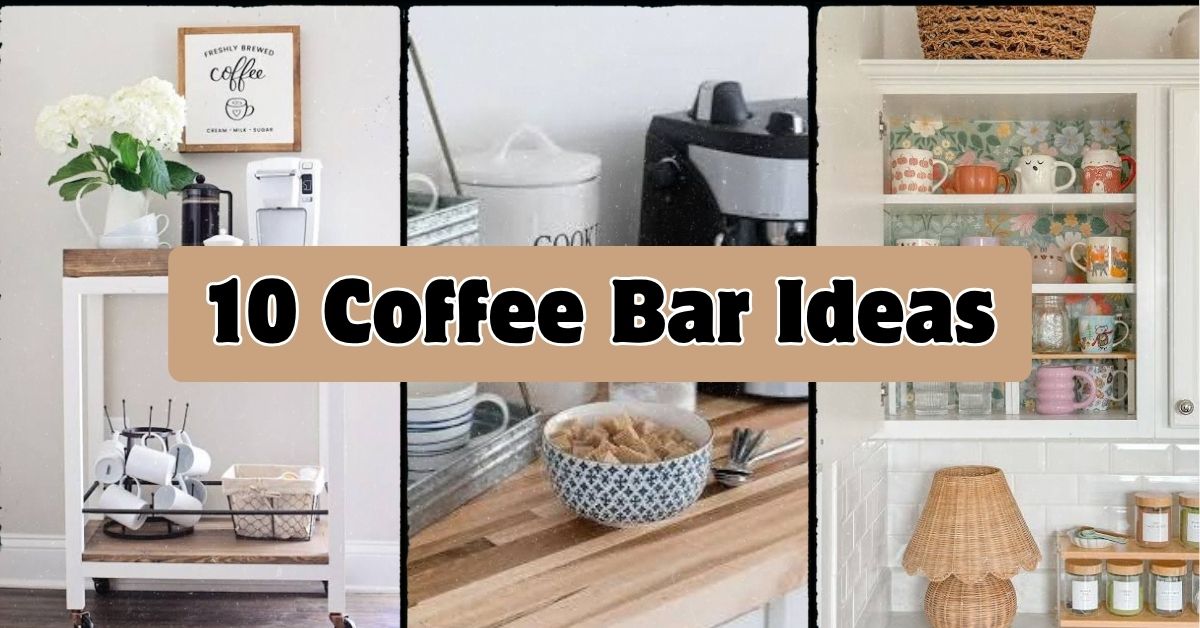
  • 10 Coffee Bar Ideas That’ll Make Your Kitchen the Best Room in the House

    10 Coffee Bar Ideas That’ll Make Your Kitchen the Best Room in the House

    I’ve tested a bunch of setups in my own kitchen, and these 10 coffee bar ideas are the ones that actually work in real homes, not just in magazine photos. If you’re tired of hunting for the coffee scoop or shoving your favorite mug collection into a random cabinet, you’re in the right place. I’m going to walk you through what’s worked for me and for a bunch of friends who’ve asked me to help them plan their own setups.

    A coffee bar is a designated spot in your home, usually in the kitchen or a nearby nook, where you store and prepare coffee and tea supplies. It typically includes a coffee maker, mugs, storage for beans or pods, and often small decor touches like trays or canisters.

    Stick around, because I’m sharing not just the ideas but real tips on materials, budgets, and mistakes I’ve made so you don’t have to repeat them.

    What Exactly Is a Coffee Bar, Anyway?

    Okay, so before we get into the fun stuff, let’s talk basics. A coffee bar is just a spot in your home that’s set up for making your morning cup (or your afternoon pick-me-up, no judgment). Think of it like a mini coffee shop counter, but in your own kitchen or dining area.

    Some people go big with built-in cabinets and fancy espresso machines. Others just use a small tray on the counter. Both count. The whole point is having everything you need in one place so you’re not digging through three different cabinets before 7 a.m. It’s about convenience, sure, but it’s also about making your space feel a little more intentional and cozy.

    1. Turn a Bar Cart Into a Mobile Coffee Station

    5 ideas for cool coffee bar carts for your home, whatever your style
    Credit; Cool Mom Picks

    Bar carts aren’t just for cocktails anymore. I grabbed a simple gold-framed cart from a thrift store and turned it into my coffee setup. The bottom shelf holds bags of beans and syrups. The top holds my coffee maker and mugs.

    The beauty of a cart is that it moves. Got guests coming over? Roll it into the living room. Redecorating the kitchen? Push it to a corner while you paint.

    Practical tip: Stick a small tray on top to catch spills and keep things looking neat.

    This idea works great in modern homes with sleek metal carts, or in farmhouse kitchens with a wood and iron combo. Next up, let’s talk about something even simpler: the humble tray setup.

    2. Keep It Simple With a Coffee Tray on the Counter

    Must-See Coffee Bar Ideas | HGTV
    Credit: HGTV

    Sometimes less really is more. A single tray on your counter can hold your coffee maker, a small jar of sugar, and two mugs. That’s it. No big commitment, no construction.

    I like using a wood tray because it adds warmth without trying too hard. You just fill it, and boom, instant coffee station.

    Practical tip: Choose a tray with raised edges so nothing slides off when you’re moving it to wipe the counter.

    This works in tiny apartments just as well as huge kitchens. Coastal homes look great with a light rattan tray, while modern spaces might prefer matte black metal. Now that we’ve covered small setups, let’s go bigger with cabinet space.

    3. Dedicate a Cabinet Just for Coffee Supplies

    Coffee Bar Ideas: How To Create The Perfect Coffee Station
    Credit: House Beutiful

    If you’ve got extra cabinet space, this one’s a no brainer. Pick one cabinet near your coffee maker and fill it with only coffee and tea stuff. Mugs on one shelf, beans and filters on another, syrups in a little bin below.

    This keeps everything grouped so you’re not searching three cabinets for a spoon. I did this in my last apartment and it honestly changed my mornings.

    Practical tip: Add a lazy Susan to your cabinet if it’s deep, so nothing gets lost in the back.

    This idea works no matter your home style since it’s hidden inside a cabinet. Traditional homes might add glass-front doors, while modern kitchens keep it sleek and closed. Now let’s move on to open shelving, which is basically the opposite approach.

    4. Show Off Your Mugs With Open Shelving

    25 Clever Ways to Display Coffee Mugs ·
    Credit: Cozy Little House

    Open shelves let your coffee supplies double as decor. Line up your favorite mugs, stack a few bags of coffee, and add a small plant for color. It’s functional and pretty.

    I switched to open shelves last year and honestly, having my mugs visible makes me actually use them instead of forgetting they exist.

    Practical tip: Group mugs by color or size so the shelf looks curated instead of cluttered.

    Farmhouse kitchens love this with wood shelves and mason jars. Modern spaces can use floating black shelves for a cleaner look. Speaking of storage, let’s talk canisters next.

    Storage Container Comparison

    Container TypeBest ForPrice RangeStyle Match
    Glass canistersBeans, sugar$10-$25 eachModern, minimalist
    Ceramic jarsTea bags, pods$15-$35 eachFarmhouse, traditional
    Metal tinsCoffee grounds$8-$20 eachIndustrial, rustic
    Woven basketsSyrups, snacks$12-$30 eachCoastal, boho

    5. Use Glass Canisters for Easy Bean Storage

    Tea and Coffee Bar Ideas: How to Set Up a Tea Station - Caitlin Marie Design
    Credit: caitlinmariedesign

    Glass canisters aren’t just pretty. They keep your coffee beans fresh longer than a bag with a clip. Plus you can see when you’re running low, so you never run out at the worst time.

    I keep three canisters lined up: one for regular beans, one for decaf, and one for sugar. Simple system, works every time.

    Practical tip: Choose canisters with airtight rubber seals, not just a snap lid, to keep beans fresher longer.

    This idea fits nearly any style since glass is neutral. Add gold lids for a glam touch or wood lids for something more natural. Now, let’s chat about lighting, because it makes a bigger difference than you’d think.

    6. Add a Small Pendant Light Above Your Coffee Station

    Lighting Ideas for Home Bars and Beverage Stations – Quoizel
    Credit:quoizel

    Lighting sets the mood, even in a coffee corner. A small pendant light above your station makes it feel like an actual designated space instead of just a countertop with stuff on it.

    I added a rattan pendant above mine and it instantly felt more finished, like it belonged there on purpose.

    Practical tip: Choose a warm bulb (around 2700K) so your coffee spot feels cozy, not clinical.

    Coastal and boho homes love woven pendant shades. Modern kitchens might go with a simple black metal dome instead. Once your lighting’s sorted, let’s figure out your color scheme.

    Popular Coffee Bar Color Palettes

    Palette NameMain ColorsBest Paired WithStyle Vibe
    Warm NeutralCream, tan, brownWood accents, brassFarmhouse
    Coastal FreshWhite, light blue, rattanWoven basketsCoastal
    Moody ModernBlack, charcoal, goldMarble, metalContemporary
    Earthy BohoTerracotta, olive, creamCeramic, plantsBoho

    7. Pick a Color Scheme That Matches Your Kitchen

    9 Kitchen Coffee Bar Ideas - Jenna Kate at Home
    Credit: jennakateathome

    Your coffee bar shouldn’t look like it was dropped in from a different house. If your kitchen has warm wood tones, stick with cream and tan accents. If it’s all black and white, keep your coffee station in that same family.

    I made the mistake once of adding bright teal canisters to my neutral kitchen. It stuck out like a sore thumb. Lesson learned.

    Practical tip: Pull one accent color from your existing kitchen decor and repeat it in your coffee station accessories.

    Traditional homes usually lean warm and neutral, while modern spaces often go bold with black and gold. Once your colors are set, think about adding some greenery.

    8. Bring in a Small Plant for Freshness

    Summer Coffee Bar Ideas | A Blissful Nest
    Credit: A blissful Nest

    A little plant next to your coffee maker adds life to the space. It doesn’t need much: a small pothos or succulent works fine and barely needs any care.

    I keep a tiny snake plant on my coffee shelf because it survives even when I forget to water it for two weeks (don’t judge me).

    Practical tip: Choose a plant that tolerates low light if your coffee station isn’t near a window.

    Boho kitchens can go bigger with trailing plants, while modern spaces might prefer one simple, structured plant like a snake plant. Next, let’s talk about something practical: cord management.

    9. Hide Your Cords With a Cord Organizer Box

    Wall Box to Hide Cords - Etsy
    Credit: Etsy

    Nothing ruins a pretty coffee bar faster than a tangle of cords hanging down the counter. A small cord organizer box tucks everything away and keeps things looking clean.

    I picked up a cheap wood box with a cutout in the back for cords, and it made my whole setup look ten times more put together.

    Practical tip: Measure your coffee maker’s cord length before buying a box so it actually fits behind your counter.

    This works in every style since it’s usually hidden anyway. Just match the box material to your other decor, wood for farmhouse, white for modern. Now let’s talk chalkboards, because they’re a classic coffee bar touch.

    10. Add a Small Chalkboard Sign for Personality

    15 Bar Chalkboard Ideas to Elevate Your Setup
    Credit: Sipthestyle

    A little chalkboard sign that says “Coffee Bar” or lists your drink options adds a fun, personal touch. You can change the message anytime, which keeps things feeling fresh.

    I wrote a silly pun on mine (“Espresso Yourself”) and it’s become a weird conversation starter every time someone visits.

    Practical tip: Use a chalk marker instead of regular chalk for cleaner lines that don’t smudge as easily.

    Farmhouse and traditional kitchens love this touch, while modern homes might swap chalkboard for a simple printed sign instead. Let’s look at one more storage option before wrapping up the main ideas.

    11. Install a Pull-Out Drawer for Pods and Filters

    Our Best Coffee Bar Ideas for Your Kitchen Renovation
    Credit: morrislare

    If you use coffee pods or paper filters, a pull-out drawer keeps them organized and out of sight. No more digging through a box that’s tipped over in the back of a cabinet.

    I added a small drawer organizer with dividers, one section for regular pods, one for decaf, one for filters. It’s a tiny change that saves so much frustration.

    Practical tip: Measure your pods before buying an organizer insert, since sizes vary between coffee brands.

    This idea is invisible once installed, so it works with literally any kitchen style. Traditional or modern, nobody sees the drawer, they just see how smooth your coffee routine is. Last but not least, let’s talk about a fun addition: a syrup and topping station.

    12. Set Up a Mini Syrup and Topping Station

    18 Timeless Home Coffee Bar Ideas That Will Never Go Out of Style
    Credit: TheCoolist

    If you like fancy coffee drinks, a small tray with syrups, whipped cream, and cinnamon takes your setup to the next level. It’s basically a mini coffee shop right on your counter.

    I added a small caddy with vanilla and caramel syrup, plus a jar of cinnamon, and now my kids think I work at a cafe.

    Practical tip: Use small pump-top bottles for syrups so you can control portions without a sticky mess.

    Coastal and boho kitchens might add colorful bottles for a fun look, while modern kitchens keep it minimal with just two or three neutral bottles. And with that, you’ve got a full lineup of ideas to mix and match for your own space.

    Tips for Success

    • Measure your space before buying furniture like carts or shelves so everything fits without crowding your counter.
    • Stick to two or three main colors so your coffee station doesn’t clash with the rest of your kitchen.
    • Buy airtight containers for beans and grounds, since exposure to air makes coffee go stale faster.
    • Keep frequently used items (mugs, spoons, filters) within arm’s reach of your coffee maker.
    • Clean your coffee maker and station weekly to avoid buildup and keep things looking fresh.
    • Add one personal touch, like a sign or a quirky mug, so the space feels like yours and not a showroom.
    • Start small. You don’t need to build a full station on day one. Add pieces slowly as you figure out what you actually use.

    Common Mistakes and How to Avoid Them

    Overcrowding the counter
    : Pick only the essentials for daily use and store extras in a cabinet or drawer nearby.

    Ignoring your kitchen’s existing style
    : Match your coffee bar’s colors and materials to what’s already in your kitchen so it feels built-in, not bolted on.

    Skipping cord management
    : Use a cord box or clips to keep cables tucked away and out of sight.

    Buying containers before measuring ingredients
    : Check how much coffee, tea, or pods you actually use before purchasing storage so you don’t end up with too much or too little space.

    Placing the station too far from an outlet
    : Always plan your coffee bar near an accessible outlet to avoid extension cords running across your kitchen.

    Forgetting about lighting
    : Add a small lamp or pendant if your coffee corner sits in a dim part of the kitchen.

    Similar Variations

    • Tea Bar Setup: Same concept, but focused on loose leaf tea, kettles, and teacups instead of coffee gear.
    • Breakfast Bar Station: Expands the idea to include cereal, toast supplies, and quick breakfast items alongside coffee.
    • Bar Cart Cocktail Station: Uses the same cart idea but swaps coffee for liquor, mixers, and cocktail glasses.
    • Kids’ Snack Station: A similar setup near the kitchen, but stocked with kid-friendly snacks and drinks for easy access.
    • Outdoor Coffee Nook: Brings the coffee bar concept to a patio or balcony for morning coffee outside.
    • Wine and Coffee Combo Bar: Combines both coffee supplies and a small wine rack for an all-in-one beverage station.

    Setting up a coffee station doesn’t have to be complicated or expensive. Start with what you already have, add one or two new pieces, and build from there as you figure out what actually makes your mornings easier. Whether you go big with a full cabinet makeover or keep it simple with a tray on the counter, these 10 coffee bar ideas give you plenty of ways to create a space that feels both useful and personal.
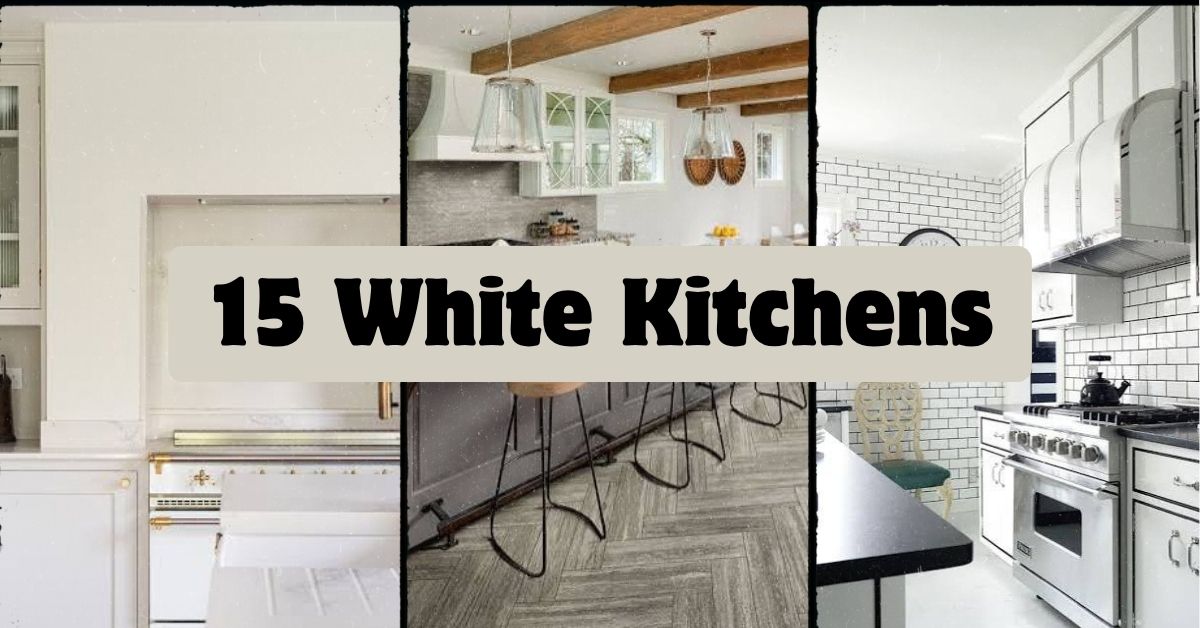
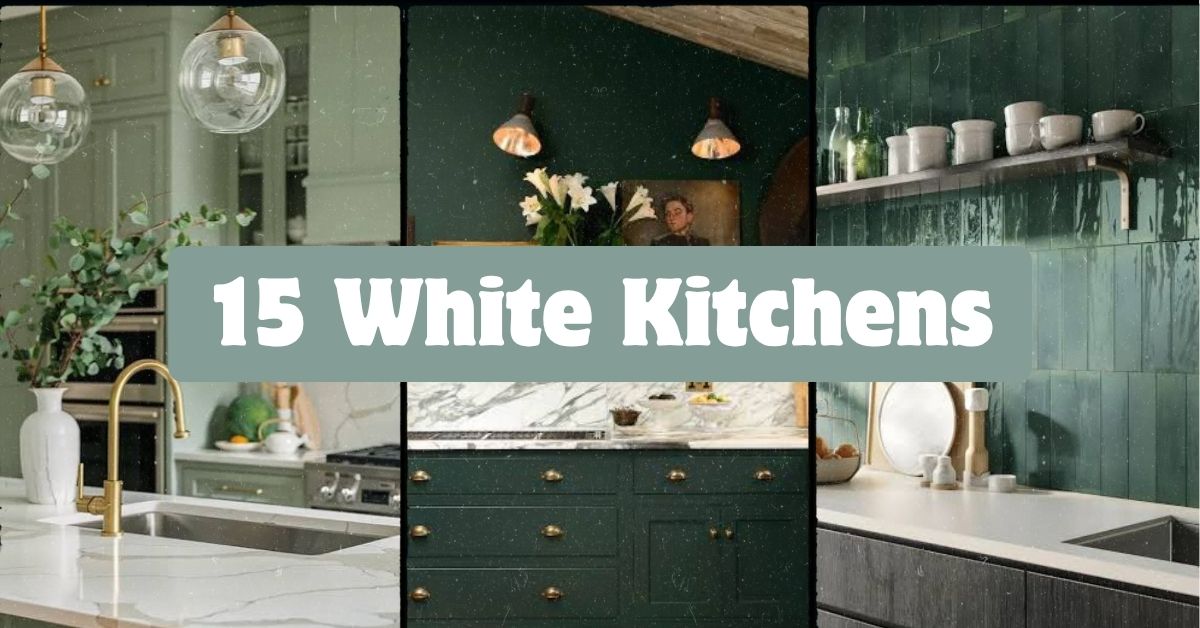
  • 15 White Kitchens That Prove Clean and Classic Never Goes Out of Style

    15 White Kitchens That Prove Clean and Classic Never Goes Out of Style

    I’ve spent way too many hours scrolling through kitchen photos, and if you’re here looking at 15 white kitchens, I’ve got you covered with the most useful roundup you’ll find on this topic. I dug through design trends, talked to folks who’ve actually renovated their spaces, and pulled together ideas that go way beyond “just paint it white.” This isn’t fluff. It’s real, usable stuff.

    A white kitchen is a kitchen where cabinets, walls, or both are painted in white or near-white shades, often paired with light countertops and neutral flooring. This design choice reflects more light, makes small spaces feel bigger, and creates a timeless look that doesn’t date quickly.

    Stick around because I’m about to show you 15 different ways to make white kitchens feel personal, warm, and anything but boring.

    What Makes a White Kitchen Actually Work

    Here’s the thing about white kitchens. People think “white” means one shade, one mood, one boring look. That’s just not true. White kitchens can feel cozy, modern, farmhouse, or even moody depending on what you pair with them. The trick is layering in texture, warmth, and little pops of personality so the space doesn’t feel like a hospital room. I’ve seen white kitchens that feel cold and sterile, and I’ve seen ones that feel like a warm hug. The difference is always in the details, not the paint color itself.

    1. Warm White Cabinets With Brass Hardware

    What color hardware goes with white kitchen cabinets? | Livingetc
    Credit: Living etc

    Skip the stark, cool white and go for a warmer shade like cream or ivory. This softens the whole room and feels more inviting. Add brass or gold hardware to the cabinet doors and drawers for a little shine that catches the eye.

    Practical tip: Test paint samples on your actual cabinets at different times of day. Lighting changes everything.

    This combo works great in traditional or transitional homes, but it also plays nice in modern farmhouse kitchens.

    Warm whites paired with brass give off a collected-over-time feel, like the kitchen has history even if it’s brand new. That warmth carries into the next idea, where wood makes an even bigger entrance.

    2. Butcher Block Countertops for Natural Warmth

    The Pros and Cons of Butcher-Block Countertops | Architectural Digest
    Credit: architecturaldigest

    White cabinets paired with butcher block counters create instant contrast. The wood grain adds texture and warmth that plain white can lack on its own. It’s also budget friendly compared to marble or quartz.

    Practical tip: Seal butcher block counters every six months to protect against water damage near sinks.

    This look fits coastal, farmhouse, and Scandinavian style kitchens especially well.

    Wood counters bring in an earthy element that balances out all that bright white. Next, let’s talk about what’s happening on your floor, because that matters just as much.

    3. Herringbone Tile Flooring in Soft Gray

    Gray Herringbone Ceramic Tile Kitchen Floor | Why Tile
    Credit: WHy Tile

    A herringbone pattern in light gray or greige tile adds movement to the floor without competing with white cabinets. The pattern itself becomes the star, giving your eyes something interesting to land on.

    Practical tip: Choose matte finish tile over glossy to hide scuffs and reduce slipping risk.

    This flooring choice adapts beautifully to modern, transitional, and even industrial kitchen styles.

    Floors set the tone for the whole room, and this pattern keeps things classic. Now let’s move up to the walls and talk backsplash options.

    4. Subway Tile Backsplash With Dark Grout

    33 Subway Tile Backsplashes - Stylish Subway-Tile Ideas for Kitchens
    Credit: Elle Decor

    White subway tile is a classic choice, but swapping in dark charcoal or black grout changes everything. It creates a grid pattern that adds structure and a slightly edgier feel to an otherwise soft space.

    Practical tip: Use grout that’s stain resistant, especially near the stove where splatters happen often.

    This works in modern, industrial, and even some traditional kitchen designs.

    That dark grout detail proves small choices make a big visual impact. Speaking of impact, let’s talk about how open shelving can change the whole vibe of your kitchen.

    5. Open Shelving With Neutral Dishware

    Kitchen shelving ideas: 14 ways to boost storage and display space | Homes and Gardens
    Credit: Homes And gardens

    Swap a few upper cabinets for open wood shelves. Style them with white or cream dishware, a stack of cookbooks, and maybe a small plant. This breaks up the wall of cabinets and adds a lived-in feel.

    Practical tip: Keep shelves at least 15 inches apart for easy access to stacked plates and bowls.

    Open shelving fits coastal, farmhouse, and boho kitchen styles particularly well.

    Shelving like this shows off your stuff instead of hiding it. Speaking of showing things off, let’s chat about statement lighting next.

    6. Statement Pendant Lights Over the Island

    15 Pendant Lights to Showcase Your Kitchen Island | Houzz NZ
    Credit; Houzz

    Hang two or three pendant lights over your kitchen island in a bold shape or dark finish. Against white cabinets, they become the focal point of the whole room without needing bright colors.

    Practical tip: Hang pendants 30 to 36 inches above the island surface for the best balance of light and visibility.

    Bold pendants work in modern, industrial, and contemporary kitchen styles.

    Lighting draws the eye up and adds drama fast. Now let’s ground things back down with a look at natural stone counters.

    7. Honed Marble Countertops for Soft Elegance

    What Is The Best Marble For Kitchen Countertops?
    Credit: Edward martin

    Marble with a honed, matte finish (instead of polished and shiny) feels calm and understated against white cabinets. It’s a classic pairing that never really goes out of style.

    Practical tip: Seal honed marble yearly since the matte surface is more porous than polished stone.

    This countertop choice fits traditional, transitional, and modern farmhouse kitchens beautifully.

    Marble brings a timeless quality that photographs well and ages gracefully. Let’s look at how a colorful island can break up all that white without losing the clean feel.

    8. Painted Island in a Contrasting Color

    4 Stylish New Kitchens With a Contrasting Island Color
    Credit: Houzz

    Keep your perimeter cabinets white, but paint the island in navy, forest green, or even black. This creates a focal point and adds depth without overwhelming the space.

    Practical tip: Pick an island color that matches at least one other element in the room, like your light fixtures or bar stools.

    This two-tone approach works in nearly every style, from coastal to modern farmhouse to transitional.

    A contrasting island proves white kitchens don’t have to be all-white to work. Let’s talk about textiles next, because soft touches matter too.

    Kitchen Style Comparison Table

    StyleCabinet ToneBest CountertopCommon Hardware
    FarmhouseWarm whiteButcher blockBlack iron
    CoastalCool whiteHoned marbleBrushed nickel
    ModernPure whiteQuartzMatte black
    TraditionalCream/ivoryPolished marbleBrass or gold
    ScandinavianOff-whiteLight woodSimple pewter

    9. Woven Bar Stools for Texture

    Woven Bar Stools
    Credit: Pinterest

    Add texture with rattan or woven bar stools at your island. These soft, natural materials keep the space from feeling too sterile or cold. They also add a relaxed, collected feel.

    Practical tip: Choose stools with a back for comfort if people will sit there longer than a quick snack.

    Woven stools shine in coastal, boho, and farmhouse kitchens especially.

    Texture through furniture is such an easy fix for a flat looking room. Now let’s talk about how a colorful rug can do similar work on your floor.

    10. A Patterned Runner Rug on the Floor

    Cozyrunnerpatterns Runner Rug Thick Plush Floral Shaped Carpet Soft Cozy Floor Mat For Living Room Bedroom
    Credit: lesaviateurs

    Lay down a colorful or patterned runner rug in the main walkway. It adds warmth underfoot and brings in pattern without painting a single wall. Pick a rug that has some blue, green, or terracotta tones for contrast against the white.

    Practical tip: Choose a low pile rug for kitchens so it’s easy to clean and won’t trap crumbs.

    This idea adapts to almost every style, from traditional to bohemian to modern.

    A rug is one of the cheapest ways to change a room’s whole feel. Next, let’s look at how greenery brings life into these bright spaces.

    11. Fresh Greenery on Open Surfaces

    How To Decorate With Flowers And Greens In Every Room Of Your Home - StoneGable
    Credit: Stonegable

    Add a few potted herbs on the windowsill or a small tree in the corner. Living plants bring color and life into a white kitchen in a way nothing else can. They also make the space feel fresher and less staged.

    Practical tip: Choose low maintenance plants like pothos or snake plants if you don’t have a green thumb.

    Greenery works in literally every kitchen style without exception.

    Plants are proof that nature and clean design go hand in hand. Now, let’s talk about how mixing metals can add subtle interest.

    12. Mixed Metal Finishes Throughout

    How to Mix Metals in Your Home Decor: 6 Tips to Follow
    Credit: The Spruce

    Don’t feel like you need to match every faucet, light, and cabinet pull. Mixing brushed gold faucets with matte black hardware, for example, adds depth and keeps things from feeling too matchy.

    Practical tip: Pick one dominant metal finish and one accent finish, then stick to just those two throughout the room.

    This approach fits modern, transitional, and eclectic kitchen styles well.

    Mixed metals give a room that “put together over time” feeling. Let’s shift gears now and talk about window treatments.

    13. Simple Café Curtains on Windows

    Cafe curtains are the affordable way to add a French touch to every space | House & Garden
    Credit: House And Garden

    Skip heavy drapes and go with short café curtains instead. A light linen or cotton fabric in white or a soft pattern keeps things airy while adding just a touch of softness to hard surfaces.

    Practical tip: Choose washable fabric since kitchen windows deal with steam and grease over time.

    Café curtains fit cottage, farmhouse, and coastal kitchen styles especially well.

    Curtains are such a small detail, but they finish off a room nicely. Now let’s talk about flooring one more time, but from a budget angle.

    Budget Tiers for White Kitchen Flooring

    Budget LevelMaterialCost per Sq FtDurability
    LowVinyl plank$2 to $510 to 20 years
    MidCeramic tile$5 to $1020+ years
    HighNatural stone$10 to $20Lifetime with care
    HighHardwood$8 to $1525+ years with refinishing

    14. Glass Front Cabinets for Depth

    Glass-Front Kitchen Cabinets Are Back in Style
    Credit: Better Homes And gardens

    Swap a few solid cabinet doors for glass front ones. This adds visual depth and gives you a spot to display pretty dishes or glassware. It breaks up a wall of solid white doors nicely.

    Practical tip: Add small interior lights inside glass cabinets to make displayed items pop at night.

    Glass front cabinets fit traditional, coastal, and cottage style kitchens really well.

    Glass doors add a little sparkle without much effort. Finally, let’s wrap up with one of my favorite easy upgrades.

    15. A Bold Faucet as the Finishing Touch

    Kitchen Sink Taps That Will Enhance Your Kitchen Experience
    Credit: Livespace

    A matte black, brass, or even colored faucet can act like jewelry for your kitchen. It’s a small detail that draws the eye and adds personality against all that white.

    Practical tip: Match your faucet finish to your cabinet hardware for a cohesive look.

    This works across literally every style since faucets come in so many finishes now.

    That faucet might be the last thing you add, but it often gets the most compliments.

    Tips for Success

    • Test paint samples in your actual kitchen lighting before committing to a full repaint
    • Balance warm and cool tones so the room doesn’t feel flat or clinical
    • Add at least three different textures (wood, metal, woven, stone) to avoid a boring look
    • Keep countertop and backsplash choices simple if your cabinets are already a strong feature
    • Use lighting layers, meaning overhead, under cabinet, and pendant lights together
    • Don’t skip hardware. It’s a small detail that changes the whole feel of the room
    • Bring in greenery or fresh flowers regularly to keep the space feeling alive

    Common Mistakes and How to Avoid Them

    Choosing one flat white everywhere
    : Mix warm and cool whites through cabinets, walls, and trim so the room has depth instead of looking like one blank canvas.

    Skipping texture entirely
    : Add wood, stone, or woven elements so the kitchen doesn’t feel sterile or like a showroom nobody actually lives in.

    Matching every metal finish perfectly
    : Mix two metal tones, like brass and black, for a collected look instead of a matched furniture set feel.

    Ignoring natural light sources
    : Test paint colors at different times of day since white shifts dramatically under warm bulbs versus daylight.

    Overcrowding counters with appliances
    : Store small appliances in cabinets when not in use so the white counters can actually shine and feel spacious.

    Forgetting about grout color
    : Choose grout that either blends for a seamless look or contrasts on purpose, never something that looks like an accident.

    Similar Variations

    • Modern Farmhouse White Kitchen – Mixes white shaker cabinets with black hardware and wood beams for a rustic but clean feel
    • Coastal White Kitchen – Uses white cabinets with blue accents, natural rope or rattan textures, and light wood floors
    • Scandinavian White Kitchen – Focuses on minimal clutter, light wood tones, and simple hardware for a calm, airy feel
    • Traditional White Kitchen – Pairs white raised panel cabinets with ornate hardware and polished marble counters
    • Industrial White Kitchen – Combines white cabinets with exposed brick, black steel accents, and concrete floors
    • Cottage White Kitchen – Uses white beadboard cabinets, glass front doors, and floral or gingham fabric accents

    White kitchens work because they’re flexible. You can go warm and cozy, sleek and modern, or somewhere in between, and it all still looks put together. The key is layering in texture, mixing a few metals, and adding personal touches so the space feels like yours instead of a showroom display. I hope these 15 white kitchens gave you plenty of ideas to steal for your own home.

  • 15 Green Kitchens That Prove This Color Is the Best Kitchen Choice You’ll Make

    15 Green Kitchens That Prove This Color Is the Best Kitchen Choice You’ll Make

    I’ve spent hours digging through kitchen designs, and I’m about to show you 15 green kitchens that will change how you think about kitchen color forever. Trust me, by the time you finish reading this, you’ll have a clear picture of exactly why this color works so well in kitchens and how to pull it off in your own space.

    Green kitchens use shades of green, from sage to emerald to olive, as the main color for cabinets, walls, or islands. This color choice brings a fresh, calming feel to one of the busiest rooms in your home while pairing easily with wood, brass, and white accents.

    Stick around because I’m about to walk you through 15 different ways to bring green into your kitchen, plus some tips that most articles won’t tell you.

    Why Green Kitchens Are Having a Moment

    Okay, so here’s the thing about green kitchens. They just feel good. I don’t know if it’s because green reminds us of plants and nature, or because it’s such a flexible color, but green kitchens have this calm, welcoming vibe that white or gray kitchens just can’t match.

    Green also plays nice with almost every other color. Want a warm kitchen? Pair green with wood tones. Want something crisp and clean? Add white counters. Want drama? Go dark green with brass hardware. That’s the beauty of this color. It bends to fit your style instead of forcing you into one look.

    Let’s get into the actual ideas now.

    1. Sage Green Cabinets With White Countertops

    The Ultimate Guide to Rustic Sage Green Kitchen Cabinets | George Cabinetry
    Credit: George cabinetry

    Sage green is the gentle giant of kitchen colors. It’s soft, it’s muted, and it doesn’t scream for attention. When you pair sage cabinets with white countertops, you get this clean, airy feel that still has personality.

    This combo works because sage isn’t too saturated. It reads almost like a warm gray from far away, so it won’t clash with your existing floors or backsplash.

    Tip: Stick with matte cabinet finishes for sage green. Glossy finishes can make the color look plasticky instead of natural.

    This style adapts beautifully to farmhouse kitchens, modern minimalist spaces, and even traditional homes with raised panel cabinets.

    Next up, let’s talk about a darker, moodier take on green.

    2. Deep Forest Green Island as a Statement Piece

    Stylish Dark Green Kitchen Island Ideas for Every Style
    Credit: Awedeco

    Sometimes you don’t want to commit to a full green kitchen. That’s where a forest green island comes in handy. Keep your perimeter cabinets white or light wood, then make your island the star with a deep, rich green.

    This creates contrast without overwhelming the space. It also gives your eyes a place to land when you walk into the room.

    Actionable tip: Add brass or gold hardware to your green island. The warm metal tones make the green pop even more.

    This idea works great in modern kitchens, transitional spaces, and even coastal kitchens if you pick a green with blue undertones.

    Now let’s move into something a little brighter and bolder.

    3. Emerald Green Backsplash Tile

    The Emerald Green Revolution: Uplift Your Space | tiletoria
    Credit: Tiletoria

    If cabinets feel like too big a commitment, try a backsplash instead. Emerald green tile, especially in a subway or fish scale pattern, adds instant personality without taking over the whole room.

    This works because tile is easier to change later than cabinets. You get all the punch of a bold color with less long-term risk.

    Tip: Pair emerald tile with white or cream cabinets so the backsplash really stands out as the focal point.

    This idea fits modern kitchens perfectly, but also works in art deco or glam-inspired spaces.

    Speaking of backsplashes, let’s talk about a softer green option for walls.

    4. Olive Green Walls With Wood Cabinets

    28 Dark Green Kitchens For a Moody, Earth-Toned Space
    Credit: The Spruce

    Olive green has this earthy, grounded feel that pairs beautifully with natural wood cabinets. Think warm oak or walnut tones against a muted olive wall. It’s the kind of combo that makes a kitchen feel like it belongs in a cozy cabin, even if you live in the city.

    This pairing works so well because both olive green and wood share warm undertones. Nothing fights for attention.

    Tip: Use a flat or eggshell paint finish on olive walls to keep that soft, natural look.

    This style is a natural fit for farmhouse, rustic, and Japandi kitchens.

    Quick Green Shade Comparison Table

    Green ShadeBest Paired WithMood It CreatesBest Kitchen Style
    SageWhite, light oakCalm, airyFarmhouse, modern
    Forest GreenBrass, white marbleRich, cozyTraditional, transitional
    EmeraldCream, white, goldBold, luxeGlam, art deco
    OliveWalnut, black ironEarthy, groundedRustic, Japandi
    MintWhite, pastel pinkPlayful, freshRetro, cottage

    Now that you’ve got a feel for the shades, let’s look at how to use green in smaller doses.

    5. Mint Green Retro-Style Kitchen

    Mint Green Home Decor - Mint Green Decorating Ideas
    Credit: country Living Magazine

    Mint green brings back that fun, retro diner feeling. It’s lighter and brighter than sage or olive, and it pairs really well with black and white checkered floors or chrome fixtures.

    This shade works because it’s playful without being childish. It’s the kind of color that makes a kitchen feel happy.

    Tip: Balance mint green cabinets with white walls so the color doesn’t feel overwhelming in a small space.

    This idea is perfect for retro kitchens, but it also works surprisingly well in coastal or cottage-style homes.

    Let’s shift gears and talk about a two-tone approach next.

    6. Two-Tone Green and White Cabinetry

    24 Of The Most Popular Two Tone Kitchen Cabinets Ideas | George Cabinetry
    Credit: George Cabinetry

    Two-tone kitchens are everywhere right now, and green and white might be the best combo out there. Try green on the lower cabinets and white on the uppers. This keeps the kitchen feeling bright while still giving you that green color you love.

    This works because it lightens up the visual weight of a fully green kitchen, which can feel heavy in smaller rooms.

    Tip: Keep your countertops white or light gray to tie the two cabinet colors together.

    This idea fits modern, transitional, and coastal kitchens especially well.

    Now let’s talk about how green pairs with natural materials.

    7. Green Cabinets With Butcher Block Counters

    Green Kitchen Cabinets with Wood Countertops by Grothouse, Inc.
    Credit: Grothouse Plumber

    There’s something about green cabinets and butcher block counters that just feels right. Maybe it’s the way the warm wood softens the cool tone of green. Either way, this combo creates a kitchen that feels lived-in and welcoming.

    Tip: Seal your butcher block counters every six months to keep them looking fresh and to protect against water damage.

    This pairing works great in farmhouse kitchens, cottage kitchens, and even industrial spaces if you add black metal accents.

    Let’s move on to a bolder statement now with dark green walls.

    8. Dark Green Walls With Gold Accents

    Pair Dark Green With Gold for a Sumptuous, Satisfying Look
    Credit: Houzz

    If you want your kitchen to feel like a jewel box, dark green walls with gold accents is the way to go. Think hunter green or bottle green paired with gold faucets, gold light fixtures, and maybe even gold cabinet pulls.

    This combo works because gold has warmth that balances out the coolness of dark green. It’s a classic pairing that never really goes out of style.

    Tip: Use dark green on just one wall if you’re nervous about committing to the whole room.

    This style shines in glam kitchens, traditional kitchens, and modern kitchens with a moody twist.

    Now, let’s talk about something a little different: green kitchen islands with contrasting counters.

    9. Green Island With Marble Countertops

    ICE STONE News | China Stone Manufacturers & Factory Updates
    Credit: Ice stone news

    Marble and green cabinets are basically a match made in heaven. The natural veining in marble, especially white marble with gray or gold veins, plays off the solid color of green cabinets beautifully.

    This works because marble adds movement and texture, which keeps a solid green island from feeling flat or boring.

    Tip: Choose a honed marble finish instead of polished if you want a softer, more matte look that hides fingerprints better.

    This idea is perfect for traditional kitchens but also works in modern farmhouse and transitional spaces.

    Budget Tiers for Going Green in Your Kitchen

    Budget LevelWhat You Can DoEstimated Cost Range
    LowPaint existing cabinets green$200 to $500
    MediumNew green backsplash tile$800 to $2,000
    Medium-HighGreen island with new counters$2,500 to $6,000
    HighFull custom green cabinetry$8,000 to $20,000+

    Now let’s talk about a lighter approach using green accents instead of full cabinets.

    10. Green Accent Wall Behind Open Shelving

    33 Cool Green Accent Walls For Your Home - Shelterness
    Credit: Shelterness

    If you’re not ready to paint your cabinets, try a green accent wall behind open shelving instead. This gives you the pop of color without touching your existing cabinetry. Style your shelves with white dishes, wood cutting boards, and a few plants to really tie the green theme together.

    Tip: Choose a slightly darker green for the wall so your white dishes stand out clearly against it.

    This works in almost any style, but it’s especially popular in Scandinavian and modern farmhouse kitchens.

    Next, let’s look at a bold choice: green appliances.

    11. Retro Green Appliances as the Focal Point

    Vintage-Inspired and Retro Kitchen Appliances | HGTV
    Credit: HGTV

    Some brands now make refrigerators and stoves in green finishes, and they can totally transform a kitchen. Pair a green fridge with white or wood cabinets for a fun, unexpected pop of color.

    This works because appliances are big, visible surfaces. A green fridge basically acts like a piece of art in your kitchen.

    Tip: If you’re going with a green appliance, keep your cabinets neutral so the appliance doesn’t compete with the cabinet color.

    This idea fits retro, cottage, and eclectic kitchen styles really well.

    Let’s talk next about how green works with black accents for a modern, high-contrast look.

    12. Green Cabinets With Black Hardware and Fixtures

    12 Green Kitchen Cabinet Ideas | Fabuwood Cabinetry
    Credit: Fabuwood

    Black hardware against green cabinets creates a crisp, modern contrast. It’s a departure from the softer gold and brass pairings, giving the kitchen a more contemporary, edgy feel.

    This combo works because black adds sharp definition to the softness of green, making the whole kitchen feel more intentional and designed.

    Tip: Use matte black fixtures instead of shiny black to keep the look modern rather than industrial.

    This style fits modern, industrial, and even Scandinavian kitchens depending on how minimal you keep the rest of the space.

    Now, let’s cover a design trick using green on just the kitchen island trim.

    13. Green Trim Details on White Cabinetry

    The New Look for Painted Trim? Anything But White | Apartment Therapy
    Credit: Apartment Therapy

    If a full green kitchen feels like too much, try adding green trim or molding details on white cabinets instead. This could be a green-painted cabinet frame with white panel inserts, or green trim around open shelving.

    This works because it’s subtle. You get the benefit of the color without a big commitment.

    Tip: Use painter’s tape and a steady hand, or hire a pro, to keep those trim lines crisp and clean.

    This idea works in traditional, cottage, and coastal kitchens especially well.

    Let’s wrap up the main ideas with a fun one: green tile flooring.

    14. Green Patterned Tile Flooring

    Westminster White & Green Patterned Tiles | Walls and Floors
    Credit: Walls and floors

    Who says green has to stay on the walls or cabinets? Green patterned tile flooring, especially in Moroccan-inspired designs, can be the unexpected star of your kitchen. Keep your cabinets neutral and let the floor do the talking.

    This works because floor patterns draw the eye downward, creating visual interest in a part of the kitchen that’s often overlooked.

    Tip: Choose a matte or textured tile finish for the floor to avoid slipping when wet.

    This idea is perfect for Mediterranean, bohemian, and eclectic kitchen styles.

    Finally, let’s look at one more idea that ties everything together: mixed green tones.

    15. Mixed Green Tones Throughout One Kitchen

    The Designer Trick for Mixing Wood Tones in a Kitchen | Homes and Gardens
    Credit: Homes And Gardens

    For the truly bold, try mixing multiple shades of green throughout your kitchen. Sage on the upper cabinets, forest green on the island, and olive green accents in your decor. It sounds risky, but when done right, it creates a layered, designer look.

    This works because different greens, when they share similar undertones, blend together instead of clashing.

    Tip: Stick to greens within the same color family (all warm-toned or all cool-toned) to keep the mix looking intentional rather than accidental.

    This approach fits eclectic, maximalist, and designer-inspired kitchens best.

    Tips for Success

    • Test paint samples on your actual cabinets or walls before committing. Lighting changes everything.
    • Balance bold greens with neutral counters or backsplashes so the kitchen doesn’t feel too heavy.
    • Add plants to reinforce the natural, fresh feeling that green already brings to the room.
    • Choose warm metal finishes like brass or gold if your green has yellow undertones, and cooler metals like chrome if your green leans blue.
    • Don’t skip the sheen. Matte and eggshell finishes usually look more sophisticated than glossy ones on cabinets.
    • Live with a sample board for at least a week before painting the whole kitchen.

    Common Mistakes and How to Avoid Them

    Picking a green with the wrong undertone
    : Always check if your green leans warm (yellow-based) or cool (blue-based) and match your metals and countertops accordingly.

    Going too dark in a small kitchen
    : Use lighter greens like sage or mint in kitchens with limited natural light to avoid a cave-like feel.

    Ignoring the finish or sheen
    : Glossy finishes can look cheap on cabinets. Stick with matte or satin for a higher-end look.

    Mixing too many greens without a plan
    : Keep your greens within the same undertone family so they blend instead of clash.

    Forgetting about lighting
    : Green can shift dramatically under warm versus cool lighting, so test your paint under your kitchen’s actual light bulbs before deciding.

    Similar Variations

    • Blue Kitchens – A cooler cousin to green, often paired with white or brass for a coastal or classic feel.
    • Terracotta Kitchens – Warm, earthy orange-red tones that pair well with green accents for a Mediterranean vibe.
    • Black and White Kitchens – A high-contrast classic that can incorporate green through plants or small accents.
    • Neutral Beige Kitchens – A softer, warmer alternative for those who want the earthy feel without committing to color.
    • Navy Blue Kitchens – Another bold color option that pairs beautifully with brass and marble, similar to dark green designs.

    At the end of the day, green kitchens work because they’re flexible, calming, and honestly just really pretty. Whether you go bold with a full emerald kitchen or keep it subtle with a sage accent wall, there’s a shade and style out there that fits your home. I hope this walk through 15 green kitchens gave you enough inspiration to finally make that color decision you’ve been putting off.

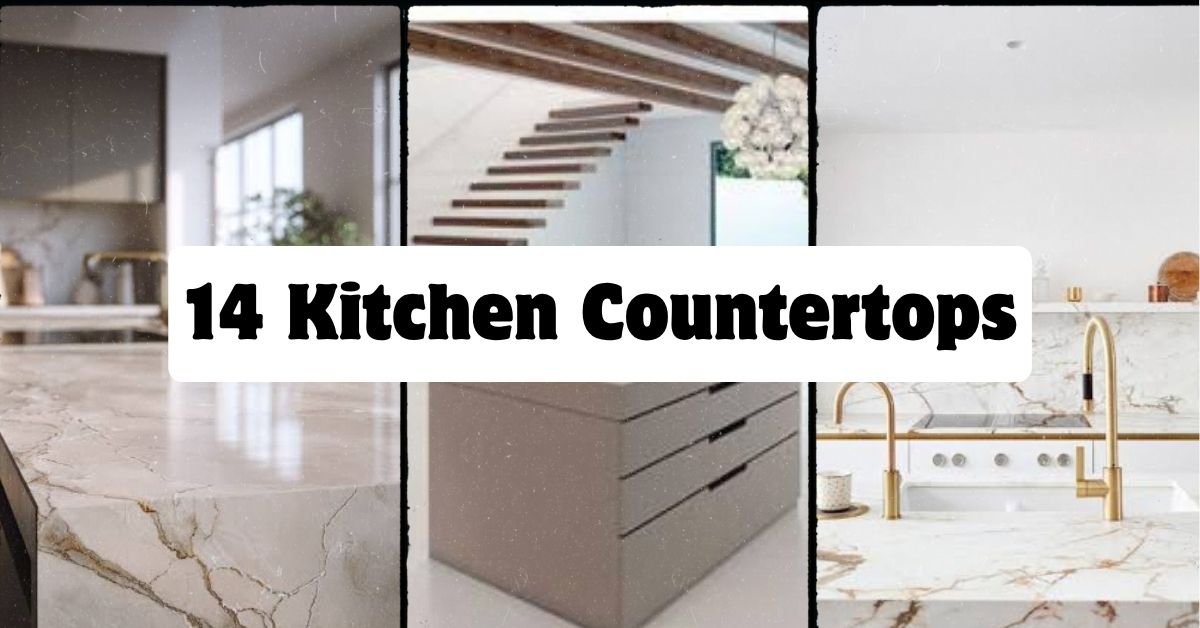
  • 14 Kitchen Countertops That’ll Change How You See Your Kitchen

    14 Kitchen Countertops That’ll Change How You See Your Kitchen

    I’ve spent way too many hours staring at countertop samples in showrooms, so let me save you the trouble. This guide on 14 kitchen countertops covers everything you actually need to know before you spend a dime. No fluff, no confusing jargon, just real talk about what works.

    Kitchen countertops are the flat work surfaces installed on top of kitchen cabinets, used for food prep, storage, and style. Material choice affects cost, durability, heat resistance, and maintenance needs. Popular options include quartz, granite, butcher block, and laminate.

    Stick around, because I’m about to break down 14 different countertop styles, show you real cost comparisons, and warn you about mistakes that cost people thousands. Trust me, you’ll want to read this before you call a contractor.

    What Even Counts as a “Kitchen Countertop Style”?

    So here’s the thing. When people say “countertop style,” they don’t just mean the material. They mean the whole vibe: the color, the edge shape, the finish, and how it plays with your cabinets. A slab of white quartz can look totally different depending on if it’s polished, honed, or has gold veining running through it. That’s why picking a countertop isn’t just a shopping trip. It’s a design decision. I’ll walk you through the most popular options below, plus some underrated ones your contractor probably didn’t mention.

    1. Classic White Quartz for a Timeless Look

    14 Elegant White Quartz Countertop Kitchen Ideas for a Timeless Look | The Outdoor Hearth
    Credit: theoutdoorhearth

    White quartz is basically the little black dress of kitchen countertops. It goes with everything. This engineered stone mixes crushed quartz with resin, giving you a surface that resists stains, scratches, and heat better than most natural stones.

    I love how forgiving white quartz is. Spill red wine on it? Wipe it up, no stain. Drop a hot pan? It won’t scorch (though I’d still use a trivet).

    Practical tip: ask for a honed finish if you want to hide fingerprints and water spots better than a glossy polish.

    This style works in modern kitchens with flat-panel cabinets, but it also softens up farmhouse kitchens when paired with shaker-style doors. Next up, let’s talk about a material that’s been around way longer than quartz.

    2. Natural Granite for Old-School Durability

    Granite countertops - Granite Depot of Columbus - The Best Granite Options for Outdoor Kitchens: Durability and Style
    Credit: Granite Depot

    Granite has been a kitchen staple for decades, and honestly, it earned that spot. Every slab is unique because it’s cut straight from the earth. No two granite countertops look exactly alike.

    The natural veining and speckled patterns add texture that engineered materials sometimes struggle to fake. Granite handles heat like a champ, so hot pots straight from the stove won’t hurt it.

    One thing to know: granite needs sealing once a year to prevent staining. Skip this step and you’ll regret it when olive oil leaves a dark spot.

    Granite fits traditional and rustic kitchens beautifully, but lighter granite slabs also work in transitional spaces. Speaking of natural materials, let’s move to one that brings warmth in a totally different way.

    3. Warm Butcher Block for a Cozy Farmhouse Feel

    Butcher Block Kitchen Island Ideas in 2024 | The Designery
    Credit: The Designery

    Butcher block countertops bring instant warmth to a kitchen. Made from strips of wood glued together, this style feels homey in a way stone just can’t match.

    I think butcher block works best as an accent, like on a kitchen island, rather than covering your whole counter space. It pairs so well with farmhouse sinks and open shelving.

    Actionable tip: reseal butcher block every six months with food-safe mineral oil to prevent water damage and cracking.

    This style shines in farmhouse and cottage kitchens, but modern kitchens use it too, usually paired with black hardware for contrast. Now let’s jump into something a little more industrial.

    4. Sleek Concrete for an Industrial Edge

    Caesarstone Sleek Concrete Offers The Modern Industrial Look Without The Fuss | Architecture & Design
    Credit: architectureanddesign

    Concrete countertops feel raw and modern. They’re poured and formed right in your kitchen, which means you can get custom shapes that other materials can’t match.

    The texture ranges from smooth and polished to rough and matte, depending on your preference. Concrete also holds heat well and can be tinted almost any color you want.

    Here’s my tip: seal concrete counters annually since they’re naturally porous and prone to staining without proper care.

    Industrial and loft-style kitchens love this material, but minimalist Scandinavian kitchens use lighter, polished concrete too. Let’s shift gears to a material known for its glossy good looks.

    5. Glossy Marble for Elegant Baking Stations

    Why is Marble a Popular Choice for Bakers? - Premium Granite
    Credit: Premium Granite

    Marble screams luxury. That soft white background with dramatic gray veining makes any kitchen feel like something out of a magazine.

    Bakers especially love marble because it stays naturally cool, which is perfect for rolling out pie dough or working with chocolate.

    The catch? Marble stains and scratches easier than granite or quartz. I’d only recommend it if you’re okay with some character developing over time, or if you’re using it just for a small baking station instead of full coverage.

    Actionable tip: wipe up acidic spills like lemon juice or vinegar immediately to avoid etching marks.

    This works gorgeously in traditional and glam kitchens. Now, if marble sounds too high-maintenance, here’s a budget-friendly alternative that still looks sharp.

    6. Budget-Friendly Laminate That Still Looks Great

    Budget-Friendly Flooring Options That Look Like a Million Bucks: A Spotlight on Laminate and SPC Flooring – BuildDirect
    Credit: Builddirect

    Laminate gets a bad reputation, but modern laminate has come a long way. New printing technology means you can get convincing wood, marble, or stone looks for a fraction of the price.

    It’s lightweight, easy to install, and comes in basically any color you can imagine. Great option if you’re renovating on a budget or flipping a house.

    The downside is it’s not heat resistant, so always use trivets, and it can chip at the edges over time.

    Practical tip: choose a laminate with a matte finish since it hides scratches better than glossy versions.

    Laminate adapts to almost any style because of its huge color range, from bold mid-century kitchens to simple modern ones. Speaking of budget, let’s compare costs across some popular materials.

    Countertop Material Cost Comparison

    MaterialAverage Cost Per Sq FtDurabilityMaintenance Level
    Laminate$20-$50ModerateLow
    Butcher Block$35-$70ModerateHigh
    Granite$50-$100HighModerate
    Quartz$60-$120Very HighLow
    Marble$75-$150Low-ModerateHigh
    Concrete$65-$135HighModerate

    Now that you’ve seen the price range, let’s talk about a material that mixes affordability with a totally unique look.

    7. Recycled Glass Countertops for Eco-Friendly Sparkle

    15 Fabulous Eco-Friendly Countertops | by Elemental Green | Medium
    Credit: Medium

    Recycled glass countertops take crushed glass and mix it with resin or concrete, creating a surface that literally sparkles under kitchen lighting. It’s a great pick if you care about sustainability but still want something eye-catching.

    Each slab looks different depending on the glass color mix, so you can go subtle with clear and white tones or bold with blues and greens.

    Practical tip: avoid abrasive cleaners since they can dull the glass shine over time. Stick to mild soap and water.

    This style fits modern and eclectic kitchens especially well, adding a playful pop without feeling too busy. Let’s move on to a material that’s tough enough for the messiest cooks.

    8. Stainless Steel for Professional-Grade Toughness

    4 Best Ways to Apply Stainless Steel in Interior Design | TBK Metal
    Credit: TBK Metal

    Stainless steel isn’t just for restaurant kitchens anymore. Homeowners are bringing this material into residential spaces because it’s basically indestructible when it comes to heat and bacteria.

    It resists stains completely and cleans up in seconds. No sealing needed, ever.

    The downside is it scratches easily and shows fingerprints like crazy. I’d recommend a brushed finish over polished if you want to hide smudges better.

    Actionable tip: use cutting boards always, since knife marks show up permanently on steel.

    This industrial material works great in modern and professional-style kitchens, especially paired with open shelving and exposed brick. Now let’s check out something with a softer, more artistic touch.

    9. Colorful Terrazzo for a Retro Statement

    Terrazzo: The Home Decor Trend to Know About | The Family Handyman
    Credit: Family Handyman

    Terrazzo is having a huge comeback right now. This speckled material mixes chips of marble, quartz, or glass into a base, creating a confetti-like pattern that feels fun and nostalgic.

    You can customize the color combo to match literally any kitchen palette, from soft pastels to bold jewel tones.

    Practical tip: go with a sealed terrazzo option since unsealed versions can absorb stains more easily.

    This style fits retro kitchens perfectly but also works surprisingly well in modern spaces craving a playful accent. Next, let’s talk about a material known for feeling like stone but costing way less.

    10. Soapstone for a Soft, Matte Finish

    Black Soapstone Countertops: A Fabricator's Honest Guide
    Credit: Granite Guy

    Soapstone has this soft, almost velvety texture that feels different from anything else on this list. It’s naturally heat resistant and doesn’t need sealing as often as granite.

    The color range is limited, mostly grays and greens, but the matte finish gives kitchens a calm, understated look.

    One quirk: soapstone develops a natural patina over time, darkening slightly with use. Some people love this aged look, others don’t.

    Practical tip: apply mineral oil occasionally to even out the patina if you want a more uniform color.

    This works beautifully in farmhouse and traditional kitchens looking for a softer alternative to granite. Now, let’s look at a material combo that gives you the best of both worlds.

    11. Mixed Materials for Custom Functionality

    Mix and Match: How to Mix Materials in Interior Design - Stylish Club
    Credit: Stylish Club

    Why choose just one countertop material when you can mix them? Lots of homeowners now pair quartz on the main counters with a butcher block section on the island, or granite paired with stainless steel near the stove.

    This approach lets you match material strengths to specific tasks. Heat resistant stone near the cooktop, wood for chopping, and easy-clean quartz for everyday prep.

    Practical tip: keep your color palette connected across materials so the mix feels intentional, not random.

    This flexible approach works in basically every kitchen style since you’re customizing based on function first. Let’s check out a trendy option that’s taken over Pinterest boards everywhere.

    12. Waterfall Edge Countertops for a Dramatic Look

    Stunning Waterfall Edge Countertop Ideas in Every Material | Marble Systems
    Credit: Marble Systems

    Waterfall countertops extend the material down the sides of your island, creating a continuous flow from top to floor. It’s a design choice, not a different material, but it completely changes how a kitchen feels.

    This look works especially well with quartz or marble since the veining creates a seamless visual line running down the edge.

    Actionable tip: order extra slab material upfront since waterfall edges require precise matching to avoid awkward seams.

    This dramatic style fits modern and luxury kitchens best, though I’ve seen it done tastefully in transitional spaces too. Now let’s talk about a countertop choice built for durability over decades.

    13. Quartzite for Natural Beauty and Serious Strength

    Quartzite Countertops Pros and Cons: A Complete Guide
    Credit: carmelimports

    Don’t confuse quartzite with quartz. Quartzite is a natural stone, mined from the earth, offering the durability of granite with patterns that often mimic marble’s elegance.

    It resists heat, scratches, and etching better than marble, making it a smart pick if you love that marble look but want something tougher for daily cooking.

    Practical tip: always ask for a sample slab before buying since quartzite patterns vary widely, even within the same quarry.

    This material fits luxury traditional kitchens and modern farmhouse styles equally well. Finally, let’s wrap up with a low-maintenance option perfect for busy households.

    14. Solid Surface Countertops for Seamless Simplicity

    Solid Surface vs. Granite Countertops - Cost & Design
    Credit: block Renovation

    Solid surface material, often known by the brand name Corian, creates a completely seamless look since seams get bonded and sanded invisible. No grout lines, no visible joints.

    It’s non-porous, so bacteria and stains don’t stand a chance. Scratches can even be sanded out at home, which is a huge plus for busy families.

    Practical tip: avoid extreme heat directly on the surface since it can scorch, unlike quartz or granite.

    This style suits modern and minimalist kitchens craving clean lines without visible seams anywhere. And that wraps up all 14 countertop styles worth considering for your next renovation.

    Tips for Success

    • Always get a physical sample of your chosen material before committing, since lighting in showrooms can make colors look different at home
    • Measure your kitchen twice before ordering, since countertop mistakes are expensive to fix
    • Ask about warranty coverage, since some materials like quartz often include 10-15 year warranties
    • Consider your cooking habits honestly. Heavy bakers might love marble, while busy families might need something tougher
    • Budget an extra 10-15% for unexpected costs like edge profiles or plumbing adjustments
    • Match your countertop finish to your cabinet finish so the whole kitchen feels cohesive, not mismatched
    • Don’t skip the sealing schedule for natural stone, since neglecting this shortens the material’s lifespan significantly

    Common Mistakes and How to Avoid Them

    Choosing color before texture
    : Fix – always check both gloss and matte samples since finish changes how a color reads in your lighting.

    Ignoring maintenance requirements
    : Fix – research upkeep before falling in love with a material, since marble and butcher block need way more care than quartz.

    Skipping the template appointment
    : Fix – always let installers create a precise template of your cabinets before cutting the slab, since eyeballed measurements lead to bad fits.

    Choosing trendy over functional
    : Fix – pick materials based on how you actually cook, not just what’s popular on social media right now.

    Forgetting about edge profiles
    : Fix – ask to see edge samples in person, since a rounded bullnose edge feels completely different from a sharp square edge.

    Overlooking seam placement
    : Fix – discuss seam location with your installer beforehand, especially on large islands or L-shaped counters.

    Similar Variations

    • Minimalist Concrete Kitchens – stripped down, monochrome designs using polished concrete throughout
    • Farmhouse Butcher Block Kitchens – warm wood tones paired with apron sinks and open shelving
    • Luxury Marble Kitchens – high-end finishes with dramatic veining and gold hardware accents
    • Industrial Steel Kitchens – stainless surfaces paired with exposed brick and hanging pot racks
    • Retro Terrazzo Kitchens – playful speckled countertops paired with bold cabinet colors
    • Eco-Conscious Glass Kitchens – recycled glass counters paired with sustainable bamboo cabinetry

    Picking the right countertop really comes down to how you live in your kitchen every day, not just what looks good in photos. Whether you go with tough quartzite, cozy butcher block, or something bold like terrazzo, the best choice is the one that matches your budget and your daily habits. I hope this rundown of 14 kitchen countertops gave you the confidence to pick a material that’ll actually work for your home.

  • 11 Kitchen Shelves That’ll Make You Rethink Your Cabinets Entirely

    11 Kitchen Shelves That’ll Make You Rethink Your Cabinets Entirely

    I’ve spent way too many hours scrolling through kitchen photos, and I can honestly say these 11 kitchen shelves ideas are some of the smartest storage solutions I’ve come across. If you’re tired of digging through cluttered cabinets or you just want your kitchen to feel more open, you’re in the right spot. I put this list together after seeing what actually works in real homes, not just staged photos.

    Kitchen shelves are open or semi-open storage units, usually wood, metal, or a mix of both, mounted on walls or built into cabinetry to hold dishes, cookware, and pantry goods. They replace or supplement traditional closed cabinets and create visual openness while keeping everyday items within reach.

    Stick around, because by the end of this, you’ll know exactly which shelf style fits your space, your budget, and your kitchen’s personality.

    What Makes Kitchen Shelves Such a Big Deal Right Now

    Okay, so here’s the thing about kitchen shelves. They’re not just a design trend that showed up out of nowhere. People are ditching upper cabinets because they make small kitchens feel boxed in. Open shelving does the opposite. It breathes. It shows off your favorite mugs, your grandma’s old teapot, whatever makes your kitchen feel like yours.

    I get why some folks hesitate though. Open shelves mean more visible clutter and more dusting. But if you style them right, they turn into free decor. You’re basically getting storage and wall art in one move. That’s a win in my book.

    1. Floating Wood Shelves Above the Stove

    Shelf Over Stove Design Ideas
    Credit: DecorPad

    Floating shelves are exactly what they sound like. No visible brackets, just clean wood planks that look like they’re stuck to the wall by magic. Installing a pair above your stove gives you a spot for spice jars, olive oil bottles, and cooking utensils you reach for constantly.

    Pick a warm wood tone like oak or walnut if your kitchen leans traditional. Go with a lighter, whitewashed wood for a coastal or Scandinavian vibe. The key here is keeping the shelf depth shallow, around 6 to 8 inches, so nothing feels crowded near an open flame.

    Tip: Seal the wood with a heat-resistant finish since steam and grease build up fast near a stove.

    This look works in almost any style home, from farmhouse to industrial loft. Next up, let’s talk about a shelf style that leans into raw, exposed materials.

    2. Industrial Pipe Shelving for a Raw Look

    Floor Standing Shelving Unit | Industrial Raw Steel Pipe Style - Pipe Dream Furniture
    Credit: Pipe Dream Furniture

    Pipe shelving uses black metal piping as the support structure, paired with wood or metal shelf boards. It’s a favorite in loft-style kitchens and anywhere you want that slightly unfinished, warehouse feel.

    This style holds a lot of weight, which makes it great for heavier items like cast iron skillets or stacks of ceramic bowls. The exposed piping itself becomes part of the decor, so you don’t need to hide it or dress it up.

    Pair it with matte black hardware and reclaimed wood shelves for the full effect. If your kitchen already has exposed brick or concrete countertops, this shelving style just makes sense.

    Actionable tip: Buy piping in a matte black finish rather than polished chrome. It hides fingerprints and scratches way better over time.

    Now, if metal isn’t your thing, let’s look at something a little softer.

    3. Glass Shelves for a Light, Airy Feel

    Floating Glass Shelves: The Ultimate Glass Bracket Guide - Aleader Machinery
    Credit:aleader-china

    Glass shelves practically disappear when you look at them, which makes them perfect for small kitchens where every bit of visual space matters. They’re usually mounted with thin metal or acrylic brackets so the whole thing feels weightless.

    I like glass shelves for displaying glassware, colorful dishes, or anything with an interesting shape. Since light passes through, they don’t create shadows or dark corners like solid wood can.

    Go with tempered glass for safety, especially if you’re storing anything heavier than mugs. Clean them with a vinegar and water mix to avoid streaks.

    This style pairs beautifully with modern and minimalist kitchens, but it also softens up a farmhouse kitchen when mixed with wood shelves elsewhere. Speaking of mixing materials, let’s check out a combo that’s growing in popularity.

    4. Mixed Metal and Wood Corner Shelves

    Wrought Iron Corner Shelf | Foter
    Credit: Foter

    Corner shelves solve a real problem. Corners are usually wasted space in kitchens, and this shelf style turns that dead zone into something useful. The combo of metal brackets and wood shelf boards gives you durability plus warmth.

    I’ve seen these done as a stack of three shelves, each one a little smaller than the one below, creating a pyramid effect that draws the eye upward. They work great for cookbooks, small potted herbs, or a curated stack of bowls.

    Practical tip: Measure your corner space twice before ordering, since corner shelves need precise angles to sit flush against both walls.

    This works in traditional, transitional, and even eclectic kitchens depending on the wood finish you pick.

    Shelf Material Comparison

    MaterialBest ForWeight CapacityAverage Cost (per shelf)
    Solid WoodFarmhouse, Traditional40-60 lbs$30-$80
    GlassModern, Minimalist15-25 lbs$50-$120
    Metal PipeIndustrial, Loft60-100 lbs$40-$100
    Floating (hidden bracket)Contemporary25-40 lbs$60-$150
    MDF with LaminateBudget-Friendly20-30 lbs$15-$40

    5. Ladder Shelving Leaning Against the Wall

    Leaning Ladder Wall Bookshelf | Ana White
    Credit: Ana White

    Ladder shelves don’t need mounting at all, which makes them perfect for renters or anyone who doesn’t want to drill holes. They lean against the wall at an angle and hold multiple tiers of storage.

    I really like these for kitchens where you want a movable piece. You can shift it, rearrange it, or take it with you when you move. They usually work best for lighter items like cookbooks, plants, or decorative jars rather than heavy dishware.

    Tip: Look for ladder shelves with a locking mechanism or wall strap so they don’t tip if bumped.

    This style fits coastal, bohemian, and rustic kitchens especially well. Next, let’s get into a shelving idea that saves serious cabinet space.

    6. Open Shelving Above the Sink

    Create More Kitchen Storage: Install Open Shelving Above The Sink - C'est Bien by Heather Bien
    Credit: Heather Bien

    Putting shelves above the sink instead of a cabinet lets in more light if you’ve got a window there too. It also puts your everyday dishes, like plates and bowls, within arm’s reach of where you wash and dry them.

    I’d suggest keeping this area organized with matching dishware since it’s one of the most visible spots in the kitchen. A mismatched jumble looks messy fast in this location.

    Practical tip: Use shelf liners or small trays to group items so things don’t look scattered when the shelf is half empty.

    This idea works great in cottage, coastal, and modern farmhouse kitchens where light and openness matter.

    7. Built-In Recessed Shelves

    25 Stylish Built-In Bookshelves - Floor-to-Ceiling Shelving Ideas
    Credit: ELLE Decor

    Recessed shelves get built directly into the wall between studs, so they sit flush instead of sticking out. This is a great option if you’re doing a full renovation and want extra storage without losing floor or counter space.

    These shelves work well in narrow spots, like beside a fridge or next to a pantry door. Because they’re built into the wall, they feel more permanent and polished than a bolted-on shelf.

    Tip: Add small LED strip lighting inside the recess to highlight what’s stored there and add a nice glow at night.

    This idea suits modern and contemporary kitchens best, though a rustic version with wood paneling can work in farmhouse spaces too. Let’s move to a shelf idea that doubles as a room divider.

    8. Shelving as a Kitchen Divider

    23 Stylish Ways to Divide a Room With Bookshelves
    Credit: the spruce

    If your kitchen is open to a dining or living space, a double-sided shelf unit can separate the rooms without fully closing them off. You get storage access from both sides, which is great for shared items like plates or serving dishes.

    I think this works especially well in open-concept homes where you want some separation but still want that connected feel. Keep the shelf unit lower, around counter height, so sightlines stay open above it.

    Actionable tip: Stagger items on each side so the shelf doesn’t look identical from both rooms, it keeps things visually interesting.

    This style fits modern, industrial, and transitional homes particularly well.

    9. Wire Shelving for Pantry-Style Storage

    Nine Ideas to Organize a Small Pantry with Wire Shelving - Kelley Nan
    Credit: kelleynan

    Wire shelves are usually chrome or coated metal, and they’re a classic choice for pantry areas or kitchens that want a more utilitarian look. Air circulates around stored food better than on solid shelves, which helps with produce and bread storage.

    These are usually the most budget-friendly option on this list. You can find wire shelving units at almost any home store for a fraction of the cost of custom wood shelving.

    Tip: Add shelf liners if you’re storing small jars or spice bottles so they don’t tip through the gaps.

    This works best in traditional pantries but honestly fits almost any style since it’s often tucked out of the main sightline anyway. Now let’s talk about a shelf idea that brings in some greenery.

    10. Shelves Styled With Potted Herbs

    15 Plant Shelf Ideas We Love to Show Off Your Greenery
    Credit: the Spruce

    Dedicating a shelf near a window to potted herbs gives you fresh basil, mint, or rosemary right when you’re cooking. It’s functional and it adds a pop of green that most kitchens are missing.

    I’d recommend a shelf made of a water-resistant material like sealed wood or metal since soil and water spills happen. Group pots of different heights together for a more natural, layered look.

    Practical tip: Place this shelf within 3 feet of a south or west-facing window so the herbs actually get enough light to thrive.

    This idea works in nearly every kitchen style, from modern to cottagecore, since plants soften whatever aesthetic surrounds them.

    Budget Tiers for Kitchen Shelving Projects

    Budget LevelWhat You GetTypical Total Cost
    DIY BasicPre-cut wood boards, basic brackets, one coat of stain$50-$150
    Mid-RangeCustom-cut floating shelves, quality brackets, sealed finish$200-$500
    High-EndBuilt-in recessed shelving, professional install, lighting$800-$2,500
    DesignerCustom materials (marble, brass), full kitchen redesign$3,000+

    11. Staggered Height Shelving for Visual Interest

    Staggered Floating Shelves for Every Room
    Credit: Ashdeco

    Instead of installing shelves at even, matching intervals, staggering the heights creates a more dynamic, gallery-like feel. Some shelves sit closer together for small items, while others have more vertical space for taller pitchers or vases.

    This takes a little more planning since you need to know what you’re storing before you install anything. But the payoff is a wall that looks intentional and curated instead of just functional.

    Tip: Sketch out your items on paper first, grouping tall pieces together and short pieces together, before you measure and drill anything.

    This staggered approach works especially well in eclectic and maximalist kitchens where visual variety is part of the charm.

    12. Butcher Block Shelves for a Workhorse Feel

    How to Style Butcher Block Kitchen Islands and Shelves - Hardwood Reflections
    Credit: Hardwood Reflections

    Butcher block shelves use the same thick, durable wood you’d find on a butcher block countertop, just mounted on the wall instead. They’re sturdy enough to hold heavy stoneware and give off a warm, lived-in feel.

    These shelves work great in kitchens that already have butcher block counters, since the materials tie together naturally. The thickness also means less sagging over time compared to thin plywood shelves.

    Tip: Oil the wood every few months with food-safe mineral oil to keep it from drying out or cracking.

    This style is a natural fit for farmhouse and traditional kitchens, though a darker stain can pull it into modern territory too.

    Tips for Success

    • Measure your wall studs before buying brackets, since anchoring into drywall alone won’t hold much weight over time.
    • Keep heavier items on lower shelves and lighter, decorative pieces higher up for both safety and visual balance.
    • Stick to a consistent color palette across your dishware so open shelves look curated instead of cluttered.
    • Leave a little breathing room between items instead of packing shelves edge to edge.
    • Rotate your displayed items seasonally to keep the space feeling fresh without buying new stuff.
    • Test bracket weight limits before loading up a shelf with your heaviest cookware.
    • Use the top shelf for items you rarely need, since it’s harder to reach anyway.

    Common Mistakes and How to Avoid Them

    Overloading shelves with too many items
    : Keep it simple. Pick your favorite pieces and leave some open space so the eye has room to rest.

    Ignoring weight limits on brackets
    : Always check the manufacturer’s weight rating and stay under it, especially for glass or floating styles.

    Mismatched dishware creating visual chaos
    : Stick to two or three colors max for anything displayed on open shelves.

    Placing shelves too close to the stove without protection
    : Use heat-resistant sealants or keep shelves at least 18 inches above heat sources.

    Skipping proper wall anchoring
    : Locate studs first, or use heavy-duty anchors rated for your shelf’s total weight, including items.

    Forgetting about dust and grease buildup
    : Wipe shelves down weekly, especially near cooking areas, so buildup doesn’t get out of hand.

    Similar Variations

    • Floating Bathroom Shelves: Same clean, bracket-free look, but sized for towels and toiletries.
    • Open Living Room Shelving: Bookcases and wall-mounted shelves styled for books and decor instead of dishes.
    • Garage Storage Shelving: Heavy-duty wire or metal shelves built for bulk storage rather than display.
    • Closet Shelving Systems: Adjustable shelving designed around clothing and folded items.
    • Office Wall Shelves: Smaller, often narrower shelves meant for books, files, and small decor pieces.

    I really believe the right shelving can change how a kitchen feels, not just how it functions. Whether you go with floating wood, industrial pipe, or a staggered gallery wall of shelves, the goal is the same: more storage, more style, less clutter. These 11 kitchen shelves ideas give you a solid starting point no matter what your space or budget looks like.

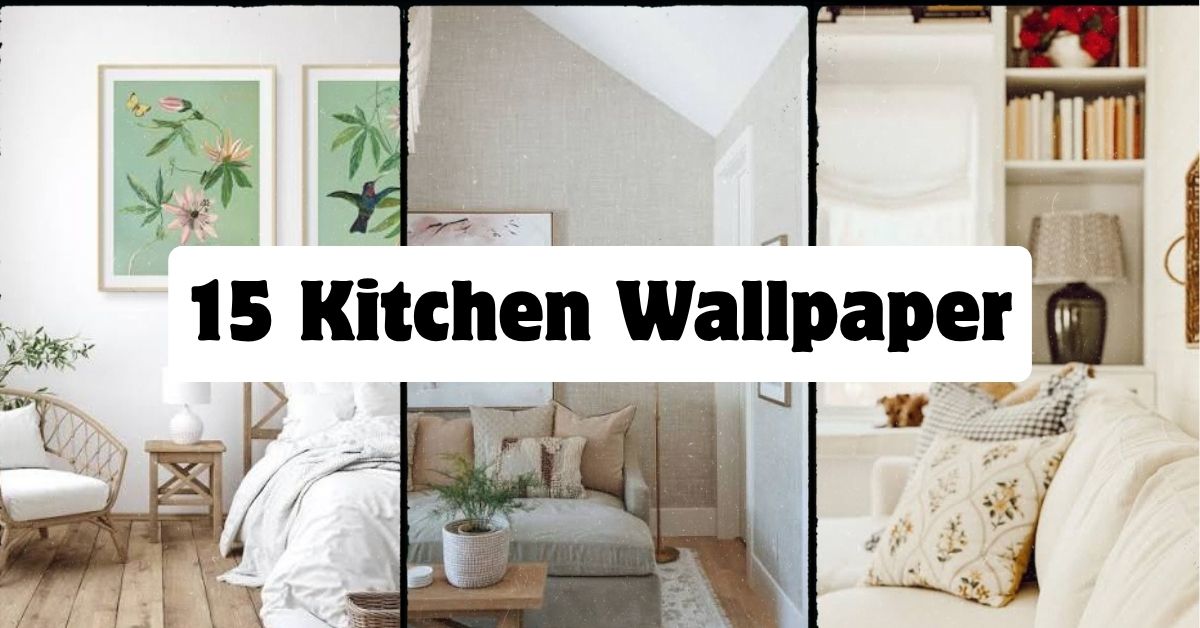
  • 15 Kitchen Wallpaper Ideas That’ll Make You Fall Back in Love With Your Cooking Space

    15 Kitchen Wallpaper Ideas That’ll Make You Fall Back in Love With Your Cooking Space

    I’ve spent way too many hours scrolling through kitchen photos, and I can tell you this guide on 15 kitchen wallpaper ideas is going to save you from making the same mistakes I almost made. You’re about to get real answers, not just pretty pictures with zero explanation. Stick with me here.

    Kitchen wallpaper is a decorative wall covering designed to handle moisture, grease, and heat while adding pattern or color to cooking spaces. The best options include vinyl-coated, peel-and-stick, and washable paper types suited for high-traffic kitchen zones.

    But picking the right pattern isn’t just about looks. I’m going to walk you through fifteen specific ideas, plus the mistakes that trip most people up. Let’s get into it.

    What Kitchen Wallpaper Actually Is (And Why It Works So Well)

    Okay, so before I dive into the fun stuff, let’s talk basics. Kitchen wallpaper isn’t the same as the paper your grandma used in the hallway. It’s built tougher. Most of it is coated in vinyl or some kind of protective layer so steam and splatters don’t ruin it.

    I used to think wallpaper was old-fashioned. Then I saw what modern prints could do to a boring kitchen. A plain white box turns into a space with personality in one weekend. That’s the magic here. You’re not just picking a color, you’re picking a mood.

    Now let’s get into the ideas.

    1. Go Bold With a Botanical Print Above Open Shelving

    Floral Flourish: Enhancing Home Decor with Botanical Prints | Artfully Walls
    credit: Artfully Walls

    Botanical wallpaper brings the outdoors in without needing an actual garden. Think big leaves, tropical fronds, or delicate herb sketches. This works great behind open shelves because the plants and dishes create a layered look.

    Pick greens, sage, or even deep emerald tones if you want drama. Keep your shelving simple, wood or white, so the paper stays the star.

    Practical tip: use removable wallpaper here since open shelving areas get grease splatter and you’ll want to swap it out easier.

    This style adapts beautifully to farmhouse kitchens, but it also works in modern spaces if you pick a graphic, oversized leaf print instead of something delicate and vintage-looking.

    Next up, let’s talk about a pattern that never really goes out of style.

    2. Try Classic Gingham for a Cozy, Cottage Feel

    How to Decorate with Gingham: A Nostalgic Pattern Making a Comeback -
    Credit: eleanorrosehome

    Gingham wallpaper is that checkered pattern you probably remember from picnic blankets. It’s simple, but it makes a kitchen feel warm and lived-in almost instantly.

    Red and white is the classic combo, but blue gingham or even black gingham gives it a more grown-up feel. Pair it with open wood shelves, vintage canisters, or a farmhouse sink for full effect.

    Actionable tip: use gingham on just one wall, like behind your stove, so it doesn’t overwhelm the whole room.

    This idea fits cottagecore and farmhouse styles perfectly, but a black and white gingham can even work in a modern kitchen if your cabinets are sleek and minimal.

    Speaking of going bold on just one wall, let’s talk about accent walls more broadly.

    3. Create a Statement Accent Wall Behind the Range

    34 Accent Wall Ideas for Every Room in the House | Architectural Digest
    Credit: architecturaldigest

    Sometimes you don’t need wallpaper everywhere. Just one wall does the trick. The wall behind your stove or range is a great spot because it’s usually the focal point when you walk in.

    Choose a wallpaper with strong color or pattern here since it won’t compete with cabinets on other walls. Geometric shapes, Moroccan tile prints, or even a mural-style design work great.

    Tip: measure twice before ordering. Range walls often have odd cutouts for hoods and outlets, so you don’t want to run short on material.

    This works in almost any style. Traditional kitchens love tile-inspired prints, while modern kitchens lean toward abstract or geometric patterns.

    Now, let’s shift over to a look that’s all about texture instead of color.

    4. Add Grasscloth Wallpaper for Subtle Texture

    How to Style Rooms with Grasscloth Wallpaper - twenty2 grasscloth
    Credit: grasscloth

    Grasscloth isn’t loud. It’s woven from natural fibers and gives your walls texture without shouting for attention. If your kitchen already has a lot going on with tile or countertops, this is a good way to add interest without adding more visual noise.

    Neutral tones like tan, oatmeal, or soft gray work best. Pair with brass or matte black hardware to keep things feeling current.

    Practical tip: grasscloth isn’t the most water-resistant option, so keep it away from the sink and stove area. Use it on a dining nook wall instead.

    This style shines in coastal, Scandinavian, and modern farmhouse kitchens where texture matters more than pattern.

    Let’s move from texture to something with a bit more punch: stripes.

    5. Use Vertical Stripes to Make Low Ceilings Feel Taller

    10 ways to make living room ceilings look higher | Homes and Gardens
    Credit: Homes And gardens

    If your kitchen ceiling feels low, vertical stripe wallpaper is a cheap trick that actually works. The eye follows the lines up, which tricks your brain into thinking the room is taller than it is.

    Stick with two tones that aren’t too far apart in contrast, like cream and pale gray, for a subtle effect. High contrast stripes like navy and white feel bolder and more modern.

    Tip: measure your ceiling height first. Rooms under 8 feet benefit most from this trick.

    Traditional and transitional kitchens tend to favor softer stripe combos, while modern kitchens go for bold, high-contrast versions.

    Now let’s talk numbers for a second, because picking the right wallpaper type also depends on your budget and how much wear your kitchen sees.

    Wallpaper Type Comparison Table

    Wallpaper TypeWater ResistanceAverage Cost per RollBest Kitchen Zone
    Vinyl-coatedHigh$30-$60Behind stove/sink
    Peel-and-stickMedium$20-$45Backsplash accent, rentals
    GrassclothLow$60-$120Dining nook, away from water
    Traditional paperLow$25-$50Dry walls, pantry doors
    Fabric-backed vinylHigh$40-$90High-traffic walls

    Now that you’ve got a sense of materials, let’s get back to design ideas with something a little more playful.

    6. Bring in Vintage Fruit Prints for a Retro Vibe

    Set of Four Framed Vintage Fruit Prints | Graham and Green
    Credit: Graham and green

    Lemons, cherries, and pears printed across your wallpaper give off a cheerful, retro energy that’s having a real comeback right now. It works especially well in kitchens with white or cream cabinets since the fruit colors pop against a neutral base.

    Pair with brass fixtures or colorful ceramic knobs to lean into the vintage feel even more.

    Tip: use this pattern on a small wall or nook. Too much fruit print across a big kitchen can feel like a diner rather than a home.

    This idea fits mid-century and retro kitchens naturally, but toned-down fruit prints in muted colors can also work in a modern farmhouse space.

    From playful prints, let’s move to something a little more sophisticated.

    7. Choose a Toile Pattern for Timeless Elegance

    Toile de Jouy Style: A Classic Design for Modern Interiors
    Credit: Chic&Studio

    Toile wallpaper features intricate scenes, usually pastoral or countryside images, printed in a single color against a light background. It’s been around for centuries and it still looks classy today.

    Blue and white toile is the most common combo, but black and cream gives a more modern twist. This pairs beautifully with white cabinets and marble countertops.

    Practical tip: toile has a lot of detail, so avoid pairing it with busy tile backsplashes. Keep your countertop and cabinet choices simple.

    This works incredibly well in traditional and French country kitchens, though a black and white toile can surprise you in a more contemporary space too.

    Let’s switch gears now and talk about geometry.

    8. Layer Geometric Tiles for a Modern Graphic Look

    Geometric Tiles Pattern Wall Mural Wallpaper
    Credit: Giffywalls

    Geometric wallpaper mimics the look of patterned tile without the cost or labor of actual tile installation. Hexagons, chevrons, and Moroccan-inspired shapes are all popular right now.

    Stick to two or three colors max so the pattern doesn’t feel chaotic. Black, white, and one accent color usually works well.

    Tip: this is a great option for renters since peel-and-stick versions mimic tile so convincingly that guests won’t know the difference.

    Modern, mid-century, and even eclectic kitchens all embrace this style easily. It’s one of the more flexible options on this list.

    Now let’s talk about a softer, more romantic style.

    9. Add Floral Wallpaper for a Soft, Romantic Touch

    Floral wallpaper: a romantic touch for your home - Caos Creativo
    Credit: caoscreativo

    Floral prints bring warmth and softness into a kitchen, especially if your cabinets and countertops are cool and neutral. Small ditsy florals feel delicate, while large-scale blooms make more of a statement.

    Pair with wood accents, woven baskets, or vintage-style pendant lighting to complete the look.

    Practical tip: choose a floral print with a matte finish rather than glossy. Glossy finishes show grease splatter more easily in kitchens.

    This style is a natural fit for cottage and traditional kitchens, but a black-and-white floral can work surprisingly well in modern spaces too.

    Let’s head into something with a bit more shine next.

    10. Use Metallic Accents for a Touch of Glam

    How To Use Metallic Accents In Your Home Without Overdoing It
    Credit: sierra.ae

    Metallic wallpaper, whether it’s gold flecks, silver foil, or copper tones, adds a little sparkle to your kitchen without going overboard. It reflects light nicely, which is great for kitchens without a ton of natural light.

    Keep the rest of your kitchen simple. White cabinets, marble counters, and minimal decor let the metallic wall do the talking.

    Tip: use metallic wallpaper on a small feature wall, like a coffee bar nook, rather than the whole room. It can feel like too much in large doses.

    This look works beautifully in glam, modern, and art deco-inspired kitchens.

    Speaking of small spaces, let’s talk about how wallpaper can transform a pantry.

    11. Wallpaper Your Pantry Door or Interior for a Surprise Pop

    25 Pantry Door Ideas for a Standout Kitchen Feature
    Credit: Better Homes And Gardens

    Here’s a fun one. Instead of wallpapering the whole kitchen, just do the pantry door or the inside of your pantry. It’s a small commitment but it makes a big visual impact every time that door opens.

    Bold colors or fun patterns work great here since it’s a smaller, contained space. Think bright yellow stripes or a fun tropical print.

    Practical tip: measure the door panel carefully and order a little extra paper in case you make a cutting mistake.

    This idea works in literally any kitchen style since it’s tucked away and low commitment. It’s a great starting point if you’re nervous about wallpaper commitment.

    Now let’s talk ceilings, because yes, that’s a thing too.

    12. Wallpaper the Ceiling for an Unexpected Design Move

    30 Ceiling Wallpaper Ideas That Will Elevate Any Interior
    Credit: The Spruce

    Most people forget the ceiling exists, decor-wise. But a patterned or colored ceiling wallpaper adds a surprising, memorable touch to your kitchen. It’s called a “ceiling paper” moment and designers have been using this trick for years.

    Lighter patterns work best on ceilings since darker ones can make a room feel smaller. A soft botanical or subtle geometric print works well here.

    Tip: hire a professional for this one if you can. Ceiling installation is trickier than wall installation and mistakes are more visible.

    This works in traditional and eclectic kitchens especially well, giving an old-world charm that feels intentional rather than accidental.

    Let’s move to something a little more subtle and textural again.

    13. Choose Faux Grain Wood Wallpaper for Warmth Without Real Wood

    Faux Bois Woodgrain - Pale Gray Yellow Wood Wallpaper – Mitchell Black
    Credit: Mitchell Black

    Wood-look wallpaper mimics real wood paneling without the cost or weight. It adds warmth instantly, especially in kitchens that feel too cold or clinical with lots of white and stainless steel.

    Light oak tones feel Scandinavian, while dark walnut tones feel more traditional and moody.

    Practical tip: use this on a lower half wall, paired with white paint on top, to mimic the look of real wainscoting for less money.

    This adapts to Scandinavian, farmhouse, and even industrial kitchens depending on the wood tone you pick.

    Now for something with a bit of whimsy.

    14. Add a Mural-Style Wallpaper for a One-of-a-Kind Focal Point

    Black Wallpaper Ideas for a Bold Focal Point in Any Room
    Credit: Giffywalls

    Mural wallpapers are large-scale, scene-based designs, think a countryside view, an abstract landscape, or even a city skyline. They act like art rather than a repeating pattern.

    Because murals are so visually strong, keep your cabinets and countertops as neutral as possible. Let the mural be the main event.

    Tip: order a sample swatch before committing since murals are pricier and harder to return once cut to size.

    This idea fits eclectic, bohemian, and modern kitchens especially well since it doubles as a piece of art.

    Let’s finish with one more idea that ties everything together nicely.

    15. Mix Two Complementary Patterns for a Curated, Layered Look

    How to Mix Pattern in Interiors | Spiffy Spools
    Credit: spiffyspools

    This one’s for the confident decorators out there. Instead of picking just one wallpaper, use two that share a color palette but differ in scale, like a small floral paired with a larger stripe.

    Use one pattern on a main wall and the second on a smaller accent area, like a pantry door or nook, so they don’t compete for attention.

    Practical tip: bring both wallpaper samples home and look at them together in your actual kitchen lighting before buying full rolls.

    This works especially well in eclectic and maximalist kitchens, though a subtle version can even work in transitional spaces if the colors stay muted.

    Tips for Success

    • Always order a sample roll before buying enough for the whole project. Lighting changes how colors look.
    • Measure your walls twice, then add 10% extra material for mistakes and pattern matching.
    • Stick with washable, vinyl-coated wallpaper near stoves, sinks, and high-splatter zones.
    • Test peel-and-stick options in a hidden spot first to make sure your wall surface holds adhesive well.
    • Don’t rush the prep work. Walls need to be clean, dry, and smooth before applying anything.
    • Balance bold wallpaper with simple furniture and decor so the room doesn’t feel too busy.
    • Consider your lighting. Dark prints need brighter kitchens to avoid feeling cave-like.

    Common Mistakes and How to Avoid Them

    Using non-washable paper near the stove
    : Grease and steam will ruin regular wallpaper fast. Stick to vinyl-coated or laminated options in cooking zones.

    Skipping the sample swatch step
    : Colors look different under kitchen lighting versus store lighting. Always test a small piece on your actual wall first.

    Choosing a pattern that’s too busy for a small kitchen
    : Tiny kitchens can feel cramped with large, bold prints. Go with smaller-scale patterns or lighter colors in compact spaces.

    Ignoring seam placement
    : Poor seam planning leads to visible mismatches, especially with patterns like stripes or plaid. Plan your seam placement before cutting.

    Forgetting to prime the wall first
    : Wallpaper won’t stick properly to unprimed or glossy painted walls. Prime first for a smoother, longer-lasting finish.

    Overcommitting to a trend you might tire of
    : Trendy prints can feel dated fast. Use removable wallpaper if you’re not 100% sure about a bold choice.

    Similar Variations

    • Coastal Kitchen Wallpaper: Light blues, sandy neutrals, and subtle wave or shell patterns for a beachy feel.
    • Farmhouse Kitchen Wallpaper: Ticking stripes, gingham, and vintage florals paired with shiplap and wood accents.
    • Art Deco Kitchen Wallpaper: Bold geometric shapes, metallics, and rich jewel tones for a glamorous vibe.
    • Scandinavian Kitchen Wallpaper: Minimal patterns, soft neutrals, and subtle wood-grain designs for a clean, cozy look.
    • Bohemian Kitchen Wallpaper: Mixed patterns, warm earth tones, and botanical prints layered together for an eclectic feel.
    • Mid-Century Kitchen Wallpaper: Retro shapes, mustard and avocado tones, and playful fruit or atomic-inspired prints.

    At the end of the day, wallpaper is one of the fastest ways to change how your kitchen feels without a full renovation. A few rolls, a weekend, and suddenly your space has personality it didn’t have before. Whether you go bold with a mural or keep it subtle with grasscloth, the right choice comes down to your own taste and how your kitchen gets used day to day. I hope this list of 15 kitchen wallpaper ideas gave you enough inspiration to finally make a decision you’ll actually love living with.

  • 10 Spring Kitchen Decor Ideas That’ll Make Your Whole House Feel Alive Again

    10 Spring Kitchen Decor Ideas That’ll Make Your Whole House Feel Alive Again

    If you’ve been searching for 10 spring kitchen decor ideas that actually work in real homes (not just magazine spreads), you’re in the right spot. I’ve spent way too many hours testing what makes a kitchen feel fresh without looking like a Pinterest board threw up on my counters. This guide gives you the real, tested stuff.

    Spring kitchen decor means refreshing your kitchen’s colors, textures, and accessories to reflect the season, typically through lighter palettes, floral or botanical accents, natural materials, and swapping out heavy winter textiles for breezier alternatives. The goal is a space that feels light, clean, and connected to the outdoors.

    Stick around, because I’m about to walk you through the exact swaps, colors, and small touches that make the biggest difference. Some of these might surprise you.

    What Even Is Spring Kitchen Decor, Anyway?

    Okay so here’s the thing. Spring kitchen decor isn’t about buying a bunch of new stuff. It’s about shifting the mood of your kitchen so it matches what’s happening outside your window. Think lighter colors, fresh flowers, and less “heavy” everything. Winter kitchens tend to feel cozy but kind of dark and clunky. Spring flips that. You want airy, bright, and a little playful.

    I like to think of it as opening a window, even when the window’s closed. That’s the vibe. Now let’s get into the actual ideas.

    1. Swap Heavy Textiles for Light Linen Curtains

    10 Best Farmhouse Kitchen Curtain Ideas for Cozy Style
    Credit: Omni home Ideas

    Winter curtains are usually thick and dark to block cold drafts. Spring calls for something totally different. Light linen or cotton curtains let sunshine pour in and instantly brighten the whole room.

    Pick soft colors like ivory, pale yellow, or sage green. Avoid anything with a heavy lining unless you really need privacy.

    Quick tip: Hang curtains higher than your window frame. It tricks the eye into thinking your ceilings are taller.

    This works in almost any style. Coastal kitchens love breezy white linen. Farmhouse kitchens do well with a subtle gingham. Modern kitchens can go sheer and minimal.

    Once your windows feel lighter, it’s time to think about what’s happening on your counters.

    2. Add a Bowl of Seasonal Citrus Fruit

    Citrus Fruit Bowl - Etsy Singapore
    credit; Etsy

    This one costs almost nothing and makes a huge visual difference. A bowl of lemons, limes, or oranges adds instant color and a fresh smell to your kitchen.

    Use a ceramic or woven bowl instead of plastic. It just feels more intentional.

    Practical tip: Rotate the fruit every week so it stays fresh and doesn’t turn into a science experiment.

    Traditional kitchens look great with a classic white ceramic bowl. Modern kitchens can use a sleek black or concrete one instead.

    Once your counters have some color, your walls are the next place to focus.

    3. Hang Botanical Prints or Simple Wall Art

    43 Creative Kitchen Wall Decor Ideas to Try
    Credit: the Spruce

    Spring is the perfect excuse to swap out heavy, dark artwork for something lighter. Botanical prints, simple line drawings of leaves, or watercolor florals all work great.

    Keep frames thin and light colored. Thick, dark wood frames can feel too heavy for the season.

    Actionable tip: Group three small prints instead of one giant piece. It creates more visual interest without overwhelming the wall.

    This idea flexes easily. Boho kitchens love loose watercolor art. Traditional spaces do better with structured botanical illustrations in matching frames.

    Now that your walls have some spring energy, let’s talk about what’s probably the easiest fix of all: flowers.

    4. Bring in Fresh or Faux Flowers on the Table

    Decorate your Dining Table with Faux Flowers | Blooming Artificial
    Credit: Blooming artificial

    Nothing says spring faster than flowers. Tulips, daffodils, and ranunculus are classic spring picks. If you don’t want to deal with real flowers, high quality faux stems work just as well.

    Use a simple glass vase so the flowers are the star, not the container.

    Tip that actually helps: Trim stems at an angle every few days to keep real flowers alive longer.

    Farmhouse kitchens look amazing with flowers in a mason jar. Modern kitchens do better with a single sculptural stem in a minimal vase.

    Speaking of color, let’s talk about how to pick the right palette for your whole kitchen this season.

    Spring Kitchen Color Palette Guide

    StylePrimary ColorAccent ColorBest Used On
    CoastalSoft WhiteSeafoam GreenWalls, curtains
    FarmhouseCreamSage GreenCabinets, textiles
    ModernLight GrayBlush PinkAccessories, art
    TraditionalIvoryButtery YellowLinens, dishware
    BohoWarm WhiteTerracottaPottery, textiles

    5. Switch to Pastel or Botanical Dish Towels

    Pastel Kitchen Towel - Etsy
    Credit: Etsy

    Your dish towels get used constantly, so why not make them part of the decor? Pastel colors or small floral prints instantly make your kitchen feel more seasonal.

    Stick to cotton or linen towels since they dry dishes better than most decorative ones.

    Tip: Keep two sets, one for actual cleaning and one just for display near the sink or oven handle.

    Modern kitchens look sharp with solid pastel towels. Cottage-style kitchens love a busier floral print.

    Once your towels are updated, your table setting is the next easy win.

    6. Set Your Table With Light, Airy Dishware

    Embrace the Season with a Dining Table Refresh – ellementry
    Credit:ellementry

    If your dishes are dark or heavily patterned, spring is the time to lighten things up. Think white, cream, or pale blue dishware with simple shapes.

    Avoid anything too ornate. Spring decor works best when it feels effortless, not fussy.

    Practical tip: Layer a patterned placemat under a solid plate for contrast without going overboard.

    Traditional homes can keep detailed china but swap to lighter colors. Modern homes should stick with clean, geometric shapes.

    Next, let’s talk about a detail people always forget: your kitchen rug.

    7. Layer a Light Cotton or Jute Rug

    Choosing the Right Jute Rug for Kitchen | Ethi Kraft
    Credit: Ethi Kraft

    Heavy wool rugs are great for winter, but spring calls for something lighter underfoot. Cotton or jute rugs feel more breathable and match the season’s mood.

    Choose a light neutral color or a subtle stripe pattern.

    Actionable tip: Machine washable cotton rugs are a lifesaver in a kitchen where spills happen daily.

    Coastal kitchens love natural jute. Modern kitchens do better with a flat woven cotton rug in a solid color.

    Now let’s move to something a lot of people skip: your cabinet hardware.

    8. Update Cabinet Hardware for a Fresh Look

    Cabinet Hardware Makeover: Updating Knobs and Pulls
    Credit: ccfauxfinishes

    This one’s a game changer and most people don’t think about it. Swapping your cabinet knobs and pulls can completely change the feel of your kitchen without a full renovation.

    Go for brushed brass, matte black, or soft gold for a lighter, updated look.

    Tip: Measure your existing hardware holes before buying new pieces so you don’t end up drilling new holes.

    Farmhouse kitchens shine with black iron hardware. Modern kitchens look sleek with brushed brass or nickel.

    Once your hardware’s updated, let’s talk about bringing actual life into the room with plants.

    9. Add Small Potted Herbs on the Windowsill

    Savour the Flavour: Growing Herbs On the Kitchen Windowsill
    Credit;simplyseed

    Nothing feels more “spring” than fresh herbs growing right in your kitchen. Basil, mint, and thyme are easy to grow and smell amazing.

    Use matching terracotta pots for a clean, cohesive look.

    Practical tip: Group pots on a small tray so watering doesn’t leave rings on your windowsill.

    Boho kitchens love mismatched pots with texture. Modern kitchens look best with matching white or concrete planters.

    Speaking of texture, let’s talk about a detail that ties everything together: your lighting.

    10. Swap Warm Bulbs for Brighter, Natural Light Tones

    62 Kitchen Lighting Ideas That'll Transform Your Space
    Credit: southern Living

    Winter lighting tends to be warm and dim, which feels cozy but heavy. Spring calls for brighter, more natural toned bulbs that mimic daylight.

    Look for bulbs labeled around 3000K to 4000K for that fresh, clean glow.

    Tip: Add a small dimmer if you want flexibility between bright daytime tasks and softer evening meals.

    This works no matter your style since lighting is universal. Just adjust your fixture shapes to match your kitchen’s overall look.

    Now let’s talk about something people forget completely: seasonal scent.

    11. Introduce a Light, Fresh Scent Source

    The Kitchen Fragrance Rule for a Clean-Smelling Room | Livingetc
    Credit: Living etc

    Spring isn’t just visual. It’s a smell too. A light candle, diffuser, or simmering pot with citrus and herbs can make your kitchen feel seasonal in seconds.

    Avoid heavy, musky winter scents. Go for citrus, green tea, or light floral notes instead.

    Actionable tip: Simmer orange peels, cinnamon sticks, and a few cloves on the stove for an easy natural scent.

    Every style works here since scent isn’t visual. Just match your candle holder or diffuser design to your kitchen’s overall aesthetic.

    Last but not least, let’s talk about one small detail that pulls the whole room together.

    12. Refresh Open Shelving With Seasonal Display Pieces

    Spring Shelf Refresh: 5 Ways to Bring the Season Indoors – Shelfology
    Credit: Shelfology

    If you have open shelves, spring is the perfect time to rotate what’s on display. Swap heavy stoneware for lighter ceramics, add a small vase, or display a stack of pastel colored bowls.

    Keep it simple. Three to five items per shelf is usually the sweet spot.

    Tip: Use the rule of odd numbers when styling shelves. Groups of three or five just look better than even numbers.

    Traditional kitchens can display fine china. Modern kitchens should stick with minimal, monochrome pieces.

    Budget Breakdown for a Full Spring Refresh

    Budget TierWhat You Can UpdateEstimated Cost
    Low ($20-50)Dish towels, fruit bowl, candle$20-50
    Mid ($50-150)Curtains, rug, wall art$50-150
    High ($150-400)Cabinet hardware, dishware set, lighting$150-400
    Full Refresh ($400+)All of the above combined$400-600

    Tips for Success

    • Start with one or two changes before doing a full overhaul. It’s easier to judge what actually works.
    • Stick to a consistent color story so nothing feels random or mismatched.
    • Shop secondhand stores for vases, bowls, and dishware. Spring decor doesn’t need to be expensive.
    • Keep natural materials like wood, jute, and linen as your base, then layer color on top.
    • Don’t forget your ceiling and light fixtures. People usually focus only on counters and walls.
    • Rotate decor seasonally instead of buying new pieces every year. Store off-season items in labeled bins.

    Common Mistakes and How to Avoid Them

    Going too pastel everywhere
    : Balance soft colors with at least one deeper accent tone so the room doesn’t feel washed out.

    Buying fake flowers that look cheap
    : Spend a little more on realistic faux stems, or just stick with affordable real flowers instead.

    Ignoring scale on shelves
    : Mix tall and short items together so the display doesn’t look flat or boring.

    Overcrowding counters with decor
    : Leave breathing room. A cluttered counter cancels out the light, airy feeling you’re going for.

    Choosing rugs that aren’t washable
    : Kitchens are messy. Always check the care label before buying a decorative rug.

    Forgetting about lighting temperature
    : Swapping decor but keeping warm yellow bulbs can undo the fresh look you’re going for.

    Similar Variations

    • Coastal Kitchen Decor – Focuses on beachy blues, whites, and natural textures like rope and driftwood.
    • Farmhouse Spring Refresh – Leans into cream tones, mason jars, and vintage-inspired accents.
    • Boho Kitchen Styling – Mixes warm earth tones with textured pottery and layered plants.
    • Minimalist Modern Kitchen – Strips things down to clean lines, neutral colors, and very few accessories.
    • Cottage Garden Kitchen – Uses floral patterns, pastel dishware, and lots of fresh cut flowers.
    • Scandinavian Kitchen Refresh – Combines light wood, white walls, and simple greenery for a calm, airy feel.

    Spring kitchen decor doesn’t have to mean spending a ton of money or ripping your whole kitchen apart. Small swaps like fresh flowers, lighter textiles, and updated hardware can completely change how your space feels. The goal is simple: make your kitchen feel as fresh as the season outside your window.

    If you take just three or four ideas from this list and actually put them into action, your kitchen is going to feel like a totally different room. That’s really the whole point of trying out 10 Spring Kitchen Decor ideas in the first place.

  • 12 Kitchen Rugs That Will Totally Change How Your Space Feels

    12 Kitchen Rugs That Will Totally Change How Your Space Feels

    I’ve tested, researched, and lived with enough kitchen rugs to tell you exactly which 12 kitchen rugs actually work and why most guides online barely scratch the surface. If you’ve ever stood in your kitchen wondering why it feels cold, flat, or just “off,” I’m about to save you a ton of trial and error.

    A kitchen rug is a floor covering placed in cooking or dining zones to add comfort, protect flooring, and introduce color or pattern. The best kitchen rugs balance function (easy cleaning, slip resistance) with style that matches the room’s existing design.

    But here’s the thing. Picking the right rug isn’t just about grabbing whatever’s cute at the store. Stick with me and I’ll walk you through 12 kitchen rugs ideas that actually make a difference.

    What Makes a Kitchen Rug Different From Any Other Rug

    Kitchen rugs have a tough job. They need to handle spills, grease splatters, dropped forks, and constant foot traffic, all while still looking nice. That’s different from a rug in your living room that just sits there looking pretty.

    I learned this the hard way after ruining a gorgeous wool rug with one pasta sauce incident. Kitchen rugs need to be washable, low-pile, and slip-resistant. They also need to work in a smaller, more awkward space, usually a runner in front of the sink or a small mat near the stove.

    Once you get that mindset, picking the right rug gets a lot easier.

    1. Anchor Your Sink Area With a Long Runner Rug

    How to Pick the Perfect Kitchen Rug – Annie Selke
    Credit: annieselke

    The space in front of your sink gets more foot traffic than almost any other spot in your house. A long runner rug here does double duty. It cushions your feet during dish duty and adds a strip of color that breaks up all that hard flooring.

    Go for a runner that’s at least 2 feet wide and long enough to stretch the full length of your counter. Stripes or geometric patterns hide stains better than solid colors.

    Practical tip: measure your space before buying. A runner that’s too short looks like an afterthought.

    This works in almost every style. Farmhouse kitchens love a buffalo check runner, while modern spaces do well with a clean, minimalist stripe.

    Next up, let’s talk about layering rugs for extra warmth and texture.

    2. Layer Two Rugs for a Cozier, Curated Look

    Design Ideas from Rooms that Nail the Layered Rug Look | Apartment Therapy

    Layering isn’t just a living room trick. You can put a smaller accent rug on top of a larger jute or flatweave base in your kitchen too. It adds depth and makes the space feel intentional instead of thrown together.

    Pick a neutral base rug, then add a smaller printed or textured rug on top near your main work zone. This creates a focal point without overwhelming the room.

    Quick tip: keep the top rug washable since it’ll take the most abuse.

    Coastal kitchens look great with a jute base and a striped cotton topper. Traditional kitchens can use a solid wool base with a floral accent on top.

    Now let’s look at how color choice can completely shift your kitchen’s mood.

    3. Use Bold Color to Make a Small Kitchen Pop

    48 Colorful Kitchens That Pack on the Charm
    Credit: Good Housekeeping

    If your kitchen feels boring or beige, a bold rug is the fastest fix. A bright red, mustard yellow, or deep green rug can instantly wake up a neutral kitchen without any renovation.

    The trick is picking one bold color and repeating it somewhere else in the room, like a fruit bowl, dish towels, or a single cabinet.

    Actionable tip: test a small rug sample or swatch under your kitchen lighting before committing. Colors shift a lot under warm versus cool bulbs.

    This works especially well in modern and eclectic kitchens where you want a statement piece. Traditional kitchens can still pull this off with a deep burgundy or navy instead of neon shades.

    Let’s move into pattern choices next, because they matter just as much as color.

    4. Choose Patterns That Hide Everyday Messes

    Mixing patterns in interiors: a 12-step masterclass | Homes and Gardens
    Credit: Homes And Gardens

    Kitchens get messy. That’s just life. A patterned rug, especially one with busy geometric shapes or a mix of colors, hides crumbs and small stains way better than a solid color ever will.

    Vintage-style Persian or Turkish-inspired patterns are popular right now because they’re forgiving and add instant character.

    Practical tip: darker patterns with multiple colors hide stains longest between washes.

    Farmhouse and cottage kitchens pair well with faded vintage patterns, while modern kitchens can go for bold abstract prints instead.

    Rug Material Comparison for Kitchens

    MaterialDurabilityWater ResistanceBest ForPrice Range
    CottonMediumLowMachine washable, casual kitchens$20-$60
    PolypropyleneHighHighBusy families, high spill areas$30-$90
    WoolHighMediumTraditional kitchens, low-moisture areas$80-$200
    Jute/SisalMediumLowCoastal or natural looks, dry zones$40-$100
    ChenilleMediumMediumSoft feel, moderate traffic$30-$80

    This table alone can save you from buying the wrong material for your lifestyle.

    5. Add a Cushioned Mat Near the Stove for Comfort

    Discover the 10 Best Kitchen Mats for Comfort & Style – The Rugs
    Credit: The Rugs

    Standing at the stove for long cooking sessions is rough on your feet and back. A cushioned anti-fatigue mat placed right in front of your stove changes everything. It’s not just about comfort either. It adds a soft landing spot for anything you drop while cooking.

    Look for mats with beveled edges so you don’t trip, and a non-slip bottom so it stays put during busy cooking sessions.

    Tip: measure the width of your stove and add a few extra inches on each side for the mat.

    Modern kitchens do well with sleek black or gray mats, while farmhouse kitchens can use a printed cushioned mat that still looks charming.

    Speaking of comfort, let’s talk about texture next.

    6. Bring in Texture With a Woven or Braided Rug

    Top Trends in Braided Rugs for 2023
    Credit: Capel Rugs

    Texture adds visual interest even when your color palette stays simple. A woven or braided rug gives your kitchen floor some dimension without competing with your cabinets or backsplash.

    These rugs also tend to hide dirt better because of their multi-toned, natural fibers.

    Actionable tip: shake out woven rugs weekly since debris gets caught in the weave.

    Coastal and farmhouse kitchens practically demand this style, but even modern kitchens can use a flatwoven geometric rug for subtle texture without looking too rustic.

    Now, let’s talk about seasonal rug rotations, because yes, that’s a real thing people do.

    7. Rotate Rugs Seasonally for a Fresh Feel

    Seasonal Refresh: Updating a Room with Rugs & Accessories | Rugs Direct
    Credit: Rugs Direct

    Swapping your kitchen rug with the seasons keeps your space feeling current without spending a lot of money. Think lighter colors and breezy patterns for summer, then warmer tones like rust or deep green for fall and winter.

    This also extends the life of your rugs since they’re not getting constant wear all year round.

    Practical tip: keep two or three rugs on rotation and store the extras in a closet, not folded tightly, to avoid permanent creases.

    Traditional and cottage-style kitchens benefit the most from this since seasonal decor already plays a big role in those styles.

    Let’s shift gears and talk about how rug shape can change the whole room’s flow.

    8. Try a Round Rug to Soften Sharp Kitchen Angles

    Round Washable Rugs: Discover Style, Comfort & Practicality – The Rugs
    Credit: The Rugs

    Kitchens are full of straight lines. Cabinets, counters, islands, all sharp edges. A round rug breaks up all that rigidity and adds a softer visual flow, especially under a small kitchen table or in a breakfast nook.

    Round rugs also work well in oddly shaped kitchen corners where a rectangular rug just wouldn’t fit right.

    Tip: size the round rug so it extends at least 6 inches beyond the edges of your table or nook seating.

    This idea shines in cottage and traditional kitchens but can also work in modern spaces if you pick a rug with clean, simple patterns.

    Next, let’s talk budget, because not everyone wants to spend a fortune here.

    Kitchen Rug Budget Tiers

    Budget TierPrice RangeWhat You Get
    Budget$15-$35Basic cotton or synthetic mats, limited pattern options
    Mid-Range$40-$90Better materials, more pattern and color choices, machine washable
    Premium$100-$250Wool or high-end synthetic blends, designer patterns, longer lifespan
    Luxury$250+Hand-woven, custom sizes, premium materials like natural wool or specialty weaves

    Knowing your budget tier upfront saves you from overspending or underbuying for your needs.

    9. Use a Neutral Rug to Let Your Backsplash Shine

    How Do You Style A Woven Colorful Rug In A Neutral Room?
    Credit: Edward Martin

    Sometimes the best move is to not compete. If your kitchen already has a bold backsplash or statement countertop, a neutral rug in beige, cream, or soft gray keeps the attention where it belongs.

    This is especially smart in kitchens with a lot going on visually already, like colorful tile or patterned wallpaper.

    Practical tip: choose a neutral rug with a subtle texture instead of a flat solid color so it doesn’t look boring.

    Modern and Scandinavian kitchens thrive on this minimal approach, but even busy traditional kitchens can benefit from one calm, neutral element.

    Let’s move to something a lot of people forget about entirely: rug placement near the entryway to the kitchen.

    10. Place a Small Accent Rug at the Kitchen Entrance

    8 places to put a rug in a small kitchen | Real Homes
    Credit: Real Homes

    The transition point between your kitchen and the rest of your home matters more than people think. A small accent rug right at that entry spot signals a shift in the room and adds a nice welcoming touch.

    This is also a great spot to introduce a fun pattern or color you didn’t want to commit to for the whole kitchen.

    Tip: keep this rug low-pile so it doesn’t create a tripping hazard at a doorway.

    Eclectic and bohemian kitchens can go wild here with pattern, while minimalist kitchens should stick to one solid, muted tone.

    Now let’s cover something practical: how rug size actually affects the whole room’s balance.

    Kitchen Rug Size Guide

    Kitchen ZoneRecommended SizeNotes
    In front of sink2ft x 3ft or 2ft x 5ft runnerShould extend beyond counter edges
    Under kitchen tableTable width + 24 inches on all sidesPrevents chairs from catching rug edge
    In front of stove20in x 32in matStandard anti-fatigue mat size
    Kitchen entryway2ft x 3ftSmall enough to avoid tripping hazards

    This sizing guide alone can prevent one of the most common rug mistakes people make.

    11. Go Monochrome for a Sleek, Modern Statement

    How to get the monochrome look – Urban Rhythm
    Credit: Urban Rhythm

    If you love a clean, put-together look, try a monochrome rug in varying shades of one color. Think different tones of blue, or a tonal gray rug with subtle texture variation. It looks intentional without being loud.

    This works really well in kitchens that already have a strong color scheme going on with cabinetry or appliances.

    Actionable tip: pick a rug shade one or two tones darker than your wall color to avoid the rug blending in and disappearing.

    Modern and minimalist kitchens are the best fit here, though a monochrome jute rug can work in coastal kitchens too.

    Last but not least, let’s talk about mixing indoor and outdoor rug materials for extra durability.

    12. Use an Indoor-Outdoor Rug for Maximum Durability

    The 15 Best Outdoor Rugs, According to Experts
    Credit: Food And Wine

    Indoor-outdoor rugs aren’t just for patios anymore. They’re becoming a favorite for kitchens because they handle water, stains, and heavy foot traffic without falling apart.

    These rugs are typically made from polypropylene or other synthetic materials that resist mold and fading, which makes them perfect for kitchens near sliding doors or high-moisture areas.

    Practical tip: look for a flat weave indoor-outdoor rug since thicker piles trap more debris.

    Farmhouse and coastal kitchens use these often because they already lean toward casual, durable materials, but honestly, any busy household benefits from this option regardless of style.

    Tips for Success

    • Always check the rug’s care instructions before buying. Machine washable rugs save you a ton of hassle long term.
    • Use rug pads underneath, even on hard flooring, to prevent slipping and bunching.
    • Vacuum kitchen rugs weekly since food particles collect faster than in other rooms.
    • Don’t be afraid to mix patterns as long as you keep one consistent color thread throughout.
    • Rotate rugs every few months to prevent uneven wear and fading from sunlight.
    • Measure twice before buying. Kitchen spaces are often smaller and more oddly shaped than people expect.
    • Keep a spare rug on hand for quick swaps during spills or deep cleaning days.

    Common Mistakes and How to Avoid Them

    Buying a rug that’s too thick
    : Thick rugs catch on cabinet doors and appliances. Stick to low-pile options under half an inch thick for kitchens.

    Ignoring slip resistance
    : A rug without a non-slip backing is a hazard near water and grease. Always add a rug pad or choose rugs with built-in non-slip backing.

    Choosing an all-white rug
    : White rugs show every stain almost instantly. Go with patterns or darker neutrals instead for practicality.

    Placing the rug in the wrong spot
    : A rug that’s off-center or doesn’t align with counters or tables looks messy. Measure and plan placement before buying.

    Skipping the material research
    : Not every rug material handles water or heat well. Match the material to your specific kitchen’s needs, not just the look you want.

    Similar Variations

    • Farmhouse Kitchen Rugs – Faded patterns, warm tones, and natural materials like cotton and jute.
    • Coastal Kitchen Rugs – Light colors, striped patterns, and breezy natural fibers like sisal or seagrass.
    • Modern Minimalist Kitchen Rugs – Solid colors or subtle geometric patterns in muted tones.
    • Boho Kitchen Rugs – Bold patterns, mixed textures, and vibrant colors layered together.
    • Traditional Kitchen Rugs – Classic Persian-inspired patterns in deep, rich colors like burgundy and navy.
    • Scandinavian Kitchen Rugs – Simple, clean patterns in soft neutral tones with an emphasis on function.

    Picking the right rug for your kitchen really comes down to knowing your space, your lifestyle, and your style preferences before you shop. Once you understand material, size, and placement, the actual design choices become a lot more fun and way less stressful.

    I hope this breakdown gave you everything you needed to finally choose with confidence instead of guessing. Whether you’re drawn to bold patterns or simple neutrals, these 12 kitchen rugs ideas should make your next shopping trip so much easier.

  • 14 Modern Kitchen Ideas

    14 Modern Kitchen Ideas

    I’ve pulled together 14 modern kitchen ideas that actually work in real homes, not just magazine spreads. If you’ve been scrolling Pinterest for hours and still feel stuck, I get it. That’s exactly why I put this list together.

    A modern kitchen design typically features clean lines, minimal ornamentation, a neutral or monochromatic color palette, and a mix of natural and industrial materials. The style prioritizes function, open space, and hidden storage over decorative detail.

    Stick around, because I’m going to walk you through everything from countertop picks to lighting tricks that make small kitchens feel bigger.

    What Makes a Kitchen Feel “Modern” Anyway?

    Here’s the thing about modern kitchens. People think it means cold and sterile, but that’s not true at all. Modern just means the space feels current, uncluttered, and purposeful. Every item has a job. Nothing is there just to look pretty.

    Think flat-panel cabinets instead of raised ones. Think quartz counters instead of busy granite. Think one or two statement pieces instead of ten small decorations fighting for attention. The color palette usually stays simple too, whites, grays, blacks, and warm woods doing most of the heavy lifting.

    Once you get the hang of the basic rules, mixing in your own personality becomes easy. Let’s get into the actual ideas now.

    1. Go Handleless With Flat-Panel Cabinets

    Handleless Kitchen Cabinets: Sleek Design Ideas | Leicht Queens
    Credit: leichtqueens

    Handleless cabinets are one of the fastest ways to make a kitchen look modern. You lose the hardware and gain a smooth, seamless wall of cabinetry. Most versions use a push-to-open mechanism or a small groove cut into the top edge for your fingers.

    This style works best with high-gloss or matte lacquer finishes. Stick to one or two colors max so the flat surfaces don’t look boring.

    Practical tip: If you’re not ready to commit to fully handleless, try removing hardware from just your upper cabinets and keeping simple bar pulls on the lower ones.

    This look adapts well to minimalist and Scandinavian kitchens, but it can feel out of place in a farmhouse or traditional space. Now let’s talk about what goes on top of those cabinets.

    2. Choose a Waterfall Countertop Island

    Credit: Oppeinhome

    Waterfall countertops flow down the sides of an island instead of stopping at the edge. It creates one continuous slab look that feels expensive and sculptural. Quartz and porcelain are popular choices because they’re durable and come in large slab sizes.

    The trick is picking a stone pattern that isn’t too busy. Subtle veining looks intentional. Heavy, chaotic veining can look like it’s fighting with the rest of your kitchen.

    Practical tip: Ask your fabricator to match the vein direction across the waterfall edges. It costs a bit more but makes a huge visual difference.

    This idea works in modern, contemporary, and even some transitional kitchens. Next, let’s talk about a material that’s making a huge comeback.

    3. Add Warmth With Natural Wood Accents

    Credit: Rustickitchenandbath

    All-white kitchens can start to feel a little sterile after a while. That’s why so many modern kitchens now mix in natural wood, think open shelving, a wood island base, or wood ceiling beams.

    Wood softens the hard edges of stone and metal. It also adds texture without adding clutter, which fits the modern rule of “less but better.”

    Practical tip: Stick with one wood tone throughout the kitchen. Mixing orange oak with gray-washed walnut can look messy fast.

    Wood accents translate beautifully into coastal, Japandi, and even industrial kitchens. Speaking of industrial, let’s look at how metal fits into a modern space.

    4. Mix In Black Metal Fixtures and Frames

    A Simple Guide to Mixing Metals in the Kitchen – jane at home
    Credit: Jane-athome

    Black hardware, black faucets, black window frames, this stuff shows up everywhere in modern kitchens right now. It gives a strong contrast against white or light-colored cabinets and adds a bit of edge.

    The key is consistency. If your faucet is matte black, your cabinet pulls and light fixtures should probably match or at least share the same finish family.

    Practical tip: Start small. Swap just your faucet and a few cabinet pulls before committing to black windows or black appliances.

    This trend works great in modern farmhouse and industrial kitchens too. Now let’s move to something that changes the whole mood of the room, lighting.

    Popular Modern Kitchen Color Palettes

    Palette NameMain ColorsAccent ColorBest For
    Monochrome MinimalWhite, light grayBlackSmall kitchens
    Warm ContrastCream, walnut woodMatte blackOpen floor plans
    Cool IndustrialCharcoal, concrete grayBrassLoft-style kitchens
    Soft SageSage green, whiteBrushed nickelCottage-modern kitchens
    Deep DramaNavy, whiteGoldStatement islands

    5. Install Statement Pendant Lighting Over the Island

    Pendant lights over kitchen island with flower vase and fruits on it
    Credit: Bhg

    A row of matching pendants over your island can pull the whole room together. Go with two or three lights, spaced evenly, hung about 30 to 34 inches above the counter.

    Glass, matte black, and brushed brass are the most common modern finishes right now. Pick a shape that contrasts with your cabinetry, round pendants over a linear island, for example.

    Practical tip: Measure your island length and divide by three to space your pendants evenly for a balanced look.

    This idea shifts easily into transitional and coastal kitchens just by changing the pendant material. Next, let’s talk about a surface most people forget about, the backsplash.

    6. Use a Slab Backsplash Instead of Tile

    Slab Backsplash Is In - Loudoun Granite and Marble
    Credit: loudoungranite

    Instead of small subway tiles, a lot of modern kitchens now run one large slab of stone or quartz straight up the wall behind the stove. It creates a clean, grout-free surface that’s easy to wipe down and looks incredibly sleek.

    This works especially well when the slab matches your countertop, creating that continuous, monolithic look designers love right now.

    Practical tip: If a full slab backsplash is out of budget, a large-format tile with minimal grout lines gives you a similar effect for less money.

    Slab backsplashes fit modern, contemporary, and luxury kitchen styles best. Now let’s talk cabinet color, because this one trips a lot of people up.

    7. Try Two-Tone Cabinetry

    20 Two-Tone Kitchen Cabinet Ideas | HGTV
    Credit: Hgtv

    Two-tone cabinets mean using one color on your upper cabinets and a different one on your lower cabinets or island. A common combo is white uppers with a dark or wood-toned island.

    This breaks up a big kitchen visually and adds depth without adding clutter. It also lets you experiment with bolder colors on just the island without committing to that color everywhere.

    Practical tip: Keep the darker tone below eye level. Dark upper cabinets can make a kitchen feel heavy and closed in.

    Two-tone cabinetry works in almost every style, modern, farmhouse, coastal, you name it. Let’s move on to appliances now, since these can make or break the modern look.

    8. Choose Panel-Ready or Integrated Appliances

    What Does 'Panel Ready' Mean? A Panel Ready Appliances Guide
    Credit: Rustickitchenandbath

    Panel-ready appliances get covered with a cabinet front that matches the rest of your kitchen. Your fridge and dishwasher basically disappear into the cabinetry instead of standing out as big metal boxes.

    This creates that seamless, uncluttered look that’s central to modern design. It’s pricier than standard appliances, but the visual payoff is huge.

    Practical tip: If panel-ready isn’t in the budget, at least match your visible appliances in one finish, like all stainless or all black stainless.

    This idea suits modern, minimalist, and high-end transitional kitchens equally well. Now, let’s talk about something a lot of people overlook, negative space.

    9. Leave Open Space With Floating Shelves

    Tips for Kitchen Shelves with Floating Shelf Placement Ideas
    Credit:Biggerthanthethreeofus

    Floating shelves replace upper cabinets in certain sections, usually near the sink or stove. They create breathing room and let you display a few curated items instead of hiding everything behind doors.

    The trick is restraint. Three or four nice items per shelf is the sweet spot. Overloading them defeats the whole purpose.

    Practical tip: Use floating shelves for items you actually use often, like everyday mugs or cooking oils, so they double as function and decor.

    This works beautifully in Scandinavian, Japandi, and modern farmhouse kitchens. Next, let’s get into flooring, because it grounds the whole design.

    10. Go With Large-Format Floor Tile

    When Bigger Is Better: The Dramatic Look of Large-Format Tiles
    Credit: Houzz

    Large tiles, usually 24×24 inches or bigger, create fewer grout lines and a cleaner floor overall. Popular modern choices include large-format porcelain that mimics concrete, stone, or even wood grain.

    Fewer grout lines mean less visual noise and easier cleaning, which matters a lot in a high-traffic kitchen.

    Practical tip: Lay tile samples in your actual kitchen lighting before buying. Tile color can look completely different under warm versus cool bulbs.

    Large-format tile fits modern, industrial, and Mediterranean-inspired kitchens. Now let’s talk storage, because modern kitchens hide a lot more than they show.

    Storage Upgrade Cost Comparison

    Storage FeatureAverage Cost RangeDifficulty to InstallBest For
    Pull-out pantry shelves$150–$400 per unitEasyNarrow kitchens
    Corner lazy susan$200–$500ModerateAwkward corners
    Deep drawer organizers$50–$150 per drawerEasyPots and pans storage
    Hidden appliance garage$300–$800ModerateCountertop clutter
    Full pantry cabinet$800–$3,000HardLarger kitchens

    11. Add a Hidden Pantry or Appliance Garage

    25 Ideas for Kitchen Appliance Garages
    Credit:Houzz

    Modern kitchens love the idea of everything having a home, out of sight. A hidden pantry, sometimes tucked behind a matching cabinet door, keeps small appliances and bulk food out of view.

    An appliance garage does the same thing for your toaster, coffee maker, and blender. It’s basically a small cabinet with a roll-up or lift door that hides countertop clutter instantly.

    Practical tip: Place your appliance garage near an outlet so you’re not unplugging and replugging things every single day.

    This concept works in nearly any kitchen style since it’s more about function than looks. Let’s shift gears now and talk about a design choice that affects your whole room’s flow.

    12. Create a Multi-Level Island

    10 split-level kitchen island ideas that are pretty and practical | Ideal Home
    Credit: Idealhome

    Instead of one flat island, a multi-level design raises part of the counter a few inches, usually for a breakfast bar or to hide dirty dishes from the main living area. It’s a smart move for open-concept homes where the kitchen faces the living room.

    This layout also naturally separates cooking space from casual seating, which helps traffic flow during parties or busy mornings.

    Practical tip: Keep the height difference around 4 to 6 inches, enough to hide clutter but not so much it feels like two separate counters.

    Multi-level islands work great in modern, transitional, and open-concept farmhouse kitchens. Now let’s look at a smaller detail that makes a bigger impact than people expect.

    13. Swap in a Statement Faucet

    The Guide to Finding a Unique Kitchen Faucet
    Credit: Usabuildersdepot

    Your faucet gets touched more than almost anything else in the kitchen, so it makes sense to make it count visually too. Modern kitchens are leaning into bold shapes right now, pull-down sprayers with sharp geometric lines, or curved gooseneck styles in unexpected finishes like brushed gold or matte black.

    A great faucet can act like jewelry for your sink area, especially if the rest of your kitchen keeps things simple.

    Practical tip: Match your faucet finish to your cabinet hardware, even if the shapes are different, to keep things feeling cohesive.

    This idea works in nearly every kitchen style, just adjust the shape and finish to match. Last one coming up, and it’s a favorite of mine.

    14. Use a Bold Accent Wall Behind Open Shelving

    31 Kitchen Wallpaper Ideas to Instantly Update Your Space
    Credit: Countryliving

    A painted or wallpapered accent wall behind open shelving adds color and personality without overwhelming the whole room. Deep greens, navy blues, and warm terracottas are popular right now against white or wood cabinetry.

    This gives your eye a place to land and makes open shelving look intentional instead of random.

    Practical tip: Test your accent color on a poster board and tape it to the wall for a few days before committing. Paint colors shift a lot depending on your kitchen’s natural light.

    This idea adapts to almost any style, just change the color intensity and pattern to match your home’s overall vibe.

    Tips for Success

    • Pick one dominant material (wood, stone, or metal) and let the others play a supporting role instead of competing for attention.
    • Test paint and stain colors in your actual kitchen lighting, both day and night, before finalizing anything.
    • Keep countertop clutter to a minimum. Modern kitchens rely on clean surfaces to feel finished.
    • Choose durable materials for high-touch areas like faucets and cabinet pulls since these get used daily.
    • Don’t rush the lighting layer. Task lighting, ambient lighting, and accent lighting all serve different purposes.
    • Measure twice before ordering large-format tile or slab countertops. Mistakes here get expensive fast.
    • Live with cabinet samples for at least a week before ordering a full kitchen’s worth.

    Common Mistakes and How to Avoid Them

    Overcrowding open shelves
    : Stick to three or four items per shelf so the space still feels intentional and airy.

    Mixing too many metal finishes
    : Choose one primary metal finish (black, brass, or nickel) and use it consistently across faucets, hardware, and lighting.

    Ignoring ventilation needs
    : Plan your range hood or downdraft system early since it affects both function and the overall ceiling design.

    Choosing trendy colors without testing them
    : Sample colors on your actual walls under your actual lighting before committing to a full repaint.

    Skipping proper task lighting
    : Add under-cabinet lighting so your countertops aren’t left in shadow while you’re cooking or prepping food.

    Going too minimal
    : A kitchen with zero personality can feel cold. Add at least one warm material or personal touch to balance things out.

    Similar Variations

    • Japandi Kitchen – Blends Japanese minimalism with Scandinavian warmth, using natural wood and muted tones.
    • Industrial Modern Kitchen – Leans into exposed brick, black steel, and concrete for a raw, urban feel.
    • Modern Farmhouse Kitchen – Combines clean modern lines with warm, rustic textures like shiplap and wood beams.
    • Coastal Modern Kitchen – Uses light woods, soft blues, and airy textures for a beachy but streamlined look.
    • Contemporary Luxury Kitchen – Focuses on high-end materials like marble and brass with a sleeker, dressier finish.
    • Mid-Century Modern Kitchen – Brings in warm wood tones, bold color pops, and retro-inspired hardware shapes.

    Putting a modern kitchen together really comes down to picking a few strong materials and letting them do the talking. You don’t need every trend on this list, just the ones that fit how you actually live and cook. Whether you start small with a faucet swap or go all in on a full renovation, these 14 modern kitchen ideas give you a solid, practical starting point for building a space you’ll actually love spending time in.

  • 12 Small Kitchen Ideas That Actually Make Your Space Feel Bigger

    12 Small Kitchen Ideas That Actually Make Your Space Feel Bigger

    If you’ve been searching everywhere for 12 small kitchen ideas that don’t feel like generic filler, you’re in the right spot. I’ve pulled together real, usable design tricks that homeowners and designers actually swear by, not just pretty pictures with no substance.

    A small kitchen is any cooking space under roughly 150 square feet where storage, counter room, and traffic flow are limited by the footprint. The best fixes combine smart storage, light colors, and multi-purpose furniture to make the room feel open and function well.

    Stick around, because I’m about to walk you through a dozen ideas that go way beyond “just add a shelf.” Some of these might completely change how you see your kitchen.

    What Makes Small Kitchen Design Different

    Small kitchen design isn’t just regular kitchen design shrunk down. It’s a whole different game. You’ve got less counter space, less storage, and usually less natural light too. Every inch has to earn its place.

    I think of small kitchens like a good backpack for a trip. You can’t bring everything you own. You pack smart, choose multi-use items, and leave out anything that doesn’t pull its weight. That’s the mindset behind every idea below. It’s not about cramming more stuff in. It’s about making what you have work harder and look better while doing it.

    1. Go Vertical With Floor-to-Ceiling Cabinets

    Floor-to-Ceiling Cabinets: Maximize Vertical Kitchen & Home Storage
    Credit: Bertch

    When floor space runs out, the walls are still wide open. Floor-to-ceiling cabinets use that dead air above your head instead of wasting it. You get way more storage without adding a single inch to your kitchen’s footprint.

    Store items you don’t use daily on the top shelves, like holiday dishes or the waffle maker you break out twice a year. A small step stool tucked in a pantry closet solves the reach problem.

    This works in almost any style. Shaker-style doors feel traditional, flat slab fronts feel modern, and glass-front uppers feel more coastal or farmhouse. Once your storage is sorted vertically, it’s time to think about what’s happening on your counters.

    2. Clear the Counters With a Hanging Pot Rack

    Hang 'Em or Hide 'Em: 10 Stylish Ways to Store Pots and Pans
    Credit: Houzz

    Counter space in a small kitchen is basically gold. Every pot and pan sitting out is space you can’t use for prepping dinner. A hanging rack over your island or stove moves that clutter up and out of the way.

    Pick a rack that matches your cabinet hardware finish so it feels intentional, not random. Hang your most-used pieces, and store the rest.

    • Copper racks work great in traditional or farmhouse kitchens
    • Matte black iron racks suit modern or industrial spaces
    • Wood and rope racks fit coastal or cottage styles

    Practical tip: hang it at least 18 inches above your cooktop to avoid heat damage. Once your pots are off the counter, you’ll notice how much more room you actually have to work with.

    3. Use a Rolling Kitchen Cart as a Flex Island

    How to Use a Kitchen Cart - The Home Depot
    Credit: The Home Depot

    Not every small kitchen has room for a built-in island, but almost every small kitchen has room for a rolling cart. It gives you extra counter space, extra storage, and you can push it out of the way when you need to move around.

    Look for one with at least one drawer, a shelf below, and locking wheels. Butcher block tops add warmth, while stainless steel tops feel more clean and modern.

    Roll it next to your stove for extra prep space during cooking, then tuck it against a wall afterward. This idea works in basically any style since carts come in every finish imaginable. Now let’s talk about what’s happening below your cabinets, because that space matters too.

    4. Add Under-Cabinet Lighting to Open Up the Room

    How to Choose and Install the Best Under Cabinet Lighting for your Kitchen - The Palette Muse
    Credit: The palette Muse

    Small kitchens often deal with shadows, especially under upper cabinets where you actually need to see what you’re chopping. Under-cabinet lighting fixes that instantly and makes the whole room feel brighter and bigger.

    LED strip lights are cheap, easy to install, and use very little electricity. Warm white light (around 2700K to 3000K) feels cozy, while cooler light (4000K) feels crisp and modern.

    Stick-on LED strips are a weekend project, not a renovation. Once you’ve got better light, the next step is thinking about color, because light and color work together to make a room feel open.

    Lighting Comparison for Small Kitchens

    Light TypeCost RangeBrightness (Lumens)Best For
    LED Strip (Under-Cabinet)$15-$40300-500 per footTask lighting, prep areas
    Puck Lights$25-$60200-400 eachAccent lighting, cabinet interiors
    Pendant Lights$50-$300800-1,100 eachOver islands or sinks
    Recessed Ceiling Lights$20-$80 each650-900 eachGeneral ambient light

    5. Paint Cabinets a Light, Reflective Color

    20 Kitchen Paint Colors That Are All the Rage in 2024
    Credit: Elle Decor

    Dark cabinets can feel heavy in a small room. Light colors bounce light around and make walls feel like they’re standing farther apart than they actually are. This is one of the cheapest, highest-impact changes you can make.

    Soft white, pale sage, and light gray are all safe bets that won’t go out of style fast. If you want more personality, a muted blue or warm cream still keeps things airy.

    Practical tip: use a satin or semi-gloss finish on cabinets since it reflects more light than flat paint and it’s easier to wipe down. Coastal and Scandinavian kitchens lean heavily on this trick, but even traditional kitchens benefit from lighter tones. Once your cabinets are lighter, your backsplash choice becomes even more important.

    6. Choose a Light, Reflective Backsplash

    75 Beautiful Kitchen Backsplash Ideas for Every Style and Budget
    Credit: Better Home

    A shiny, pale backsplash acts like a mirror for light bouncing around your kitchen. Glossy subway tile in white or soft pastel is a classic choice that never feels dated. Glass tile takes this even further since it reflects more light than ceramic.

    Skip busy patterns if your kitchen is already tight on space. Busy patterns can make walls feel closer instead of farther away.

    • Glossy white subway tile: classic, works everywhere
    • Glass mosaic tile: modern, extra reflective
    • Light marble-look tile: traditional or transitional kitchens

    This choice pairs naturally with your cabinet color, so pick them together if you can. Speaking of pairing choices, let’s look at how your whole color palette should work together.

    Small Kitchen Color Palette Guide

    Palette NameWall ColorCabinet ColorAccent ColorBest Style Match
    Coastal BreezeSoft whitePale blueNatural woodCoastal, cottage
    Warm MinimalCreamWhiteBrassModern, transitional
    Soft SageOff-whiteSage greenMatte blackFarmhouse, traditional
    Urban GrayLight grayCharcoal lower, white upperCopperIndustrial, modern

    7. Install a Fold-Down Table for Extra Prep Space

    Unveiling the kitchen's secret: a hidden extra table storage! Cleverly tucked away, this space-saving solution adds charm and organization to your kitchen. Practicality meets style, enhancing your ...
    Credit: @mdecors.in

    If there’s no room for a dining table or even a small breakfast nook, a fold-down table attached to the wall solves that problem. It stays flat against the wall when you don’t need it, then folds out for meals or extra prep space.

    Look for one rated to hold at least 50 pounds so it can double as a workspace. Pair it with wall-mounted stools that hang on hooks when not in use, and you’ve saved even more floor space.

    This works especially well in modern and Scandinavian kitchens where clean lines and minimal furniture are already the goal. Once you’ve solved seating, it’s worth looking at your pantry situation next.

    8. Build a Pull-Out Pantry Between Cabinets

    15 Pullout Kitchen Storage Ideas that Maximize Every Inch
    Credit: Better Homes

    Sometimes there’s a slim gap between your fridge and the wall that’s just sitting there empty. A pull-out pantry unit fits into spaces as narrow as 6 inches and gives you rows of storage for spices, canned goods, and snacks.

    Measure twice before ordering since these units come in very specific width ranges. Most models range from 6 to 12 inches wide and slide out smoothly on rails.

    Practical tip: use it for items you grab often, like oils and spices, since everything is visible at a glance instead of buried in a deep cabinet. This idea fits any style since the unit itself is hidden once installed. Now let’s talk about a bigger structural move: open shelving.

    9. Swap Some Upper Cabinets for Open Shelving

    Credit: americanfarmhousestyle

    Heavy upper cabinets can make a small kitchen feel boxed in, especially in a dark wood finish. Swapping one or two sections for open shelves lightens up the visual weight of the room instantly.

    Style your shelves with a mix of dishes, a plant, and a few cookbooks, but don’t overload them. Too much clutter defeats the whole purpose.

    • Modern kitchens: floating shelves in matte black or white
    • Farmhouse kitchens: wood shelves with visible brackets
    • Coastal kitchens: whitewashed wood with woven baskets

    This is one of the most budget-friendly upgrades on this list since you’re removing cabinets, not adding them. Once your shelves are styled, your appliance choices deserve a second look too.

    10. Choose Slim or Panel-Ready Appliances

    Kitchen Appliance Guide: Paneled vs Stainless Steel — Wood & Co.
    Credit: Woodnco

    Standard-size appliances can eat up a huge chunk of a small kitchen’s visual and physical space. Slim refrigerators, 24-inch dishwashers, and panel-ready appliances that match your cabinets help the whole room feel more unified and less cluttered.

    Panel-ready appliances cost more upfront, usually 20 to 40 percent above standard models, but they make appliances disappear into the cabinetry instead of standing out as bulky boxes.

    If a full appliance swap isn’t in the budget, even a slimmer 24-inch range instead of a standard 30-inch one can free up a surprising amount of counter space. This works in every style since the panels just match whatever cabinet finish you already chose. Next, let’s talk about mirrors, because yes, they work in kitchens too.

    11. Add a Mirrored Backsplash Panel or Accent

    Credit: Houzz

    Mirrors aren’t just for bathrooms and entryways. A mirrored panel behind your stove or as a small backsplash accent bounces light around and visually doubles the depth of the wall it’s on.

    Use it sparingly, maybe just behind open shelving or as a small strip near a window, so it doesn’t feel like a fun house. Antiqued mirror glass gives a softer, more traditional look, while clear mirror feels modern and sharp.

    Practical tip: avoid mirrored surfaces directly behind the stove without proper heat-resistant backing, since grease and heat can damage regular mirror glass over time. This trick shines especially in traditional and glam-style kitchens. Once your walls are working harder, let’s shrink your sink situation.

    12. Install a Corner or Compact Sink

    Credit: Kitchencabinetkings

    Standard double-basin sinks eat up a lot of counter length that a small kitchen just doesn’t have. A single-basin compact sink or a corner-mounted sink frees up several inches of usable counter space right where you need it most.

    Corner sinks use an otherwise awkward angle that often goes to waste anyway. Single-basin sinks as narrow as 24 inches still handle full-size pots just fine.

    This swap pairs well with a pull-down faucet to save even more space, since you won’t need a separate sprayer taking up room. It works with nearly every kitchen style, since sink shape is more about function than fashion. With all twelve ideas in place, your small kitchen has room to actually breathe.

    Tips for Success

    • Measure every space twice before buying furniture or fixtures. A few inches off can ruin the fit.
    • Stick to two or three main colors max so the space doesn’t feel busy.
    • Use vertical storage before you ever consider knocking down a wall.
    • Choose multi-use furniture, like a cart or fold-down table, over single-purpose pieces.
    • Keep countertops as clear as possible. Clutter shrinks a room faster than paint color ever will.
    • Add lighting in layers: task lighting under cabinets, ambient lighting overhead, and accent lighting where you want it.
    • Test paint and tile samples in your actual kitchen lighting before committing to a full order.

    Common Mistakes and How to Avoid Them

    Overcrowding open shelves
    : Fix this by keeping only a few items per shelf and rotating decor seasonally instead of piling everything on at once.

    Choosing dark, heavy cabinet colors
    : Fix this by sticking to light, reflective finishes on at least your upper cabinets, even if the lowers are darker.

    Skipping lighting layers
    : Fix this by adding under-cabinet lights even if your overhead lighting seems fine. Shadows on counters make prep work harder.

    Buying appliances sized for a bigger kitchen
    : Fix this by measuring your space first and shopping for slim or compact models built for smaller footprints.

    Ignoring the corners
    : Fix this by using corner sinks, corner pull-out shelves, or lazy Susans to make use of angles that usually go to waste.

    Forgetting about traffic flow
    : Fix this by leaving at least 36 inches of clear walking space between counters, islands, or carts.

    Similar Variations

    • Galley Kitchen Makeover: Focuses on narrow, two-wall kitchens with parallel counters and heavy reliance on vertical storage.
    • Studio Apartment Kitchen: A more extreme version of small kitchen design, often combined with living space and needing fully foldable furniture.
    • Coastal Small Kitchen: Leans on whites, blues, and natural wood tones to keep a tiny space feeling breezy and light.
    • Farmhouse Small Kitchen: Mixes open shelving, wood accents, and vintage-style hardware for a cozy, lived-in feel.
    • Modern Minimalist Kitchen: Strips down decor to the essentials and relies on flat-panel cabinets and hidden appliances.
    • Industrial Loft Kitchen: Uses exposed materials like brick or metal shelving paired with dark accents for a raw, open feel.

    Small kitchens don’t have to feel cramped or frustrating. With the right mix of light colors, smart storage, and furniture that pulls double duty, even a tiny cooking space can feel open and easy to move around in. The trick is picking a handful of changes that actually fit your space and your budget instead of trying to do everything at once.

    I hope this list gave you a real starting point for your own space. Whether you tackle one idea this weekend or work through the whole list over a few months, these 12 small kitchen ideas can turn a cramped cooking space into a room you actually enjoy spending time in.