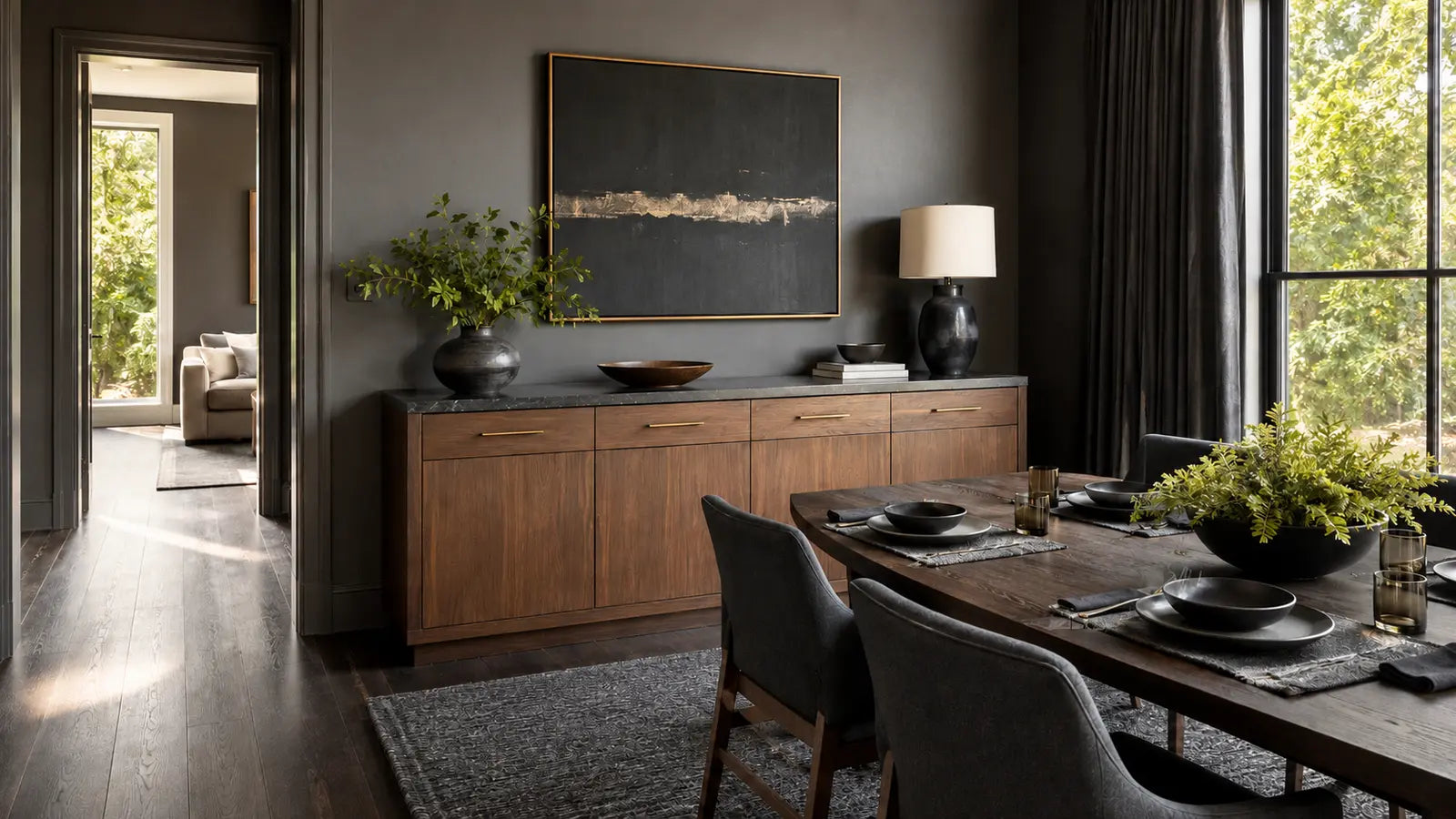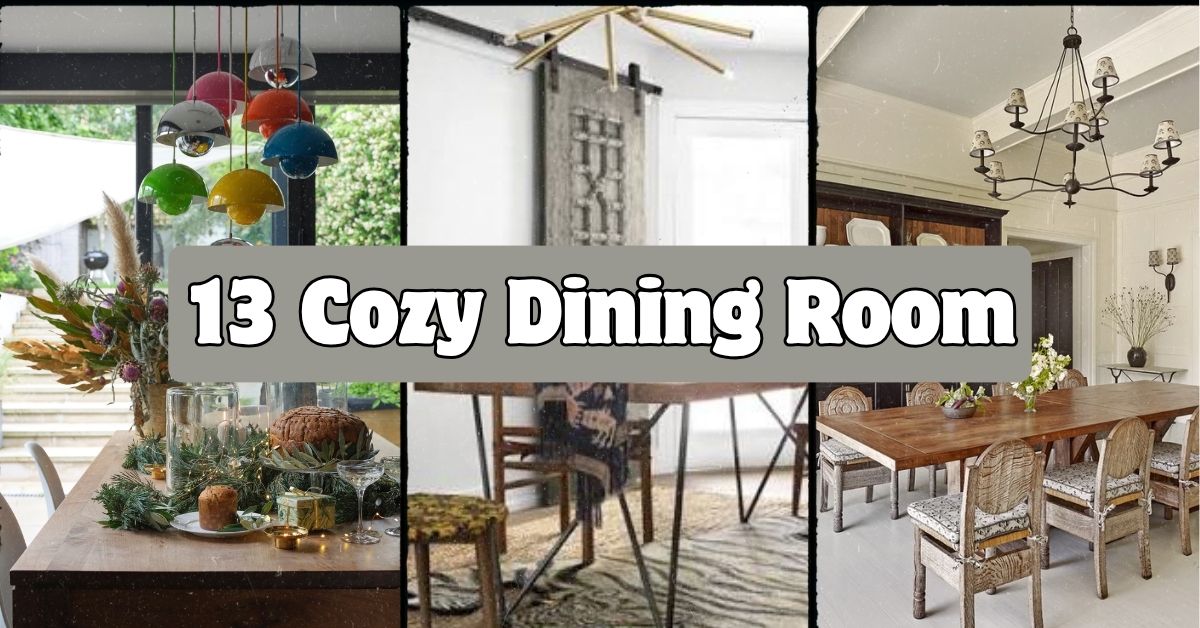
Category: Dining Room

  • 13 Cozy Dining Room Ideas That Turn Dinner Into a Whole Vibe

    13 Cozy Dining Room Ideas That Turn Dinner Into a Whole Vibe

    If you’re hunting for 13 Cozy Dining Room ideas that actually work in real homes (not just in magazine spreads), you’ve landed in the right spot. I’ve pulled together practical, tested design moves that anyone can copy, no matter your budget or square footage.

    A cozy dining room combines warm lighting, soft textures, layered decor, and a color palette rooted in earthy or muted tones to create an inviting space for eating and gathering. The goal is comfort over formality, using materials like wood, wool, and linen to soften hard edges.

    Stick with me and I’ll walk you through 13 specific ideas, plus some mistakes to dodge and quick tips that make a bigger difference than you’d think.

    What Makes a Dining Room Feel “Cozy” Anyway?

    Cozy isn’t about spending more money. It’s about making choices that feel warm instead of cold. Think soft lighting instead of one harsh overhead bulb. Think wood tables instead of glass ones. Think layers, a rug under the table, candles on top, maybe a throw blanket draped over a chair.

    I’ve noticed the coziest dining rooms all share a few things. They use warm colors. They mix textures. They dim the lights. And they add personal touches, like art or plants, that make the room feel lived in, not staged. Keep those basics in mind as we go through the ideas below.

    1. Swap Your Overhead Light for a Warm Pendant

    Affordable Dining Room Lighting Ideas For Small Apartments
    Credit: Bosky Interior

    Harsh overhead lighting kills coziness fast. I learned this the hard way in my first apartment. A single bright bulb makes food look unappetizing and makes everyone squint through dinner.

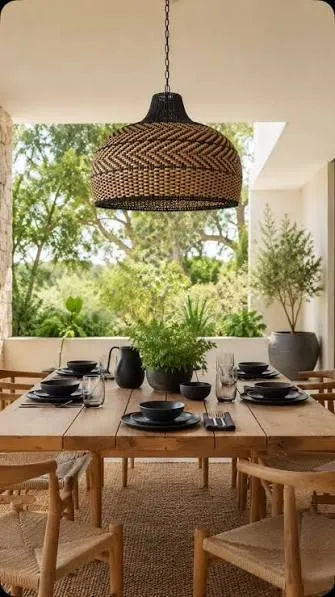
    Instead, hang a pendant light with a warm bulb (2700K or lower on the color temperature scale). Amber glass, rattan shades, or fabric drum shades all soften the glow even more.

    Practical tip: Install a dimmer switch. It costs under $20 and lets you adjust brightness for breakfast versus a candlelit dinner.

    This works in almost any style. Farmhouse homes love a black metal pendant. Coastal spaces do well with a woven rattan version. Modern homes can go sleek with a smoked glass globe.

    Once your lighting sets the mood, the next step is giving your feet something soft to land on.

    2. Layer a Wool or Jute Rug Under the Table

    A Complete Beginner's Guide To Layering Rugs | Layla Grayce
    Credit: Layla

    A bare floor under a dining table feels stark. Adding a rug changes everything. It muffles sound, adds warmth, and gives the whole room a finished look.

    Choose a rug that extends at least 24 inches beyond the table edge on all sides, so chairs don’t slide off when pulled out. Wool rugs feel soft and hide stains well. Jute or sisal rugs bring texture but can be rougher on bare feet.

    Practical tip: Get a rug pad too. It stops slipping and adds extra cushion underfoot.

    Traditional dining rooms look great with a patterned wool rug. Minimalist spaces do better with a plain jute one. Either way, this small addition makes a huge visual difference.

    Now that your floor feels grounded, let’s talk about the table itself.

    3. Choose a Wood Table With Some Character

    31 Stylish Modern Dining Room Design Ideas
    Credit: MyDomaine

    Glass and glossy tables feel cold, literally and visually. Wood tables, especially ones with visible grain or a slightly distressed finish, bring instant warmth to a room.

    I’m not saying you need an expensive antique. Even a budget-friendly table from a big box store looks cozy if it’s solid wood with a matte finish. Reclaimed wood tables are trendy right now and add a nice rustic touch.

    Practical tip: If you already own a glass or metal table, throw a linen runner down the middle. It softens the look without buying new furniture.

    Farmhouse and rustic styles love raw, chunky wood tables. Modern homes can pick a wood table with clean lines and simple legs instead.

    Once the table’s sorted, it’s time to think about what surrounds it.

    4. Mix Chair Styles Instead of Matching Everything

    How to Incorporate Mismatched Dining Chairs in Your Home
    Credit: MyDomaine

    A perfectly matched dining set can look stiff. Mixing chairs, like pairing wood chairs with a couple of upholstered ones, adds personality and comfort.

    This doesn’t mean random chaos. Stick to a color family or material theme so it still feels intentional. For example, four wood chairs plus two upholstered end chairs in a neutral fabric.

    Practical tip: Add seat cushions to hard wood chairs. It’s a cheap way to boost comfort and coziness instantly.

    Traditional homes might mix wood tones subtly. Eclectic or boho spaces can go bolder, pairing rattan chairs with velvet ones.

    Speaking of fabric, let’s talk about window treatments next.

    5. Hang Soft, Floor-Length Curtains

    29 Standout Dining Room Curtain Ideas Worth Trying
    How to Incorporate Mismatched Dining Chairs in Your HomeCredit: MyDomaine

    Bare windows make a room feel exposed and cold. Adding curtains, especially floor-length ones in a soft fabric like linen or velvet, instantly warms things up.

    Curtains also help with noise and privacy during dinner parties. Pick a color that complements your walls but isn’t identical, so there’s some depth.

    Practical tip: Hang curtain rods a few inches above the window frame and let panels puddle slightly at the floor. It makes ceilings look taller and adds a plush feel.

    Coastal rooms love sheer white linen. Traditional spaces might choose a deeper jewel tone velvet. Either choice softens hard window lines.

    Now let’s bring some life into the room, literally.

    Quick Comparison: Fabric Choices for Dining Room Curtains

    FabricFeelBest ForPrice Range
    LinenLight, breathableCoastal, farmhouse$30-$80 per panel
    VelvetRich, heavyTraditional, moody$60-$150 per panel
    CottonCasual, easy-careEveryday, family homes$20-$50 per panel
    BlackoutPractical, thickRooms with harsh sun$40-$100 per panel

    6. Add Greenery With Low-Maintenance Plants

    How to Decorate a Small Dining Room, According to Design Experts
    Credit: Ell e Decor

    A dining room without any plants feels flat. Even one or two plants add life, color, and a sense of freshness to the space.

    You don’t need a green thumb. Pothos, snake plants, and ZZ plants survive low light and infrequent watering, perfect for a dining room that only gets used a few hours a day.

    Practical tip: Put a small plant or a trailing vine on a sideboard or shelf instead of the table itself, so it doesn’t compete with your centerpiece.

    Modern rooms look sharp with a single sculptural plant in a concrete pot. Boho spaces can go wild with hanging plants and woven baskets.

    Once you’ve got some greenery, let’s talk about the walls around it.

    7. Paint Walls in a Warm, Muted Tone

    40 Perfect Dining Room Colors for Any Style
    Credit: The Spruce

    Stark white walls can feel sterile in a dining room. Warm, muted colors, think terracotta, olive, warm gray, or deep clay, make the space feel like it’s hugging you.

    Darker colors on dining room walls actually work really well because you usually spend time there in the evening, when lighting is lower anyway.

    Practical tip: Test paint samples on the wall at different times of day before committing. Colors shift a lot depending on natural versus artificial light.

    Traditional homes love deep greens and burgundies. Modern farmhouse spaces do well with warm greige or soft clay tones.

    With your walls sorted, let’s move to something people often forget: the ceiling.

    8. Don’t Ignore the Ceiling, Add Some Warmth Up There

    8 Farmhouse Dining Room Ideas That Invite in So Much Warmth and Charm
    Credit: House Beautiful

    Most people paint walls and forget the ceiling entirely, leaving it stark white. But a painted or wallpapered ceiling can make a dining room feel like a cozy little cocoon.

    Try a soft color a shade or two lighter than your wall color. Or go bold with a wallpapered ceiling featuring a subtle pattern.

    Practical tip: If painting the whole ceiling feels risky, start with just the trim in a warm tone to test the waters.

    Traditional and cottage-style homes often go all-in on ceiling wallpaper. Modern spaces might just add a warm white instead of stark white.

    Now let’s talk about what goes on your table between meals.

    9. Style an Everyday Centerpiece That’s Not Just for Holidays

    13 Table Centerpiece Ideas That Aren't a Default Floral Vase | Livingetc
    Credit: Living Etc

    A lot of people save centerpieces for special occasions and leave the table bare the rest of the time. That’s a missed opportunity for coziness.

    Keep something simple on the table daily, a wood bowl of fruit, a low vase of greenery, or a cluster of candles. It signals that the room is used and loved, not just saved for guests.

    Practical tip: Keep centerpieces under 12 inches tall so they don’t block sightlines across the table during conversation.

    Coastal homes might use a bowl of shells or driftwood. Traditional homes often go with a simple floral arrangement in a ceramic vase.

    Speaking of candles, let’s dig into that a bit more.

    10. Layer Candles at Different Heights

    43 Glowing Ideas for Candle Centerpieces for Your Wedding
    Credit: The Knot

    Candlelight is one of the cheapest, fastest ways to make a dining room feel cozy. It’s warm, flickering, and instantly softens any space, even one with bad overhead lighting.

    Use a mix of heights, like taper candles in holders paired with shorter pillar candles, to create depth on the table.

    Practical tip: Choose unscented candles for the dining table so they don’t compete with the smell of food.

    Modern spaces might use sleek black candle holders. Farmhouse tables often go with mismatched vintage brass holders.

    Budget Tiers for a Cozy Dining Room Refresh

    Budget TierWhat You Can DoEstimated Cost
    Low ($50-$150)New rug, candles, curtains, plant$50-$150
    Mid ($150-$500)Add pendant light, paint walls, seat cushions$150-$500
    High ($500-$1500)New table, chairs, ceiling treatment, art$500-$1500
    Splurge ($1500+)Custom furniture, wallpaper, built-in bench$1500+

    11. Add a Bench on One Side for Casual Comfort

    5 Banquette Seating Ideas | Castlery US
    Credit: Castlery

    Benches soften the formality of a dining room instantly. They’re also great for squeezing extra people in during holidays without buying more chairs.

    A wood or upholstered bench on one side of the table, paired with chairs on the other, creates visual interest and extra flexibility.

    Practical tip: Add a few throw pillows to the bench to make it feel extra inviting and less like a hard, boring seat.

    Farmhouse homes love a distressed wood bench. Modern spaces might choose a low-profile upholstered version instead.

    Now, let’s talk about something that ties the whole room together: art.

    12. Hang Art That Feels Personal, Not Generic

    Design Mistakes: Generic Art - Emily Henderson
    Credit: Emily Henderson

    A dining room with blank walls feels unfinished. But art that’s too formal or generic can feel cold too. The trick is picking pieces that feel personal, family photos, a favorite print, or even kids’ artwork framed nicely.

    Gallery walls work great in dining rooms because they give you something to look at during long conversations over dinner.

    Practical tip: Hang art at eye level for someone sitting down, not standing, since that’s the perspective you’ll view it from most.

    Traditional homes might frame botanical prints in gold frames. Eclectic spaces can mix photography, paintings, and textiles on one wall.

    Last but not least, let’s talk texture on the table itself.

    13. Layer Table Linens for Instant Softness

    The 11 Best Linen Tablecloths, Tested & Reviewed
    Credit: Food

    A bare wood table is nice, but adding a table runner, placemats, or even cloth napkins adds a layer of softness that makes meals feel more special.

    Mix textures, like a woven runner with linen napkins, for depth. Stick to neutral or earthy tones so it doesn’t clash with your other decor.

    Practical tip: Buy cloth napkins in a set of eight. They’re reusable, cut down on paper waste, and instantly upgrade any meal, even a random Tuesday dinner.

    Coastal homes love striped cotton runners. Traditional spaces might choose a lace or embroidered version instead.

    Tips for Success

    • Start with lighting first. It has the biggest impact for the least amount of money.
    • Don’t buy everything at once. Add one or two elements, live with them, then adjust.
    • Keep a consistent color family across rugs, curtains, and walls so the room feels pulled together.
    • Use real materials (wood, wool, linen) over synthetic ones whenever your budget allows. They age better and feel warmer.
    • Rotate seasonal touches, like a different runner or candle scent, to keep the room feeling fresh without a full redesign.
    • Test paint and fabric swatches at night, since that’s likely when you’ll use the room most.
    • Don’t skip the rug. It’s the one item people forget, but it makes the biggest textural difference.

    Common Mistakes and How to Avoid Them

    Overhead lighting as the only light source
    : Add a dimmer or a secondary lamp source, like a buffet lamp on a sideboard, to soften the overall glow.

    Matching every piece of furniture exactly
    : Mix at least one different chair style or material to avoid a showroom-floor look.

    Skipping the rug because “it’s just a dining room”
    : Add a rug sized correctly (24 inches beyond the table edge) to instantly ground the space.

    Choosing decor that’s too fragile or fussy for daily use
    : Pick centerpieces and linens that can survive spills and daily wear, since dining rooms get used often.

    Ignoring the ceiling and trim
    : Add a warm paint color or subtle wallpaper up top instead of leaving it stark white.

    Going too minimal and forgetting personal touches
    : Add at least one piece of personal art or a family photo to keep the room from feeling like a hotel dining area.

    Similar Variations

    • Coastal Cozy Dining Room: Light woods, white linens, and touches of blue for a beachy, relaxed feel.
    • Farmhouse Cozy Dining Room: Reclaimed wood tables, black metal fixtures, and neutral linens for a rustic touch.
    • Modern Minimalist Cozy Dining Room: Clean lines, warm neutral tones, and one or two statement decor pieces instead of clutter.
    • Boho Cozy Dining Room: Layered rugs, rattan chairs, hanging plants, and warm earthy colors.
    • Traditional Cozy Dining Room: Rich wood furniture, deep wall colors, and classic patterned rugs or curtains.
    • Scandinavian Cozy Dining Room: Light wood, soft neutral textiles, and simple pendant lighting for a calm, airy feel.

    Making a dining room feel cozy really comes down to small, layered choices. It’s not about a total renovation. It’s about lighting, texture, color, and a few personal touches that make people want to linger at the table a little longer. Try even three or four of these ideas and you’ll notice the difference at your very next meal. That’s really the whole point behind these 13 Cozy Dining Room ideas, small changes that add up to a room everyone actually wants to sit in.

  • 10 Dining Room Curtains That Turn a Plain Space Into Something Special

    10 Dining Room Curtains That Turn a Plain Space Into Something Special

    I’ve tested and researched 10 dining room curtains ideas so you don’t have to guess what actually works. If you’ve ever stared at your bare dining room windows wondering what would make the room feel finished, you’re in the right place. I promise you’ll walk away knowing exactly what to hang up.

    Dining room curtains are fabric window treatments chosen specifically for dining spaces to control light, add privacy, and tie the room’s decor together. The best choices balance function (light control, easy cleaning near food) with style that matches your table setup and wall colors.

    Stick around, because I’m about to show you curtain styles that go way beyond basic white panels, plus a few mistakes that make dining rooms look cheap instead of cozy.

    What Makes Dining Room Curtains Different From Other Rooms

    Dining rooms have their own rules when it comes to curtains. You’re dealing with food smells, spilled wine, sunlight hitting the table during dinner, and a room that needs to look good for guests but also survive daily life. I always tell people to think about fabric that’s easy to wipe or wash, colors that won’t clash with your table runner or dishes, and lengths that make the ceiling feel taller. It’s not just about picking pretty fabric. It’s about picking fabric that works as hard as your kitchen towels do, while still looking like it belongs in a magazine.

    1. Floor-Length Linen Panels for an Airy Feel

    Celina Linen Curtains – Elegant Floor-to-Ceiling Drapes for Living Roo –  Freshine
    Credit: Freshen

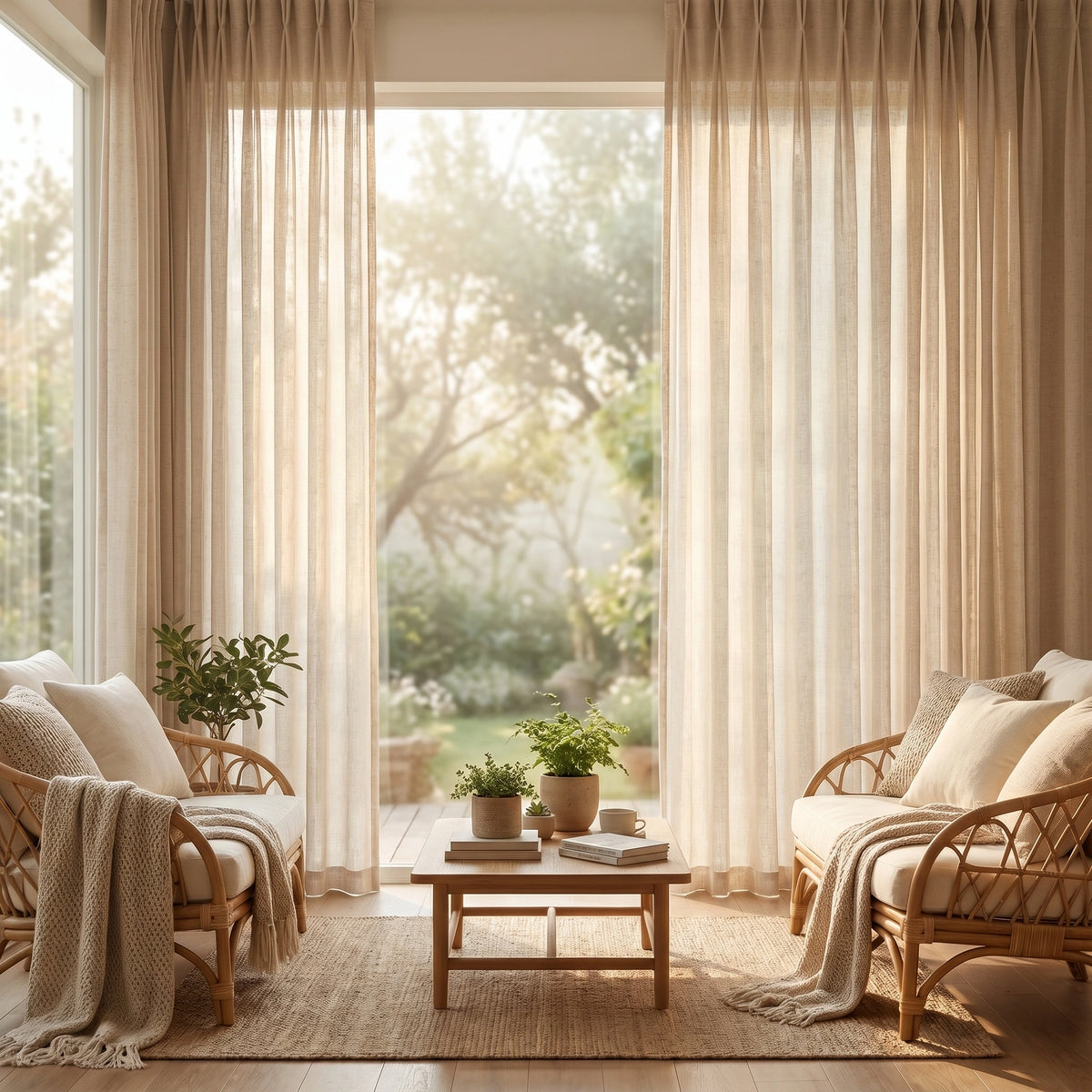
    Linen curtains that pool just slightly at the floor give your dining room an effortless, breezy look. This fabric has natural texture that catches light beautifully during dinner parties. I love how linen doesn’t feel stiff or formal, even in a nicer dining space.

    Pick a soft white, oatmeal, or light gray linen to keep things neutral. Hang the rod close to the ceiling, not right above the window frame, to trick the eye into thinking your walls are taller.

    Practical tip: Buy panels a few inches longer than your window height so you get that relaxed puddle effect at the bottom.

    This style adapts well to coastal, farmhouse, and modern minimalist homes alike.

    Next up, let’s talk about a bolder option for people who want their curtains to actually make a statement.

    2. Bold Patterned Drapes as a Room Statement

    Statement Curtains to Upgrade Any Room
    Credit: Trendir

    If your dining room walls are plain and your furniture is simple, patterned curtains can be the thing that makes the whole room pop. Think botanical prints, geometric shapes, or even a subtle stripe. This works especially well in rooms with a lot of white or beige.

    Choose one dominant color from the pattern and repeat it somewhere else in the room, like in your chair cushions or a piece of art. That repetition makes the whole space feel planned instead of random.

    Practical tip: Test a fabric swatch against your wall color for a full day before buying, since patterns can look totally different in morning versus evening light.

    This idea works great in eclectic, bohemian, or maximalist-style dining rooms.

    Now let’s cool things down with a color that almost never goes wrong.

    3. Deep Navy or Emerald Curtains for Drama

    Green Velvet Curtains: Dark Emerald, Olive, Sage, Forest & Moss Green
    Credit: Linen

    Dark curtains in navy blue or emerald green make a dining room feel rich and a little fancy, without trying too hard. These colors work especially well if your dining table is wood-toned or if you have brass light fixtures.

    Pair dark curtains with lighter walls so the room doesn’t feel like a cave. A cream or soft gray wall next to navy drapes creates contrast that feels intentional and expensive.

    Practical tip: Add curtain tiebacks in a metallic finish like brass or gold to break up the heavy color and add a little shine.

    This look shines in traditional, transitional, and moody modern dining rooms.

    Let’s move from drama to something a little more relaxed and breathable.

    Color Palette Combinations for Dining Room Curtains

    Curtain ColorBest Wall Color PairingRoom StyleLight Filtering Level
    Navy BlueCream or light grayTraditionalMedium
    Emerald GreenWarm whiteTransitionalMedium
    Oatmeal LinenSage greenCoastal/FarmhouseLight
    Blush PinkSoft grayModern feminineLight
    CharcoalWhite or pale blueModern/IndustrialHeavy
    TerracottaCream or tanBoho/SouthwestMedium

    4. Sheer Curtains for Soft, Natural Light

    Soft Light Curtains for Bedroom & Living Room | DWCN Home – DWCN Official
    Credit: Offial

    Sheers are perfect if your dining room doesn’t get a ton of natural light already. They let sunshine filter through during breakfast or lunch without making the room feel exposed. I like using sheers alone in rooms that don’t need privacy, like a dining room facing a backyard.

    Go with white, ivory, or a very pale gray sheer fabric. Anything darker starts to look muddy when light passes through it.

    Practical tip: Hang sheers on a double rod so you can add heavier drapes behind them later if you ever want more privacy or light control.

    This works beautifully in coastal, Scandinavian, and cottage-style homes.

    Now let’s talk about a texture that makes curtains feel more like art.

    5. Textured Weave Curtains for Depth

    29 Standout Dining Room Curtain Ideas Worth Trying
    Credit: MyDomaine

    Curtains with a woven or nubby texture add visual interest without needing a bold color or busy pattern. Think waffle weave, basketweave, or slubbed cotton. These fabrics catch shadows in a way flat fabric just can’t.

    Stick to neutral tones like ivory, taupe, or light gray so the texture itself becomes the focal point instead of getting lost in a strong color.

    Practical tip: Run your hand over a fabric sample before buying. If it feels interesting to touch, it usually reads as interesting when hung, too.

    This idea fits warm minimalist, Japandi, and modern farmhouse dining rooms especially well.

    Let’s switch gears and talk about curtains that do double duty as a design anchor.

    6. Curtains That Match Your Table Runner or Rug

    29 Standout Dining Room Curtain Ideas Worth Trying
    Credit: MyDomaine

    Here’s a trick interior designers use all the time. Pick a curtain fabric that shares a color or pattern with your table runner, placemats, or rug. It doesn’t have to be identical, just related enough that your eye connects the dots.

    This creates a “designed on purpose” feeling even if you bought everything separately over time. A striped rug and a subtly striped curtain in a matching tone is a simple way to pull this off.

    Practical tip: Bring a fabric swatch or photo of your rug when shopping for curtains so you can compare colors in person.

    This approach works in literally every home style because it’s about coordination, not a specific look.

    Speaking of coordination, let’s talk about length and how much it actually matters.

    7. Floor-to-Ceiling Length for a Taller-Looking Room

    10 ways to make living room ceilings look higher | Homes and Gardens
    Credit: Home And Garden

    One of the easiest upgrades you can make is simply hanging your curtains higher and longer. Instead of stopping at the windowsill, extend curtains from just below the ceiling down to the floor. This one change makes a dining room feel taller and more polished almost instantly.

    Choose a rod that’s wider than your window frame too, so the curtains can fully open without blocking light when you want them pulled back.

    Practical tip: Measure from about four inches below your ceiling down to a half inch above your floor for the ideal drop.

    This trick works in every single style of home because it’s really about proportion, not aesthetics.

    Now let’s look at a fabric choice that handles real-life dining room messes.

    8. Easy-Clean Fabrics for Everyday Dining Rooms

    8 Ways To Transform Your Dining Room
    Credit: House Beautiful

    If your dining room doubles as a homework spot, craft table, or everyday eating area, you need curtains that can handle a little chaos. Polyester blends and treated cotton are more stain-resistant than delicate silk or raw linen.

    Look for fabrics labeled machine washable or spot-clean friendly. Darker colors and busier patterns also hide small stains better than solid white.

    Practical tip: Avoid curtains that pool on the floor in high-traffic dining rooms since they collect dust and food crumbs fast.

    This idea matters most in family-style, farmhouse, and casual modern dining rooms where the table gets used constantly.

    Let’s talk next about a curtain style that adds softness without any pattern at all.

    9. Layered Curtains for Function and Style

    Top Dining Room Curtain Ideas to Elevate Your Room | The Shade Store
    Credit: The Shade Store

    Layering means combining a sheer curtain with a heavier drape on the same window. During the day, you can close just the sheer for privacy while still letting light in. At night, close the heavier drape for full coverage and warmth.

    This setup also just looks more finished. A single flat panel can feel plain, but layers add richness and depth, even in a small dining nook.

    Practical tip: Use a double curtain rod, or two single rods mounted at slightly different depths, to make layering easy to open and close.

    This works especially well in traditional, transitional, and English cottage-style dining rooms.

    Now, let’s talk budget, because not everyone wants to spend a fortune on window treatments.

    Budget Tiers for Dining Room Curtains

    Budget LevelPrice Range (per panel)Typical FabricBest For
    Budget-Friendly$15-$35Polyester blendRentals, temporary decor
    Mid-Range$40-$90Cotton, linen blendMost homeowners
    High-End$100-$250Pure linen, velvetStatement dining rooms
    Custom/Designer$300+Silk, custom printsFormal or luxury spaces

    10. Velvet Curtains for a Cozy, Formal Touch

    Add a Touch of Luxury with Velvet Curtains | The Shade Store
    Credit: The Shade Store

    Velvet curtains add a plush, hotel-like feeling to a dining room. They’re heavier than most fabrics, which means they also block light and sound better than thinner options. I especially love velvet in dining rooms used for evening dinners or holiday gatherings.

    Deep jewel tones like burgundy, forest green, or sapphire work best with velvet since the fabric already has a natural sheen that shows color richly.

    Practical tip: Vacuum velvet curtains gently with a brush attachment every few months to keep the fabric looking fresh and dust-free.

    This style fits traditional, glam, and formal dining rooms the best.

    Let’s wrap up the main list with two more ideas that often get overlooked.

    11. Café-Style Curtains for Half-Window Coverage

    Why You Should Be Hanging Café Curtains Everywhere, Not Just in the Kitchen,  According to an Interior Designer
    Credit: Better Homes

    Café curtains only cover the bottom half of your window, leaving the top open for natural light. This works great in dining rooms where you want privacy from the street but still want sunlight pouring in from above.

    These are especially handy in kitchen-adjacent dining nooks or breakfast areas near a busy sidewalk or neighboring house.

    Practical tip: Use a tension rod mounted at the window’s midpoint so you can install these without drilling any holes.

    This style is a favorite in farmhouse, cottage, and vintage-inspired dining rooms.

    One more idea before we move into tips and common mistakes.

    12. Ombre or Two-Tone Curtains for a Modern Twist

    Dining Room Curtain Ideas: Perfect Picks for Every Style – UNICURT
    Credit: Unicurt

    Ombre curtains fade from light to dark (or vice versa) along the fabric, creating a soft gradient effect. Two-tone curtains use color blocking instead, with a clean line separating two shades or fabrics.

    Both options add visual interest without needing a busy pattern. They work particularly well in dining rooms with simple furniture and plain walls that need a little extra personality.

    Practical tip: Hang ombre curtains so the darker portion sits near the floor. It grounds the room and looks more intentional than having dark fabric up top.

    This idea suits modern, contemporary, and eclectic dining spaces especially well.

    Tips for Success

    • Measure your window width and multiply by 1.5 to 2 times for proper fabric fullness, so curtains don’t look flat and skimpy.
    • Iron or steam curtains before hanging them, since fabric often arrives wrinkled from shipping or storage.
    • Match your curtain rod finish to your light fixtures or cabinet hardware for a cohesive look.
    • Wash or dry-clean dining room curtains more often than other rooms since food smells and grease cling to fabric.
    • Choose blackout lining if your dining room windows face direct afternoon sun and heat up the room.
    • Consider motorized curtains if your dining room has hard-to-reach or oversized windows.
    • Don’t ignore curtain length rules. Too short makes a room look unfinished, no matter how nice the fabric is.

    Common Mistakes and How to Avoid Them

    Hanging curtains too low
    : This chops the window visually and makes ceilings look shorter. Mount the rod close to the ceiling instead.

    Choosing curtains too short for the window
    : Curtains that stop above the floor look unfinished. Always measure and buy panels that reach at least the floor, if not slightly beyond.

    Picking delicate fabric for a busy family dining room
    : Silk and raw linen stain easily and are hard to clean. Choose polyester blends or treated cotton for everyday use.

    Ignoring natural light direction
    : A dining room facing west gets strong afternoon sun that fades fabric fast. Choose UV-resistant or lined curtains for sun-facing rooms.

    Matching curtains exactly to the wall color
    : This can make the window disappear into the wall instead of standing out as a design feature. Choose a complementary shade instead of an identical one.

    Skipping curtain rings or clips
    : Threading fabric directly onto a rod causes bunching and uneven folds. Rings or clips create cleaner, more even pleats.

    Similar Variations

    • Kitchen Curtains – Shorter, easier-to-clean versions often used near sinks and cooking areas.
    • Living Room Drapes – Typically heavier and more formal, meant for lounging spaces rather than eating areas.
    • Breakfast Nook Curtains – Smaller-scale curtains suited for cozy corner dining spots.
    • Sunroom Curtains – Lightweight, UV-resistant fabrics made for rooms with heavy glass exposure.
    • Formal Dining Room Drapes – Heavier fabrics like velvet or silk used in dedicated entertaining spaces.
    • Farmhouse Café Curtains – Half-window coverage paired with rustic rod hardware for a cozy country look.

    Picking the right window treatment really comes down to knowing your room’s light, your family’s habits, and the style you’re already working with. Whether you go bold with navy velvet or keep it airy with linen sheers, the goal is a dining room that feels finished and fits how you actually live. I hope this list of 10 dining room curtains gave you a clear starting point for your own space.

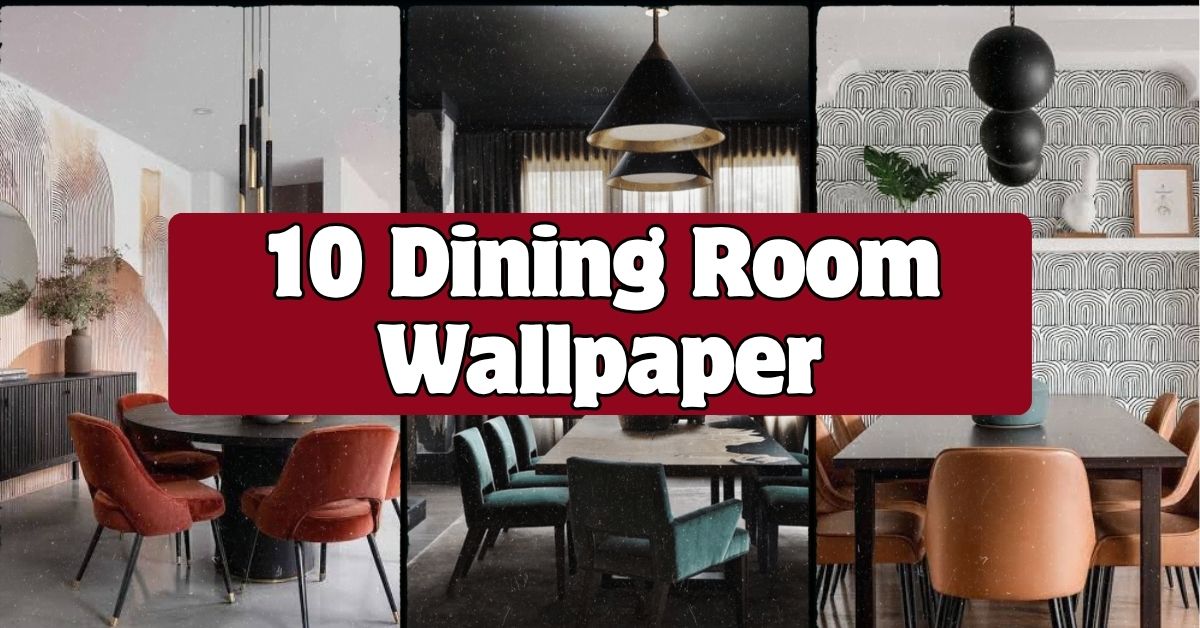
  • 10 Dining Room Wallpaper Ideas That Will Change How You See This Room

    10 Dining Room Wallpaper Ideas That Will Change How You See This Room

    If you’ve been scrolling around trying to find real, useful answers about 10 dining room wallpaper ideas, I’ve got you covered. I spent a lot of time digging through design trends, talking to people who’ve actually done this in their homes, and pulling together what actually works versus what just looks nice in a magazine photo.

    Dining room wallpaper refers to decorative wall coverings applied specifically in dining spaces to add pattern, texture, or color. It serves as a design focal point, often paired with complementary trim, lighting, and furniture to create a cohesive dining experience.

    Stick with me because I’m about to walk you through twelve specific wallpaper ideas, plus the mistakes that trip people up and how to dodge them.

    What Makes Dining Room Wallpaper Different From Other Rooms

    Here’s the thing about dining rooms. You don’t spend all day in there like a living room or bedroom. You sit, eat, chat, maybe linger over coffee. That means the wallpaper gets to be a little bolder than what you’d pick for a bedroom.

    I always tell people the dining room is where you can take a risk. Nobody’s trying to nap in there. You want energy during dinner parties and warmth during quiet Tuesday night meals with the family. Wallpaper does both if you pick the right pattern. It’s basically the one room in the house where “too much” almost doesn’t exist.

    1. Go Bold With a Botanical Print

    Eye-Catching Dining Rooms with Floral Wallpaper - How to Use Floral  Wallpaper
    Credit: Elle Decor

    Botanical wallpaper brings the outdoors in without you having to water anything. Think big leaves, vines, or tropical flowers stretched across the wall. This works so well in dining rooms because it gives you something to look at during long meals.

    Pair it with a wood dining table and rattan chairs to keep things grounded. Stick to a neutral tablecloth or runner so the wall stays the star.

    Practical tip: choose a botanical print with a dark background if your room gets a lot of natural light. It keeps the pattern from washing out.

    This idea flexes easily. Go tropical for a coastal vibe, or pick muted sage greens for a modern farmhouse look. Once you’ve got the greenery covered, let’s talk about something a little more dramatic.

    2. Try a Moody Dark Color for Instant Drama

    40 Black Dining Room Ideas That Will Convince You to Repaint
    Credit: The Spruce

    Dark wallpaper in navy, deep green, or charcoal makes a dining room feel like a private little world. It’s cozy at night under candlelight and surprisingly sharp during the day too.

    Balance the darkness with brass or gold light fixtures. A chandelier works wonders here. Keep your furniture lighter in tone, like a whitewashed table or cream upholstered chairs, so the room doesn’t feel like a cave.

    Actionable tip: test a sample swatch on the wall for a full 24 hours before committing. Dark colors shift dramatically depending on the light.

    Traditional homes love this look with damask patterns. Modern spaces do it with solid matte colors instead. Once you’ve gone dark, you might want to lighten things up on the ceiling side of things, which brings me to my next idea.

    3. Wallpaper the Ceiling, Not Just the Walls

    Wallpaper Isn't Just for Walls | Welcome to Better - M/I Homes
    Credit: MI Homes

    This one surprises people. Putting wallpaper on the ceiling instead of (or in addition to) the walls creates a “fifth wall” effect that feels unexpected in the best way.

    A small geometric print or a soft cloud pattern overhead adds interest without overwhelming the eating space. Keep the walls in a simple paint color so the ceiling gets its moment.

    Tip: measure twice before ordering. Ceiling wallpaper needs precise cuts, and mistakes are expensive.

    This works beautifully in traditional and eclectic homes. Modern minimalist spaces can do a subtle metallic ceiling paper for a similar effect without much fuss. Now let’s bring some history into the room.

    4. Bring in a Vintage-Inspired Damask Pattern

    Damask Wallpaper | ONDECOR – ONDECOR.COM
    Credit: OnDecor

    Damask wallpaper has that old-money, formal dining room feel. It’s the kind of pattern that makes a room feel like it’s been lived in for generations, even in a brand new house.

    Go with a tonal damask, meaning the pattern color is close to the background color. It reads as texture rather than a busy print. Pair it with a dark wood table, upholstered chairs, and a statement mirror.

    Tip: use damask on just one wall if you’re nervous about commitment. An accent wall gives you the look without covering every surface.

    Traditional and transitional homes are the natural fit here, but a damask in an unexpected color like blush pink can work in more eclectic spaces too. Speaking of accent walls, let’s dig deeper into that idea.

    5. Create an Accent Wall Behind the China Cabinet

    Modern Dining Wallpaper Accent Wall Ideas & Visual Tricks
    Credit: Hermony Home Design

    Instead of wrapping the whole room, wallpaper just the wall behind your china cabinet or buffet. This draws the eye and highlights your dishware or decor pieces without asking for a huge commitment.

    Choose a pattern that contrasts with your cabinet’s wood tone. A light cabinet against a dark floral, or a dark cabinet against a soft geometric, both work well.

    Tip: measure the wall space behind the furniture piece exactly, and buy 10% extra wallpaper for pattern matching and mistakes.

    This trick works in literally every home style because it’s low commitment and high impact. Now, let’s talk about texture instead of just pattern.

    6. Add Grasscloth for Natural Texture

    How to Add Organic Texture to Walls with Natural Grasscloth Wallpaper –  California Wallpaper
    Credit: California Wellpaper

    Grasscloth wallpaper is woven from natural fibers, so it brings texture instead of a printed pattern. It’s subtle, warm, and hides wall imperfections really well.

    Pair it with wood furniture and woven light fixtures for a cohesive natural look. Grasscloth works in neutral tones like tan, oatmeal, or soft gray.

    Tip: grasscloth can be tricky to clean since it’s textured. Keep it away from areas near a kids’ snack table or messy eating zones.

    Coastal and organic modern homes practically beg for this material. Even industrial spaces use it to soften hard edges. Next, let’s talk about pattern scale, because size matters more than people think.

    Wallpaper Pattern Scale Guide

    Pattern SizeBest Room SizeVisual EffectGood Pairing
    Small/Micro printUnder 120 sq ftFeels subtle, almost texturalSimple furniture, minimal decor
    Medium print120-200 sq ftBalanced, noticeable but not loudMixed wood tones, patterned rugs
    Large/Oversized print200+ sq ftBold statement, dramaticSolid-color furniture, plain flooring
    Mural-style (one scene)Any size, feature wall onlyFocal point, artisticMinimal decor elsewhere

    7. Use a Geometric Pattern for a Modern Edge

    Modern Dining Wallpaper Accent Wall Ideas & Visual Tricks
    Credit: Harmony Home Design

    Geometric wallpaper, think hexagons, chevrons, or simple line patterns, gives a dining room a clean, current feel. It’s a great option if you want pattern without anything too fussy.

    Stick to two or three colors max in the pattern. Too many colors in a geometric print can feel chaotic fast. Pair with simple furniture lines, like a slab-top table and armless chairs.

    Tip: use a smaller-scale geometric if your dining room connects openly to your kitchen or living space. It reads as texture from a distance instead of competing with other patterns in the open floor plan.

    This idea is basically made for modern and mid-century modern homes, though a soft pastel geometric can work in a nursery-adjacent playful dining nook too. Let’s shift toward something with a bit more shimmer.

    8. Add a Metallic Wallpaper for Evening Glow

    Dining Room Wallpaper: From Casual to Fine • Milton & King Australia
    Credit: Milton And King

    Metallic wallpaper has a subtle shimmer that catches candlelight and pendant lighting beautifully. It’s perfect for a room where you’re likely doing a lot of evening entertaining.

    Go with champagne, soft gold, or pewter tones rather than anything too shiny or disco-like. Pair with matte black or brass fixtures for contrast.

    Tip: metallic wallpaper shows fingerprints and smudges more than matte finishes. Keep it away from spots near the light switch or door frame where hands touch often.

    Art deco and glam-style dining rooms use this constantly, but even a farmhouse dining room can pull off a subtle metallic if the pattern stays simple. Now let’s go in a totally different direction with murals.

    9. Install a Scenic Mural for a Statement Wall

    Dining Room Wallpaper & Wall Murals for Luxury Interiors | FEATHR
    Credit: Feater

    A scenic mural wallpaper turns one wall into a piece of art. Think forest scenes, city skylines, or abstract landscapes stretched across a single wall.

    Keep the rest of the room simple so the mural gets full attention. A plain paint color on the other three walls and simple furniture does the trick.

    Tip: order a printed sample of the mural before committing. Murals are pricier and harder to return than standard rolls, so double check the color and scale first.

    This works in nearly any style home, but it shines brightest in eclectic, bohemian, or art-focused interiors. Next, let’s talk about something a little more subtle: stripes.

    10. Use Vertical Stripes to Make a Low Ceiling Feel Taller

    The subtle 'vertical decorating' technique designers use to make small rooms  look bigger and brighter | Homes and Gardens
    Credit: Home And Garden

    If your dining room has a lower ceiling, vertical stripe wallpaper is a simple fix. The eye follows the lines up, which tricks the brain into thinking the room has more height.

    Keep the stripe contrast soft rather than high-contrast if you want a calmer feel. Two close tones of the same color family work great.

    Tip: pair with a pendant light hung slightly lower than usual. It draws even more attention upward and makes the stripe trick work harder.

    Traditional and coastal homes both use this trick often, especially in older houses with shorter ceiling heights. Now let’s cover a budget-friendly option that a lot of people skip.

    Wallpaper Type Cost Comparison

    Wallpaper TypeAverage Cost Per RollInstallation DifficultyLongevity
    Peel-and-stick$20-$50Easy, DIY friendly1-3 years
    Standard paper (pasted)$30-$80Moderate, may need pro5-10 years
    Grasscloth$60-$150Difficult, pro recommended8-15 years
    Mural (custom size)$150-$500+Difficult, pro recommended10-15 years

    Tips for Success

    • Always order extra wallpaper, about 10-15% more than your calculated square footage, to account for pattern matching and cutting errors.
    • Test paint and wallpaper samples under your actual dining room lighting, both day and night, before making a final decision.
    • Prep your walls properly by sanding and priming, since wallpaper shows every bump and imperfection underneath it.
    • Consider the sightline from your kitchen or entryway, since that’s often the first view guests get of your dining room wallpaper.
    • Don’t skip the trim work. Fresh baseboards and crown molding make wallpaper look intentional rather than slapped on.
    • Hire a professional installer for grasscloth, murals, or anything with a large pattern repeat, since mistakes are costly to fix.
    • Keep your dining table and chair fabric choices simple if your wallpaper pattern is bold, so the room doesn’t compete with itself.

    Common Mistakes and How to Avoid Them

    Skipping the sample stage
    : Always buy a small sample roll and tape it to the wall for at least a full day before ordering the whole batch.

    Choosing a pattern that’s too busy for a small room
    : Stick to smaller-scale prints or lighter colors in dining rooms under 120 square feet to avoid a cramped feeling.

    Ignoring the sheen and finish
    : Matte finishes hide wall flaws better, while glossy finishes show every imperfection, so match the finish to your wall condition.

    Forgetting about humidity and food splatter
    : Choose washable, vinyl-coated wallpaper near the table zone since dining rooms deal with spills and cooking smells drifting in from nearby kitchens.

    Rushing the installation
    : Take breaks between wallpaper strips and let the adhesive set as directed, since air bubbles and misaligned seams usually happen from moving too fast.

    Not planning for outlets and switches
    : Map out every outlet, switch, and vent before you start hanging paper so you’re not cutting awkward holes at the last minute.

    Similar Variations

    • Accent Wall Only: A single wallpapered wall paired with painted walls elsewhere for a lower-commitment version of the full-room look.
    • Wainscoting Combo: Wallpaper on the upper half of the wall paired with wood paneling or wainscoting on the lower half for added texture.
    • All-Over Small Print: Covering every wall in a tiny, repeating pattern for a cohesive, wrapped-in-pattern feel without visual chaos.
    • Textile Wall Covering: Using fabric-based wall coverings like linen or silk blends instead of traditional paper for a softer, more luxurious texture.
    • Chinoiserie Style: Hand-painted or printed Asian-inspired scenic patterns, often featuring birds and branches, popular in more formal dining spaces.
    • Faux Finish Wallpaper: Wallpaper printed to mimic materials like marble, wood, or plaster for a high-end look at a lower cost.

    Picking the right wallpaper for your dining room really comes down to knowing your space, your lifestyle, and how bold you’re willing to go. Some of these ideas take an afternoon and a peel-and-stick roll. Others need a professional and a bigger budget. Either way, your walls don’t have to stay plain and boring anymore. I hope this list of 10 dining room wallpaper ideas gave you exactly what you needed to finally make a decision and get started on your own space.

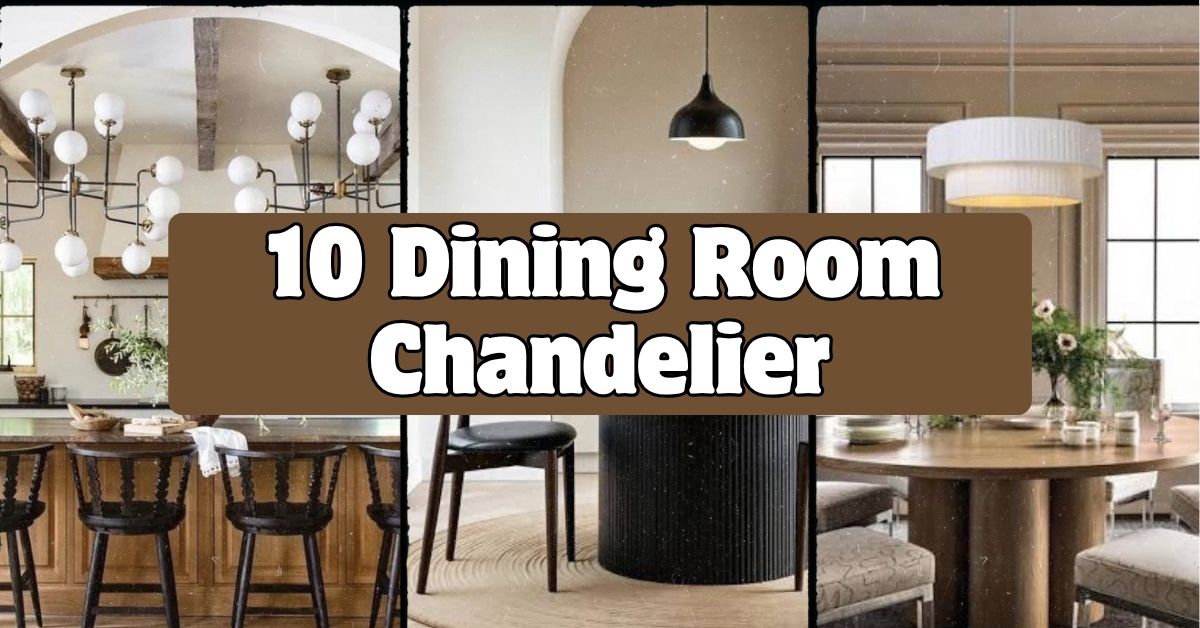
  • 10 Dining Room Chandelier Ideas That’ll Make Your Whole Room Feel Brand New

    10 Dining Room Chandelier Ideas That’ll Make Your Whole Room Feel Brand New

    I’ve spent way too many hours scrolling through lighting stores trying to find the right dining room chandelier, so I put together this guide to save you that headache. This isn’t a rushed list. I actually dug into what works, what doesn’t, and why, so you get real answers instead of generic fluff.

    A dining room chandelier is a hanging light fixture installed above a dining table, usually centered, that provides both ambient lighting and a decorative focal point. The right size, height, and style depend on your table dimensions, ceiling height, and the room’s overall design.

    Stick around, because I’m about to walk you through 12 chandelier ideas, a sizing table, a budget breakdown, and the mistakes I see people make over and over again.

    What Makes a Dining Room Chandelier Actually Work

    Here’s the thing about chandeliers. They’re not just lights. They’re basically jewelry for your ceiling. A good one pulls the whole room together, sets the mood for dinner, and gives guests something to look up at (literally) when they walk in.

    But a chandelier that’s too small looks lost. One that’s too big feels like it’s about to swallow your table. The trick is balancing size, height, and style with the rest of your room. I’ll show you exactly how to do that with real examples below, so by the end you’ll know which direction fits your space best.

    1. Go Bold with an Oversized Statement Chandelier

    Bold Oversized Pendants and Chandeliers — Lighting Design Store
    Credit: Lightingdesign

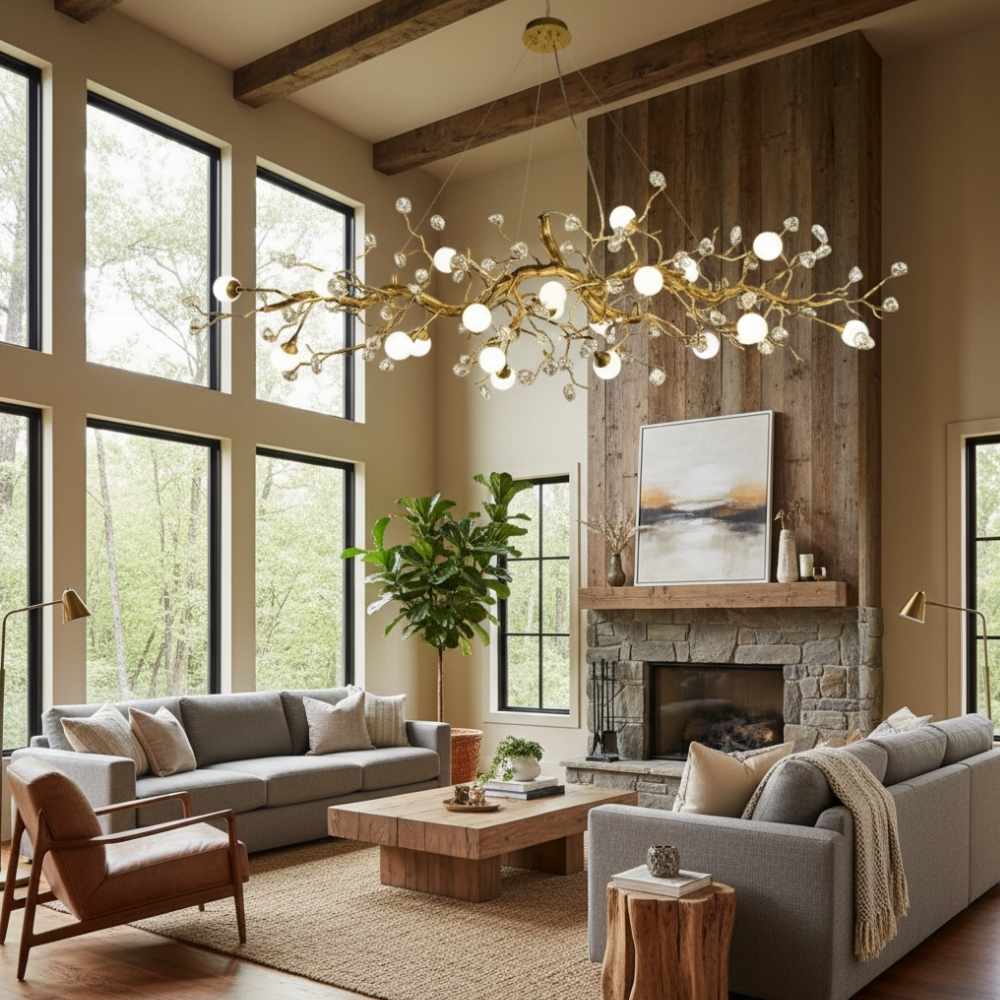
    If your dining room has high ceilings, don’t be shy. An oversized chandelier fills empty space above the table and instantly becomes the room’s main event. Think dramatic metal frames, cascading crystals, or a mix of both.

    The key is proportion. Your chandelier’s width should be about half to two-thirds of your table’s width. So if your table is 72 inches long, look for a fixture around 36 to 48 inches wide.

    Practical tip: measure your ceiling height first. You need at least 30 to 36 inches of clearance between the chandelier’s bottom and the table.

    This idea works great in traditional and glam homes, but you can find oversized fixtures in matte black or brass for a more modern look too. Now let’s talk about what happens when your ceilings aren’t quite so tall.

    2. Choose a Low-Profile Drum Shade for Modest Ceilings

    Pleated Fabric Drum Shade Dimmable Chandelier | Ping Lighting
    Credit: Pink Lighting

    Not every dining room has soaring ceilings, and that’s fine. A drum shade chandelier hugs closer to the ceiling and still delivers plenty of light without eating up vertical space. These usually come in fabric, metal, or frosted glass.

    I like drum shades because they diffuse light softly, which makes dinner conversations feel warmer and less harsh. Pair a linen drum shade with a wood table for a cozy, understated look.

    Actionable tip: measure from your ceiling to the tabletop. If it’s under 8 feet, a drum shade keeps things proportional without crowding the room.

    This style adapts beautifully to farmhouse, transitional, and minimalist homes. Next, let’s look at a chandelier style that brings texture into the mix.

    3. Add Warmth with a Wood and Iron Combo Chandelier

    Modern Farmhouse Dining Room Looks That Make The Table The Best Seat In The  House - Edward George
    Credit: Edwardgeorgelondon

    Mixing materials gives your dining room depth without trying too hard. Wood and iron chandeliers combine rustic charm with an industrial edge, which works surprisingly well in almost any home.

    The wood adds warmth. The iron adds structure. Together they feel grounded instead of fussy. I’ve seen these in circular ring designs, wagon-wheel shapes, and even boxy geometric frames.

    Practical tip: match the wood tone to your existing furniture. If your table is a light oak, look for a chandelier with a similar finish so things don’t clash.

    This combo shines in farmhouse and rustic spaces, but a blackened iron frame with dark walnut accents can lean more modern industrial too. Speaking of modern, let’s talk metal finishes next.

    4. Try a Matte Black Fixture for Modern Drama

    Why Black Accents Are the Secret to Stylish Interiors: 13 Ideas for Any Room
    Credit: Home-Designing

    Matte black chandeliers have been everywhere lately, and honestly, I get why. Black grounds a room. It adds contrast against white walls or light ceilings, and it pairs with almost any color palette you already have going.

    These fixtures usually come in linear designs, sputnik styles, or simple candle-style arms. They photograph beautifully too, which matters if you’re the type who likes your dining room to look good on camera.

    Tip: if your dining room already has a lot of black accents (chairs, frames, hardware), a black chandelier ties everything together instead of adding more contrast.

    Matte black adapts to modern, industrial, and even traditional spaces when paired with warm wood tones. Now, let’s swing toward something with a little sparkle.

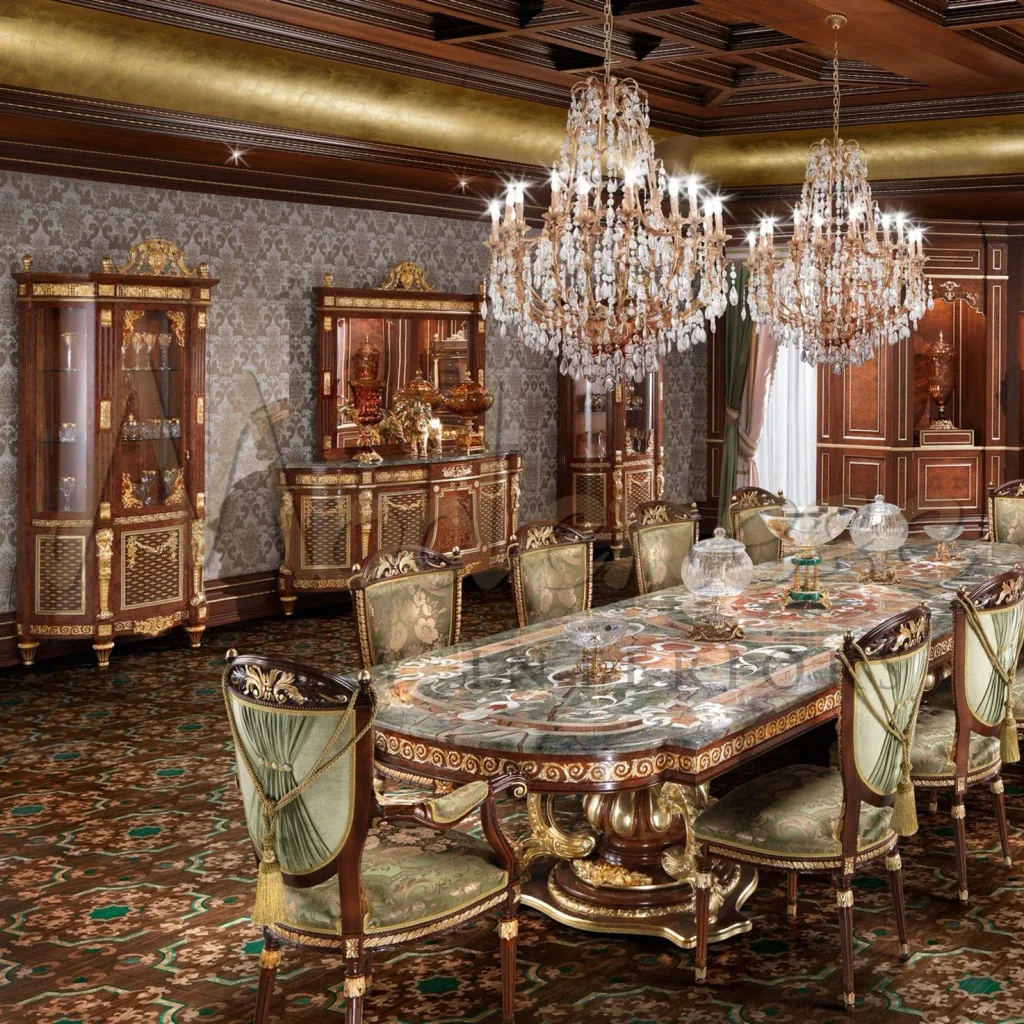
    5. Bring in Crystal Accents Without Going Overboard

    Credit: Modeneseinteriors

    Crystal chandeliers get a bad reputation for looking too fancy or old-fashioned, but modern versions have changed that. Think smaller crystal clusters on a sleek metal frame instead of a giant ballroom-style fixture.

    This gives you sparkle and light reflection without turning your dining room into a wedding venue. Crystals catch candlelight beautifully too, which is a nice touch for evening dinners.

    Practical tip: choose a chandelier with removable or minimal crystal strands if you want flexibility to dress it up or down later.

    This style works in glam, transitional, and even coastal homes when paired with white or sea glass toned crystals. Let’s move to something with a more natural feel next.

    6. Use a Rattan or Woven Chandelier for Coastal Vibes

    Credit: @marcialovesit

    If your dining room leans coastal or boho, a rattan or woven chandelier softens the space instantly. These fixtures often look like oversized pendant lights with a basket-like shape, and they cast really pretty shadows on the ceiling when lit.

    I love these because they bring texture without adding visual clutter. They’re lightweight looking, which helps in smaller dining rooms that can’t handle a heavy metal fixture.

    Tip: pair a woven chandelier with linen curtains and a light wood table to keep the coastal theme consistent throughout the room.

    This idea fits coastal, boho, and even Mediterranean-style homes surprisingly well. Now here’s a quick sizing table before we keep going.

    Chandelier Size Guide by Table Length

    Table LengthChandelier WidthRecommended Hanging Height Above Table
    48 inches24 to 30 inches30 to 34 inches
    60 inches30 to 36 inches30 to 34 inches
    72 inches36 to 44 inches32 to 36 inches
    84 inches42 to 50 inches32 to 36 inches
    96+ inches50+ inches or double fixtures34 to 38 inches

    7. Install a Linear Chandelier Over a Long Table

    How High to Hang a Chandelier Above a Dining Table – Seus Lighting
    Credit: Seus

    Round chandeliers look great over square or round tables, but if your table is long and rectangular, a linear chandelier fits the shape much better. These fixtures stretch horizontally instead of hanging in a single cluster, which spreads light more evenly down the table.

    Linear designs often come in sleek metal finishes with exposed bulbs or small shades along the length. They look especially sharp in modern and contemporary dining rooms.

    Practical tip: center the linear fixture over the table, not the room, since dining tables aren’t always centered in the space.

    This works well in modern, industrial, and Scandinavian style homes. Next, let’s talk about a chandelier option that saves you money without sacrificing style.

    8. Save Money with a Budget-Friendly Chandelier Alternative

    40 dining room ideas: trends, styles, and advice | Real Homes
    Credit: Realhomes

    Not everyone wants to drop hundreds of dollars on lighting, and that’s completely fair. Budget-friendly chandeliers made from lightweight metal, acrylic crystals, or basic fabric shades can still look expensive if you choose the right shape and finish.

    Look for simpler silhouettes with fewer decorative extras since ornate details usually drive up the price. A clean, symmetrical design in a trending finish like brushed gold or matte black often looks more expensive than it actually cost.

    Tip: shop clearance sections at lighting stores in January and July, when stores tend to clear out seasonal stock.

    This approach works in any home style since budget doesn’t limit design. Now let’s go the opposite direction and talk about investing in a statement piece.

    Chandelier Budget Tiers

    Budget TierPrice RangeWhat You Typically Get
    Budget$80 to $200Basic metal or fabric shade, standard finishes
    Mid-range$200 to $500Better materials, more finish options, larger sizes
    High-end$500 to $1,200Designer brands, crystal accents, mixed materials
    Luxury$1,200+Custom sizing, imported materials, statement scale

    9. Splurge on a Designer Piece as Your Room’s Focal Point

    87 Designer Dining Rooms That'll Inspire You to Refresh Your Space
    Credit: Housebeautiful

    Sometimes it’s worth spending more on one great chandelier instead of dropping money on lots of smaller decor pieces. A designer chandelier becomes the anchor of your whole dining room, meaning you can actually simplify other elements like wall art or table decor.

    These pieces often use higher quality materials like hand-blown glass, solid brass, or genuine crystal, which age better and hold up longer than budget versions.

    Practical tip: if you’re splurging, choose a timeless shape (like a classic tiered design or simple sputnik) so it doesn’t feel dated in five years.

    This works especially well in traditional, glam, and transitional homes. Let’s shift gears now to something a little more playful.

    10. Add Personality with a Colored Glass Chandelier

    30+ Best Dining Room Light Fixtures - Chandelier & Pendant Lighting for Dining  Room Ceilings
    Credit: Elle Decor

    White and clear glass get most of the attention, but colored glass chandeliers add a fun pop of personality. Amber, smoky gray, or even soft blue glass shades add warmth or coolness depending on the tone you pick.

    These work especially well if your dining room has neutral walls and furniture, since the chandelier becomes the color statement without overwhelming the space.

    Tip: choose warm tones like amber or smoked topaz if your room gets a lot of natural light, since these colors glow beautifully at sunset.

    This idea fits midcentury modern, eclectic, and transitional homes really well. Now, let’s talk about layering multiple light sources instead of relying on just the chandelier.

    Tips for Success

    • Always measure your table and ceiling height before shopping, not after you fall in love with a fixture online.
    • Bring a paint swatch or fabric sample from your dining room when shopping in person, since lighting finishes can look different under store lighting.
    • Consider the bulb type and color temperature, warm white (2700K to 3000K) usually feels more inviting than cool white.
    • Don’t ignore the chain or rod length, most chandeliers can be adjusted but double check before buying if your ceiling is unusually tall or short.
    • Think about cleaning and maintenance, crystal chandeliers need more upkeep than simple metal or glass fixtures.
    • Test the switch compatibility, older homes sometimes need an electrician to update wiring for dimmable fixtures.

    Common Mistakes and How to Avoid Them

    Hanging the chandelier too high
    : Keep it 30 to 36 inches above the tabletop so it doesn’t feel disconnected from the dining experience.

    Choosing a fixture that’s too small for the table
    : Follow the half to two-thirds width rule based on your table’s length to keep proportions balanced.

    Ignoring the room’s overall style
    : Pick a finish and shape that complements your existing furniture instead of shopping in isolation.

    Forgetting about dimmer compatibility
    : Check the fixture’s specs and your home’s wiring before installation to avoid returning it later.

    Centering the chandelier on the room instead of the table
    : Measure from the table’s center, especially if your table isn’t centered in the actual room layout.

    Overlooking bulb color temperature
    : Stick with warm white bulbs for most dining rooms since cool white can feel clinical during meals.

    Similar Variations

    • Kitchen Island Pendant Lighting: smaller scale fixtures hung over kitchen islands instead of dining tables
    • Foyer Chandeliers: taller, narrower designs meant for entryways with high ceilings
    • Bedroom Chandeliers: softer, smaller fixtures used as a statement piece above a bed or reading nook
    • Outdoor Chandeliers: weather-resistant versions designed for covered patios or outdoor dining spaces
    • Multi-Tier Ballroom Style Chandeliers: larger, layered designs typically reserved for formal or oversized dining rooms
    • Mini Chandeliers for Breakfast Nooks: compact versions scaled down for smaller eating areas

    Picking the right chandelier really comes down to knowing your space, your table size, and the mood you’re going for. Once you nail those three things, everything else, the finish, the material, the price, becomes a lot easier to figure out. I hope this list gave you a clearer picture of what to look for the next time you’re standing in a lighting aisle wondering where to even start with a 10 Dining Room Chandelier decision.

  • 11 Chandelier Dining Room Ideas That Will Change How You See Your Space

    11 Chandelier Dining Room Ideas That Will Change How You See Your Space

    If you’re trying to figure out how an 11 chandelier dining room actually works in real homes, you’ve landed in the right spot. I’ve spent way too many hours studying lighting layouts, and I’m going to walk you through exactly what makes this look click.

    An 11 chandelier dining room refers to a dining space lit by a chandelier featuring 11 arms or light points, often chosen for larger tables or rooms needing balanced, symmetrical illumination. This fixture size typically suits tables seating 8 to 12 people comfortably.

    Stick around, because I’m about to show you twelve ways to style this exact setup, plus mistakes that trip up almost everyone.

    What Makes an 11 Chandelier Dining Room Different

    Okay, so why does the number matter? An 11-light chandelier sits in a weird sweet spot. It’s bigger than your standard 6-arm fixture but not as massive as a giant 20-light ballroom piece. That means it gives you serious presence without swallowing a normal-sized room whole.

    I like to think of it as the “goldilocks” fixture. Not too small, not too much. It works great over long rectangular tables or big rounds where you need light spread evenly across a wide surface. The odd number also creates a natural focal point since the arms usually branch out symmetrically from a center point, which just looks balanced to the eye.

    Now let’s get into the actual design ideas.

    1. Center It Over a Long Rectangular Table

    35 Chandelier Over Dining Table Ideas You Need to See
    Credit: Soulandlane

    This one seems obvious, but people mess it up constantly. Your 11 chandelier needs to hang dead center over the table length and width, not just eyeballed close to it. Measure the table’s midpoint and drop a plumb line from the ceiling to double-check placement before you install anything.

    For a rectangular table, an 11-arm chandelier with an elongated or oval shape looks more intentional than a round one. It echoes the table’s lines instead of fighting them.

    Practical tip: hang the fixture so its bottom sits 30 to 34 inches above the tabletop for standard 8-foot ceilings.

    This setup works beautifully in traditional and transitional homes, though modern spaces can pull it off too with a sleeker, matte-finish fixture.

    Once you’ve nailed placement, the next thing to think about is how tall your ceiling actually is.

    2. Adjust Chain Length for Ceiling Height

    Guide to Hanging a Chandelier in Your Dining Room
    Credit: 1800lighting

    Ceiling height changes everything about how your chandelier reads in the room. A fixture that looks perfect in a 9-foot room can feel cramped or awkwardly low in a 12-foot one if you don’t adjust the chain or rod length.

    Most 11 chandelier fixtures come with adjustable chains specifically for this reason. Add length for higher ceilings so the fixture doesn’t look lost floating up near the crown molding. For every additional foot of ceiling height above 8 feet, add roughly 3 inches to your hanging height.

    Quick tip: stand at the doorway and look at the fixture from across the room, not just from your dining chair. That’s the view guests see first.

    In coastal or farmhouse homes, longer chains with rope or wood accents feel right at home, while modern spaces often prefer clean metal chains.

    Getting height right matters, but so does picking a finish that actually matches your room’s personality.

    3. Match the Metal Finish to Your Hardware

    Our Tips for Mixing Metals & Finishes | Bria Hammel Interiors
    Credit: Briahammelinteriors

    Here’s something I see missed all the time. People pick a gorgeous 11 chandelier dining room fixture in brushed brass, then leave their cabinet pulls in oil-rubbed bronze and door handles in chrome. It creates visual chaos even if each piece is beautiful on its own.

    Pick one dominant metal finish and stick with it across your lighting, hardware, and any metal furniture legs. Brass and gold tones warm up a space and pair nicely with jewel tones or deep greens. Black and bronze finishes add drama and work well in moody, traditional rooms.

    Actionable tip: bring a hardware sample to the lighting store so you can compare finishes side by side under real light.

    Farmhouse and industrial styles lean toward blackened metal, while glam and traditional spaces often favor gold or brass.

    Once your metals are consistent, it’s time to think about what’s happening underneath that gorgeous fixture.

    H3: Chandelier Metal Finish Guide by Style

    Home StyleBest Metal FinishComplementary Table Base
    ModernMatte black or brushed nickelSleek metal or glass
    TraditionalAntique brass or bronzeDark wood, carved legs
    FarmhouseAged black or wrought ironReclaimed wood
    CoastalBrushed gold or whitewashed woodLight oak or white-painted wood
    GlamPolished brass or chromeLacquered or mirrored surfaces

    4. Layer a Statement Rug Beneath the Table

    How Should A Large Rug Be Placed Under A Dining Table?
    Credit: Edwardmartin

    A rug grounds the whole dining area and keeps the eye moving from the chandelier down to the floor in a cohesive way. Choose a rug that extends at least 24 inches beyond the table’s edge on all sides so chairs stay on the rug even when pulled out.

    Wool and jute blends hold up well under daily chair-scooting, and patterned rugs hide crumbs better than solid colors, trust me on that one.

    Practical tip: go with a low pile height, under half an inch, so chair legs don’t wobble or catch.

    Traditional rooms look great with Persian-style patterns, while modern spaces often go for geometric or solid neutral rugs.

    With your rug sorted, let’s talk about what goes on the walls surrounding this whole scene.

    5. Add Wall Sconces for Layered Light

    How To Layer Lighting In A Dining Room For Ambience And Function
    Credit: Edwardmartin

    An 11-arm chandelier gives you plenty of overhead light, but a dining room needs more than one light source to feel warm and finished. Wall sconces flanking a buffet, mirror, or window add a softer glow at eye level, which makes everyone at the table look better too, not just the room.

    Choose sconces that echo the chandelier’s finish and general shape so they feel like part of the same family rather than an afterthought.

    Tip: put sconces on a separate dimmer switch from the chandelier so you can control mood independently during dinners versus daytime.

    Coastal rooms love glass or frosted sconces, while traditional spaces often go for candle-style arms that mimic old-world lighting.

    Speaking of dimmers, let’s dig into that a bit more because it changes everything about how your chandelier performs.

    6. Install a Dimmer Switch for Mood Control

    The Benefits of Installing Dimmer Switches in Your Dining Room - Richards  Lighting
    Credit: Richardslighting

    This is the cheapest upgrade with the biggest impact, hands down. An 11 chandelier dining room fixture on full blast can feel like an interrogation room during a relaxed dinner party. A dimmer lets you shift from bright task lighting for homework or bill-paying to soft, flattering light for evening meals.

    Most electricians can add a dimmer switch in under an hour, and LED-compatible dimmers work with nearly any bulb type these days.

    Practical tip: test your dimmer with the actual bulbs you plan to use, since not all LED bulbs dim smoothly with every dimmer switch.

    This upgrade works in literally every home style because mood lighting is universal, whether your dining room is farmhouse casual or sleek modern.

    Now that lighting control is handled, let’s think about scale and how your chandelier relates to the table beneath it.

    7. Size the Chandelier to the Table, Not Just the Room

    How To Choose the Right Size Dining Room Chandelier or Pendant – Schoolhouse
    Credit:Schoolhouse

    A common mistake is choosing chandelier size based on room square footage alone. What actually matters more is the table dimensions. For an 11-light chandelier, you generally want a table at least 84 inches long to give the fixture room to breathe without overwhelming a shorter table.

    The general rule of thumb is that your chandelier’s width should measure about half to two-thirds of your table’s width.

    Tip: use painter’s tape on the ceiling to outline the chandelier’s footprint before buying, so you can visualize the actual scale in your space.

    Modern dining rooms often go slightly smaller and sleeker, while traditional or formal rooms embrace bigger, more ornate scale.

    H3: Table Length to Chandelier Width Guide

    Table LengthRecommended Chandelier WidthSeating Capacity
    60-72 inches24-30 inches6-8 people
    72-84 inches30-36 inches8-10 people
    84-96 inches36-42 inches10-12 people
    96+ inches42-48 inches12+ people

    Now let’s talk color, because your chandelier doesn’t exist in a vacuum.

    8. Choose a Wall Color That Lets the Fixture Shine

    The 24 Best Dining Room Paint Colors to Brighten Your Space | HGTV
    Credit: Hgtv

    Busy wallpaper or a super bold accent wall can compete visually with an ornate 11-arm chandelier. If your fixture already has a lot of detail, crystal drops, curved arms, multiple candle covers, give your walls a break with a calmer, more neutral backdrop.

    Soft greens, warm greiges, and muted blues all let the fixture stay the star of the show without feeling washed out.

    Tip: paint a large sample swatch and view it under the chandelier’s actual light at night, not just daytime, since bulb color temperature changes how paint reads.

    Coastal homes lean toward soft blues and whites, while traditional rooms often prefer deep, rich hues like hunter green or navy.

    Once your walls are settled, think about what’s sitting on your table besides food.

    9. Coordinate Table Settings With the Fixture’s Tone

    Dining Room Table Decor Ideas | How to Decorate Your Dining Room Table |  HGTV
    Credit: Hgtv

    Little details tie a room together more than people expect. If your chandelier has warm gold accents, pull that same warmth into your table runner, candle holders, or even napkin rings. It creates a cohesive story from ceiling to tabletop.

    I’m not saying match everything exactly, that gets boring fast. Instead, pick two or three recurring tones that show up in the fixture, the rug, and the table decor.

    Practical tip: keep a small fabric or paint swatch from your dining room in your phone’s photo album so you can shop for matching decor on the go.

    Glam spaces love metallic table accents, while farmhouse rooms do better with matte, natural textures like linen and wood.

    Let’s move to something people often forget entirely, the ceiling itself.

    10. Treat the Ceiling as Part of the Design

    How to Decorate a Small Dining Room, According to Design Experts
    Credit: Elledecor

    Your 11 chandelier dining room fixture hangs from the ceiling, so why leave that surface totally blank? A simple ceiling medallion behind the fixture adds architectural interest and makes the whole installation look custom-built rather than store-bought.

    Wood beam details or a fresh coat of paint in a soft contrasting tone above the chandelier also draws the eye upward in a good way.

    Tip: choose a medallion slightly larger than the chandelier’s canopy so it peeks out from underneath rather than hiding completely.

    Traditional and colonial-style homes love ornate plaster medallions, while modern spaces might opt for a recessed tray ceiling instead.

    With the ceiling handled, let’s zoom back down to seating, because chairs matter more than most people realize.

    11. Pick Dining Chairs That Balance the Fixture’s Weight

    How To Choose The Right Dining Chairs For Your Table | MFI
    Credit: Mfi

    An ornate, heavy-looking 11-arm chandelier can make delicate chairs look flimsy by comparison. Balance visual weight by choosing chairs with a bit of substance, upholstered backs, carved wood details, or a slightly thicker frame.

    That said, you don’t need chairs that scream for attention. Simple silhouettes in a complementary tone often work best so the chandelier stays the focal point.

    Practical tip: mix a few statement end chairs with simpler side chairs if you want variety without visual competition.

    Modern rooms often go with sculptural, minimal chairs, while traditional dining rooms favor classic wingback or Chippendale-style seating.

    Last but not least, let’s talk about something that ties every single idea above together.

    12. Plan Your Bulb Choice for Warmth and Longevity

    The Best Light Bulbs for Dining Room Fixtures: Dimming & Color Options -  Zepboo
    Credit: Zepboo

    The bulbs you choose change everything about how your chandelier actually feels in daily life. Warm white bulbs, around 2700K to 3000K, flatter skin tones and food way better than cool white or daylight bulbs, which can feel clinical in a dining setting.

    LED candelabra bulbs now mimic that flickering warm glow of old-school incandescent without the energy cost or constant bulb replacement.

    Practical tip: buy one extra bulb when you purchase your set, so you have a matching replacement ready when one eventually burns out.

    Every style, from farmhouse to glam to coastal, benefits from warm-toned bulbs since they make food and faces look their best.

    Tips for Success

    • Always test chandelier placement with painter’s tape on the ceiling before drilling anything permanent.
    • Buy your rug and paint samples before the chandelier if you’re starting from scratch, since lighting is easier to match later.
    • Keep at least 7 feet of clearance from the floor to the bottom of the chandelier so tall guests don’t bump their heads.
    • Clean crystal or glass elements every few months since dust dulls sparkle fast and is very noticeable under direct light.
    • Don’t skip the dimmer switch. It’s the single easiest way to make an 11-arm fixture feel intentional rather than harsh.
    • Photograph your dining room at night before buying decor, so you understand how the fixture actually casts light and shadow.

    Common Mistakes and How to Avoid Them

    Hanging the chandelier too low
    : Keep at least 30 inches of clearance above the tabletop so it doesn’t interfere with sightlines across the table during meals.

    Choosing a fixture too small for the table
    : Measure your table width first and pick a chandelier that’s roughly half to two-thirds that width for proper scale.

    Mixing too many metal finishes
    : Stick to one dominant metal tone across lighting and hardware to avoid a disjointed, thrown-together look.

    Skipping additional light sources
    : Pair the chandelier with sconces or lamps so the room doesn’t feel flat or overly bright from a single source.

    Ignoring bulb color temperature
    : Choose warm white bulbs between 2700K and 3000K to keep the dining room feeling cozy rather than clinical.

    Forgetting to plan for chain or rod adjustment
    : Measure ceiling height accurately before installation so the fixture hangs proportionally, not too high or too low.

    Similar Variations

    • Tiered Crystal Chandelier Dining Room: Multiple stacked layers of crystal for a more dramatic, formal dining statement.
    • Linear Chandelier Dining Room: A single elongated fixture perfect for narrow or extra-long tables.
    • Rustic Wagon Wheel Chandelier: Wood and iron combo that suits farmhouse and cabin-style dining spaces.
    • Drum Shade Chandelier Dining Room: A fabric or metal drum shade softens light for a cozier, modern feel.
    • Sputnik Chandelier Dining Room: Mid-century modern starburst design that adds a retro, artsy edge.
    • Candle-Style Wrought Iron Chandelier: Mimics old-world European dining halls with a moodier, traditional vibe.

    Getting your dining room lighting right isn’t about following rigid rules, it’s about balance between scale, finish, and light quality. Once you nail those basics, everything else, the rug, the chairs, the wall color, just falls into place naturally around that centerpiece. An 11 chandelier dining room, when done thoughtfully, becomes the kind of space people remember long after dinner’s over.

  • 13 Moody Dining Room Ideas That Turn Dinner Into an Event

    13 Moody Dining Room Ideas That Turn Dinner Into an Event

    I’ve spent way too many hours scrolling through dining room photos, and I can tell you this: 13 Moody Dining Room ideas are exactly what you need if you’re tired of boring, beige eating spaces. This article pulls together the best moody dining room concepts I’ve found, tested, and researched, so you get real answers instead of vague inspiration boards.

    A moody dining room uses deep colors, low ambient lighting, and rich textures to create a dramatic, intimate space for eating and gathering. This design style typically relies on dark wall paint, warm lighting fixtures, and layered materials like wood and velvet to build atmosphere.

    Stick around, because I’m about to walk you through 13 specific ways to pull this look off in your own home, no matter your budget or style preference.

    What Exactly Is a Moody Dining Room?

    Okay, so let’s talk about what “moody” actually means here. It doesn’t mean sad or gloomy. It means rich. It means dramatic. Think dark green walls, candlelight, and a table that makes you want to linger over dinner instead of rushing through it.

    A moody dining room usually swaps bright white walls for deep, saturated colors. Think navy, charcoal, forest green, or even black. Then you layer in warm lighting and textured materials to keep it from feeling cold or cave-like. The goal is a space that feels cozy, elegant, and a little bit dramatic, like a restaurant you’d want to book for a special occasion.

    1. Paint Your Walls in Deep Forest Green

    15 Gorgeous Green Dining Room Paint Colors You'll Never Regret Choosing -  Mindful Hues
    Credit: MindFulhues

    Forest green is my favorite gateway color for moody dining rooms. It’s dark enough to create drama but still feels natural and calming, not harsh.

    Pair it with brass hardware, wood furniture, and cream linens for contrast. The green pulls warmth from wood tones and coolness from metal accents, so it works with almost any furniture you already own.

    Tip: Test the paint color at night under your actual dining room lighting before committing. Green can shift dramatically depending on bulb temperature.

    This look works beautifully in traditional homes with crown molding, but it also fits modern spaces if you keep the furniture simple and low-profile. Once your walls are set, it’s time to think about what goes on top of them.

    2. Hang a Dramatic Statement Chandelier

    Best Chandeliers for Dining Room (2026 Buying Guide) | DecorLane
    Credit: DecorLane

    Lighting makes or breaks a moody dining room. A statement chandelier with black metal, aged brass, or smoked glass instantly sets the tone before anyone even sits down.

    Go for fixtures with dimmable bulbs. Warm white light (around 2700K) creates that golden, flattering glow you want at dinner. Bright white light kills the mood instantly.

    Practical tip: Hang your chandelier so the bottom sits about 30 to 34 inches above the table surface. Too high and it loses impact. Too low and people can’t see across the table.

    Coastal homes can use a woven or rattan pendant instead of metal for a softer, beachy version of the same drama. Once your main light source is nailed down, layer in secondary lighting.

    3. Layer in Candlelight and Low Lamps

    15 Moody Dining Room Ideas for Candlelit Dinners - Dreamy Home Studio
    Credit: Dreamy Home Studio

    Overhead light alone feels flat. I always add candles down the center of the table and maybe a small buffet lamp on a side table. This creates depth and multiple light sources at different heights.

    Use unscented candles during meals so they don’t compete with food smells. Cluster three to five candles of varying heights for a more natural, collected look rather than one lonely candle in the middle.

    This trick works in every style category, from farmhouse to modern minimalist, because candlelight is universally warm and flattering.

    Now that your lighting layers are working together, let’s talk about the table itself.

    4. Choose a Dark Wood or Black Dining Table

    40 Black Dining Room Ideas That Will Convince You to Repaint
    Credit: The Spruce

    Your table is the anchor of the room, so it needs to match the mood. Dark walnut, ebony-stained oak, or even a matte black table grounds the whole space.

    Avoid glossy finishes if you’re going for moody. Matte and satin finishes absorb light instead of bouncing it around, which keeps the room feeling intimate rather than sterile.

    Quick tip: If replacing your table isn’t in the budget, use a dark stain or paint to transform what you already own over a weekend.

    Modern farmhouses can use a dark trestle table, while contemporary spaces might go with a sleek black lacquer option. Your table sets the stage, but your chairs bring in texture and comfort.

    Dark Wood Finish Comparison

    Finish TypeBest ForMaintenance LevelPrice Range
    Matte black paintModern, industrialMedium (touch-ups needed)$ (DIY friendly)
    Espresso wood stainTraditional, transitionalLow$$
    Ebonized oakFarmhouse, rusticLow$$$
    Charcoal lacquerContemporary, glamHigh (shows fingerprints)$$$$

    5. Mix Upholstered Chairs With Wood Accents

    35 Formal Dining Room Ideas That Deliver Drama and Elegance
    Credit: Better Homes

    Don’t put eight identical chairs around your table. Mix a few upholstered chairs in deep velvet or leather with wood-frame chairs for texture variety. This combo feels curated instead of matchy.

    Velvet in colors like burgundy, mustard, or deep teal adds richness without screaming for attention. Leather chairs bring a masculine, grounded feel that pairs well with metal light fixtures.

    Tip: If budget is tight, just add two upholstered captain chairs at the ends of the table and keep the sides simple. This still creates that mixed, layered effect.

    Traditional homes might lean toward tufted velvet, while modern spaces do better with clean-lined leather. Once your seating feels right, your walls need something more than paint.

    6. Add Textured Wallpaper or Paneling

    Moody vibes in this dining room we designed for our #encino clients. A  vintage chandelier from Europe, black thistle wallpapered ceiling, paneling  for drama, and an ebonized live edge dining table layered
    Credit: kishaniperera

    Flat paint works, but textured wallpaper or wood paneling takes moody to the next level. Grasscloth wallpaper in a deep color adds subtle texture that catches candlelight beautifully.

    Board and batten paneling painted in a dark color also works great, especially in older homes with awkward wall proportions. It adds architectural interest without needing extra decor.

    Practical tip: If wallpaper feels risky, do just one accent wall behind a buffet or china cabinet instead of the whole room.

    Coastal and cottage styles can use a botanical print wallpaper in muted tones, while modern spaces might prefer a textured grasscloth in solid charcoal. Speaking of walls, let’s talk about what hangs on them.

    7. Hang Oversized Art With Rich Color Palettes

    The 24 Best Dining Room Paint Colors to Brighten Your Space | HGTV
    Credit: HDTV

    A moody dining room needs a focal point beyond the table. Large-scale art with deep, saturated colors, think dark botanical prints, abstract paintings in jewel tones, or vintage-style oil paintings, adds instant sophistication.

    Size matters here. A tiny frame gets lost on a dark wall. Go big, or create a gallery wall with several pieces grouped tightly together.

    Tip: Frame your art in black or aged gold to tie back into your lighting and hardware finishes.

    Traditional dining rooms often use classic portraiture or landscape oils, while modern spaces lean toward abstract expressionist prints. Art sets the emotional tone, but window treatments control how much daylight competes with your mood.

    8. Use Heavy Drapes to Control Natural Light

    29 Standout Dining Room Curtain Ideas Worth Trying
    Credit: MyDomaine

    Natural daylight is the enemy of moody vibes during dinner parties. Heavy drapes in velvet or linen blends let you control exactly how dark and intimate the room feels.

    Floor-to-ceiling drapes also make ceilings look taller, which is a nice bonus in smaller dining rooms. Choose colors that either match your wall color for a cocooning effect or contrast slightly for depth.

    Quick tip: Mount curtain rods as close to the ceiling as possible, even if your windows are shorter. This trick makes any room feel grander.

    Coastal homes can swap heavy velvet for linen in deep navy, keeping some breeziness while still controlling light. With your windows dressed, your floor is the next big design decision.

    9. Ground the Space With a Dark Patterned Rug

    15 Dining Room Rugs To Inspire Your Home
    Credit: MyDomaine

    A rug under your dining table adds warmth and sound absorption, which matters more than people think. Hard floors in a dark room can echo and feel cold without something soft underfoot.

    Look for rugs with subtle patterns in deep colors, like a Persian-style rug in burgundy and navy, or a simple geometric print in charcoal and cream. Avoid stark white rugs, they’ll fight against the mood you’re building.

    Tip: Your rug should extend at least 24 inches beyond the table edge on all sides so chairs stay on the rug even when pulled out.

    Modern farmhouse spaces can use a faded vintage-style rug, while contemporary rooms might prefer a solid charcoal wool rug. Once your floor is set, small decorative details finish the look.

    10. Style Your Table With Dark Ceramics and Metal Accents

    Gothic Dining Room Ideas for Dark Luxury Interiors | Haunt
    Credit: Haunt Cult

    The dishes and centerpiece pieces you use every day matter more than you’d think. Dark ceramic dinnerware in charcoal, deep green, or matte black instantly upgrades a table setting’s mood factor.

    Mix in brass or black metal candle holders, a wooden charcuterie board, or a simple vase with dark, dried florals like eucalyptus or dried roses. These small touches pull the whole tablescape together.

    Practical tip: Buy a few extra dark napkins in linen fabric. They photograph and feel more luxurious than white napkins ever will.

    Every style, from boho to minimalist, can use this trick because tableware is easy to swap without a big investment. Now let’s zoom out and think about your walls again, specifically the ceiling.

    11. Paint or Wallpaper the Ceiling to Match

    17 Reasons to Paint Your Dining Room Ceiling
    Credit: MyDomaine

    Most people forget the ceiling completely. But painting it the same color as your walls, or close to it, creates a cocoon effect that feels incredibly intimate and dramatic.

    This technique is called “color drenching” and it’s having a huge moment in interior design right now. It works because it removes the visual break between wall and ceiling, making the whole room feel like one continuous, moody box.

    Tip: Use a slightly lighter sheen on the ceiling than the walls to bounce a little light around and avoid feeling too heavy.

    This works in almost every home style but shines especially in older homes with lower ceilings, since it makes the low height feel intentional rather than cramped. Speaking of intentional choices, let’s talk about your buffet or sideboard next.

    12. Choose a Dark Buffet or Sideboard for Storage and Style

    How to Choose a Buffet Table That Fits | AURA Modern Home
    Credit: aura modern home

    A sideboard does double duty. It stores your table linens and extra dishes, and it gives you another surface for styling. Choose one in dark wood or painted in a color that matches or slightly contrasts your walls.

    Style the top with a mix of heights, a lamp, some art leaning against the wall, a stack of books, and a small plant or dried floral arrangement. This creates visual interest at eye level, which balances out your overhead chandelier.

    Quick tip: Add a small table lamp here even if your chandelier is dimmable. Extra light sources at different heights always look more intentional than one single source.

    Traditional homes often use antique wood sideboards, while modern spaces might choose a sleek black lacquer console instead. Storage covered, let’s talk about scent and sound.

    13. Bring In Natural Elements to Soften the Drama

    24 Moody Dining Room Ideas To Create an Elegant, Dramatic Ambiance
    Credit: hello hayley

    Moody doesn’t mean dead. Adding real, natural elements like a bowl of fruit, fresh greenery, or a wooden bread board keeps the space feeling alive instead of like a stage set.

    Dark rooms can start to feel heavy without some organic softness. A few live plants, even low-maintenance ones like pothos or snake plants near the doorway, add life and oxygen to a room that’s otherwise full of deep colors and dense fabrics.

    Tip: Rotate seasonal elements, like pumpkins in fall or greenery in winter, to keep the room from feeling static year-round.

    This idea works everywhere, since every home benefits from a little organic texture breaking up all that intentional darkness.

    Budget Tiers for a Moody Dining Room Makeover

    Budget LevelWhat You Can DoEstimated Cost
    Low ($200-$500)Paint walls, add candles, swap napkins/dishes$200-$500
    Mid ($500-$2,000)Add rug, new light fixture, wallpaper accent wall$800-$2,000
    High ($2,000-$5,000+)New table, upholstered chairs, custom drapes, paneling$3,000-$6,000+

    Tips for Success

    • Test paint colors on actual walls, not just paint chips, since lighting changes everything throughout the day
    • Layer at least three different light sources: overhead, candlelight, and a lamp or sconce
    • Keep one lighter element in the room, like cream linens, so the space doesn’t feel like a cave
    • Shop secondhand for dark wood furniture pieces, they’re often cheaper than new pieces and add character
    • Add a mirror across from a window to bounce whatever natural light you do allow into the room
    • Don’t rush the wall color decision, live with sample swatches for at least a week before painting the whole room
    • Balance dark colors with varied textures like velvet, wood, and metal so nothing feels flat

    Common Mistakes and How to Avoid Them

    Using only overhead lighting
    : Fix this by adding candles, a buffet lamp, or wall sconces so light comes from multiple heights and directions.

    Choosing glossy paint finishes
    : Fix this by sticking to matte or eggshell finishes, which absorb light instead of creating harsh reflections.

    Forgetting about ventilation and airflow with heavy drapes
    : Fix this by choosing drapes that can be pulled back fully during the day to let the room breathe and air out.

    Making every surface dark with no contrast
    : Fix this by adding at least one light element, like cream napkins or a pale rug pattern, to keep the room from feeling suffocating.

    Skipping a rug on hard flooring
    : Fix this by adding a textured rug to absorb sound and add warmth underfoot, since dark rooms with hard echoes feel colder than they should.

    Ignoring bulb temperature
    : Fix this by choosing warm white bulbs around 2700K instead of daylight or cool white bulbs, which clash with dark, warm color palettes.

    Similar Variations

    • Dark Academia Dining Room: Leans into vintage books, leather, and brass for a scholarly, old-world vibe.
    • Moody Coastal Dining Room: Uses navy and deep teal with linen textures for a beachy but dramatic look.
    • Industrial Moody Dining Room: Combines black metal fixtures, exposed brick, and dark wood for an urban loft feel.
    • Botanical Moody Dining Room: Adds heavy greenery and floral wallpaper on top of dark walls for a jungle-like richness.
    • Glam Moody Dining Room: Mixes black lacquer, mirrored surfaces, and metallic accents for a high-drama, evening-out feel.
    • Rustic Moody Dining Room: Pairs reclaimed wood and wrought iron fixtures with deep colors for a cabin-like warmth.

    Building a dramatic dining space isn’t about making one big change. It’s about layering color, light, texture, and small details until the whole room feels intentional and warm. Start with just one or two ideas from this list, live with them a while, then keep adding until your space feels complete. Whichever ideas you pick, these 13 Moody Dining Room concepts give you a real starting point for turning an ordinary eating space into somewhere people actually want to linger.