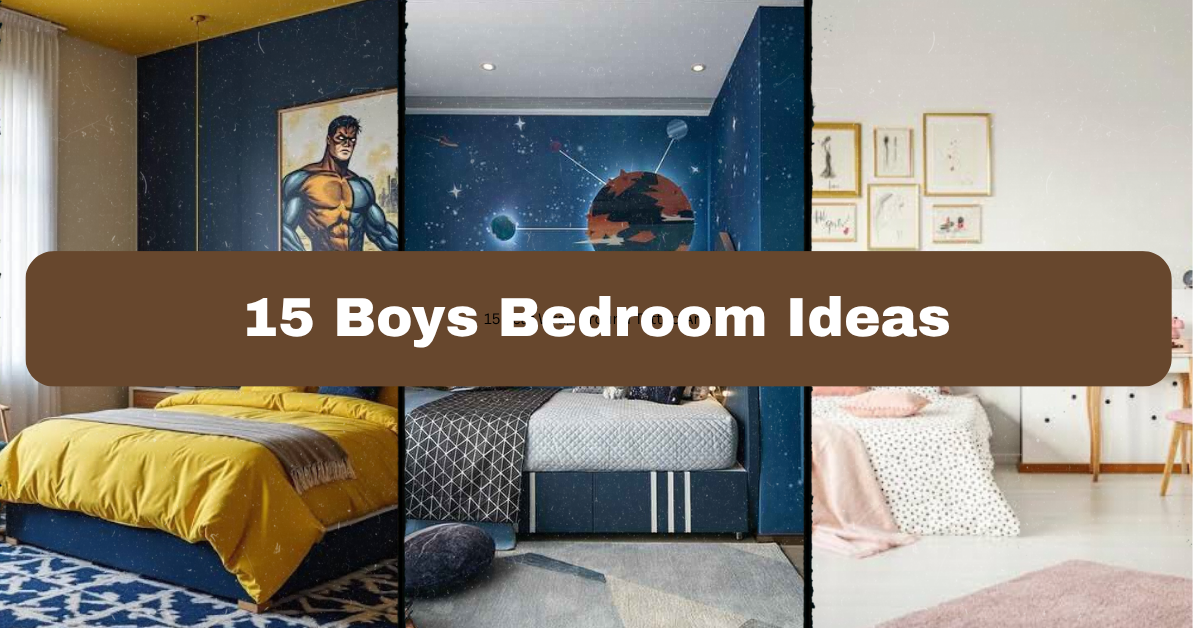
I’ve put together 15 boys bedroom ideas that cover everything from toddler rooms to teen hangout spaces, so you won’t have to piece together advice from ten different sites. This guide pulls from real design principles that actually hold up over time, not just trendy Pinterest photos that look good for five minutes. Stick with me and you’ll walk away with a solid plan, not just a mood board.
A boy’s bedroom should balance function, personal interest, and room to grow. The best designs use durable materials, flexible layouts, and a color scheme that won’t feel outdated in two years. Think furniture that adapts as kids age, not stuff you’ll toss out by next year.
Ever stood in your kid’s room wondering why it feels so chaotic even after you cleaned it three times this week? I get it. Let’s fix that together, one idea at a time.
What Makes a Boys Bedroom Design Actually Work
Here’s the thing about boys’ rooms. They take a beating. Toys get thrown. Walls get scuffed. Something always ends up on the floor.
So the best designs plan for real life, not a magazine shoot. I always tell people to think about three things first: how the room will be used, how long the design needs to last, and what the kid actually likes (not what you think looks cool on Instagram). Once you nail those, the fun stuff like color and decor falls into place a lot easier. Let’s get into the ideas.
1. Go Bold with a Navy and Mustard Color Scheme
Navy and mustard yellow is one of those combos that just works. It’s masculine without being boring, and it’s got enough contrast to feel current for years.
Paint the walls navy on one accent wall, keep the rest a soft white or light gray, then bring in mustard through pillows, a rug, or curtains. This combo works in almost any room size because the dark and light balance each other out.
Practical tip: Use a matte navy paint on just one wall to avoid making a small room feel like a cave.
This palette adapts beautifully to modern (clean lines, minimal decor) or traditional (wood furniture, classic patterns) styles. Next up, let’s talk about a theme that never really goes out of style: space.
2. Build a Space Explorer Theme

Space themes are a classic for a reason. Kids love the mystery of it, and there’s endless decor options, from glow-in-the-dark stars to rocket ship bed frames.
Keep the base colors simple, like navy, charcoal, or deep purple, then add planets, stars, or astronaut decals. A hanging solar system mobile adds movement without cluttering shelf space.
Practical tip: Stick with removable wall decals instead of murals so the theme can change as your kid’s interests shift.
This idea works great in modern rooms with clean furniture, or in eclectic spaces mixed with vintage-look rocket toys. Speaking of themes that grow with your child, let’s look at one that’s built entirely around flexibility.
3. Choose Furniture That Grows With Them
This isn’t really about a look, it’s about strategy. Buying a crib-to-toddler bed conversion set, or a bunk bed that later splits into two twins, saves money and hassle down the road.
Look for solid wood frames over particle board. They cost more upfront but last through years of climbing, jumping, and general rough use.
Practical tip: Choose a bed frame with under-bed storage drawers built in, especially if the room is small.
This approach fits every style since the furniture itself can be simple and neutral, letting the decor carry the personality. Now that we’ve covered furniture longevity, let’s talk about a fun way to add personality without spending much.
Table: Bed Frame Material Comparison
| Material | Durability | Price Range | Best For |
|---|---|---|---|
| Solid Wood | High (10+ years) | $300–$800 | Long-term use, heirloom feel |
| Metal Frame | High, but can dent | $150–$400 | Modern or industrial rooms |
| Particle Board | Low (3–5 years) | $100–$250 | Budget or temporary setups |
| Upholstered | Medium | $250–$600 | Cozy, traditional style rooms |
4. Add a Sports-Themed Accent Wall
If your kid lives and breathes basketball, soccer, or baseball, give that a real spot in the room instead of scattered posters everywhere.
Paint a wall in the team’s colors, or use a large wall decal of a court or field. Add a shelf for trophies or a display case for jerseys.
Practical tip: Use a cork or magnetic wall panel behind the decor so it’s easy to swap out schedules, ticket stubs, or photos.
This idea works in almost any style, from rustic (wood plank walls with team logos) to modern (clean lines with a single bold color block). Once the sports corner is set, let’s shift to something a little calmer: nature-inspired rooms.
5. Bring in a Woodland or Camping Theme
Not every kid wants sports or space. Some love the outdoors, and a woodland theme captures that without feeling too babyish.
Use earthy colors like forest green, brown, and cream. Add a canvas tent-style bed canopy, a faux fur throw, or a wood-slice wall shelf. Even a simple rope light strung along the ceiling can mimic a campfire glow.
Practical tip: Use real wood accents (like a tree-stump side table) to add texture without overwhelming the room.
This theme naturally fits coastal, rustic, and farmhouse styles, and can even work in modern rooms with minimal green accents. Next, let’s cover something every growing boy’s room needs: real storage solutions.
6. Install Wall-Mounted Shelves for Collections
Boys collect stuff. Rocks, cards, action figures, you name it. Instead of letting it clutter the floor, give it a home on the wall.
Floating shelves in varying sizes create a gallery-style display. Group items by color or size for a cleaner look.
Practical tip: Anchor shelves into wall studs, not just drywall anchors, since collections get heavier than people expect.
This works in every style. Minimalist rooms benefit from a few shelves with curated items, while maximalist rooms can go all out with a packed display wall. Now let’s talk about a decor choice that ties a whole room together: the rug.
7. Layer a Patterned Rug for Texture
A rug does more than protect the floor. It adds warmth, defines a play area, and pulls the color scheme together.
Go with a geometric or striped pattern in colors that match your wall accents. A rug also softens the room acoustically, which helps if your kid’s room doubles as a play space.
Practical tip: Choose a low-pile rug for easy cleaning, especially in rooms where toys and shoes are constant visitors.
Rugs adapt to any style easily. Try a jute rug for coastal or farmhouse vibes, or a bold geometric print for modern rooms. Speaking of easy updates, let’s move to lighting, which is one of the most underrated design tools.
8. Add Statement Lighting with Function in Mind
Good lighting changes a room instantly. Skip the single overhead bulb and add layers: a ceiling fixture, a desk lamp, and maybe a fun novelty lamp shaped like a rocket or basketball.
Dimmable lights are great for wind-down time before bed. String lights along a headboard add a soft glow without being too bright.
Practical tip: Use warm white bulbs (2700K–3000K) instead of cool white for a cozier feel at night.
Lighting style can shift the whole room’s mood, from industrial pendant lights to a simple paper lantern for a more relaxed, boho feel. Now let’s dig into something that matters a lot as kids get older: desk and study space.
9. Create a Dedicated Homework Corner
As boys get into school, a proper desk setup becomes non-negotiable. Cramming homework at the kitchen table gets old fast.
Pick a desk with drawers for supplies, and add a corkboard or whiteboard above it for reminders and doodles. Keep the chair adjustable so it grows with them.
Practical tip: Position the desk near a window for natural light, which helps with focus and reduces eye strain.
This idea fits into any style easily, since desks come in every finish from industrial metal to classic wood. Once the study zone is set, let’s talk about something every boy’s room needs eventually: a spot to just chill.
10. Build a Cozy Reading Nook
Even kids who aren’t big readers usually love having their own little hideout. A corner with a bean bag, a small bookshelf, and a soft light creates that space without taking up much room.
Add a canopy or tent-style cover for extra coziness. Keep books at eye level so they’re easy to grab.
Practical tip: Use a bookshelf with front-facing slots instead of spine-out shelving. Kids are more likely to read when they can see the covers.
Reading nooks work anywhere, whether it’s a tucked-in corner in a modern room or a hammock chair in a bohemian setup. Next, let’s talk color again, since it plays such a big role in mood.
Table: Color Palette Ideas by Mood
| Palette | Colors | Mood | Best Age Range |
|---|---|---|---|
| Ocean Explorer | Navy, teal, sandy beige | Calm, adventurous | 4–10 |
| Urban Loft | Charcoal, white, red accent | Bold, modern | 10–16 |
| Forest Retreat | Forest green, brown, cream | Relaxed, grounded | 3–12 |
| Galaxy Quest | Deep purple, black, silver | Imaginative, cool | 5–12 |
11. Use a Gallery Wall of Personal Interests
Instead of one big theme, let the room reflect a mix of what your kid actually likes right now. Sports, video games, music, whatever it is.
Frame posters, ticket stubs, or even hand-drawn art in matching frames for a cohesive look despite the mixed content.
Practical tip: Stick to two or three frame colors max so the wall feels intentional, not random.
This approach works especially well in eclectic or maximalist styles, but even minimalist rooms can pull it off with a smaller, curated gallery. Now let’s look at something that makes a huge difference but gets overlooked constantly: window treatments.
12. Choose Blackout Curtains in a Fun Print
Sleep matters, especially for growing kids. Blackout curtains help block early morning light and outside noise, leading to better rest.
Pick a print that ties into the room’s theme, like stars for a space room or stripes for a sports theme, so function doesn’t mean sacrificing style.
Practical tip: Mount curtain rods a few inches above the window frame to make the ceiling feel taller and let curtains fully block light at the edges.
Blackout curtains come in every pattern imaginable, so they adapt easily to coastal, modern, or traditional rooms without much effort. Let’s move now to a detail that ties everything together: the ceiling.
13. Don’t Ignore the Ceiling
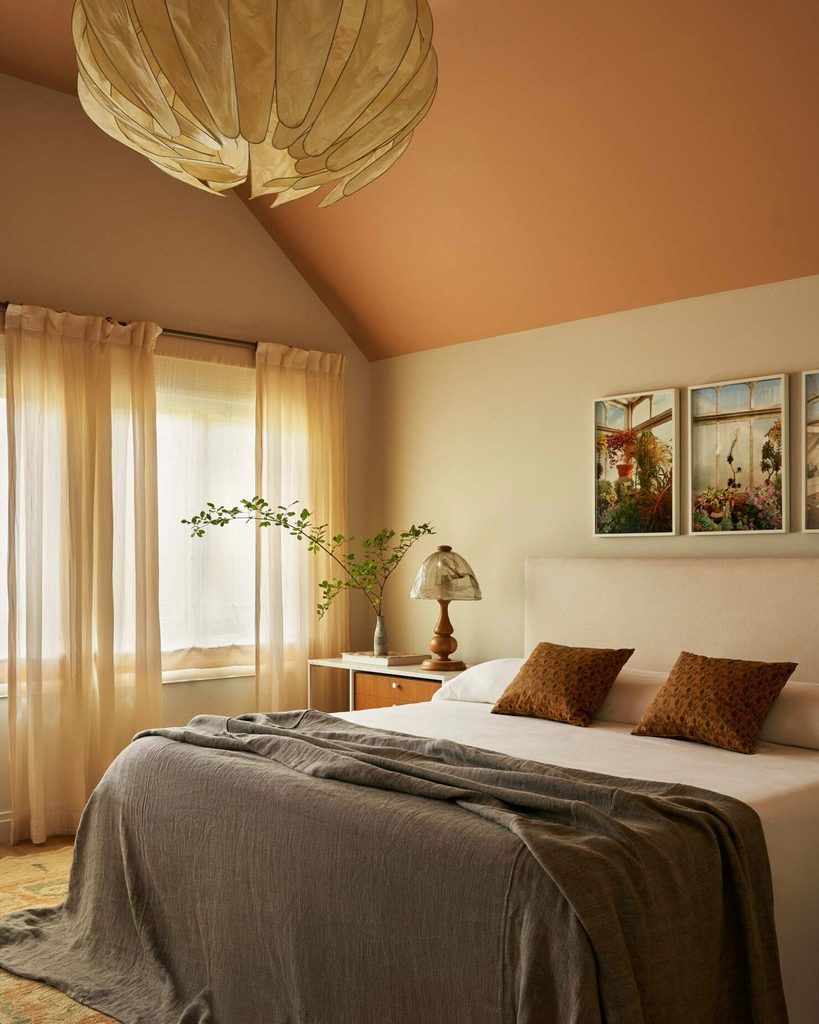
Most people paint the walls and call it done, but the ceiling is basically a fifth wall that gets ignored constantly. Adding a soft color, some glow stars, or even wallpaper up there adds a surprising amount of personality.
Try a light gray or pale blue for a modern feel, or go bold with a graphic wallpaper pattern for a statement effect.
Practical tip: If painting a ceiling feels risky, start with a peel-and-stick star or cloud decal set, it’s low commitment and easy to remove.
This idea works great in themed rooms especially, tying a space or nature theme together from floor to ceiling. Next, let’s talk about something practical but often skipped: closet organization.
14. Organize the Closet for Real Use
A messy closet undoes all your hard work in the rest of the room. Adding shelves, bins, and a lower rod height (so kids can actually reach their own clothes) makes a huge difference.
Label bins with pictures for younger kids who can’t read yet, or simple words for older ones.
Practical tip: Add a small step stool inside the closet so kids can reach higher shelves without help.
Closet systems are pretty universal, working the same in every design style since function usually wins out over form here. Finally, let’s wrap up with one more idea that pulls the whole room together.
15. Add a Feature Wall with Removable Wallpaper
If painting feels like too much commitment, peel-and-stick wallpaper is a great alternative. It comes in tons of patterns, from geometric shapes to camo prints to abstract art, and it’s easy to switch out as tastes change.
Apply it to just one wall behind the bed for a focal point without overwhelming the whole room.
Practical tip: Smooth wallpaper on with a plastic scraper or old credit card to avoid bubbles, and always start from the top down.
This idea is incredibly flexible, fitting modern, traditional, coastal, or eclectic rooms depending on the pattern you pick. With all fifteen ideas covered, let’s move into some quick tips to make sure everything comes together smoothly.
Tips for Success
- Start with a neutral base (walls, big furniture) so you can update smaller decor items as interests change.
- Involve your kid in at least one or two decisions. It makes the room feel like theirs, not just something you designed.
- Measure the room before buying furniture. Oversized pieces make small rooms feel cramped fast.
- Stick to a max of three main colors to avoid a chaotic, overstimulating look.
- Prioritize durable materials over trendy ones, especially for younger kids who are rougher on furniture.
- Leave some open floor space for play, even in smaller rooms. Cramming in too much furniture backfires.
- Update decor in layers over time instead of doing everything at once. It’s easier on the budget and keeps things fresh.
Common Mistakes and How to Avoid Them
Choosing a theme that’s too specific
: Go with broader ideas (space, sports, nature) instead of one exact character or show, since interests change fast and broader themes age better.
Skipping storage planning
: Add shelves, bins, and closet systems before decorating, not after. Storage should come first, not as an afterthought.
Overdoing dark colors in small rooms
: Balance dark accent walls with lighter furniture and bedding so the room doesn’t feel smaller than it is.
Ignoring lighting layers
: Combine ceiling lights, lamps, and accent lighting instead of relying on one overhead fixture for the whole room.
Buying furniture too small or too large
: Measure the room and furniture dimensions carefully before purchasing, leaving at least three feet of walking space where possible.
Forgetting to plan for growth
: Choose convertible furniture and neutral bases so the room can evolve without a full redo every couple of years.
Similar Variations
- Coastal Adventure Room: Light blues, sandy tans, and rope or nautical accents for a beachy, relaxed feel.
- Industrial Loft Room: Exposed brick-look wallpaper, metal furniture, and Edison bulb lighting for an urban vibe.
- Farmhouse Boy’s Room: Shiplap walls, wood furniture, and neutral tones with pops of color through bedding.
- Minimalist Scandinavian Room: Clean lines, mostly white and wood tones, with just a few carefully chosen decor pieces.
- Superhero Loft Room: Bold primary colors, comic-style wall art, and playful accent lighting for younger kids.
- Vintage Explorer Room: Map wallpaper, leather accents, and antique-style globe or compass decor for a timeless adventurous feel.
Putting together a boy’s room doesn’t have to mean picking one theme and sticking with it forever. The best rooms mix function, personal style, and room to grow, so the space still works even as interests shift year to year. Whether you go bold with color, simple with storage, or full-on themed with space rockets and camping tents, the goal is the same: a room that feels like his, not just a copy of something from a catalog. I hope these 15 boys bedroom ideas give you a solid starting point for creating a space your kid will actually love spending time in.
Leave a Reply