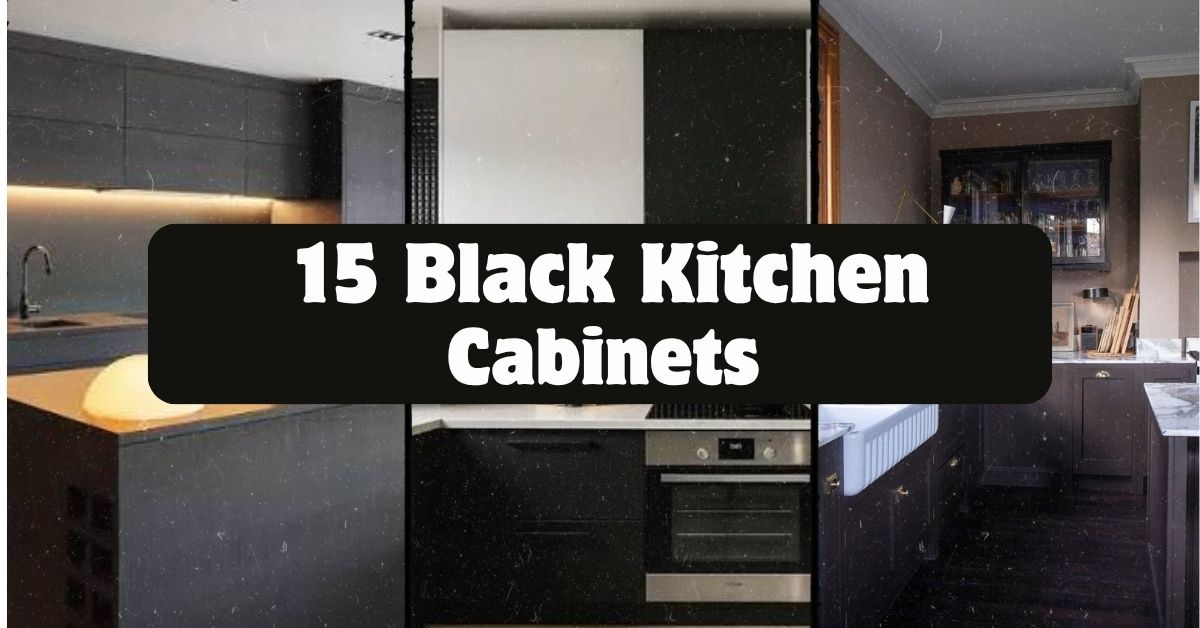
I’ve spent hours digging through kitchen design trends, and I can tell you 15 black kitchen cabinets ideas are having a real moment right now. If you’ve ever wondered whether dark cabinets could work in your own home, you’re in the right spot. This article breaks down exactly what makes black cabinetry work, why it’s not just a fad, and how to pull it off without making your kitchen feel like a cave.
Black kitchen cabinets are cabinet designs finished in matte, satin, or glossy black paint or stain, used as the main storage and visual anchor of a kitchen. They pair with light countertops, brass or gold hardware, and natural wood accents to balance the darker tone and prevent the space from feeling too heavy.
Stick around, because I’m about to walk you through 15 specific ways to use black cabinets, plus a few mistakes that trip people up every single time.
Why Black Cabinets Are Taking Over Kitchens
I remember when white kitchens were the only “safe” choice. Everyone wanted bright, clean, and airy. Then black cabinets started showing up in magazines and Pinterest boards, and honestly, they changed the game.
Black cabinets give a kitchen instant personality. They look sleek in a modern home and surprisingly cozy in a farmhouse-style one. The trick is balance. Black soaks up light, so you need to pair it with the right countertops, backsplash, and lighting to keep things from feeling dark or small. Once you nail that balance, black cabinets look expensive, timeless, and way more interesting than another white kitchen.
1. Pair Black Lower Cabinets With White Uppers
This is the easiest way to dip your toes into black cabinetry without going all in. Keep your upper cabinets white or cream, and let the black lowers ground the room. This two-tone look feels balanced because the eye travels naturally from light to dark.
Choose a warm white for the uppers, not stark white, so the contrast doesn’t feel too harsh. Add brushed nickel or matte black pulls to tie both tones together.
Practical tip: Test paint samples on your actual cabinet doors before committing, since lighting changes how black reads throughout the day.
This works beautifully in transitional and farmhouse kitchens especially. Once you’ve got the two-tone base down, you can start layering in texture, which brings us to the next idea.
2. Add a Textured Wood Island for Contrast
A black kitchen needs warmth somewhere, and a wood island does that job perfectly. Think butcher block, reclaimed oak, or a walnut stain. The wood breaks up all that black and adds a natural, lived-in feel.
Keep the island a slightly different wood tone than your flooring so it stands out as a feature, not just a match. A waterfall edge countertop on the island can also add a modern touch if that’s your style.
Quick tip: Stick with a matte or satin finish on the wood so it doesn’t compete with glossy black cabinets nearby.
Coastal kitchens love this combo with lighter driftwood tones, while industrial kitchens lean toward darker, distressed wood. Next, let’s talk about what goes above those black cabinets.
3. Use a Marble or Quartz Backsplash for Brightness
Black cabinets can feel heavy without something reflective nearby. A marble or quartz backsplash with light veining bounces light back into the room and keeps things from feeling closed in.
Go floor-to-ceiling if your budget allows, especially behind the stove. It creates a dramatic focal point that photographs beautifully and never goes out of style.
Actionable tip: Choose a backsplash with subtle gray or gold veining to complement both black cabinets and metal hardware.
Modern farmhouse kitchens do well with softer marble patterns, while contemporary kitchens can handle bolder, more dramatic veining.
Countertop and Backsplash Pairings for Black Cabinets
| Countertop/Backsplash Material | Best Paired With | Approximate Cost per Sq. Ft. | Style Fit |
|---|---|---|---|
| Carrara Marble | Brass hardware, white oak floors | $75–$150 | Traditional, French Country |
| White Quartz | Matte black fixtures, gray grout | $50–$100 | Modern, Transitional |
| Butcher Block Wood | Copper accents, exposed brick | $35–$70 | Farmhouse, Industrial |
| Terrazzo | Colorful glass tile, brass pulls | $60–$120 | Eclectic, Retro |
| Concrete | Steel appliances, minimal decor | $65–$135 | Industrial, Modern |
Now that your surfaces are sorted, let’s look at how lighting changes everything.
4. Install Warm Under-Cabinet Lighting
Black cabinets absorb light instead of reflecting it, so under-cabinet lighting isn’t optional here, it’s essential. Warm LED strips tucked under the upper cabinets light up your countertop workspace and add a soft glow that makes black cabinetry look intentional rather than dim.
Choose LED strips with a warm white temperature, around 2700K to 3000K, to avoid a cold, clinical feel.
Practical tip: Install lighting on a separate switch so you can control ambiance during evening meals versus daytime cooking.
This idea works in every kitchen style because good lighting is universal. Once your cabinets are lit properly, it’s time to think about what’s holding them together, literally.
5. Choose Brass or Gold Hardware for Warmth
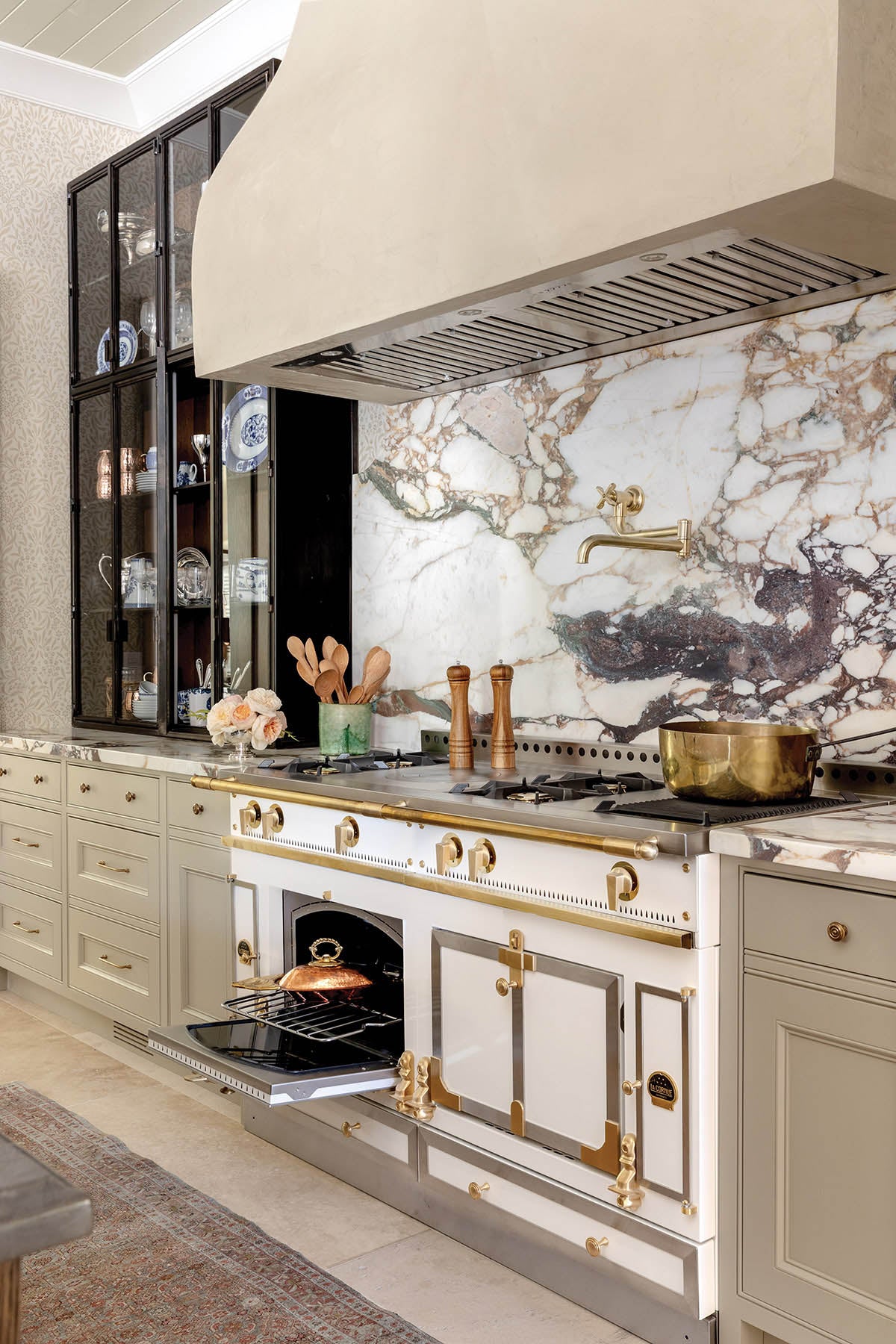
Black cabinets paired with cool silver hardware can feel a little sterile. Switch to brass, gold, or even aged bronze pulls and knobs, and suddenly the whole kitchen feels warmer and richer.
I always tell people this is the cheapest, fastest upgrade you can make. Swapping hardware costs way less than repainting cabinets but changes the entire mood of the room.
Actionable tip: Mix hardware finishes sparingly, like brass pulls with matte black faucets, for a curated, collected look rather than matchy-matchy.
Traditional kitchens shine with ornate brass details, while modern spaces prefer sleek, unlacquered brass with simple lines. Speaking of faucets, let’s talk fixtures next.
6. Go Bold With a Black Faucet and Sink Combo

If you’re already committing to black cabinets, why not extend that into your fixtures? A matte black faucet paired with a black or dark granite composite sink creates a cohesive, moody look that feels custom-designed.
This works especially well in kitchens with white or light stone countertops, since the contrast makes the black pop even more.
Quick tip: Look for faucets with a matte, not glossy, finish so it doesn’t clash with cabinet sheen.
Industrial and modern farmhouse kitchens both love this look. Coastal kitchens can pull it off too, as long as the rest of the palette stays light and airy. Next, let’s talk wall color, because it matters more than people think.
7. Paint Walls a Soft, Warm Neutral
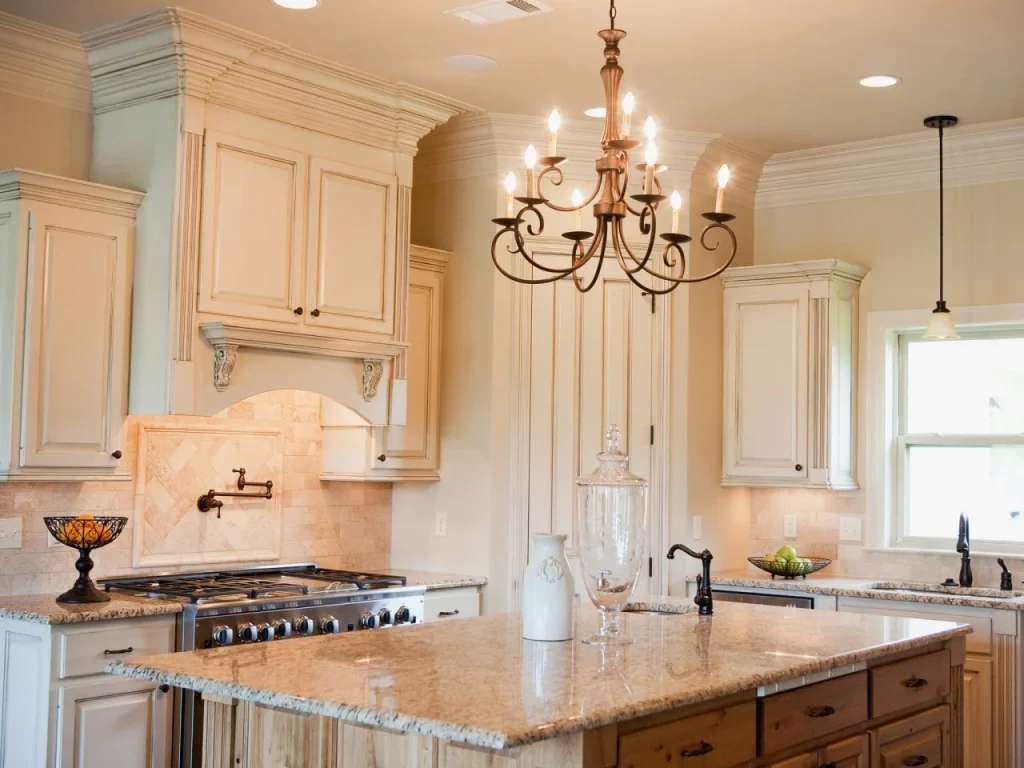
Black cabinets need a wall color that supports them without fighting for attention. Soft neutrals like warm white, greige, or pale sage work wonders here. Avoid stark white walls, since the contrast can feel too stark and clinical against black cabinetry.
I like recommending a warm off-white with a hint of yellow or beige undertone. It softens the whole room instantly.
Practical tip: Test your wall color next to your cabinet sample in both natural and artificial light before painting the whole room.
Traditional kitchens do well with warm cream tones, while modern kitchens can handle cooler grays. Once your walls are sorted, open shelving is worth considering too.
8. Add Open Wood Shelving for Balance
Full black cabinetry can feel like a lot if every wall is covered. Swap one section for open wood shelves instead. This breaks up the visual weight and gives you a spot to display dishes, plants, or cookbooks.
Choose a wood tone that matches or complements your island or flooring for a cohesive look.
Actionable tip: Style shelves in odd numbers, like groups of three items, for a more natural, less staged appearance.
Farmhouse and coastal kitchens especially benefit from this softer, more relaxed touch. Now let’s zoom into cabinet finish itself, because matte versus glossy makes a real difference.
Black Cabinet Finish Comparison
| Finish Type | Look and Feel | Maintenance Level | Best For |
|---|---|---|---|
| Matte Black | Soft, modern, hides smudges well | Low | Contemporary, Scandinavian |
| Satin Black | Slight sheen, versatile | Medium | Transitional, Farmhouse |
| High-Gloss Black | Reflective, dramatic, shows fingerprints | High | Modern, Glam |
| Black Stain (Wood Grain Visible) | Natural texture, rustic warmth | Medium | Traditional, Rustic |
9. Use Black Cabinets Only on One Wall
Not ready to commit your whole kitchen to black? Try it on one wall only, like a pantry wall or the wall housing your range. This lets you experiment with the trend without a full renovation commitment.
Keep the rest of your cabinetry in a lighter wood tone or white to create intentional contrast rather than a mismatched look.
Practical tip: Use the black wall as your kitchen’s focal point by adding statement lighting or open shelving right above it.
This approach fits small kitchens especially well, since it adds drama without shrinking the space visually. Next, let’s talk about floors, because they need to hold their own against black cabinets.
10. Choose Wide-Plank Wood Flooring
Black cabinets look incredible against warm, wide-plank wood floors. The wood grain adds texture and warmth that balances out all that dark cabinetry above.
Go for a medium to light wood tone rather than dark flooring, since dark floors paired with dark cabinets can make a kitchen feel like a shadow box.
Actionable tip: Choose flooring with some texture or graining, not a perfectly smooth finish, to add visual interest underfoot.
Modern farmhouse and traditional kitchens both lean heavily on this combo. Coastal kitchens do a lighter, whitewashed version of the same idea. Now, let’s talk about a design choice that’s a bit bolder: black cabinets with black walls.
11. Try a Moody All-Black Kitchen
If you’re feeling brave, go full moody and pair black cabinets with black or deep charcoal walls. This creates a dramatic, restaurant-like feel that’s become popular in loft-style homes and city apartments.
The key here is lighting. You need multiple light sources, pendant lights, under-cabinet lighting, and recessed ceiling lights, to keep the space from feeling like a cave.
Practical tip: Add a few metallic or glass accents to bounce light around the room and prevent visual flatness.
This look is best suited for modern, industrial, or glam kitchens with high ceilings and big windows. Smaller kitchens should approach this idea carefully. Speaking of smaller spaces, let’s cover how to make black cabinets work in a compact kitchen.
12. Use Glass-Front Cabinets to Add Depth
Solid black cabinets everywhere can feel visually heavy in a smaller kitchen. Swap a few upper cabinet doors for glass fronts instead. This adds depth, breaks up the solid black, and gives you a spot to show off pretty dishware.
Choose frosted or seeded glass if you want a softer, more diffused look rather than a fully see-through display.
Actionable tip: Keep the inside of glass-front cabinets tidy and color-coordinated, since everything inside becomes part of your decor.
Traditional and coastal kitchens both use this trick often. Modern kitchens tend to skip the frosted glass in favor of clear, minimalist panels. Next, let’s talk about how greenery changes a black kitchen completely.
13. Bring in Greenery to Soften the Look
Black cabinets can feel cold without something living in the room. Adding potted herbs, a small tree, or hanging plants softens the whole space instantly and adds a pop of natural color.
I always suggest low-maintenance plants like pothos, snake plants, or fresh herbs on a windowsill, since kitchens can be tricky environments for finicky plants.
Practical tip: Group plants in varying heights on open shelves or windowsills for a more layered, natural look.
This works in literally every kitchen style, from modern to farmhouse to coastal. Now let’s talk about a finishing touch that ties everything together: your ceiling.
14. Add a Statement Ceiling or Beams
Don’t forget to look up. Black cabinets pair beautifully with exposed wood beams, shiplap ceilings, or even a painted ceiling in a complementary tone. This draws the eye upward and keeps the black cabinetry from being the only interesting feature in the room.
Choose a natural wood beam finish if your island or flooring already has warm wood tones, for a cohesive design story.
Actionable tip: If a full ceiling redo isn’t in the budget, even a simple crown molding painted a contrasting color can add architectural interest.
Farmhouse and traditional kitchens use exposed beams often, while modern kitchens might opt for a sleek painted ceiling instead. Finally, let’s talk about the small details that pull the whole look together.
15. Layer in Black and Gold Accessories
Once your cabinets, counters, and floors are set, it’s the little details that finish the look. Black and gold accessories, think cabinet knobs, light fixtures, bar stools, or even a black-framed mirror, tie the whole kitchen together without requiring another big renovation step.
Choose one or two accent colors, like gold and a soft sage green, to avoid a cluttered or mismatched feel.
Practical tip: Rotate smaller decor items seasonally, like swapping out a fruit bowl or dish towels, to keep the space feeling fresh without spending much money.
This layering trick works across every style I’ve mentioned so far. It’s the easiest, cheapest way to make a black kitchen feel finished and personal.
Tips for Success
- Always test paint or stain samples on actual cabinet doors, not just paper swatches, before committing to a full kitchen repaint.
- Balance black cabinets with at least one light element, whether that’s countertops, walls, or flooring, so the room doesn’t feel too dark.
- Invest in good lighting first. Black cabinets show poor lighting more than any other color choice.
- Choose a mix of textures, like matte cabinets with glossy countertops, to keep the kitchen visually interesting.
- Don’t skip hardware. Cheap or mismatched hardware can make even expensive cabinets look unfinished.
- Keep countertop clutter minimal since black cabinets already draw a lot of visual attention.
- Consider your home’s natural light before committing to black, since north-facing kitchens may need extra light sources to balance the darker tone.
Common Mistakes and How to Avoid Them
Going too dark everywhere
: Pair black cabinets with light countertops, walls, or flooring so the kitchen doesn’t feel cramped or cave-like.
Skipping proper lighting
: Install a mix of under-cabinet, recessed, and pendant lighting since black absorbs light instead of reflecting it.
Choosing the wrong hardware finish
: Warm metals like brass or gold soften black cabinets, while cool chrome can feel harsh and sterile.
Ignoring maintenance needs
: Glossy black shows fingerprints and smudges quickly, so choose matte or satin finishes for high-traffic kitchens.
Forgetting about ventilation and airflow
: Dark, enclosed kitchens need good ventilation to avoid feeling stuffy, especially in smaller spaces without much natural light.
Overdoing matching accessories
: Too much matchy black and gold everywhere can feel staged rather than lived-in, so mix in some texture and variety.
Similar Variations
- Navy Blue Cabinets: A softer alternative to black that still feels dramatic but slightly warmer and less stark.
- Charcoal Gray Cabinets: Offers a similar moody effect with a bit more flexibility for lighter, airier spaces.
- Two-Tone Black and Wood Cabinets: Combines black lowers or uppers with natural wood tones for a balanced, textured look.
- Matte Black Industrial Kitchens: Leans into raw materials like steel, concrete, and black cabinetry for a loft-inspired feel.
- Black and White Checkerboard Kitchens: Pairs black cabinets with bold black-and-white flooring for a retro, high-contrast statement.
- Black Shaker Farmhouse Kitchens: Uses traditional shaker-style black cabinets with rustic wood accents for a cozy, country feel.
Black cabinets aren’t just a trend that’s going to disappear next year. They’re a smart, flexible design choice that works in almost any home style, as long as you balance the darkness with the right light, texture, and warmth. Whether you go bold with an all-black kitchen or just dip your toes in with a black island, there’s a version of this look that fits your space and your budget. I hope these 15 black kitchen cabinets ideas gave you enough inspiration to start planning your own kitchen refresh with confidence.
Leave a Reply