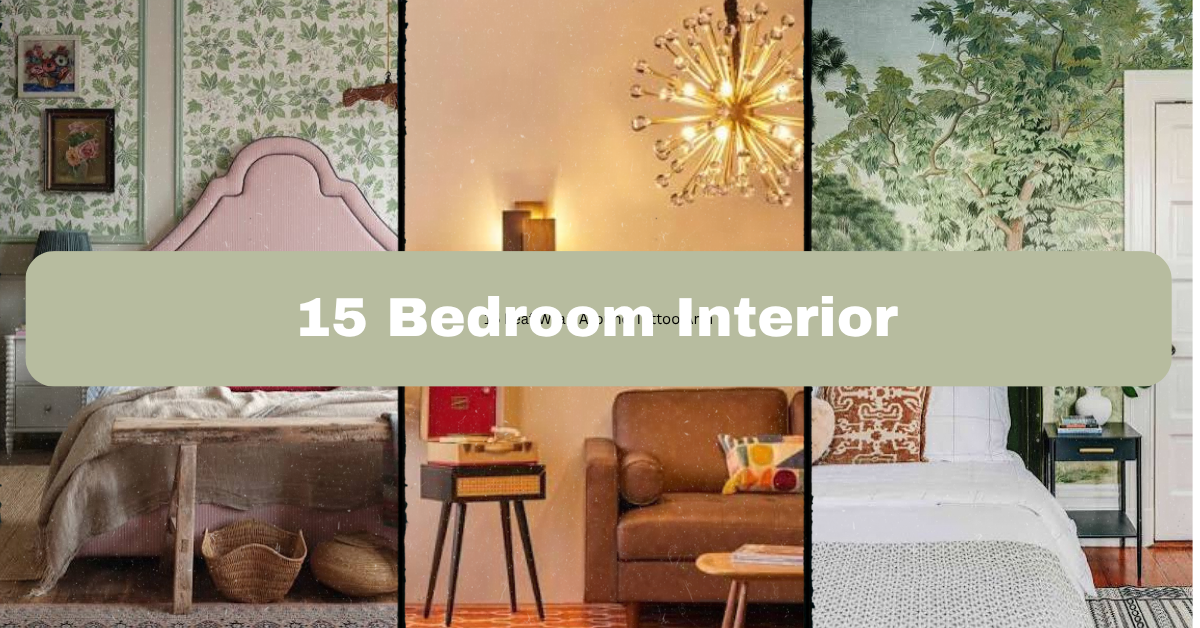
If you’ve been searching for 15 bedroom interior ideas that go beyond the same tired Pinterest boards, I’ve got you covered here with the most complete list you’ll find. I’ve spent years digging through design trends, testing layouts in my own space, and talking to people who actually live with their choices. So let’s get into it.
A bedroom interior refers to the combined design elements, furniture, color scheme, lighting, and decor within a sleeping space that work together to create comfort, function, and personal style. The right interior balances aesthetics with practical needs like storage and rest.
Stick around, because I’m about to walk you through 15 fresh ideas, plus some mistakes I’ve made myself so you don’t have to repeat them.
What Makes a Bedroom Interior Actually Work
Here’s the thing about bedroom design. It’s not just about picking a pretty color or a cute headboard. Your bedroom is the one room where you start and end every single day. That means it needs to do double duty: look good and feel calm.
I think a lot of people overthink this. They chase trends instead of asking what actually helps them sleep better or feel more relaxed. A good bedroom interior mixes function with personality. It’s got a color palette that soothes you, furniture that fits your space without crowding it, and little touches that make it feel like yours. That’s really all there is to it.
1. Anchor the Room With a Statement Headboard
Your bed is the star of the show, so give it a headboard that earns attention. Think upholstered fabric, carved wood, or even a DIY panel covered in textured wallpaper. This one piece can set the tone for everything else in the room.
Practical tip: Measure your bed frame width first, then choose a headboard that’s at least a few inches wider on each side for visual balance.
This idea flexes easily. Go tufted velvet for a glam look, rattan for coastal vibes, or reclaimed wood for farmhouse charm. Once your headboard is picked, the rest of your furniture choices get way easier because you’ve already set the style direction.
Now that your bed is sorted, let’s talk about what goes around it.
2. Use a Layered Lighting Plan Instead of One Overhead Light
One ceiling light isn’t going to cut it. I learned this the hard way after years of harsh, flat lighting that made my room feel like a hospital. You need at least three light sources: ambient, task, and accent.
Add a dimmable overhead fixture, bedside lamps for reading, and maybe a small accent light near a dresser or art piece. This layering gives you control depending on your mood, whether that’s bright morning energy or soft evening wind-down time.
Practical tip: Install a smart dimmer switch so you can adjust brightness without buying multiple lamps.
Modern rooms look great with sleek sconces, while traditional spaces love brass table lamps. Once your lighting feels right, your color choices will actually show up the way you intended.
3. Pick a Calming Color Palette Based on Undertones
Color affects mood more than people realize. Cool tones like soft blues and sage greens tend to relax the nervous system. Warm tones like terracotta or blush add coziness but can feel stimulating if overdone.
Color Palette Guide by Mood
| Mood Goal | Wall Color | Accent Color | Best For |
|---|---|---|---|
| Calm & Restful | Soft sage green | Warm white | Light sleepers |
| Cozy & Warm | Terracotta | Cream | Cold climates |
| Airy & Fresh | Pale blue | Driftwood brown | Coastal homes |
| Moody & Rich | Deep charcoal | Brass gold | Modern lofts |
| Romantic | Blush pink | Dusty rose | Traditional decor |
Practical tip: Test paint samples on your wall for at least two days before committing. Light changes color perception a lot.
Whatever palette you choose, keep it consistent across walls, bedding, and curtains for a cohesive feel. Speaking of bedding, let’s talk textiles next.
4. Layer Textiles for a Cozy, Hotel-Like Feel
Nothing makes a bed look flat faster than a single thin comforter. I always tell people to layer: a fitted sheet, a duvet, a folded throw blanket, and a few pillows in varying sizes. This creates depth and texture without much effort.
Mix materials too. Linen sheets paired with a chunky knit throw feels lived-in and inviting. Silk pillowcases add a touch of luxury and are gentler on hair and skin.
Practical tip: Stick to three pillow sizes max (standard, euro, and one accent) so it doesn’t look cluttered.
This works in any style. Boho rooms love mixed patterns, while minimalist spaces stick to solid neutral layers. Once your bed feels inviting, it’s time to think about what surrounds it.
5. Add a Reading Nook or Cozy Corner
If you’ve got even a small unused corner, turn it into a reading nook. A comfy chair, a small side table, and a floor lamp are really all you need. This gives your bedroom a second function beyond sleeping.
I did this in my own room with a secondhand armchair and a $20 lamp. It became my favorite spot in the house almost overnight.
Practical tip: Position the chair near a window if possible for natural light during the day.
Coastal bedrooms might use a rattan chair with striped cushions, while traditional rooms could add a wingback chair in leather. Once you’ve claimed that corner, your storage needs come next.
6. Choose Furniture With Hidden Storage
Bedrooms fill up fast with clothes, shoes, and random stuff. Furniture that hides storage keeps things looking clean without sacrificing function. Think storage ottomans, beds with drawers underneath, or nightstands with cabinet doors instead of open shelves.
Practical tip: Measure under-bed clearance before buying storage bins. Most need at least 7 inches of space.
Storage Furniture Comparison
| Furniture Type | Storage Capacity | Best Room Size | Price Range |
|---|---|---|---|
| Bed with drawers | High | Any | $$-$$$ |
| Storage ottoman | Medium | Small-Medium | $-$$ |
| Blanket chest | Medium | Medium-Large | $$ |
| Nightstand w/ cabinet | Low | Any | $-$$ |
| Under-bed bins | Medium | Any | $ |
This idea works everywhere because clutter-free rooms always feel calmer, no matter your style. With storage handled, let’s talk about walls.
7. Create a Gallery Wall Above the Bed
Instead of one big art piece, try grouping smaller frames into a gallery wall. Mix photos, prints, and even small mirrors for texture. This adds personality without needing expensive art.
Practical tip: Lay your frames out on the floor first to plan spacing before hammering anything into the wall.
Modern rooms look sharp with black frames in a grid pattern. Eclectic or boho rooms can mix frame styles and sizes for a more relaxed vibe. Once your walls have personality, your rug choice should match that energy.
8. Layer a Textured Rug for Warmth
Hardwood or tile floors can feel cold, literally and visually. A rug adds warmth underfoot and helps define the bed area, especially in open-concept rooms. Go for something plush if you want comfort, or flatweave if you prefer a cleaner look.
Practical tip: Your rug should extend at least 18 inches beyond each side of the bed for proper scale.
Jute rugs suit coastal and boho rooms, while a deep pile rug fits modern or glam interiors better. With your floors sorted, let’s think about scent and ambiance.
9. Add Ambiance With Scent and Sound
This one gets skipped a lot, but it matters. A room that smells good and feels quiet is way more relaxing. Try a diffuser with calming scents like lavender or sandalwood, or a small white noise machine if outside noise is an issue.
Practical tip: Place diffusers away from direct sunlight so the oils don’t degrade faster.
This idea isn’t tied to any particular style, it works in every bedroom type because comfort is universal. Once your senses are covered, let’s look at your closet situation.
10. Style an Open Closet as a Design Feature
If you’ve got a walk-in or open closet, don’t treat it as an afterthought. Organize clothes by color, add matching hangers, and maybe a small bench or ottoman inside. This turns a functional space into something that actually looks nice.
Practical tip: Use velvet hangers. They’re slim, which gives you more closet space instantly.
Modern homes love sleek black or white hanger systems, while traditional homes might add wood tones and brass hooks. With your closet handled, let’s bring in some greenery.
11. Bring in Low-Maintenance Plants
Plants add life to a room, literally. They also improve air quality a bit and give your space a fresh, natural feel. Snake plants, pothos, and ZZ plants are nearly impossible to kill and thrive in lower light.
Practical tip: Keep plants at least a few feet from the bed if you’re sensitive to allergens or pollen.
Boho and coastal rooms love lots of greenery in varied pots, while minimalist spaces might stick to just one or two statement plants. Once your plants are placed, mirrors are next on the list.
12. Use Mirrors to Bounce Light and Add Depth
Mirrors do double duty. They reflect light to make small rooms feel bigger, and they’re functional for getting dressed. A large leaning mirror in a corner or a mirrored closet door both work well.
Practical tip: Position mirrors across from windows to maximize natural light reflection.
Traditional rooms often use ornate framed mirrors, while modern spaces prefer clean, frameless designs. With more light bouncing around, let’s talk window treatments.
13. Choose Curtains That Frame the Window, Not Just Cover It
Curtains hung too low or too narrow make a room feel small and awkward. Hang curtain rods higher than the window frame and wider than the window itself. This tricks the eye into thinking the window, and the room, is bigger.
Practical tip: Hang rods 4 to 6 inches above the window frame and let curtains just graze the floor.
Linen curtains fit coastal and farmhouse styles, while velvet works better in traditional or glam rooms. Once your windows are dressed properly, let’s think about the ceiling.
14. Don’t Ignore the Ceiling, Add Interest Above
Ceilings get forgotten way too often. A coat of soft color, some wood beams, or even a simple pendant light can turn a blank ceiling into a design feature. This is sometimes called the “fifth wall” in design circles.
Practical tip: If painting the ceiling feels risky, start with a shade just a touch lighter than your wall color.
Coastal homes love wood beam ceilings, while modern spaces might add a sculptural pendant light instead. With your ceiling addressed, let’s wrap up with personal touches.
15. Personalize With Meaningful Objects, Not Just Trendy Decor
The last piece of the puzzle is you. Add items that actually mean something: travel souvenirs, family photos, a book collection, or handmade items. These small details make a room feel like a home instead of a showroom.
Practical tip: Rotate personal items every few months to keep the space feeling fresh without buying new decor.
This idea works no matter your style because personality always fits. And honestly, this is the idea that ties every other one together.
Tips for Success
- Start with a mood board before buying anything, even a simple folder of saved images helps keep your choices consistent.
- Set a budget per category (furniture, decor, lighting) so one splurge doesn’t blow your whole plan.
- Buy furniture in this order: bed, storage, seating, decor. This prevents overspending on small stuff early.
- Test fabric swatches and paint samples in your actual room lighting before committing.
- Leave at least 24 inches of walking space around your bed for comfort and flow.
- Don’t rush the whole room at once. Tackle one or two ideas at a time and live with them before adding more.
- Keep receipts and return windows in mind, especially for big furniture pieces you’re unsure about.
Common Mistakes and How to Avoid Them
Overcrowding the nightstands
: Keep only a lamp, a small dish, and maybe a book or two. Anything more starts to look cluttered fast.
Choosing a rug that’s too small
: Measure your bed and floor space first, then size up. A too-small rug makes the whole room feel off balance.
Matching everything perfectly
: A little contrast is good. Mix textures and slightly different tones instead of buying a matching bedroom set.
Ignoring scale
: Oversized furniture in a small room feels cramped, while tiny furniture in a big room feels lost. Always measure before buying.
Forgetting about airflow
: Blocking vents or windows with furniture placement can make a room stuffy. Leave clear paths for air to move.
Skipping the lighting layers
: Relying only on one overhead light flattens the whole room. Add lamps and accent lighting for depth.
Similar Variations
- Coastal Bedroom Interior – light woods, blues, and airy linens for a beach-inspired feel.
- Scandinavian Bedroom Interior – minimal furniture, neutral tones, and cozy textures like sheepskin.
- Industrial Bedroom Interior – exposed brick, metal accents, and moody dark color palettes.
- Bohemian Bedroom Interior – layered textiles, mixed patterns, and lots of plants.
- Traditional Bedroom Interior – classic furniture shapes, rich colors, and symmetry.
- Japandi Bedroom Interior – a mix of Japanese simplicity and Scandinavian warmth, low furniture and natural materials.
Putting together a great bedroom really comes down to balance. You want function, comfort, and a little bit of your own personality mixed in, without overthinking every single detail. Pick a few ideas from this list, start small, and build from there. Before you know it, you’ll have a space that feels like it was pulled straight from a well-planned 15 bedroom interior guide, except it’ll actually be yours.
Leave a Reply