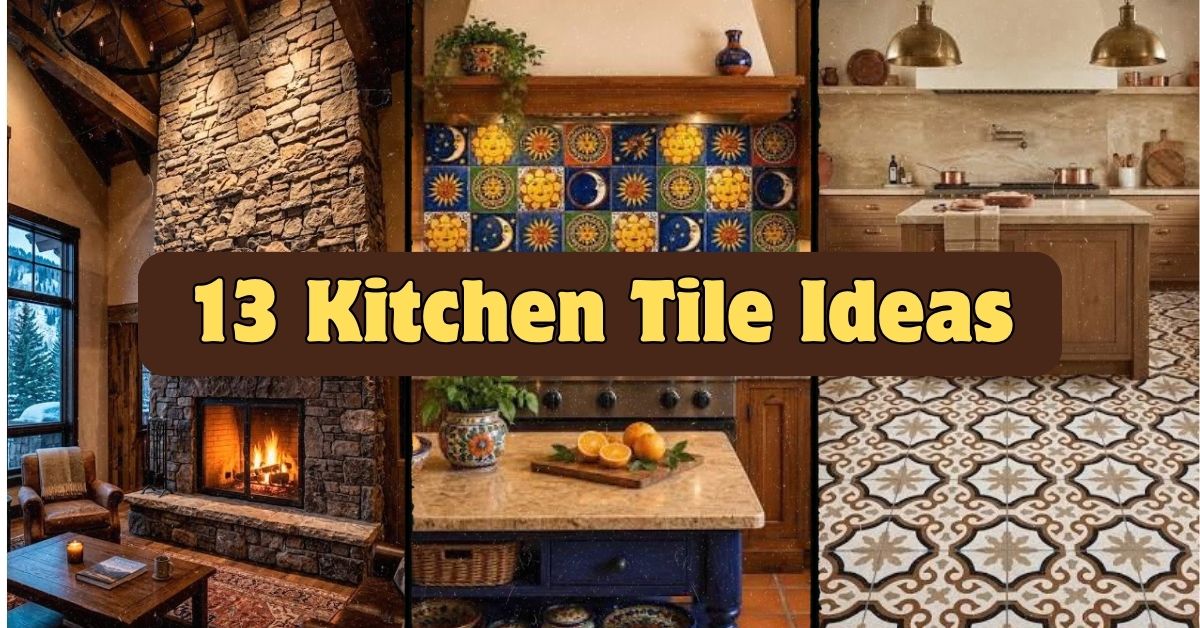
I’ve spent way too many hours scrolling through kitchen photos, and I finally put together 13 kitchen tile ideas that actually work in real homes, not just magazine spreads. If you’ve ever stood in a tile store feeling completely overwhelmed by the wall of samples, I get it. That’s exactly why I wrote this.
Kitchen tile refers to the ceramic, porcelain, glass, or stone material used on backsplashes, floors, or countertops in a kitchen space. The right tile choice affects durability, maintenance, and the overall visual style of the room, from color to pattern to texture.
Stick around, because I’m about to walk you through everything from bold color choices to sneaky budget tricks that designers don’t always share.
What Makes Kitchen Tile Such a Big Deal Anyway
Here’s the thing about kitchen tile: it’s not just decoration. It’s the workhorse of your kitchen. Tile deals with grease splatters, water spills, and constant wiping down. So while it needs to look good, it also needs to survive real life.
I think that’s why picking tile feels so stressful for people. You’re not just choosing a color. You’re choosing something that has to last for years and handle daily abuse. The good news? There are so many styles now that fit any budget and any taste. Whether you like clean and modern or cozy and traditional, there’s a tile combo out there for you. Let’s get into the ideas.
1. Go Bold With a Colorful Zellige Backsplash

Zellige tile comes from Morocco, and it has this handmade look with slight color variations in every piece. No two tiles look exactly the same, which gives your kitchen a one-of-a-kind feel.
I love this for people who want personality without going overboard. Pick a color like deep teal or warm terracotta for a statement wall behind your stove. Keep your cabinets simple and neutral so the tile gets to shine.
Practical tip: order 10% extra tile since zellige has natural imperfections and you’ll want options when installing.
This style works beautifully in Mediterranean, bohemian, or modern farmhouse kitchens. Now let’s talk about something a little more classic.
2. Try Classic Subway Tile With a Twist


Subway tile is a kitchen staple for a reason. It’s affordable, timeless, and easy to clean. But the trick to making it feel fresh in 2024 is playing with the layout.
Instead of the standard brick pattern, try a herringbone or vertical stack layout. This small change makes a huge difference without costing extra money.
Pair white subway tile with black grout for contrast, or go monochrome with matching grout for a soft, seamless look. Add brass or black hardware nearby to tie the whole thing together.
Actionable tip: if you’re renting or on a budget, peel-and-stick subway tile now looks incredibly realistic and can transform a space in a weekend.
This idea adapts to almost any style, from coastal to industrial to traditional. Speaking of industrial vibes, let’s move into something with more texture.
3. Add Texture With 3D Geometric Tile
Flat tile is fine, but 3D tile adds depth and shadow play that catches your eye. Think hexagon shapes, scalloped edges, or raised geometric patterns.
This works especially well as an accent wall behind open shelving or a stove. The shadows created by the tile’s texture change throughout the day as light hits it differently.
Stick to one color family so the texture does the talking instead of competing with busy colors. White or soft gray 3D tile feels modern and clean.
Quick tip: use a matte finish instead of glossy if you want the texture to really pop without glare from overhead lights.
This style leans modern or contemporary, but soft neutral tones can work in transitional kitchens too. Next, let’s talk about a material that’s having a huge moment right now.
4. Bring in Natural Stone for an Earthy Feel
Marble, travertine, and limestone tiles bring warmth and organic texture that manufactured tile just can’t copy. Every slab has unique veining, so your kitchen automatically feels custom.
Natural stone works great on floors or as a backsplash, though I’d recommend sealing it regularly since stone is more porous than ceramic or porcelain.
Pair stone with warm wood cabinets and brass fixtures for a cozy, high-end feel. If you want something more budget-friendly, look for porcelain tile that mimics stone. Honestly, some of them are nearly impossible to tell apart from the real thing.
This idea fits beautifully into modern farmhouse, traditional, and Mediterranean-style kitchens.
Material Comparison: Natural Stone vs Porcelain Look-Alike
| Feature | Natural Stone | Porcelain Look-Alike |
|---|---|---|
| Average cost per sq ft | $15-$40 | $5-$12 |
| Maintenance | Needs sealing yearly | Low maintenance |
| Durability | Prone to staining/chipping | Highly durable |
| Unique pattern | Yes, every piece unique | Repeating pattern |
| Water resistance | Moderate (needs sealant) | High |
Now that we’ve covered stone, let’s jump into something a little more playful.
5. Play With Color-Blocked Tile Sections
Color blocking means using two or more tile colors in defined sections rather than blending everything together. Think a lower third of the wall in navy tile, topped by white subway tile above it.
This idea gives you the boldness of color without committing your whole kitchen to one loud choice. It also visually breaks up large wall spaces, making the kitchen feel more designed and less flat.
Try pairing a deep color like forest green or burgundy with crisp white. Add a thin brass strip where the colors meet for a polished transition line.
Tip: keep your color-blocked section under 40% of the total wall to avoid overwhelming the space.
This trick works great in modern, eclectic, or art deco-inspired kitchens. Let’s move on to something a bit more understated but just as impactful.
6. Choose Handpainted Talavera Tile for Character
Talavera tile comes from Mexico and features bright, handpainted patterns in blues, yellows, and reds. It’s bold, it’s colorful, and it instantly makes a kitchen feel warm and inviting.
I’d suggest using this as a small accent, like a tile inset above your stove or as a border around a plain subway tile backsplash. A little goes a long way with patterns this vibrant.
Balance the boldness with simple white cabinets and open wood shelving. Let the tile be the star of the show.
Practical tip: order samples first since colors can vary between batches, and lighting drastically changes how the colors look in person.
This style shines in bohemian, southwestern, and eclectic kitchens.
7. Use Large Format Tile for a Seamless Look
Large format tile means tiles that are 12×24 inches or bigger. Fewer grout lines mean a cleaner, more streamlined appearance, which a lot of people are loving right now for modern kitchens.
This works especially well on floors, where fewer seams mean less dirt buildup and easier mopping. It also makes small kitchens feel bigger since your eye doesn’t stop at grout lines every few inches.
Stick with a light neutral color like warm gray or soft beige for the most spacious feel. Pair with minimalist cabinet hardware to keep the whole look cohesive.
Tip: hire an experienced installer for large format tile since it requires a perfectly level subfloor to avoid cracking.
This works wonderfully in modern, minimalist, and Scandinavian-style kitchens. Now let’s flip things around and talk ceilings.
8. Take Tile All the Way to the Ceiling
Most kitchens stop tile at the upper cabinet line, but taking it all the way up creates a dramatic, high-end look. This works especially well in kitchens with open shelving instead of upper cabinets.
Full-height tile makes a small kitchen feel taller and more luxurious. It also means less painting and touch-up work over time since tile handles grease and moisture way better than paint.
Pick a tile that’s not too busy since you’re covering a large surface area. Subtle texture or soft color variation works best here.
Tip: budget extra for tile and labor since full-height installs use significantly more material than a standard backsplash.
This dramatic approach fits modern, industrial, and high-end traditional kitchens perfectly. Next up, a fun way to add pattern without overwhelming the whole room.
9. Frame Your Range With a Tile Focal Point

Instead of tiling your whole backsplash the same way, create a focal point tile design just behind your stove. This could be a diamond pattern, a contrasting color, or even a mini mosaic mural.
It draws the eye to the cooking area and gives your kitchen a custom, designed feel without a huge budget. Think of it like a piece of art hung above your stove, except it’s permanent and way more durable.
Keep the rest of your backsplash simple, like plain subway or square tile, so the focal point really stands out.
Tip: measure your range hood width first so your tile focal point lines up symmetrically.
This idea works in basically every kitchen style, from modern to traditional to coastal.
Budget Tiers for Kitchen Tile Projects
| Budget Tier | Cost Range (per sq ft) | Best Tile Options | Typical Kitchen Size Fit |
|---|---|---|---|
| Budget-friendly | $1-$5 | Ceramic subway, peel-and-stick | Small to medium |
| Mid-range | $6-$15 | Porcelain, glass mosaic | Medium kitchens |
| High-end | $16-$40 | Natural stone, handmade zellige | Any size, statement focus |
| Luxury | $40+ | Custom Talavera, imported marble | Larger or remodel-focused |
With budgets sorted, let’s talk about a texture trend that’s been showing up everywhere lately.
10. Incorporate Fluted or Ribbed Tile for Subtle Texture
Fluted tile has raised vertical or horizontal grooves that add dimension without being too loud. It’s a softer alternative to the bold 3D geometric tile we talked about earlier.
This style pairs beautifully with curved cabinet edges and rounded hardware for a soft, organic kitchen feel. It photographs incredibly well because the grooves catch light in a subtle, elegant way.
Stick to a single neutral color so the texture stays the focus rather than color contrast.
Tip: use fluted tile sparingly, like on a kitchen island panel or a small backsplash section, since covering too much area can feel repetitive.
This works great in modern, Japandi, and soft contemporary kitchen styles. Now let’s talk about a classic pattern making a huge comeback.
11. Bring Back Checkerboard Floor Tile
Checkerboard tile floors were huge decades ago, and they’re back in a big way. The classic black and white combo feels retro, but you can also do it in softer tones like cream and sage for a more updated look.
This pattern instantly grounds a kitchen and adds visual interest to an otherwise plain floor. It pairs really well with simple, unfussy cabinetry since the floor is already doing a lot of visual work.
Go with matte finish tile on floors to avoid slipping, especially in a kitchen where spills happen often.
Tip: use a smaller tile size, like 6×6 inches, for a more delicate checkerboard look, or go bigger for a bolder statement.
This style fits vintage, French country, and modern retro kitchens beautifully. Let’s finish up with a couple more ideas that tie everything together.
12. Mix Metallic Tile for a Touch of Glam
Metallic tile, whether it’s brushed brass, copper, or stainless steel finish, adds a subtle shine that catches light beautifully. It’s not about going full glitzy, just adding a hint of shimmer.
Use metallic tile as a thin accent strip within your backsplash or as a border around your stove area. A little shine goes a long way, so don’t overdo it across a whole wall.
Pair with matte black or white cabinets so the metallic pops instead of competing with other shiny finishes.
Tip: keep metallic tile away from areas with heavy grease splatter since fingerprints and smudges show up more easily on shiny surfaces.
This works great in glam, art deco, and modern luxury kitchens.
13. Layer Patterns With Encaustic-Style Tile
Encaustic tile has intricate patterns baked right into the material, often inspired by Victorian or Mediterranean designs. Unlike printed tile, the pattern goes all the way through, so it holds up better over time.
This style works as flooring or as a bold backsplash choice. The patterns are busy, so keep your cabinets and walls simple and neutral to balance things out.
Tip: use encaustic tile in a smaller area, like a kitchen entryway or under a farmhouse sink, if you’re worried about it feeling too busy for the whole room.
This idea shines in Mediterranean, vintage, and eclectic kitchen styles, wrapping up our list with a punch of pattern and history.
Tips for Success
- Always order 10-15% extra tile to account for cuts, breaks, and future repairs.
- Get physical samples before buying anything online, since screen colors are never accurate.
- Think about grout color as much as tile color, since it changes the entire look.
- Test tile samples in your actual kitchen lighting, not just under store lights.
- Balance bold tile choices with simple cabinetry so your kitchen doesn’t feel too busy.
- Hire a professional for large format or natural stone tile since these require precise installation.
- Consider maintenance needs before falling in love with a material, especially for busy households.
Common Mistakes and How to Avoid Them
Choosing tile before finalizing cabinet color
: Pick your cabinet color first, then find tile that complements it, not the other way around.
Ignoring grout line width
: Thin grout lines create a sleek look, while thick lines feel more traditional, so choose based on your overall style goal.
Going glossy on kitchen floors
: Glossy floor tile gets slippery when wet, so stick to matte or textured finishes for safety.
Overdoing bold patterns everywhere
: Pick one focal point, like a backsplash or floor, and keep other surfaces simple so the space doesn’t feel chaotic.
Skipping the sealant on natural stone
: Unsealed stone stains easily from oil and wine, so seal it right after installation and reseal yearly.
Underestimating installation costs
: Labor can cost as much as the tile itself, especially for intricate patterns, so budget accordingly before falling in love with a design.
Similar Variations
- Moroccan Bohemian Kitchen: Combines zellige tile with warm wood tones and woven textiles for a globally-inspired feel.
- Coastal Cottage Kitchen: Uses light blue and white tile combos with shiplap walls for a beachy, relaxed vibe.
- Industrial Loft Kitchen: Pairs subway tile with exposed brick and black metal fixtures for an urban edge.
- French Country Kitchen: Features encaustic or checkerboard floors with soft pastel cabinets and vintage hardware.
- Modern Farmhouse Kitchen: Mixes natural stone or large format tile with shaker cabinets and matte black accents.
- Art Deco Glam Kitchen: Uses metallic accent tile paired with bold geometric patterns and brass fixtures.
Picking the right tile really comes down to knowing your style, your budget, and how much maintenance you’re willing to deal with. There’s no single “best” option here, just the one that fits your life and your kitchen the best.
I hope this list gave you a clearer picture of what’s possible, whether you’re planning a full renovation or just want to swap out a small backsplash section. With these 13 kitchen tile ideas, you’ve got more than enough inspiration to start your next project with confidence.
Leave a Reply