I’ve spent way too many hours scrolling through kitchen photos, and I put together these 13 kitchen table ideas so you don’t have to do the same thing. Whether you’re starting from scratch or just tired of staring at the same old setup, I’ve got you covered here.
Kitchen tables are the heart of the home. What’s the best kitchen table setup for your space? It depends on your room size, family needs, and style, but the right table balances function with a look you love, and this guide breaks down exactly how.
Stick around, because I’m about to show you tricks that interior designers charge big money for. Some of these ideas might completely change how you think about your kitchen.
What Makes a Kitchen Table Idea “Work”
Before we jump into the list, let’s talk about what actually makes a kitchen table setup good. It’s not just about picking a pretty table and calling it done. A great kitchen table area mixes the right size, the right materials, and enough personality to make the space feel like yours.
I think about three things every time: does it fit the room, does it fit how we actually eat and live, and does it look like something I’d want to sit at every morning with coffee. If you nail those three things, you’re basically golden. Now let’s get into the good stuff.
1. Go Round for Small Kitchens
Round tables are lifesavers in tight kitchens. There’s no sharp corners to bump into, and everyone can scoot in closer without fighting over leg room. A 42-inch round table usually fits four people comfortably without eating up your whole floor plan.
I like pairing round tables with a pedestal base instead of four legs. It frees up space underneath and makes the whole area feel less cluttered.
Practical tip: measure your kitchen and leave at least 36 inches of walking space around the table on all sides.
This idea works in cottage, farmhouse, and modern kitchens alike since round shapes are pretty forgiving style-wise. Next up, let’s talk about what happens when you go the opposite direction with size.
2. Build a Farmhouse-Style Long Table

If you’ve got a big kitchen or an open floor plan, a long farmhouse table changes everything. These tables usually run 72 to 96 inches and seat six to eight people easily. Solid wood tops with a distressed or matte finish give that lived-in, welcoming feel.
I love pairing these tables with a mix of chairs instead of a matching set. It looks collected over time instead of store-bought yesterday.
Actionable tip: add a bench on one side to save space and squeeze in extra seating when guests show up.
This idea shines in farmhouse and rustic kitchens, but it works in modern spaces too if you pick a table with clean lines and a lighter wood tone. Speaking of mixing seating, let’s dig deeper into that bench idea.
3. Add a Bench for Flexible Seating
Benches aren’t just for farmhouse tables. They work anywhere you need flexible seating that can squeeze in one more kid or guest without a fuss. Benches also tuck under the table when not in use, which frees up floor space.
I’d go with a bench on one side and chairs on the other. This gives you the best of both worlds: easy sliding in for kids, plus proper chairs for grownups who want back support.
Practical tip: pick a bench with a cushion or add throw pillows so people actually want to sit there for more than five minutes.
This works great in coastal, modern, and traditional kitchens since benches come in so many styles now. Now let’s talk color, because that changes the whole vibe of your table area.
Table Size Guide by Household Size
| Household Size | Recommended Table Shape | Minimum Table Size | Seating Capacity |
|---|---|---|---|
| 1-2 people | Round or square | 30-36 inches | 2-4 |
| 3-4 people | Round or rectangular | 42-54 inches | 4-6 |
| 5-6 people | Rectangular | 60-72 inches | 6-8 |
| 7+ people | Rectangular or extendable | 84-108 inches | 8-12 |
4. Choose a Two-Tone Table for Contrast

Two-tone tables have a wood top and a painted or metal base, and they add instant character. I’ve seen black metal legs paired with a warm oak top, and it looks amazing in almost any kitchen style.
The contrast keeps the table from feeling too heavy or too plain. It also lets you match the base color to your cabinet hardware or light fixtures for a pulled-together look.
Practical tip: keep the top wood tone close to your flooring color so the table doesn’t feel disconnected from the rest of the room.
This idea is a favorite in modern farmhouse and industrial kitchens, but it also softens up a strict traditional space. Now let’s talk about tables that do double duty.
5. Pick a Table That Doubles as a Kitchen Island
Small kitchens need furniture that works overtime. A table that acts as both your eating spot and your prep space saves a ton of square footage. Look for a sturdy table with a durable top, like butcher block or quartz, that can handle chopping and rolling dough.
I’ve seen people add a small shelf or drawer underneath for extra storage too. That’s smart if your kitchen is short on cabinet space.
Actionable tip: choose a table height around 36 inches so it lines up with standard counter height for easy food prep.
This works especially well in small modern kitchens and studio apartments where every inch counts. Next, let’s look at how lighting changes your table game completely.
6. Hang a Statement Light Above the Table
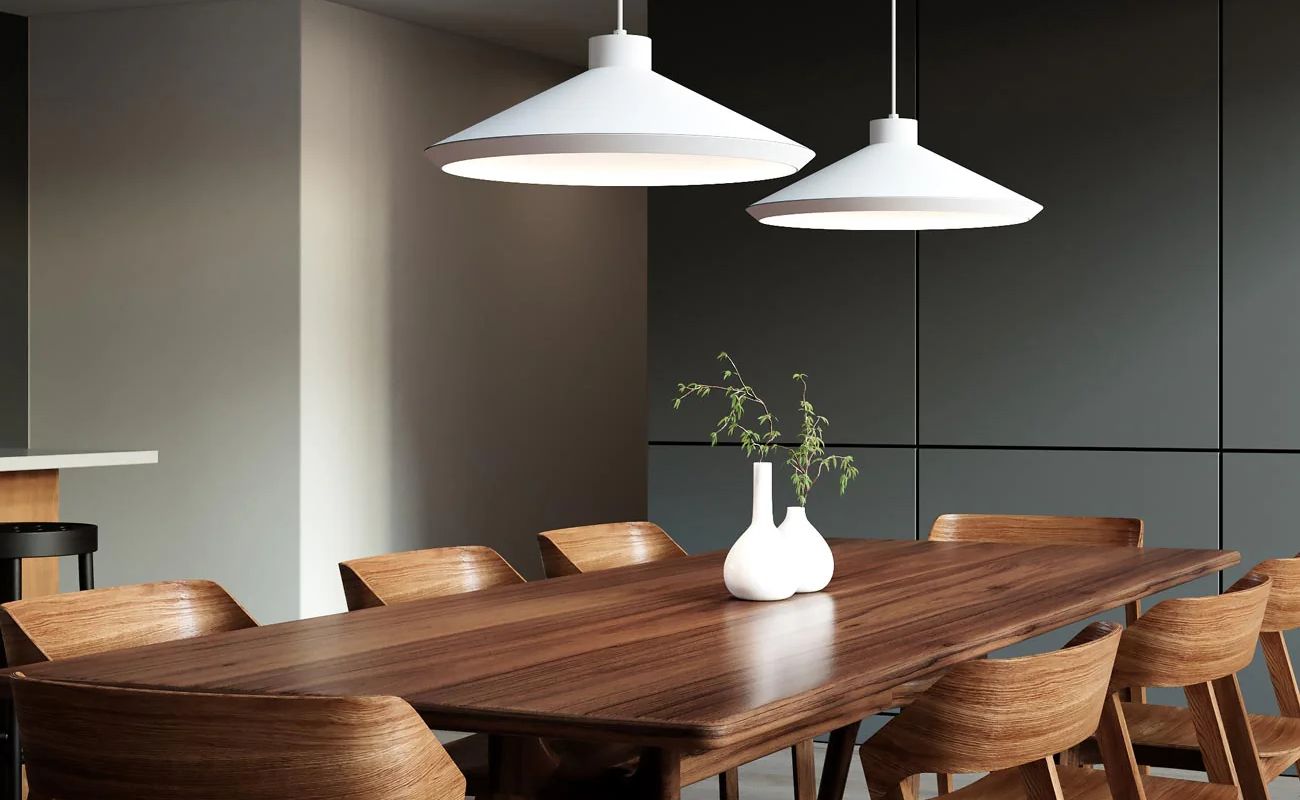
The right light fixture turns a plain table into the star of the room. A single pendant light or a cluster of three small ones adds drama without taking up floor space. I always tell people to hang the fixture about 30 to 34 inches above the tabletop for the best look and enough headroom.
Brass, black metal, and woven rattan pendants are big right now. They add texture without clashing with your table finish.
Practical tip: use a dimmer switch so you can shift the mood from bright morning light to a cozy dinner glow.
This idea works in literally every kitchen style since lighting is so easy to swap out. Now, let’s talk about what goes on top of that table.
7. Style the Table With a Simple Centerpiece
An empty table looks unfinished, but a cluttered one feels stressful. I always go for one simple centerpiece, like a wood bowl of fruit or a low vase of greenery. Keep it under 12 inches tall so it doesn’t block conversation across the table.
Rotating your centerpiece with the seasons keeps things fresh without much effort. A pumpkin in fall, some greenery in winter, wildflowers in spring.
Practical tip: use a table runner instead of a full tablecloth for everyday use. It’s easier to wipe down and adds color without much fuss.
This idea flexes easily across coastal, farmhouse, and modern styles depending on what centerpiece you pick. Let’s move on to materials now, because that decision matters a lot.
Kitchen Table Material Comparison
| Material | Durability | Price Range | Best For |
|---|---|---|---|
| Solid Wood | High | $$$ | Long-term family use |
| Engineered Wood | Medium | $ | Budget-friendly starter homes |
| Metal | High | $$ | Industrial and modern kitchens |
| Glass Top | Medium | $$ | Small spaces, visual openness |
| Butcher Block | High | $$$ | Kitchens needing extra prep space |
8. Use Mismatched Chairs for Personality

Matching chair sets are fine, but mismatched chairs bring so much more life to a table. I mix wood chairs with a couple of woven or upholstered ones for texture. It looks curated, not chaotic, as long as you stick to a similar color family.
This trick also saves money since you can shop secondhand for one-off finds instead of buying a whole matching set.
Practical tip: keep the chair heights and seat depths similar so the table still feels balanced even with different styles.
This works especially well in eclectic, farmhouse, and boho kitchens where personality matters more than perfect matching. Next, let’s talk about tables built for tiny spaces.
9. Try a Drop-Leaf Table for Tiny Kitchens
If your kitchen barely fits a table at all, a drop-leaf design might save your life. These tables have hinged sides that fold down when you don’t need the extra space, then flip up for guests or big meals.
I’ve used one in a small apartment kitchen, and it honestly worked better than I expected. You get a full-size table when you need it and a slim profile the rest of the time.
Practical tip: push the table against a wall when the leaves are down to save even more floor space.
This idea is perfect for modern and minimalist small kitchens where every square foot counts. Now let’s talk about adding warmth with texture.
10. Layer in Natural Textures Like Rattan and Wood
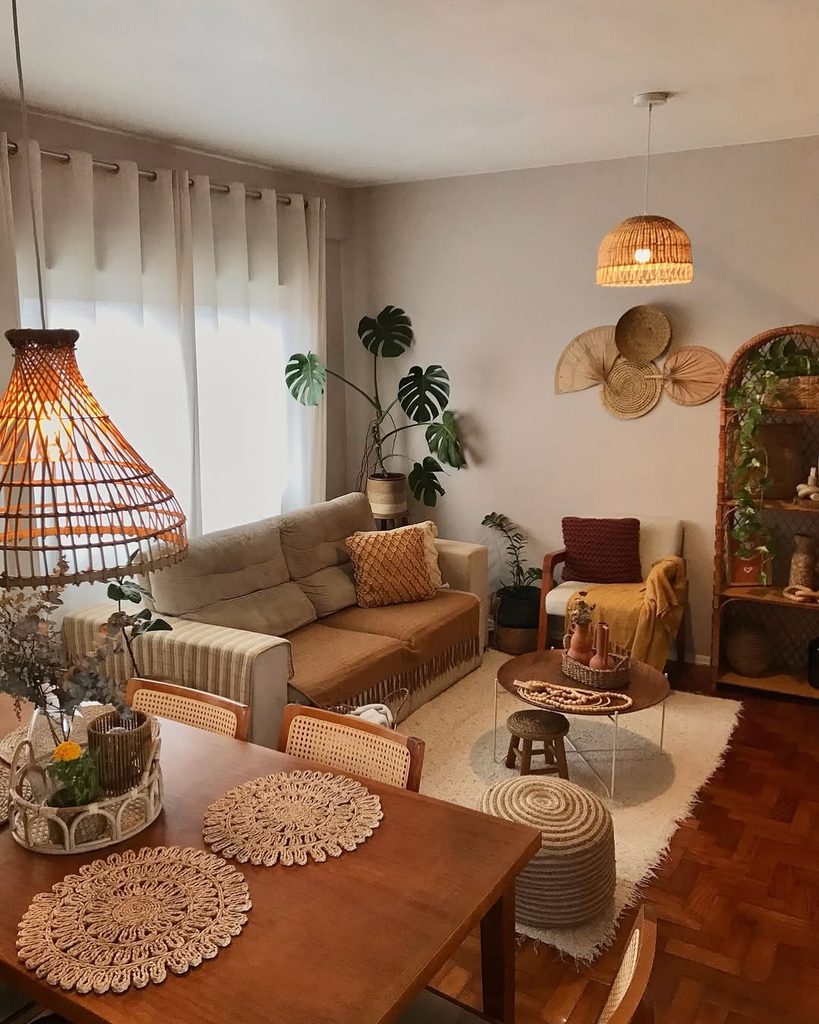
Natural materials make a kitchen table area feel warm and inviting instead of cold and sterile. Think rattan chairs, a wood table, and maybe a jute rug underneath if your kitchen has room for one.
These textures pair beautifully with warm color palettes like cream, terracotta, and soft green. They also age well, unlike some trendier materials that look dated in a few years.
Practical tip: mix at least two natural textures, like wood and rattan, for depth without overdoing it.
This idea is a natural fit for coastal, boho, and Scandinavian kitchens, though it can soften a strict modern space too. Let’s talk color palettes next, since that ties everything together.
Popular Kitchen Table Color Palettes
| Palette Name | Table Finish | Wall Color | Accent Color |
|---|---|---|---|
| Warm Neutral | Natural oak | Soft white | Terracotta |
| Coastal Calm | Whitewashed wood | Light blue-gray | Navy |
| Modern Contrast | Black or dark walnut | Bright white | Brass |
| Cozy Farmhouse | Distressed wood | Warm cream | Sage green |
11. Add a Built-In Banquette for Cozy Corners

Banquettes turn an awkward corner into the coziest spot in the house. These built-in bench seats hug the wall and pair with a table for a nook that feels like a little restaurant booth in your own home. I love adding storage underneath the seat too, since that space usually goes to waste otherwise.
Cushions in a durable fabric like performance velvet or outdoor-grade cotton hold up well to spills and daily use.
Practical tip: choose a round or oval table for a banquette so nobody gets stuck in a hard-to-reach corner seat.
This works beautifully in traditional and cottage kitchens, though a sleek banquette with clean lines fits modern spaces too. Now let’s look at how extendable tables solve a common problem.
12. Choose an Extendable Table for Entertaining
If you love hosting but don’t have space for a giant table year-round, an extendable table solves that problem completely. These tables have a leaf that slides out or stores separately, letting you grow the table only when you need it.
I think this is one of the smartest buys for growing families too. Your table can literally grow with your needs instead of you buying a new one every few years.
Practical tip: measure your storage space for the extra leaf before buying, since some leaves are surprisingly big and awkward to store.
This idea works in almost any kitchen style since extendable tables come in everything from farmhouse to sleek modern designs. Last but not least, let’s talk about a detail people often skip.
13. Ground the Space With the Right Rug
A rug under your kitchen table adds warmth and helps define the eating area, especially in open floor plans. Go with a low-pile or flatweave rug since anything too fluffy traps crumbs and makes chair-scooting a pain.
Size matters a lot here. Your rug should extend at least 24 inches beyond the table edge on all sides so chairs stay on the rug even when pulled out.
Practical tip: choose a washable rug if you’ve got kids or pets, since kitchen spills are basically guaranteed.
This idea works across every style, from jute rugs in coastal kitchens to bold patterned rugs in eclectic spaces. And with that, you’ve got all 13 ideas to start reshaping your kitchen table area.
Tips for Success
- Measure twice before buying anything. Kitchen tables are hard to return once they’re in your space.
- Stick to a budget range before you start shopping, since table prices swing wildly based on material.
- Test chair comfort in person if you can. A chair that looks great might feel terrible after 20 minutes.
- Choose finishes that match your flooring undertone, not necessarily your cabinets.
- Don’t skip the walking space rule. Cramped seating areas feel stressful, not cozy.
- Buy slightly bigger than you think you need if you’re between two sizes. Growing families fill up table space fast.
- Keep receipts and warranty info for wood tables, since natural materials sometimes need repairs down the line.
Common Mistakes and How to Avoid Them
Buying a table too big for the room
: Measure your space first and leave at least 36 inches of clearance on every side.
Ignoring chair height and table height match
: Keep about 12 inches of space between the seat and the tabletop for comfortable dining.
Choosing style over durability
: Pick materials rated for daily use, especially if you have kids, pets, or a busy household.
Overdecorating the table surface
: Stick to one simple centerpiece under 12 inches tall so people can still see each other across the table.
Skipping the rug size rule
: Make sure your rug extends beyond the table edges so chairs don’t slide off when pulled out.
Forgetting lighting placement
: Hang pendant lights 30 to 34 inches above the table for the right glow without blocking sightlines.
Similar Variations
- Coastal Kitchen Nook: Light woods, blue accents, and woven textures for a beachy breakfast spot.
- Industrial Dining Corner: Metal chairs, exposed bulbs, and dark wood tables for an urban loft feel.
- Scandinavian Breakfast Table: Pale wood, clean lines, and minimal decor for a calm, airy vibe.
- Farmhouse Family Table: Long wood tables, mismatched chairs, and warm lighting for big family meals.
- Modern Minimalist Setup: Sleek materials, neutral colors, and simple shapes with zero clutter.
- Boho Eclectic Dining Spot: Rattan chairs, layered textiles, and plants for a relaxed, collected look.
Picking the right table setup really comes down to knowing your space and how your family actually lives day to day. Small changes, like swapping a rug or adding a bench, can make a bigger difference than you’d expect. I hope these 13 kitchen table ideas gave you a few sparks to try out in your own home.
Leave a Reply