
Ever stared at your bedroom and just felt… blah? Like something’s off but you can’t put your finger on it? I’ve been there, and honestly, I put together this guide on 13 bedroom decor ideas because I wanted the one resource that actually covers everything without making you scroll through fluff.
What are the best bedroom decor ideas? The best bedroom decor ideas combine a calming color palette, layered textiles, smart lighting, and functional furniture placement to create a space that feels restful, personal, and visually balanced. Small changes like new bedding or a gallery wall can transform a room without a full renovation.
Stick around, because I’m about to walk you through 13 ideas that range from five-minute fixes to weekend projects, plus a few tables to help you plan your budget and color choices.
Why Bedroom Decor Actually Matters
Your bedroom isn’t just a place to crash at night. It’s the first room you see in the morning and the last one before you sleep. That sets the tone for your whole day, honestly. A cluttered, mismatched room can make you feel stressed without you even realizing why. On the flip side, a room that feels calm and put-together can genuinely improve your mood and your sleep. I’m not saying you need a magazine-worthy space. I’m saying small, intentional choices add up fast. That’s what this list is all about, practical stuff you can actually do, not just Pinterest dreams that never happen.
1. Pick a Calming Color Palette First
Before you buy anything, decide on your colors. This is the foundation everything else builds on. Soft neutrals, muted blues, and warm earth tones tend to work best for bedrooms because they help your brain wind down. Bright, high-energy colors like neon orange or hot pink can feel exciting in a living room but overwhelming when you’re trying to sleep.
Pick one dominant color, one secondary color, and one accent. Keep it simple. A quick tip: paint a small swatch on your wall and look at it in both daylight and lamp light before committing.
This idea flexes easily. Coastal bedrooms lean into soft blues and sandy tones, while traditional rooms might go with deep greens or burgundy accents. Once your palette is locked in, everything else, from bedding to art, gets way easier to choose.
2. Layer Your Bedding for Texture and Warmth
A flat, single-layer bed looks unfinished. Layering changes everything. Start with a fitted sheet and flat sheet, add a lightweight blanket, then a duvet or comforter, and finish with a few throw pillows in different textures like linen, velvet, or knit.
Mixing textures adds depth without adding more colors. That’s the secret. You can keep everything in the same color family and still make the bed look rich and inviting just by varying the fabric types.
Practical tip: fold your throw blanket at the foot of the bed instead of laying it flat. It looks more intentional and takes five seconds.
This works in every style. Modern bedrooms keep the layers minimal and crisp, while bohemian rooms pile on more patterns and textures. Once your bed looks good, your nightstands are next on the list.
3. Upgrade Your Nightstands With Mismatched Character
You don’t need matching nightstands. Actually, mismatched ones often look more interesting. Try a wooden stand on one side and a small vintage table on the other, as long as they’re similar in height.
Keep the top of each nightstand simple. A lamp, a small stack of books, and maybe a plant is plenty. Too much clutter here makes the whole room feel busy.
Quick tip: if your nightstands are different heights, add a small stack of books under the lamp on the shorter one to even things out visually.
Traditional homes might use antique pieces, while modern spaces go with clean-lined metal or wood stands. Speaking of lamps, lighting deserves its own moment.
4. Layer Your Lighting Instead of Relying on One Overhead Fixture
One ceiling light isn’t enough. You need at least three light sources: overhead, task lighting like a reading lamp, and ambient lighting like string lights or a floor lamp. This layering lets you adjust the mood depending on the time of day.
Warm white bulbs (around 2700K to 3000K) feel cozier than cool white ones, which can feel more like an office. Dimmer switches are a small investment that make a huge difference too.
Lighting Comparison by Type
| Light Type | Best Use | Average Cost | Bulb Temp Recommendation |
|---|---|---|---|
| Overhead Fixture | General room lighting | $40-$150 | 2700K-3000K |
| Bedside Lamp | Reading, task lighting | $20-$80 | 2700K |
| String Lights | Ambient, mood lighting | $10-$30 | 2200K-2700K |
| Floor Lamp | Corner accent lighting | $35-$120 | 2700K-3000K |
Coastal rooms often use woven pendant shades, while modern spaces favor sleek track lighting. With your lighting sorted, let’s talk about what’s happening above the bed.
5. Create a Statement Headboard Wall
Your headboard wall is basically the star of the room. If you don’t have a real headboard, you can fake one with paint, a large tapestry, or even wood paneling. This instantly makes the bed feel more grounded and intentional.
A DIY option: paint a large geometric shape behind the bed in a contrasting color. It costs almost nothing and takes an afternoon.
Practical tip: keep the headboard wall centered on the bed, not the room, since beds usually aren’t dead center in a bedroom’s layout.
Traditional bedrooms might use a tufted fabric headboard, while minimalist spaces might just use a clean paint block. Once your wall behind the bed looks intentional, it’s time to think about the walls around it.
6. Add a Gallery Wall That Tells Your Story
Skip the store-bought art sets. A gallery wall with photos, small paintings, and personal mementos feels way more like you. Mix frame sizes and finishes for a collected-over-time look instead of a matched set.
Lay your frames out on the floor first before hammering anything into the wall. This saves you from a dozen unnecessary nail holes.
Practical tip: keep the whole arrangement within about a 3-foot by 4-foot area so it doesn’t feel scattered.
Modern homes might stick to black frames and abstract prints, while eclectic rooms mix gold, wood, and colorful frames together. Now let’s ground the whole room with something underfoot.
7. Layer a Rug for Softness and Definition
A rug under your bed adds warmth and defines the sleeping area, especially in rooms with hardwood or laminate floors. The general rule is the rug should extend at least 18 inches beyond each side of the bed.
Wool and jute rugs are durable and add texture, while flatweave cotton rugs are budget-friendly and easy to clean. A quick tip: if your budget is tight, a smaller runner rug on each side of the bed works just as well as one giant rug.
Rug Size Guide by Bed Size
| Bed Size | Minimum Rug Size | Ideal Rug Size |
|---|---|---|
| Twin | 5×7 ft | 6×9 ft |
| Queen | 8×10 ft | 9×12 ft |
| King | 9×12 ft | 10×14 ft |
Boho bedrooms love layered vintage-style rugs, while modern rooms tend toward simple geometric patterns. With the floor handled, let’s talk storage that doesn’t look like storage.
8. Choose Furniture That Hides Storage in Plain Sight
Bedrooms fill up with stuff fast. Ottomans with hidden storage, beds with built-in drawers, and baskets under the bed all keep clutter out of sight without sacrificing style. This matters more in smaller bedrooms where every inch counts.
Practical tip: measure the space under your bed before buying storage bins, since heights vary a lot between bed frames.
A woven basket at the foot of the bed can hold extra blankets and doubles as a decor piece. Traditional homes might use a cedar chest, while modern rooms often go with a low platform bed that has built-in drawers. Once storage is sorted, your window treatments deserve attention next.
9. Choose Curtains That Actually Fit the Window and the Room
A lot of people buy curtains that are too short or too narrow, and it makes the whole window look off. Curtains should ideally hang from close to the ceiling down to the floor, even if your window itself is smaller. This trick makes ceilings look taller.
Blackout curtains are worth the investment if you’re sensitive to light, especially with streetlights or early sunrises. Linen or cotton curtains offer a softer, more relaxed feel if darkness isn’t your priority.
Practical tip: hang your curtain rod about 4 to 6 inches above the window frame for the best proportions.
Coastal rooms often use sheer, breezy fabrics, while traditional spaces lean toward heavier drapes with tiebacks. Now let’s bring some life into the room, literally.
10. Bring in Plants for a Natural, Calming Touch
Plants soften a room in a way that furniture just can’t. Even one or two plants make a bedroom feel more alive. Low-light options like snake plants, pothos, or ZZ plants are great if your room doesn’t get much sun.
Practical tip: keep plants on the dresser or a shelf rather than the floor if you have pets or limited space, so they’re less likely to get knocked over.
Faux plants are a totally fine substitute if you tend to forget to water things. Nobody’s judging.
Modern rooms often use a single large statement plant in a simple pot, while boho spaces go with a mix of hanging and potted plants. Speaking of small details, let’s talk about mirrors next.
11. Use a Mirror to Add Light and Space
Mirrors bounce light around a room and make small bedrooms feel bigger. Position one across from a window if possible, so it reflects natural light back into the space.
A full-length leaning mirror doubles as decor and function. Round mirrors soften a room full of straight lines, while a large rectangular mirror can act almost like a piece of art.
Practical tip: hang mirrors at a height where you can see your reflection from the chest up while standing, roughly 5 feet from the floor to the center.
Traditional homes might frame mirrors in ornate gold, while modern spaces prefer thin black or brass frames. With more light bouncing around, let’s talk about scent and sound.
12. Add Scent and Sound for a Full Sensory Experience
Decor isn’t just visual. A candle, diffuser, or reed diffuser adds a signature scent to your room that makes it feel more like a retreat. Lavender and sandalwood are popular for bedrooms because they’re associated with relaxation.
Practical tip: keep scented items away from bedding and curtains to avoid staining or overpowering fabric smells.
A small speaker for soft background music or white noise can also change how a room feels at night. This one’s easy to skip but honestly makes a bigger difference than people expect.
Coastal rooms often pair with ocean or citrus scents, while cozy traditional spaces might lean toward vanilla or cedar. Last but not least, let’s finish with the small personal touches that tie everything together.
13. Personalize With Meaningful Objects and Textiles
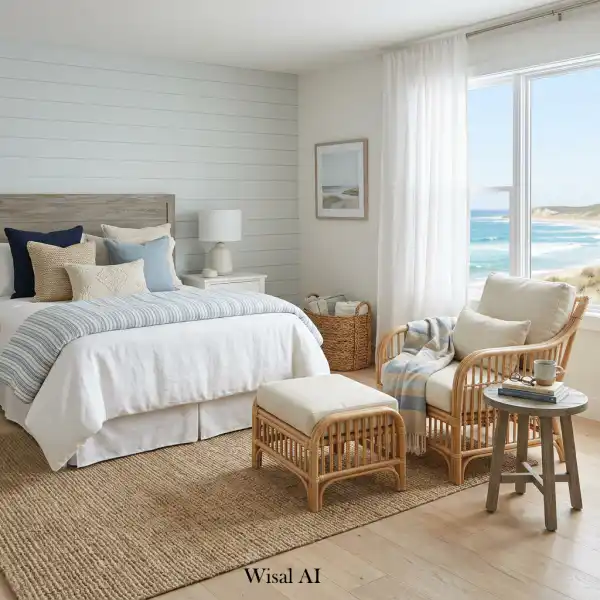
This is the idea that makes your room actually feel like yours instead of a showroom. A blanket from your grandmother, a piece of art you made, travel souvenirs on a shelf, these things matter more than another store-bought decor item.
Practical tip: rotate a few personal items seasonally so the room doesn’t feel static year-round.
Don’t overthink this one. Pick five to seven meaningful items and let them do the talking instead of covering every surface. This works in literally every style because personal touches are, by nature, unique to you.
Tips for Success
- Start with the color palette before buying anything else, since it guides every other decision.
- Measure your room and furniture before shopping to avoid pieces that don’t fit.
- Buy one statement piece first, like a rug or headboard, and build around it.
- Keep a consistent metal finish for hardware and light fixtures to avoid a mismatched look.
- Test paint colors and bulb temperatures in your actual room before committing.
- Leave at least 24 inches of walking space around the bed for comfort and flow.
- Don’t rush. Good rooms come together over a few weeks or months, not one shopping trip.
Common Mistakes and How to Avoid Them
Buying a rug too small for the bed
: Measure your bed dimensions first and choose a rug that extends at least 18 inches beyond each side.
Relying on one overhead light for the whole room
: Add at least two more light sources, like a lamp and ambient lighting, for better mood control.
Hanging curtains too short or too close to the window frame
: Mount the rod higher and choose curtains that reach the floor for a taller, more balanced look.
Over-cluttering nightstands and shelves
: Stick to three or fewer items per surface so the room feels calm instead of chaotic.
Choosing trendy colors instead of ones you actually love
: Pick colors based on how they make you feel, not what’s popular this year, since trends fade fast.
Skipping personal touches entirely
: Add a handful of meaningful objects so the space feels lived-in, not like a hotel room.
Similar Variations
- Coastal Boho – blends breezy linens and jute textures with beachy blues and sandy neutrals.
- Modern Farmhouse – mixes clean lines with rustic wood accents and cozy neutral textiles.
- Japandi – combines Japanese minimalism with Scandinavian warmth for a calm, clutter-free look.
- Dark Academia – leans into deep wood tones, vintage books, and moody, rich color palettes.
- Desert Boho – uses warm terracotta, rattan, and sun-bleached tones for an earthy feel.
- Grandmillennial – updates traditional florals and antiques with a fresher, younger color scheme.
At the end of the day, a great bedroom doesn’t happen overnight, and it doesn’t need a huge budget either. Small, thoughtful changes, layered lighting, a cozy rug, a gallery wall that actually means something to you, add up to a space that feels calm and genuinely yours. I hope these 13 bedroom decor ideas give you a clear place to start, one step at a time.
Leave a Reply