
If you’ve been searching for 12 Bedroom Refresh Ideas that actually work without a full renovation budget, you’re in the right place. I’ve tested a lot of these tricks in my own space, and I’m going to walk you through exactly what makes a bedroom feel new again.
A bedroom refresh means updating a room’s look and feel using small, budget-friendly changes like paint, textiles, lighting, and layout instead of major construction. The goal is a fresher, more restful space without tearing down walls or spending thousands of dollars.
Stick around, because I’m sharing ideas that go way beyond “buy new pillows.” Some of these might completely change how you think about your bedroom.
What Does a “Bedroom Refresh” Even Mean?
Okay, so let’s get on the same page here. A bedroom refresh isn’t a renovation. You’re not knocking down walls or ripping out flooring. Think of it more like a haircut instead of plastic surgery. You’re working with what you already have and making smart swaps.
I like to think of a refresh as anything you can do in a weekend, or a few weekends, that changes the mood of the room. It could be paint. It could be moving your bed to a new wall. It could be adding warmth with texture. The point is low cost, high impact. That’s the whole game here.
Now let’s get into the good stuff.
1. Repaint One Accent Wall Instead of the Whole Room
Painting an entire bedroom takes forever and costs a chunk of change. Painting just one wall? That’s a weekend project, and it still transforms the space. Pick the wall behind your headboard for the biggest visual punch. Go with a deep color like navy, forest green, or terracotta if your current walls are neutral.
Practical tip: buy a sample pot first and paint a two-foot square before committing. Light changes color more than you’d think.
This trick works in almost any style. Modern bedrooms look great with charcoal or deep clay tones. Coastal spaces do well with soft sage or dusty blue. Traditional rooms shine with a rich burgundy or hunter green.
Once your wall color is set, it’s time to think about what goes on top of it, and that’s where art comes in.
2. Hang Art at Eye Level, Not Ceiling Level
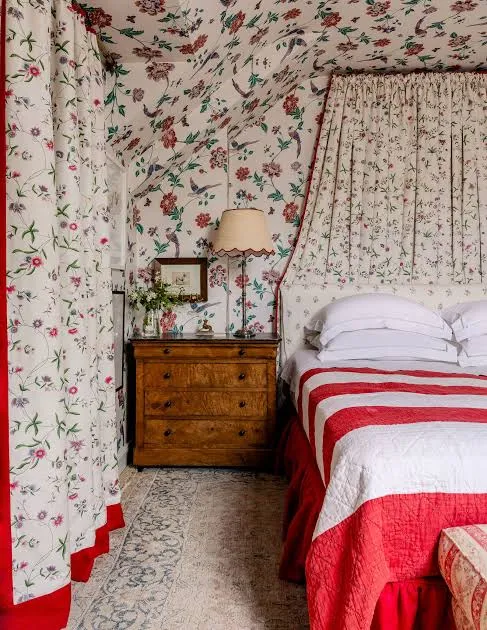
I see this mistake constantly. People hang art too high because they’re trying to fill wall space above furniture. Art should sit at eye level when you’re standing, which usually means the center of the piece is about 57 to 60 inches from the floor.
Grab two or three pieces that share a color palette, even if the subjects are different. That creates a pulled-together look without matching frames exactly.
Practical tip: use painter’s tape to outline where the frame will go before you hammer a single nail.
Boho rooms love mismatched frames with a common thread of color. Minimalist bedrooms do better with one large statement piece instead of a cluster.
Once your walls have some personality, your bed is the next thing worth looking at.
3. Layer Your Bedding Like a Hotel Would

Hotels don’t use one flat sheet and a comforter. They layer. Start with a fitted sheet, then a flat sheet, then a lightweight blanket, then your comforter or duvet, and finish with a folded throw at the foot of the bed. This layering adds texture and makes the bed look fuller and more expensive.
Mix textures, not just colors. A linen duvet with a chunky knit throw and smooth cotton sheets gives you contrast that photos just can’t capture.
Practical tip: buy your throw pillows in odd numbers, usually three or five, for a less staged look.
Farmhouse bedrooms love waffle-knit blankets. Modern spaces do better with sleek matte fabrics like sateen or brushed cotton.
Speaking of texture, let’s talk about what’s under your feet.
Bedding Layer Guide by Season
| Layer | Fall/Winter Fabric | Spring/Summer Fabric | Approx. Cost Range |
|---|---|---|---|
| Sheets | Flannel or brushed cotton | Percale or linen | $30–$120 |
| Mid layer | Wool blanket | Cotton quilt | $40–$150 |
| Top layer | Down or down-alt comforter | Lightweight duvet | $60–$250 |
| Accent | Faux fur throw | Woven cotton throw | $20–$80 |
4. Add a Rug Even If You Have Carpet
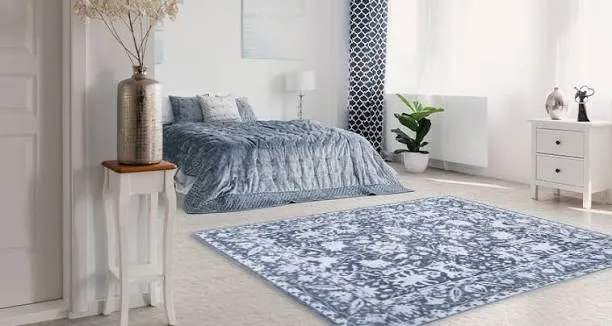
Yes, you can layer a rug over carpet. It sounds odd, but it works, especially if your carpet is a builder-grade beige and you want more personality. A patterned or textured rug placed at the foot of the bed or on both sides adds warmth and defines the space.
If you have hardwood or laminate, a rug is basically non-negotiable for comfort. Aim for a rug that extends at least 18 inches beyond the sides of the bed.
Practical tip: use rug grippers underneath so it doesn’t slide around when you get out of bed half asleep.
Traditional bedrooms look great with Persian-style patterns. Coastal rooms do well with jute or sisal textures.
Now that your floor has some life to it, let’s fix the lighting, because this one’s a game changer.
5. Swap Overhead Lighting for Layered Lamps
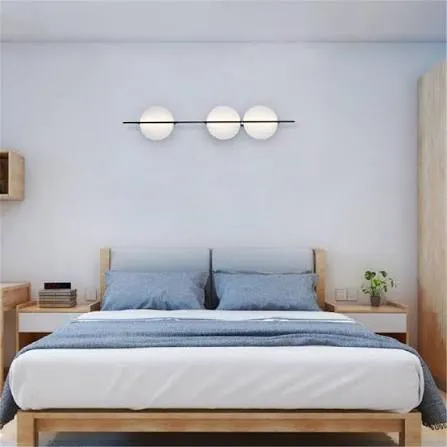
Overhead lighting alone makes a bedroom feel like a hospital room. Harsh and flat. Instead, use a mix of light sources: a table lamp on each nightstand, a floor lamp in a reading corner, and maybe a small plug-in sconce near a mirror.
Warm-toned bulbs, around 2700K, create that cozy glow you want in a bedroom. Cool white bulbs, above 4000K, tend to feel more like an office.
Practical tip: put your lamps on a smart plug or use bulbs with a remote so you’re not crawling around to turn them off before bed.
Modern bedrooms often use sculptural lamp bases as decor pieces on their own. Farmhouse rooms tend to favor lamps with fabric shades and wood or ceramic bases.
With better lighting in place, your nightstands deserve a second look too.
6. Declutter and Restyle Your Nightstands
Nightstands become junk drawers with legs if you’re not careful. Chargers, old receipts, half-empty water glasses. A refresh means clearing that off and styling with intention.
Keep it to three or four items max: a lamp, a small stack of books, a candle or small plant, and maybe a tray to corral your phone and glasses. Trays are honestly a genius trick because they keep small items from looking messy even when they’re still out.
Practical tip: match your nightstand lamps in style but not necessarily in exact size, it looks more curated than a matched set.
Minimalist rooms should stick to one or two items only. Eclectic bedrooms can layer in small collected objects like vintage trinkets or stones.
Once your nightstands are calm, curtains are the next easy win.
7. Upgrade to Floor-Length Curtains
Short curtains that stop above the windowsill make a room look smaller and kind of unfinished. Floor-length panels, hung close to the ceiling instead of right above the window frame, make the whole room feel taller and more polished.
A good rule is to hang your curtain rod about four to six inches above the window frame and let the panels just graze the floor or puddle slightly for a softer look.
Practical tip: buy panels a size longer than you think you need. You can always hem them, but you can’t add length back.
Coastal bedrooms love sheer linen panels that let light filter through. Traditional spaces do well with heavier drapes in velvet or brocade.
Now let’s talk about something people almost always forget: the ceiling.
8. Don’t Ignore the Fifth Wall (Your Ceiling)
Most bedrooms have a plain white ceiling, and that’s fine, but it’s also a missed opportunity. A soft paint color, a wallpapered accent, or even a simple pendant light swap can make the whole room feel more intentional.
If painting the ceiling feels like too much, start smaller. Swap a boring flush-mount light fixture for something with more character, like a woven pendant or a fluted glass globe.
Practical tip: if you paint the ceiling, go one or two shades lighter than your wall color so the room doesn’t feel like a box.
Bohemian rooms love a patterned wallpaper on the ceiling. Modern spaces often go with a matte black or deep charcoal ceiling for drama.
Speaking of drama, let’s talk about your headboard situation next.
9. Build Visual Height With a Statement Headboard

If your bed frame is looking tired, you don’t need to buy a whole new bed. A statement headboard alone can transform the whole feel of the room. Upholstered headboards in bouclé or velvet add softness. Rattan or cane headboards bring in texture without feeling heavy.
If you’re on a tight budget, even a large piece of fabric stretched over a frame, or a big tapestry hung behind the bed, can mimic the same effect.
Practical tip: go bigger than you think. A headboard that’s too small for the bed looks awkward, so aim for it to extend a few inches past the mattress width.
Modern farmhouse loves wood slat headboards. Glam bedrooms lean into tufted velvet in jewel tones.
Headboard Material Comparison
| Material | Style Fit | Price Range | Maintenance |
|---|---|---|---|
| Upholstered fabric | Traditional, glam | $150–$600 | Needs occasional cleaning |
| Rattan/cane | Boho, coastal | $100–$400 | Wipe clean, avoid moisture |
| Wood slat | Farmhouse, modern | $120–$500 | Very low, dust only |
| Metal frame | Industrial, minimalist | $80–$350 | Low, wipe with cloth |
10. Rearrange Furniture Before Buying Anything New
Here’s a free idea. Before you spend a single dollar, try rearranging what you already have. Move your bed to a different wall. Swap your dresser and reading chair. Sometimes just changing the traffic flow of a room makes it feel brand new.
A good rule of thumb is to avoid blocking natural walking paths and to make sure your bed isn’t directly in line with the door if you can help it, since that placement can feel a little exposed.
Practical tip: use painter’s tape on the floor to map out new furniture positions before you actually drag anything heavy across the room.
This works for every style because it costs nothing and it’s fully reversible if you don’t love the new layout.
Once your layout feels right, small styling details make the biggest final impact.
11. Bring in Plants for Softness and Air Quality
A bedroom without any greenery can feel a little sterile. Plants soften hard edges and add natural color that pairs well with almost any palette. Snake plants and pothos are nearly impossible to kill, which makes them great for bedrooms where you might forget to water for a week.
Group plants in odd numbers and vary the heights using stands or shelves so it doesn’t look like one flat row.
Practical tip: avoid plants with strong scents in the bedroom, since some people find them disruptive to sleep.
Boho rooms go heavy on trailing plants like pothos. Modern spaces tend to keep it to one or two structural plants, like a fiddle leaf fig.
Last but not least, let’s talk about smell, because scent is part of a refresh too.
12. Layer in Scent With Candles or Diffusers
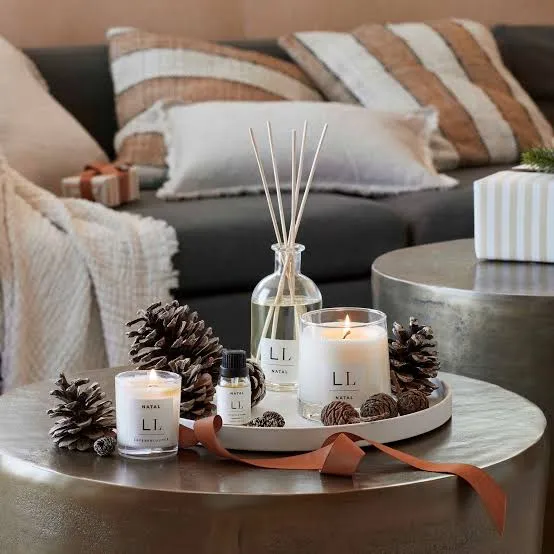
This one gets overlooked constantly, but scent changes how a room feels just as much as visuals do. A warm, low-key scent like sandalwood or vanilla makes a bedroom feel more like a retreat. Bright citrus scents can feel more energizing, which might be better for a home office than a bedroom.
Practical tip: keep candles away from flammable fabrics like curtains, and consider a flameless diffuser if you have kids or pets in the house.
Spa-style or minimalist bedrooms often stick to one signature scent throughout the whole space. Eclectic rooms might rotate scents seasonally.
That wraps up the ideas themselves, but let’s talk about how to actually pull this off without wasting money or time.
Tips for Success
- Start with the biggest visual element first, like paint or bedding, before moving to small decor pieces.
- Set a budget per category (lighting, textiles, decor) so you don’t overspend on one area and skip another.
- Take a “before” photo so you can actually see your progress, since it’s easy to forget how far you’ve come.
- Shop secondhand for items like lamps and frames, since these are easy to refresh with paint or new shades.
- Don’t buy everything at once. Live in the space for a week after big changes before adding more.
- Keep a small folder of paint swatches and fabric samples so you can check combos before buying.
- Always measure twice, especially for rugs and curtains, since returns on those can be a hassle.
Common Mistakes and How to Avoid Them
Buying matching furniture sets
: Skip the matched bedroom set and mix pieces from different sources for a more collected, personal look.
Ignoring scale
: Measure your room and furniture before buying anything, since an oversized headboard or tiny rug throws off the whole balance.
Overdoing cool white lighting
: Stick to warm bulbs around 2700K in the bedroom so the space feels calm instead of clinical.
Forgetting to edit decor
: More isn’t always better. Remove one item for every two you add to avoid visual clutter.
Choosing trendy colors you’ll tire of
: Test paint samples for at least a few days in different lighting before committing to a wall color.
Skipping the ceiling and walls above eye level
: Add a light fixture upgrade or paint accent up top, since that fifth wall gets ignored way too often.
Similar Variations
- Coastal Refresh — leans on light woods, sheer curtains, and blue and white palettes for a beachy feel.
- Modern Minimalist Refresh — focuses on clean lines, a limited color palette, and very few decor items.
- Boho Refresh — layers texture, patterns, and plants for a relaxed, collected look.
- Farmhouse Refresh — combines wood tones, neutral fabrics, and vintage-inspired lighting.
- Glam Refresh — uses velvet, metallics, and richer jewel tones for a more luxe feel.
- Japandi Refresh — blends Japanese simplicity with Scandinavian warmth using natural materials and muted colors.
A bedroom refresh doesn’t need a big budget or a demo crew. It just needs a few smart swaps done in the right order, starting with the big stuff like paint and lighting, then working down to the smaller details like scent and plants. Small changes really do add up faster than you’d expect once you see them together in the same room.
If you take away just one thing from all this, let it be this: you don’t have to do everything at once, and you definitely don’t need a huge budget to make your room feel brand new. Pick two or three ideas from this list of 12 Bedroom Refresh Ideas and just start there.
Leave a Reply