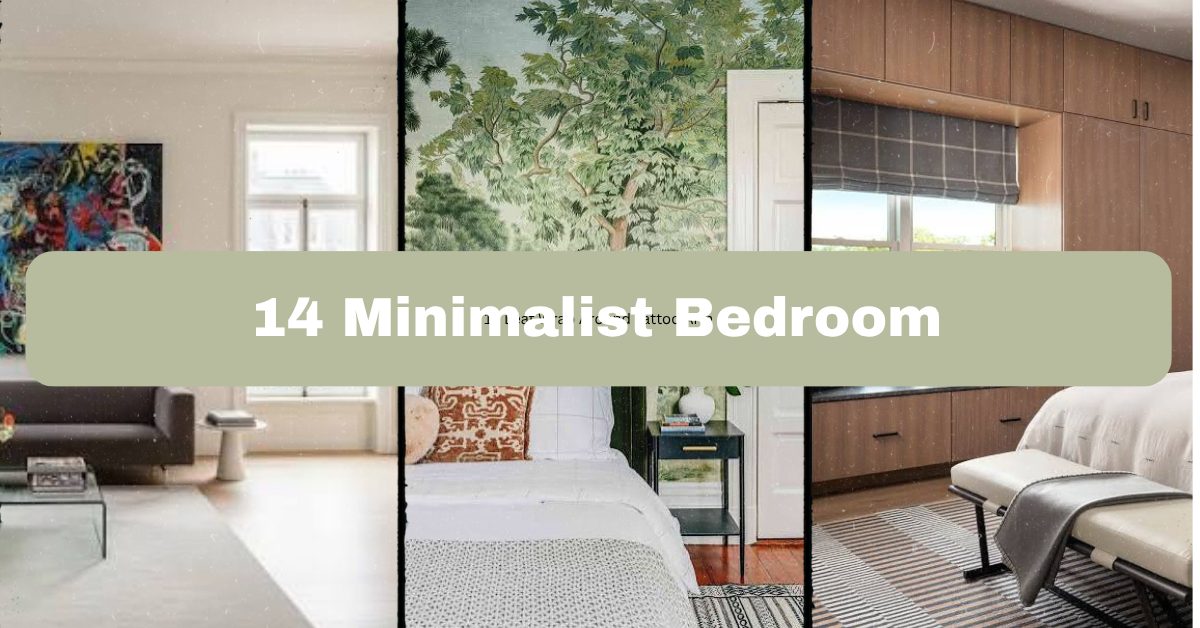
I’ve spent way too many hours scrolling through bedroom photos online, and I can tell you this: 14 minimalist bedroom designs done right are the difference between a room that feels peaceful and one that just feels empty. If you’ve ever walked into a “minimalist” space and thought it felt more like a hospital waiting room than a cozy retreat, you’re not alone. I’ve been there too.
A minimalist bedroom is a sleeping space designed around simplicity, using fewer furniture pieces, a limited color palette, and hidden storage to reduce visual clutter. The goal is a calm, functional room that promotes better rest by removing unnecessary distractions.
Stick around, because I’m about to walk you through 14 specific ways to pull this off in your own room, plus some mistakes that trip up almost everyone who tries.
What Makes a Bedroom Actually Minimalist
Here’s the thing people get wrong. Minimalist doesn’t mean boring or bare. It means intentional. Every item in the room earns its spot. No random knickknacks. No furniture you don’t use. Just the stuff that makes your life easier and your room feel like a place you actually want to sleep in.
Think of it like editing a photo. You’re not adding filters, you’re cropping out the noise. A minimalist bedroom uses a tight color palette, clean lines, and smart storage to create breathing room, both literally and mentally. It’s less about having less stuff and more about being picky with what stays.
1. Choose a Low-Profile Platform Bed
A platform bed sits closer to the ground and skips the bulky headboard many traditional frames have. This alone changes the whole feel of a room. Lower furniture makes ceilings feel higher and rooms feel more open.
Go with wood tones like oak or walnut for warmth, or a matte black frame for something more modern. Skip anything with carvings or ornate details. The bed should look like it belongs in a gallery, not a showroom.
Practical tip: measure your ceiling height first. If it’s under 8 feet, a platform bed will make the biggest visual difference.
This idea works in Scandinavian, Japandi, and mid-century modern spaces especially well. Once your bed frame is sorted, the next thing to think about is what’s actually on top of it.
2. Stick to a Two-Tone Color Palette
Minimalist rooms thrive when you limit your color choices. Pick one dominant neutral, like warm white or soft gray, and one accent tone, like deep green or terracotta. That’s it. No third or fourth color competing for attention.
This isn’t about being dull. It’s about creating a sense of calm through consistency. Your eyes don’t have to jump around the room trying to make sense of five different colors.
Practical tip: test paint swatches at different times of day before committing. Light changes color perception a lot.
Color Palette Combinations for Minimalist Bedrooms
| Dominant Color | Accent Color | Mood Created |
|---|---|---|
| Warm White | Sage Green | Fresh, organic, calm |
| Soft Gray | Terracotta | Cozy, grounded, warm |
| Off-White | Charcoal Black | Modern, crisp, bold |
| Beige | Rust Orange | Earthy, inviting |
| Light Gray | Navy Blue | Restful, classic |
Once your palette is locked in, everything else in the room, from bedding to curtains, becomes way easier to choose.
3. Invest in Hidden Storage Solutions
Clutter kills the minimalist vibe faster than anything else. The trick isn’t owning fewer things necessarily, it’s making sure everything has a home you can’t see. Under-bed drawers, closed wardrobes, and storage ottomans all work great here.
Avoid open shelving unless you’re disciplined about keeping it sparse. Open shelves tend to become junk collectors over time, and that defeats the whole purpose.
Practical tip: if you’re tight on space, look for a bed frame with built-in drawers underneath instead of buying a separate dresser.
This approach fits coastal and farmhouse styles too, just swap the finish materials to match, like whitewashed wood for coastal or reclaimed barn wood for farmhouse. With storage handled, let’s talk about what goes on your walls.
4. Hang One Statement Art Piece Instead of a Gallery Wall
Minimalist rooms don’t skip decor entirely, they just curate it hard. Instead of a gallery wall with ten frames, pick one large piece of art that actually means something to you. Abstract paintings, black and white photography, or a single bold print all work.
The size matters here. A piece that’s too small on a big wall looks lost. Go big, or don’t bother.
Practical tip: hang art so the center sits at eye level when you’re standing, roughly 57 to 60 inches from the floor.
Traditional bedrooms can use a framed landscape painting for this same effect, while modern spaces might prefer an oversized abstract canvas. Now that your walls have a focal point, your lighting needs to support it.
5. Layer Soft, Warm Lighting Instead of One Overhead Fixture
A single ceiling light makes a room feel flat and clinical. Minimalist doesn’t mean under-lit. Add a bedside lamp with a warm bulb, maybe a floor lamp in the corner, and keep your overhead light on a dimmer if possible.
Warm light, around 2700K on the color temperature scale, makes skin tones and wood finishes look better and feels more relaxing at night.
Practical tip: swap any bright white bulbs for warm white ones. It’s a five-dollar fix that changes the whole mood of the room.
This layering trick works no matter your style, whether you’re going for boho, industrial, or classic minimalist. Speaking of mood, let’s talk textures next.
6. Add Texture Through Natural Materials
A room that’s all smooth surfaces and flat colors can feel sterile. The fix is texture, not clutter. Think a linen duvet cover, a jute rug, or a woven wood blind. These add visual interest without adding “stuff.”
Natural materials also age better and feel more authentic than glossy plastic or synthetic finishes.
Practical tip: mix at least two textures in every room, like a smooth ceramic lamp base next to a chunky knit throw blanket.
Coastal minimalist spaces lean into rattan and linen heavily, while Japandi styles favor raw wood and paper lantern lighting. Once your textures are sorted, storage furniture choices become the next puzzle piece.
7. Pick a Single Multi-Purpose Nightstand
You don’t need a huge nightstand loaded with drawers you’ll never fully use. A small, single-drawer nightstand keeps things simple and forces you to only keep essentials nearby, like a book, your phone charger, and maybe a small plant.
Floating nightstands mounted to the wall are another great option if you want to save floor space and keep the room feeling open.
Practical tip: measure the height of your mattress and choose a nightstand that sits within two inches of that height, either above or below.
This works beautifully in small apartments regardless of style, since floating options free up visual and physical floor space. Next, let’s tackle window treatments.
8. Use Simple, Solid-Color Curtains
Patterned curtains can quickly overwhelm a minimalist room. Stick to solid colors that either match your wall color for a seamless look, or provide subtle contrast with your accent color.
Linen curtains in particular give a relaxed, slightly textured look without being fussy or overly formal.
Practical tip: hang curtain rods a few inches above the window frame and let curtains fall to the floor. This makes ceilings look taller and windows look bigger than they are.
Modern spaces might use blackout curtains in charcoal or white, while coastal rooms tend to favor sheer, airy linen panels that let light filter through softly. With windows handled, flooring is the next big decision.
9. Choose Flooring That Doesn’t Compete With Furniture
If you’re building a minimalist bedroom from scratch, flooring matters more than people think. Light wood floors or neutral carpet keep the base of the room calm, letting your furniture and accent colors do the talking.
Avoid busy patterns or dark, glossy floors that reflect too much light and draw attention away from the rest of the room.
Practical tip: if replacing flooring isn’t in the budget, a large jute or wool rug in a neutral tone can visually “reset” the floor without a renovation.
Flooring Options by Budget Tier
| Budget Tier | Flooring Option | Approx. Cost per Sq Ft |
|---|---|---|
| Low | Large area rug over existing floor | $2 to $8 |
| Mid | Laminate wood flooring | $3 to $10 |
| High | Solid hardwood flooring | $8 to $25 |
| High | Engineered wood flooring | $6 to $18 |
Once your floor feels settled, it’s time to think about how much furniture you actually need in the room.
10. Limit Furniture to Only What You Use Daily
This is the golden rule of minimalist design. If you don’t use it daily or weekly, it probably doesn’t belong in your bedroom. That reading chair you never sit in? Donate it. The extra dresser holding clothes you haven’t worn in a year? Time to declutter.
A bed, one or two nightstands, and a dresser or closet system is usually plenty for most people.
Practical tip: try the “one month test.” Box up anything you’re unsure about for 30 days. If you don’t miss it, donate it.
This rule applies across every style, from industrial lofts to traditional farmhouse bedrooms. Once your furniture is pared down, your closet setup deserves the same treatment.
11. Organize Your Closet With a Capsule Wardrobe Mindset
A cluttered closet with the door left open ruins the calm of an otherwise clean bedroom. Even if your closet has doors, an overstuffed one creates subtle stress every time you open it.
Try paring your wardrobe down to pieces you actually wear and love. Use matching hangers for a uniform look, and fold sweaters instead of stacking them unevenly.
Practical tip: donate anything you haven’t worn in over a year, no exceptions.
This habit works whether your bedroom style is bohemian, modern, or classic. A tidy closet naturally leads to a tidier room overall, which brings us to the topic of your dresser top and surfaces.
12. Keep Surfaces Almost Completely Clear
Nightstands, dressers, and windowsills should have breathing room. A stack of mail, loose change, or five half-used lotion bottles will instantly make a room feel chaotic, even if the walls and furniture are perfectly minimal.
Give yourself a strict rule, like no more than three items per surface.
Practical tip: keep a small tray or dish by the door for keys, wallets, and pocket items so they don’t end up scattered across your dresser.
This works in every design style because clutter is clutter, no matter how nice your furniture looks. Once surfaces are clear, plants can add life without adding mess.
13. Bring in One or Two Low-Maintenance Plants
Plants add life and softness to a room that might otherwise feel too sparse. The key word is “one or two.” A single snake plant or a small pothos in a simple ceramic pot adds color and texture without turning your room into a greenhouse.
Avoid plastic plants if you can. They tend to look cheap and collect dust anyway.
Practical tip: pick plants that thrive in low light if your bedroom doesn’t get much sun, like a ZZ plant or snake plant.
Boho and coastal styles can go a little heavier on greenery, while true minimalist and Japandi spaces should stick to just one statement plant. Finally, let’s talk about the one thing that ties every element together.
14. Anchor the Room With One Cohesive Textile Theme
Your bedding, curtains, and rug should feel like they belong to the same story. That doesn’t mean matching perfectly, it means sharing a color family or texture type. If your bedding is soft linen in warm white, your rug might be a natural jute in a similar tone.
This cohesion is what separates a room that looks “put together” from one that looks like random items got tossed in together.
Practical tip: buy a fabric swatch or small sample of your main textile before committing to a full set, and hold it against your other pieces in natural daylight.
Every style benefits from this kind of textile consistency, whether you’re going bold and modern or soft and traditional.
Tips for Success
- Start with the biggest item first, your bed, then build outward from there.
- Don’t buy everything at once. Live in the room for a few weeks before adding final touches.
- Keep a “one in, one out” rule for new decor items to prevent slow clutter creep.
- Use warm bulbs everywhere, even in closets, for consistency.
- Vacuum or dust weekly since minimalist rooms show dust and mess more obviously than busy ones.
- Photograph your room monthly. It’s easier to spot clutter creep in photos than in person.
Common Mistakes and How to Avoid Them
Too Many Accent Colors
: Stick to one dominant neutral and one accent color max. More than that starts to feel chaotic instead of calm.
Buying Furniture Before Measuring the Room
: Always measure your space and leave at least 24 inches of walking room around the bed before purchasing anything.
Confusing Empty With Minimal
: A minimalist room still needs warmth through texture, lighting, and one or two personal touches, not just bare walls.
Ignoring Storage Needs
: Underestimating storage leads to clutter piling up within weeks. Always plan for 20% more storage than you think you need.
Choosing Trendy Over Timeless
: Trendy colors and shapes fade fast. Pick classic tones and simple furniture lines that won’t look dated in two years.
Skipping Texture Entirely
: A room with zero texture feels cold. Add at least two different natural materials, like wood and linen, to keep things inviting.
Similar Variations
- Japandi Bedroom – blends Japanese simplicity with Scandinavian warmth using raw wood and paper lighting.
- Scandinavian Minimalist – leans heavily on white walls, light wood, and cozy textiles like wool and sheepskin.
- Coastal Minimalist – uses light blues, whites, and natural fibers like rattan and linen for a beachy calm.
- Industrial Minimalist – mixes raw materials like exposed brick or metal with a stripped-down furniture approach.
- Warm Minimalist – focuses on earthy tones like terracotta and rust instead of cool grays and whites.
- Modern Farmhouse Minimalist – combines simple furniture lines with rustic wood accents and muted color palettes.
Building a calm bedroom really comes down to being picky about what earns a spot in your space. Every choice, from your bed frame to your curtain color, either adds to that sense of peace or takes away from it. If you take just a few of these ideas and apply them one at a time, you’ll be surprised how much calmer your room feels within a month. That’s really the whole point behind these 14 minimalist bedroom ideas, giving you a space that finally feels like a break from everything else going on in your life.
Leave a Reply