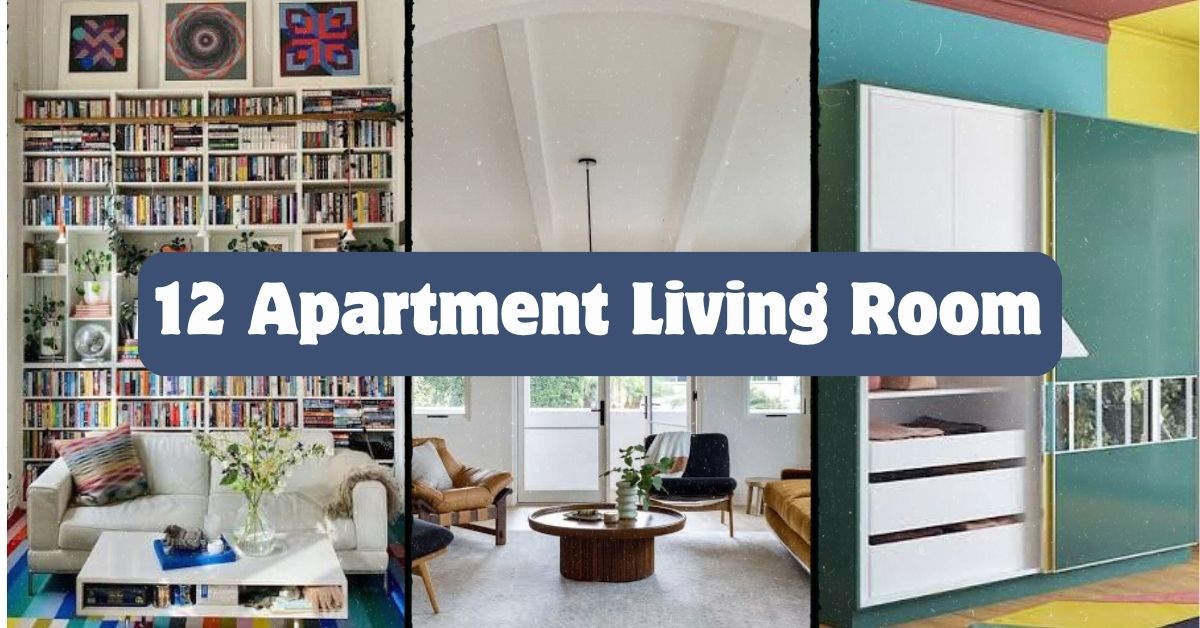
I’ve spent way too many hours scrolling through apartment living room photos, trying to figure out how to make my tiny rental feel like a real home, and I want to save you that time by sharing everything I’ve learned about 12 apartment living room design ideas that actually fit small spaces.
An apartment living room refers to the main shared space in a rental unit, typically smaller than homes, requiring furniture and design choices that maximize function without permanent changes to walls or floors. The goal is comfort, storage, and style in limited square footage.
Stick around, because I’m about to walk you through a dozen ideas that turned my cramped apartment into a space I actually like coming home to.
What Makes Apartment Living Room Design Different
Apartment living rooms come with rules regular houses don’t have. You can’t knock down walls. You probably can’t paint without asking first. And you definitely don’t have a garage to stash extra furniture. So the whole game changes. It’s about picking pieces that do double duty, using color and light to trick the eye into seeing more space, and decorating in a way you can undo when you move out. I used to think small space design meant boring design. It doesn’t. It just means smarter choices.
1. Choose Multi-Functional Furniture First
When floor space is tight, every piece of furniture needs a job description longer than one line. I’m talking about ottomans that open up for blanket storage, coffee tables with shelves underneath, and sofa beds for when friends crash over.
Start by listing what you actually need your living room to do. Watch movies? Work from home? Host game night? Then shop for pieces that check multiple boxes at once.
Practical tip: Measure your space before you buy anything. A too-big couch will eat your whole room.
This idea works in any style. Modern apartments lean toward sleek storage ottomans, while traditional spaces might use a vintage trunk as a coffee table instead. Once you’ve nailed your furniture picks, it’s time to think about how color ties it all together.
2. Stick to a Light, Cohesive Color Palette
Dark colors can look amazing in big houses, but in a small apartment, they tend to swallow the room. Light, cohesive color schemes make walls feel farther away and ceilings feel higher.
I’m not saying you need an all-white apartment. Soft neutrals with one or two accent colors give you personality without visual clutter. Think warm beige walls, a navy accent chair, and brass hardware.
Practical tip: Pick your accent color from something you already own, like a favorite throw pillow or piece of art, so you’re not guessing.
Color Palette Combinations for Small Living Rooms
| Palette Name | Wall Color | Accent Color | Best For |
|---|---|---|---|
| Soft Neutral | Warm White | Terracotta | Boho, coastal |
| Cool Modern | Light Gray | Navy Blue | Modern, minimalist |
| Classic Cream | Cream | Forest Green | Traditional |
| Airy Beach | Off-White | Sage Green | Coastal, cottage |
| Warm Blush | Blush Pink | Charcoal | Feminine modern |
Once your palette is set, lighting becomes the next piece of the puzzle.
3. Layer Lighting Instead of Relying on One Fixture
Most apartments come with one sad overhead light. That’s not enough. I learned this the hard way after living with harsh overhead lighting for a full year before adding lamps.
Layering means combining ambient light (overhead), task light (reading lamps), and accent light (string lights or candles). This creates depth and mood, something a single bulb just can’t do.
Practical tip: Add a floor lamp behind your couch and a table lamp on a side table for instant coziness, no electrician required.
Coastal apartments might use rattan pendant lamps, while modern spaces go for sleek arc floor lamps. Good lighting sets the mood, but the next step is making sure your furniture placement doesn’t block it or the flow of the room.
4. Float Furniture Away From Walls When Possible
I know it sounds backward, but pushing every piece against the wall can actually make a small room feel more cramped, not less. Floating your sofa or chairs a few inches off the wall creates a sense of intentional design instead of a room that’s just storing furniture.
This works best in rooms with at least 10 feet of width. If your space is tighter than that, a slight float of even six inches still helps.
Practical tip: Use a rug to anchor a floating furniture arrangement so it doesn’t feel like it’s drifting in the middle of nowhere.
Modern and Scandinavian apartments especially benefit from this open, breathable layout. Once your furniture has room to breathe, it’s time to think vertically.
5. Use Vertical Space With Tall Shelving
When you can’t go wide, go up. Tall bookshelves and wall-mounted units draw the eye upward, making ceilings feel higher and giving you way more storage than floor space alone allows.
I added a floor-to-ceiling shelf in my apartment last year and suddenly had room for books, plants, and photo frames I used to keep in boxes.
Practical tip: Leave a little negative space on each shelf. Packed shelves look cluttered no matter how nice your stuff is.
Traditional homes might use dark wood shelving with crown molding details, while modern apartments prefer open, floating shelves in black metal or blonde wood. Speaking of shelves, let’s talk about what goes on them.
6. Add a Gallery Wall for Personality Without Bulk
Art and photos take up zero floor space, which makes a gallery wall one of the smartest decor moves for small living rooms. It adds color, texture, and personal history without eating into your square footage.
Mix frame sizes and styles for a collected-over-time look, or keep everything matching for something more polished.
Practical tip: Lay your frames out on the floor first and snap a photo before hanging anything. It saves your walls from a dozen unnecessary nail holes.
Boho apartments often mix textiles and art together on one wall, while modern spaces stick to clean-edged prints in matching frames. Once your walls are working for you, your rug choice can pull the whole room together.
7. Layer a Textured Rug to Define the Space
An area rug does more than feel nice under your feet. It defines your living room as its own zone, especially helpful in open-concept apartments where the living room blends into the kitchen or entryway.
Go bigger than you think you need. A too-small rug makes furniture look like it’s floating on an island.
Practical tip: As a general rule, your rug should be big enough that at least the front legs of your sofa and chairs sit on it.
Coastal apartments love jute and sisal rugs, while modern spaces often go for geometric patterns in wool or low-pile synthetic blends.
Rug Size Guide by Room Dimension
| Living Room Size | Recommended Rug Size | Furniture Placement |
|---|---|---|
| 8×10 ft | 5×7 ft | Front legs on rug |
| 10×12 ft | 8×10 ft | All furniture legs on rug |
| 12×15 ft | 9×12 ft | Full furniture grouping on rug |
| Studio corner | 4×6 ft | Coffee table centered on rug |
With your rug grounding the room, it’s time to think about how to make the most of an awkward layout.
8. Create Zones in Open-Concept Studios
If you live in a studio or open-concept apartment, your living room might not have walls to define it at all. That’s where zoning comes in. Use furniture placement, rugs, and even lighting to mentally separate your living space from your sleeping or dining space.
I used a long bookshelf as a room divider in my first studio apartment, and it instantly made the living area feel like its own room.
Practical tip: A rug alone can create a zone even without any furniture dividers.
Modern studios often use glass or metal shelving dividers, while traditional apartments might use a folding screen instead. Once your zones are set, don’t forget the walls still need some love.
9. Use Removable Wallpaper for Renter-Friendly Color
Renters get a bad deal when it comes to walls. Most leases say no paint, no holes, no anything fun. Removable wallpaper solves that problem completely. It goes up without damage and comes down clean when you move.
I put a floral removable wallpaper on one accent wall in my last rental, and my security deposit came back in full when I peeled it off two years later.
Practical tip: Always test a small patch in a hidden spot first to make sure it won’t damage your specific wall paint.
Traditional apartments look great with classic stripes or floral patterns, while modern spaces might choose a bold geometric print instead. Speaking of walls, mirrors deserve a mention too.
10. Hang a Large Mirror to Fake More Square Footage
Mirrors are the oldest trick in the small-space design book, and for good reason. They bounce light around the room and create the illusion of depth, making a cramped living room feel noticeably bigger.
Place a large mirror across from a window if you can. It reflects natural light back into the room and doubles the sense of openness.
Practical tip: Lean a floor mirror against a wall instead of hanging it if you want a quick, renter-friendly update with zero drilling.
Coastal apartments often use mirrors with rope or driftwood frames, while modern spaces prefer thin metal or frameless designs. Once your light is bouncing around nicely, plants can add the final layer of life to the room.
11. Bring in Plants for Life and Color
A living room without plants just feels a little flat to me. Plants add color, texture, and honestly, they make the air feel fresher too. You don’t need a green thumb to pull this off either.
Snake plants and pothos survive almost total neglect, which makes them perfect for apartment dwellers who travel a lot or forget to water things.
Practical tip: Group plants of different heights together on a plant stand for a fuller look without buying ten pots.
Boho living rooms tend to go plant-heavy with hanging macrame planters, while modern apartments usually keep it minimal with one or two statement plants in simple pots. Now let’s talk about the often-overlooked window situation.
12. Upgrade Your Window Treatments for Height and Privacy
Cheap blinds that came with your apartment rarely do your living room any favors. Swapping them for curtains hung close to the ceiling, rather than right above the window frame, tricks the eye into thinking your ceilings are taller than they are.
I did this in my current place and the difference was almost embarrassing. Same window, completely different room.
Practical tip: Hang curtain rods about four to six inches above the window frame and let the curtains just brush the floor.
Traditional apartments often use heavier drapes with tiebacks, while modern spaces prefer simple linen panels in neutral tones. With windows dressed properly, your living room design is nearly complete.
Tips for Success
- Measure everything twice before buying furniture. Apartment doorways and elevators are smaller than you think.
- Keep a “maybe” pile for decor items and live with your space for two weeks before adding more.
- Use furniture pads under everything to protect rental flooring from scratches.
- Choose a focal point, like a couch or a piece of art, and build the rest of the room around it.
- Don’t ignore the ceiling. A pendant light swap (keep the original hardware for move-out) can change the whole room’s feel.
- Buy a few statement pieces instead of a lot of cheap ones. It reads as more put-together.
- Take photos of your room from different angles before shopping. It’s easier to spot problems in pictures than in person.
Common Mistakes and How to Avoid Them
Buying furniture too big for the space
: Measure your room and doorways first, and use painter’s tape on the floor to map out furniture size before purchasing.
Ignoring vertical storage
: Add tall bookshelves or wall-mounted units to use height instead of only floor space.
Choosing all dark colors
: Stick to a light, neutral base palette with just one or two darker accent pieces to keep the room feeling open.
Skipping the rug or picking one too small
: Choose a rug large enough for at least the front furniture legs to sit on top of it.
Overcrowding shelves and walls
: Leave breathing room between decor items so the space feels curated instead of cluttered.
Forgetting about lighting layers
: Add floor lamps and table lamps alongside overhead lighting for a warmer, more finished look.
Similar Variations
- Coastal Apartment Living Room – Light woods, blues, and jute textures for a beachy, relaxed feel.
- Modern Minimalist Living Room – Clean lines, neutral tones, and almost no clutter on surfaces.
- Boho Apartment Living Room – Layered textiles, lots of plants, and warm earthy colors.
- Scandinavian Apartment Living Room – Light wood, white walls, and cozy textures like wool throws.
- Industrial Loft Living Room – Exposed brick looks, metal accents, and darker, moodier tones.
- Traditional Apartment Living Room – Classic furniture shapes, richer colors, and detailed trim work.
At the end of the day, small space living doesn’t mean settling for less style or comfort. With the right furniture choices, smart color decisions, and a few renter-friendly upgrades like removable wallpaper or a well-placed mirror, your space can feel bigger and more like you almost overnight. I hope these 12 apartment living room ideas give you the confidence to turn your own space into somewhere you actually want to spend your evenings.
Leave a Reply