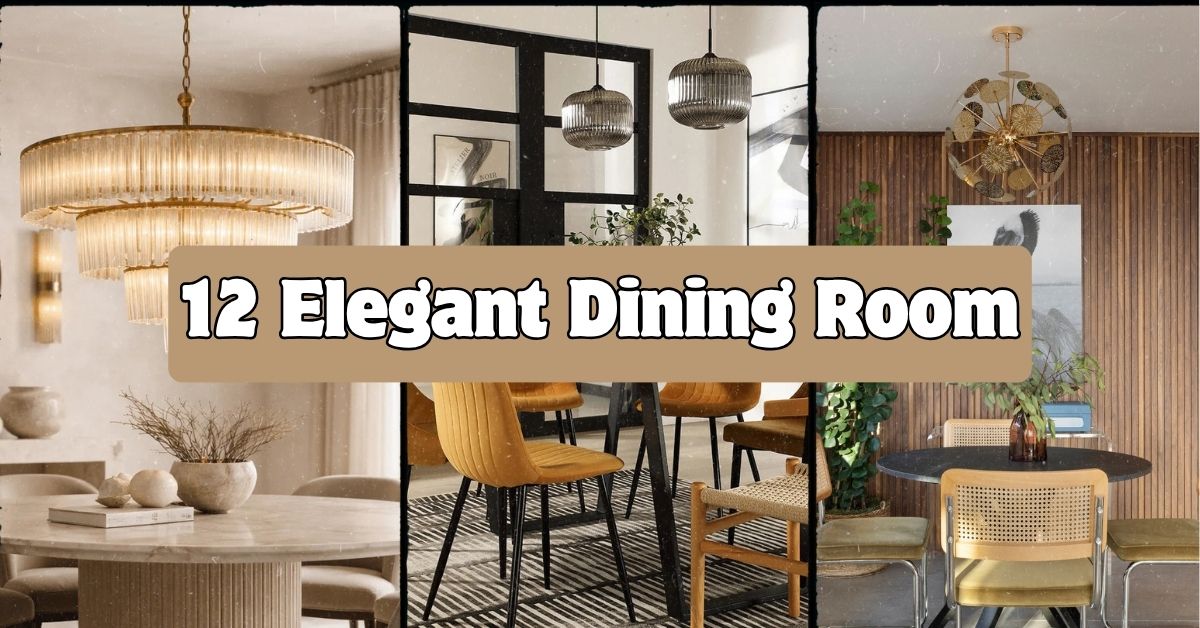
I’ve spent way too many nights scrolling through design boards trying to figure out what actually makes a dining room feel elegant, and I finally put together this guide with 12 Elegant Dining Room ideas that I know work because I’ve tested them in my own space and watched friends do the same.
An elegant dining room combines balanced lighting, a cohesive color palette, quality furniture, and intentional decor to create a space that feels both sophisticated and welcoming. The goal is a room that photographs well but also holds up to real family dinners.
Stick around, because I’m about to walk you through every single idea, tip, and mistake I wish someone had told me before I started decorating my own dining space.
What Makes a Dining Room Feel “Elegant” Anyway?
Here’s the thing about elegant dining rooms. They’re not about spending a fortune or filling the room with crystal chandeliers. Elegance is really about balance. It’s a mix of good lighting, a calm color story, furniture that fits the room’s scale, and a few standout pieces that draw the eye.
I think people overcomplicate this. You don’t need a mansion or a designer budget. You need intention. Every item in the room should feel like it belongs there, not like it got shoved in as an afterthought. That’s the secret sauce. Once you get that mindset, the ideas below will make a lot more sense.
1. Anchor the Room With a Statement Chandelier
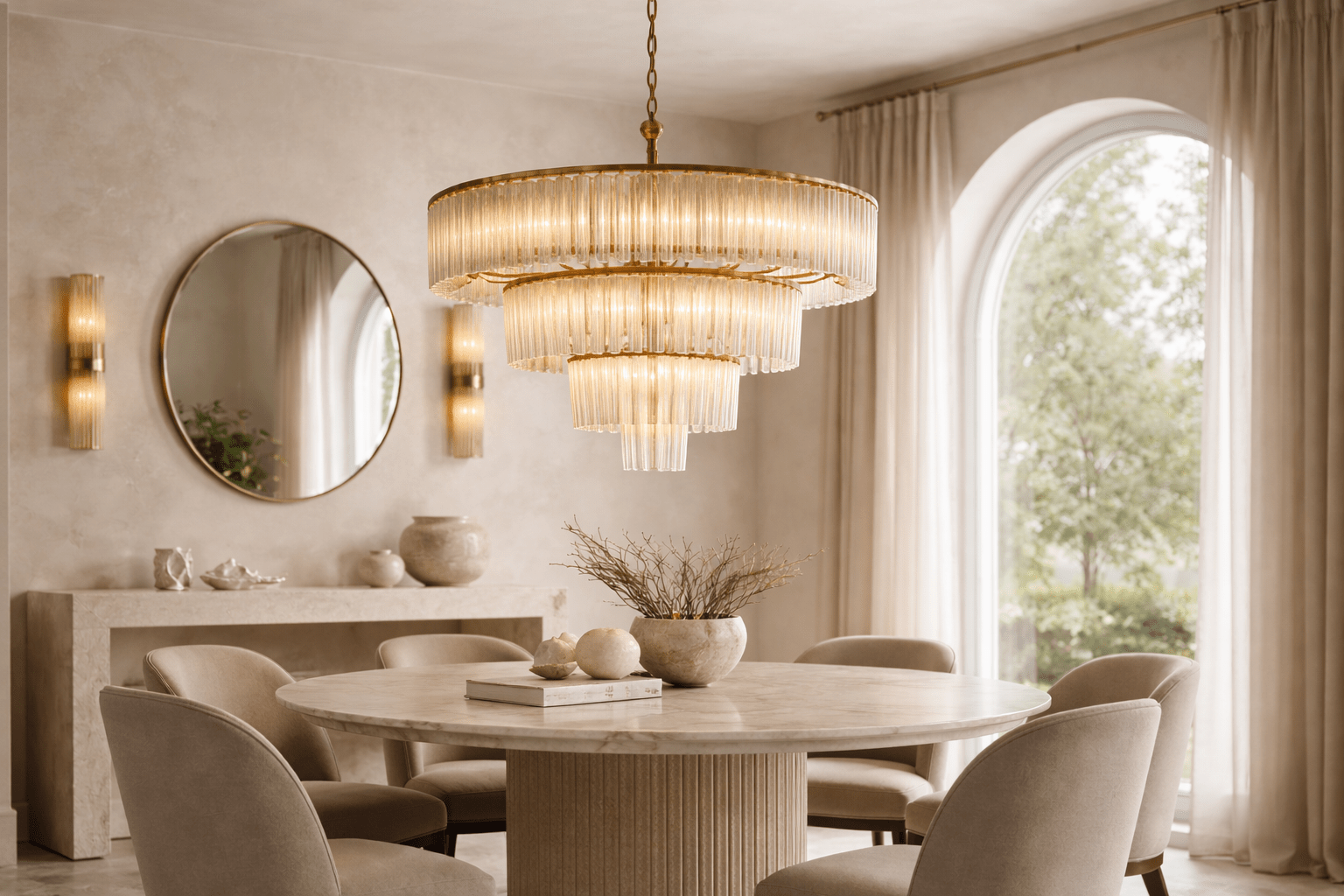
Nothing says elegant faster than a great light fixture hanging over the table. It’s the first thing guests notice when they walk in. A chandelier with warm brass or aged bronze finishes gives off a classic vibe, while a linear glass fixture feels more modern.
Pick a chandelier that’s about one third the width of your table for the best proportion. Hang it 30 to 34 inches above the table surface so it doesn’t block sightlines.
This idea flexes easily. Traditional homes love crystal or candle-style fixtures. Modern spaces do better with sculptural metal or globe pendants. Coastal rooms look great with woven rattan shades instead.
Once your lighting is locked in, the next step is making sure your furniture matches that same energy.
2. Choose a Table That Fits the Room’s Scale
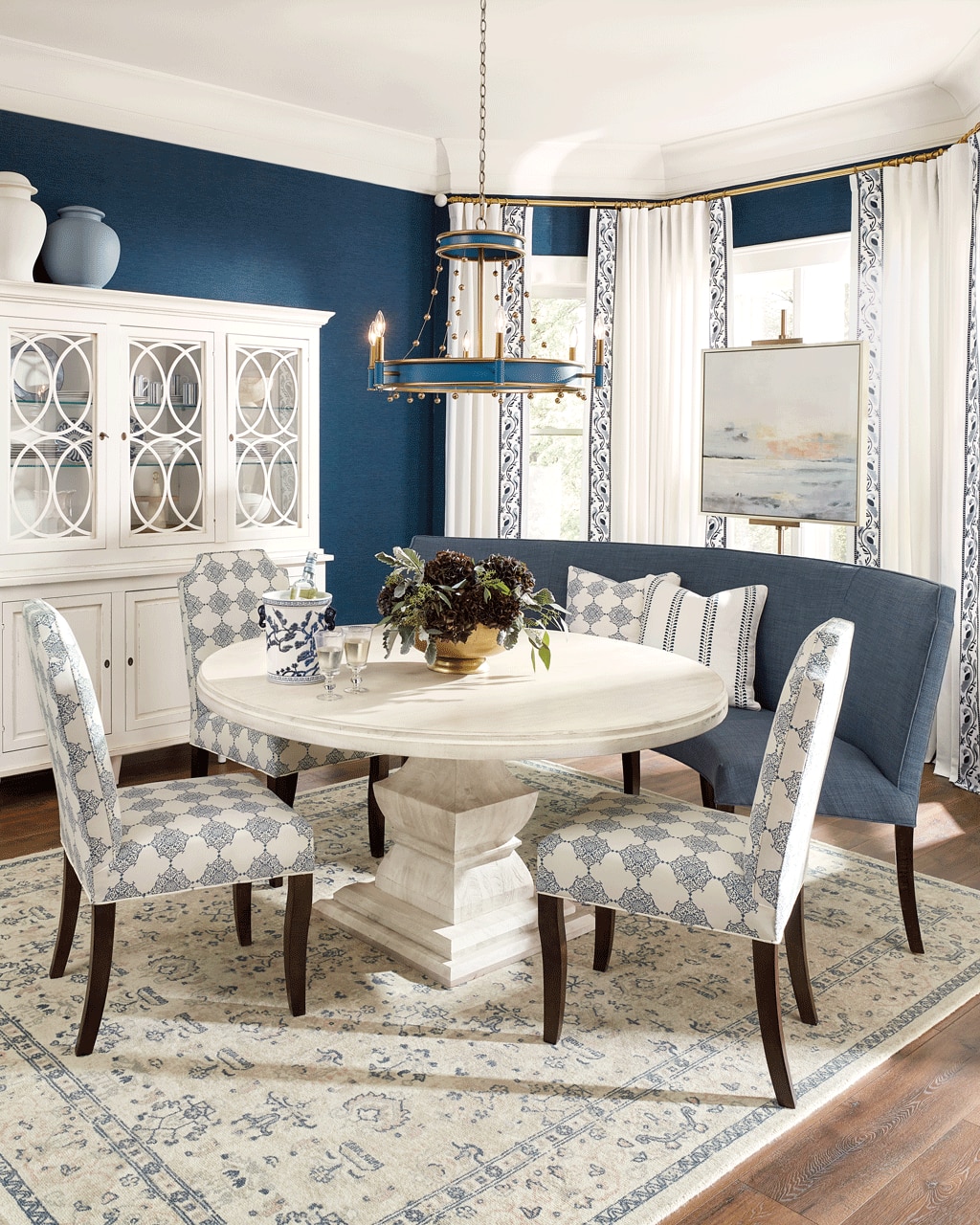
A table that’s too big or too small throws off the whole room. I learned this the hard way after buying a table that left almost no walking space around it.
Leave at least 36 inches between the table edge and the nearest wall or furniture piece so chairs can pull out comfortably. Round tables work great in smaller rooms since they don’t have sharp corners eating into walking space.
Wood tables with clean lines feel timeless. Marble-top tables lean more luxurious. Glass tables make small rooms feel bigger because they don’t visually block the floor.
Whatever style you pick, the chairs around it matter just as much, so let’s talk about those next.
3. Mix Chair Styles for Visual Interest

Matching chair sets are fine, but mixing it up adds personality. I like pairing upholstered chairs at the ends of the table with simpler wood or metal chairs along the sides.
This works because it breaks up visual monotony without looking chaotic. Keep the same color family across all chairs so the mix still feels intentional, not random.
Try velvet or linen upholstery for the head chairs. It adds a touch of softness against a wood or metal table base.
Modern homes can mix acrylic and wood chairs. Traditional spaces do well with upholstered chairs in a solid color plus wood dining chairs on the sides. Coastal rooms look great with woven rattan chairs mixed with painted wood ones.
Now that your seating is sorted, let’s talk about what goes on the walls.
4. Layer in a Bold Accent Wall

An accent wall gives your dining room depth. I’m not talking about neon paint here. Think deep green, navy, or a warm terracotta.
Paint just one wall, usually the one behind a buffet or the wall guests see first when they walk in. This creates a focal point without overwhelming the whole room.
Grasscloth wallpaper or textured plaster also works if you want something beyond paint. Both add richness without being loud.
Modern dining rooms look sharp with matte black or deep charcoal accent walls. Traditional rooms shine with jewel tones like emerald or burgundy. Farmhouse spaces do well with soft sage or warm cream.
Color Palette Combinations for Elegant Dining Rooms
| Style | Wall Color | Accent Color | Metal Finish |
|---|---|---|---|
| Modern | Charcoal Gray | Ivory | Matte Black |
| Traditional | Deep Emerald | Cream | Aged Brass |
| Coastal | Soft Blue-Gray | White | Brushed Nickel |
| Farmhouse | Warm Cream | Sage Green | Bronze |
| Glam | Blush Pink | Gold | Polished Gold |
Once your walls set the tone, the table setting is where the details really shine.
5. Set the Table With Layered Textiles
A bare table looks unfinished. Layering textiles adds warmth and texture instantly. Start with a table runner, then add cloth napkins in a contrasting color.
Linen runners feel relaxed and elegant at the same time. Velvet runners add a bit of drama for holiday dinners or special occasions.
Fold napkins simply and use napkin rings in metal tones that match your light fixture or hardware. This small detail ties the whole table together.
Traditional dining rooms look great with damask or lace runners. Modern spaces do better with solid linen in neutral tones. Coastal rooms love striped cotton runners in blue and white.
Textiles set the mood, but nothing finishes a table like the right centerpiece, so let’s get into that.
6. Build a Low, Wide Centerpiece

Tall centerpieces block conversation across the table. I always go for something low and wide instead. A shallow bowl filled with lemons, greenery, or seasonal fruit works great and costs almost nothing.
Keep the centerpiece under 14 inches tall so guests can see each other while talking. Fresh flowers in a low vase also work beautifully for dinner parties.
For everyday use, a simple wood tray with a few candles looks elegant without needing constant upkeep.
Modern rooms look sharp with a single sculptural object like a ceramic vase. Traditional tables shine with a low floral arrangement in a silver bowl. Farmhouse tables love a wood tray with candles and greenery.
Speaking of candles, lighting doesn’t stop at the chandelier. Let’s talk about layering it properly.
7. Layer Your Lighting Beyond the Chandelier

One light source makes a room feel flat. I always add at least two more layers: wall sconces or a buffet lamp, plus candles on the table.
Dimmer switches are a game changer here. They let you shift from bright daytime lighting to a soft, warm glow for dinner parties. Install one if your chandelier doesn’t already have it, it’s a small upgrade that changes the whole mood.
Wall sconces flanking a mirror or artwork add balance to the room without taking up floor space.
Modern rooms do well with sleek LED sconces. Traditional spaces love brass or bronze wall sconces with fabric shades. Coastal rooms look great with glass hurricane candle holders scattered along the table.
Now let’s talk about what’s happening on the floor beneath all this.
8. Ground the Space With an Area Rug
A rug under the dining table adds warmth and defines the space, especially in open floor plans. Choose a rug that extends at least 24 inches beyond the table edge on all sides so chairs stay on the rug even when pulled out.
Low-pile rugs work best in dining rooms since chairs slide easily and food spills are less likely to soak in deep.
Wool rugs feel luxurious and hold up well over time. Jute rugs add texture for a more relaxed, natural feel.
Traditional rooms look great with Persian-style patterned rugs. Modern spaces do better with solid or geometric low-pile rugs. Coastal rooms shine with natural fiber rugs like sisal or jute.
With the floor sorted, let’s move to storage, because elegant rooms need function too.
9. Add a Buffet or Sideboard for Storage and Style

A buffet does double duty. It stores linens, dishware, and serving pieces, plus it gives you a surface for displaying decor or serving food during parties.
Choose a buffet that’s roughly two thirds the length of your dining table for good proportion. Style the top with a mirror or artwork above it, a lamp, and a small stack of books or a decorative bowl.
Wood buffets with brass hardware feel classic. Lacquered or glossy buffets feel more modern and glam.
Traditional rooms love ornate wood buffets with carved details. Modern spaces do better with clean-lined wood or matte finishes. Farmhouse rooms shine with painted wood buffets in white or sage green.
Now that storage is handled, let’s talk about the walls above that buffet.
10. Hang Art That Complements the Color Story

Empty walls make a dining room feel unfinished. I always suggest hanging one large piece of art or a gallery wall above the buffet or on the main focal wall.
Pick art that pulls at least one color from your existing palette. This ties the whole room together without looking matchy-matchy.
A large mirror works just as well as art. It bounces light around the room and makes the space feel bigger, which is a huge bonus in smaller dining rooms.
Modern rooms look sharp with abstract art in bold colors. Traditional spaces shine with framed botanical prints or classic oil paintings. Coastal rooms love art featuring water, sand, or muted blues.
Budget Tiers for Dining Room Upgrades
| Budget Level | Chandelier | Table | Rug | Total Estimate |
|---|---|---|---|---|
| Budget-Friendly | $80-150 | $300-500 | $100-200 | $500-850 |
| Mid-Range | $200-400 | $700-1200 | $250-400 | $1150-2000 |
| High-End | $500-1500+ | $1500-3000+ | $500-1000+ | $2500-5500+ |
With the big pieces in place, let’s talk about the small details that pull everything together.
11. Incorporate Metallic Accents Sparingly

A little shine goes a long way. I like adding metallic accents through candle holders, napkin rings, or picture frames instead of covering the whole room in gold or silver.
Stick to one metal finish throughout the room. Mixing gold, silver, and bronze all together can look messy fast.
Brass and gold tones feel warmer and work well in traditional or glam spaces. Chrome and nickel feel cooler and fit modern rooms better.
Coastal dining rooms look great with brushed nickel or pewter accents instead of shiny gold. Farmhouse spaces love matte black or aged bronze details.
Once your metals are locked in, the last piece of the puzzle is greenery and natural elements.
12. Bring in Greenery for a Fresh, Layered Look
A dining room without any plants feels stiff. I always add either a real plant in the corner or fresh greenery on the table itself.
A tall fiddle leaf fig or olive tree in the corner adds height and softens hard furniture lines. On the table, a simple eucalyptus garland running down the center looks elegant for dinner parties without blocking conversation.
Fake plants have gotten really good lately, so don’t stress if you don’t have a green thumb. A quality faux plant looks just as elegant as a real one from a few feet away.
Traditional rooms love potted ferns or orchids. Modern spaces do well with sculptural plants like snake plants. Coastal rooms shine with palms or olive branches.
Every one of these 12 ideas works even better when combined, so don’t feel like you have to pick just one.
Tips for Success
- Start with lighting first since it affects how every other color and material looks in the room
- Measure your space before buying furniture so you avoid the scale issues I mentioned earlier
- Choose a color palette of no more than three main colors to keep the room cohesive
- Buy the biggest piece of art you can afford, small art on big walls looks awkward
- Test paint colors on the wall for a few days since lighting changes how they look throughout the day
- Invest in a great rug pad, it protects floors and keeps rugs from sliding under chairs
- Add fresh flowers or greenery regularly, even small touches keep the room feeling alive
Common Mistakes and How to Avoid Them
Hanging the chandelier too high
: Keep it 30 to 34 inches above the table so it still feels connected to the dining space.
Choosing a rug that’s too small
: Size up so the rug extends at least 24 inches past the table edge on every side.
Overcrowding the table with decor
: Stick to a low centerpiece and one or two candles, leave room for actual plates and food.
Ignoring dimmer switches
: Install one on your main fixture, it instantly upgrades the mood for dinner parties.
Matching every metal finish in the room
: Pick one dominant metal tone and stick with it across hardware, lighting, and decor.
Skipping the buffet or storage piece
: Even a small console table adds function and a spot for styling decor.
Similar Variations
- Modern Minimalist Dining Room – clean lines, neutral colors, and very little decor clutter
- Farmhouse Dining Room – wood tones, painted furniture, and cozy textiles
- Glam Dining Room – metallics, velvet, and bold jewel tone colors
- Coastal Dining Room – light woods, blue and white palettes, natural fiber textures
- Industrial Dining Room – exposed metal, dark tones, and factory-inspired lighting
- Scandinavian Dining Room – light wood, soft neutrals, and simple functional furniture
Putting together a dining room that feels elegant doesn’t require a huge budget or a professional designer. It just takes some planning around scale, lighting, and color, plus a willingness to layer in small details like textiles and greenery. I hope these 12 Elegant Dining Room ideas give you a clear starting point for turning your own space into somewhere you actually want to gather around the table.
Leave a Reply