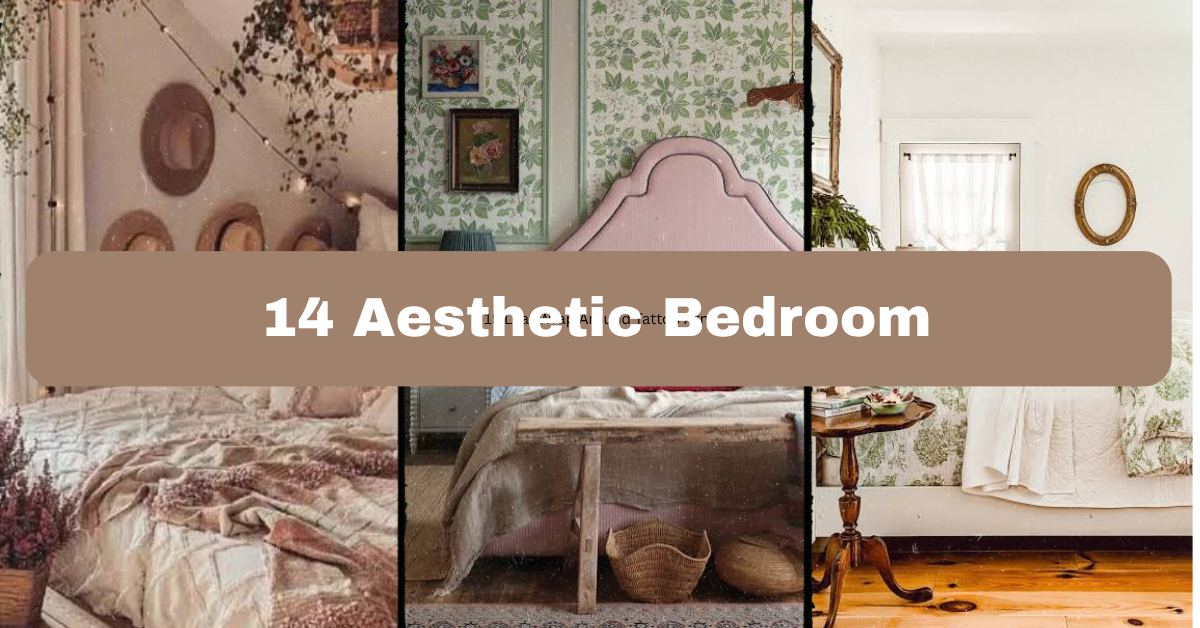
If you’ve been scrolling Pinterest for hours trying to figure out what makes a 14 aesthetic bedroom actually work, I’ve got good news. I’ve put together the most complete, no-fluff breakdown you’ll find, and by the end of this, you’ll know exactly what to do.
An aesthetic bedroom is a space designed around a specific mood, color story, and set of visual details that work together on purpose. It typically combines a cohesive color palette, intentional lighting, curated decor, and functional furniture to create a room that feels calm, personal, and Instagram-worthy.
But knowing the definition is just step one. Stick around and I’ll walk you through 14 real ideas you can actually use, plus the mistakes that trip most people up.
What Even Is an “Aesthetic” Bedroom Anyway?
Okay, real talk. The word “aesthetic” gets thrown around a lot, and it can feel kind of vague. Here’s how I think about it: an aesthetic bedroom just means every piece in the room feels like it belongs there. Nothing random. Nothing that fights with everything else.
It’s not about spending a ton of money. It’s about picking a vibe, whether that’s cozy cottagecore, moody dark academia, or breezy coastal, and sticking with it. Once you have that direction, decorating gets way easier because you stop buying random stuff that doesn’t match anything.
1. Pick One Color Story and Commit to It
The biggest mistake I see people make is mixing too many colors with no plan. A real aesthetic bedroom usually sticks to three or four colors max. Pick a base neutral, one accent color, and maybe a metallic tone for hardware or frames.
Here’s my actionable tip: grab paint swatches and hold them against your bedding before buying anything. Colors look totally different under lamp light versus daylight.
This works no matter your style. Modern rooms might go black, white, and warm wood. Traditional spaces often lean into deep greens and brass. Coastal rooms love soft blues and sandy neutrals. Once your palette is locked, every other decision gets simpler, which brings us to the actual bones of the room: your furniture.
2. Choose a Statement Headboard as Your Anchor
Your bed is the biggest piece of furniture in the room, so it should set the tone. A tall upholstered headboard instantly makes a space feel intentional instead of thrown together. Velvet, boucle, and linen are popular right now because they add texture without adding visual noise.
Practical tip: if you’re renting or on a budget, you can buy a headboard cover or even mount a large fabric panel behind the bed for a similar effect.
Modern homes might choose a clean channel-tufted headboard. Traditional or vintage-inspired rooms often go for wood carved frames or curved silhouettes. Once your anchor piece is set, you can start layering in softer textures around it.
3. Layer Bedding Textures Instead of Patterns
A lot of people think aesthetic bedrooms need bold patterns everywhere. Actually, the opposite is often true. Layering different textures, like a chunky knit throw over smooth cotton sheets with a linen duvet, creates depth without visual clutter.
Try this: stick to solid colors within your palette but mix at least three fabric textures on the bed. It reads as expensive and cozy at the same time.
Boho bedrooms lean into mismatched textures on purpose. Minimalist spaces keep it to two textures max for a cleaner look. Either way, texture is doing a lot of the visual work here, and it pairs perfectly with the next idea: lighting.
4. Swap Overhead Lights for Layered Lighting
Harsh overhead lighting kills any aesthetic instantly. I mean it. The most beautifully decorated room in the world looks flat and cold under one bright ceiling light. Instead, layer your light sources: a bedside lamp, a floor lamp, maybe some plug-in wall sconces, and string lights if that fits your vibe.
Quick tip: use warm-toned bulbs, around 2700K, instead of cool white ones. It makes a huge difference in how “cozy” a room feels.
Coastal and boho rooms often use rattan pendant lights. Modern rooms lean toward sleek black or brass sconces. Dark academia spaces love brass lamps with green glass shades. Once your lighting is sorted, it’s time to think about what’s on your walls.
Lighting Style Comparison
| Lighting Style | Best For | Average Cost | Mood Created |
|---|---|---|---|
| String Lights | Boho, teen rooms | $10-$25 | Playful, soft |
| Brass Sconces | Traditional, dark academia | $40-$90 each | Warm, elegant |
| Paper Lanterns | Minimalist, Japandi | $15-$35 | Airy, calm |
| Smart LED Strips | Modern, gaming setups | $20-$50 | Vibrant, customizable |
| Table Lamps | Any style | $25-$100 | Cozy, focused |
5. Create a Gallery Wall With a Theme
Random frames thrown on a wall don’t read as aesthetic, they read as clutter. The trick is picking one theme, like botanical prints, black and white photography, or vintage postcards, and framing them consistently.
Here’s a tip that actually saves money: buy matching frames in bulk instead of one-off pieces. The uniformity makes even cheap prints look curated and pulled together.
Traditional homes might use ornate gold frames. Modern spaces often skip frames altogether and use clipped prints on a wire. Either way, this wall becomes a focal point, which naturally leads into thinking about your other walls too.
6. Add a Textured Accent Wall
Paint isn’t the only way to make a wall interesting. Wood paneling, woven wall hangings, or even limewash paint techniques add dimension that flat paint just can’t match. This is one of those ideas that photographs incredibly well too.
Actionable tip: if a full accent wall feels intimidating, start with just the wall behind your headboard. It’s a smaller commitment but still makes a big visual impact.
Coastal rooms love shiplap. Japandi-inspired spaces often use slatted wood panels. Moody or dark academia rooms might choose deep limewash textures in forest green or burgundy. Once your walls have personality, your furniture needs to keep up.
7. Choose Furniture With Curved or Organic Lines
Sharp, boxy furniture was everywhere for years, but curved silhouettes are what make rooms feel soft and current now. Think rounded nightstands, curved dressers, or an arched mirror instead of a rectangular one.
My tip: you don’t need to replace everything. Swapping just your mirror or one nightstand for a curved piece can shift the whole feel of the room.
This trend works across almost every style. Traditional rooms already loved curved wood furniture. Modern spaces are now embracing it too, just with cleaner lines and less ornamentation.
8. Bring in Plants for Life and Color
A bedroom without any greenery can feel sterile no matter how nice the decor is. Plants add color, texture, and honestly, they just make a space feel more alive. You don’t need a jungle. Even two or three well-placed plants change everything.
Tip: if you don’t trust yourself with real plants, high-quality faux plants have gotten so much better. Nobody will know unless they touch the leaves.
Boho and cottagecore rooms often go heavy on plants, filling shelves and corners. Minimalist spaces might keep it to one sculptural plant like a fiddle leaf fig. Either way, plants soften hard edges and lead nicely into thinking about your floor.
9. Layer a Rug Over Your Existing Flooring
Hard floors, even nice hardwood, can make a bedroom feel cold and unfinished. A rug under or around your bed adds warmth instantly and helps define the space, especially in open floor plans or studio apartments.
Practical tip: your rug should extend at least 18 inches beyond the sides of the bed for the best proportions. Too small and it looks like an afterthought.
Traditional rooms often use Persian-style patterned rugs. Modern and minimalist spaces prefer solid, low-pile options. Coastal rooms love natural jute textures. With your floor sorted, let’s talk about something people forget completely: your ceiling.
Rug Size Guide by Bed Size
| Bed Size | Minimum Rug Size | Placement Tip |
|---|---|---|
| Twin | 5×7 ft | Extend past foot of bed |
| Full/Queen | 8×10 ft | Center rug under bed frame |
| King | 9×12 ft | Rug should reach nightstands |
10. Don’t Forget the Ceiling
Most people decorate walls and floors but completely ignore the ceiling. A simple wallpapered ceiling, a painted color, or even a statement pendant light draws the eye upward and makes the whole room feel more designed.
Tip: if wallpaper feels like too much commitment, try a peel-and-stick version first. It’s removable and way less scary to experiment with.
This works especially well in traditional and eclectic bedrooms, where a patterned ceiling adds drama. Modern spaces might keep it simpler with just a fresh coat of a soft color instead of stark white.
11. Use Curtains That Pool Slightly on the Floor
Short, tight curtains make ceilings look lower and rooms feel smaller. Longer curtains that just barely touch or pool on the floor create a more luxurious, intentional look, even in a small bedroom.
Actionable tip: hang your curtain rod higher than the window frame, close to the ceiling if possible. This trick alone makes windows look bigger and the whole room feel taller.
Coastal rooms love sheer, breezy linen curtains. Traditional and glam spaces often go heavier with velvet drapes. Either way, curtains frame your window like art, and speaking of art, let’s talk about smaller decorative touches.
12. Style Your Nightstand Like It’s a Tiny Vignette
Your nightstand says a lot about the room’s vibe, but most people just toss a lamp and their phone charger on it. Instead, treat it like a mini styled moment: a lamp, a small stack of books, a candle, and maybe one small plant or trinket.
Tip: follow the “odd number rule.” Group items in threes for a more natural, curated look instead of lining things up evenly.
Dark academia rooms might stack leather-bound books with a brass candle holder. Minimalist spaces keep it to just a lamp and one object. This small detail gets noticed more than you’d think.
13. Add a Reading Nook or Cozy Corner
If your bedroom has any extra space at all, even just a corner, turning it into a small reading nook adds so much personality. A comfy chair, a small side table, a lamp, and a throw blanket is really all it takes.
Practical tip: position the chair near a window if possible. Natural light makes the nook feel more inviting and gives you a reason to actually use it.
Cottagecore and boho rooms often add a hanging chair or floor cushions here. Modern spaces might use a single sleek accent chair instead. This little zone becomes a second personality within your main room.
14. Tie Everything Together With One Bold Decorative Object
Every great aesthetic bedroom has one standout piece that pulls focus, whether that’s a large abstract art print, a vintage mirror, or a unique light fixture. Without this, rooms can start to feel flat even if every individual piece is nice.
Tip: choose this piece first, actually, before buying anything else. Build your color palette and other decisions around it instead of trying to squeeze it in later.
This idea is honestly universal. Every style, from minimalist to maximalist, needs one thing that feels a little unexpected or special to keep the room from feeling generic.
Tips for Success
- Start with a mood board before buying anything, even a simple Pinterest board helps you spot patterns in what you actually like
- Buy your biggest, most expensive pieces first, then fill in smaller decor around them
- Don’t rush. The best aesthetic bedrooms are usually built over a few months, not one weekend shopping trip
- Keep a “no” pile of things that don’t fit your palette, it’s just as useful as your yes pile
- Test paint colors on the actual wall, not just a swatch card, before committing
- Leave a little visual breathing room. Not every surface needs decor on it
- Take a photo of your room every few weeks. It’s easier to spot what’s working (or not) in a picture than in person
Common Mistakes and How to Avoid Them
Too Many Colors
: Stick to a three or four color palette max. Add variety through texture instead of extra colors.
Ignoring Scale
: Measure your room and furniture before buying. A too-large bed or tiny rug throws off the whole balance.
Overhead Lighting Only
: Add at least two additional light sources, like a lamp and sconces, for a warmer feel.
Buying Everything at Once
: Give yourself time to live in the space and notice what it actually needs before filling every surface.
Matching Instead of Coordinating
: Pieces don’t need to match exactly. They just need to share a color or material connection.
Forgetting Function
: A beautiful room still needs enough storage and outlets in the right places. Looks and livability should work together.
Similar Variations
- Coastal Boho – Combines breezy linens and rattan textures with relaxed, beachy color tones
- Dark Academia – Moody colors, vintage books, and brass details for a scholarly, dramatic feel
- Japandi – Blends Japanese minimalism with Scandinavian warmth using natural wood and simple lines
- Cottagecore – Soft florals, vintage furniture, and a cozy, romantic countryside feel
- Modern Farmhouse – Mixes rustic wood elements with clean, simple furniture shapes
- Maximalist Glam – Bold patterns, rich colors, and layered textures for a dramatic, luxe look
Building a room you actually love takes some trial and error, and that’s completely normal. The key is picking a direction, sticking to a color story, and layering in details slowly instead of all at once. Once those pieces click together, your space stops feeling like a random collection of stuff and starts feeling like, well, you. That’s really the whole goal behind any 14 aesthetic bedroom idea worth trying.
Leave a Reply