I’ve spent way too many hours scrolling through bedroom inspiration, and I put together this guide on 13 mid century modern bedroom ideas because I got tired of seeing the same recycled advice everywhere. This list gives you real options, not just pretty pictures with no substance behind them.
Mid century modern bedroom design refers to a style rooted in 1940s to 1960s furniture trends, featuring clean lines, organic curves, warm wood tones, and a mix of function with simple beauty. It avoids clutter and leans on natural materials paired with bold but limited color accents.
Stick around, because I’m about to walk you through everything from furniture picks to color combos that actually hold up over time.
What Makes a Bedroom “Mid Century Modern” Anyway
So here’s the thing about mid century modern style. It’s not just about buying a walnut dresser and calling it done. This style came from a time when designers wanted furniture that looked good and worked hard. Think tapered legs, low profiles, and shapes inspired by nature.
I like to think of it as the opposite of fussy. No heavy carvings. No overly ornate headboards. Just honest materials doing honest work. The colors tend to be warm woods paired with pops of mustard, teal, or burnt orange. Once you get the vibe, you start seeing it everywhere.
Now let’s get into the actual ideas you can use in your own space.
1. Choose a Low-Profile Platform Bed as Your Anchor
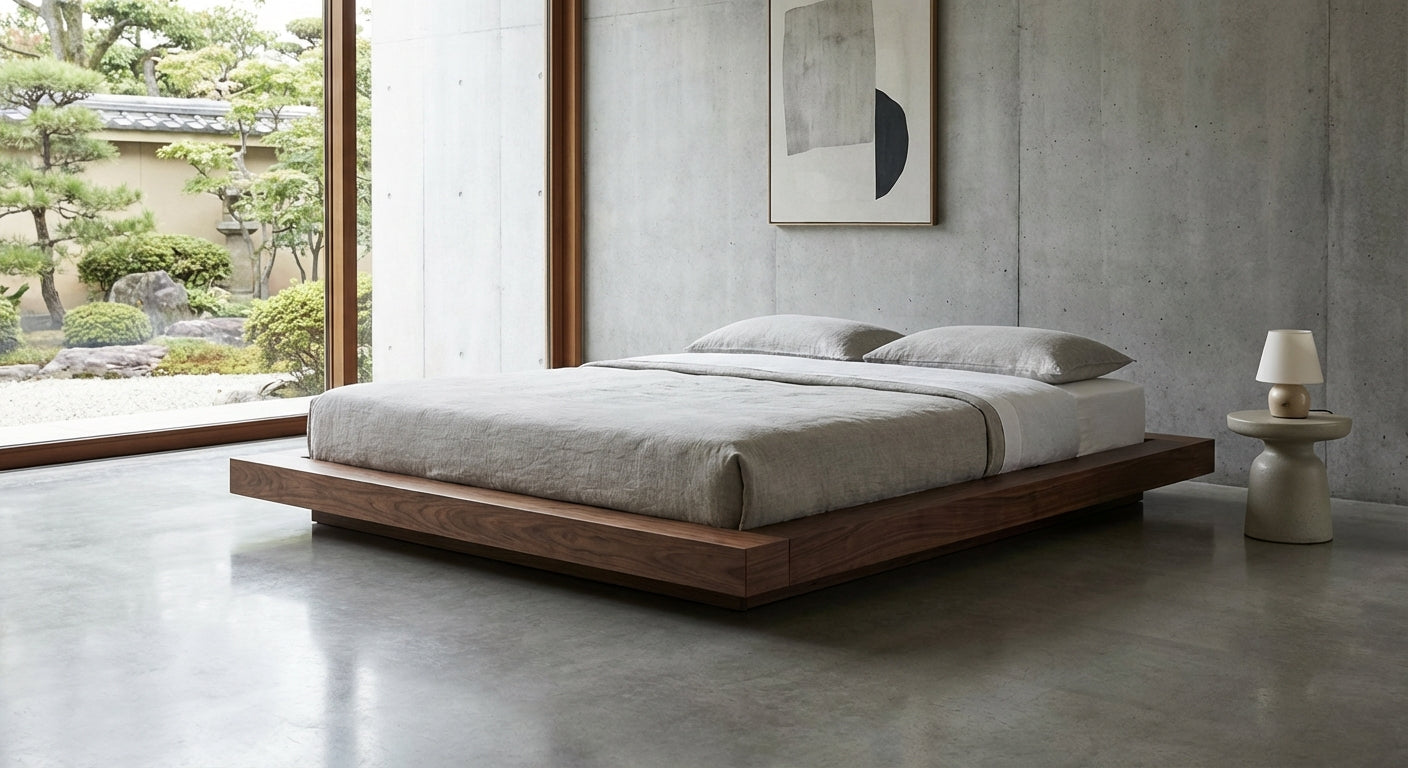
Your bed sets the tone for everything else in the room. Mid century modern beds sit low to the ground, usually with wooden slats or a simple upholstered headboard. Skip the tall, ornate frames you’d see in traditional bedrooms.
Look for walnut, teak, or oak frames with tapered or angled legs. These woods have warm undertones that feel cozy without looking heavy.
Practical tip: measure your ceiling height before buying. Low beds work best in rooms with standard 8 to 9 foot ceilings, otherwise the room feels unbalanced.
This idea flexes well too. Add a tufted headboard for a slightly glam twist, or keep it bare wood for a more minimalist, Scandinavian-adjacent look. Once your bed is sorted, you’ll want to think about what goes on the walls behind it.
2. Add a Sunburst or Geometric Wall Accent
Empty walls behind a low bed can feel unfinished. Mid century design loves geometric shapes, especially sunburst mirrors or wooden wall art with clean angular patterns.
These pieces add visual height since your bed sits low. They also catch light in interesting ways, which adds movement to an otherwise calm room.
Try a large sunburst mirror above the headboard instead of traditional framed art. It reflects light and makes small rooms feel bigger too.
For traditional homes, swap the sunburst for a starburst clock instead. Coastal spaces can use a driftwood version of the same shape. Once your wall statement is set, it’s time to think about color.
3. Pick a Warm, Earthy Color Palette
Mid century modern doesn’t mean stark white walls with black furniture. It means warm, earthy tones inspired by nature. Think mustard yellow, avocado green, burnt orange, and deep teal.
These colors work as accents rather than covering every wall. A neutral base with one or two bold accent colors keeps the room from feeling dated or costume-like.
Color Palette Combinations for Mid Century Bedrooms
| Wall Color | Accent Color | Wood Tone | Mood |
|---|---|---|---|
| Warm White | Mustard Yellow | Walnut | Cheerful, bright |
| Soft Gray | Burnt Orange | Teak | Cozy, grounded |
| Sage Green | Chocolate Brown | Oak | Calm, natural |
| Terracotta | Deep Teal | Rosewood | Bold, dramatic |
Practical tip: paint one accent wall instead of the whole room if you’re nervous about commitment. This gives you the mid century punch without overwhelming the space.
This palette approach adapts easily. Farmhouse bedrooms can lean into the sage green and oak combo. Modern minimalist spaces might prefer soft gray with just a hint of burnt orange. Speaking of wood tones, let’s talk about how to layer them properly.
4. Mix Wood Tones Instead of Matching Everything
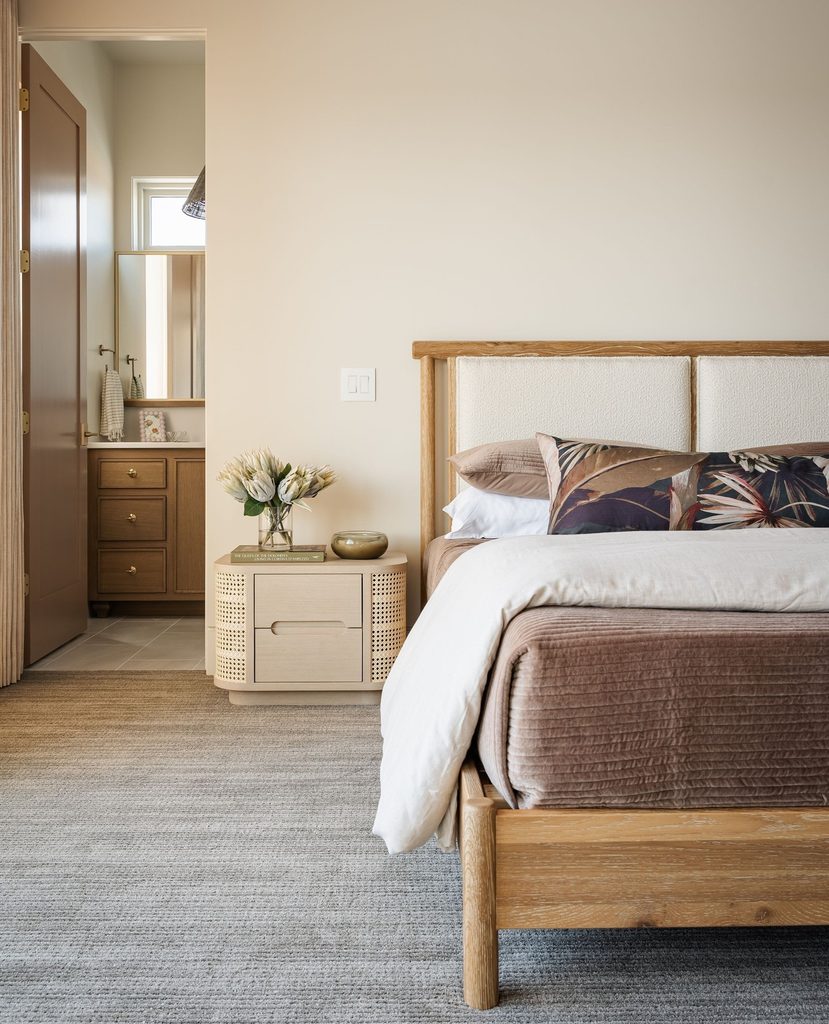
Here’s a mistake I see a lot. People think every piece of wood furniture needs to match perfectly. Mid century design actually thrives on mixing complementary wood tones.
Pair a walnut dresser with teak nightstands. Add an oak accent chair. As long as the tones share warm undertones, they’ll blend nicely instead of clashing.
Practical tip: bring a small wood sample or photo of your existing furniture when shopping for new pieces. This helps you match undertones instead of guessing.
Traditional homes tend to prefer matched wood sets, so this mixing trick is more of a modern and mid century specific move. Rustic and boho spaces can push this even further by adding raw or reclaimed wood pieces into the mix. Once your woods are sorted, focus on the legs of your furniture.
5. Prioritize Furniture with Tapered or Angled Legs
This detail seems small, but it makes a huge difference. Mid century furniture almost always has tapered legs, often angled outward slightly. This creates a lighter, airier feel compared to bulky furniture with straight or boxy legs.
Dressers, nightstands, and chairs with these legs let light pass underneath them. This makes rooms feel more open, even if they’re small.
Look specifically for hairpin legs or simple wooden tapered legs when shopping secondhand. These details are dead giveaways for authentic or well-designed reproduction pieces.
This idea works great in small apartments regardless of overall style, since leggy furniture always reads lighter than boxy furniture. Coastal and modern farmhouse spaces both benefit from this same trick. Now let’s talk about textiles, because fabric choice matters just as much as furniture shape.
6. Layer Textured Textiles Without Overdoing Patterns
Mid century bedrooms use texture instead of busy patterns to add interest. Think boucle throw pillows, chunky knit blankets, and linen bedding in neutral or warm tones.
Avoid loud florals or overly busy geometric fabric all over the bed. Instead, use one bold pattern as an accent, like a single patterned throw pillow, and keep everything else texture-focused.
Practical tip: stick to three textures max per bed. Try linen sheets, a wool blanket, and a boucle pillow. Any more starts to feel cluttered.
This textural approach translates well into boho and coastal bedrooms too, just swap wool for cotton or jute-based textiles. Once your textiles feel balanced, lighting becomes the next big piece of the puzzle.
7. Install a Statement Pendant or Sputnik Light Fixture
Lighting in mid century bedrooms isn’t an afterthought. Sputnik chandeliers, with their starburst arms and small bulbs, are iconic to this era. Pendant lights with wood or brass details also work beautifully.
Skip generic flush mount ceiling lights if you want authentic mid century flair. A statement fixture becomes a piece of art in itself.
Practical tip: hang pendant lights at least 30 inches above nightstands if using them as bedside lighting instead of lamps.
This lighting choice adapts across styles easily. Industrial bedrooms can use similar fixtures in blackened metal, while glam spaces might choose brass sputnik fixtures instead. With lighting handled, let’s move into rugs and flooring.
8. Layer a Low-Pile Area Rug for Warmth
Hardwood floors are common in mid century homes, but bare floors can feel cold. A low-pile area rug with geometric patterns or solid warm tones adds comfort without hiding your beautiful flooring.
Avoid shaggy or overly plush rugs, since they clash with the clean lines mid century style relies on. Stick to flatweave or low-pile options instead.
Practical tip: size your rug so it extends at least 18 inches beyond each side of the bed. This creates visual balance in the room.
Coastal bedrooms can use jute rugs for a similar effect with a beachier feel. Traditional spaces might prefer a Persian-style rug instead, though that shifts the vibe considerably. Now let’s talk storage, since function matters just as much as form here.
9. Choose Dressers with Sculptural Hardware or None at All
Storage furniture in mid century bedrooms often skips bulky knobs entirely. Recessed pulls, sculptural wooden handles, or no visible hardware at all keep dressers looking sleek.
This detail keeps the eye moving smoothly across furniture instead of getting caught on shiny metal knobs.
Practical tip: if you already own a dresser, swap the hardware for simple brass or wood pulls. This small update can transform an outdated piece into something that reads mid century instantly.
Furniture Budget Tiers for Mid Century Bedrooms
| Budget Level | Bed Frame | Dresser | Nightstands | Total Estimate |
|---|---|---|---|---|
| Budget | $200-400 | $150-300 | $60-100 each | $500-900 |
| Mid-Range | $500-900 | $400-700 | $150-250 each | $1,200-2,000 |
| High-End | $1,200-2,500 | $900-1,800 | $300-500 each | $2,700-5,300 |
Traditional bedrooms usually keep ornate hardware, so this minimal approach is fairly specific to mid century and modern styles. Once your storage pieces are sorted, accessories bring everything together.
10. Add Live Plants in Simple Ceramic Planters
Mid century design has strong ties to nature, and plants play a big role in that connection. Think rubber plants, snake plants, or fiddle leaf figs in simple ceramic or terra cotta pots.
Avoid overly decorated planters. Simple, matte finishes in white, black, or earthy tones keep the focus on the plant itself.
Practical tip: place one larger plant in a floor planter near a window instead of scattering several small pots around the room. This creates more visual impact.
This idea works across nearly every design style, from boho to modern farmhouse, since plants are pretty universally loved. Once you’ve added some greenery, let’s talk about window treatments.
11. Use Simple Panel Curtains Instead of Heavy Drapes

Heavy, layered drapes don’t fit the mid century aesthetic. Instead, opt for simple panel curtains in linen or cotton, hung close to the window frame.
Bold prints work if you want a retro touch, but solid neutral or muted tones keep things versatile long term.
Practical tip: hang curtain rods just below the ceiling line instead of right above the window frame. This makes ceilings look taller and windows appear larger.
Modern farmhouse bedrooms often use similar simple panels but in heavier cotton or linen blends. Coastal spaces might choose sheer white panels instead for a breezier feel. With windows covered, let’s discuss artwork placement.
12. Display Abstract or Nature-Inspired Art in Simple Frames
Mid century art often features abstract shapes or nature scenes with bold, simplified color blocks. Skip ornate gold frames and choose thin wood or black metal frames instead.
Gallery walls work too, but keep spacing consistent and avoid mixing too many frame styles together.
Practical tip: hang art at eye level, roughly 57 to 60 inches from the floor to the center of the piece. This is a design industry standard that works in almost every room.
This idea adapts to nearly any style since art is so personal. Traditional homes might choose ornate frames instead, while minimalist spaces might skip frames entirely and use canvas prints.
13. Incorporate Brass or Walnut Accent Pieces Sparingly
Small details finish off the mid century look. Think brass drawer pulls, a walnut jewelry box, or a small brass reading lamp on the nightstand.
The key word here is sparingly. Too many metallic accents can start to feel more glam than mid century.
Practical tip: limit brass or metallic accents to two or three pieces per room. This keeps things intentional instead of scattered.
Industrial bedrooms can lean harder into metal accents, while farmhouse spaces might prefer black iron instead of brass. With all thirteen ideas covered, you’ve got a solid foundation for building your own space.
Tips for Success
- Start with your bed and dresser first, since these anchor pieces set the tone for every other decision.
- Buy secondhand when possible. Mid century furniture holds up well and thrift stores often have hidden gems.
- Test paint colors in different lighting before committing to an accent wall.
- Keep clutter minimal since this style relies on clean lines and open space to work visually.
- Invest in one or two statement pieces rather than spreading your budget too thin across everything.
- Photograph your room at different times of day to see how natural light interacts with your color choices.
- Don’t rush the process. This style comes together best when pieces are chosen thoughtfully over time.
Common Mistakes and How to Avoid Them
Overloading the room with too many bold colors
: Stick to one or two accent colors max, paired with warm neutrals as your base.
Mixing mismatched wood undertones
: Choose woods with similar warm or cool undertones so pieces blend instead of clash.
Choosing furniture with heavy, boxy legs
: Look specifically for tapered or angled legs to keep the room feeling light and open.
Skipping texture in favor of pattern
: Lean on textiles like boucle, linen, and wool instead of loud printed fabric everywhere.
Hanging art or fixtures too high or too low
: Follow standard placement guidelines, like eye level for art and proper clearance for pendant lights.
Ignoring scale in small rooms
: Choose smaller-scale mid century pieces designed for apartments instead of oversized statement furniture.
Similar Variations
- Scandinavian Modern: Similar clean lines but with lighter woods and an even more minimal color palette.
- Danish Modern: A more specific subset focused heavily on craftsmanship and teak furniture.
- Retro Modern: Leans into bolder, brighter colors and more playful patterns from the same era.
- Modern Organic: Blends mid century shapes with natural materials like stone and rattan for a softer feel.
- Atomic Age Style: Focuses on space-age patterns and shapes popular in the late 1950s and early 1960s.
- Mid Century Boho: Combines mid century furniture with layered textiles and global-inspired decor pieces.
Putting together a bedroom that actually feels intentional takes some trial and error, but these ideas give you a real starting point instead of vague inspiration. Focus on furniture shape first, layer in warm colors and natural textures, and let small details like lighting and hardware do the rest of the work. That’s really the whole formula behind a great 13 Mid Century Modern Bedroom setup, and once you see it click into place in your own space, you won’t want to go back to anything else.
Leave a Reply