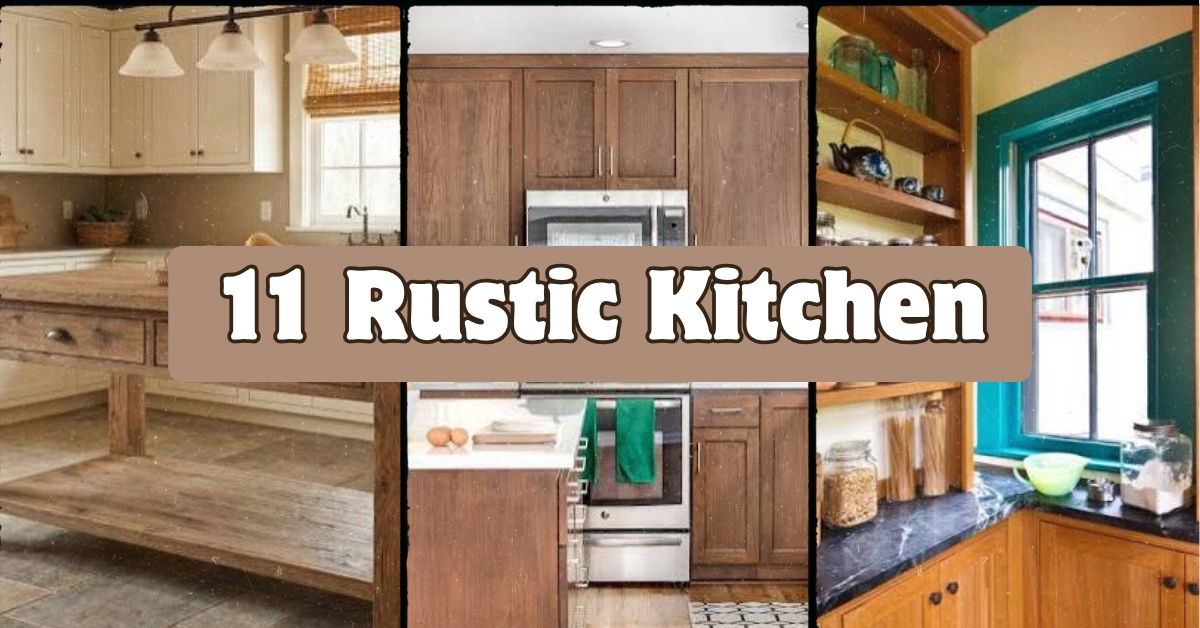
I’ve spent way too many hours scrolling through kitchen photos, and I can tell you exactly what makes an 11 rustic kitchen design work versus what just looks like a farmhouse knockoff. This guide breaks down every piece you need, from the big furniture choices down to the tiny details that tie it all together.
A rustic kitchen is a cooking space that uses natural materials like wood, stone, and metal to create a warm, lived-in feel that mimics old farmhouses or cabins. It typically features exposed beams, distressed finishes, open shelving, and earthy color tones.
Stick with me and I’ll walk you through 12 specific design ideas, plus a few tables that make picking colors and materials way easier.
What Makes a Kitchen “Rustic” Anyway?
Okay so here’s the thing about rustic style. It’s not about buying fake antique junk from a big box store. Real rustic design comes from materials that actually look like they’ve lived a life. Think reclaimed wood, worn stone, hammered metal. It’s the opposite of shiny and perfect.
I always tell people that rustic kitchens feel like they belong in a mountain lodge or an old farmhouse kitchen your grandma might have had. Nothing matches perfectly. That’s the point. You want warmth, texture, and a little bit of imperfection. It should feel calm, not showroom-fancy.
Now let’s get into the actual ideas.
1. Bring In a Reclaimed Wood Kitchen Island
A big wood island is basically the heart of a rustic kitchen. I’m talking about a thick, chunky slab of wood, not some thin laminate top. Reclaimed barn wood works great because it already has dents, nail holes, and color variation baked in.
Pair it with a contrasting base, maybe painted black metal legs or a distressed cabinet body. Keep the countertop simple. A butcher block finish or honed stone both work.
Quick tip: seal reclaimed wood with a food-safe oil every few months to keep it from drying out and cracking.
This idea flexes well too. Modern farmhouse kitchens use a cleaner wood slab with simple lines, while cabin-style spaces go for a rougher, thicker cut.
Next, let’s talk about what goes above that island, because open shelving changes everything.
2. Swap Upper Cabinets for Open Wood Shelving
Open shelves make a kitchen feel lighter and more personal. Instead of hiding your dishes behind cabinet doors, you show them off. Use raw or lightly stained wood boards mounted on iron brackets for that classic rustic look.
Style your shelves with mismatched stoneware, wood cutting boards, and a few plants. Don’t overdo it though. Leave some breathing room so it doesn’t look cluttered.
Practical tip: only put things you actually use often on open shelves. Dust builds up fast on stuff that just sits there for looks.
In coastal kitchens, people use whitewashed shelves with woven baskets instead of dark wood, which shows how flexible this idea really is.
Once your shelves are set, your wall color needs to match that same earthy vibe.
3. Choose Warm, Earthy Wall Colors
Color sets the whole mood in a rustic kitchen. You want warm neutrals, not stark white or cold gray. Think terracotta, olive green, warm taupe, and soft browns.
Rustic Kitchen Color Palette Guide
| Wall Color | Best Paired Cabinet Color | Accent Metal | Mood Created |
|---|---|---|---|
| Warm Taupe | Cream White | Black Iron | Soft & Cozy |
| Terracotta | Dark Walnut | Aged Brass | Bold & Earthy |
| Olive Green | Weathered Gray | Copper | Natural & Calm |
| Soft Sand | Charcoal | Bronze | Airy & Warm |
| Deep Brown | Off-White | Matte Black | Moody & Rich |
A quick tip here: test paint samples on the wall for a few days before committing. Lighting changes everything, especially in kitchens with lots of windows.
Traditional homes lean toward deep brown and olive, while modern rustic spaces prefer sand and taupe for a lighter feel.
With your wall color locked in, it’s time to think about the ceiling, because rustic kitchens often shine brightest up top.
4. Expose or Add Wood Ceiling Beams
Exposed beams instantly signal “rustic” to anyone who walks in. If your kitchen already has beams hidden behind drywall, sometimes it’s worth exposing them. If not, faux beams made from lightweight wood can fake the look convincingly.
Stain them a dark walnut or leave them raw and weathered depending on your color scheme. They pull the eye up and make the whole room feel bigger and more architectural.
Actionable tip: hang simple pendant lights from the beams instead of recessed lighting. It adds warmth and keeps the ceiling from feeling flat.
Cabin-style kitchens go heavy with thick round beams, while farmhouse kitchens prefer straighter, thinner ones.
Now that your ceiling has character, let’s ground the room with the right flooring.
5. Install Wide-Plank Wood Flooring
Flooring makes a bigger difference than people expect. Wide wood planks, especially in a matte or slightly distressed finish, anchor the whole rustic look. Avoid glossy finishes. They read as modern, not rustic.
Oak, hickory, and pine are all common choices. Darker stains create a moody feel, while lighter natural tones keep things bright and airy.
Here’s a tip: if real wood isn’t in your budget, luxury vinyl plank with a wood-grain texture can fool almost anyone from a few feet away.
Mediterranean rustic kitchens often swap wood for terracotta tile instead, which gives a similar warm, grounded feeling.
Once your floor is sorted, your cabinets need to match that same natural, worn-in energy.
6. Pick Cabinets With Visible Wood Grain or Distressed Paint
Cabinets are basically the backbone of your kitchen’s look. For rustic style, skip the flat, painted MDF doors. Go for real wood with visible grain, or a distressed paint finish that shows a little wear on the edges.
Shaker-style doors work great here because their simple lines let the wood texture do the talking. Add black iron pulls or leather strap handles for extra character.
Practical tip: if you’re repainting existing cabinets, sand the edges lightly after painting to create that naturally worn look.
Modern rustic kitchens often mix matte black cabinets with wood accents, blending sleek and cozy in one space.
Once your cabinets are set, let’s talk about the sink, because rustic kitchens love a statement piece there too.
7. Add a Farmhouse Apron Sink
A deep, wide farmhouse sink isn’t just practical, it’s a design statement. The exposed front panel (called an apron) gives it that classic rustic charm. Fireclay or cast iron versions hold up well and age nicely over time.
Pair it with a bridge-style faucet in an aged bronze or black finish. This combo alone can make a kitchen feel instantly more farmhouse.
Quick tip: go with a sink at least 30 inches wide if you do a lot of cooking. Trust me, the extra space for pots and pans is worth it.
Coastal kitchens often pair white apron sinks with brass fixtures for a lighter, beachy contrast.
Speaking of fixtures, lighting is next on our list and it matters more than most people think.
8. Hang Wrought Iron or Wood-and-Metal Light Fixtures
Lighting fixtures are like jewelry for your kitchen. Wrought iron chandeliers, wood bead pendants, and metal lantern-style fixtures all scream rustic without saying a word.
Stick to warm-toned bulbs, around 2700K to 3000K, for that golden, cozy glow instead of harsh white light.
Lighting Style Comparison
| Fixture Type | Material | Best Kitchen Style | Approx. Price Range |
|---|---|---|---|
| Lantern Pendant | Black Iron & Glass | Farmhouse | $60-150 |
| Wood Bead Chandelier | Natural Wood | Boho Rustic | $100-250 |
| Mason Jar Light | Glass & Metal | Cottage Rustic | $40-90 |
| Antler-Style Fixture | Resin/Metal | Cabin Rustic | $80-200 |
| Industrial Cage Light | Black Metal | Modern Rustic | $50-120 |
Tip: hang pendants about 30 to 36 inches above your island counter for the right proportion.
Traditional kitchens favor ornate iron chandeliers, while modern rustic spaces go for simple cage-style fixtures.
Now let’s bring in some texture through textiles, because a kitchen needs softness too.
9. Layer in Woven and Natural Fiber Textiles
Rustic kitchens need soft touches to balance all that wood and metal. Woven placemats, jute rugs, and linen curtains add texture without looking fussy.
Stick to natural fibers like cotton, linen, and jute. Skip synthetic fabrics since they tend to look shiny and out of place.
Tip: layer a jute runner rug in front of your sink. It’s practical for standing comfort and adds instant texture.
Coastal rustic kitchens use lighter woven textures like seagrass, while cabin styles lean toward wool and flannel patterns.
Next, let’s talk storage, because rustic kitchens often use it as a design feature, not just a hiding spot.
10. Use Open Baskets and Crates for Storage
Instead of stashing everything in cabinets, rustic kitchens often show off storage with woven baskets, wooden crates, or metal bins. Store fruit, bread, or linens in these instead of plastic containers.
This does double duty. It looks charming and it’s genuinely useful. Stack a few wooden crates for extra pantry storage if you’re short on cabinet space.
Tip: label baskets with small wood or metal tags so everything stays organized and easy to find.
Farmhouse kitchens love this idea most, but even modern rustic spaces use sleek metal bins for the same effect.
Now let’s add some greenery, because plants bring life into an otherwise all-natural-material space.
11. Add Potted Herbs and Greenery on Open Surfaces
Plants soften all the hard textures in a rustic kitchen. Small potted herbs on a windowsill or open shelf add color and a little life to the space. Rosemary, basil, and thyme work great since you can actually use them while cooking.
Terracotta pots fit the rustic vibe better than plastic or ceramic ones. Group a few different heights together for visual interest.
Tip: place herb pots near a window that gets at least four hours of sunlight a day so they actually survive past week one.
Modern rustic kitchens sometimes swap herbs for larger statement plants like fiddle leaf figs for a cleaner, more sculptural look.
Last but not least, let’s talk about the small details that pull everything together.
12. Mix Metal Finishes for Depth
A lot of people think rustic means everything matches. Actually, the opposite is true. Mixing black iron, aged brass, and copper finishes across your faucet, cabinet hardware, and light fixtures creates depth and keeps the kitchen from feeling flat.
Pick one dominant metal, then add one or two accent metals in smaller doses like drawer pulls or a single pendant light.
Tip: keep your faucet and sink hardware in the same finish, but feel free to mix everything else.
This trick works across every rustic variation, from cabin to coastal, since mixed metals read as collected-over-time rather than matchy-matchy.
With all twelve ideas in place, your kitchen should already feel warmer and more personal. Let’s wrap up with some quick success tips.
Tips for Success
- Start with flooring and wall color first since they’re the hardest to change later.
- Buy one or two real statement pieces (like a reclaimed wood island) rather than lots of cheap rustic-looking decor.
- Keep your color palette to three main tones so the space doesn’t feel busy.
- Add texture through textiles and baskets before buying more furniture.
- Test paint and stain samples in your actual kitchen lighting, not under store lights.
- Balance rough textures with at least one smooth surface, like polished stone counters, so it doesn’t feel too heavy.
- Shop secondhand stores for authentic worn furniture pieces instead of buying new “distressed” items.
Common Mistakes and How to Avoid Them
Overdoing dark wood everywhere
: Balance dark wood with lighter walls or countertops so the room doesn’t feel like a cave.
Buying fake-looking distressed furniture
: Look for pieces with real wear patterns, or lightly distress your own furniture with sandpaper for a more authentic look.
Skipping texture variety
: Mix wood, metal, stone, and fabric so the kitchen doesn’t feel one-note.
Using cold white lighting
: Stick to warm bulbs around 2700K to 3000K for that cozy glow rustic kitchens need.
Cluttering open shelves
: Only display items you use weekly and leave open space between groupings.
Ignoring the ceiling
: Beams or wood paneling up top make a huge difference, don’t skip this detail just because it’s out of the normal sightline.
Similar Variations
- Modern Rustic: Cleaner lines, matte black metal, and simple wood tones for a less cluttered farmhouse feel.
- Cabin Rustic: Heavier wood beams, stone accents, and darker color palettes inspired by mountain lodges.
- Coastal Rustic: Lighter wood tones, whitewashed finishes, and woven natural textures for a beachy twist.
- Industrial Rustic: Combines raw metal, exposed brick, and reclaimed wood for a warehouse-meets-farmhouse vibe.
- Scandinavian Rustic: Light wood, minimal decor, and soft neutral tones for a cozy yet uncluttered look.
- Southwestern Rustic: Terracotta tones, wrought iron details, and clay tile floors for a warm desert feel.
Building a rustic kitchen really comes down to picking natural materials and letting them show their age and texture instead of hiding it. Once you nail the big stuff like flooring, cabinets, and lighting, the smaller details like baskets and greenery practically style themselves. I hope these ideas give you a clear starting point for creating your own 11 Rustic Kitchen that feels warm, welcoming, and totally yours.
Leave a Reply