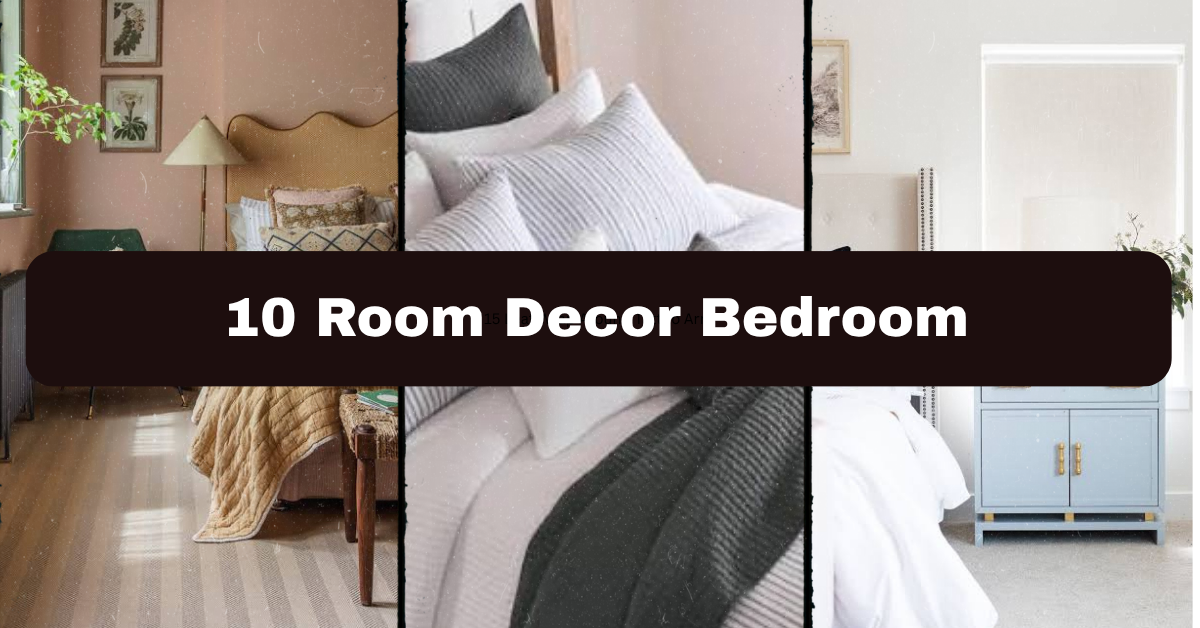
I’ve spent way too many hours scrolling through home decor sites, and I can tell you this guide on 10 room decor bedroom ideas is going to save you time and give you the real answers you’re looking for. No fluff, no filler, just the stuff that works.
Room decor for bedrooms means choosing furniture, colors, textiles, and accessories that make a sleeping space both functional and personal. The best bedroom decor balances comfort with style, using a mix of lighting, storage, and decorative touches to create a room that feels calm and reflects your taste.
Stick around because I’m about to walk you through more than just the basics. I’ve got specific tips, real comparisons, and mistakes to dodge that most articles skip right over.
What Makes Bedroom Decor Different From Other Rooms
Your bedroom isn’t like your living room. It’s not for showing off to guests. It’s for you. That changes everything about how you should decorate it.
I think of bedroom decor as personal therapy. You spend a third of your life in there sleeping, so the vibe matters more than in any other room. The colors you pick affect your mood. The lighting affects your sleep. Even the clutter on your nightstand can mess with your head before bed.
So when I talk about room decor bedroom ideas, I’m not just talking about looking pretty for Instagram. I’m talking about building a space that actually helps you rest, recharge, and feel like yourself.
1. Pick a Calming Color Palette First
Before you buy a single throw pillow, figure out your colors. This decision shapes everything else in the room. Warm neutrals like beige, cream, and soft taupe tend to feel cozy. Cool tones like sage green, dusty blue, and lavender feel more relaxing and spa-like.
Here’s my actionable tip: paint one wall first as a test before committing to the whole room. Colors look different under lamp light versus daylight, and you don’t want a surprise.
This idea works in any style. Modern bedrooms often stick to monochrome neutrals with one bold accent. Traditional bedrooms lean toward richer jewel tones. Coastal spaces love whites, sandy tans, and ocean blues.
Once your palette is locked in, you can move on to picking the actual furniture pieces that will carry that color story through the room.
2. Choose a Statement Headboard
Your bed is the biggest thing in the room, so the headboard becomes the focal point whether you plan it or not. A tufted velvet headboard adds softness and luxury. A wood slat headboard brings warmth and a natural feel. Even a simple upholstered headboard in a bold color can change the whole mood of the space.
Practical tip: measure your wall space before buying. A headboard that’s too wide will crowd nightstands, and one too small will look lost against a big wall.
Modern homes often go for clean lines and neutral fabric. Farmhouse style loves distressed wood. Boho rooms might skip the headboard entirely and use a macrame wall hanging instead.
Once your bed is anchored, it’s time to think about what goes on top of it.
3. Layer Your Bedding for Texture
Flat, boring bedding makes a bed look unfinished. I always tell people to layer things. Start with a fitted sheet, add a duvet or comforter, then throw on a quilt or extra blanket at the foot of the bed. Finish with a mix of pillow sizes, like two standard pillows, two euro shams, and one lumbar pillow.
This layering trick works because it adds depth without adding clutter. Mixing textures like linen, knit, and velvet keeps things interesting to look at and touch.
Coastal bedrooms often use crisp white linen with a blue striped throw. Traditional rooms might add a quilted bedspread with embroidered pillow shams.
Once your bed looks like a five-star hotel, your nightstands need to match that same energy.
4. Style Your Nightstands With Purpose
Nightstands are usually an afterthought, but they shouldn’t be. Each one needs a lamp, something personal like a small plant or photo, and enough space to actually put your phone or book down.
Here’s a tip that changes everything: keep no more than three items per nightstand. Anything more starts looking cluttered fast.
Modern spaces like sleek, low-profile nightstands with hidden storage. Traditional rooms often use wood nightstands with drawers and curved legs. Boho styles might swap nightstands for a woven basket topped with a small round table.
Now that your nightstands are dialed in, let’s talk about the lighting that makes the whole room glow.
5. Layer Three Types of Lighting
One overhead light is never enough for a bedroom. You need layers. Ambient lighting comes from ceiling fixtures or overhead lights. Task lighting comes from lamps you use for reading. Accent lighting comes from things like fairy lights or wall sconces that just add mood.
My tip: install a dimmer switch on your main light. This alone can transform how the room feels at night versus during the day.
Modern bedrooms often use recessed lighting plus a statement pendant. Traditional rooms love brass sconces. Coastal rooms might add a rope-wrapped lamp for texture.
Lighting Types Compared
| Lighting Type | Best Use | Common Fixtures | Average Cost |
|---|---|---|---|
| Ambient | Overall room brightness | Ceiling fixture, flush mount | $40-$150 |
| Task | Reading, getting dressed | Table lamp, floor lamp | $25-$80 |
| Accent | Mood and decoration | String lights, sconces | $15-$60 |
| Natural | Daytime brightness | Sheer curtains, mirrors | $20-$100 |
Good lighting sets the mood, but nothing pulls a room together like a well-placed rug.
6. Add a Rug for Warmth and Definition
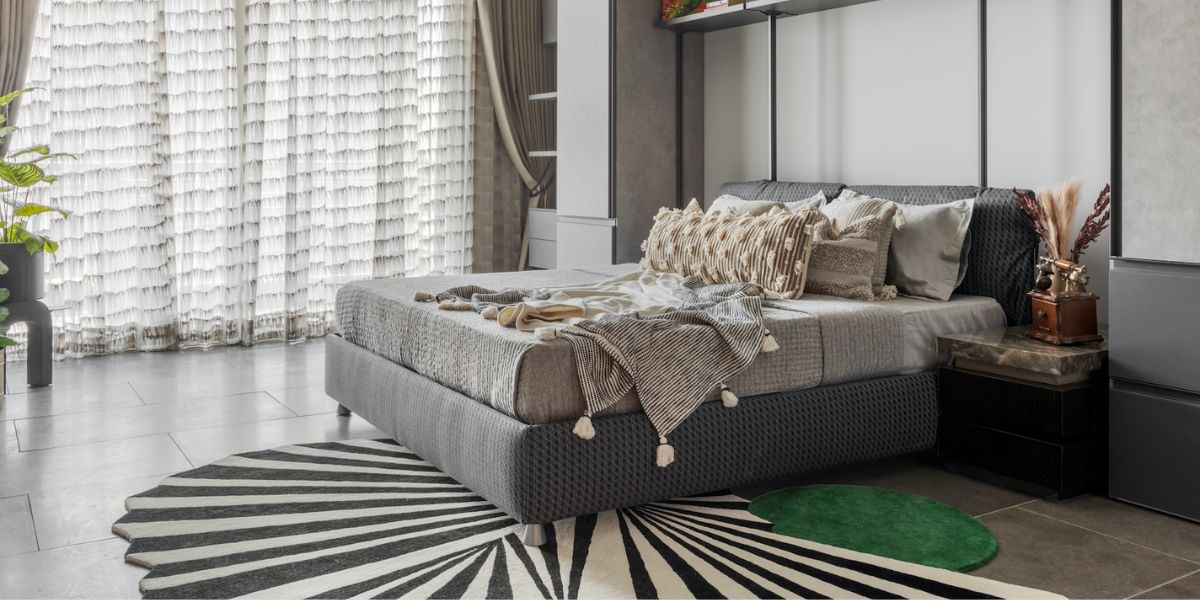
Hardwood or tile floors can feel cold, literally and visually. A rug under or around your bed adds warmth and helps define the sleeping area. I always recommend going at least two feet wider than your bed frame on each side so your feet land on softness when you get up.
Practical tip: choose a low-pile rug if you have allergies, since they trap less dust than shag styles.
Modern rooms often go for geometric pattern rugs. Traditional spaces love Persian-style rugs with intricate patterns. Coastal bedrooms often choose jute or sisal rugs for a natural texture.
With the floor handled, let’s move up to the walls, where art can make a huge difference.
7. Hang Art That Reflects Your Personality
Blank walls make a bedroom feel unfinished, even if everything else is styled perfectly. I like mixing frame sizes and using a gallery wall approach above the bed or on an empty wall. Pick pieces that mean something to you, not just what’s trending.
Tip: hang art so the center sits about 57 to 60 inches from the floor. That’s standard eye level and it works for almost every room.
Modern bedrooms often stick to abstract prints in black frames. Traditional spaces love landscape paintings or portraits. Boho rooms might use woven wall hangings instead of framed art.
Once your walls have personality, you’ll want window treatments that match that same energy.
8. Choose Curtains That Control Light and Mood
Curtains do more than block light. They soften hard window edges and add color or texture to the room. Blackout curtains help you sleep later or darker, while sheer curtains let in soft morning light.
My tip: hang curtain rods about four to six inches above the window frame and extend them a few inches past the frame on each side. This makes windows look bigger and ceilings look taller.
Modern homes often use simple linen panels in neutral colors. Traditional rooms love layered curtains with valances. Coastal bedrooms might choose light, breezy cotton panels in white or pale blue.
Now let’s talk storage, because a beautiful bedroom means nothing if it’s buried in clutter.
9. Build in Smart Storage Solutions
Clutter kills good decor fast. I always suggest a mix of storage types: under-bed bins for out-of-season clothes, a dresser for folded items, and a closet system that actually works for your space.
Practical tip: use baskets on open shelves instead of leaving items exposed. It looks tidier instantly and takes two minutes to set up.
Storage Options by Budget
| Storage Type | Budget Tier | Approx. Cost | Best For |
|---|---|---|---|
| Under-bed bins | Low | $15-$40 | Seasonal clothes, extra linens |
| Dresser | Mid | $150-$500 | Everyday clothing storage |
| Closet organizer system | Mid-High | $200-$800 | Maximizing closet space |
| Built-in wardrobe | High | $1000+ | Whole-room storage solution |
Modern rooms often favor minimalist closed storage to hide clutter completely. Traditional spaces love ornate armoires. Farmhouse styles might use a repurposed vintage cabinet.
With storage sorted, small decorative touches can now shine without competing with mess.
10. Add Personal Touches With Decorative Accessories
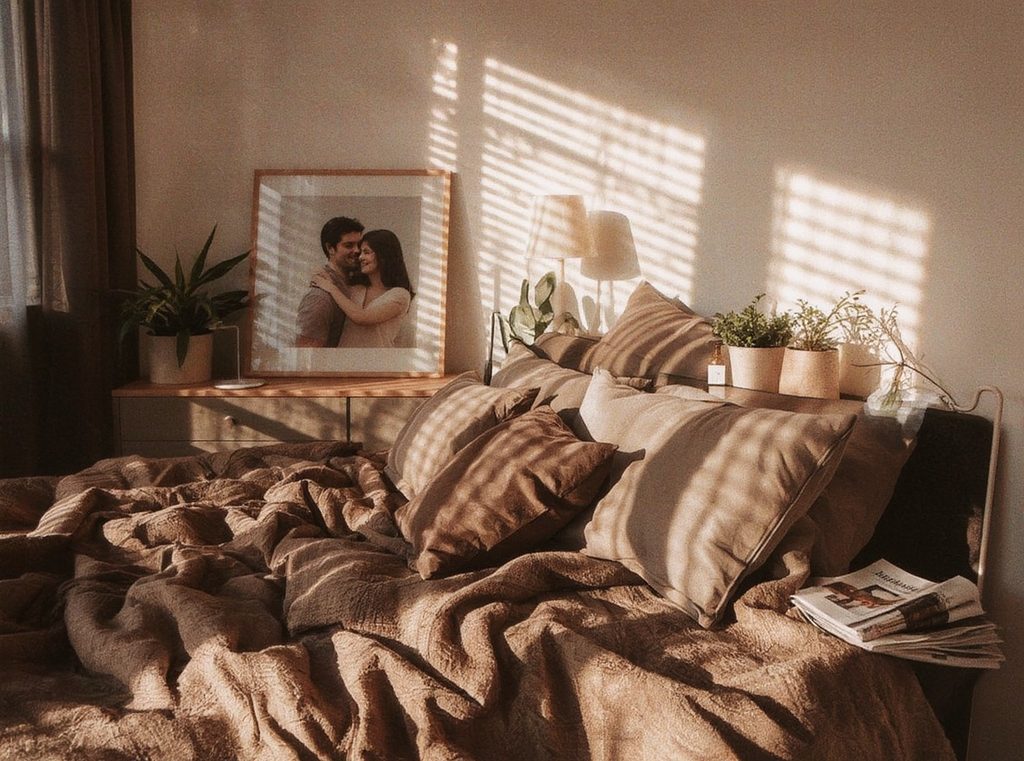
This is where your bedroom stops looking like a hotel room and starts looking like yours. Think books stacked on a tray, a candle you love, a framed photo, or a small plant. These little items tell your story.
Tip: group items in odd numbers, like three or five, on any flat surface. It looks more natural than pairs.
Modern spaces keep accessories minimal and sculptural. Traditional rooms love collections of items like porcelain or antique boxes. Boho bedrooms might display crystals, tapestries, or dried flowers.
11. Bring in Plants for Life and Air Quality
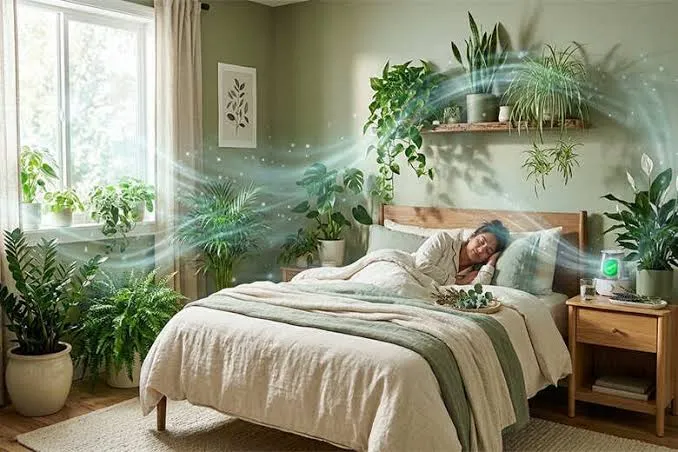
Plants add color without needing much effort. Low-light options like snake plants or pothos survive well in bedrooms since most rooms don’t get direct sun all day. Bigger plants like a fiddle leaf fig can fill an empty corner nicely.
Tip: keep plants away from the direct path of your AC or heater vent, since temperature swings can stress them out fast.
Modern rooms often use one large statement plant in a simple pot. Coastal bedrooms might use a few smaller plants in woven baskets. Traditional spaces love ferns in ceramic planters.
12. Use a Mirror to Expand the Room Visually
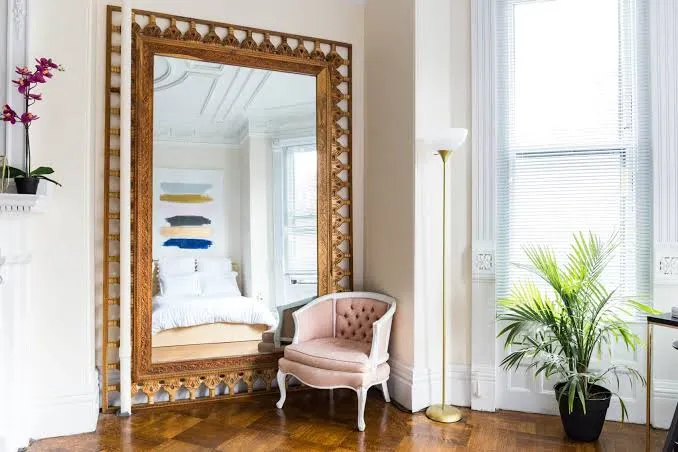
Mirrors bounce light around and make small bedrooms feel bigger. A full-length mirror is practical for getting dressed, while a large decorative mirror above a dresser adds style too.
Tip: place a mirror across from a window if possible. It reflects natural light back into the room and brightens everything instantly.
Modern spaces love round or asymmetrical mirror shapes. Traditional rooms often use ornate gold-framed mirrors. Farmhouse style might use a mirror with a distressed wood frame.
Tips for Success
- Always measure your room before buying furniture. A tape measure saves you from expensive return shipping.
- Stick to a budget from the start. Bedroom decor costs add up fast if you buy piece by piece without a plan.
- Choose a focal point first, whether that’s the bed, a wall, or a window, and build everything else around it.
- Don’t ignore scent. A candle or diffuser adds a layer of comfort that visuals alone can’t create.
- Test paint colors and fabric swatches in the actual room lighting before committing.
- Leave breathing room. Not every surface needs to be filled with decor.
- Shop secondhand for statement pieces like dressers or mirrors. You’ll often find better quality for less money.
Common Mistakes and How to Avoid Them
Overcrowding the nightstands
: Keep only essential items like a lamp and one personal object. Anything extra should move to a drawer.
Ignoring scale
: Measure furniture against your actual room size before buying. A giant bed frame in a small room kills the flow.
Skipping layered lighting
: Add at least one lamp and one accent light source beyond the main ceiling fixture.
Matching everything too perfectly
: Mix textures and eras a little. A room that matches too exactly feels stiff instead of lived in.
Forgetting window treatments
: Bare windows make a room feel unfinished. Even simple curtains add softness and privacy.
Choosing trendy over comfortable
: Pick pieces you’ll actually enjoy using daily, not just what looks good in photos.
Similar Variations
- Coastal Boho Bedroom – Mixes woven textures and neutral tones with breezy, relaxed styling.
- Modern Farmhouse Bedroom – Combines clean lines with rustic wood accents and cozy textiles.
- Minimalist Scandinavian Bedroom – Focuses on light woods, white walls, and clutter-free surfaces.
- Dark Academia Bedroom – Uses deep colors, vintage furniture, and layered bookshelves for a moody feel.
- Japandi Bedroom – Blends Japanese simplicity with Scandinavian warmth using natural materials.
- Glam Bedroom – Adds metallic accents, plush fabrics, and mirrored furniture for a luxe feel.
At the end of the day, decorating your bedroom isn’t about chasing trends. It’s about building a space where you actually want to fall asleep and wake up. Start small, pick a color palette you love, layer your lighting, and let your personality show through the little details.
I hope this list gave you real, useful direction instead of just pretty pictures with no substance. Whether you’re starting from scratch or just refreshing a few pieces, these 10 room decor bedroom ideas should give you everything you need to build a space that finally feels like home.
Leave a Reply