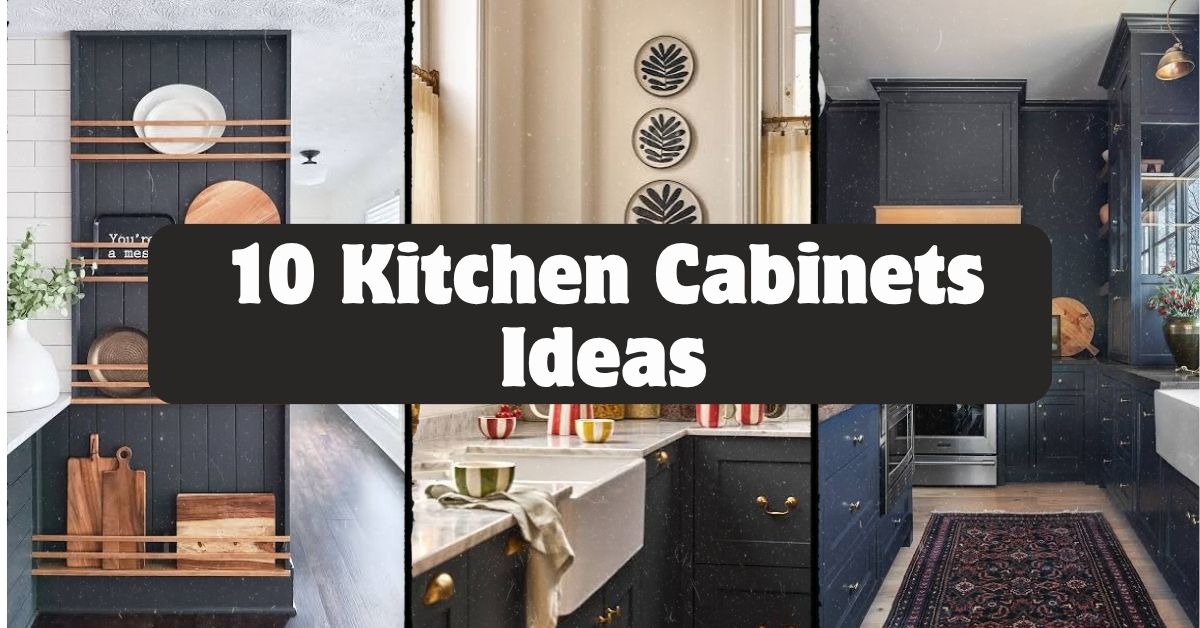
If you’ve been scrolling through a hundred kitchen photos trying to figure out what actually works, I get it. This article pulls together the most useful, tested, and design-smart kitchen cabinet ideas so you don’t have to guess anymore.
Kitchen cabinets are the storage units and door fronts that line a kitchen’s walls, islands, and lower counters, built to organize dishes, food, and tools. The best options balance material durability, layout efficiency, and a color or finish that matches the home’s overall style.
Stick around, because I’m about to walk you through a dozen ways to make your cabinets work harder and look better, plus real numbers on cost and materials so you can plan with confidence.
What Makes Kitchen Cabinet Design So Tricky
Here’s the thing about kitchen cabinets: they’re not just boxes with doors. They’re the biggest visual chunk of your kitchen, and they take up more wall space than almost anything else in your house. That means one wrong color choice or clunky layout can throw off the whole room.
I’ve noticed most people either go too safe (all white, forever) or too trendy (a color that feels dated in two years). The sweet spot is somewhere in between. You want cabinets that feel like “you” but also hold up over time. That’s what these ideas are built around.
1. Mix Two Cabinet Colors for Instant Depth
Painting every cabinet the same shade is easy, but it’s also a little flat. Try pairing a darker color on the lower cabinets with a lighter one up top. This trick makes a kitchen feel grounded without closing it in.
A classic combo is navy on the bottom, white or cream on top. It keeps the room bright near eye level while adding weight below.
Practical tip: keep the darker color below the counter line so it doesn’t overwhelm a small kitchen.
This works in modern kitchens with matte finishes, or in farmhouse kitchens with a soft sage and white pairing. Once your color scheme is set, think about how open storage can break up all that cabinetry even more.
2. Add Open Shelving to Break Up Closed Storage
Full walls of closed cabinets can feel heavy. Swapping one or two upper cabinets for open shelves lightens things up and gives you a spot to show off nice dishes or plants.
Open shelving also forces a little organization, since everything’s on display. Use it for stuff you actually reach for often, not just decoration.
Practical tip: install shelves in a wood tone that contrasts with your cabinet color for a built-in, intentional look.
Coastal and farmhouse kitchens love this look, but even sleek modern spaces use floating shelves in black metal for contrast. Next up, let’s talk about a door style that never really goes out of fashion.
3. Go With Shaker-Style Doors for a Timeless Base
Shaker cabinets have a simple frame around a flat center panel. That’s it. No fuss, no carving, no trend-chasing. This simplicity is exactly why they’ve stayed popular for decades.
They work with almost any color, hardware style, or countertop material. If you’re not sure what door style to pick, this is the safest long-term bet.
Practical tip: pair shaker doors with slim, simple pulls to keep the look clean instead of busy.
Shaker doors flex easily between traditional, transitional, and even modern farmhouse kitchens. Now, if you want something with a little more shine, glass fronts might be your next move.
4. Use Glass-Front Doors to Show Off Your Best Pieces
Glass-front cabinets turn storage into decoration. Instead of hiding everything behind solid doors, you get to display glassware, colorful dishes, or collectibles.
The trick is not overdoing it. One or two glass-front cabinets near the top, usually flanking a range hood or window, work better than a whole wall of them.
Practical tip: add a small interior light inside glass cabinets to make the display pop at night.
Traditional and cottage-style kitchens use ornate glass panes, while modern kitchens go with plain, frosted, or smoked glass.
Cabinet Material Comparison
| Material | Durability | Average Cost per Linear Foot | Best For |
|---|---|---|---|
| Solid wood | High (20+ years) | $300–$650 | Traditional, farmhouse |
| Plywood with veneer | Medium-high | $150–$350 | Modern, transitional |
| MDF (painted) | Medium | $100–$250 | Painted shaker styles |
| Laminate | Medium-low | $80–$180 | Budget remodels |
| Metal | High | $200–$500 | Industrial, modern |
Now that you’ve got a sense of what materials cost, let’s look at a bold color choice that’s having a real moment.
5. Try Deep Navy or Charcoal on Lower Cabinets
Dark lower cabinets have become one of the most requested looks in kitchen remodels. They hide fingerprints better than white, and they give a kitchen a grounded, almost furniture-like feel.
Pair dark lowers with lighter countertops so the room doesn’t feel like a cave. Gold or brass hardware adds a nice contrast against the deep color.
Practical tip: test your dark paint color in both natural and artificial light before committing, since dark shades shift a lot depending on lighting.
This look fits modern, transitional, and even moody traditional kitchens equally well. Speaking of hardware, let’s talk about how much a small detail like that can change everything.
6. Upgrade Your Hardware for an Instant Refresh
Sometimes you don’t need new cabinets at all. Just swapping the knobs and pulls can make old cabinets look brand new. It’s one of the cheapest, fastest updates in home design.
Think about scale too. Long bar pulls read as modern, while small round knobs feel more traditional or cottage-style.
Practical tip: measure your existing hardware holes before buying new pieces, so you don’t end up drilling new holes or patching old ones.
Brass fits warm, traditional spaces. Matte black suits modern or industrial kitchens. Brushed nickel sits nicely in transitional designs. Once your hardware’s sorted, it’s worth thinking about what’s happening at the corners of your kitchen.
7. Solve Corner Cabinet Waste With Smart Storage
Corner cabinets are notorious for wasted space. A lazy Susan, pull-out shelf, or diagonal drawer system can turn that dead zone into real usable storage.
I think this is one of the most overlooked upgrades in kitchen design. Nobody notices it until they don’t have it, and then they can’t imagine living without it.
Practical tip: if you’re remodeling, ask your cabinet installer specifically about corner storage options before finalizing the layout, since these need planning early on.
This works no matter your style, since it’s a functional upgrade hidden behind whatever door style you choose. Speaking of functional upgrades, let’s go floor to ceiling.
8. Extend Cabinets to the Ceiling for More Storage
Stopping cabinets short of the ceiling leaves an awkward gap that collects dust and does nothing for you. Extending cabinets all the way up gives you more storage and a cleaner, more finished look.
Use the top section for things you don’t grab every day, like holiday dishes or small appliances you only use occasionally.
Practical tip: if your ceilings are very tall, add a decorative crown piece on top instead of running cabinets the full height, so the kitchen doesn’t feel top-heavy.
Modern kitchens use this for a seamless, built-in look, while traditional kitchens dress it up with molding at the top.
Cabinet Color Palette Combinations
| Combo Name | Upper Cabinets | Lower Cabinets | Style Match |
|---|---|---|---|
| Coastal Calm | Soft white | Light blue-gray | Coastal, cottage |
| Modern Contrast | White | Matte black | Modern, industrial |
| Earthy Warmth | Cream | Terracotta or rust | Farmhouse, boho |
| Classic Navy | White | Navy blue | Transitional |
| All Natural | Light oak | Medium walnut | Scandinavian, modern rustic |
With your palette picked, let’s talk about ditching handles altogether.
9. Go Handleless for a Streamlined, Modern Look
Handleless cabinets use a small groove or push-to-open mechanism instead of visible knobs or pulls. The result is a super clean, uninterrupted line across your cabinetry.
This style takes a little more planning and usually costs more upfront, since the hardware is built into the cabinet box.
Practical tip: if full handleless design feels like too big a jump, try a mix, handleless uppers with pull hardware on lowers, for an easier transition.
This is almost exclusively a modern and minimalist look, though some sleek transitional kitchens borrow it too. Now let’s swing the other direction toward something with more character.
10. Bring in Natural Wood Grain for Warmth
Painted cabinets are everywhere right now, which is exactly why unpainted wood grain stands out. Oak, walnut, and maple cabinets add warmth and texture that paint just can’t fake.
Wood grain also hides small dings and wear better than a painted finish, which matters if you’ve got a busy household.
Practical tip: pick a wood tone that complements your flooring rather than matching it exactly, so the room has some depth instead of blending into one big beige blob.
Scandinavian and modern rustic kitchens lean heavily on light woods like oak, while traditional kitchens often favor richer walnut or cherry tones. Speaking of mixing textures, let’s look at combining materials entirely.
Budget Tiers for Cabinet Projects
| Budget Tier | Typical Approach | Estimated Cost (Average Kitchen) |
|---|---|---|
| Low | New hardware, paint existing cabinets | $300–$1,200 |
| Mid | Reface doors, add open shelving | $2,000–$6,000 |
| High | Full custom cabinet replacement | $8,000–$25,000+ |
| Luxury | Custom wood, built-in storage systems | $30,000+ |
Tips for Success
- Always order extra paint or stain in your exact cabinet color for future touch-ups, since matching later is nearly impossible.
- Measure twice before ordering hardware, cabinets, or shelving, since kitchen cabinet returns are often costly or impossible.
- Choose a durable finish for high-traffic areas like near the stove or sink, where grease and water splash the most.
- Don’t ignore lighting under upper cabinets, since it makes counters more usable and cabinets look more finished.
- Keep your color palette to two or three main tones so the kitchen doesn’t feel chaotic.
- Think about your daily habits before choosing storage features, like corner solutions or appliance garages, so the layout actually fits how you cook.
- Get samples of paint, wood, or laminate before committing, since lighting in your kitchen can change how a color looks.
Common Mistakes and How to Avoid Them
Choosing trendy colors without testing them in your space
: Fix by getting a sample swatch and viewing it at different times of day before painting the whole kitchen.
Overloading a small kitchen with too many dark cabinets
: Fix by using dark tones only on lower cabinets or a single accent wall of storage.
Skipping proper hardware measurements
: Fix by measuring existing hole spacing (called “hole centers”) before buying new pulls or knobs.
Forgetting about ventilation and outlet placement during a cabinet redesign
: Fix by planning electrical and range hood needs before finalizing cabinet layout, not after.
Ignoring corner and awkward-space storage
: Fix by asking your installer about lazy Susans, pull-out trays, or diagonal drawers early in the planning process.
Choosing style over function
: Fix by listing your actual storage needs, pots, small appliances, pantry items, before picking finishes or door styles.
Similar Variations
- Coastal Kitchen Cabinets – light blues, whites, and natural wood tones for a beachy, breezy feel.
- Modern Farmhouse Cabinets – shaker doors, matte black hardware, and a mix of open shelving with closed storage.
- Industrial Loft Cabinets – metal accents, exposed shelving, and darker wood tones for a raw, urban look.
- Scandinavian Minimalist Cabinets – light wood, handleless doors, and a clean, clutter-free layout.
- Traditional Cottage Cabinets – glass-front doors, furniture feet, and soft pastel colors for a cozy, lived-in feel.
- Two-Toned Transitional Cabinets – a blend of classic shaker doors with a modern color contrast between upper and lower units.
Picking the right cabinets really comes down to matching your daily habits with a look you won’t get tired of in a year. Whether you go bold with navy lowers or keep it simple with natural wood grain, small choices like hardware and corner storage make a bigger difference than people expect. I hope this list of 10 Kitchen Cabinets Ideas gave you a clear, practical starting point for your own kitchen project.
Leave a Reply