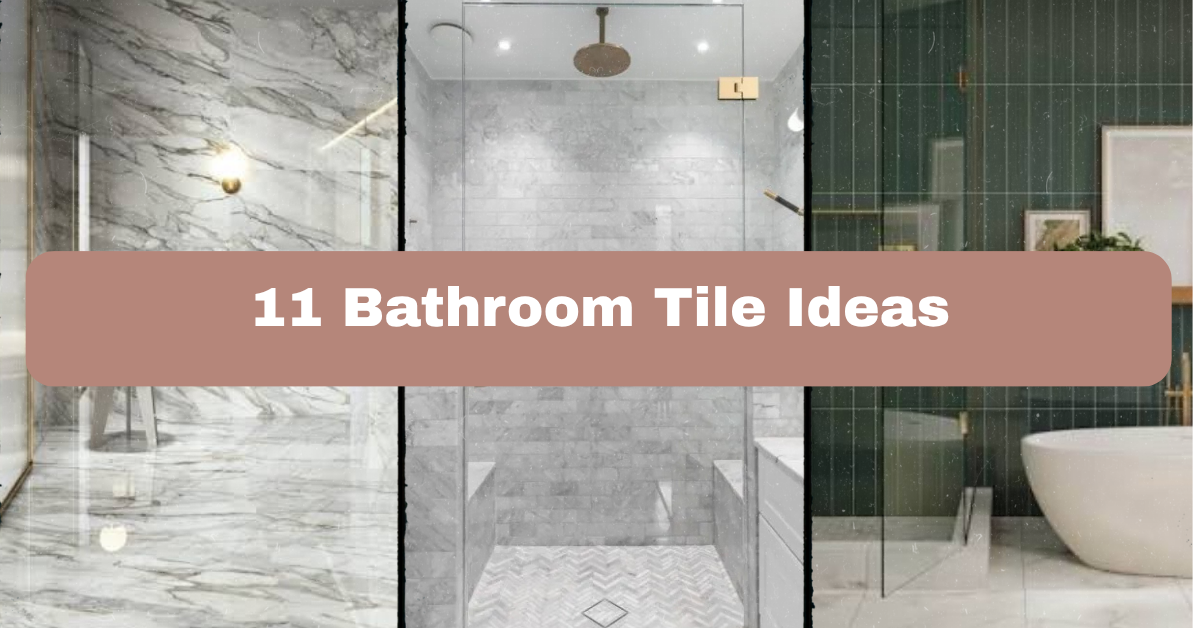
If you’re hunting for 11 bathroom tile ideas that actually work in real homes (not just magazine shoots), you’re in the right spot. I’ve dug through what actually holds up in daily use, what looks dated in five years, and what still turns heads at resale time. This isn’t a guess-and-check list. It’s built from what designers and homeowners keep coming back to.
Bathroom tile ideas refer to design choices for wall, floor, and shower surfaces using materials like ceramic, porcelain, natural stone, or glass. The right tile choice affects durability, moisture resistance, maintenance, and the overall style of a bathroom space.
Stick with me and I’ll walk you through patterns, colors, layouts, and a few mistakes I see way too often. Some of these ideas might completely change how you picture your next bathroom project.
Why Tile Choice Makes or Breaks a Bathroom
Here’s the thing about bathrooms: they’re small rooms that get a lot of visual attention. Every surface is close to your face. Every grout line shows. So the tile you pick isn’t just decoration, it’s doing real work. It handles water, humidity, and daily wear that no other room in your house deals with.
I think of bathroom tile like the foundation of an outfit. You can add fancy fixtures and pretty towels, but if the tile is wrong, nothing else saves the room. The good news? You’ve got way more options now than the beige 4×4 squares your parents probably had. Let’s get into the ideas.
1. Go Bold With Large-Format Porcelain Slabs
Big tiles make small bathrooms feel bigger. That’s not a myth, it’s just math. Fewer grout lines mean fewer visual breaks, so your eye reads the space as one continuous surface instead of a chopped-up grid.
Large-format porcelain, think 24×48 inches or bigger, has become a favorite for shower walls and floors. It’s low-maintenance since there’s less grout to clean, and it comes in finishes that mimic marble or concrete without the upkeep headaches.
Practical tip: Ask your installer about slab weight and subfloor support before committing. Bigger tiles need a flatter surface underneath, or they’ll crack.
This style leans modern and minimalist, but it also works in traditional bathrooms if you pick a warmer stone-look finish. Next up, let’s talk about a pattern that’s having a serious moment right now.
2. Try a Herringbone Pattern on the Shower Floor

Herringbone isn’t new, but it’s back in a big way. This zigzag layout uses small rectangular tiles arranged at angles, creating movement and texture underfoot. It’s especially popular in curbless or walk-in showers where the floor is basically on display.
The pattern works great with subway tile walls above it, creating contrast between straight lines and angled ones. Choose a matte finish for the floor since it’s safer when wet.
Practical tip: Herringbone requires more cuts and labor, so budget extra for installation time. It’s not a weekend DIY project unless you’ve tiled before.
Coastal and farmhouse bathrooms love this pattern in white or cream tones. Traditional spaces can use it with warmer terracotta shades. From patterns, let’s move to something that changes the whole mood of the room: color.
3. Add Depth With Deep Green or Navy Tile
Dark tile in a bathroom used to feel risky. Now it’s one of the most requested looks I see. Deep green, forest, olive, and navy blue tiles create a cozy, almost spa-like atmosphere that light colors just can’t match.
These colors pair beautifully with brass or matte black fixtures. They also hide water spots better than pure white tile, which is a nice bonus if you hate scrubbing every week.
Practical tip: Balance dark tile with good lighting. Add a few sconces or a skylight if you can, otherwise the room can feel like a cave.
Dark tile fits modern, moody, or even traditional English-style bathrooms depending on the fixtures you pair with it. Now let’s lighten things up with a texture-focused idea.
4. Use Zellige Tile for Handmade Character
Zellige is a Moroccan clay tile known for its imperfect, slightly wavy surface. Each piece reflects light a little differently, which gives walls a handmade, artisan feel that mass-produced tile just can’t fake.
It’s usually used as an accent, like a shower niche, backsplash, or single feature wall, because it’s pricier than standard ceramic. Colors range from soft white to deep cobalt blue.
Practical tip: Order a few extra tiles beyond what you need. Zellige has natural variation, and you’ll want options to mix and match during installation.
This style shines in bohemian, Mediterranean, or eclectic bathrooms. It can also soften an otherwise stark modern space. Let’s compare a few tile materials so you can see how they stack up side by side.
Tile Material Comparison
| Material | Average Cost per Sq Ft | Water Resistance | Maintenance Level | Best Use |
|---|---|---|---|---|
| Ceramic | $2–$7 | Good | Low | Walls, floors |
| Porcelain | $3–$10 | Excellent | Low | Showers, floors |
| Natural Stone | $7–$25 | Fair (needs sealing) | High | Accent walls |
| Zellige | $15–$30 | Good | Medium | Accents, backsplashes |
| Glass Tile | $10–$35 | Excellent | Medium | Shower walls, niches |
Now that you know your material options, let’s talk about a layout trick that makes tiny bathrooms feel taller.
5. Run Tile Vertically to Add Height

If your bathroom feels short or cramped, vertical tile placement can trick the eye into seeing more height. Instead of laying tiles in a standard horizontal stack, you turn the pattern so it runs floor to ceiling.
This works especially well with subway tile or narrow plank-style tile. Stack them in a straight vertical line rather than brick-style offset for the strongest visual pull upward.
Practical tip: Pair vertical tile with a simple, light grout color so the lines read clean and don’t distract from the height effect.
This trick works in almost any style, modern, traditional, even coastal, because it’s about geometry, not aesthetics. Speaking of geometry, let’s look at a bolder pattern choice next.
6. Install Hexagon Tile for a Playful Touch
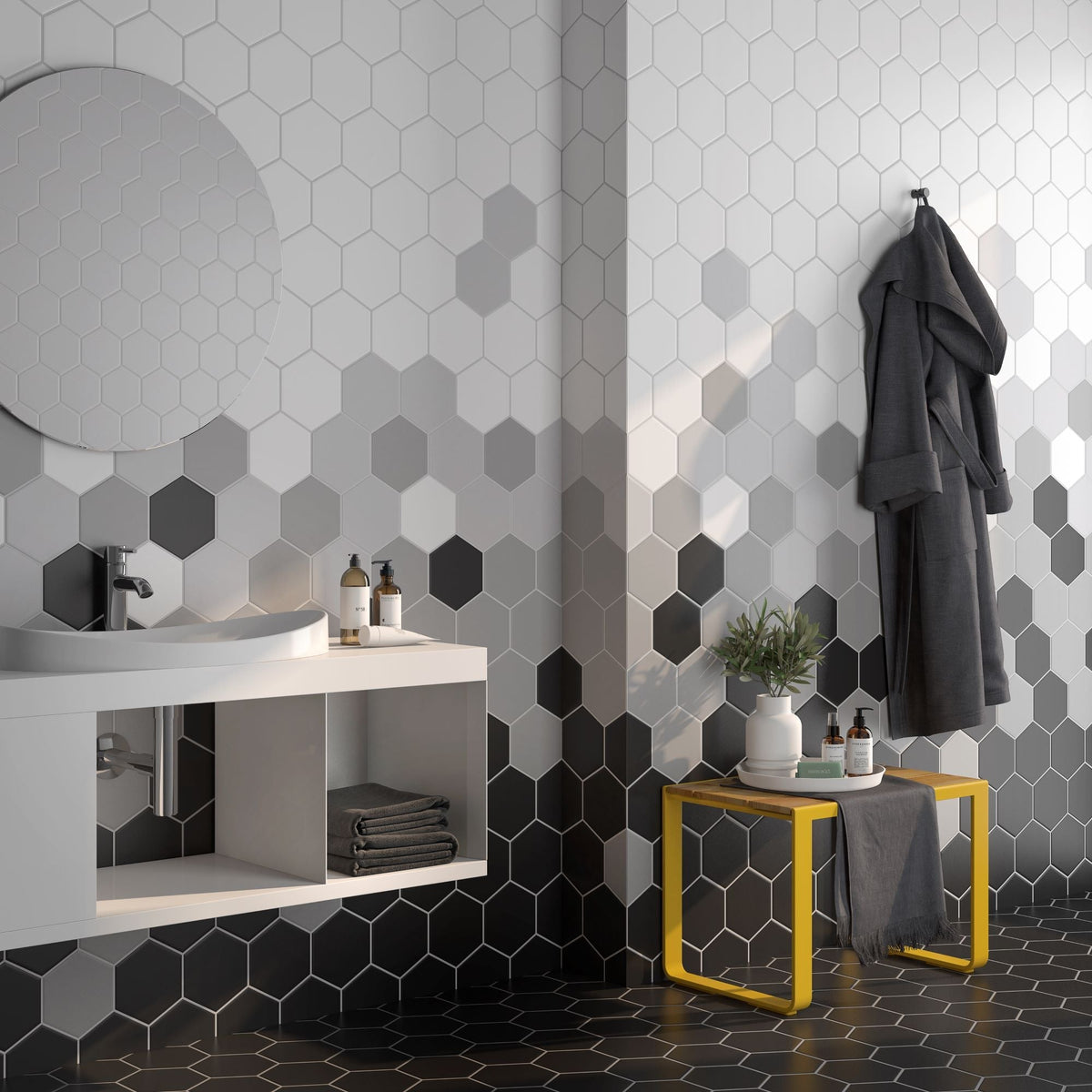
Hexagon tile brings a geometric, slightly retro vibe that never really goes out of style. Small hexagon mosaics work great on bathroom floors, especially in black and white combos that feel classic without looking boring.
Larger hexagon tiles, on the other hand, feel more modern and are often used on walls or as a shower floor upgrade. They come in matte, glossy, and stone-look finishes.
Practical tip: Small hexagon mosaics usually come pre-mounted on mesh sheets, which makes installation faster and more consistent than individual tiles.
Hexagons fit vintage, farmhouse, and modern bathrooms equally well depending on color choice. Now let’s move from shape to a full design concept: the accent wall.
7. Create a Statement Accent Wall
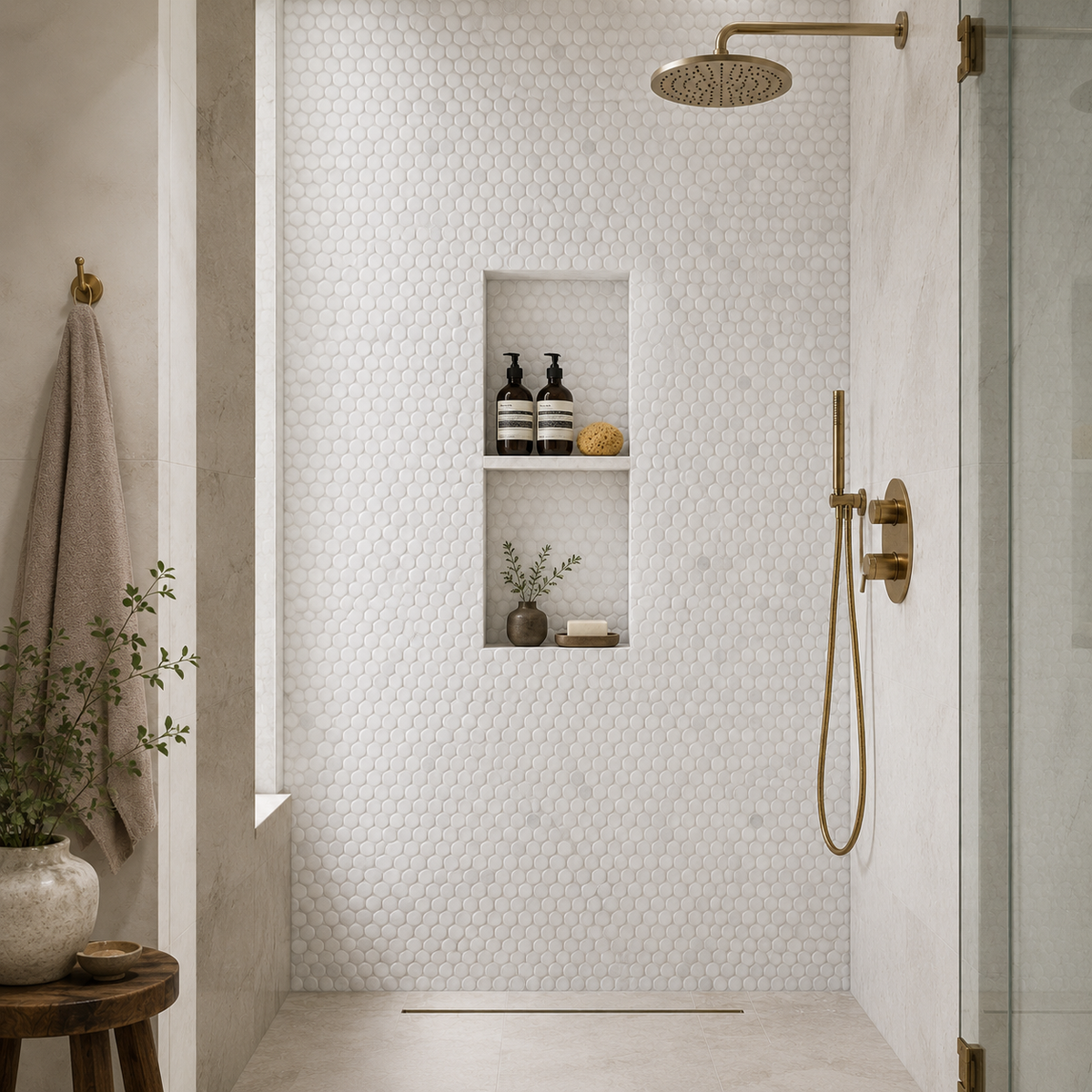
You don’t need to tile the whole bathroom to make an impact. One accent wall, usually behind the vanity or inside the shower, can carry the whole design. This is a smart move if you’re working with a tighter budget but still want that wow factor.
Pick a bold pattern, color, or texture for this wall and keep everything else simple. White subway tile or plain paint on the remaining walls lets the accent wall do all the talking.
Practical tip: The wall behind your vanity mirror is a great spot for an accent because it’s visible every time you walk in, but it’s not exposed to constant water like a shower wall.
This idea flexes across every style since you control the pattern and palette. Now, let’s talk about a finish that’s quietly taking over bathroom design: unglazed and matte tile.
8. Choose Matte Finishes Over Glossy Ones
Glossy tile used to be the default, but matte finishes have taken over for good reason. Matte tile hides water spots, soap scum, and fingerprints way better than shiny surfaces. It also gives off a softer, more modern look.
Matte works especially well on floors since it’s less slippery when wet, which matters a lot in a room where you’re stepping out of a shower with wet feet.
Practical tip: If you want some shine without going full glossy, try a matte tile with a glossy trim or border for contrast.
Matte finishes suit minimalist and Scandinavian-style bathrooms best, but they also work in farmhouse and industrial designs. Let’s shift gears and talk about mixing textures next.
9. Mix Textures With Fluted or Ribbed Tile

Fluted tile, sometimes called ribbed or channel tile, has raised vertical grooves that catch light and shadow in a really satisfying way. It’s become a favorite for shower walls and accent niches because it adds texture without adding pattern or color complexity.
This tile style pairs really well with warm, neutral color palettes like cream, sand, or soft terracotta. It photographs beautifully because the grooves create natural depth.
Practical tip: Keep fluted tile to one wall or a smaller feature area. Using it everywhere can feel overwhelming and hard to clean in every groove.
Fluted tile fits modern, Japandi, and organic modern bathrooms particularly well. Now let’s talk budget, because not every idea here costs the same.
Budget Tiers for Bathroom Tile Projects
| Budget Tier | Total Cost Range (Avg Bathroom) | Typical Tile Choice | What You Get |
|---|---|---|---|
| Budget-Friendly | $800–$2,000 | Ceramic subway, small hex | Clean, classic look |
| Mid-Range | $2,000–$5,000 | Porcelain large-format, matte finishes | Modern, low-maintenance upgrade |
| High-End | $5,000–$12,000+ | Zellige, natural stone, glass mosaic | Custom, designer-level finish |
With cost in mind, let’s look at a smart way to save money while still getting a designer look.
10. Combine Two Tile Types for Visual Interest
You don’t have to pick just one tile. A lot of designers mix a budget-friendly tile for the majority of the space with a pricier tile as an accent. Think ceramic subway tile on most walls with a strip of glass mosaic as a border or niche liner.
This combo approach stretches your budget further while still giving you that high-end, layered look. It also lets you experiment with color and texture without committing your whole budget to one expensive material.
Practical tip: Use the pricier tile in small doses, like a border, niche, or single accent row, so it reads as intentional rather than mismatched.
This works across every style since you’re customizing the combo yourself. Now let’s talk about a trend that brings the outdoors in: stone-look porcelain.
11. Use Stone-Look Porcelain for a Natural Feel
Real marble and travertine look gorgeous, but they’re expensive and need regular sealing to avoid staining. Stone-look porcelain gives you that same organic, veined appearance without the maintenance headache.
These tiles use advanced printing technology to replicate natural stone patterns so closely that most people can’t tell the difference until they touch it. You get the beauty without the babysitting.
Practical tip: Look for porcelain with varied veining across multiple tiles, not just one repeated pattern, so the floor doesn’t look obviously fake.
This style fits traditional, modern, and transitional bathrooms equally well. And with that, you’ve got a full lineup of ideas to work with.
Tips for Success
- Always order 10-15% extra tile to cover cuts, breaks, and future repairs.
- Test tile samples in your actual bathroom lighting before buying in bulk. Store lighting can make colors look totally different.
- Choose slip-resistant tile with a higher friction rating for shower and bathroom floors, especially if kids or older adults use the space.
- Don’t skip waterproofing membrane under shower tile. It’s not optional if you want to avoid leaks down the road.
- Match your grout color carefully. Lighter grout shows dirt fast, darker grout can stain lighter tile over time.
- Plan your layout on paper first, especially with patterns like herringbone, so you’re not guessing during installation.
Common Mistakes and How to Avoid Them
Skipping a layout plan
: Jumping straight into installation without mapping out the pattern leads to awkward cuts at corners. Sketch your layout first, or ask your tile setter to do a dry layout before grouting.
Choosing glossy tile for the floor
: Glossy floor tile gets dangerously slippery when wet. Stick to matte or textured finishes for any floor that gets wet regularly.
Ignoring grout width and color
: Grout lines that are too thick or the wrong color can make even nice tile look messy. Thinner grout lines and a color close to your tile usually look cleanest.
Overdoing patterns in a small space
: Too much pattern in a tiny bathroom can feel chaotic instead of stylish. Save bold patterns for one wall or the floor, not both.
Forgetting about long-term maintenance
: Some beautiful materials, like natural stone, need regular sealing and gentle cleaners. Know the upkeep before you fall in love with a look.
Similar Variations
- Spa-Style Bathroom: Focuses on natural stone, neutral tones, and soft lighting for a calming retreat feel.
- Vintage Revival Bathroom: Uses classic hexagon or penny tile in black, white, and pastel color combos.
- Industrial Loft Bathroom: Pairs concrete-look porcelain with exposed pipes and matte black fixtures.
- Coastal Cottage Bathroom: Leans on light blues, whites, and beadboard-style tile for a breezy feel.
- Modern Farmhouse Bathroom: Combines subway tile, shiplap accents, and warm wood tones for a cozy but clean look.
Picking the right tile really comes down to how you live, how much upkeep you’re willing to do, and the mood you want to walk into every morning. Whether you go bold with dark colors or keep it classic with subway tile, the goal is a bathroom that feels like yours, not a showroom copy. I hope these 11 bathroom tile ideas gave you a clearer picture of what’s possible for your next renovation.
Leave a Reply