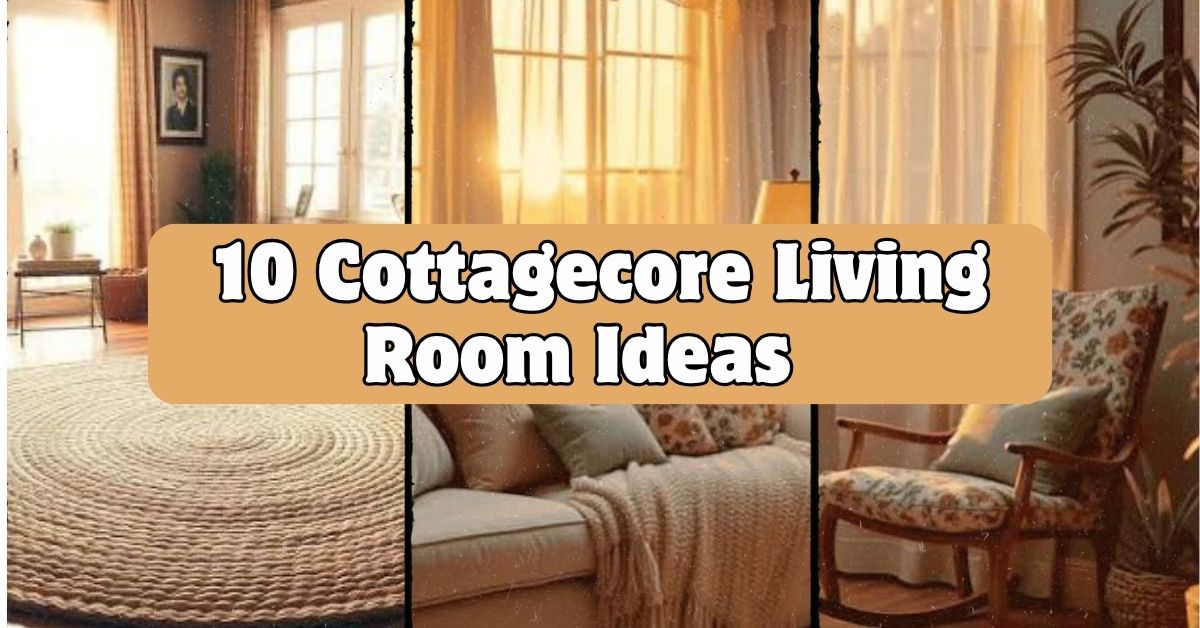
If you’ve been searching for 10 cottagecore living room ideas that actually work in real homes (not just Pinterest fantasy land), you’re in the right spot. I’ve spent way too many hours falling down design rabbit holes, and I’m about to hand you everything I’ve learned. No fluff, just the good stuff.
Cottagecore is a design style rooted in rural, old-fashioned charm. It blends vintage furniture, natural materials, floral patterns, and soft colors to create a cozy, nostalgic living space that feels like a countryside cottage.
Ready for the fun part? Stick around because I’m about to walk you through a dozen ways to turn your living room into the coziest little escape you never knew you needed.
What Even Is Cottagecore, Anyway?
Okay, so before we jump into the list, let’s chat about what cottagecore actually means. Think grandma’s farmhouse but way cuter and way less musty. It’s all about slowing down, embracing imperfection, and surrounding yourself with things that feel handmade and lived-in.
Picture soft linens, dried flowers in mason jars, and furniture that looks like it has a story to tell. It’s not about spending a ton of money. It’s about creating warmth. Honestly, it’s the opposite of those cold, sterile modern spaces you see all over social media. Cottagecore says “come sit down, stay a while, have some tea.”
1. Start With a Warm, Neutral Color Palette
Your walls set the mood for everything else. Cottagecore loves soft, warm tones like buttery cream, sage green, dusty rose, and warm terracotta. Skip the stark whites and cool grays. They feel too modern and clinical for this vibe.
Paint your walls a soft cream or pale sage, then let your furniture and decor add pops of color. A practical tip: test paint samples on your wall at different times of day before committing. Light changes everything.
This palette adapts well too. Traditional homes can go deeper with olive and rust. Modern farmhouse spaces might stick to lighter creams with black accents. Once your base color is set, you’re ready to bring in the furniture that’ll really make the room feel like a cottage.
2. Choose Furniture With Curves and History
Straight lines and sleek metal? Not here. Cottagecore furniture has curves, carved details, and a worn-in feel. Think of a wooden armchair with rolled arms or a coffee table with turned legs.
Secondhand shops are goldmines for this. You don’t need brand-new pieces. Actually, older furniture often looks better because it already has character built in. A tufted sofa in a faded floral fabric or a rocking chair by the window works perfectly.
Quick tip: hit up estate sales before furniture stores. You’ll find unique pieces for way less money.
This idea flexes easily too. Coastal homes might pick weathered white wood. Traditional spaces can lean into darker, ornate carvings. Once your furniture is settled, it’s time to think about what covers it.
3. Layer Soft Textiles Everywhere
Cottagecore rooms feel huggable. That softness comes from textiles. Think quilts draped over the sofa, knit throws on chairs, and embroidered pillows piled high.
Mix patterns like gingham, florals, and stripes. They shouldn’t match perfectly. That’s part of the charm. A practical move: grab a few vintage quilts from thrift stores and layer them on your couch for instant texture and warmth.
This works in almost any style home. Modern spaces can use one bold quilt as a statement piece instead of layering several. Now that your textiles are cozy, let’s talk about what goes on the floor.
4. Add a Braided or Woven Rug
Bare floors feel too stark for this style. A braided rug or a woven jute rug adds warmth and texture without overpowering the room. Look for rugs in oatmeal, moss green, or faded red tones.
These rugs are durable too, which is great if you’ve got kids or pets running through the living room. Practical tip: layer a smaller vintage-style rug on top of a larger jute rug for extra depth and visual interest.
Coastal homes might swap in a lighter, more textured sisal rug. Traditional homes could go with a patterned wool rug instead. Once your floor feels right, your eye naturally moves up to the walls.
Rug Material Comparison for Cottagecore Rooms
| Material | Feel | Best For | Price Range |
|---|---|---|---|
| Jute | Rough, natural | High-traffic areas | $50-150 |
| Braided Wool | Soft, thick | Living rooms, bedrooms | $100-300 |
| Cotton Rag | Light, washable | Small spaces, kitchens | $30-80 |
| Sisal | Textured, durable | Entryways, sunrooms | $80-200 |
5. Hang Botanical or Vintage Art
Walls in a cottagecore living room aren’t blank. They’re covered in things that feel personal. Botanical prints, pressed flower art, or vintage-style landscape paintings all work beautifully here.
Frame these in mismatched wooden frames for that collected-over-time feel. A tip that works every time: visit flea markets for old frames, then swap out the art inside with prints you actually love.
This idea shifts easily across styles. A modern space could use one large botanical print instead of a gallery wall. Traditional rooms might add family portraits in ornate gold frames. Speaking of walls, let’s talk about what else can live there.
6. Install Open Shelving for Charm and Storage
Open shelves let you show off your cottagecore treasures. Stack books, display pottery, or line up little glass jars filled with dried herbs. It’s functional and pretty at the same time.
Use wood shelves instead of metal ones. They feel warmer and fit the aesthetic way better. Practical tip: don’t overfill your shelves. Leave breathing room so each item actually gets noticed.
This adapts nicely too. Coastal homes could add seashells and driftwood. Modern farmhouse spaces might mix in black metal brackets for contrast. Now let’s brighten things up with some lighting.
7. Use Warm, Ambient Lighting
Harsh overhead lighting kills the cottagecore mood instantly. Swap it out for warm-toned bulbs and multiple light sources like table lamps, string lights, and candles.
A vintage brass lamp with a fabric shade adds instant warmth. Practical tip: use bulbs labeled “soft white” or “warm white” (around 2700K) for that golden, cozy glow instead of bright white light.
This works across all home styles honestly. Even ultra-modern spaces benefit from warmer lighting choices. Once your lighting feels right, let’s bring in some greenery.
8. Fill the Room With Potted Plants and Dried Florals
Nothing says cottagecore quite like plants. Ferns, ivy, and herbs in terracotta pots bring life into the space. Dried flowers in mason jars or vintage vases add a rustic touch too.
Mix fresh and dried together for variety. Practical tip: hang a small bundle of dried lavender or eucalyptus upside down near a window for natural decor that also smells amazing.
Traditional homes might prefer more formal arrangements in ceramic urns. Coastal spaces could swap in dried sea grasses instead. With your greenery in place, let’s think about window treatments.
9. Dress Windows With Soft, Airy Curtains
Skip heavy blackout curtains. Cottagecore windows want light, breezy fabric that lets sunshine filter through. Think white linen, floral cotton, or lace panels.
Curtain rods can be simple wood or wrought iron for that farmhouse touch. Practical tip: hang your curtain rod a few inches above the window frame to make ceilings feel taller and windows feel bigger.
This idea flexes well across styles too. Modern homes might choose plain linen without pattern. Traditional spaces could add tasseled tiebacks for extra detail. Now let’s talk about a small but mighty detail: hardware.
10. Swap Hardware for Vintage-Style Pulls and Knobs
If your living room has built-in cabinets or a media console, don’t overlook the hardware. Small brass knobs or ceramic pulls instantly transform a plain piece into something that feels cottagecore.
This is a cheap, easy update too. Practical tip: check antique shops for mismatched vintage knobs. The imperfection actually adds charm instead of looking sloppy.
Coastal homes might prefer glass knobs instead. Modern farmhouse spaces often go with matte black hardware for contrast. Speaking of small details, let’s chat about displaying collections.
11. Display Collected Items Like Books and Pottery
Cottagecore rooms feel personal because they show off things you’ve gathered over time. Stack old hardcover books with worn spines. Display handmade pottery or ceramic bowls on your coffee table.
These items don’t need to match. In fact, they shouldn’t. Practical tip: group collections in odd numbers (like three or five items) for a more natural, curated look instead of a stiff, symmetrical one.
This works in any home style. Modern spaces might display fewer items with more negative space around them. Traditional homes can pile on more without it feeling cluttered. Now let’s talk about a detail people often skip: scent.
12. Add Natural Scents Through Candles and Herbs
Cottagecore isn’t just visual. It’s sensory too. Beeswax candles, dried herb bundles, and simmering pots of cinnamon or citrus on the stove all add to the atmosphere.
Skip synthetic, overly sweet candle scents. Go for something that smells like a garden or a bakery instead. Practical tip: keep a bundle of dried rosemary or lavender near your seating area. Brush against it occasionally to release the scent naturally.
This idea barely changes across styles since scent is universal. Every home style can benefit from warm, natural fragrances. Now that we’ve covered the big ideas, let’s talk budget.
Cottagecore Living Room Budget Breakdown
| Budget Tier | Total Spend | What You Get |
|---|---|---|
| Starter | $200-400 | Thrifted textiles, dried flowers, secondhand frames |
| Mid-Range | $500-1,200 | One statement furniture piece, new rug, curtains |
| Full Room | $1,500-3,000 | New sofa, vintage-style lighting, custom shelving |
| Splurge | $3,500+ | Antique furniture pieces, custom millwork, designer textiles |
Tips for Success
- Shop secondhand first. Cottagecore thrives on items with history, and thrift stores are packed with perfect pieces.
- Don’t rush the room. This style looks best when it feels collected over months or years, not bought all at once.
- Mix patterns confidently. Florals, stripes, and checks can coexist if the color palette stays consistent.
- Keep some negative space. Too much clutter tips the room from cozy into chaotic.
- Prioritize natural materials like wood, cotton, and linen over plastic or synthetic fabrics.
- Let imperfections shine. A slightly worn rug or a chipped vase adds authenticity, not flaws.
- Test lighting at night. A room can look totally different once the sun goes down.
Common Mistakes and How to Avoid Them
Buying everything brand new
: Cottagecore depends on that lived-in feel. Mix in secondhand or vintage pieces so the room doesn’t look staged.
Choosing cool-toned paint colors
: Grays and stark whites clash with the warm, rustic mood. Stick to creams, sages, and warm neutrals instead.
Overcrowding every surface
: Too many trinkets makes the room feel cluttered instead of charming. Group items thoughtfully and leave breathing room.
Skipping texture
: A room with only smooth surfaces feels flat. Add knits, woven baskets, and rough linen for depth.
Using harsh, bright lighting
: Cool white bulbs ruin the cozy vibe instantly. Swap in warm-toned bulbs around 2700K for a golden glow.
Ignoring scale
: Oversized modern furniture can clash with cottagecore’s smaller, curved pieces. Measure your space and choose furniture that fits the room’s proportions.
Similar Variations
- Grandmillennial – A mix of traditional grandma-style decor with modern touches like bold color and updated silhouettes.
- Coastal Cottage – Cottagecore’s charm meets beachy elements like driftwood, linen, and soft blues.
- French Country – Similar rustic warmth but with more ornate details and a European flair.
- Modern Farmhouse – Cleaner lines and neutral palettes with just a touch of rustic cottagecore charm.
- Boho Cottage – Combines cottagecore’s coziness with boho’s eclectic patterns and layered textures.
- Rustic Prairie – Leans into homesteading vibes with wood beams, gingham, and vintage farm tools as decor.
Cottagecore isn’t about perfection. It’s about creating a space that feels warm, lived-in, and a little bit magical. Once you start layering in soft textiles, warm lighting, and secondhand furniture with character, the whole room comes together naturally. You don’t need a big budget or a huge house to pull this off either. Just a little patience and an eye for cozy details will get you there.
So whether you’re starting from scratch or slowly updating what you already own, these 10 cottagecore living room ideas give you a real roadmap to follow. Pick a few that speak to you, start small, and watch your space transform into the cozy retreat you’ve been dreaming about.
Leave a Reply