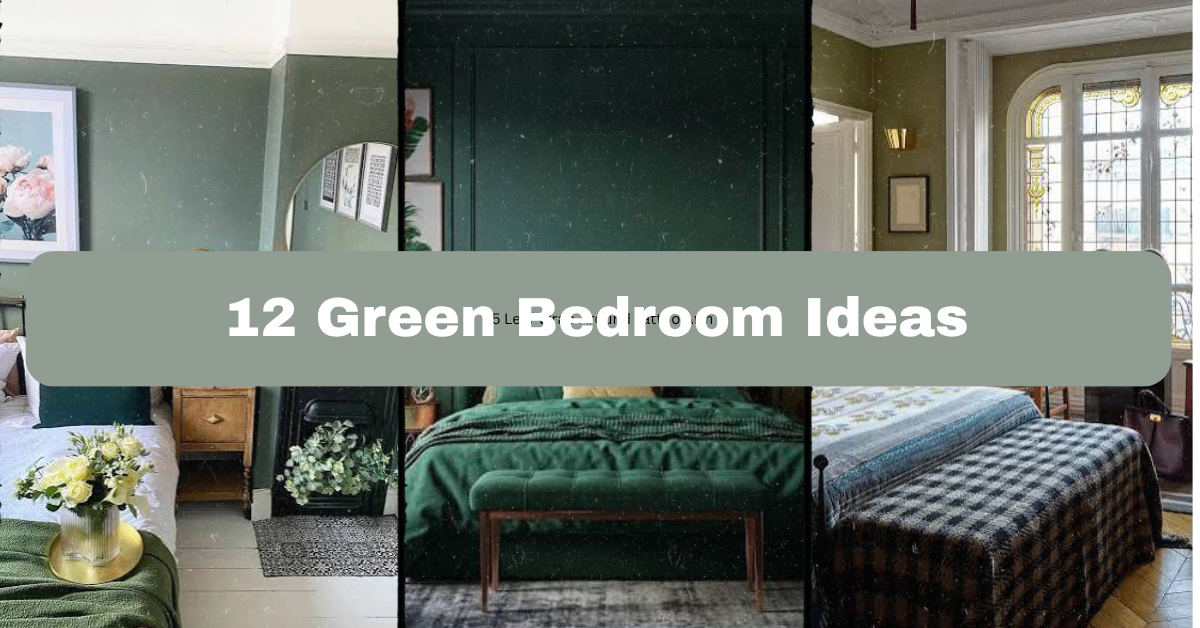
If you’re hunting for 12 Green Bedroom Ideas that actually work in real homes (not just fancy magazine shoots), you’ve landed in the right spot. I’ve spent way too many hours staring at paint swatches and pinning bedroom photos, so I know exactly what makes a green bedroom feel calm instead of chaotic.
Green bedroom design uses shades of green as the dominant color for walls, textiles, or accents to create a calming, nature-inspired sleep space. The right green tone can make a room feel restful, grounded, and connected to the outdoors without overwhelming the space.
Stick with me and I’ll walk you through a dozen ways to bring green into your bedroom, plus the mistakes that trip up most people.
Why Green Bedrooms Are Having a Moment
I get why green is everywhere right now. It’s the color of plants, forests, and fresh grass, so it just feels good to look at. Unlike bold colors that scream for attention, green kind of whispers. It sits in the background and lets you relax.
There’s also a ton of variety here. Sage, olive, forest, emerald, mint. Each one gives off a totally different mood. Sage feels soft and dreamy. Forest green feels cozy and grounded. That range is what makes green such a flexible pick for a bedroom, no matter your personal style.
1. Paint the Walls in Soft Sage Green
Sage green is the easiest way to start if you’re nervous about color. It’s muted, a little gray, and it never feels harsh under any lighting.
I like it because it pairs with almost every wood tone, from light oak to dark walnut. Your furniture doesn’t need to match perfectly, which takes a lot of pressure off.
Practical tip: test the paint on a poster board and move it around your room for two days before committing. Light changes color more than people expect.
This shade works in modern minimalist rooms and old farmhouse bedrooms alike. It’s basically a chameleon color.
Once your walls are set, you’ll want the rest of the room to support that calm vibe, which brings me to bedding.
2. Layer Deep Emerald Bedding for a Luxe Feel
If your walls are neutral, emerald bedding can be the star. This color feels rich and a little glamorous, almost like velvet curtains in an old theater.
Go for a quilt or duvet in emerald, then keep your sheets white or cream underneath. That contrast makes the green pop without taking over the whole room.
Quick tip: choose a matte cotton or linen blend instead of shiny satin. Shiny fabric can make deep green look almost black in low light.
This idea shines in traditional and glam bedrooms, but a simple emerald throw blanket softens it for modern spaces too.
Speaking of texture, let’s talk about what goes on the floor next.
3. Add a Botanical Print Rug Underfoot
A rug with leafy or botanical patterns pulls green into the room without another can of paint. It’s a low-commitment way to test the color trend.
Look for rugs that mix a few shades of green with cream or tan backgrounds. That combo keeps the floor from feeling too busy next to your bed and nightstands.
Actionable tip: measure your bed frame and buy a rug that extends at least 18 inches past each side. This keeps your feet on something soft when you get up.
Coastal bedrooms love this trick with palm leaf patterns, while traditional rooms lean toward vine or floral motifs instead.
Now that the floor has some life to it, let’s bring in a piece of statement furniture.
4. Choose a Green Velvet Headboard
A headboard is basically jewelry for your bed. A green velvet one instantly makes the whole room feel more finished.
Velvet catches light in a soft way, so even a bold shade like hunter green looks inviting instead of harsh. It also softens a room full of hard furniture edges.
Practical tip: pick a channel-tufted or button-tufted style if your room already has a lot of straight lines. The texture breaks things up nicely.
This works beautifully in glam and transitional bedrooms. Farmhouse fans can go for a linen version in a lighter green instead of velvet.
With your headboard as a focal point, it’s time to think about what hangs above it.
Green Shade Comparison for Bedrooms
| Shade | Mood It Creates | Best Room Style | Pairs Well With |
|---|---|---|---|
| Sage Green | Calm, airy | Modern, Scandinavian | White, light wood, blush pink |
| Olive Green | Earthy, grounded | Boho, rustic | Terracotta, mustard, rattan |
| Emerald Green | Luxe, dramatic | Glam, traditional | Gold, brass, cream |
| Forest Green | Cozy, warm | Cabin, traditional | Deep browns, plaid, leather |
| Mint Green | Fresh, playful | Coastal, kids’ rooms | White, light blue, natural wood |
5. Hang Framed Botanical Art Above the Bed
A gallery of leaf prints or plant sketches gives your eyes something interesting to land on. It’s an easy swap if you’re renting and can’t paint the walls.
Stick to three or five frames in matching or similar styles so it feels curated instead of random. Odd numbers just look more balanced on a wall.
Tip: hang the center of your art arrangement at eye level when standing, roughly 57 to 60 inches from the floor. That’s the standard gallery height and it works in bedrooms too.
Modern rooms look great with simple black frames, while traditional spaces do well with ornate gold ones.
Once your walls have some art, real greenery is the next natural step.
6. Bring in Real or Faux Potted Plants
This one feels almost too obvious, but it works. A few plants tie the whole green theme together and make the room feel alive.
Snake plants and pothos are nearly impossible to kill, so they’re perfect for beginners or people who forget to water things (me, most weeks). If you don’t want the upkeep, high quality faux plants look shockingly real these days.
Actionable tip: group plants in odd numbers of two or three different heights. Uneven groupings look more natural than a straight line of matching pots.
Coastal and boho bedrooms practically demand plants, but even a sleek modern room gets warmer with one or two green leaves in the corner.
Plants bring life, but you’ll also want something soft to sink your feet into.
7. Use a Chunky Knit Throw in Moss Green

A moss green throw blanket adds texture without adding more color complexity. Drape it across the foot of the bed or over a reading chair.
Chunky knits look expensive even when they’re not. They also photograph beautifully if you’re someone who likes to style your bed for the ‘gram.
Tip: fold the throw in thirds and lay it diagonally across the bed corner instead of straight across. It looks more relaxed and less staged.
This works in every style, honestly. Farmhouse, modern, coastal, even minimalist rooms can handle one cozy textured piece.
Now let’s talk about a bigger commitment: the accent wall.
8. Create a Forest Green Accent Wall
If a full room of green feels like too much, just do one wall. The wall behind your headboard is usually the best spot because it frames the bed like a piece of art.
Forest green accent walls feel rich and cozy, almost like a cabin retreat. Keep the other three walls white or a soft cream so the room doesn’t feel like a cave.
Practical tip: use a matte or eggshell finish instead of glossy paint. Glossy finishes bounce light in a way that can look plasticky on deep colors.
This idea flexes well between modern farmhouse and traditional bedrooms. Coastal spaces usually skip this one since it can feel a bit heavy for that airy vibe.
Walls are one thing, but window treatments change a room just as much.
9. Dress Windows in Olive Linen Curtains

Curtains are an underrated way to bring color into a room without a big commitment. Olive linen curtains add warmth and texture while still feeling neutral enough to live with long term.
Linen also does a nice job of softening harsh daylight, which helps if your bedroom windows face east or west.
Tip: hang curtain rods a few inches above the window frame and let the curtains skim the floor. This trick makes ceilings look taller than they actually are.
Boho and rustic bedrooms love the natural texture of linen. Modern rooms can use the same color in a smoother cotton blend instead.
Let’s shift now from soft fabrics to something with a little more shine.
10. Mix In Brass or Gold Hardware Accents
Green and metallic gold are basically best friends. The warmth of brass keeps green from feeling too cool or sterile.
Swap out drawer pulls, lamp bases, or mirror frames for brass versions. Even small changes like this add up fast.
Actionable tip: stick to one metal finish throughout the room. Mixing brass with silver and chrome in the same space usually looks unplanned rather than eclectic.
Traditional and glam bedrooms lean into brass heavily, while modern rooms often prefer a matte gold for a more subtle effect.
Once your metals are sorted, think about how you’re layering your green tones together.
Budget Tiers for Adding Green to a Bedroom
| Budget Level | What You Can Do | Estimated Cost |
|---|---|---|
| Low ($0-$50) | Throw pillows, one plant, curtain swap | $20-$50 |
| Mid ($50-$300) | Accent wall paint, area rug, new bedding set | $100-$300 |
| High ($300-$1000+) | Upholstered headboard, custom curtains, new furniture piece | $400-$1000+ |
11. Combine Two Greens for Depth
One shade of green can look flat after a while. Mixing two, like sage walls with olive pillows, gives the room more depth and visual interest.
The trick is picking greens from the same “family,” meaning they share similar warm or cool undertones. A cool sage doesn’t always play nice with a warm olive.
Tip: hold paint chips or fabric swatches next to each other in natural daylight before buying anything. Store lighting can trick your eyes.
This layered approach works especially well in transitional bedrooms that blend modern and traditional pieces.
Speaking of pieces, let’s not forget the small stuff that ties a room together.
12. Add Ceramic or Glass Green Decor Pieces
Small decor items, like a green glass vase or ceramic lamp base, are an easy final touch. They let you test the color trend without any real risk.
Place them on nightstands, dressers, or a floating shelf. These little pops of color repeat the green theme in a subtle way that feels intentional.
Practical tip: choose pieces with slightly different textures, like matte ceramic next to shiny glass, so the shelf doesn’t look one-dimensional.
Every bedroom style can handle this idea since it’s low commitment and easy to swap out later if you change your mind.
With all twelve ideas on the table, you’ve got plenty of ways to mix, match, and make the green bedroom trend your own.
Tips for Success
- Test paint swatches at different times of day since natural light changes how green looks dramatically between morning and night.
- Balance dark greens with light neutrals like cream, white, or light wood so the room doesn’t feel closed in.
- Add at least one natural texture, like linen, wood, or rattan, to keep a green room from feeling flat or too polished.
- Keep your lighting warm (soft white bulbs) rather than cool white, since cool light can make green feel sterile or clinical.
- Don’t skip the ceiling. A pale green ceiling paint, sometimes called a “ceiling wash,” can make a room feel taller and more finished.
- Save your boldest green shade for the smallest surface area, like a headboard or accent wall, instead of all four walls.
Common Mistakes and How to Avoid Them
Using too many green shades at once
: Stick to two or three shades max in one room so it doesn’t feel like a jungle gone wrong.
Choosing green without checking undertones
: Some greens lean yellow, others lean blue. Compare swatches side by side before buying paint or fabric.
Skipping a neutral anchor color
: Every green bedroom needs some white, cream, or beige to give your eyes a place to rest.
Forgetting about lighting temperature
: Cool LED bulbs can make warm greens look muddy. Stick with warm white bulbs around 2700K to 3000K.
Painting a small room in a dark green with no contrast
: Small rooms need at least one light surface, like white trim or ceiling, to avoid feeling cramped.
Similar Variations
- Sage and Terracotta Bedroom: Pairs muted green with warm clay tones for an earthy, boho feel.
- Forest Cabin Bedroom: Deep green walls mixed with plaid textiles and wood beams for a cozy retreat vibe.
- Coastal Green Bedroom: Mint and seafoam shades combined with white and natural rattan for a beachy look.
- Botanical Jungle Bedroom: Heavy use of plants and leaf prints layered over green walls for a lush, tropical feel.
- Modern Emerald Bedroom: Sleek furniture lines paired with a single emerald accent wall for a bold, contemporary statement.
- Vintage Olive Bedroom: Olive green walls paired with antique wood furniture and brass details for a retro charm.
Green bedrooms work because they borrow something calming from nature and bring it right into your sleep space. Whether you go bold with an emerald headboard or keep it simple with a sage accent wall, the key is balancing your greens with warm neutrals and good lighting. Pick just a couple ideas to start, live with them for a week, then add more as you go. That’s really all it takes to pull off any of these 12 Green Bedroom Ideas in a way that feels like home.
Leave a Reply