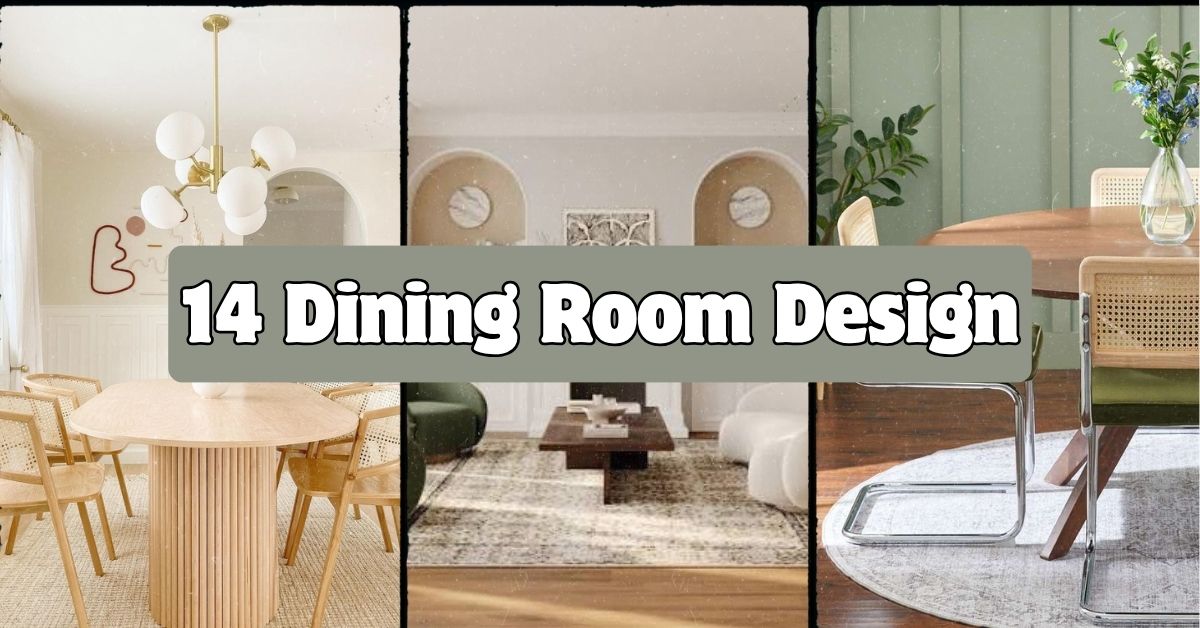
I’ve put together this guide on 14 dining room design ideas because I know how hard it is to find real, useful advice instead of the same five photos recycled across every site. This one’s different. I’m going to walk you through actual, workable ideas you can steal for your own space.
A dining room design refers to the layout, furniture, color, and decor choices made to create a functional and visually appealing space for meals and gatherings. The best designs balance comfort, flow, and personal style while keeping the room practical for everyday use.
Stick around, because by the end of this you’ll have more ideas than you know what to do with, plus a few tricks most articles never mention.
What Makes a Dining Room Design Actually Work
Here’s the thing about dining rooms. People treat them like an afterthought. They toss in a table, some chairs, maybe a light fixture, and call it done. But a dining room that really works has a rhythm to it. The furniture fits the space. The colors make sense together. There’s enough light to actually see your food. And it feels like “you,” not like a showroom floor.
I’ve seen tiny dining nooks that feel more inviting than giant formal rooms, just because someone paid attention to the details. That’s really what this whole list is about. Small choices that add up to a room you actually want to eat in.
1. Anchor the Room With a Statement Chandelier

A big light fixture does more work than almost anything else in a dining room. It draws the eye up, sets the mood, and honestly makes the whole space feel finished. Go for something that matches your table’s scale. A tiny pendant over a huge table looks silly.
Try a fixture that’s about two-thirds the width of your table for the best proportion. In a modern home, pick a sleek black or brass geometric design. For traditional spaces, a crystal chandelier still works wonders. Farmhouse rooms look great with a wood-and-metal wagon wheel style.
Once your lighting is locked in, it’s time to think about what’s under all that glow: the table itself.
2. Choose a Table Shape That Fits Your Room’s Flow

Rectangular tables get all the attention, but they’re not always right. Round tables work better in small or square rooms because they don’t have sharp corners eating up walking space. Oval tables split the difference, giving you seating capacity without hard edges.
Measure your room before you fall in love with a table. You want at least 36 inches of clearance on all sides so chairs can pull out without bumping the wall.
Coastal homes tend to favor round tables with a light wood finish. Modern farmhouse rooms lean toward long rectangular tables with bench seating. Whatever shape you pick, make sure it leaves room to actually walk around.
Now let’s talk about what goes around that table.
3. Mix Chair Styles for a Collected Look
Matching chair sets are fine, but mixing styles gives a room personality fast. Try pairing wood chairs on the sides with upholstered chairs at the head and foot of the table. It creates a layered look without much extra effort.
A quick tip: keep the chair heights consistent even if the styles differ, so the table still looks balanced when you step back.
This trick works great in eclectic and traditional homes, but even minimalist spaces can pull it off if you stick to one color family. Mixing textures, like a woven cane chair next to a smooth leather one, adds warmth without adding clutter.
Once your seating is sorted, the walls are your next canvas.
4. Add a Gallery Wall for Personality
A dining room wall doesn’t have to be boring. A gallery wall filled with art, mirrors, or even old family photos gives the space a story. Keep the frames a similar color family so it doesn’t feel chaotic, but let the art itself vary in subject and size.
Actionable tip: lay your frames out on the floor first before hanging anything. It saves you from a wall full of nail holes.
Modern homes look sharp with black-framed prints in a grid pattern. Traditional rooms feel warmer with gold-framed oil paintings hung salon-style, all different sizes clustered together.
Once the walls are dressed up, let’s ground the room with something underfoot.
5. Layer a Woven Rug for Warmth
A rug under the dining table adds texture and defines the space, especially in open-concept homes where the dining area blends into the living room. Go for a low-pile rug so chairs slide easily. Jute and sisal rugs bring natural texture without being hard to clean.
Your rug should extend at least 24 inches beyond the table’s edge on all sides. That way, chairs stay on the rug even when pulled out.
Coastal and boho spaces love a woven jute rug. Modern rooms look sharp with a geometric pattern in muted tones. This layer adds coziness, and it also sets up your color palette for the rest of the room.
Color Palette Combinations by Style
| Style | Wall Color | Accent Color | Rug/Textile Tone |
|---|---|---|---|
| Modern | Warm white | Charcoal black | Muted gray geometric |
| Farmhouse | Soft cream | Sage green | Natural jute |
| Coastal | Light blue-gray | Sandy beige | Woven seagrass |
| Traditional | Deep navy | Gold accents | Rich burgundy |
| Boho | Terracotta | Mustard yellow | Multicolor kilim |
6. Bring in a Statement Buffet or Sideboard
A buffet isn’t just extra storage. It’s a chance to add color, texture, and even display space to your dining room. Use it to hide table linens and serving dishes while showing off a lamp, some artwork, or a stack of good-looking books on top.
If your dining room feels a little empty, a sideboard fills that visual gap fast. Pick one with a finish that contrasts your table, like a dark wood buffet against a light oak table.
In modern rooms, a lacquered buffet with clean lines works best. Traditional rooms love a wood buffet with carved details. This piece also gives you a spot for the next idea: layered decor.
7. Style the Table With a Low Centerpiece
Nothing kills a dinner conversation faster than a centerpiece so tall you can’t see the person across from you. Keep it low. A wide, shallow bowl of fruit, a cluster of small vases, or a simple runner with candles all work great.
Practical tip: keep any centerpiece under 12 inches tall if your guests will be sitting close together.
Coastal tables look great with a bowl of shells or driftwood. Modern tables often go bare except for one bold sculptural piece. Once your table is styled, don’t forget the walls need a little breathing room too.
8. Use Wainscoting or Wall Paneling for Texture

Adding wainscoting or board-and-batten paneling to the lower half of your dining room walls brings instant texture and a custom, high-end feel. It also protects walls from chair scuffs, which is a nice bonus most people don’t think about.
Paint the paneling a slightly different shade than the upper wall for subtle contrast. White paneling with a soft gray upper wall is a classic combo that works almost anywhere.
This detail leans traditional and farmhouse, but painted black, it can feel surprisingly modern too. Once your walls have some texture, curtains are the next easy win.
9. Frame Windows With Simple, Tailored Curtains
Curtains soften a dining room and help control light during meals. Skip anything too fussy. Simple linen panels in a neutral tone let the room breathe while still adding a finished look.
Hang your curtain rod a few inches above the window frame and let panels fall just to the floor. This trick makes ceilings feel taller than they are.
Coastal rooms love white linen curtains that move in the breeze. Modern spaces often skip curtains entirely, going for clean blinds instead. Either way, your window treatment should match the formality of the rest of the room.
Budget Tiers for a Dining Room Refresh
| Budget Tier | Table & Chairs | Lighting | Decor & Rug |
|---|---|---|---|
| Budget ($500-$1,000) | Secondhand table, refinished chairs | Basic pendant light | Affordable jute rug, thrifted art |
| Mid-Range ($1,500-$3,500) | Solid wood table, upholstered chairs | Statement chandelier | Wool blend rug, framed prints |
| High-End ($4,000+) | Custom table, designer chairs | Designer lighting fixture | Hand-knotted rug, original art |
10. Create a Built-In Banquette for Small Spaces

If your dining room is tight on square footage, a built-in banquette solves a lot of problems. It tucks seating against the wall, saves floor space, and adds a cozy, cafe-like feel. Pair it with a smaller round or square table and a couple of chairs on the open side.
Add storage underneath the bench seat if you can. It’s a great spot for table linens or seasonal decor.
Farmhouse and coastal kitchens use this trick all the time. Even modern apartments benefit from a banquette when space is tight. Once seating is solved, let’s talk about the ceiling.
11. Paint or Wallpaper the Ceiling for Drama

The ceiling is the most overlooked surface in most dining rooms. A bold paint color or a subtle wallpaper pattern up there adds instant drama without taking up any floor space. Deep green, navy, or even a soft metallic wallpaper can transform a plain room.
Try painting your ceiling in a color one or two shades darker than your walls for a cocooning effect that makes the room feel intimate at dinner time.
Traditional and eclectic homes tend to embrace this trick the most, but even a modern space can pull off a matte black ceiling if the rest of the room stays simple.
12. Add Open Shelving for Everyday Display

Open shelves in a dining room give you a spot to show off dishware, glassware, or a growing plant collection. They also make the room feel more lived-in and personal compared to closed cabinets.
Keep the styling loose. Stack a few plates, lean a cutting board, add one plant. Overloading shelves makes the room feel cluttered instead of curated.
This idea shines in farmhouse and coastal kitchens attached to open dining spaces. Modern homes can do it too, just with sleeker floating shelves and fewer objects per shelf.
13. Incorporate a Bench for Flexible Seating

A bench on one side of the table adds flexibility that chairs alone can’t match. Kids can squeeze in easier, and guests can shift over without needing to pull out a whole chair. It also gives the room a more relaxed, casual feel.
Pair a wood bench with upholstered chairs on the opposite side for contrast. This mix of textures keeps the table from feeling too matchy.
Farmhouse tables practically demand a bench. Modern dining rooms can use a bench too, especially a low, backless one in leather or boucle fabric.
14. Layer in Plants for a Fresh, Lived-In Feel
A dining room without any greenery can feel a little flat. Even one plant in the corner, or a small potted herb on the table, adds life and softens all the hard surfaces like wood and glass.
Pick low-maintenance plants like pothos or snake plants if your dining room doesn’t get much natural light. They’ll survive even if you forget to water them for a week.
Boho and coastal rooms go heavy on plants, sometimes with several scattered around. Modern rooms usually stick to just one or two sculptural plants for a cleaner look.
Tips for Success
- Measure twice before buying furniture. A table that looks small online can swallow a room in person.
- Layer your lighting with a dimmer switch so the room works for both family dinners and dinner parties.
- Stick to a consistent color story between your dining room and the rooms it connects to, especially in open floor plans.
- Buy one or two quality pieces instead of filling the room with cheap furniture that wears out fast.
- Leave breathing room around the table. Cramped seating makes even a beautiful room feel uncomfortable.
- Rotate your centerpiece and decor seasonally to keep the room feeling fresh without a full redesign.
- Test paint colors at night under your dining room lighting, since colors shift a lot after dark.
Common Mistakes and How to Avoid Them
Buying a table too big for the room
: Measure your space and leave at least 36 inches of clearance on all sides before you buy.
Hanging the chandelier too high or too low
: Keep the bottom of the fixture about 30 to 34 inches above the tabletop for the best balance.
Ignoring the rug size
: Choose a rug that extends past the chairs even when they’re pulled out, usually 24 inches beyond the table edge.
Overdecorating the table
: Keep centerpieces low and simple so conversation flows and the table doesn’t feel cluttered.
Forgetting about lighting layers
: Combine a ceiling fixture with wall sconces or lamps so the room isn’t dependent on one light source.
Matching every single piece of furniture
: Mix textures and finishes slightly so the room feels collected instead of showroom-stiff.
Similar Variations
- Coastal Dining Design: Light woods, woven textures, and a breezy blue-and-white color palette.
- Farmhouse Dining Design: Reclaimed wood tables, black metal accents, and cozy neutral tones.
- Modern Minimalist Dining Design: Clean lines, monochrome colors, and very little clutter on display.
- Traditional Formal Dining Design: Rich wood tones, upholstered chairs, and classic symmetry throughout.
- Boho Eclectic Dining Design: Mixed patterns, warm colors, and a relaxed, collected feel.
- Industrial Dining Design: Metal accents, exposed brick or concrete, and a mix of raw materials.
At the end of the day, a great dining room comes down to small, smart choices that work together instead of fighting each other. Pick a few ideas from this list, mix them with your own style, and you’ll end up with a room that actually feels like yours. That’s the whole point of good 14 Dining Room Design.
Leave a Reply