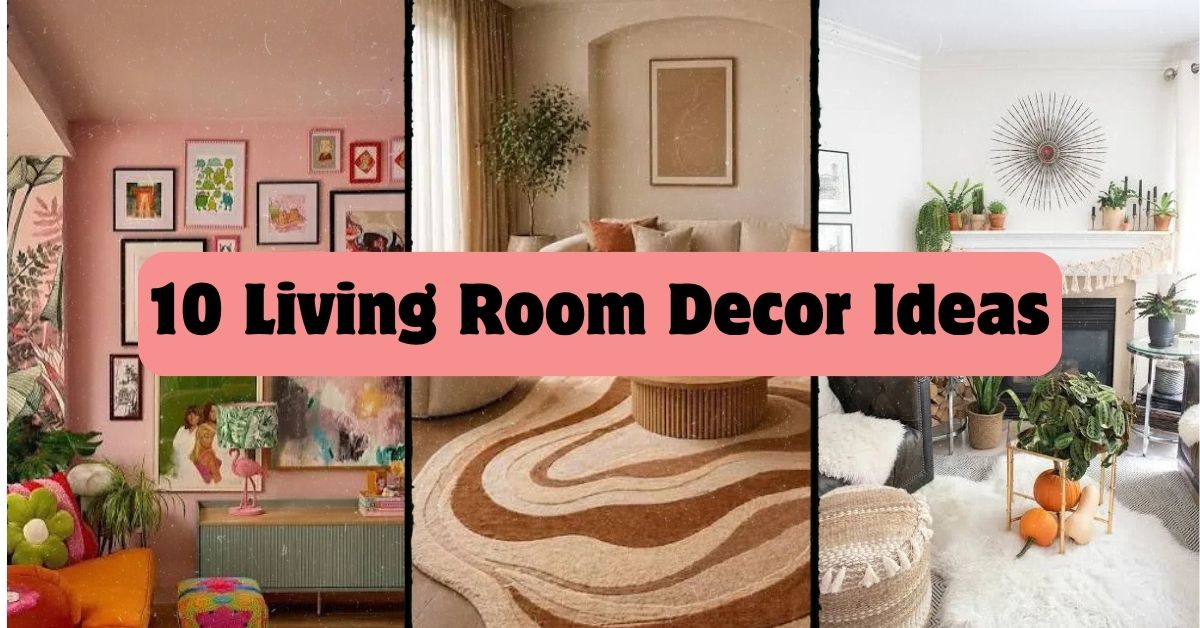
Ever stared at your living room and felt like something’s just… off? You’re not alone, and I’ve got 10 living room decor ideas (plus a few bonus ones) that will actually solve that problem instead of just adding more stuff to look at.
Living room decor refers to the furniture, colors, textures, and accessories used to style a home’s main gathering space. Good decor balances function with visual appeal through layered lighting, cohesive color palettes, varied textures, and purposeful furniture arrangement.
Stick around, because I’m going to walk you through practical changes you can make this weekend, not just pretty pictures that look nice on Pinterest but never work in real life.
What Makes Living Room Decor Actually Work
I used to think decorating meant buying whatever looked good in a store. Big mistake. Real living room decor is about how the space feels when you walk in tired after work, or when five people pile in for movie night. It’s about layering things like lighting, texture, and color so the room has depth instead of feeling flat. The best rooms mix function with style. Your coffee table needs to hold drinks AND look good. Your rug needs to feel soft AND tie the colors together. Once you start thinking this way, decorating gets a lot less overwhelming and a lot more fun.
1. Anchor the Room With a Statement Rug
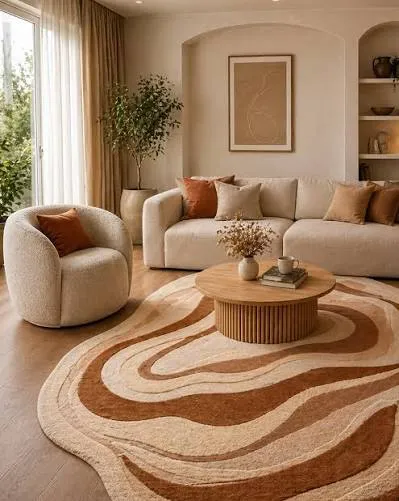
A rug isn’t just something to cover the floor. It’s the foundation that pulls your whole color scheme together. Pick one with a pattern or texture that contrasts with your sofa, then build the rest of your accents around it.
Practical tip: your rug should extend at least a few inches under your front sofa legs so the room doesn’t feel disconnected.
In modern spaces, go geometric. In traditional homes, try a Persian-style print. Coastal rooms love jute or sisal textures. Once your rug is down, you’ll notice how much easier it becomes to pick throw pillows and art that actually match.
2. Layer Lighting Instead of Relying on One Overhead Fixture
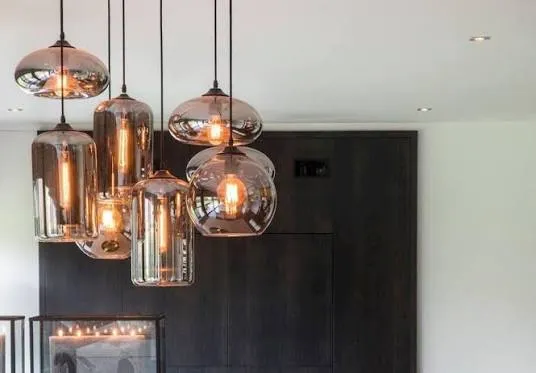
One ceiling light makes a room feel like an office. I learned this the hard way. You need at least three light sources: overhead, a floor lamp, and a table lamp, all working together to create warm, layered light.
Practical tip: use warm bulbs (2700K to 3000K) instead of cool white ones. It instantly makes a room feel cozier.
Farmhouse styles love wrought iron lamps. Modern rooms lean toward sleek brass or matte black fixtures. Once your lighting feels right, your furniture arrangement is the next thing to nail down.
3. Create Conversation With a Circular Furniture Layout
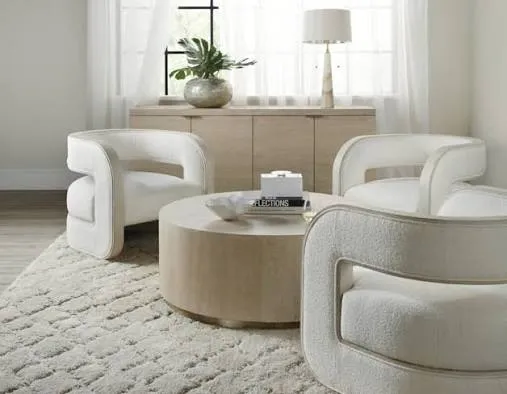
Pushing all your furniture against the walls kills conversation. Instead, angle your sofa and chairs toward each other in a loose circle or U-shape around your coffee table.
Practical tip: leave about 30 inches of walking space between furniture pieces so the room doesn’t feel cramped.
This works in small apartments too, just scale down with a loveseat instead of a full sofa. Traditional homes might add wingback chairs to the circle; modern homes keep it simple with clean-lined seating. Once your seating is arranged, it’s time to think about what goes on the walls.
4. Mix in Gallery Wall Art for Personality
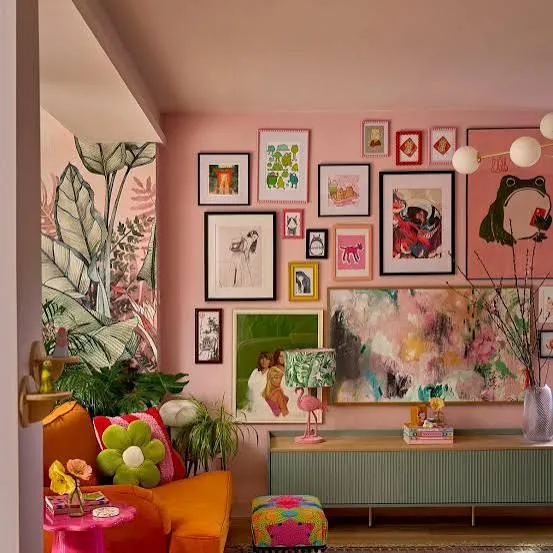
A blank wall is a missed opportunity. Gallery walls let you tell a story with mismatched frames, personal photos, and art prints that reflect who you are, not just what’s trendy.
Practical tip: lay your frames out on the floor first and take a photo before hammering a single nail. This saves you from a wall full of holes.
Coastal homes might mix framed beach photos with woven wall hangings. Modern homes stick to a tighter color palette with clean black frames. Once your walls have personality, your color scheme should tie everything else together.
Color Palette Combinations for Common Living Room Styles
| Style | Wall Color | Accent Color | Furniture Tone |
|---|---|---|---|
| Modern Minimalist | Warm White | Charcoal Gray | Black or Walnut |
| Coastal | Soft Blue-Gray | Sandy Beige | Whitewashed Wood |
| Traditional | Deep Cream | Burgundy | Cherry or Mahogany |
| Boho | Terracotta | Mustard Yellow | Rattan and Light Oak |
| Scandinavian | Bright White | Sage Green | Light Birch |
5. Add Texture With Layered Throw Pillows and Blankets
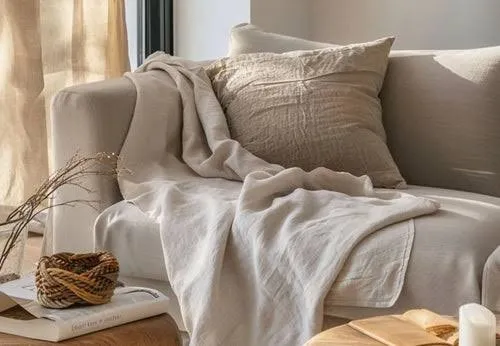
Flat, matching pillow sets look like they came straight from a hotel lobby. Mix textures instead: a chunky knit pillow next to a smooth velvet one, topped with a woven throw blanket draped over the arm of your sofa.
Practical tip: stick to an odd number of pillows (3 or 5) for a more natural, less staged look.
Farmhouse rooms love cotton and linen textures. Glam living rooms might add sequined or velvet pillows for shine. Once your soft textiles are layered in, your coffee table styling is the next detail worth fixing.
6. Style Your Coffee Table Like a Mini Display
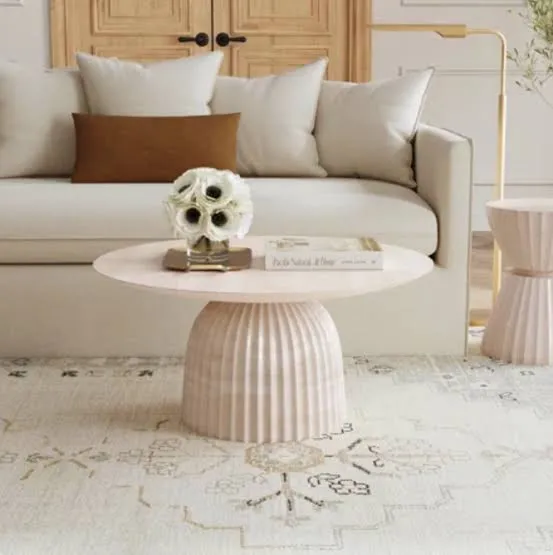
An empty coffee table looks unfinished, but a cluttered one looks messy. The sweet spot is three to five items: a stack of books, a small tray, and one decorative object like a candle or small plant.
Practical tip: use a tray to group smaller items together so they don’t look scattered across the surface.
Traditional homes might add a silver tray and leather-bound books. Modern homes prefer a single sculptural object and a stack of design magazines. Once your table is styled, don’t forget the walls need a focal point too.
7. Choose a Bold Focal Point Wall
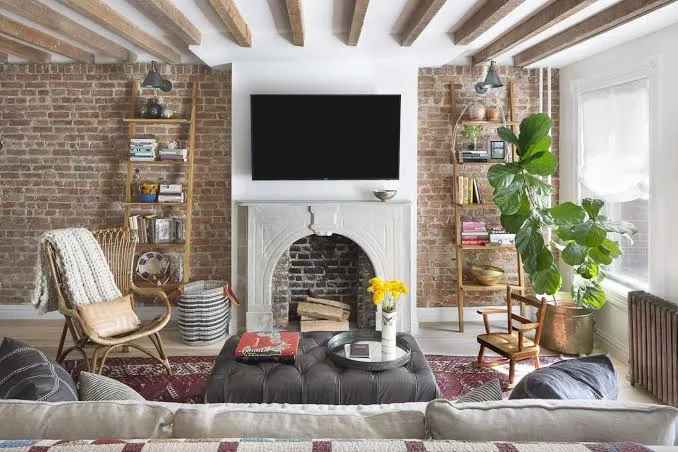
Every living room needs somewhere for the eye to land first. This could be a fireplace, a media wall, or one wall painted a deeper accent color than the rest of the room.
Practical tip: if painting an accent wall, choose the wall your eye naturally hits when you first walk into the room, that’s usually the one directly across from the entrance.
Modern homes often use a media wall with built-in shelving. Traditional homes might frame a fireplace with molding and a large mirror above it. Once you’ve settled your focal point, plants can add life to whatever’s left of the room.
8. Bring in Plants for Natural Texture and Color
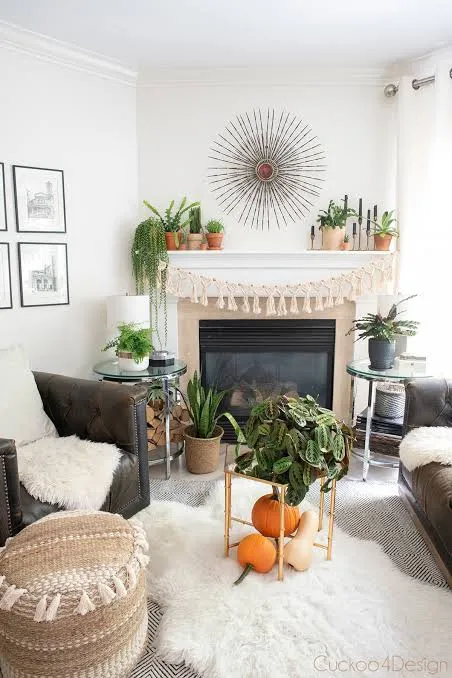
A living room without any greenery feels sterile. Even fake plants beat no plants at all if you’re not confident with a green thumb. Big leafy plants like fiddle leaf figs fill empty corners, while smaller pots on shelves add pops of color.
Practical tip: group plants in odd numbers of two to three different heights for a more natural, layered look.
Boho spaces love hanging plants in macrame holders. Modern spaces prefer sculptural plants in simple ceramic pots. Once your greenery is in place, think about how your furniture materials work together.
Furniture Material Comparison for Living Rooms
| Material | Durability | Style Fit | Maintenance Level |
|---|---|---|---|
| Leather | High | Modern, Traditional | Low, wipe clean |
| Linen Upholstery | Medium | Coastal, Farmhouse | Medium, needs occasional cleaning |
| Velvet | Medium | Glam, Traditional | Medium, vacuum regularly |
| Rattan/Wicker | Medium-High | Boho, Coastal | Low, dust often |
| Solid Wood | Very High | Traditional, Scandinavian | Low, occasional polish |
9. Swap Curtains for Something With More Movement
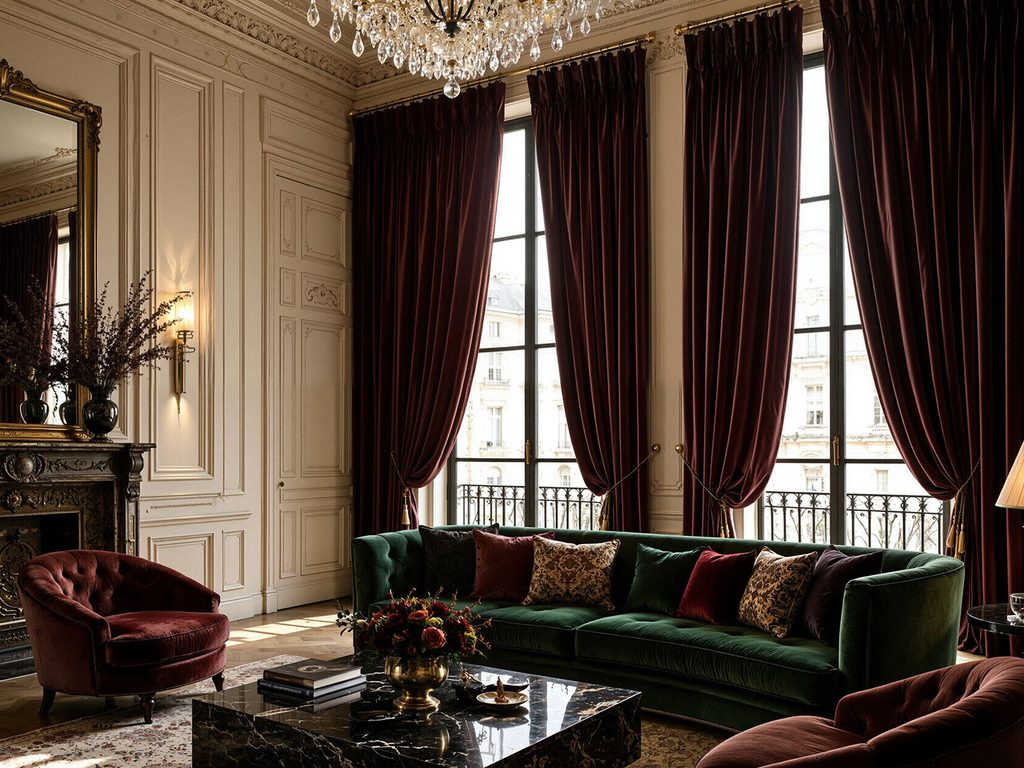
Flat, thin curtains do nothing for a room. Heavier fabrics like linen or velvet add both insulation and visual weight, plus they pool slightly at the floor for a more finished look.
Practical tip: hang curtain rods a few inches above the window frame and wider than the window itself, this makes ceilings look taller and windows look bigger.
Coastal homes love light linen panels that let breeze move through. Traditional homes might choose heavier drapes with tiebacks. Once your windows are dressed, mirrors can help bounce that natural light around the room.
10. Use Mirrors to Bounce Light and Add Depth
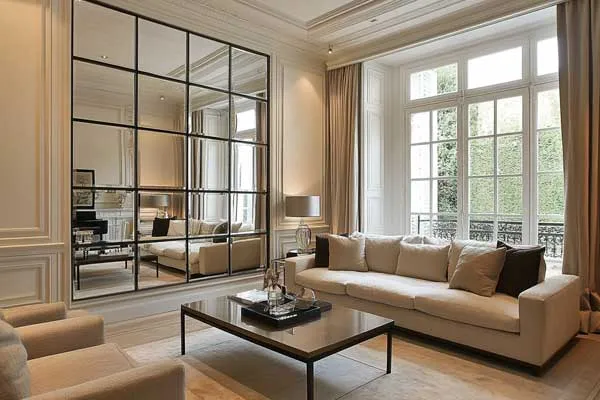
A well-placed mirror makes a small living room feel twice as big. It reflects both natural light and whatever’s across from it, whether that’s a piece of art or a window view.
Practical tip: hang your mirror across from a window, not next to one, so it reflects the outdoor light directly into the room.
Modern homes love oversized round mirrors with thin metal frames. Traditional homes prefer ornate gold-framed mirrors above the mantel. Once your mirror is placed, it’s worth thinking about how your shelves are styled too.
Tips for Success
- Start with your rug and biggest furniture piece first, then build smaller decor decisions around those anchors.
- Don’t buy everything at once. Live in the space a few weeks and notice what’s actually missing.
- Stick to a maximum of three main colors throughout the room to avoid visual chaos.
- Measure your space before buying furniture. A sofa that’s too big kills the whole layout.
- Shop secondhand for one or two statement pieces, it adds character you can’t buy new.
- Step back and photograph the room. Cameras catch clutter and imbalance your eyes might miss.
- Change out small accessories seasonally instead of redoing the whole room every year.
Common Mistakes and How to Avoid Them
Buying furniture too large for the room
: Measure your space first, and leave at least 30 inches of walkway between major pieces.
Matching everything too perfectly
: Mix textures and slightly different tones instead of buying a matched furniture set. It looks more collected, less showroom.
Ignoring lighting layers
: Add at least one lamp for every overhead light source to avoid harsh, flat lighting.
Skipping a focal point
: Pick one wall, fireplace, or media center to be the anchor your eye lands on first.
Overcrowding surfaces
: Stick to odd-numbered groupings of three to five items on tables and shelves.
Choosing trendy over functional
: Pick pieces you’ll still like in five years, not just what’s popular this season.
Similar Variations
- Coastal Boho – mixes woven natural textures with breezy, ocean-inspired colors.
- Modern Farmhouse – blends clean lines with rustic wood and cozy textiles.
- Japandi – combines Japanese minimalism with Scandinavian warmth and light wood tones.
- Dark Academia – rich, moody colors paired with vintage books and antique furniture.
- Desert Boho – warm terracotta and sand tones mixed with cactus greenery and woven textures.
- Contemporary Glam – sleek furniture paired with metallic accents and plush velvet textures.
Decorating a living room doesn’t need to feel like a giant, expensive project. Small, intentional changes, better lighting, a bold rug, a styled coffee table, add up fast. Pick two or three ideas from this list, start there, and build from that. That’s really all it takes to bring these 10 living room decor ideas to life in your own home.
Leave a Reply