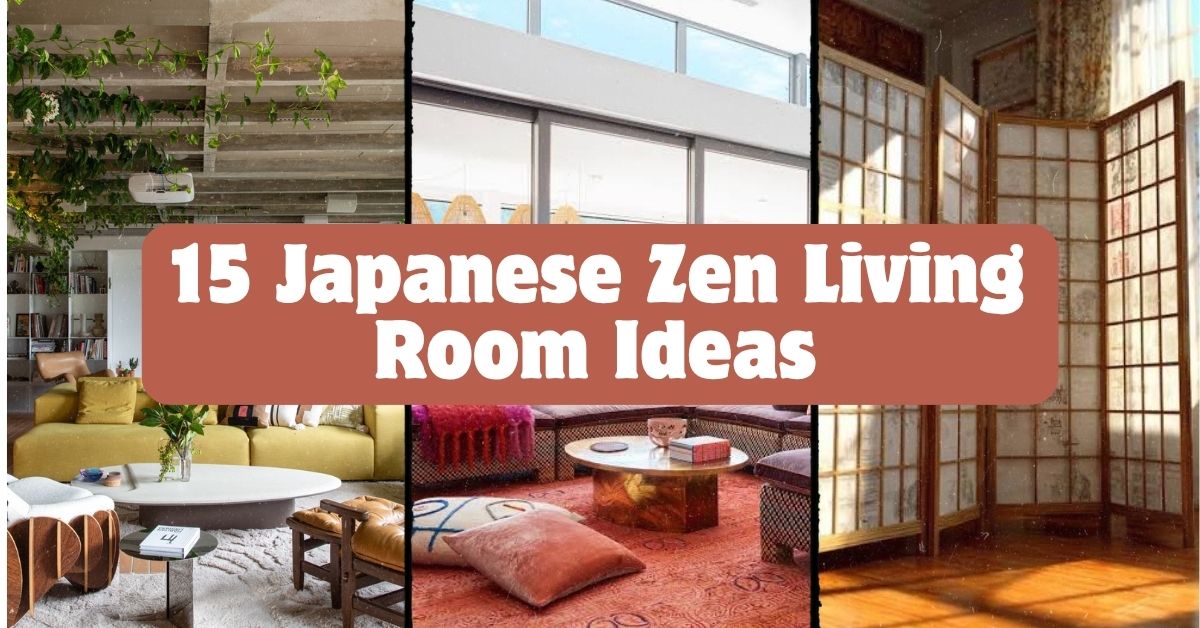
If you’re hunting for 15 Japanese Zen Living Room Ideas that actually work in a real home (not just a magazine spread), you’re in the right place. I’ve pulled together the most practical, tested ideas so you don’t have to guess what actually creates that calm, grounded feeling.
A Japanese Zen living room is a space designed around simplicity, natural materials, and open floor space, using low furniture, neutral colors, and minimal decor to create a calm, uncluttered environment that supports rest and mental quiet.
Stick around, because I’m also going to show you the mistakes people make when they try this style, plus a few budget breakdowns so you know exactly what you’re working with.
What Makes a Living Room Feel “Zen” Anyway?
Okay, so before we jump into the list, let’s talk about what this style actually means. Japanese Zen design comes from a mix of traditional Japanese homes and Zen Buddhist ideas about simplicity and mindfulness. It’s not about buying a bunch of “Asian-inspired” decor from a big box store. It’s about空间, or space, and how little you can get away with while still feeling comfortable. Think low furniture, natural light, wood tones, and almost no visual clutter. Every object in the room should feel like it has a purpose. If it doesn’t, it probably shouldn’t be there.
1. Choose a Low-Profile Sofa for a Grounded Feel
Traditional Japanese rooms don’t have furniture that towers over you. That’s why a low sofa, one that sits close to the ground, works so well for this style. It changes how the whole room feels. You sit down and your eyeline drops, which naturally makes the ceiling feel higher and the room feel calmer.
Look for sofas with wooden legs or no legs at all, paired with linen or cotton upholstery in tan, gray, or off-white. A tip: measure your current sofa height and try to go at least four inches lower for a noticeable difference.
This idea works in modern homes too. Just swap in a sleek platform sofa instead of a traditional low-slung one. Next, let’s talk about color, because that’s where a lot of the Zen feeling actually comes from.
2. Stick to a Neutral, Earthy Color Palette
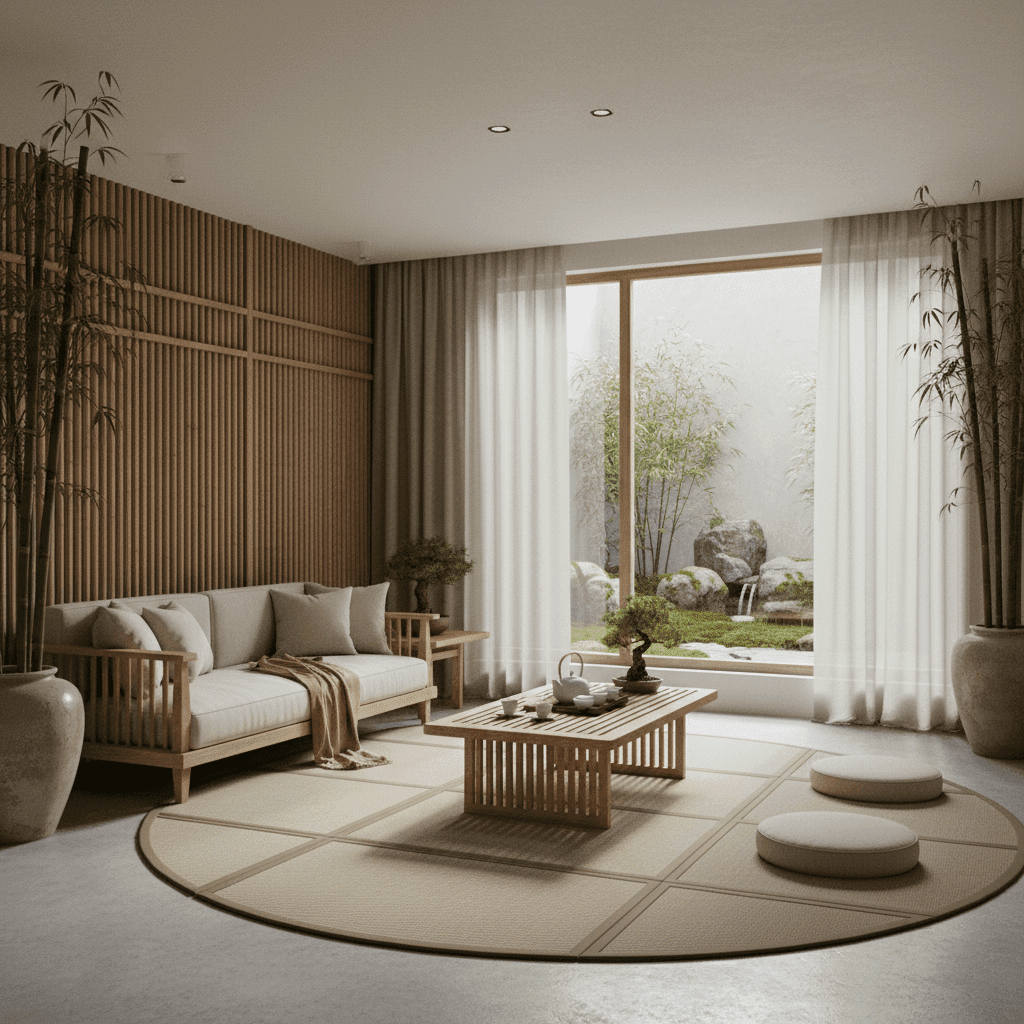
Zen rooms almost never use bold, saturated colors. Instead, they lean on tones pulled straight from nature: sand, clay, moss green, charcoal, and soft cream. These colors don’t compete with each other, which is exactly the point. Your eyes get to rest instead of jumping around the room.
Paint your walls in a warm off-white or light gray, then bring in color through wood furniture and a couple of textiles. A good tip is to pick one dominant neutral and two supporting tones, then stop there. Don’t add a fourth color unless it’s a plant.
This palette translates well into farmhouse and Scandinavian homes too, since both styles already favor muted, natural tones. Once your colors are locked in, the next step is picking materials that match that same quiet energy.
3. Bring in Natural Wood Furniture
Wood is the backbone of Japanese Zen design. Light woods like ash, oak, and pine feel airy, while darker woods like walnut add warmth without feeling heavy. The key is using unfinished or lightly finished wood so the natural grain shows through.
Try a wooden TV console, a low bookshelf, or even simple wood shelving brackets. Actionable tip: avoid glossy or lacquered finishes. Matte and raw finishes feel more authentic and age better over time.
If your home leans more industrial, you can still use wood, just pair it with black metal accents instead of soft textiles. Now that your furniture bones are in place, let’s talk flooring, since that’s where a lot of people get stuck.
4. Add a Tatami-Inspired Area Rug
Real tatami mats are woven from rice straw, but you don’t need the real thing to get the look. A flat-weave rug in a natural fiber like jute or seagrass gives you that same textured, grounded feeling without the maintenance headache.
Place it under your coffee table and seating area to define the space without walls. Tip: choose a rug with a subtle grid pattern to mimic tatami panel lines.
This idea works beautifully in coastal homes too, since jute rugs already show up a lot in that style. Speaking of color and texture working together, here’s a quick table to help you plan your palette before you buy anything.
Zen Color Palette Combinations
| Palette Name | Wall Color | Furniture Tone | Accent Color | Best For |
|---|---|---|---|---|
| Warm Sand | Cream white | Light oak | Terracotta | Small rooms |
| Cool Stone | Light gray | Ash wood | Charcoal | Modern homes |
| Forest Quiet | Soft beige | Walnut | Moss green | Living rooms with lots of plants |
| Minimal Ink | White | Black-stained wood | Slate gray | Bold, modern minimalist spaces |
5. Use Shoji-Style Screens for Soft, Diffused Light
Shoji screens are those wood-framed panels with translucent paper or fabric inserts. They soften harsh light and create a gentle glow instead of direct sunlight blasting into the room. You can use them as room dividers, window coverings, or even as a decorative backdrop behind a sofa.
If a full screen feels like too much, start small with a shoji-style panel behind your TV stand. Tip: look for framed panels with rice paper inserts, since they diffuse light better than fabric.
In a more traditional home, a full sliding shoji divider can replace a hallway door. Once your lighting feels softer, it’s time to think about what NOT to put in the room.
6. Keep Surfaces Clutter-Free with Hidden Storage
This is the idea people skip, and it’s honestly the most important one. Zen rooms feel calm because there’s nothing extra sitting around. That means remotes, mail, chargers, all of it needs a home that isn’t the coffee table.
Get a low storage bench or a wood console with drawers. Tip: do a nightly two-minute reset where you put everything back in its spot before bed. It sounds small but it makes a huge difference over time.
Even a maximalist home can borrow this idea for just one room, creating a quiet contrast to busier spaces elsewhere in the house. Now let’s talk about plants, because they matter more than you’d think.
7. Add One Statement Plant Instead of Many
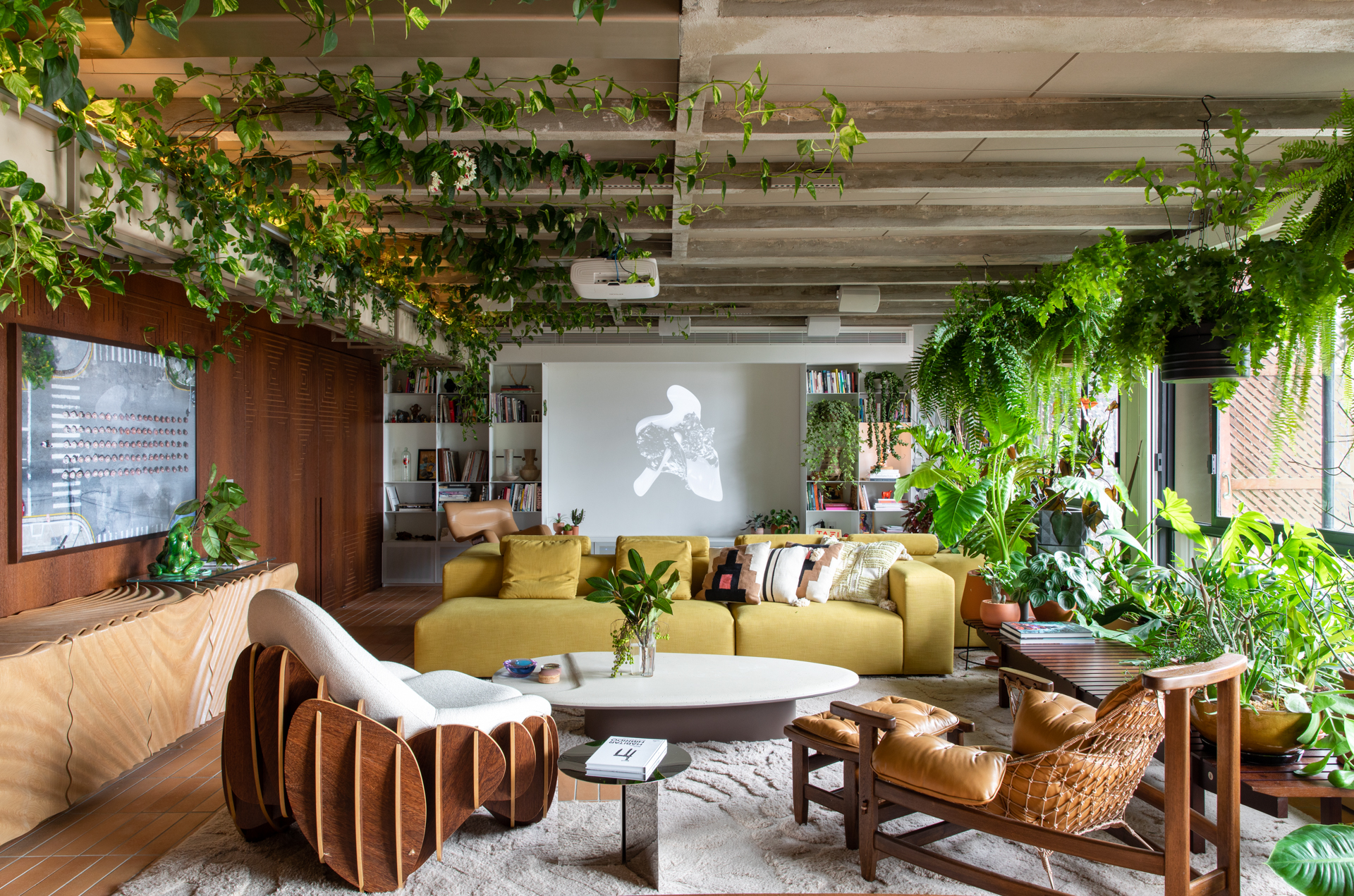
A single, well-placed plant does more for a Zen room than five scattered ones. Bamboo, snake plants, and bonsai trees are classic choices because of their clean lines and slow growth. The idea is quality over quantity.
Place your plant in a simple ceramic or stone pot, not a busy patterned one. Tip: put it near a window so it gets natural light without needing constant care.
Boho and mid-century homes usually go the opposite direction with plants everywhere, so this one-plant rule is really specific to the Zen look. Next up, let’s talk about lighting fixtures themselves.
8. Incorporate Washi Paper Lighting
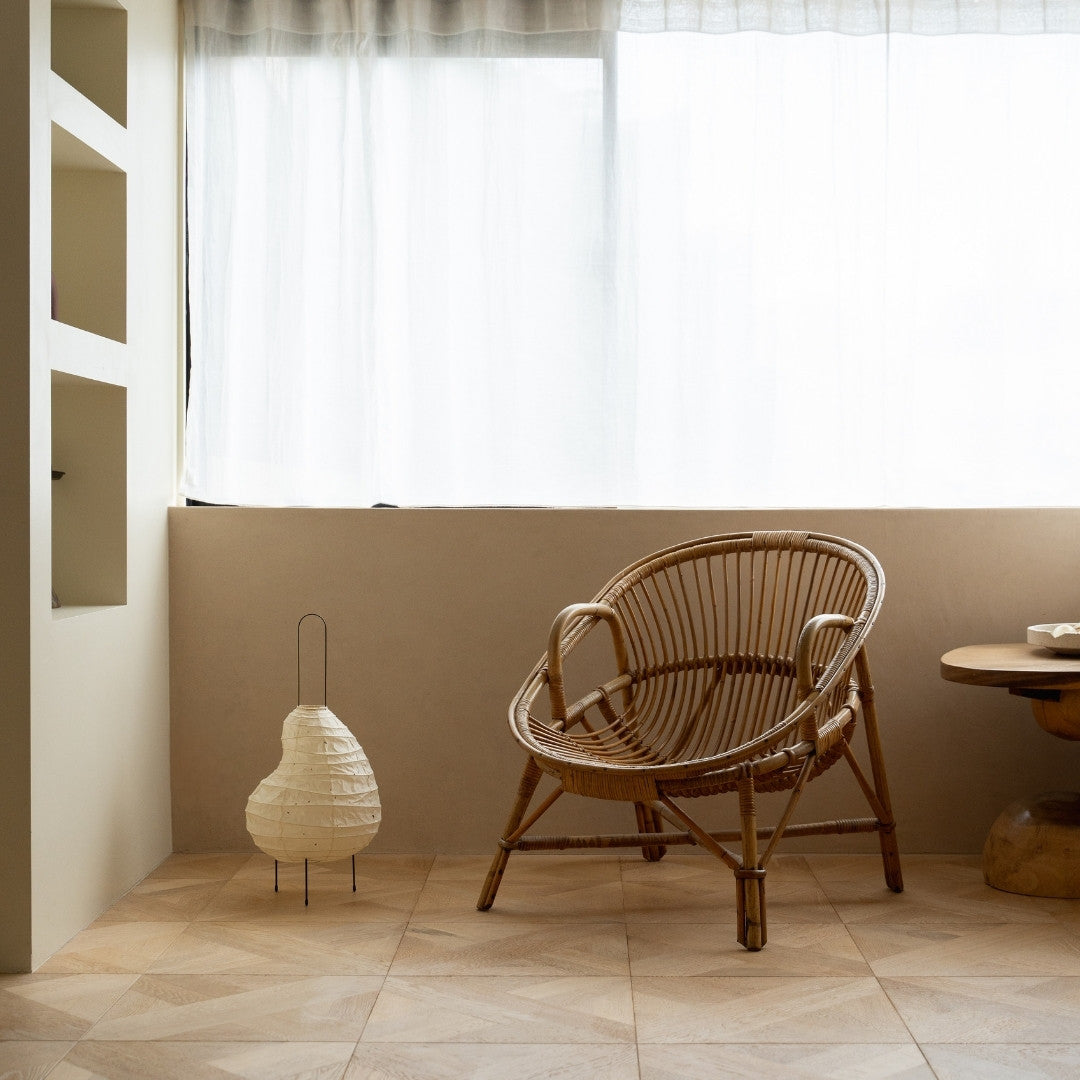
Washi paper lamps and pendant lights give off a warm, soft glow that feels nothing like a regular overhead light. The paper diffuses the bulb’s brightness so the whole room feels gentler in the evening.
A round paper pendant over your coffee table or a floor lamp with a washi shade both work well. Tip: use warm white bulbs, not cool white, since cool light feels clinical and breaks the calm mood.
This lighting style adapts easily into bohemian or eclectic rooms too, since paper lanterns already show up a lot in that aesthetic. Before we get to more decor ideas, here’s a table comparing flooring options since that’s a common sticking point.
Flooring Material Comparison for a Zen Living Room
| Material | Feel Underfoot | Cost Range | Maintenance | Best Use |
|---|---|---|---|---|
| Real tatami | Firm, springy | High | Needs regular airing | Dedicated Zen rooms |
| Bamboo flooring | Firm, smooth | Medium | Low | Whole living room |
| Light oak wood | Warm, solid | Medium-high | Low | Traditional or modern homes |
| Jute rug over wood | Soft, textured | Low | Low | Renters, quick updates |
9. Display a Single Meaningful Art Piece
Instead of a gallery wall, Zen rooms usually feature one piece of art that actually means something. This could be a simple ink painting, a calligraphy scroll, or even a framed photo of a landscape. The point is intention, not decoration for decoration’s sake.
Hang it at eye level on the wall behind your sofa. Tip: leave plenty of blank wall space around it so it doesn’t feel crowded.
In a modern home, this could be a single abstract print in a thin black frame. Once your wall is settled, let’s talk about seating flexibility.
10. Use Floor Cushions for Flexible Seating
Floor cushions, sometimes called zabuton, give you extra seating without adding bulky furniture. They’re easy to store, easy to move, and they reinforce that low, grounded feeling we talked about earlier.
Pick cushions in linen or cotton with simple, solid colors. Tip: stack two or three near your low coffee table so guests have a spot to sit during gatherings.
This idea works great in small apartments of any style since floor cushions take up way less visual space than an extra chair. Speaking of the coffee table, let’s zoom in on that piece specifically.
11. Choose a Low Wooden Coffee Table

Your coffee table is basically the anchor of the whole room, so it deserves some thought. A low wooden table, ideally under 16 inches tall, keeps the room’s proportions consistent with your low sofa and floor cushions.
Round or rectangular shapes both work, but avoid anything with ornate carving or metal detailing. Tip: choose a table with a slight wood grain visible on top, since a totally smooth, painted surface feels less natural.
Farmhouse living rooms can absolutely borrow this idea, just pair it with a slightly more rustic, distressed wood finish. Now let’s bring in some texture through stone and ceramics.
12. Bring in Stone or Ceramic Accents
Stone and ceramic pieces add texture without adding visual noise, which is exactly what a Zen room needs. Think a small stone bowl, a ceramic vase, or even a smooth river rock displayed on a shelf.
Group these in odd numbers, like three items, on a low shelf or console. Tip: stick to matte finishes since shiny, glazed ceramics can feel too flashy for this style.
This works in coastal homes too, since beach stones and driftwood already share that same organic, earthy quality. Now that texture is covered, let’s talk money, because budget matters.
Budget Tiers for a Zen Living Room Makeover
| Budget Tier | What You Get | Approximate Cost | Best Starting Point |
|---|---|---|---|
| Starter ($150-$400) | Rug, cushions, one plant, lighting swap | $150-$400 | Rent-friendly updates |
| Mid-range ($800-$1,500) | Low sofa, coffee table, shoji screen | $800-$1,500 | First real room refresh |
| Full room ($2,500+) | Custom flooring, built-in storage, full furniture set | $2,500 and up | Long-term homeowners |
13. Create a Small Indoor Zen Corner

If a full room makeover feels like too much right now, start with just one corner. A small stone dish, a candle, a plant, and a floor cushion can create a mini meditation spot without touching the rest of your furniture.
Pick a corner near natural light if you can. Tip: keep this corner completely empty of electronics, no chargers, no remotes, nothing digital.
This idea works in literally any home style since it’s such a small footprint. Once you’ve got your corner, let’s talk windows.
14. Keep Window Treatments Minimal
Heavy drapes and busy patterns fight against the calm feeling you’re building. Simple linen curtains in a neutral tone, or even a plain bamboo shade, let light in without adding visual clutter.
Skip valances and tiebacks entirely. Tip: hang curtains close to the window frame instead of wide and dramatic, since that keeps the look understated.
Traditional homes can keep wood shutters if they already have them, since they share that same natural material quality. Last but not least, let’s finish with lighting warmth.
15. Add Warm, Indirect Lighting

Overhead lighting tends to feel harsh and flat. Zen rooms favor multiple small light sources instead, like a floor lamp, a table lamp, and maybe a candle or two. This creates layers of soft light instead of one bright source.
Use bulbs around 2700K for that warm, golden glow. Tip: put your lamps on dimmers if you can, so you can adjust the mood depending on the time of day.
This layered lighting approach works in almost every design style, from traditional to modern minimalist. With all fifteen ideas covered, let’s go over a few extra tips to help you actually pull this off.
Tips for Success
- Start with decluttering before you buy anything new. An empty room already feels calmer.
- Buy one quality piece at a time instead of a whole room set at once. It keeps the budget manageable.
- Test paint colors on your actual wall before committing, since lighting changes how neutrals look.
- Keep a “one in, one out” rule for decor so the room doesn’t slowly fill back up.
- Add plants gradually and see how the room feels before adding more than one or two.
- Use natural fiber materials like cotton, linen, and jute over synthetic fabrics whenever your budget allows.
- Walk through the room barefoot occasionally. It sounds silly, but it helps you notice texture and comfort you’d otherwise miss.
Common Mistakes and How to Avoid Them
Overdecorating with “Asian-style” trinkets
: Skip themed decor from big box stores. Stick to natural materials and let the furniture do the talking instead of ornaments.
Choosing furniture that’s too tall or bulky
: Measure pieces before buying and aim for lower profiles across sofas, tables, and shelving to keep the room feeling grounded.
Using bright white or cool-toned lighting
: Swap to warm bulbs around 2700K and add lamps instead of relying on one overhead fixture.
Mixing too many wood tones
: Pick one or two main wood tones and stick with them throughout the room for a cohesive look.
Forgetting storage before decorating
: Add hidden storage first, like a bench or console with drawers, so clutter has somewhere to go before you start styling.
Adding too many plants at once
: Start with one statement plant and give the room time to breathe before adding more greenery.
Similar Variations
- Scandinavian Zen: Blends Japanese minimalism with Scandinavian coziness, using lighter woods and more texture in blankets and cushions.
- Wabi-Sabi Living Room: Focuses on imperfection and aged materials, like a chipped ceramic bowl or a rough wood beam left intentionally unfinished.
- Modern Zen Minimalism: Uses the same low-clutter approach but leans into sharper lines and darker color palettes for a more contemporary feel.
- Coastal Zen: Swaps traditional Japanese elements for driftwood, seagrass, and lighter, sandier tones while keeping the same calm, uncluttered layout.
- Traditional Japandi: A direct mash-up of Japanese and Scandinavian design, often the most popular version of this style in Western homes right now.
At the end of the day, creating a calm living room isn’t about buying a bunch of new stuff. It’s about slowing down, picking materials that feel good, and giving your space room to breathe. Start small, maybe with one plant or a new rug, and build from there.
I hope this walkthrough of 15 Japanese Zen Living Room Ideas gave you a clear, practical starting point for making your own space feel calmer and more put together.
Leave a Reply