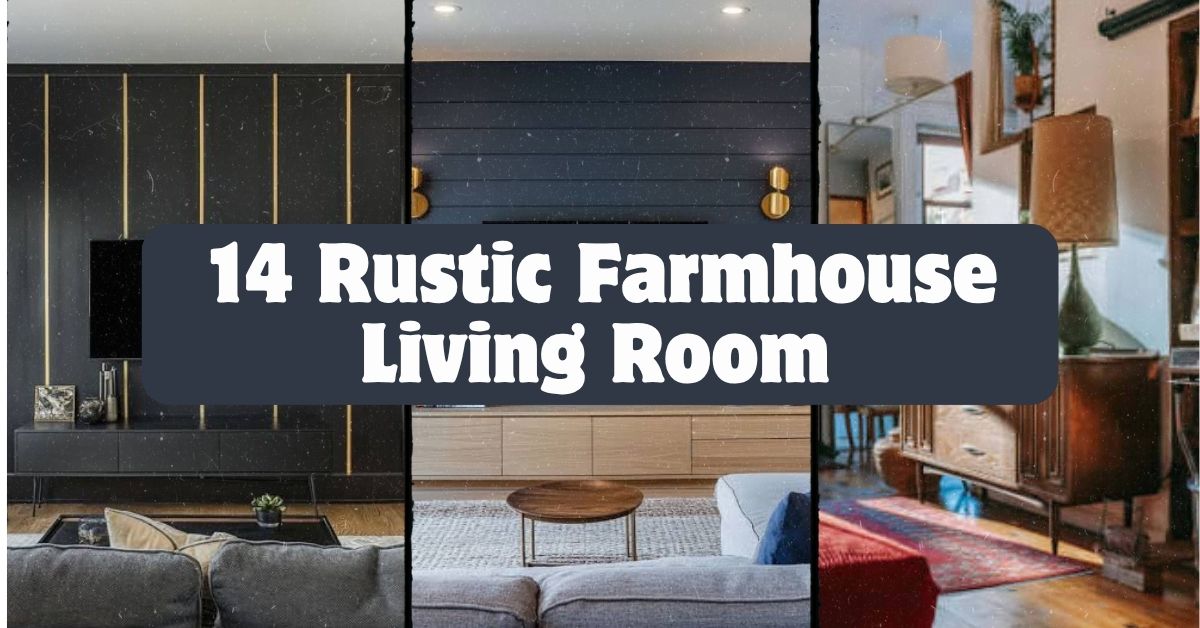
I’ve spent way too many nights scrolling through home decor pages, and I finally put together 14 rustic farmhouse living room ideas that I think give you the clearest, most complete picture out there. This isn’t a fluffy roundup. It’s the stuff that actually works when you’re staring at your own boring beige walls wondering where to start.
A rustic farmhouse living room combines natural wood textures, neutral color palettes, and vintage-inspired furniture to create a warm, lived-in space. Common elements include shiplap walls, distressed furniture, cotton or linen textiles, and metal accents like black iron or galvanized steel.
Stick around, because I’m also going to show you the mistakes people make when they try this style, plus a few budget breakdowns you won’t find anywhere else.
What Makes a Living Room “Rustic Farmhouse” Anyway
Okay so here’s the thing about farmhouse style. It’s not about buying everything from one store and calling it done. It’s really about mixing old and new. Think worn wood next to soft fabric. Think a metal light fixture hanging over a cozy cotton sofa. The whole point is comfort that looks a little imperfect, a little lived-in, like your grandma’s house but cleaner and less cluttered. I always tell people the goal is “cozy cabin meets clean modern home.” You want texture, warm colors, and furniture that looks like it has a story, even if you bought it last week at a furniture outlet.
1. Start With a Shiplap Accent Wall
Shiplap is basically the poster child of farmhouse style, and for good reason. Those horizontal wood planks instantly add texture and make a room feel taller and cozier at the same time. You don’t need to cover every wall either. Pick one, usually behind the sofa or around the fireplace, and let it do the heavy lifting.
Paint it white or a soft warm gray to keep things bright. If you want a moodier feel, try a deep charcoal.
Practical tip: Use MDF shiplap boards instead of real wood. They’re cheaper, lighter, and way easier to install yourself over a weekend.
This idea flexes well too. Coastal homes use whitewashed shiplap, while modern farmhouse spaces go for cleaner painted panels. Once your wall is set, it’s time to think about what sits in front of it.
2. Choose a Distressed Wood Coffee Table
Your coffee table is basically the anchor of the room, so don’t skip this one. A distressed or reclaimed wood table brings instant character. Look for pieces with visible wood grain, chunky legs, or even a slightly uneven top. That imperfection is the whole point.
Pair it with a neutral rug underneath so the wood tones pop instead of getting lost.
Practical tip: If you can’t find real reclaimed wood, look for “distressed finish” tables at big box furniture stores. They fake the aging process convincingly and cost way less.
Traditional homes can use a darker stained version, while modern farmhouse spaces lean toward lighter, raw wood finishes. Now that your table is set, let’s talk about what goes around it.
3. Pick a Cozy, Overstuffed Sofa in Neutral Fabric
Farmhouse style isn’t just about looks, it’s about comfort too. A deep, overstuffed sofa in a neutral color like cream, oatmeal, or soft gray gives you that “sink in and relax” feeling. Linen and cotton blends work best because they add texture without feeling too formal.
Avoid slick leather or shiny fabrics here. They read more modern industrial than cozy farmhouse.
Practical tip: Add a slipcover if you have kids or pets. It keeps the farmhouse look while letting you toss it in the wash when things get messy.
This works in almost any home style honestly, since a comfy neutral sofa is basically a safe bet everywhere from coastal to traditional interiors.
Sofa Fabric Comparison for Farmhouse Living Rooms
| Fabric Type | Durability | Farmhouse Look Rating | Price Range |
|---|---|---|---|
| Cotton/Linen Blend | Moderate | High | $$ |
| Performance Fabric | High | Medium-High | $$$ |
| Leather | High | Low | $$$$ |
| Chenille | Moderate | High | $$ |
| Velvet | Low-Moderate | Low | $$$ |
4. Add Black Metal Accents for Contrast
Wood and fabric alone can feel a little flat after a while. That’s where black metal comes in. Think light fixtures, curtain rods, picture frames, or even a metal-framed mirror. This small touch adds contrast and keeps the room from feeling too soft or too country.
I like using matte black instead of glossy. It feels more industrial-farmhouse and less “kitchen appliance.”
Practical tip: Start small with drawer pulls or a lantern-style pendant light before committing to bigger pieces like a metal bookshelf.
Modern farmhouse spaces lean heavier into black metal, while traditional farmhouse rooms use it sparingly, just enough to add depth without overpowering the wood tones.
5. Layer a Chunky Knit Throw and Woven Pillows
Texture is everything in farmhouse design, and this is the easiest way to add it. Grab a chunky knit throw blanket, a couple woven jute pillows, and maybe a sheepskin or faux fur accent for the chair. These little layers make the whole room feel warmer instantly.
Stick to a neutral color story here too. Cream, tan, soft gray, maybe a hint of sage green.
Practical tip: Mix textures, not just colors. A smooth linen pillow next to a chunky knit throw creates visual interest without adding clutter.
This idea travels well into boho and coastal spaces too, just swap the color palette slightly to match.
6. Install a Reclaimed Wood Mantel
If you’re lucky enough to have a fireplace, the mantel is prime real estate for farmhouse charm. A thick, reclaimed wood beam mantel instantly makes the space feel more custom and less builder-grade. Even a simple painted brick fireplace looks ten times better with a rough wood mantel on top.
Keep the surrounding area simple. A few candles, a small plant, maybe one framed piece of art.
Practical tip: If you’re renting, look for a floating shelf that mimics a mantel look without permanent installation.
This idea works beautifully in traditional and cottage-style homes too, since a wood mantel feels timeless no matter what’s around it.
7. Use a Vintage-Inspired Area Rug
Rugs pull a whole room together, and farmhouse style loves a good vintage or Persian-inspired rug with faded, muted colors. It sounds like an odd pairing with all that rustic wood, but the worn-in pattern actually softens the room and adds a collected-over-time feel.
Avoid anything too bold or brand new looking. You want it to feel like you found it at an estate sale, even if you bought it online.
Practical tip: Size matters here. Your rug should extend at least a few inches beyond the front edge of your sofa so furniture doesn’t float on top of it awkwardly.
Coastal and eclectic farmhouse spaces do great with this too, especially with a faded blue or terracotta color story.
8. Build an Open Wood Shelving Display
Skip the boxy entertainment center and go with open wood shelves instead. They’re great for displaying books, baskets, and a few decorative jars or vintage tins. It keeps the room feeling airy instead of boxed in by furniture.
Style them with odd numbers of items, like three or five pieces per shelf, and vary the heights.
Practical tip: Don’t overfill. Leave breathing room between items so the shelf doesn’t look cluttered.
Modern farmhouse rooms keep these shelves minimal, while traditional versions layer on more collectibles and family photos.
Budget Breakdown for a Full Rustic Farmhouse Living Room Refresh
| Budget Tier | Total Spend | What’s Included |
|---|---|---|
| Starter | $500-$1,000 | Paint, throw pillows, rug, small decor swaps |
| Mid-Range | $1,500-$3,000 | New sofa, coffee table, lighting, rug |
| Full Remodel | $4,000-$8,000+ | Shiplap wall, mantel upgrade, full furniture set, custom shelving |
9. Hang Vintage-Style Wall Art and Signs
Farmhouse walls love a little personality. Think black and white botanical prints, vintage-style advertisement signs, or simple wood-framed family photos. The key is keeping the frames simple and the imagery a little nostalgic.
Avoid overly modern abstract art here, it clashes with the whole aesthetic.
Practical tip: Create a gallery wall using mismatched frame sizes but keep the color palette consistent (black, wood tone, or white) so it still looks intentional.
This idea shifts easily into cottage and traditional homes, just swap vintage signs for botanical prints or family heirloom pieces.
10. Choose Wood or Wicker Accent Chairs
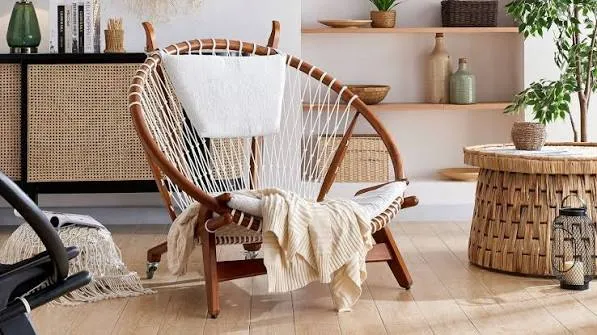
Instead of matching everything to your sofa, add an accent chair in wood or wicker for contrast. A simple ladder-back wood chair or a woven wicker armchair adds texture and breaks up the “everything is soft and stuffed” feeling.
Toss a cushion on it in a coordinating neutral fabric so it still feels comfortable, not stiff.
Practical tip: Place it near a window if you can. Farmhouse style loves a little reading nook vibe.
Coastal farmhouse rooms lean hard into wicker, while modern farmhouse spaces prefer clean-lined wood chairs instead.
11. Add a Galvanized Metal or Wood Bucket Planter
Plants soften up all that wood and metal, and a galvanized bucket or wood crate planter keeps it on theme. Fiddle leaf figs, eucalyptus branches, or even simple potted herbs work great here.
Group a few different heights together near a window or beside the fireplace for a layered, natural look.
Practical tip: Fake plants are totally fine here if you don’t have a green thumb. Just choose ones with matte, realistic-looking leaves instead of shiny plastic ones.
This idea works in basically every style honestly, greenery softens modern, coastal, and traditional rooms equally well.
12. Install Wood Beams on the Ceiling
If you really want to go all in, exposed or faux wood beams on the ceiling completely transform a room. They add architectural interest and make the whole space feel more custom-built, even in a newer home.
You don’t need real structural beams either. Lightweight faux wood beams look nearly identical and install way easier.
Practical tip: Stain beams a shade darker than your floors for contrast, or match them for a more seamless look.
This is a bigger commitment style-wise, but it fits beautifully into traditional, cottage, and modern farmhouse homes alike.
13. Use Woven Baskets for Storage That Doubles as Decor
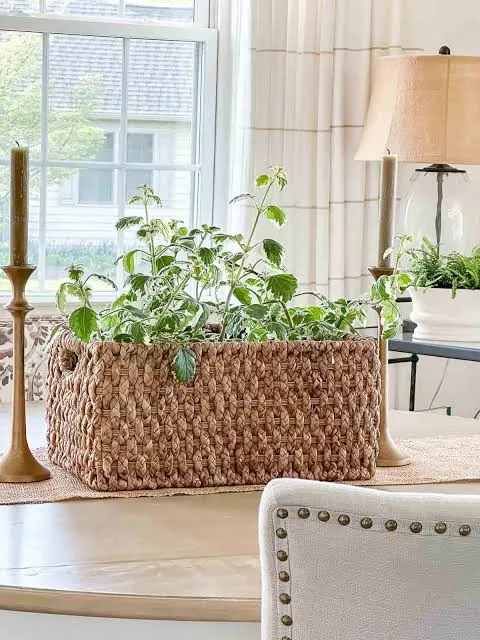
Farmhouse style is practical, and baskets are proof. Use large woven baskets to store blankets, magazines, or kids’ toys instead of hiding them in plastic bins. They look intentional sitting next to the sofa or tucked under a console table.
Stick to natural fibers like seagrass, rattan, or jute for the most authentic texture.
Practical tip: Buy a couple different sizes so you can nest smaller baskets inside larger ones when not in use.
This idea works in coastal and boho spaces too, just swap in a lighter, bleached basket tone.
14. Bring In a Barn Door or Sliding Wood Panel
If your living room connects to a hallway or another room, a sliding barn door adds instant farmhouse flair while saving space compared to a swinging door. Even a fake, decorative barn door mounted on the wall as an accent piece works if you don’t need functional doors.
Choose a wood tone that complements your other furniture pieces for a cohesive feel.
Practical tip: Add black iron hardware to tie it into your other metal accents around the room.
This works especially well in modern farmhouse and industrial farmhouse spaces where clean lines meet rustic textures.
Tips for Success
- Start with your biggest piece first, usually the sofa, then build your color palette around it
- Keep your color story to three or four tones max so the room doesn’t feel busy
- Mix at least three textures in every room (wood, metal, woven fiber, soft fabric)
- Shop secondhand stores for authentic distressed furniture at a fraction of retail cost
- Don’t be afraid of empty space, farmhouse style breathes better when it’s not overcrowded
- Layer lighting with a mix of overhead fixtures, lamps, and candles for warmth
- Repeat one material (like black metal or reclaimed wood) throughout the room to tie everything together
Common Mistakes and How to Avoid Them
Overdoing the “signs and quotes” decor
: Skip the cutesy wall signs and focus on textures and materials instead. One or two is plenty.
Choosing furniture that’s too matchy
: Mix wood tones and finishes slightly instead of buying an entire matching set from one store.
Forgetting about lighting warmth
: Use warm white bulbs (around 2700K to 3000K) instead of cool white, which can make farmhouse rooms feel sterile.
Going too dark with the whole palette
: Balance dark wood and black metal with plenty of white, cream, or light gray so the room doesn’t feel heavy.
Skipping texture in favor of just color
: Even a perfectly neutral room needs texture through rugs, throws, and woven baskets or it’ll feel flat.
Cluttering every surface with decor
: Leave breathing room on shelves and tables. Farmhouse style should feel calm, not crowded.
Similar Variations
- Modern Farmhouse: Cleaner lines, more black and white contrast, less clutter than traditional rustic style
- Coastal Farmhouse: Lighter wood tones mixed with blues, whites, and woven natural textures
- Industrial Farmhouse: Heavier use of black metal, exposed brick, and factory-style lighting
- Cottage Farmhouse: Softer florals, pastel accents, and more vintage collectibles
- Scandinavian Farmhouse: Minimalist furniture shapes with light wood and a monochrome palette
- Southern Farmhouse: Warmer color tones, more traditional furniture shapes, and antique accents
Putting together a rustic farmhouse living room really comes down to layering the right textures, sticking to a warm neutral palette, and not being afraid to mix old with new. You don’t need to buy everything at once either, this style actually looks better when it grows a little over time. Whether you start with a single shiplap wall or go all in on wood beams and a barn door, these 14 rustic farmhouse living room ideas give you a real, practical starting point for building a space that feels warm, welcoming, and totally your own.
Leave a Reply