
I’ve pulled together 13 green dining room ideas that actually work in real homes, not just magazine shoots. If you’ve been staring at your dining room walls wondering why they feel so flat and boring, I get it, and I’m about to fix that for you.
What are the best green dining room ideas? The best green dining room ideas mix a versatile shade of green (sage, forest, olive, or emerald) with natural materials like wood and rattan, paired with warm metallics or crisp white trim to keep the space balanced and inviting.
Stick around, because I’m going to walk you through exactly how to pick the right green, which furniture pairs best with it, and a few mistakes that trip up almost everyone.
Why Green Works So Well in Dining Rooms
Green just makes sense for a dining room. It’s the color of plants, of fresh food, of the outdoors, and dining rooms are literally where we eat plants and food. There’s something calming about it too. Unlike a loud red or a stark black, green doesn’t shout at you while you’re trying to enjoy dinner. It sits back and lets the food and the company be the star. I’ve noticed that green also plays nice with almost every wood tone, from honey oak to dark walnut, which makes it a low-stress choice if you’re nervous about commitment. Whether you like moody and dramatic or light and airy, there’s a green for that.
1. Go Bold with a Forest Green Accent Wall

If you’re scared of full color commitment, start with one wall. Forest green on a single accent wall gives you drama without overwhelming the whole room. Pick the wall behind your buffet or china cabinet so the color has something to frame. Keep the other three walls white or a soft cream to let that dark green pop.
Practical tip: use a matte or eggshell finish instead of glossy. Glossy paint on a dark color shows every bump and imperfection on the wall.
This idea flexes well for traditional homes with wainscoting, but it also works in modern spaces if you keep the furniture simple and low-profile.
Next up, let’s talk about what happens when you take that green all the way around the room.
2. Wrap the Whole Room in Sage Green

Sage green is the friendliest shade of green out there. It’s soft, a little gray, and never feels too intense. Painting all four walls in sage creates a cocoon-like feel that’s perfect for long dinners and lazy Sunday brunches. Pair it with a light wood table and white or cream dining chairs so the room doesn’t feel too heavy.
Actionable tip: test the paint in both morning and evening light before committing. Sage can look green in daylight and almost gray at night.
Coastal and farmhouse homes love this shade because it feels beachy without being on-the-nose nautical.
Once your walls are set, the next move is thinking about what goes on the floor.
3. Add a Botanical Print Wallpaper
Solid color walls are great, but wallpaper with a botanical print adds texture and story to the room. Look for large-scale leaf patterns in deep green and cream. This works especially well in smaller dining rooms where a bold pattern can make the space feel more intentional instead of cramped.
Practical tip: wallpaper one focal wall instead of all four if you’re worried about pattern overload. It still makes a statement without competing with your table setting.
Traditional and grandmillennial style homes practically require this move, but even modern farmhouse spaces can pull it off with a simpler leaf print.
Once the walls are handled, it’s time to think about the biggest piece of furniture in the room: the table.
4. Choose an Olive Green Dining Table
Most people think about wall color first, but the table itself can carry the green theme. An olive green lacquered or painted table becomes the centerpiece instead of the backdrop. Keep your chairs neutral (think natural wood, black metal, or cream upholstery) so the table gets to shine.
Tip: if a full green table feels risky, start with a green table base and keep the tabletop natural wood.
This idea is a favorite in mid-century modern and eclectic homes where furniture is expected to make a statement.
Now let’s move from furniture to something softer: fabric.
5. Layer in Emerald Green Dining Chairs
Emerald is the jewel-toned cousin of regular green, and it makes dining chairs look expensive even if they weren’t. Velvet upholstery in emerald green catches light beautifully and adds a soft texture contrast against a wood table. You don’t need to reupholster all your chairs either. Even two accent chairs at the head of the table in emerald velvet can transform the whole vibe.
Practical tip: stick to a stain-resistant velvet blend since dining chairs see a lot of spills.
This works beautifully in glam and traditional dining rooms, but toned-down linen versions of emerald chairs also fit modern farmhouse spaces.
Once you’ve got color on the chairs, let’s talk about what hangs above the table.
Green Shade Guide by Room Mood
| Green Shade | Mood It Creates | Best Paired With | Ideal Room Size |
|---|---|---|---|
| Sage Green | Calm, airy, relaxed | Light oak, white trim | Small to medium |
| Forest Green | Cozy, dramatic | Brass, dark wood | Medium to large |
| Olive Green | Earthy, grounded | Terracotta, rattan | Any size |
| Emerald Green | Bold, luxurious | Gold, velvet, marble | Medium to large |
| Mint Green | Fresh, playful | White, blush pink | Small |
6. Hang a Statement Light Fixture with Brass and Green Glass
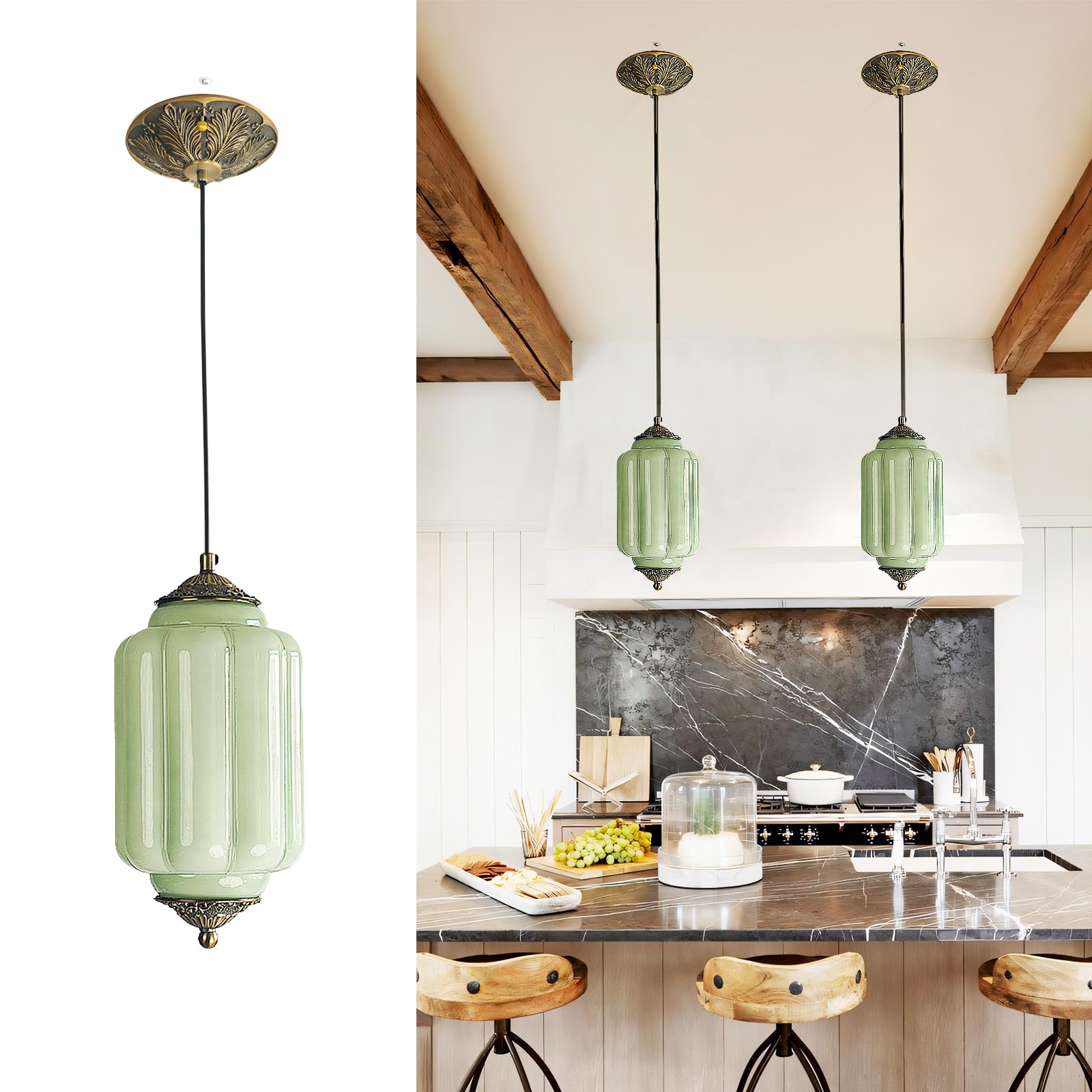
Lighting can carry color too, not just walls. A pendant light with green glass shades and brass hardware adds a warm glow that bounces green tones across the whole table. This is a great option if you’re renting and can’t paint the walls at all.
Tip: hang the fixture about 30 to 34 inches above the table surface so it doesn’t block sightlines across the table.
Art deco and vintage-inspired dining rooms love this look, but even a minimalist Scandinavian space can use one green glass pendant as a quiet accent.
With the lighting sorted, let’s bring in something living: actual plants.
7. Bring the Outdoors In with Potted Plants
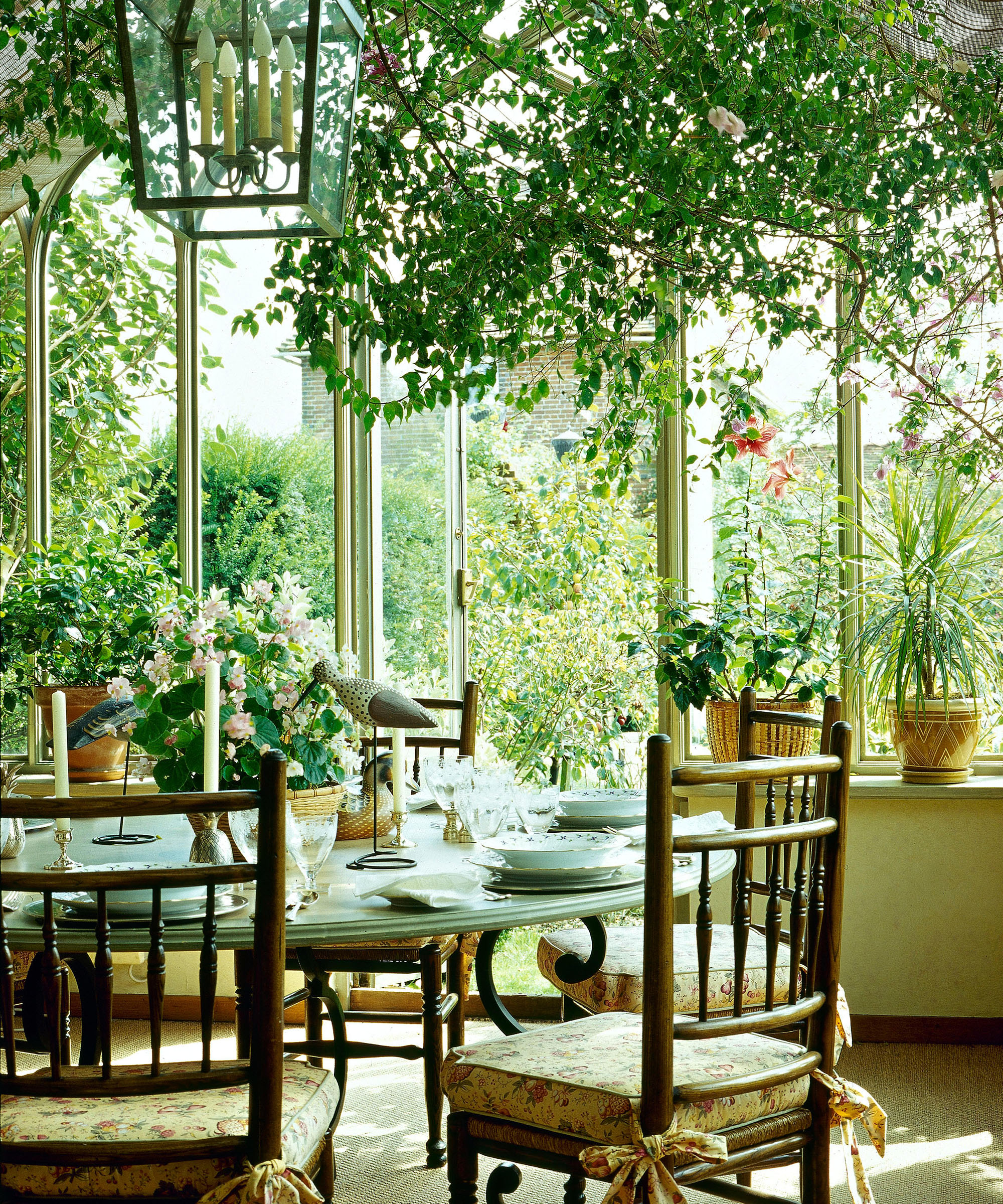
This one feels almost too obvious, but hear me out. A tall fiddle leaf fig or a trailing pothos in the corner of your dining room does more for the “green” theme than another can of paint sometimes. Plants add real texture, movement, and life that painted walls can’t fake.
Actionable tip: pick low-light tolerant plants like snake plants or ZZ plants if your dining room doesn’t get much natural sunlight.
Bohemian and coastal homes go all-in on this, filling corners with plants, but even a single plant in a corner works for minimalist or modern spaces.
Once you’ve got greenery growing, let’s talk about what’s covering your floor.
8. Add a Green and Cream Patterned Rug
A rug under the dining table grounds the whole space and adds warmth underfoot. Choose one with a green and cream pattern, like a faded vintage-style print, to tie the wall color and furniture together without matching everything perfectly.
Tip: your rug should extend at least 24 inches beyond the edge of the table on all sides so chairs don’t slide off when pulled out.
Traditional and eclectic homes can go bold with pattern here, while modern spaces should stick to simpler geometric green designs.
Now that the floor is covered, let’s talk trim and molding, because details matter more than people think.
9. Paint the Trim and Molding in a Deep Green

Instead of white trim, try painting your baseboards, crown molding, and door frames in a deep hunter green. This creates a cohesive, almost architectural look that feels intentional and expensive. It’s a subtle move that a lot of guests won’t consciously notice, but they’ll feel like the room is put together.
Practical tip: use a semi-gloss finish on trim since it’s more durable and easier to wipe clean than matte paint.
This works especially well in older homes with existing molding detail, like Victorian or colonial style houses.
Speaking of details, let’s look at what goes on your table when it’s set for dinner.
10. Style Your Table with Green Glassware and Linens
You don’t have to repaint anything to get a green dining room feel. Swap in green glassware, like colored wine glasses or water goblets, and a green linen tablecloth or runner. This is the lowest commitment option on this whole list, and it’s reversible for every meal if you want variety.
Tip: mix two shades of green glassware (like sage and emerald) instead of matching everything exactly. It looks more curated that way.
This works in literally every home style since it’s just decor, not a structural or paint choice.
Next, let’s zoom out and talk about how green pairs with other colors in the room.
Green Color Pairing Combinations
| Green Shade | Best Pairing Color | Style Vibe | Where to Use It |
|---|---|---|---|
| Sage + Cream | Soft neutral pairing | Farmhouse, coastal | Walls and linens |
| Forest + Brass | Rich, warm contrast | Traditional, art deco | Lighting and hardware |
| Olive + Terracotta | Earthy, grounded | Bohemian, Mediterranean | Rugs and pottery |
| Emerald + Gold | Bold, glamorous | Glam, maximalist | Chairs and frames |
| Mint + Blush | Playful, light | Modern, cottagecore | Accents and florals |
11. Use a Green Buffet or China Cabinet as a Focal Point
If painting the whole room feels too risky, paint just one piece of furniture instead. A buffet, sideboard, or china cabinet in deep green becomes a focal point that anchors the whole room. Keep the walls neutral so this piece really stands out.
Actionable tip: use chalk paint for an easy DIY finish, and add new brass or black hardware to make the piece feel updated.
This idea works especially well in traditional and transitional homes where furniture pieces are meant to be showcased, not hidden.
Now let’s think bigger picture: what if you want green without commitment to any fixed surface?
12. Layer Green Through Artwork and Framed Prints
Sometimes the easiest way to add green is through art. Botanical prints, abstract green paintings, or even framed pressed leaves can bring color to the walls without any paint or wallpaper commitment. Group a few small frames together in a gallery wall for more visual interest than one single piece.
Tip: use frames in a consistent finish, like all black or all natural wood, so the gallery wall feels cohesive even with different art inside.
This works in every home style imaginable since art is one of the easiest things to swap out as your taste changes.
Last but not least, let’s talk about mixing multiple greens together for a layered look.
13. Mix Multiple Shades of Green for a Layered Look
Don’t feel like you have to pick just one green. Sage walls, an olive rug, emerald chairs, and forest green trim can all live in the same room if you approach it thoughtfully. This layered look feels collected over time rather than matched from a single paint chart.
Practical tip: keep one green as the dominant shade (covering the most square footage) and use the others as smaller accents so the room doesn’t feel busy.
This mixed approach is a favorite in eclectic and maximalist homes, but even a minimalist space can pull off two shades of green if kept simple.
Tips for Success
- Test paint swatches on your actual walls, not just paper samples, since lighting changes everything.
- Balance dark greens with plenty of natural light or bright artificial lighting so the room doesn’t feel like a cave.
- Add metallic accents like brass or gold to keep deep greens from feeling flat or heavy.
- Don’t forget the ceiling. A painted green ceiling, sometimes called a “ceiling fifth wall,” can add unexpected depth.
- Keep upholstery fabrics practical. Dining chairs need stain-resistant materials more than any other seat in your house.
- Mix textures, like velvet, rattan, and wood, so the green doesn’t feel like one flat block of color.
- Start small if you’re nervous. A single accent wall or a few green accessories can tell you if you’re ready for more.
Common Mistakes and How to Avoid Them
Choosing too many bold greens at once
: Pick one dominant shade and treat other greens as smaller accents, not equal partners.
Ignoring the room’s natural light
: North-facing rooms need warmer, lighter greens like olive, while south-facing rooms can handle deeper shades like forest green.
Matching everything too perfectly
: Mix slightly different shades of green in your decor instead of buying a matching set. It looks more natural and collected.
Forgetting about contrast
: Pair green with cream, white, or warm wood tones so the room doesn’t feel flat or one-note.
Skipping a test patch on trim and furniture
: Paint a small hidden section first, especially on furniture, since some woods can bleed tannins through certain paint colors.
Overcrowding with plants and prints
: Choose two or three green elements to focus on rather than combining wallpaper, plants, rugs, and furniture all in deep green at once.
Similar Variations
- Botanical Green Dining Room: Leans heavily on real and printed plant life, with lots of leaf patterns and potted greenery.
- Coastal Green Dining Room: Combines sage and seafoam tones with light wood and white shiplap for a beachy feel.
- Dark Academia Green Dining Room: Uses forest green with dark wood, brass, and vintage books or art for a moody library feel.
- Mediterranean Olive Dining Room: Pairs olive green with terracotta tile, wrought iron, and warm textiles.
- Modern Emerald Dining Room: Sticks to clean lines, emerald accents, and minimal decor for a sleek, updated look.
- Cottagecore Mint Dining Room: Mixes mint green with florals, vintage china, and soft pastel accents for a whimsical touch.
Green isn’t just a color choice, it’s a mood you’re setting for every meal and every conversation that happens at your table. Whether you go bold with a forest green accent wall or keep it subtle with green glassware and a few potted plants, the goal is the same: a room that feels warm, welcoming, and a little alive.
I hope these ideas gave you a clear starting point for your own space. Pick one or two that feel right for your home, test them out, and build from there, because that’s really what these 13 Green Dining Room Ideas are meant to do: give you a starting point, not a strict rulebook.
Leave a Reply