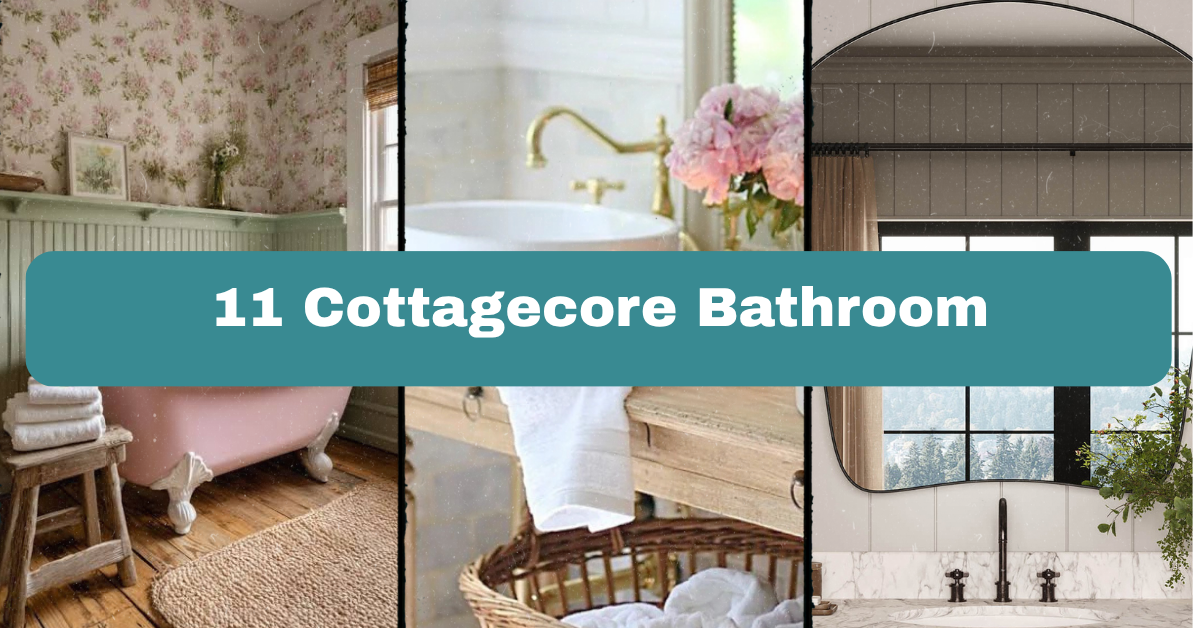
If you’ve been scrolling through home decor inspo and keep landing on soft florals, dried herbs, and vintage claw-foot tubs, I promise this guide on 11 cottagecore bathroom ideas will give you everything you need to actually pull off the look yourself. I’ve spent way too many hours studying this style, and I’m going to break it down so you don’t have to guess what works.
Cottagecore bathroom design blends rustic charm, vintage fixtures, and natural materials to create a cozy, old-world retreat inside a modern home. The style relies on soft color palettes, botanical touches, and handmade or antique-style decor to feel warm and lived-in rather than sterile.
But there’s a lot more to this style than throwing in a few dried flowers and calling it done. Stick with me and I’ll walk you through the small details that make a cottagecore bathroom feel real instead of like a cheap knockoff.
What Exactly Is Cottagecore, Anyway?
Okay, so before we jump into the ideas, let’s talk about what cottagecore actually means. It’s basically a design style inspired by countryside living, old farmhouses, and that “grandma’s cottage in the woods” vibe. Think soft linens, wildflowers in mismatched jars, and furniture that looks like it has a story behind it.
For bathrooms specifically, cottagecore leans into natural textures like wood, wicker, and stone. It avoids anything too shiny or high-tech. The goal is comfort, not luxury for luxury’s sake. It should feel like a space where you’d want to take a long bath with a book and a cup of tea, not rush in and out.
Now let’s get into the good stuff.
1. Choose a Soft, Muted Color Palette
Cottagecore bathrooms almost never use bright, bold colors. Instead, think sage green, buttery yellow, dusty rose, and creamy white. These shades feel calm and a little nostalgic, like an old photograph.
Paint your walls in a muted tone, then let your fixtures and textiles do the rest of the color storytelling. A sage green wall paired with white subway tile and brass fixtures looks straight out of a countryside cottage.
Practical tip: Test paint swatches at different times of day. Cottagecore colors should look soft in both morning light and evening lamp light, not harsh under either.
This palette adapts well to farmhouse and traditional homes, but even modern spaces can borrow the muted tones for a softer contrast against sleek lines.
Once your color base is set, it’s time to think about what’s holding your soap and towels.
2. Add a Vintage or Vintage-Style Vanity

Nothing says cottagecore louder than an old wooden vanity with a little wear and character. Look for pieces with turned legs, brass or ceramic knobs, and a slightly weathered finish.
If you can’t find an actual antique, plenty of furniture brands now make “vintage-inspired” vanities that mimic the look without the flea market hunting. A white or soft pastel vanity with a marble or butcher block top fits the aesthetic perfectly.
Practical tip: Check secondhand shops and estate sales before buying new. You’ll often find real vintage pieces for less money, and they add authentic charm you can’t fake.
This idea works beautifully in farmhouse and traditional bathrooms, and even coastal cottage spaces can use a whitewashed version for a beachy twist.
Next, let’s talk about what goes above that vanity.
3. Hang a Round or Oval Mirror With an Ornate Frame
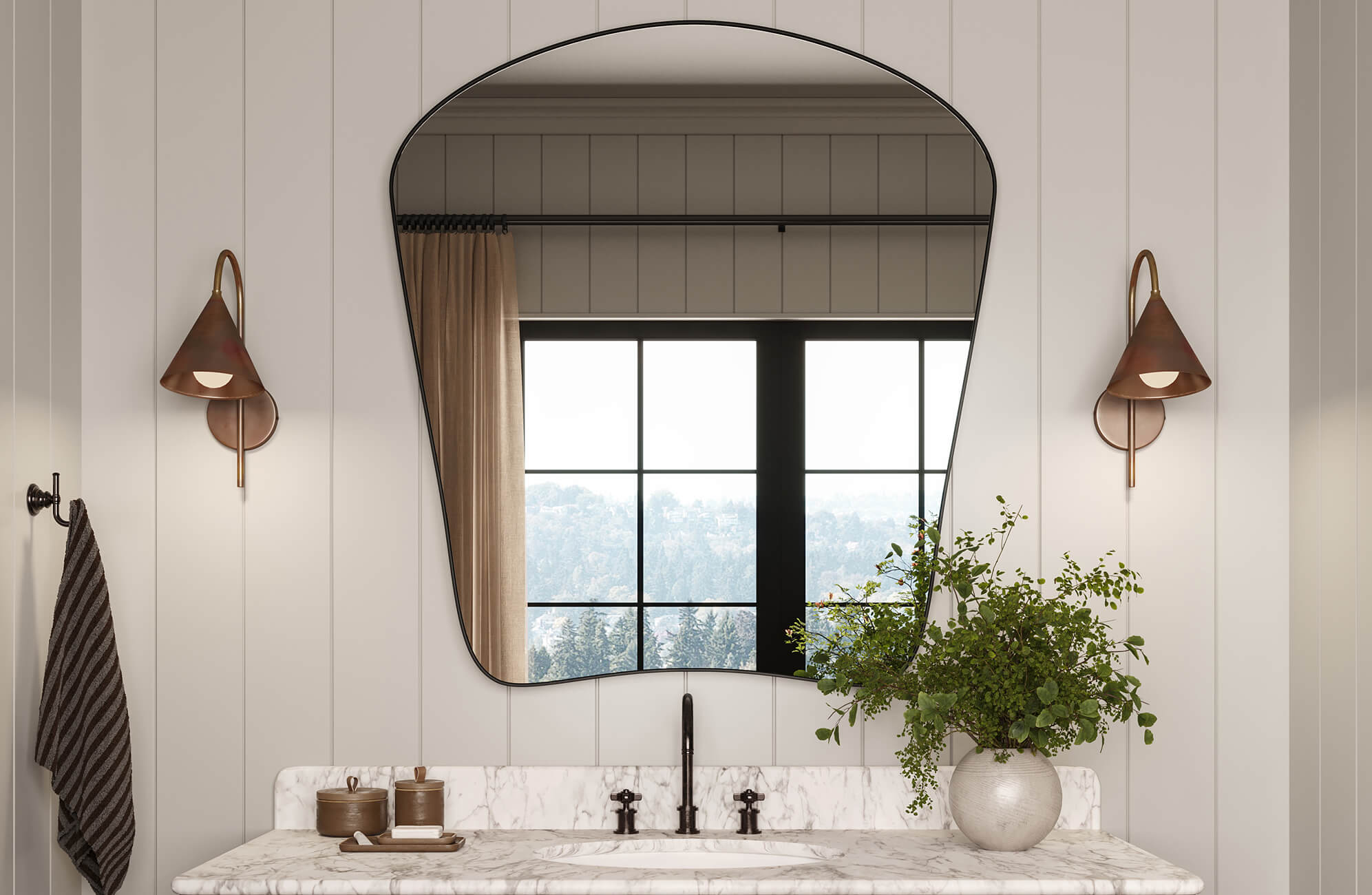
Skip the plain rectangular mirror. Cottagecore bathrooms usually feature round or oval mirrors with decorative frames, sometimes gold, sometimes carved wood.
The shape softens the whole room. Sharp corners feel modern and cold, while curves feel warm and old-fashioned. Look for frames with a slightly distressed or antique finish to match the vanity.
Practical tip: Hang the mirror a few inches lower than standard height. It creates a cozier, more intimate feel instead of a sterile hotel-bathroom look.
This detail works in almost any style, but pairs especially well with farmhouse, traditional, and even boho bathrooms looking for a softer edge.
Now let’s bring in some greenery, because no cottagecore space is complete without plants.
4. Fill Empty Corners With Potted Herbs and Dried Florals
Fresh herbs like lavender, rosemary, or eucalyptus bring life and a light scent to the room. If you don’t trust yourself with live plants (no judgment, I’ve killed my share), dried florals in a simple ceramic vase work just as well.
Place them on open shelves, windowsills, or even hanging from a small hook near the mirror. The goal is a slightly wild, gathered-from-the-garden feel, not a perfectly arranged bouquet.
Practical tip: Eucalyptus holds up well in humid bathrooms and dries out gracefully over time, so it’s a low-maintenance choice.
This works across farmhouse, boho, and traditional styles. Modern homes can even use one clean glass vase with dried stems for a minimalist cottagecore nod.
Speaking of shelves, let’s talk storage next.
5. Use Open Wooden Shelving Instead of Closed Cabinets
Closed cabinets hide everything, but cottagecore is about showing off pretty things. Open wooden shelves let you display folded towels, glass jars, and small trinkets.
Choose raw or lightly stained wood for the shelves. Avoid anything glossy or painted in a modern color. Stack towels in soft, neutral tones and add a small woven basket for extra storage.
Practical tip: Roll your towels instead of folding them flat. It adds texture and looks more like a boutique inn than a linen closet.
Open shelving fits cottagecore, farmhouse, and rustic coastal bathrooms especially well, giving a lived-in, homey touch.
Now, let’s move to the floor, because rugs matter more than people think.
6. Layer a Braided or Woven Rug for Texture
A plain bath mat just won’t cut it here. Cottagecore bathrooms often feature braided rugs, the kind your grandma might’ve made by hand, or woven jute mats that add texture underfoot.
Stick to natural fibers and muted colors. Avoid anything with a busy modern pattern. The rug should look like it belongs in a farmhouse kitchen just as much as a bathroom.
Practical tip: Choose a washable rug if your bathroom sees a lot of foot traffic or water splashes. Cotton braided rugs are easiest to clean.
This idea adapts well across farmhouse, coastal, and boho styles, all of which lean into natural textures underfoot.
Let’s talk lighting next, because it changes the whole mood of a room.
Color Palette Combinations for Cottagecore Bathrooms
| Palette Name | Wall Color | Accent Colors | Best Paired With |
|---|---|---|---|
| Garden Sage | Sage green | Cream, brass | Wood vanity, dried florals |
| Buttercream Cottage | Soft butter yellow | White, natural wicker | Gingham curtains, wood shelving |
| Dusty Rose Retreat | Pale dusty rose | Ivory, matte black | Vintage mirror, floral textiles |
| Farmhouse Neutral | Warm white | Sage, tan, brass | Braided rugs, open shelves |
| Coastal Cottage | Soft blue-gray | White, driftwood tones | Woven baskets, linen towels |
7. Install Warm, Soft Lighting Instead of Harsh Overheads
Bright white LED lighting kills the cottagecore mood instantly. Swap it for warm-toned bulbs, around 2700K to 3000K, which give off that soft, golden glow.
Consider adding a small wall sconce with a fabric or glass shade near the mirror. Candles on the counter or windowsill add even more warmth, especially during bath time.
Practical tip: Use dimmable bulbs so you can adjust brightness depending on whether it’s a quick morning routine or a slow evening soak.
Warm lighting adapts to nearly every home style, but it’s especially important in cottagecore, coastal, and farmhouse spaces where softness is the whole point.
Now let’s talk about one of my favorite details: the tub itself.
8. Choose a Claw-Foot or Slipper Tub as the Centerpiece

If your bathroom layout allows it, a claw-foot or slipper tub instantly transforms the space. These tubs have a classic, old-world silhouette that feels timeless rather than trendy.
Paint the exterior a soft color like sage or blush if you want a pop of personality, or keep it classic white for a more traditional look. Pair it with a simple fabric shower curtain hung on a curved rod if you also shower in the tub.
Practical tip: If a full claw-foot tub isn’t in your budget, look for a tub surround kit that mimics the shape at a fraction of the cost.
This centerpiece fits traditional, farmhouse, and vintage-inspired bathrooms best, though a slipper tub in a neutral tone can work in transitional spaces too.
Next, let’s dress up your windows.
9. Hang Simple Cotton or Linen Curtains Instead of Blinds

Skip the vinyl blinds. Cottagecore bathrooms favor soft, breathable fabrics like cotton or linen curtains, sometimes with a subtle floral or gingham pattern.
Keep the pattern small and the colors muted. A tiny floral print or simple stripe works better than anything bold or graphic. Hang the curtains on a thin brass or wood rod for an extra vintage touch.
Practical tip: Choose a moisture-resistant cotton blend if your bathroom doesn’t have great ventilation, so the fabric doesn’t develop mildew.
This detail works in farmhouse, traditional, and even some boho bathrooms looking to soften hard window lines.
Let’s move on to something a lot of people forget: the little details on your counter.
10. Style Your Counter With Glass Jars and Ceramic Dishes
Ditch the plastic bottles. Cottagecore bathrooms use glass apothecary jars for cotton balls and Q-tips, and small ceramic dishes for soap or jewelry.
This swap does double duty. It looks prettier, and it actually keeps your counter more organized. Look for jars with cork lids or simple glass stoppers for that old-fashioned pharmacy feel.
Practical tip: Thrift stores are goldmines for mismatched glass jars and dishes. You don’t need a matching set, slight variation actually looks more authentic.
This works across farmhouse, vintage, and even some minimalist bathrooms that want a touch of old-world charm without going overboard.
Now here’s a table to help you figure out where to spend your money.
Budget Tiers for a Cottagecore Bathroom Refresh
| Budget Level | What You Can Update | Estimated Cost Range |
|---|---|---|
| Small ($50-150) | Jars, towels, rug, dried florals | $50-150 |
| Medium ($150-500) | Add vintage mirror, light fixtures, curtains | $150-500 |
| Large ($500-1500) | Vanity swap, new tub surround, shelving | $500-1500 |
| Full Remodel ($1500+) | Claw-foot tub, tile work, full lighting overhaul | $1500-5000+ |
11. Add Handmade or Embroidered Textiles
Look for hand towels with embroidered flowers, crochet edges, or subtle lace trim. These small textile details make the whole bathroom feel handmade and personal, even if you bought everything online.
Swap out plain white towels for ones with a soft edge detail or a light pattern. A small crocheted basket for extra toilet paper adds charm too.
Practical tip: Etsy is a great place to find handmade cottagecore textiles from small shops, often at a similar price to big box stores.
This idea fits farmhouse, vintage, and traditional bathrooms especially well, giving that “made with love” feeling the whole style is built on.
Tips for Success
- Start with one or two big pieces, like the vanity or tub, before adding smaller decor so the room doesn’t feel cluttered.
- Stick to a limited color palette of three to four shades max to keep things cohesive.
- Mix textures on purpose. Combine wood, ceramic, glass, and fabric so nothing feels one-note.
- Shop secondhand first. Cottagecore practically requires a little imperfection to feel real.
- Keep hardware consistent, like all brass or all matte black, so the room doesn’t feel mismatched in a bad way.
- Don’t overdo the florals. A few well-placed stems look better than every surface covered in flowers.
- Prioritize function too. Pretty jars are great, but make sure your storage still works for daily life.
Common Mistakes and How to Avoid Them
Overusing bright florals and busy patterns
: Stick to one or two small-scale patterns max. Too many competing prints make the room feel chaotic instead of charming.
Choosing modern, glossy fixtures
: Swap shiny chrome for brushed brass, matte black, or aged bronze finishes that feel more old-world.
Forgetting about lighting temperature
: Replace cool white bulbs with warm-toned ones around 2700K to instantly soften the mood.
Skipping storage planning
: Open shelving looks great but needs organization. Use baskets or bins to hide less pretty essentials.
Buying everything brand new
: Authentic cottagecore charm comes from mixing new pieces with thrifted or vintage finds, not an all-new matching set.
Ignoring humidity and moisture issues
: Choose moisture-resistant fabrics and sealed wood finishes so your cottagecore touches actually last in a bathroom environment.
Similar Variations
- Farmhouse Bathroom – Similar rustic charm but leans more into shiplap walls and industrial-style fixtures.
- Coastal Cottage Bathroom – Softer blues and driftwood tones combined with cottagecore’s cozy textures.
- Vintage Boho Bathroom – Mixes cottagecore’s antique pieces with boho’s layered textiles and global patterns.
- French Countryside Bathroom – A more elegant cousin of cottagecore, with toile patterns and ornate details.
- Rustic Cabin Bathroom – Heavier on raw wood and stone, less on florals and pastel colors.
- Grandmillennial Bathroom – Combines traditional patterns like chintz with a slightly more polished, curated feel.
Cottagecore bathrooms aren’t about spending a fortune or gutting your whole space overnight. They’re about layering soft colors, natural textures, and a few vintage touches until the room feels warm, personal, and a little like a page out of an old storybook. Start small, thrift when you can, and let the space grow slowly instead of trying to force it all at once. However you choose to bring these ideas to life, I hope this list of 11 cottagecore bathroom ideas gives you a real starting point for building a space you’ll actually want to spend time in.
Leave a Reply