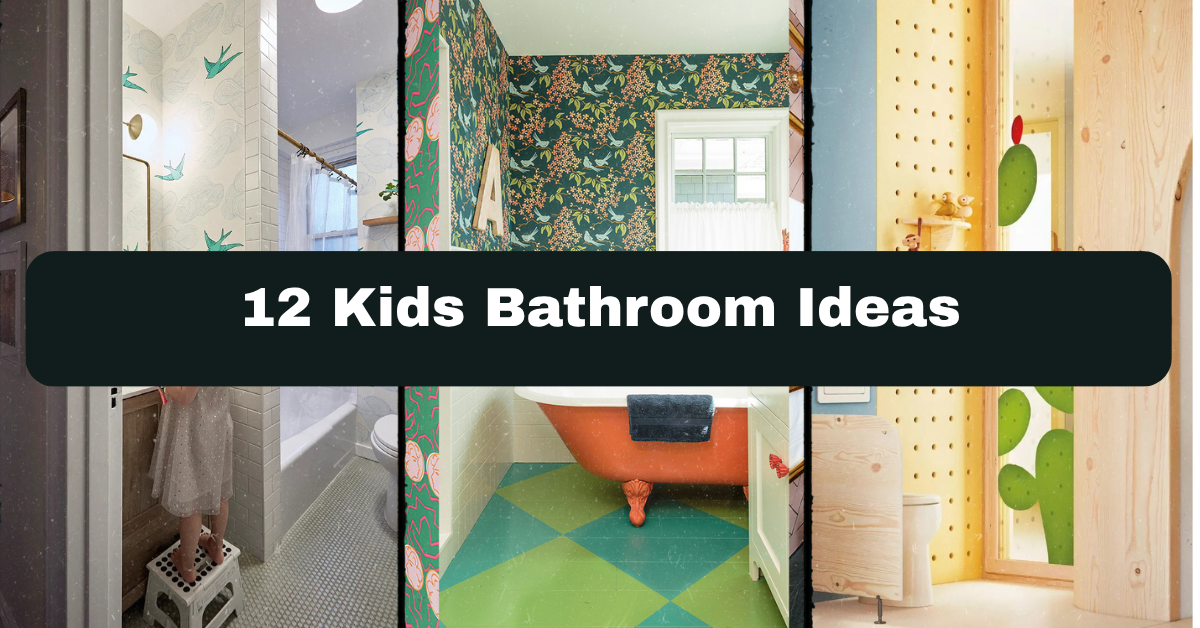
If you’re hunting for 10 Kids Bathroom Ideas that go beyond slapping a rubber duck sticker on the mirror, you’re in the right spot. I’ve dug through what actually holds up to bath time chaos and what just looks cute for five minutes before it’s ruined. This guide gives you real options that work for toddlers, tweens, and everyone in between.
A kids bathroom needs a design that balances fun with function, using durable materials, playful colors, and storage that grows with the child. The best setups mix safety features like non-slip flooring with decor kids actually enjoy using every day.
Stick around and I’ll walk you through twelve ideas, a few tables to help you plan smarter, and the mistakes I see parents make over and over again.
What Makes a Kids Bathroom Different Anyway?
Here’s the thing. A kids bathroom isn’t just a mini version of your bathroom. It’s a whole different beast. Little hands need lower sinks or step stools. Little feet need floors that won’t turn into ice rinks when wet. And little attention spans need something fun to look at, or bath time turns into a wrestling match every single night.
I’ve noticed the best kid bathrooms plan for growth too. What works for a three-year-old won’t cut it for a nine-year-old. So smart parents pick themes and storage that can shift over time instead of ripping everything out every few years.
1. Pick a Theme That Isn’t Too Trendy

I get it, dinosaurs are cool right now. But trends fade fast, and repainting a bathroom every two years is nobody’s idea of fun. Go with themes that have staying power, like ocean life, outer space, or simple nature scenes with trees and animals. These hold up because they’re not tied to one specific show or character that’ll be forgotten by next year.
Practical tip: Use removable wallpaper or decals for the trendy stuff, and keep paint colors neutral so swapping themes later is cheap and easy.
This works in almost any home style. Coastal homes can lean into the ocean theme naturally, while modern homes might do abstract shapes instead of literal animals. Once your theme is locked in, it’s time to think about color.
2. Use Bright but Balanced Color Palettes

Kids love color, but too much can feel chaotic fast. The trick is picking two or three main colors and letting one be the star. A bright yellow accent wall with white and soft gray everywhere else feels cheerful without giving anyone a headache.
Color Palette Combos That Work Well Together
| Palette Name | Main Color | Accent Color | Neutral | Best For |
|---|---|---|---|---|
| Ocean Breeze | Teal | Coral | White | Ages 3-8, coastal homes |
| Sunny Meadow | Yellow | Sage Green | Cream | Ages 2-6, farmhouse style |
| Galaxy Night | Navy | Silver | Light Gray | Ages 6-12, modern style |
| Berry Pop | Fuchsia | Lavender | White | Ages 4-10, eclectic style |
Pick a palette that matches your home’s existing style so the bathroom doesn’t feel disconnected from the rest of the house. From here, let’s talk about what’s on the floor, because that matters more than people think.
3. Choose Slip-Resistant Flooring First, Decorate Second

I know tile patterns are fun to shop for, but safety comes before style here. Textured porcelain tile or vinyl flooring with a slip-resistant coating should be top of your list. Water on smooth tile is basically a hazard waiting to happen with wet, soapy kid feet running around.
Practical tip: Ask for the coefficient of friction rating when buying tile. Anything above 0.6 is considered safer for wet areas.
Traditional homes often use small hexagon tiles in neutral tones, while modern homes might go with large-format tiles in bold colors. Either way, function has to come first. Once the floor is sorted, the next big decision is storage.
4. Add Low, Reachable Storage for Independence

Kids feel proud when they can grab their own towel or toothbrush without asking for help. Low shelves, baskets, and pull-out drawers at kid height make this possible. I always suggest open bins over closed cabinets for younger kids because it’s easier for them to see what’s inside.
Woven baskets work great for towels and toys, while labeled bins help with organizing bath toys, hair accessories, or extra toothpaste. This small change cuts down on the “I can’t find it” meltdowns.
Practical tip: Install one shelf specifically at your child’s eye level, even if it looks a little low to you.
This idea works everywhere, whether you’re going farmhouse with wicker baskets or modern with sleek acrylic bins. Now let’s talk about something kids actually look forward to using.
5. Install a Step Stool Station Near the Sink

A step stool sounds simple, but it changes everything. Kids can wash their hands, brush their teeth, and see themselves in the mirror without being lifted up every time. Look for stools with a wide, sturdy base and a non-slip top.
Some families build in a permanent wooden step with storage underneath for extra towels or supplies. Others just use a lightweight plastic stool that can be moved around as needed.
Practical tip: Pick a stool wide enough for two feet side by side, not narrow ones kids have to balance on.
Modern bathrooms often use built-in wood steps that blend into cabinetry, while traditional homes might just use a classic two-step stool. Speaking of the sink area, let’s cover fixtures next.
6. Swap in Kid-Friendly Faucets and Handles

Standard faucets can be tough for small hands to twist. Lever-style handles are way easier for kids to manage than round knobs. Some faucets even come with temperature-limiting features built in, which is a nice safety bonus.
Bright colored handles or fun shapes like animal-topped knobs add a playful touch without being over the top. Just make sure whatever you pick is still durable enough for daily little-hand use.
Practical tip: Look for faucets rated for high-frequency use since kids tend to turn things on and off more than necessary.
This detail fits any style. Coastal bathrooms might use brushed nickel with a beachy shape, while eclectic homes can go bold with colorful ceramic handles. Now, let’s think about what’s happening on the walls.
7. Use Washable Paint or Wall Panels

Bath time gets messy. Splashes, bubbles, and the occasional flying washcloth all end up on the walls eventually. Washable, semi-gloss paint holds up way better than flat paint, which stains and shows marks fast.
Wall panels made from waterproof PVC or beadboard are another solid option, especially near the tub area where water exposure is highest.
Practical tip: Test a small paint patch with a damp cloth before committing to a whole wall to make sure it truly wipes clean.
Traditional homes often like beadboard paneling, while modern spaces might prefer smooth, high-gloss painted walls. With walls handled, let’s move on to something every kid bathroom needs, good lighting.
8. Layer Lighting for Function and Fun

A single overhead light isn’t enough. Kids need bright, even lighting for brushing teeth and washing hands, but a softer nightlight option helps for late-night bathroom trips too. Combining overhead lighting with a small LED nightlight near the floor works well.
Some parents add color-changing LED strips under cabinets for a fun touch that doubles as functional lighting.
Practical tip: Choose LED bulbs with a color temperature around 3000K to 4000K for the main light, it’s bright but not harsh.
Modern bathrooms often use recessed lighting with smart color-changing bulbs, while farmhouse styles might stick to classic sconces with warm bulbs. Lighting sets the mood, but the tub area is where the real fun happens.
9. Choose a Tub or Shower Setup That Fits Their Age
A deep soaking tub works great for toddlers who need supervised baths, but older kids often prefer a shower they can use independently. Some families install a tub-shower combo with a removable showerhead that lowers for younger kids and raises as they grow.
Non-slip mats inside the tub are a must, no matter the age. Grab bars mounted at kid height also add extra security without looking clinical.
Practical tip: A handheld showerhead on a slide bar adapts easily as your child grows taller.
Tub/Shower Options by Age Group
| Age Range | Best Setup | Key Feature | Approx. Cost Range |
|---|---|---|---|
| 1-3 years | Deep soaking tub | Anti-slip mat | $200-$500 |
| 4-7 years | Tub-shower combo | Adjustable showerhead | $400-$900 |
| 8-12 years | Walk-in shower | Grab bars, bench seat | $700-$1,500 |
Coastal homes often pair this with beadboard surrounds, while modern homes go for frameless glass shower doors. Once the tub is sorted, don’t forget the small details that make the space feel personal.
10. Add a Chalkboard or Whiteboard Wall Section

This one’s a favorite in my book. A small chalkboard or whiteboard panel gives kids something to doodle on during bath time or brushing routines. It’s also handy for parents to write reminders like “brush for two minutes” or draw a simple chore chart.
Keep it low enough for kids to reach, and pick washable markers or chalk that won’t stain grout or tile nearby.
Practical tip: Frame the chalkboard section with washable trim so any accidental marks outside the board wipe off easily.
Eclectic and modern homes both love this feature since it adds personality without permanent commitment. Now, let’s talk about something that ties the whole room together, textiles.
11. Mix Playful Textiles Without Overdoing It

Towels, bath mats, and shower curtains are the easiest way to add personality without touching paint or tile. Stick to one or two patterns max, like stripes paired with a solid color, so the room doesn’t feel too busy.
Quick-dry, machine-washable fabrics are a must here since kid bathrooms see more spills and splashes than adult ones.
Practical tip: Choose darker colored bath mats since they hide water stains better than white ones.
Farmhouse bathrooms might use gingham patterns, while modern spaces stick to geometric prints in bold colors. Textiles are easy to swap, which brings us to our last big idea.
12. Create a Grow-With-Me Design Plan

Instead of designing for right now only, plan for the next five to seven years. Choose paint colors, tile, and fixtures that are neutral enough to stay, then swap decor items like towels, art, and storage bins as your child’s interests change.
This saves money long term and avoids full renovations every few years. It also means less waste, since you’re not tossing out expensive tile or cabinetry just because interests shifted from dinosaurs to soccer.
Practical tip: Keep big-ticket items (tile, tub, vanity) neutral, and let small, cheap items carry the personality.
This approach genuinely works for every home style because it’s less about a specific look and more about smart long-term planning.
Tips for Success
- Test all flooring and tub surfaces for slip resistance before installing, not after
- Keep cleaning supplies locked away, even in a “kid” bathroom
- Choose hardware that’s durable enough for rough daily use, not just decorative
- Involve your child in small choices like towel color to boost their excitement about the space
- Leave room in your storage plan for growth, don’t build it out completely for just toddler years
- Add a small rug outside the tub to catch water before it hits the main floor
- Check that mirrors are positioned low enough for kids to actually use them
Common Mistakes and How to Avoid Them
Choosing trendy character themes for permanent fixtures
: Save character themes for removable items like towels or shower curtains, not tile or paint.
Skipping slip-resistant flooring to save money
: Spend the extra money here. Bathroom falls are common, and safer flooring pays off long term.
Placing storage too high for kids to reach
: Add at least one low shelf or basket at your child’s height so they can be independent.
Using flat paint in a high-splash zone
: Stick to satin or semi-gloss paint, which wipes clean much easier than flat finishes.
Ignoring lighting needs for nighttime bathroom trips
: Add a simple nightlight near the floor so kids can see without turning on harsh overhead lights.
Overcrowding the room with too many patterns or colors
: Limit yourself to two or three main colors and one standout pattern to keep things visually calm.
Similar Variations
- Shared Sibling Bathroom – Designed with double sinks and separate storage zones so two kids can get ready without fighting over space.
- Nature Explorer Bathroom – Uses forest greens, wood tones, and animal motifs instead of primary colors for a calmer feel.
- Space Adventure Bathroom – Dark navy walls with glow-in-the-dark star decals and metallic accents for a fun nighttime vibe.
- Minimalist Kids Bathroom – Simple white and wood tones with just one or two playful accents, great for modern homes.
- Beach Bum Bathroom – Light blues, sandy neutrals, and rope or shell details for coastal-style homes.
- Sporty Kids Bathroom – Bold team colors, chalkboard scoreboards, and durable materials built for active kids.
Designing a kids bathroom really comes down to balancing safety, fun, and smart long-term planning so the space grows with your child instead of against them. Whether you go with a calm nature theme or a bold space adventure look, the goal stays the same: a room that’s safe, functional, and actually enjoyable for kids to use every single day. I hope these 10 Kids Bathroom Ideas (plus a couple bonus ones) give you exactly what you need to start planning your own space with confidence.
Leave a Reply