
If you’ve been searching for 10 earthy living room ideas that actually work in real homes (not just magazine spreads), you’ve landed in the right spot. I’ve spent way too many weekends redoing my own living space, and I’ve picked up a few things along the way that I’m excited to share.
An earthy living room uses natural materials, warm neutral colors, and organic textures like wood, stone, and woven fibers to create a calm, grounded space. The goal is a room that feels connected to nature rather than sterile or overly polished.
Stick around, because I’m going to walk you through more than just paint colors. We’re talking furniture, textures, layout tricks, and a few mistakes I made so you don’t have to.
What Makes a Living Room Feel “Earthy” Anyway?
Okay so let’s talk about what earthy actually means, because I used to think it just meant brown everything. It’s way more than that.
Earthy design pulls colors and textures straight from nature. Think clay, moss, sand, bark, and stone. It’s not about being fancy. It’s about feeling grounded and calm the second you walk in the room. Natural materials play a huge role here too, like linen, jute, rattan, and unfinished wood. The whole vibe should feel a little imperfect, a little worn, and totally cozy. That’s the magic of it.
Now let’s get into the good stuff.
1. Start With a Warm Neutral Base Palette
Your walls set the tone for everything else, so don’t skip this step. Go for warm off-whites, soft beiges, or light greige instead of stark white or cool gray. These colors act like a blank canvas that lets your natural textures shine.
Here’s a practical tip: test paint samples on your wall at different times of day. Lighting changes everything, and what looks perfect at noon might look flat by evening.
This idea works in almost any home style. Modern spaces can keep the neutral walls crisp and minimal, while traditional homes can layer in warmer trim colors. Once your base color is set, you can start building texture on top of it, which brings me to the next piece of the puzzle.
2. Bring in Natural Wood Furniture With Visible Grain
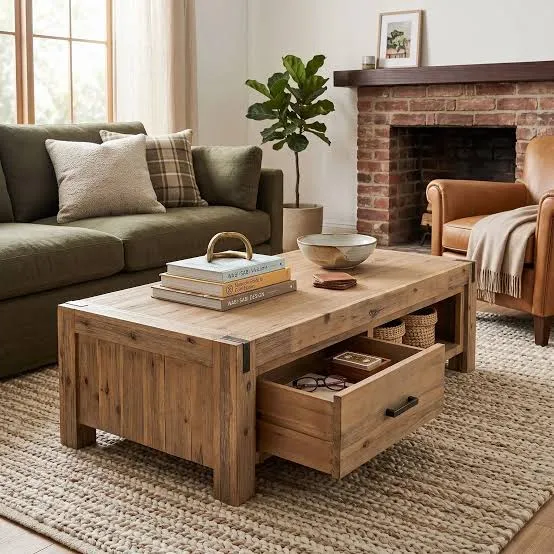
Furniture with actual wood grain showing does more work than you’d think. A coffee table or media console with visible knots and grain patterns instantly makes a room feel less staged and more lived-in.
Skip the painted or heavily lacquered pieces here. You want wood that still looks like wood. Oak, walnut, and reclaimed pine are solid choices because they age well and show character over time.
Quick tip: mix light and dark wood tones in the same room instead of matching everything perfectly. It looks more collected, less showroom.
Coastal homes might lean toward lighter woods like ash or whitewashed oak, while cabin-style spaces do great with darker, chunkier pieces. Once your furniture has that organic feel, the next step is softening things up with fabric.
3. Layer a Chunky Woven Rug for Warmth
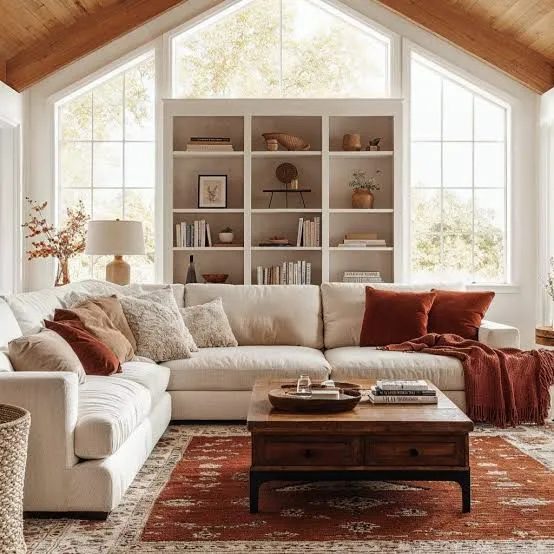
A rug does more than protect your floors. It anchors the whole room and adds serious texture underfoot. For an earthy look, go with jute, sisal, or wool rugs that have some visible weave to them.
I made the mistake once of buying a rug that was too small for my living room, and it made the whole space feel disconnected. Don’t do that. Measure your seating area first, and make sure the rug extends slightly under your furniture legs.
This works across styles too. Bohemian rooms can go bold with pattern, while minimalist spaces should stick to solid, natural tones. A great rug pulls the whole room together, and it pairs perfectly with the next idea: layered textiles.
4. Mix Linen, Wool, and Cotton Textiles Together
Throw pillows and blankets are cheap ways to add texture without committing to anything permanent. Go for a mix of linen, wool, and cotton in your pillow covers and throws. Each material catches light differently, which adds depth to your seating area.
Don’t match every pillow. Instead, pick 3 to 4 colors from the same earthy family (think terracotta, sage, and sand) and mix textures freely.
Traditional homes might add tassels or fringe for a classic touch, while modern spaces should keep textiles simple and unadorned. Now that your soft textures are handled, let’s talk about something a little more permanent: stone accents.
Earthy Color Palette Combinations
| Palette Name | Wall Color | Accent 1 | Accent 2 | Best For |
|---|---|---|---|---|
| Desert Sand | Warm beige | Terracotta | Rust orange | Bohemian, Southwestern |
| Forest Floor | Sage green | Chocolate brown | Cream | Traditional, Cabin |
| Clay & Stone | Light greige | Charcoal gray | Warm white | Modern, Minimalist |
| Coastal Earth | Soft white | Driftwood tan | Sea glass green | Coastal, Cottage |
| Autumn Harvest | Deep beige | Mustard yellow | Espresso brown | Farmhouse, Rustic |
5. Add Natural Stone or Concrete Elements
Stone brings a grounded, almost architectural feel to a living room. This could be a stone fireplace surround, a concrete side table, or even small decorative stones on a shelf.
If a full stone accent wall feels like too much, start small. A stone coaster set or a marble tray on your coffee table can introduce this texture without a big commitment.
Modern homes look great with polished concrete pieces, while rustic or cabin styles do better with rough, unfinished stone. Stone pairs beautifully with plants too, which is exactly where we’re headed next.
6. Fill Corners With Oversized Leafy Plants
Nothing says earthy quite like actual greenery. Big leafy plants like fiddle leaf figs, monstera, or rubber plants fill empty corners and bring life into the room.
Here’s my honest tip: if you don’t trust yourself to keep plants alive (no judgment, I’ve killed plenty), go for high-quality faux plants instead. Nobody will know unless they touch the leaves.
Coastal living rooms pair well with palms, while traditional spaces look great with ferns or olive trees. Once you’ve got some greenery going, it’s time to think about what’s holding your furniture together.
7. Choose a Low-Profile Sofa in a Natural Fabric
Your sofa is the biggest piece in the room, so its color and material matter a ton. Go for a low, relaxed silhouette in a natural fabric like linen, cotton blend, or boucle. Skip shiny leathers or synthetic velvets if you’re going for that earthy feel.
Stick to warm neutrals like oatmeal, camel, or soft clay for the sofa itself. This gives you flexibility to change up pillows and throws without worrying about clashing colors.
Modern homes can go with clean lines and boxy cushions, while traditional rooms might prefer rolled arms and tufted backs. A comfortable, natural sofa sets the stage for the lighting choices we’re about to cover.
8. Swap Bright Overhead Lights for Warm Ambient Sources
Harsh overhead lighting kills the cozy vibe fast. Instead, layer in table lamps, floor lamps, and maybe some string lights with warm bulbs (look for 2700K color temperature, it’s noticeably softer).
A dimmer switch is honestly one of the best investments you can make in a living room. It lets you adjust the mood depending on the time of day.
Farmhouse spaces often use exposed bulb fixtures for character, while modern rooms lean toward sleek, minimal lamp designs. Once your lighting feels right, let’s talk about adding some woven texture to your walls.
9. Hang Woven Wall Art or Natural Fiber Tapestries
Empty walls feel cold, but you don’t need traditional framed art to fix that. Woven wall hangings made from jute, macrame, or rattan add texture and warmth without a single drop of paint.
Look for pieces with fringe or tassels for extra dimension. A single large piece often looks better than several small ones scattered around.
Bohemian rooms can go big and layered with multiple hangings, while minimalist spaces should stick to one simple statement piece. Wall texture pairs really well with natural materials in your storage furniture too.
Budget Breakdown for an Earthy Living Room Refresh
| Item | Budget Option | Mid-Range Option | Higher-End Option |
|---|---|---|---|
| Area Rug (8×10) | $80-150 (jute blend) | $250-450 (wool) | $600-1,200 (handwoven) |
| Coffee Table | $100-200 (engineered wood) | $300-600 (solid oak) | $800-1,500 (reclaimed wood) |
| Sofa | $500-800 (linen blend) | $1,200-2,000 (performance fabric) | $2,500+ (custom upholstery) |
| Wall Art/Hanging | $20-50 (small macrame) | $80-150 (medium tapestry) | $200-400 (large statement piece) |
| Plants (faux or real) | $15-30 each | $40-80 each | $100+ (large statement plant) |
10. Use Rattan or Wicker Storage Baskets
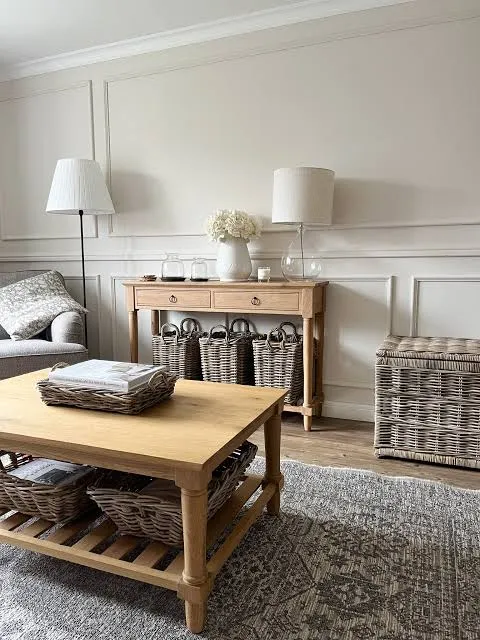
Baskets aren’t just for storing blankets and magazines. They’re a design element on their own. Rattan and wicker baskets bring in that natural fiber texture while giving you a place to hide clutter.
Stack a few different sizes together near your sofa or under a console table. It looks intentional and solves a real storage problem at the same time.
Coastal and bohemian homes can go bigger and more textured with their basket choices, while modern spaces should stick to cleaner, tighter-woven options. Storage solved, let’s move on to something a little more sculptural.
Tips for Success
- Start with one big change (rug, sofa, or wall color) before buying smaller accessories, so everything has a chance to work together.
- Shop secondhand for wood furniture pieces. Older solid wood often has more character than new pieces.
- Keep your color palette to 3-4 main tones max so the room doesn’t feel busy.
- Bring home fabric and paint samples before committing to anything big.
- Don’t forget the ceiling. A warm wood beam or simple pendant light finishes the look from top to bottom.
- Rotate your decorative pieces seasonally to keep the space feeling fresh without a full redesign.
- Trust texture over pattern when you’re not sure what to add next.
Common Mistakes and How to Avoid Them
Buying furniture that’s too matchy
: Fix it by mixing wood tones and fabric textures instead of buying a matching furniture set.
Choosing cool-toned neutrals instead of warm ones
: Fix it by testing paint swatches with warm undertones (think beige over gray) before painting your walls.
Overcrowding shelves with too many small objects
: Fix it by grouping items in odd numbers and leaving some empty space for the eye to rest.
Skipping texture in favor of color
: Fix it by adding at least three different textures (wood, woven fiber, ceramic) to every room.
Using harsh, cool white lighting
: Fix it by switching to warm bulbs around 2700K and adding lamps instead of relying on overhead lights.
Forgetting about scale when buying a rug
: Fix it by measuring your seating area first and choosing a rug that extends under the front legs of your furniture.
Similar Variations
- Desert Boho: Combines earthy tones with Southwestern patterns, terracotta pottery, and warm rust colors.
- Coastal Earth: Mixes driftwood textures and sea glass greens with classic earthy neutrals for a beachy but grounded feel.
- Japandi Natural: Blends Japanese minimalism with earthy Scandinavian textures for a calm, clutter-free space.
- Rustic Farmhouse: Leans heavier into distressed wood, cast iron accents, and deeper autumn color tones.
- Modern Organic: Keeps earthy materials but pairs them with cleaner lines and a more minimal, less cluttered layout.
- Cottagecore Cozy: Adds florals and vintage textiles on top of an earthy neutral base for a softer, homier feel.
Building an earthy living room really comes down to layering natural materials, warm colors, and a few thoughtful decorative touches instead of chasing trends. Once you start mixing wood, woven fiber, and warm light together, the whole room just feels calmer. That’s really the whole point behind these 10 earthy living room ideas, giving you a space that feels grounded, warm, and totally yours.
Leave a Reply