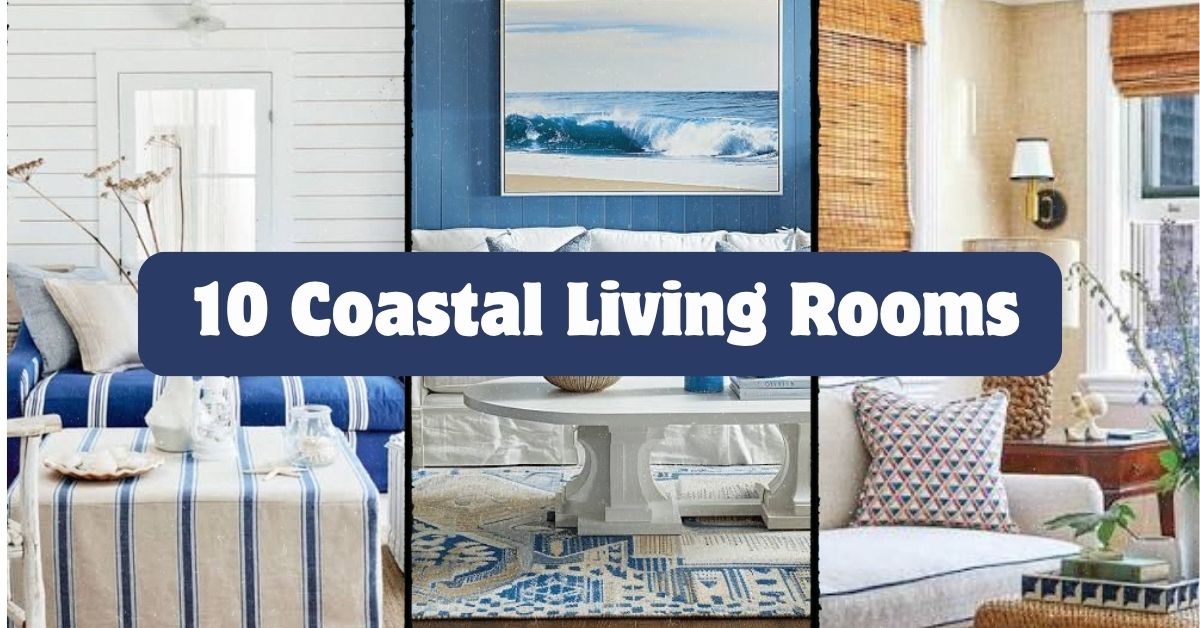
I’ve spent way too many hours scrolling through home design boards, and let me tell you, these 10 coastal living rooms are some of the best inspiration I’ve found for bringing that breezy beach feel into your own space. If you’re tired of your living room feeling flat and boring, you’re in the right spot. I promise this guide covers everything you need, no fluff, no guessing games.
A coastal living room is a space designed with light colors, natural textures, and beach-inspired accents to create an airy, relaxed feel. Common features include blue and white color schemes, woven materials, and nautical decor touches.
Stick around because I’m about to walk you through a dozen ways to get this look right, plus some mistakes to dodge along the way.
What Even Is “Coastal Style,” Anyway?
Okay, so before we jump into the good stuff, let’s talk about what coastal style actually means. It’s not just throwing a few seashells on your coffee table and calling it done. Coastal design is about capturing that feeling you get when you’re near the ocean. Think sunlight bouncing off water, sandy beaches, and salty air.
The colors are usually soft and light. The textures feel natural, like something you’d find washed up on shore. And the whole vibe should feel relaxed, not stuffy or formal. It’s beachy without being tacky. That’s the sweet spot we’re aiming for.
Now let’s get into the actual ideas.
1. Start With a Whites and Blues Color Palette
This one’s the classic coastal combo, and for good reason. White walls or trim paired with soft blue accents instantly say “beach house” without saying a word. Think crisp white sofas, navy throw pillows, and maybe a robin’s egg blue accent wall.
The trick is layering different shades of blue so it doesn’t look flat. Try pairing a deep navy rug with lighter periwinkle curtains. It creates depth without clashing.
Practical tip: paint one wall a soft ocean blue and keep the rest white. This gives you the color without overwhelming the room.
This palette works in almost any home style, from farmhouse to modern minimalist, because white and blue are timeless. Once your colors are set, it’s time to think about texture.
2. Bring in Natural Woven Textures
Woven textures are what make a coastal room feel grounded instead of sterile. I’m talking about jute rugs, rattan chairs, and wicker baskets. These materials add warmth and a handmade feel that pairs perfectly with all that white and blue.
A woven pouf or ottoman is an easy way to test this out without committing to a big furniture piece. You can also swap out a plain lampshade for one made of rattan or bamboo.
Quick tip: layer a chunky jute rug over a smaller patterned rug for extra texture and visual interest.
This idea adapts well to bohemian and farmhouse styles too, since both love natural materials. Once you’ve got texture covered, let’s talk about furniture shapes.
3. Choose Slipcovered Sofas for Easy, Breezy Comfort
Slipcovered sofas are a coastal living room staple. They look relaxed, they’re comfortable, and honestly, they’re practical too. If you spill something (and you will), you just toss the cover in the wash.
Look for slipcovers in linen or cotton blends. These fabrics have a slightly wrinkled, lived-in look that fits the coastal vibe perfectly. Skip anything too shiny or structured.
Actionable tip: choose a slipcover in an off-white or oatmeal shade so it doesn’t show every little stain immediately.
This works great in casual and cottage-style homes, though it might feel out of place in a formal traditional setting. Speaking of furniture, let’s talk about what goes on top of it.
4. Layer in Striped Throw Pillows and Blankets
Stripes are basically the unofficial pattern of coastal design. Whether it’s a classic nautical stripe or something more subtle, adding striped pillows or throws instantly boosts that seaside feeling.
I like mixing a bold navy and white stripe with a smaller, more subtle pattern like a herringbone or gingham. This keeps things interesting without looking too matchy.
Try this: use an odd number of pillows (three or five) on your sofa for a more natural, unstudied look.
Stripes translate well into preppy, traditional, and even modern farmhouse spaces. Now let’s move from soft textiles to something a bit more structural.
Coastal Color Palette Comparison
| Palette Style | Main Colors | Best For | Mood Created |
|---|---|---|---|
| Classic Nautical | Navy, White, Red accents | Traditional homes | Bold, crisp |
| Soft Seafoam | Seafoam green, cream, tan | Cottage style | Calm, gentle |
| Sandy Neutral | Beige, white, driftwood gray | Modern coastal | Warm, minimal |
| Ocean Breeze | Sky blue, white, soft aqua | Farmhouse coastal | Light, airy |
5. Add a Statement Driftwood or Reclaimed Wood Piece
Driftwood furniture or decor brings an authentic beachy touch that feels a little more elevated than your typical seashell decor. A driftwood coffee table, mirror frame, or even a decorative branch in a vase can add serious character.
The rough, weathered texture contrasts nicely with smooth linens and soft fabrics. It gives the room a lived-in, collected-over-time feel rather than looking like it came straight from a catalog.
Practical tip: if real driftwood is hard to find, look for reclaimed wood furniture instead. It has a similar texture and story.
This idea works beautifully in rustic and industrial coastal blends too. Once you’ve got some natural wood in the mix, let’s talk lighting.
6. Choose Rattan or Woven Pendant Lighting

Lighting can make or break a coastal room. Skip the crystal chandeliers and go for something woven instead. Rattan pendant lights or capiz shell fixtures add texture and a soft, diffused glow that feels warm and relaxed.
These fixtures work especially well over a reading nook or above a console table. The shadows they cast add a subtle, interesting pattern on the walls and ceiling.
Quick tip: pick a fixture with an open weave design so light filters through nicely, creating a cozy ambiance at night.
This lighting choice adapts well to bohemian, tropical, and even mid-century modern coastal spaces. With lighting sorted, let’s think about how to bring the outside in.
7. Incorporate Live Plants for a Fresh, Organic Feel
No coastal room feels complete without a little greenery. Plants add life, color, and a fresh, organic touch that pairs perfectly with all the natural textures we’ve talked about.
Go for plants that thrive in bright, indirect light, like a fiddle leaf fig, palm, or even a simple pothos. Place them in woven baskets or ceramic pots in soft, neutral tones to keep the coastal theme consistent.
Actionable tip: group two or three plants of different heights together near a window for a layered, jungle-like effect.
This idea works in literally every design style, coastal or not, because plants are universally good for a space. Now let’s talk about something a little more nautical.
8. Use Nautical Accents Sparingly but Intentionally
Here’s the thing about nautical decor: a little goes a long way. One or two well-placed pieces, like a ship’s wheel mirror or a rope-wrapped vase, add charm. Ten pieces, and suddenly your living room looks like a theme restaurant.
Pick a couple of standout pieces instead of covering every surface. A single striped anchor pillow or a small collection of shells in a glass jar works better than an overload of beach tchotchkes.
Practical tip: stick to one nautical “theme” item per major furniture piece (one on the coffee table, one on a shelf, and so on).
This restrained approach works well across coastal, preppy, and even modern farmhouse styles. Now, let’s talk flooring.
9. Choose Light Wood or Whitewashed Flooring
Flooring sets the tone for the whole room, and coastal spaces do best with light wood or whitewashed floors. This mimics that sun-bleached boardwalk look and keeps the space feeling bright and open.
If replacing your floors isn’t in the budget right now, a large jute or sisal area rug can create a similar visual effect. Just make sure it’s light in color to keep things airy.
Quick tip: avoid dark wood floors if you’re going for true coastal style. They tend to make the room feel heavier and less breezy.
This flooring choice works especially well in open-concept homes and modern coastal designs. Next, let’s talk window treatments.
10. Hang Light, Airy Curtains
Heavy drapes have no business in a coastal living room. Instead, go for lightweight linen or cotton curtains in white, cream, or a soft blue. These let in natural light while still giving you some privacy.
Sheer curtains work great too, especially if you want that gentle, billowy movement when a breeze comes through an open window.
Practical tip: hang your curtain rods a few inches above the window frame to make ceilings look taller and let in more light.
This works in almost every design style since light curtains are pretty universally flattering to a room. Now, let’s cover furniture layout.
Budget Breakdown for a Coastal Living Room Refresh
| Budget Tier | What You Can Afford | Example Items |
|---|---|---|
| Under $200 | Small accents, textiles | Throw pillows, a jute rug, curtains |
| $200-$800 | Mid-size furniture pieces | Accent chair, pendant light, coffee table |
| $800-$2,000 | Major furniture swaps | Slipcovered sofa, area rug, driftwood mirror |
| $2,000+ | Full room overhaul | New flooring, custom furniture, built-ins |
Tips for Success
- Start small. Pick two or three ideas from this list instead of trying to do everything at once.
- Stick to a consistent color palette so the room doesn’t feel chaotic.
- Mix textures generously. Smooth, rough, woven, and soft should all show up somewhere in the room.
- Don’t be afraid of empty space. Coastal design loves breathing room.
- Shop secondhand for driftwood, rattan, and wicker pieces. They often look better with a little wear anyway.
- Keep window treatments light so natural light stays the star of the show.
- Add plants last, once your color and texture foundation is set.
Common Mistakes and How to Avoid Them
Overdoing the nautical theme
: Stick to one or two nautical accents per room instead of covering every surface with anchors and shells.
Choosing dark, heavy furniture
: Opt for lighter wood tones and slipcovered or linen furniture instead to keep the room feeling airy.
Ignoring texture
: Add woven baskets, jute rugs, or rattan lighting so the room doesn’t feel flat or one-dimensional.
Using too many bright colors
: Stick to a soft, muted palette of blues, whites, and sandy neutrals rather than bold primary colors.
Skipping natural light
: Use sheer or lightweight curtains instead of heavy drapes so sunlight can actually get into the room.
Forgetting scale
: Measure your space before buying furniture so pieces don’t overwhelm or underwhelm the room.
Similar Variations
- Coastal Boho: Mixes beachy blues and whites with bohemian patterns, macrame, and warm earthy tones.
- Modern Coastal: A cleaner, more minimalist take on coastal style with sleek furniture and fewer decorative accents.
- Cottage Coastal: Leans into a cozy, vintage feel with floral prints, painted furniture, and softer color palettes.
- Nautical Traditional: A more formal coastal look with classic navy and white stripes, brass accents, and structured furniture.
- Tropical Coastal: Adds bold greenery, rattan furniture, and warmer tones for a more vacation-inspired feel.
- Desert Coastal: Blends sandy neutrals and warm terracotta tones with coastal textures for a sun-baked, relaxed look.
Getting the coastal look right really comes down to color, texture, and keeping things simple. You don’t need to buy every seashell at the craft store or repaint your whole house navy blue. Just focus on light colors, natural materials, and a relaxed layout, and you’ll be most of the way there.
I hope this list gave you plenty of ideas to steal for your own space. Whether you go all in or just borrow a tip or two, these 10 coastal living rooms (and the extra ideas I snuck in) should give you a solid starting point for bringing that beachy, relaxed feeling home.
Leave a Reply