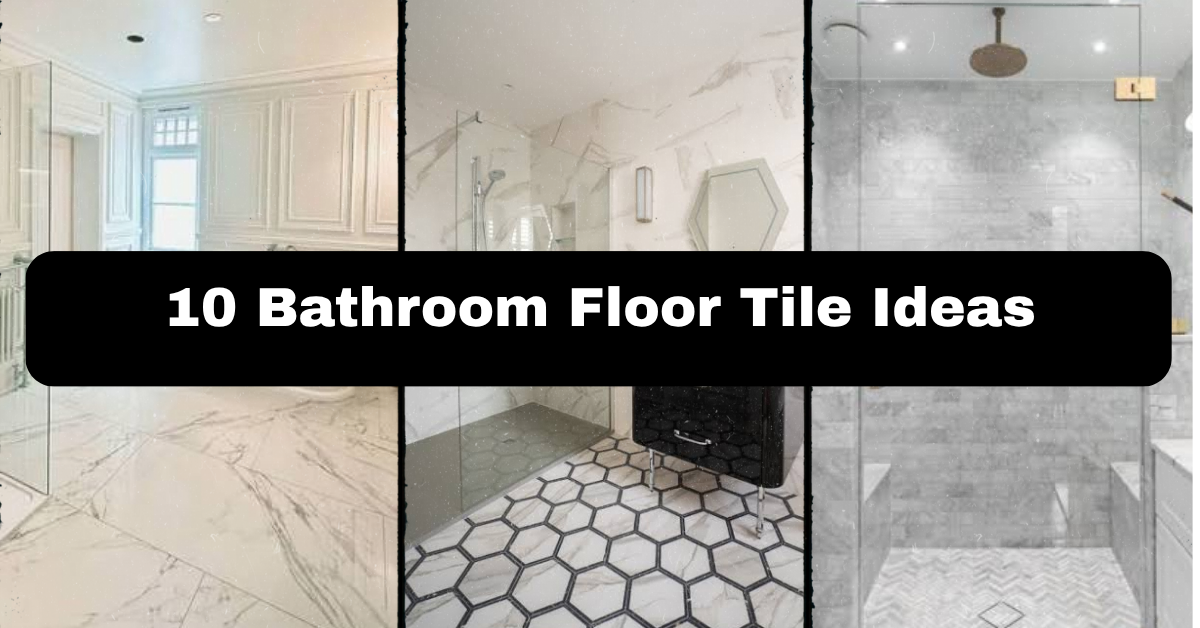
If you’re stressing over which direction to go with your bathroom floor, these 10 bathroom floor tile ideas will walk you through every option that actually holds up in real life. I’ve spent way too many hours staring at tile samples on my bathroom floor, so let me save you some time and headache.
Bathroom floor tile choice depends on three things: water resistance, slip safety, and style match with the rest of the room. Porcelain and ceramic tiles remain the top picks for most homes because they resist moisture and come in nearly unlimited styles. The right tile size, color, and texture can also make a small bathroom feel bigger or a plain one feel custom.
Stick around, because I’m about to break down which tiles work for tiny powder rooms, which ones hide dirt best, and which style mistakes I made so you don’t have to.
What Makes Bathroom Floor Tile Different From Other Flooring
Bathroom floors deal with stuff other rooms never see. Splashed water. Steam. Bare wet feet. That’s why not every tile that looks good in a kitchen or hallway works here. You need something that grips a little, sheds water fast, and doesn’t turn into an ice rink the second it gets damp.
I learned this the hard way with a glossy tile that looked amazing in photos but turned my bathroom into a slip-and-slide. Texture and finish matter just as much as color. So as we go through these ideas, I’ll flag which ones are safe for wet feet and which ones need a bath mat as backup.
1. Go Bold with Large Format Porcelain Slabs
Big tiles are having a moment, and for good reason. Fewer grout lines mean less scrubbing and a cleaner, more open look. Large format porcelain (think 24×24 inches or bigger) makes small bathrooms feel less chopped up because your eye doesn’t stop at every seam.
Porcelain also handles moisture like a champ since it’s fired at high heat and barely absorbs water. Pick a matte or textured finish so it’s not slippery when wet.
Practical tip: ask your installer about “large format” underlayment requirements, since these tiles need a super flat subfloor or they’ll crack.
This style fits modern and minimalist bathrooms best, but a warm gray slab can soften into a transitional look too. Now, if big and bold isn’t your thing, let’s shrink things down a bit.
2. Try Small Hexagon Tiles for a Retro Touch
Hexagon tiles bring instant personality without screaming for attention. They’re a classic choice, especially in white or black, and they give off that old-school barbershop or vintage hotel bathroom vibe.
Small hex tiles (around 1 to 2 inches) also mean more grout lines, which actually helps with slip resistance. That’s a nice bonus in a room where wet feet are guaranteed.
Practical tip: mix in a few colored or patterned hex tiles to create a border or center medallion for a custom touch without a custom price tag.
Hexagons adapt well to traditional, farmhouse, and even art deco styles depending on the color and layout you choose. Next up, let’s talk about a pattern that’s basically impossible to mess up.
3. Use a Classic Herringbone Layout
Herringbone isn’t a tile type, it’s a layout. You take rectangular tiles and lay them in a zigzag V pattern. It instantly makes a floor look more expensive and intentional, even if the tile itself is basic and affordable.
This pattern works great with subway-style tiles, marble look porcelain, or even wood-look planks. It adds visual movement to a small bathroom without adding clutter.
Practical tip: herringbone takes more cuts and labor, so budget extra for installation time, not just materials.
This layout fits almost any style, from coastal cottage to modern farmhouse, just by changing the tile color and finish. Speaking of color, let’s talk about going darker.
4. Embrace Dark Tile for a Moody, High-End Look
Dark floors get overlooked because people worry they’ll make a small room feel smaller. Actually, the opposite can happen. A deep charcoal, black, or espresso tile grounds the room and makes white fixtures and walls pop even harder.
Dark tile also hides water spots and hair way better than light tile. Anyone with a dog or long hair knows this is a real perk.
Practical tip: pair dark floors with a lighter vanity or wall color so the room doesn’t feel like a cave.
This works especially well in modern, industrial, and moody traditional bathrooms. If dark feels too intense, don’t worry, there’s a lighter version of this same idea coming up.
5. Brighten Things Up with Light Gray or Greige Tile
Light gray and greige (that gray-beige combo) tiles are the safe middle ground. They hide dirt reasonably well, they don’t scream any one decade or trend, and they play nice with almost every wall color.
These tones also bounce light around, which helps windowless bathrooms feel less like a cave.
Practical tip: choose a tile with subtle veining or texture instead of flat solid gray, so the floor doesn’t look like poured concrete.
Light neutral tile works in coastal, Scandinavian, transitional, and modern farmhouse bathrooms without any real limits. Now let’s compare some popular tile materials side by side so you can see how they stack up.
Bathroom Floor Tile Material Comparison
| Material | Water Resistance | Average Cost per Sq Ft | Slip Risk When Wet | Best For |
|---|---|---|---|---|
| Porcelain | Excellent | $3 – $10 | Low (matte finish) | High-traffic, family bathrooms |
| Ceramic | Very Good | $2 – $7 | Low to Medium | Budget remodels |
| Natural Stone (marble, travertine) | Fair, needs sealing | $8 – $20 | High if polished | Upscale primary baths |
| Luxury Vinyl Tile | Excellent | $2 – $6 | Low | Rentals, quick updates |
| Cement Look Tile | Very Good | $4 – $9 | Medium | Modern, industrial style |
6. Add Warmth with Wood-Look Porcelain Planks
I get it, real wood in a bathroom sounds like a bad idea, and it usually is. But wood-look porcelain planks give you that warm, cozy feel without the warping risk. They’re printed with realistic wood grain and sealed to handle moisture just fine.
This option makes a bathroom feel less clinical and more like an extension of the rest of your home, especially if you have wood floors in nearby rooms.
Practical tip: lay the planks in the same direction as flooring in adjoining rooms so the transition feels seamless.
Wood-look tile fits farmhouse, coastal, Scandinavian, and transitional homes especially well. If you want even more texture, let’s go natural stone.
7. Bring in Natural Stone for a Spa-Like Feel
Travertine, slate, and marble bring a texture and depth that manmade tile struggles to copy exactly. Stone floors feel cool underfoot and give off a high-end, spa-like mood the second you walk in.
The tradeoff is upkeep. Stone is porous, so it needs sealing now and then to resist stains and water damage.
Practical tip: choose honed (matte) stone instead of polished for bathroom floors, since honed finishes are far less slippery.
Natural stone leans into traditional, Mediterranean, and luxury modern bathrooms best. Next, let’s talk about a pattern-heavy option for people who want their floor to be the star of the show.
8. Make a Statement with Encaustic or Patterned Tile
Patterned tile, sometimes called encaustic tile, brings color and geometric design right into the floor itself. Think Moroccan-inspired shapes, Victorian-style florals, or bold geometric repeats.
This is the one design choice in the whole bathroom that can single-handedly set the entire mood. A patterned floor means your walls, vanity, and towels can stay simple.
Practical tip: if you love pattern but worry about commitment, use it only in a small powder room instead of a primary bath, so it feels special rather than overwhelming.
Patterned tile fits bohemian, Mediterranean, vintage, and eclectic bathrooms beautifully. Now let’s cool things down with an idea that plays it safer.
9. Keep It Timeless with Classic White Subway-Style Floor Tile
Subway tile isn’t just for walls anymore. Laying it on the floor, especially in a herringbone or basket weave pattern, gives a clean, timeless look that will never feel dated.
White floors brighten small windowless bathrooms and make the whole space feel fresh and clean, literally and visually.
Practical tip: use a light gray grout instead of stark white, since white grout shows dirt and stains fast on floors.
This idea is basically bulletproof across styles, from farmhouse to modern to traditional. Let’s move into a tile idea built for texture lovers.
10. Add Texture with Matte, Slip-Resistant Tile Finishes
Sometimes the boldest design move is choosing safety and texture over shine. Matte finish tiles with a slight texture (sometimes labeled “R10” or higher slip rating) are a smart pick for anyone with kids, older family members, or just a house full of clumsy people (me, I’m the clumsy one).
These tiles come in every color and material now, so you’re not sacrificing style for function.
Practical tip: ask for the tile’s slip rating before buying, don’t just guess by looking at it in the showroom.
This works in every design style since it’s about finish, not look. Now let’s cover two more ideas that don’t get talked about enough.
11. Use Mosaic Tile for the Shower Floor and Continue It Onto the Bathroom Floor
Tiny mosaic tiles, usually a sheet of small squares or pebbles, are common in showers because they handle slopes and drains well. Continuing that same mosaic out past the shower curb creates a smooth visual flow instead of a hard stop.
This trick works especially well in smaller bathrooms where every visual break makes the room feel choppier.
Practical tip: stick to one mosaic color story throughout so the continuous look doesn’t feel busy.
This idea shines in modern, spa-style, and Japanese-inspired bathrooms. Last but not least, let’s talk budget.
12. Choose Luxury Vinyl Tile for a Budget-Friendly Waterproof Option
Luxury vinyl tile, or LVT, isn’t ceramic or porcelain, but it deserves a spot on this list because it’s genuinely waterproof and comfortable underfoot. It’s also usually cheaper and faster to install than traditional tile.
LVT comes in wood looks, stone looks, and patterned designs, so you’re not stuck with a boring option just because it’s budget-friendly.
Practical tip: check the wear layer thickness before buying, thicker wear layers last longer in high-traffic bathrooms.
LVT works in nearly every style since it mimics other materials so convincingly. With all 12 ideas on the table, let’s talk budget ranges so you know what to expect.
Bathroom Floor Tile Budget Tiers (Materials Only, Per Average 40 Sq Ft Bathroom)
| Budget Tier | Price Range | Typical Materials | What You Get |
|---|---|---|---|
| Budget | $100 – $300 | Basic ceramic, LVT | Solid function, limited pattern choice |
| Mid-Range | $300 – $700 | Porcelain, wood-look porcelain | Good style variety, durable |
| High-End | $700 – $1,500 | Natural stone, custom patterned tile | Unique look, higher upkeep |
| Luxury | $1,500+ | Imported marble, custom mosaics | Showpiece flooring, professional install needed |
Tips for Success
- Always ask for the slip rating (COF or DCOF number) before buying floor tile, not just the wall tile version of the same design.
- Order at least 10% extra tile to cover cuts, breaks, and future repairs.
- Test tile samples at home under your actual bathroom lighting before committing.
- Choose grout color based on maintenance tolerance, darker grout hides stains longer.
- Match tile scale to room size, oversized tile in a tiny bathroom needs fewer, larger cuts, which is actually easier to install cleanly.
- Get a moisture-resistant underlayment for any wood-look or stone tile installation.
Common Mistakes and How to Avoid Them
Choosing polished, glossy tile for the floor
: Glossy finishes look great but turn dangerously slick when wet. Choose matte or textured finishes instead.
Ignoring subfloor prep
: Uneven subfloors cause cracked tile and grout down the line. Have your installer check flatness before laying anything.
Picking floor color without checking wall and vanity color together
: A floor that looks great alone can clash with existing fixtures. Bring home samples and view them together first.
Using tiny tile in a large bathroom
: Too many grout lines in a big space can look busy and dated fast. Scale tile size to room size.
Skipping the sealant on natural stone
: Unsealed stone stains and absorbs water, leading to damage over time. Reseal every 12 to 18 months depending on the stone type.
Forgetting about heated flooring during install
: Radiant floor heating is much easier to add during a full tile replacement than after. Decide before the old floor comes out.
Similar Variations
- Spa-Style Bathroom Floors: Focuses on natural stone, muted tones, and continuous mosaic flow from shower to floor.
- Vintage Revival Bathroom Floors: Leans on hexagon and encaustic patterned tile paired with classic fixtures.
- Modern Minimalist Bathroom Floors: Uses large format porcelain slabs in neutral tones with minimal grout lines.
- Coastal Bathroom Floors: Combines light wood-look tile with white subway patterns for a beachy, airy feel.
- Industrial Bathroom Floors: Pairs cement-look tile with dark grout and matte black fixtures.
I’ve covered a lot of ground here, from bold patterned floors to safe, budget-friendly vinyl options. The truth is there’s no single “best” tile, just the best one for your space, your budget, and how much upkeep you’re willing to do. Whatever direction you land on, I hope these 10 bathroom floor tile ideas gave you a clearer picture of what will actually work in your home.
Leave a Reply